
For all the new Buddhas in the West posts
follow us on Bluesky & Instagram
What did Buddhist Monks look like to Europeans? At least one visual tradition going back to the late 17th century depicts Buddhist monks in comedic caricature, possibly wearing attire similar to court minstrels. The figures here are identified as “bonzes chinois” (Chinese clerics).

There’s plenty of research yet to be done in this arena. This image appeared in Auguste Wahlen’s Mœurs, usages et costumes de tous les peuples du monde in 1843, showing the durability of this trope. The illustration was executed by Edouard Vermorcken.
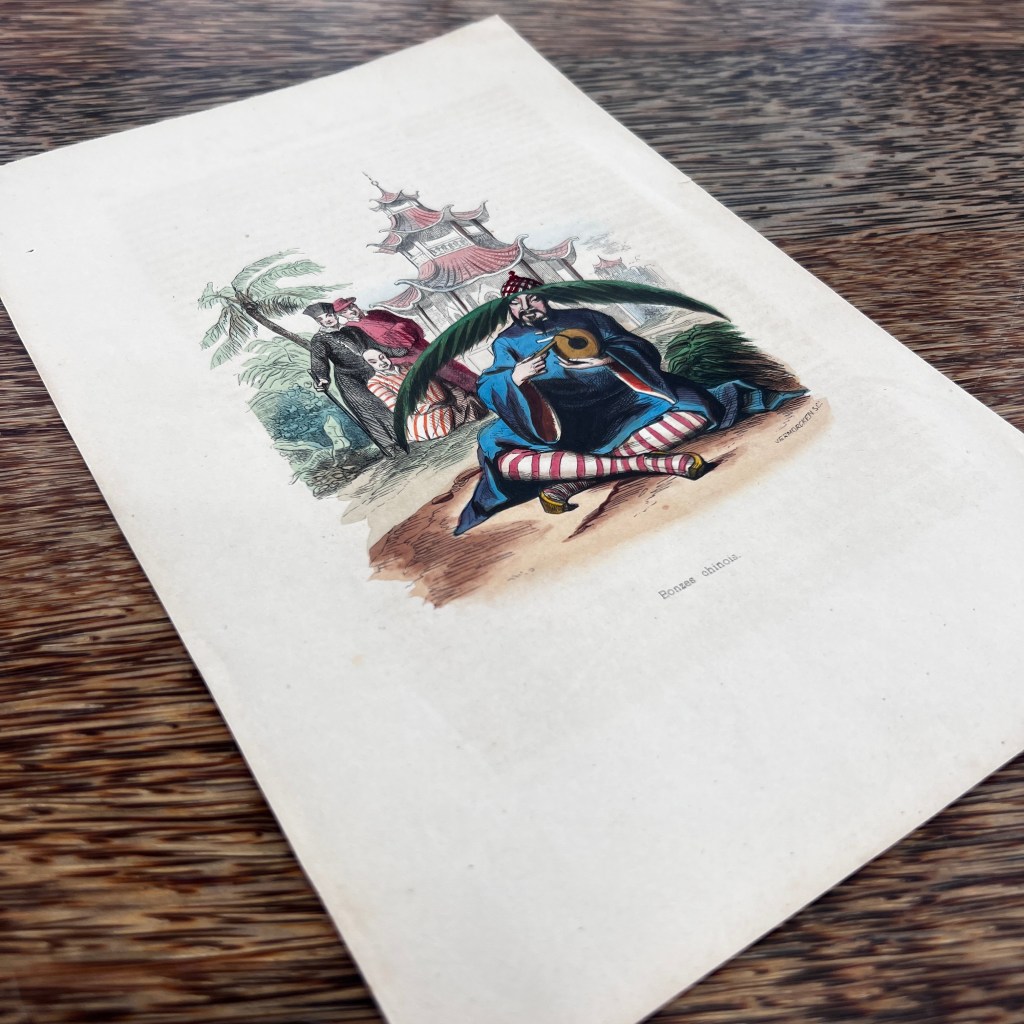
Wahlen tells us Europeans generically call Buddhist monks “bonzes” – which is a corruption of the Japanese bonsō 凡僧, “cleric.” He also acknowledges Chinese monks are called “heshang” 和尚 and Tibetan monks “lamas.”
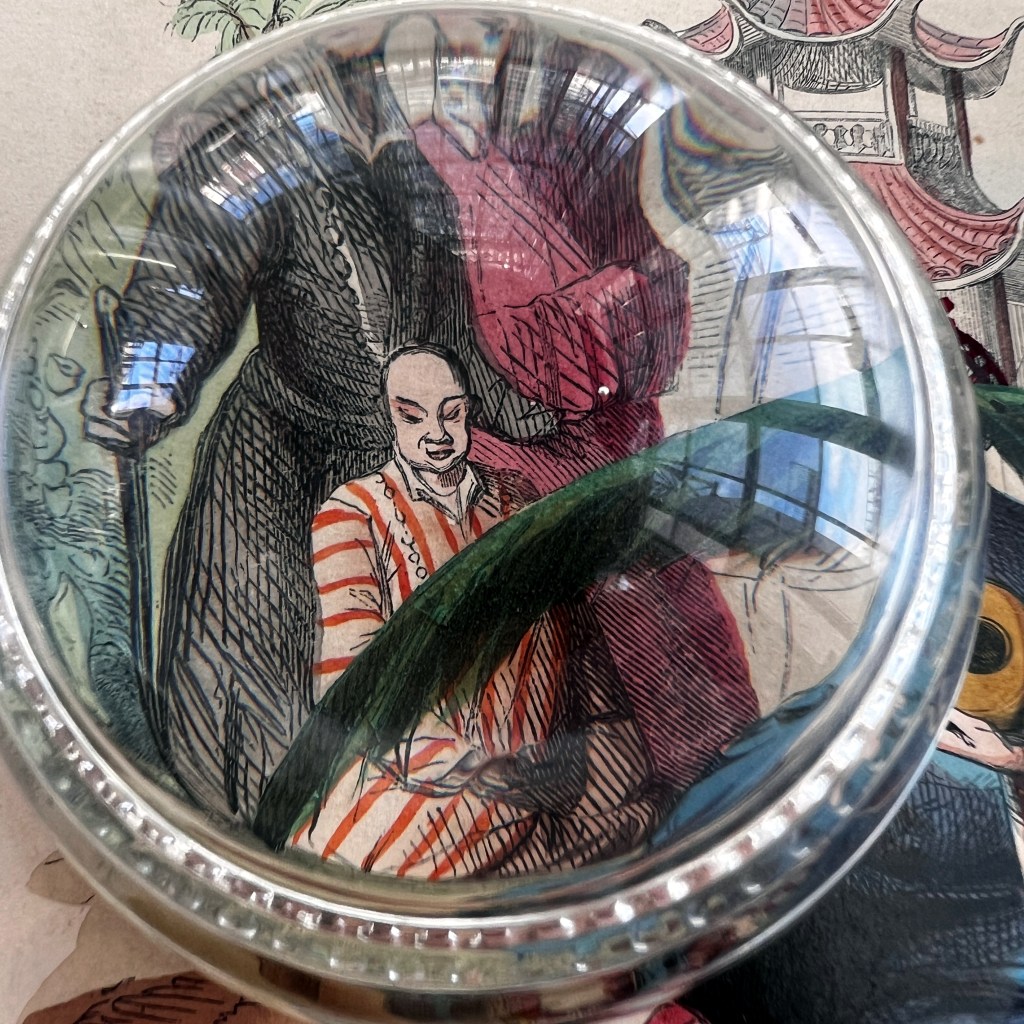
While Wahlen does not address the monk’s clothing, he does note their use of musical instruments ritual practice. Identified in the text as a “machine de bois, creuse et de forme ovale” (wooden, hollow, oval-shaped instrument), this instrument is now commonly called a “wooden fish.”

Wahlen’s book and accompanying illustrations have been scanned by the Getty Research Institute, available here: https://tinyurl.com/5n6pyedy #BuddhasInTheWest
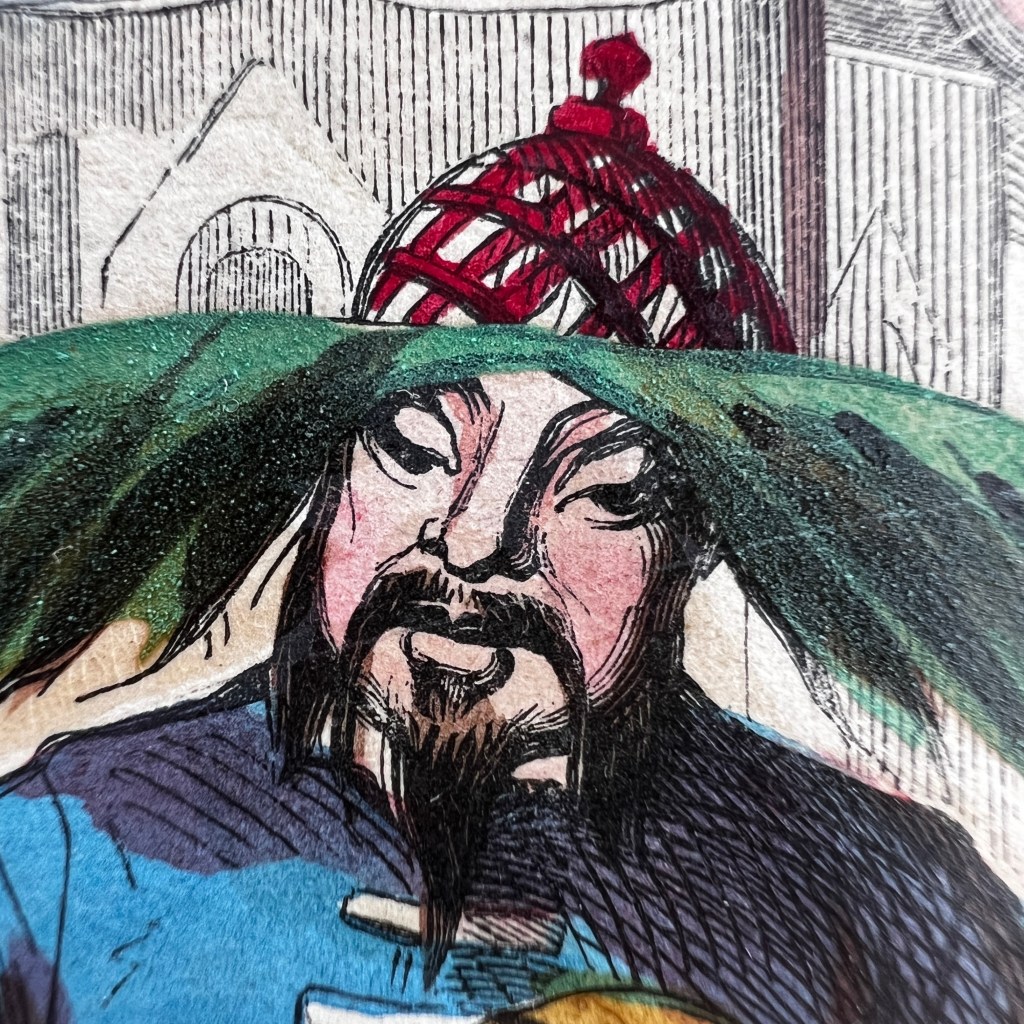

The Buddhas in the West Material Archive is a digital scholarship project that catalogues artifacts depicting Buddhist material culture for Western audiences. It’s comprised of prints, photos, and an assortment of ephemera and other objects. For a brief introduction to this archive, visit the main Buddhas in the West project page.
For Related Buddhas in the West Posts Featuring Historical Engravings:


For the Most Recent Buddhas in the West Posts:




 Personal Site of Peter Romaskiewicz