Chinese Idolatry Stock Advertising Card

For all the new Buddhas in the West posts
follow us on Bluesky & Instagram


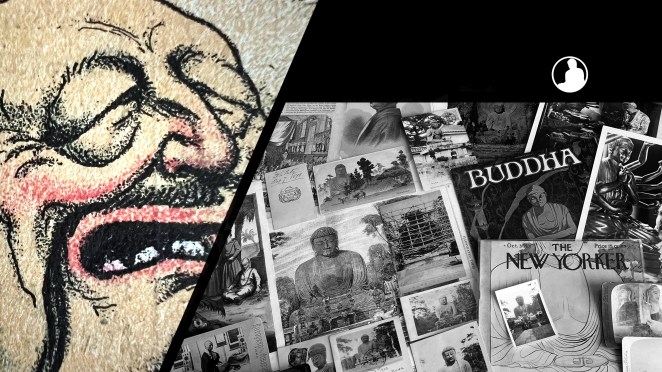
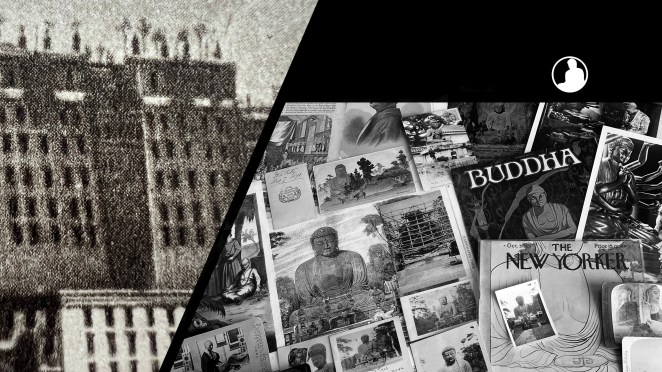
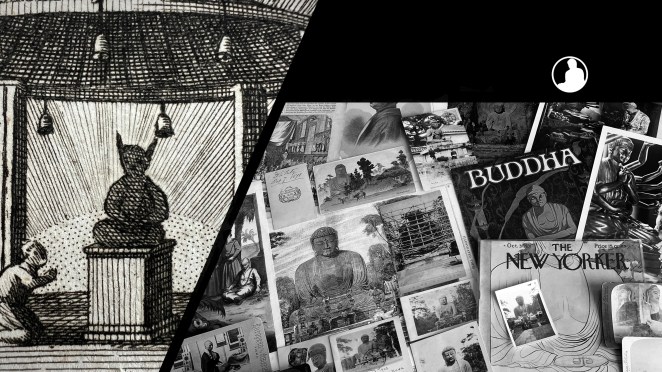
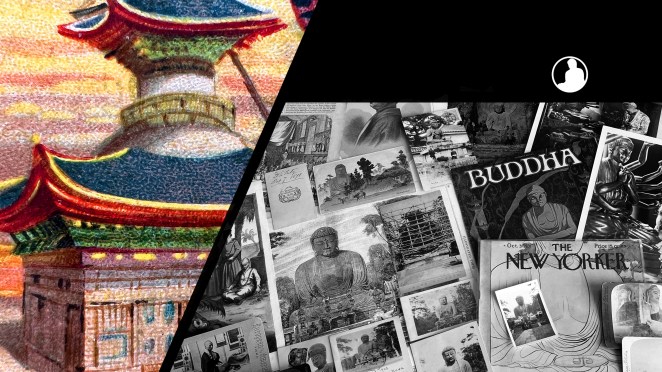
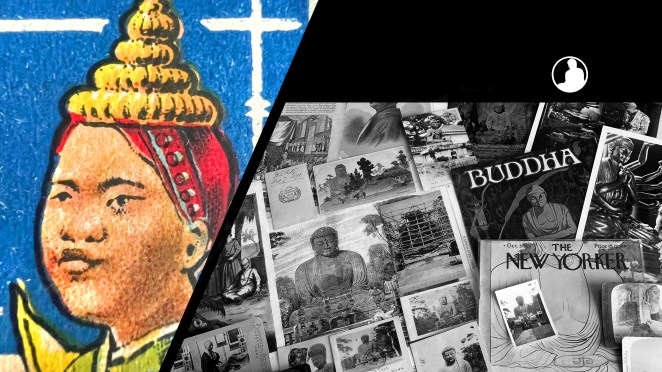
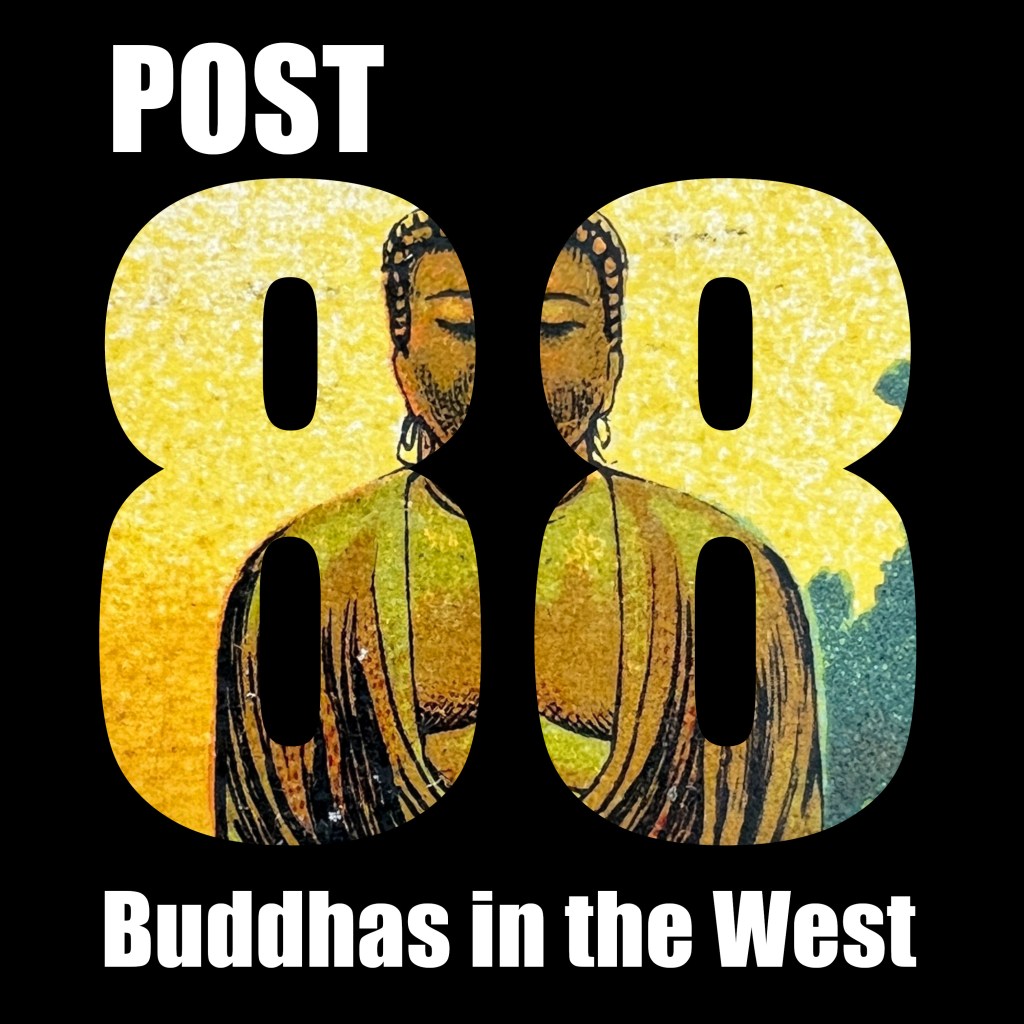
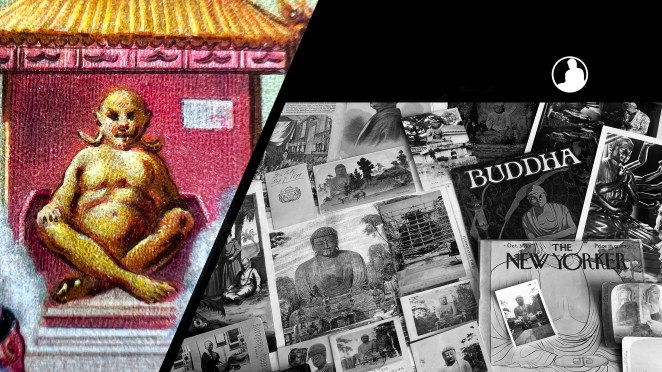
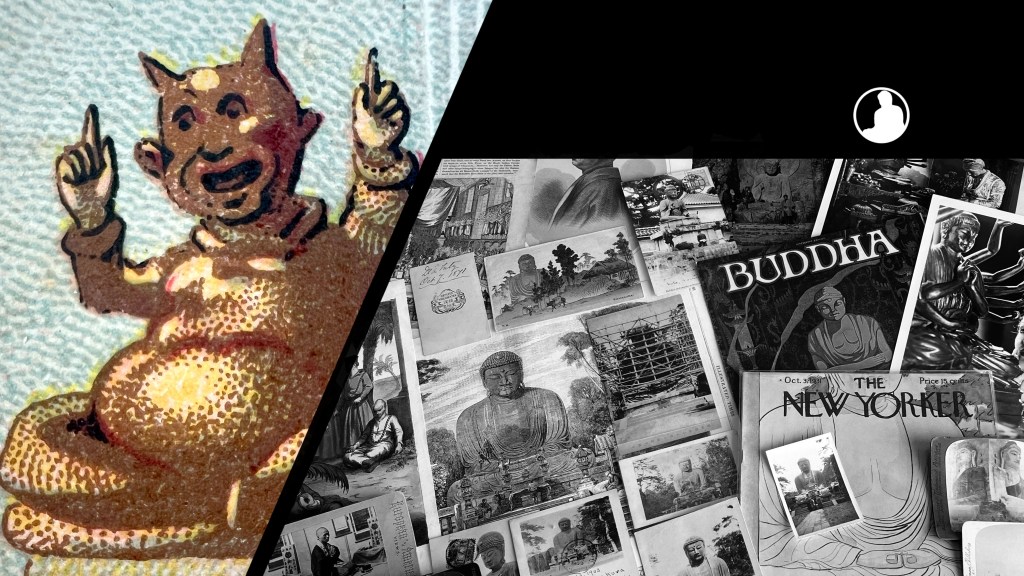
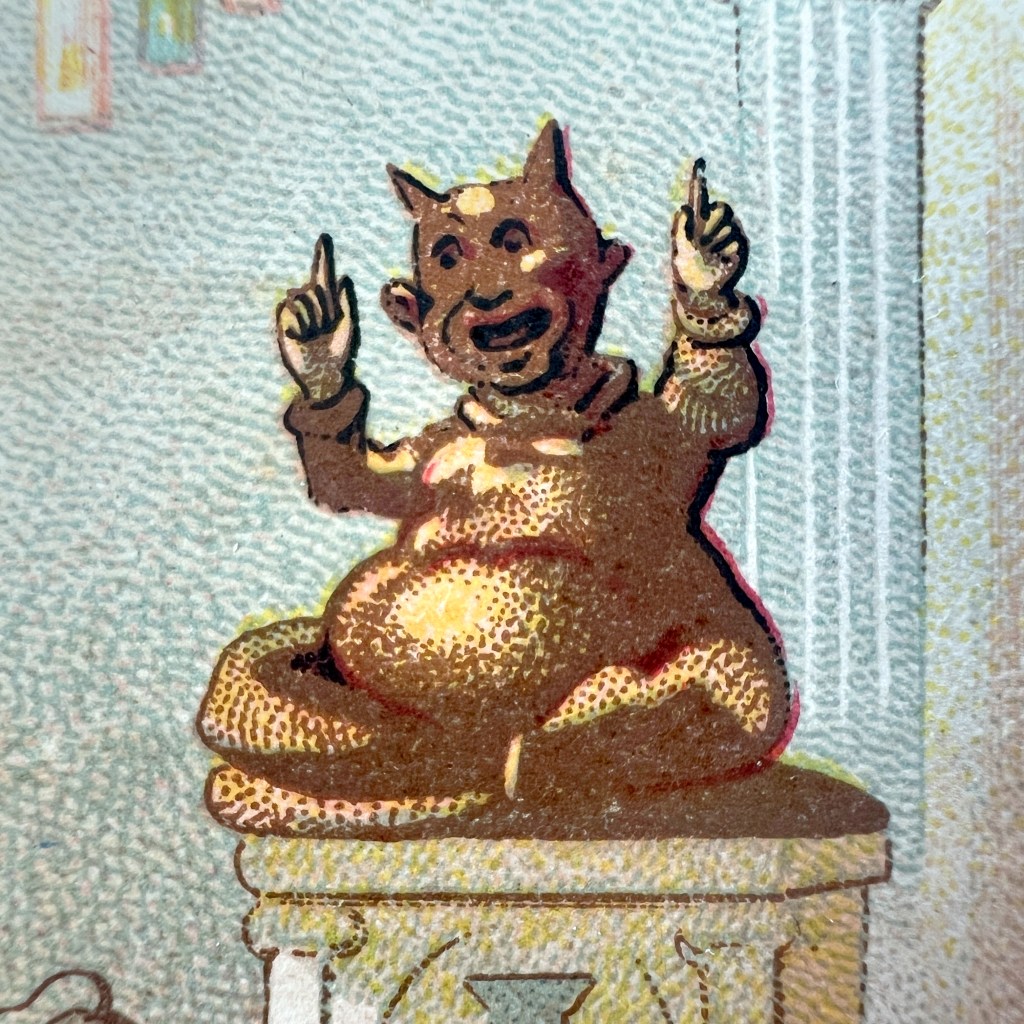
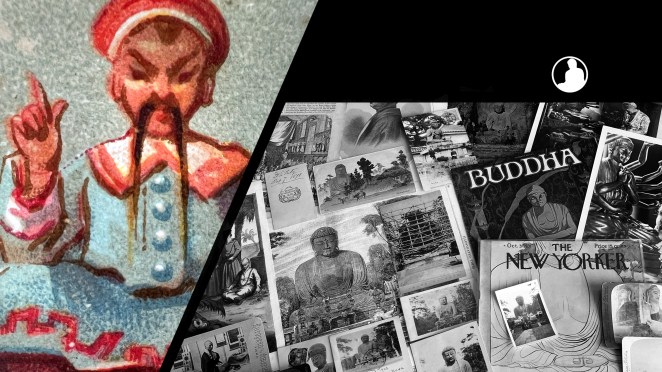
Victorian trade cards often employed the same visual language found in contemporary political cartoons. In the late 1870s and 1880s, as anti-Chinese xenophobia intensified in the US, depictions of the “heathen chinee” prostrating before Buddhist idols became more widespread.
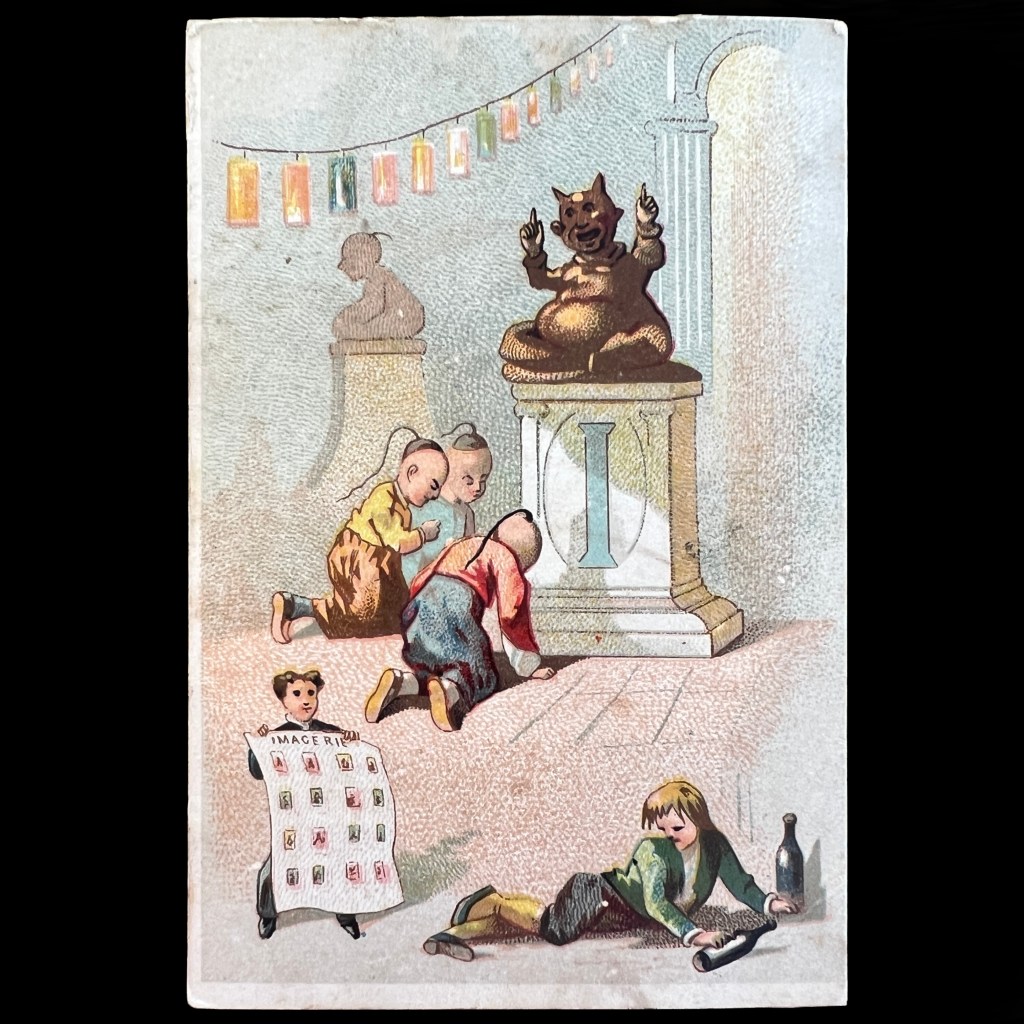
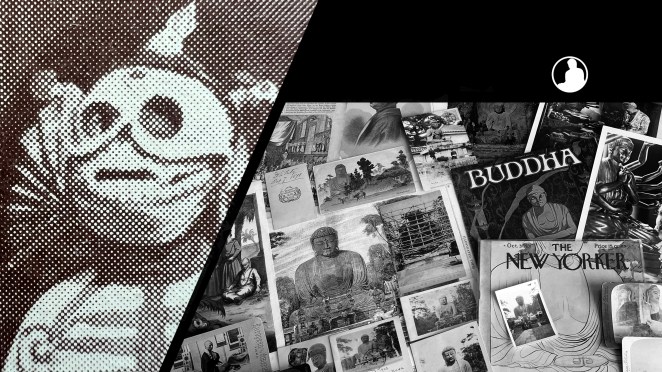
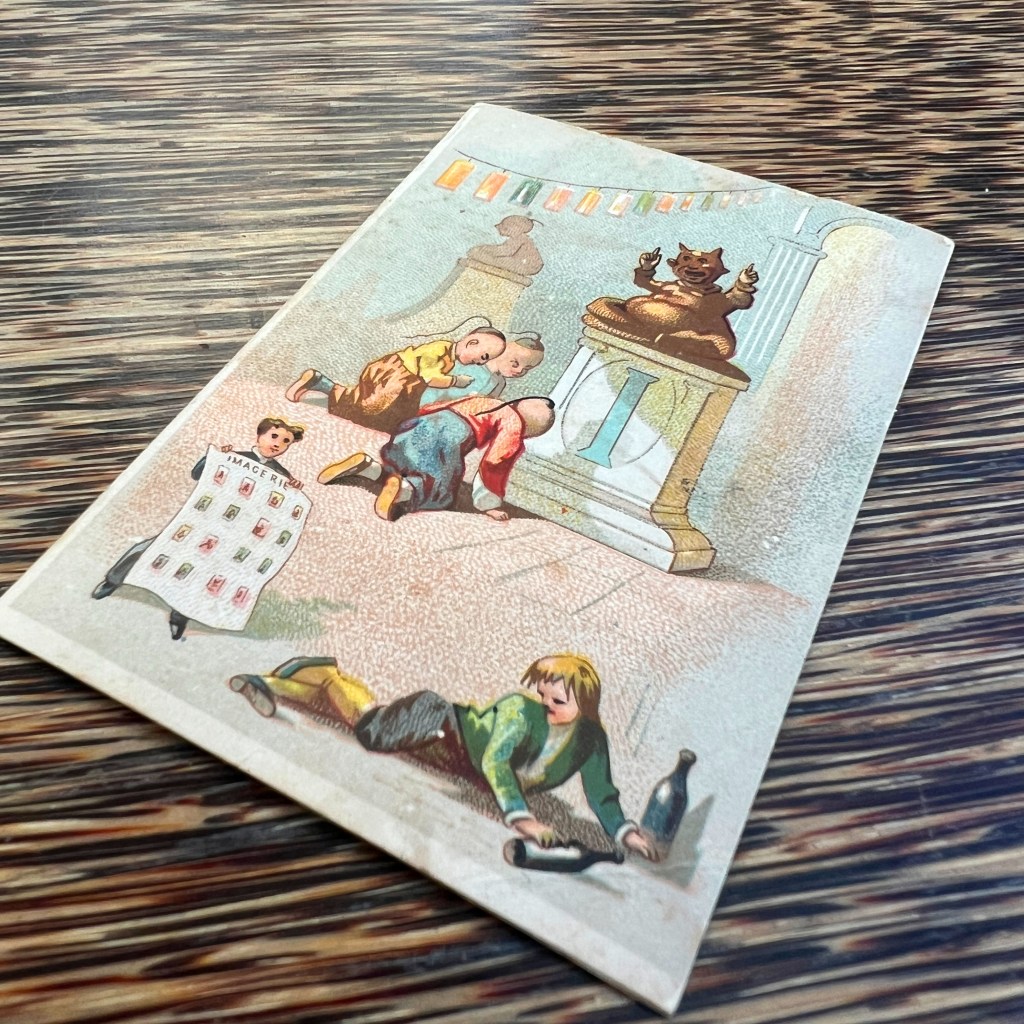
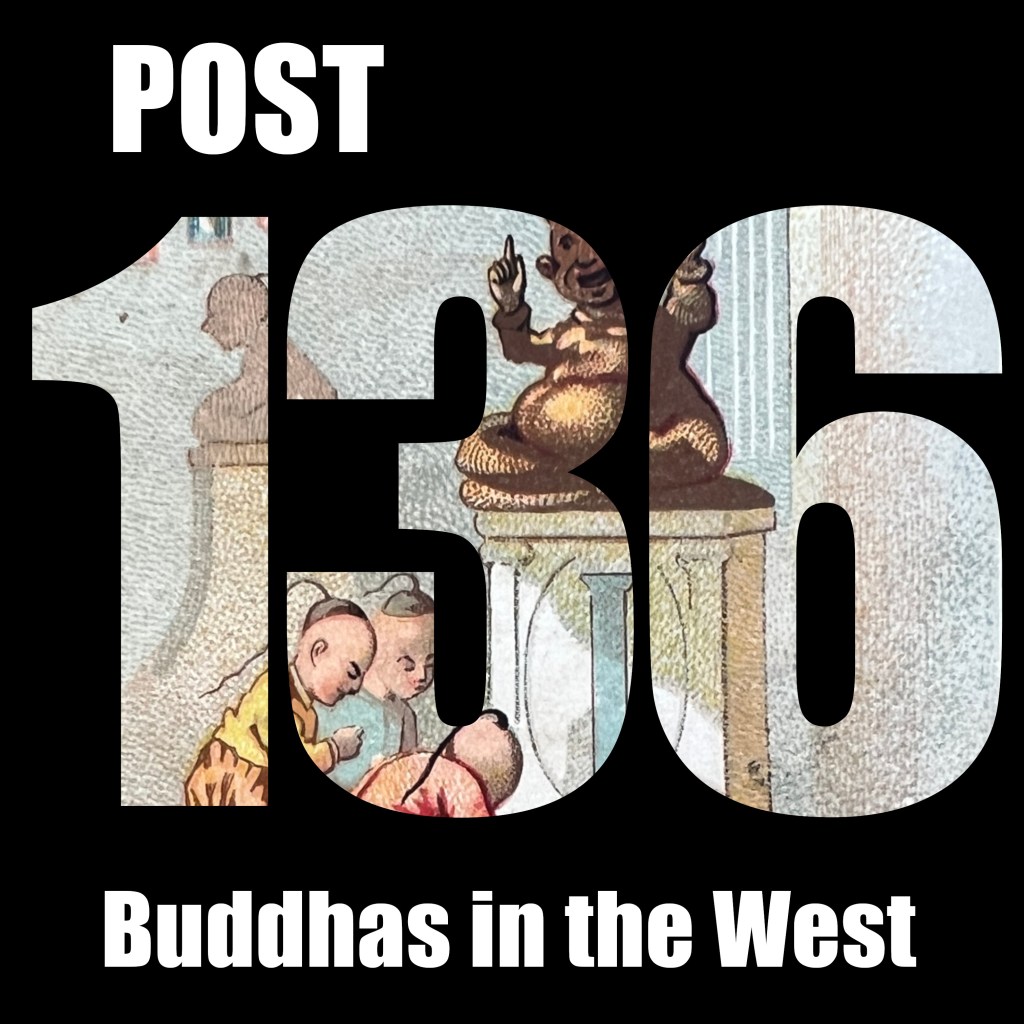
This stock card was from an alphabet primer series, appealing to one of the primary audiences for trade cards, children. The letter “I” can be spotted on the pedestal in the rear, thus asking viewers to interpret the scenes through the lens of words beginning with “I.”
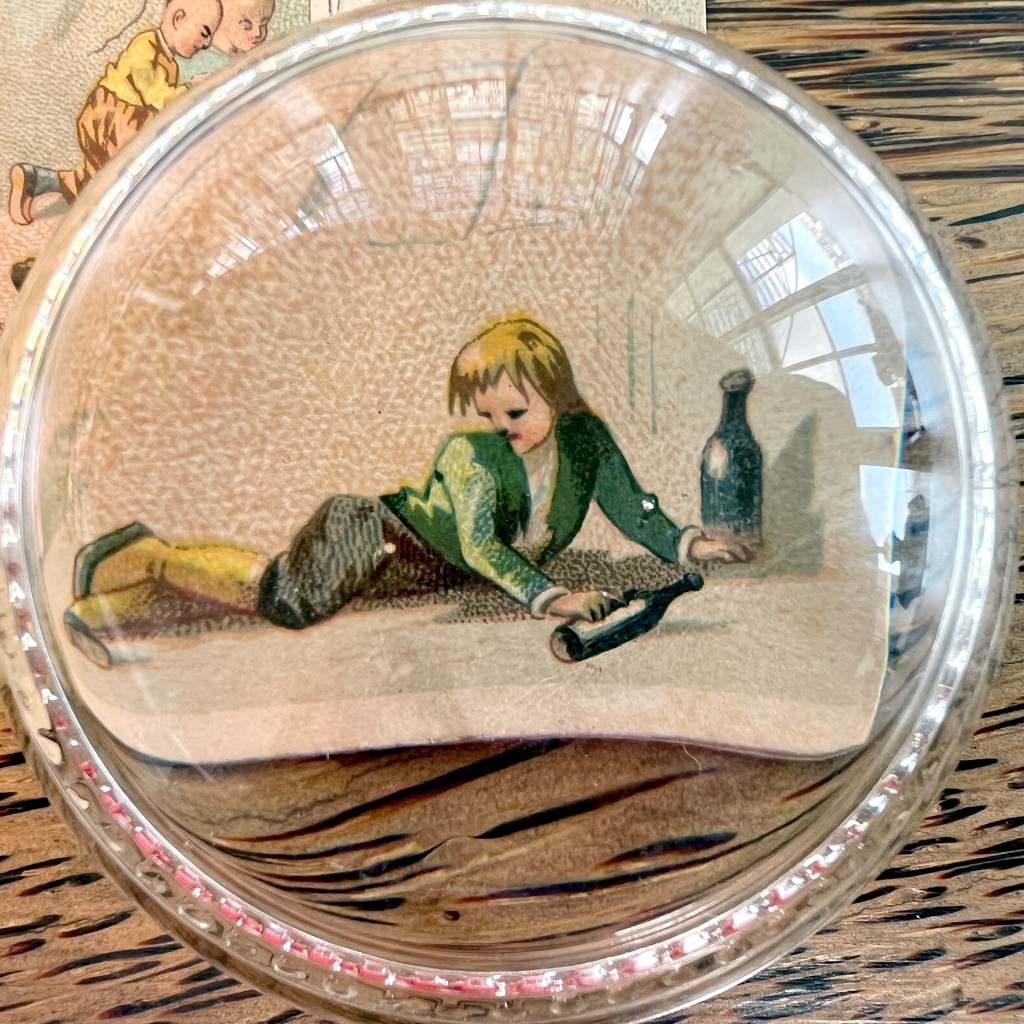
The moralizing tone of the images is apparent. In the foreground we see a child lying on the floor clutching a bottle, representing inebriation or intoxication.
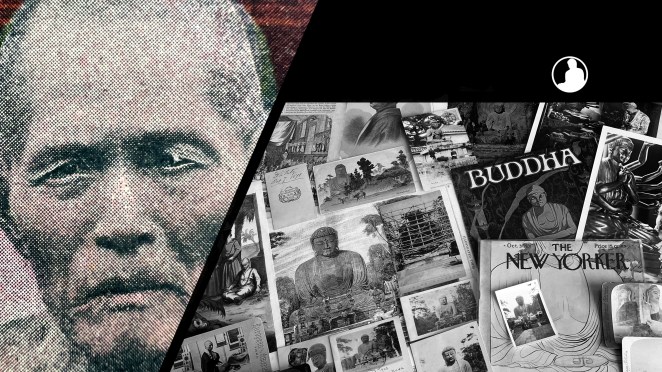
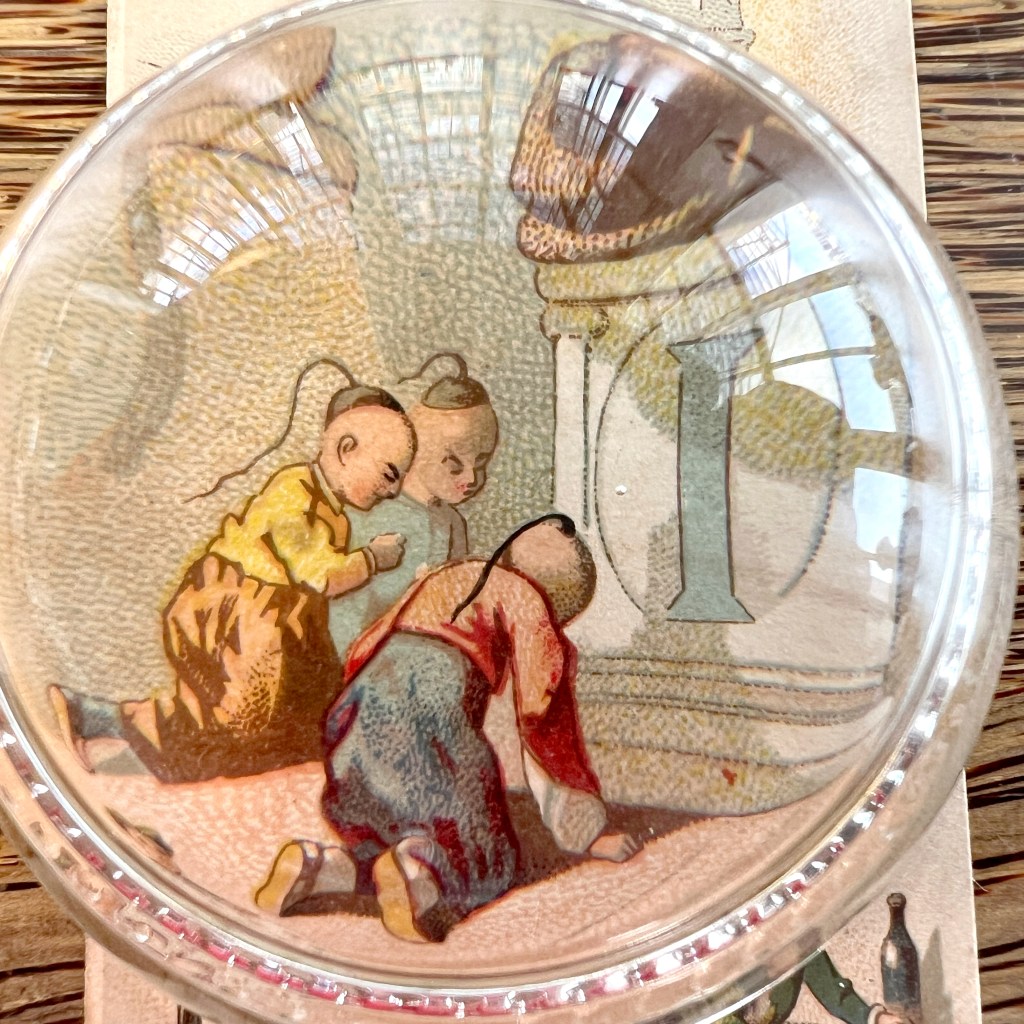
The Chinese children in the background, clearly identified by their long queues and flowing garments, represent idolators practicing foreign idolatry.
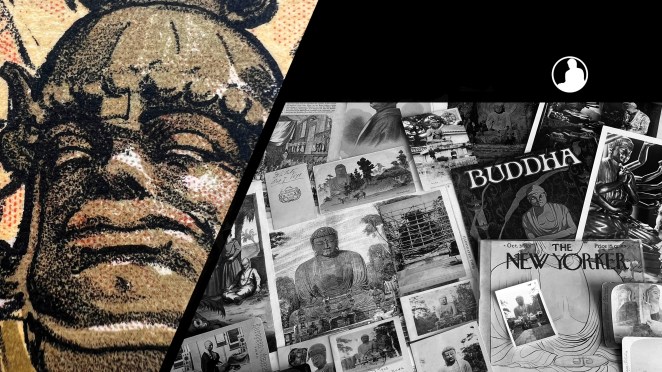
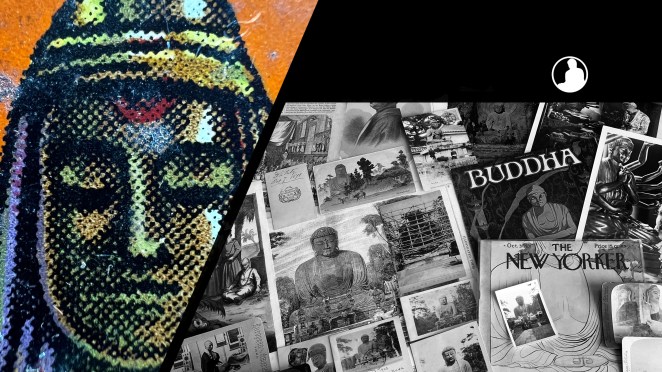
The idol is a distorted version of a sitting buddha, portrayed with horns and performing a “Chinese dance.” For more on the visual language of trade cards, see Lenore Metrick-chen, “The Chinese of the American Imagination: 19th Century Trade Card Images” (2007).
The Buddhas in the West Material Archive is a digital scholarship project that catalogues artifacts depicting Buddhist material culture for Western audiences. It’s comprised of prints, photos, and an assortment of ephemera and other objects. For a brief introduction to this archive, visit the main Buddhas in the West project page.


For Related Buddhas in the West Posts Featuring Chinese in the United States:

For the Most Recent Buddhas in the West Posts:

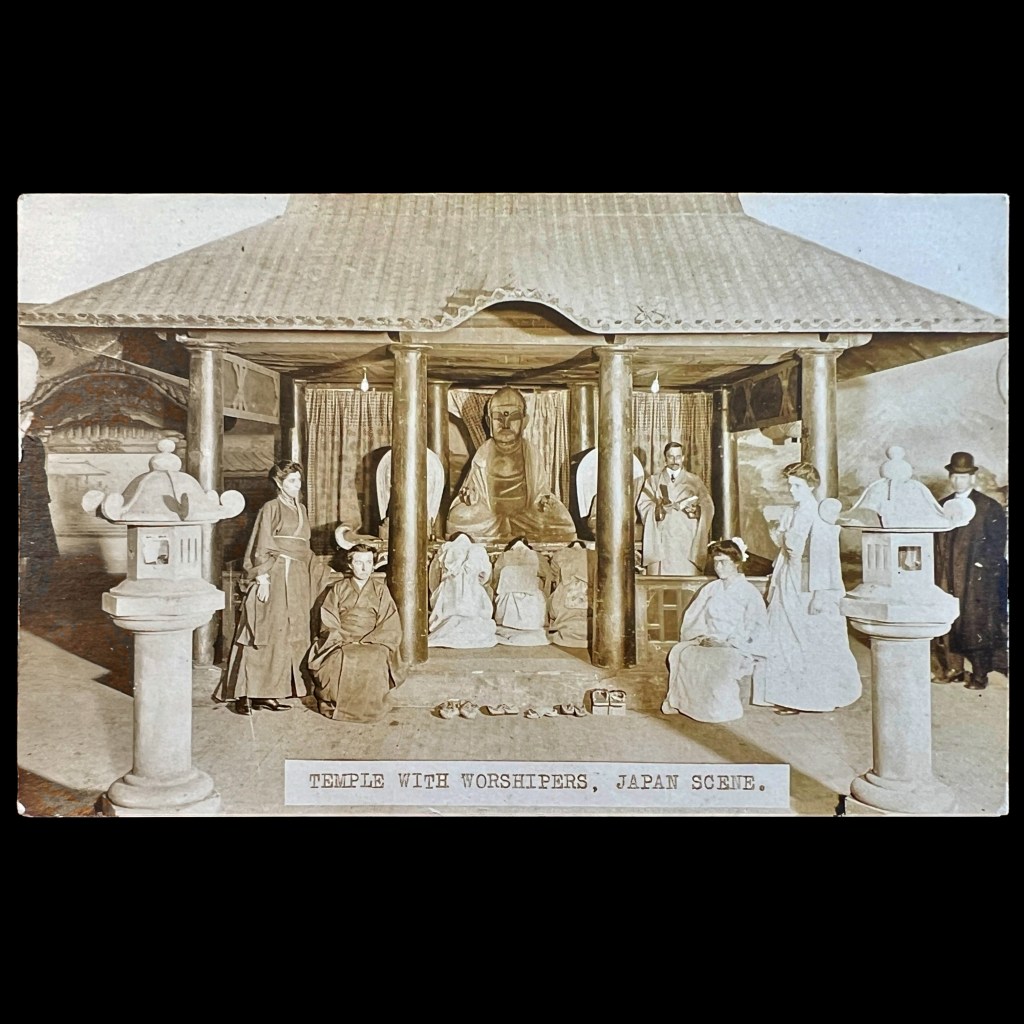
World in Cincinnati Japan Scene Postcard

For all the new Buddhas in the West posts
follow us on Bluesky & Instagram


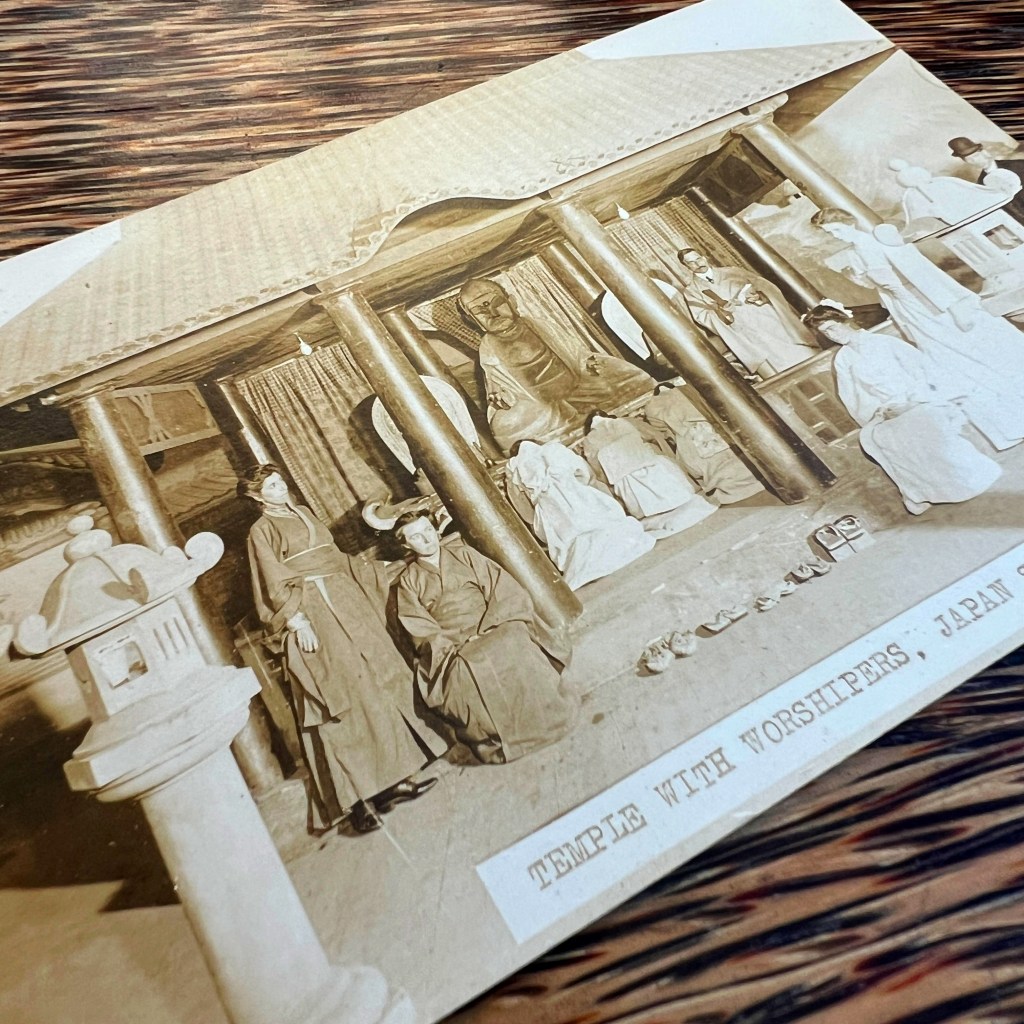
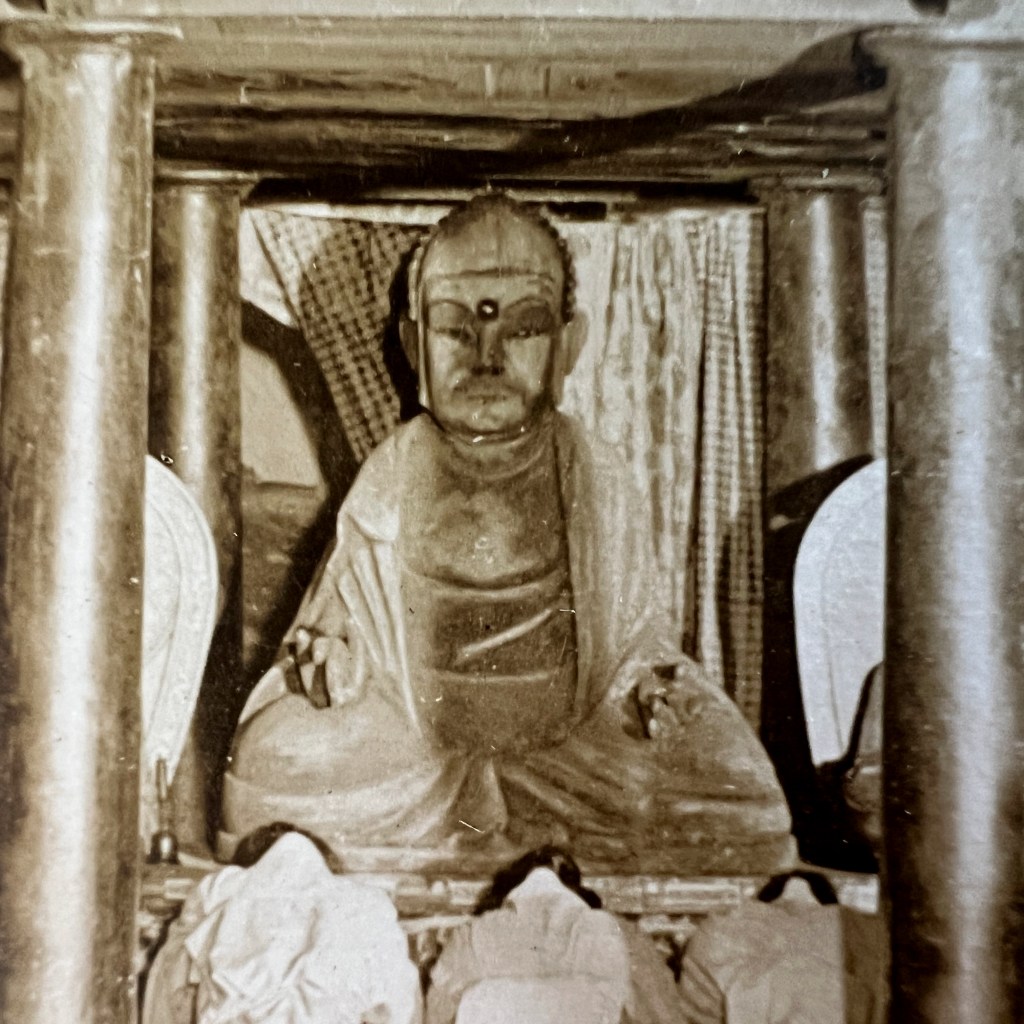
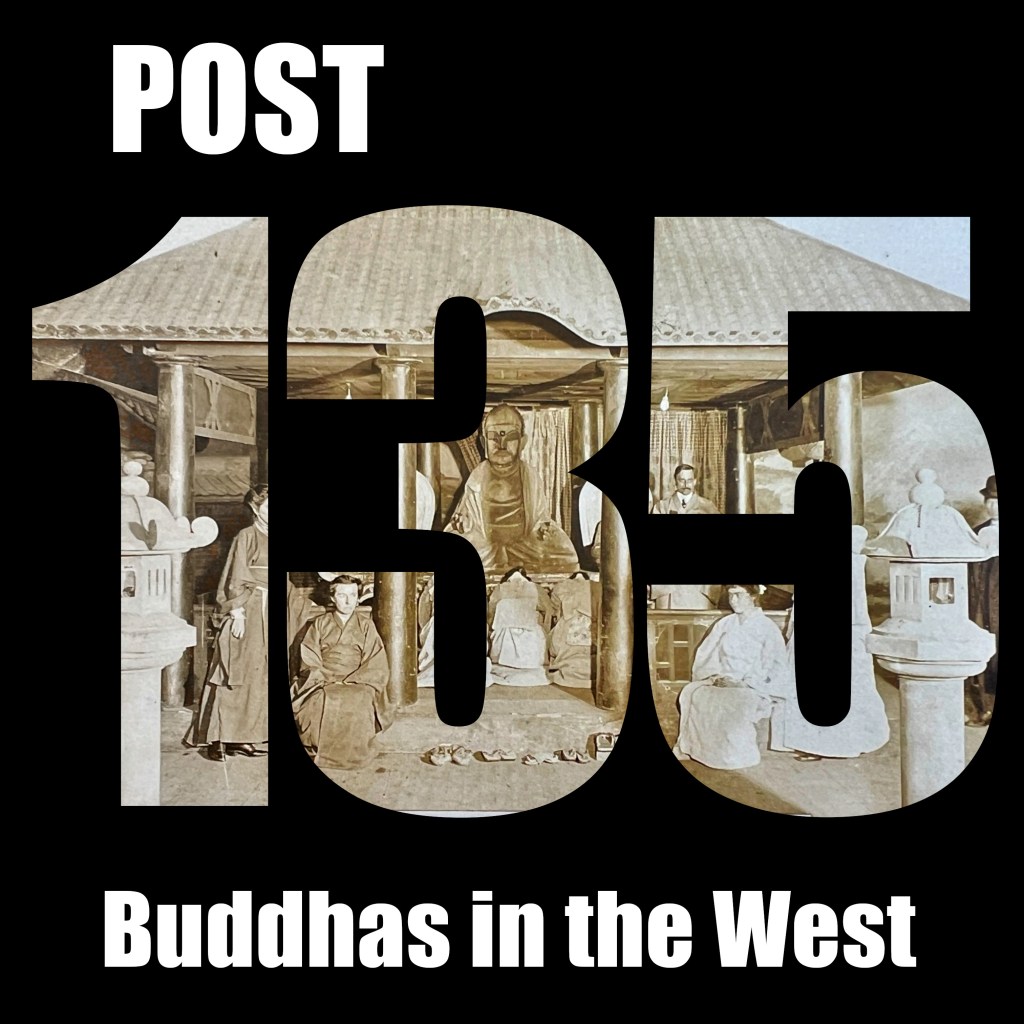
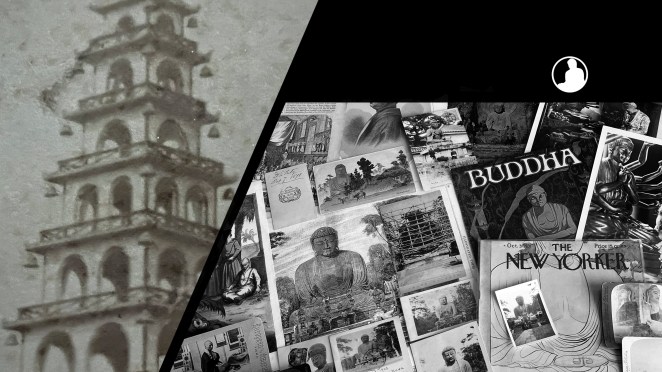
In 1911, to promote efforts of American missionaries abroad, an arm of the missions board sponsored a massive traveling exhibit of the world’s religions. The “Japan Scene” was dominated by a replica of a Buddhist temple, traveling from Boston to Cincinnati and elsewhere.

Flanked by shops and scenes of everyday Japanese life, the exhibit was considered an exercise in immersive visual educational. Partition walls were painted with panoramic views of distant locales such as Mt. Fuji and lotus ponds to further create a sense of virtual travel.

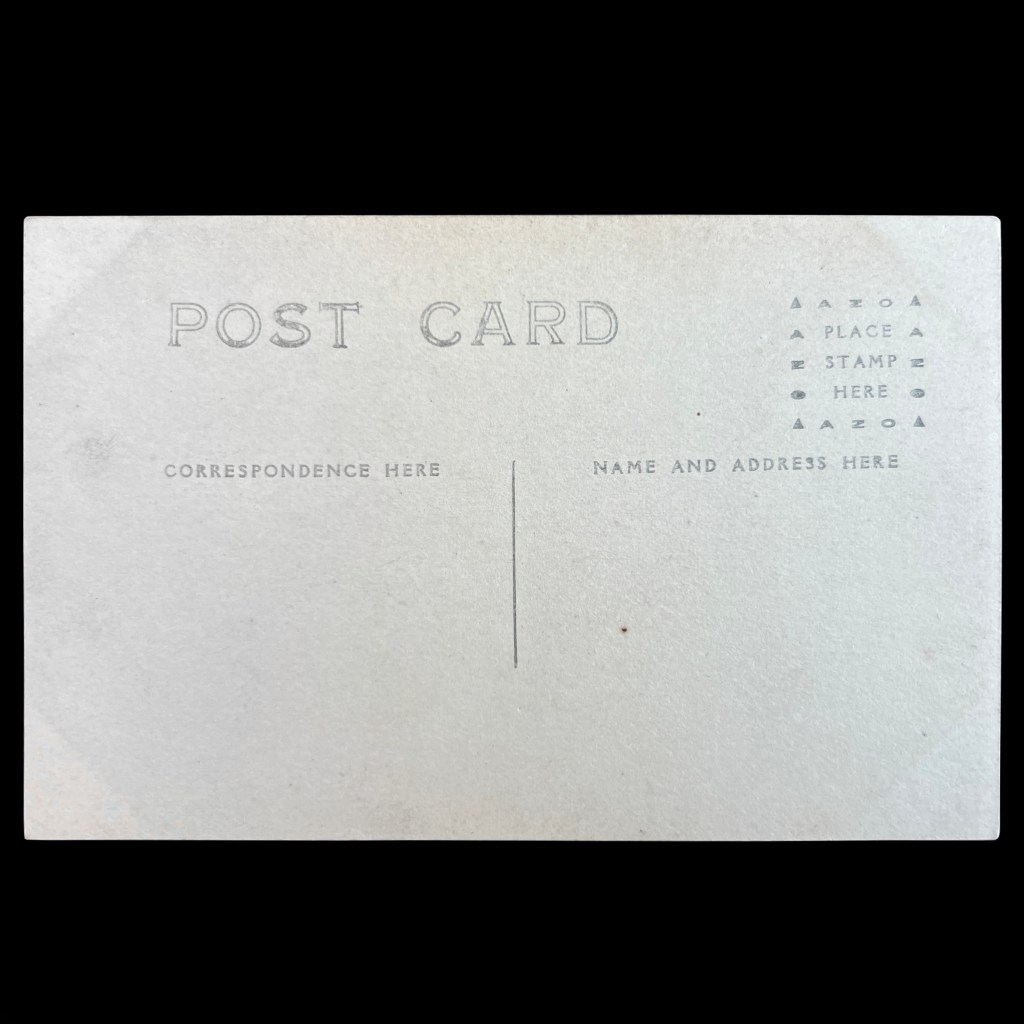
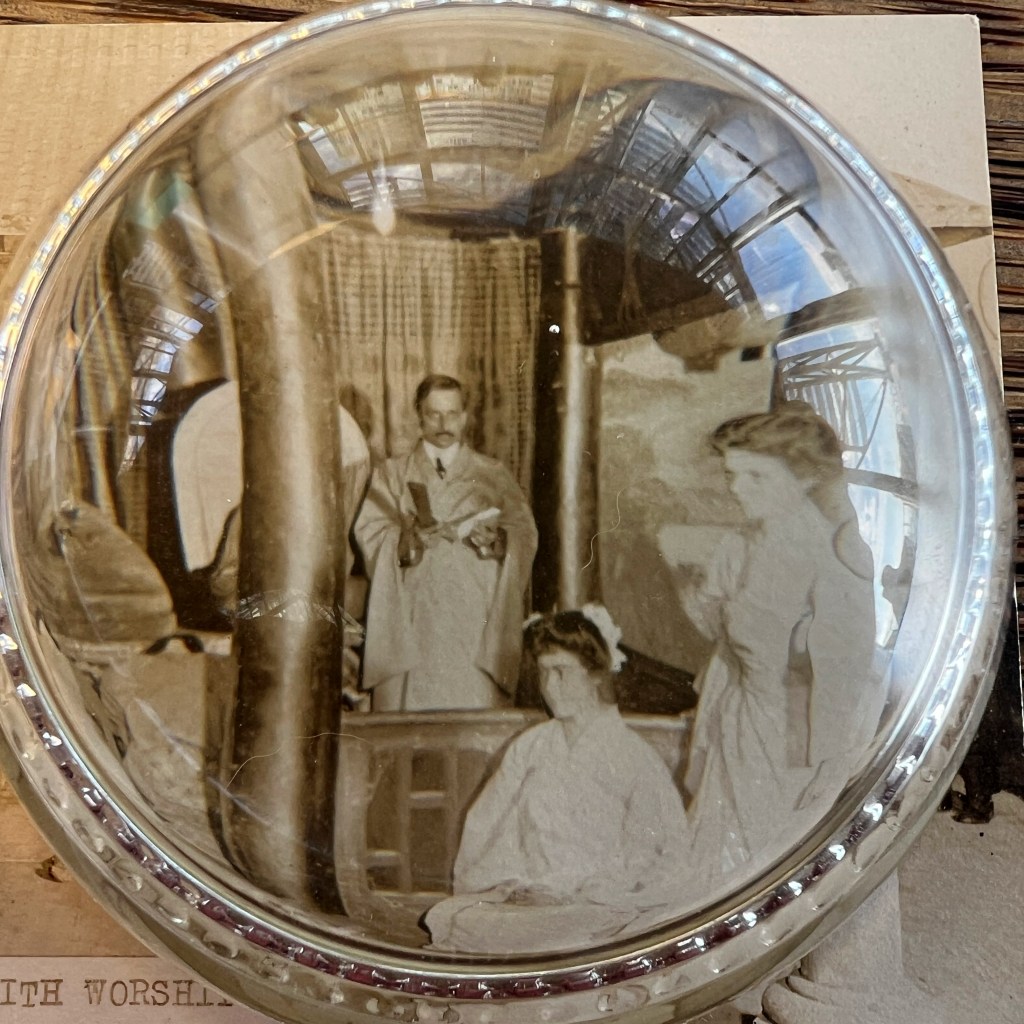
A variety of print ephemera, such as maps, posters, and postcards, were sold as souvenirs and visual learning aids to visitors. The superimposed label printed on front of this real photo post card helps identify it as from the “World in Cincinnati,” similar to other known examples.

In Cincinnati, the replicated foreign lands were populated by more than 5000 stewards from more than 200 local churches portraying native peoples.

While some replicated scenes were decorated with authentic religious imagery, Japan’s icon appears to be recreated with wood or plaster. For more about missionary exhibits, see April Makgoeng’s “Visualizing Missions: The Power of the Image in Promoting Foreign Missions” (2021).


The Buddhas in the West Material Archive is a digital scholarship project that catalogues artifacts depicting Buddhist material culture for Western audiences. It’s comprised of prints, photos, and an assortment of ephemera and other objects. For a brief introduction to this archive, visit the main Buddhas in the West project page.


For Related Buddhas in the West Posts Featuring Real Photo Post Cards:


For the Most Recent Buddhas in the West Posts:
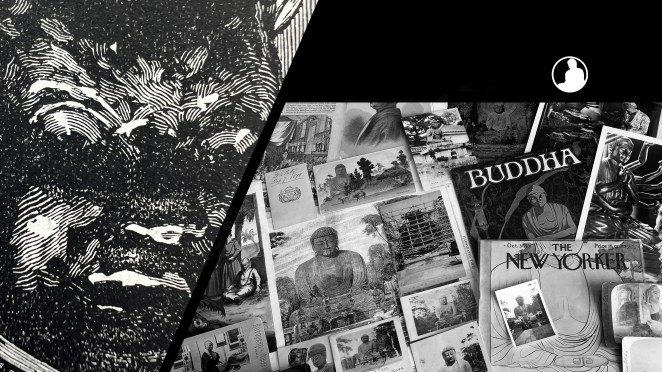

Tuck’s Henry Savage Landor Tibetan Lamas Postcard

For all the new Buddhas in the West posts
follow us on Bluesky & Instagram


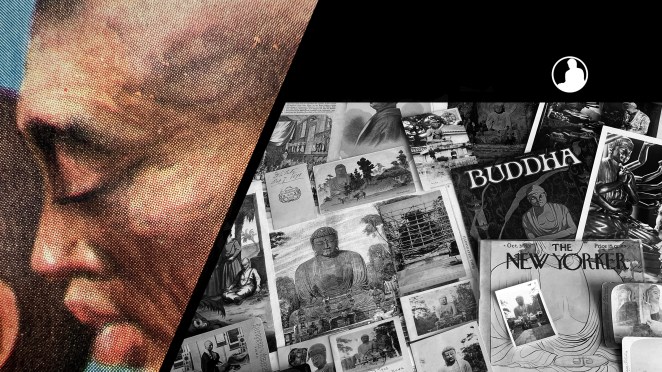
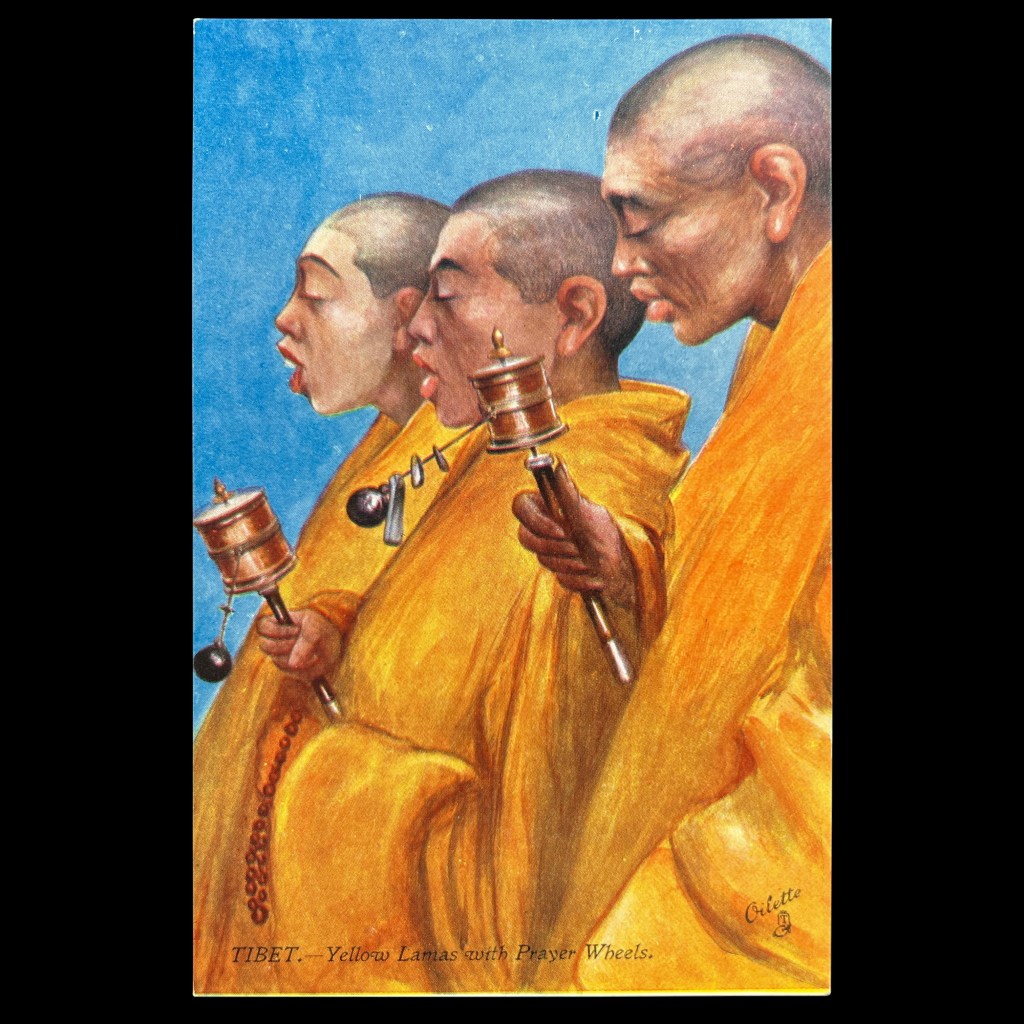
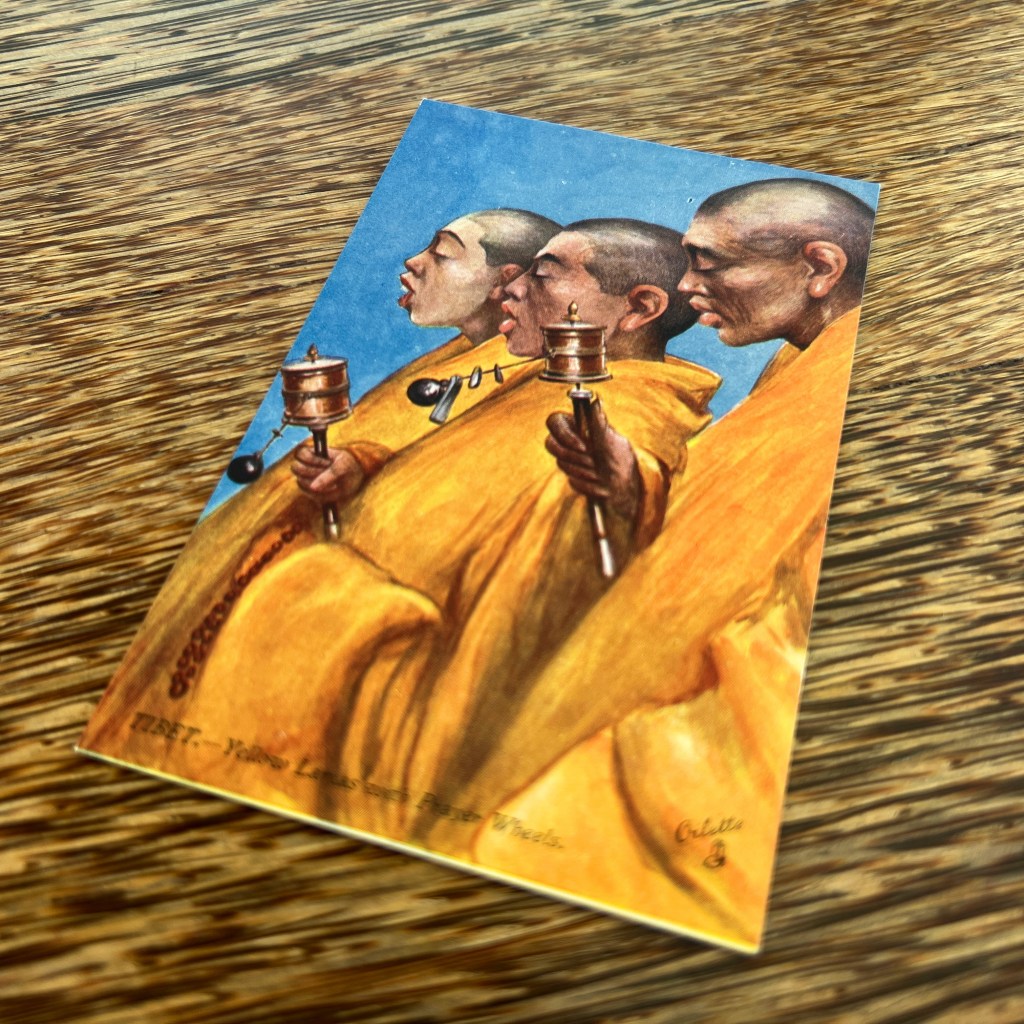
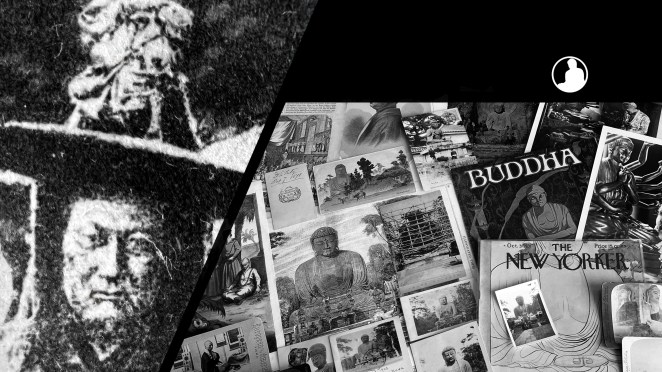
In 1903, a titan of world postcard production, England-based Raphael Tuck & Sons, set themselves further apart by issuing the vibrantly colored Oilette Series based on commissioned oil paintings. Among the first sets released was devoted to the mysterious Himalayan nation of Tibet.

Six paintings were prepared by the explorer and artist Henry Savage Landor who wrote about his travels to the region in his 1898 book, In the Forbidden Land. Tuck printed Landor’s paintings as lithograph postcards at a time when photos of Tibet were only first starting to circulate.

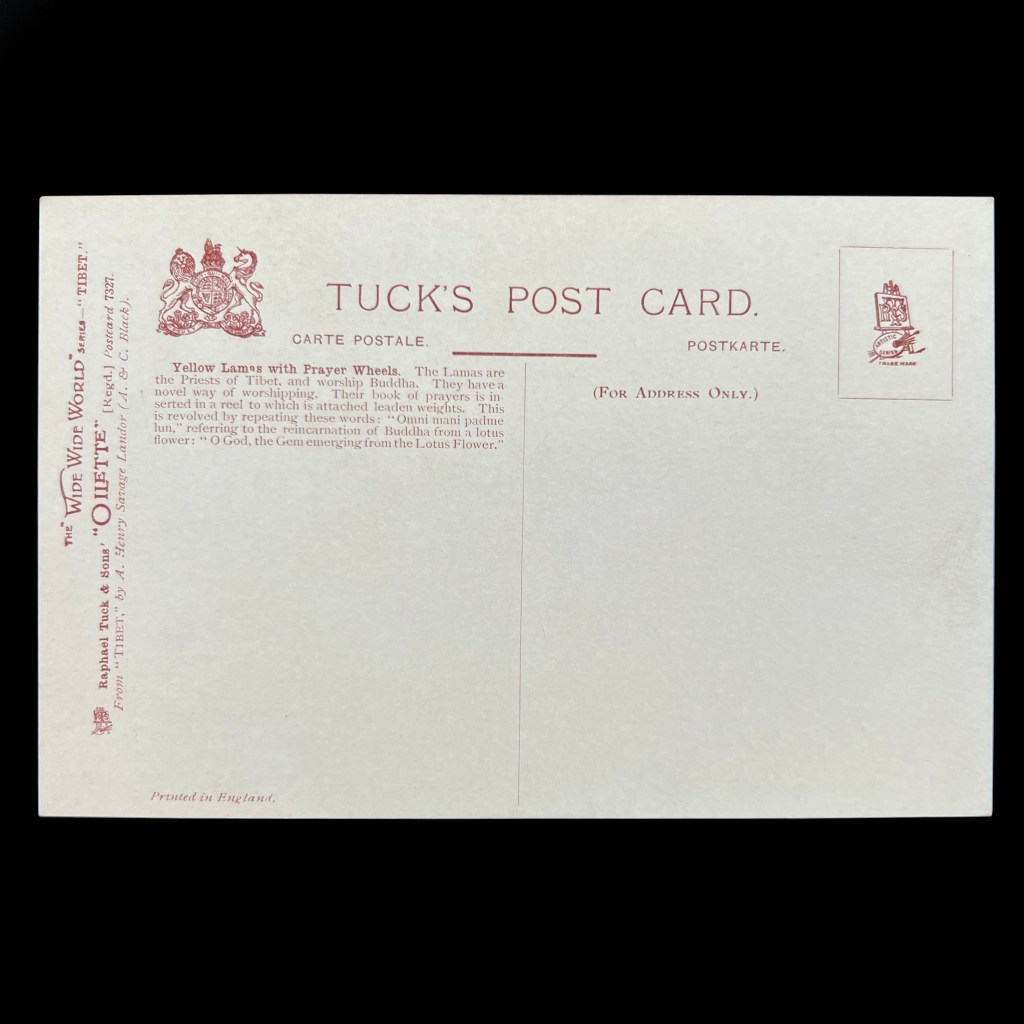
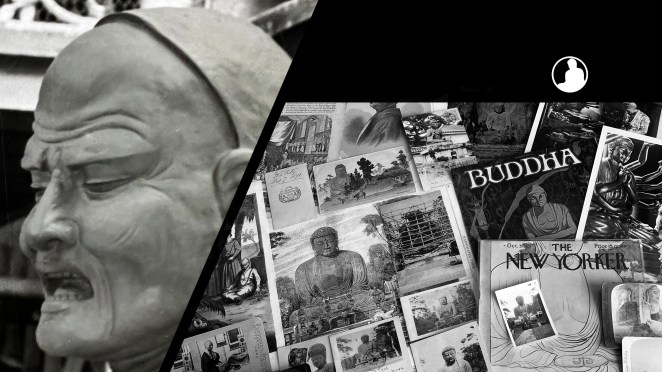
While a majority of Tuck’s pictorial stock focused on the English countryside, the Wide Wide World Series introduced colonial lands and other foreign cultures. Here the caption notes the use of Om mani padme hum, a six-syllable Sanskrit mantra common among Tibetan Buddhists.

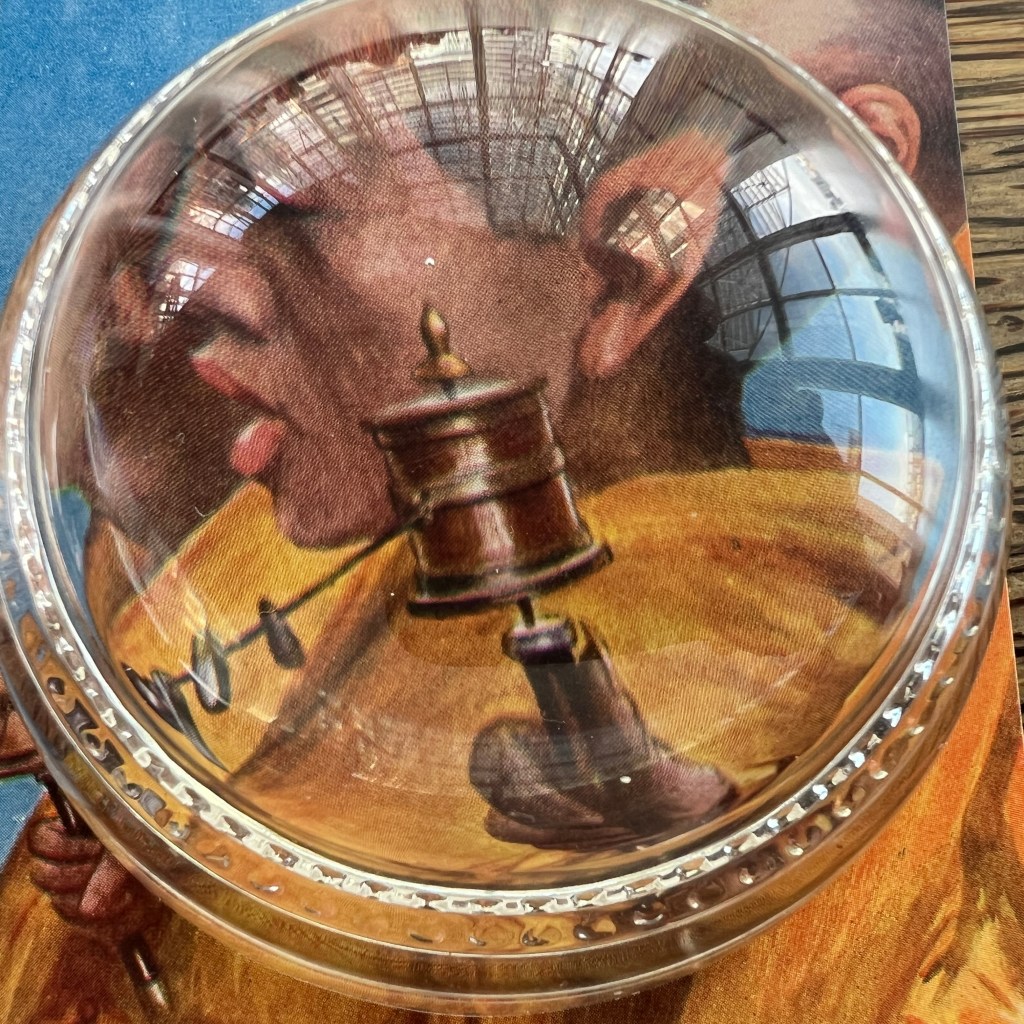
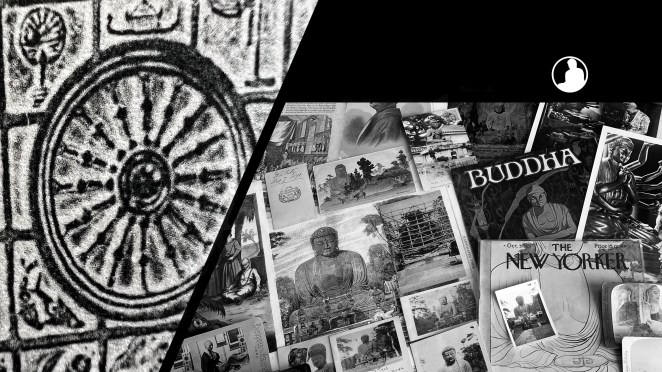
The visual focus of Landor’s painting is the monk’s use of the prayer wheel, noted as containing the Buddhist “book of prayers.” As with others of his time, Landor was fascinated by the ritual object, describing its use in his published work on Tibet.

Landor’s six card set was the only set of Tibet Tuck published before it stopped operation during WWII. For a comprehensive digitized catalogue of Tuck Oilette cards, see www.tuckdbpostcards.org.


The Buddhas in the West Material Archive is a digital scholarship project that catalogues artifacts depicting Buddhist material culture for Western audiences. It’s comprised of prints, photos, and an assortment of ephemera and other objects. For a brief introduction to this archive, visit the main Buddhas in the West project page.


For Related Buddhas in the West Posts Featuring Prayer Wheels:


For the Most Recent Buddhas in the West Posts:
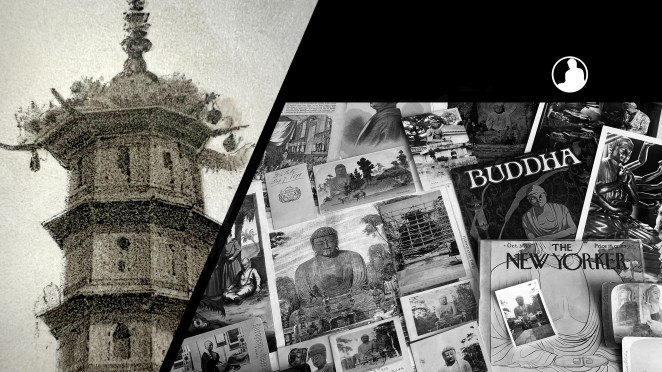

Esaki Reiji’s Pilgrims with Portable Shrine Photograph

For all the new Buddhas in the West posts
follow us on Bluesky & Instagram


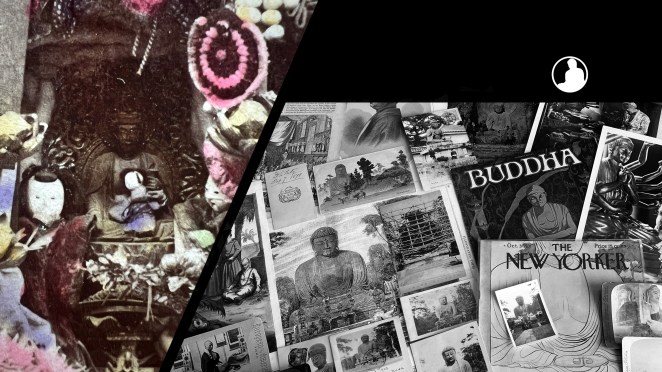
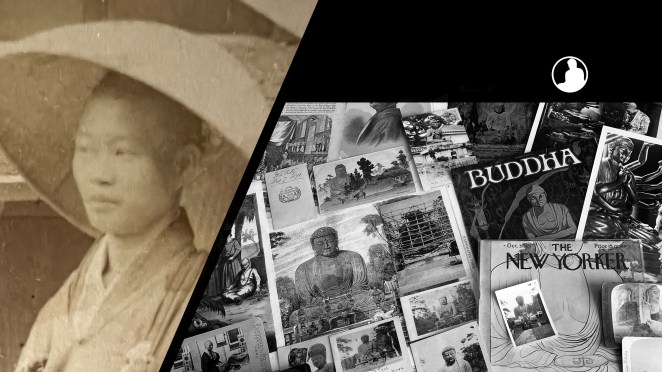
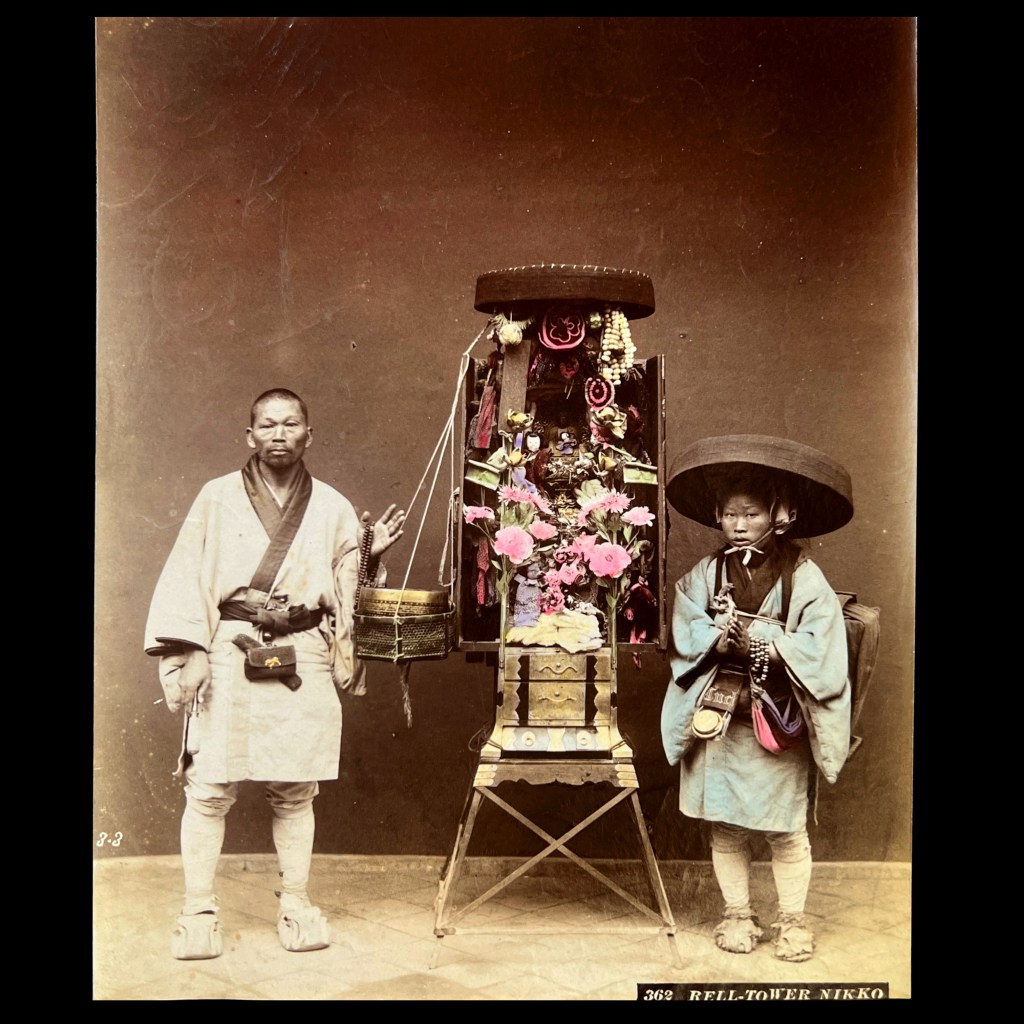
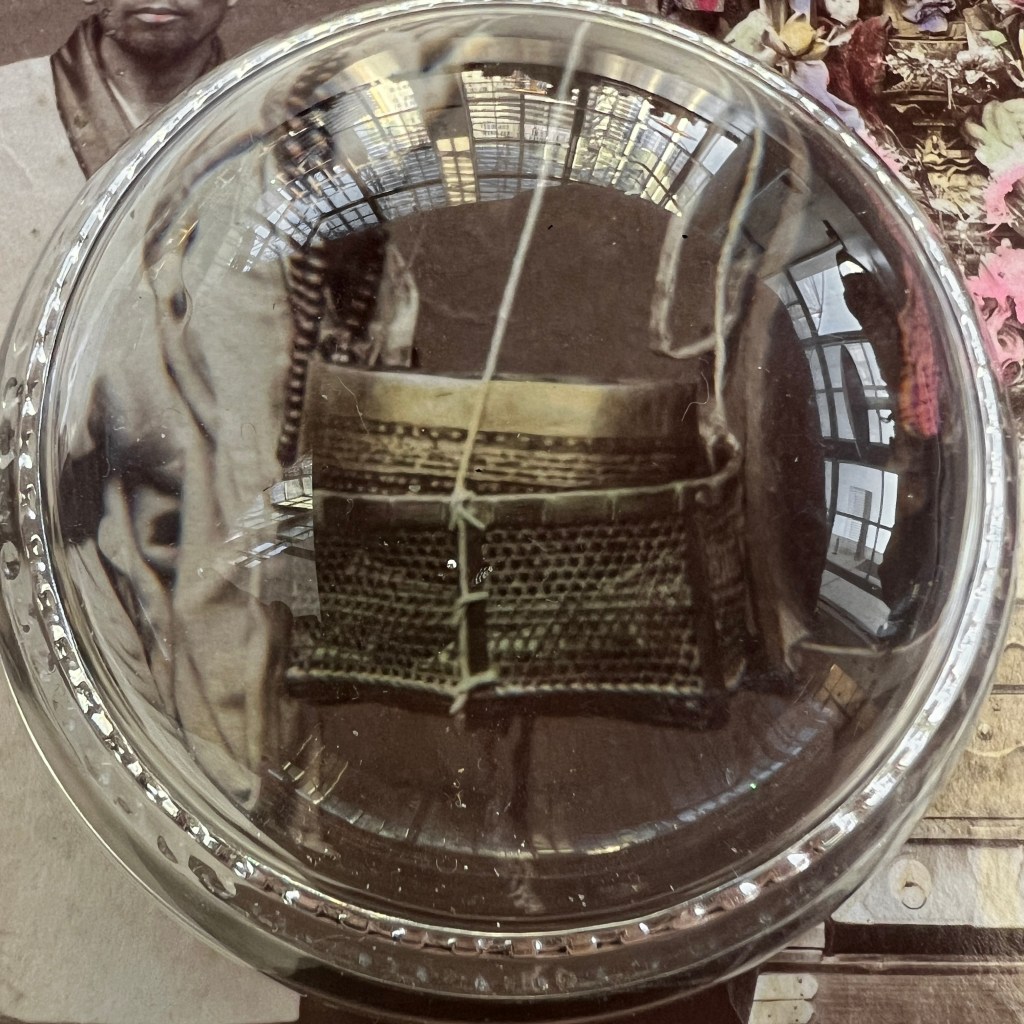
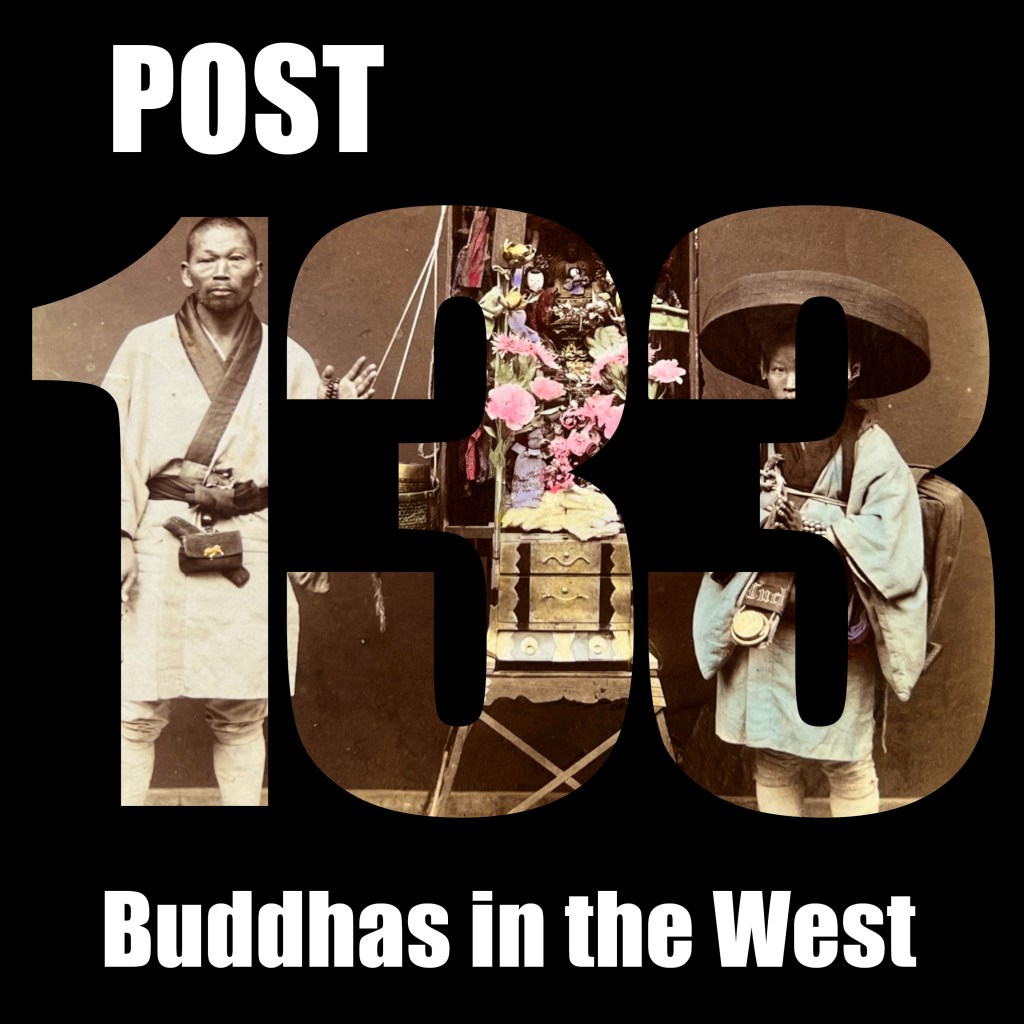
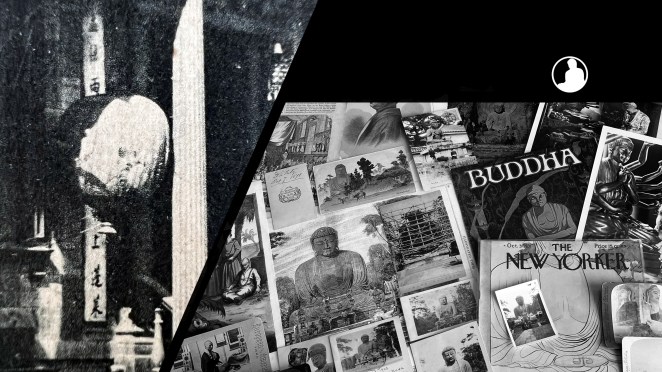
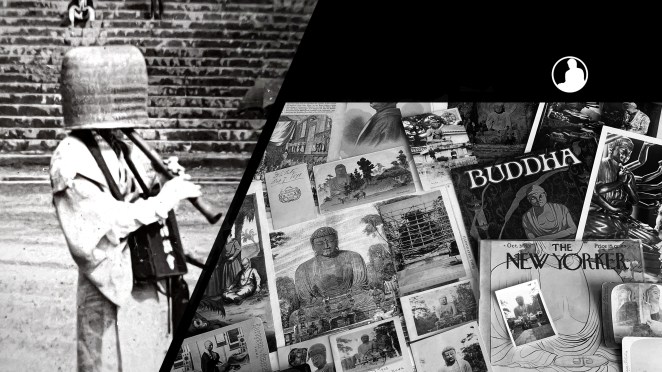
While temple visitors might view Buddhist images as immovable fixtures, Meiji-era photography reveals the remarkable portability of Buddhist icons. Here we see a pair of Japanese pilgrims with their portable shrine traveling through Nikko, a sign of Buddhist faith on the move.

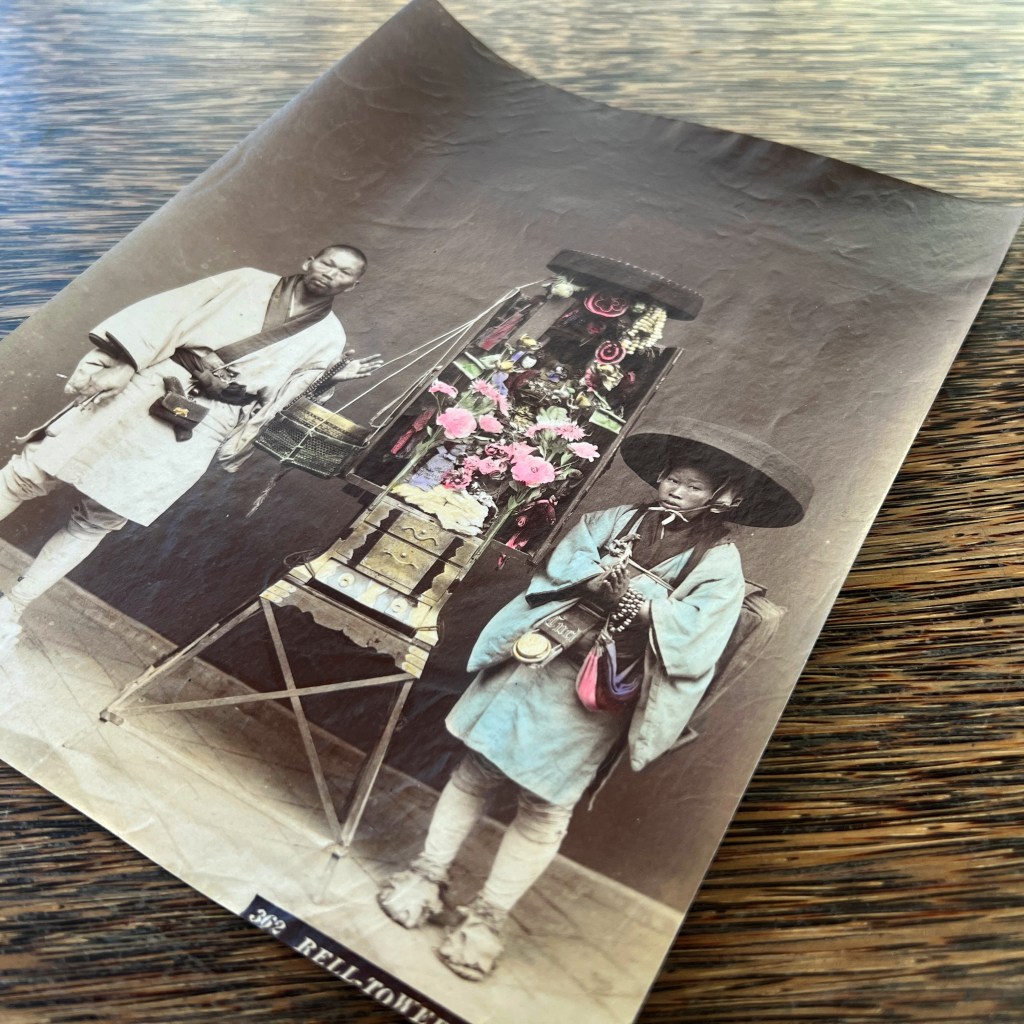
The studio stock number (362) is currently unattributed, but fits within a sequence of numbers for photos taken in Nikko by Esaki Reiji, likely in the late 1880s or 1890s. Esaki was a prominent souvenir album photographer in Asakusa, a tourist-friendly area of Tokyo.

As described by Chun-Wa Chan, portable Buddhist shrines were already in use by the 5th century in the region of Gandhara and were introduced into Japan a few centuries later. Portable Japanese shrines (zushi) were often ornately decorated and fitted with doors to conceal the icon inside.

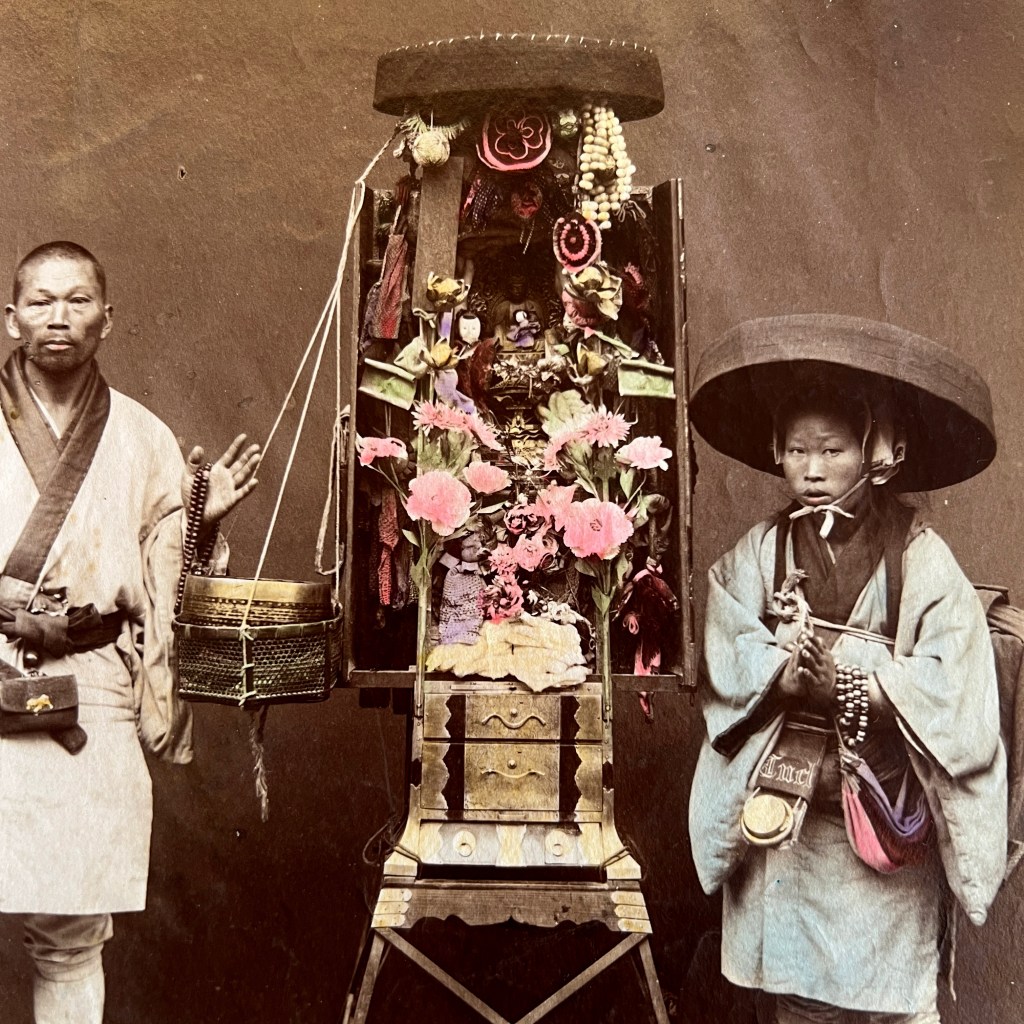
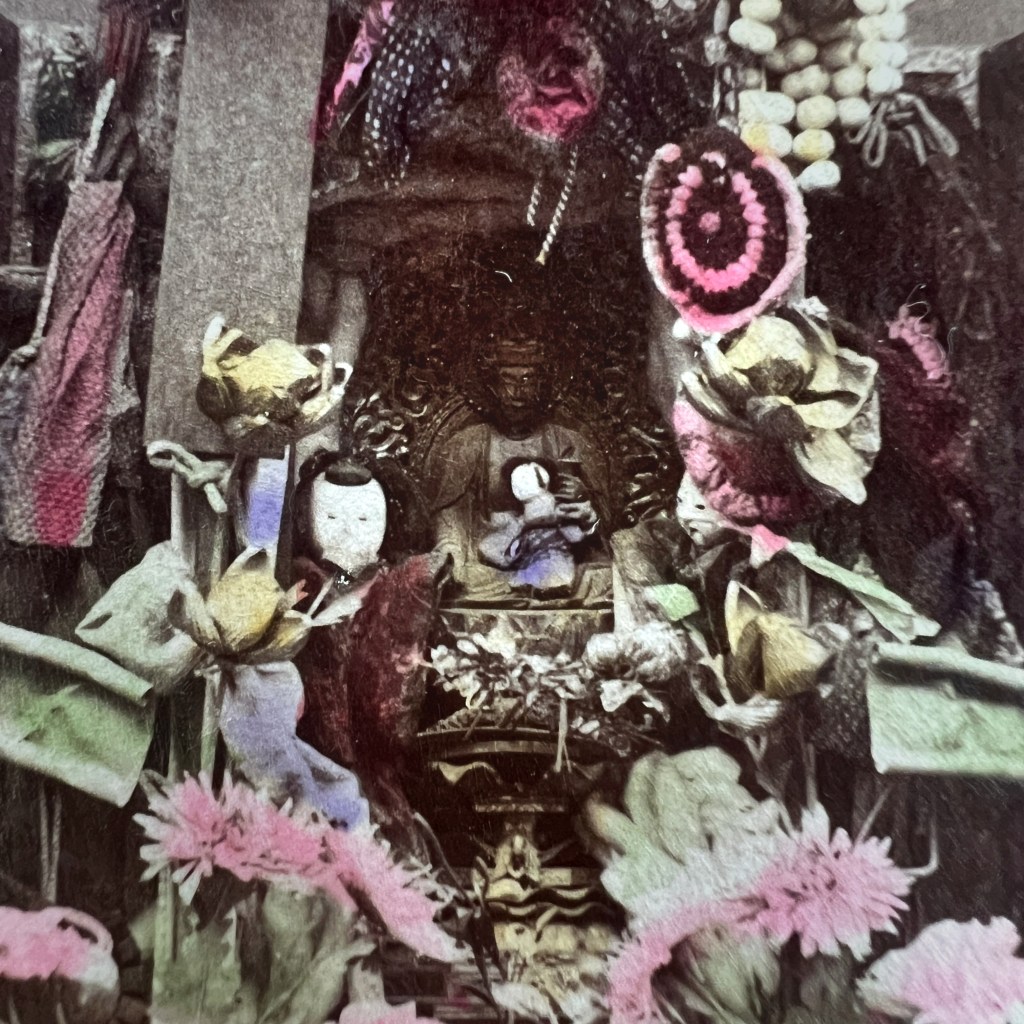
Pilgrims would carry the frame on their backs as they moved from one location to the next. A large bell rests in a basket hung off the side, ready to be struck by a mallet held in the pilgrim’s hand on the left. His other hand holds a long string of mala beads.

Obscured by flower offerings, the Buddhist icon sits at just above eye level in the shrine. For more on this topic, see Chan’s “Portable Faith: Toward a Non-Site-Specific History of Buddhist Art in Japan,” viewable here: https://tinyurl.com/3tde394d.


The Buddhas in the West Material Archive is a digital scholarship project that catalogues artifacts depicting Buddhist material culture for Western audiences. It’s comprised of prints, photos, and an assortment of ephemera and other objects. For a brief introduction to this archive, visit the main Buddhas in the West project page.


For Related Buddhas in the West Posts Featuring Nikko:


For the Most Recent Buddhas in the West Posts:
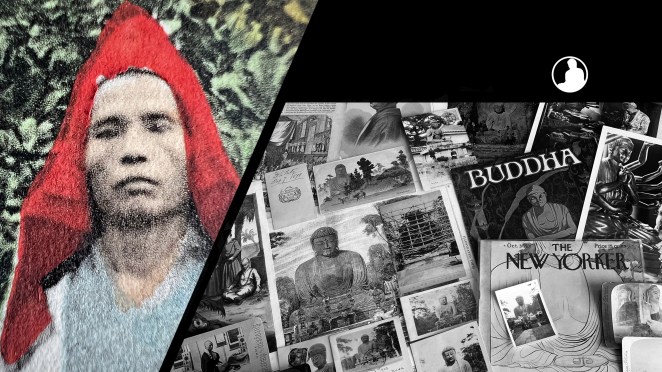

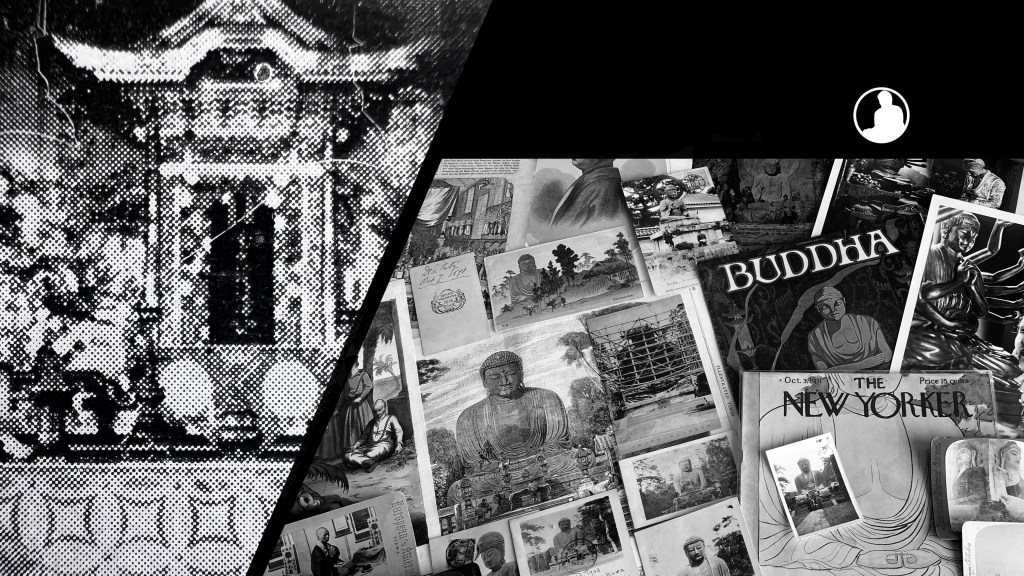
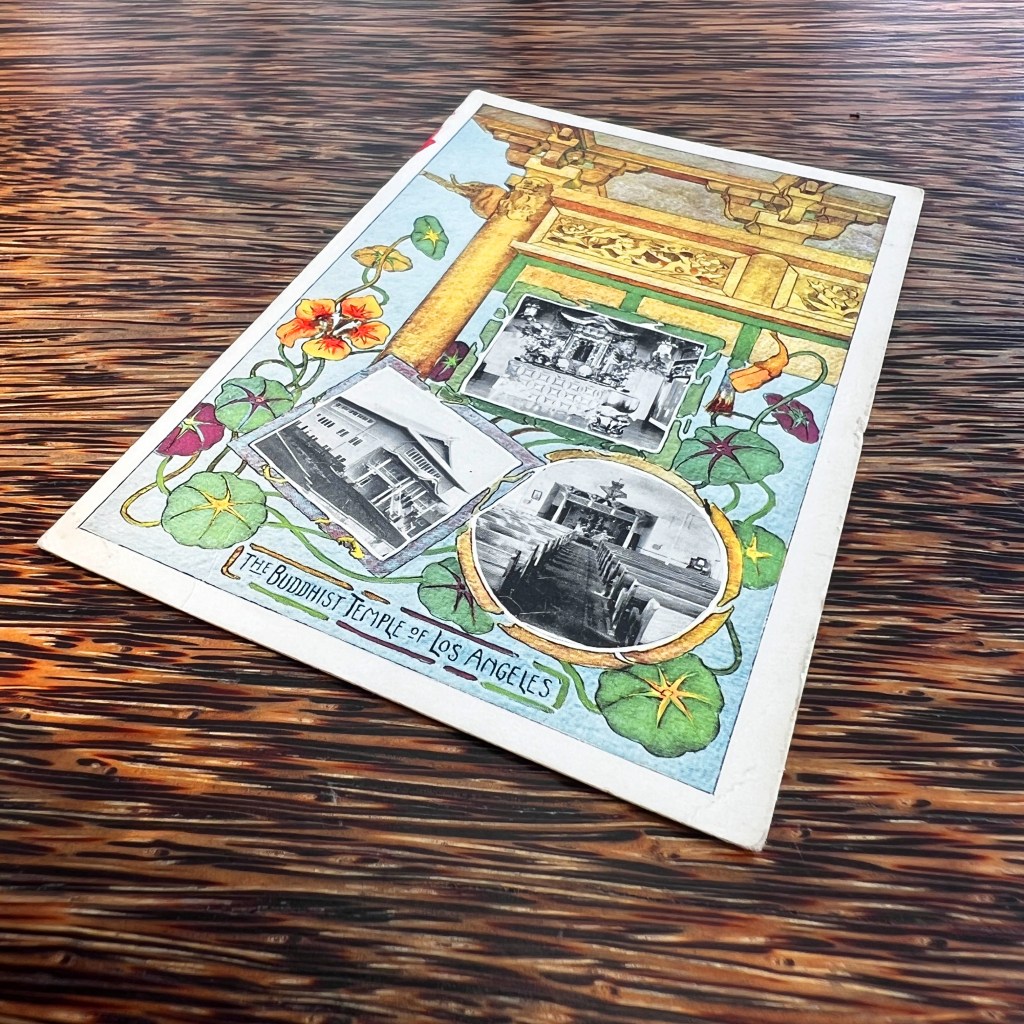
Buddhist Temple of Los Angeles Postcard

For all the new Buddhas in the West posts
follow us on Bluesky & Instagram


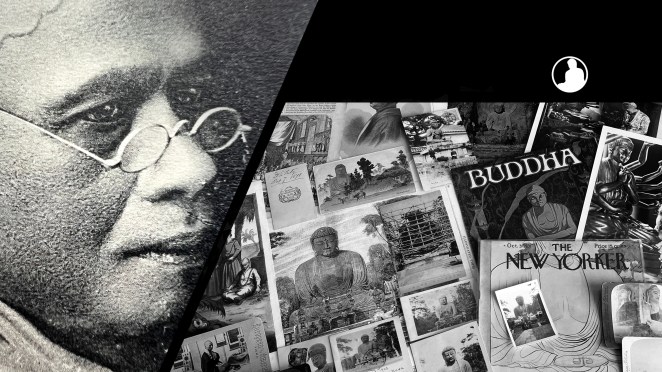
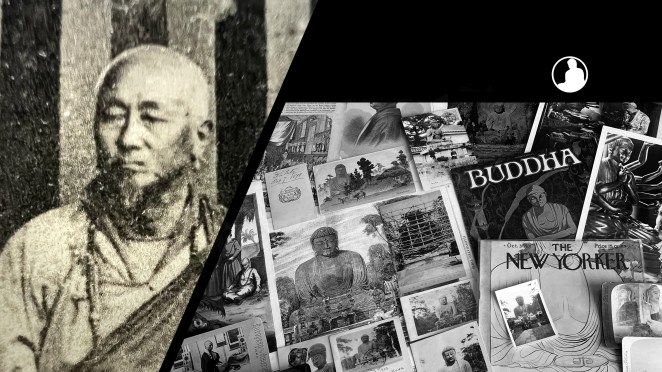
Inspired by the success in San Jose and Sacramento, Izumida Junjō 泉田準城 (1866–1951) arrived in Los Angeles in 1904 and opened the city’s first Buddhist temple for Japanese immigrants. After raising funds and purchasing land, a newer and larger temple was opened in 1911 on Savannah Street.

Associated with Nishi Hongan-ji, a Jōdo Shinshū Buddhist organization headquartered in Kyoto, Izumida organized the Rafu Bukkyō-kai 羅府仏教会, the Buddhist Mission of Los Angeles. It was meant to meet Japanese immigrants’ needs for funerals, memorial services, and spiritual guidance.

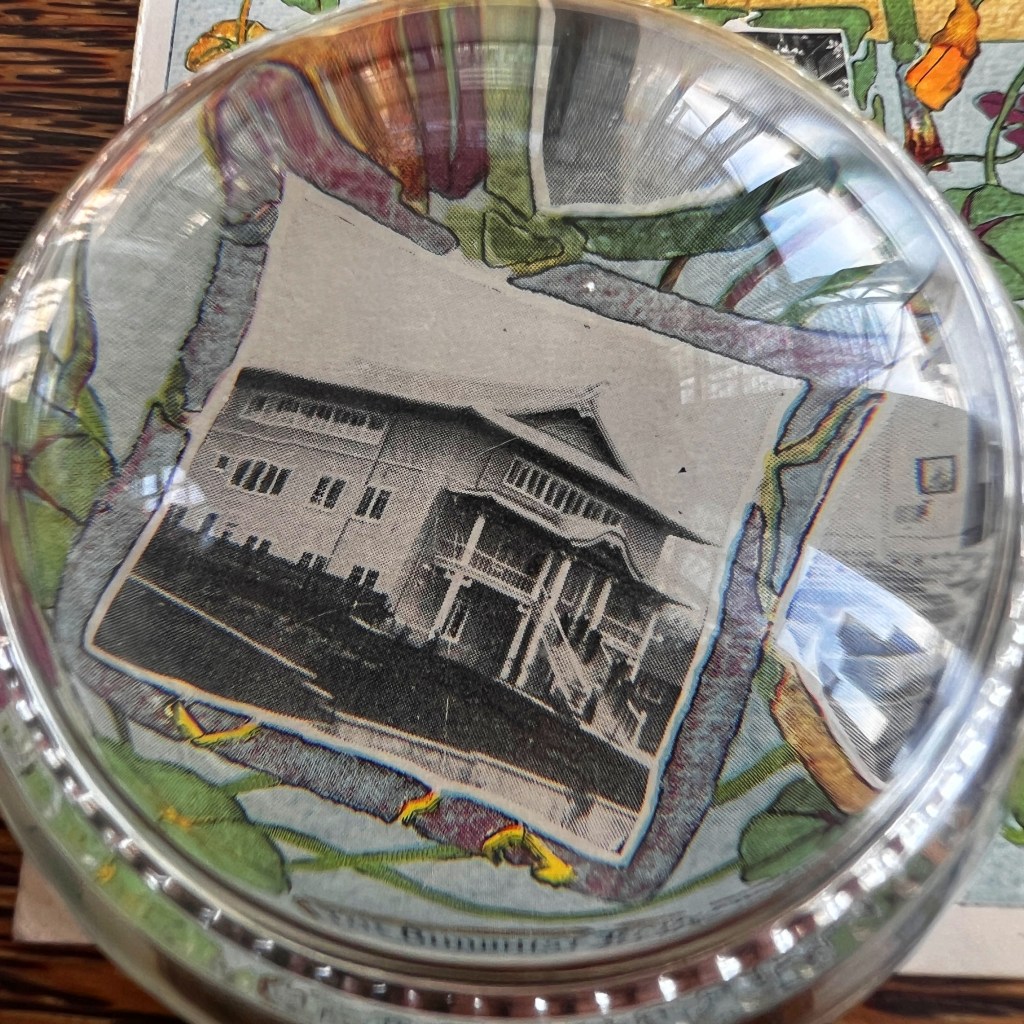
Possibly in celebration and promotion of the new temple, the Mission issued picture postcards highlighting both the interior and exterior of the building. The colorful illustrated elements on the front reveal an Arts and Crafts influence popular in the early 20th century.

The building was meant to reflect both American residential architecture and Japanese temple architecture. The latter can be seen in the curved eaves on the roof and the temple-style gate over the front porch.

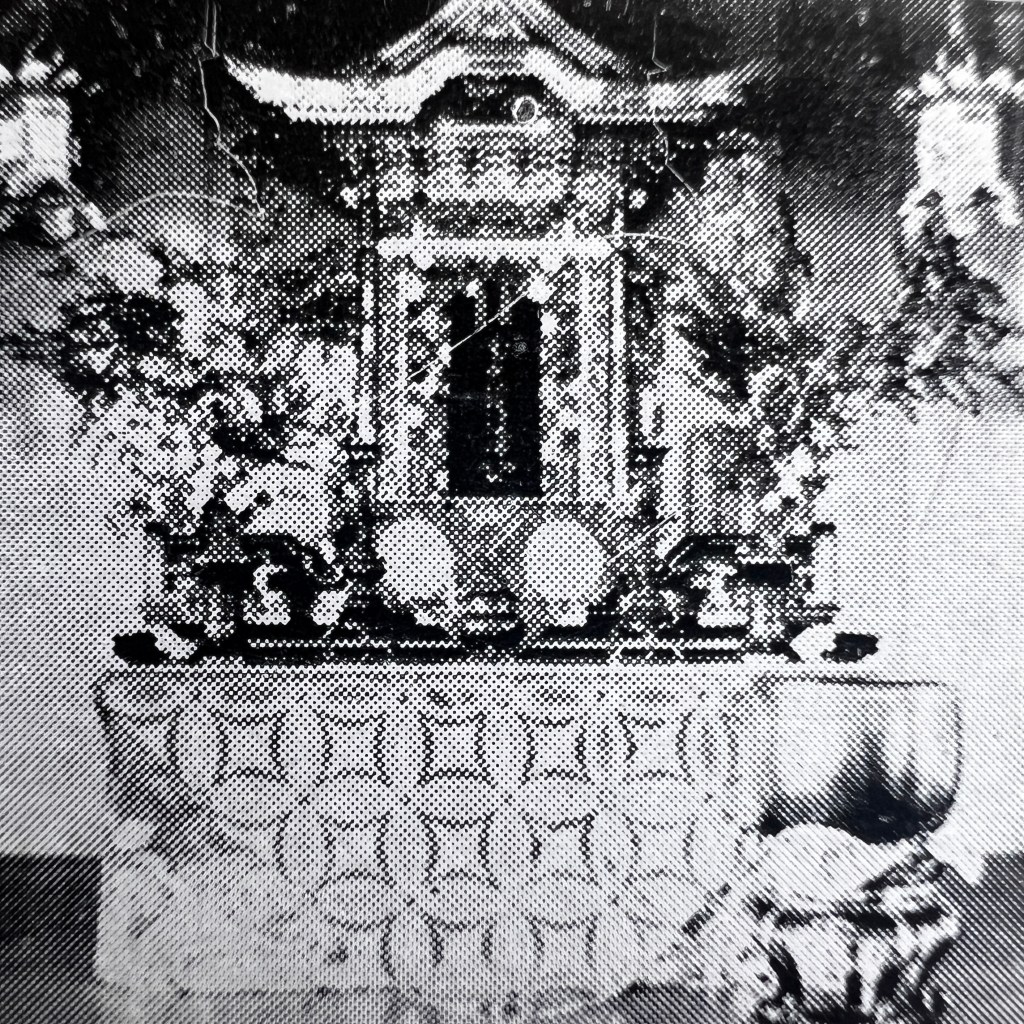
The interior also shows a hybrid style, with church-like pews set in front of a traditional Japanese Buddhist altar.

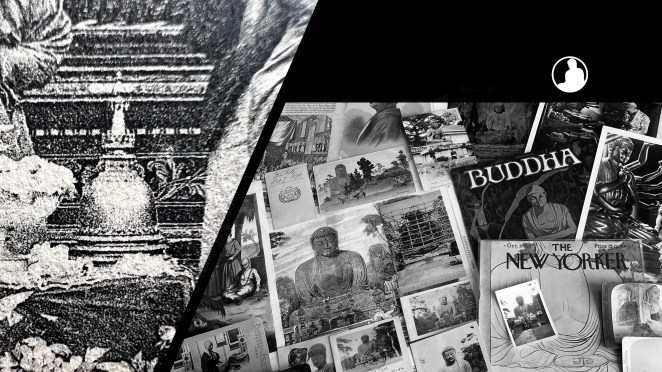
As a Jōdo Shinshū temple, the shrine is dedicated to Amida Buddha, here with a scroll bearing his name. For more on the history of this LA temple, see Michihiro Ama, Immigrants to the Pure Land: The Modernization, Acculturation, and Globalization of Shin Buddhism (2011).


The Buddhas in the West Material Archive is a digital scholarship project that catalogues artifacts depicting Buddhist material culture for Western audiences. It’s comprised of prints, photos, and an assortment of ephemera and other objects. For a brief introduction to this archive, visit the main Buddhas in the West project page.


For Related Buddhas in the West Posts Featuring Historical Trade Cards:


For the Most Recent Buddhas in the West Posts:
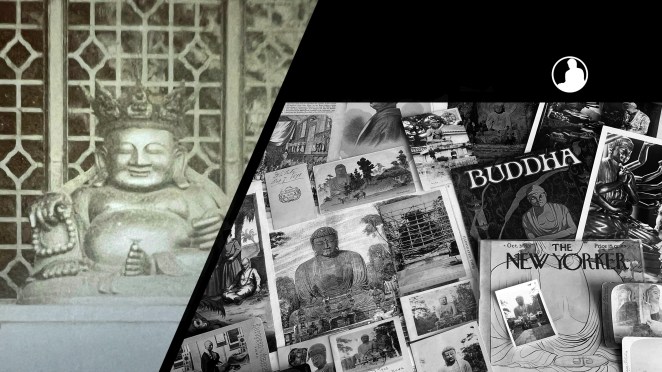

Wilhelm Burger’s Kamakura Daibutsu Photograph

For all the new Buddhas in the West posts
follow us on Bluesky & Instagram


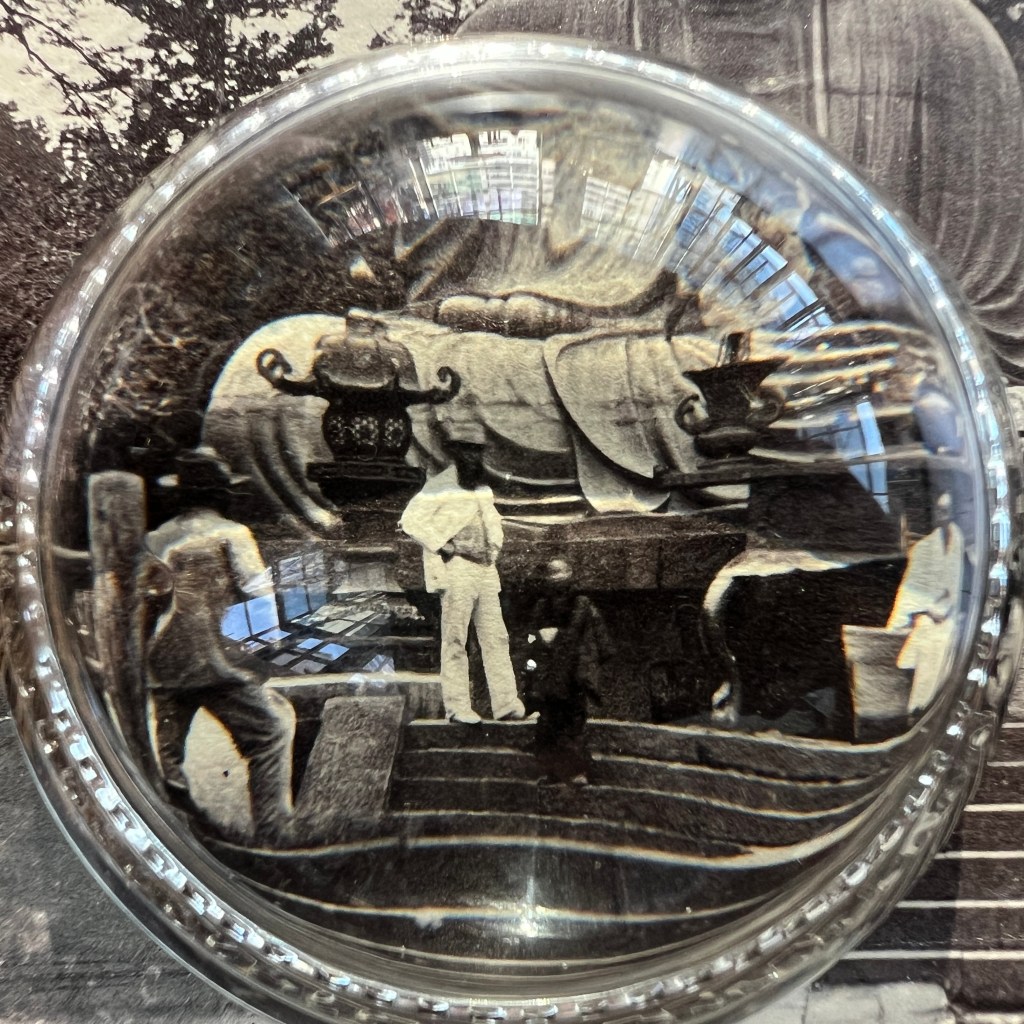
Tales of Tourist Photos, Pt. 2*: Old “wet-plate” photography required glass negatives to be coated, sensitized, exposed, and developed in less than fifteen minutes. Using the dry-plate method, negatives could be prepared beforehand; Wilhelm Burger was among the first to use this in Japan.
*[Part 1]

Burger was photographer for the 1869 Imperial Austrian Expedition to East Asia, but illness allowed him to remain in Japan for the winter after the legation left. Tasked in part to photograph art objects, Burger visited the Kamakura Daibutsu with large glass negatives he prepared in Europe.

The handwritten inscription on the back of this photographic print reads, “This Image is all Bronze, name Diaboots.” “Diaboots,” or Daiboots, was the Yokohama treaty port vernacular for the Kamakura Daibutsu through the 1860s.

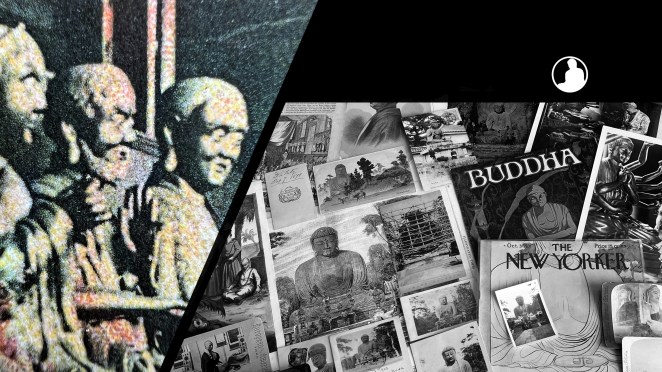
While Burger created a sizable portfolio of arts and crafts during the embassy, his photographs at Kōtoku-in in Kamakura appear more tourist-like than documentary. Here, several people pose for the camera, including what may appear to be Buddhist priests and three men in European attire.

To my knowledge, the people remain unidentified; Burger’s apprentice, Michael Moser, stayed in Japan after the embassy returned (and remained after Burger left). Moreover, Italian-born Felice Beato operated a successful Yokohama-based photography studio at the time – could either be seen here?

On his return to Vienna in 1870, Burger exhibited his Japanese portfolio to broad public acclaim. For more on Burger’s photographic process, see Tani Akiyoshi & Peter Pantzer’s “Wilhelm Burger’s Photographs of Japan,” PhotoResearcher 15 (2011): 40–50.


The Buddhas in the West Material Archive is a digital scholarship project that catalogues artifacts depicting Buddhist material culture for Western audiences. It’s comprised of prints, photos, and an assortment of ephemera and other objects. For a brief introduction to this archive, visit the main Buddhas in the West project page.


For Related Buddhas in the West Posts Featuring Historical Photography:


For the Most Recent Buddhas in the West Posts:

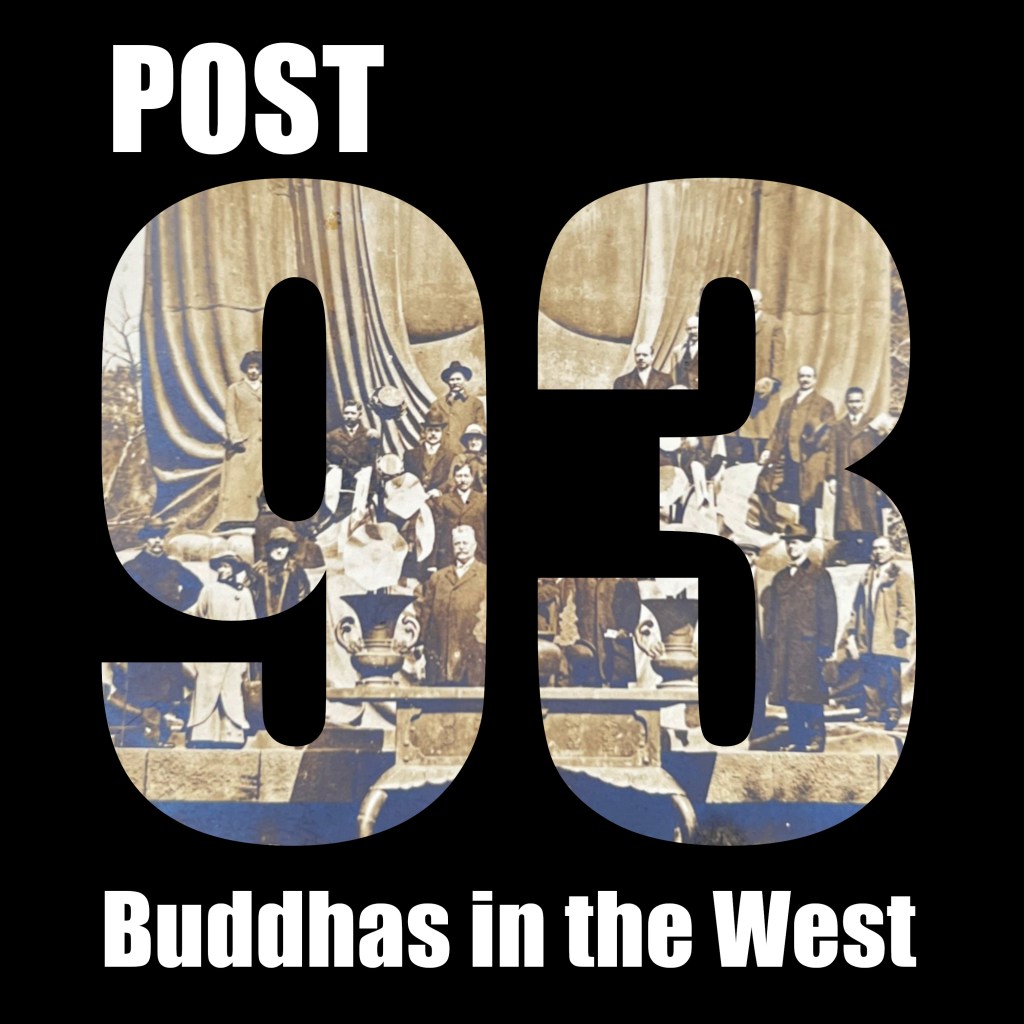
Eastman Kodak European Tour Group Real Photo Postcard

For all the new Buddhas in the West posts
follow us on Bluesky & Instagram


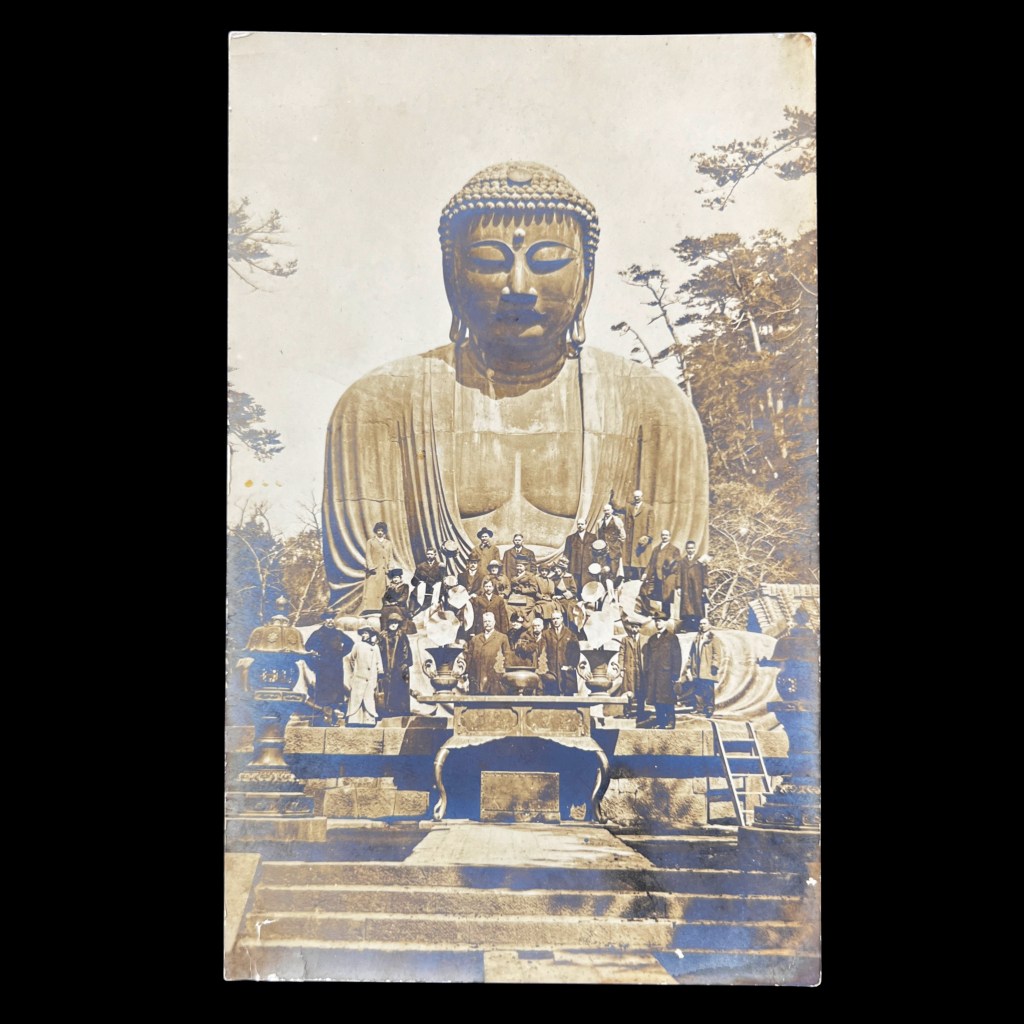
Tales of Tourist Photos, Pt. 1*: If photography changed the way people viewed the world, the Eastman Kodak camera transformed the late Victorian practice of tourism. The handheld Kodak made photography available to casual amateurs, creating the vernacular form of snapshot photography.
*[Part 2]

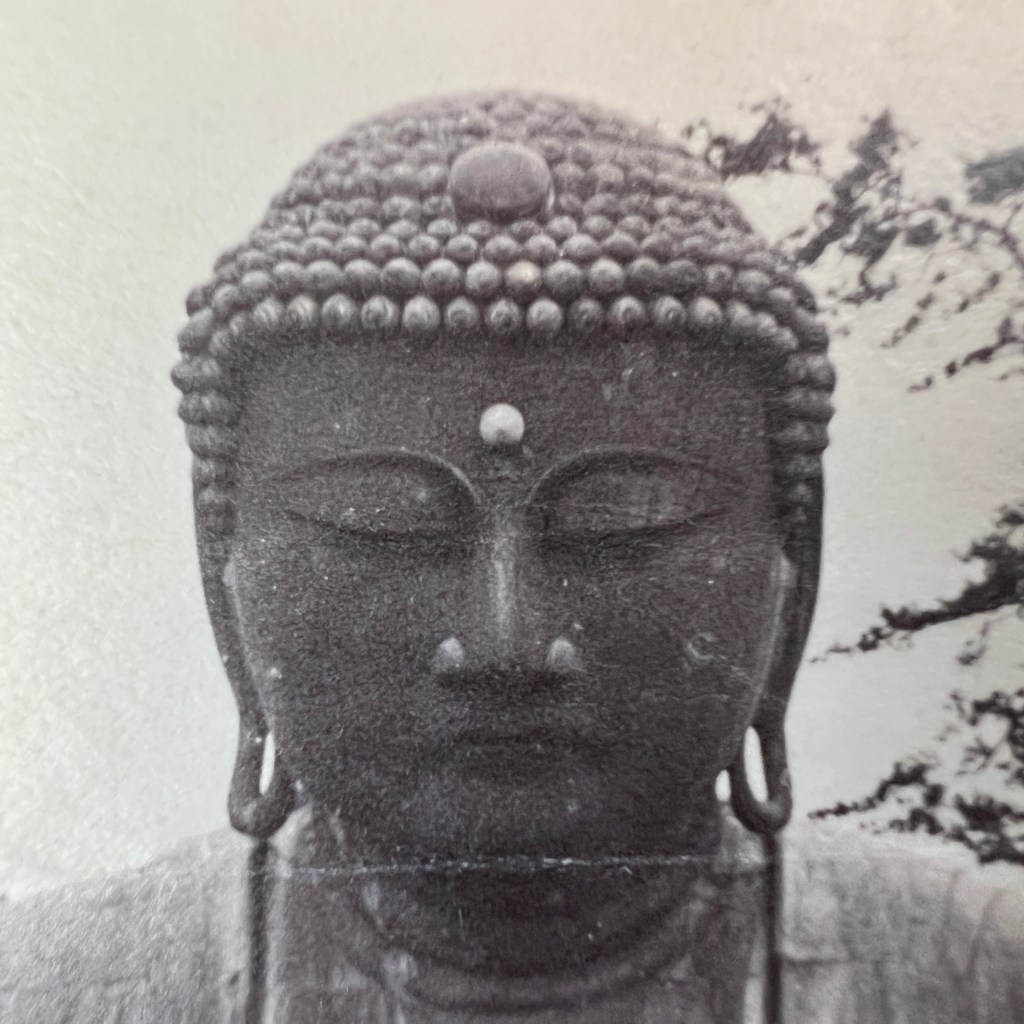
In contrast to a generation earlier, precise technical expertise was not necessary and photography became increasingly linked to personal experience. Foreign travel, such as visiting the Kamakura Daibutsu, increasingly “required” a photograph to validate the exotic experience.

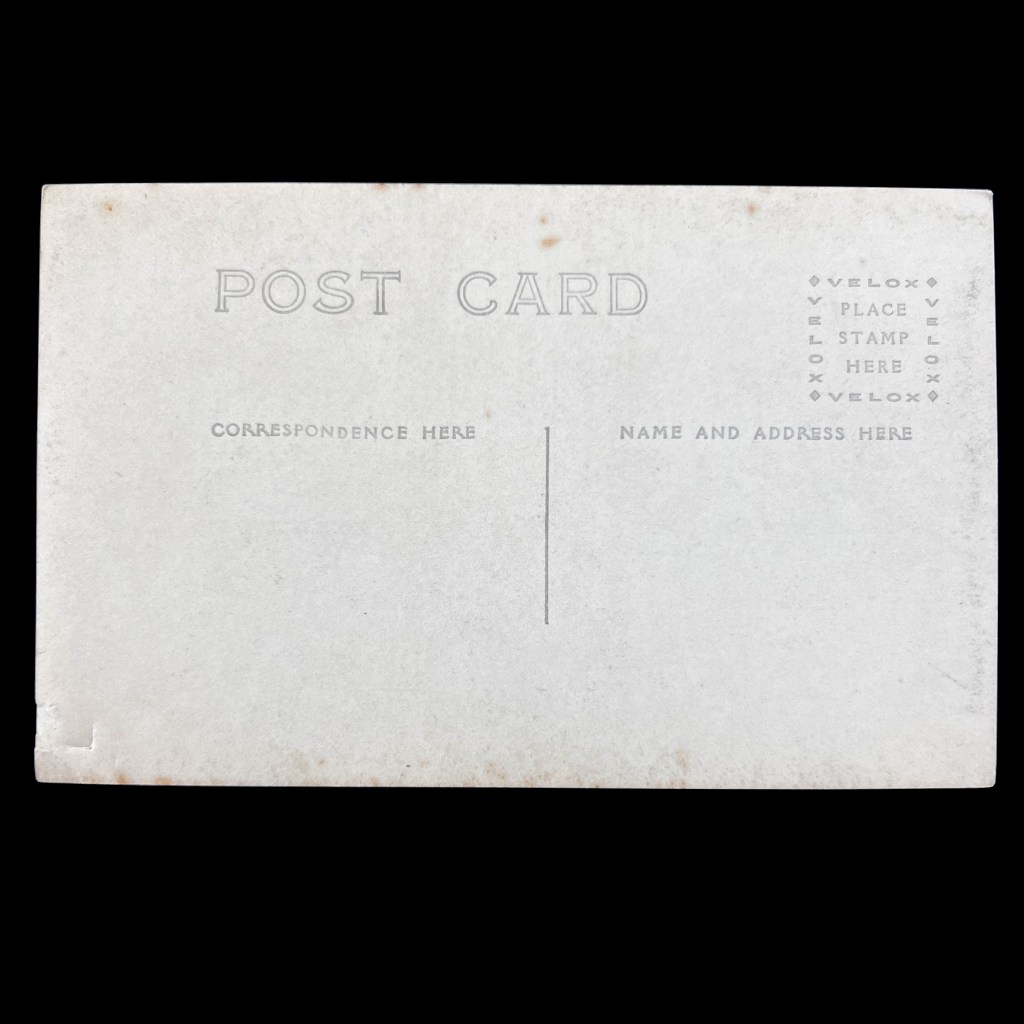
By 1903, the Kodak 3A was released and fitted with rolled film creating negatives measuring 3¼ in. x 5½ in. – the exact size of a standard postcard. Eastman marketed a broad range of supplies for the amateur, including Velox paper for those developing and printing their own postcards. (Note the Velox name surrounding the stamp box.)

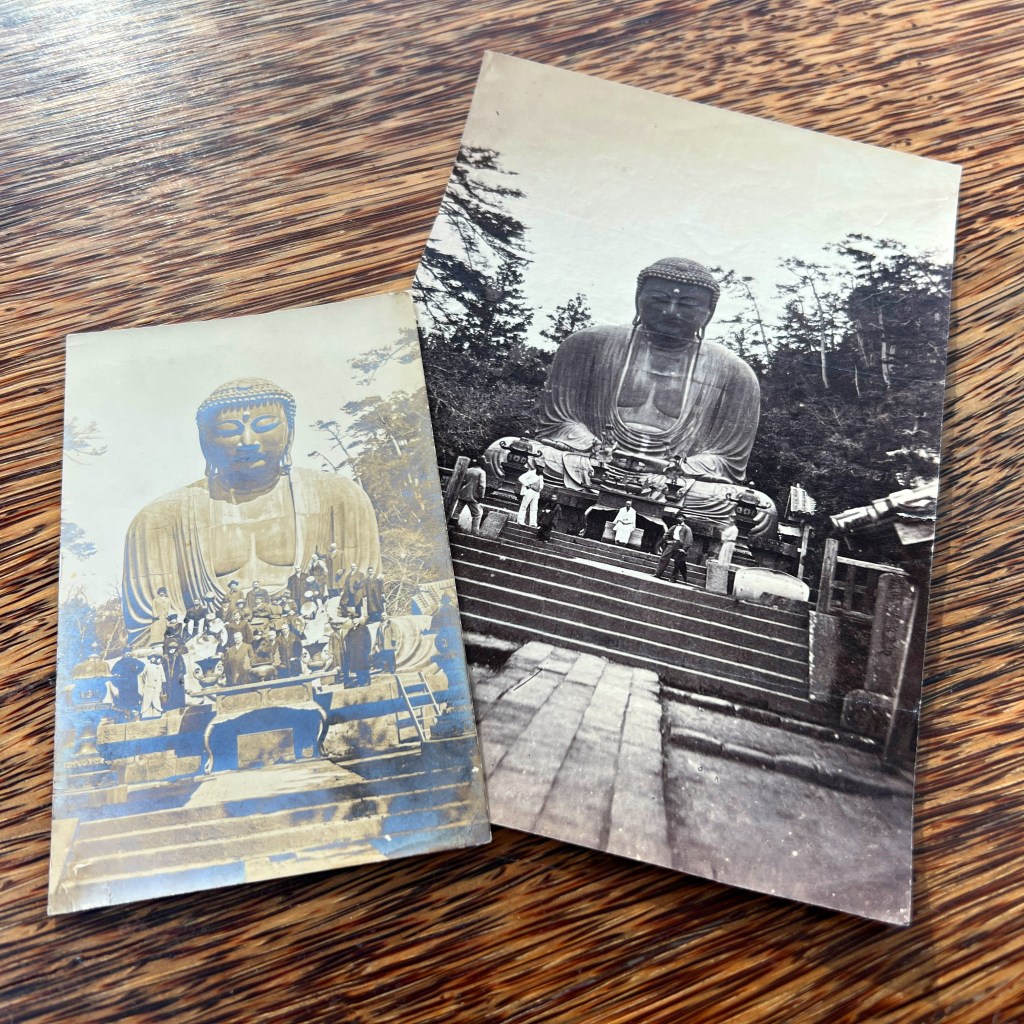
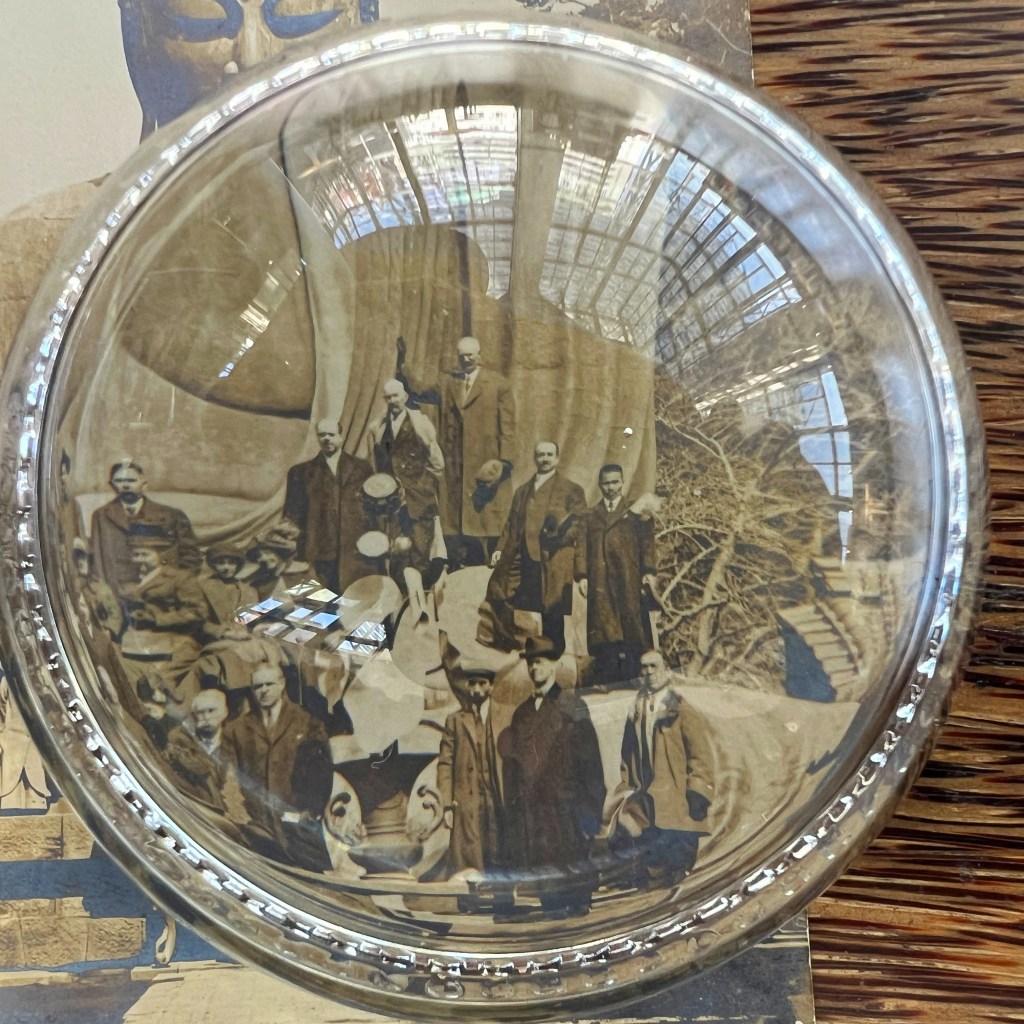
This real photo postcard was shot and printed circa 1910–1915 and captures two dozen tourists arranged along the lap and stone pedestal of the Great Buddha of Kamakura.

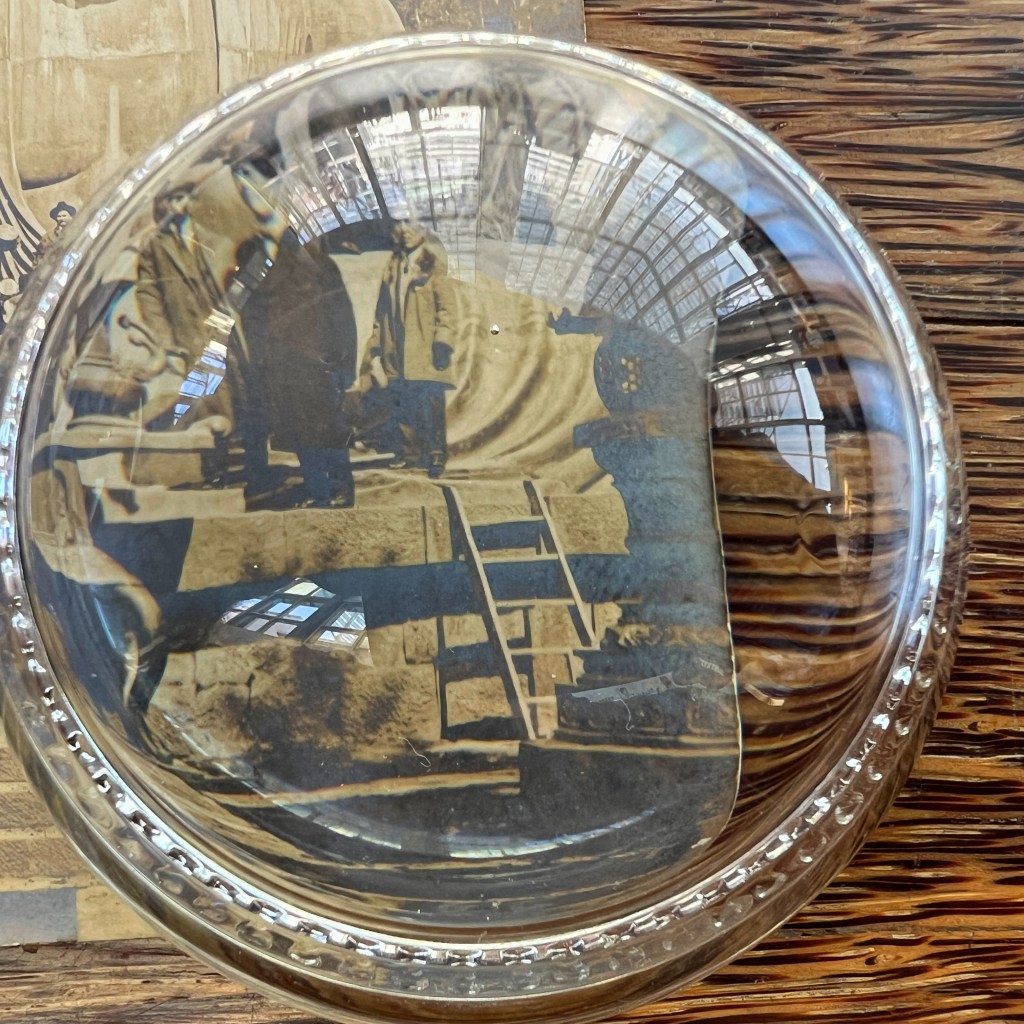
Some of the earliest photographs of the Kamakura Daibutsu depict people climbing upon its lap and a ladder can be seen for helping a visitor’s ascent in photographs dating to the 1870s. Sometime around 1915 climbing on the statue was prohibited.

For further discussion on the birth of the snapshot and its cultural impact, see Mia Fineman’s “Kodak and the Rise of Amateur Photography,” viewable here: https://www.metmuseum.org/essays/kodak-and-the-rise-of-amateur-photography.


The Buddhas in the West Material Archive is a digital scholarship project that catalogues artifacts depicting Buddhist material culture for Western audiences. It’s comprised of prints, photos, and an assortment of ephemera and other objects. For a brief introduction to this archive, visit the main Buddhas in the West project page.


For Related Buddhas in the West Posts Featuring Real Photo Postcards:


For the Most Recent Buddhas in the West Posts:

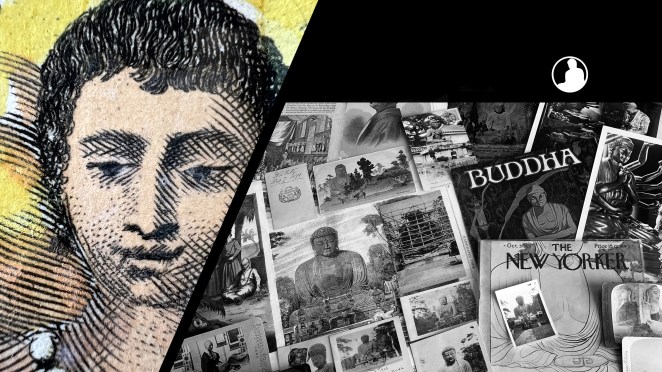
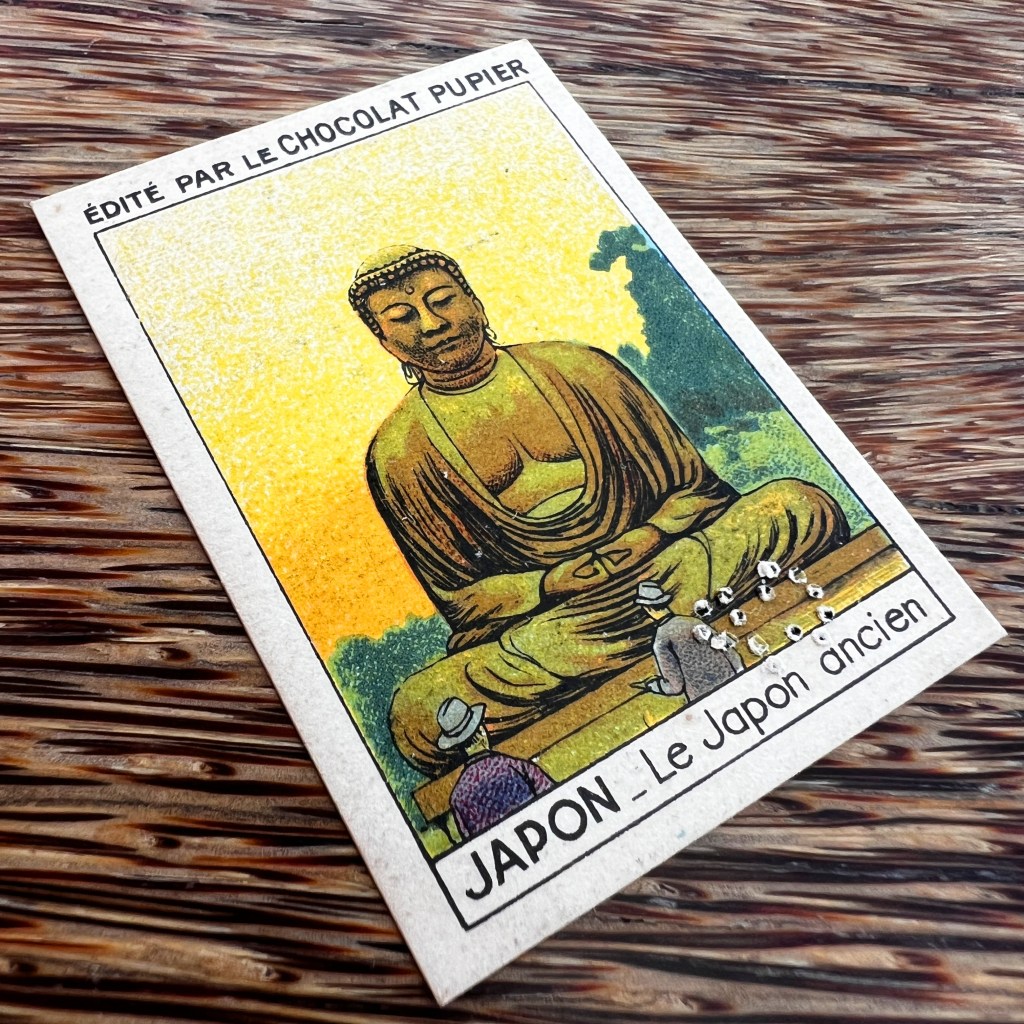
Chocolat Pupier’s “Le Japon ancien” Trade Card

For all the new Buddhas in the West posts
follow us on Bluesky & Instagram


European and American chocolatiers were among the businesses that embraced the use of beautifully illustrated advertising trade cards. To inspire collection, the cards often depicted romantic, if not highly stereotyped, imagery.

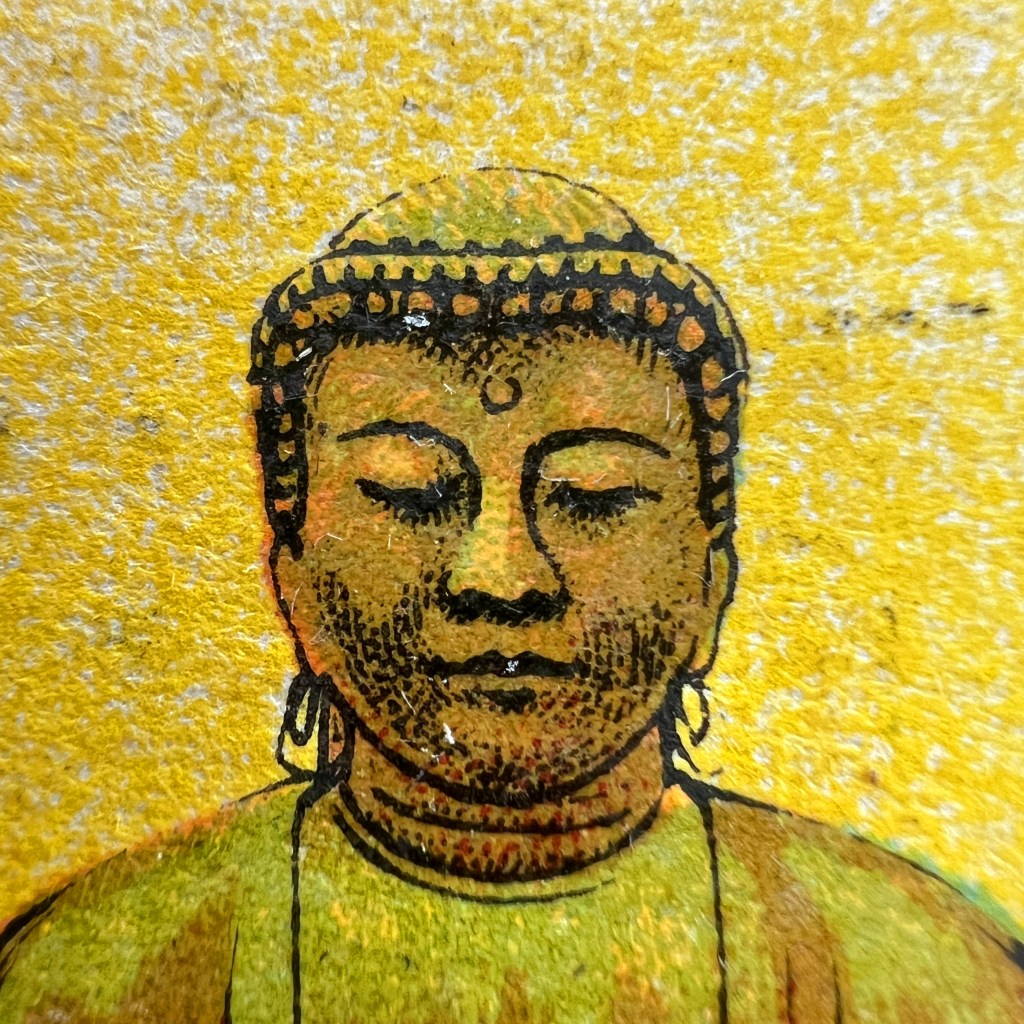
Looking closely, we can see the Kamakura Daibutsu is seemingly portrayed as a sightseeing destination, not a religious icon; the onlookers in Western attire hint more at curious observation than reverence.

Moreover, the caption of “ancient Japan” plays to the idea of an ancient and mystical “Orient,” thus we might read the Buddhist icon as a quaint relic of the distant past, not part of a living religious tradition.

French confectioner Chocolat Pupier was a major producer of chromolithographed trade cards. An “Asia” album with 252 card slots could be purchased to display your collection (we see this is card number 140).

The rise of the postcard at the turn of the twentieth century and the growth of magazine advertising ended the widespread use of trade cards. For more on trade cards, see “The Short Rise and Fall of the Crazy-for-Cocoa-Trade Cards Craze,” viewable here: tinyurl.com/yc2a9y4b.


The Buddhas in the West Material Archive is a digital scholarship project that catalogues artifacts depicting Buddhist material culture for Western audiences. It’s comprised of prints, photos, and an assortment of ephemera and other objects. For a brief introduction to this archive, visit the main Buddhas in the West project page.


For Related Buddhas in the West Posts Featuring Historical Lithographic Prints:


For the Most Recent Buddhas in the West Posts:

Kamakura Sightseeing Map (1912)

For all the new Buddhas in the West posts
follow us on Bluesky & Instagram


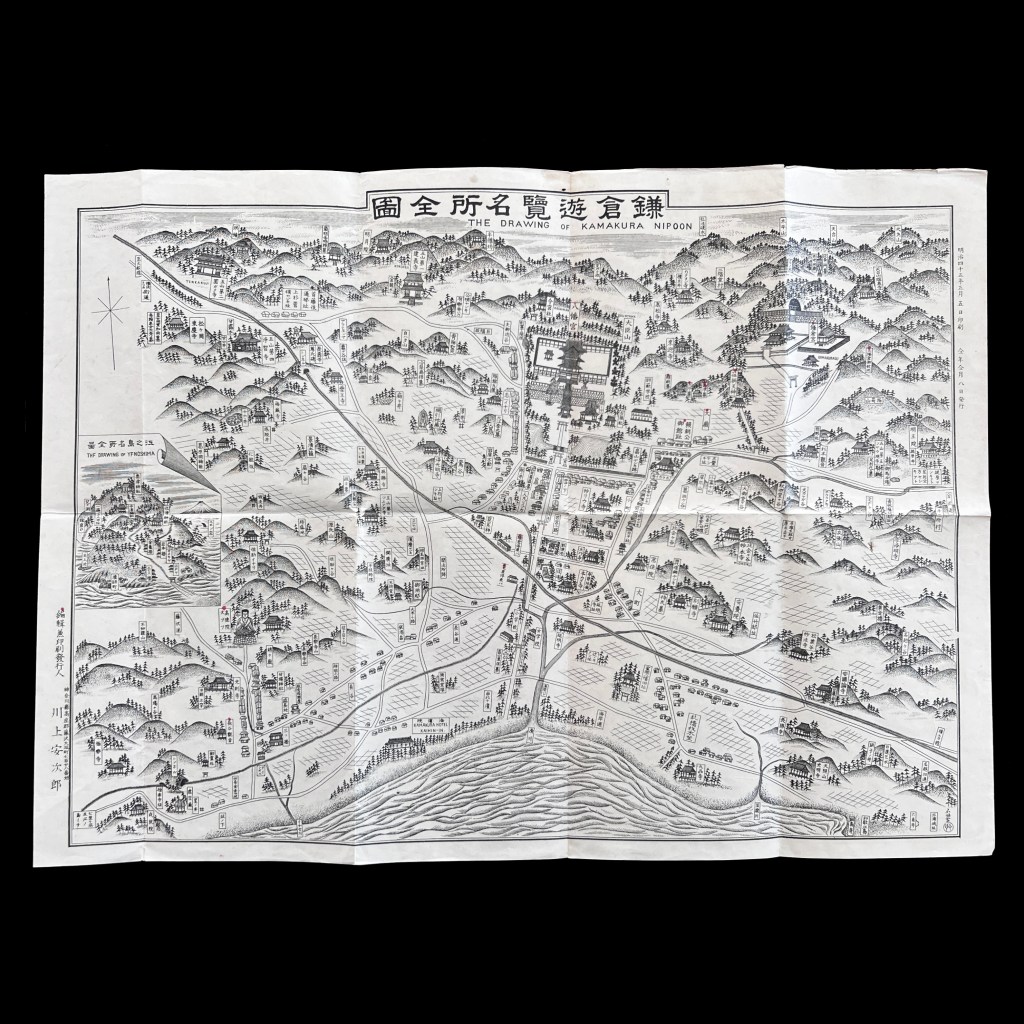
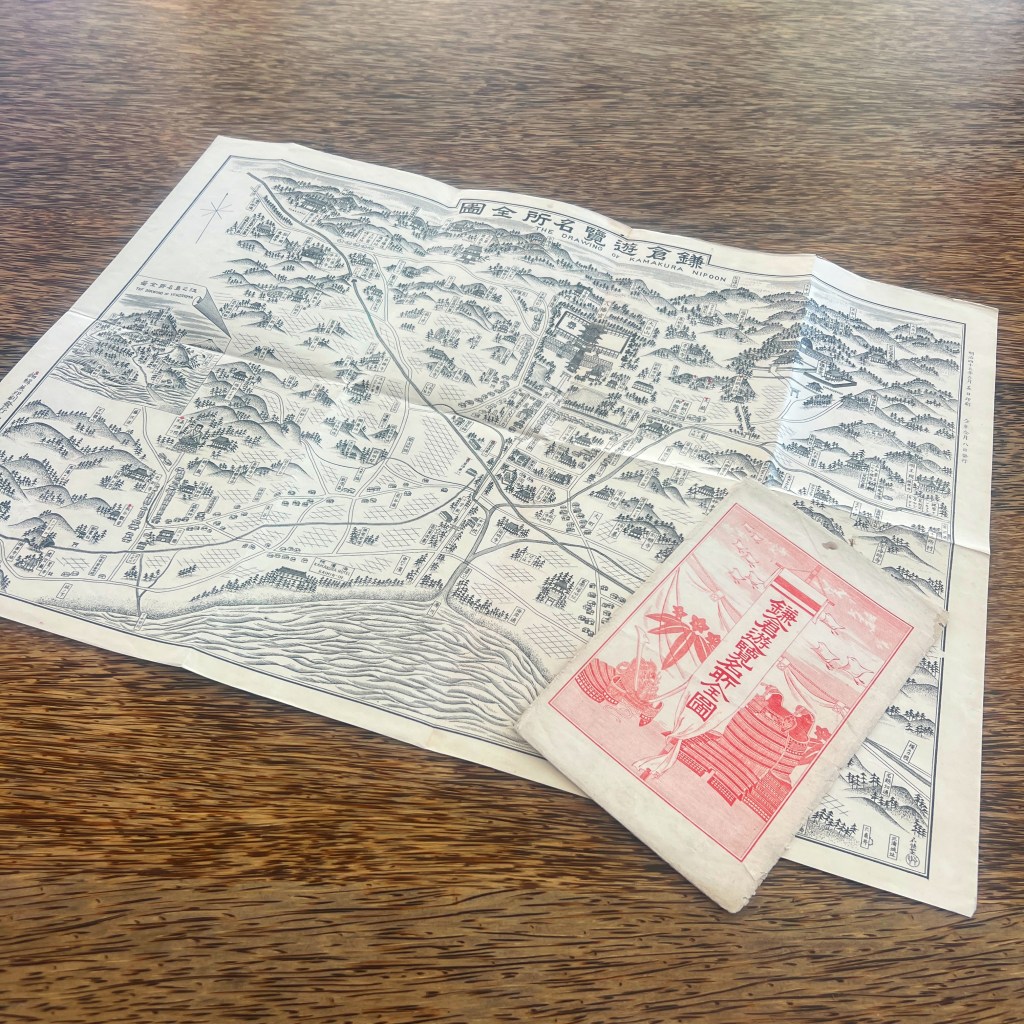
After the opening Japan in 1859, the old backwater capital of Kamakura was transformed into an international tourist destination. This bilingual tourist map from 1912 (Meiji 45) provides a glimpse into which Kamakura sites were seen as most significant, including the Kamakura Daibutsu.

The Complete Map of Kamakura Famous Places for Sightseeing (Kamakura yūran meisho zenzu 鎌倉遊覧名所全圖), loosely rendered into English as The Drawing of Kamakura Nipoon [sic], came inside a paper folder printed with symbols of the Japanese empire. The map was prepared by Kawakami Yasujirō 川上安次郎.

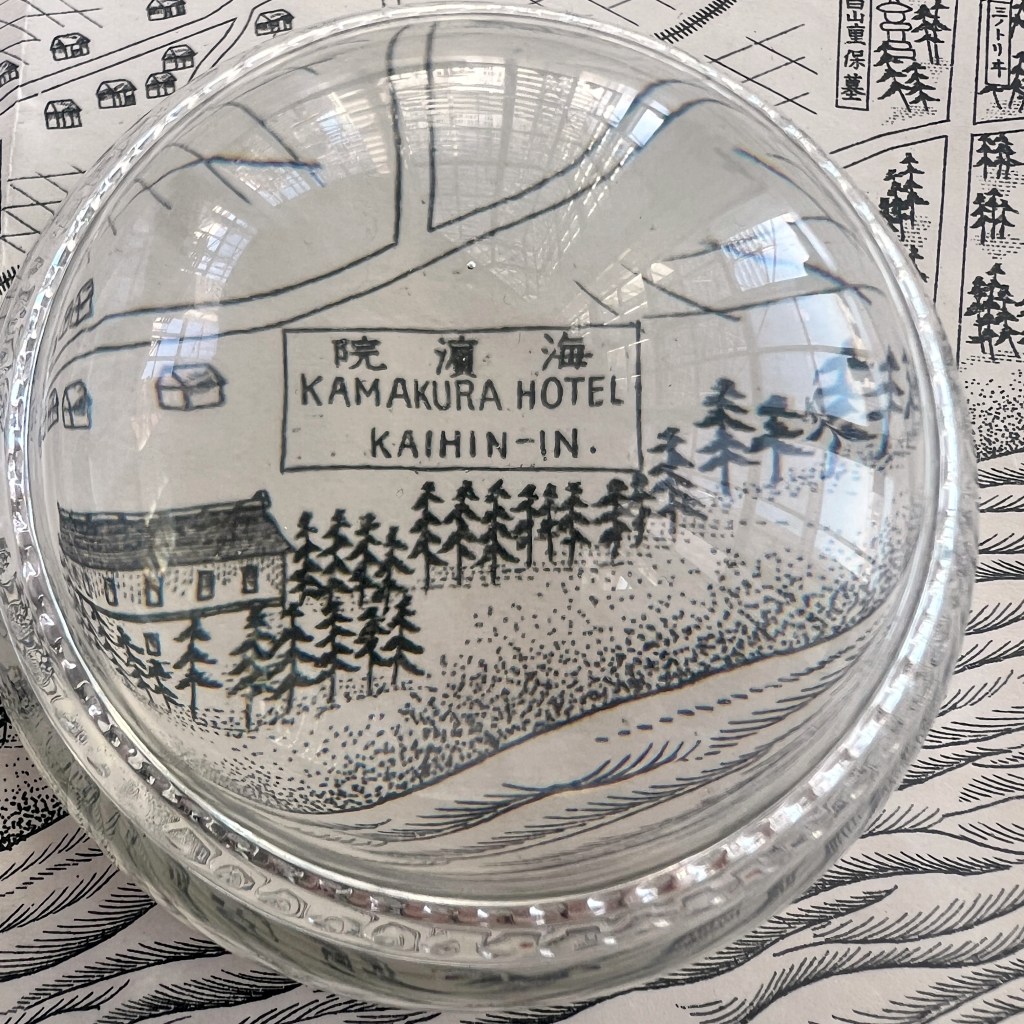
By the early 1890s, the Kamakura Kaihin Hotel, a converted medical therapy facility for seawater bathing, emerged as the premier resort for Kamakura travelers. In March 1893, the Japanese Welcome Society was established to help promote foreign travel in Japan.

For many Japanese travelers, the main attraction was the Hachiman Shrine, a large complex in the heart of the city found at the end of a long central promenade leading to the ocean. The red dot seen here suggests this site was highlighted by the original owners of the map.

Among the many dozens of sites named on the map, only a handful are marked by a red dot. Of those highlighted is Hase-dera, temple home to a famous 31-foot tall Eleven-Headed Kannon statue.

Another highlighted tourist attraction is the Kamakura Daibutsu at Kōtoku-in, here depicted by a small, yet easily identifiable, icon. For a digitized collection of Japanese maps held by the C. V. Starr East Asian Library at UC Berkeley, see tinyurl.com/yutj576z.


The Buddhas in the West Material Archive is a digital scholarship project that catalogues artifacts depicting Buddhist material culture for Western audiences. It’s comprised of prints, photos, and an assortment of ephemera and other objects. For a brief introduction to this archive, visit the main Buddhas in the West project page.


For Related Buddhas in the West Posts Featuring Japan:


For the Most Recent Buddhas in the West Posts:

Adolfo Farsari’s Kamakura Daibutsu Photograph

For all the new Buddhas in the West posts
follow us on Bluesky & Instagram


In 1886, a year after Adolfo Farsari opened his Yokohama photography studio, it burned to the ground during a city-wide fire. Farsari spent the next several months traveling Japan to replenish his stock, including several Buddhist sites popular among globetrotting tourists.

Moreover, with the destruction of Farsari’s studio, he also lost the older negatives of Felice Beato and Baron von Stillfried. Farsari’s studio was among the last of the foreign studios in Yokohama as more Japanese photographers were turning to professional ventures.

Farsari’s scene of the Kamakura Daibutsu shows a person in the middle of prayer.

We can also see another man standing on the stone pedestal, a common sight in photographs of this era.

Farsari’s work earned the praise Rudyard Kipling who complimented him on the fidelity of the hand-coloring. Further commentary on Farsari’s Kamakura Daibutsu photo can be found here: https://peterromaskiewicz.com/2019/01/19/farsaris-dai-butsu-visual-literacy-of-buddhism/

The Buddhas in the West Material Archive is a digital scholarship project that catalogues artifacts depicting Buddhist material culture for Western audiences. It’s comprised of prints, photos, and an assortment of ephemera and other objects. For a brief introduction to this archive, visit the main Buddhas in the West project page.


For Related Buddhas in the West Posts Featuring Historical Photography:

For the Most Recent Buddhas in the West Posts: