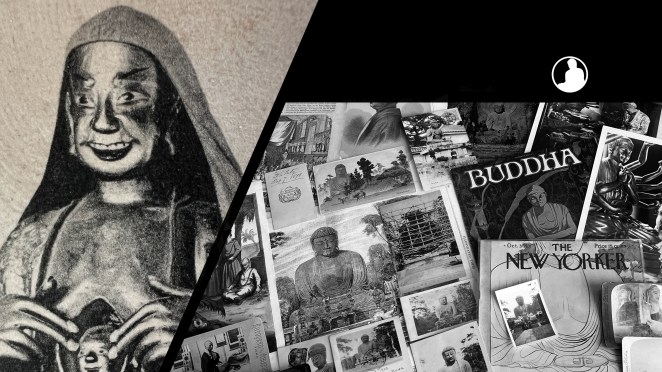
Sandringham Laughing Buddha Real Photo Post Card

For all the new Buddhas in the West posts
follow us on Bluesky & Instagram


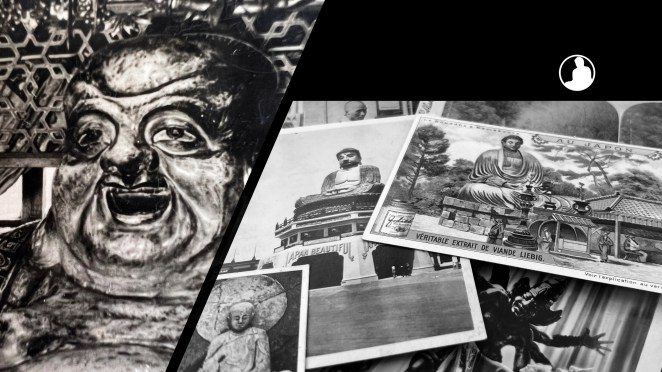
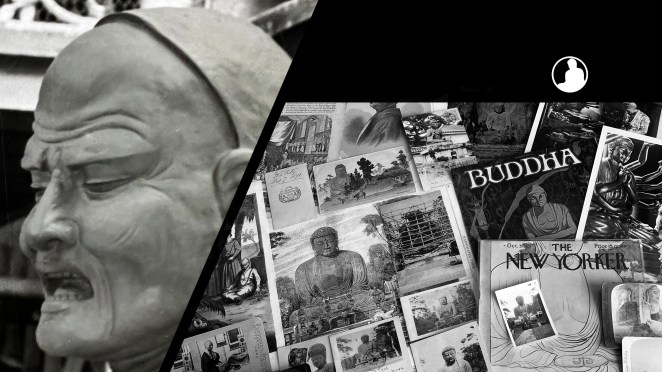
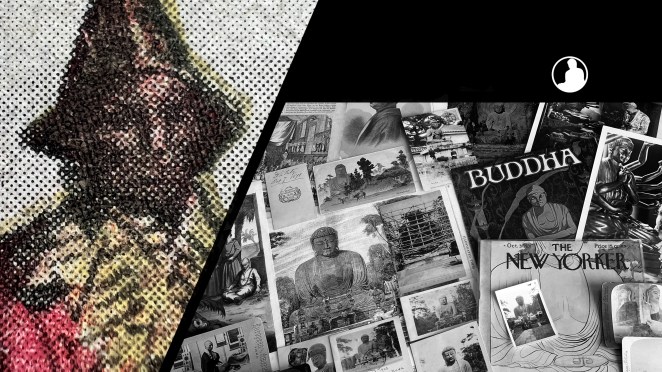
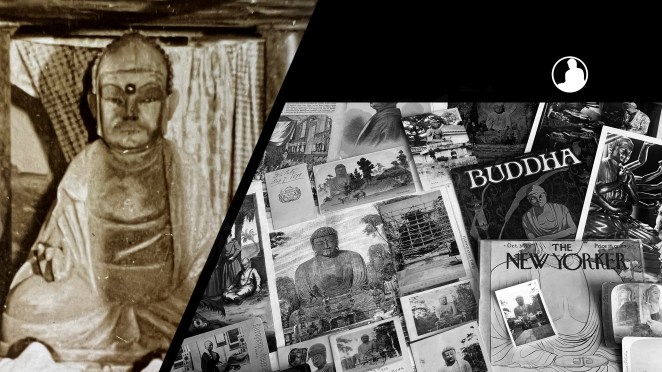
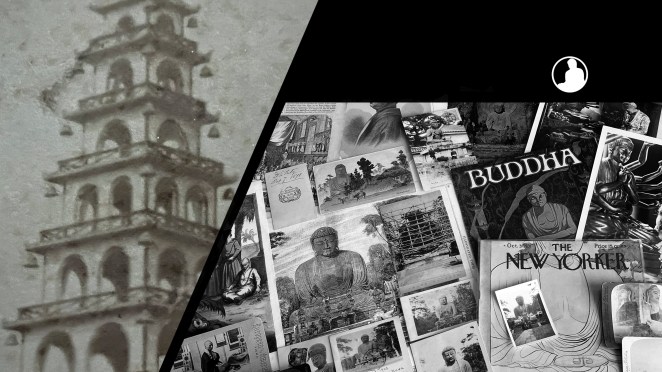
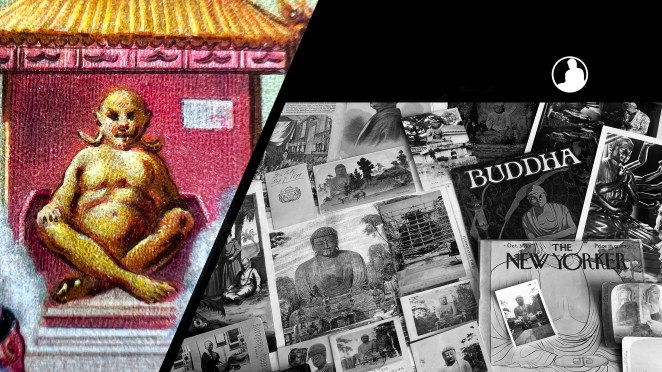
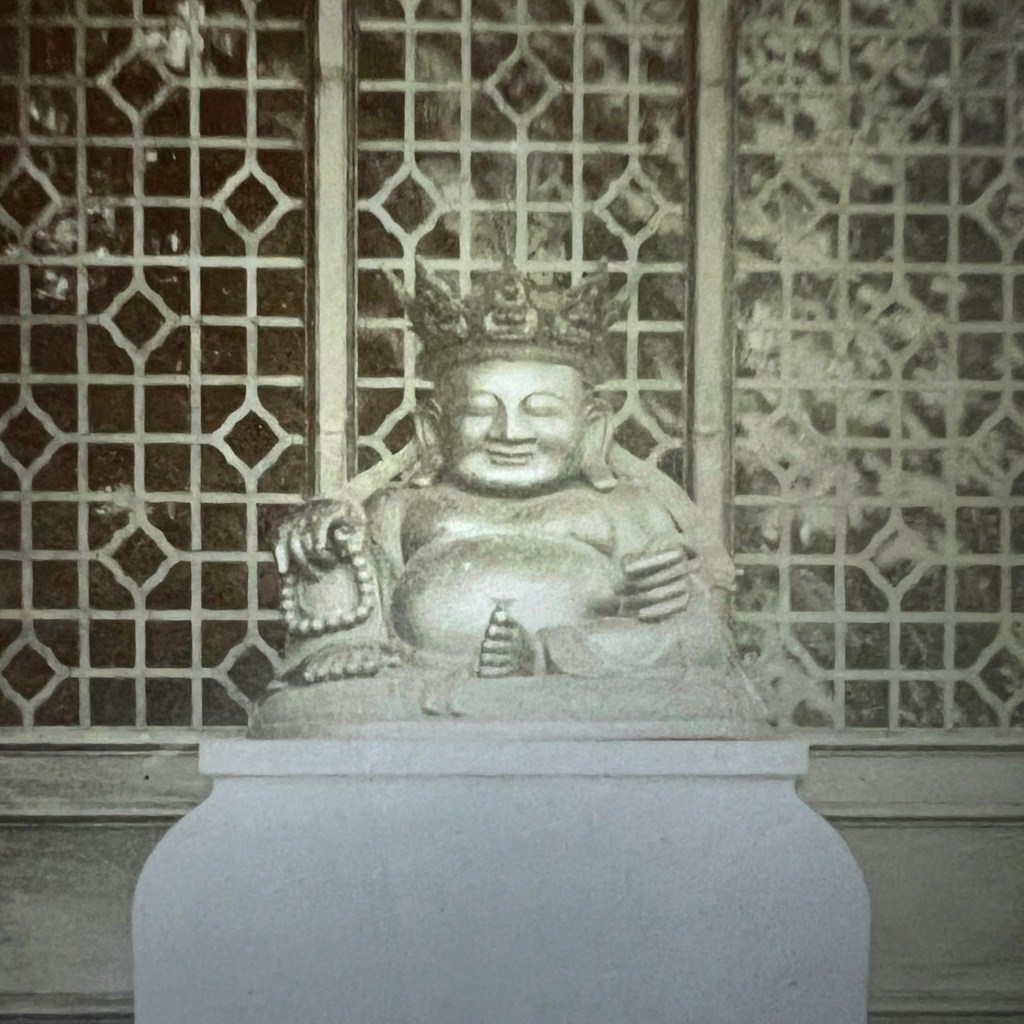
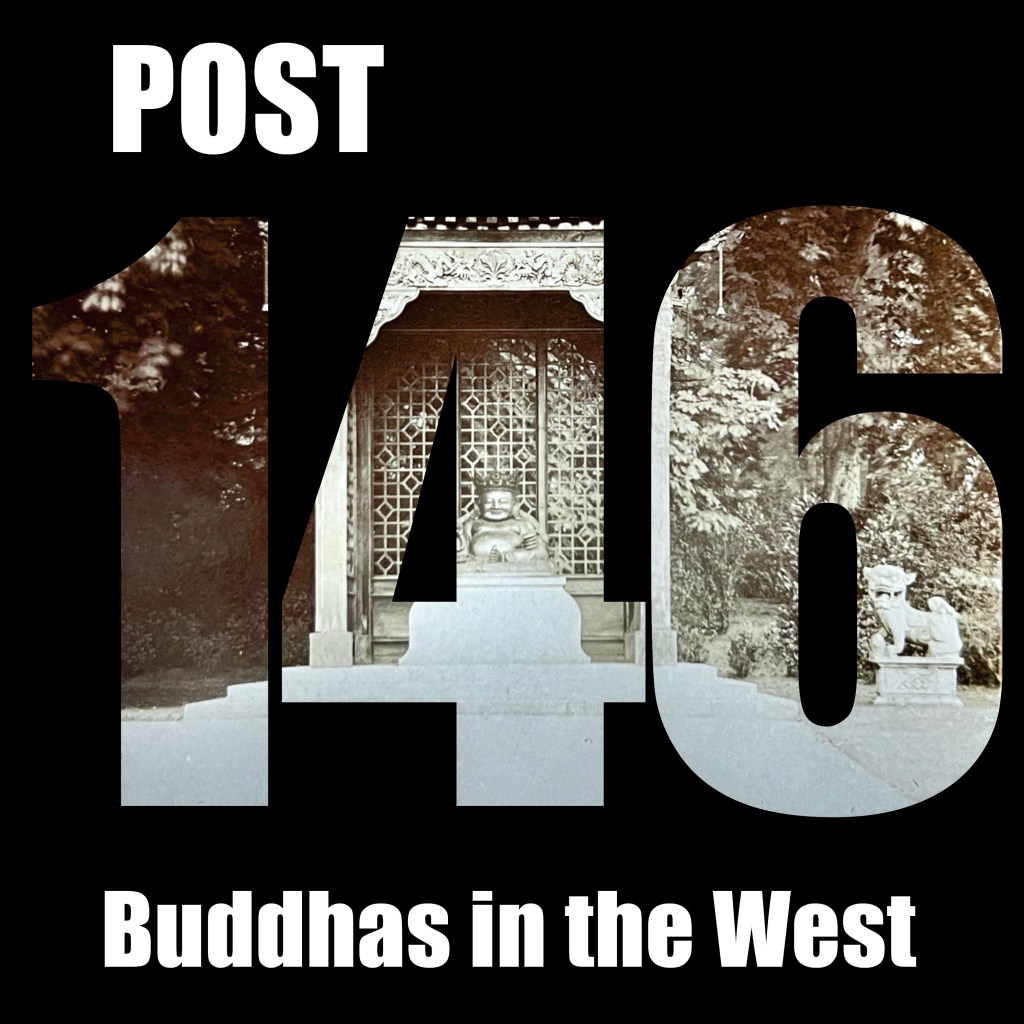
This gilded Laughing Buddha wearing an eight-pointed crown once graced a Chinese Buddhist monastery. Today, the statue sits in a very different setting on the grounds of the royal Sandringham estate as an unusual imperial garden ornament.
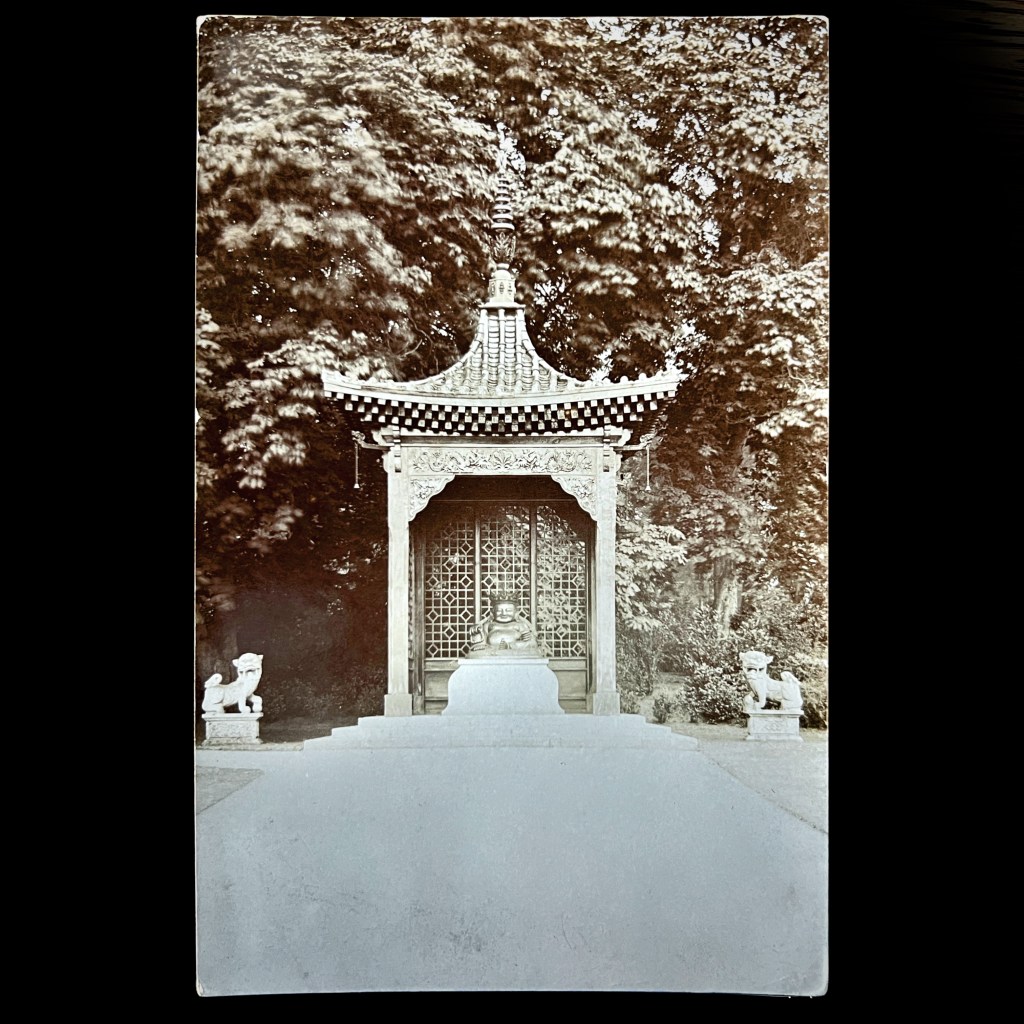
The Sandringham Buddha was sent to Britain by Admiral Sir Henry Keppel in 1869. After encountering the statue in Beijing, he shipped it home aboard HMS Rodney and presented it to the Prince of Wales (later Edward VII) as a gift for the newly built Sandringham House.
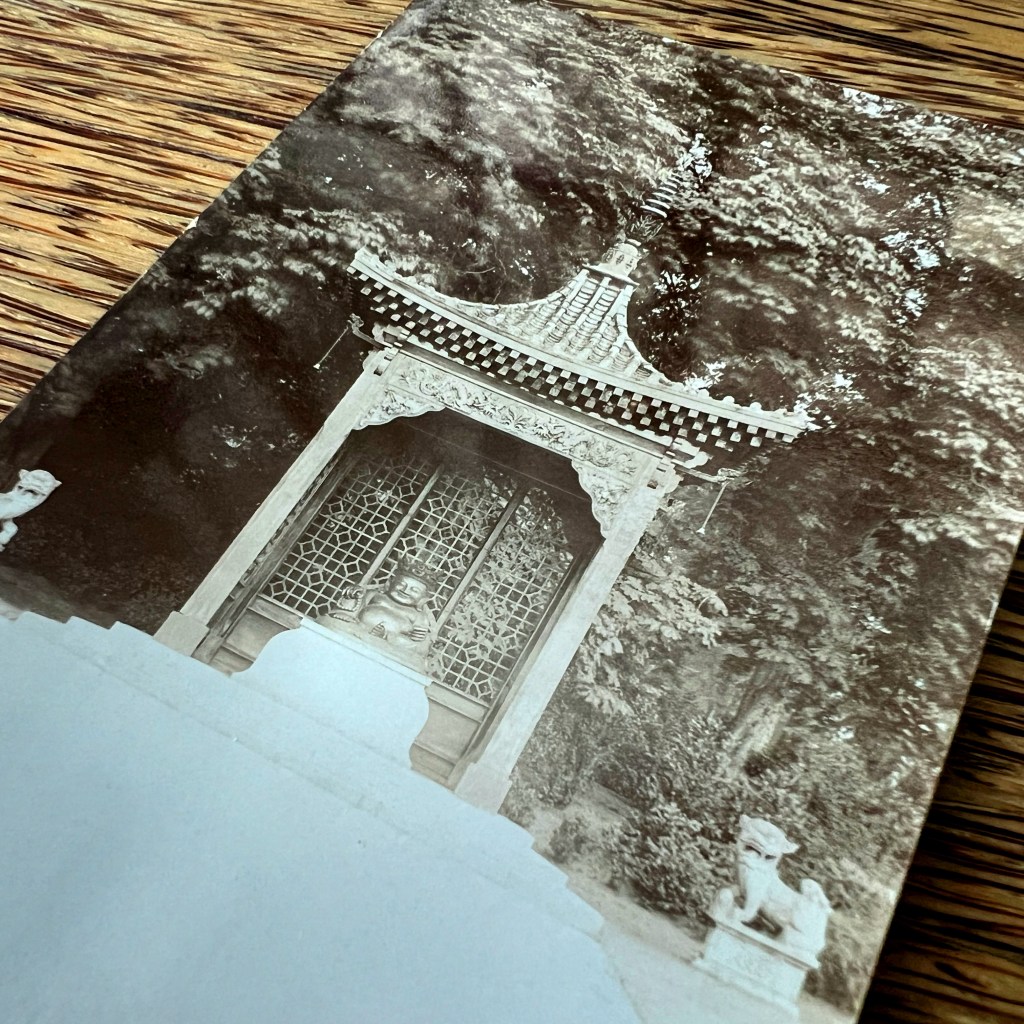
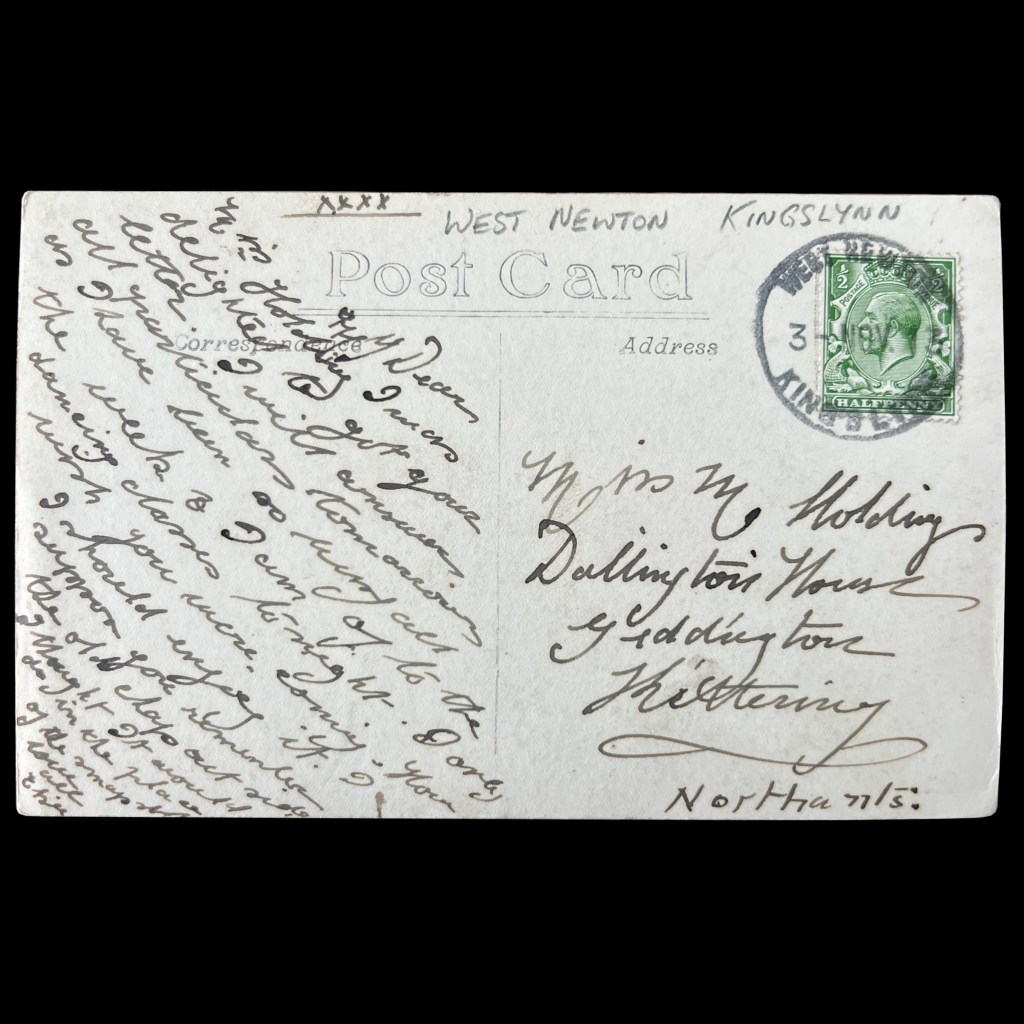
The image here was produced as a “real photo” postcard—created by printing a photographic positive directly onto photosensitized postcard stock. This card was mailed in 1913, near the end of the great postcard boom that was soon cut short by the First World War.
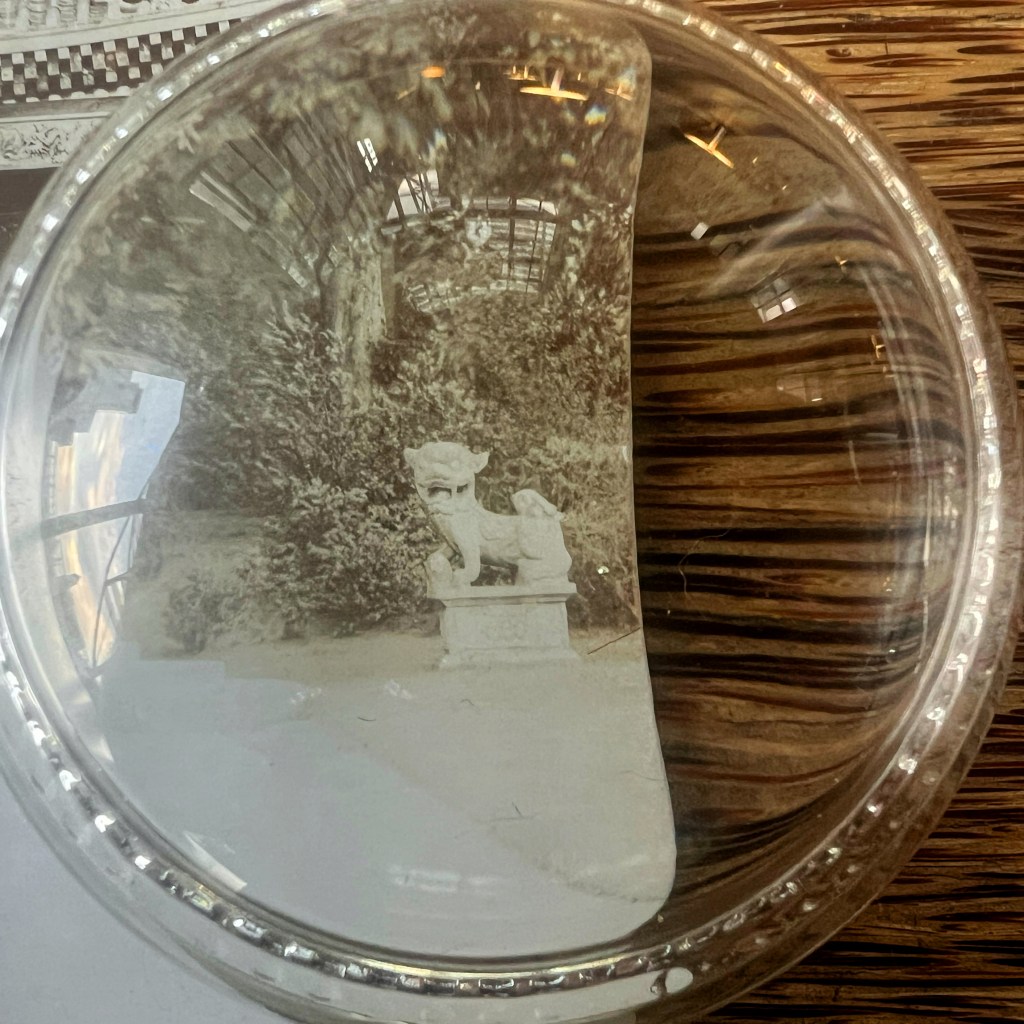
In the 1870s, estate carpenters built a wooden pagoda canopy above the statue, flanked by granite Japanese lions. The structure stood for decades before eventually rotting away and being demolished in 1960, leaving the Buddha exposed.
It is thought the statue was cast in 1690 and was found to have many Chinese coins inside it, likely offerings placed there by pious Buddhists. For more on this icon, see Jamie Carstairs’ “Location/Dislocation” viewable here: https://tinyurl.com/5w4tbpr7.
The Buddhas in the West Material Archive is a digital scholarship project that catalogues artifacts depicting Buddhist material culture for Western audiences. It’s comprised of prints, photos, and an assortment of ephemera and other objects. For a brief introduction to this archive, visit the main Buddhas in the West project page.


For Related Buddhas in the West Posts Featuring the Laughing Buddha | Budai:

For the Most Recent Buddhas in the West Posts:

1924 British Empire Exhibition Tibetan Dancers Postcard

For all the new Buddhas in the West posts
follow us on Bluesky & Instagram


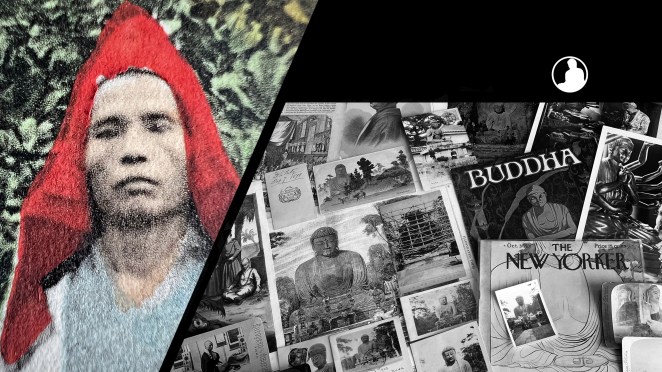
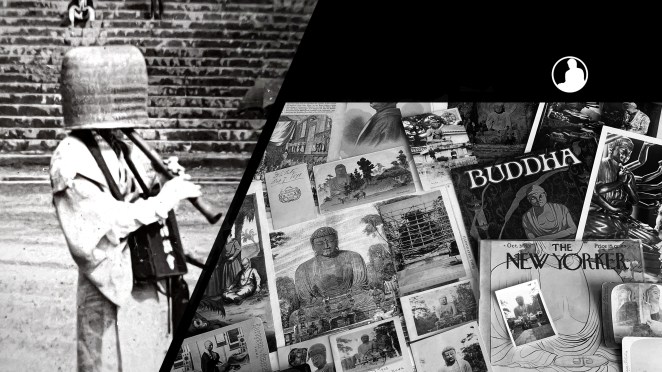
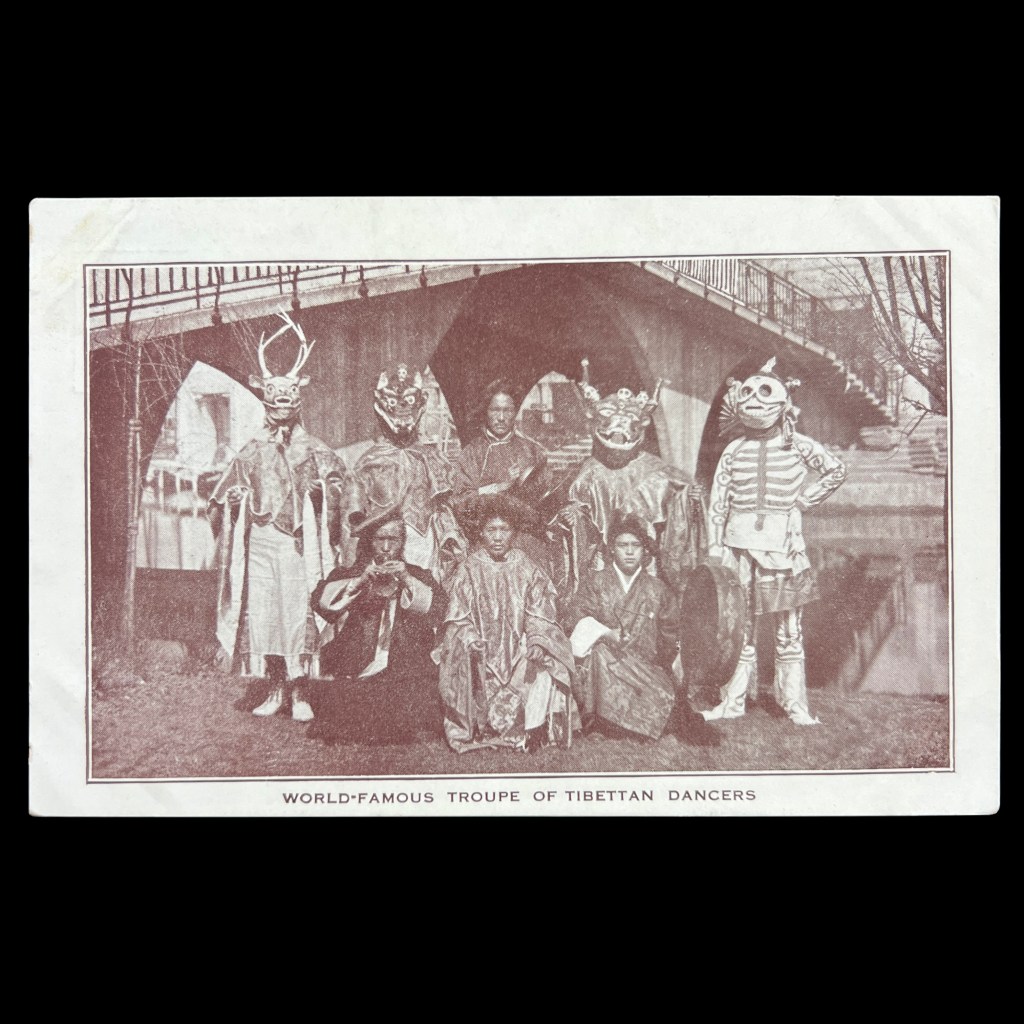
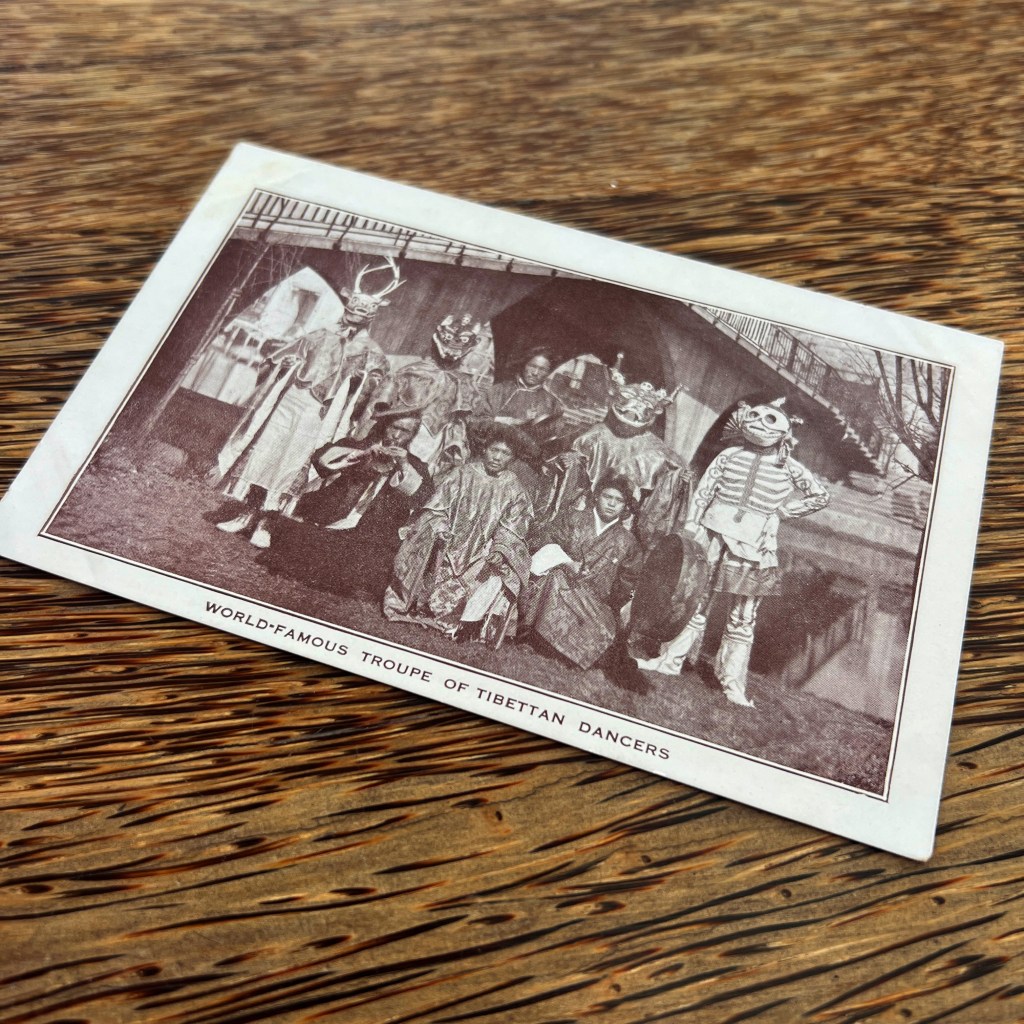
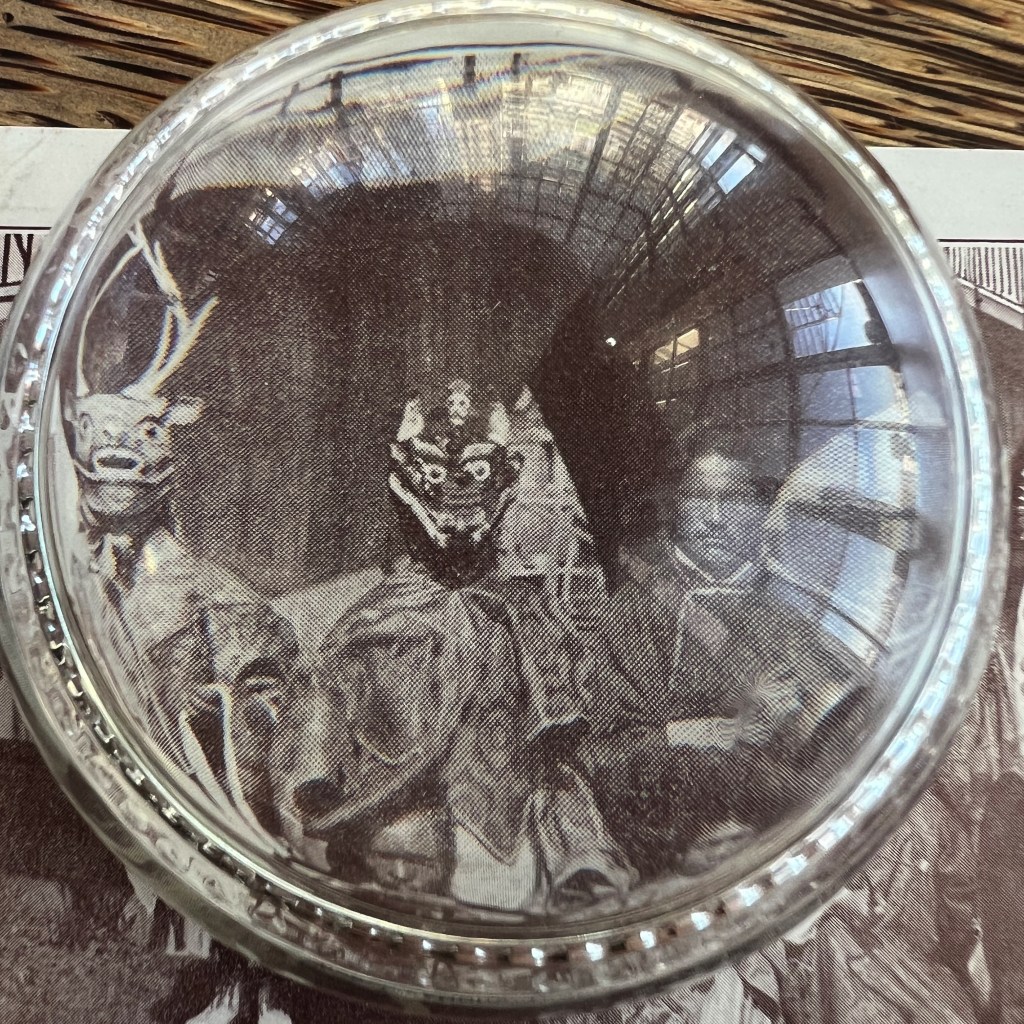
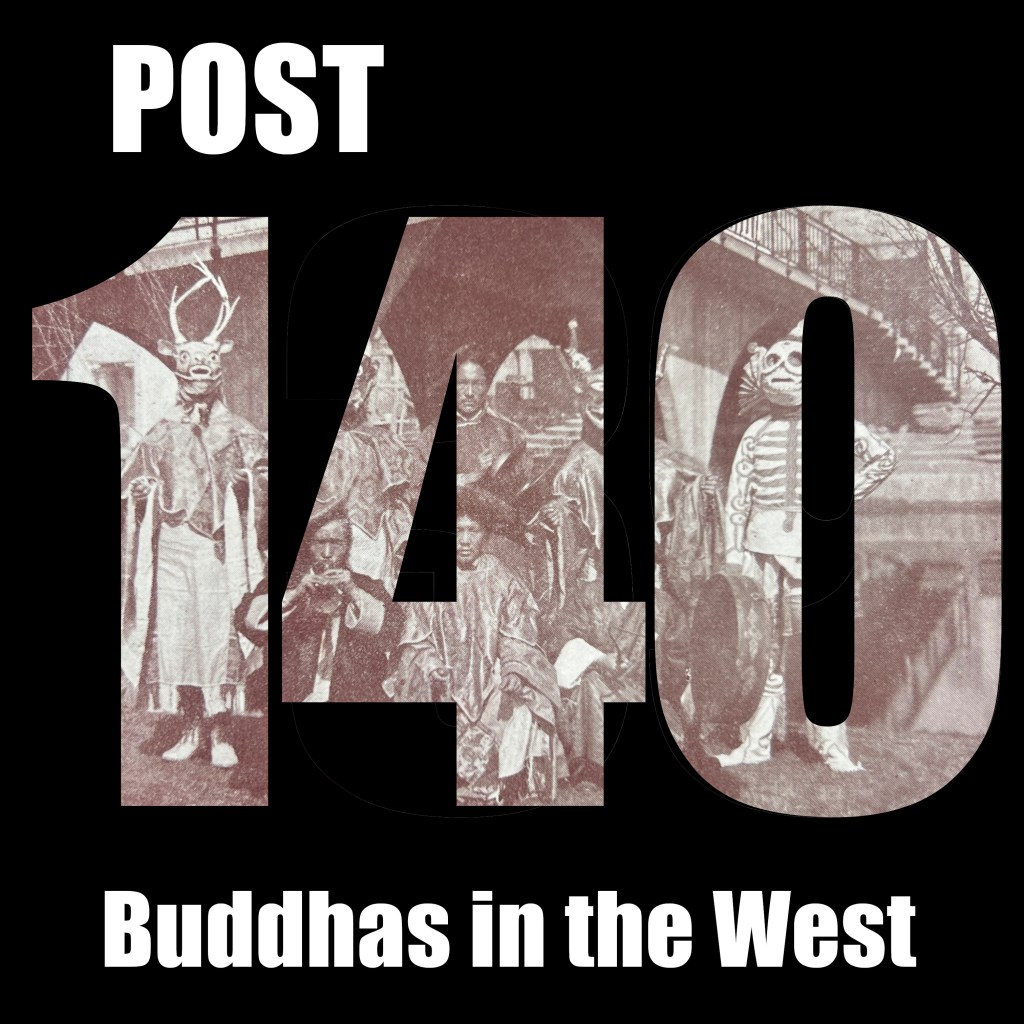
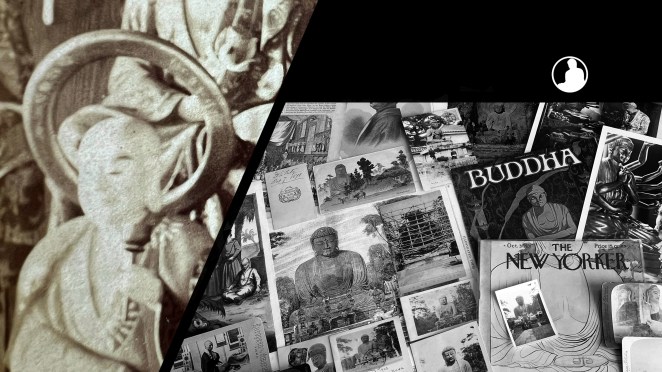
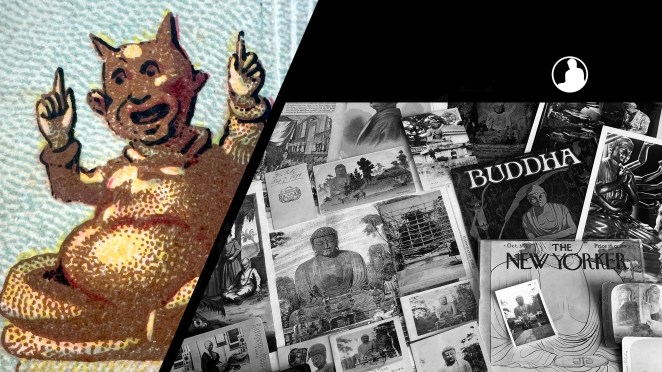
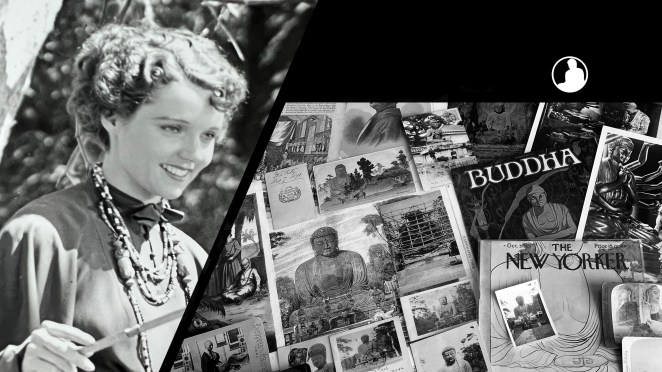
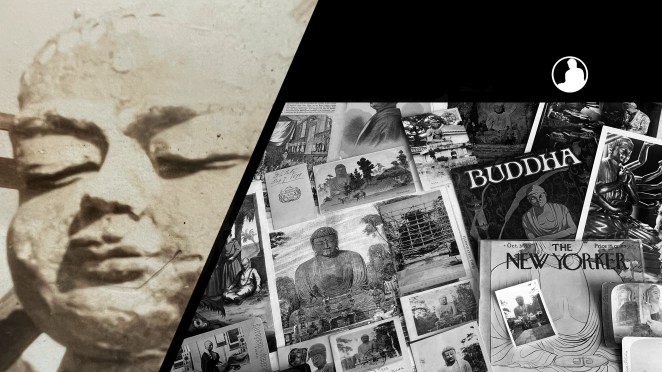
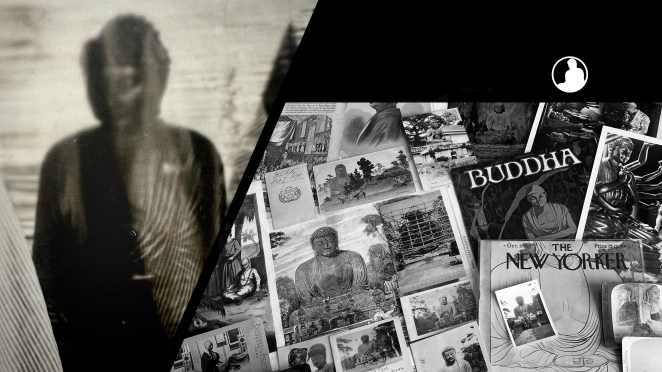
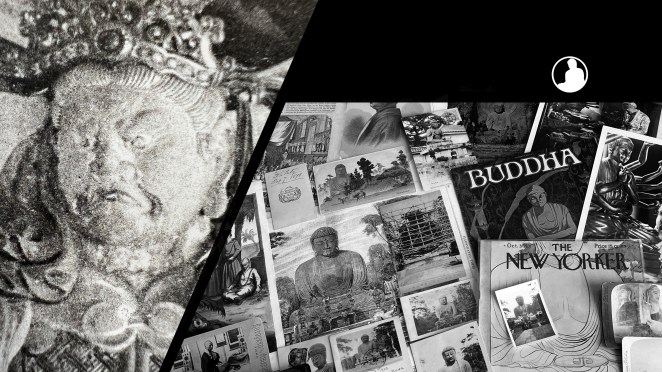
The first Tibetan Buddhist monks came to Europe amid the surge of interest over attempts to summit Mt. Everest in the 1920s. Capitalizing on this excitement, a promoter in Darjeeling recruited men to pose as Tibetan cham dancers for the British Empire Exhibition at Wembley in 1924.

Dressed in what appeared to be authentic masks and robes, the troupe performed in a theater attached to the India Pavilion. Not everyone was impressed; a Tibetan student then studying in England regarded the performances as inauthentic and insulting to both Tibet and Buddhism.

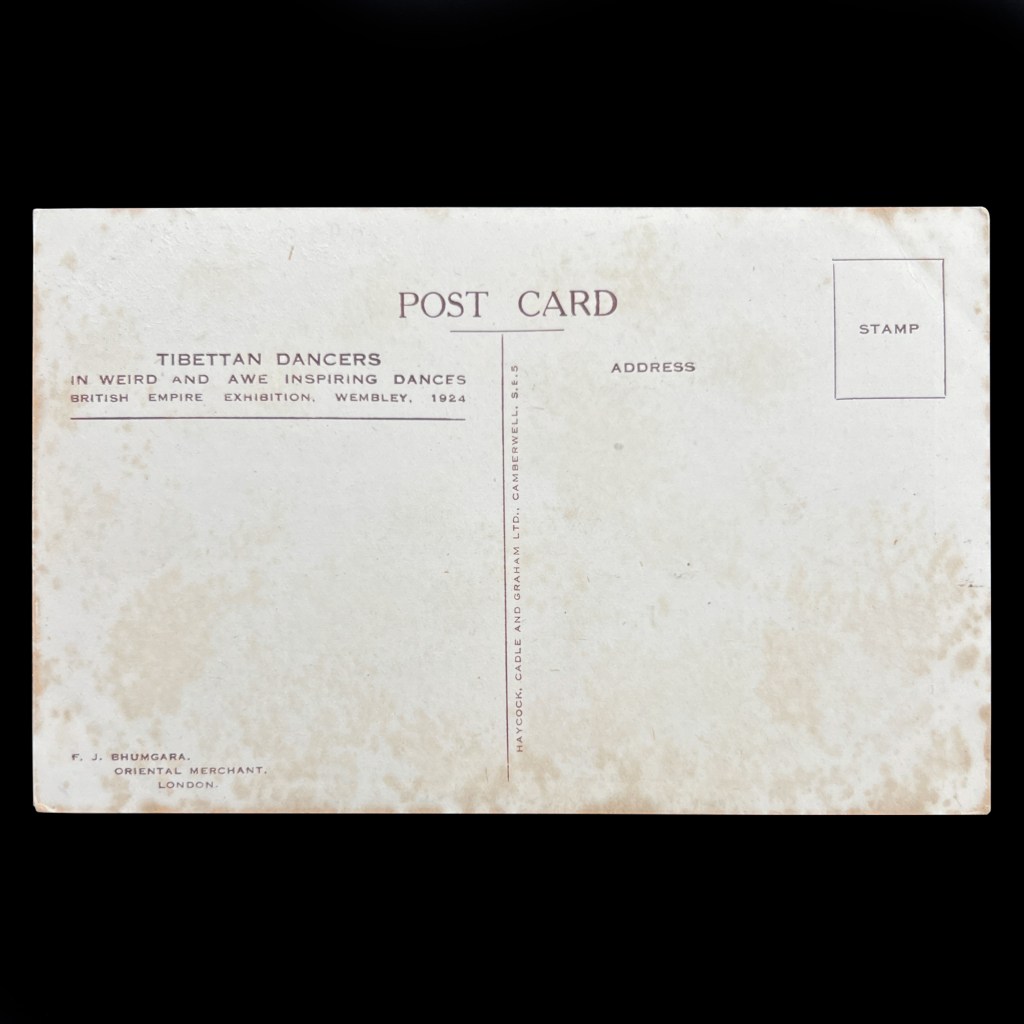
Advertised as performing “weird and awe inspiring dances,” the troupe shared the stage alongside Indian snake charmers, jugglers, and magicians. This spectacle formed part of a long-standing colonial practice of publicly displaying foreign people as part of ethnological “human zoos.”

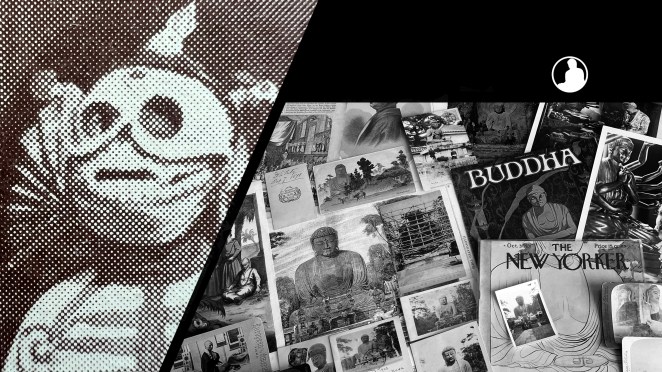
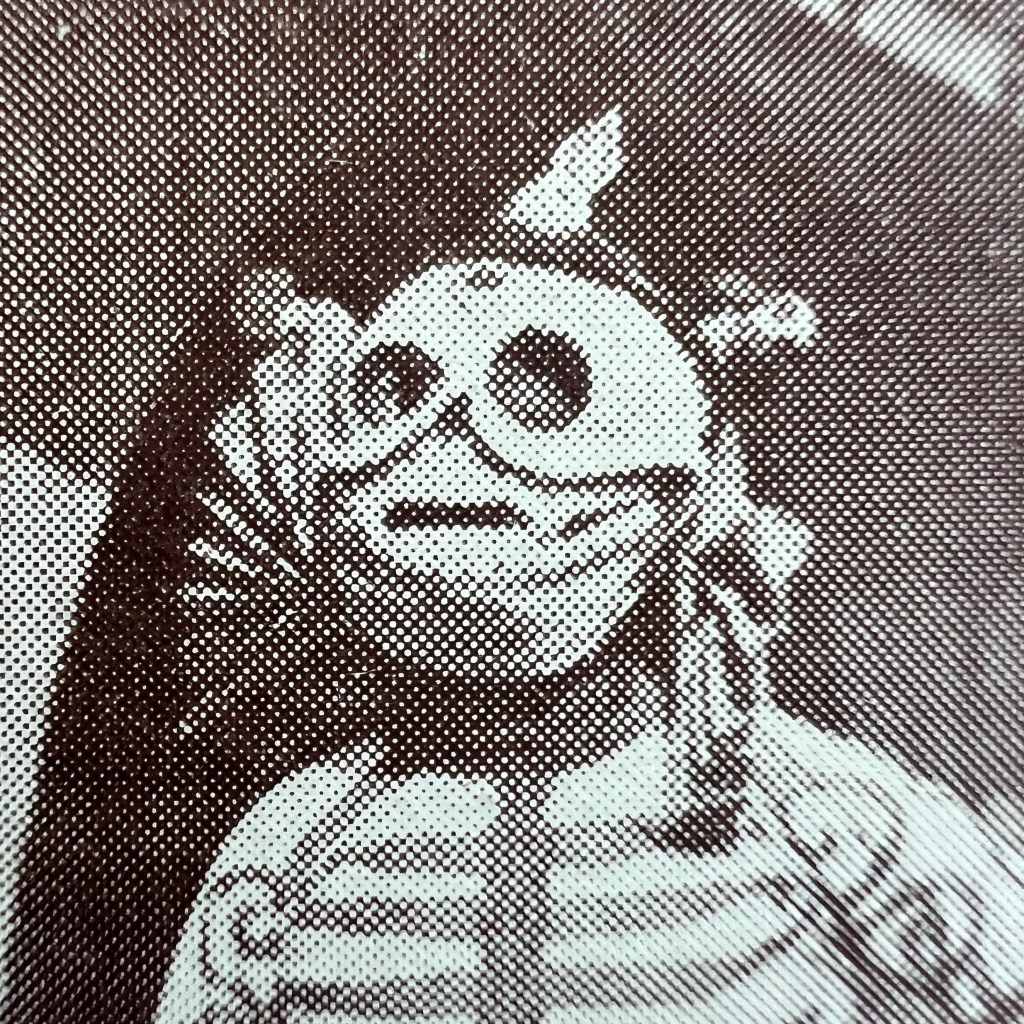
The costumes themselves drew on figures from actual cham rituals, including the fierce Buddhist deity Yama and a sacred stag.

Despite the unease of Tibetan officials, “real” Tibetan monks were allowed to tour Europe for the 1924 premier of the Epic of Everest, performing music as part of a live prologue to the film. For more on these monks, see Peter Hansen’s “The Dancing Lamas of Everest” (1996).


The Buddhas in the West Material Archive is a digital scholarship project that catalogues artifacts depicting Buddhist material culture for Western audiences. It’s comprised of prints, photos, and an assortment of ephemera and other objects. For a brief introduction to this archive, visit the main Buddhas in the West project page.


For Related Buddhas in the West Posts Featuring Ritual Dance:


For the Most Recent Buddhas in the West Posts:

Tuck’s Henry Savage Landor Tibetan Lamas Postcard

For all the new Buddhas in the West posts
follow us on Bluesky & Instagram


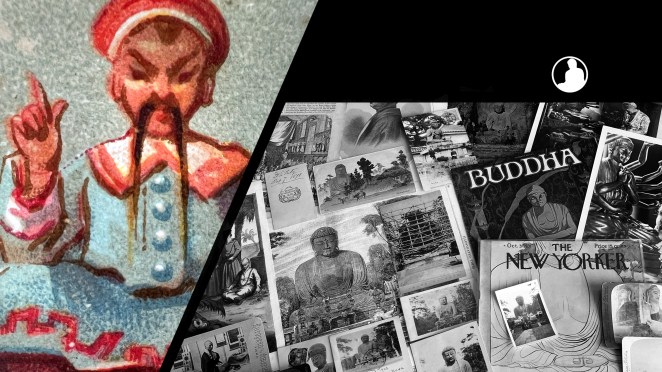
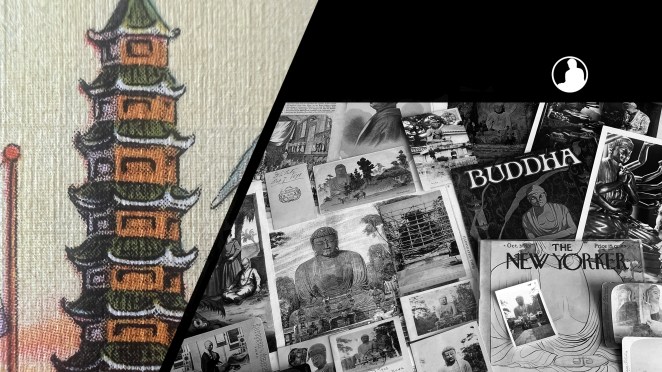
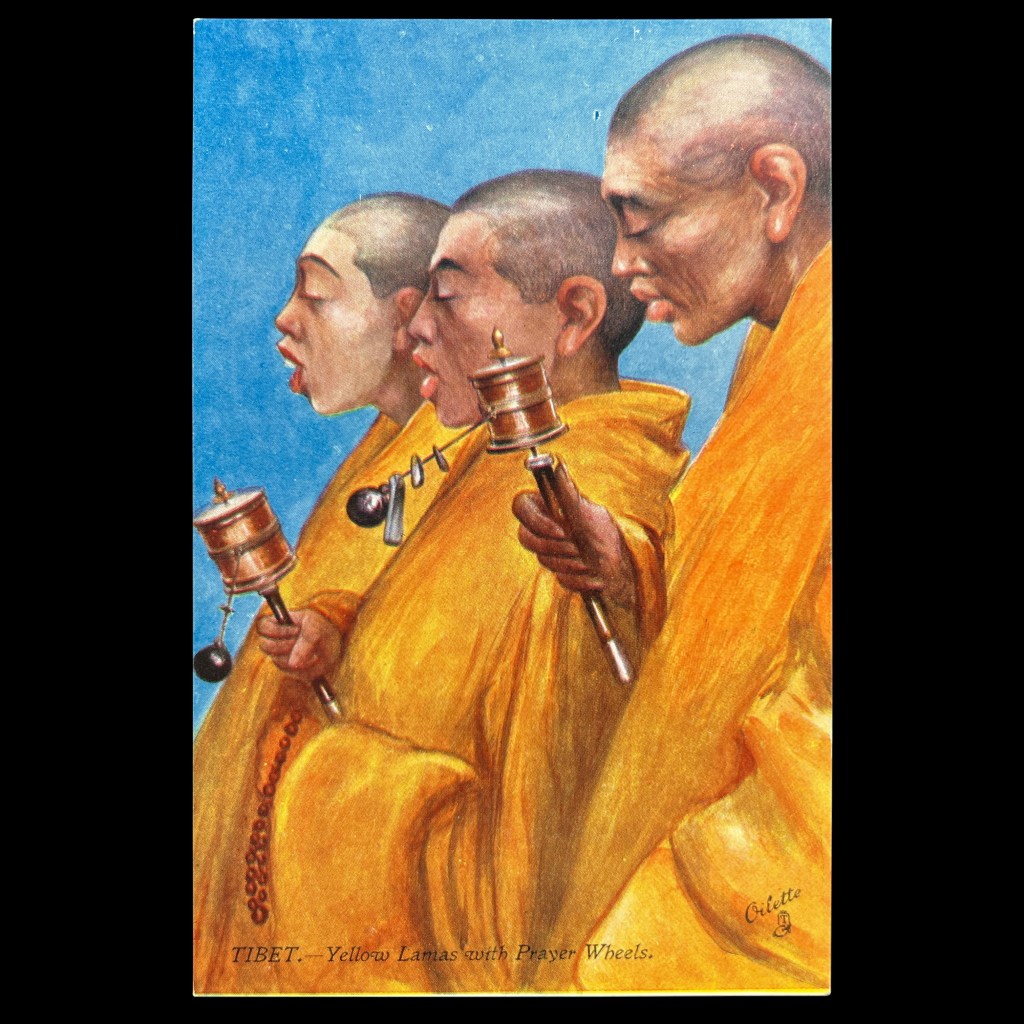
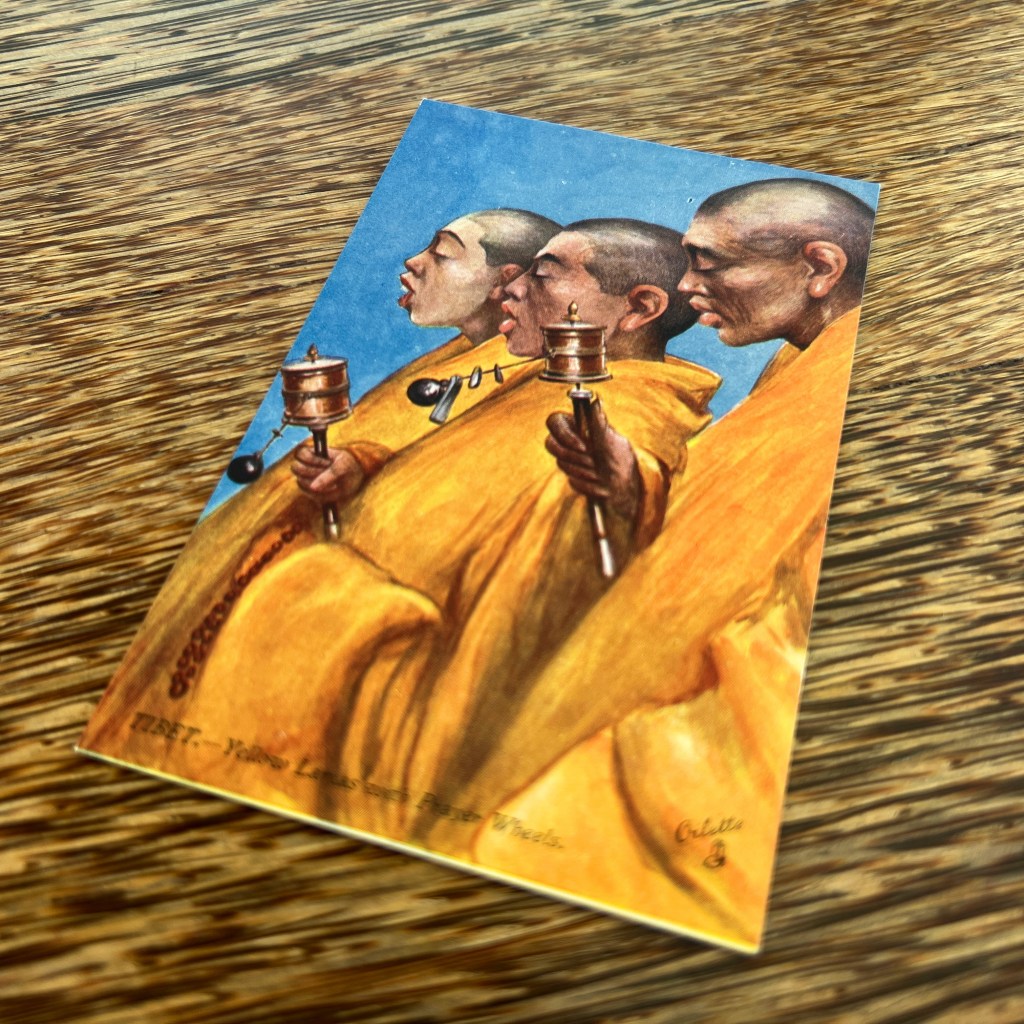
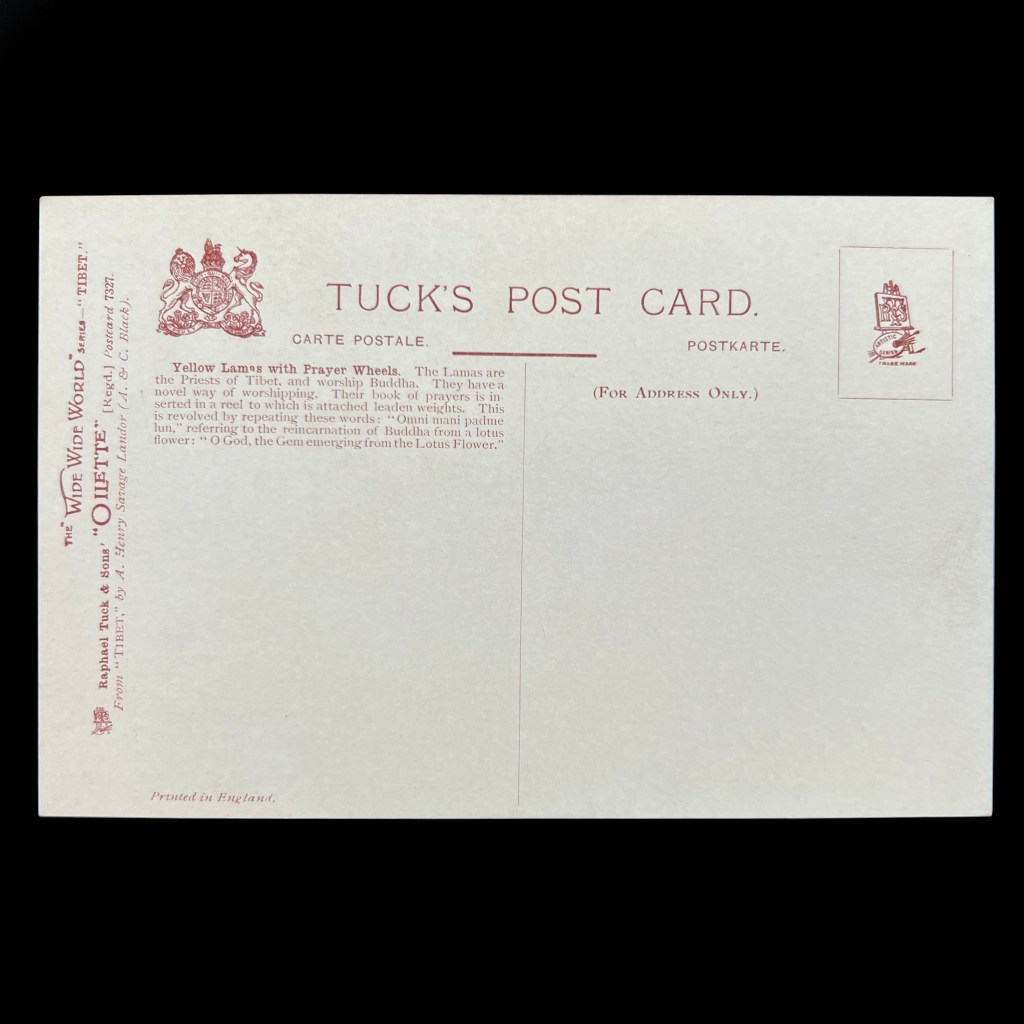
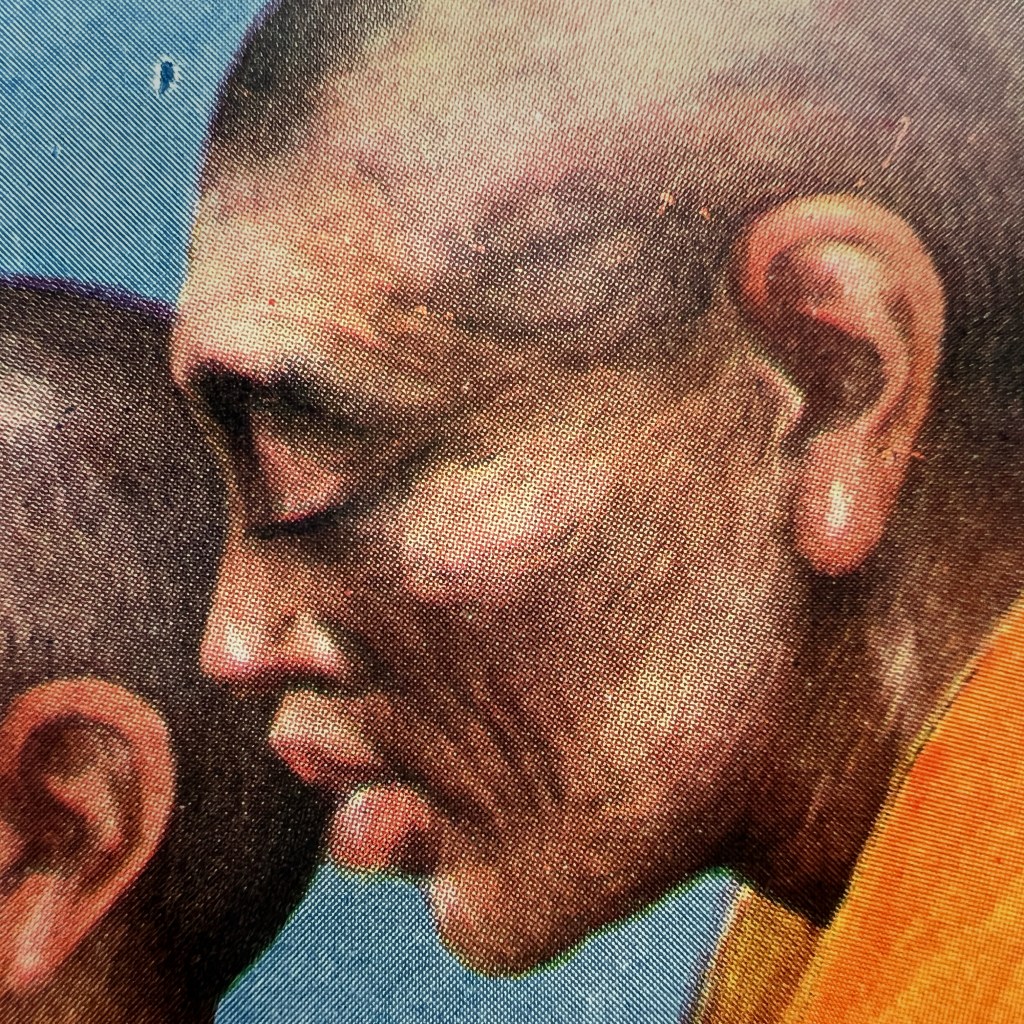
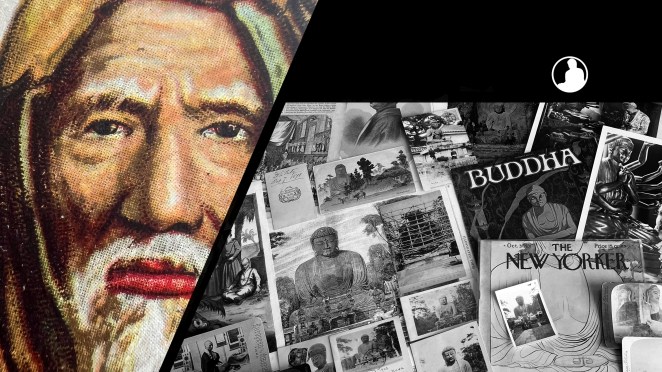
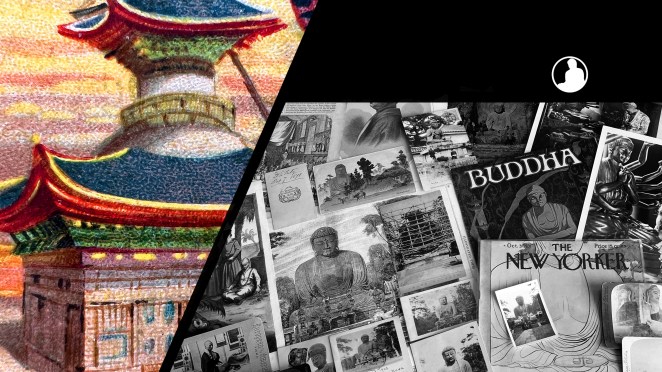
In 1903, a titan of world postcard production, England-based Raphael Tuck & Sons, set themselves further apart by issuing the vibrantly colored Oilette Series based on commissioned oil paintings. Among the first sets released was devoted to the mysterious Himalayan nation of Tibet.

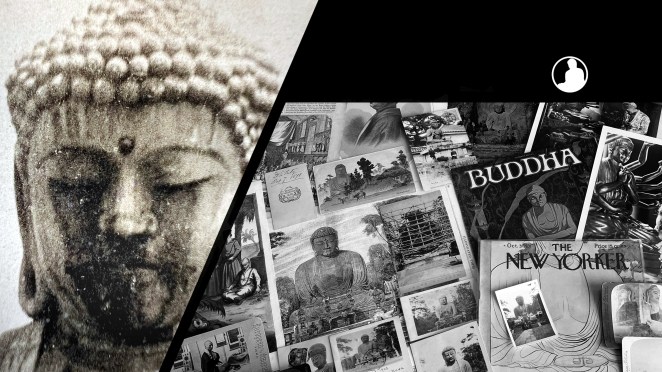
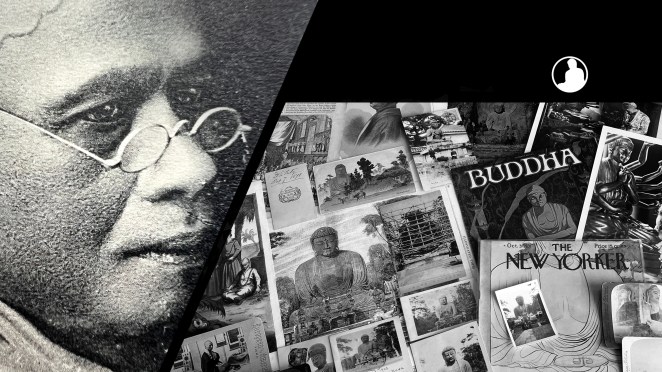
Six paintings were prepared by the explorer and artist Henry Savage Landor who wrote about his travels to the region in his 1898 book, In the Forbidden Land. Tuck printed Landor’s paintings as lithograph postcards at a time when photos of Tibet were only first starting to circulate.

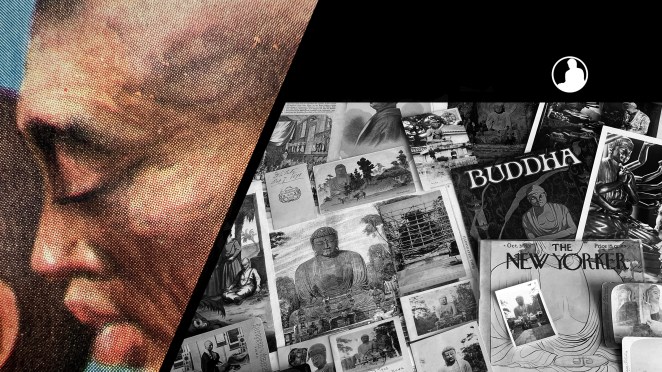
While a majority of Tuck’s pictorial stock focused on the English countryside, the Wide Wide World Series introduced colonial lands and other foreign cultures. Here the caption notes the use of Om mani padme hum, a six-syllable Sanskrit mantra common among Tibetan Buddhists.

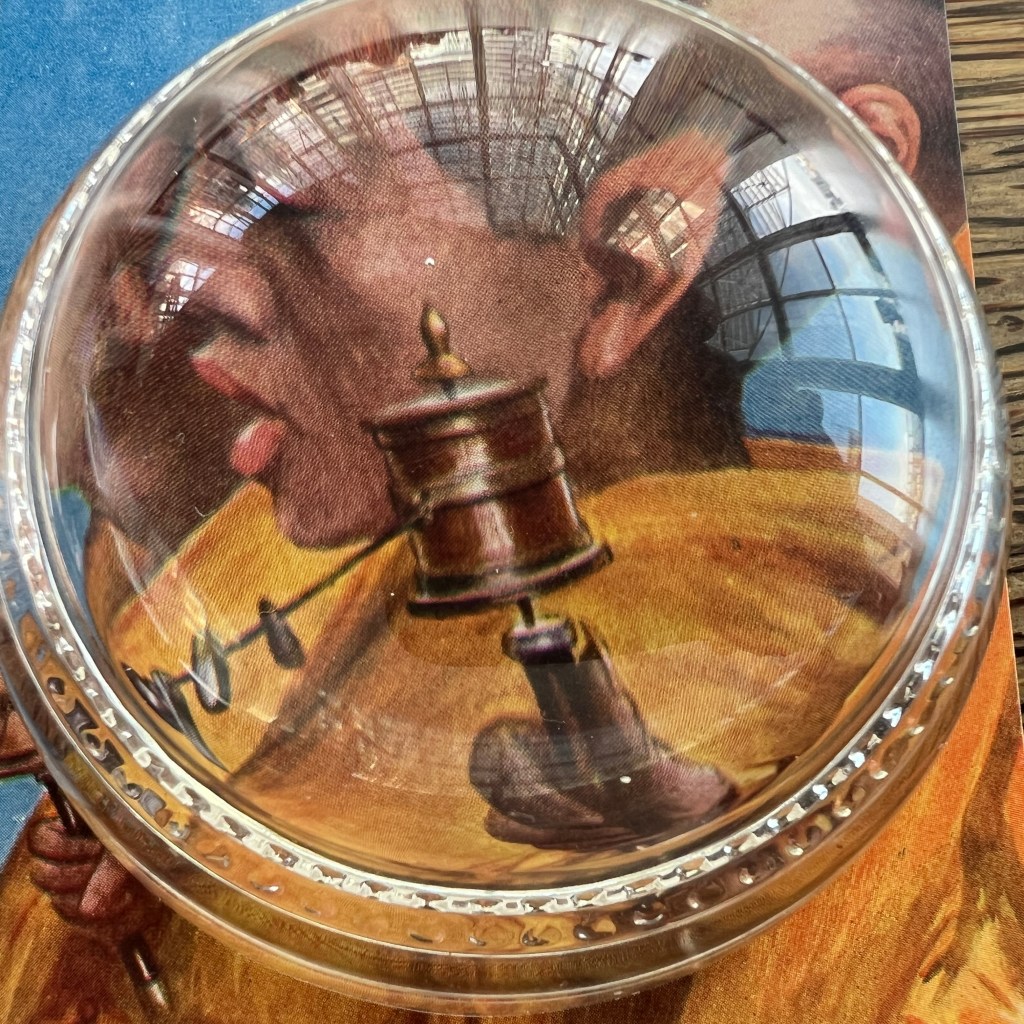
The visual focus of Landor’s painting is the monk’s use of the prayer wheel, noted as containing the Buddhist “book of prayers.” As with others of his time, Landor was fascinated by the ritual object, describing its use in his published work on Tibet.

Landor’s six card set was the only set of Tibet Tuck published before it stopped operation during WWII. For a comprehensive digitized catalogue of Tuck Oilette cards, see www.tuckdbpostcards.org.


The Buddhas in the West Material Archive is a digital scholarship project that catalogues artifacts depicting Buddhist material culture for Western audiences. It’s comprised of prints, photos, and an assortment of ephemera and other objects. For a brief introduction to this archive, visit the main Buddhas in the West project page.


For Related Buddhas in the West Posts Featuring Prayer Wheels:


For the Most Recent Buddhas in the West Posts:

Lambert and Butler’s Kamakura Daibutsu Cigarette Card

For all the new Buddhas in the West posts
follow us on Bluesky & Instagram


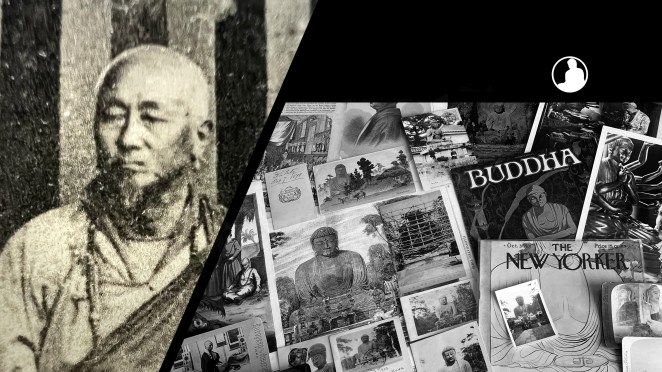
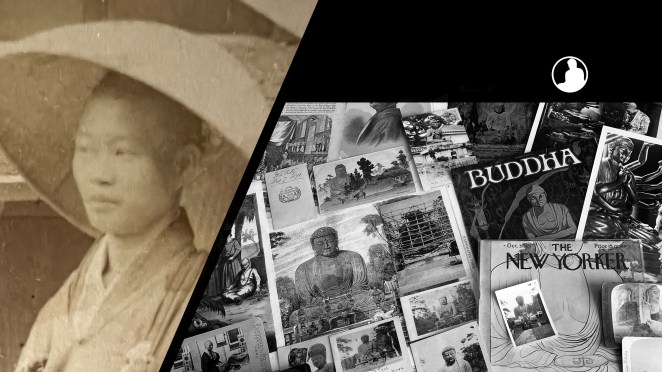
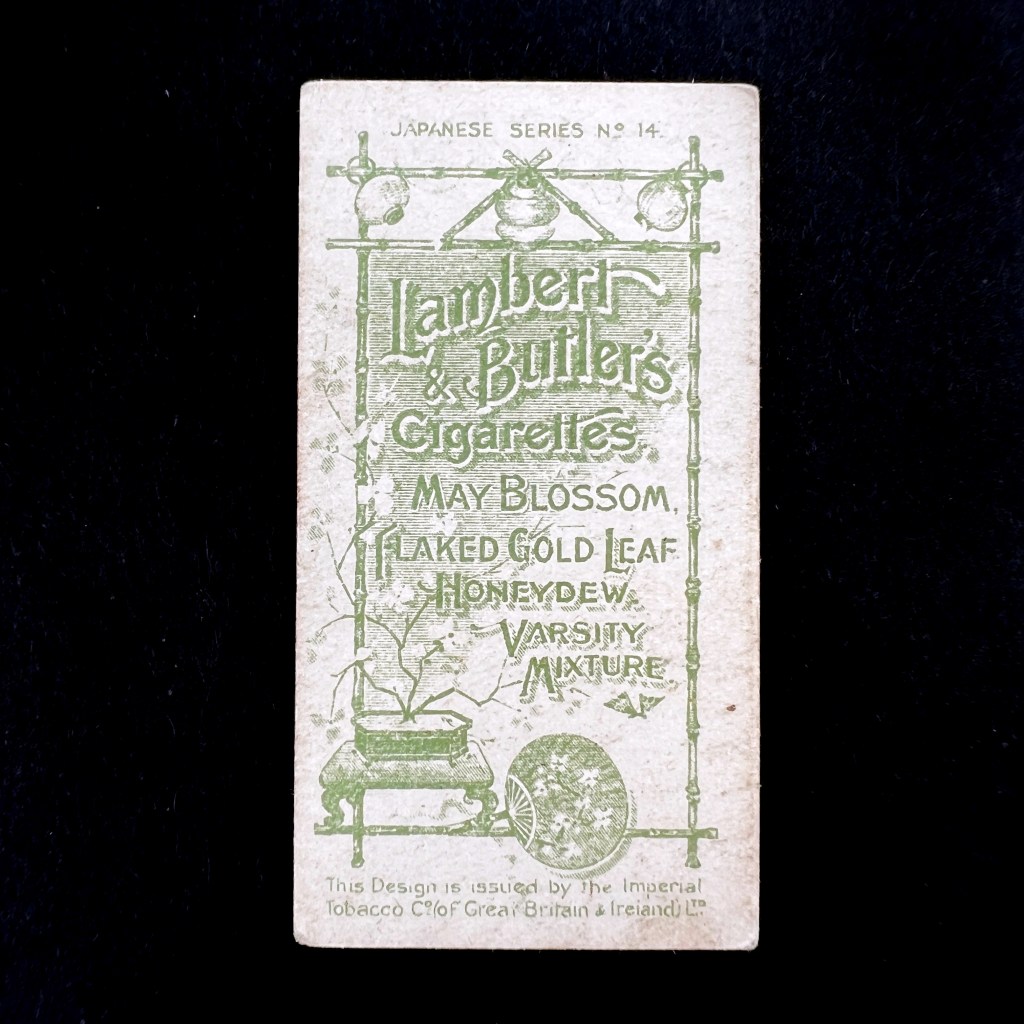
The Buddha’s “rookie” card? In the US, “cigarette cards” are perhaps best known for their early depiction of baseball players. These cards jump started a baseball card collecting phenomenon.

Tobacco companies drew upon a much larger visual repertoire than sports for their advertising cards. This sometimes included exotic locales. Intended to fit inside cigarette packs, these cards were relatively small.

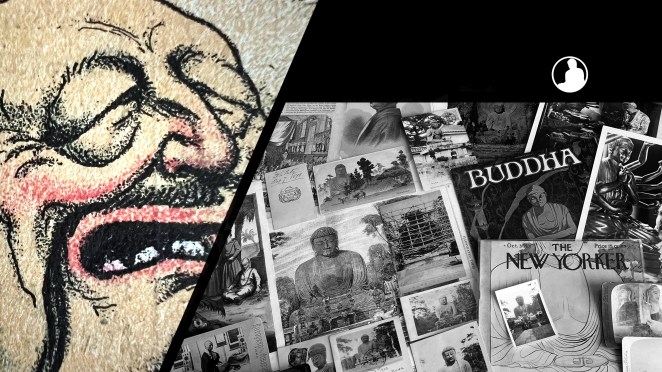
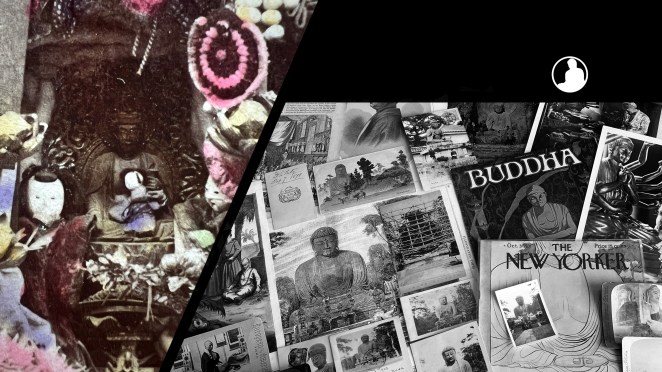
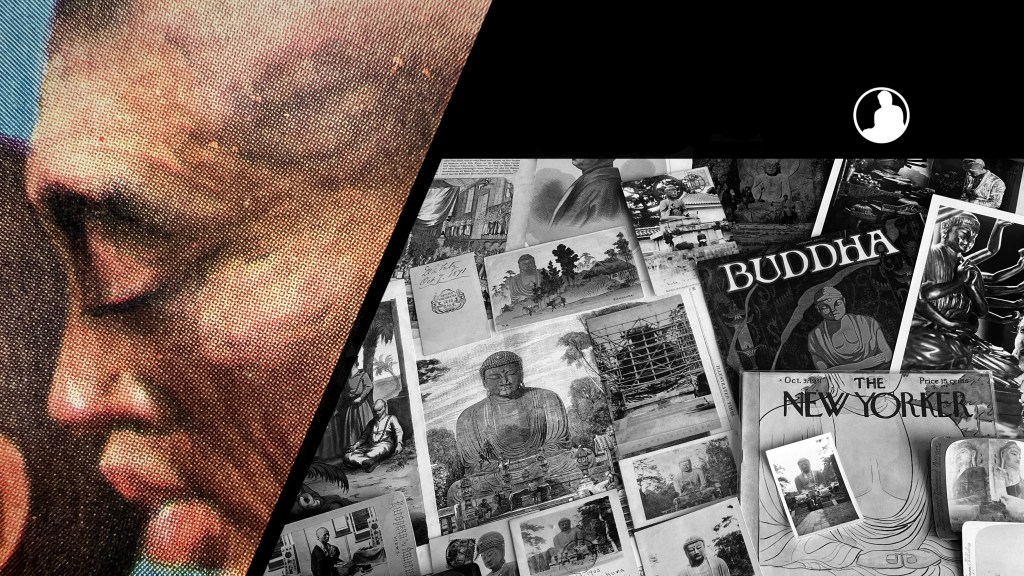
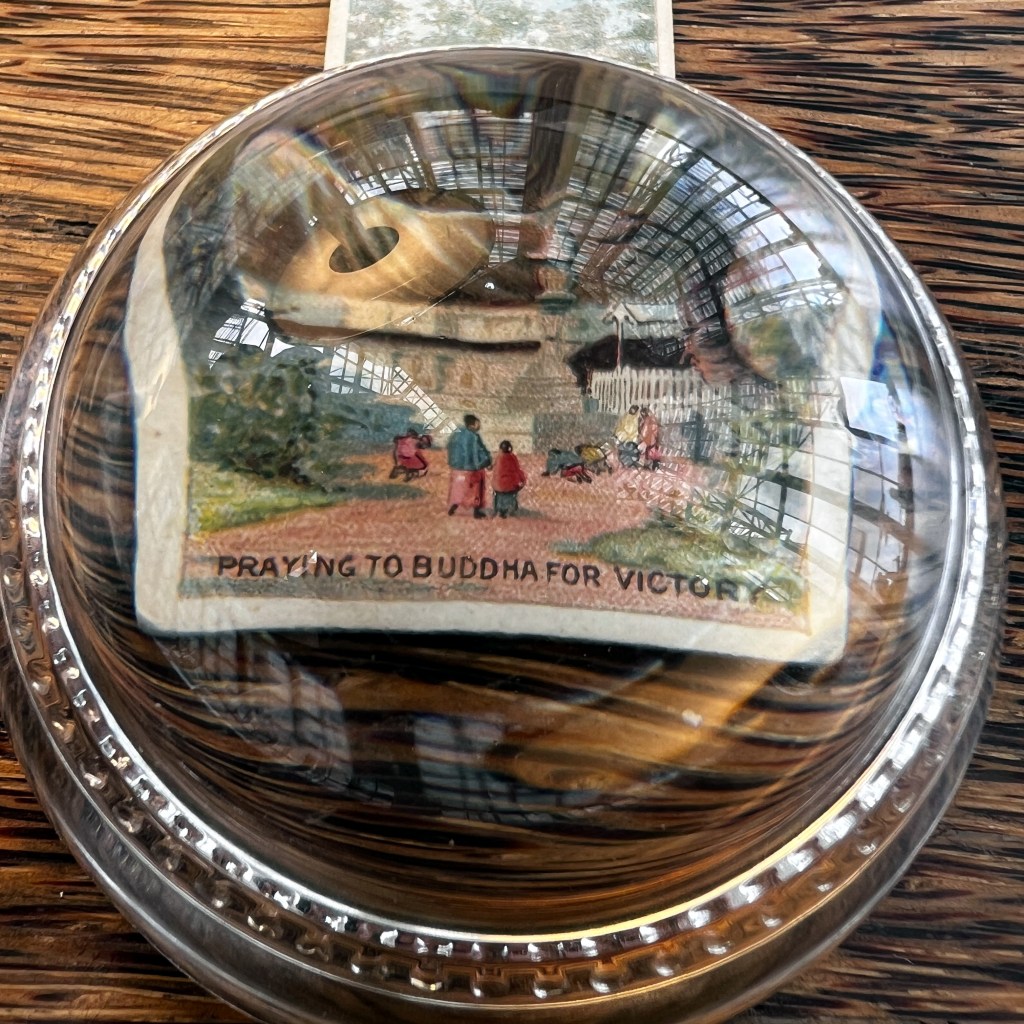
Lambert & Butler was a former English tobacco manufacturing company that made a “Japanese Series” in 1904-1905.

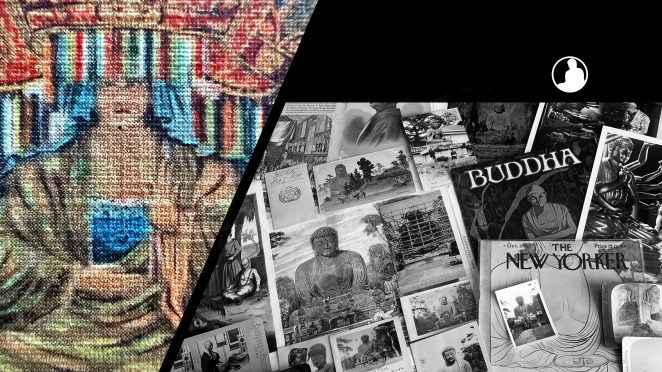
It memorialized the Russo-Japanese War. Thus we see a depiction of Japanese citizens praying at the foot of the Kamakura Daibutsu.

Similar to other Victorian trade cards, this was a colorful lithographic print. You can browse the collection of cigarette cards held by the NY Public Library here: https://tinyurl.com/cn23wud8.


Additional Archived Posts for the Buddhas in the West Project

The Buddhas in the West Material Archive is a digital scholarship project that catalogues artifacts depicting Buddhist material culture for Western audiences. It’s comprised of prints, photos, and an assortment of ephemera and other objects. For a brief introduction to this archive, visit the main Buddhas in the West project page.


For Related Buddhas in the West Posts Featuring Historical Trade Cards:

For the Most Recent Buddhas in the West Posts: