For all the new Buddhas in the West posts
follow us on Bluesky & Instagram
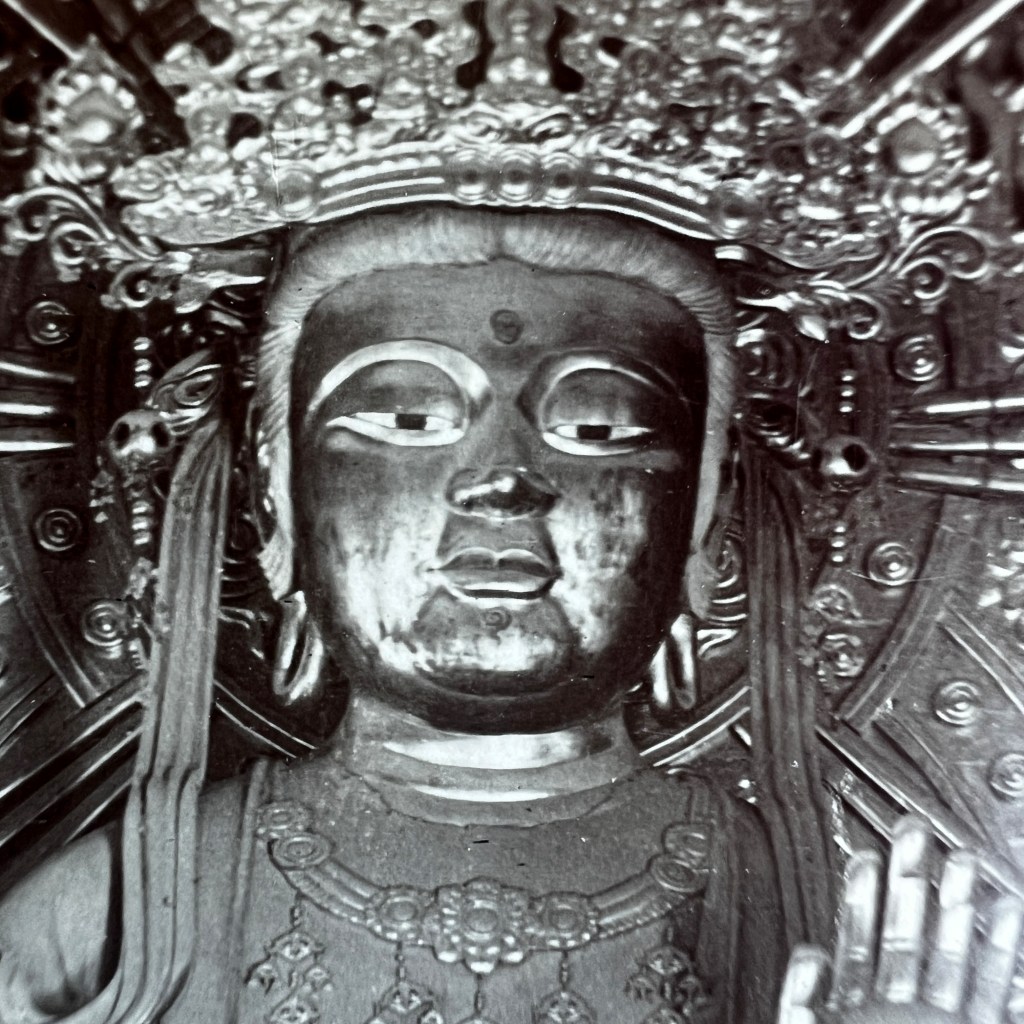
3D Kokūzō 虛空: In the early 20th century, Keystone View Company emerged as a premier publisher of stereoviews with several tens-of-thousands of images in their catalogue. Around 1901, Keystone issued its first views of Japan, including a run of 23 odd-lot stereoviews.

Among their 1901 offerings, a 1/4 were stereo-photographs of religious sites or objects; this includes two views of Buddhist statues. At this time, other companies started offering special Japan box sets and following the Russo-Japanese War Japan sets became far more popular.

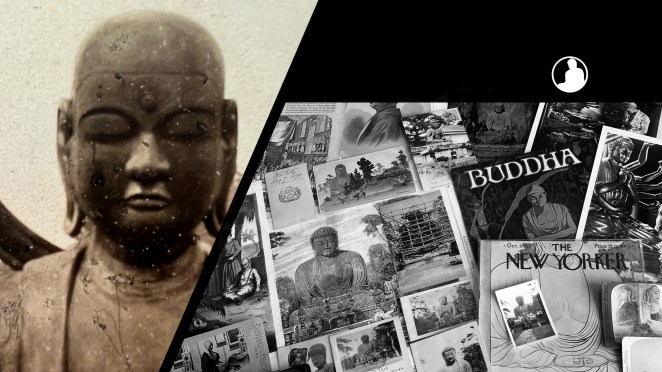
The card here depicts the Daibutsu Hall of Tōdai-ji in Nara. Curiously, it does not show the main figure for which the hall is named, the Nara Daibutsu. This icon is Kokūzō Bosatsu, otherwise known as Ākāśagarbha Bodhisattva (Keystone simply labelled it as a “god.”)

Part of Keystone’s commercial success was selling stereoviews to schools across the US. To view part of their early selection of Japan views, see the digitized collection at the Library of Congress, viewable here https://tinyurl.com/bdewbmva.
The Buddhas in the West Material Archive is a digital scholarship project that catalogues artifacts depicting Buddhist material culture for Western audiences. It’s comprised of prints, photos, and an assortment of ephemera and other objects. For a brief introduction to this archive, visit the main Buddhas in the West project page.
For Related Buddhas in the West Posts Featuring Japan:

For the Most Recent Buddhas in the West Posts:




 Personal Site of Peter Romaskiewicz