
For all the new Buddhas in the West posts
follow us on Bluesky & Instagram
The first photographs of Tibet were not actually taken in Tibet, but were staged in British colonial India. To meet consumer demand, enterprising commercial photographers outfitted their subjects with stereotypical objects to create an easily identifiable “Tibetan” type.

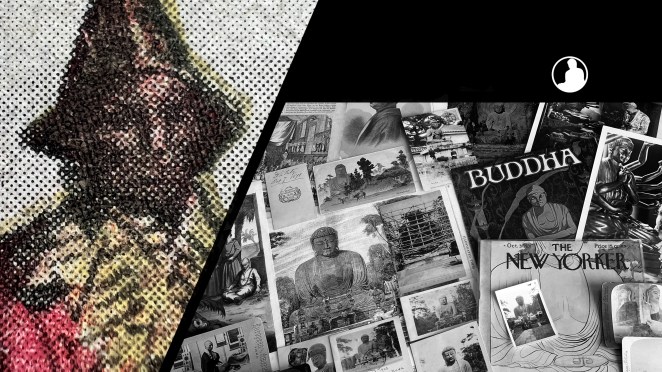
In the Victorian era, material markers of religion were often used by colonial photographers to establish “ethnic types.” The material culture of Tibetan Buddhism emerged as a clear visual sign for Tibet; here we find a “Thibetan native” holding a Buddhist prayer wheel and monastic long horn.
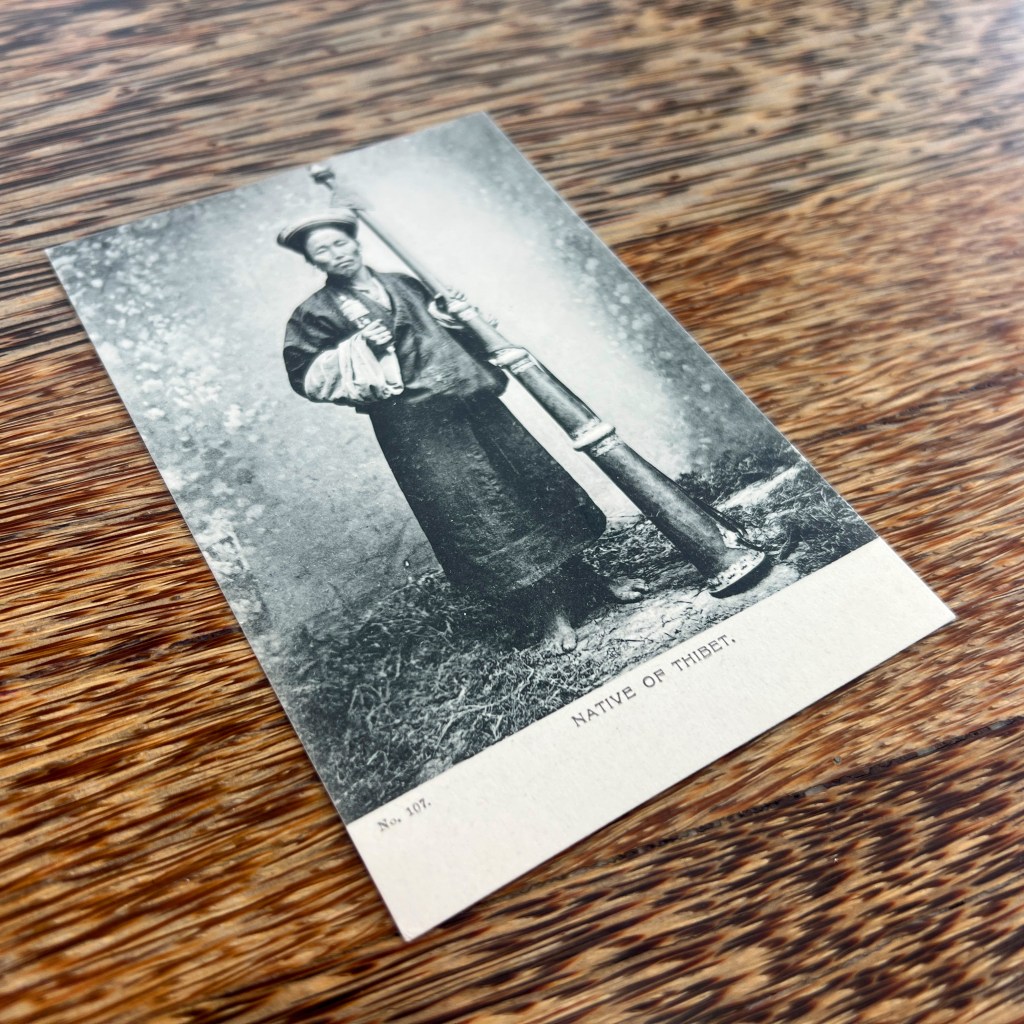
Charles Shepherd and Samuel Bourne formed a photography business in 1866 in Kolkata, producing prize-winning photographs of the Himalayan landscape. By the 1890s, commercial tourist photography was transferred to a new popular pictorial format: postcards.

One of the most commonly seen objects in Victoria era photographs of Tibetans is the hand-held Buddhist prayer wheel. The common portrayal of Tibetans holding ritual implements helped further embellish the fantasy of an enduring Tibetan mysticism.
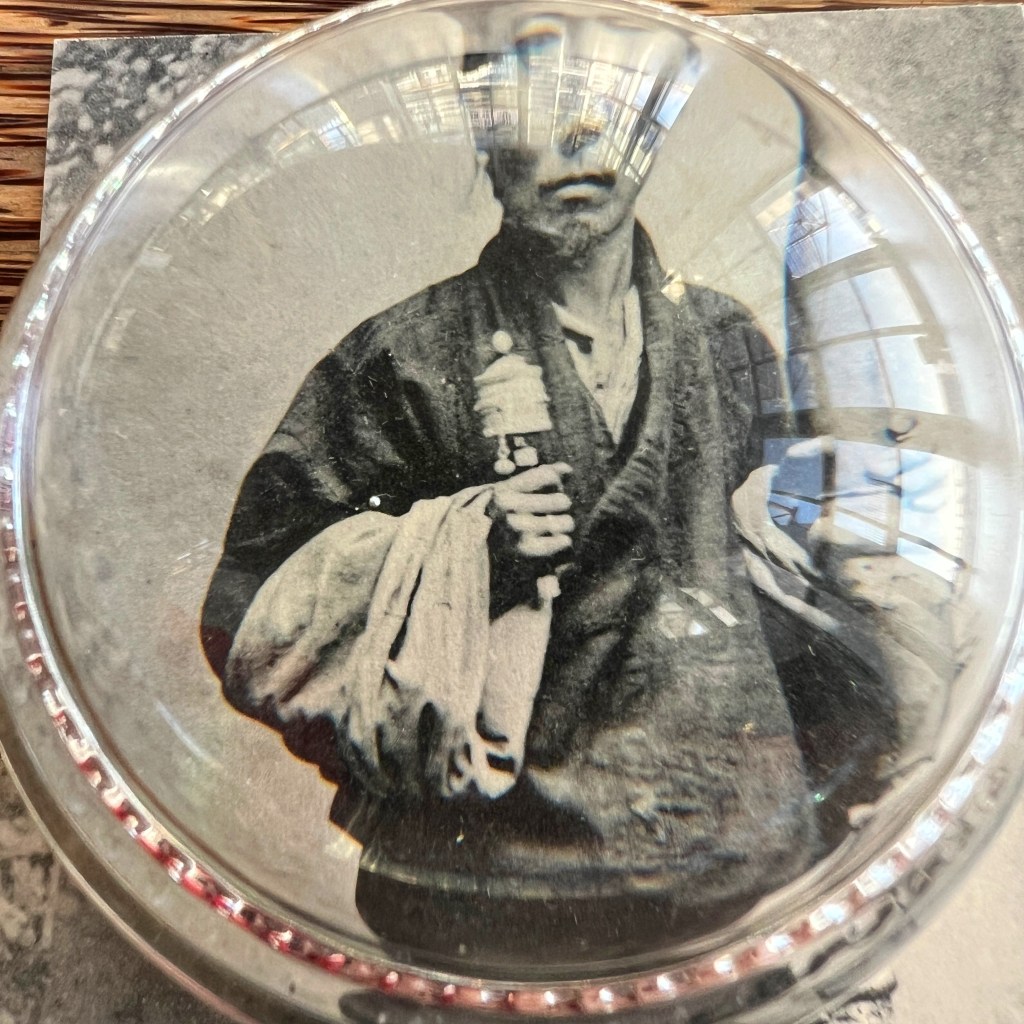
Once one of the oldest operating studios, a 1991 fire destroyed much of the Bourne & Shepherd archives. For more on early photography in the Himalayas, see Clare Harris’ “Photography in the ‘Contact Zone’: Identifying Copresence and Agency in the Studios of Darjeeling” (2017).

The Buddhas in the West Material Archive is a digital scholarship project that catalogues artifacts depicting Buddhist material culture for Western audiences. It’s comprised of prints, photos, and an assortment of ephemera and other objects. For a brief introduction to this archive, visit the main Buddhas in the West project page.
For Related Buddhas in the West Posts Featuring Tibet:


For the Most Recent Buddhas in the West Posts:




 Personal Site of Peter Romaskiewicz