For all the new Buddhas in the West posts
follow us on Bluesky & Instagram
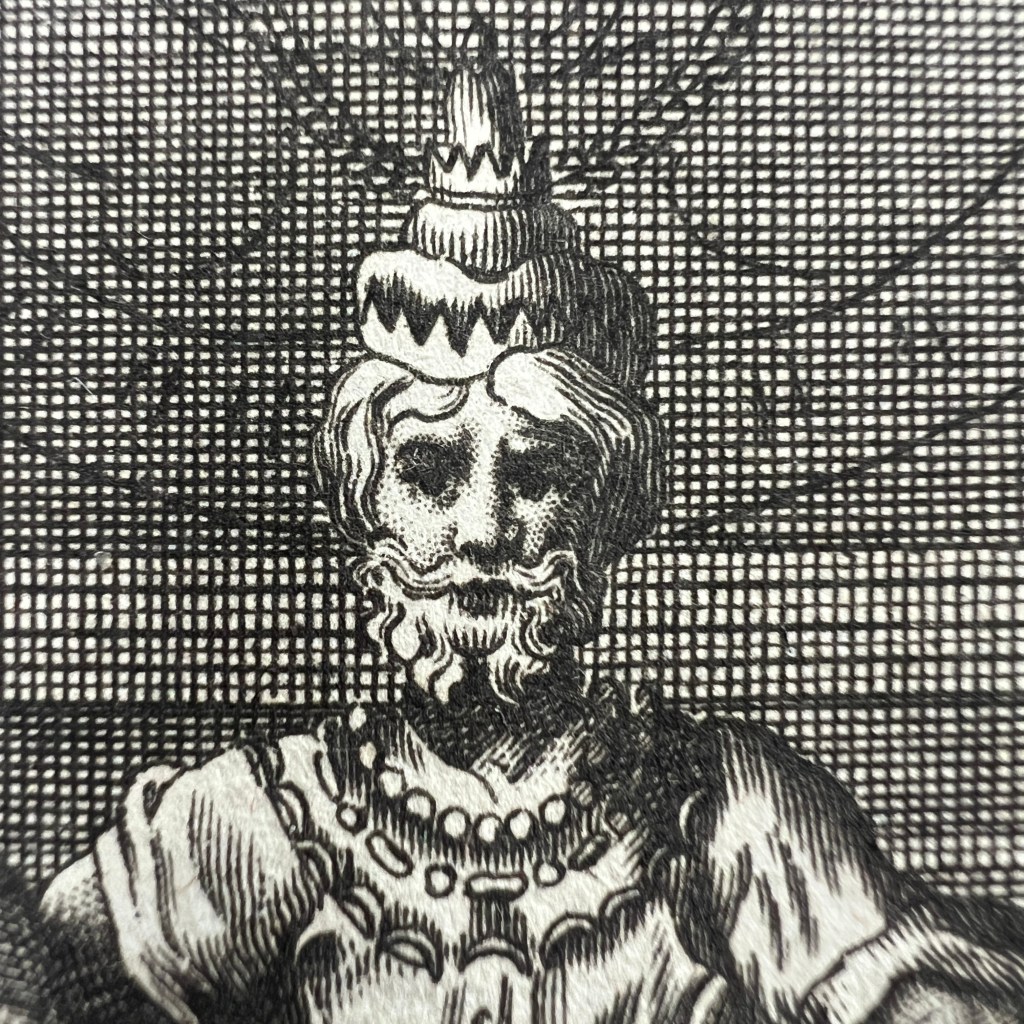
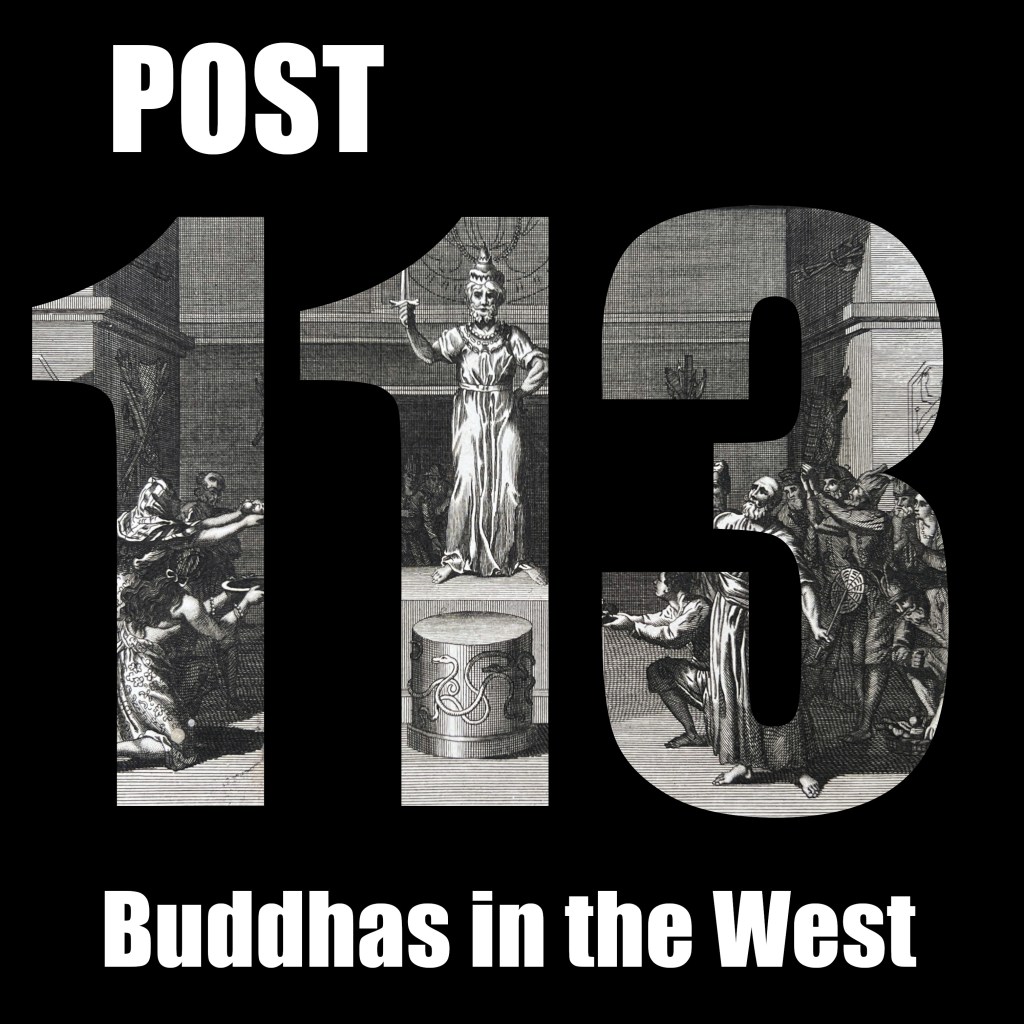
Writing in 1790, William Hurd noted the icons of Ceylon were “fantastic and monstrous,” while one, “formed like a giant,” was called “Buddu.” The accompanying engraving of the Buddha shows a curious bearded figure with a tall crown and sword held aloft in his right hand.
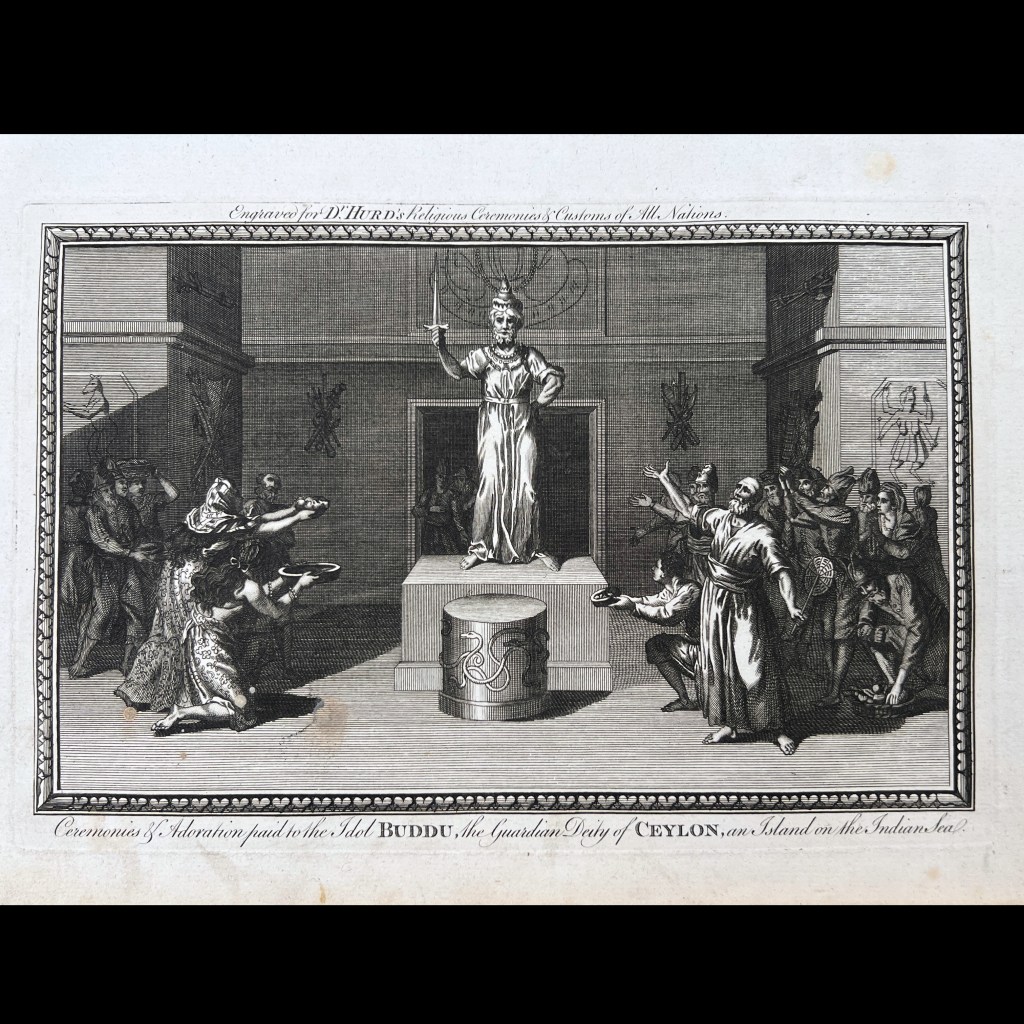
Hurd’s engraving was not original, it was copied from Bernard Picart’s widely circulated Ceremonies and Religious Customs published between 1723–1743. The sword, unexpected for a buddha’s iconography, is not addressed in Picart’s text, moreover, we now know the image has a non-Buddhist origin.
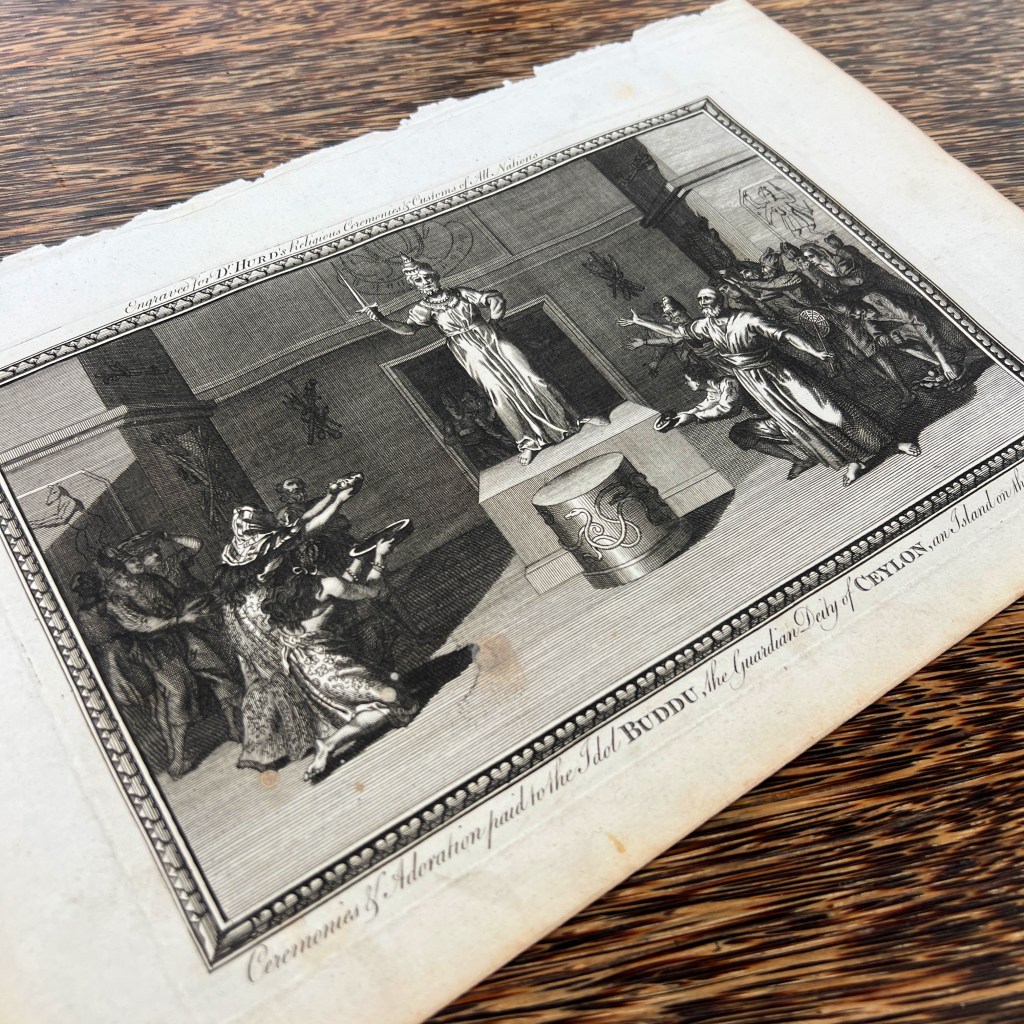
Key elements of the iconography are seen in an engraving from documents prepared by Joris van Spilbergen, member of the first Dutch embassy to Ceylon in 1602. According to Van Spilbergen, the image was part of King Vimaladharmasūriya’s “coat of arms,” and thus depicted the Ceylonese royalty.
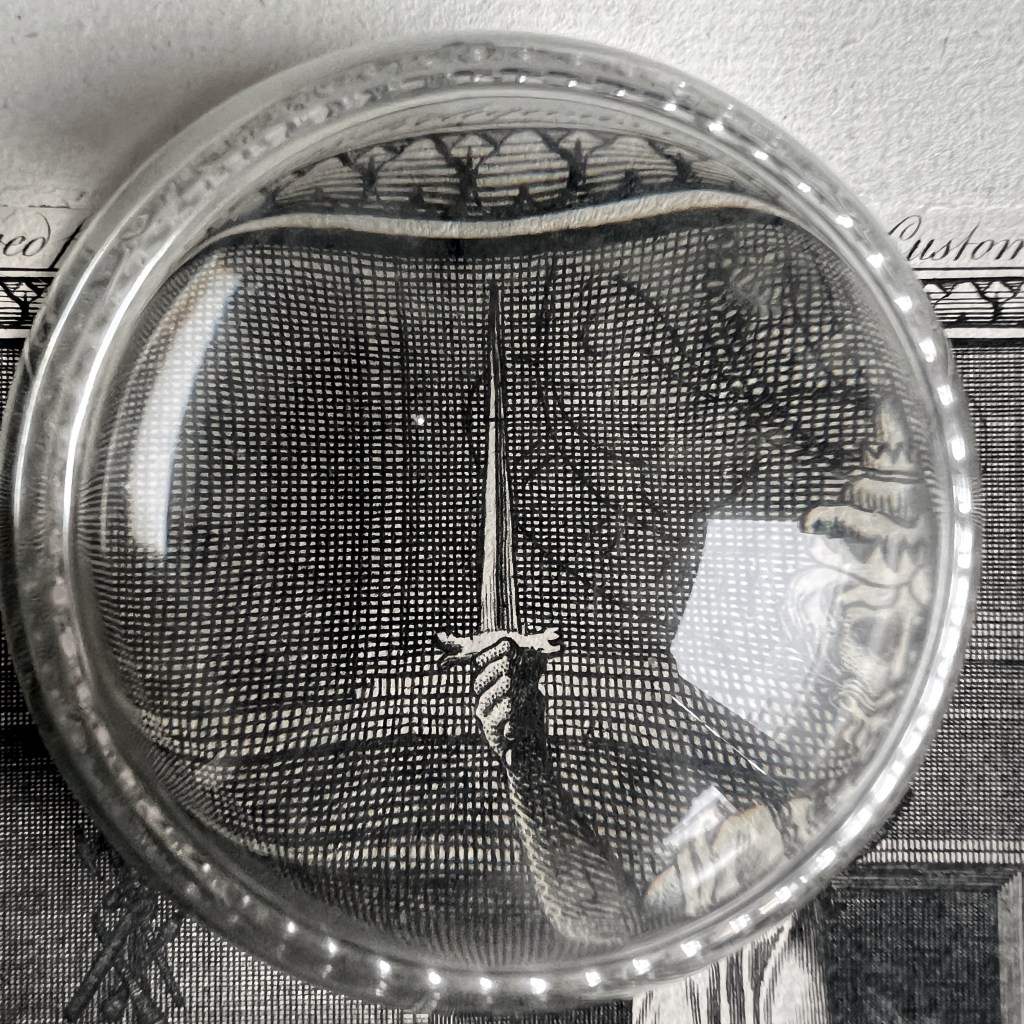
The king’s image with crown and sword were reprinted in Theodor de Bry’s Petit Voyages in 1605, but by the following century, possibly under the editorial hand of Picart, the image was treated as the Buddha. Supplicants with offerings were added to the scene to exemplify a religious setting.
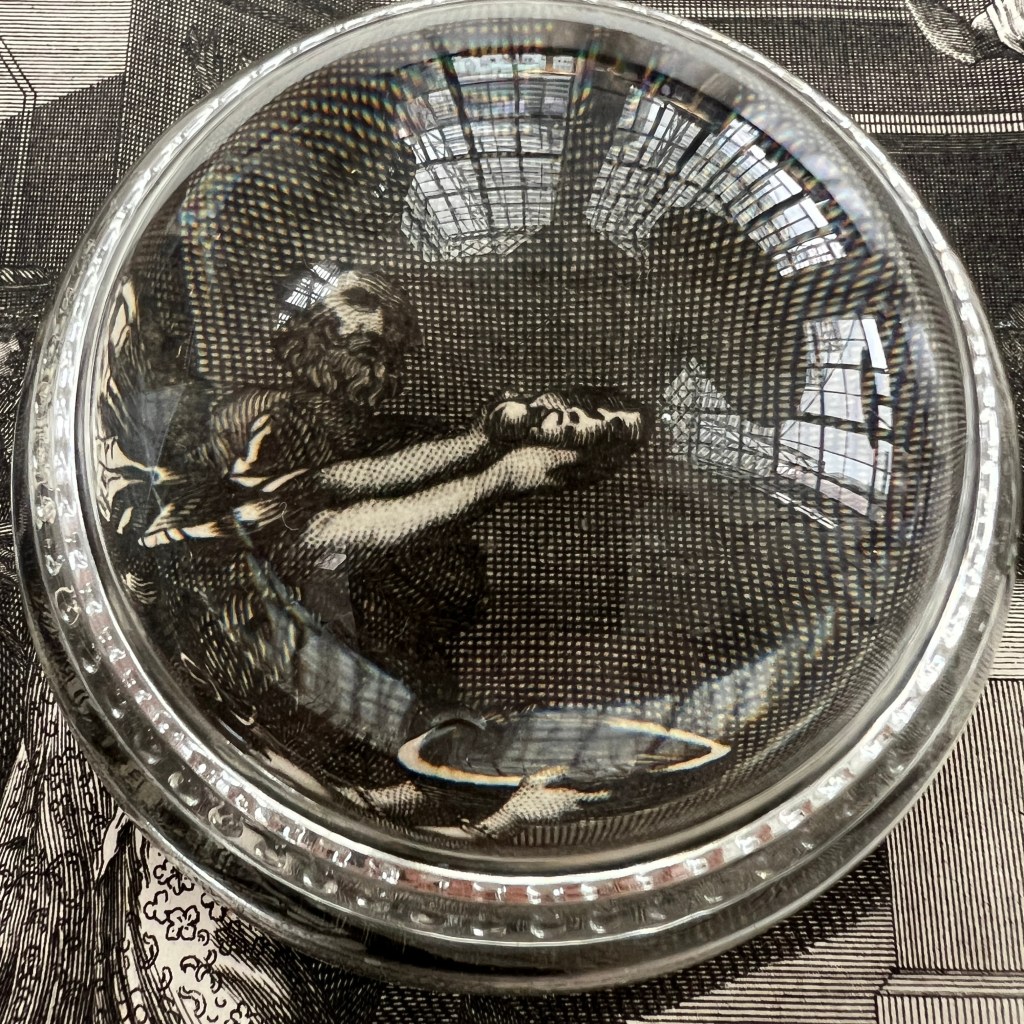
Despite Hurd’s caption citing the “ceremonies of adoration paid to the idol Buddu,” the illustration reflects much of the confusion over Buddhism at the time. The original engraving made for Van Spilbergen, held by the Rijksmuseum, can be viewed here: https://tinyurl.com/msxm74bu.
The Buddhas in the West Material Archive is a digital scholarship project that catalogues artifacts depicting Buddhist material culture for Western audiences. It’s comprised of prints, photos, and an assortment of ephemera and other objects. For a brief introduction to this archive, visit the main Buddhas in the West project page.
For Related Buddhas in the West Posts Featuring Sri Lanka:


For the Most Recent Buddhas in the West Posts:




 Personal Site of Peter Romaskiewicz