American Express Daibutsu Advertisement

For all the new Buddhas in the West posts
follow us on Bluesky & Instagram


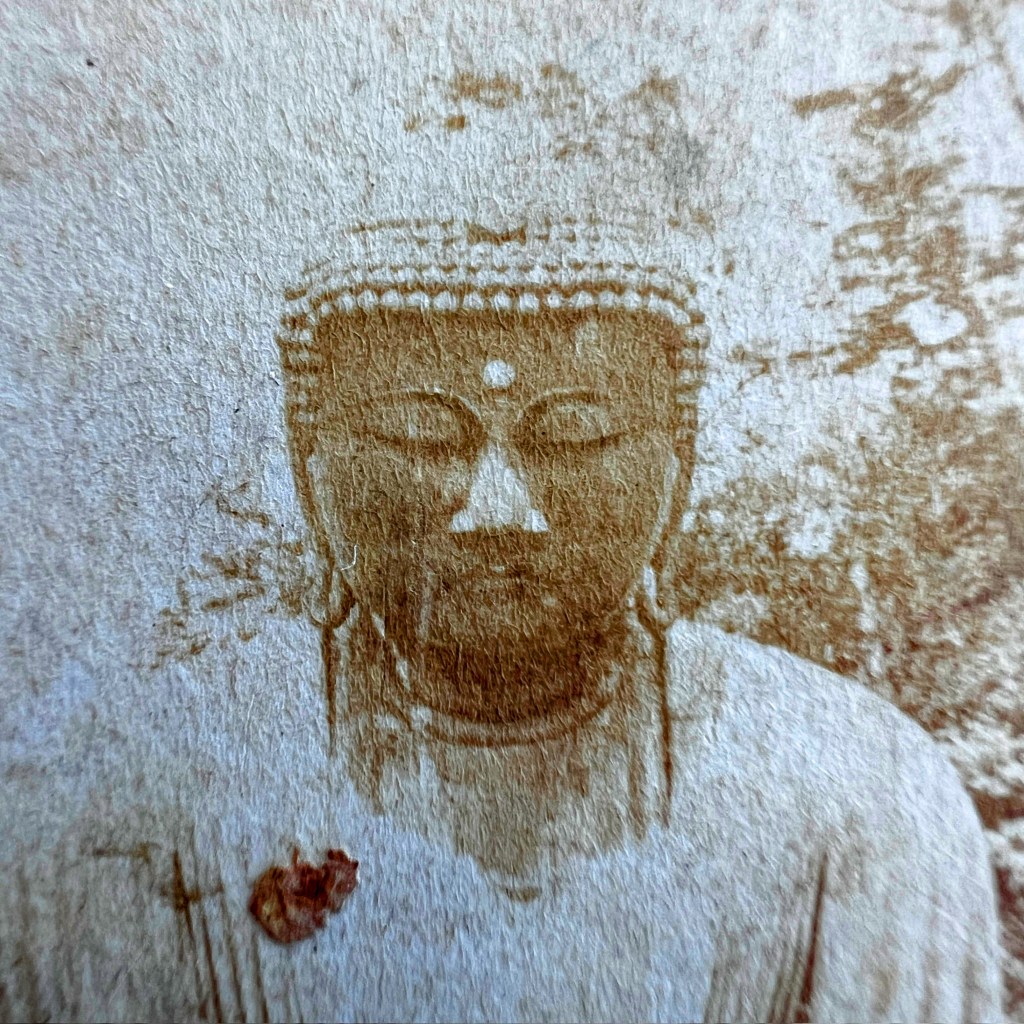
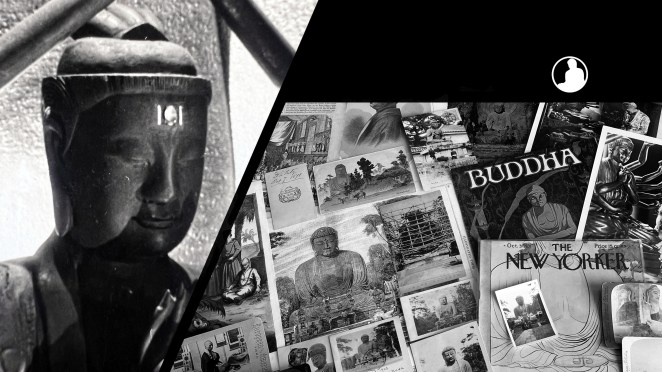
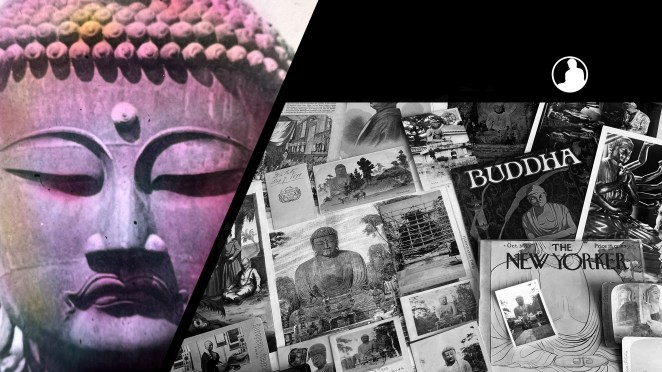
After the opening of the Panama Canal and the end of WWI, the first around-the-world commercial cruise was chartered by the American Express Company in late 1922. The following summer of 1923, American Express began advertising for its next cruise using the Great Buddha of Kamakura.

The success of the inaugural cruise is celebrated in the advertising copy. It notes how the journey is “luxuriously comfortable, wholly delightful, and easily obtainable.” The brief itinerary lists the major ports to be visited, including a long 13 day stay in Japan.
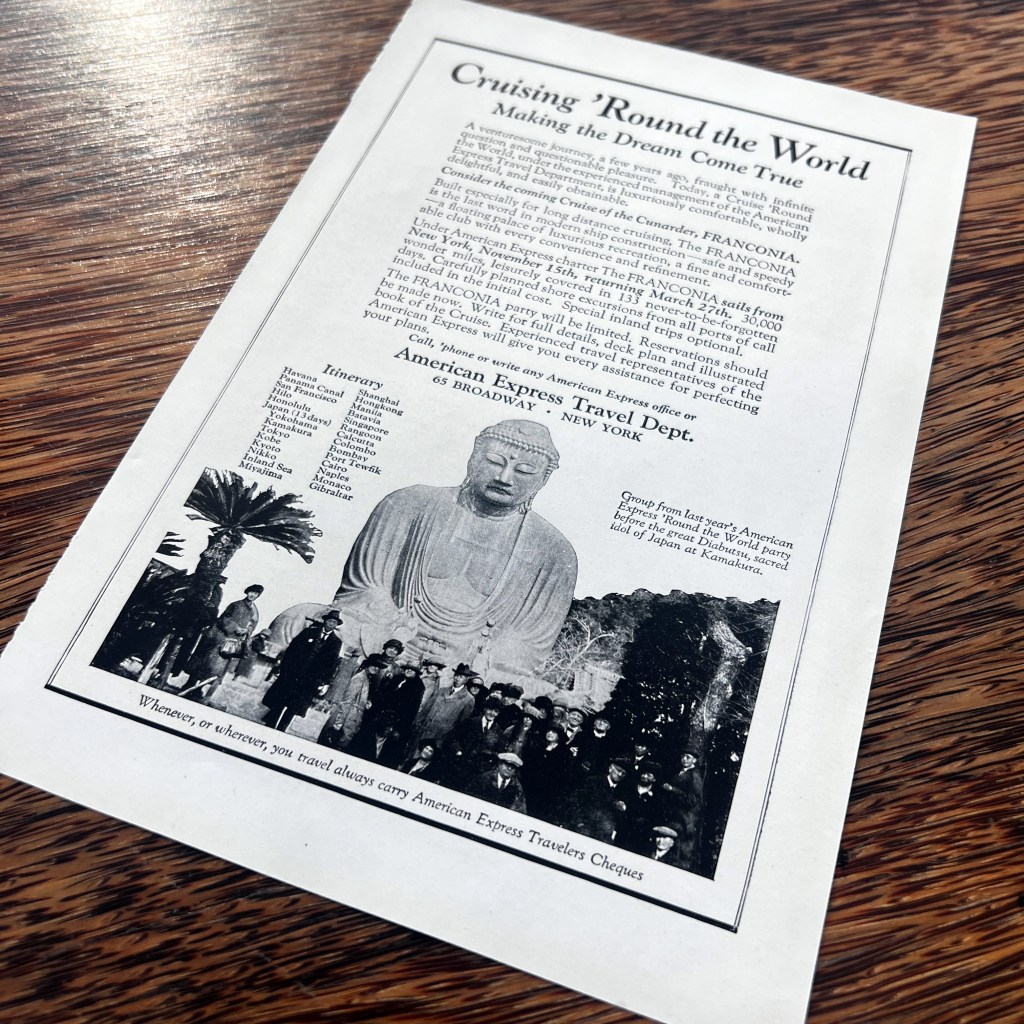
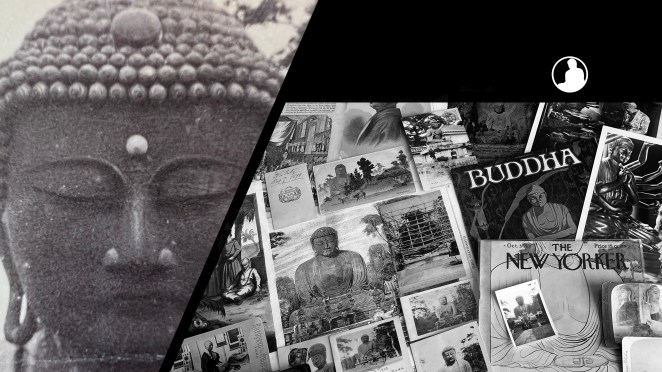
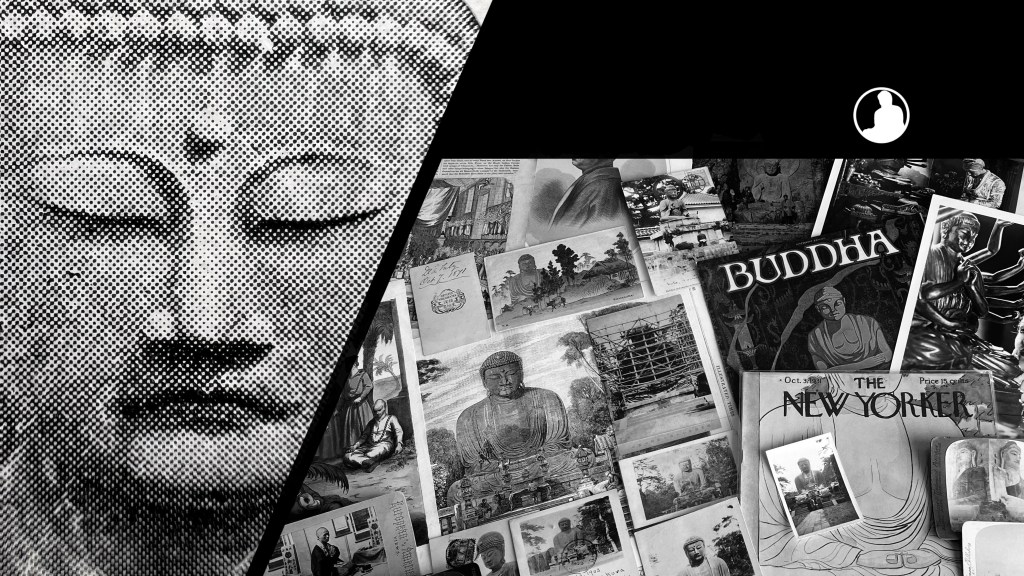
The most conspicuous element is the large cropped photo of the “sacred idol of Japan” – the Kamakura Daibutsu. Notably, the photo depicts the inaugural cruise passengers positioned in front, looking directly at the camera lens.

Unfortunately, the Great Kantō earthquake struck in September 1923, damaging the Daibutsu. The Second American Express Cruise Round the World continued, however, leaving New York in November 1923 and returning in March 1924.

The Buddhas in the West Material Archive is a digital scholarship project that catalogues artifacts depicting Buddhist material culture for Western audiences. It’s comprised of prints, photos, and an assortment of ephemera and other objects. For a brief introduction to this archive, visit the main Buddhas in the West project page.


For Related Buddhas in the West Posts Featuring Historical Advertising:


For the Most Recent Buddhas in the West Posts:


Baron Raimund von Stillfried’s Daibutsu Carte de visite

For all the new Buddhas in the West posts
follow us on Bluesky & Instagram


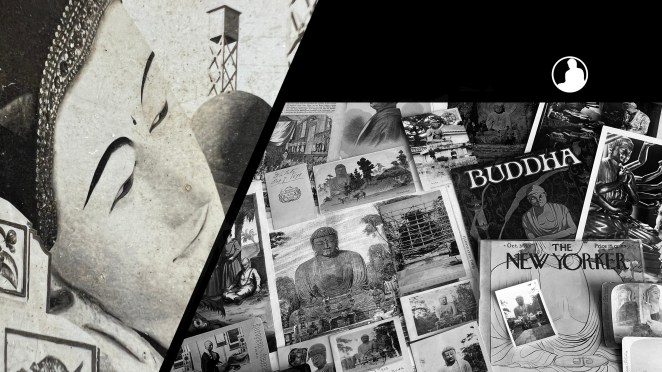
Early Photographic Souvenirs: When Baron Raimund von Stillfried (1839–1911) opened his Yokohama studio in 1871, globe-trotting was becoming the rage among wealthy elite. This phenomenon was reflected in Jules Verne’s Around the World in 80 Days, published in 1873.

A decade earlier, the small format carte-de-visite had emerged as one of the most popular products of commercial photography studios. Originally used as inexpensive family portraits carried in jacket pockets, they soon turned into common tourist souvenirs.

The 19th century globe-trotting circuit included port in Yokohama, the first landfall as you came west across the Pacific. Stillfried’s souvenir photo bears a handwritten note:
This is Diaboots
The Japanese God
what they worship
he is a big size

“Diaboots” refers to Daibutsu.

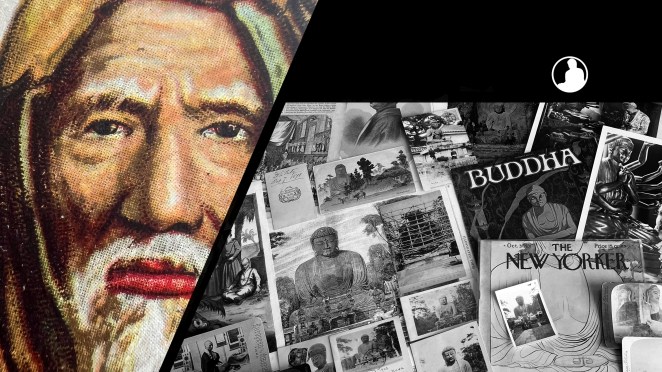
Stillfried became well known for his Japanese landscapes, a genre that was also popular among foreign globe-trotters.He would carefully frame Japanese people into his shots to underscore elements of foreignness.

Stillfried also published larger format prints bound into albums. An early exemplar from 1872, titled Views and Costumes of Japan, is held by the Metropolitan Museum of Art, viewable here: https://tinyurl.com/yuuf52u9.


The Buddhas in the West Material Archive is a digital scholarship project that catalogues artifacts depicting Buddhist material culture for Western audiences. It’s comprised of prints, photos, and an assortment of ephemera and other objects. For a brief introduction to this archive, visit the main Buddhas in the West project page.


For Related Buddhas in the West Posts Featuring Historical Photography:


For the Most Recent Buddhas in the West Posts:

Jerome Camp Amida Shrine News Photograph

For all the new Buddhas in the West posts
follow us on Bluesky & Instagram


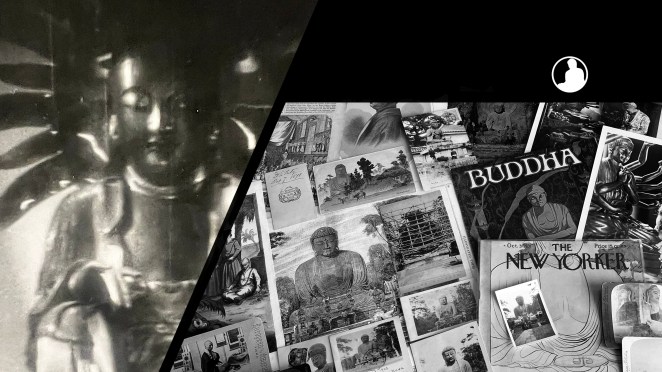
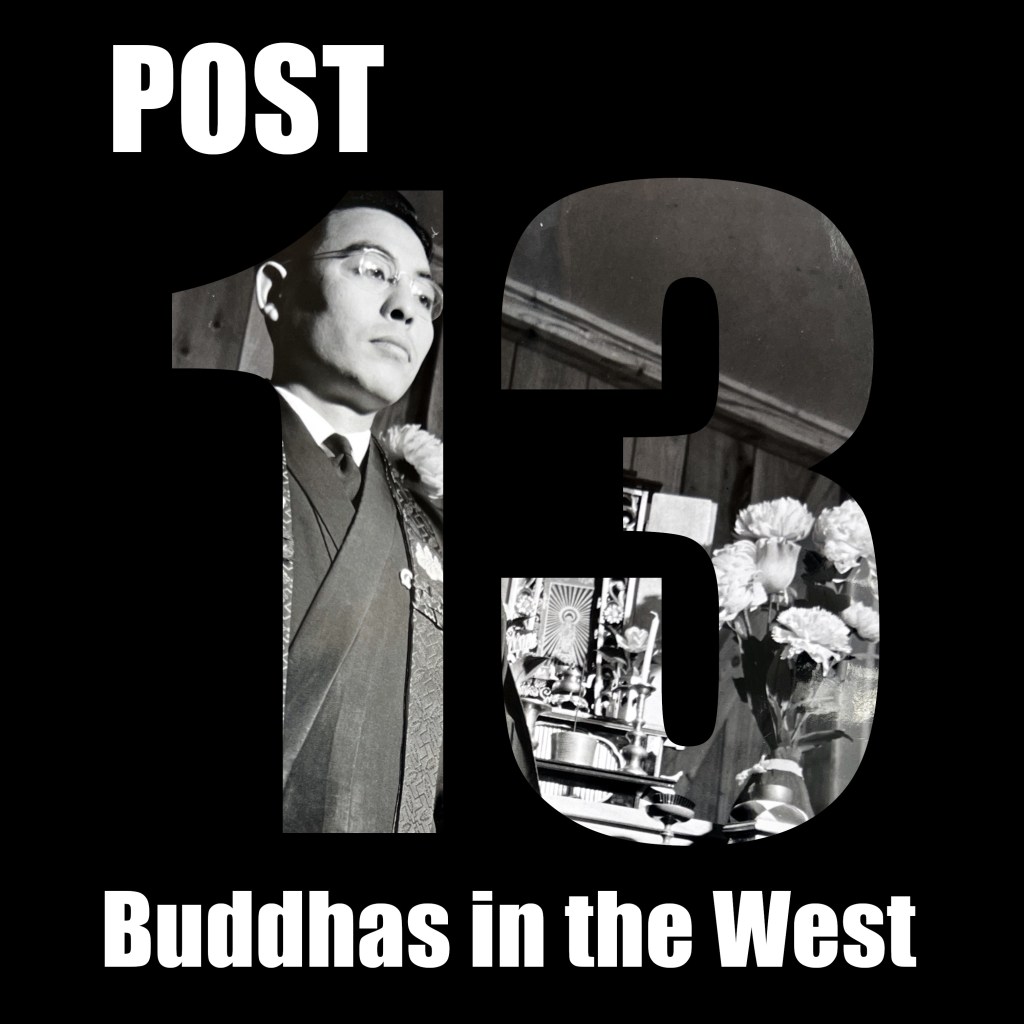
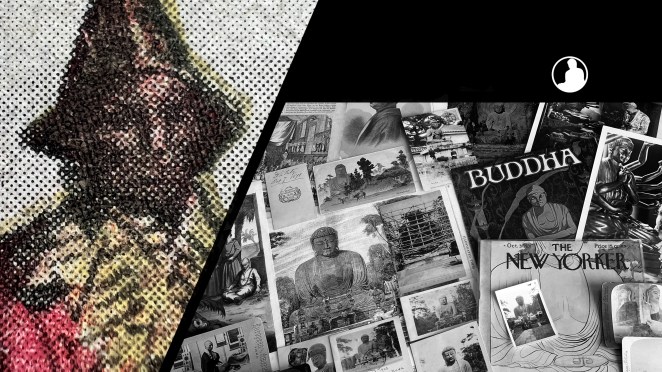
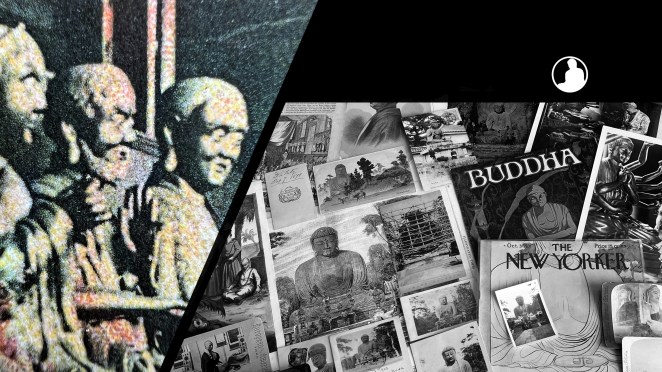
Barbed-wire Buddhas: Buddhist objects were precious – and rare – at American Japanese internment camps during WWII. Here, issei Buddhist priest Rev. Gyōdō Kōno, stands in front of a small shrine to Amida Buddha at the Jerome relocation camp in Arkansas.


In February 1942, Executive Order 9066 was authorized, forcing the incarceration of more than 110,000 Americans of Japanese descent. Most were Buddhist. Japanese Buddhist temples on American soil were closed and only a few small religious items could be brought to the camps.


Often, items like shrines (butsudan), altar tables, and other ritual implements were made from scraps of wood with delicate care.


Buddhist rosaries (o-nenju), like the one held by Rev. Kōno, were important ritual items for the Jodo Shinshu sect.

After leaving the Jerome camp, Rev. Kōno relocated to Chicago and founded the Midwest Buddhist Temple which is still open today.

The Smithsonian National Museum of American History owns one of the internment camp Buddhist shrines from Jerome along with other items from the internment era. The shrine can be viewed here: https://tinyurl.com/yvb3heut


The Buddhas in the West Material Archive is a digital scholarship project that catalogues artifacts depicting Buddhist material culture for Western audiences. It’s comprised of prints, photos, and an assortment of ephemera and other objects. For a brief introduction to this archive, visit the main Buddhas in the West project page.


For Related Buddhas in the West Posts Featuring Historical Photographs:


For the Most Recent Buddhas in the West Posts:


Hamburg–American Cruise Postcard

For all the new Buddhas in the West posts
follow us on Bluesky & Instagram


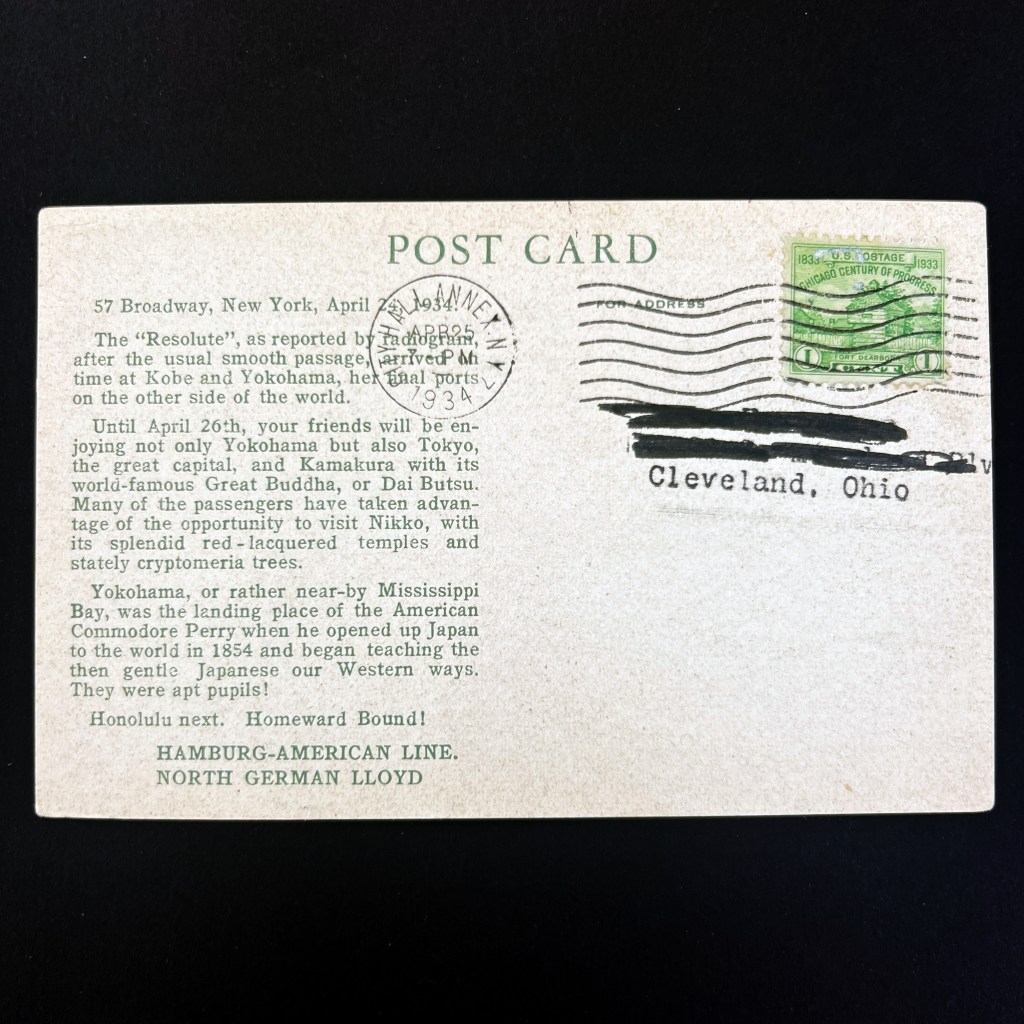
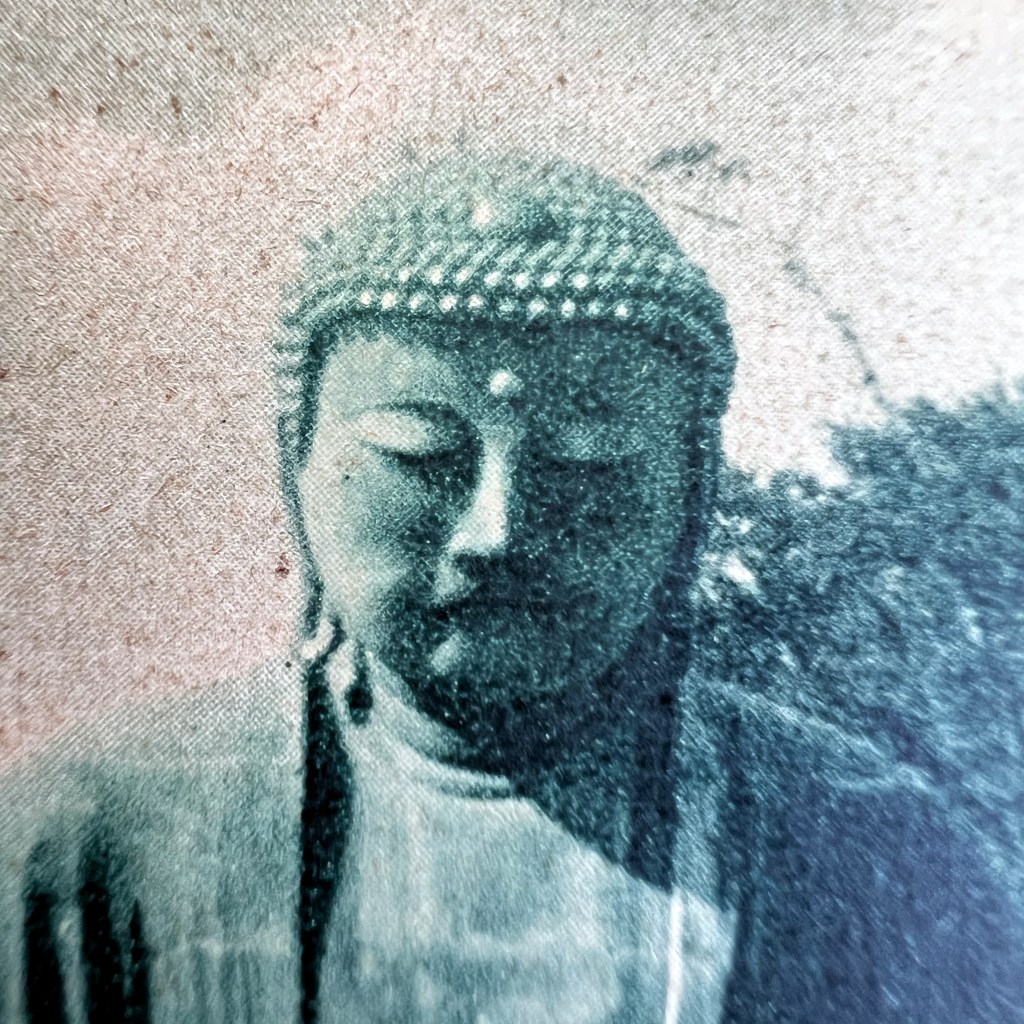
The first regular around-the-world commercial cruises began in the early 1920s. The Great Buddha of Kamakura was an iconic stop on the long sea passage; its international stature as a tourist destination was equivalent to the Taj Mahal and the Sphinx.

Within a decade, circumnavigation of the globe by passenger liner transformed into a stalwart luxury industry. The Hamburg–American Line was one of the main companies in the inter-war period.

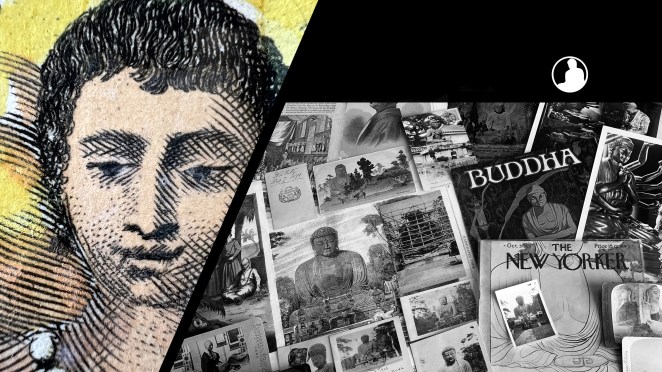
Passengers kept family or friends abreast of their travels by having postcards automatically sent from ocean liner offices around the world. Here we see notification of the Resolute arriving in the ports of Japan on April 24, 1934. Tours through Nikko and Kamakura are noted.

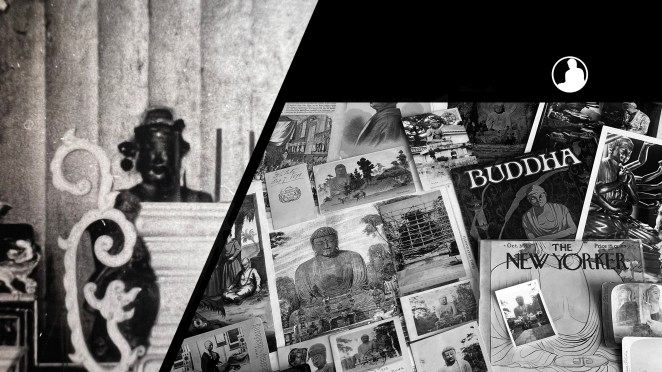
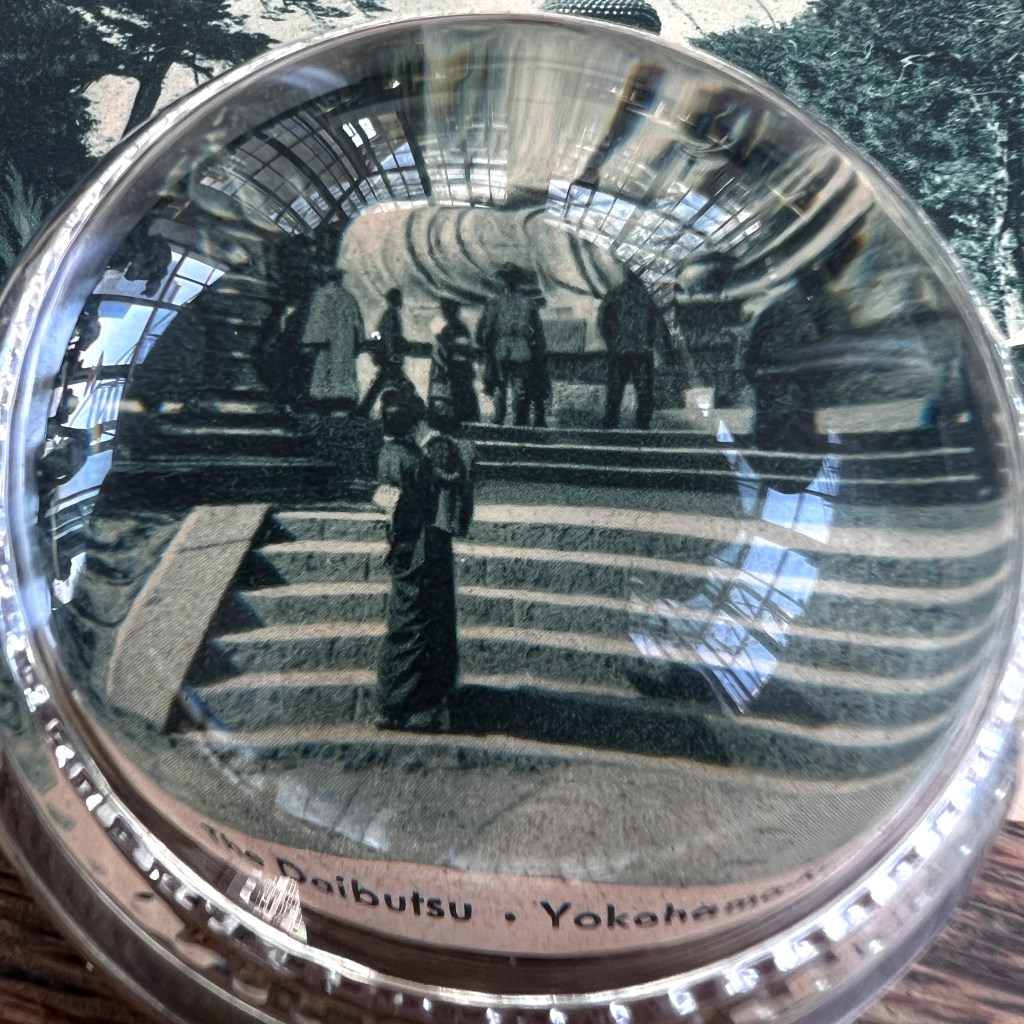
The photograph printed here depicts a seemingly orchestrated scene that highlights the foreignness and apparent piousness of the Japanese.

The travel and souvenir journal of Eleanor Phelps, who embarked on the inaugural American Express Co. cruise around the world in 1922, is held by the University of South Carolina, viewable here: https://tinyurl.com/avt4xt2p.


Additional Archived Posts for the Buddhas in the West Project

The Buddhas in the West Material Archive is a digital scholarship project that catalogues artifacts depicting Buddhist material culture for Western audiences. It’s comprised of prints, photos, and an assortment of ephemera and other objects. For a brief introduction to this archive, visit the main Buddhas in the West project page.


For Related Buddhas in the West Posts Featuring the Kamakura Daibutsu:


For the Most Recent Buddhas in the West Posts: