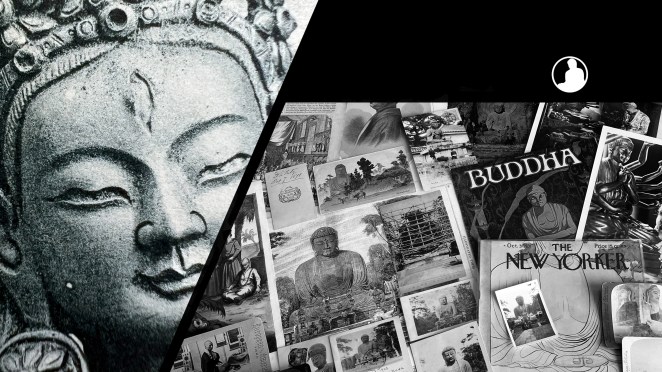
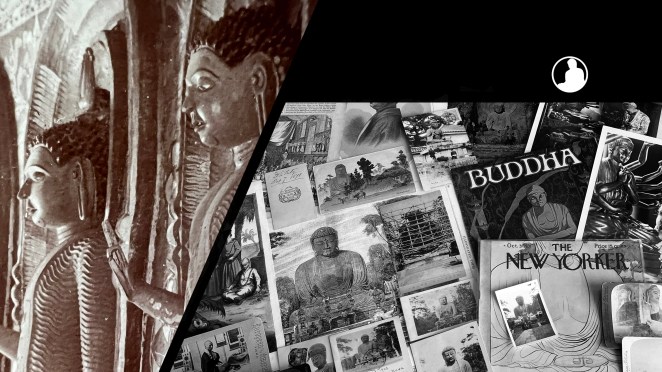
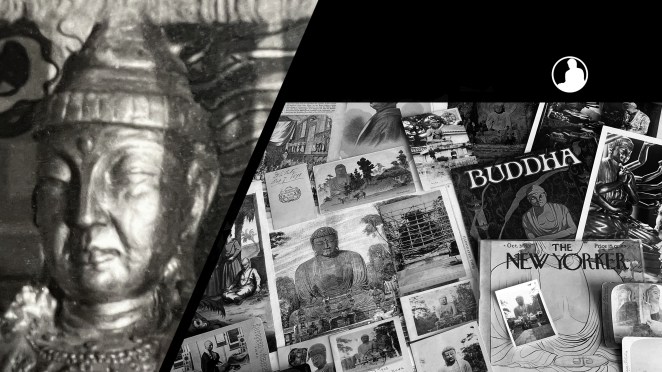
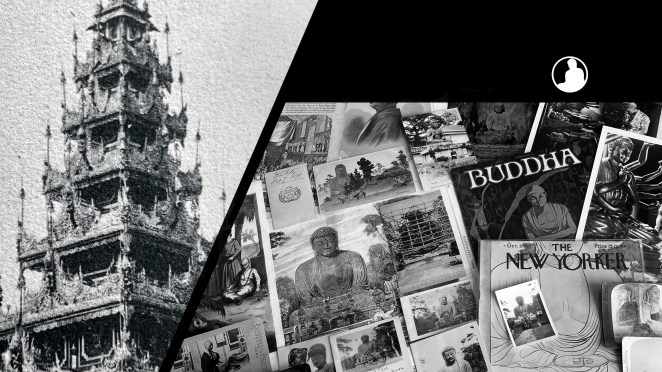
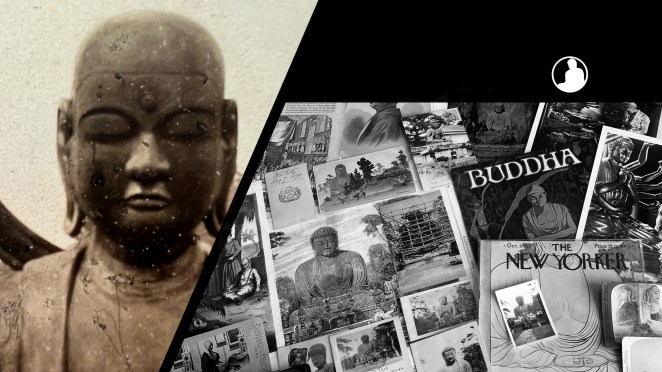
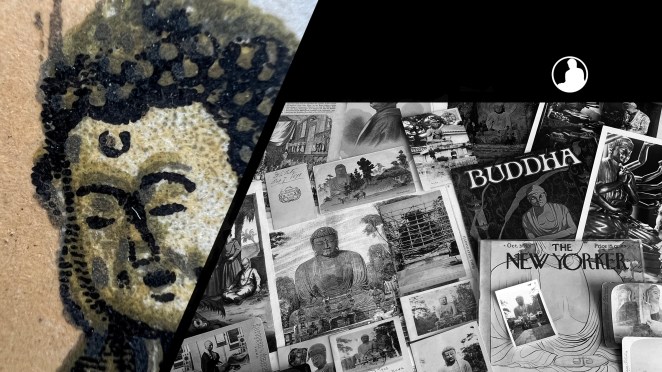
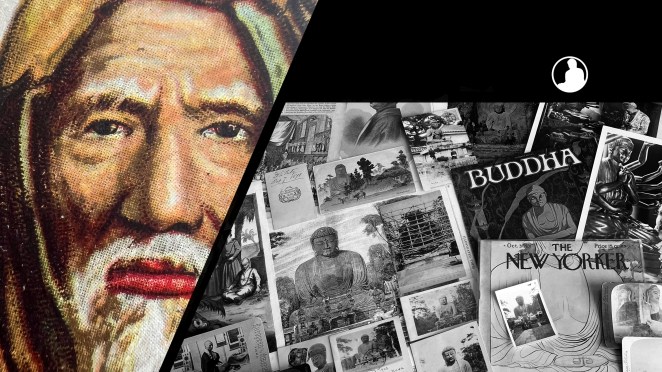
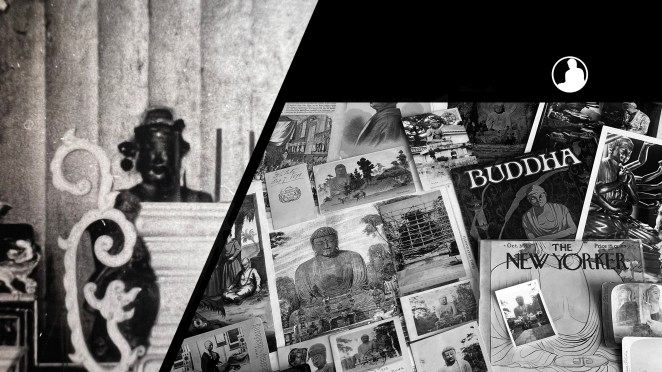
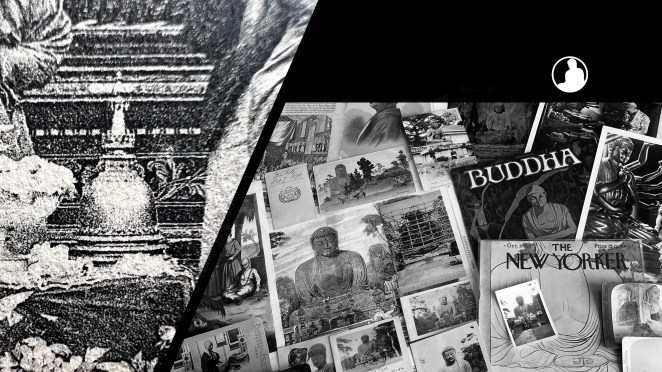
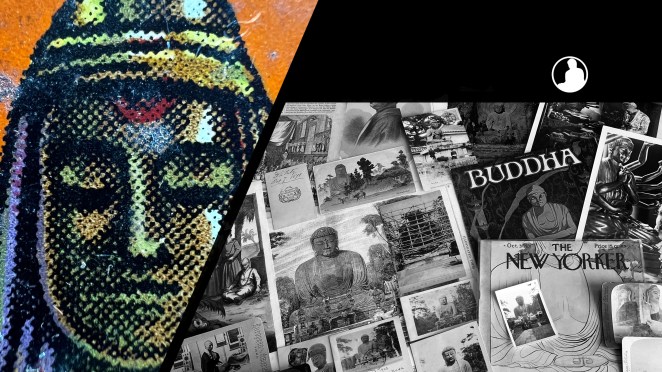
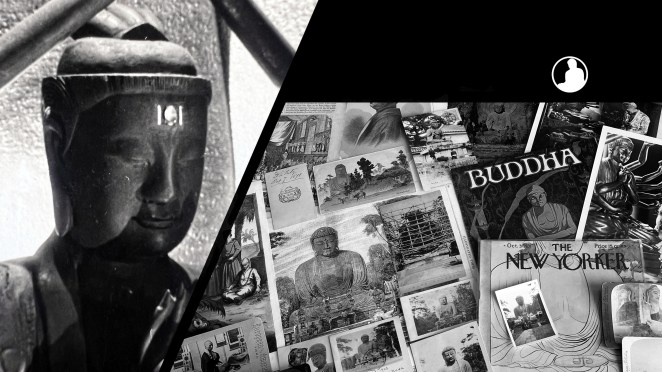
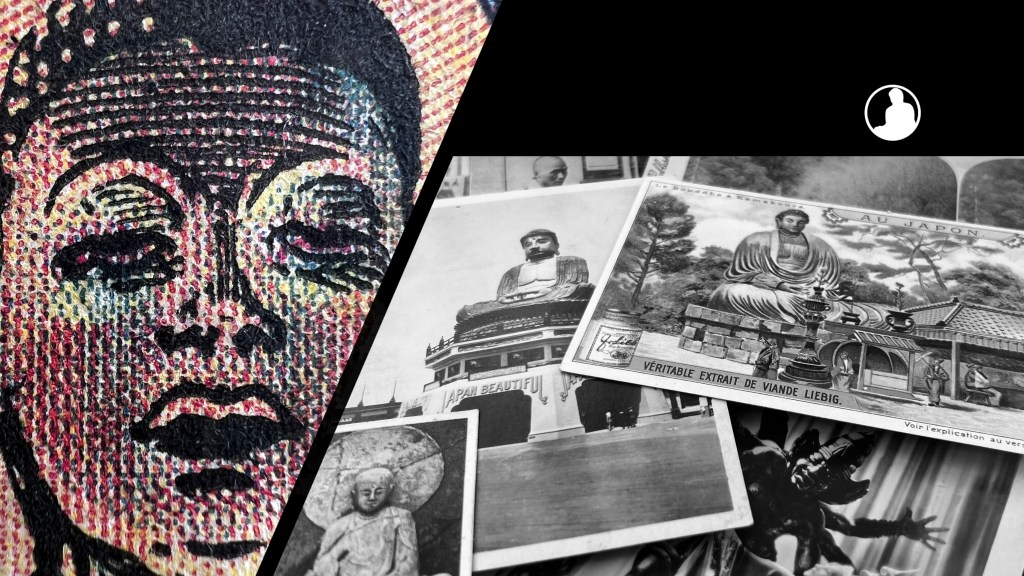
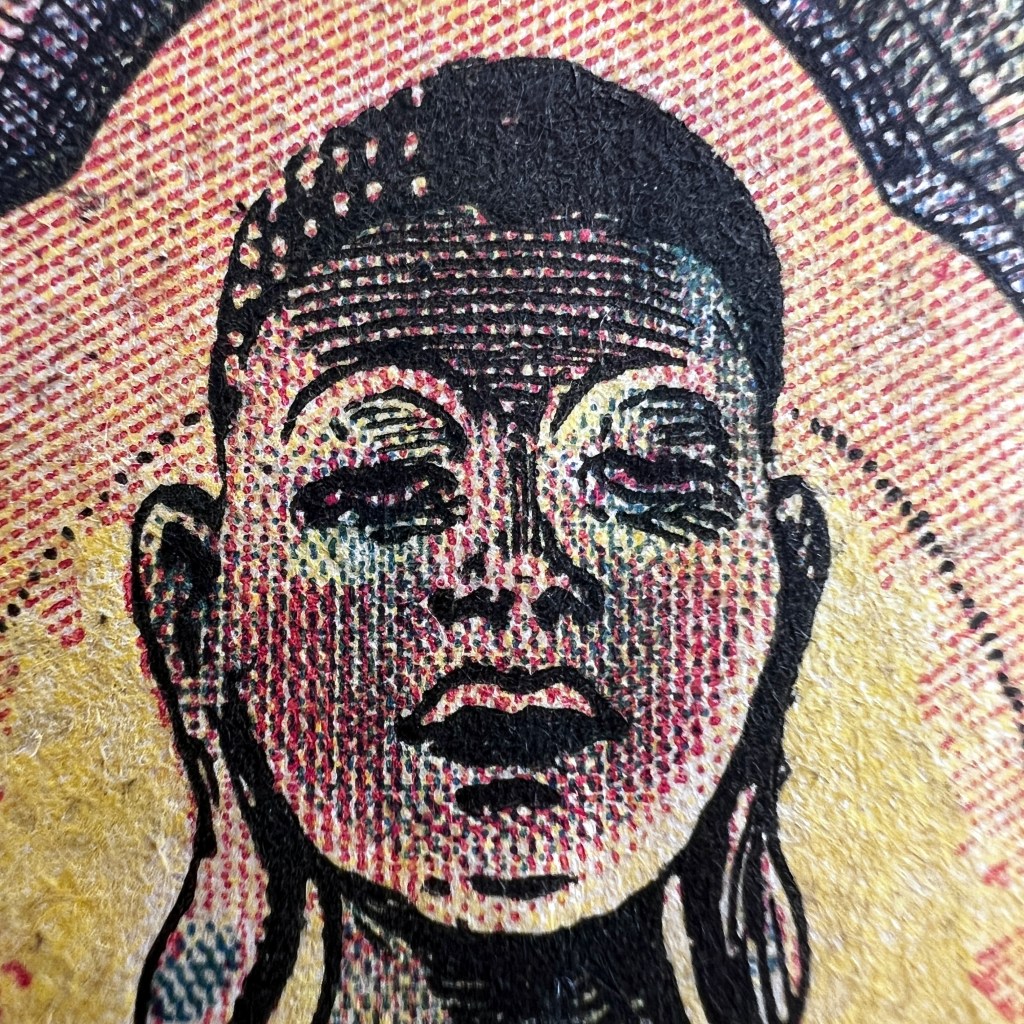
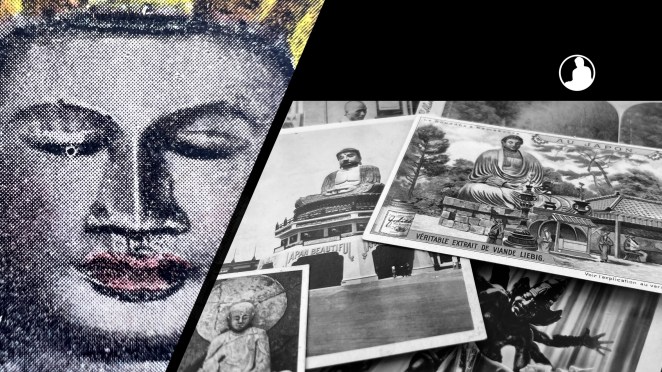
Engraving the Grotesque Buddha, 1660–1850 Exhibit

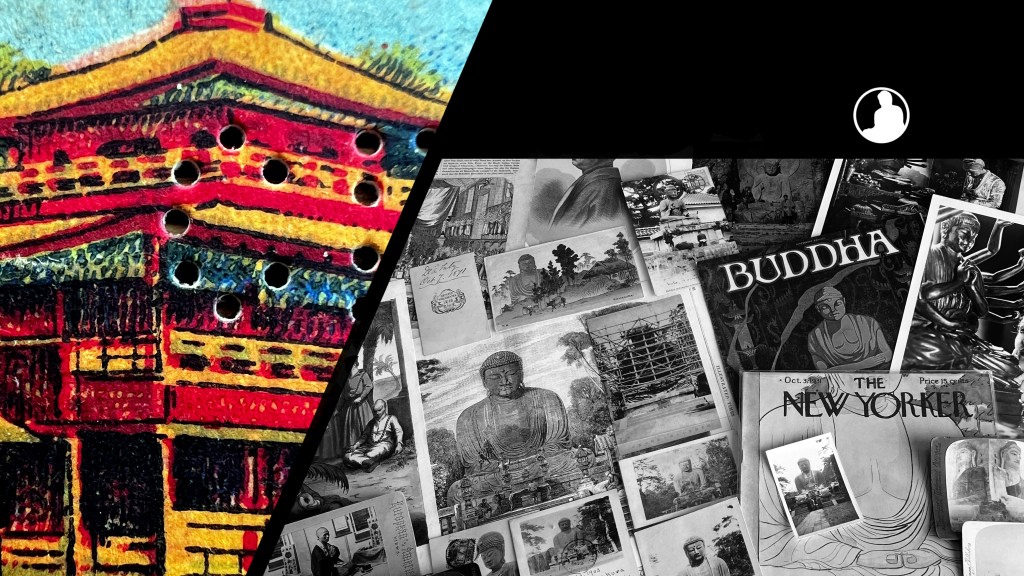
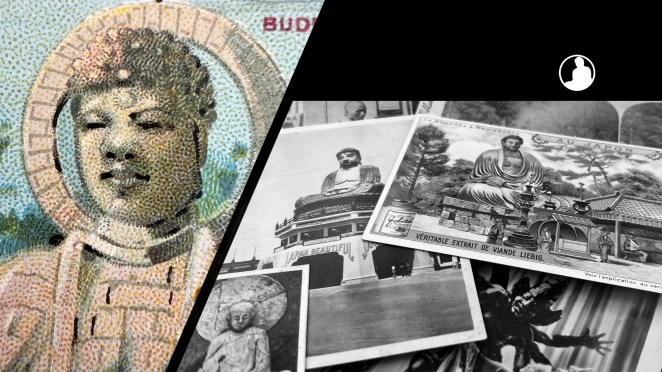
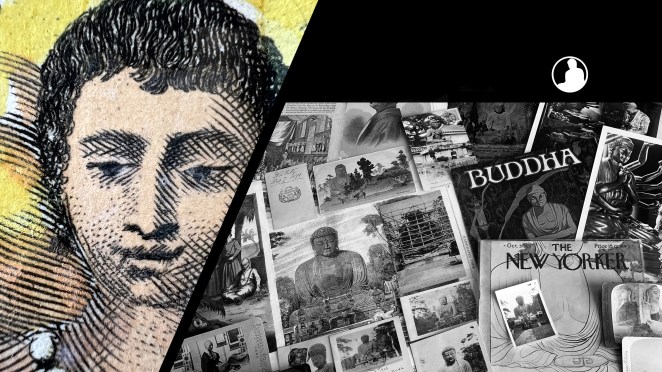
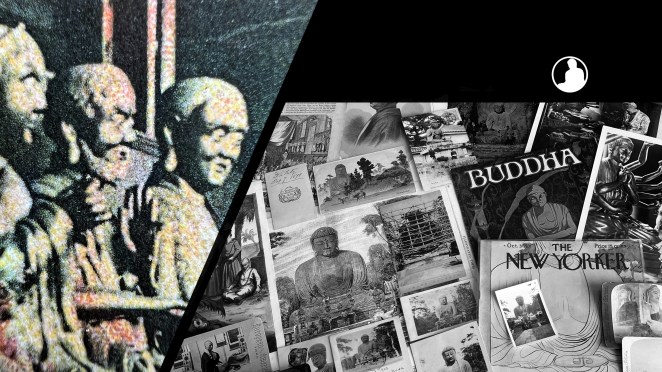
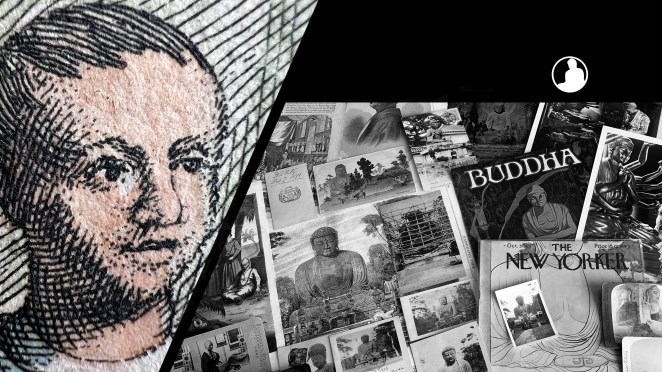
The Buddhas in the West Material Archive pop-up exhibit, entitled “Engraving the Grotesque Buddha, 1660–1850” will be on display November 22, 2025 at CGIS S050 at Harvard University.


Introduction to the Exhibit

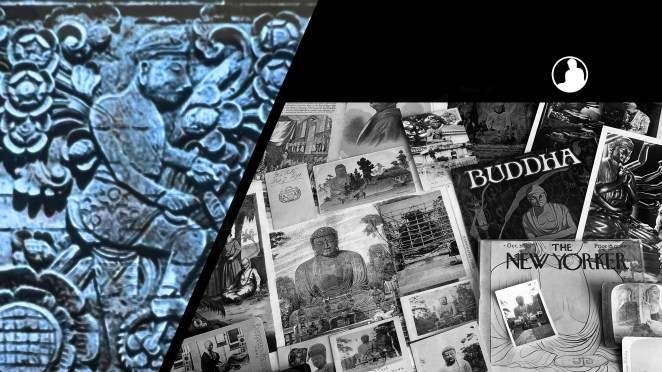
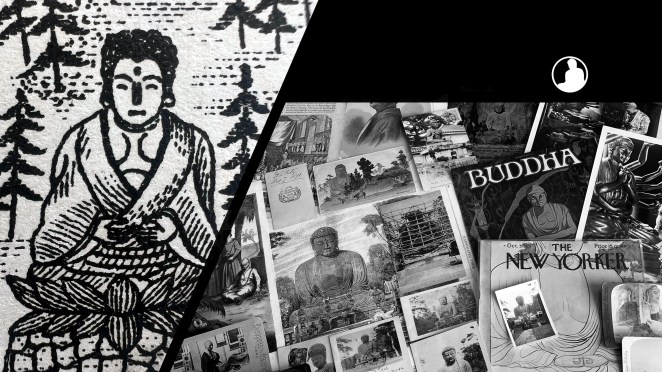
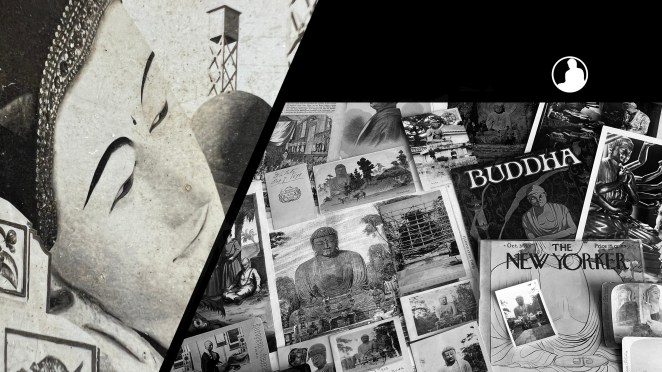
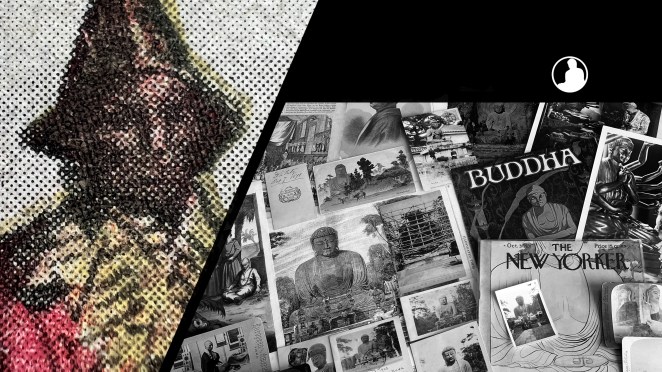
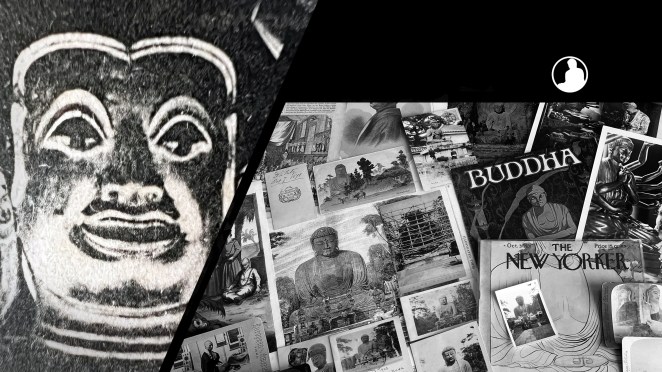
Through the 1650s Buddhist material culture remained an enigma to much of Europe. Yet, in the late 1660s, Amsterdam-based publisher Jacob van Meurs (1619/1620–c.1680) started publishing illustrated books devoted to China and Japan. These works proved popular and helped introduce Buddhist material culture to broader European audiences.

Van Meurs’ influence was substantial. The engravings produced by his workshop were widely reproduced in publications over the next century. Some illustrations continued to be reused well into the nineteenth century until the invention of photography and adoption of photomechanical reproduction finally rendered the illustrations outdated. Consequently, some of the images from van Meurs’ workshop exhibited a strong media echo for nearly two-hundred years.

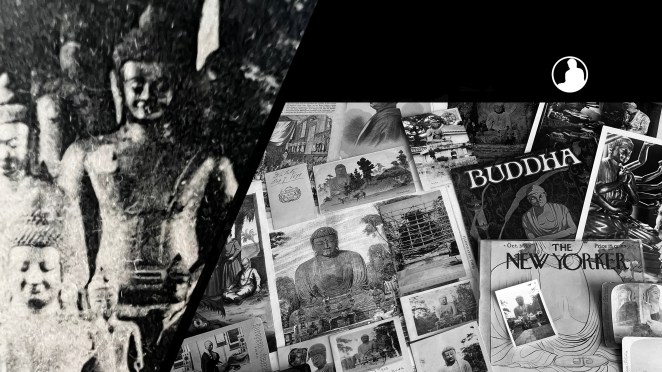
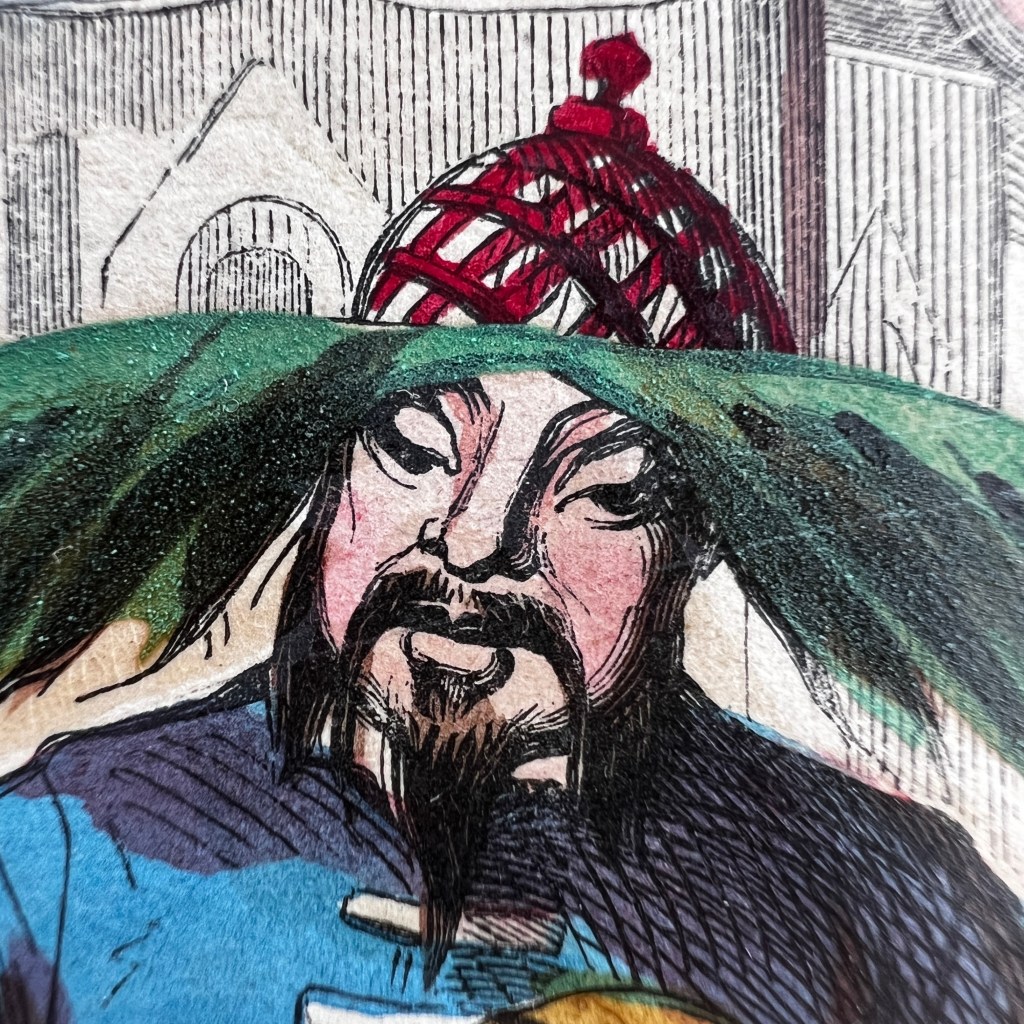
Notably, many of the images of Buddhist icons and Buddhist monks were embellished, often veering towards the uncanny, ghoulish, or grotesque.

The exhibit will be comprised of eighteen prints published between 1665 and 1863 that show the lasting influence of Jacob van Meurs’ printed works on the visual literacy of Buddhist material culture in the West.


Selected Prints


The Buddhas in the West Material Archive is a digital scholarship project that catalogues artifacts depicting Buddhist material culture for Western audiences. It’s comprised of prints, photos, and an assortment of ephemera and other objects. For a brief introduction to this archive, visit the main Buddhas in the West project page.


For the Most Recent Buddhas in the West Posts:


a

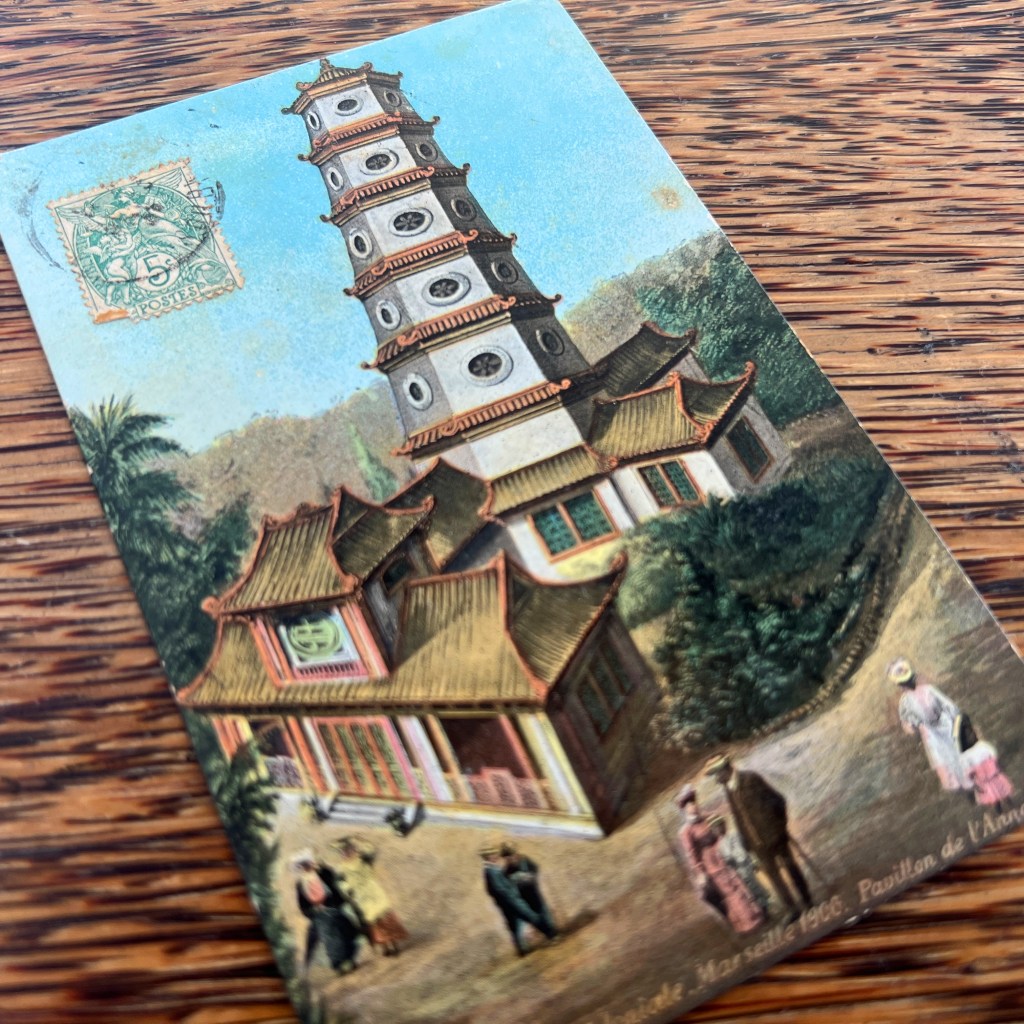
1906 French Colonial Exposition Annam Pavilion Postcard

For all the new Buddhas in the West posts
follow us on Bluesky & Instagram


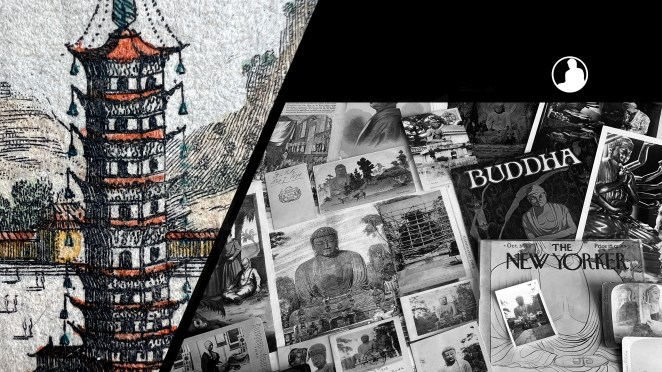
Following the success of colonial pavilions at World’s Fairs, France initiated its own independent Colonial Expositions in the 1890s. In Marseilles in 1906, famous architectural sites from French Indochina were reconstructed, including a towering Buddhist pagoda representing Annam.

Jules Charles-Roux, organizer of the colonial portions of the Paris World’s Fair of 1900 and head of the 1906 exposition, showcased the pagoda behind the main Indochina gate. The pagoda was also set at the head of a replicated “Hanoi road” populated with real inhabitants of the protectorate.

Held during the height of the postcard craze, the exposition grounds opened its own dedicated postcard pavilion. While the cancellation is unclear on the obverse, this card appears to have been sent from Marseilles; its destination was Port-Vendres, further down the Mediterranean coast.

While often obscure in exposition literature, the “Annam Pavilion” was a replica of the pagoda from Tien Mu Temple, in the city of Hue, which was founded in 1601. The pagoda was a popular subject of souvenir photographs sold by studios throughout French Cochinchina, Annam, and Tonkin.

The following year, in 1907, Paris held another colonial exposition, but recreated a different pagoda to represent Annam. A photo illustrated book of the 1906 Marseilles Exposition is digitized by the University of Aix-Marseille, viewable here: https://tinyurl.com/mczsvn6s.


The Buddhas in the West Material Archive is a digital scholarship project that catalogues artifacts depicting Buddhist material culture for Western audiences. It’s comprised of prints, photos, and an assortment of ephemera and other objects. For a brief introduction to this archive, visit the main Buddhas in the West project page.


For Related Buddhas in the West Posts Featuring Vietnam / French Indochina:


For the Most Recent Buddhas in the West Posts:
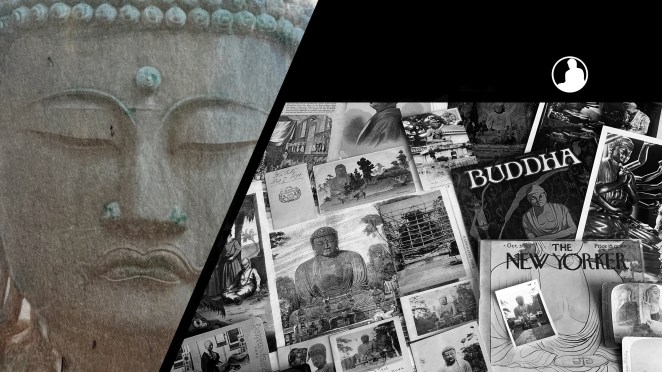

Henri Laas’ “Dieu des Amours” Advertising Card

For all the new Buddhas in the West posts
follow us on Bluesky & Instagram


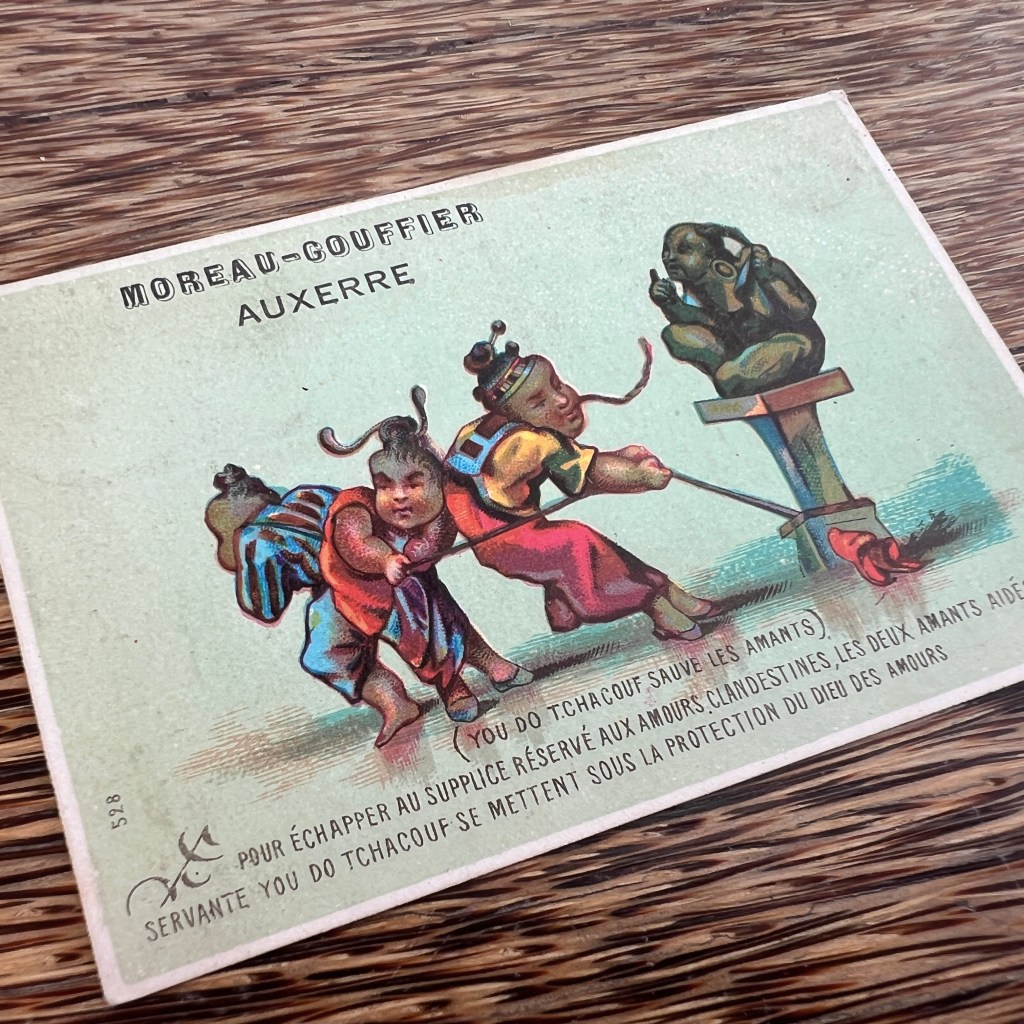
Advances in chromolithography in the 1870s and 80s helped flood America and Europe with inexpensive, colorful imagery. This had the greatest impact in advertising with the introduction of trade cards, often bearing humorous or provocative images to elicit consumer interest.

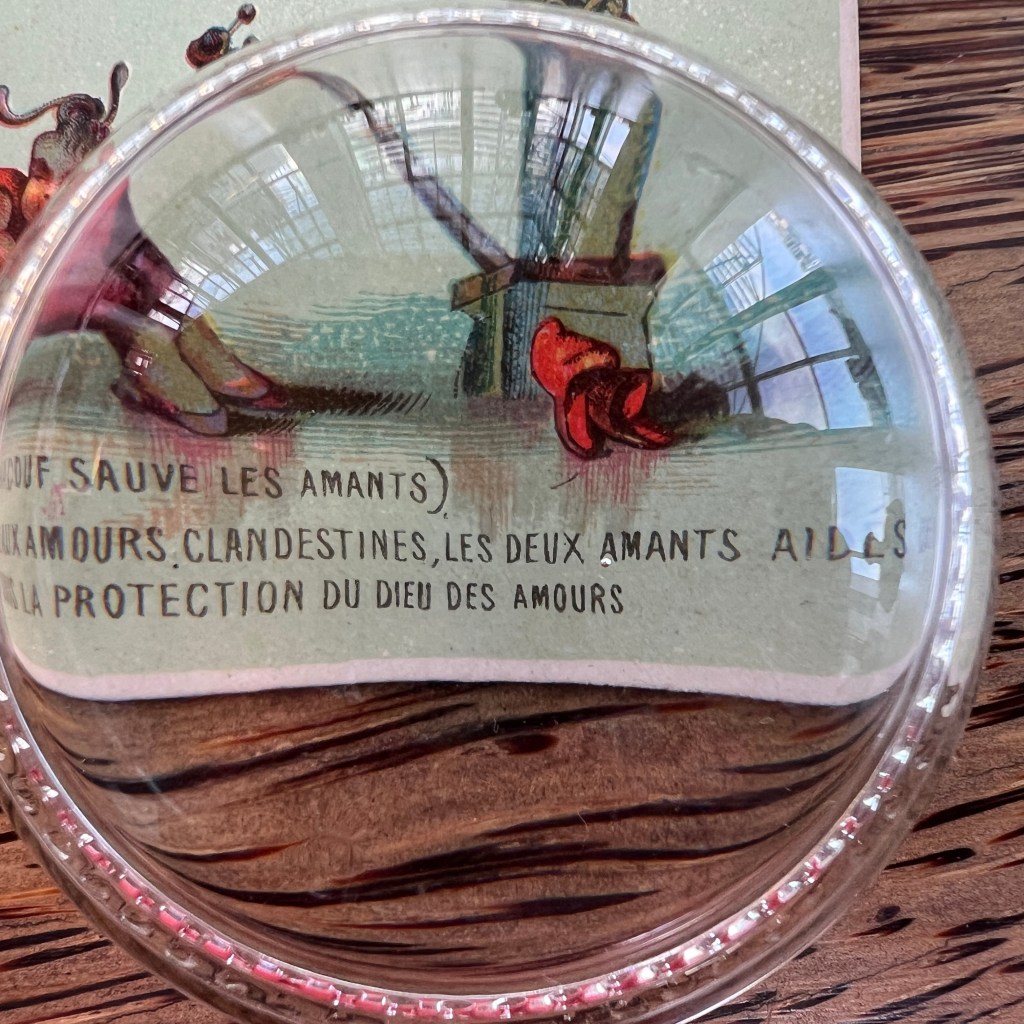
To meet demand, printers like Henri Laas in Paris, created series of stock illustrated cards which could be imprinted with a store’s name and address. The store Moreau-Gouffier, seen here, had a “specialty in shoes” and sold “articles for soldiers,” probably during the 1890s.

Stock imagery was often unrelated to the store, but instead drew upon popular visual motifs. Coinciding with the growth of trade cards, France experienced another wave of chinoiserie following the looting of the Beijing Summer Palace and creation of Empress Eugénie’s Chinese Museum in the 1860s.

Moreover, French colonial expansion into East Asia increased the circulation of imagery of the region and its people through the French illustrated press. Trade cards drew upon popular ethnic stereotypes, such as we see with the caricatures of Chinese clothing, hairstyle, and skin complexion.

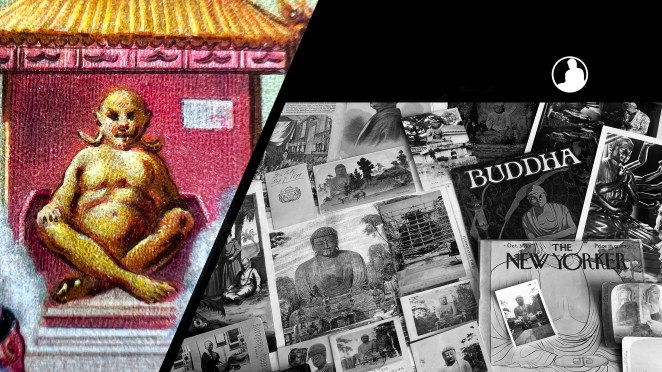
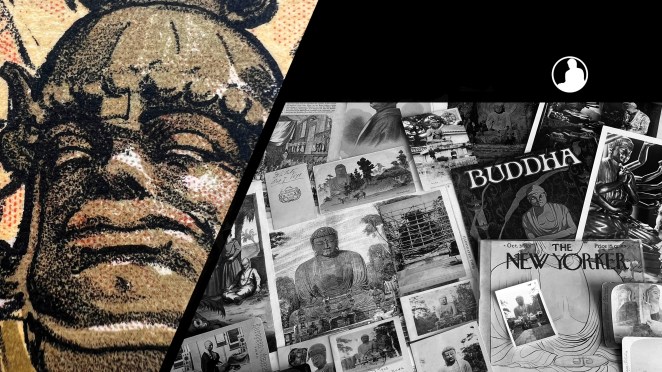
This card is part of a set that tells a story, with each scene set around a particular Chinese artifact; here we see a highly-stylized statue of a buddha. In the story, two secret lovers approach the statue, presented as a “god of love,” to seek his help.

The statue mimics a buddhist icon, but is also racially stylized with mustache and queue. To read more about the Buddhist artifacts and the looting of the Summer Palace, see Louise Tythacott’s The Lives of Chinese Objects: Buddhism, Imperialism and Display (2011).


The Buddhas in the West Material Archive is a digital scholarship project that catalogues artifacts depicting Buddhist material culture for Western audiences. It’s comprised of prints, photos, and an assortment of ephemera and other objects. For a brief introduction to this archive, visit the main Buddhas in the West project page.


For Related Buddhas in the West Posts Featuring Lithographic Prints:


For the Most Recent Buddhas in the West Posts:


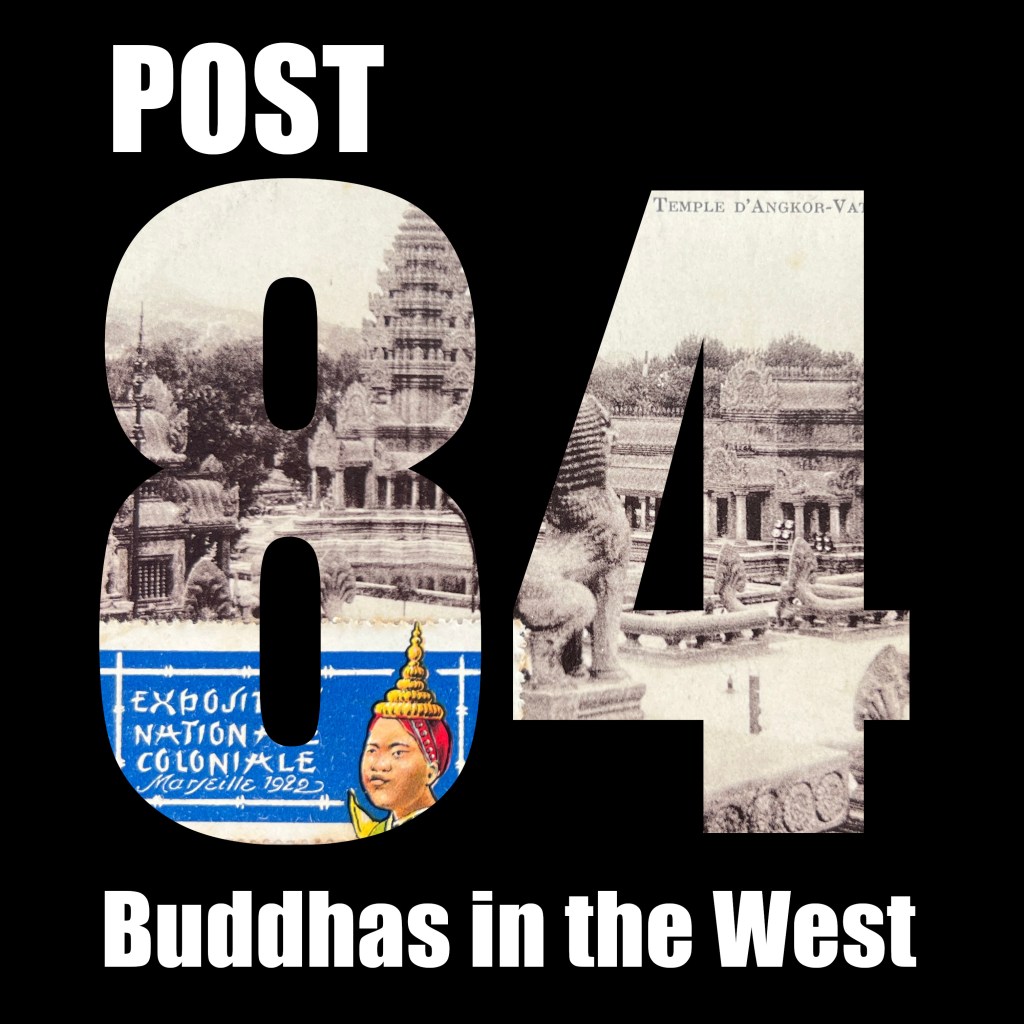
1922 French Colonial Exposition Angkor Wat Replica Postcard

For all the new Buddhas in the West posts
follow us on Bluesky & Instagram


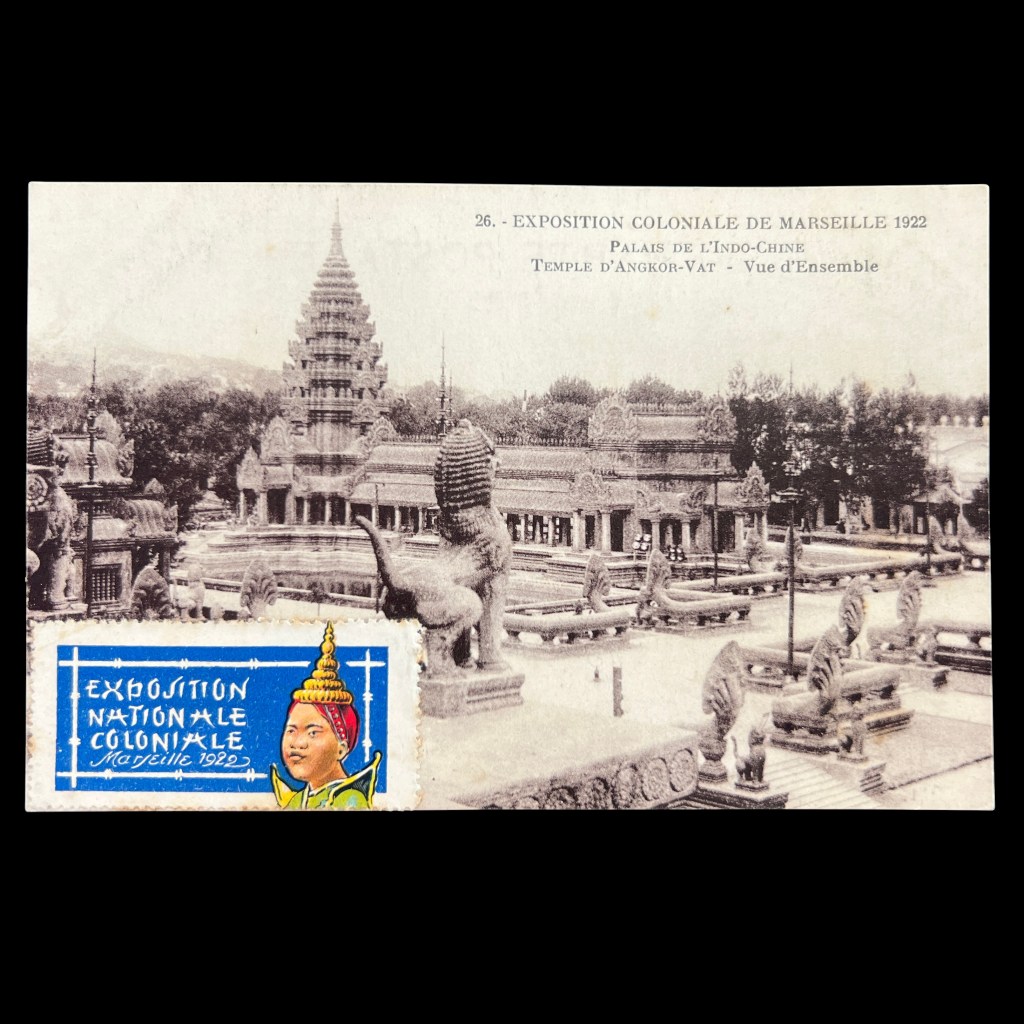
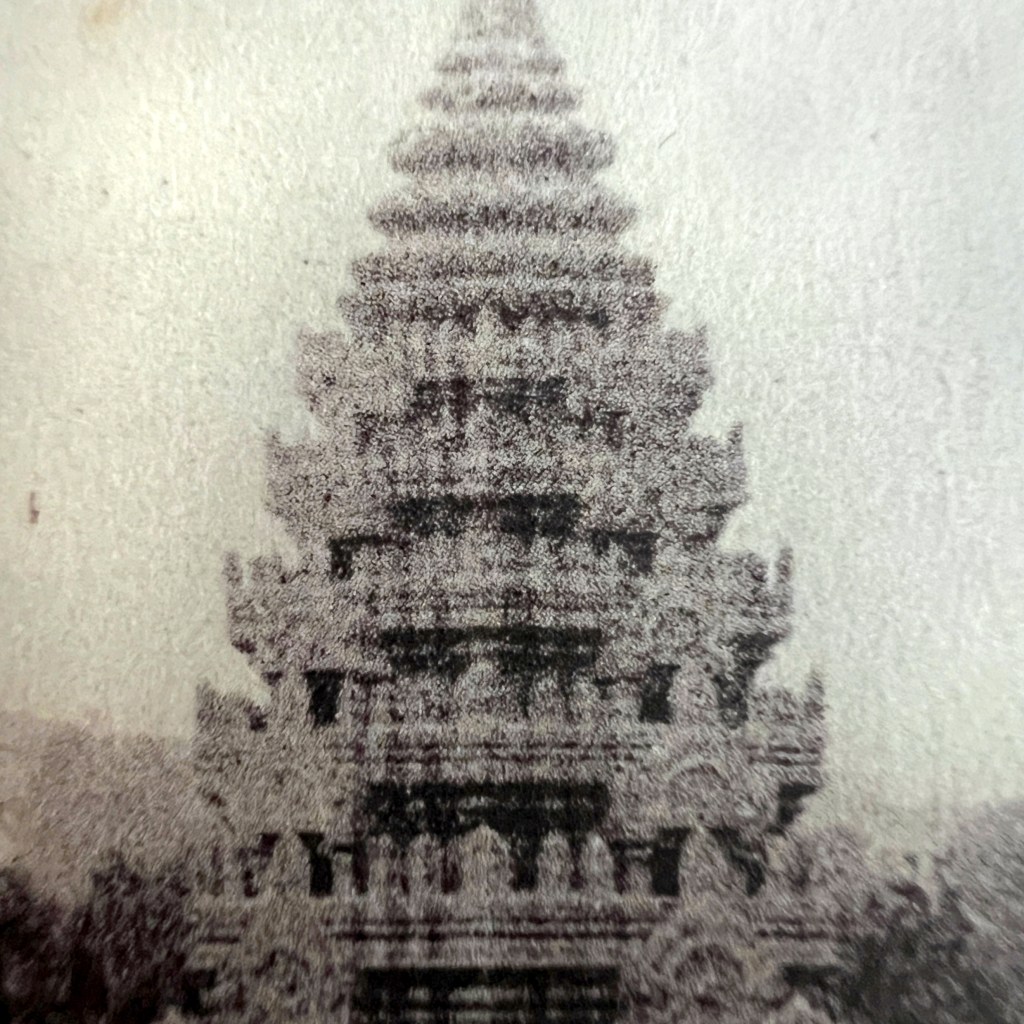
In 1922, the organizers of the Colonial Exposition in Marseille accomplished the impossible – a plaster recreation of Cambodia’s Angkor Wat. While only a partial replica, the central tower, built on a wooden skeleton, was 177 ft. (54m) tall and towered over the exposition grounds.

Cambodian “natives” were also brought in to add authenticity to the fabricated environment. The golden-clad Cambodian royal dance troupe proved to be a “must see” attraction; curiously, they performed the Orientalist opera Lakmé by composer Léo Delibes.

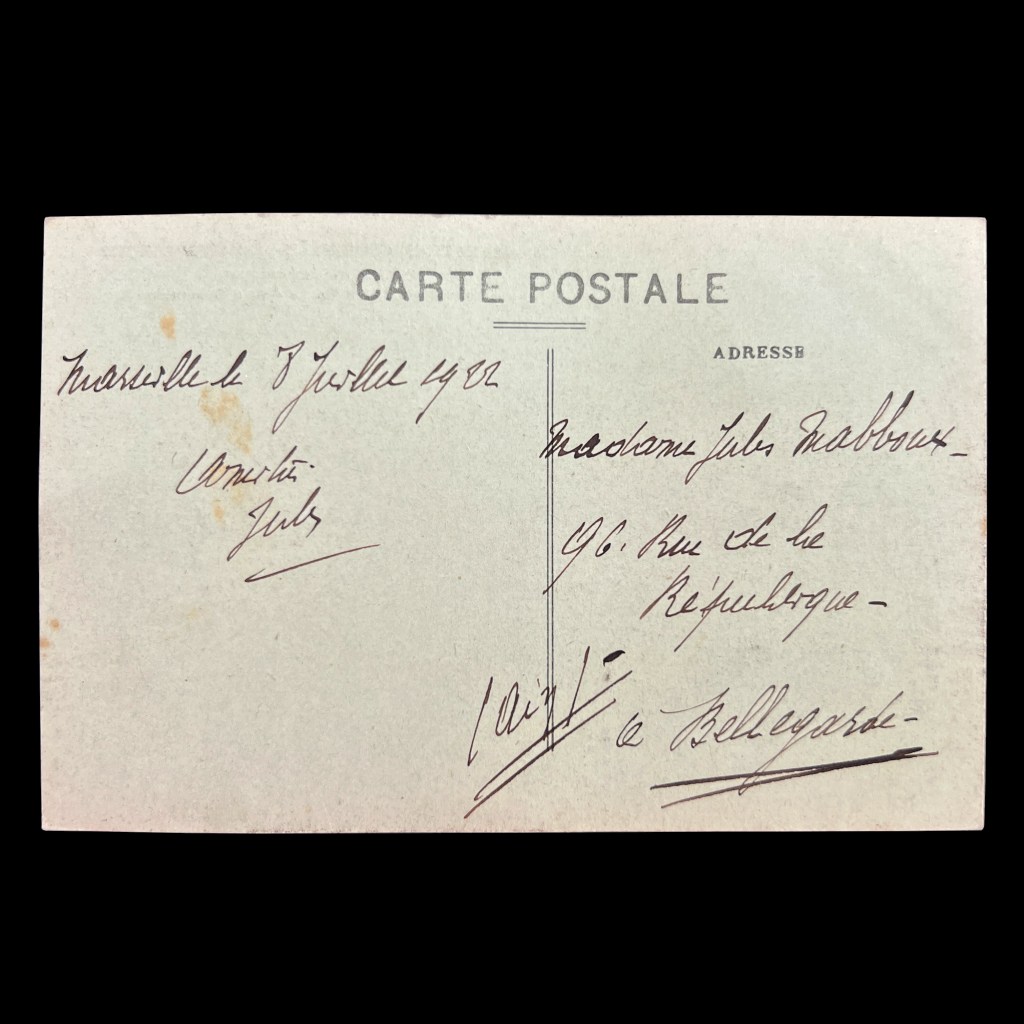
Cambodia was a protectorate of France since 1863 and French troops had already been sending home picture postcards of the real Angkor Wat ruins. Dated July 8, 1922, this card depicting Angkor Wat’s replica was prepared, but never mailed.

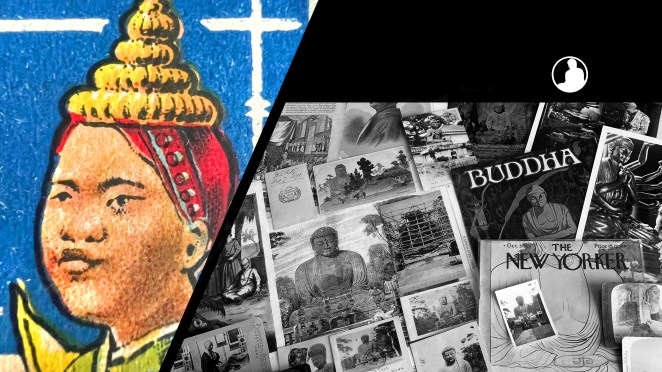
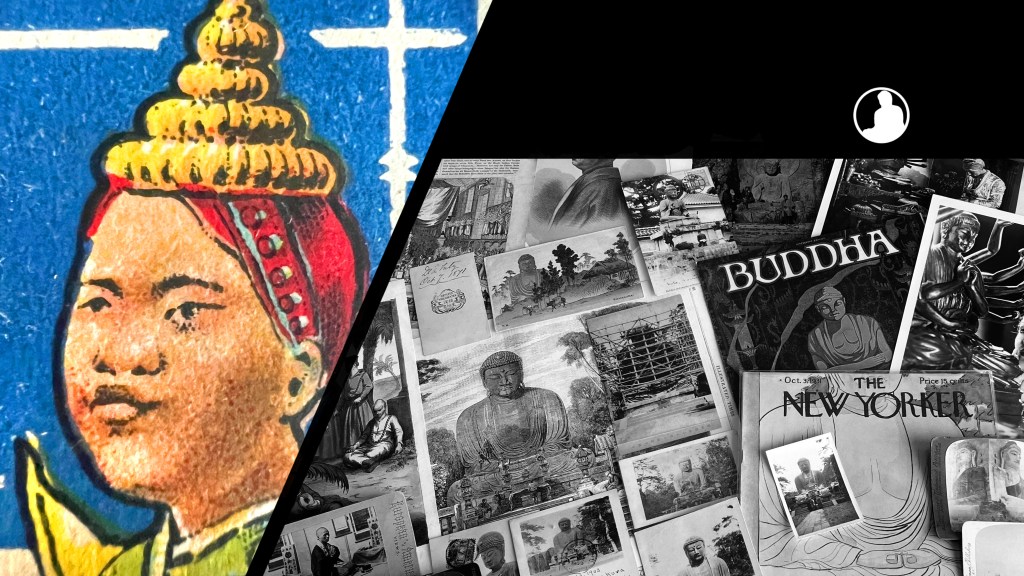
This stamp is a non-postal commemorative stamp, one of twelve designs made for the 1922 Marseille exposition. It depicts a royal dancer wearing a crown shaped like a Southeast Asian Buddhist stupa; such crowns are also seen in the stone reliefs decorating Angkor Wat.

While plasters casts made in Cambodia were used in Marseille, the replica temple had many alterations, creating only a semblance of reality. For more on the use of plasters casts and dancers, see Isabelle Flour’s “Orientalism and the Reality Effect: Angkor at the Universal Expositions” (2014).


The Buddhas in the West Material Archive is a digital scholarship project that catalogues artifacts depicting Buddhist material culture for Western audiences. It’s comprised of prints, photos, and an assortment of ephemera and other objects. For a brief introduction to this archive, visit the main Buddhas in the West project page.


For Related Buddhas in the West Posts Featuring Expositions:


For the Most Recent Buddhas in the West Posts:


Chocolat Pupier’s Kinkaku-ji Trade Card

For all the new Buddhas in the West posts
follow us on Bluesky & Instagram


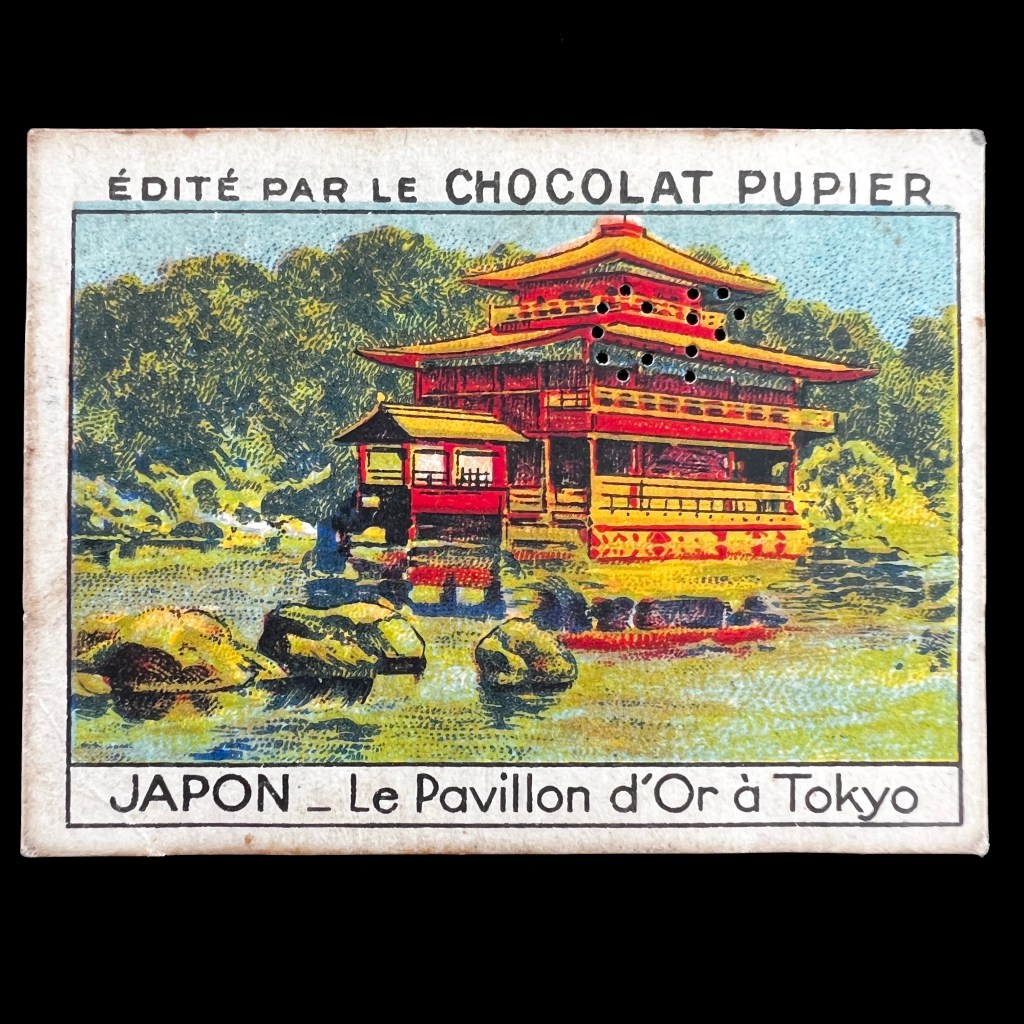
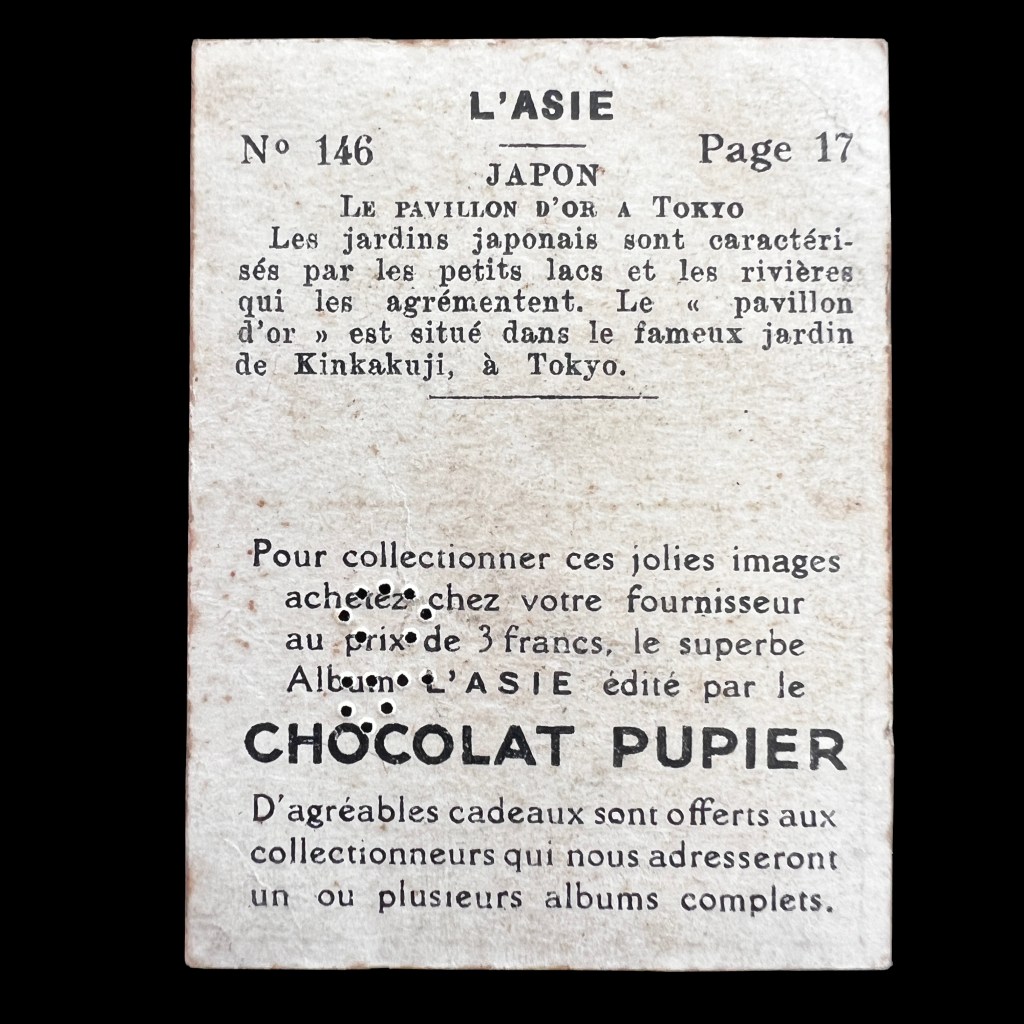
Turn of the century French chocolatiers took advantage of the popularity of colorful trade cards and included them with their products. In 1936 the Chocolat Pupier company created a collectable Asia series with several illustrations of Buddhist material culture.

An album with 252 card slots could be purchased to display your collection. If completed, Chocolat Pupier offered a gift to the consumer.

Chromo-lithographic printing offered an inexpensive way to mass produce colorful imagery. There is an error on this card, however, can you spot it?

The Gold Pavilion Temple, Kinkaku-ji, is not in Tokyo, buy Kyoto. In addition to Asia, Chocolat Pupier made cards related to Europe, North America, and Africa.

A small collection of Chocolat Pupier card was recently acquired by Duke University Library, see here: https://archives.lib.duke.edu/catalog/chocolatpupier.


The Buddhas in the West Material Archive is a digital scholarship project that catalogues artifacts depicting Buddhist material culture for Western audiences. It’s comprised of prints, photos, and an assortment of ephemera and other objects. For a brief introduction to this archive, visit the main Buddhas in the West project page.


For Related Buddhas in the West Posts Featuring Historical Trade Cards:


For the Most Recent Buddhas in the West Posts:


Paris’ Panorama du Tour du Monde Advertising Card

For all the new Buddhas in the West posts
follow us on Bluesky & Instagram


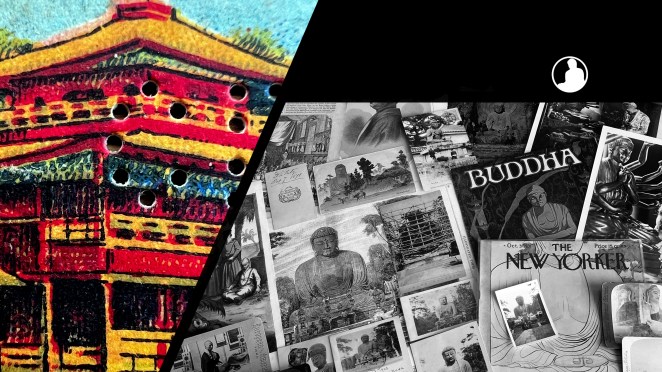
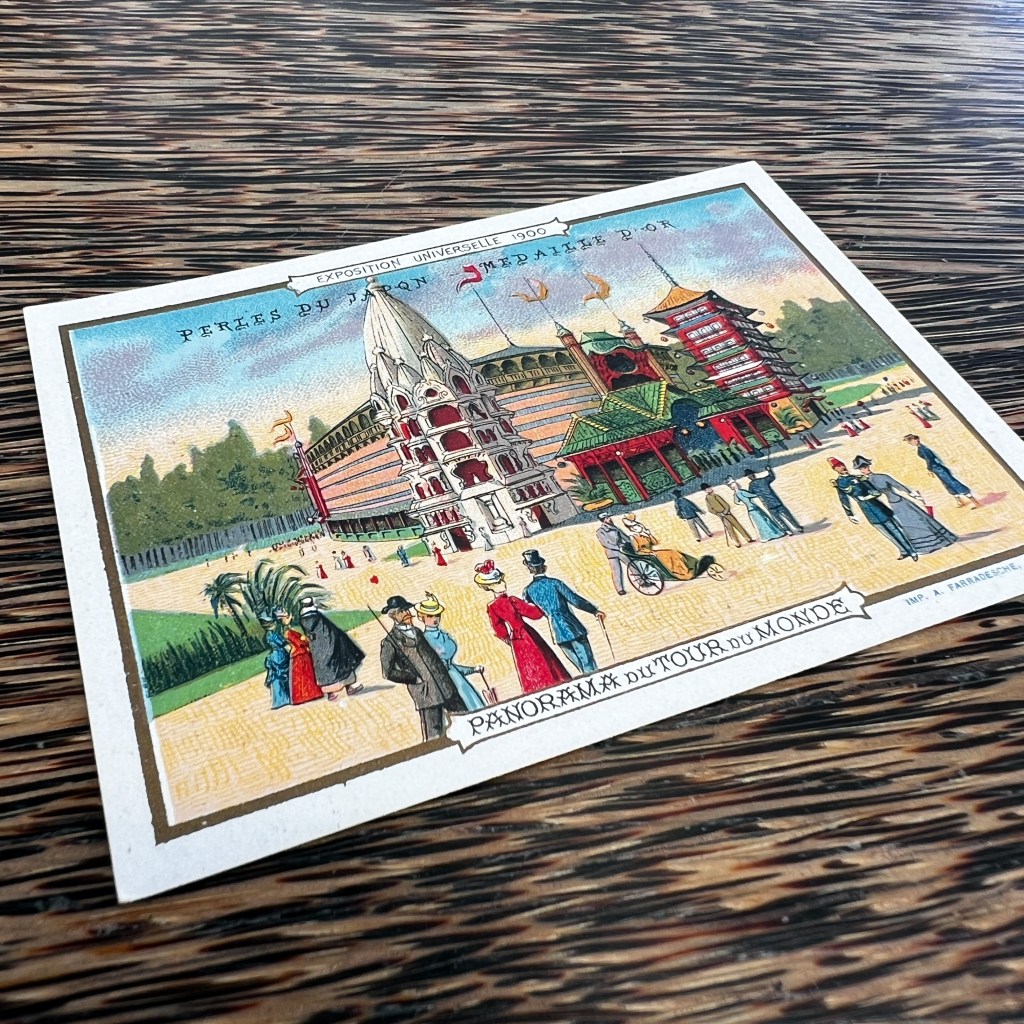
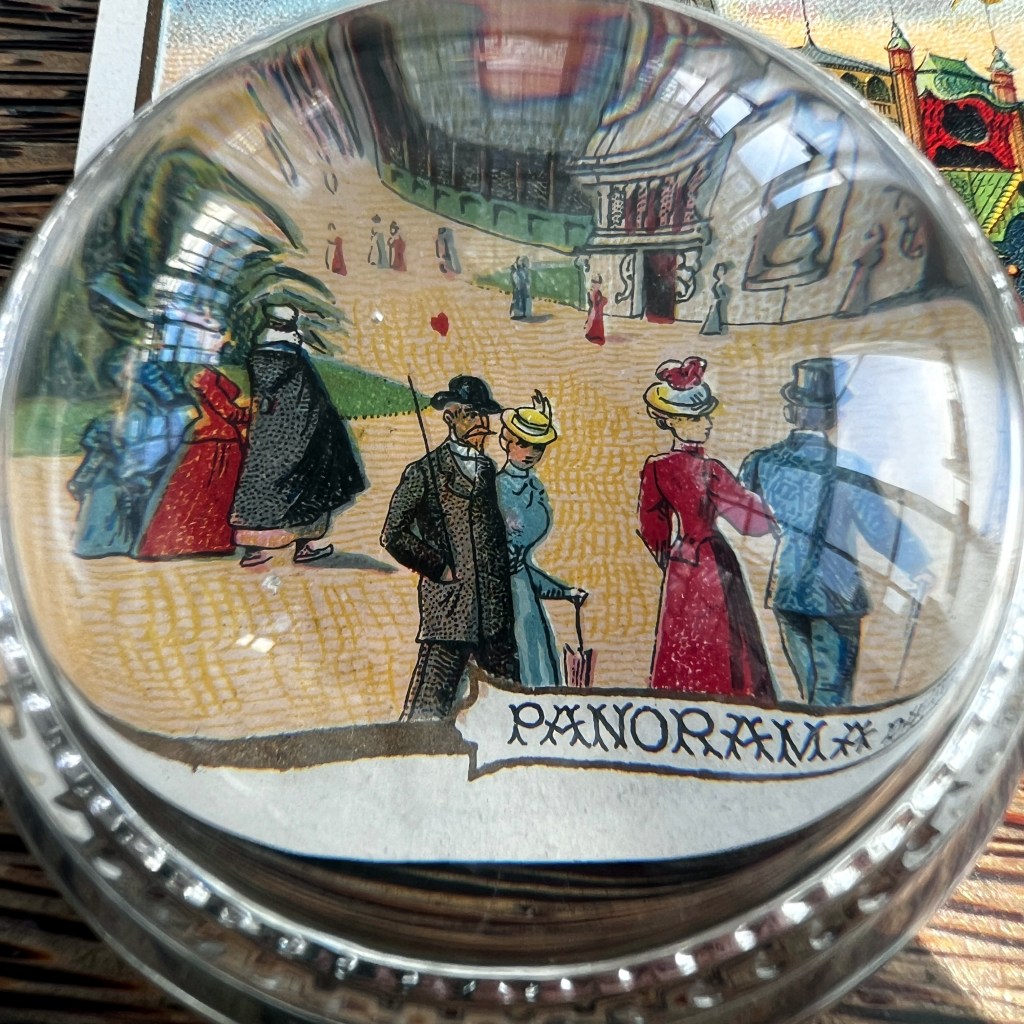
Panorama du Tour du Monde: By the 1900 Paris Exposition, amusement concessions were a major draw for all exposition visitors. Not far from the foot of the Eiffel Tower one found the Panorama du Tour du Monde which took patrons on a virtual voyage from Spain to Japan.

Built by Alexandre Marcel for a French sea-transport company, the architecture called to mind exotic locales with Asian-inspired structures. The main entrance was modeled on the Tōshō-gū in Nikkō, Japan. Some sources claim the red pagoda was based on a Chinese model.

Visitors were drawn in by large panoramic paintings of various foreign countries to give a sense of virtual travel. More astonishingly, the concession integrated many indigenous performers who engaged in various trades while wearing traditional foreign costumes

The beautiful lithographic print was part of an advertising campaign for a French company selling tapioca pearls, called “perles du Japon.”

King Leopold II was so struck by the building, he had Marcel build the Japanese Tower in Brussels. For more on the Tour du Monde exhibition, see https://tinyurl.com/2vbmr3c7.


The Buddhas in the West Material Archive is a digital scholarship project that catalogues artifacts depicting Buddhist material culture for Western audiences. It’s comprised of prints, photos, and an assortment of ephemera and other objects. For a brief introduction to this archive, visit the main Buddhas in the West project page.


For Related Buddhas in the West Posts Featuring France:


For the Most Recent Buddhas in the West Posts:


Auguste Wahlen’s “Bonzes chinois” Engraving

For all the new Buddhas in the West posts
follow us on Bluesky & Instagram


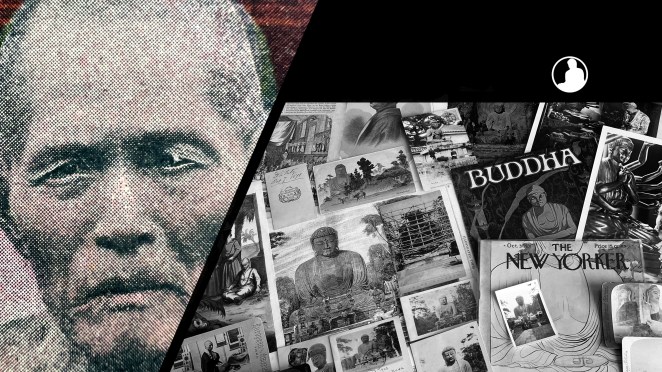
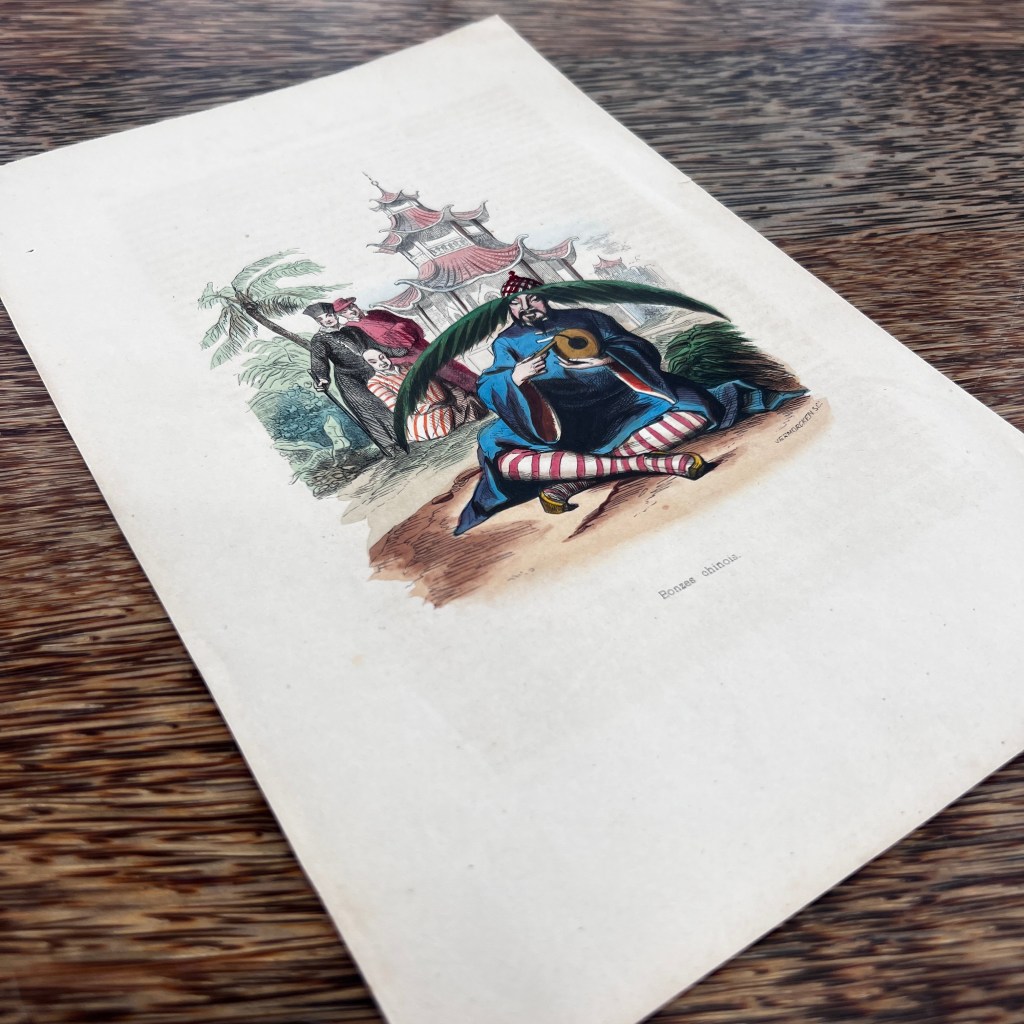
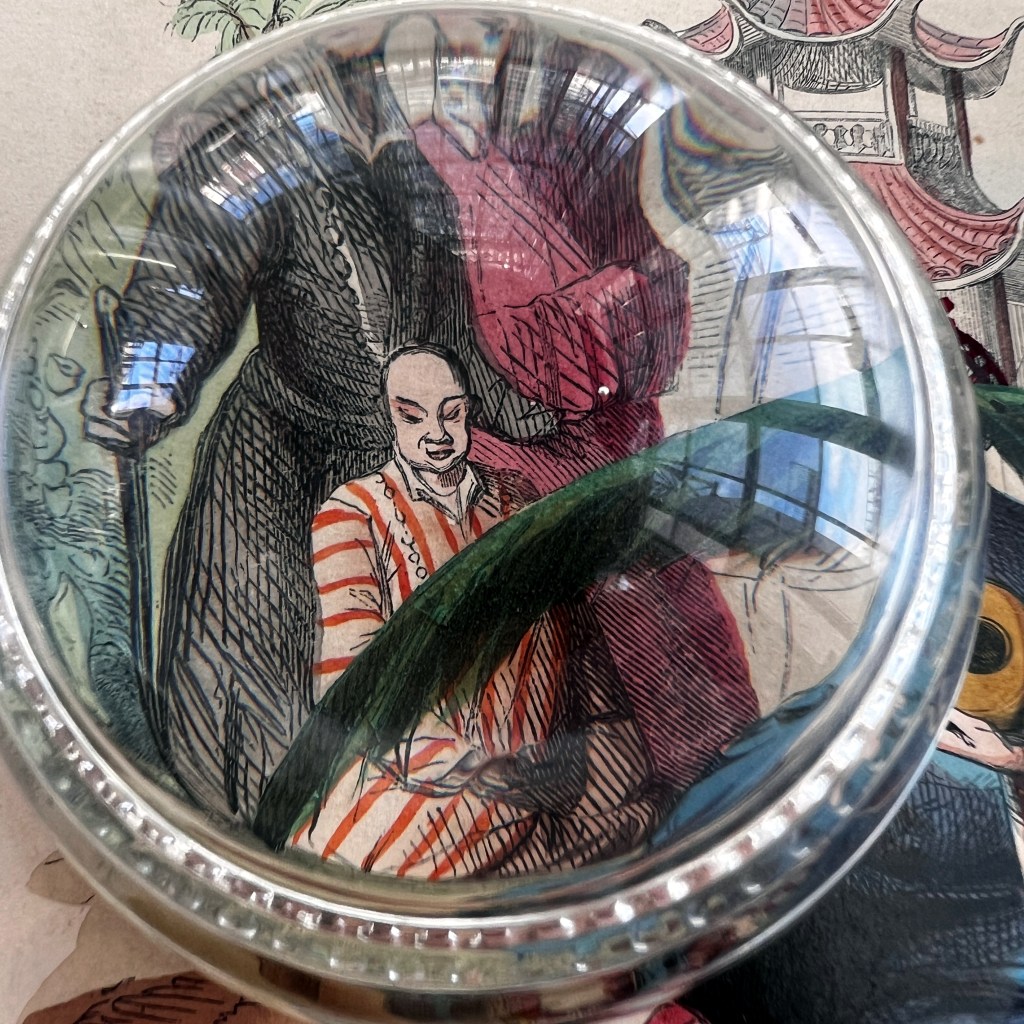
What did Buddhist Monks look like to Europeans? At least one visual tradition going back to the late 17th century depicts Buddhist monks in comedic caricature, possibly wearing attire similar to court minstrels. The figures here are identified as “bonzes chinois” (Chinese clerics).

There’s plenty of research yet to be done in this arena. This image appeared in Auguste Wahlen’s Mœurs, usages et costumes de tous les peuples du monde in 1843, showing the durability of this trope. The illustration was executed by Edouard Vermorcken.

Wahlen tells us Europeans generically call Buddhist monks “bonzes” – which is a corruption of the Japanese bonsō 凡僧, “cleric.” He also acknowledges Chinese monks are called “heshang” 和尚 and Tibetan monks “lamas.”

While Wahlen does not address the monk’s clothing, he does note their use of musical instruments ritual practice. Identified in the text as a “machine de bois, creuse et de forme ovale” (wooden, hollow, oval-shaped instrument), this instrument is now commonly called a “wooden fish.”

Wahlen’s book and accompanying illustrations have been scanned by the Getty Research Institute, available here: https://tinyurl.com/5n6pyedy #BuddhasInTheWest


The Buddhas in the West Material Archive is a digital scholarship project that catalogues artifacts depicting Buddhist material culture for Western audiences. It’s comprised of prints, photos, and an assortment of ephemera and other objects. For a brief introduction to this archive, visit the main Buddhas in the West project page.


For Related Buddhas in the West Posts Featuring Historical Engravings:


For the Most Recent Buddhas in the West Posts:

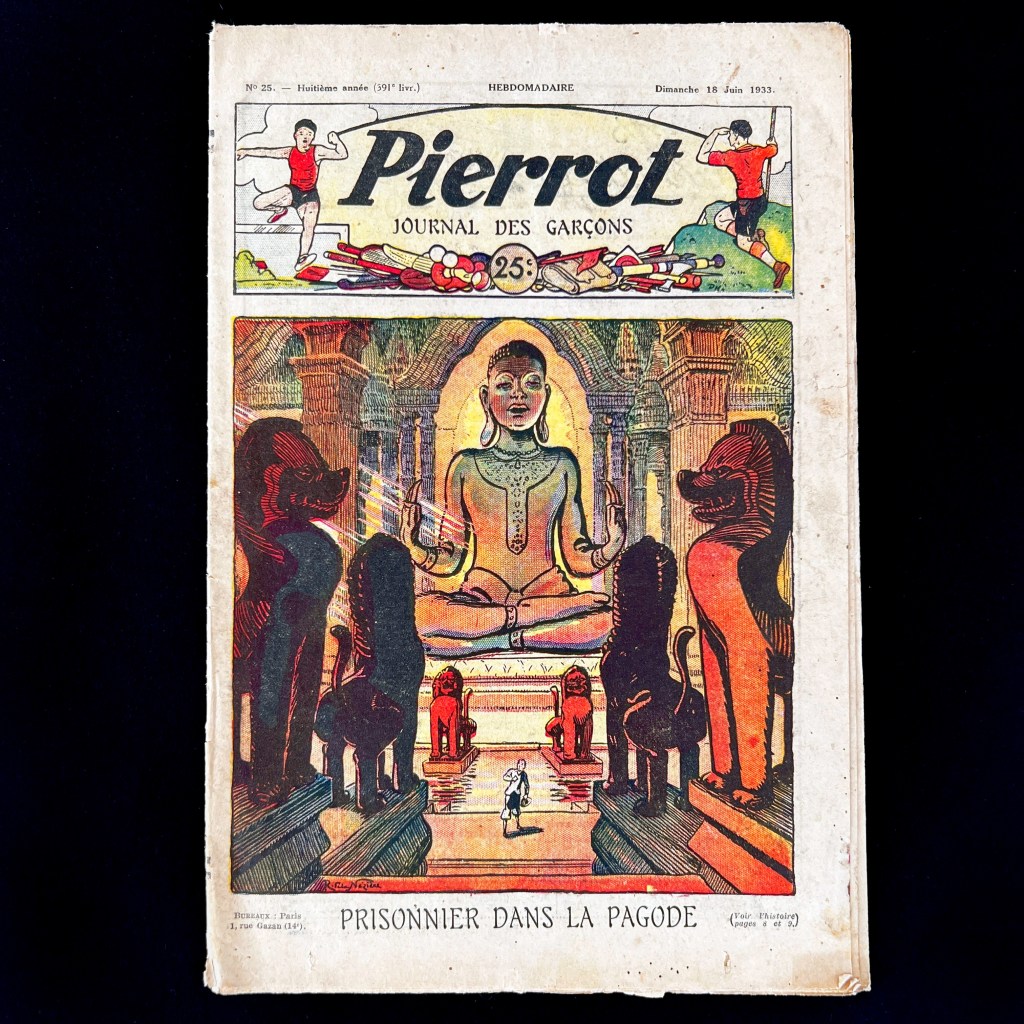
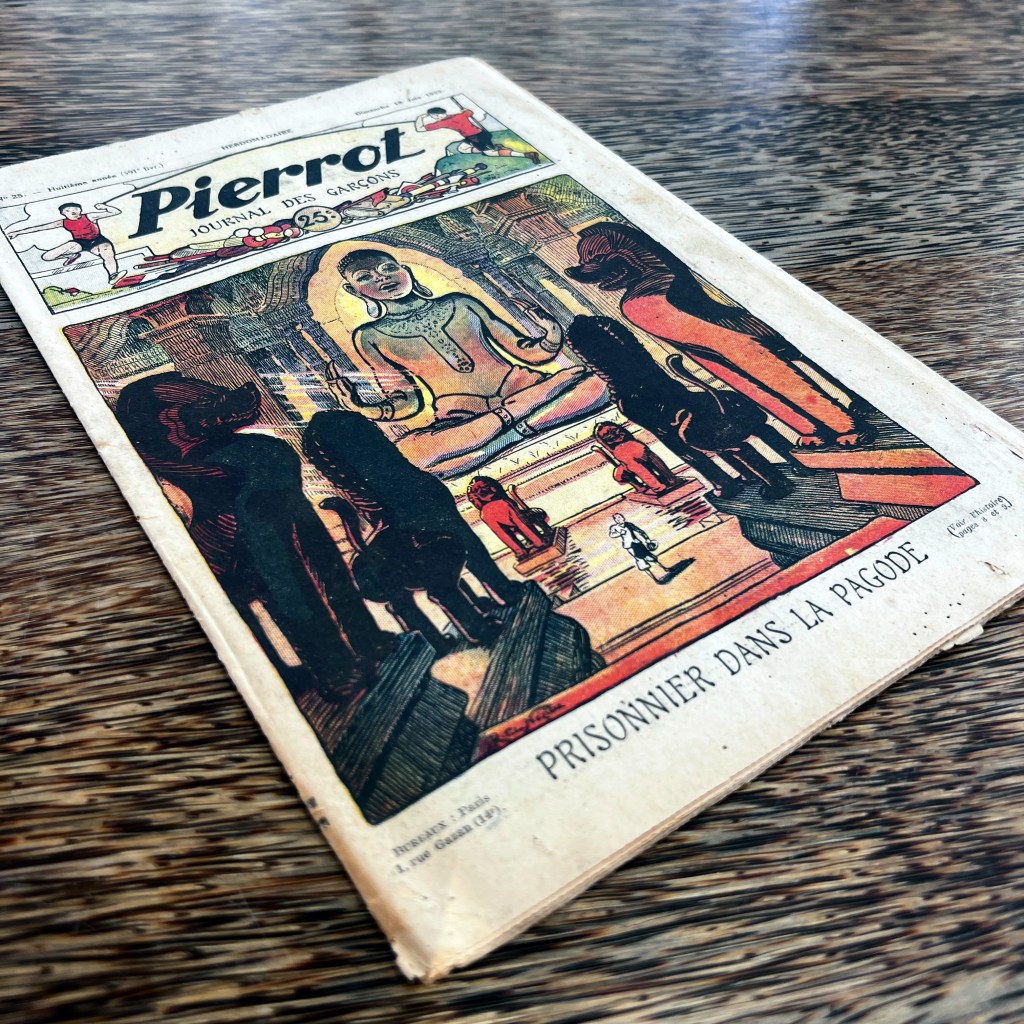
Pierrot’s “Prisonnier dans la pagode” Magazine Cover

For all the new Buddhas in the West posts
follow us on Bluesky & Instagram


Prisoner in the Pagoda: Between World Wars, European periodicals geared towards boys grew in popularity. Many of these were written as action and adventure stories. Exotic locales, many of which were directly or indirectly colonized, became the sites of such exploits.
Pierrot, an illustrated French magazine first published in 1925, was a periodical in this vein. This 1933 issue has stories about pirates, piranha, and race cars, as well at the illustrated cover story, The Prisoner in the Pagoda.

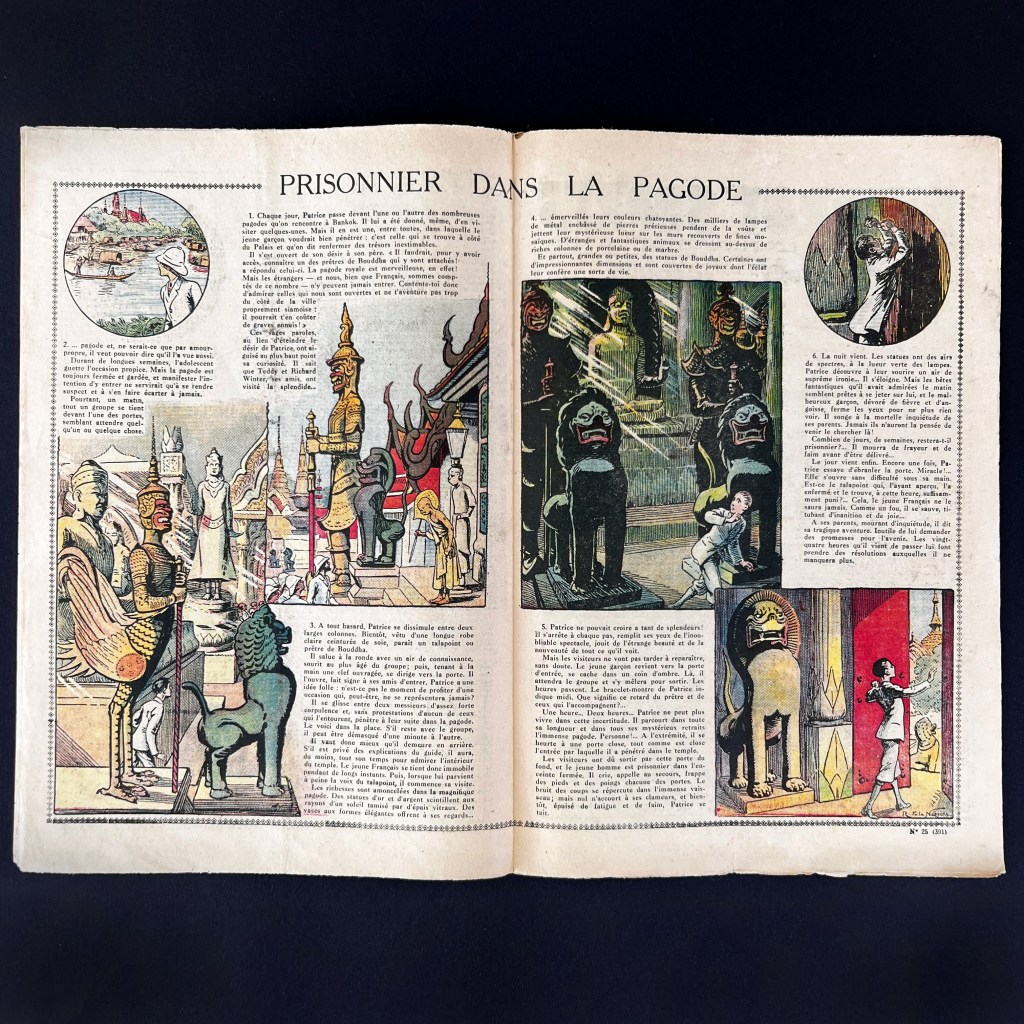
The art was intended to bring to mind the Temple of the Emerald Buddha at Wat Phra Kaew in Bangkok. The two-page spread tells the story of Patrice, an overly curious young boy who finds himself locked inside a Bangkok Buddhist temple overnight.

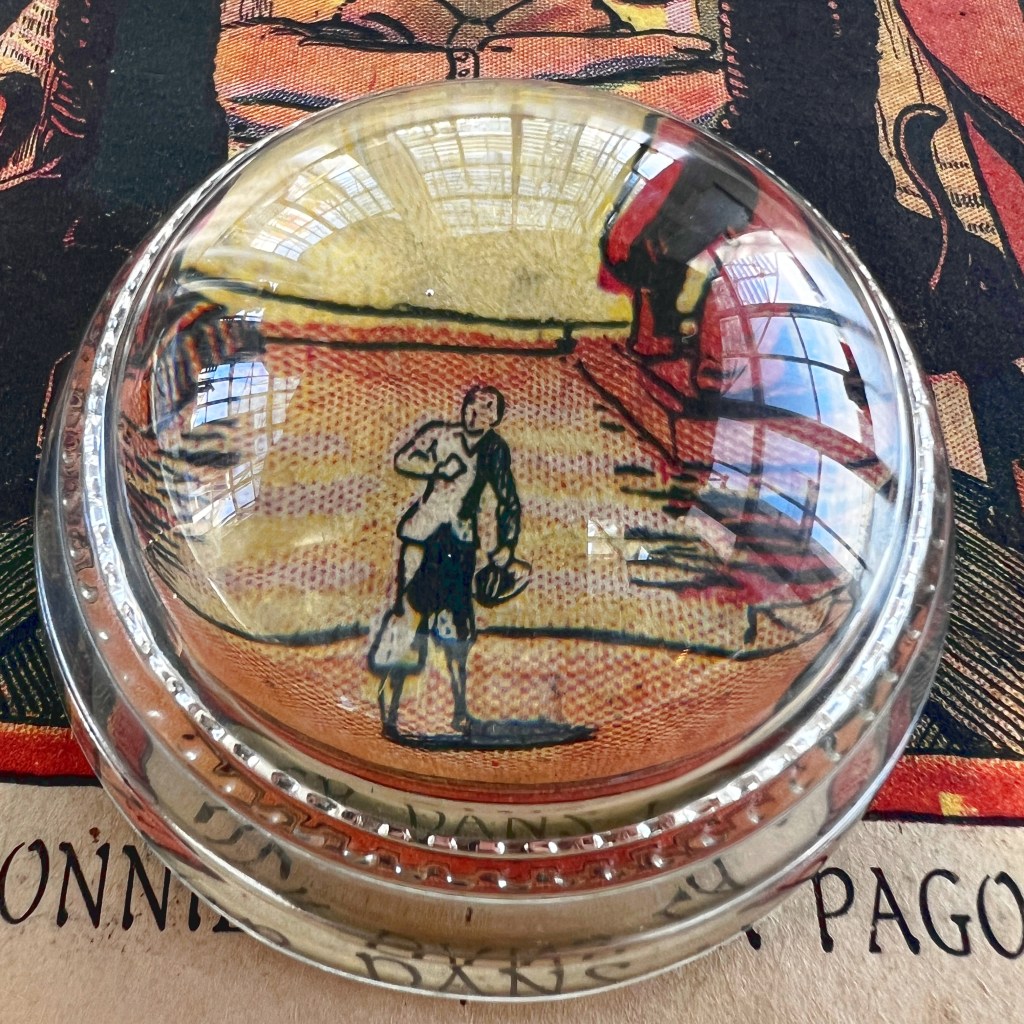
It follows a common trope of a mischievous boy who disregards his parents’ warnings and gets into trouble. Beyond mere trespassing, Patrice grows fearful of the strange buddhist icons that inhabit the temple.

The Emerald Buddha is not drawn true to life and is made foreboding by its size and directional lighting.

The collection of Pierrot magazines has been digitized by the Bibliothèque nationale de France. The issue under review can be found here: https://tinyurl.com/yck22hde.


The Buddhas in the West Material Archive is a digital scholarship project that catalogues artifacts depicting Buddhist material culture for Western audiences. It’s comprised of prints, photos, and an assortment of ephemera and other objects. For a brief introduction to this archive, visit the main Buddhas in the West project page.


For Related Buddhas in the West Posts Featuring France:


For the Most Recent Buddhas in the West Posts: