D.A. Ahuja’s Kaunghmudaw Pagoda Postcard

For all the new Buddhas in the West posts
follow us on Bluesky & Instagram


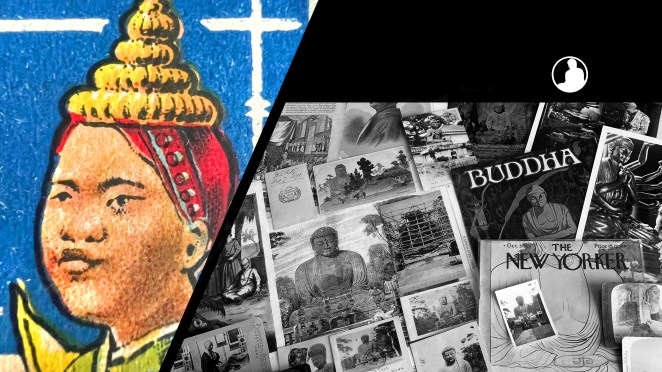
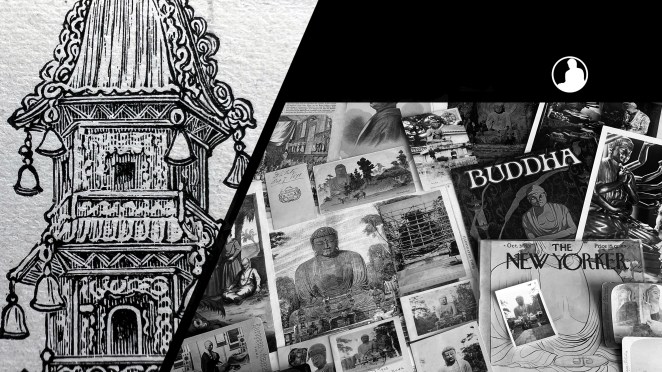
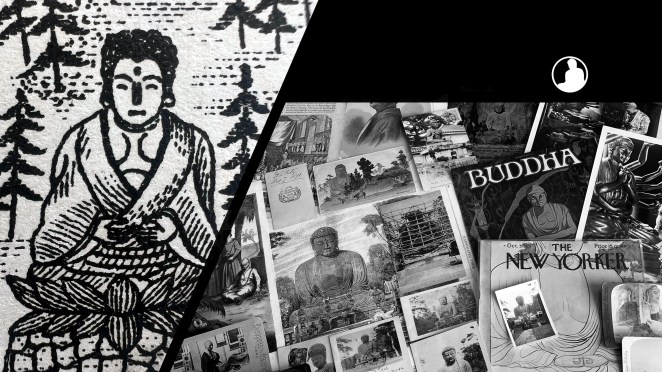
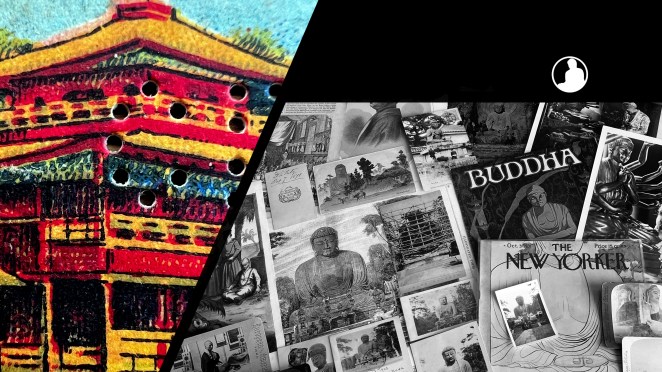
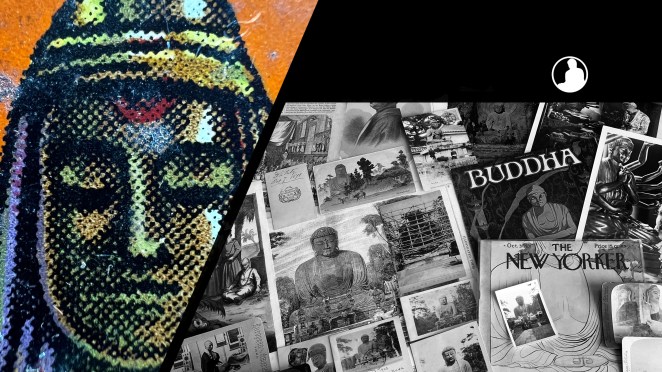
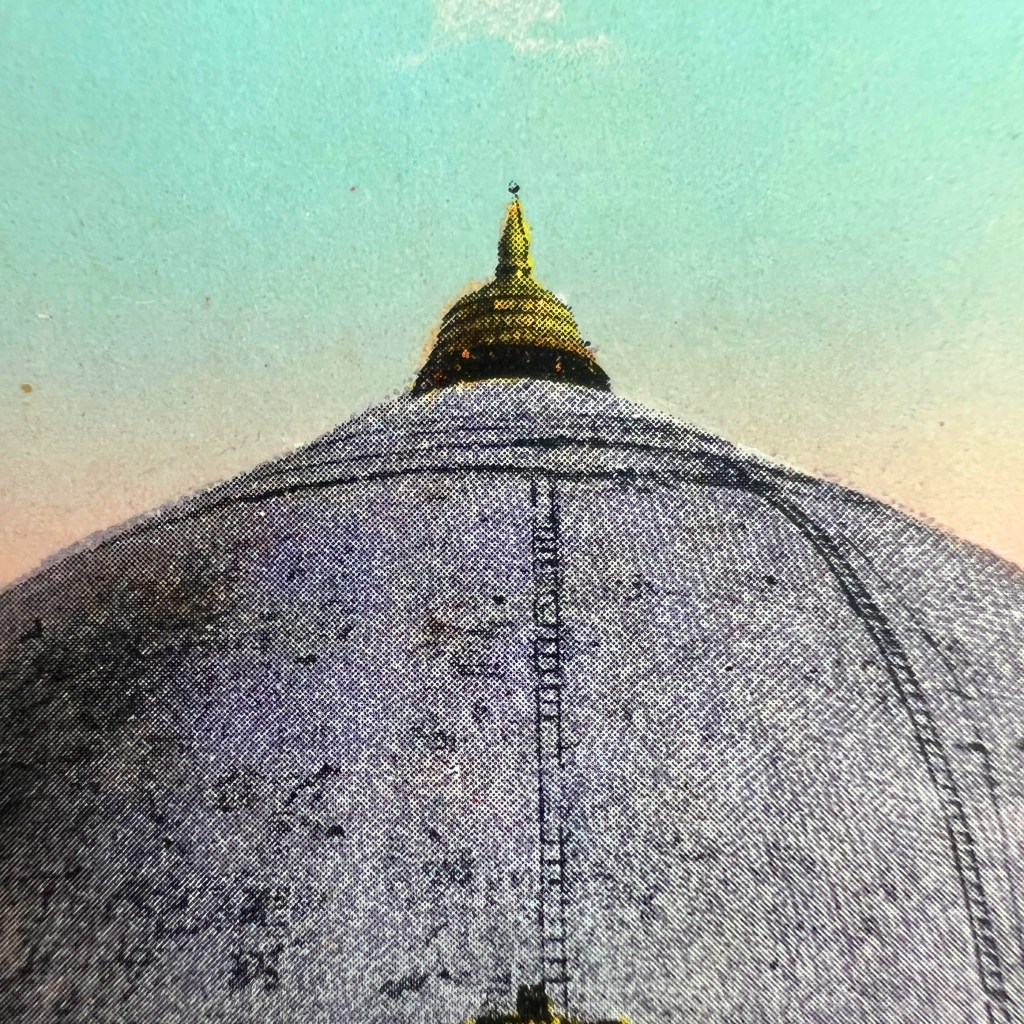
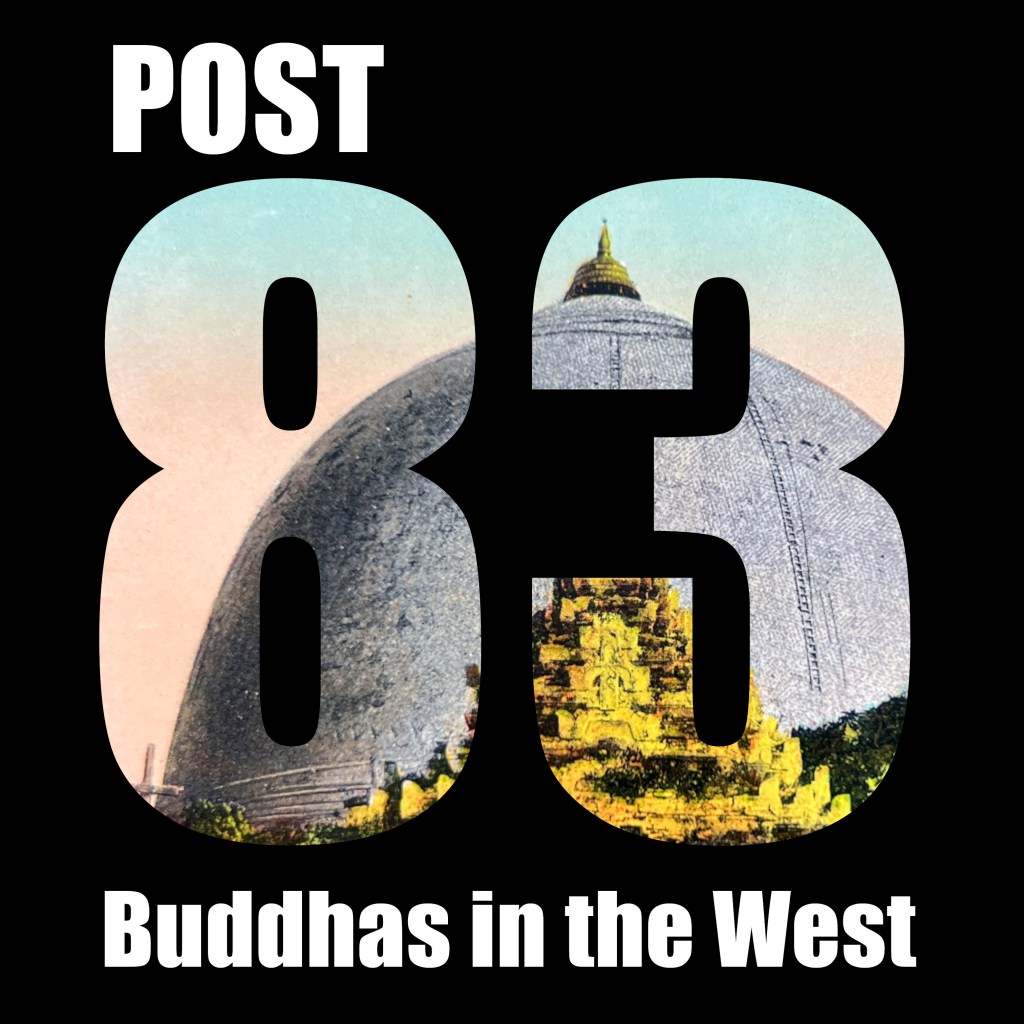
At the height of the worldwide postcard craze, no one produced more vibrant imagery of the Buddhist world than D.A. Ahuja. Here we see Myanmar’s 17th century Kaunghmudaw Pagoda with unique hemispherical dome – most Burmese pagodas are pyramidal structures.

According to Burmese chronicles, the Kaunghmudaw Pagoda enshrines the Buddha’s tooth relic among other religious treasures. This pagoda was intended to resemble Sri Lanka’s Maha Thupa, a structure reputed to hold the largest single cache of the Buddha’s relics.

The image was printed using a lithographic-halftone hybrid process, whereby a black halftone screen was applied on top of a multi-color lithographic substrate. The “divided back” design suggests the card was printed by Ahuja around 1910; he operated out of present-day Yangon.

Constructed in the Sagaing Hills, the Kaunghmudaw Pagoda houses a large marble statue of the Buddha hewn from the local quarry. The dome sits at a height of just over 150 feet (46m).
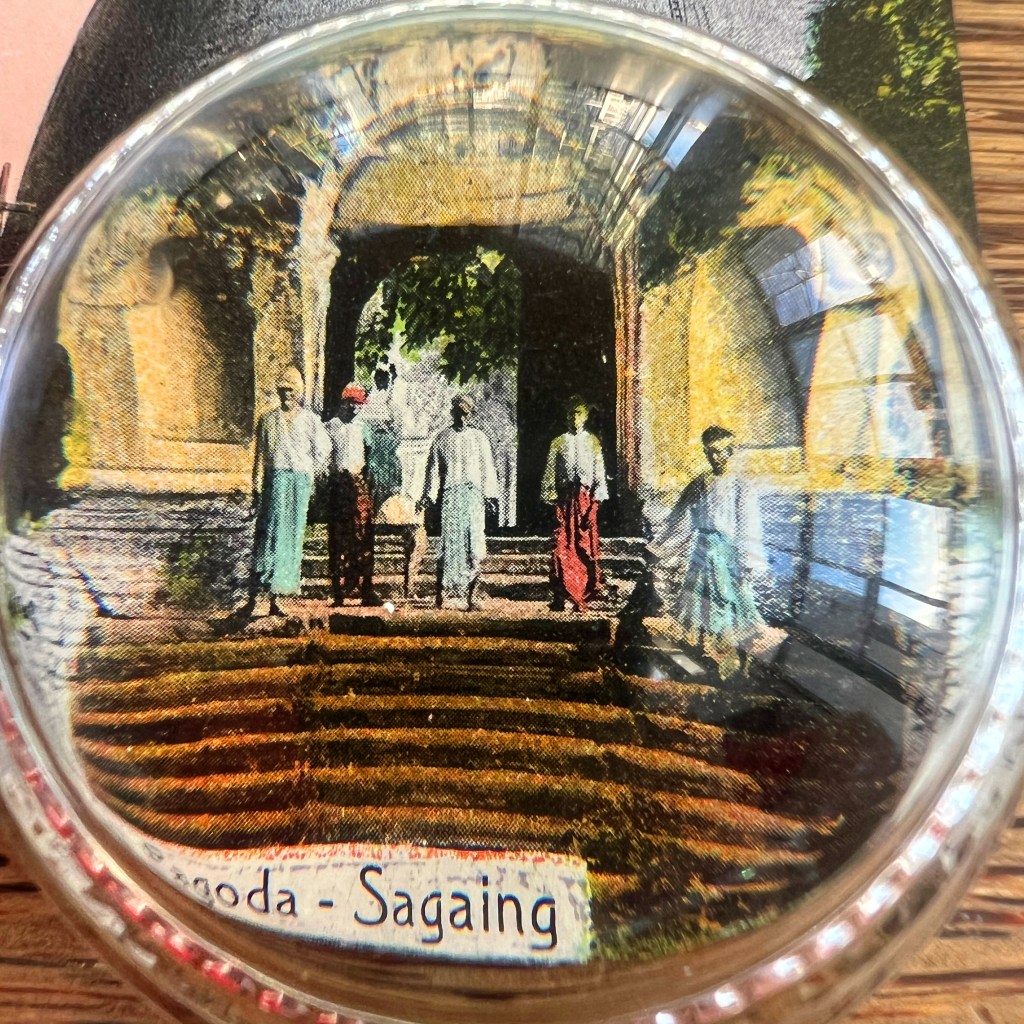
The use of a white dome was meant to symbolize a connection to the ancient past of Buddhist architecture. Just over a decade ago, however, the military government repainted the dome gold, against the outcry of local Buddhists.
The Buddhas in the West Material Archive is a digital scholarship project that catalogues artifacts depicting Buddhist material culture for Western audiences. It’s comprised of prints, photos, and an assortment of ephemera and other objects. For a brief introduction to this archive, visit the main Buddhas in the West project page.


For Related Buddhas in the West Posts Featuring Stūpas / Pagodas:

For the Most Recent Buddhas in the West Posts:


The “Dancing Lamas” and Epic of Everest (1924) Prologue Newspaper Illustration

For all the new Buddhas in the West posts
follow us on Bluesky & Instagram


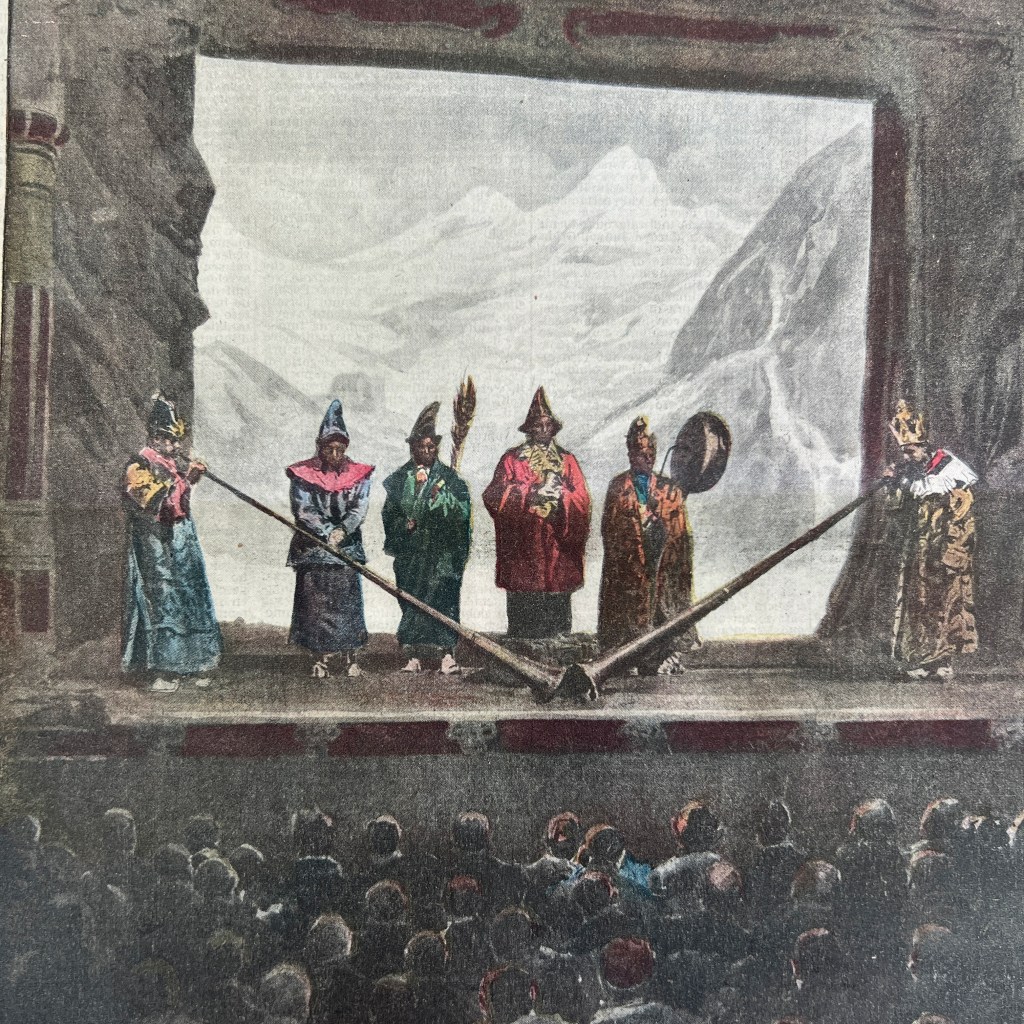
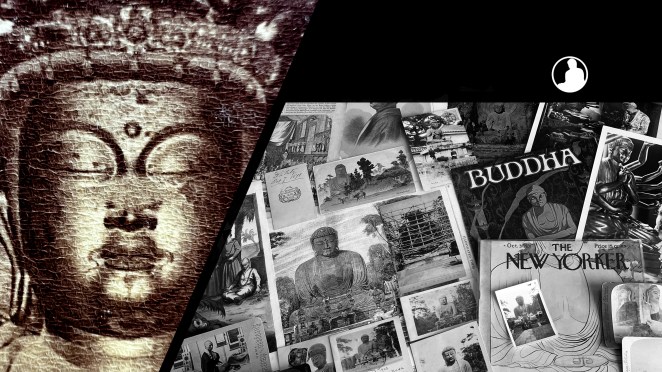
The arrival of the first Tibetan monks in Europe was surrounded with controversy, deeply straining Anglo-Tibetan relations. One group of monks, arriving in 1924, performed Buddhist rituals before showings of the silent film Epic of Everest, sparking the “Dancing Lamas” affair.

The director, John Noel, filmed the British Everest expedition where George Mallory and Andrew Irvine lost their lives. The first half of the film looks at Tibetan life in and around Rongbuk Monastery at the foot of Everest, including several brief scenes showing monastic ritual.

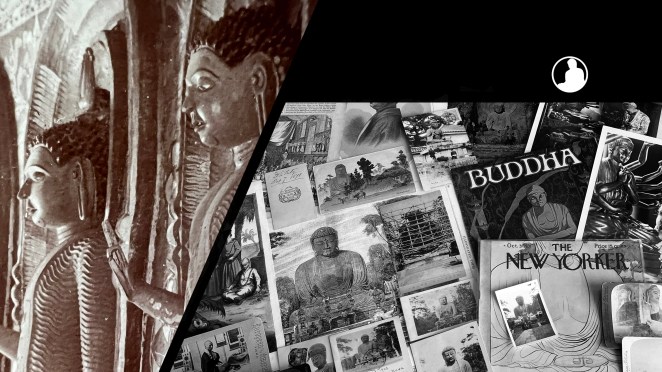
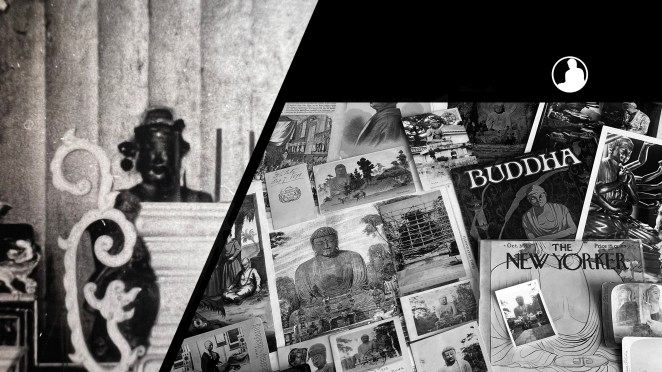
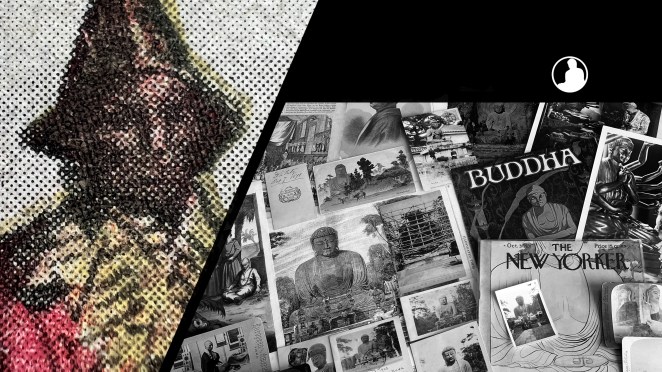
To help advertise the film in London, Noel brought several monks from Tibet and had them perform informal rituals as part of a “live prologue” (seen here). Newspapers report the monks chanted while playing long trumpets and beating drums and cymbals; some claimed they performed “devil dances.”

These reports were received in Tibet with furor; the Dalai Lama viewed the spectacle as disrespectful to Tibetan Buddhism and exploitative of Tibetan people. Consequently, a British Everest expedition the next year was refused by the Dalai Lama; the next British attempt at Everest came in 1932.

Noel toured Europe with his film accompanied by the Tibetan monks, but the controversy caused him to send the monks home before touring the United States. Noel’s silent film, Epic of Everest, is viewable here: tinyurl.com/3df4axfn.


The Buddhas in the West Material Archive is a digital scholarship project that catalogues artifacts depicting Buddhist material culture for Western audiences. It’s comprised of prints, photos, and an assortment of ephemera and other objects. For a brief introduction to this archive, visit the main Buddhas in the West project page.


For Related Buddhas in the West Posts Featuring Historical Periodicals:


For the Most Recent Buddhas in the West Posts:

Ruth St. Denis as Guanyin Tri-Fold Brochure

For all the new Buddhas in the West posts
follow us on Bluesky & Instagram


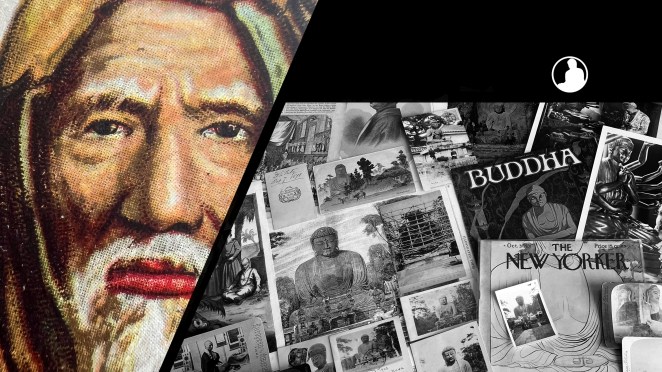
Ruth St. Denis, a pioneer of American modern dance, was among many performers interested in translating the static aesthetic of Greek statuary into motion. St. Denis set herself apart from her contemporaries by focusing on icons of the East, including the Chinese Buddhist goddess Guanyin.

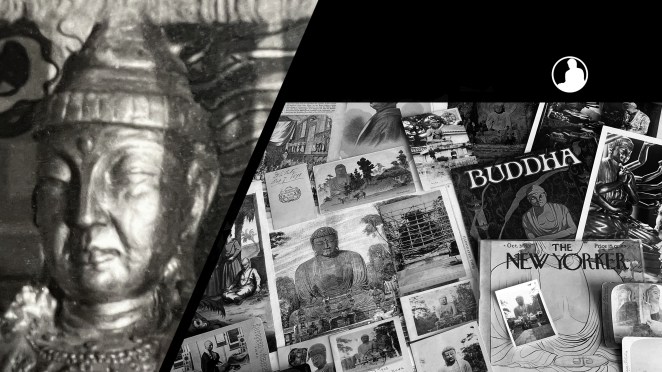
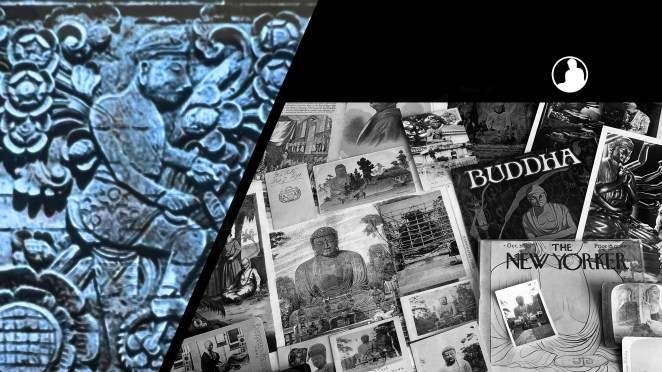
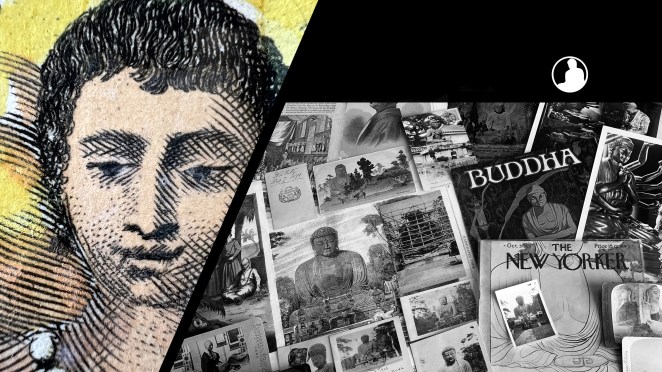
This tri-fold brochure was made for the highly successful 1922–1925 tour under the prestigious impresario Daniel Mayer. St. Denis created her solo “Kuan yin” performance in 1919 using a chiffon robes and a crown to imitate the iconography of Guanyin.

St. Denis toured with her partner, Ted Shawn, who together created the Denishawn School of dance in 1915. The troupe performed both solo and large spectacle pieces and appeared in D. W. Griffith’s 1916 film, Intolerance.

During the Mayer tour, St. Denis performed the “Kuan Yin” piece as the opening act, considering it an “invocation.” The performance involved decorative poses using rhythmic manipulations of drapery and sculptural positioning of her hands, arms, and legs.

After touring Asia in 1926, St. Denis reused her Guanyin guise in a new act named “White Jade.” For further exploration, see Jon Soriano’s “Ruth St. Denis as Bodhisattva: An Art Historical Perspective on the Appropriation of Buddhist Imagery” in Water Moon Reflections (2021).


The Buddhas in the West Material Archive is a digital scholarship project that catalogues artifacts depicting Buddhist material culture for Western audiences. It’s comprised of prints, photos, and an assortment of ephemera and other objects. For a brief introduction to this archive, visit the main Buddhas in the West project page.


For Related Buddhas in the West Posts Featuring Guanyin / Avalokiteśvara:


For the Most Recent Buddhas in the West Posts:


American Express Daibutsu Advertisement

For all the new Buddhas in the West posts
follow us on Bluesky & Instagram


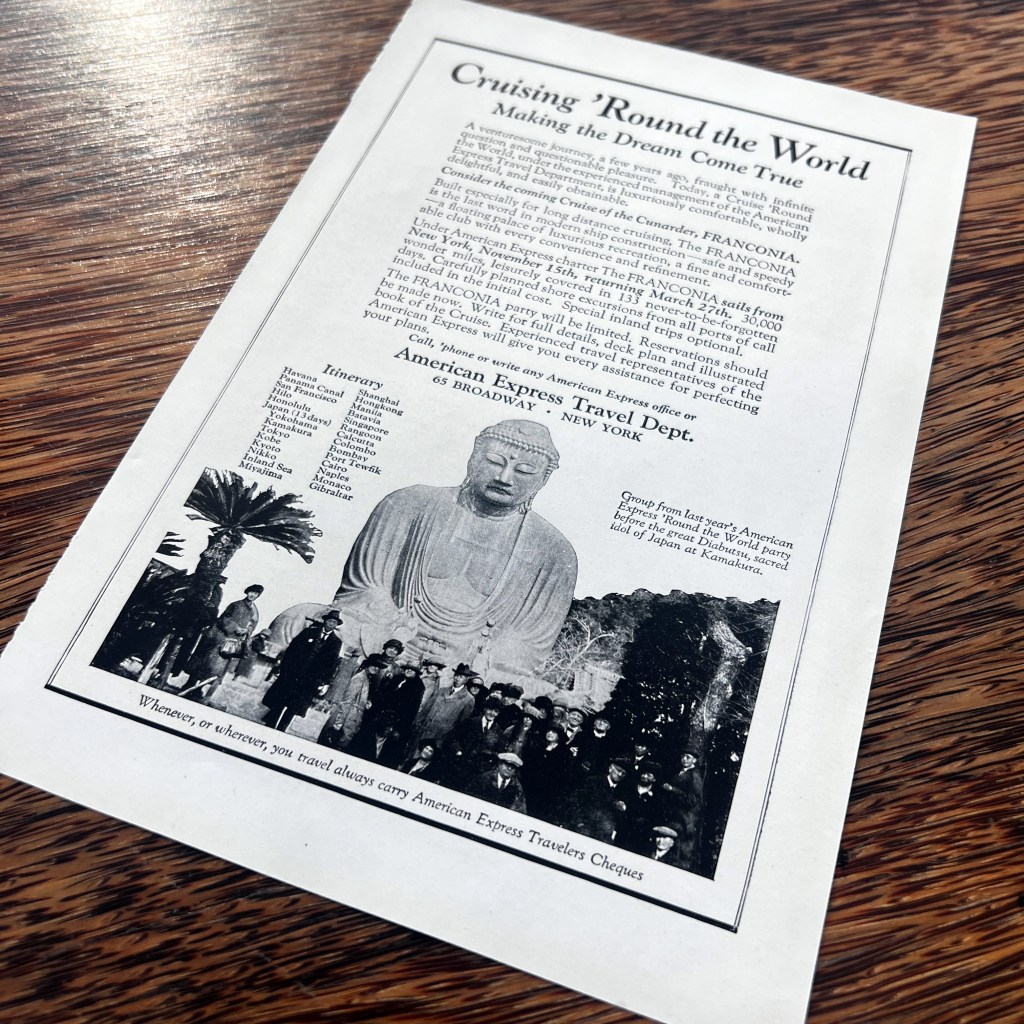
After the opening of the Panama Canal and the end of WWI, the first around-the-world commercial cruise was chartered by the American Express Company in late 1922. The following summer of 1923, American Express began advertising for its next cruise using the Great Buddha of Kamakura.

The success of the inaugural cruise is celebrated in the advertising copy. It notes how the journey is “luxuriously comfortable, wholly delightful, and easily obtainable.” The brief itinerary lists the major ports to be visited, including a long 13 day stay in Japan.

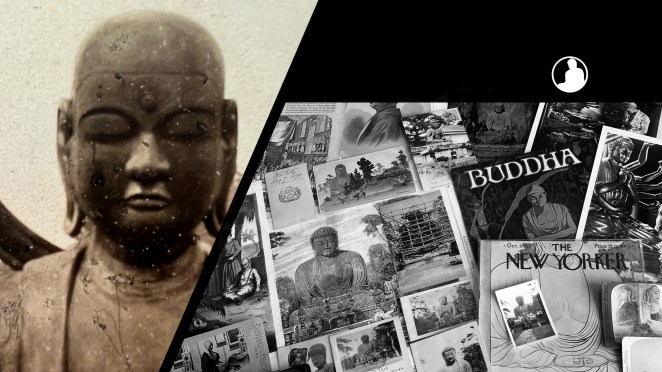
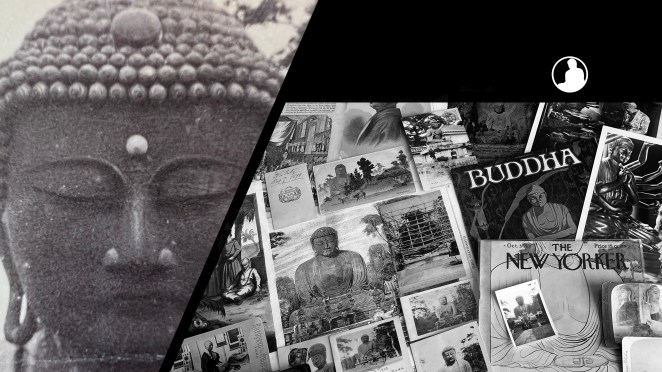
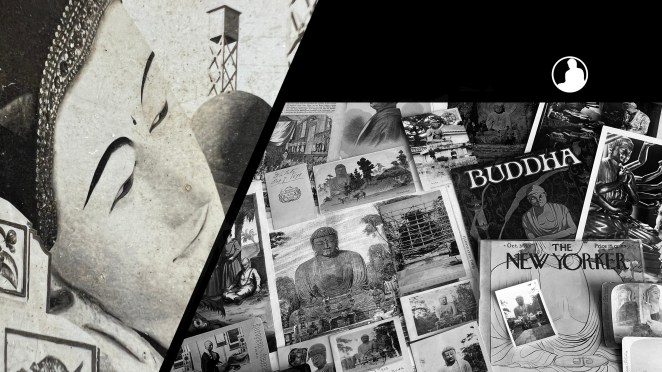
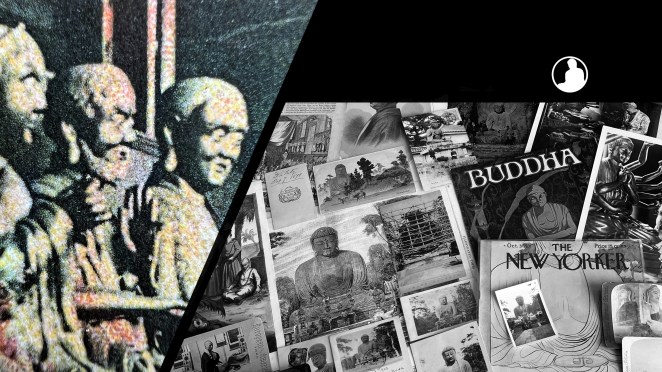
The most conspicuous element is the large cropped photo of the “sacred idol of Japan” – the Kamakura Daibutsu. Notably, the photo depicts the inaugural cruise passengers positioned in front, looking directly at the camera lens.

Unfortunately, the Great Kantō earthquake struck in September 1923, damaging the Daibutsu. The Second American Express Cruise Round the World continued, however, leaving New York in November 1923 and returning in March 1924.


The Buddhas in the West Material Archive is a digital scholarship project that catalogues artifacts depicting Buddhist material culture for Western audiences. It’s comprised of prints, photos, and an assortment of ephemera and other objects. For a brief introduction to this archive, visit the main Buddhas in the West project page.


For Related Buddhas in the West Posts Featuring Historical Advertising:


For the Most Recent Buddhas in the West Posts: