Felice Beato’s Kichizo Jizō Photograph

For all the new Buddhas in the West posts
follow us on Bluesky & Instagram


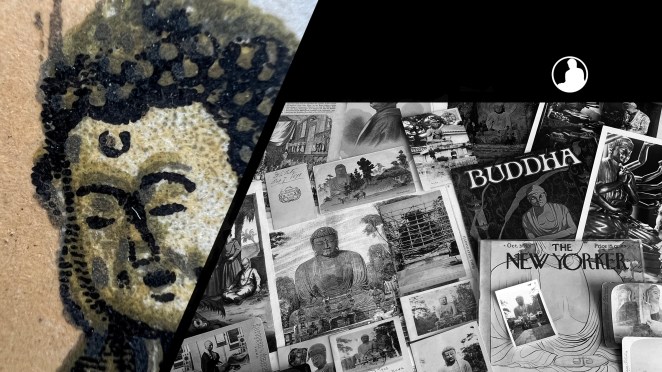
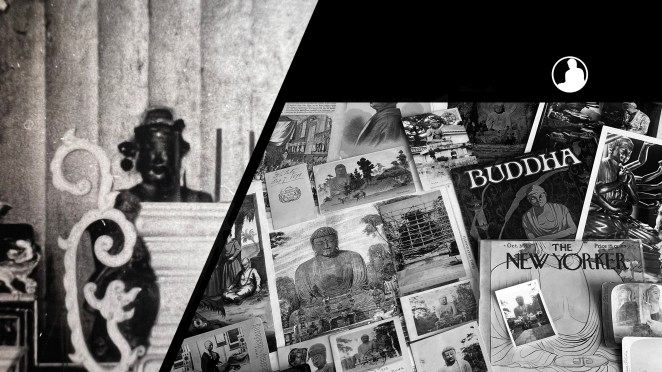
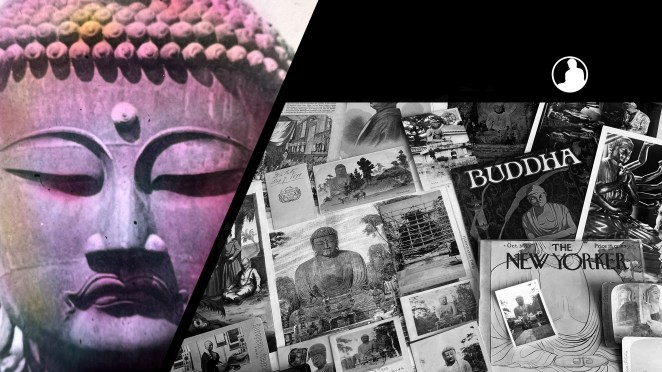
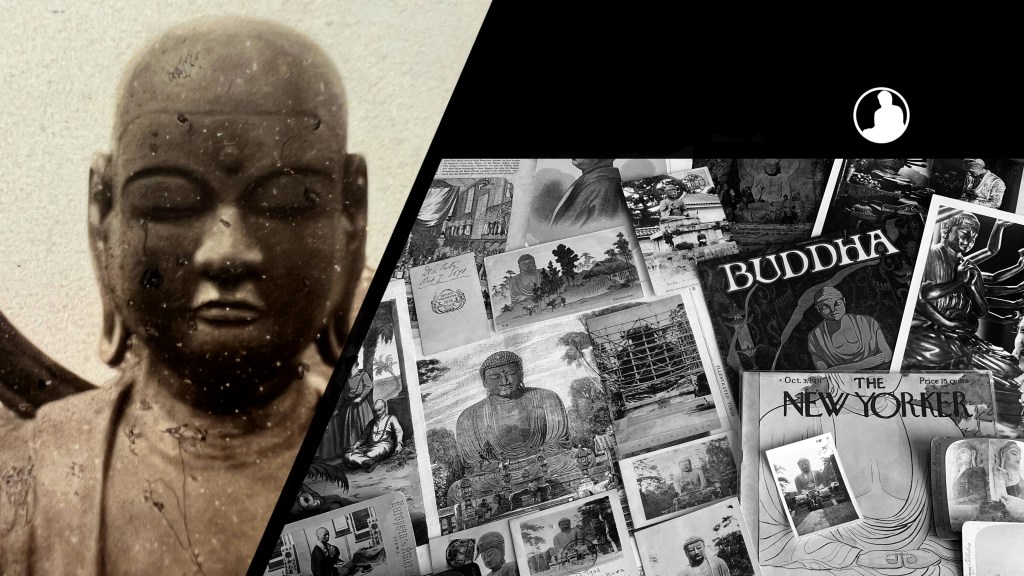
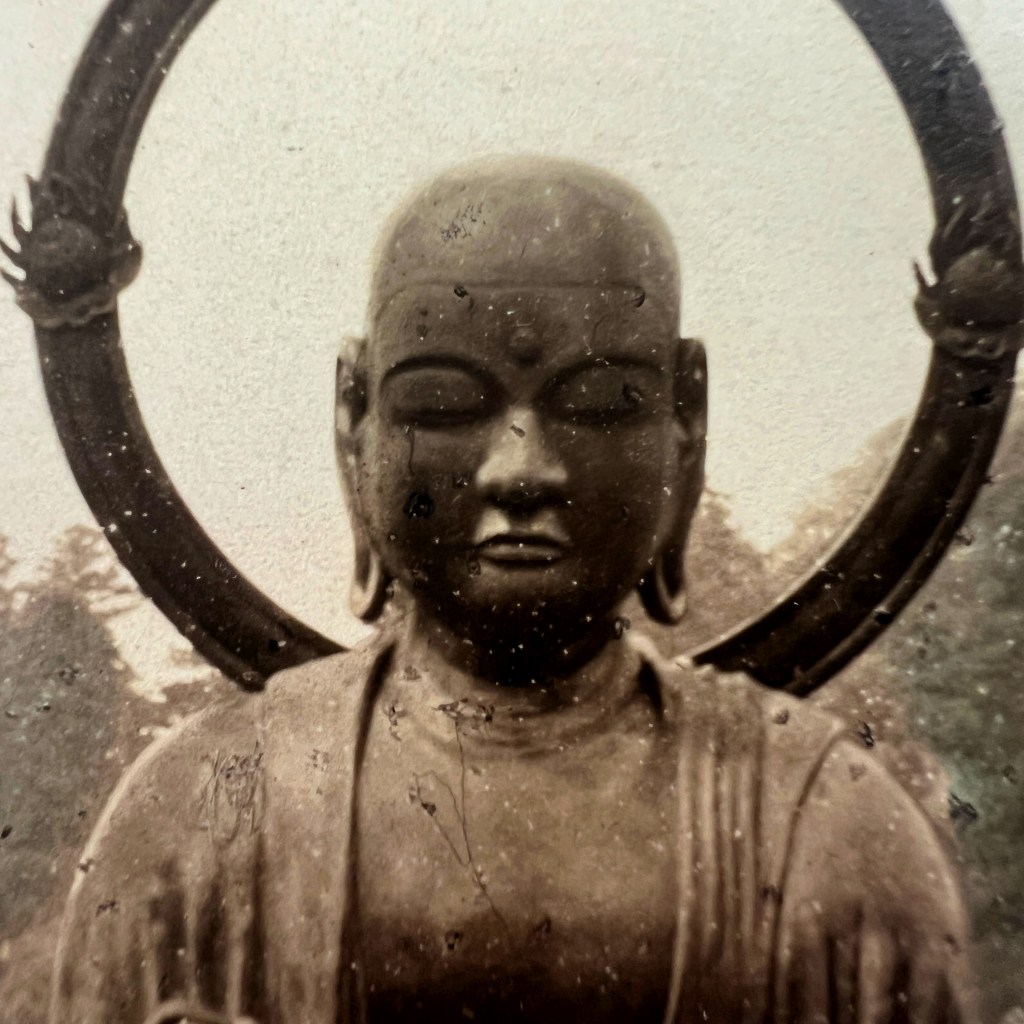
This Jizō statue stood on the banks of Lake Ashi in Hakone for 150 years when Felice Beato took this photo in the 1860s. Within a decade, the lakeside statue would be vandalized, sold, and removed in the aftermath of the Buddhist persecution during the early Meiji era.

Beato was a Yokohama-based photographer who found success selling photographic prints to early, thrill-seeking globetrotters. Here we see a hand-colored albumen print of the statue known as Kichizo Jizō, originally found on the grounds of Kongō-ō Temple off the Tōkaidō route.

Another photo showing scenic Lake Ashi is attached to the reverse, but this image is often attributed to Baron von Stillfried. Beato sold most of his stock to Stillfried in 1877, suggesting this page was removed from a tourist album sold by Stillfried in the late 1870s.
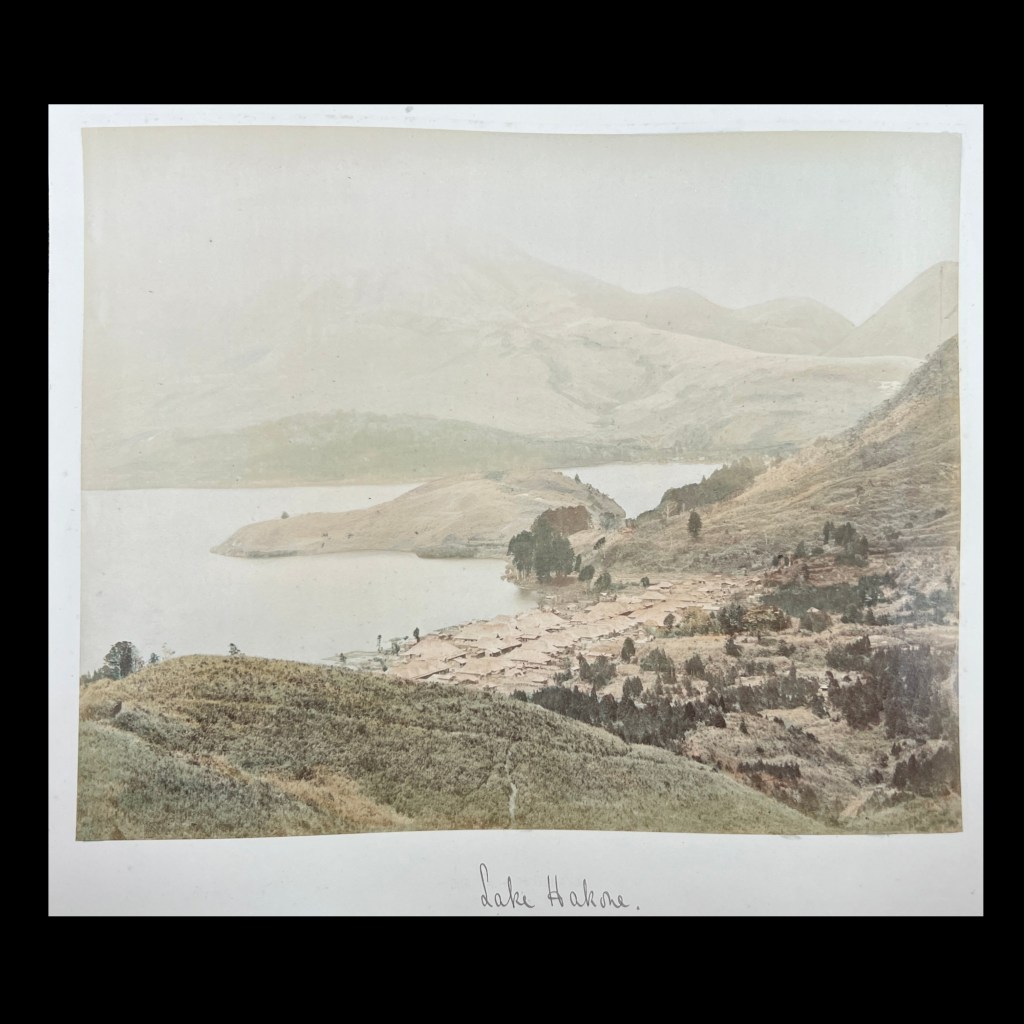
The bronze Kichizo Jizo statue was commissioned in 1713 and was placed with a cluster of smaller Jizō statues that sat along the shoreline (another Jizō is partly visible on the far right edge). Looking closely at Beato’s photo, we also see two Japanese men praying to the bodhisattva.

During Japan’s Buddhist persecution, the large Kongōō Temple lost its holdings and much of its statuary was eventually sold off. While smaller statues were lost in the chaos, the Kichizo Jizo was sold to a Tokyo dealer who transported it down the Odawara coast to be shipped off.
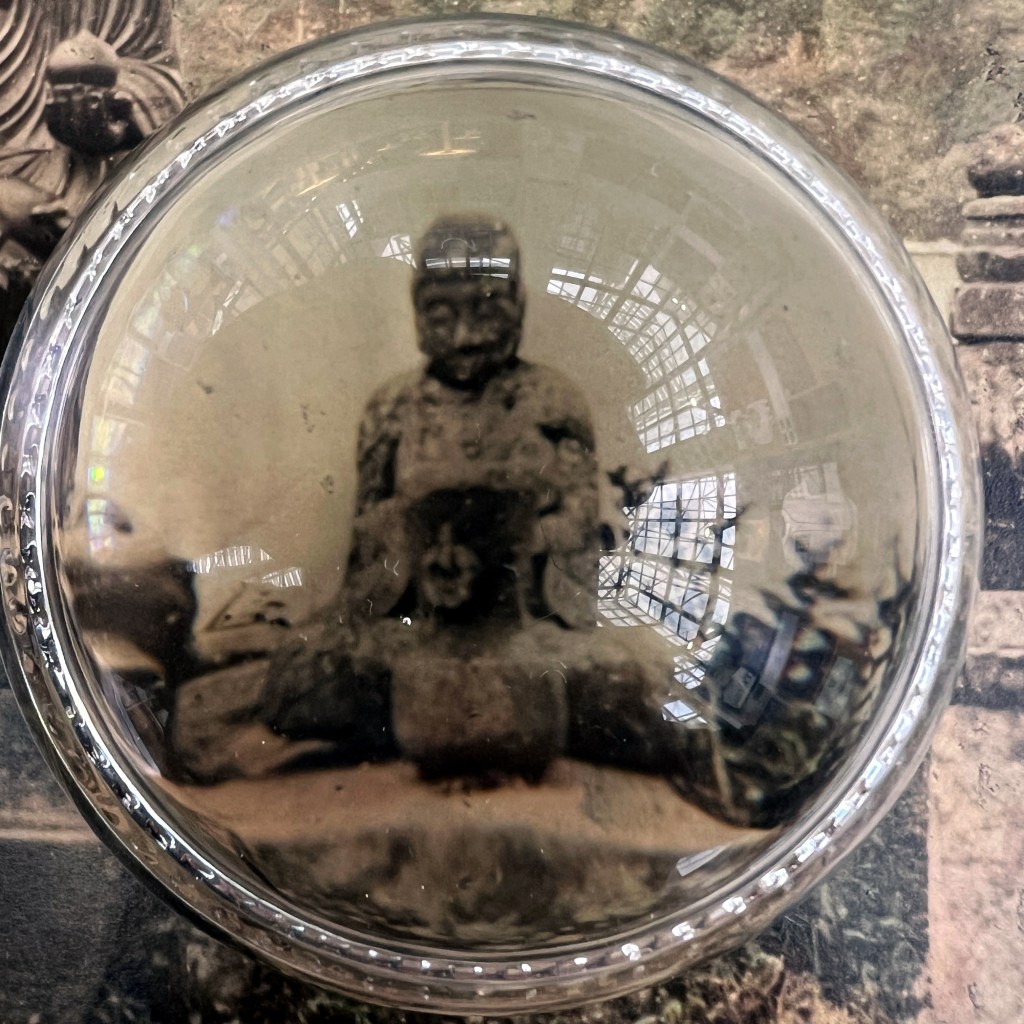
According to lore, the icon became immovable at port and was subsequently purchased by Tokujo Temple, where it remains enshrined today. To view an intact 1868 Beato souvenir album containing this photo, see the Hood Museum at Dartmouth: https://tinyurl.com/mpzhrb5d.

The Buddhas in the West Material Archive is a digital scholarship project that catalogues artifacts depicting Buddhist material culture for Western audiences. It’s comprised of prints, photos, and an assortment of ephemera and other objects. For a brief introduction to this archive, visit the main Buddhas in the West project page.


For Related Buddhas in the West Posts Featuring Jizō:

For the Most Recent Buddhas in the West Posts:


Kūkai’s Jizō at Hakone Postcard

For all the new Buddhas in the West posts
follow us on Bluesky & Instagram


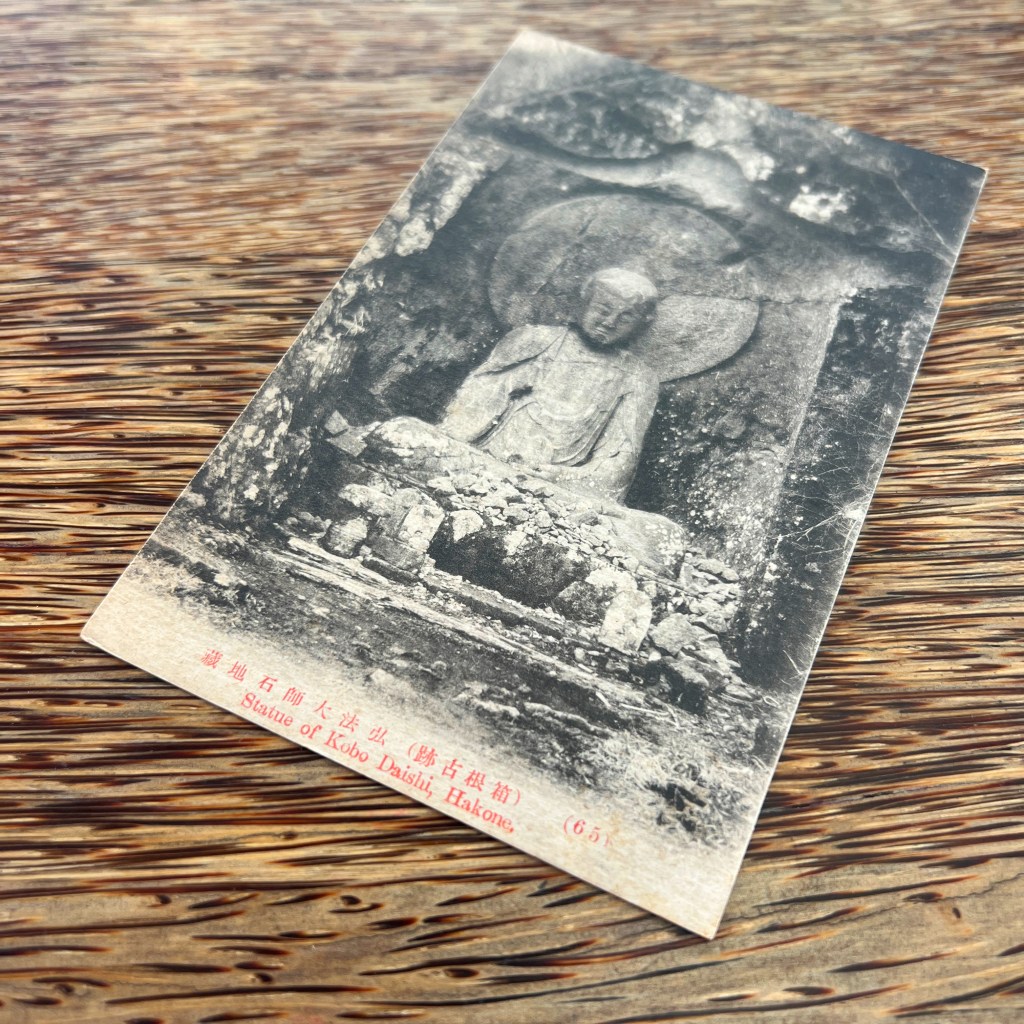
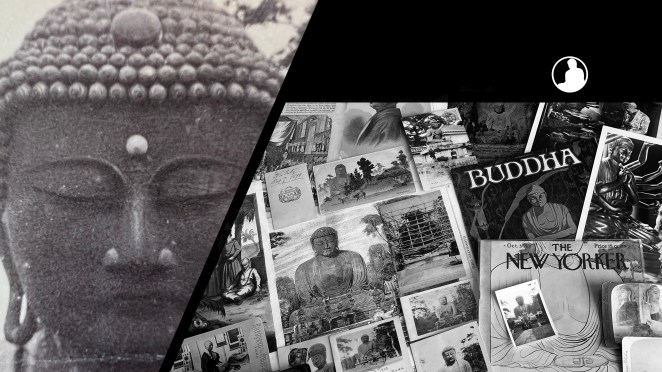
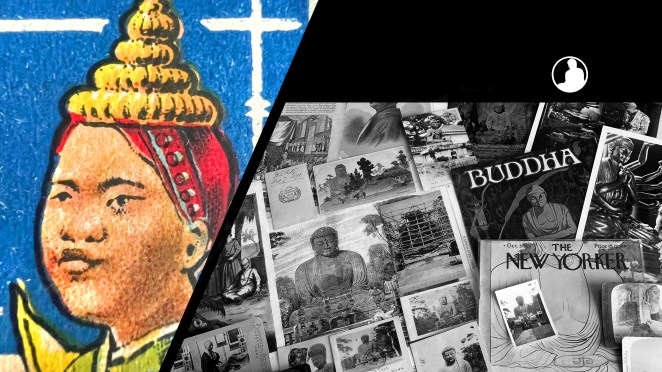
Despite the English caption, this is not a statue of the 9th century Buddhist monk Kōbō Daishi, otherwise known as Kūkai. As the Japanese caption reads, this is a stone relief carving of the bodhisattva Jizō at Hakone, attributed to Kūkai’s skilled craftsmanship.

The lore of Kūkai’s craftsmanship was known to 19th c. art historian Ernest Fenollosa: “This is said to have been carved by Kōbō himself on his journey to the North; yet…he hardly would have spared time for its execution.” Today, the statue is dated to the 13th century, well after Kūkai’s death.

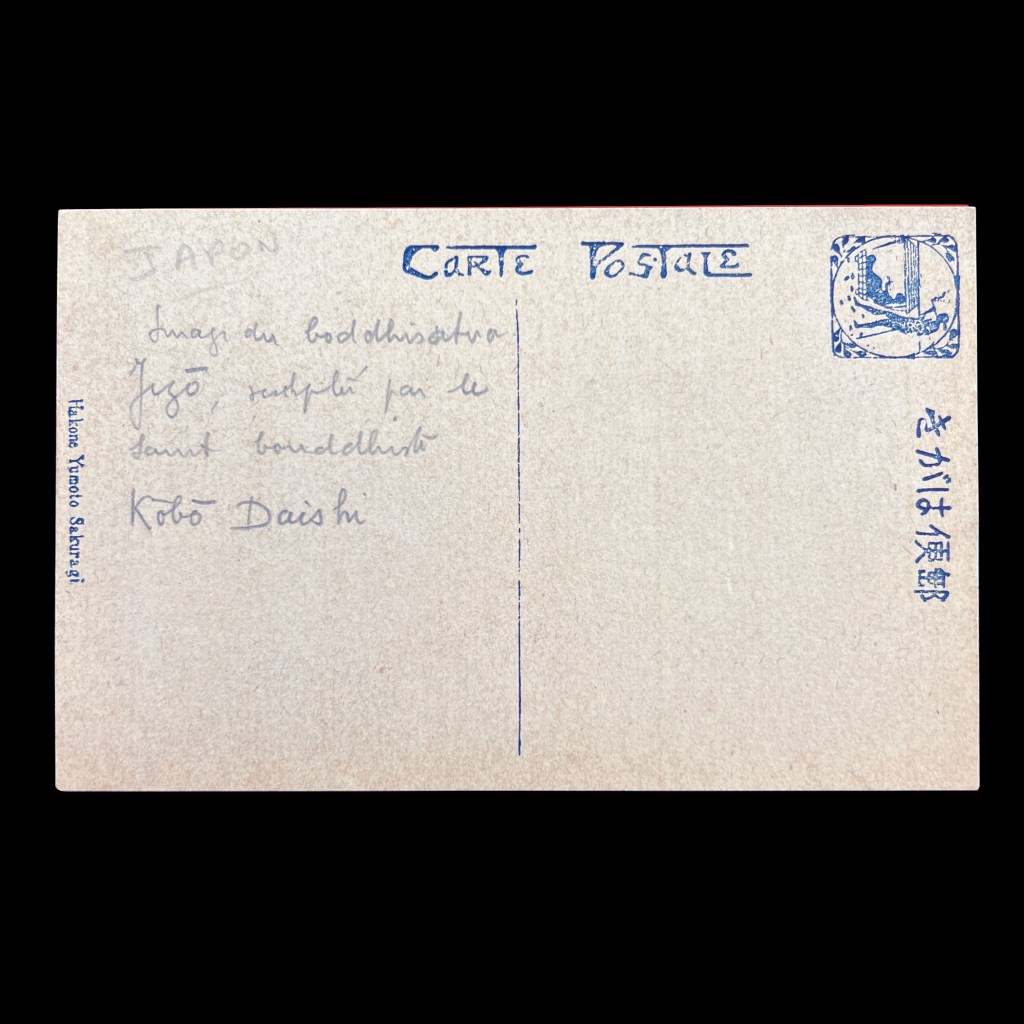
The note on the back, possibly written by a French tourist as a personal reminder, clarifies the English caption saying the image of Jizō was “sculpted by the Buddhist saint Kōbō Daishi.” The design of the reverse dates this Japanese postcard to between 1933 and 1945.

The pile of stones and pebbles on Jizō’s lap were common votive offerings presented by passing travelers and pilgrims.

Carved into the rock face, this statue still stands today in Hakone, sheltered by a small shrine. For more on Jizō and this particular icon, see Hank Glassman, The Face of Jizo: Image and Cult in Medieval Japanese Buddhism, 2012.


The Buddhas in the West Material Archive is a digital scholarship project that catalogues artifacts depicting Buddhist material culture for Western audiences. It’s comprised of prints, photos, and an assortment of ephemera and other objects. For a brief introduction to this archive, visit the main Buddhas in the West project page.


For Related Buddhas in the West Posts Featuring Jizō / Kṣitigarbha:


For the Most Recent Buddhas in the West Posts:

Hakone Pass Jizō Magic Lantern Slide

For all the new Buddhas in the West posts
follow us on Bluesky & Instagram


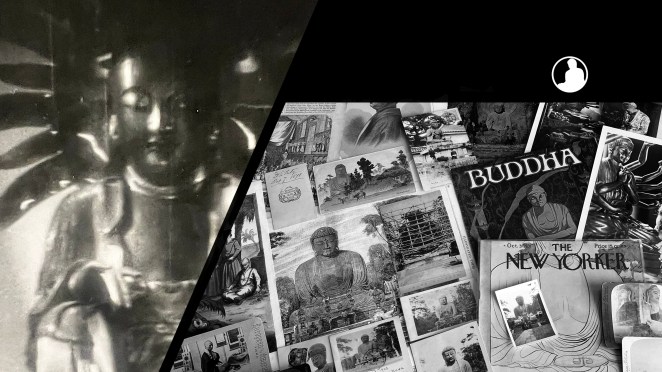
At the end of the 19th century, glass “magic lantern” slides were part of popular American entertainment. After returning home, world travelers sometimes gave informal lectures in church halls or town theaters about their experiences, often using these slides.

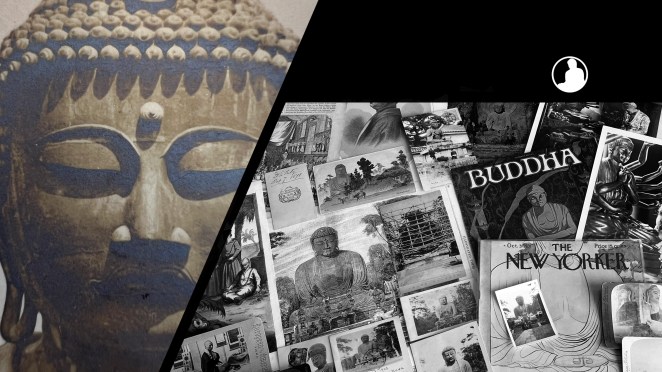
This monumental Jizō was created c. 1300 and sits by a mountain pass where travelers on the famed Tōkaidō made their journey. We can see the rocky outlines of an old wooden roof; the small shrine hall was destroyed during an eruption of Mt. Fuji in 1707.

The slide was produced by a New York studio and featured an unknown Euro-American tourist center frame.

Japanese porters can be seen among the entourage.

The photosensitive emulsion is sandwiched between two panels of glass for protection. The tape around the edges holds the glass panels together.

The Hakone Pass Jizō was a popular tourist destination at the turn of the 20th century; it is still viewable today. For more on Jizō and this particular icon, see Hank Glassman, The Face of Jizo: Image and Cult in Medieval Japanese Buddhism, 2012.


The Buddhas in the West Material Archive is a digital scholarship project that catalogues artifacts depicting Buddhist material culture for Western audiences. It’s comprised of prints, photos, and an assortment of ephemera and other objects. For a brief introduction to this archive, visit the main Buddhas in the West project page.


For Related Buddhas in the West Posts Featuring Lantern Slides:


For the Most Recent Buddhas in the West Posts:


Henry Strohmeyer’s Jizō Statues Stereoview

For all the new Buddhas in the West posts
follow us on Bluesky & Instagram


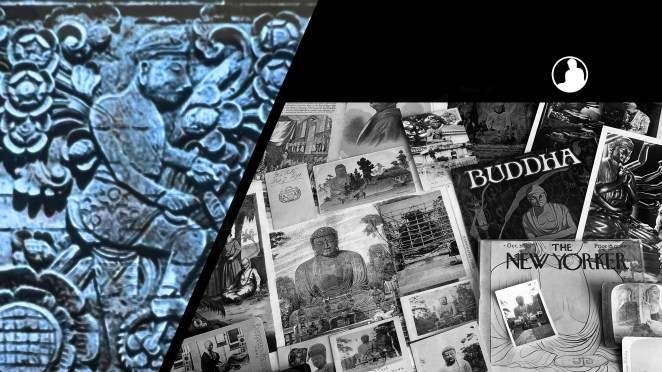
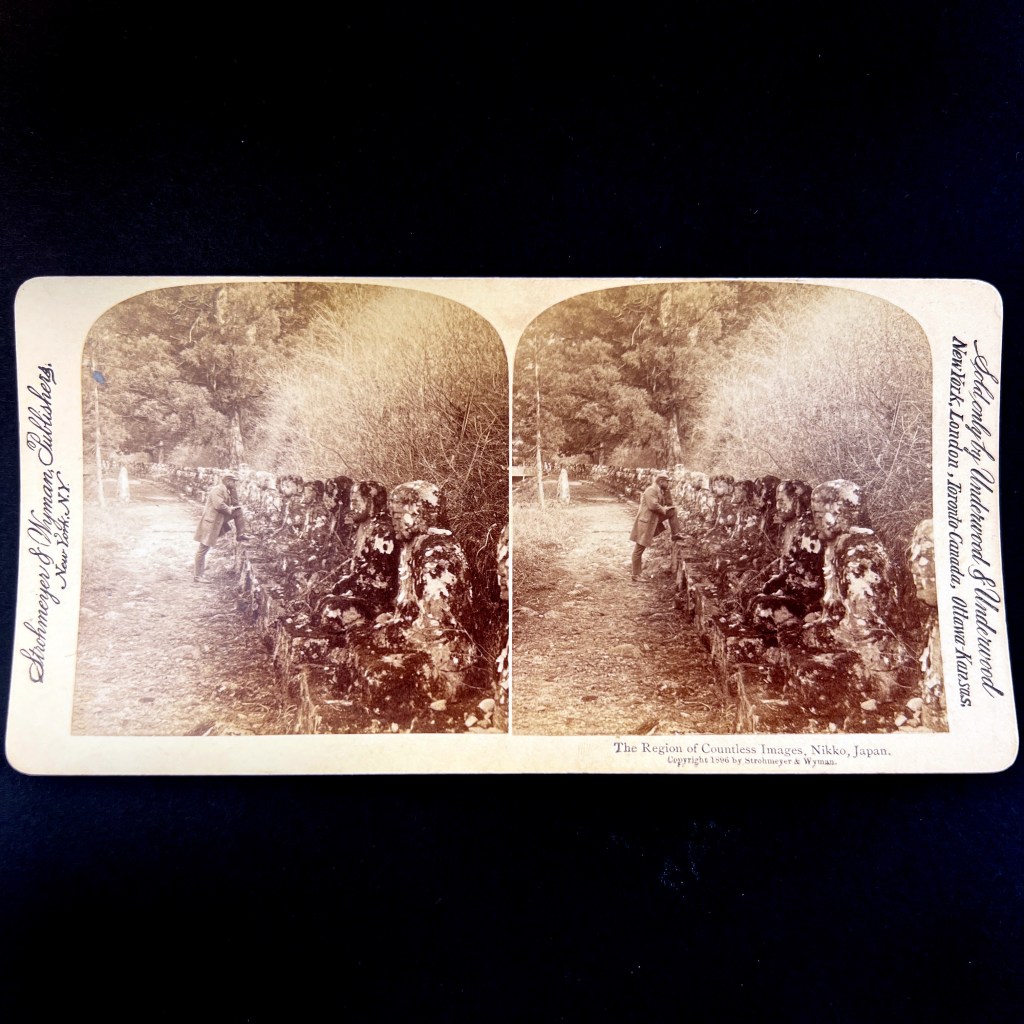
Countless Jizō: Tourist books from the early 20th century say no person could count the same number of Jizō statues in Nikko, Japan. In early 1896, Henry Strohmeyer left for an around-the-world tour and took this stereoscopic image; he left no report on how many he counted.

A dual-photograph stereoview card produces a single three-dimensional image when using a simple handheld device fashioned with special lenses (first invented by Oliver Wendell Holmes).

This was fashionable – and cutting edge – parlor room entertainment at the end of the nineteenth century for many American homes.

It provided people with the means for virtual reality travel and stereoviews were soon marketed to schools for educational purposes.

This card is a rare instance of where the cultural voyeurism is broken and we see a man in Western attire. It is believed this is Strohmeyer himself – a stereoscopic selfie.

For an insightful online illustrated essay on Strohmeyer’s impact on travel photography, see the exhibit by Tulane University here: https://tinyurl.com/5n7a28kf.


The Buddhas in the West Material Archive is a digital scholarship project that catalogues artifacts depicting Buddhist material culture for Western audiences. It’s comprised of prints, photos, and an assortment of ephemera and other objects. For a brief introduction to this archive, visit the main Buddhas in the West project page.


For Related Buddhas in the West Posts Featuring Historical Stereophotography:


For the Most Recent Buddhas in the West Posts: