
For all the new Buddhas in the West posts
follow us on Bluesky & Instagram
Often overshadowed by San Francisco, by 1890 Fresno’s Chinatown was one of the largest in California and the center of much religious activity. Notably, among the few surviving 19th century Chinese American religious icons, we can include those from Fresno’s Temple of Many Saints.
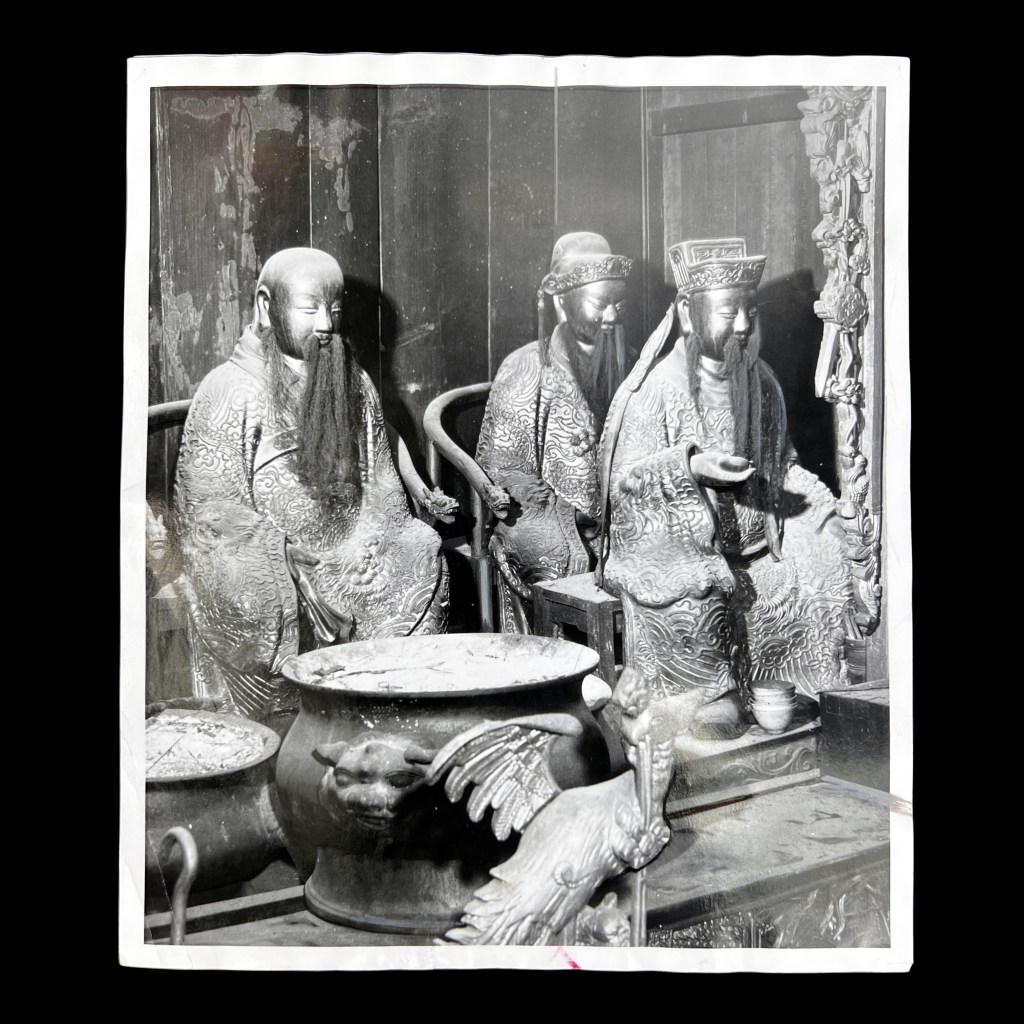
The Chinese diaspora community opened many religious centers across the Pacific under the name Temple of Many Saints (liesheng gong 列聖宮) for use among local Chinese immigrants. Fresno’s temple opened in the 1880s and was located on G Street.
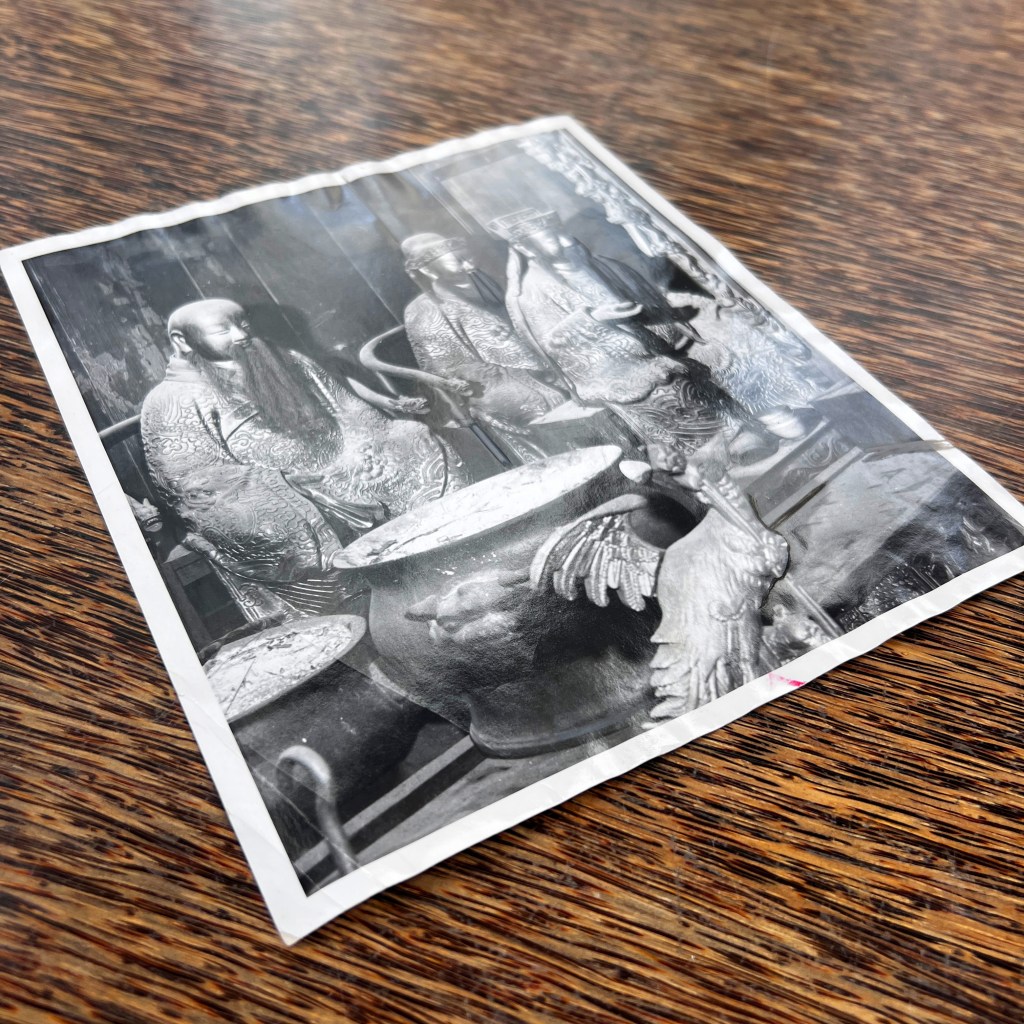
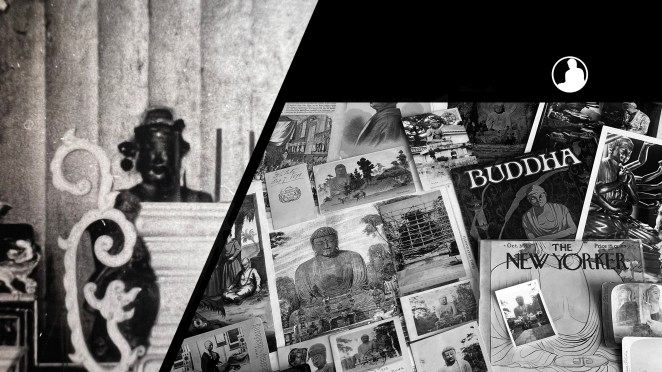
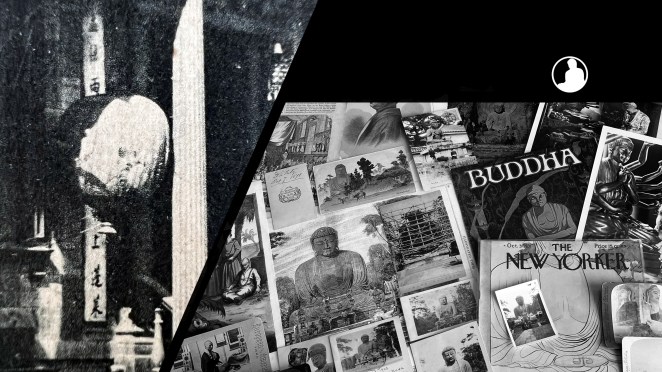
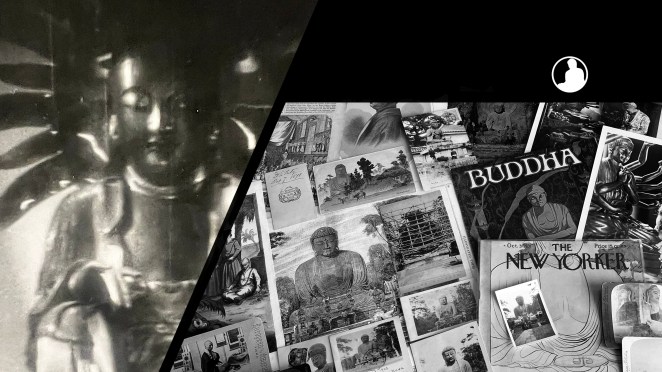
This Fresno Bee archival photograph shows three of the five icons displayed on the main altar. Closed to the public in 1936, the temple was demolished in 1965 shortly after this photograph; the temple artifacts were donated to the Fresno Historical Society and were in storage until last year.

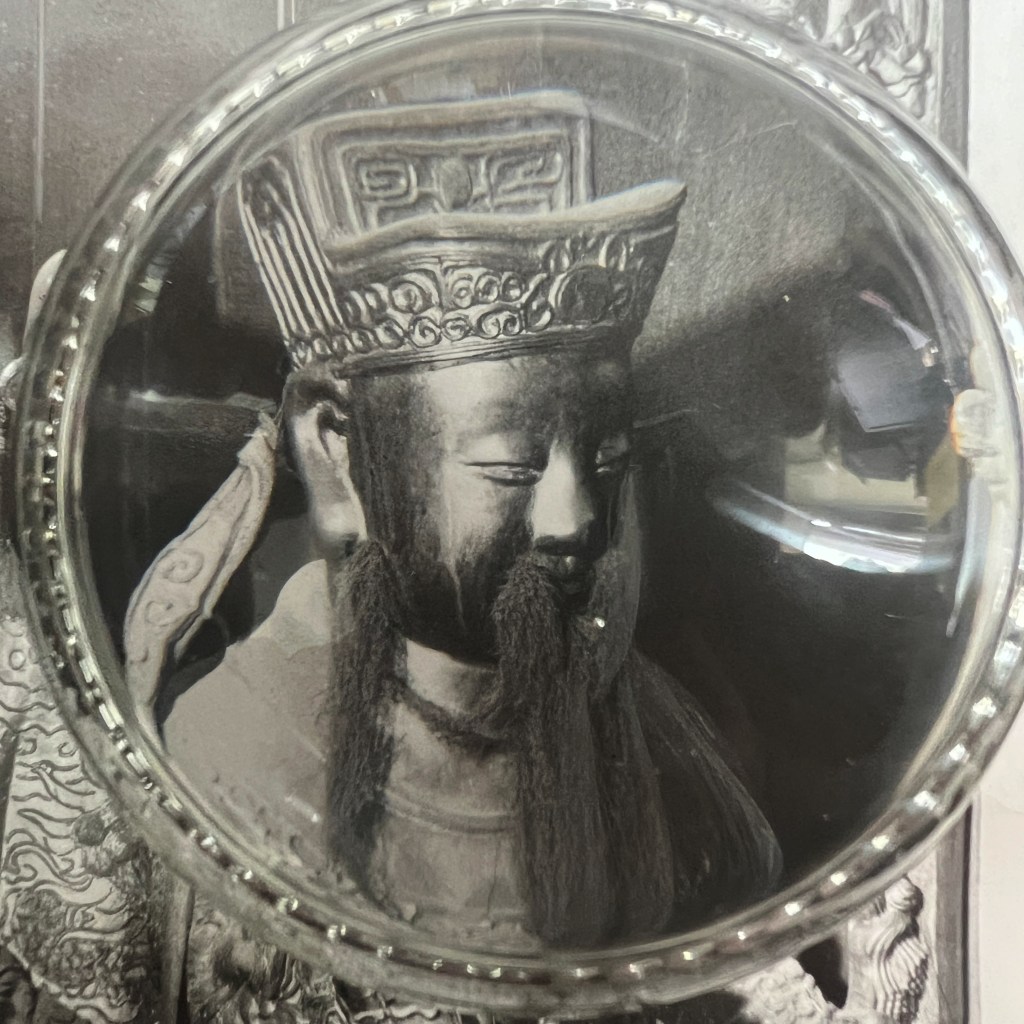
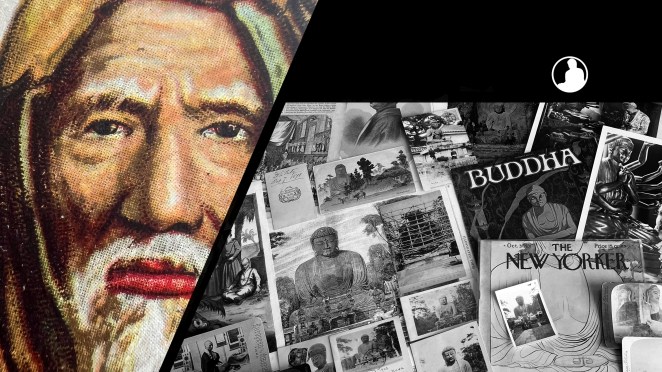
The five icons included the Northern Emperor, Guandi, Tianhou, Huatuo, and Caishen, also known as the “God of Wealth” (seen here). At times, the Buddhist figure Guanyin replaced one of these icons in the Temple of Many Saints found across North America, but that was not the case in Fresno.
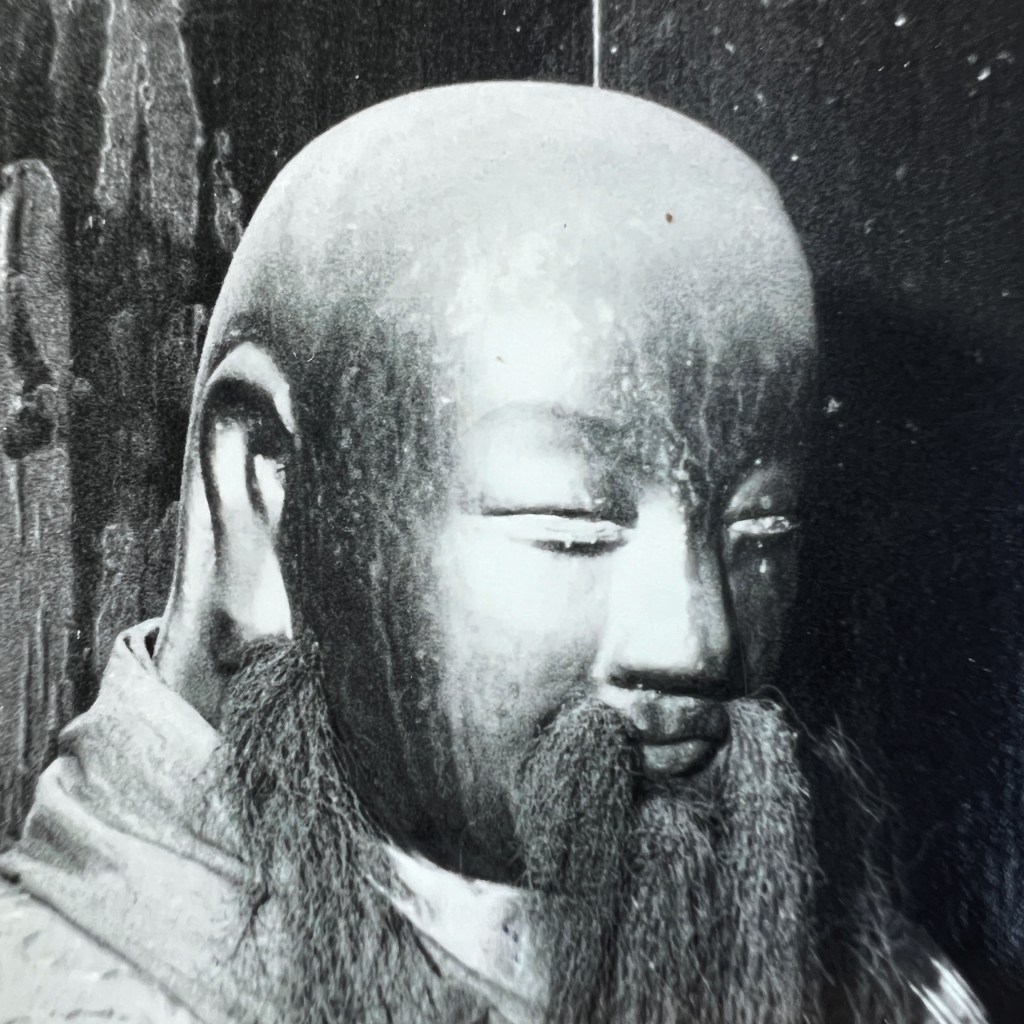
Guandi (seen here) was a deified historical general and cultural hero who was a symbol of integrity and loyalty. Widely celebrated by many Chinese district associations and fraternal societies, Guandi was arguably the most popular early Chinese American deity.

The Northern Emperor was a celestial deity famed among many immigrants from southern China. Last year, the Chinese American Museum Project and the Fresno Historical Society arranged a “From China to Fresno: A 150-year Cultural Journey” exhibit, see here: tinyurl.com/4jeea4cu.

The Buddhas in the West Material Archive is a digital scholarship project that catalogues artifacts depicting Buddhist material culture for Western audiences. It’s comprised of prints, photos, and an assortment of ephemera and other objects. For a brief introduction to this archive, visit the main Buddhas in the West project page.
For Related Buddhas in the West Posts Featuring Chinatown (US):


For the Most Recent Buddhas in the West Posts:













 Personal Site of Peter Romaskiewicz