Pierre Dieulefils’ Tien Mu Temple Postcard

For all the new Buddhas in the West posts
follow us on Bluesky & Instagram


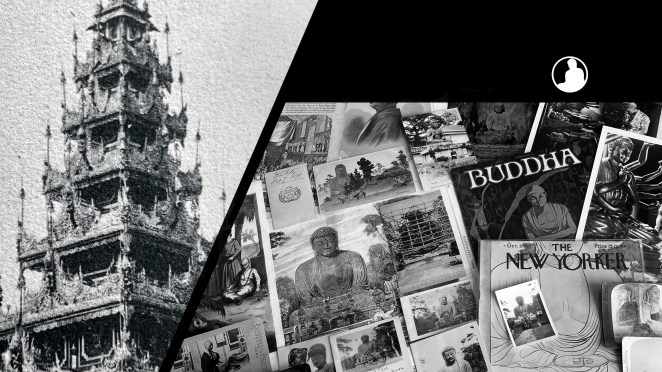
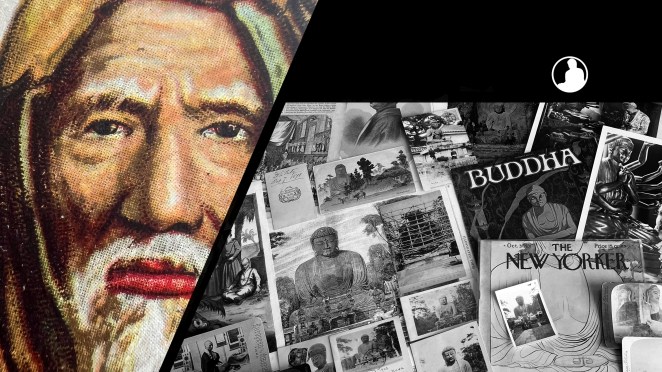
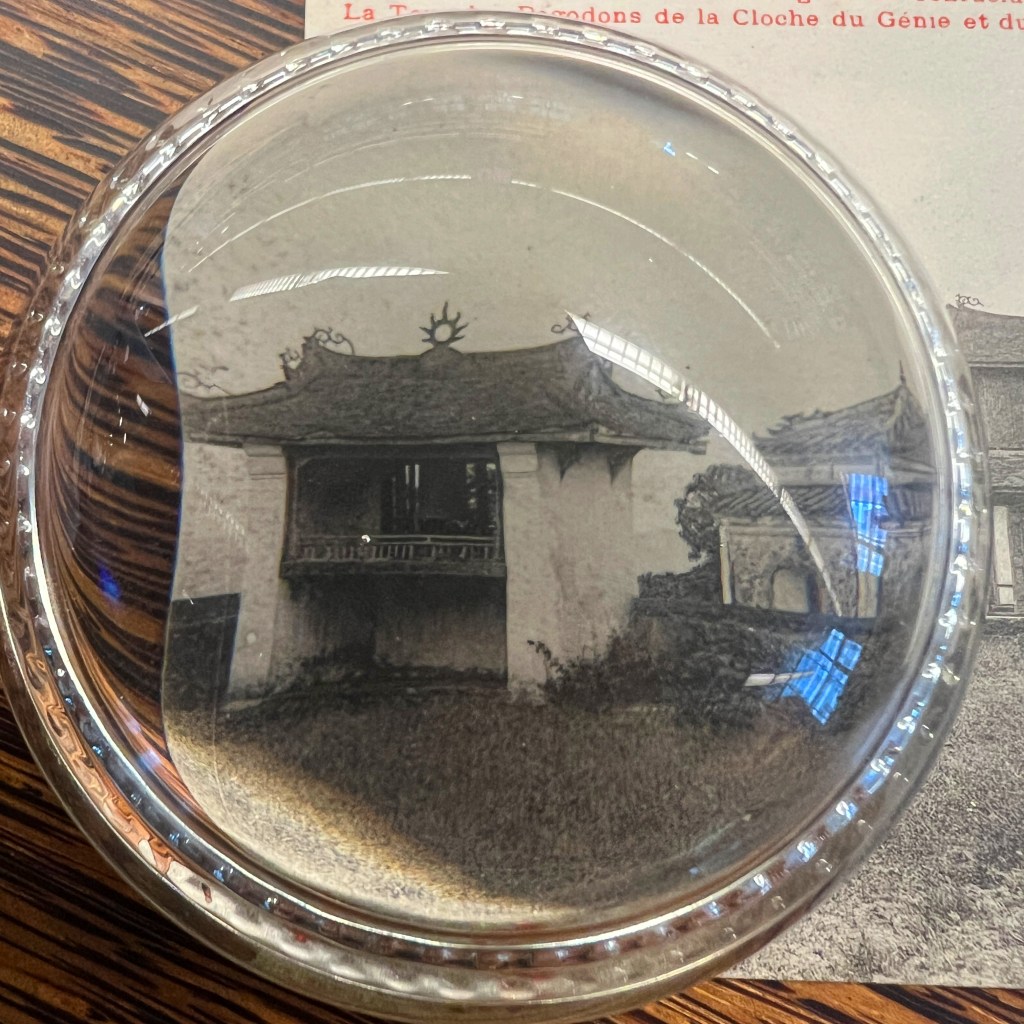
Tien Mu Temple, located in the city of Hue, is among the most historically important Buddhist sites in Vietnam. For its modern political importance, Tien Mu Temple emerged as the center of anti-government protest and was home to Thich Quang Duc who self-immolated in 1963.

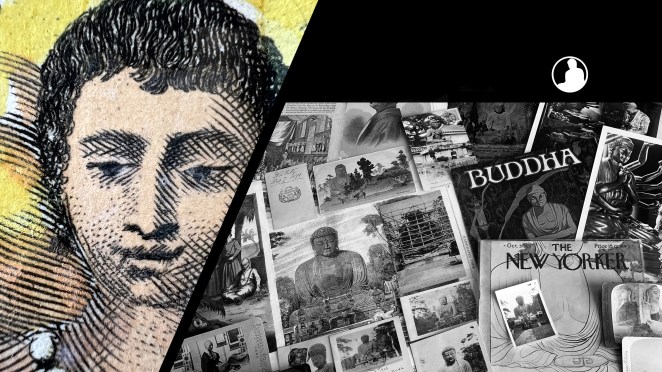
Tien Mu Temple, seen here, was founded in 1601, but replaced a much older shrine to local Cham deity, Po Nagar. The seven-story pagoda, now a popular symbol of Hue, was built in 1844 and is nearly 70 ft (21 m) tall; it was originally named the Pagoda of Compassion and Benevolence.
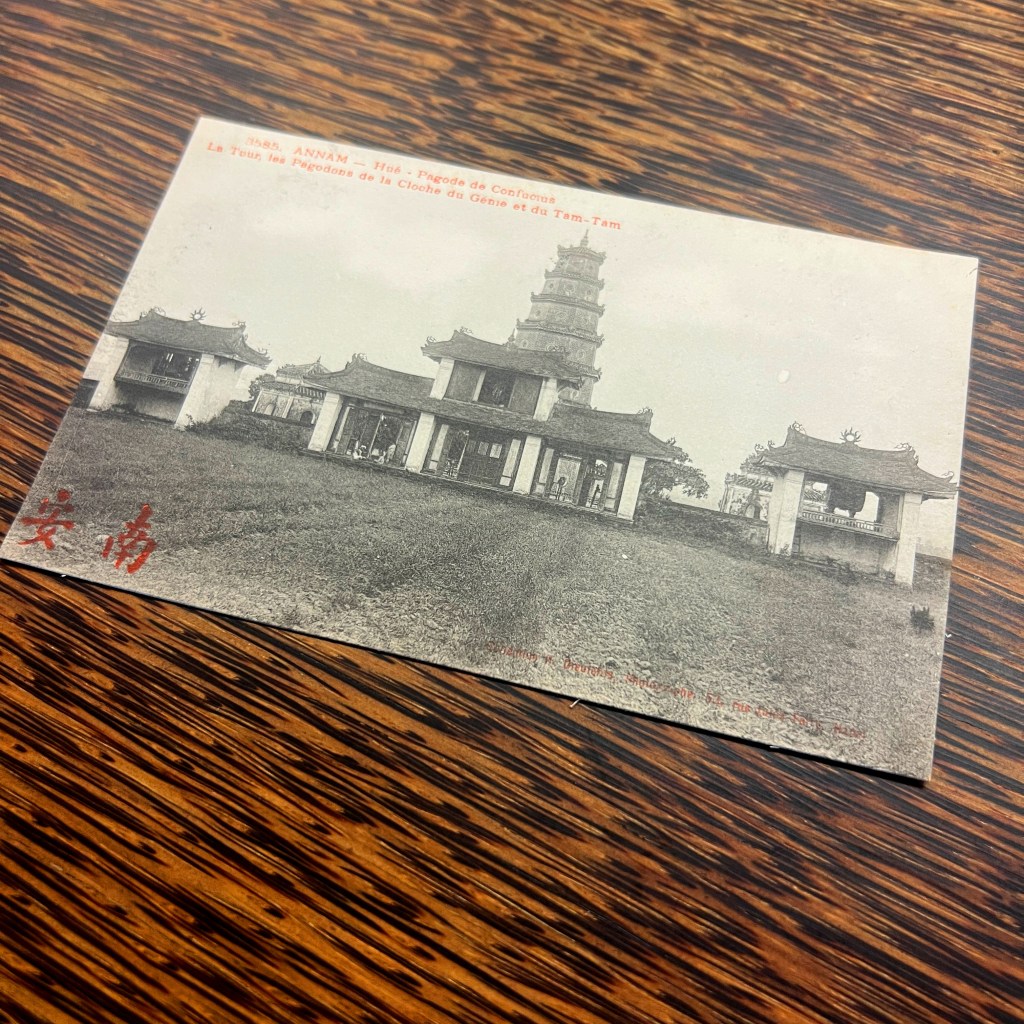
Photographer Pierre Dieulefils opened a studio in Hanoi 1885 and spent the next three decades visually chronicling French Indochina; picture postcards became his specialty. It’s possible the photograph seen on the obverse was taken before a 1904 storm damaged many of the temple structures.

Often misnamed the “Pagoda of Confucius” by turn of the century foreign visitors, the drum and bell tower were also of popular tourist interest. The temple bell was cast in 1710 and is considered an important cultural relic.
The powder blue Austin Westminster car that drove Thich Quang Duc to Saigon in 1963, also seen in the famous photographs of his act of protest against the Diem regime, remains today on display at Tien Mu Temple, a “contact relic” of the venerated monk.


The Buddhas in the West Material Archive is a digital scholarship project that catalogues artifacts depicting Buddhist material culture for Western audiences. It’s comprised of prints, photos, and an assortment of ephemera and other objects. For a brief introduction to this archive, visit the main Buddhas in the West project page.


For Related Buddhas in the West Posts Featuring Historical Temples:


For the Most Recent Buddhas in the West Posts:

Pierre Dieulefils’ Angkor Wat Pilgrimage Postcard

For all the new Buddhas in the West posts
follow us on Bluesky & Instagram


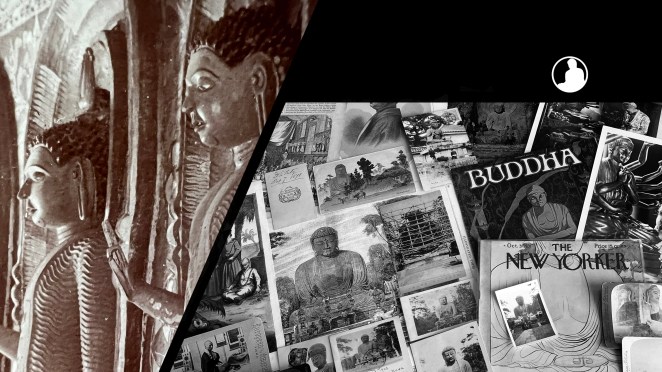
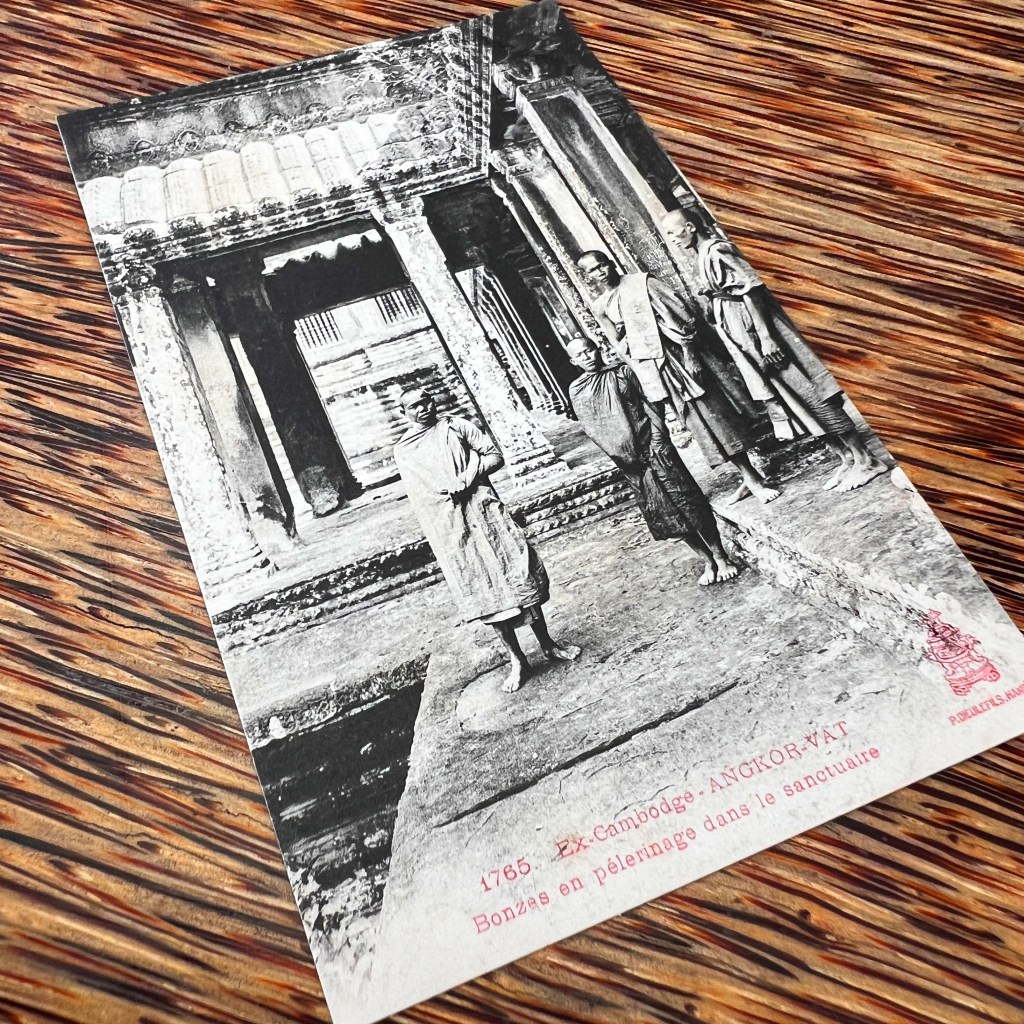
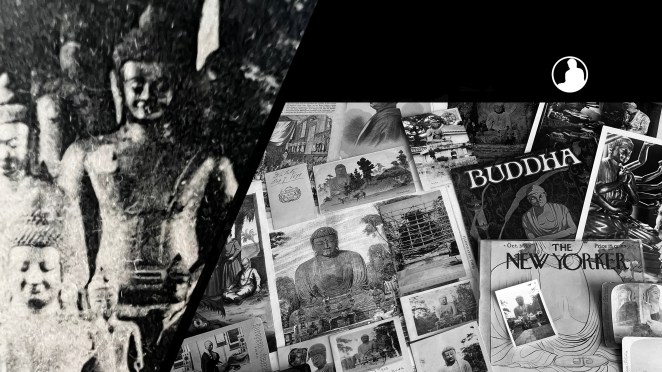
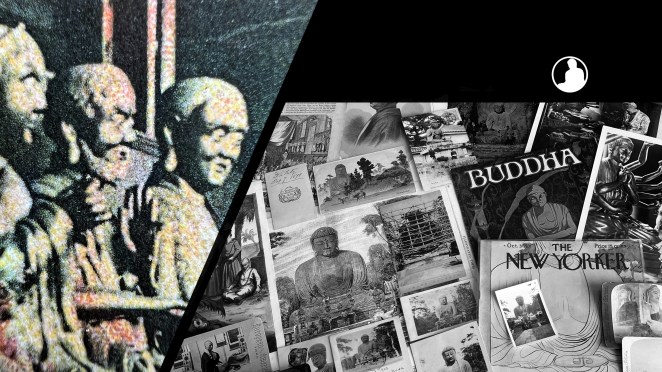
Given countless images showing the architectural grandeur of Angkor Wat, it’s easy to forget it was once an important religious site – not just a tourist destination. Here we see a photo by Pierre Dieulefils from 1905 showing “Buddhist monks on pilgrimage” to the sacred site.

In anticipation of the Exposition coloniale de Marseille in 1906, Dieulefils toured Cambodia to take photographs. His photos reveal many active shrines throughout the Angkor Wat complex, most of which have been cleared out and placed in museums today.

Dieulefils arrived in Vietnam as part of French military forces in 1885. Many of his photographs of Angkor Wat were printed as postcards that were popular among French officers who mailed them home to France.

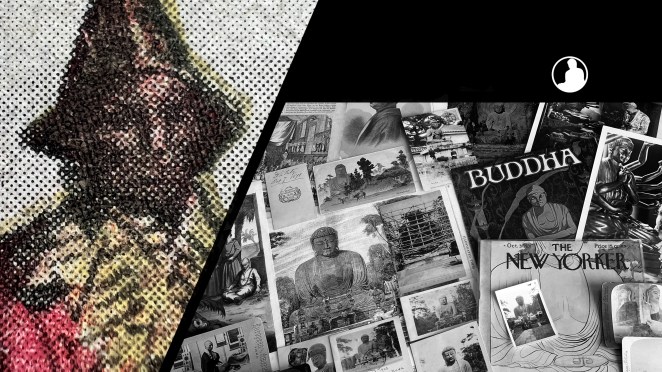
This Theravadin monk wears his outer cloak (saṃghāti) covering both shoulders, while the monk behind drapes his folded cloak over his left shoulder, bearing his right. Based on contrasting shades, we may infer this monk is wearing maroon robes, while the others wear brighter saffron.

Despite Dieulefils’ photographic record, French colonial guide books portrayed Angkor Wat as an abandoned archaeological marvel, see further discussion in Michael Falser’s “From Colonial Map to Visitor’s Parcours” in ‘Archaeologizing’ Heritage? (2013).


The Buddhas in the West Material Archive is a digital scholarship project that catalogues artifacts depicting Buddhist material culture for Western audiences. It’s comprised of prints, photos, and an assortment of ephemera and other objects. For a brief introduction to this archive, visit the main Buddhas in the West project page.


For Related Buddhas in the West Posts Featuring Cambodia:


For the Most Recent Buddhas in the West Posts:


Pierre Dieulefils’ Tārā Postcard

For all the new Buddhas in the West posts
follow us on Bluesky & Instagram


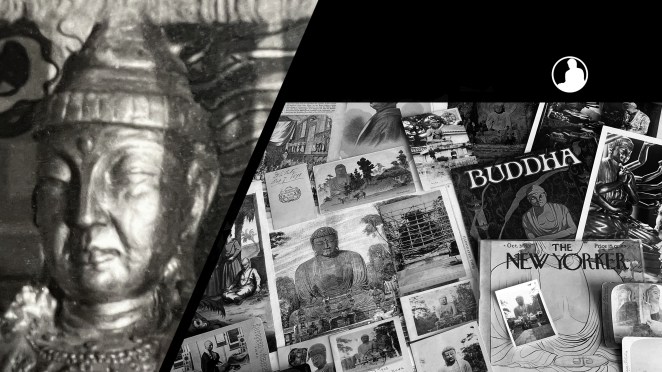
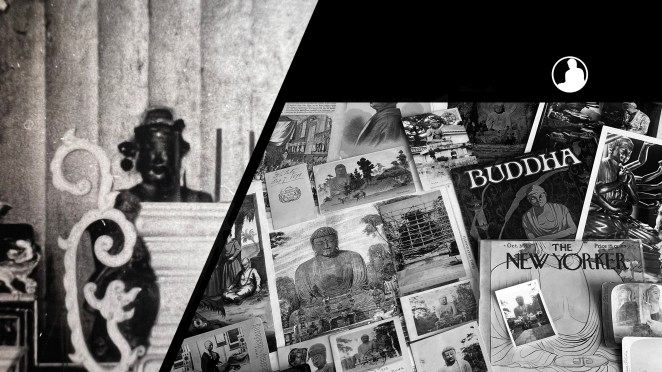
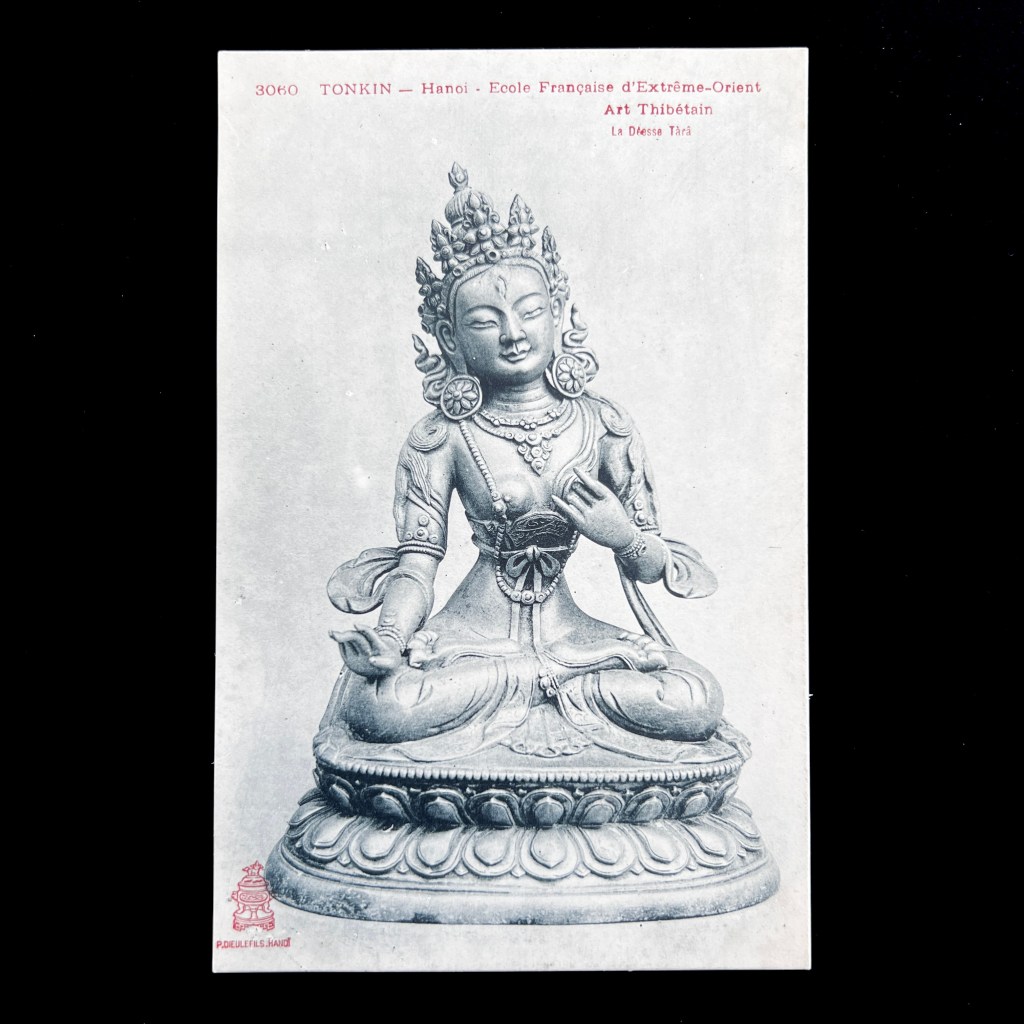
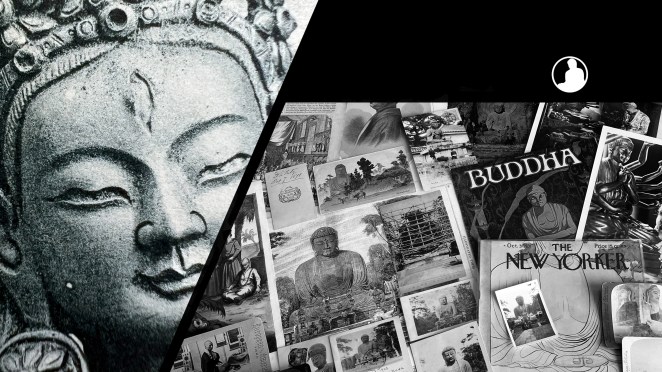
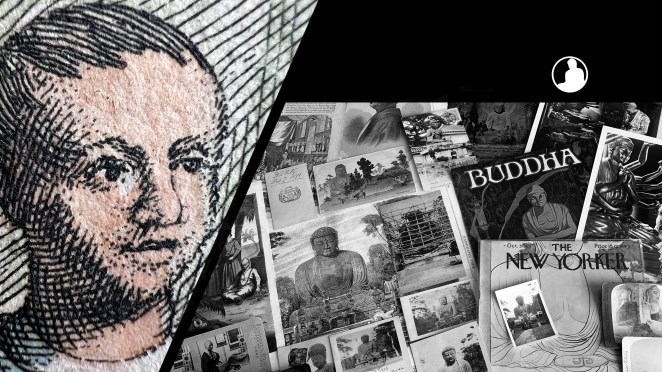
The École Française d’Extrême-Orient was founded at the turn of the 20th century in Hanoi in what was then French Indochina. Around 1905 Pierre Dieulefils appears to have taken photographs of the institution’s nascent collection of Buddhist statuary.

The date of 1905 is derived from the presumed publication date of Dieulefils “red series” postcards. Dieulefils’ studio was also in Hanoi and he worked closely with the French institution photographing Angkor Wat.

The red letterpress caption at the top of the card identifies the icon as the Goddess Tārā. I have been unable to determine who has possession of the statue today.

Dieulefils built a thriving postcard business upon the desires of French officers to send picture souvenirs home to France.

Since 1958 the old archaeological research institution of the École Française d’Extrême-Orient in Hanoi has operated as the Vietnam National Museum of History. The museum’s website can be found here: https://baotanglichsu.vn/vi


The Buddhas in the West Material Archive is a digital scholarship project that catalogues artifacts depicting Buddhist material culture for Western audiences. It’s comprised of prints, photos, and an assortment of ephemera and other objects. For a brief introduction to this archive, visit the main Buddhas in the West project page.


For Related Buddhas in the West Posts Featuring Guanyin / Avalokitésvara:


For the Most Recent Buddhas in the West Posts:


Pierre Dieulefils’ Angkor Wat Buddhapada Postcard

For all the new Buddhas in the West posts
follow us on Bluesky & Instagram


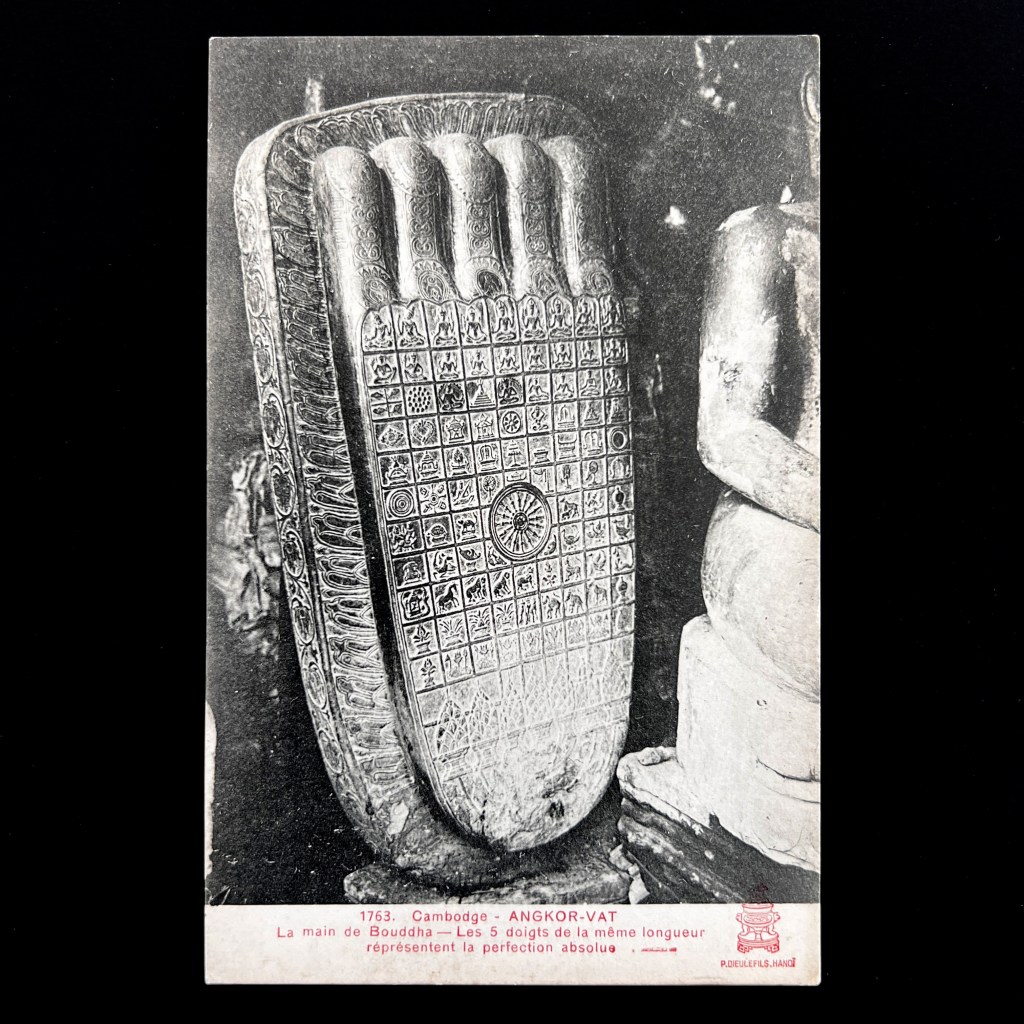
Pierre Dieulefils arrived in Vietnam as part of the French military forces in 1885 and opened a photography studio in Hanoi three years later. In anticipation of the great Exposition coloniale de Marseille, Dieulefils toured Cambodia in 1905 to take photographs of Angkor Wat.

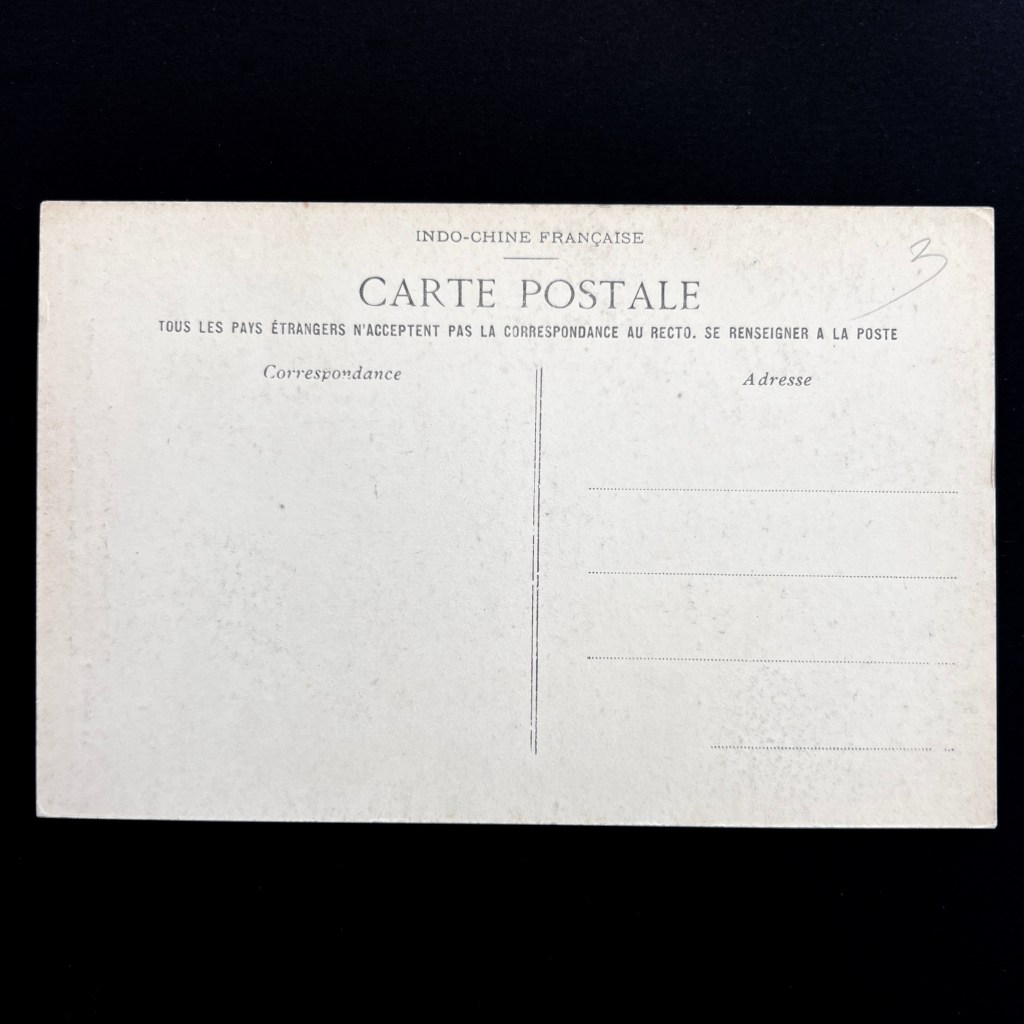
These images of Angkor Wat formed part of his thriving postcard business, driven in part by French officers sending cards home to France. The 1905 print run of cards is known as the red series for the red ink used on the obverse.

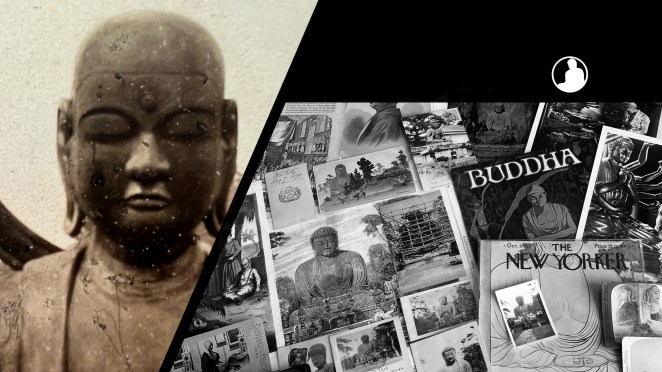
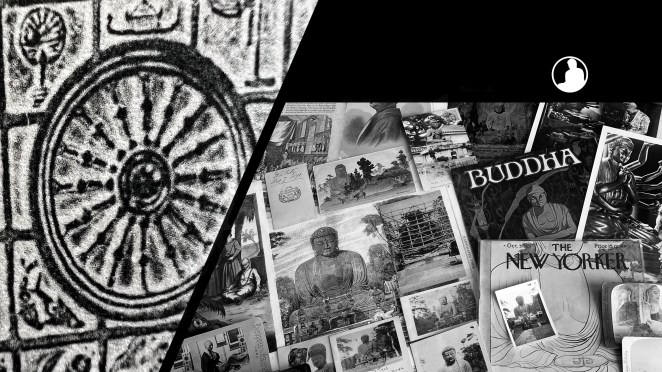
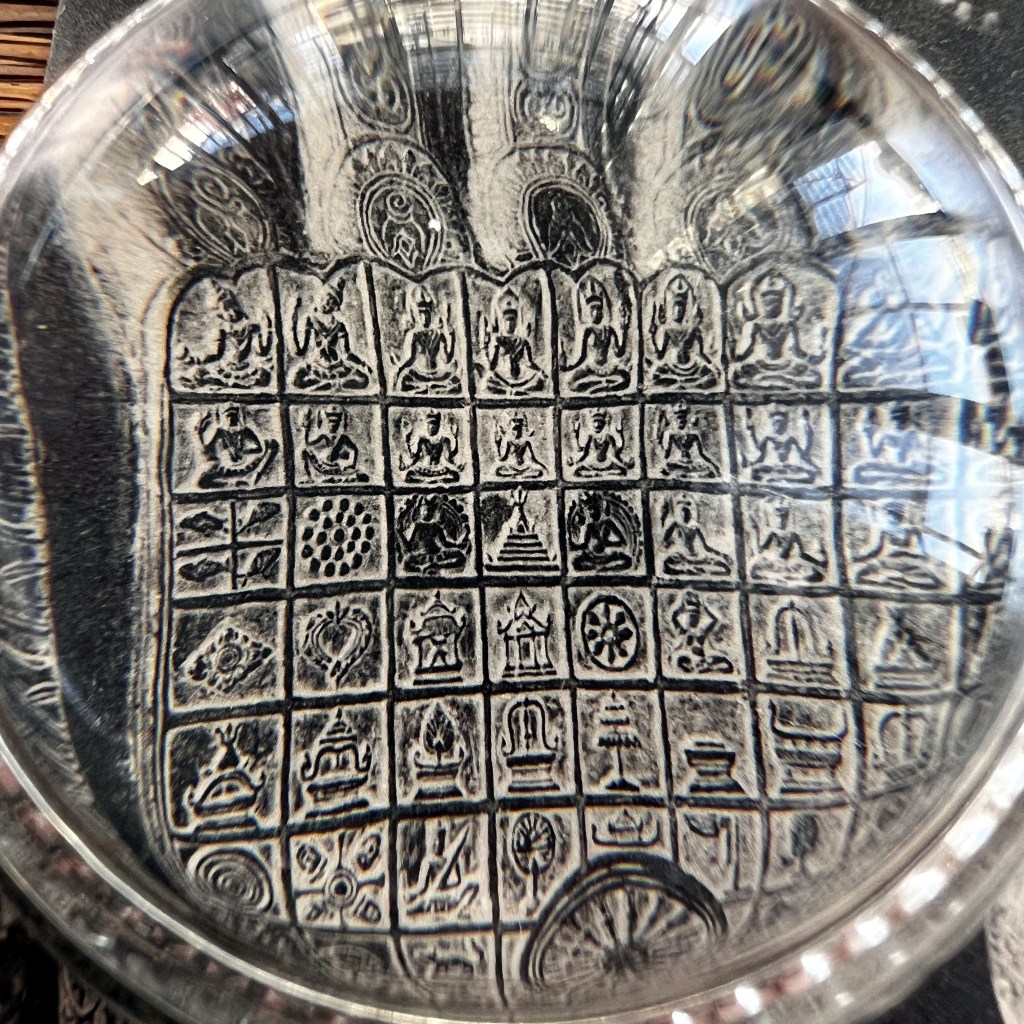
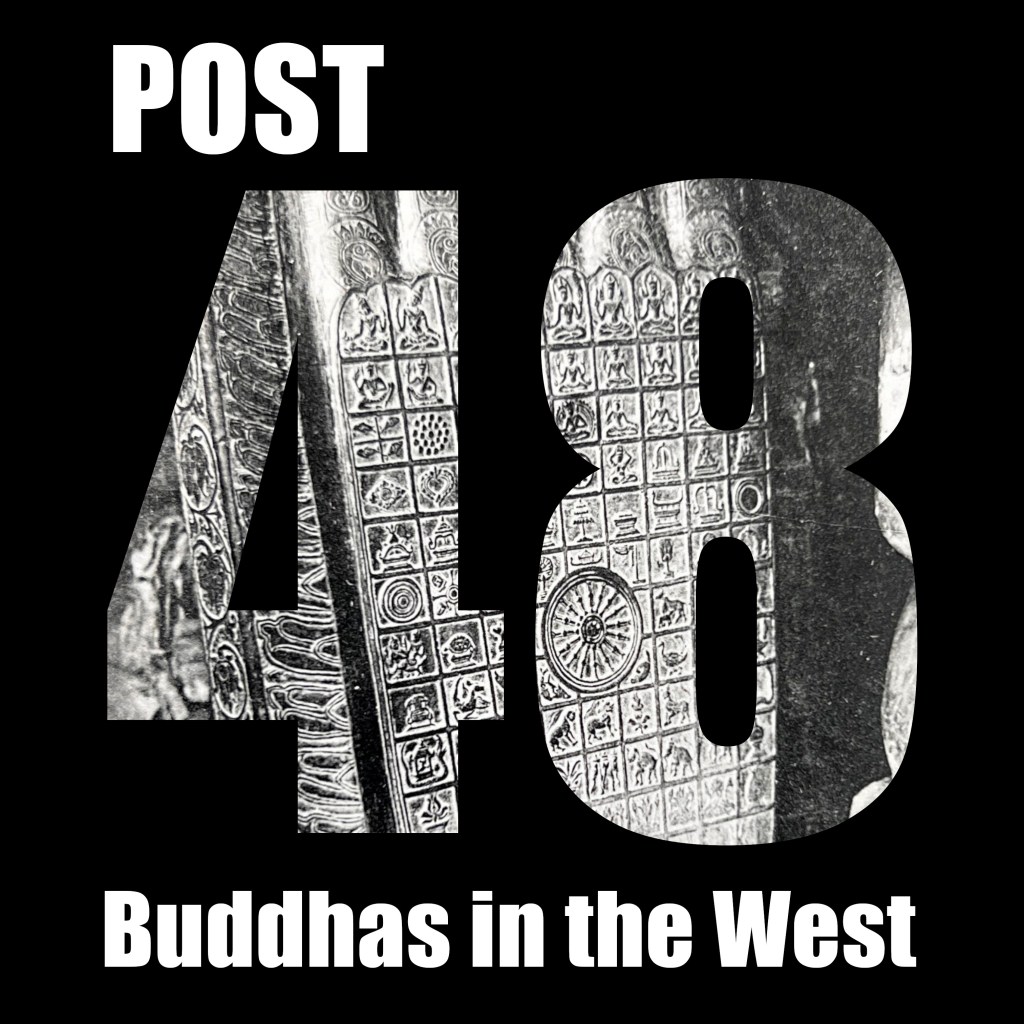
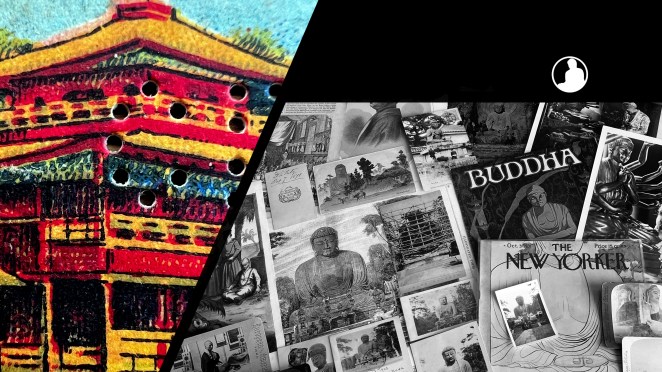
One of the objects Dieulefils photographed was this large sculptural footprint of the Buddha. Images of the Buddha’s footprints, called buddhapada, hint at his past presence and are considered venerated relics.

The buddhapada is often depicted with special characteristics, including 108 emblems of auspiciousness. The wheel of the Dharma is most commonly placed at the center of the sole.

This carving, weighing three tons, remained at Angkor Wat from the 14th century until 1985. In 2022 it was put on display at the Preah Norodom Sihanouk-Angkor Museum in Siam-reap, Cambodia.


The Buddhas in the West Material Archive is a digital scholarship project that catalogues artifacts depicting Buddhist material culture for Western audiences. It’s comprised of prints, photos, and an assortment of ephemera and other objects. For a brief introduction to this archive, visit the main Buddhas in the West project page.


For Related Buddhas in the West Posts Featuring Pierre Dieulefils’ Postcards:


For the Most Recent Buddhas in the West Posts: