Fritz Kapp’s Lamas and Disciples Postcard

For all the new Buddhas in the West posts
follow us on Bluesky & Instagram


In 1900, traveling to Darjeeling meant gazing upon the grandeur of the snow-capped Himalayas and imagining the inaccessible lands that lay beyond them in Tibet. Visiting Darjeeling at this time also meant having the rare opportunity to encounter and observe real Tibetan lamas.

Following the completion of the Darjeeling Himalayan Railway in 1881, the first commercial photography studios opened in the region. As the tourist demand for photographic souvenirs soared, studios increasingly staged scenes of various “ethnic” activities, including Tibetan Buddhist ritual.
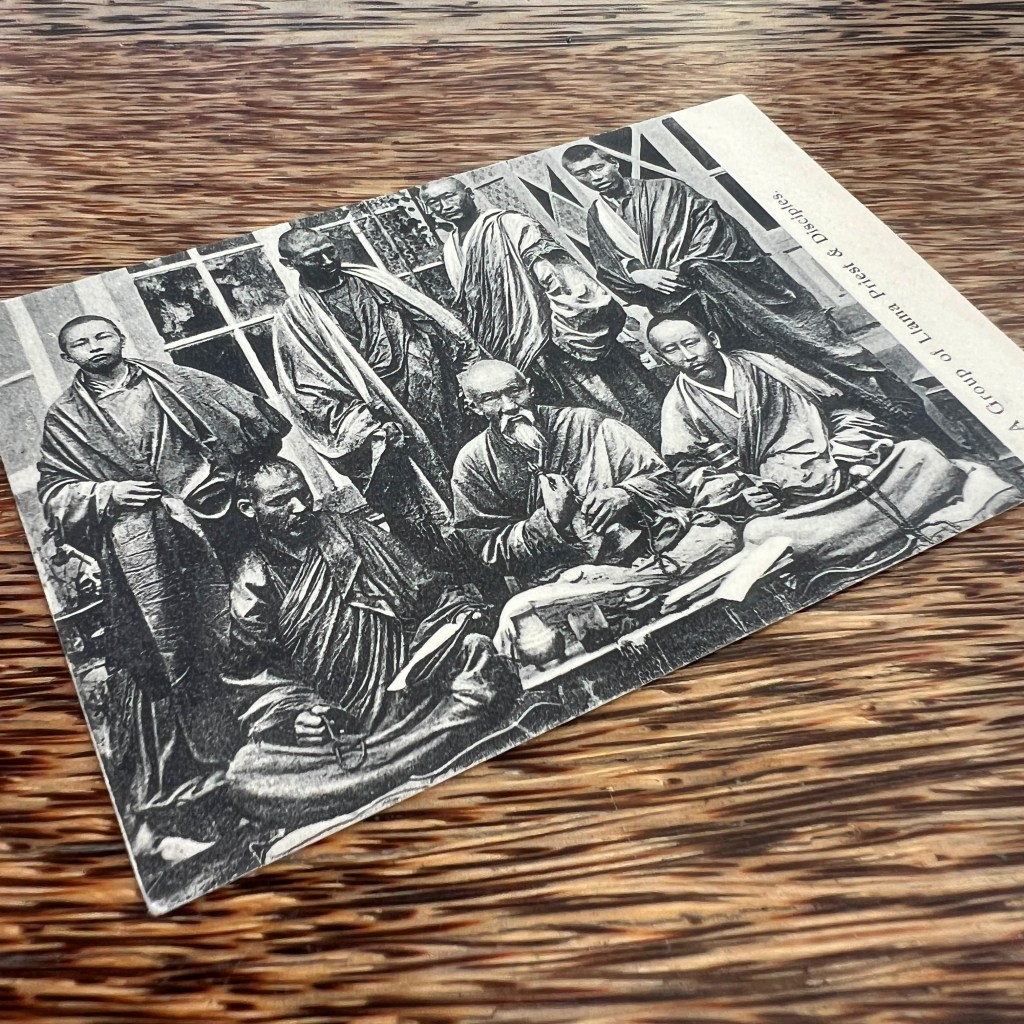
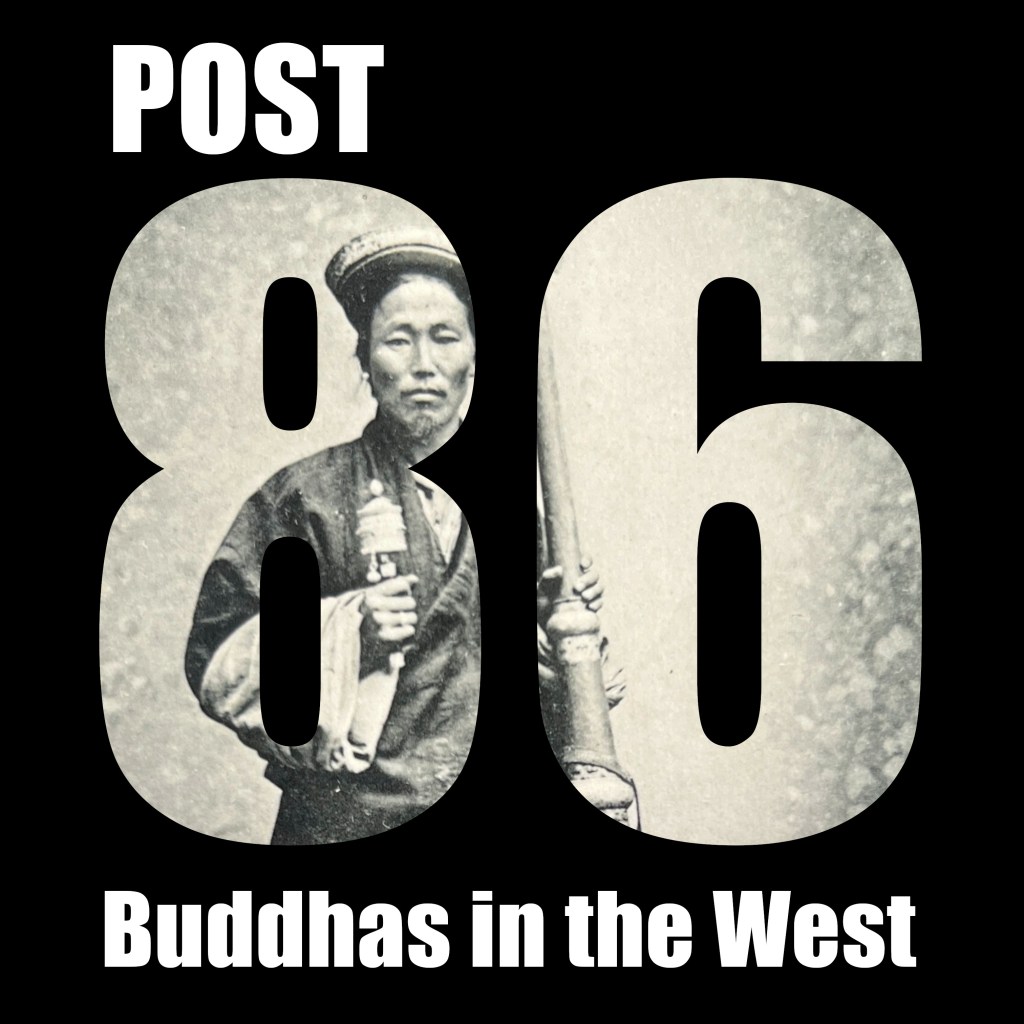
The original photographer for this shot was Fritz Kapp who ran a studio at Calcutta and Darjeeling from about 1888 to 1903. When the picture postcard format was first introduced to Darjeeling in the 1890s, they became a cheaper alternative to photographs and a highly collectable souvenir.

Driven in part by an anthropological mode of seeing and recording, staged studio photographs required appropriate clothing and props to clearly identify the “ethnic type.” Monk’s robes, mala beads, and prayer wheels all signaled the presence of “Llama [sic] priests” as cited in the caption.
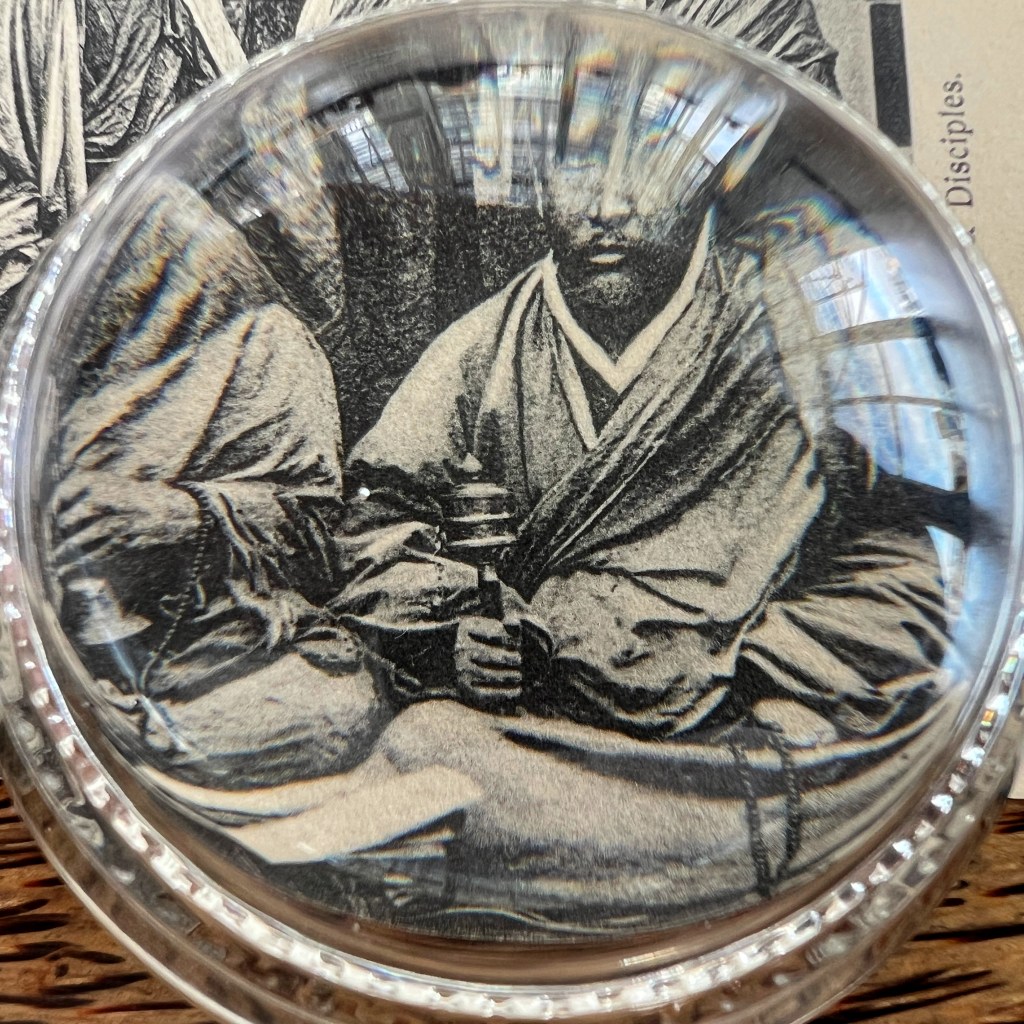
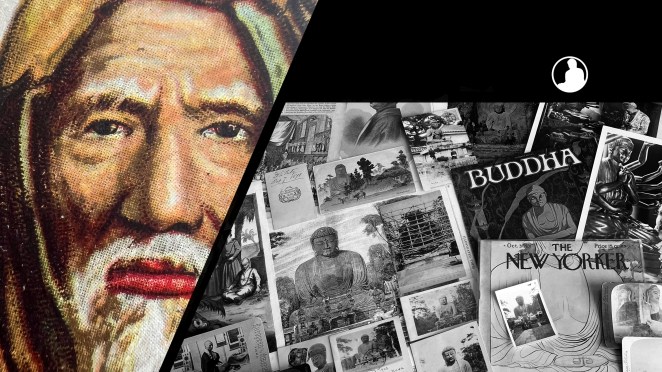
The central figure, looking directly at the camera, holds both a ritual vajra and bell; he is also a real Tibetan monk. Historian Clare Harris has identified this figure as Sherab Gyatso, the abbot of Ghoom Monastery located on the outskirts of Darjeeling.
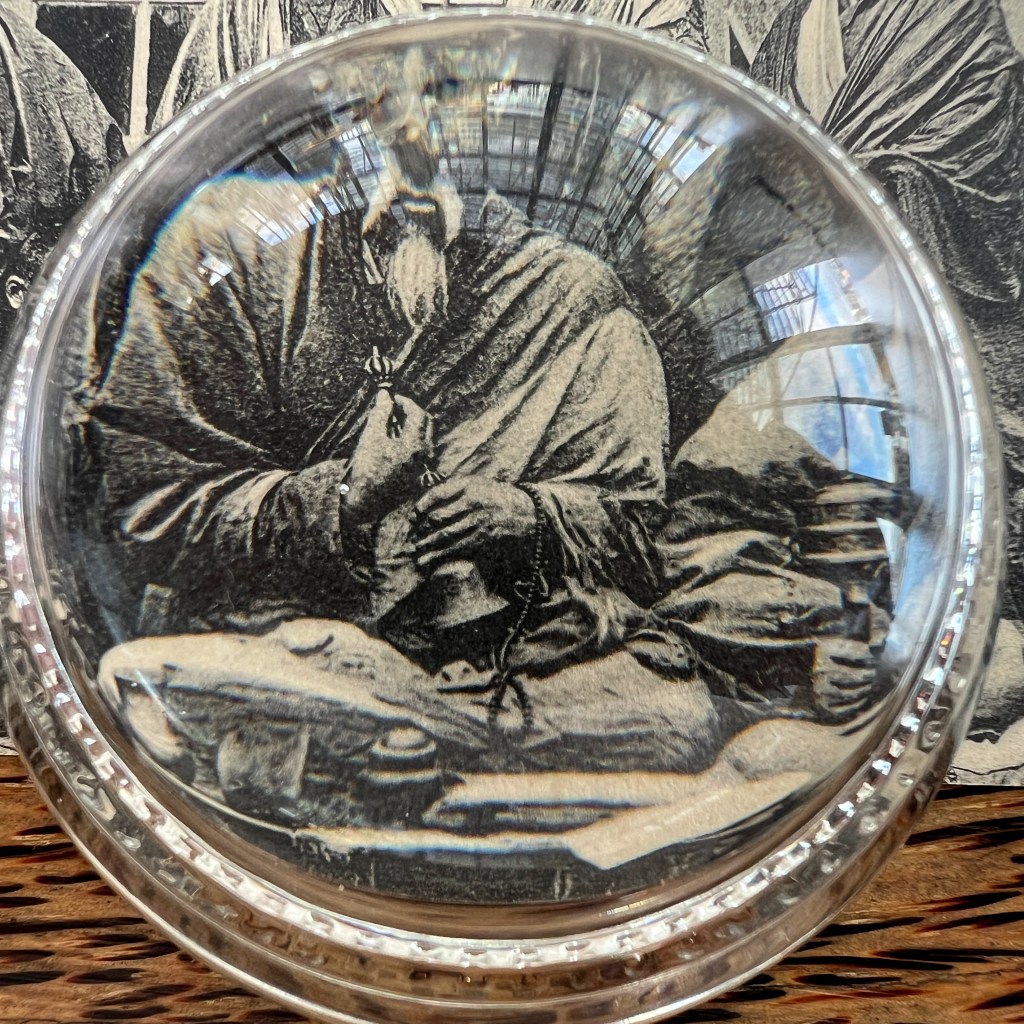
A November 2021 Sotheby’s sale of the original photo was inscribed: “Lama priests by F. Kapp./ Lama Sherb, Gyatso (front middle).” For more on the history of photography in Darjeeling, see Clare Harris’ Photography in Tiber (2016).
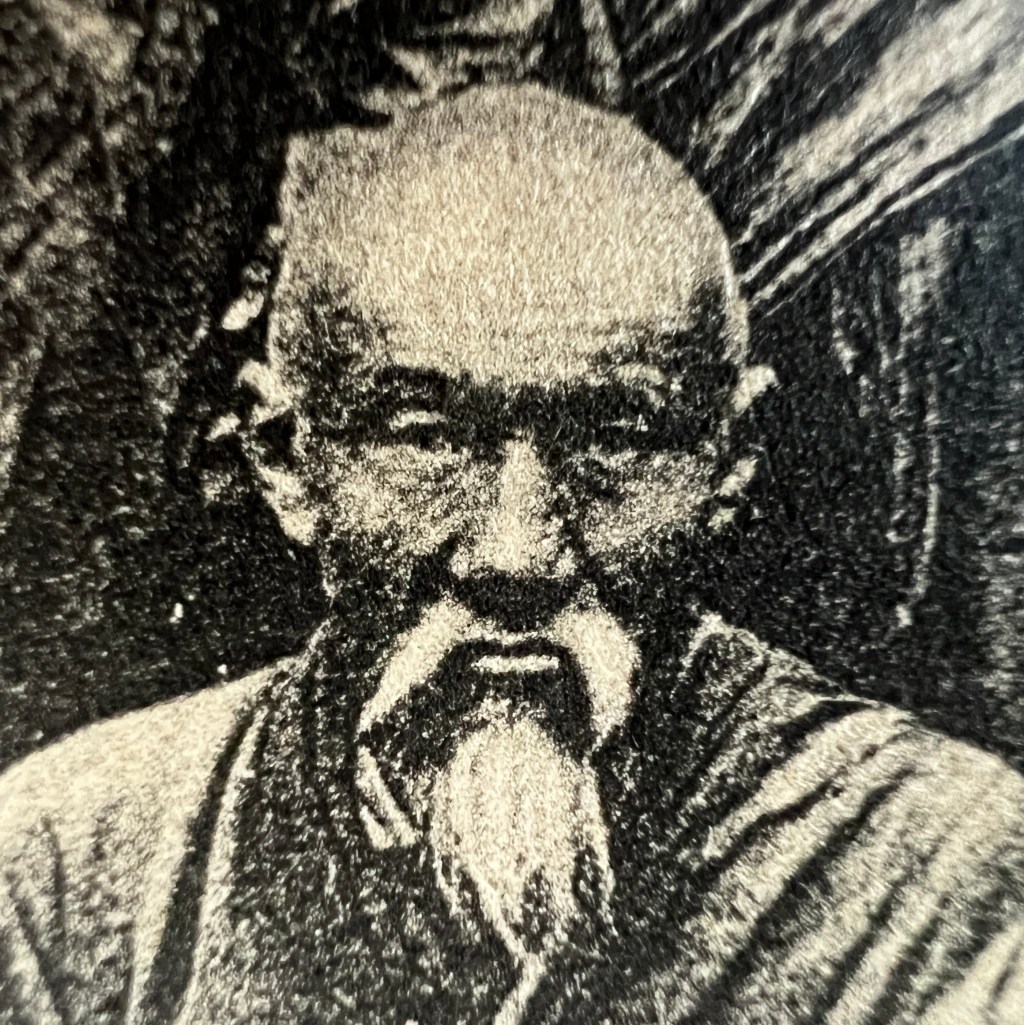

The Buddhas in the West Material Archive is a digital scholarship project that catalogues artifacts depicting Buddhist material culture for Western audiences. It’s comprised of prints, photos, and an assortment of ephemera and other objects. For a brief introduction to this archive, visit the main Buddhas in the West project page.


For Related Buddhas in the West Posts Featuring Prayer Wheels:


For the Most Recent Buddhas in the West Posts:


Sherab Gyatso of Ghoom Monastery Postcard

For all the new Buddhas in the West posts
follow us on Bluesky & Instagram


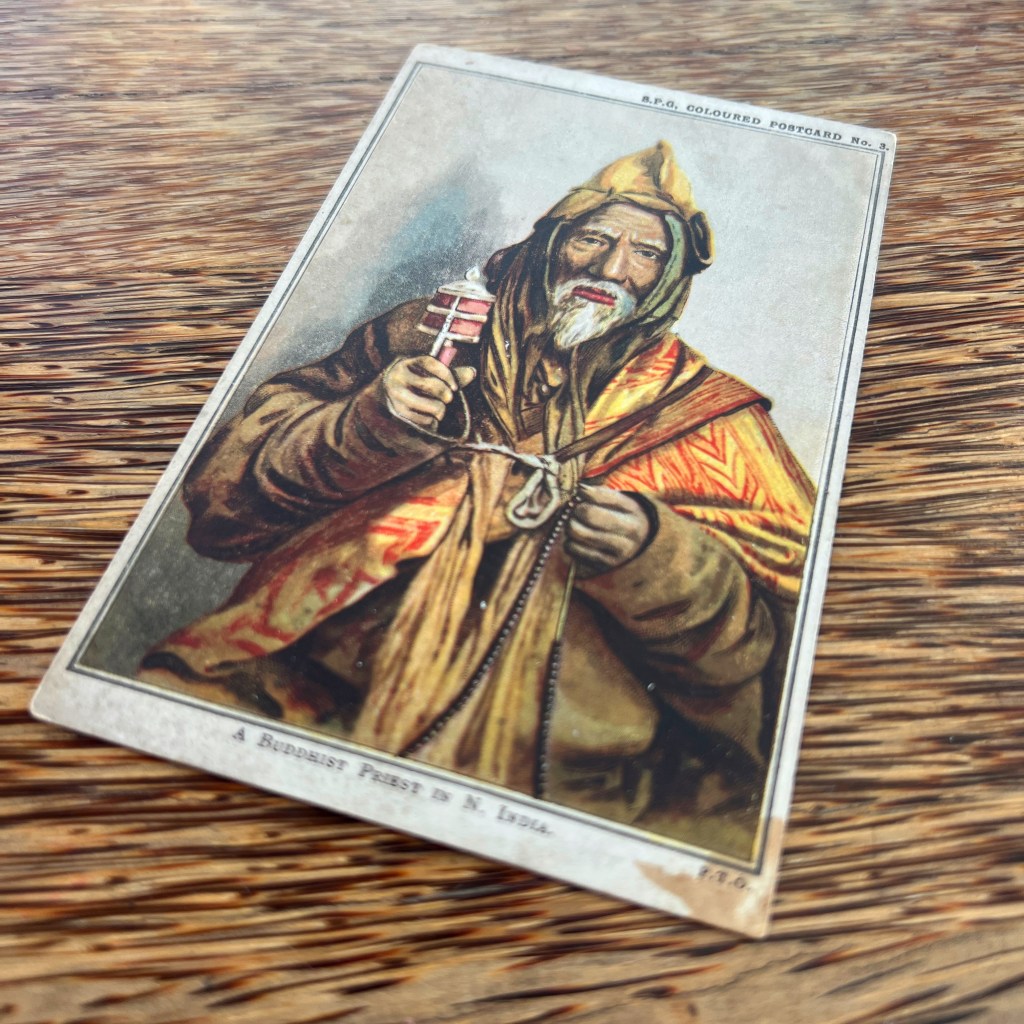
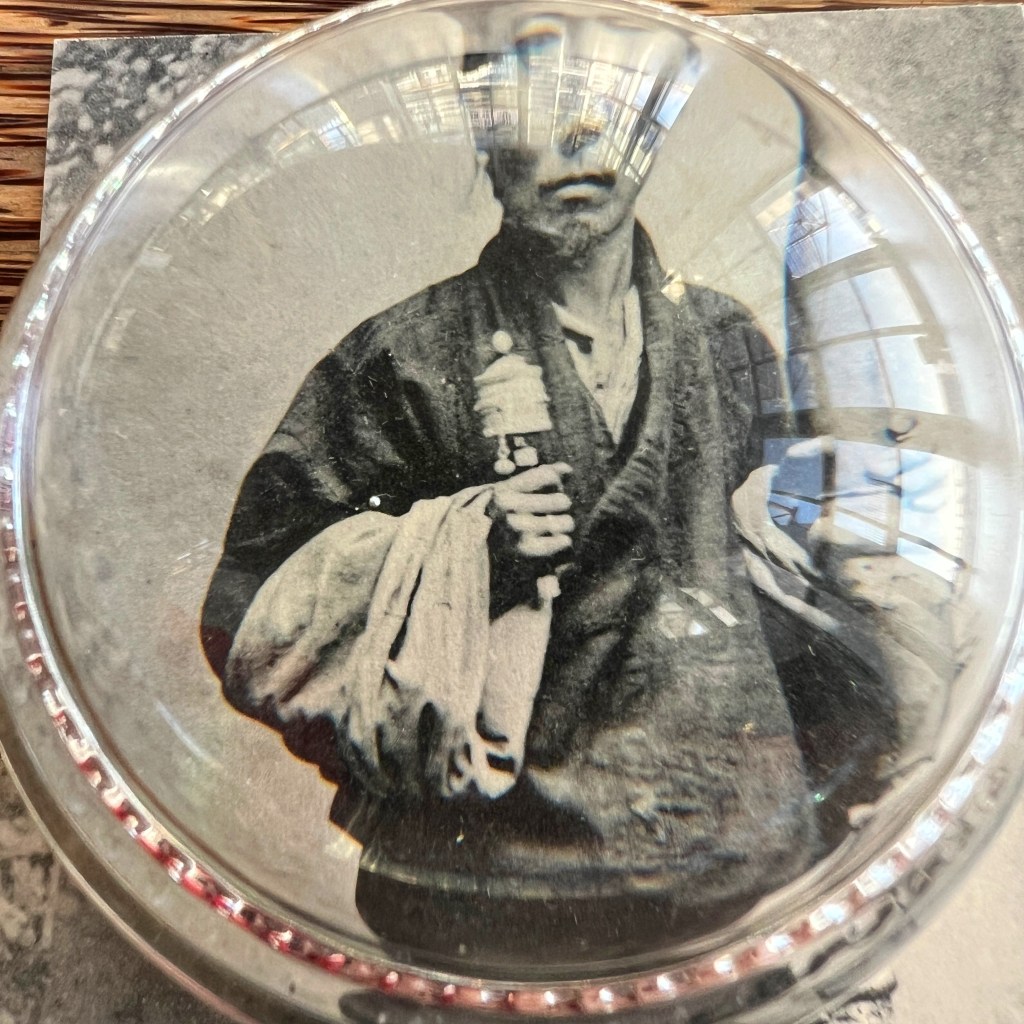
Identified as a “Buddhist priest” and holding a prayer wheel, a figure such as this would have passed for a generic Tibetan lama in the visual language of the early 20th century. In this case, however, we also know this monk’s name: Sherab Gyatso.

Scholar Clare Harris discovered an albumen print of the original photograph taken by Thomas Parr during the 1890s in Darjeeling; the negative was inscribed with the name “She-reb.” The monk was the head of the Geluk Monastery at Ghoom (Ghum) and was well known among the British as the “Mongol Lama.”

Gyatso’s image appears in a wide range of media, including travel guides, published travelogues, and postcards between 1890 and the 1910s. As noted by Harris, this monk emerged as a “poster-boy for Tibetan Buddhism” around the area of Darjeeling in northern India.

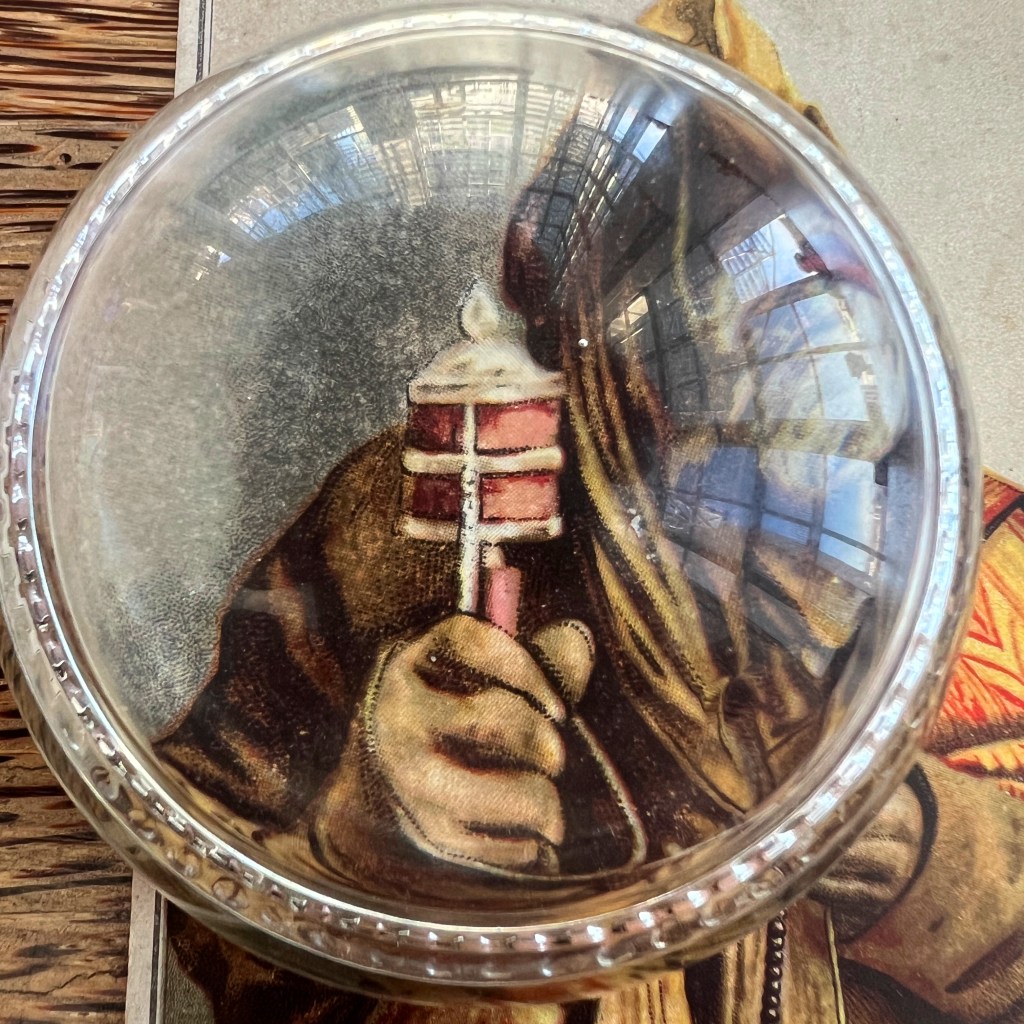
When posed for this portrait in Parr’s studio, the symbols of Tibetan ritual culture are clearly foregrounded, with one hand thumbing mala beads and the other holding a prayer wheel upright and ready for use.

Notably, a Tibetan-style painting and clay statue of Sherab Gyatso grace Ghoom’s monastery today, both derived from Paar’s photograph.

For further information of Sherab Gyatso and the history of early photography in Northern India and Tibet, see Clare Harris’ Photography in Tibet (2017).


The Buddhas in the West Material Archive is a digital scholarship project that catalogues artifacts depicting Buddhist material culture for Western audiences. It’s comprised of prints, photos, and an assortment of ephemera and other objects. For a brief introduction to this archive, visit the main Buddhas in the West project page.


For Related Buddhas in the West Posts Featuring Historical Postcards:


For the Most Recent Buddhas in the West Posts:

Bourne and Shepherd’s “Native of Thibet” Postcard

For all the new Buddhas in the West posts
follow us on Bluesky & Instagram


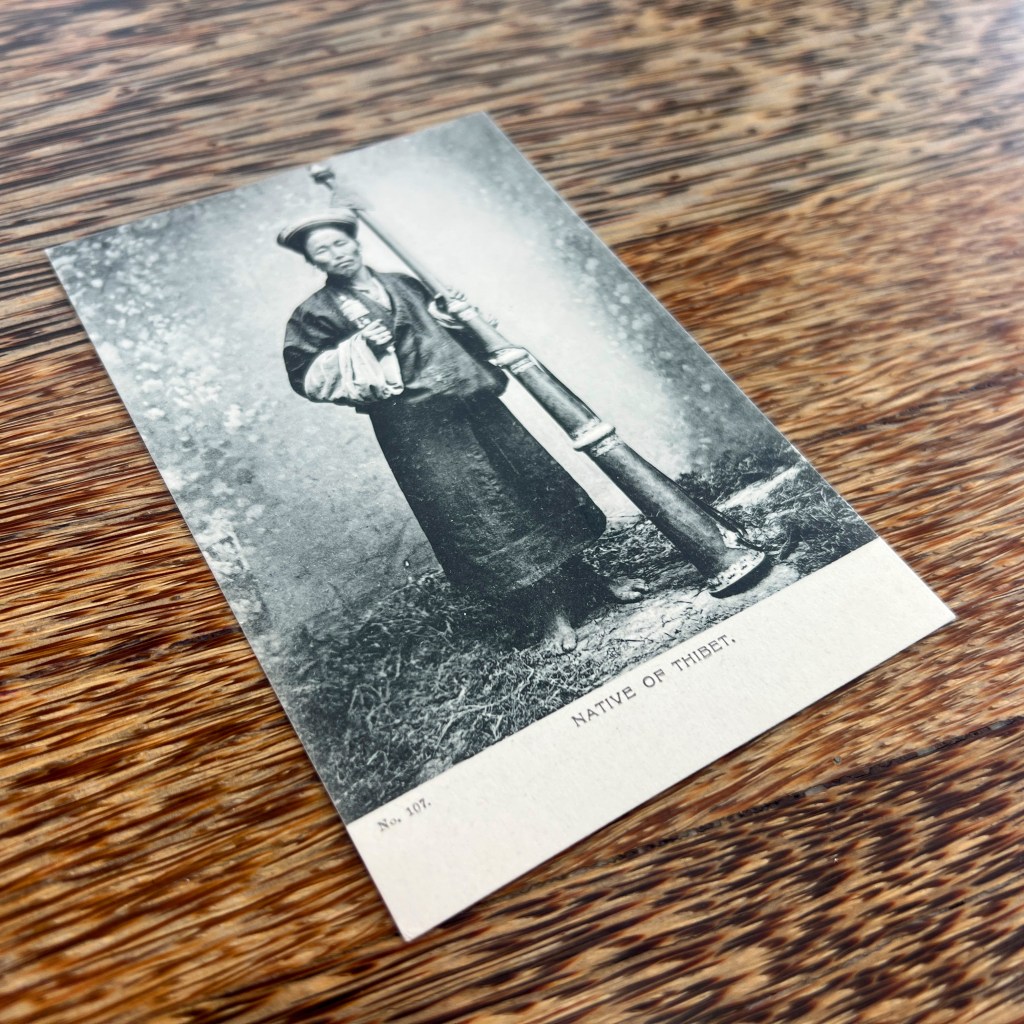
The first photographs of Tibet were not actually taken in Tibet, but were staged in British colonial India. To meet consumer demand, enterprising commercial photographers outfitted their subjects with stereotypical objects to create an easily identifiable “Tibetan” type.

In the Victorian era, material markers of religion were often used by colonial photographers to establish “ethnic types.” The material culture of Tibetan Buddhism emerged as a clear visual sign for Tibet; here we find a “Thibetan native” holding a Buddhist prayer wheel and monastic long horn.

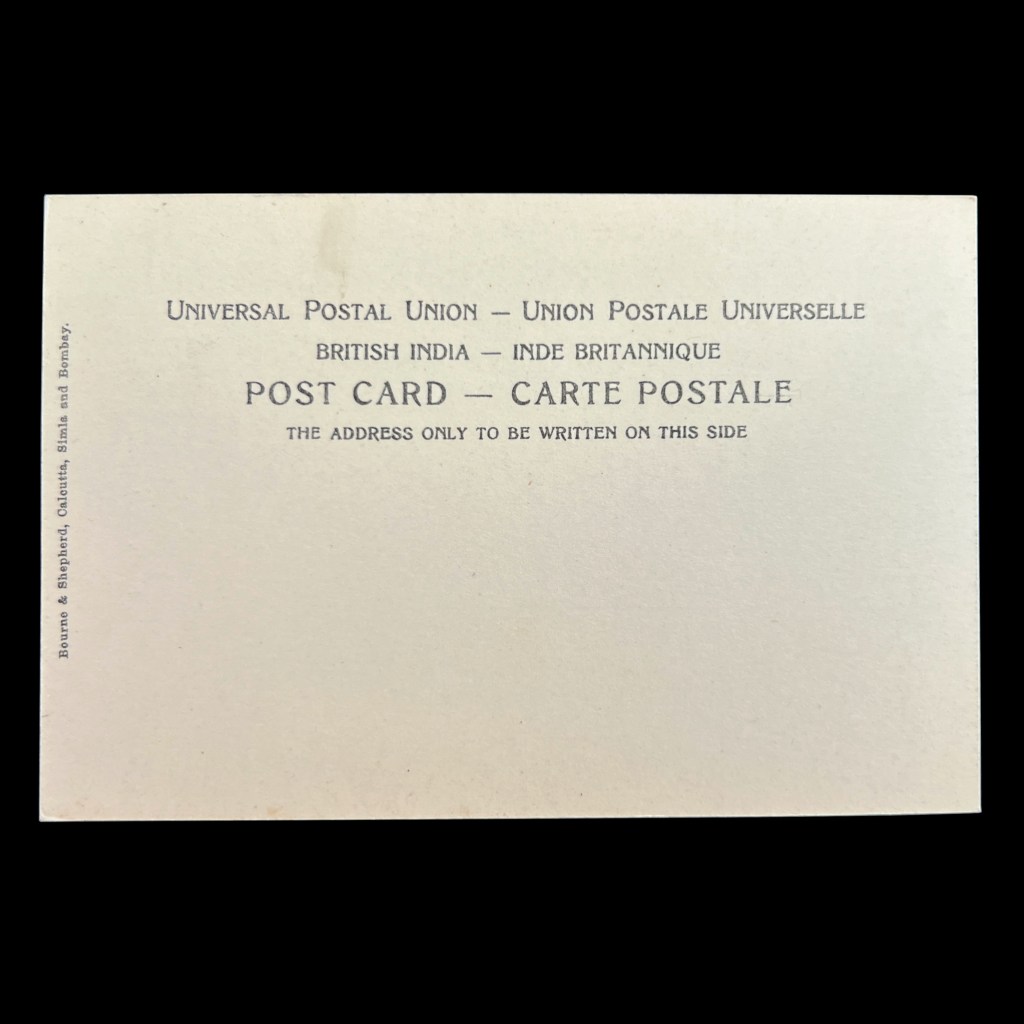
Charles Shepherd and Samuel Bourne formed a photography business in 1866 in Kolkata, producing prize-winning photographs of the Himalayan landscape. By the 1890s, commercial tourist photography was transferred to a new popular pictorial format: postcards.

One of the most commonly seen objects in Victoria era photographs of Tibetans is the hand-held Buddhist prayer wheel. The common portrayal of Tibetans holding ritual implements helped further embellish the fantasy of an enduring Tibetan mysticism.

Once one of the oldest operating studios, a 1991 fire destroyed much of the Bourne & Shepherd archives. For more on early photography in the Himalayas, see Clare Harris’ “Photography in the ‘Contact Zone’: Identifying Copresence and Agency in the Studios of Darjeeling” (2017).


The Buddhas in the West Material Archive is a digital scholarship project that catalogues artifacts depicting Buddhist material culture for Western audiences. It’s comprised of prints, photos, and an assortment of ephemera and other objects. For a brief introduction to this archive, visit the main Buddhas in the West project page.


For Related Buddhas in the West Posts Featuring Tibet:


For the Most Recent Buddhas in the West Posts: