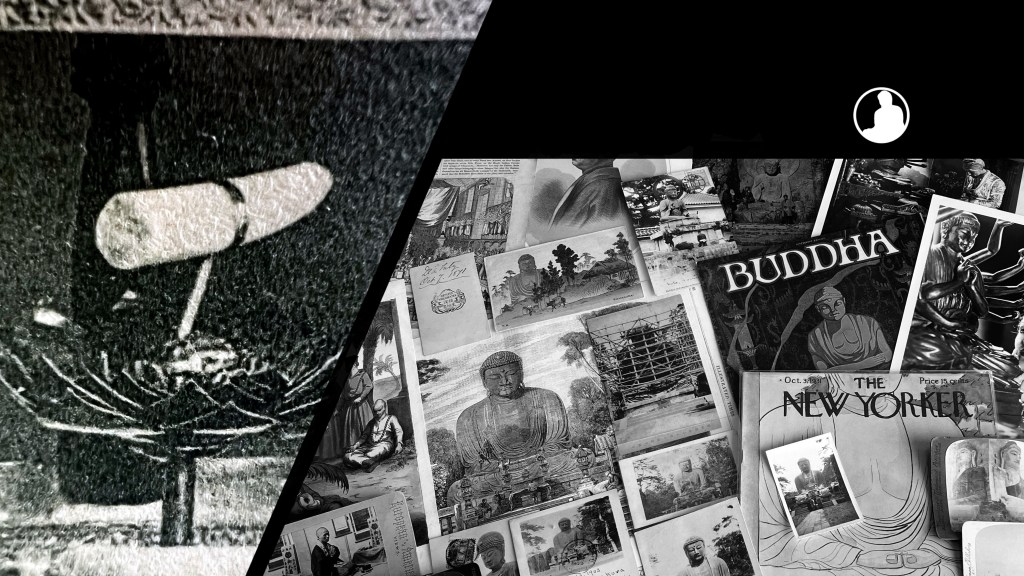
For all the new Buddhas in the West posts
follow us on Bluesky & Instagram
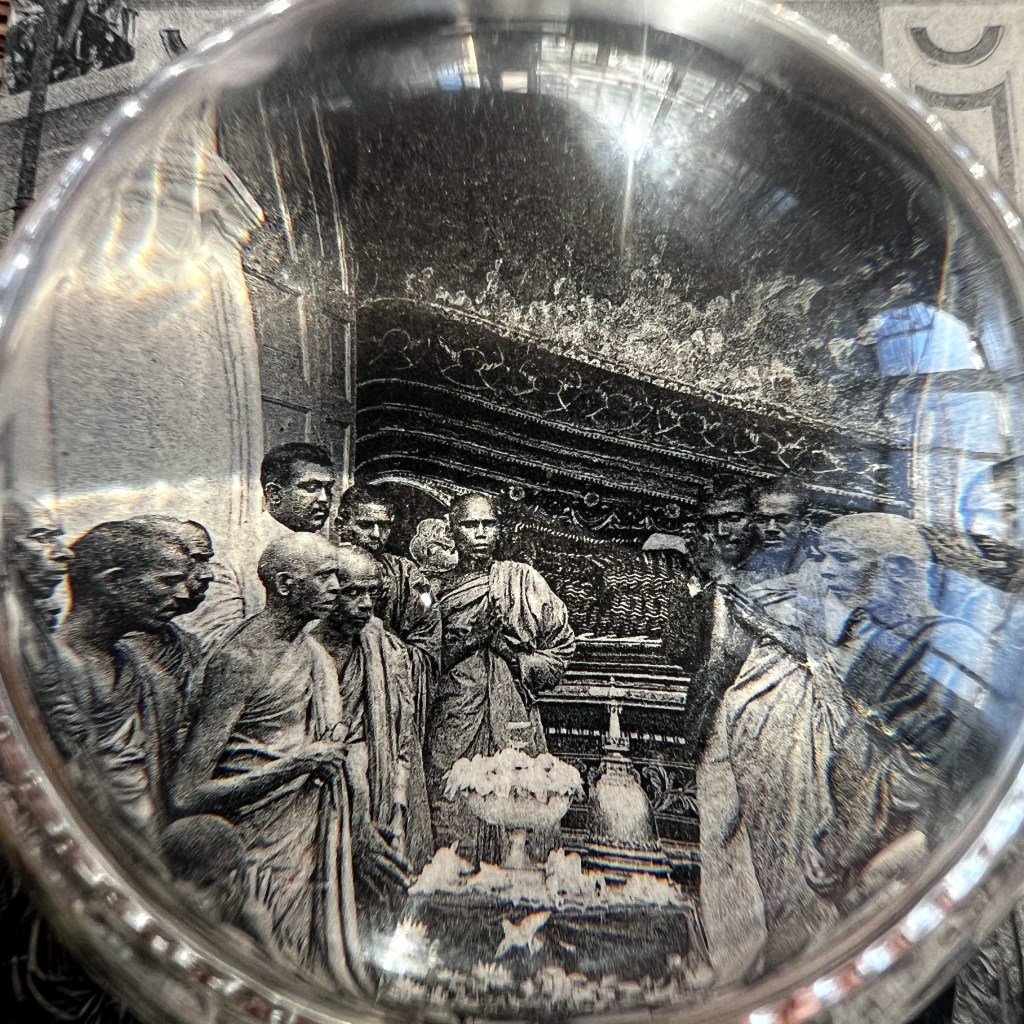
When the British re-enshrined the Buddha’s tooth relic at Kandy’s Temple of the Tooth in 1815, few among the British public were aware of the events. In 1875, however, when the Prince of Wales visits the relic, great interest in the sacred tooth spreads across England.

The undivided back design on the reverse indicates this card was printed before 1902, following British postal code. Unlike today, the message had to be written on the other side of the card, thus the blank space on the bottom edge of the obverse.

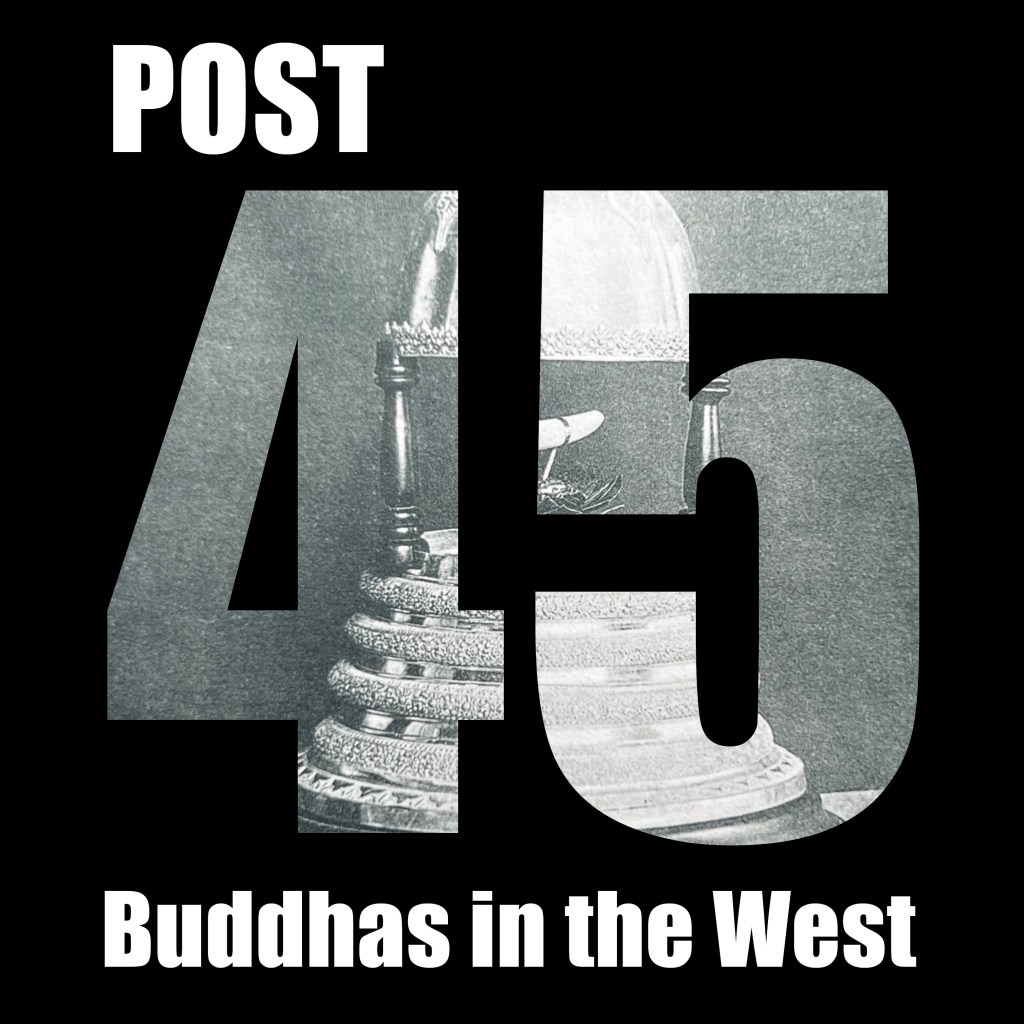
The “life story” of the tooth relic is preserved in the Dāṭhavaṃsa, compiled in the early 13th century. According to this work, in the ancient past a non-Buddhist Indian king tried to burn and smash the tooth, but it remained unscathed.

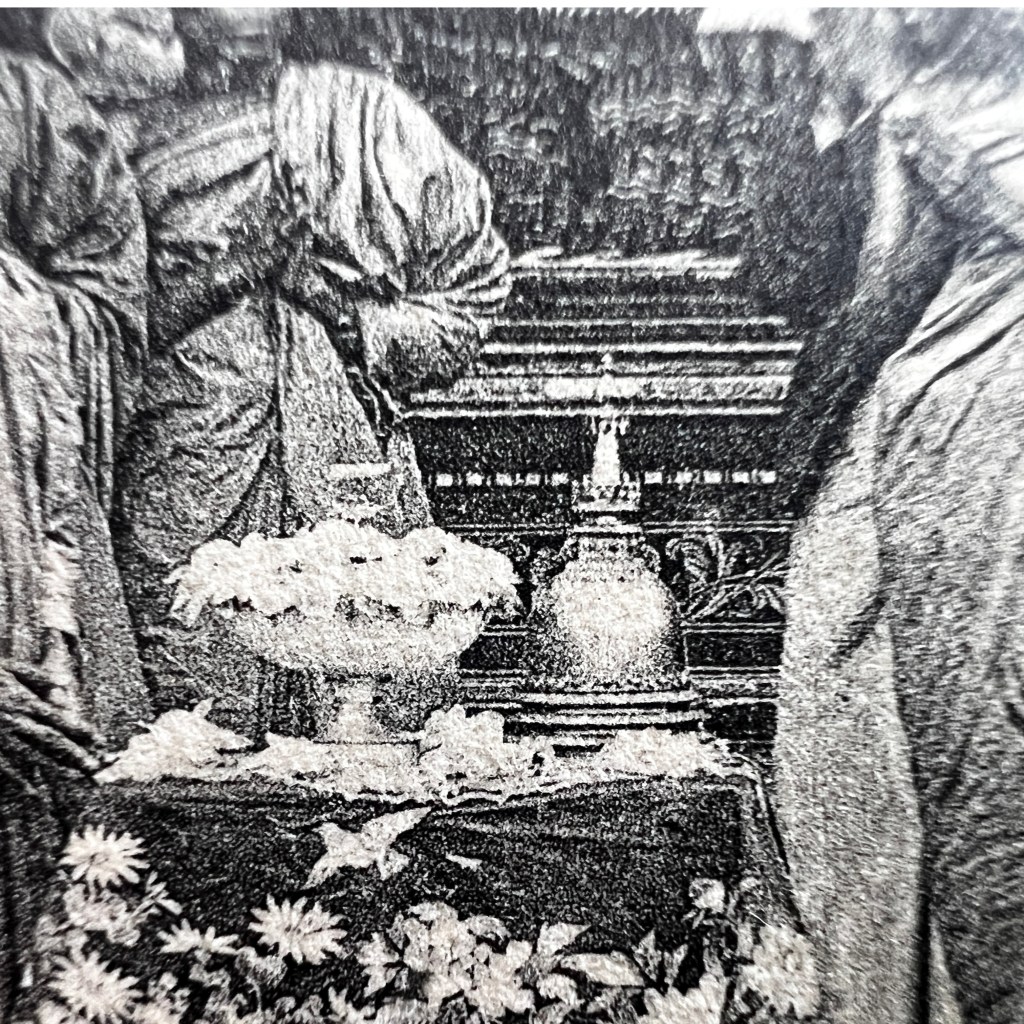
Consequently, as the story goes, the king converted to Buddhism and the tooth eventually made its way to Sri Lanka. Here we see the tooth encased in a stupa-shaped reliquary.

For a small collection of South Asian postcards, including a mailed version of the one shown here, see the offerings by the University of San Diego here: https://tinyurl.com/3nphs2k2.

The Buddhas in the West Material Archive is a digital scholarship project that catalogues artifacts depicting Buddhist material culture for Western audiences. It’s comprised of prints, photos, and an assortment of ephemera and other objects. For a brief introduction to this archive, visit the main Buddhas in the West project page.
For Related Buddhas in the West Posts Featuring Sri Lanka / Ceylon:


For the Most Recent Buddhas in the West Posts:












 Personal Site of Peter Romaskiewicz