Keystone’s Kotte Temple Stereoview

For all the new Buddhas in the West posts
follow us on Bluesky & Instagram


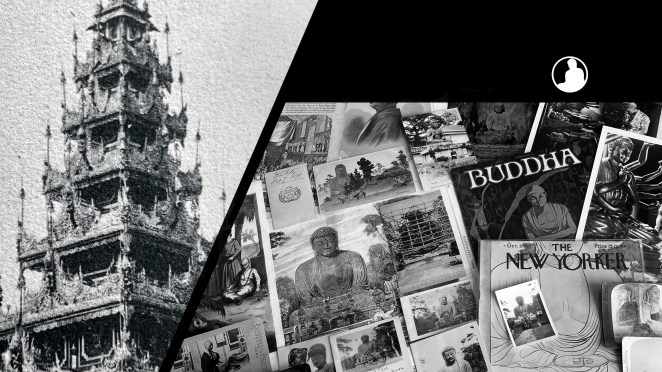
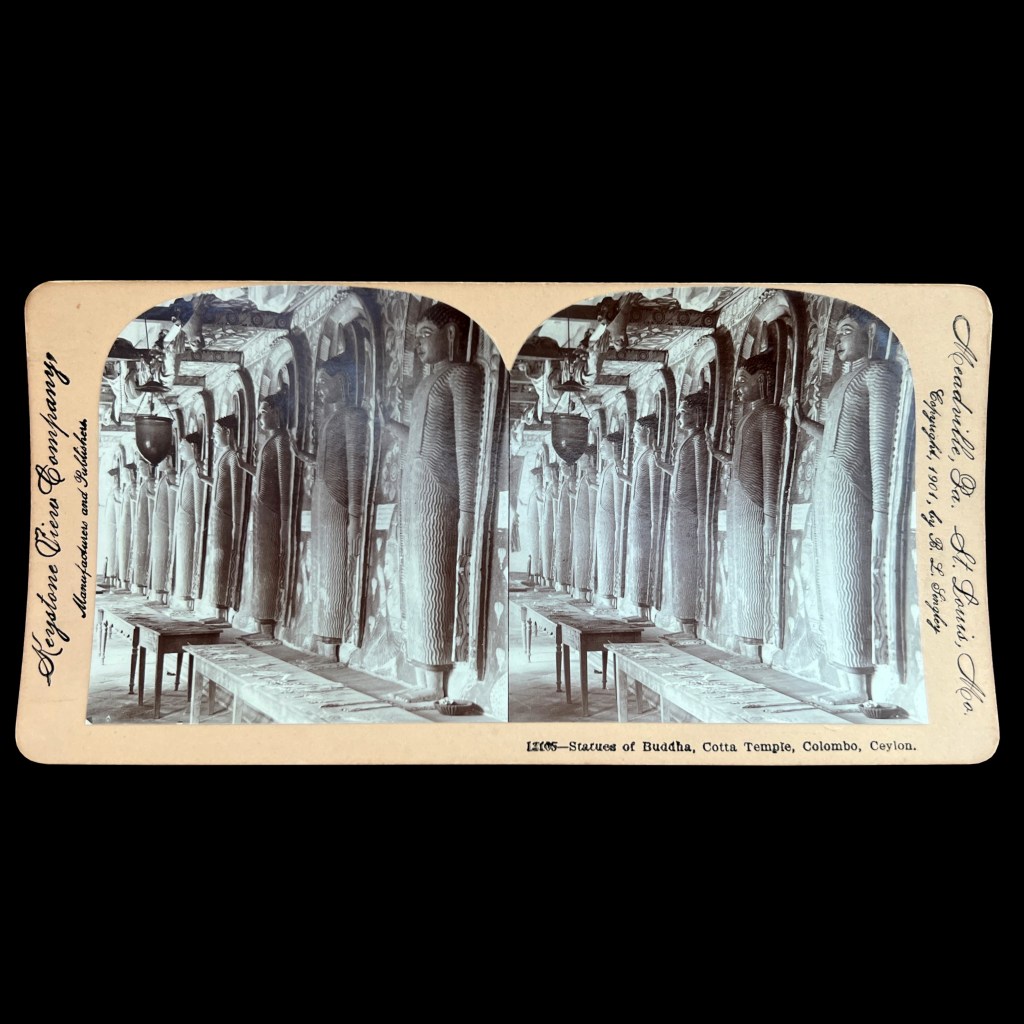
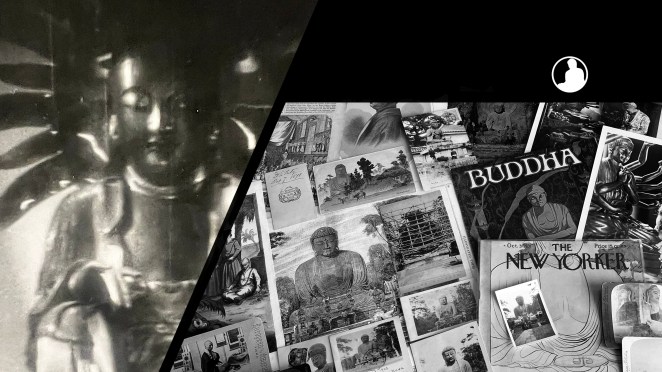
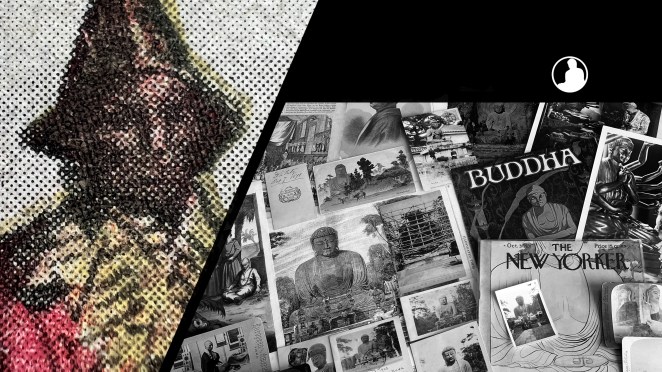
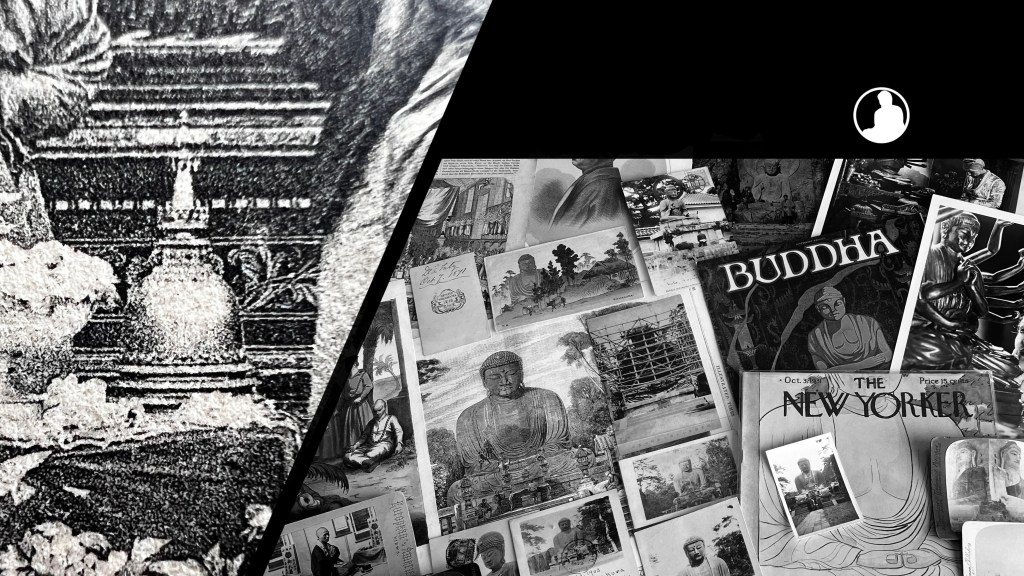
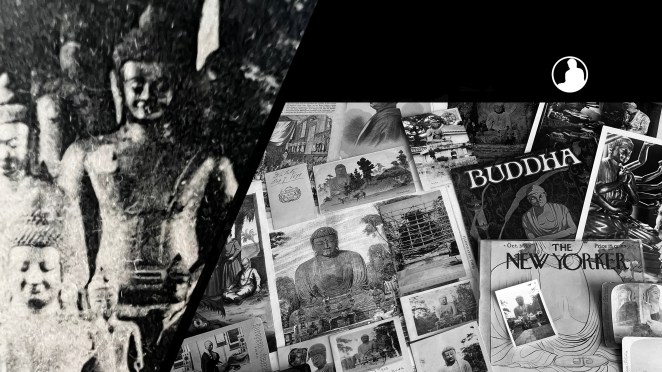
The Kotte Rajamaha Vihara was founded in the 15th century under royal patronage to house a sacred tooth relic of the Buddha. At the time, some considered this the holiest site in Sri Lanka, greater than Aśoka’s Bodhi tree in Anuradhapura and the Buddha’s footprint on Adam’s Peak.

The Cūḷavaṃsa, a Buddhist historical record, describes King Parākramabāhu’s construction of a golden reliquary for the tooth and annual festivals held in celebration. Unfortunately, Kotte temple was destroyed during the Dutch occupation of Sri Lanka, but was rebuilt in the early 19th century.

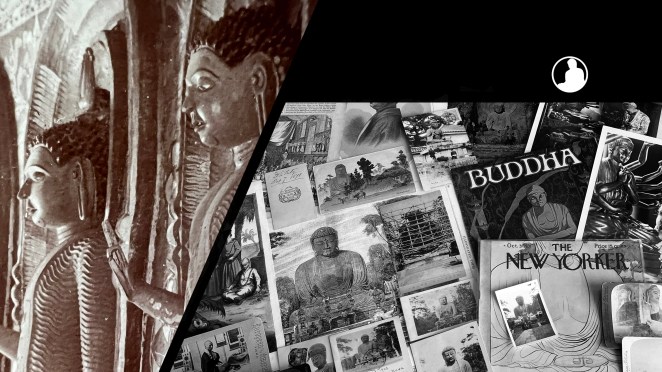
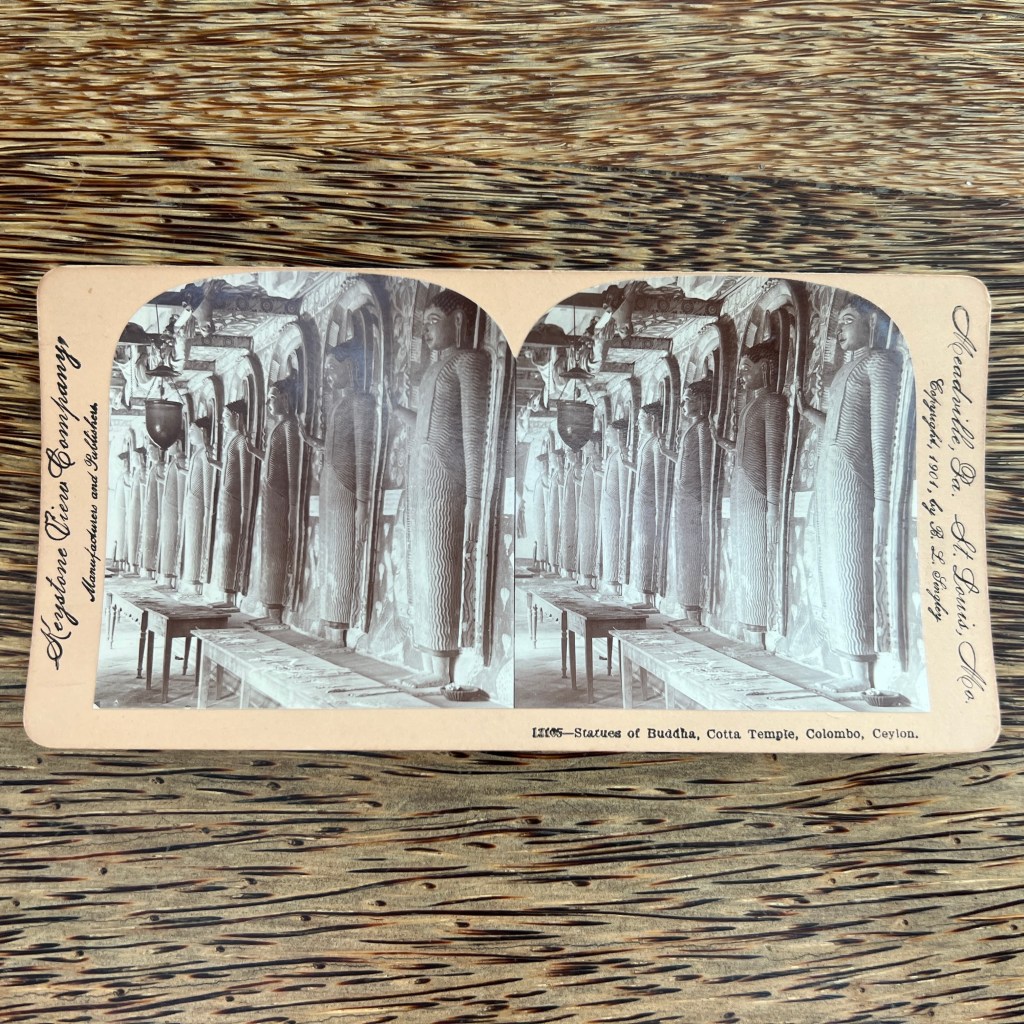
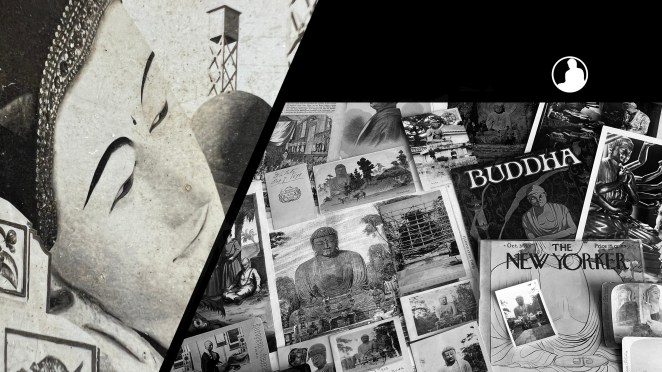
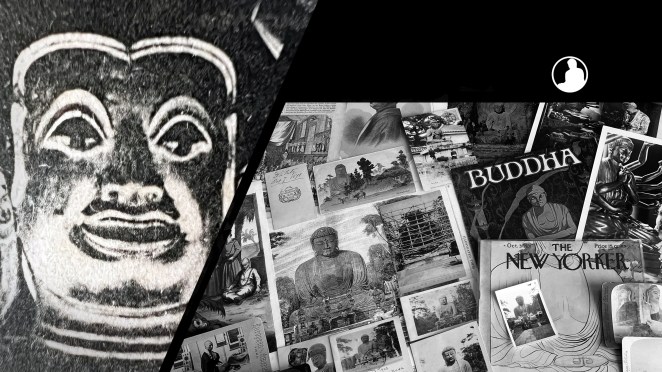
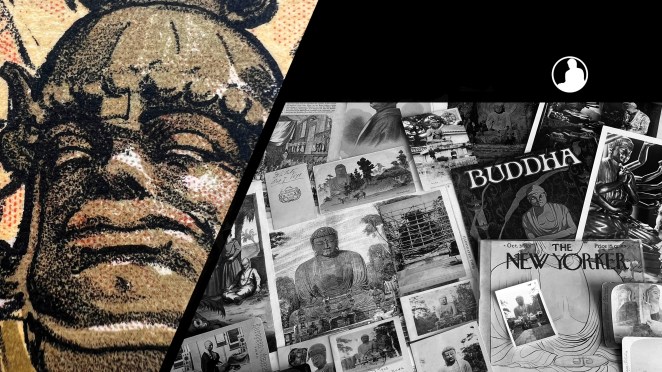
Marketed as education material, the information on the back of this stereoview offers a few generic facts about Buddhism. The unknown author also offers pointed criticism, calling the statues on the front “rigid” and chastising Buddhists for being “practically idolatrous.”

This stereophotograph was taken in 1900/01 and was incorporated into a 30-view set devoted to Ceylon. While the copyright is granted to B.L. Singley, the president of Keystone, this photo was taken by one of several unknown staff photographers scattered over the world.

According to lore, the tooth relic was removed from Kotte about a century after its enshrinement to save it from Portuguese looters. For further history on the tooth relic, see John Strong’s The Buddha’s Tooth: Western Tales of a Sri Lankan Relic (2021).


The Buddhas in the West Material Archive is a digital scholarship project that catalogues artifacts depicting Buddhist material culture for Western audiences. It’s comprised of prints, photos, and an assortment of ephemera and other objects. For a brief introduction to this archive, visit the main Buddhas in the West project page.


For Related Buddhas in the West Posts Featuring Sri Lanke / Ceylon:


For the Most Recent Buddhas in the West Posts:


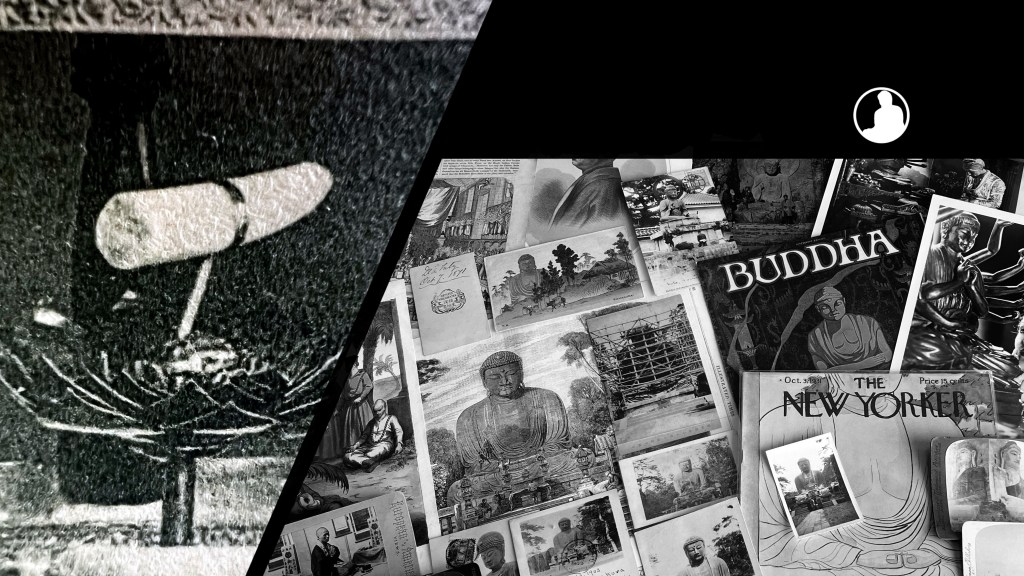
James Ricalton’s Priest at the Temple of the Tooth

For all the new Buddhas in the West posts
follow us on Bluesky & Instagram


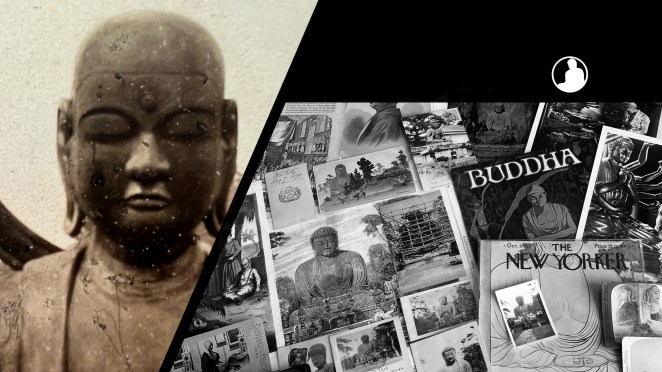
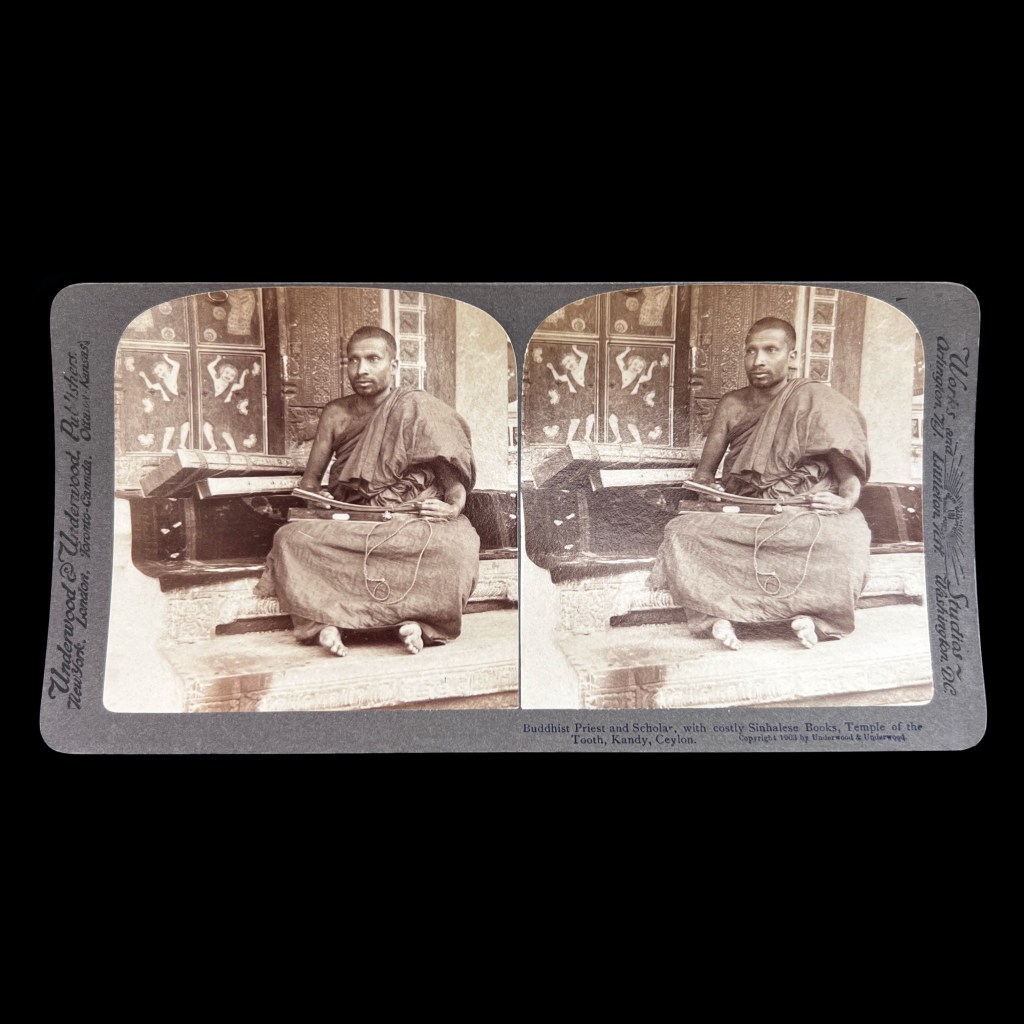
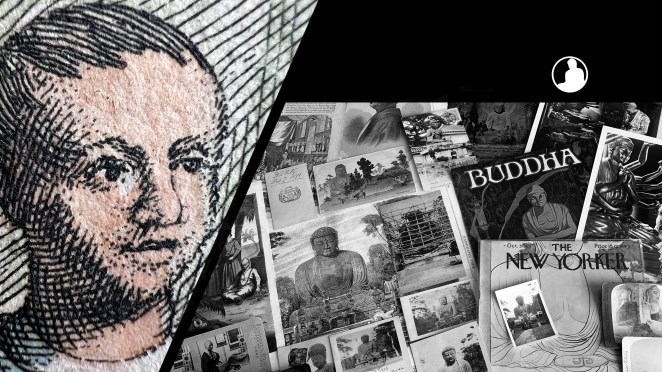
Just after the discovery of the Buddha’s relics at Piprahwa in 1898, James Ricalton was planning a photographic tour of the world. One of his planned stops was to visit the most famous Buddhist relic of his era, the Buddha’s tooth enshrined in the capital city of Kandy.

Ricalton’s employer, the largest stereoscope firm in the world, Underwood & Underwood, was launching several sets devoted to specific countries; Ceylon was slated to have 30 stereoview cards. Underwood’s slogan, ‘‘to see is to know,’’ drove its message that education was a main objective.

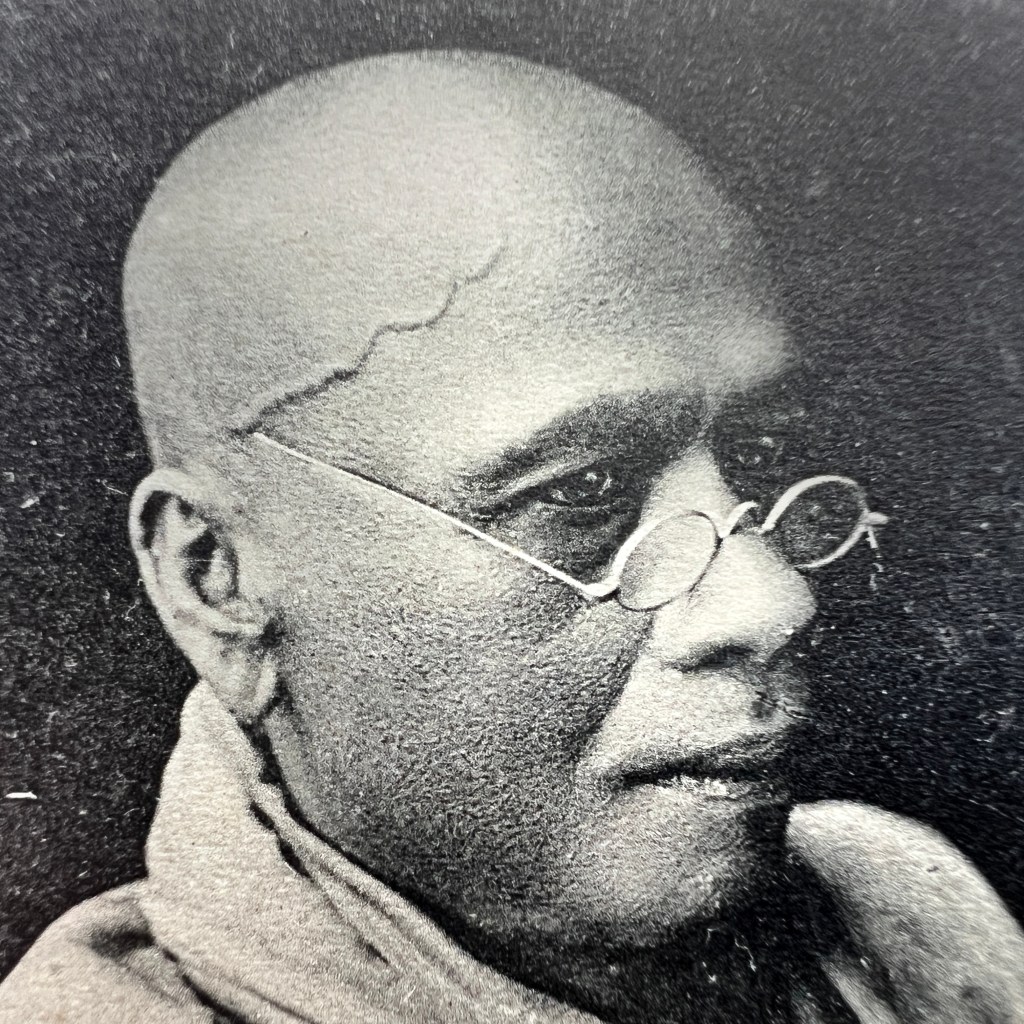
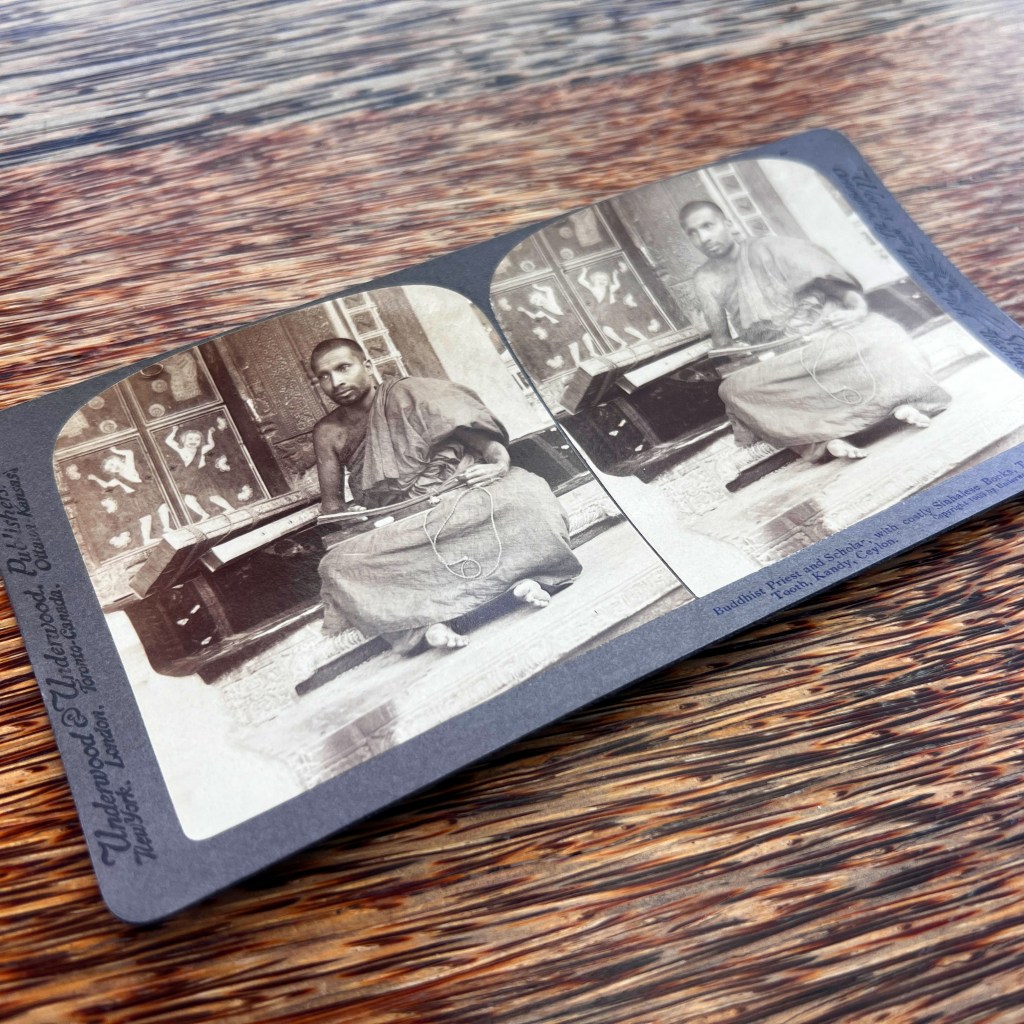
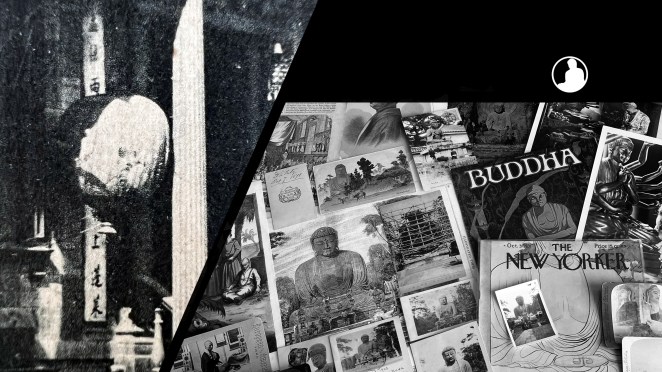
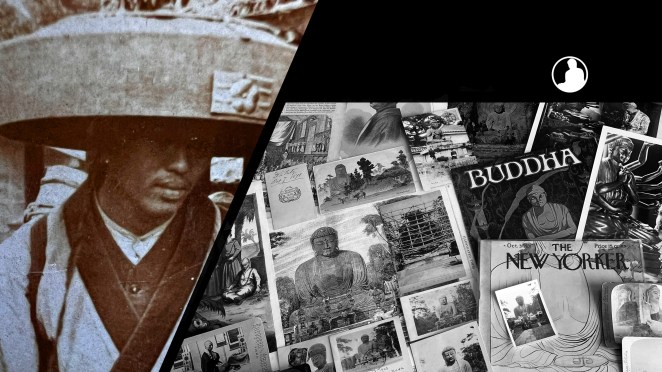
Shooting the Temple of the Tooth, Sri Dalada Maligawa, and a few stupas, this image was the only one for Ceylon showing a Buddhist monk. While it was common to depict monks on alms rounds, Ricalton shows this unnamed monk reading scripture, calling him a priest and scholar in the caption.

The monk sits holding the long, rectangular leaves of a Buddhist scripture in his lap. Views such as this were intended to give a glimpse into the “real lives” of the photographed subjects, thus allowing viewers to travel without the hassle of actually leaving home.

Selling “the world in a box,” stereoviews helped shape a vision of Buddhism for American consumers. For more on the powerful visual language of stereoviews, see Judith Babbitts’ “Stereographs and the Construction of a Visual Culture in the United States,” in History Bytes (2004).


The Buddhas in the West Material Archive is a digital scholarship project that catalogues artifacts depicting Buddhist material culture for Western audiences. It’s comprised of prints, photos, and an assortment of ephemera and other objects. For a brief introduction to this archive, visit the main Buddhas in the West project page.


For Related Buddhas in the West Posts Featuring Buddhist Clerics:


For the Most Recent Buddhas in the West Posts:

Tooth of the Buddha Reliquary Postcard

For all the new Buddhas in the West posts
follow us on Bluesky & Instagram


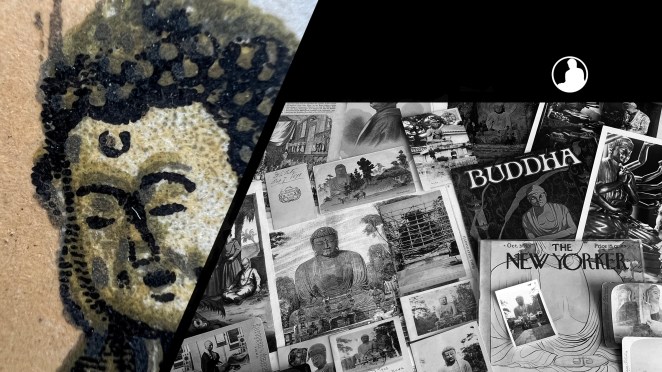
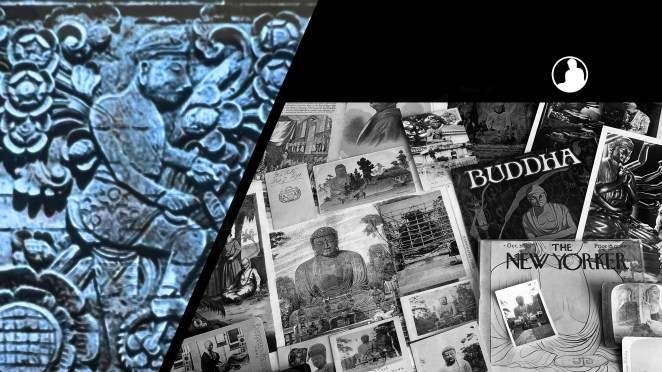
When the British re-enshrined the Buddha’s tooth relic at Kandy’s Temple of the Tooth in 1815, few among the British public were aware of the events. In 1875, however, when the Prince of Wales visits the relic, great interest in the sacred tooth spreads across England.

The undivided back design on the reverse indicates this card was printed before 1902, following British postal code. Unlike today, the message had to be written on the other side of the card, thus the blank space on the bottom edge of the obverse.

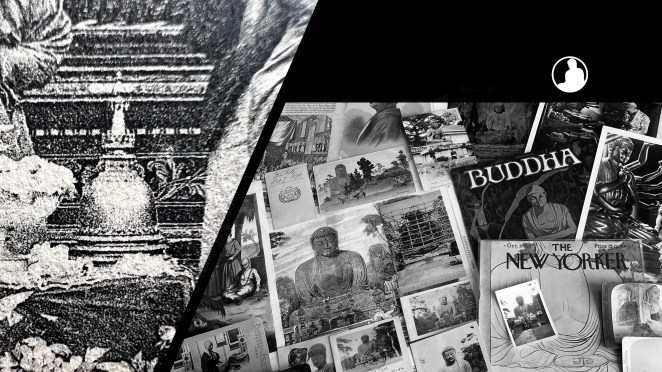
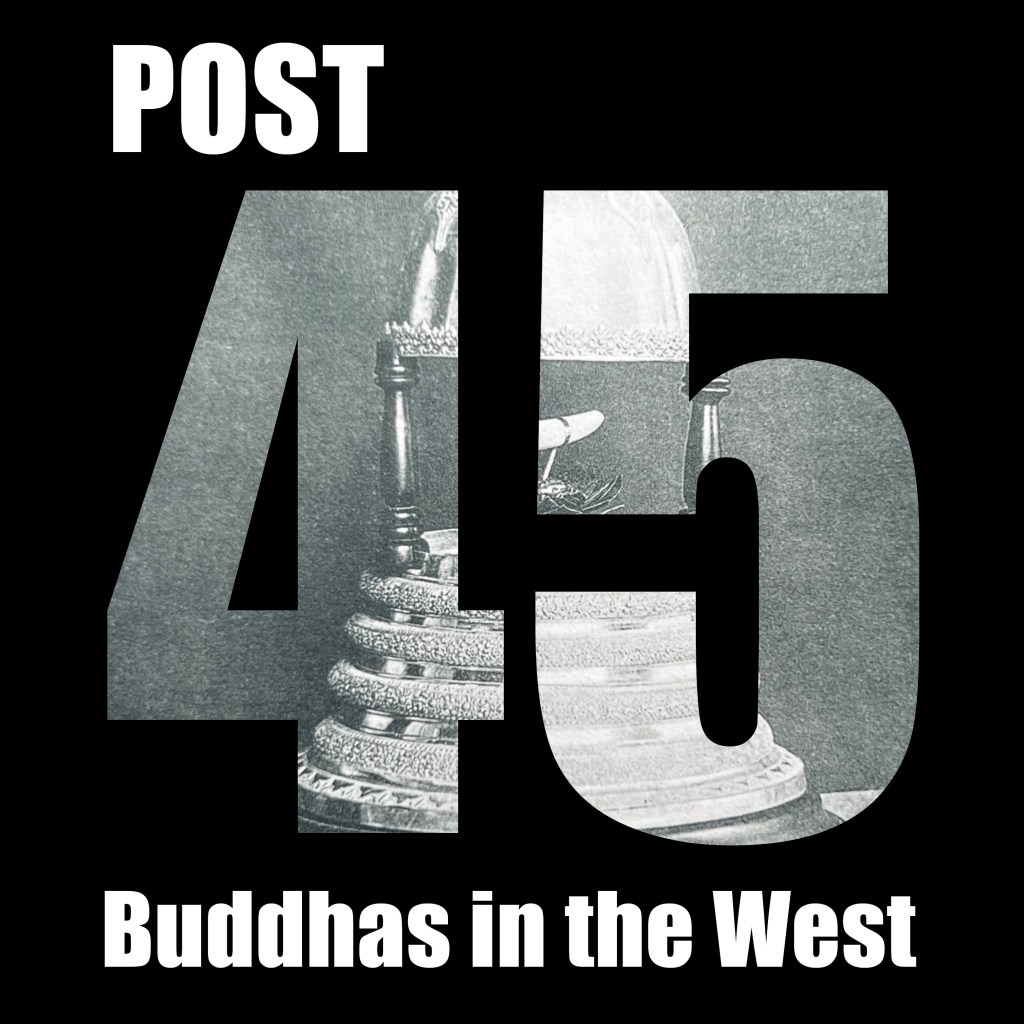
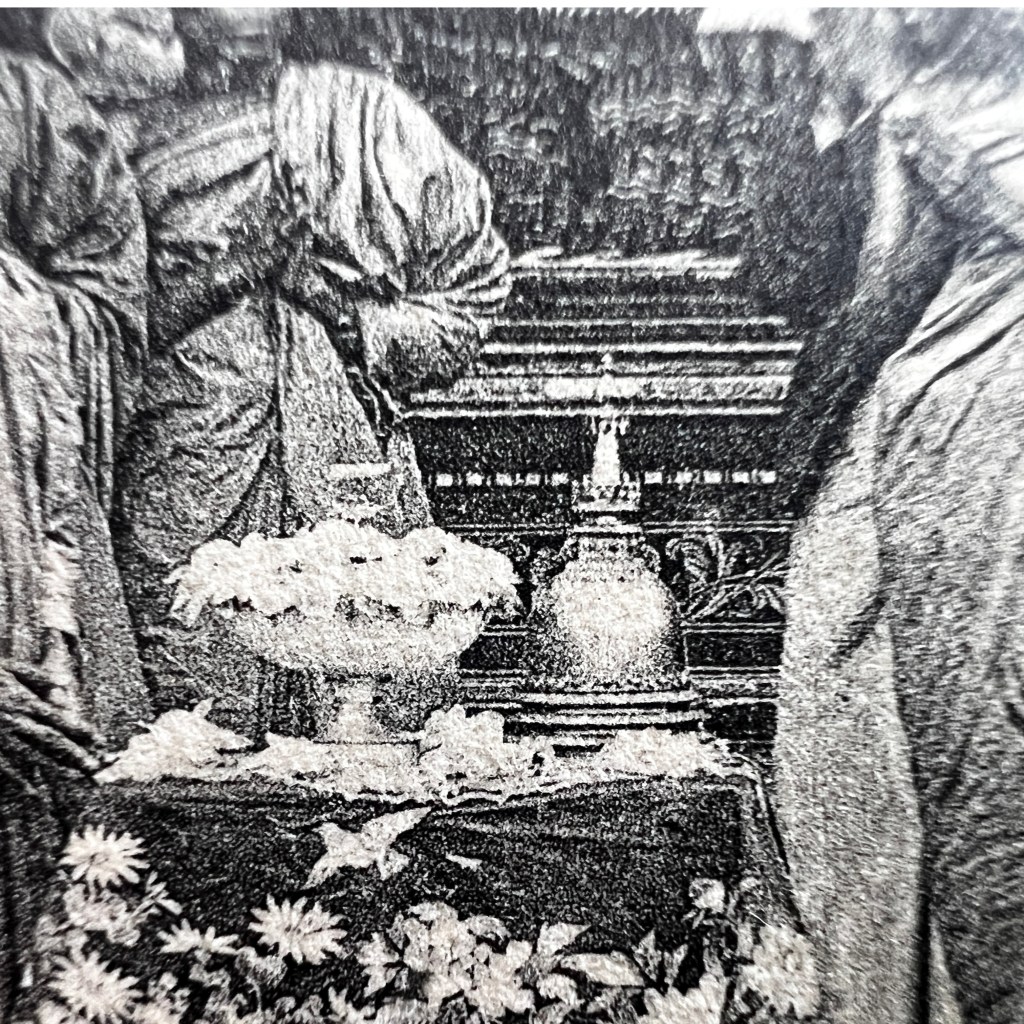
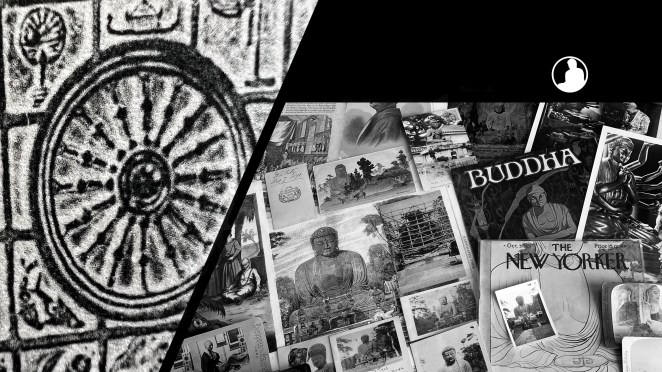
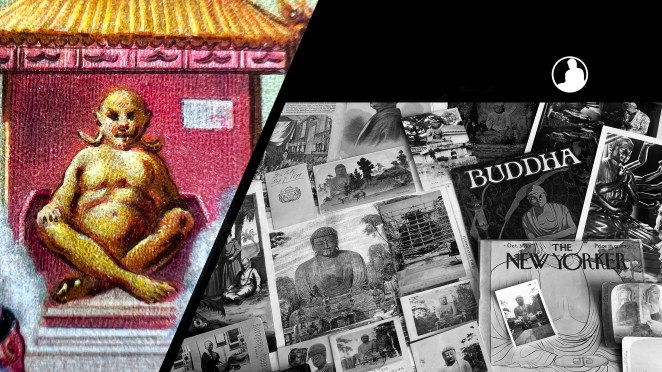
The “life story” of the tooth relic is preserved in the Dāṭhavaṃsa, compiled in the early 13th century. According to this work, in the ancient past a non-Buddhist Indian king tried to burn and smash the tooth, but it remained unscathed.

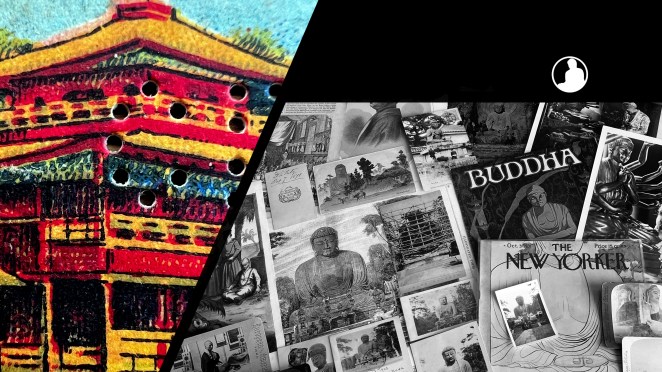
Consequently, as the story goes, the king converted to Buddhism and the tooth eventually made its way to Sri Lanka. Here we see the tooth encased in a stupa-shaped reliquary.

For a small collection of South Asian postcards, including a mailed version of the one shown here, see the offerings by the University of San Diego here: https://tinyurl.com/3nphs2k2.


The Buddhas in the West Material Archive is a digital scholarship project that catalogues artifacts depicting Buddhist material culture for Western audiences. It’s comprised of prints, photos, and an assortment of ephemera and other objects. For a brief introduction to this archive, visit the main Buddhas in the West project page.


For Related Buddhas in the West Posts Featuring Sri Lanka / Ceylon:


For the Most Recent Buddhas in the West Posts:


A.W. Plâté’s Reliquary Offering Postcard

For all the new Buddhas in the West posts
follow us on Bluesky & Instagram


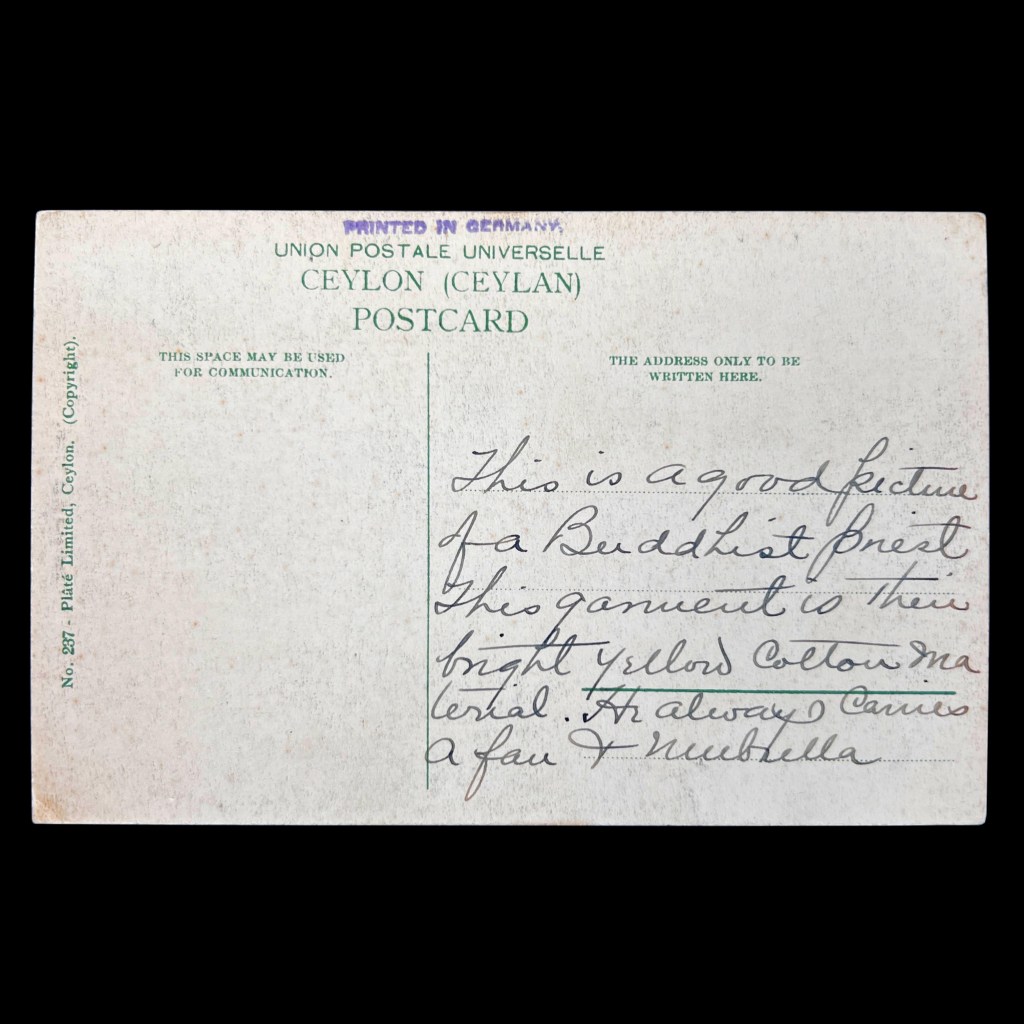
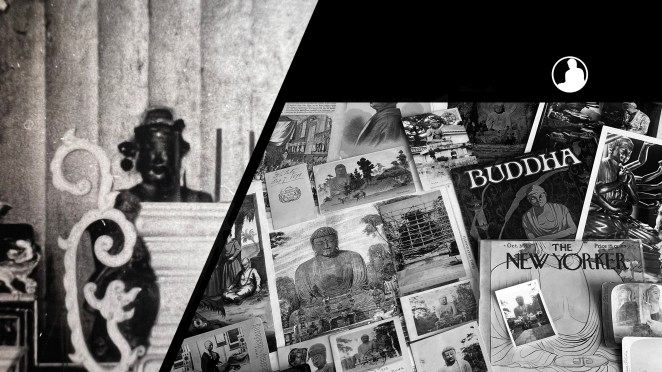
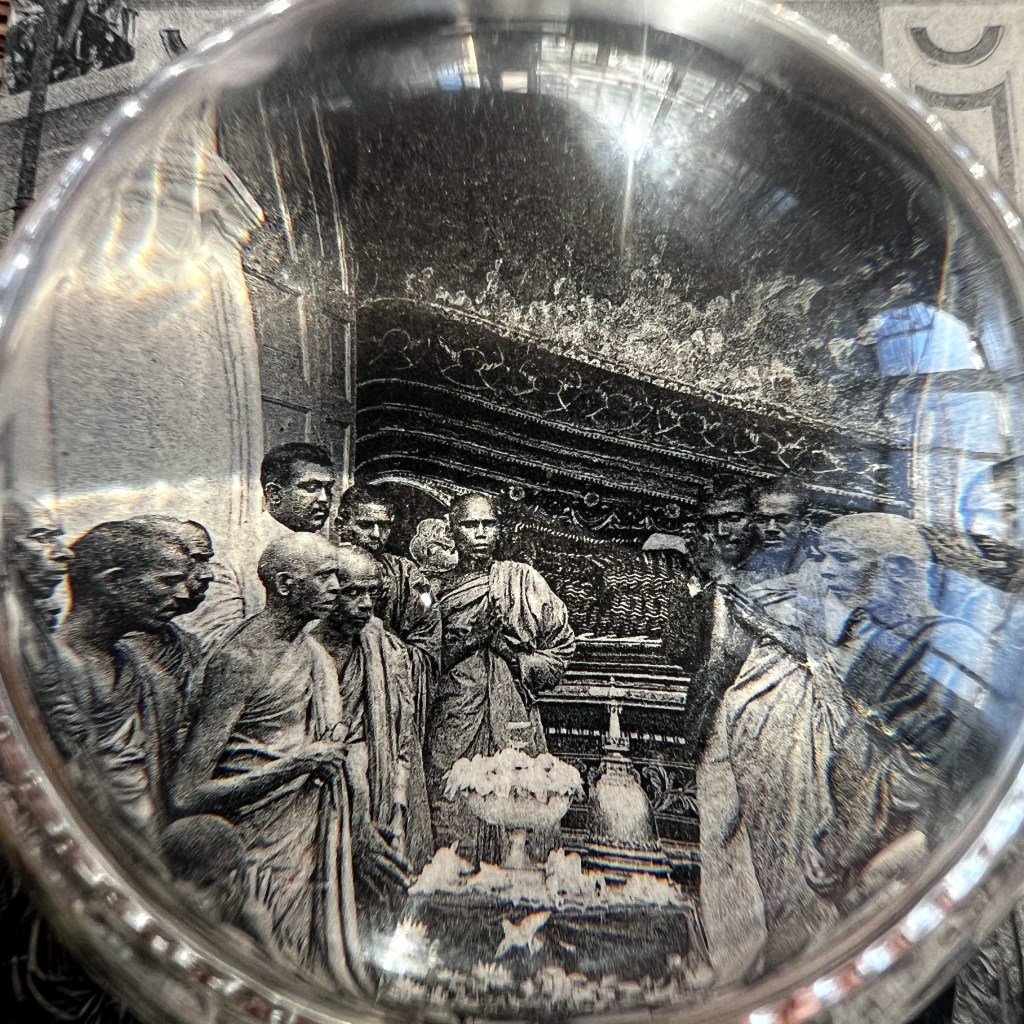
The first private company to sell Singhalese postcards was A. W. Plâté & Co. In 1890 Plâté first opened his photography studio and by 1907 he dominated the domestic postcard market, selling half a million cards that year.

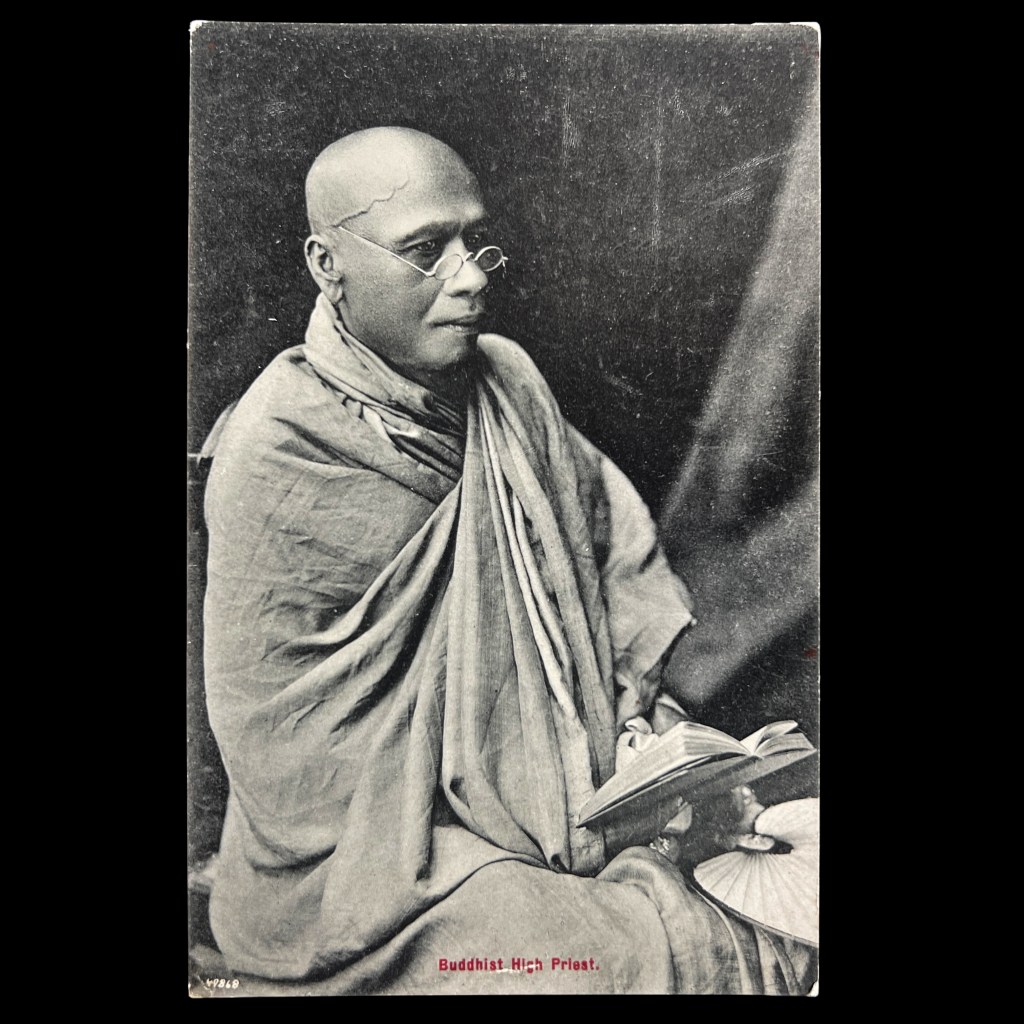
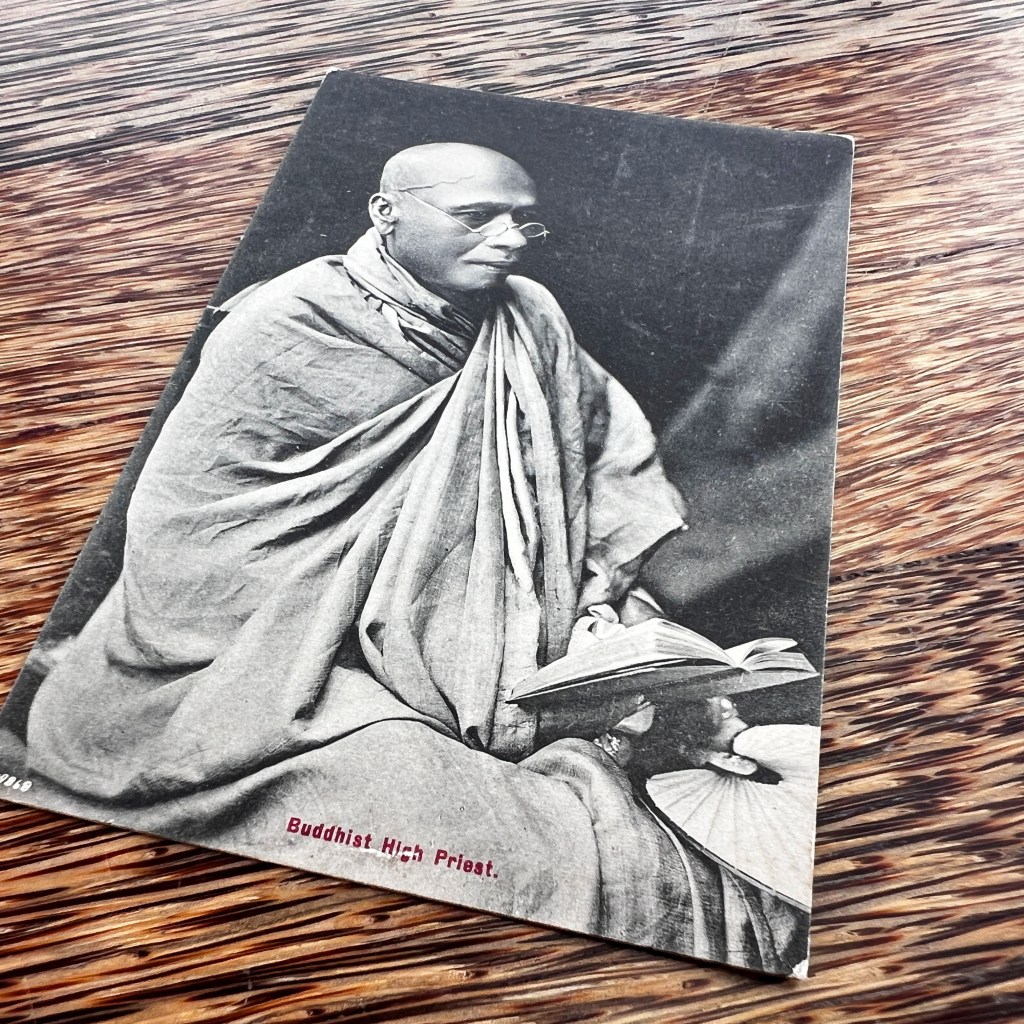
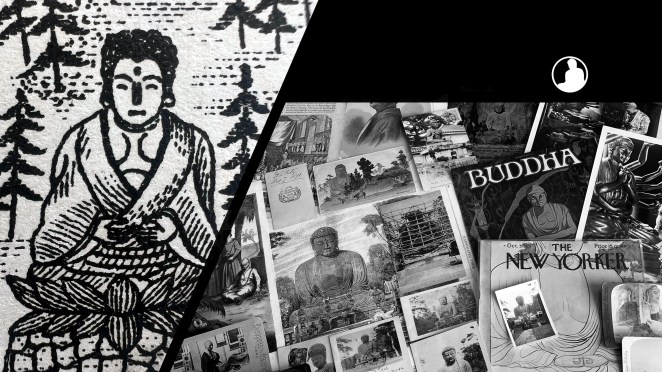
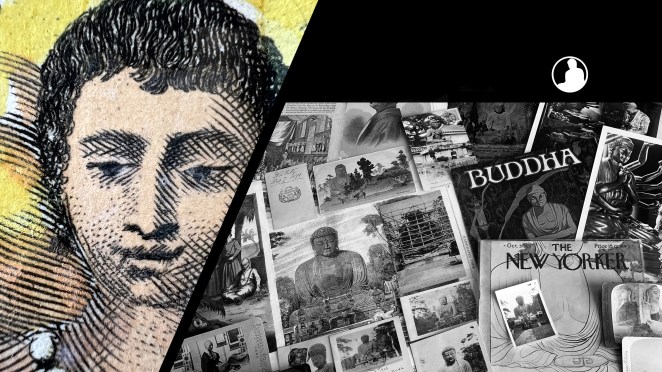
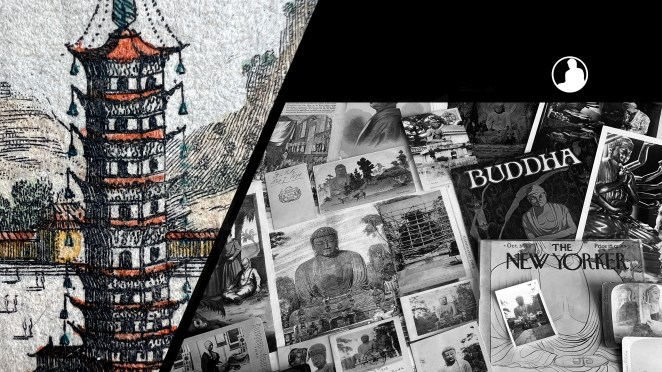
As was common in many parts of the world, this card was printed in Germany, here identified with a rubber stamp. The hand written note describes the colors of the monk’s robes, suggesting this was purchased as an inexpensive photographic souvenir with no intention to mail.

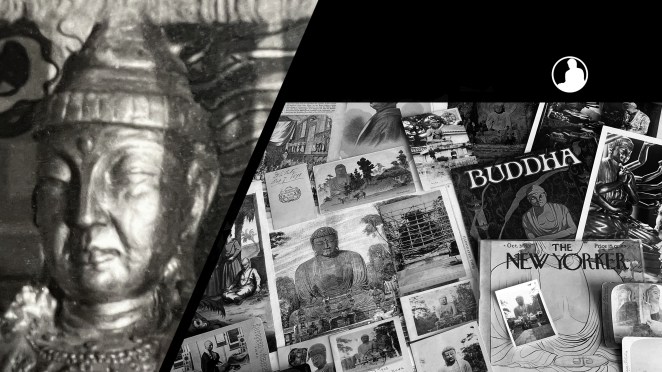
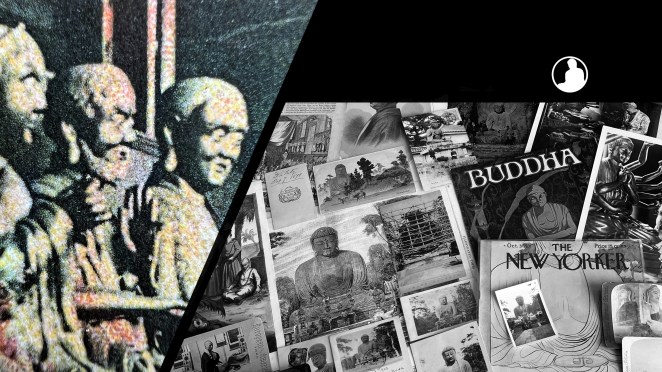
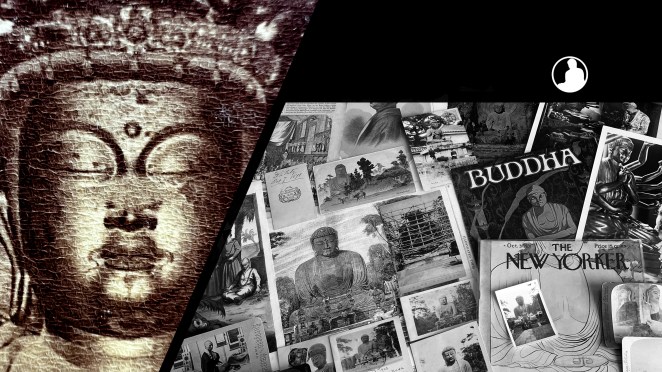
Still in operation, Plâté’s photographic archives are a trove of Singhalese visual records. Can you find the partly obscured Buddha statue among the group of worshiping monks?

There is a Sleeping Buddha statue in just inside the temple doorway.

The monks pay homage to a small reliquary shrine that is dressed with flower offerings. For a discussion of Plâté’s legacy in the history of Singhalese photography, see the article by Benita Stambler here: https://tinyurl.com/sytn2mmd.


The Buddhas in the West Material Archive is a digital scholarship project that catalogues artifacts depicting Buddhist material culture for Western audiences. It’s comprised of prints, photos, and an assortment of ephemera and other objects. For a brief introduction to this archive, visit the main Buddhas in the West project page.


For Related Buddhas in the West Posts Featuring Historical Postcards:


For the Most Recent Buddhas in the West Posts: