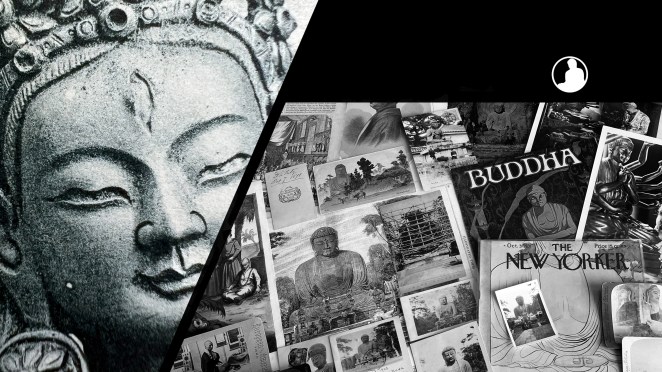
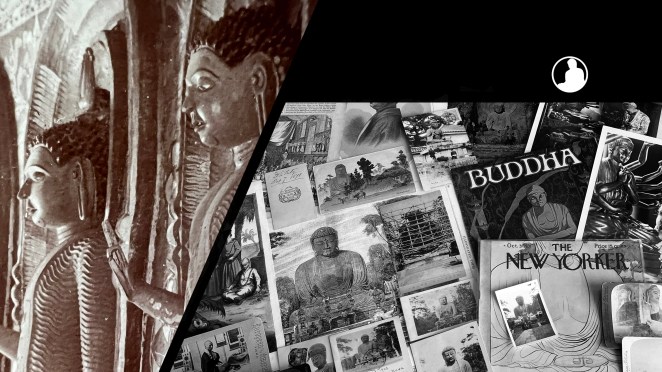
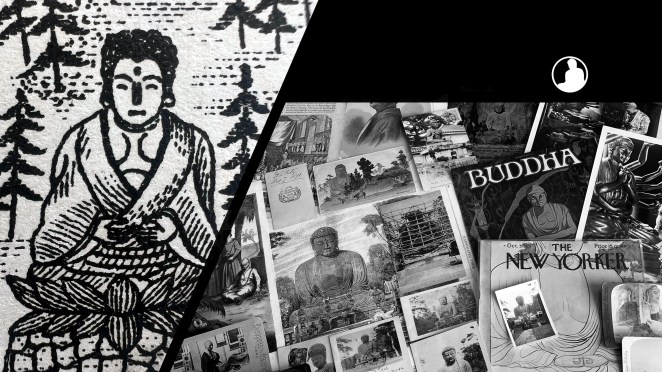
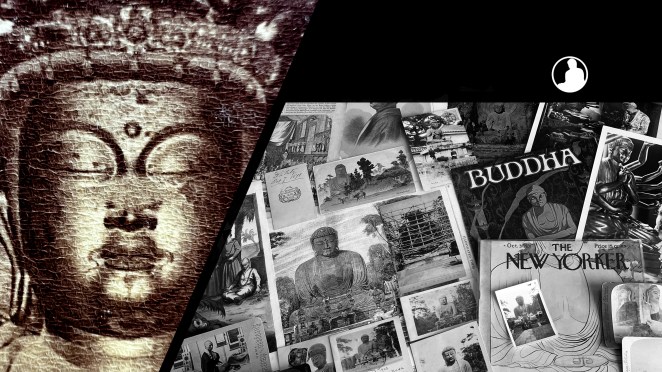
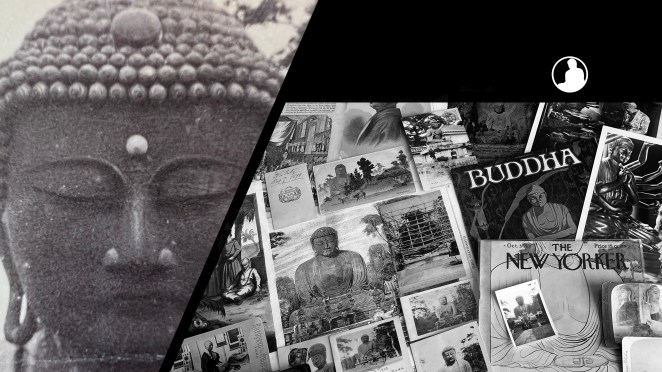
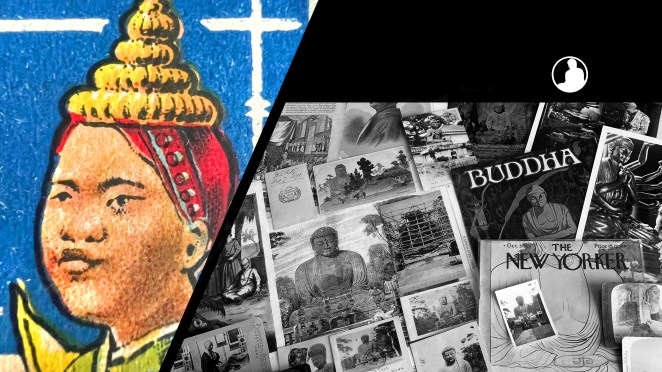
Engraving the Grotesque Buddha, 1660–1850 Exhibit

The Buddhas in the West Material Archive pop-up exhibit, entitled “Engraving the Grotesque Buddha, 1660–1850” will be on display November 22, 2025 at CGIS S050 at Harvard University.


Introduction to the Exhibit

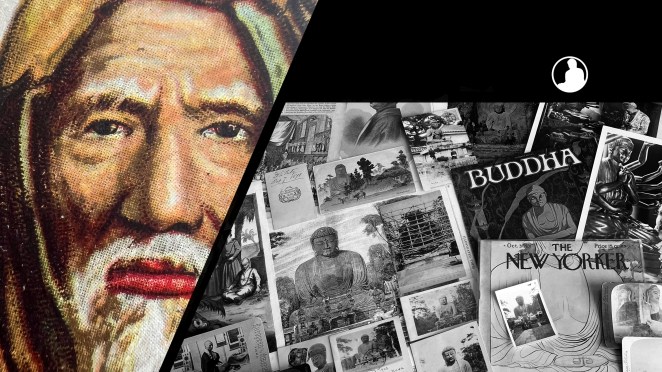
Through the 1650s Buddhist material culture remained an enigma to much of Europe. Yet, in the late 1660s, Amsterdam-based publisher Jacob van Meurs (1619/1620–c.1680) started publishing illustrated books devoted to China and Japan. These works proved popular and helped introduce Buddhist material culture to broader European audiences.

Van Meurs’ influence was substantial. The engravings produced by his workshop were widely reproduced in publications over the next century. Some illustrations continued to be reused well into the nineteenth century until the invention of photography and adoption of photomechanical reproduction finally rendered the illustrations outdated. Consequently, some of the images from van Meurs’ workshop exhibited a strong media echo for nearly two-hundred years.

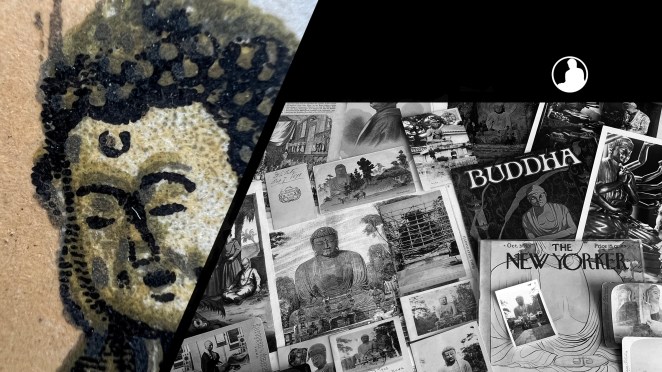
Notably, many of the images of Buddhist icons and Buddhist monks were embellished, often veering towards the uncanny, ghoulish, or grotesque.

The exhibit will be comprised of eighteen prints published between 1665 and 1863 that show the lasting influence of Jacob van Meurs’ printed works on the visual literacy of Buddhist material culture in the West.


Selected Prints


The Buddhas in the West Material Archive is a digital scholarship project that catalogues artifacts depicting Buddhist material culture for Western audiences. It’s comprised of prints, photos, and an assortment of ephemera and other objects. For a brief introduction to this archive, visit the main Buddhas in the West project page.


For the Most Recent Buddhas in the West Posts:


a

1906 French Colonial Exposition Annam Pavilion Postcard

For all the new Buddhas in the West posts
follow us on Bluesky & Instagram


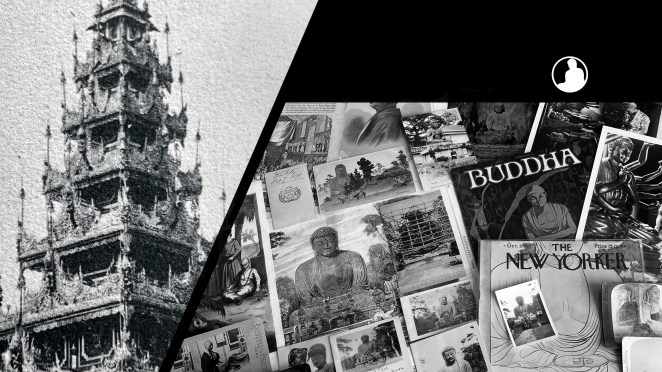
Following the success of colonial pavilions at World’s Fairs, France initiated its own independent Colonial Expositions in the 1890s. In Marseilles in 1906, famous architectural sites from French Indochina were reconstructed, including a towering Buddhist pagoda representing Annam.

Jules Charles-Roux, organizer of the colonial portions of the Paris World’s Fair of 1900 and head of the 1906 exposition, showcased the pagoda behind the main Indochina gate. The pagoda was also set at the head of a replicated “Hanoi road” populated with real inhabitants of the protectorate.
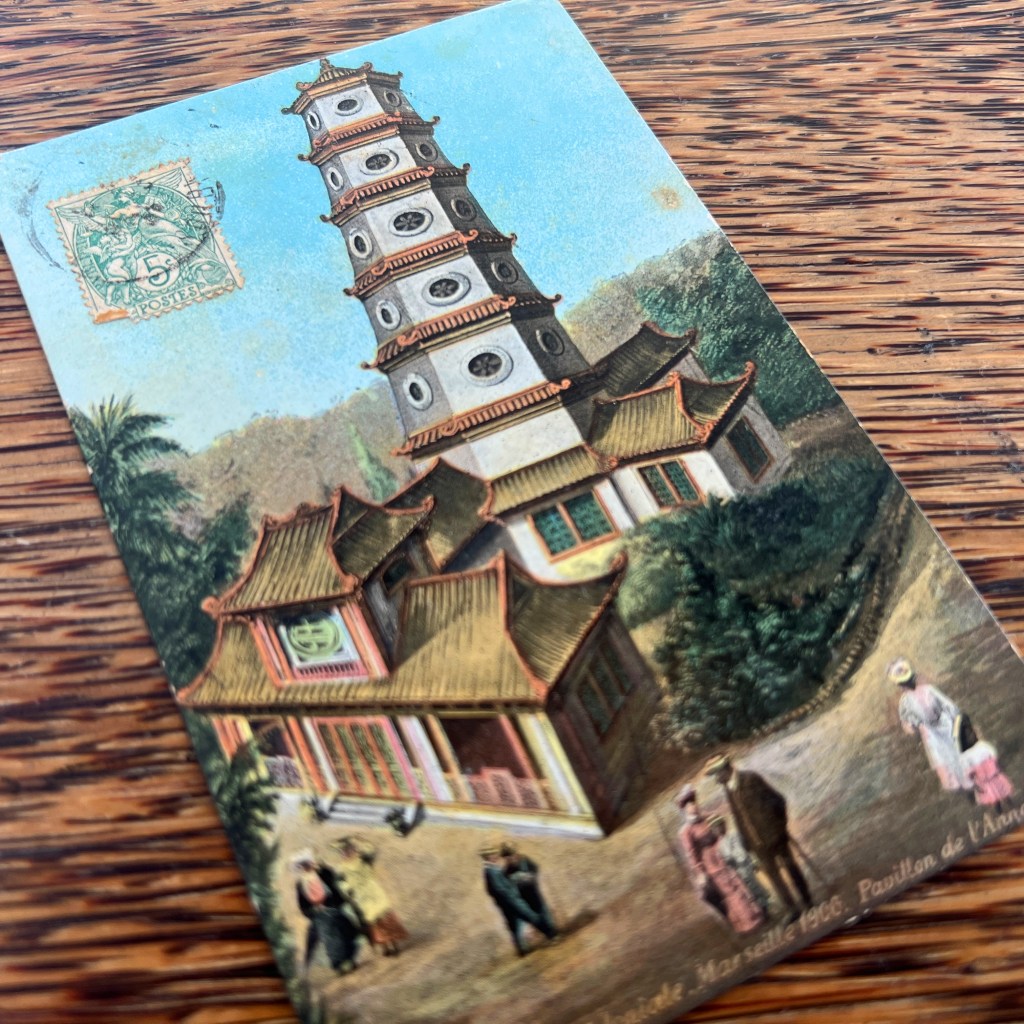
Held during the height of the postcard craze, the exposition grounds opened its own dedicated postcard pavilion. While the cancellation is unclear on the obverse, this card appears to have been sent from Marseilles; its destination was Port-Vendres, further down the Mediterranean coast.

While often obscure in exposition literature, the “Annam Pavilion” was a replica of the pagoda from Tien Mu Temple, in the city of Hue, which was founded in 1601. The pagoda was a popular subject of souvenir photographs sold by studios throughout French Cochinchina, Annam, and Tonkin.

The following year, in 1907, Paris held another colonial exposition, but recreated a different pagoda to represent Annam. A photo illustrated book of the 1906 Marseilles Exposition is digitized by the University of Aix-Marseille, viewable here: https://tinyurl.com/mczsvn6s.


The Buddhas in the West Material Archive is a digital scholarship project that catalogues artifacts depicting Buddhist material culture for Western audiences. It’s comprised of prints, photos, and an assortment of ephemera and other objects. For a brief introduction to this archive, visit the main Buddhas in the West project page.


For Related Buddhas in the West Posts Featuring Vietnam / French Indochina:


For the Most Recent Buddhas in the West Posts:

Pierre Dieulefils’ Tien Mu Temple Postcard

For all the new Buddhas in the West posts
follow us on Bluesky & Instagram


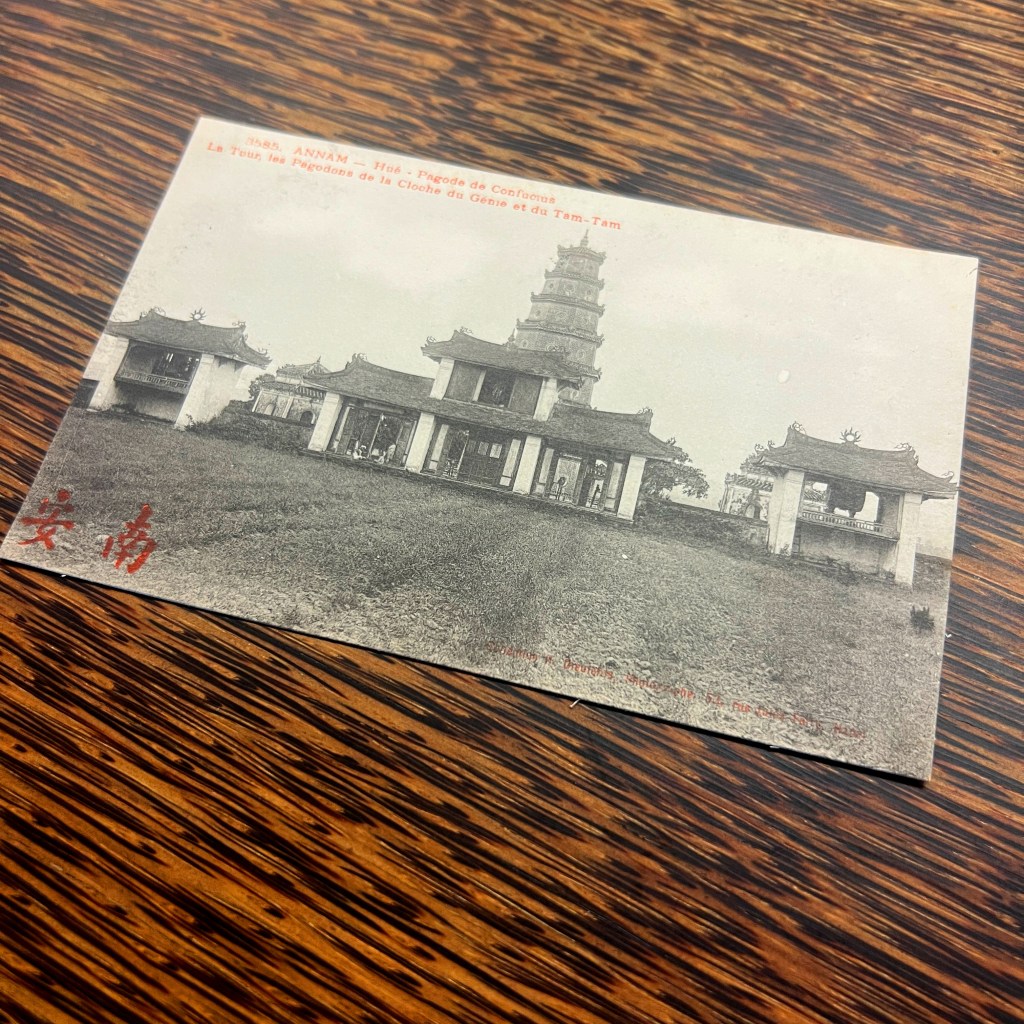
Tien Mu Temple, located in the city of Hue, is among the most historically important Buddhist sites in Vietnam. For its modern political importance, Tien Mu Temple emerged as the center of anti-government protest and was home to Thich Quang Duc who self-immolated in 1963.

Tien Mu Temple, seen here, was founded in 1601, but replaced a much older shrine to local Cham deity, Po Nagar. The seven-story pagoda, now a popular symbol of Hue, was built in 1844 and is nearly 70 ft (21 m) tall; it was originally named the Pagoda of Compassion and Benevolence.

Photographer Pierre Dieulefils opened a studio in Hanoi 1885 and spent the next three decades visually chronicling French Indochina; picture postcards became his specialty. It’s possible the photograph seen on the obverse was taken before a 1904 storm damaged many of the temple structures.

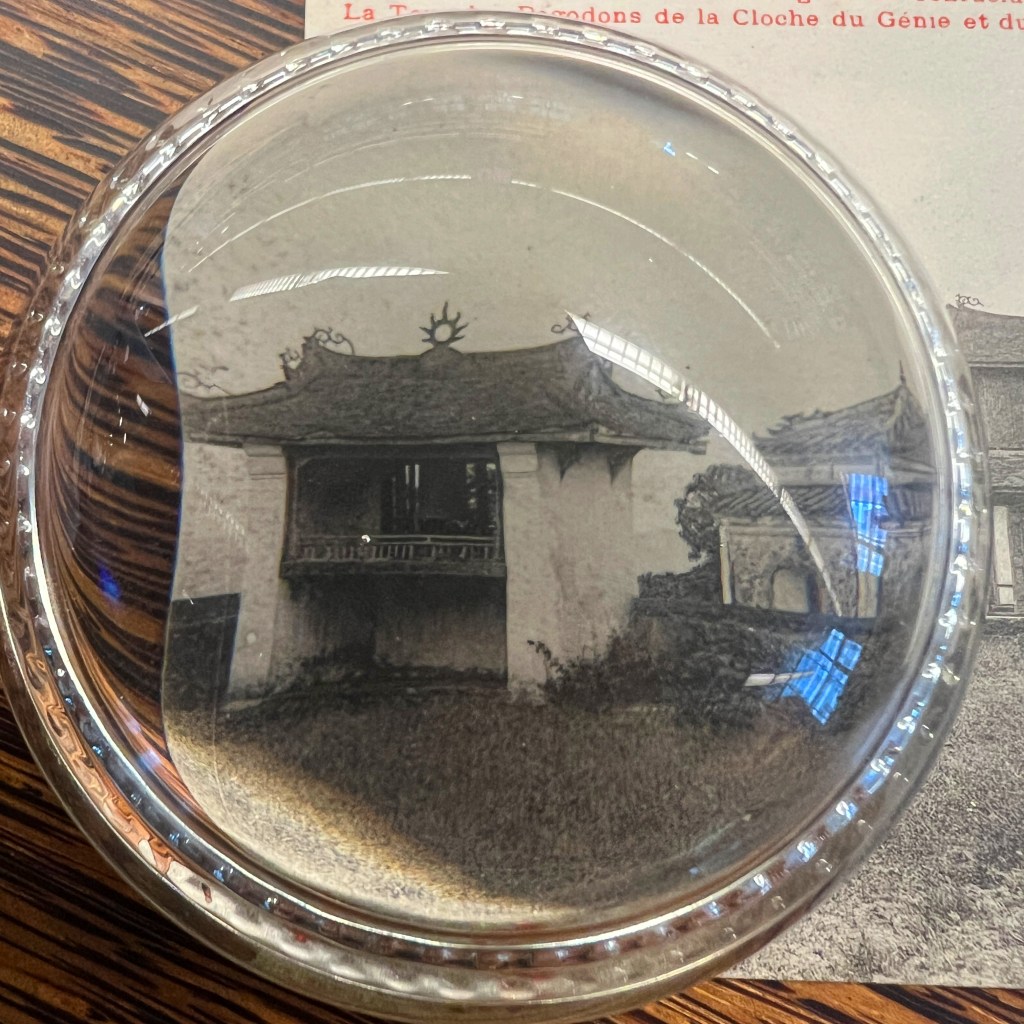
Often misnamed the “Pagoda of Confucius” by turn of the century foreign visitors, the drum and bell tower were also of popular tourist interest. The temple bell was cast in 1710 and is considered an important cultural relic.

The powder blue Austin Westminster car that drove Thich Quang Duc to Saigon in 1963, also seen in the famous photographs of his act of protest against the Diem regime, remains today on display at Tien Mu Temple, a “contact relic” of the venerated monk.


The Buddhas in the West Material Archive is a digital scholarship project that catalogues artifacts depicting Buddhist material culture for Western audiences. It’s comprised of prints, photos, and an assortment of ephemera and other objects. For a brief introduction to this archive, visit the main Buddhas in the West project page.


For Related Buddhas in the West Posts Featuring Historical Temples:


For the Most Recent Buddhas in the West Posts:


Pierre Dieulefils’ Tārā Postcard

For all the new Buddhas in the West posts
follow us on Bluesky & Instagram


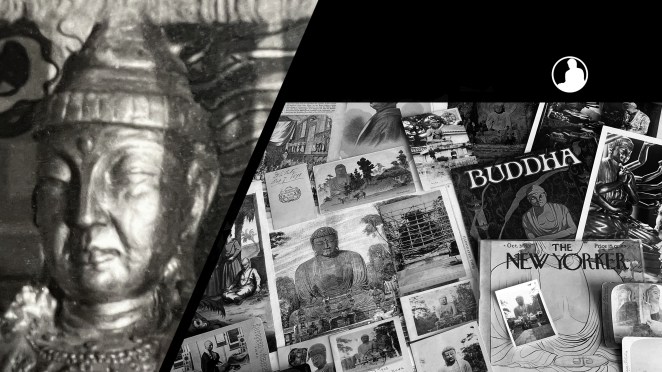
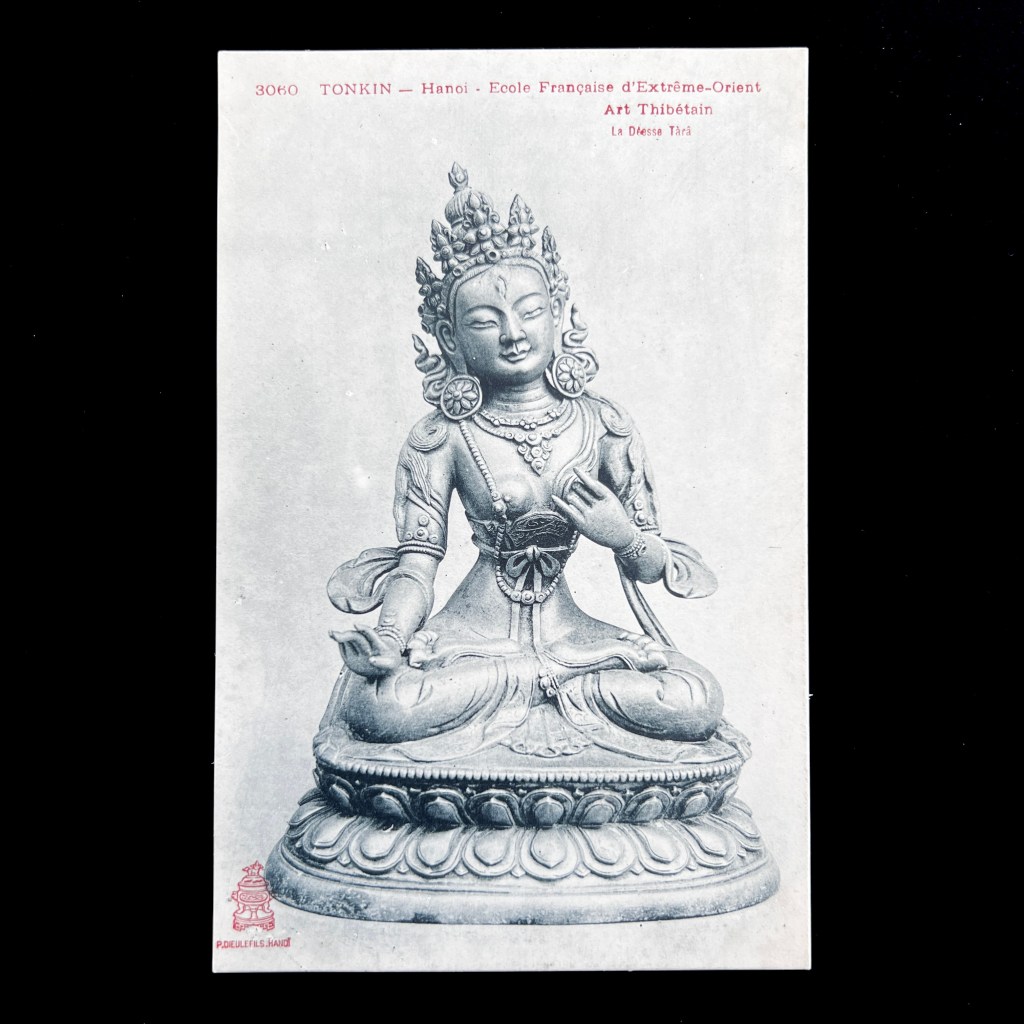
The École Française d’Extrême-Orient was founded at the turn of the 20th century in Hanoi in what was then French Indochina. Around 1905 Pierre Dieulefils appears to have taken photographs of the institution’s nascent collection of Buddhist statuary.

The date of 1905 is derived from the presumed publication date of Dieulefils “red series” postcards. Dieulefils’ studio was also in Hanoi and he worked closely with the French institution photographing Angkor Wat.

The red letterpress caption at the top of the card identifies the icon as the Goddess Tārā. I have been unable to determine who has possession of the statue today.

Dieulefils built a thriving postcard business upon the desires of French officers to send picture souvenirs home to France.

Since 1958 the old archaeological research institution of the École Française d’Extrême-Orient in Hanoi has operated as the Vietnam National Museum of History. The museum’s website can be found here: https://baotanglichsu.vn/vi

The Buddhas in the West Material Archive is a digital scholarship project that catalogues artifacts depicting Buddhist material culture for Western audiences. It’s comprised of prints, photos, and an assortment of ephemera and other objects. For a brief introduction to this archive, visit the main Buddhas in the West project page.


For Related Buddhas in the West Posts Featuring Guanyin / Avalokitésvara:


For the Most Recent Buddhas in the West Posts: