For all the new Buddhas in the West posts
follow us on Bluesky & Instagram
Chinatown’s Iconic Joss House: We lack a rich photographic history of the religious life of San Francisco’s Chinatown before the 1906 earthquake. Of the photos we have, this Chinese temple on Waverly Place is arguably the most iconic – the Tin How Temple.

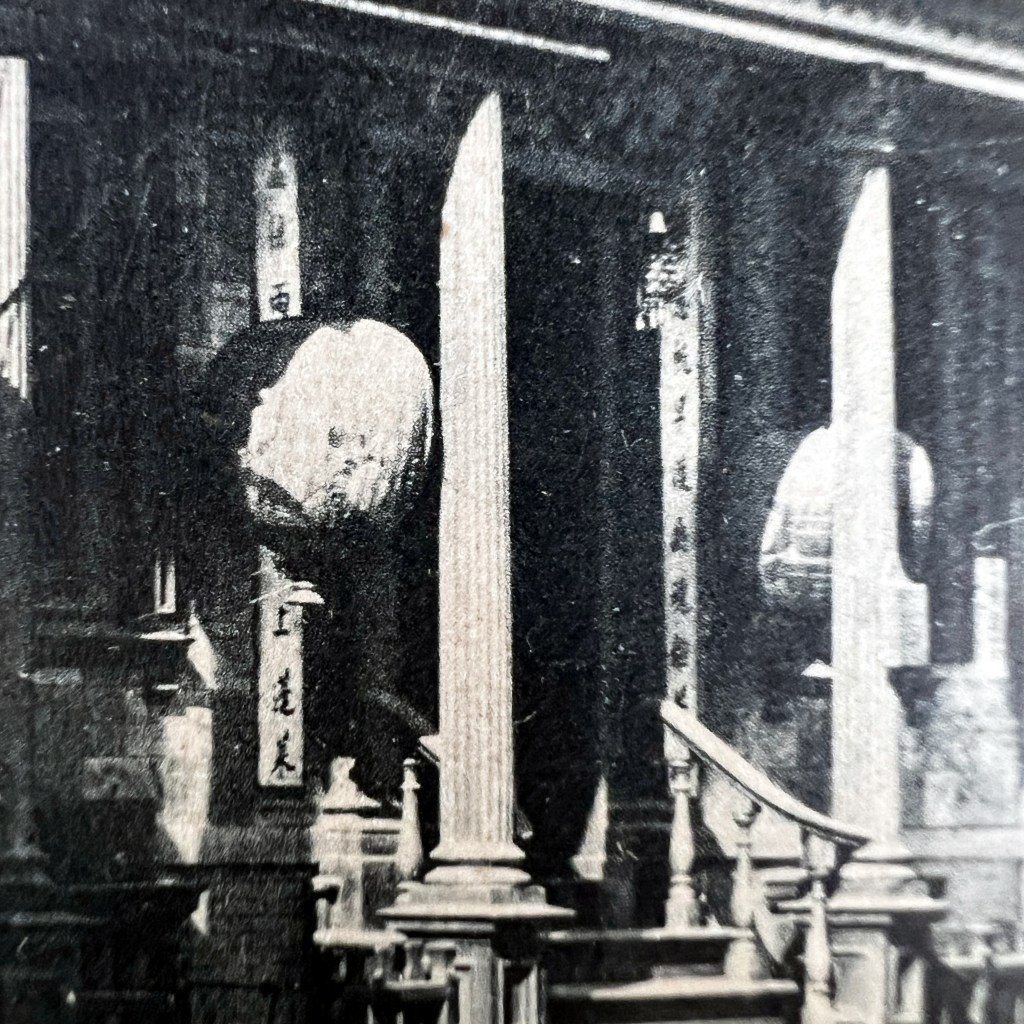
The goddess Tin How, otherwise known as Mazu, is known for her devoted protection of sailors and close association with early southern Chinese immigrants who came to the US. A close inspection of the second floor reveals her name, Tin How 天后, on plaques beside the doorway.

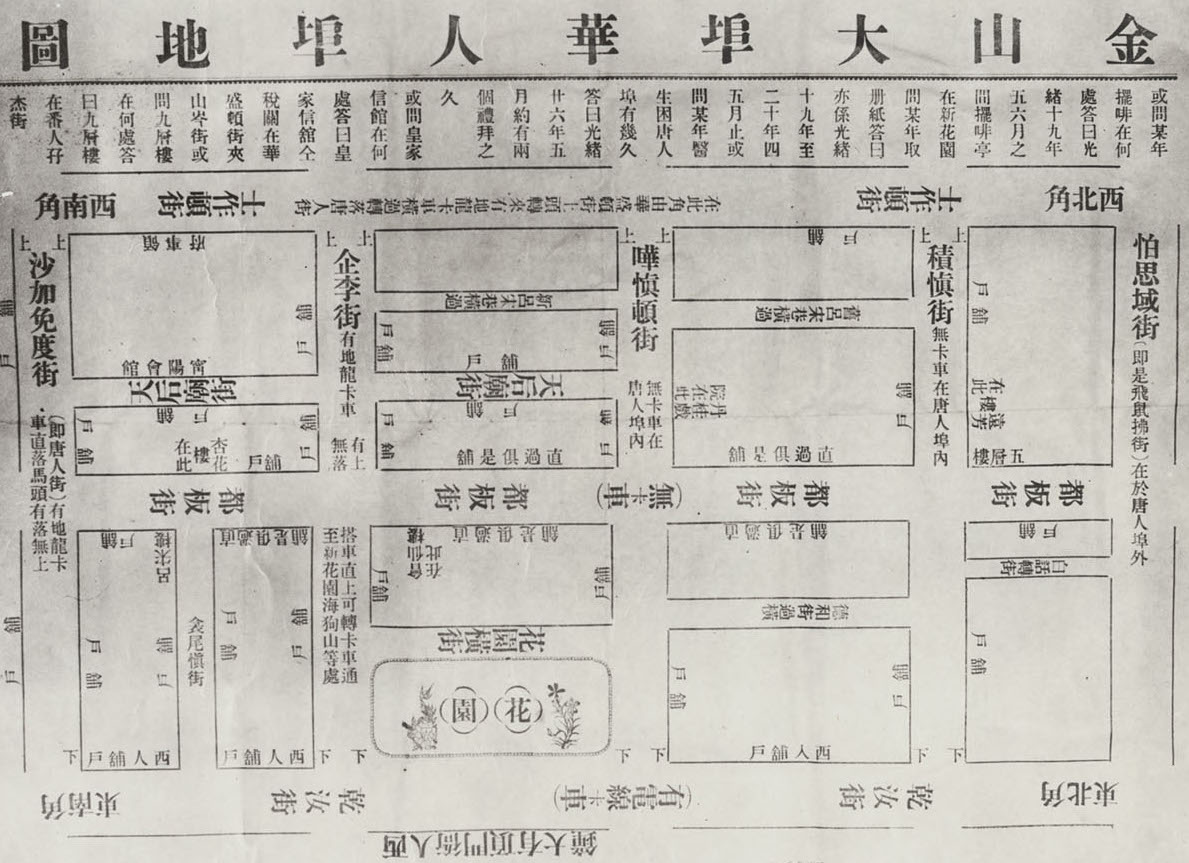
For a time, different temple shrines occupied the second and third floors of the adjacent building. One shrine was dedicated to the Emperor of the North, Beidi 北帝, who was an old stellar deity popular in the Pearl Delta Region.
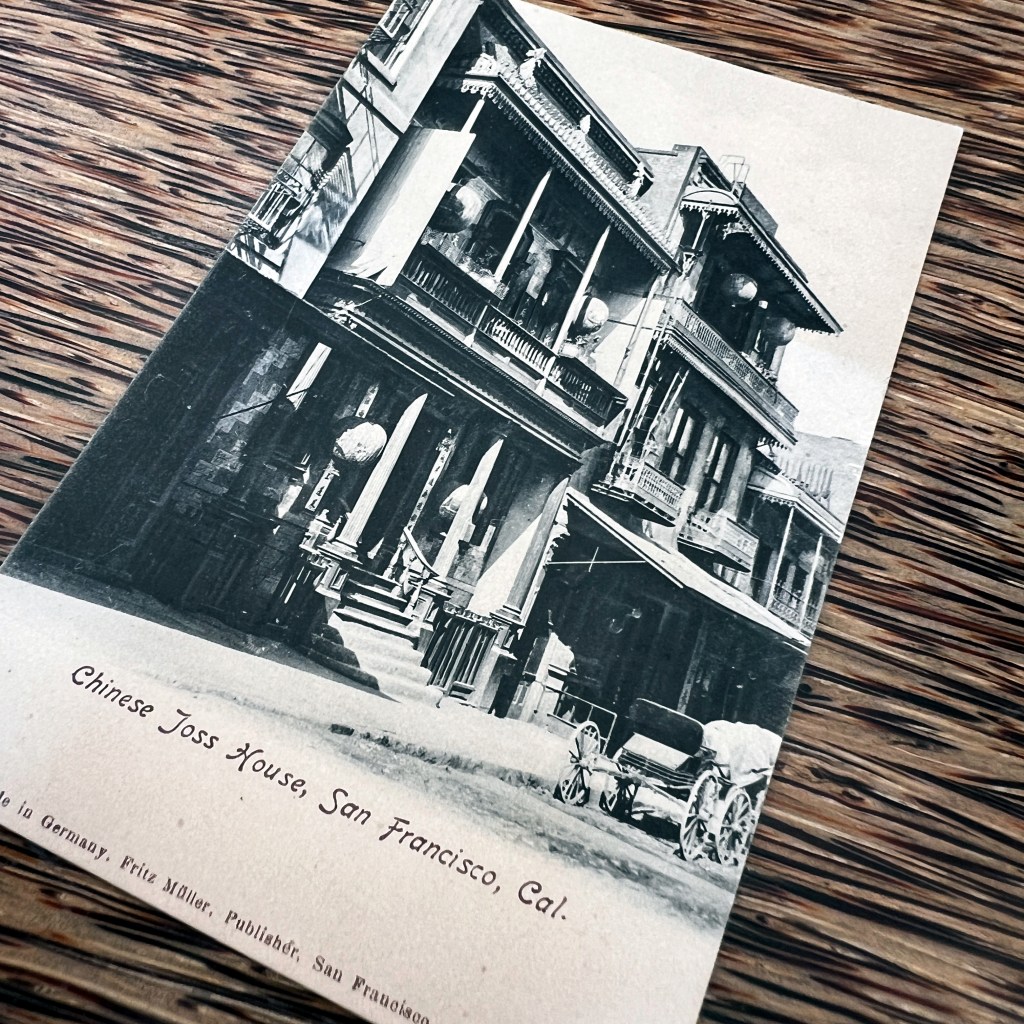
Due to the design on the back we know this post card was issued before 1907. The front informs the San Francisco publisher Fritz Müller had the cards printed in Germany, a common occurrence at the time.

For an insightful commentary on how to conceptualize traditional Chinese religion through Mazu worship, see Natasha’s Heller’s “Using Mazu to Teach Key Elements of Chinese Religions” available here: https://tinyurl.com/48smwjx2.

The Buddhas in the West Material Archive is a digital scholarship project that catalogues artifacts depicting Buddhist material culture for Western audiences. It’s comprised of prints, photos, and an assortment of ephemera and other objects. For a brief introduction to this archive, visit the main Buddhas in the West project page.
For Related Buddhas in the West Posts Featuring Chinatown:


For the Most Recent Buddhas in the West Posts:




 Personal Site of Peter Romaskiewicz