For all the new Buddhas in the West posts
follow us on Bluesky & Instagram
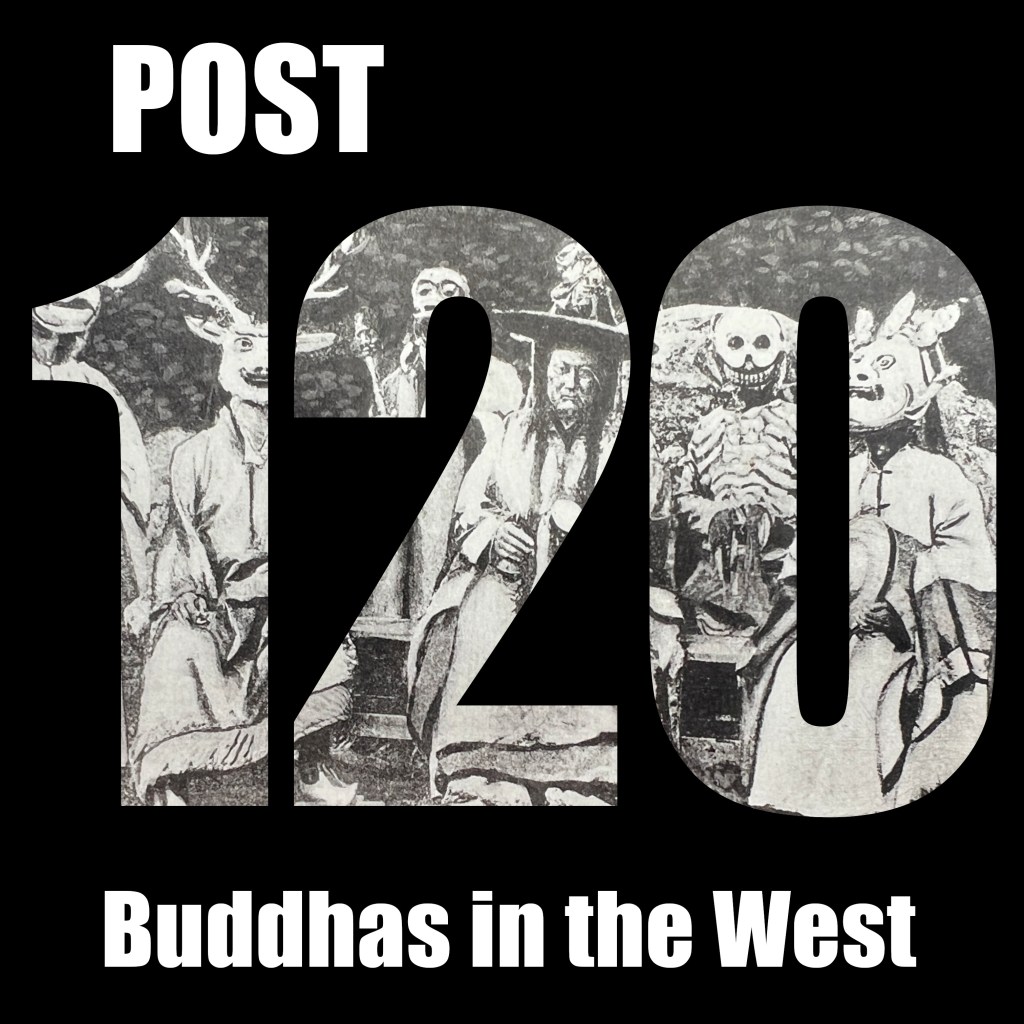
Tibetan ritual cham dances were often called “Devil Dances” by Western scholars and travelers through the turn of the 20th century. Dressed in the ceremonial regalia of masked dance, performing monks became a popular visual motif for representing Tibetan Buddhism.
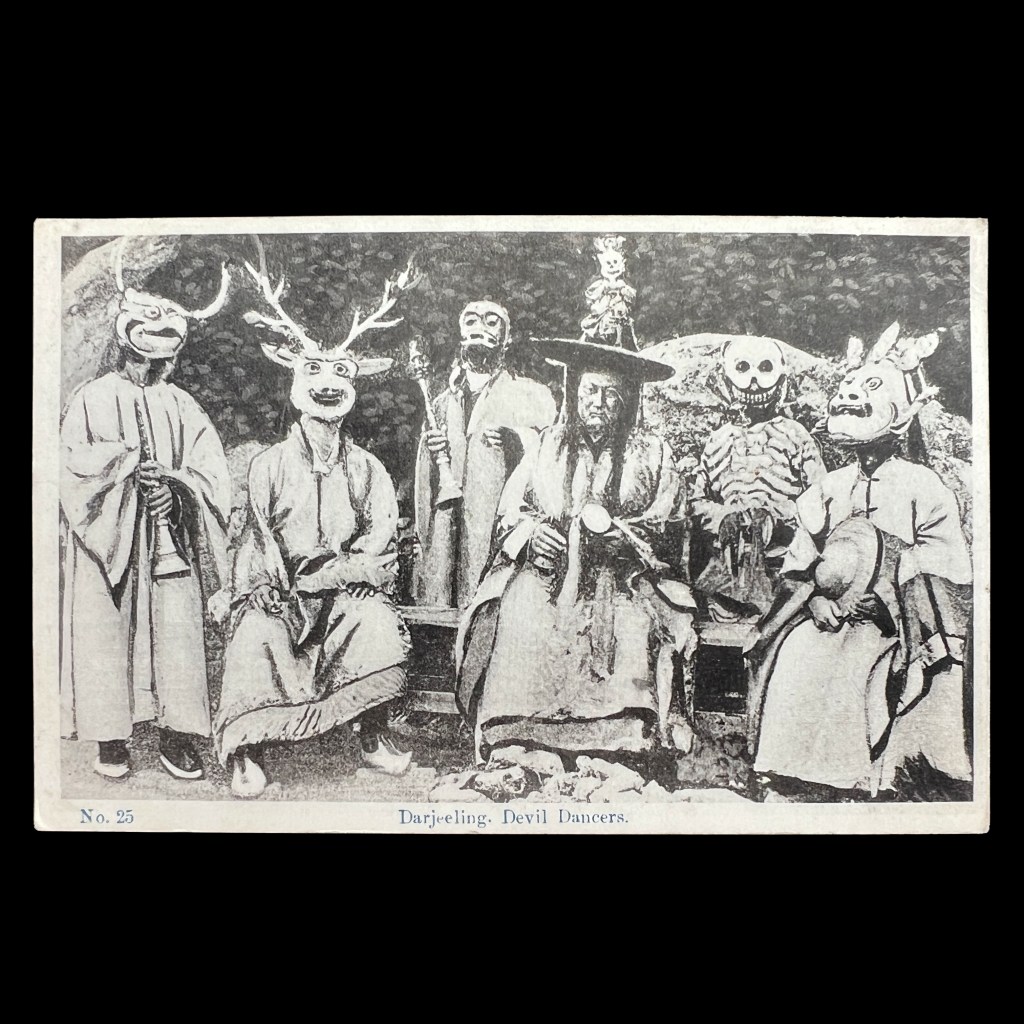
Traditionally traced to the semi-legendary 8th century tantric Buddhist Padmasambhava, ritual dances are usually held as part of larger religious festivals. Performers portray a range of figures from protector deities and heroes to comic characters.
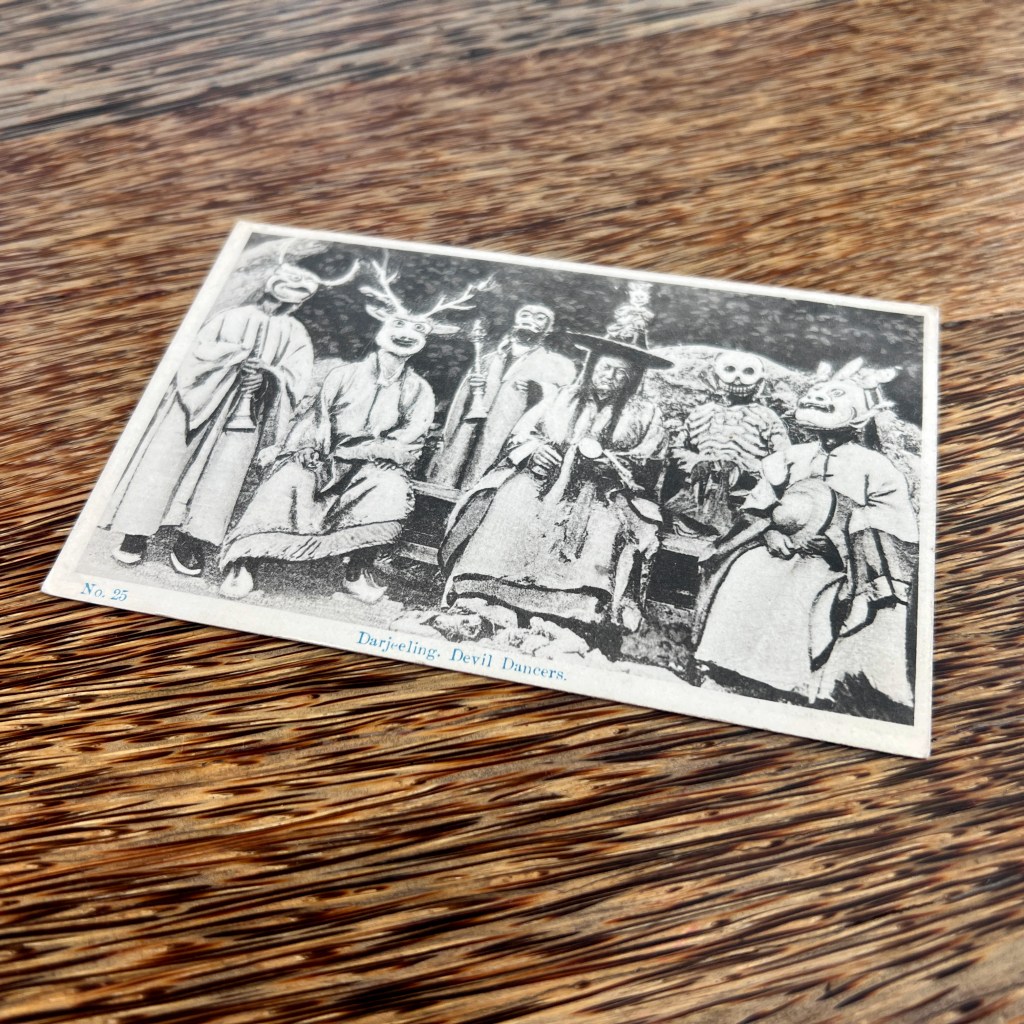
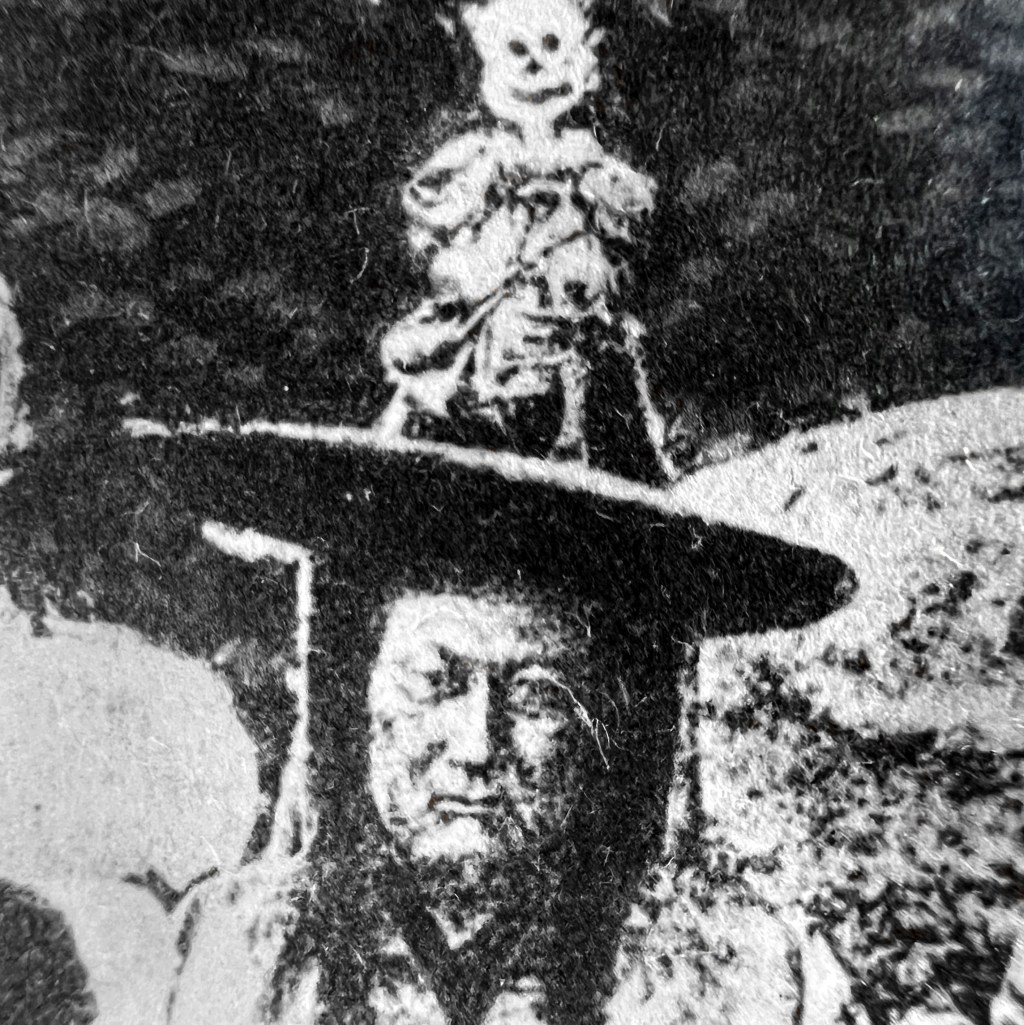
The photograph, retouched considerably here, was taken by P.A. Johnston and Theodor Hoffmann who opened a studio in Calcutta in 1882 and Darjeeling in 1890. This postcard, likely published in the 1920s, was printed in the epicenter of Asian postcard production at the time, Japan.

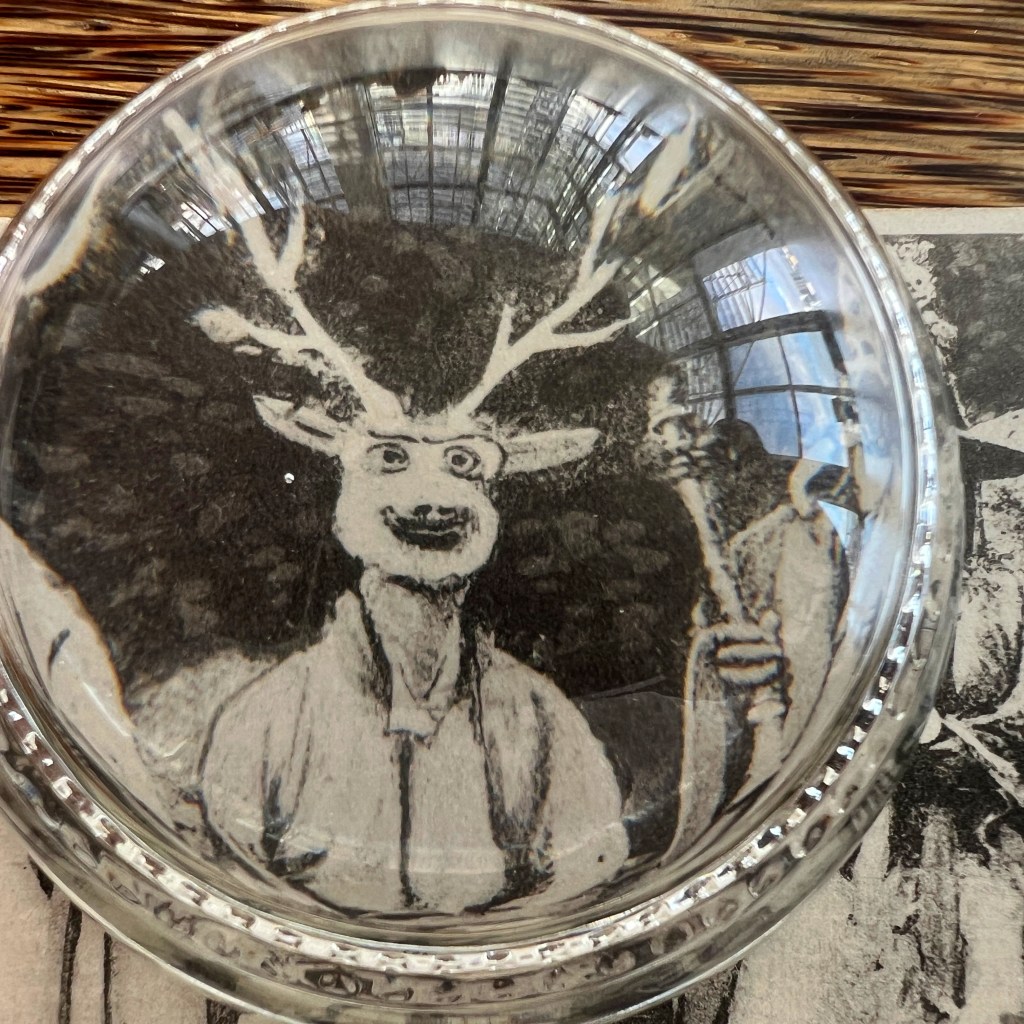
The stag mask recalls a dance symbolizing the repulsion of negative forces and the consecration of surrounding space for spiritual practice. One source claims this photo was taken in Bhutia Busty, a village in the Darjeeling district known for its cham performances at the local monastery.
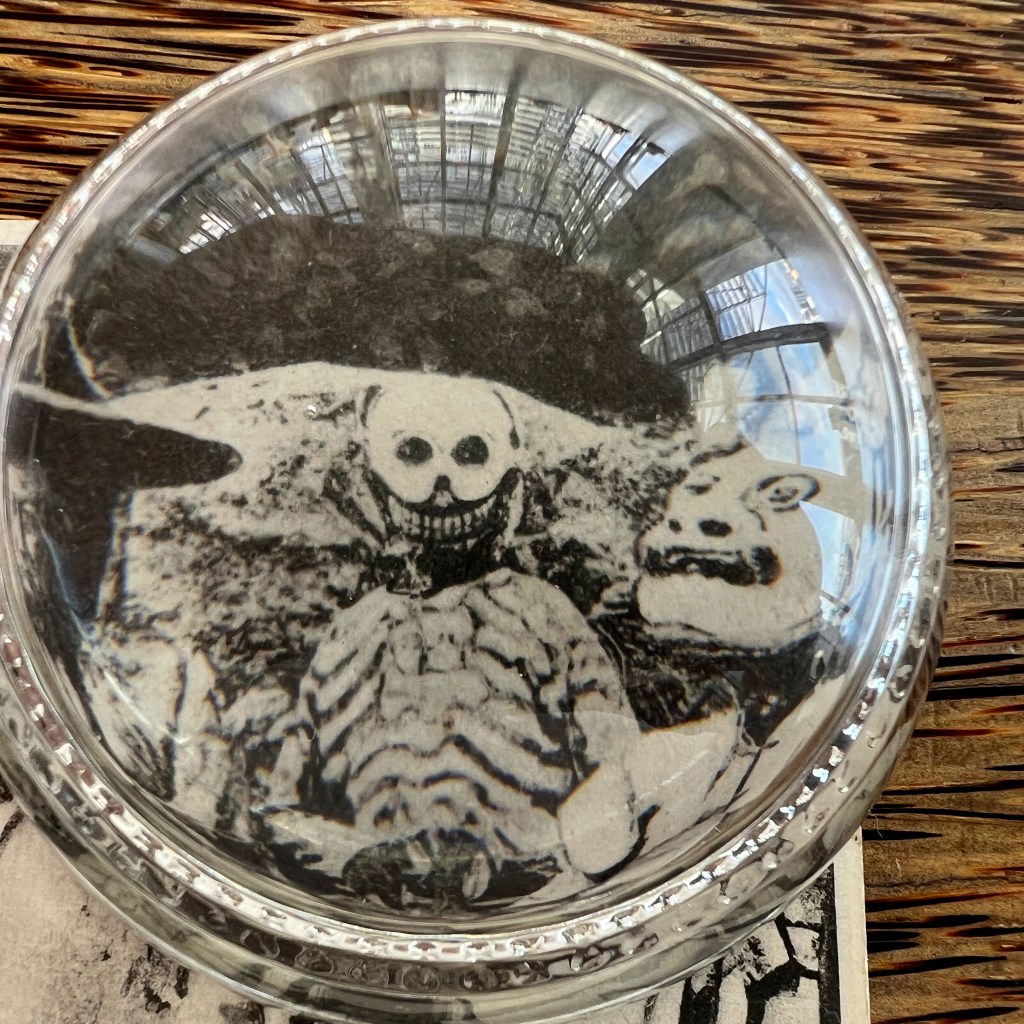
Another ritual performer, possibly a young boy, wears a skeleton mask with a blood-red suit sewn with white skeleton bones. Skeleton dancers can represent the impermanence of phenomena and sometimes play a semi-comedic role.
The central figure is representative of the Black Hat dance, sometimes seen as a celebration for the death of Langdarma, an enemy of Buddhism. For an introductory overview of Tibetan cham, see Ellen Pearlman, Tibetan Sacred Dance: A Journey into the Religious and Folk Traditions.
The Buddhas in the West Material Archive is a digital scholarship project that catalogues artifacts depicting Buddhist material culture for Western audiences. It’s comprised of prints, photos, and an assortment of ephemera and other objects. For a brief introduction to this archive, visit the main Buddhas in the West project page.
For Related Buddhas in the West Posts Featuring Ritual Dance:


For the Most Recent Buddhas in the West Posts:
 Personal Site of Peter Romaskiewicz