For all the new Buddhas in the West posts
follow us on Bluesky & Instagram
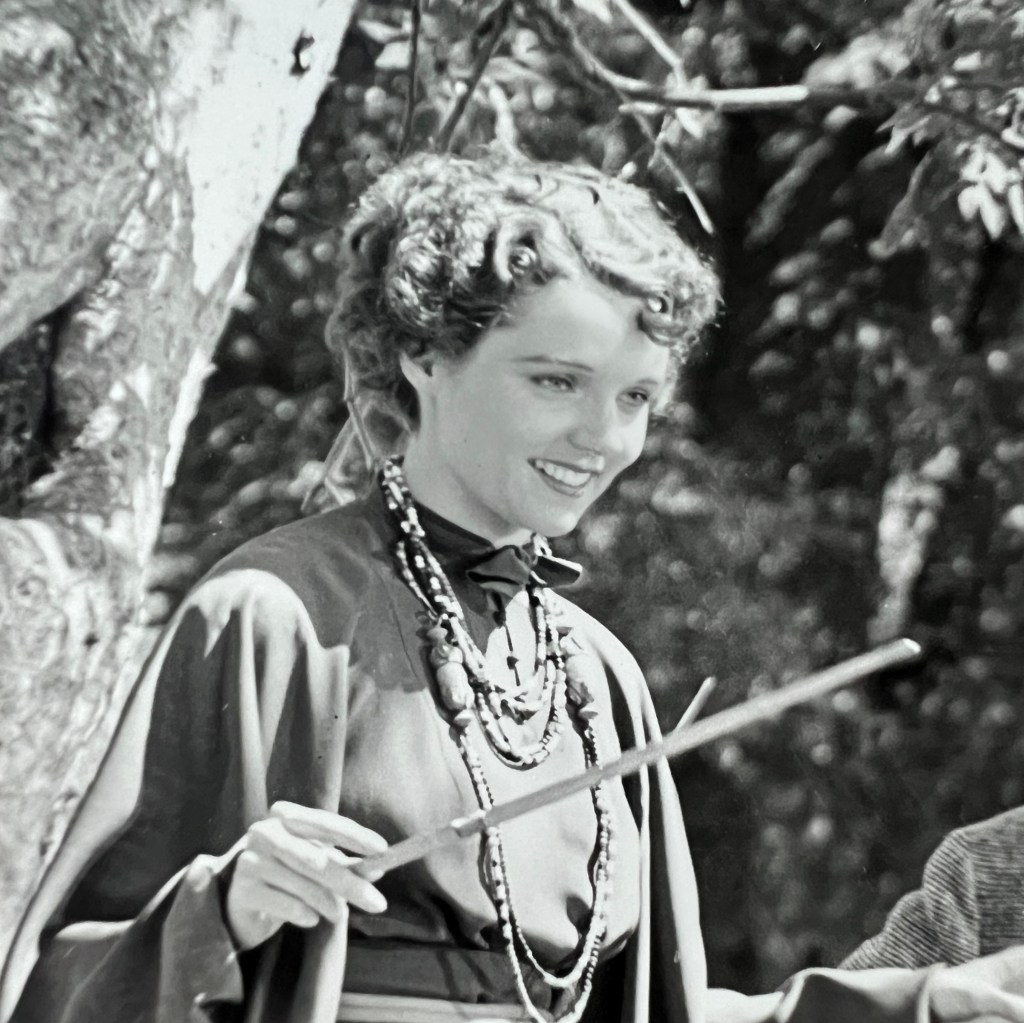
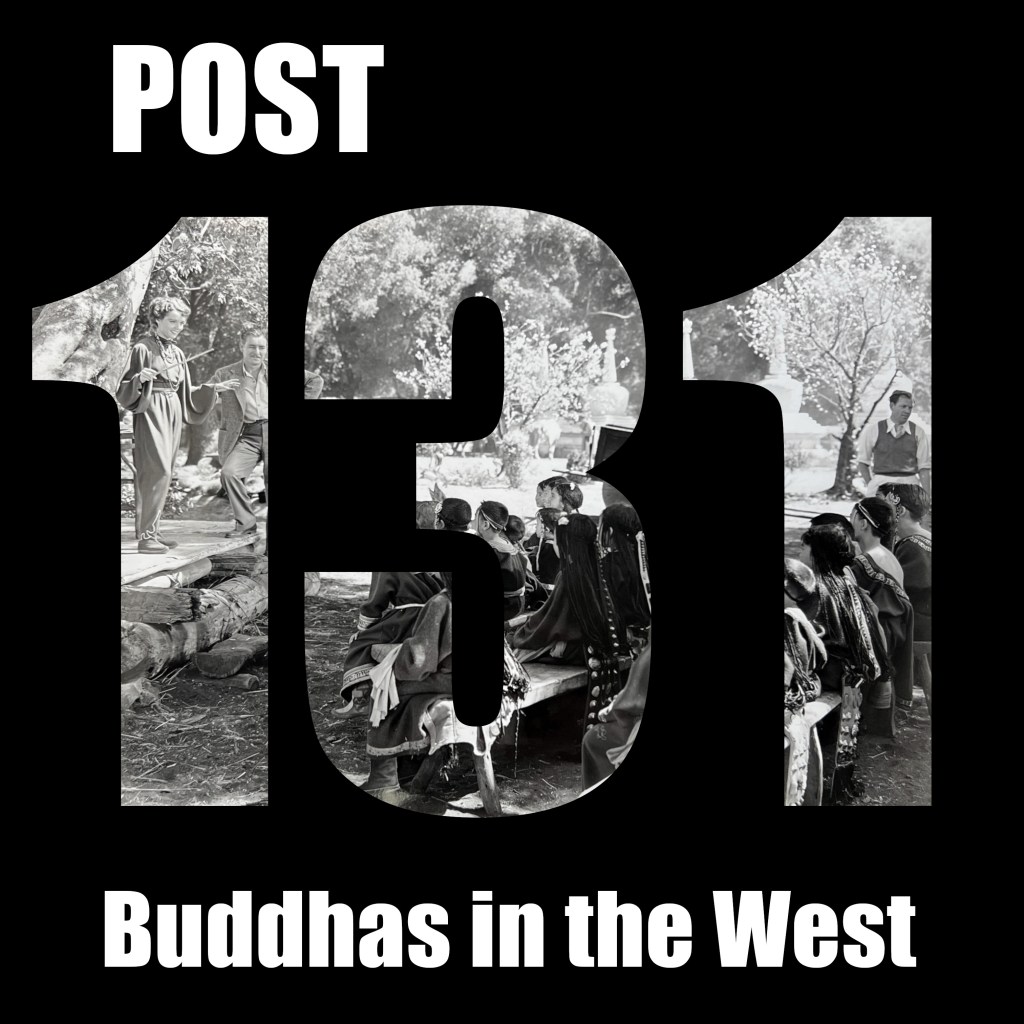
American escapist films grew in prominence during the Depression Era 1930s and Frank Capra’s 1937 film, Lost Horizon, was an important Buddhist entry to this genre. The early 20th century romantic imagery of Tibet helped raise interest in the film’s Himalayan utopia of Shangri-la.
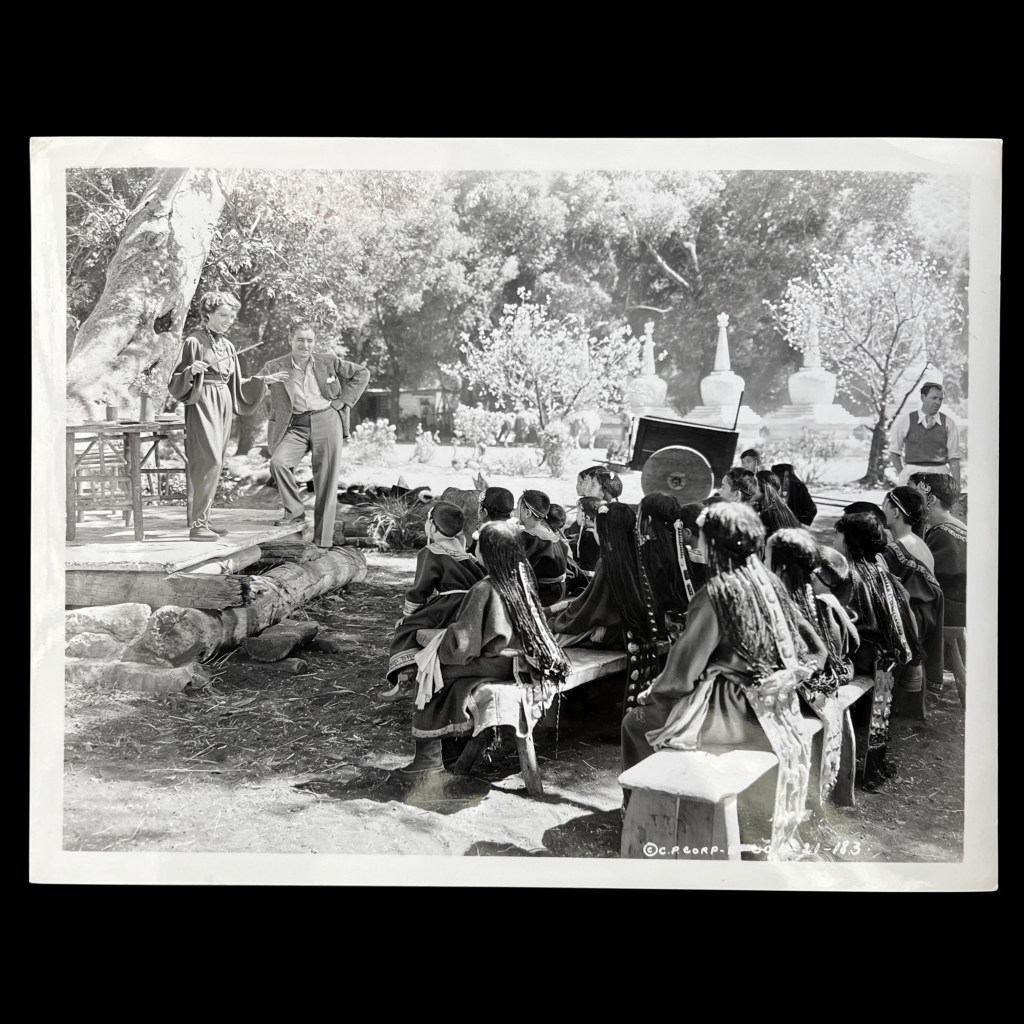
The pristine beauty of Shangri-la as seen in Lost Horizon played to the fantasy of an enchanted landscape of the Oriental Other filled with peace and prosperity. Tibetan Buddhist lamas are initially portrayed as the protectors of this hidden mountain kingdom.
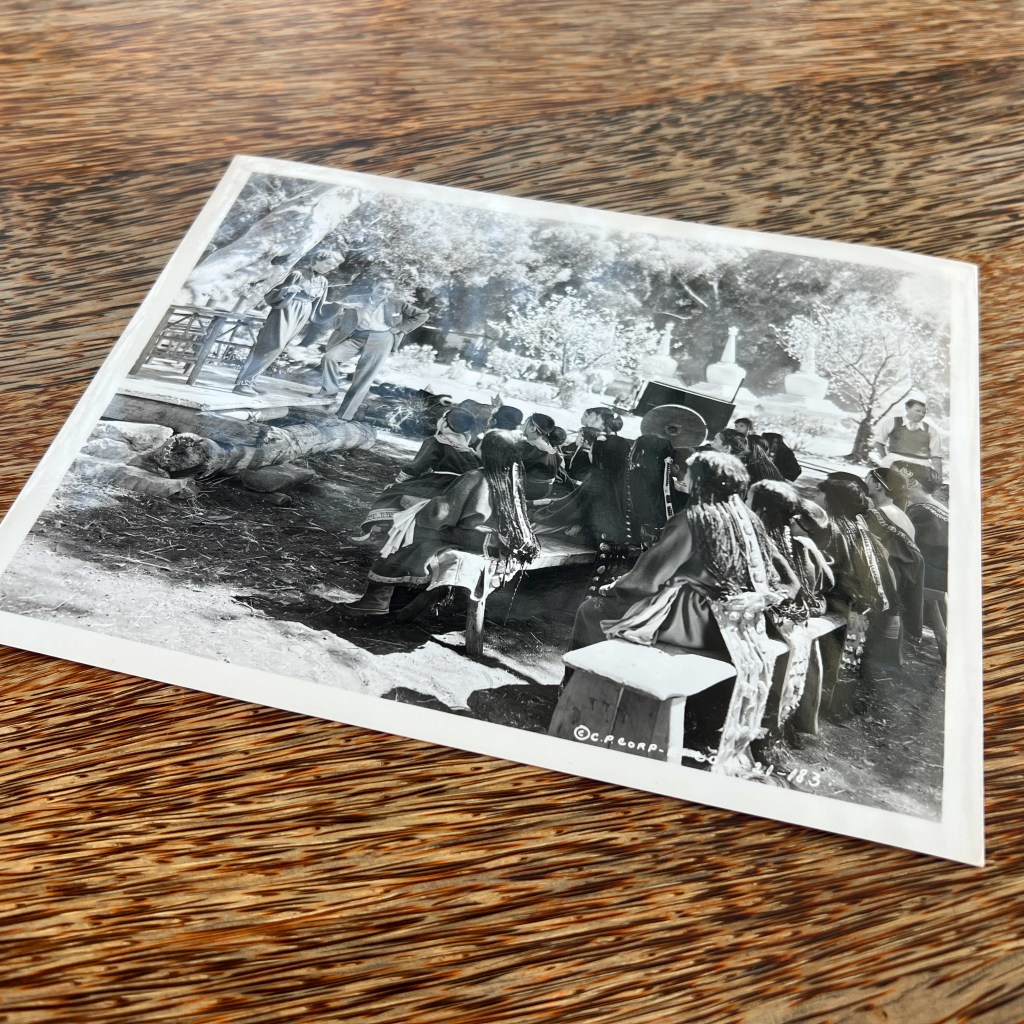
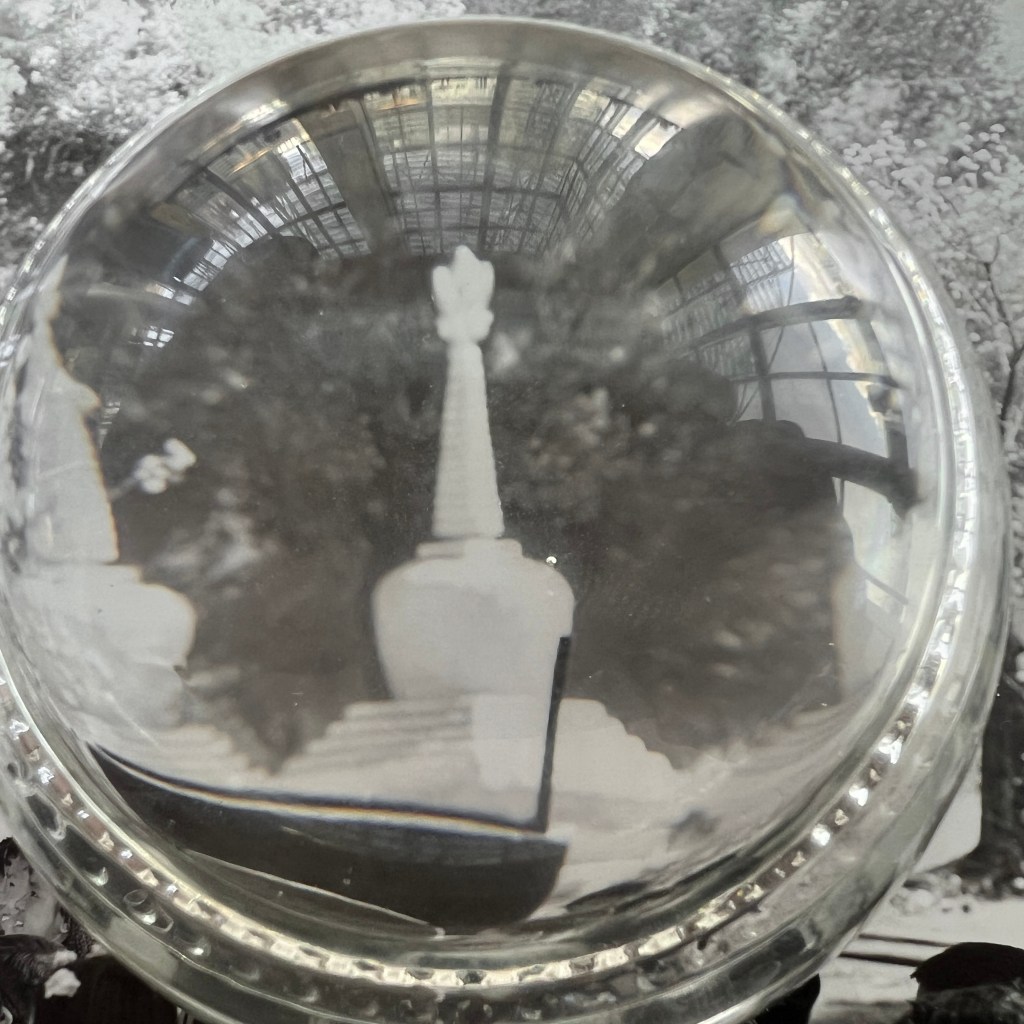
While filmed in a Hollywood back lot fitted with Streamlined Art Deco buildings, elements – such as the Tibetan-stye stūpa reliquaries – clued the appropriate Buddhist mise-en-scène.
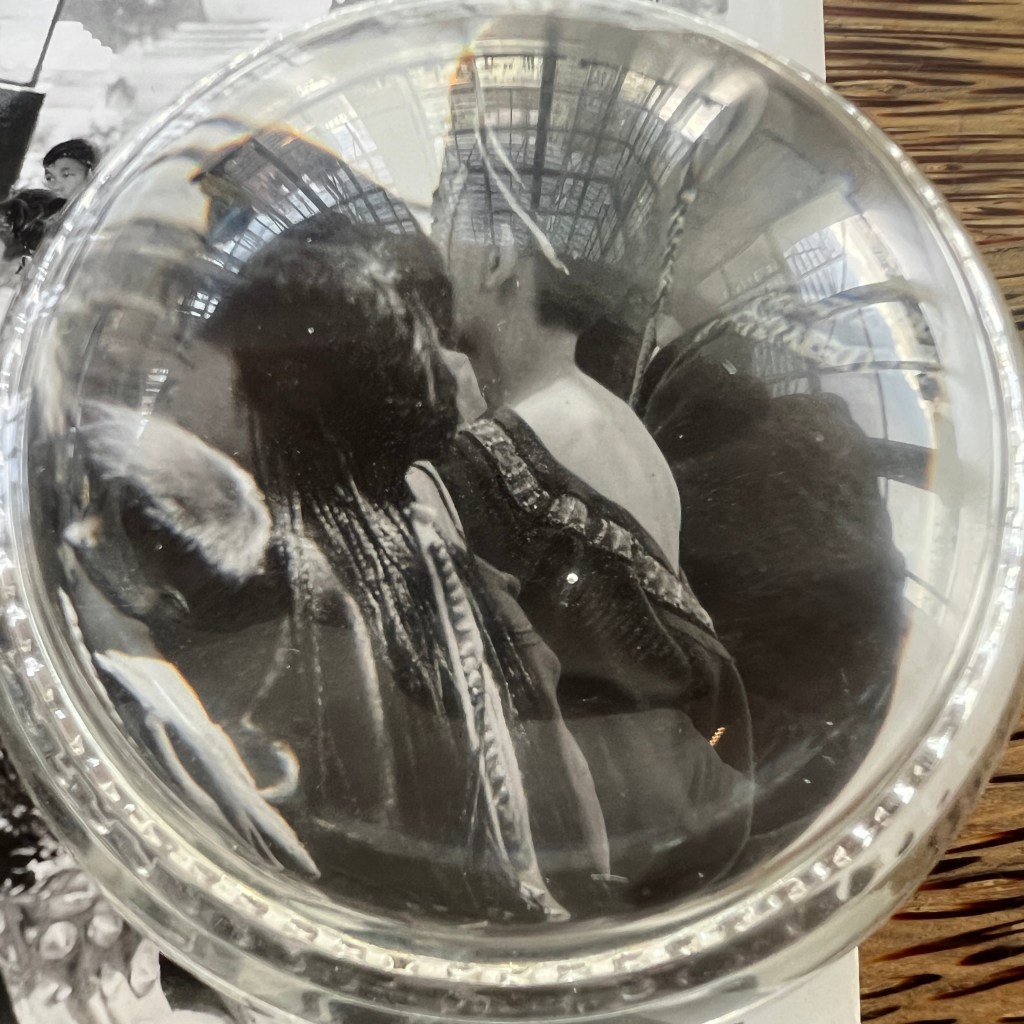
The film’s Tibetan-style costuming often showed exposed skin, suggesting the inhabitants had a child-like innocence and a pre-modern lifestyle. Ultimately we learn the High Lama is not Tibetan at all, but a Belgian Catholic priest who is the founder and caretaker of Shangri-la.
While flourishing and peaceful, Shangri-la still needed a benevolent colonial ruling hand to realize its full mission. For further exploration of the portrayal of Buddhism in American film, see Sharon Suh’s Silver Screen Buddha (2015).
The Buddhas in the West Material Archive is a digital scholarship project that catalogues artifacts depicting Buddhist material culture for Western audiences. It’s comprised of prints, photos, and an assortment of ephemera and other objects. For a brief introduction to this archive, visit the main Buddhas in the West project page.
For Related Buddhas in the West Posts Featuring Chicago:

For the Most Recent Buddhas in the West Posts:
 Personal Site of Peter Romaskiewicz