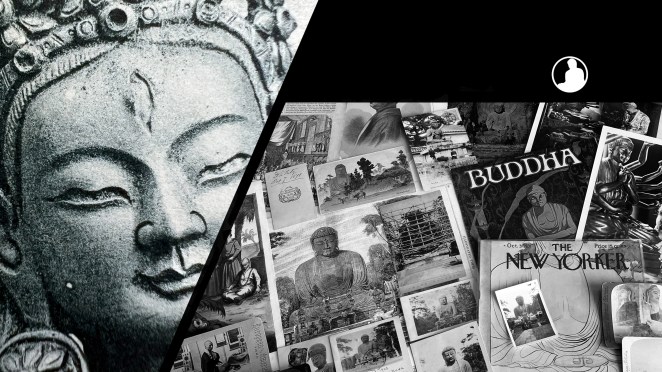
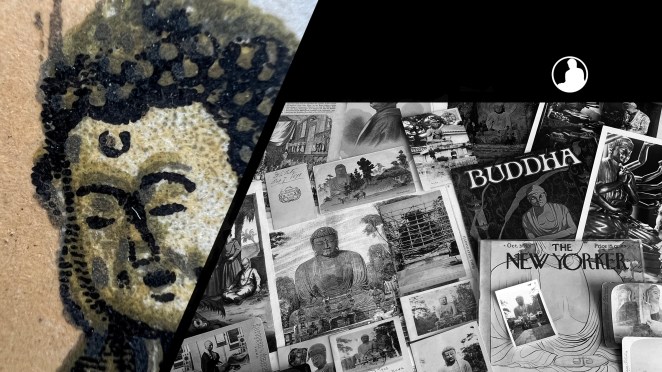
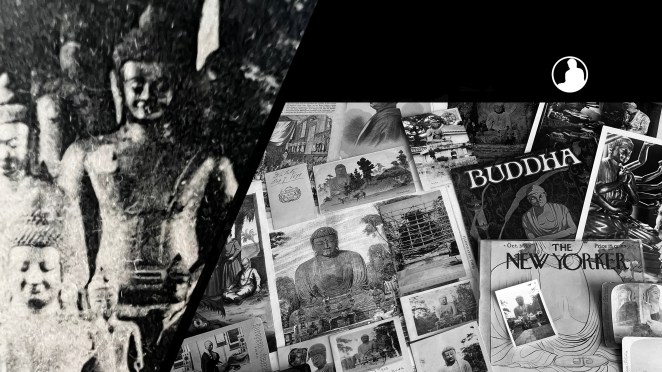
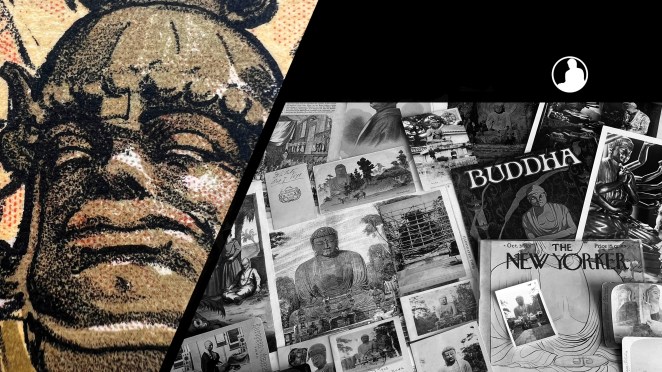
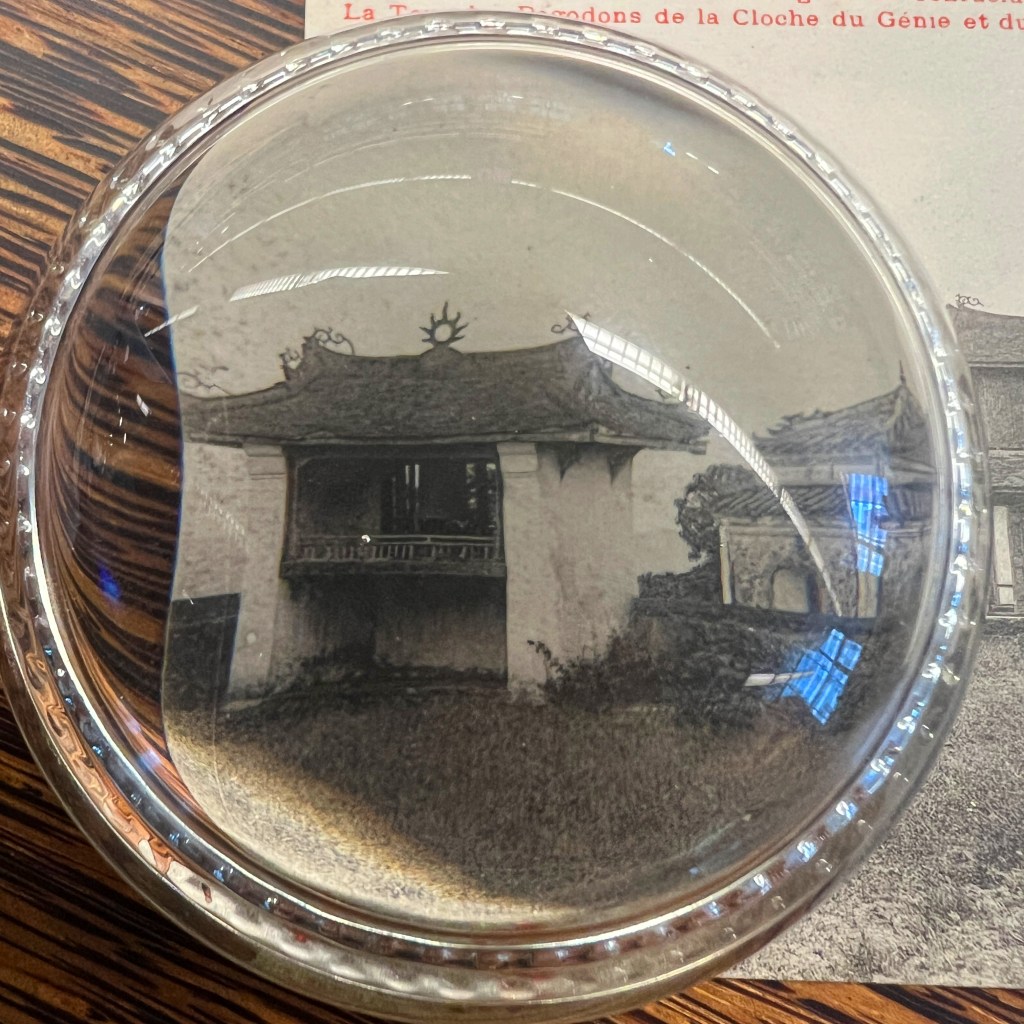
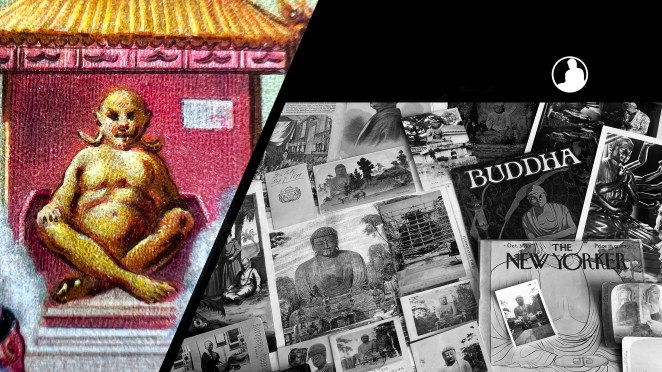
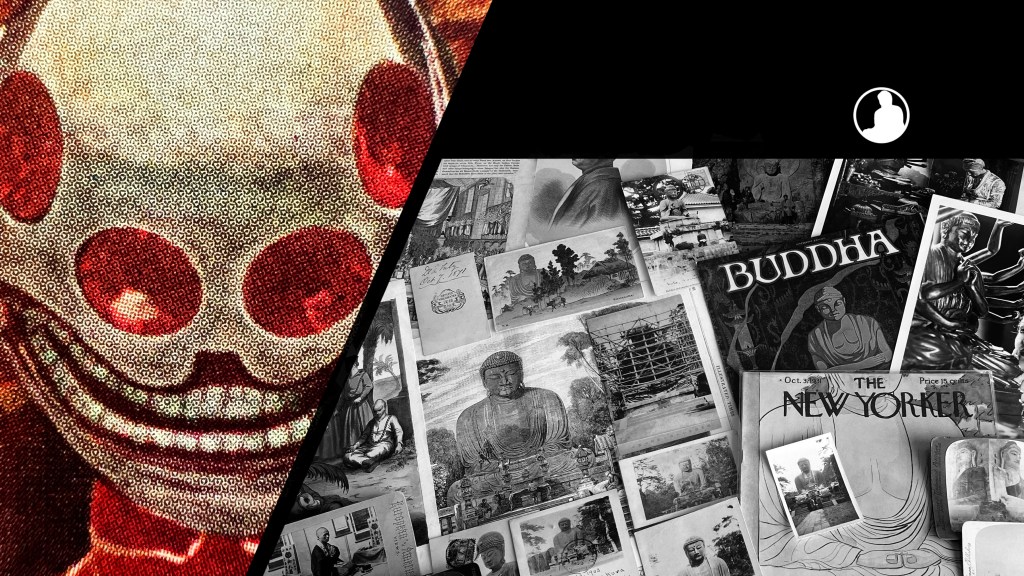
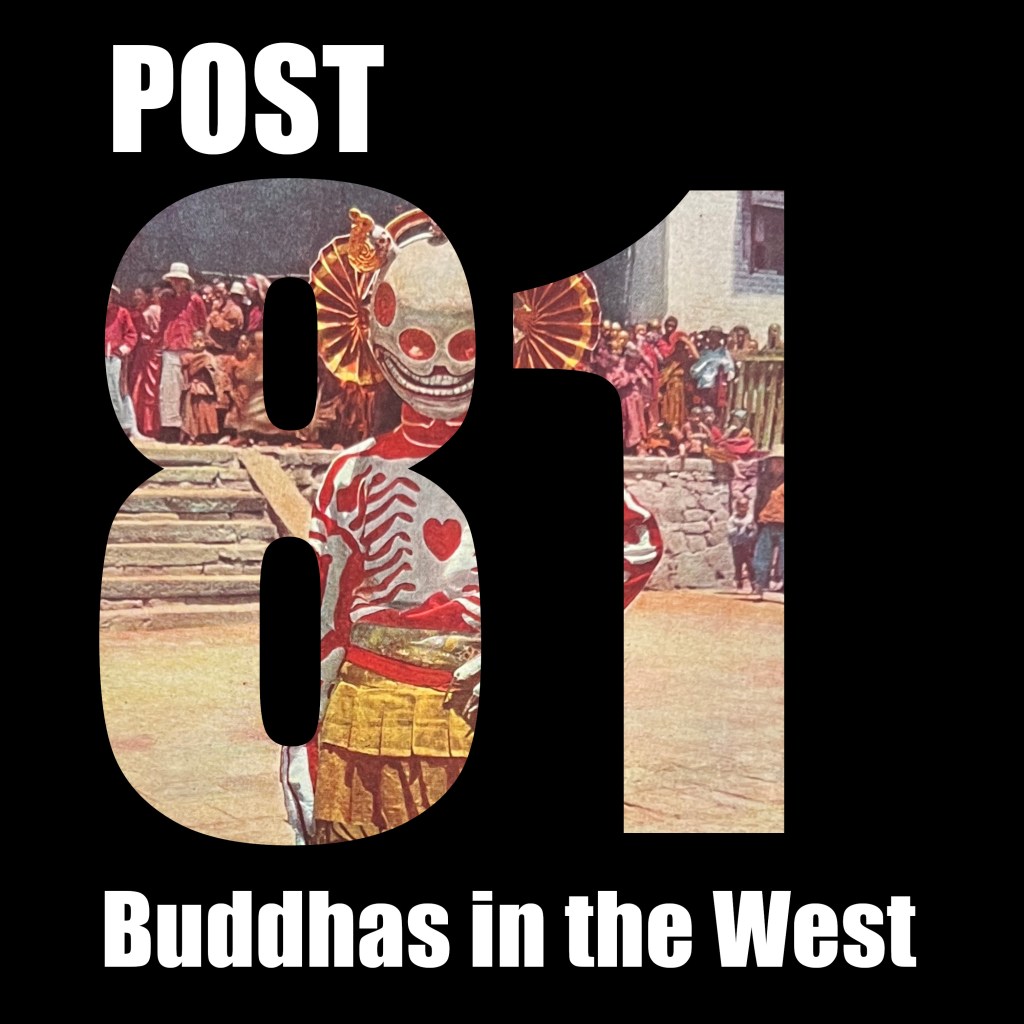
Engraving the Grotesque Buddha, 1660–1850 Exhibit

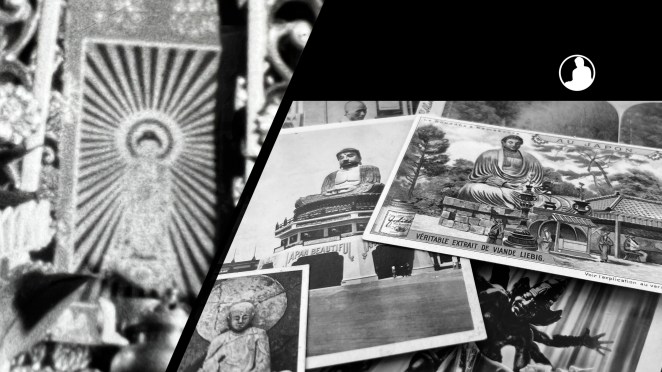
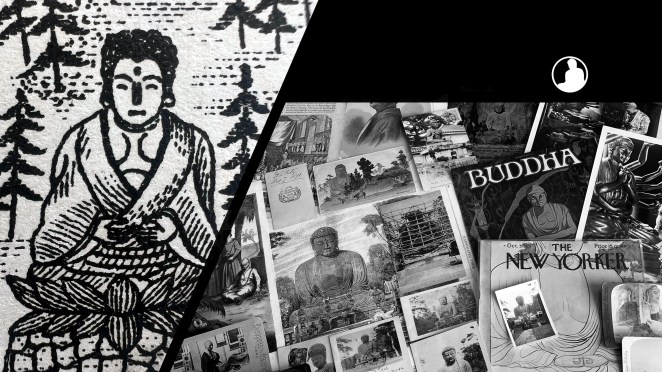
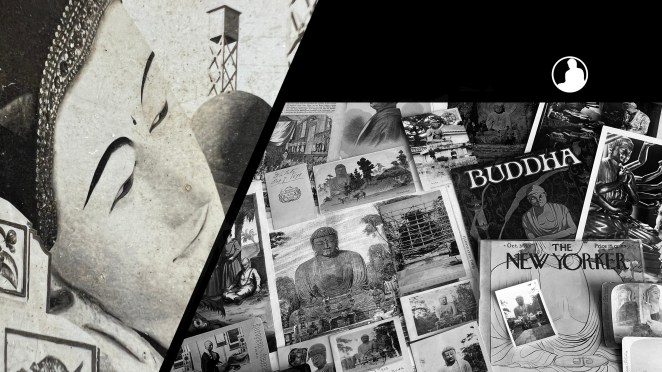
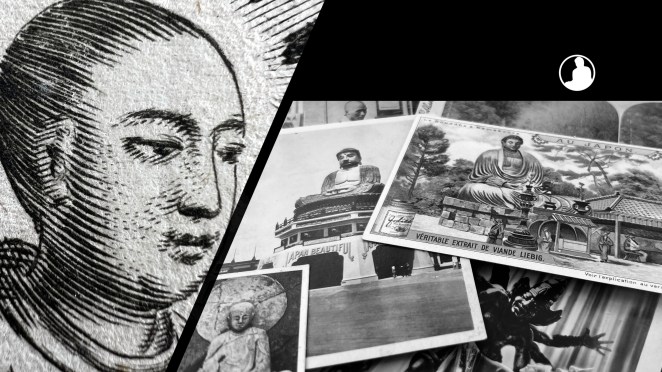
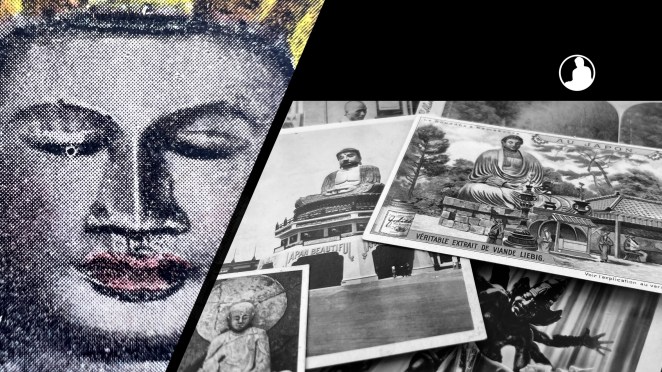
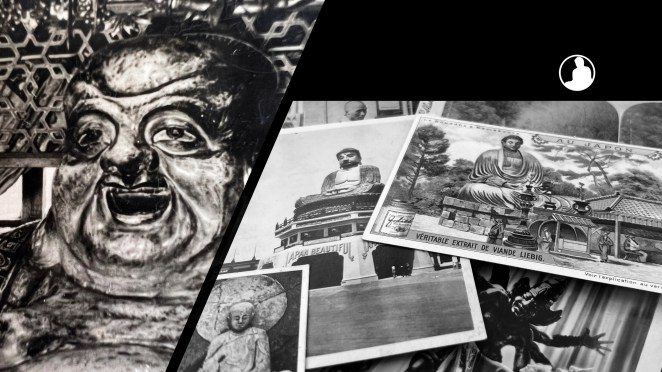
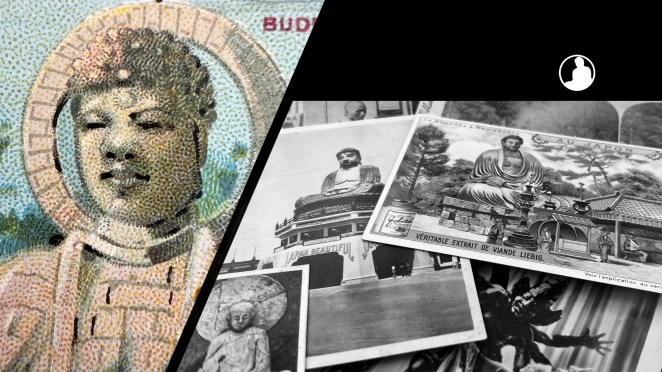
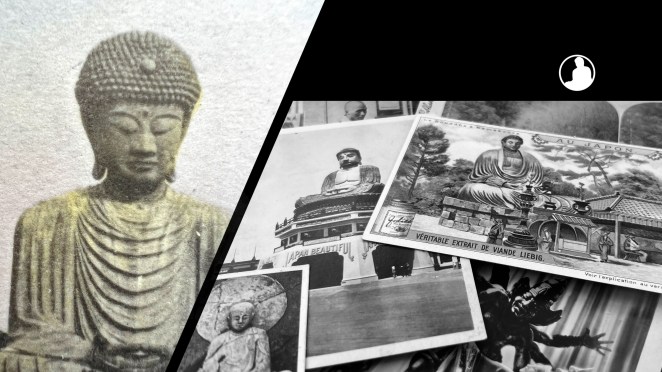
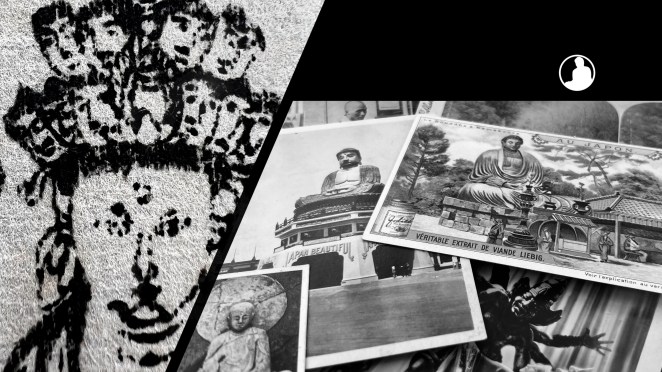
The Buddhas in the West Material Archive pop-up exhibit, entitled “Engraving the Grotesque Buddha, 1660–1850” will be on display November 22, 2025 at CGIS S050 at Harvard University.


Introduction to the Exhibit

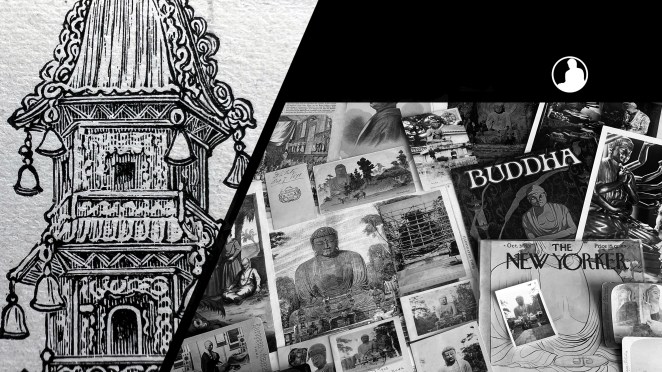
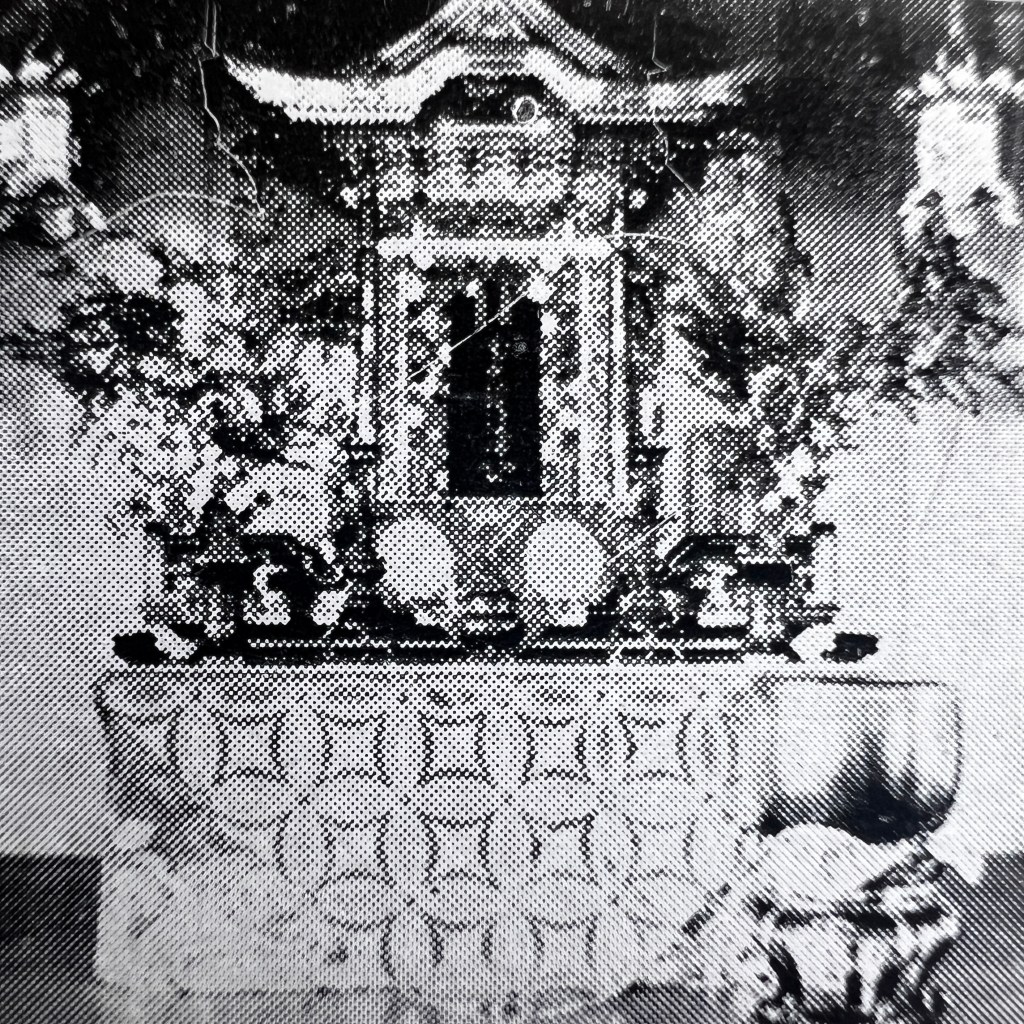
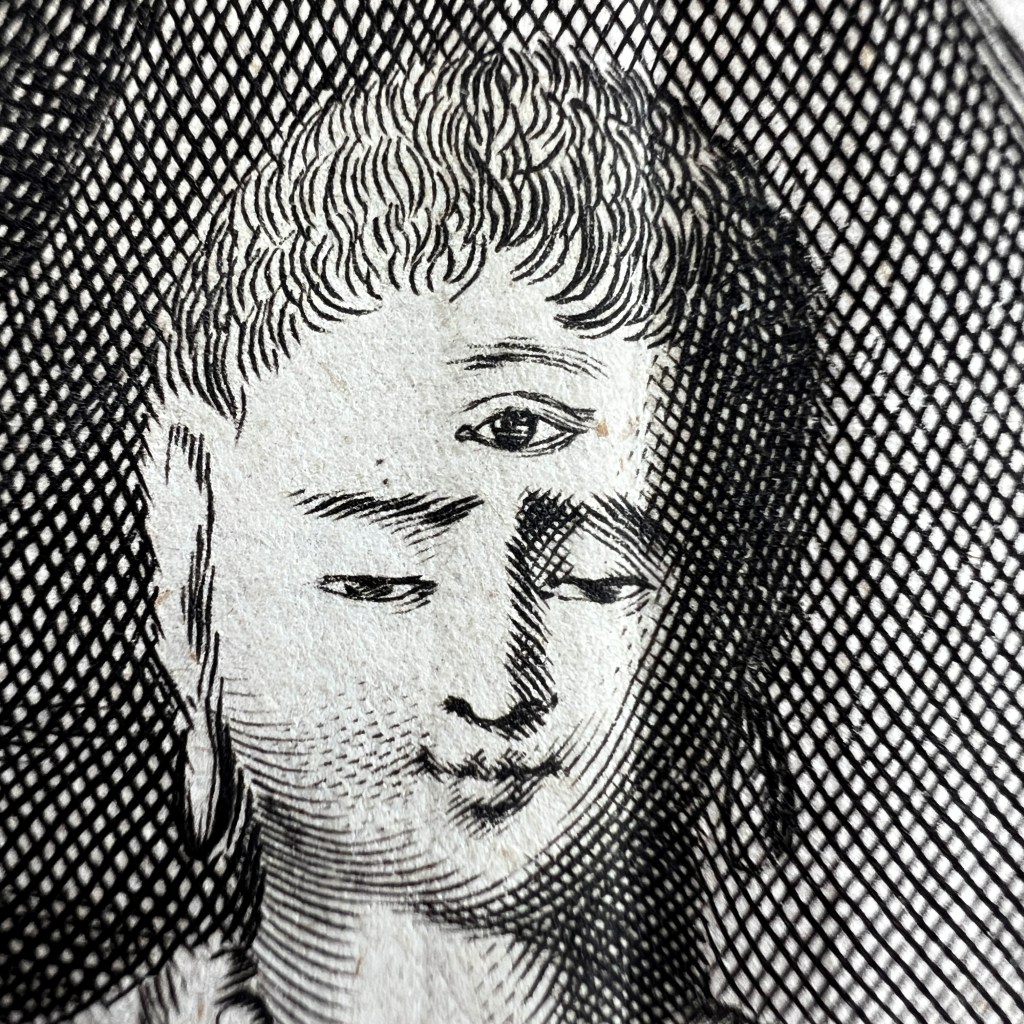
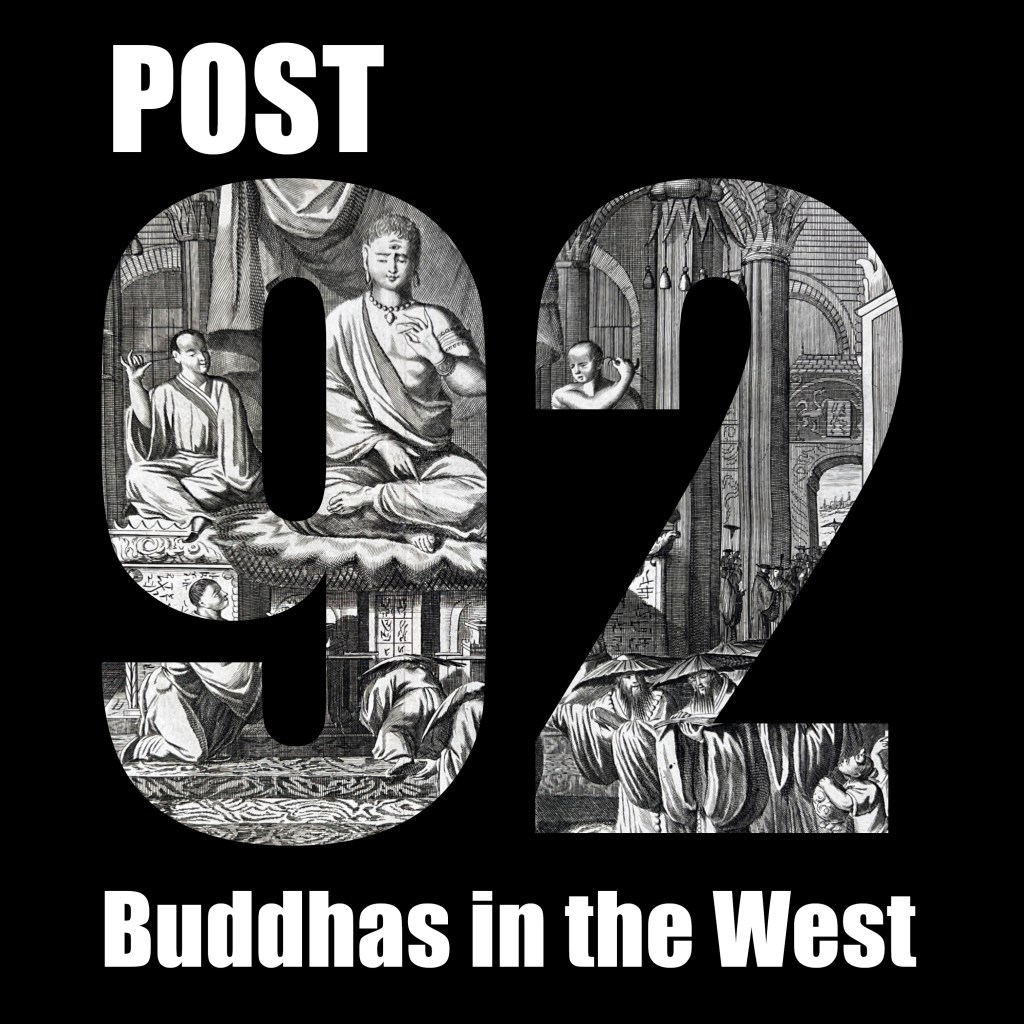
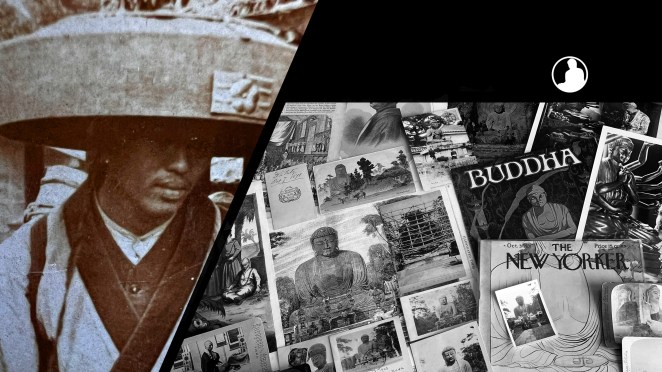
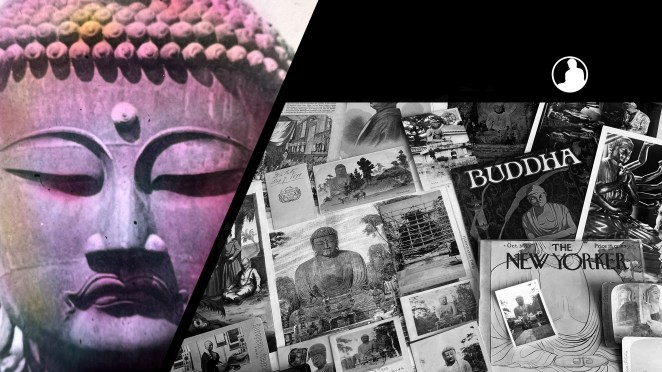
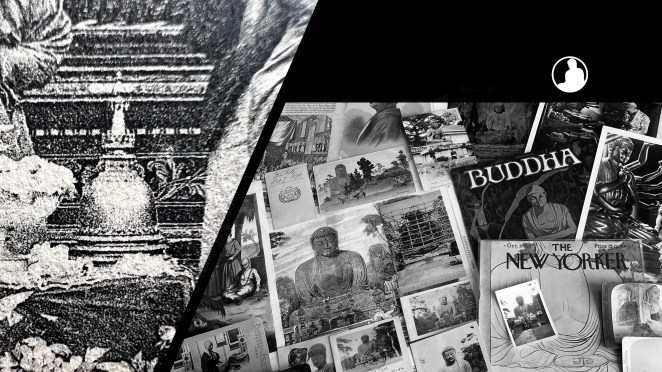
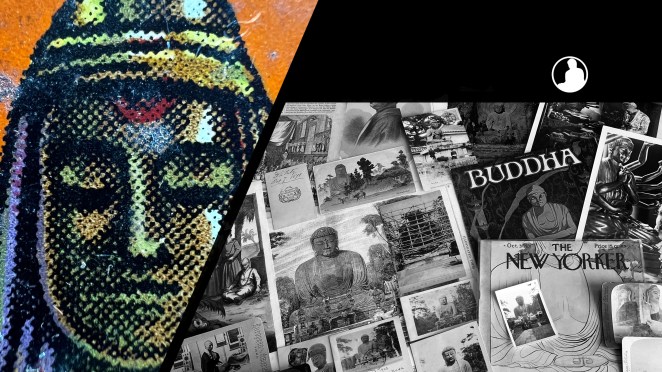
Through the 1650s Buddhist material culture remained an enigma to much of Europe. Yet, in the late 1660s, Amsterdam-based publisher Jacob van Meurs (1619/1620–c.1680) started publishing illustrated books devoted to China and Japan. These works proved popular and helped introduce Buddhist material culture to broader European audiences.

Van Meurs’ influence was substantial. The engravings produced by his workshop were widely reproduced in publications over the next century. Some illustrations continued to be reused well into the nineteenth century until the invention of photography and adoption of photomechanical reproduction finally rendered the illustrations outdated. Consequently, some of the images from van Meurs’ workshop exhibited a strong media echo for nearly two-hundred years.

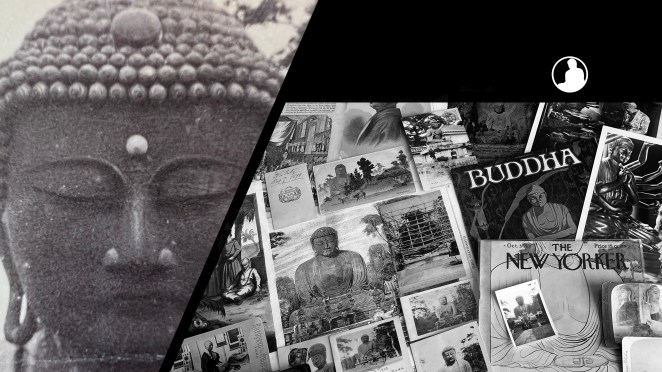
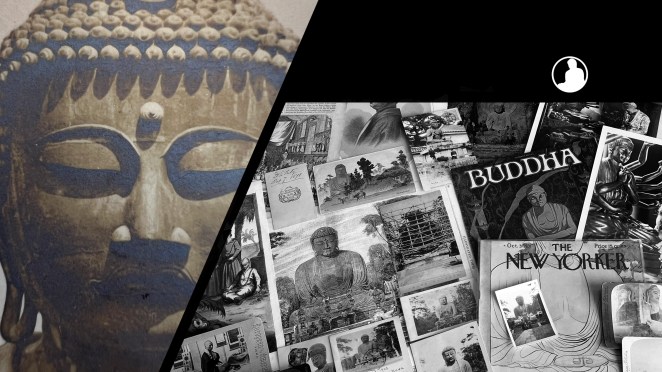
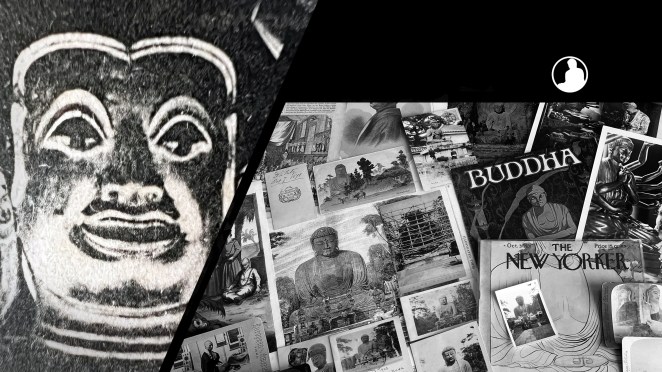
Notably, many of the images of Buddhist icons and Buddhist monks were embellished, often veering towards the uncanny, ghoulish, or grotesque.

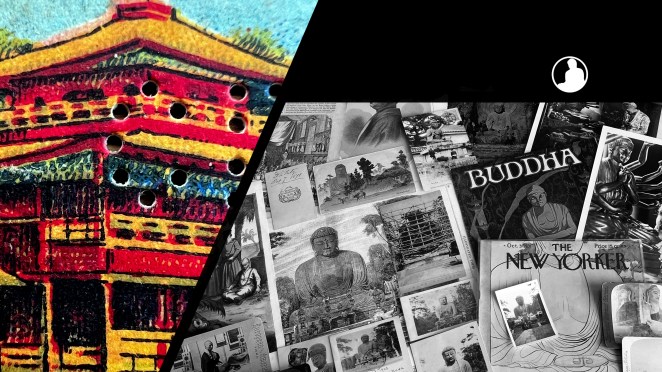
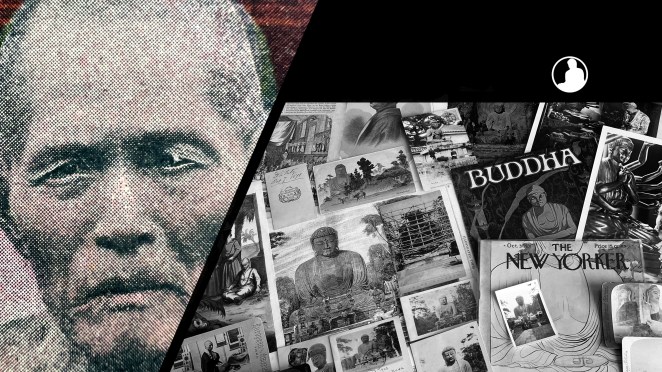
The exhibit will be comprised of eighteen prints published between 1665 and 1863 that show the lasting influence of Jacob van Meurs’ printed works on the visual literacy of Buddhist material culture in the West.


Selected Prints


The Buddhas in the West Material Archive is a digital scholarship project that catalogues artifacts depicting Buddhist material culture for Western audiences. It’s comprised of prints, photos, and an assortment of ephemera and other objects. For a brief introduction to this archive, visit the main Buddhas in the West project page.


For the Most Recent Buddhas in the West Posts:


a

1906 French Colonial Exposition Annam Pavilion Postcard

For all the new Buddhas in the West posts
follow us on Bluesky & Instagram


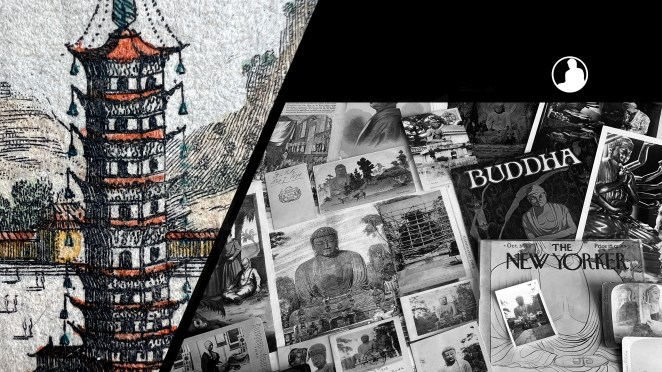
Following the success of colonial pavilions at World’s Fairs, France initiated its own independent Colonial Expositions in the 1890s. In Marseilles in 1906, famous architectural sites from French Indochina were reconstructed, including a towering Buddhist pagoda representing Annam.

Jules Charles-Roux, organizer of the colonial portions of the Paris World’s Fair of 1900 and head of the 1906 exposition, showcased the pagoda behind the main Indochina gate. The pagoda was also set at the head of a replicated “Hanoi road” populated with real inhabitants of the protectorate.
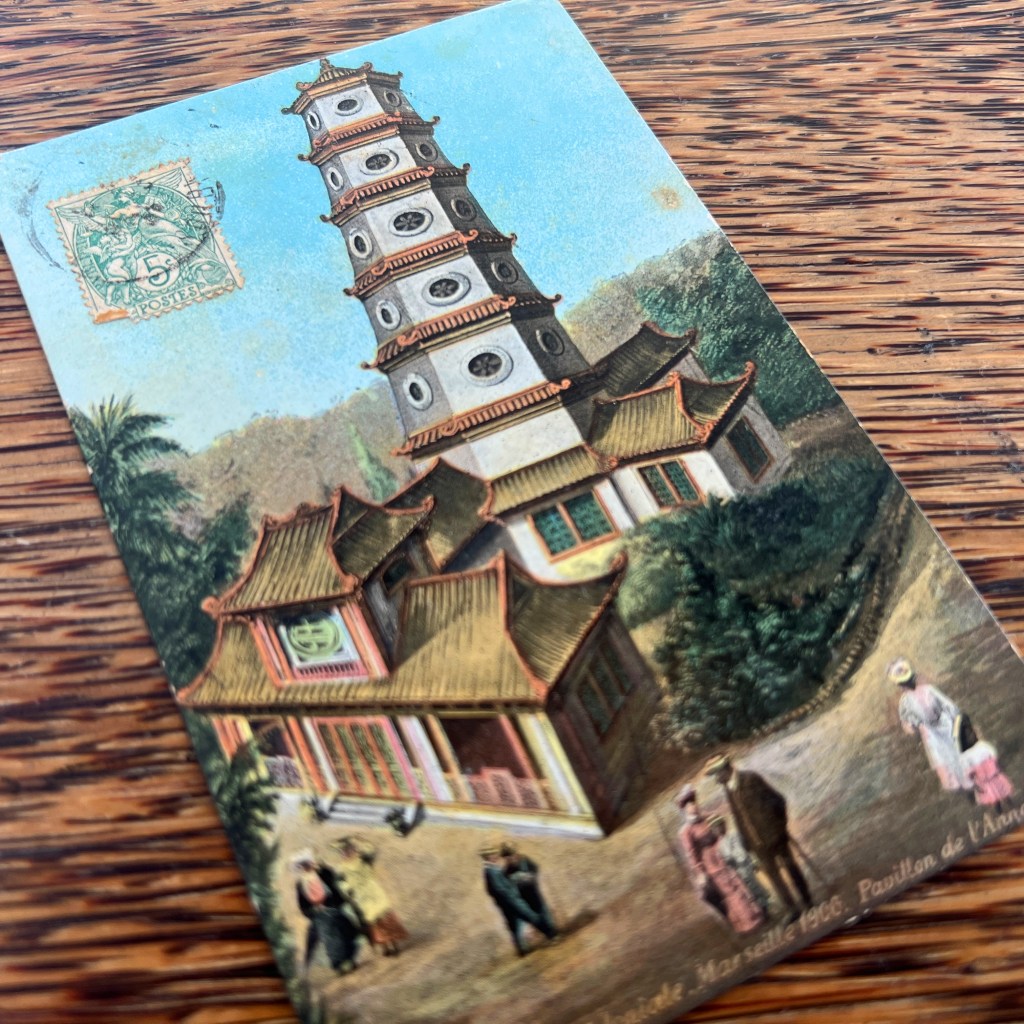
Held during the height of the postcard craze, the exposition grounds opened its own dedicated postcard pavilion. While the cancellation is unclear on the obverse, this card appears to have been sent from Marseilles; its destination was Port-Vendres, further down the Mediterranean coast.

While often obscure in exposition literature, the “Annam Pavilion” was a replica of the pagoda from Tien Mu Temple, in the city of Hue, which was founded in 1601. The pagoda was a popular subject of souvenir photographs sold by studios throughout French Cochinchina, Annam, and Tonkin.

The following year, in 1907, Paris held another colonial exposition, but recreated a different pagoda to represent Annam. A photo illustrated book of the 1906 Marseilles Exposition is digitized by the University of Aix-Marseille, viewable here: https://tinyurl.com/mczsvn6s.


The Buddhas in the West Material Archive is a digital scholarship project that catalogues artifacts depicting Buddhist material culture for Western audiences. It’s comprised of prints, photos, and an assortment of ephemera and other objects. For a brief introduction to this archive, visit the main Buddhas in the West project page.


For Related Buddhas in the West Posts Featuring Vietnam / French Indochina:


For the Most Recent Buddhas in the West Posts:

Dreamland’s Japanese Tea Garden Pagoda, “Greeting From Coney Island” Postcard

For all the new Buddhas in the West posts
follow us on Bluesky & Instagram


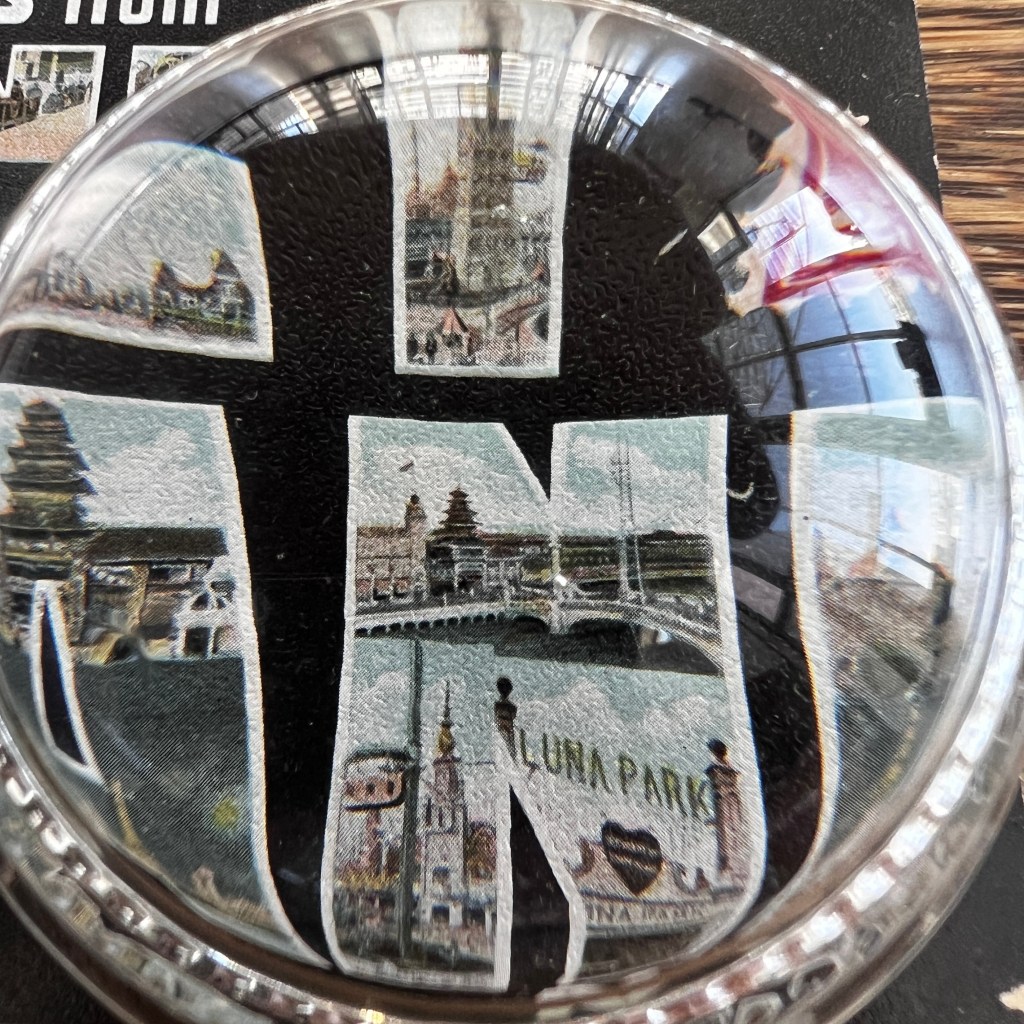
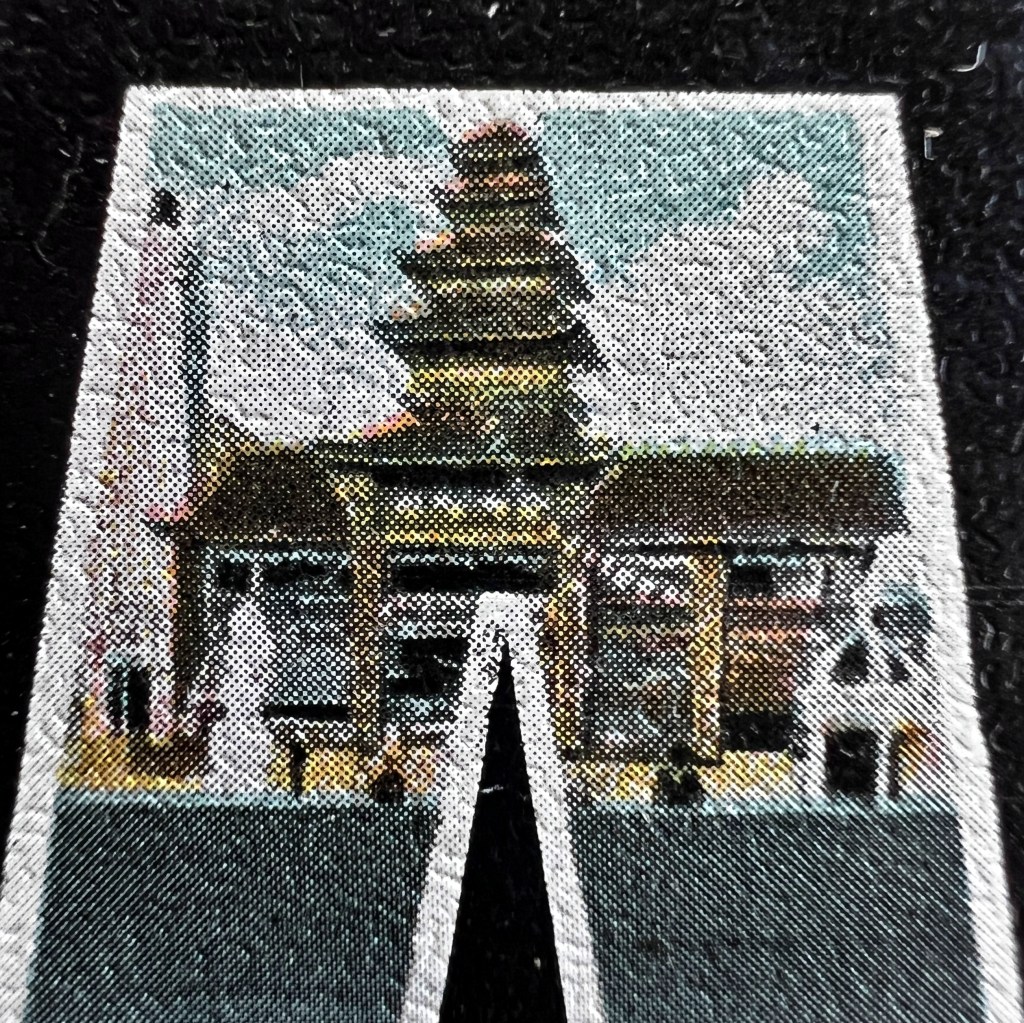
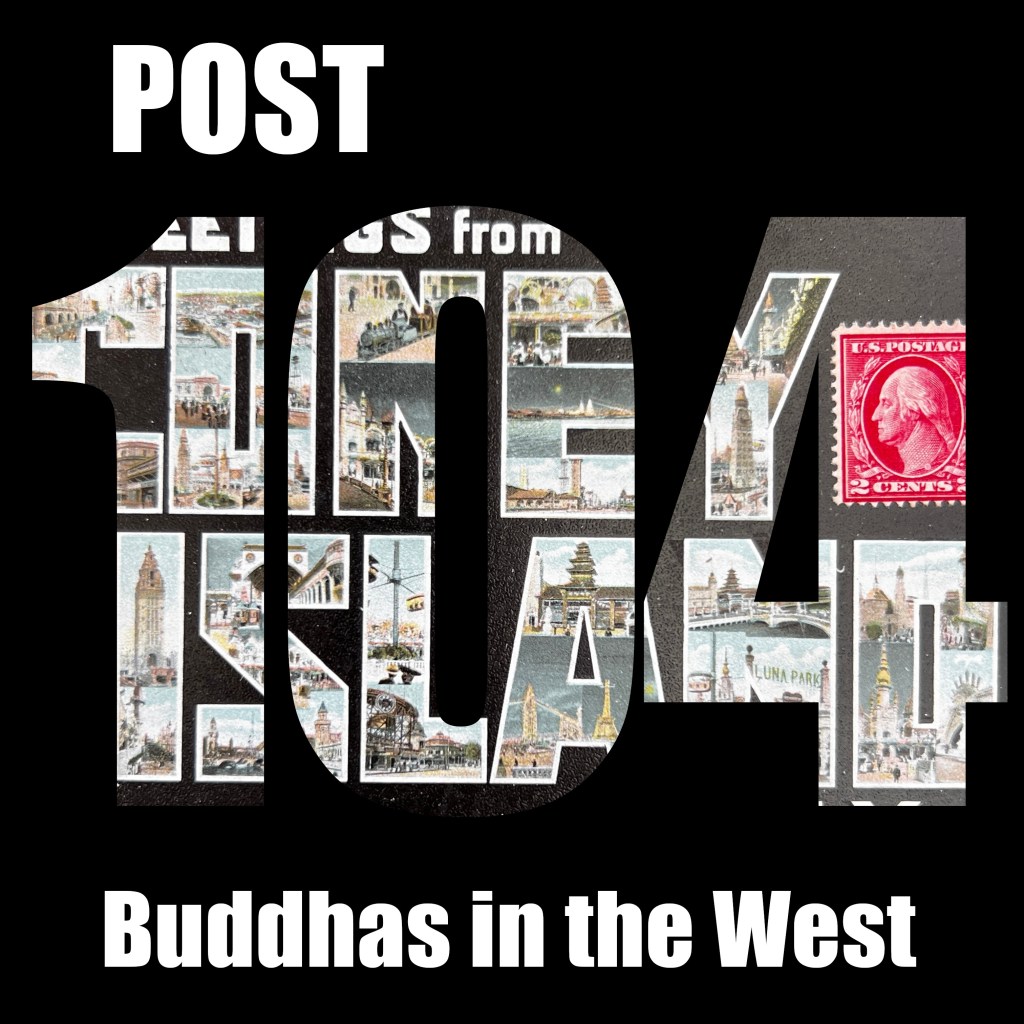
During the Golden Age of American amusement parks, New York’s Coney Island was king, sporting the trifecta of the Steeplechase, Dreamland, and Luna Park. Opening in May 1904, Dreamland advertised a “faithful reproduction of a Japanese temple,” attempting to pull customers away from its rivals.

The “temple” attraction was mostly bluster, but a two-story Japanese-style pavilion was built as a tea house, crowned by an additional four-level pagoda. Iconic in its own right, this pagoda is featured at least two times in this classic “Greetings from” postcard design.

Mailed from Brooklyn to Bavaria in 1912, this postcard was originally printed in Germany, the worldwide epicenter of postcard production previous to WWI. Note the stamp indicating the postage was affixed on the obverse; this allowed collectors to display the postcard in an album.

Based on World’s Fair amusement zones, the buildings at Dreamland each had their own architectural style to showcase their offerings: Canals of Venice, Coast through Switzerland, Destruction of Pompeii, etc. The pagoda’s distinctive features (seen in the “N”) identified the Japanese tea garden.

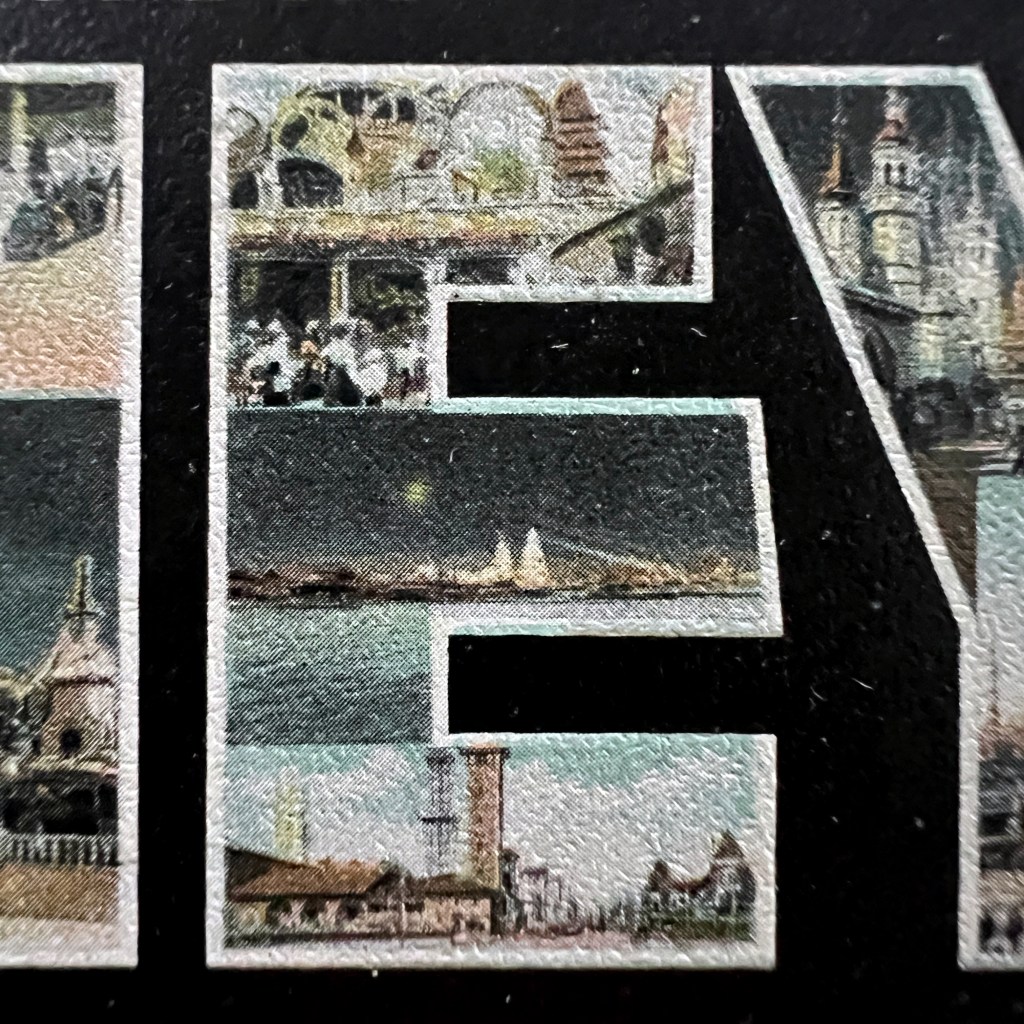
Luna Park, which opened the previous year in 1903, expanded its own Japanese Roof Garden with towering pagodas; this park’s pagoda is just visible in the top of the letter “E”. As new Luna Parks opened across the US, some added their own Japanese style pagodas.

Dreamland was destroyed in 1911 when a fire ripped through the park. An extraordinarily detailed map of Coney Island’s three parks c.1906 is available through the Library of Congress (Dreamland’s pagoda is in the lower right), viewable here: https://tinyurl.com/xvdtw8yt.


The Buddhas in the West Material Archive is a digital scholarship project that catalogues artifacts depicting Buddhist material culture for Western audiences. It’s comprised of prints, photos, and an assortment of ephemera and other objects. For a brief introduction to this archive, visit the main Buddhas in the West project page.


For Related Buddhas in the West Posts Featuring Amusements at World’s Fairs:


For the Most Recent Buddhas in the West Posts:


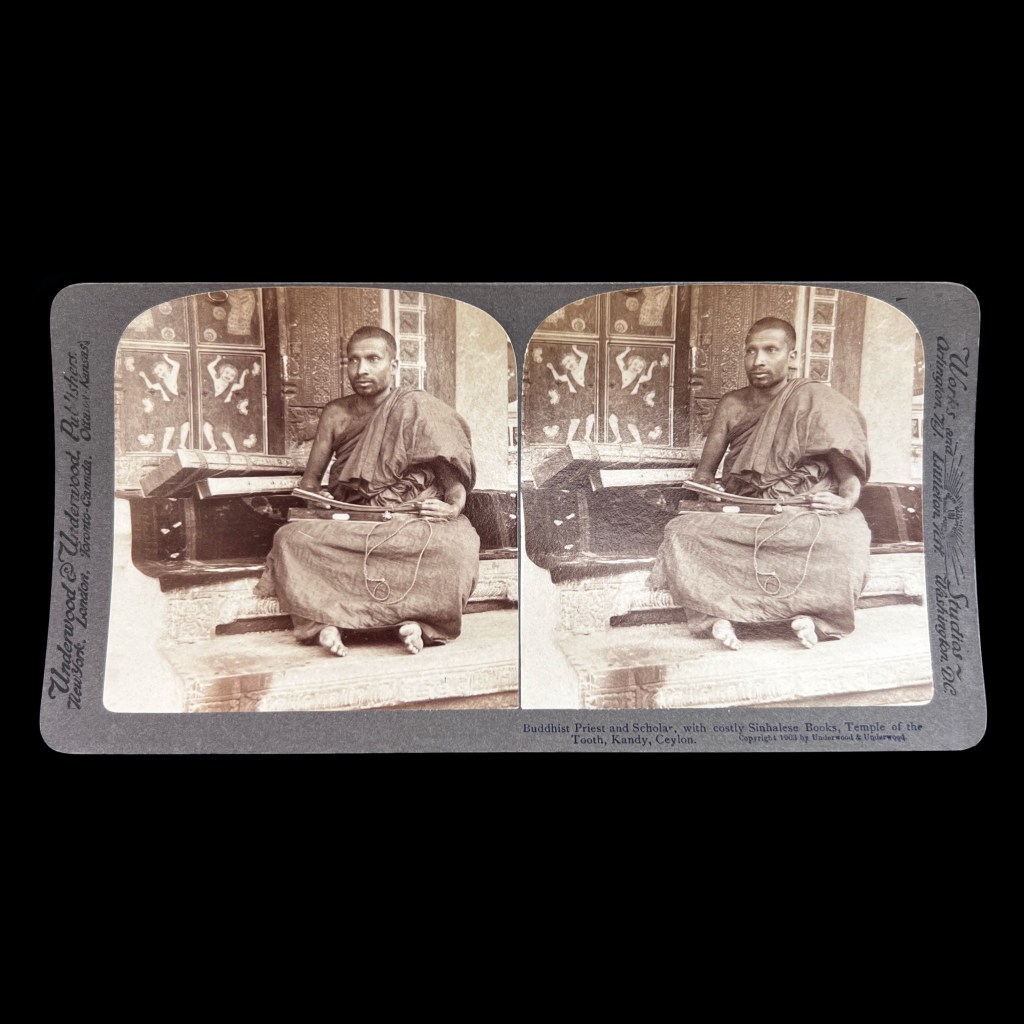
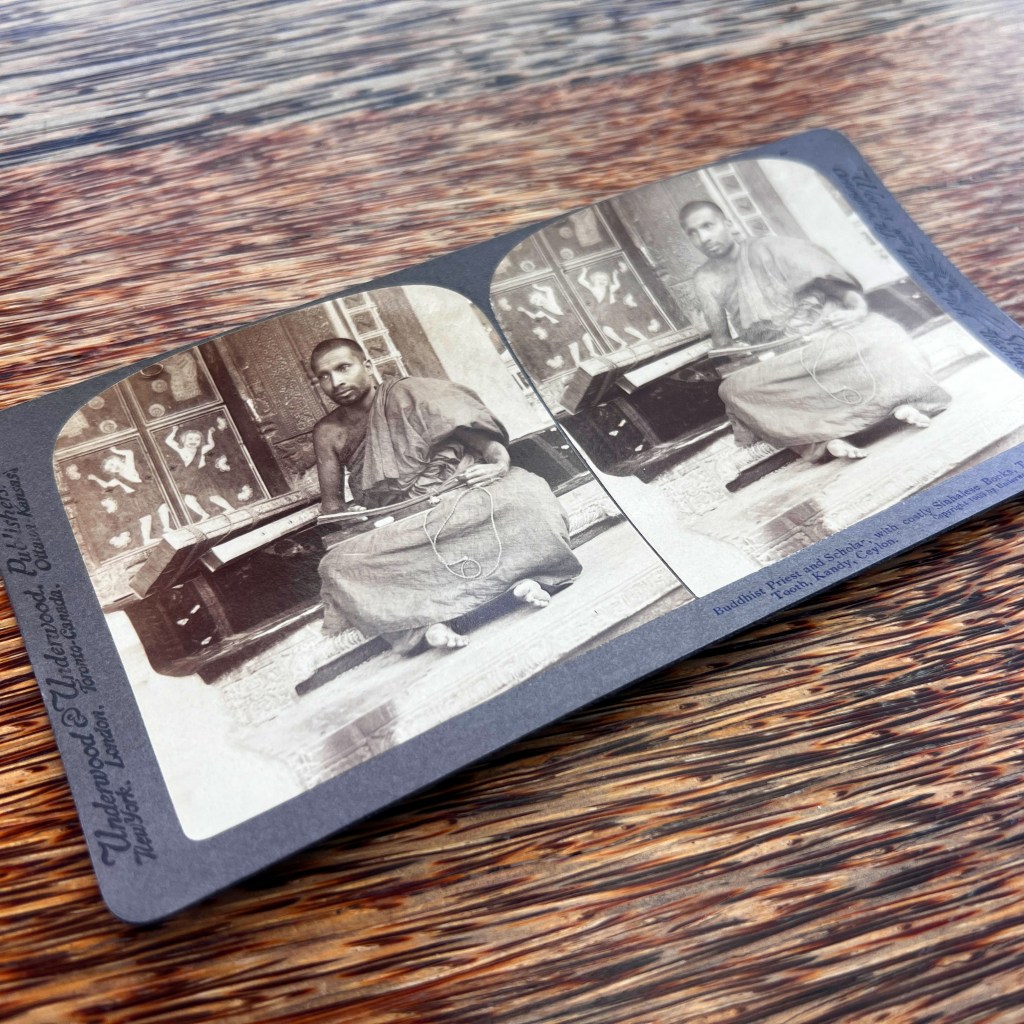
James Ricalton’s Priest at the Temple of the Tooth

For all the new Buddhas in the West posts
follow us on Bluesky & Instagram


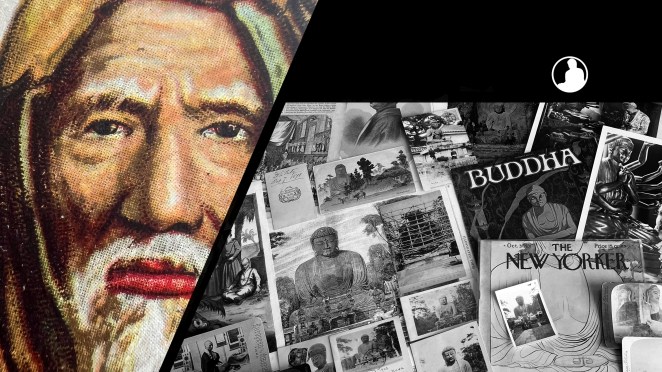
Just after the discovery of the Buddha’s relics at Piprahwa in 1898, James Ricalton was planning a photographic tour of the world. One of his planned stops was to visit the most famous Buddhist relic of his era, the Buddha’s tooth enshrined in the capital city of Kandy.

Ricalton’s employer, the largest stereoscope firm in the world, Underwood & Underwood, was launching several sets devoted to specific countries; Ceylon was slated to have 30 stereoview cards. Underwood’s slogan, ‘‘to see is to know,’’ drove its message that education was a main objective.

Shooting the Temple of the Tooth, Sri Dalada Maligawa, and a few stupas, this image was the only one for Ceylon showing a Buddhist monk. While it was common to depict monks on alms rounds, Ricalton shows this unnamed monk reading scripture, calling him a priest and scholar in the caption.

The monk sits holding the long, rectangular leaves of a Buddhist scripture in his lap. Views such as this were intended to give a glimpse into the “real lives” of the photographed subjects, thus allowing viewers to travel without the hassle of actually leaving home.

Selling “the world in a box,” stereoviews helped shape a vision of Buddhism for American consumers. For more on the powerful visual language of stereoviews, see Judith Babbitts’ “Stereographs and the Construction of a Visual Culture in the United States,” in History Bytes (2004).


The Buddhas in the West Material Archive is a digital scholarship project that catalogues artifacts depicting Buddhist material culture for Western audiences. It’s comprised of prints, photos, and an assortment of ephemera and other objects. For a brief introduction to this archive, visit the main Buddhas in the West project page.


For Related Buddhas in the West Posts Featuring Buddhist Clerics:


For the Most Recent Buddhas in the West Posts:


Buddhist Temple of Los Angeles Postcard

For all the new Buddhas in the West posts
follow us on Bluesky & Instagram


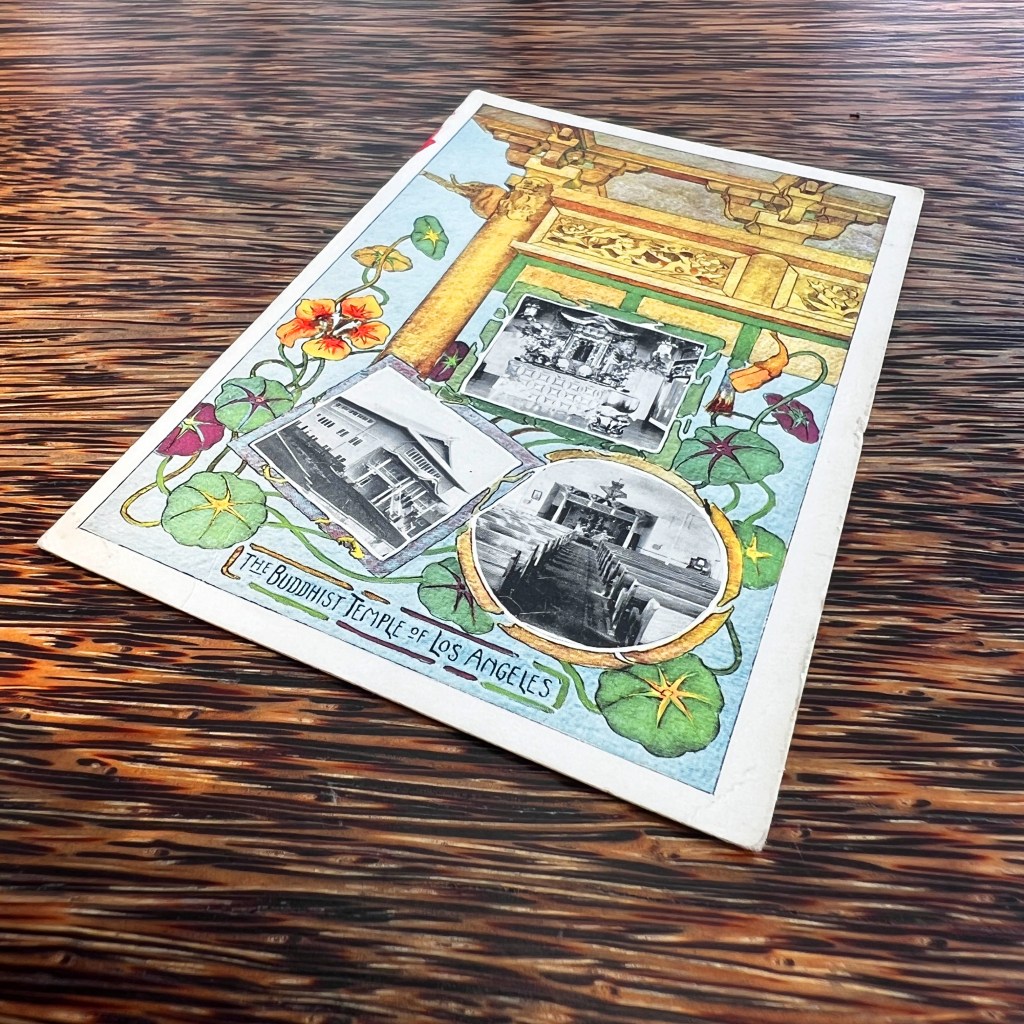
Inspired by the success in San Jose and Sacramento, Izumida Junjō 泉田準城 (1866–1951) arrived in Los Angeles in 1904 and opened the city’s first Buddhist temple for Japanese immigrants. After raising funds and purchasing land, a newer and larger temple was opened in 1911 on Savannah Street.

Associated with Nishi Hongan-ji, a Jōdo Shinshū Buddhist organization headquartered in Kyoto, Izumida organized the Rafu Bukkyō-kai 羅府仏教会, the Buddhist Mission of Los Angeles. It was meant to meet Japanese immigrants’ needs for funerals, memorial services, and spiritual guidance.

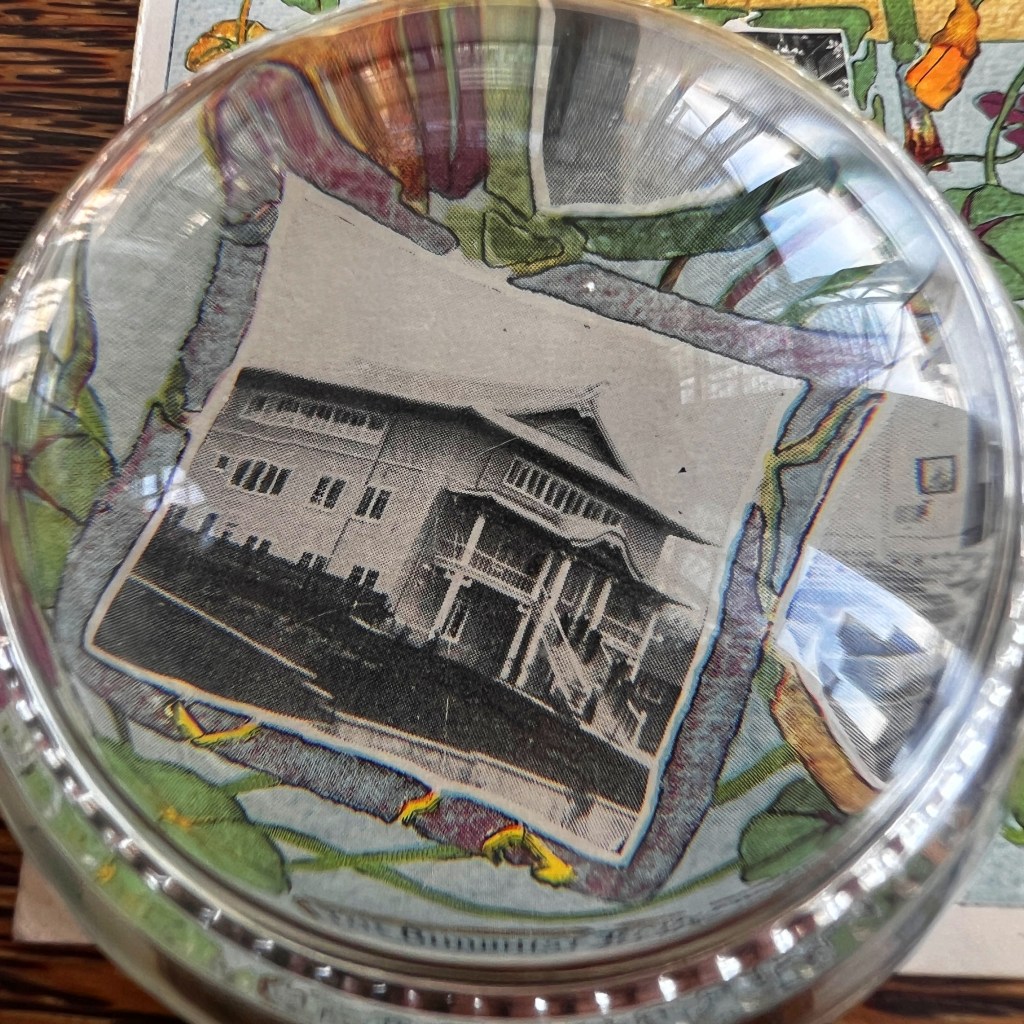
Possibly in celebration and promotion of the new temple, the Mission issued picture postcards highlighting both the interior and exterior of the building. The colorful illustrated elements on the front reveal an Arts and Crafts influence popular in the early 20th century.

The building was meant to reflect both American residential architecture and Japanese temple architecture. The latter can be seen in the curved eaves on the roof and the temple-style gate over the front porch.

The interior also shows a hybrid style, with church-like pews set in front of a traditional Japanese Buddhist altar.

As a Jōdo Shinshū temple, the shrine is dedicated to Amida Buddha, here with a scroll bearing his name. For more on the history of this LA temple, see Michihiro Ama, Immigrants to the Pure Land: The Modernization, Acculturation, and Globalization of Shin Buddhism (2011).


The Buddhas in the West Material Archive is a digital scholarship project that catalogues artifacts depicting Buddhist material culture for Western audiences. It’s comprised of prints, photos, and an assortment of ephemera and other objects. For a brief introduction to this archive, visit the main Buddhas in the West project page.


For Related Buddhas in the West Posts Featuring Historical Trade Cards:


For the Most Recent Buddhas in the West Posts:
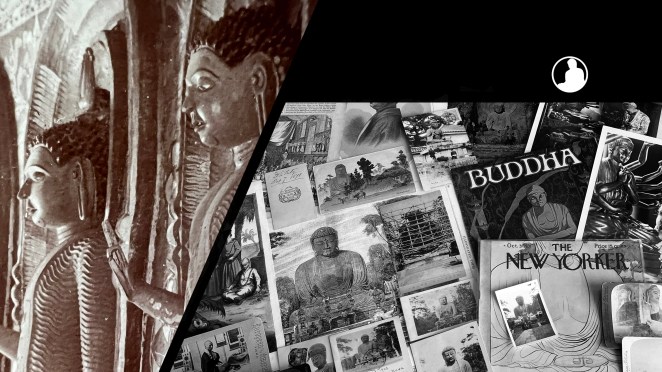

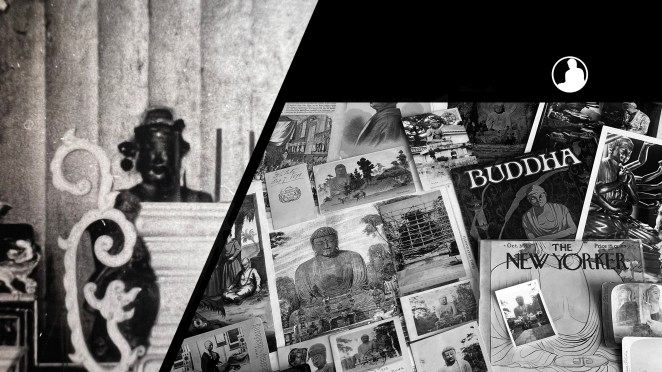
Olfert Dapper’s “The Idoll Sechia” Engraving

For all the new Buddhas in the West posts
follow us on Bluesky & Instagram


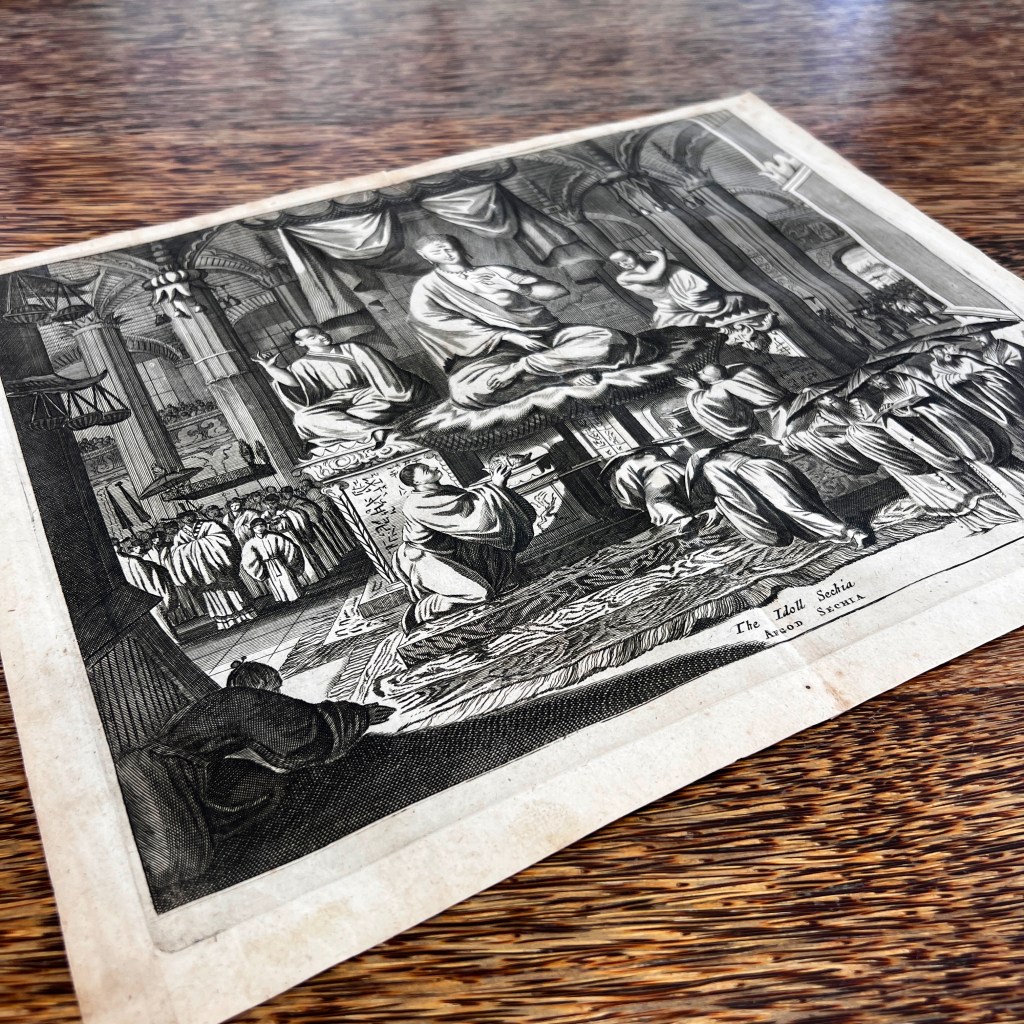
The Atlas Chinensis by Olfert Dapper (1636–1689) is among the most visually embellished European treatments of China from the late 17th century. Never traveling to Asia, Dapper used reports from the 2nd and 3rd Dutch embassies to China and consulted older Jesuit accounts.

The copperplate engravings were likely prepared in the workshop of publisher Jacob van Meurs who found reasonable success issuing illustrated books on Asia. The illustration here is from the 1674 German edition of Atlas Chinensis; it was originally published in Dutch in 1670.

In a section describing Buddhism, Dapper notes that images of the “Idoll Sechia” (Śākyamuni) are found in temples, “in the shape of a fair Youth; with a third Eye in his forehead.” Engravers had great liberty to interpret and add further details.

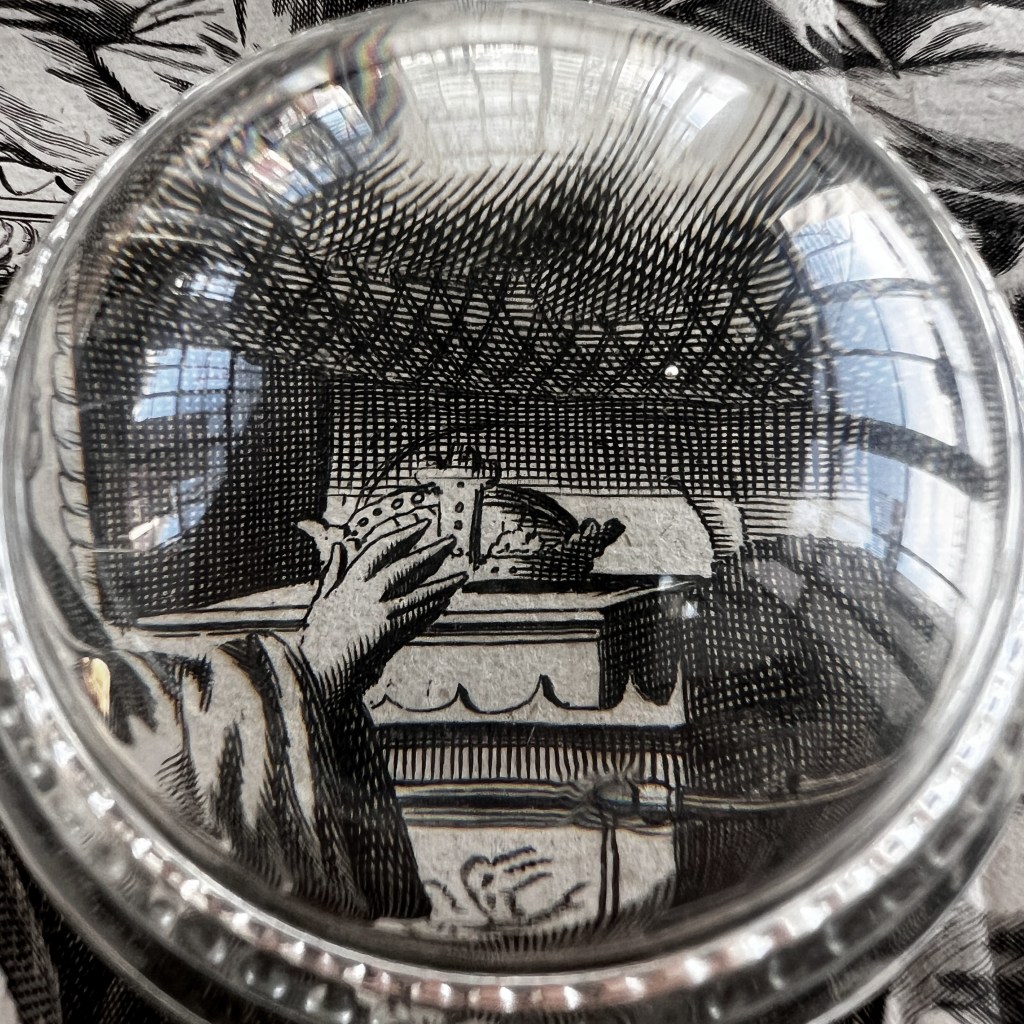
Some details, such as the European-style crown at the base of the altar, suggest fabricated visual embellishments intended to make the scene more familiar to European readers.

While other details that might appear odd, such as the flanking figures scratching their ears, are actually based on authentic Buddhist imagery of the arhats (C. luohan). Unpublished Jesuit sketches available to Dapper likely informed some of these details.

An English edition of Dapper’s work, published by John Ogilby in 1671 (and curiously misattributed to Arnoldus Montanus), can be viewed through Stanford University here: tinyurl.com/ycyw93eb.


The Buddhas in the West Material Archive is a digital scholarship project that catalogues artifacts depicting Buddhist material culture for Western audiences. It’s comprised of prints, photos, and an assortment of ephemera and other objects. For a brief introduction to this archive, visit the main Buddhas in the West project page.


For Related Buddhas in the West Posts Featuring Historical Engravings:


For the Most Recent Buddhas in the West Posts:
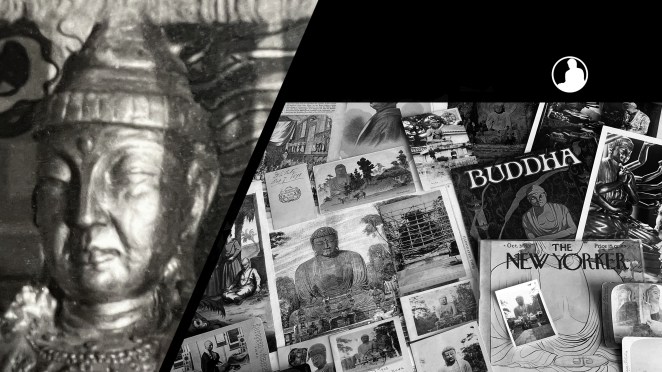

Pierre Dieulefils’ Tien Mu Temple Postcard

For all the new Buddhas in the West posts
follow us on Bluesky & Instagram


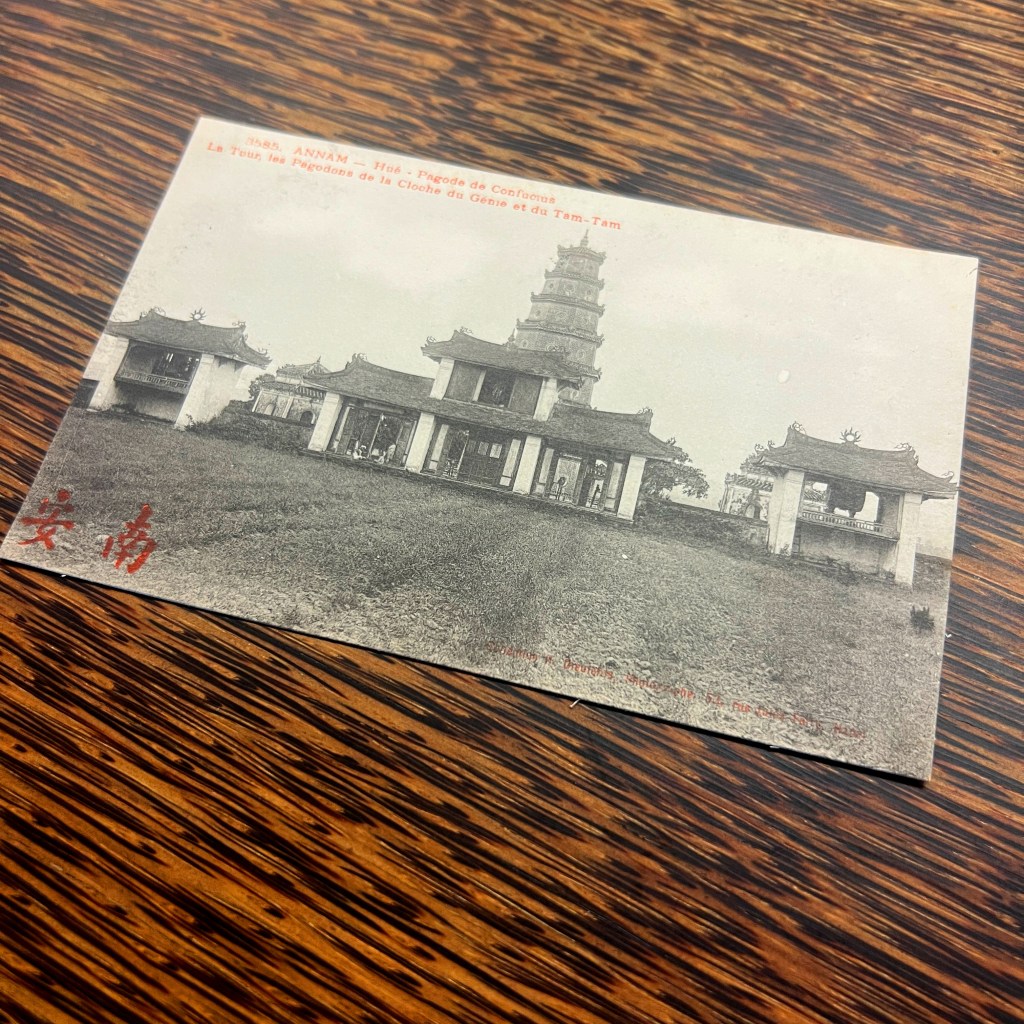
Tien Mu Temple, located in the city of Hue, is among the most historically important Buddhist sites in Vietnam. For its modern political importance, Tien Mu Temple emerged as the center of anti-government protest and was home to Thich Quang Duc who self-immolated in 1963.

Tien Mu Temple, seen here, was founded in 1601, but replaced a much older shrine to local Cham deity, Po Nagar. The seven-story pagoda, now a popular symbol of Hue, was built in 1844 and is nearly 70 ft (21 m) tall; it was originally named the Pagoda of Compassion and Benevolence.

Photographer Pierre Dieulefils opened a studio in Hanoi 1885 and spent the next three decades visually chronicling French Indochina; picture postcards became his specialty. It’s possible the photograph seen on the obverse was taken before a 1904 storm damaged many of the temple structures.

Often misnamed the “Pagoda of Confucius” by turn of the century foreign visitors, the drum and bell tower were also of popular tourist interest. The temple bell was cast in 1710 and is considered an important cultural relic.

The powder blue Austin Westminster car that drove Thich Quang Duc to Saigon in 1963, also seen in the famous photographs of his act of protest against the Diem regime, remains today on display at Tien Mu Temple, a “contact relic” of the venerated monk.


The Buddhas in the West Material Archive is a digital scholarship project that catalogues artifacts depicting Buddhist material culture for Western audiences. It’s comprised of prints, photos, and an assortment of ephemera and other objects. For a brief introduction to this archive, visit the main Buddhas in the West project page.


For Related Buddhas in the West Posts Featuring Historical Temples:


For the Most Recent Buddhas in the West Posts:
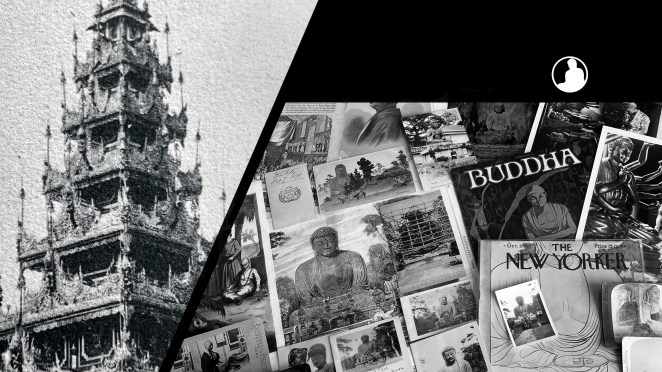

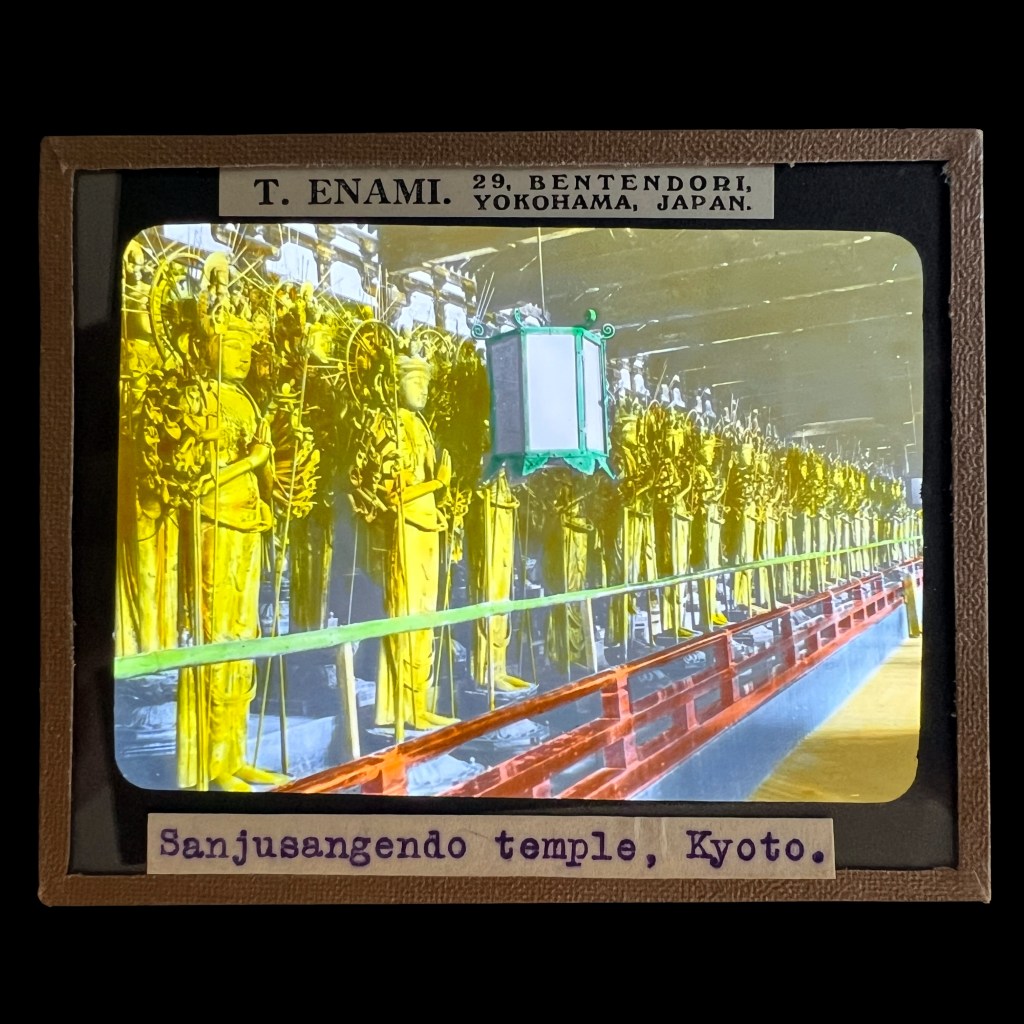
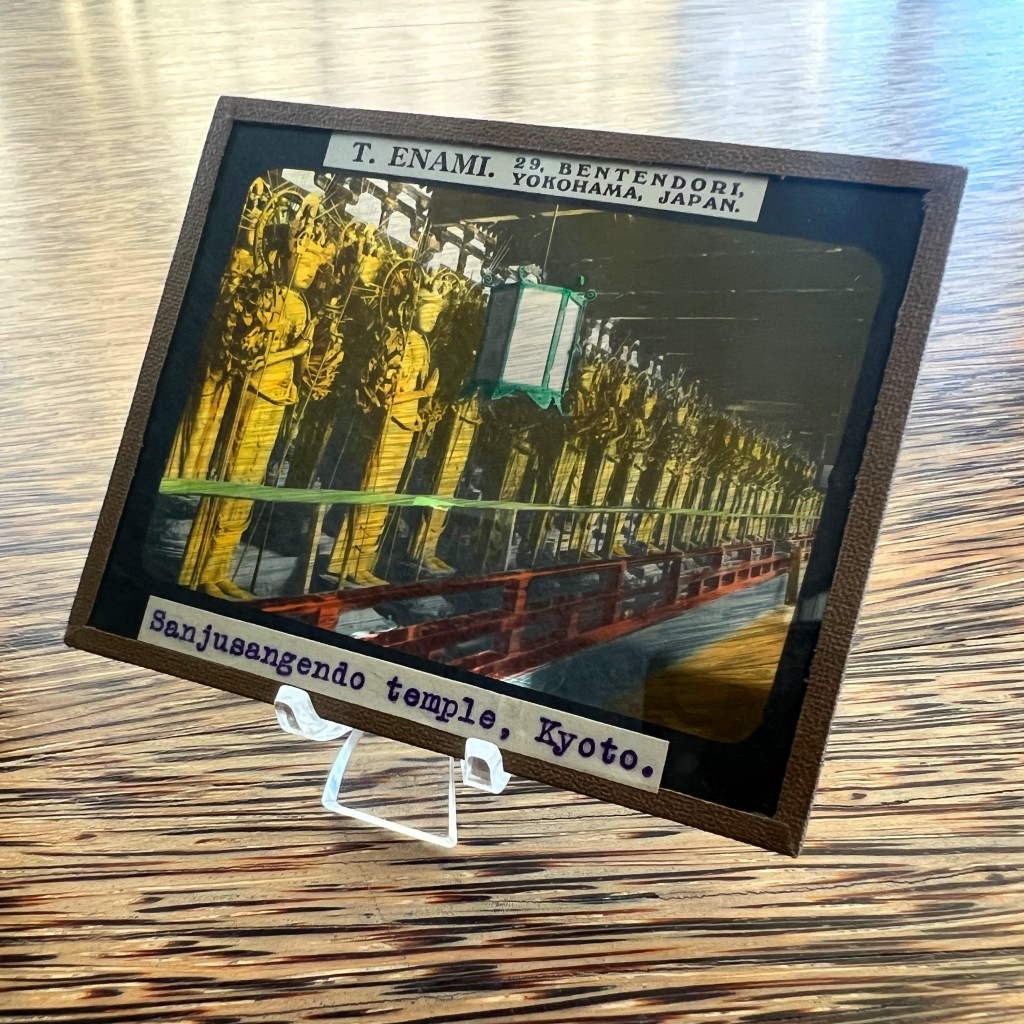
T. Enami’s Sanjūsangen-dō Lantern Slide

For all the new Buddhas in the West posts
follow us on Bluesky & Instagram


Before nickelodeons and cinema halls, “magic lantern” shows were an important part of popular American entertainment. Hand tinted glass slides were used by children’s story tellers, stage magicians, and traveling public lecturers in town and cities across the United States.

Enami Nobukuni, known professionally as T. Enami, opened his Yokohama photography studio in 1892 and by 1915 offered a very large glass slide portfolio. Objects such as this would have been sold as visual aids for public presentations or parlor room entertainment.

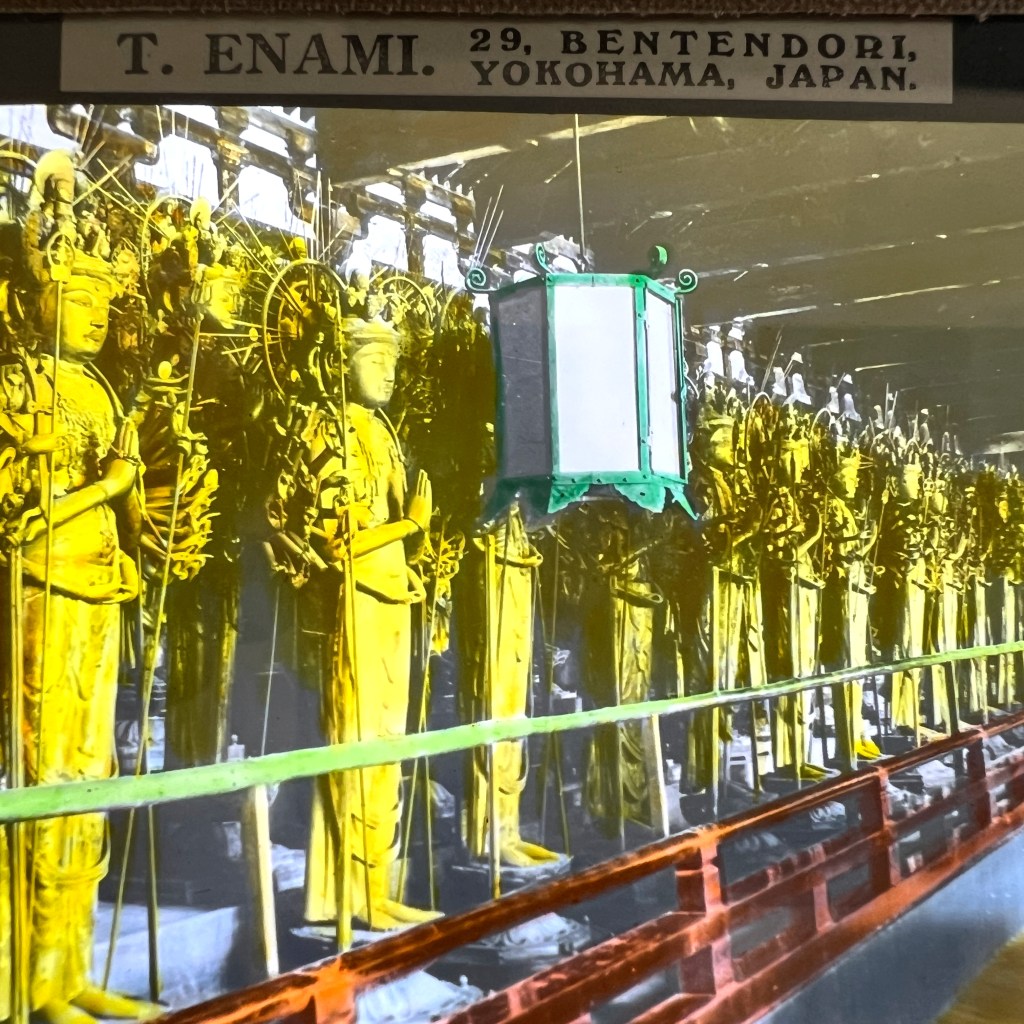
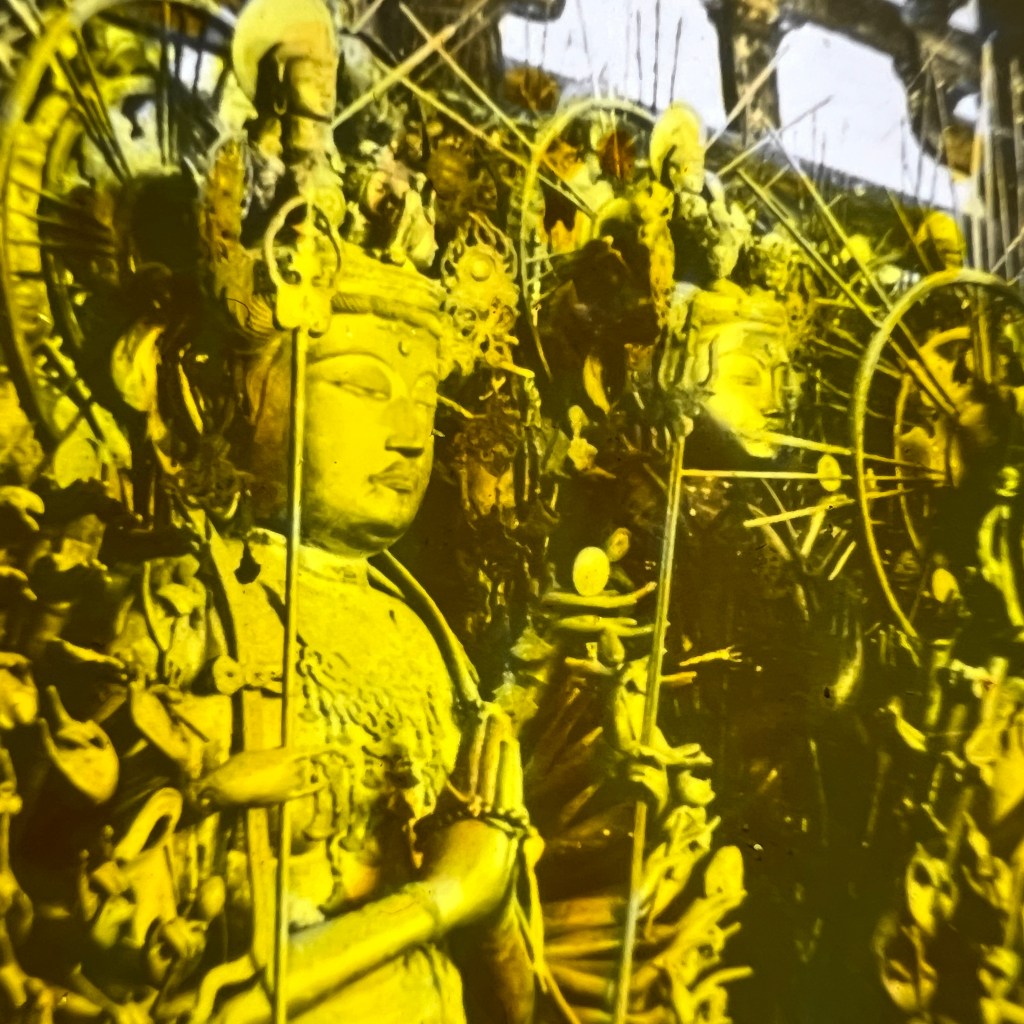
This slide shows a grouping of the famous one thousand Kannon statues of Sanjūsangendō in Kyoto, one of the most commonly photographed tourist sites in Japan during the late Meiji and Victorian periods.

Enami was celebrated for the beautiful hand tinting of his slides, but the coloring here suggests this slide was produced after his death in 1929, when his son took over the business and did not have an eye for finer detail like his father.

Enami was Japan’s most prolific producer of small format photographs and was often showcased in National Geographic Magazine. To view a selection of Enami’s photographs, see the digitized collection of Kjeld Duits, viewable here: tinyurl.com/245skpf8.


The Buddhas in the West Material Archive is a digital scholarship project that catalogues artifacts depicting Buddhist material culture for Western audiences. It’s comprised of prints, photos, and an assortment of ephemera and other objects. For a brief introduction to this archive, visit the main Buddhas in the West project page.


For Related Buddhas in the West Posts Featuring Lantern Slides:


For the Most Recent Buddhas in the West Posts:


1922 French Colonial Exposition Angkor Wat Replica Postcard

For all the new Buddhas in the West posts
follow us on Bluesky & Instagram


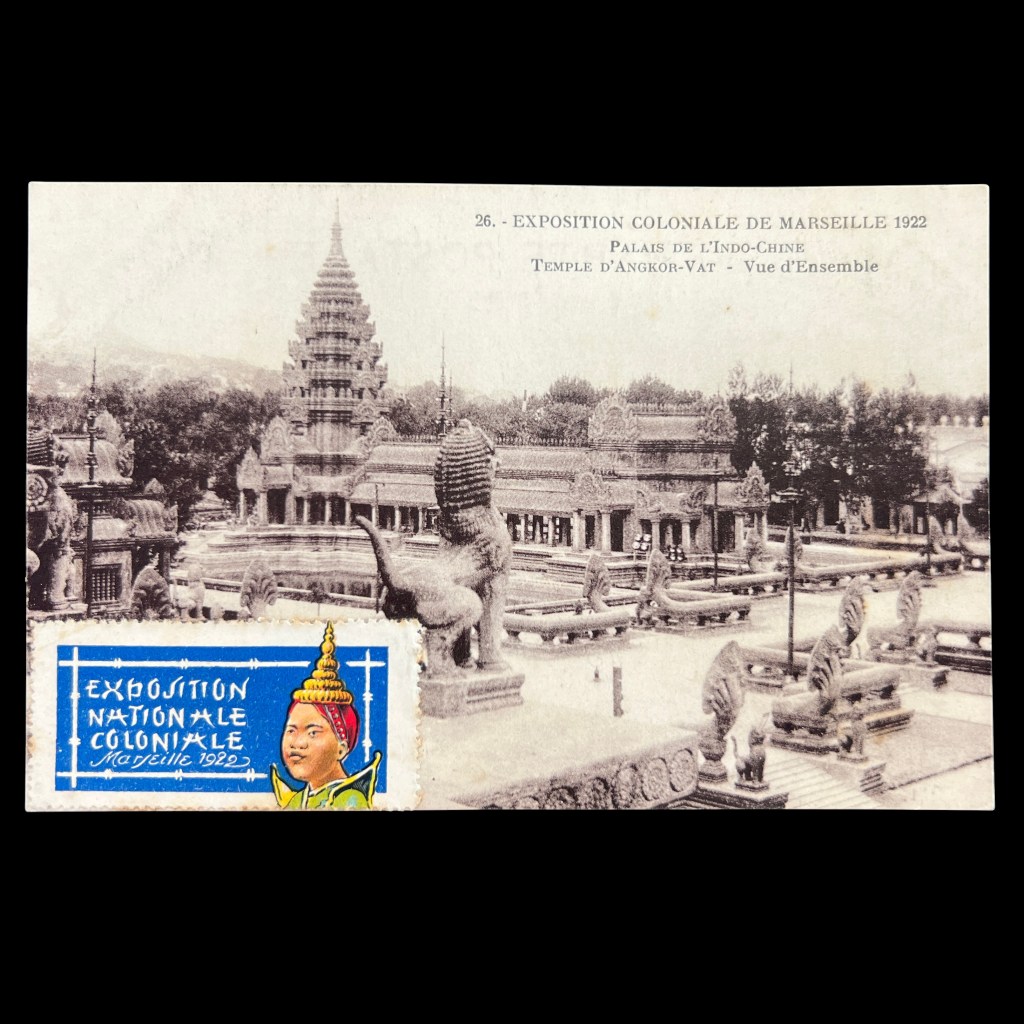
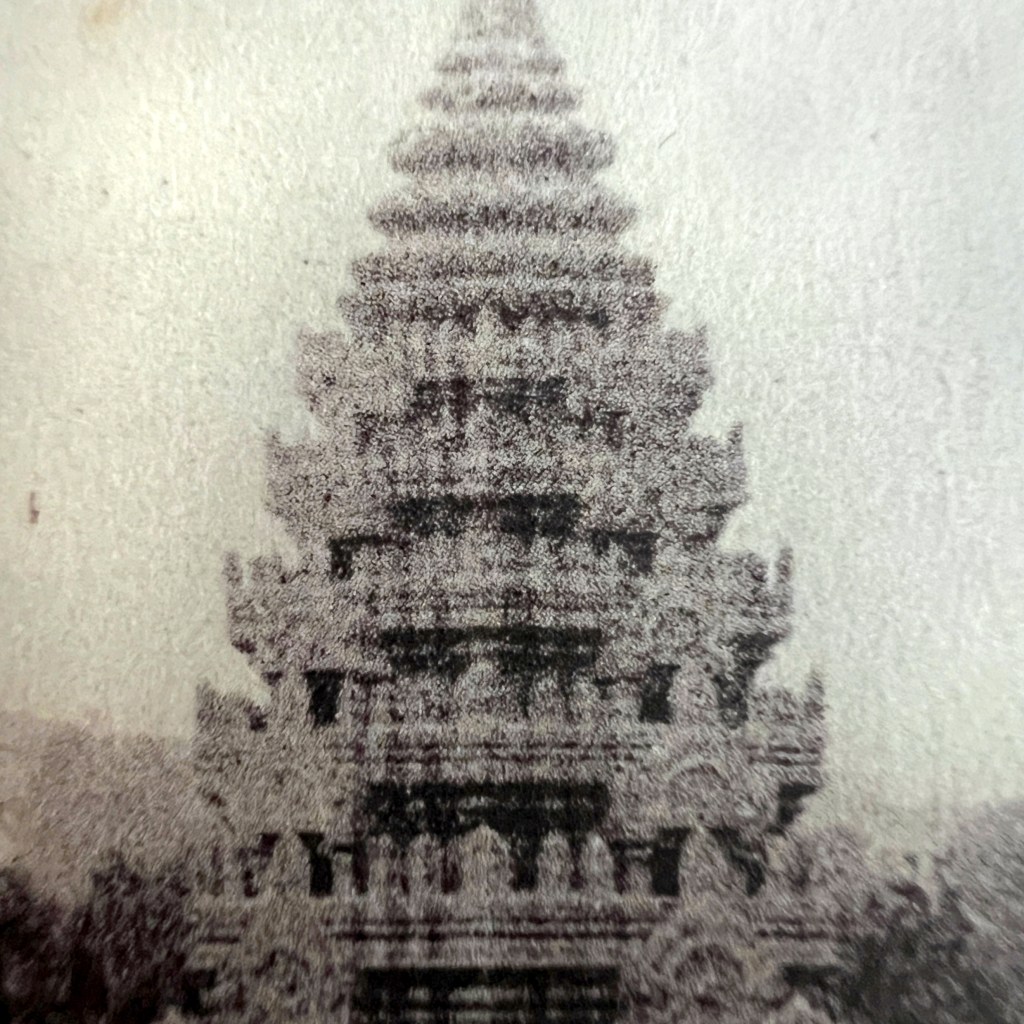
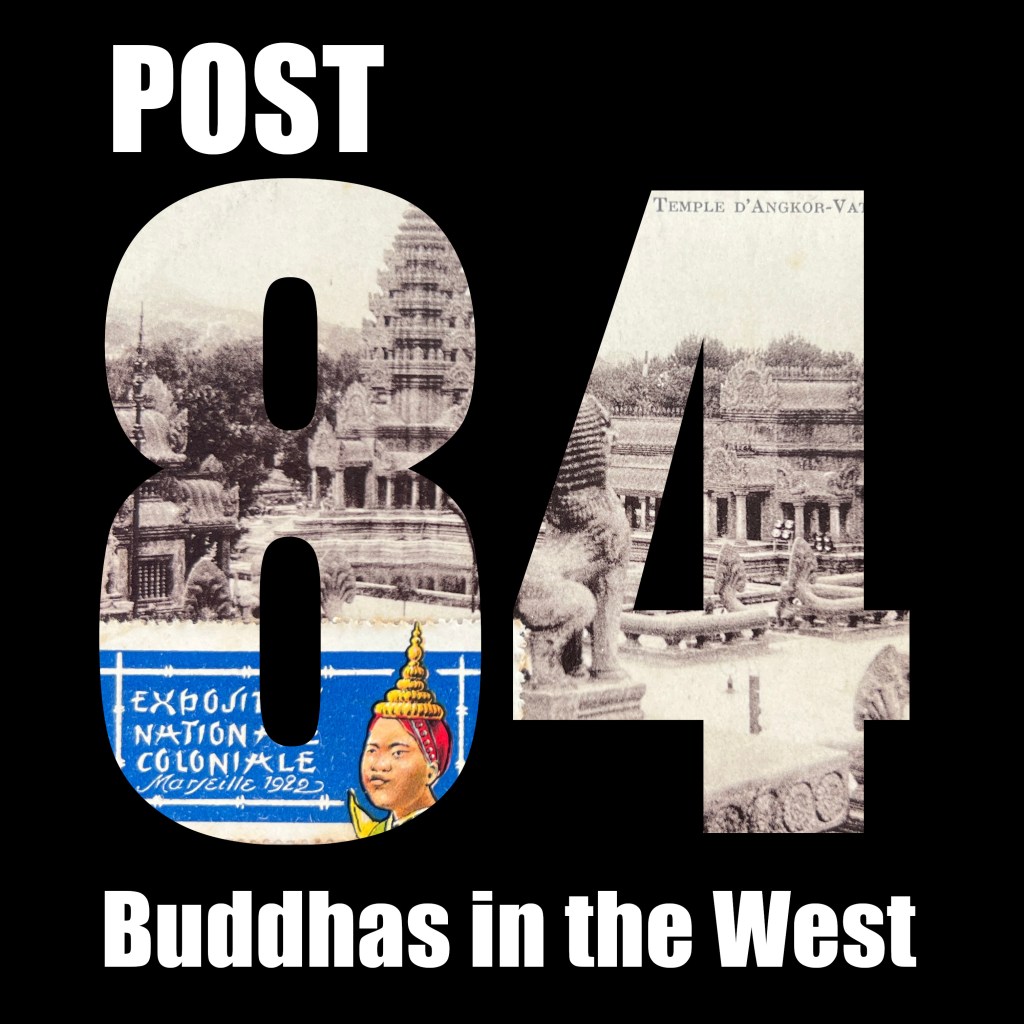
In 1922, the organizers of the Colonial Exposition in Marseille accomplished the impossible – a plaster recreation of Cambodia’s Angkor Wat. While only a partial replica, the central tower, built on a wooden skeleton, was 177 ft. (54m) tall and towered over the exposition grounds.

Cambodian “natives” were also brought in to add authenticity to the fabricated environment. The golden-clad Cambodian royal dance troupe proved to be a “must see” attraction; curiously, they performed the Orientalist opera Lakmé by composer Léo Delibes.

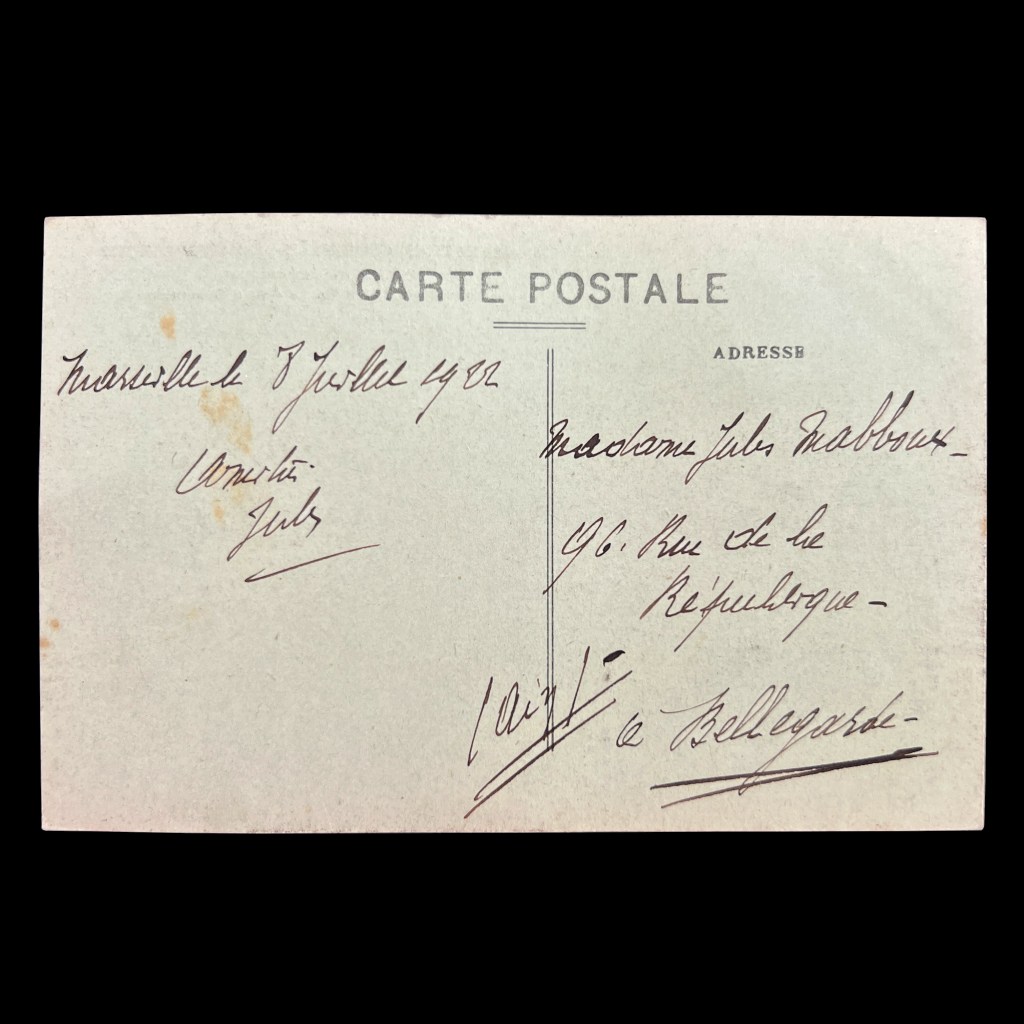
Cambodia was a protectorate of France since 1863 and French troops had already been sending home picture postcards of the real Angkor Wat ruins. Dated July 8, 1922, this card depicting Angkor Wat’s replica was prepared, but never mailed.

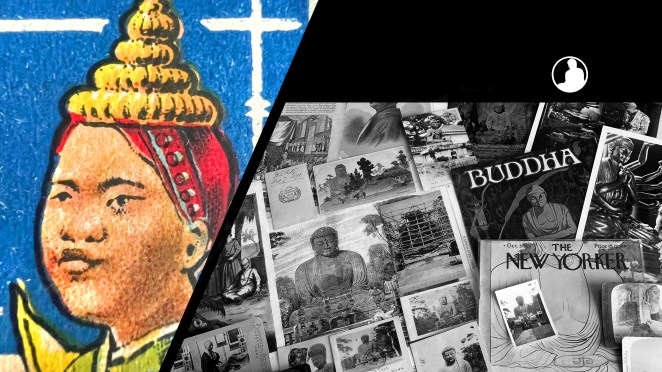
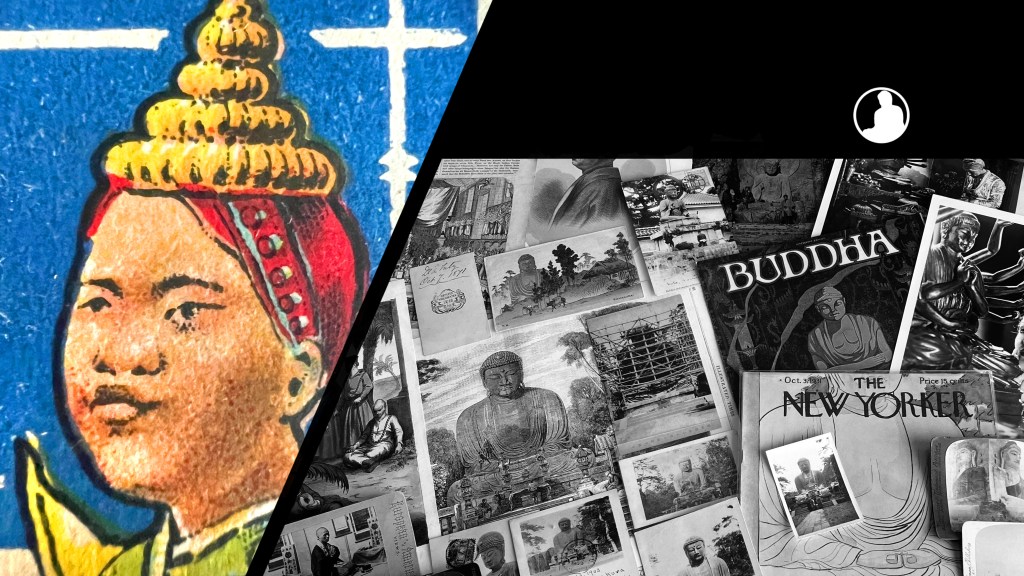
This stamp is a non-postal commemorative stamp, one of twelve designs made for the 1922 Marseille exposition. It depicts a royal dancer wearing a crown shaped like a Southeast Asian Buddhist stupa; such crowns are also seen in the stone reliefs decorating Angkor Wat.

While plasters casts made in Cambodia were used in Marseille, the replica temple had many alterations, creating only a semblance of reality. For more on the use of plasters casts and dancers, see Isabelle Flour’s “Orientalism and the Reality Effect: Angkor at the Universal Expositions” (2014).


The Buddhas in the West Material Archive is a digital scholarship project that catalogues artifacts depicting Buddhist material culture for Western audiences. It’s comprised of prints, photos, and an assortment of ephemera and other objects. For a brief introduction to this archive, visit the main Buddhas in the West project page.


For Related Buddhas in the West Posts Featuring Expositions:


For the Most Recent Buddhas in the West Posts:
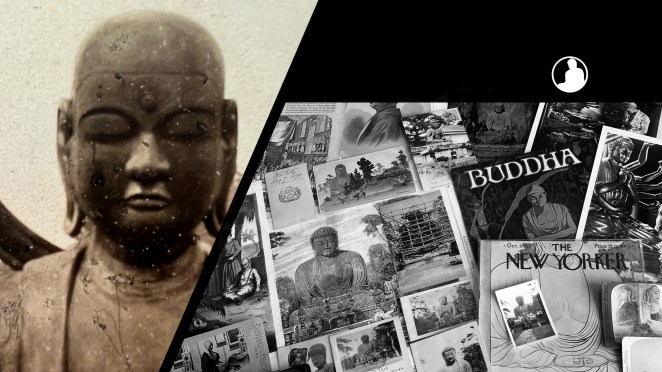

D.A. Ahuja’s Kaunghmudaw Pagoda Postcard

For all the new Buddhas in the West posts
follow us on Bluesky & Instagram


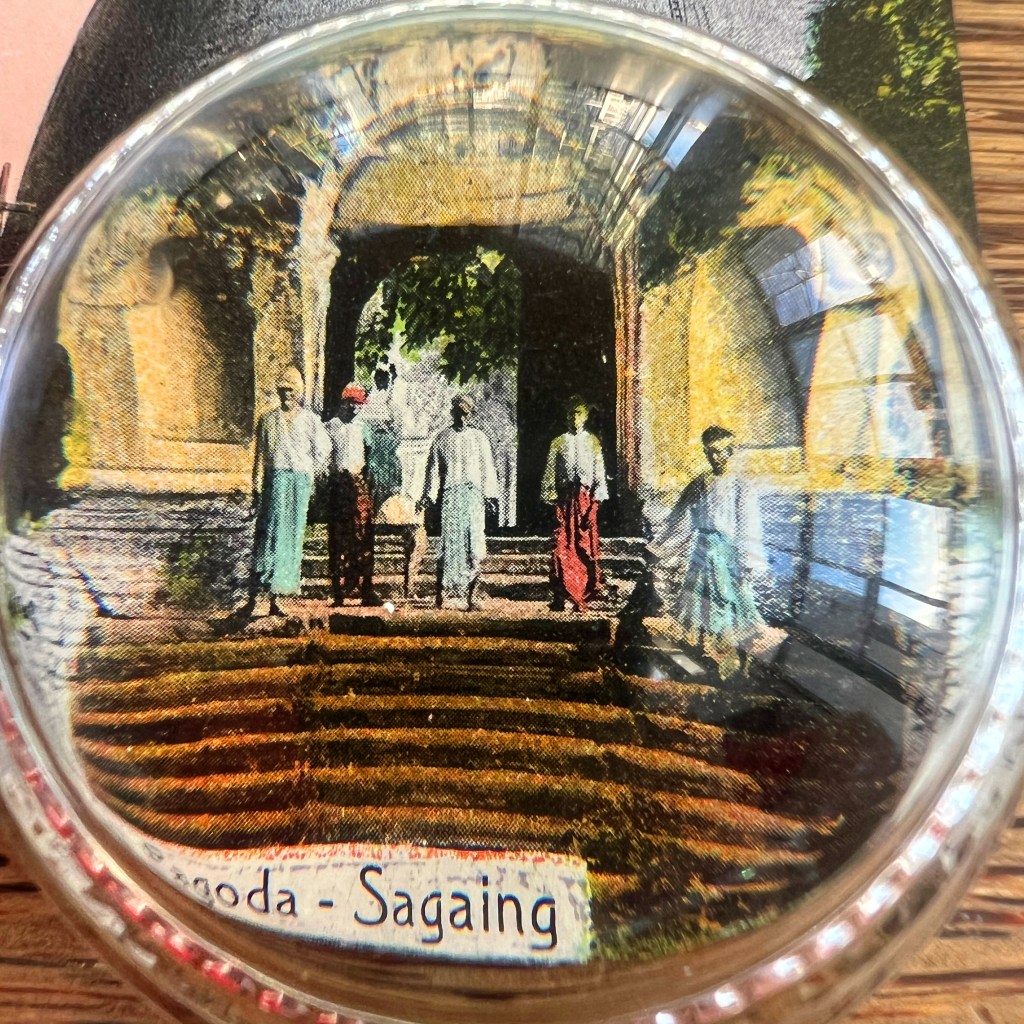
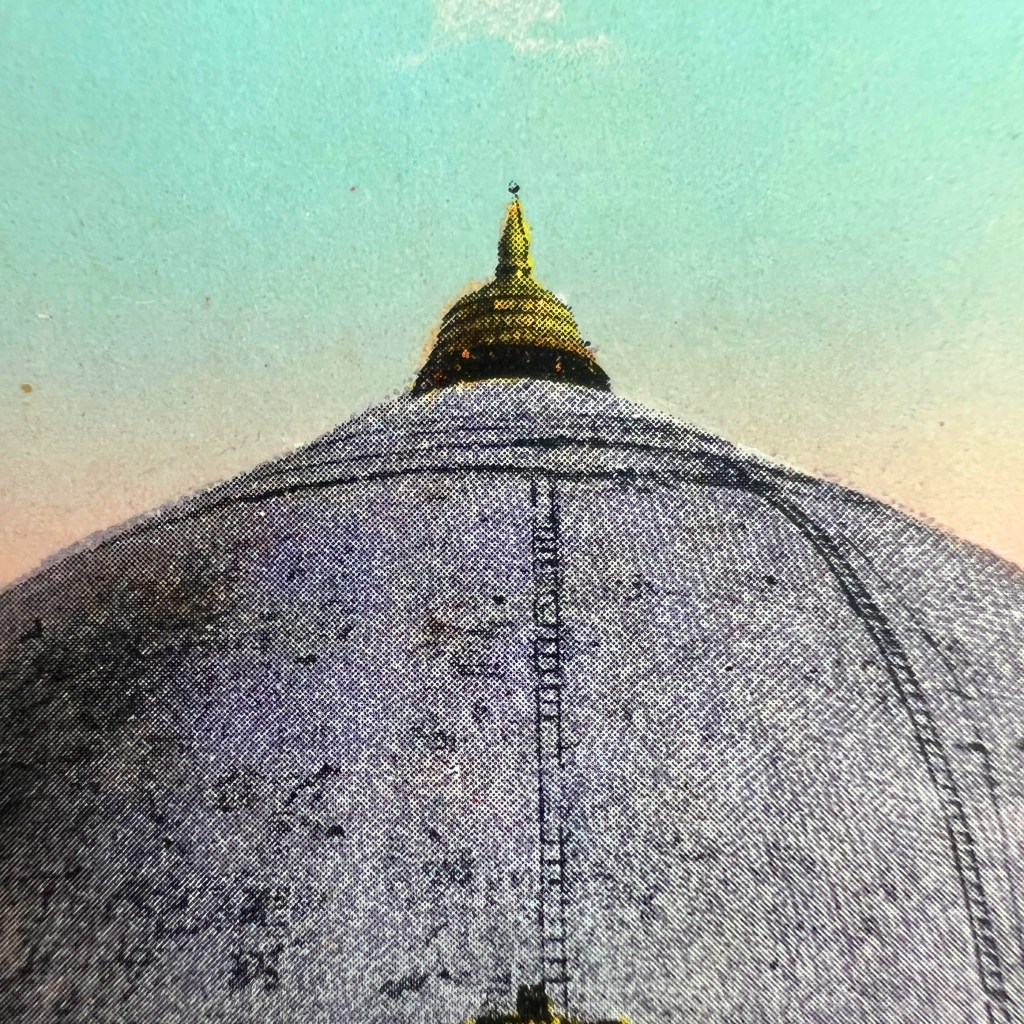
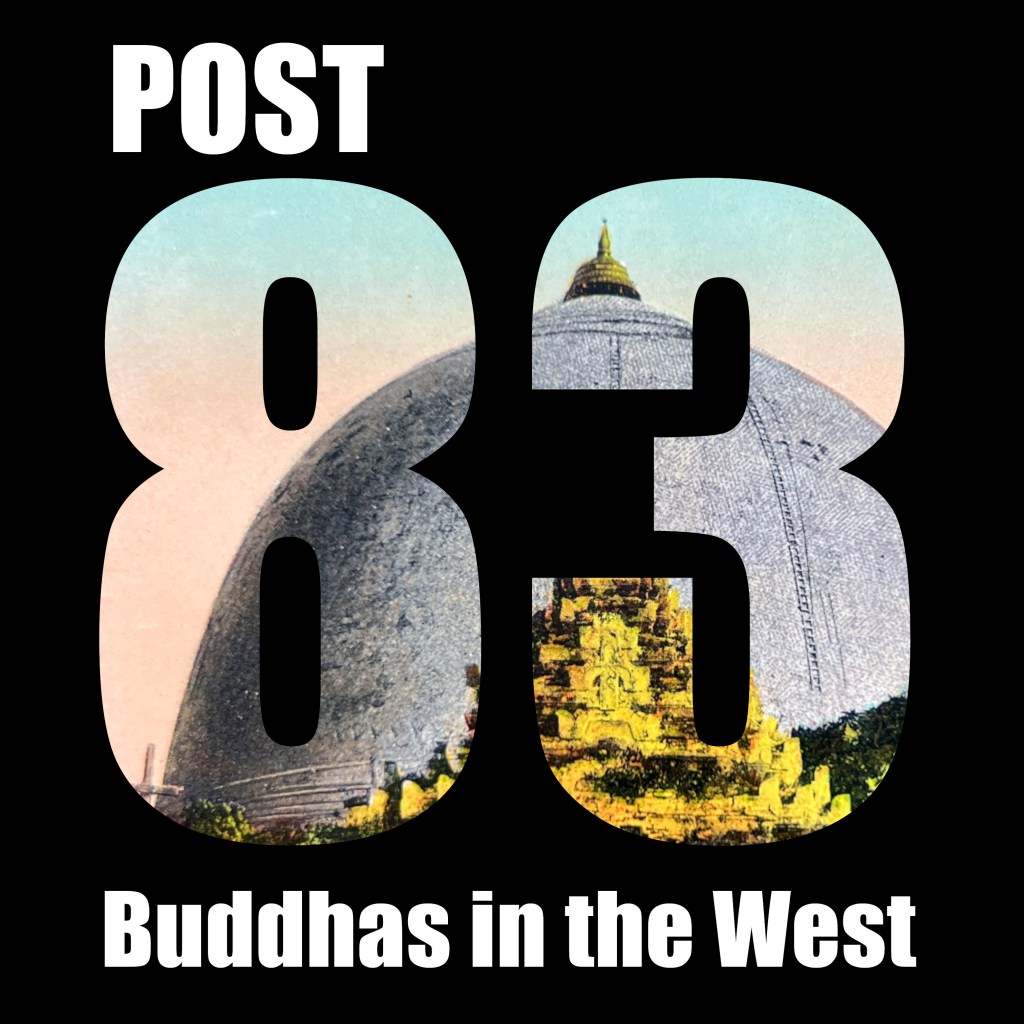
At the height of the worldwide postcard craze, no one produced more vibrant imagery of the Buddhist world than D.A. Ahuja. Here we see Myanmar’s 17th century Kaunghmudaw Pagoda with unique hemispherical dome – most Burmese pagodas are pyramidal structures.

According to Burmese chronicles, the Kaunghmudaw Pagoda enshrines the Buddha’s tooth relic among other religious treasures. This pagoda was intended to resemble Sri Lanka’s Maha Thupa, a structure reputed to hold the largest single cache of the Buddha’s relics.

The image was printed using a lithographic-halftone hybrid process, whereby a black halftone screen was applied on top of a multi-color lithographic substrate. The “divided back” design suggests the card was printed by Ahuja around 1910; he operated out of present-day Yangon.

Constructed in the Sagaing Hills, the Kaunghmudaw Pagoda houses a large marble statue of the Buddha hewn from the local quarry. The dome sits at a height of just over 150 feet (46m).

The use of a white dome was meant to symbolize a connection to the ancient past of Buddhist architecture. Just over a decade ago, however, the military government repainted the dome gold, against the outcry of local Buddhists.


The Buddhas in the West Material Archive is a digital scholarship project that catalogues artifacts depicting Buddhist material culture for Western audiences. It’s comprised of prints, photos, and an assortment of ephemera and other objects. For a brief introduction to this archive, visit the main Buddhas in the West project page.


For Related Buddhas in the West Posts Featuring Stūpas / Pagodas:


For the Most Recent Buddhas in the West Posts: