For all the new Buddhas in the West posts
follow us on Bluesky & Instagram
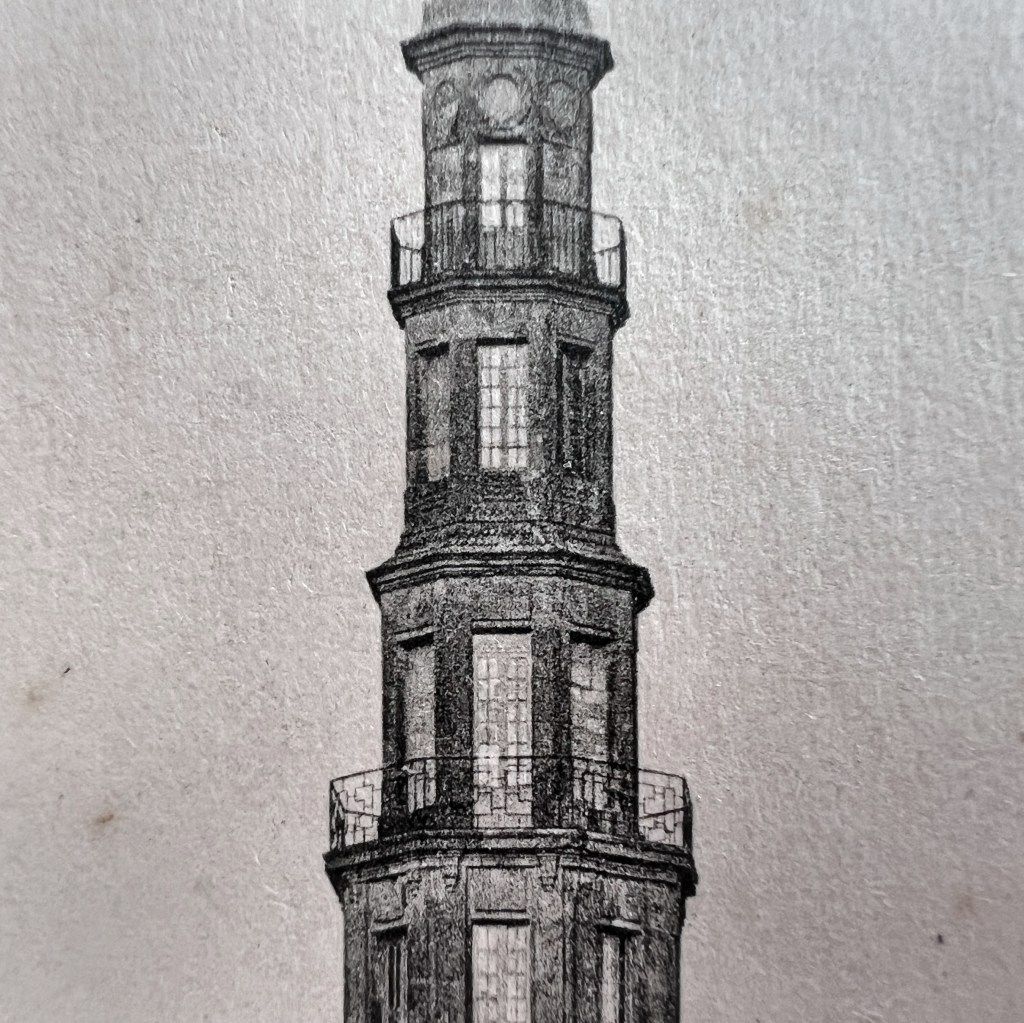
Sitting on the south bank of the river Loire, construction finished at the Château de Chanteloup in 1778 on an imposing new edifice, a seven-story Chinese-style pagoda. Built by a once-exiled French army officer, the pagoda at Chanteloup remains one of the few remnants of the palace.
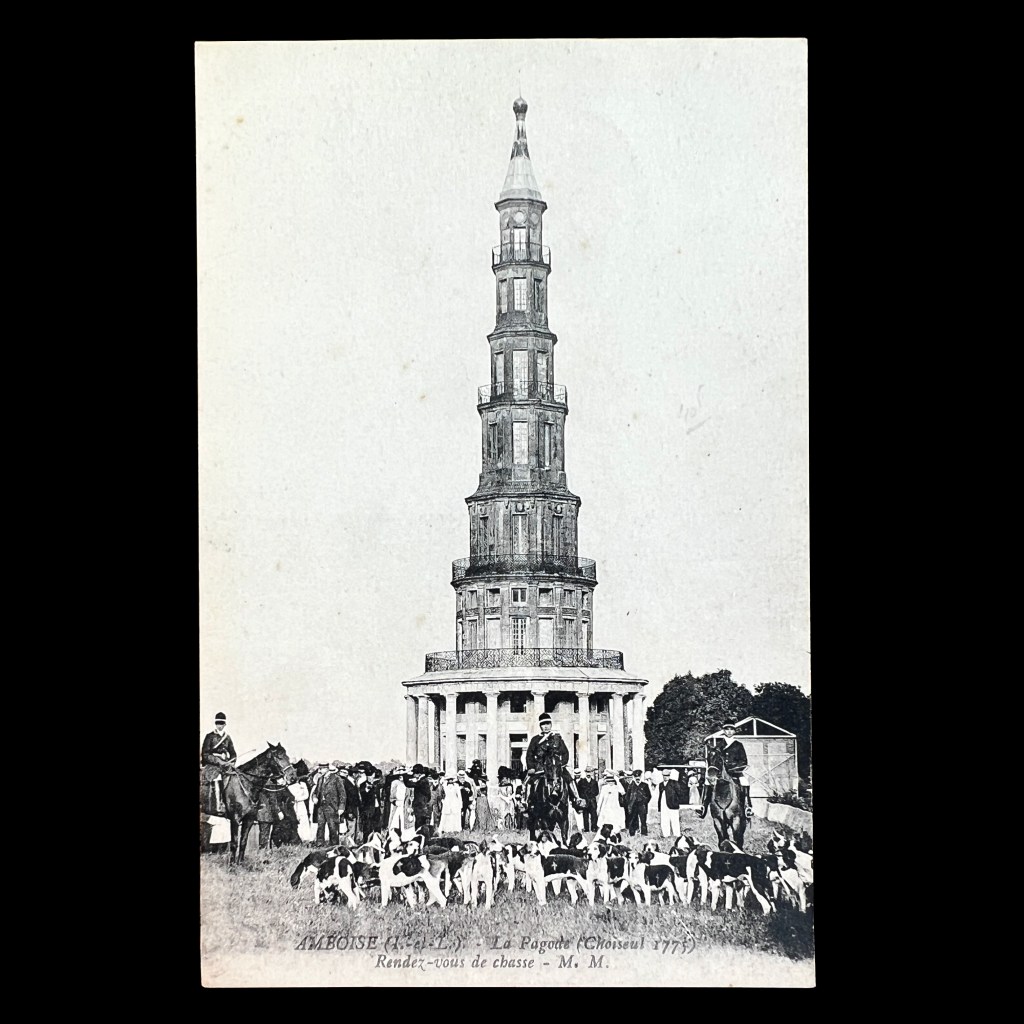
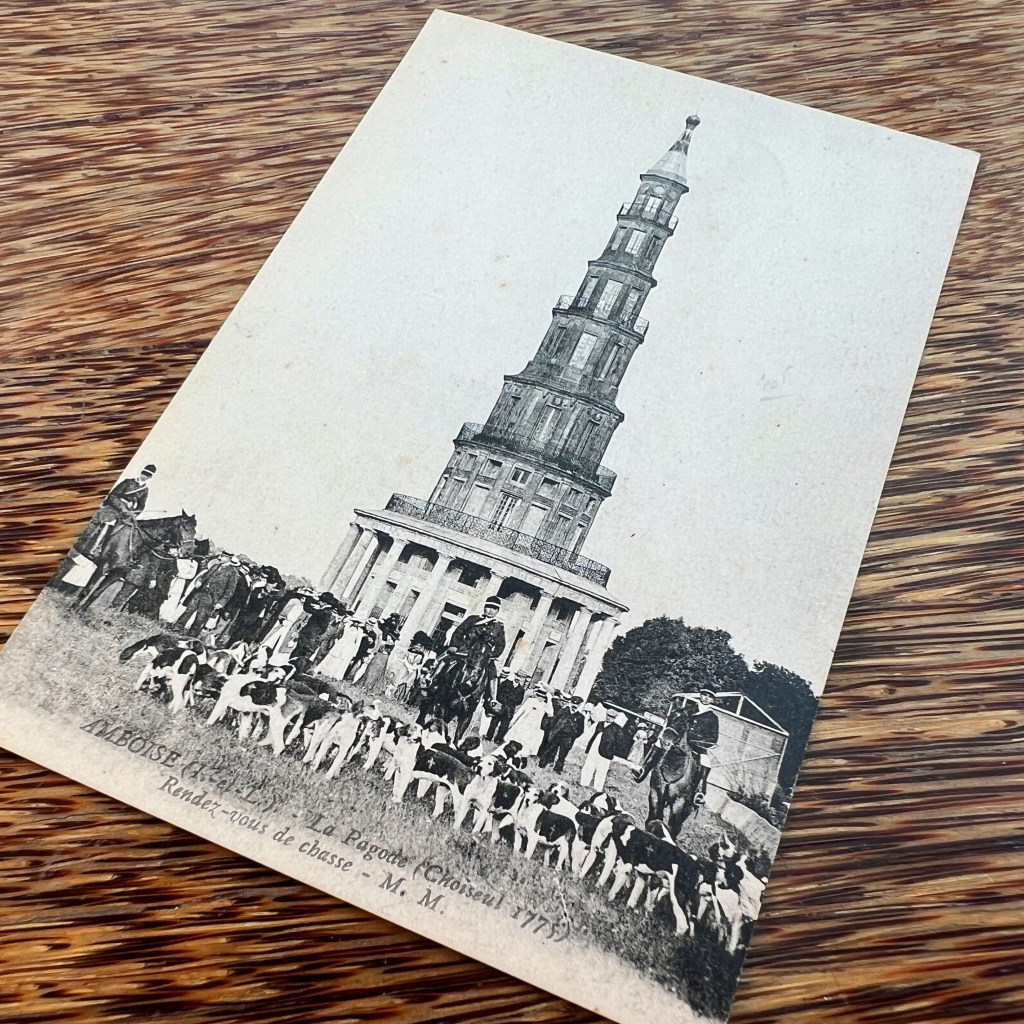
Commissioned by the Duke of Choiseul, the pagoda stands 44 meters and was a focal point on the grounds, directly visible from the duke’s grand salon. One inspiration for the tower was the Porcelain Pagoda of Nanjing, which had been seen in illustrated European books of China since the 1660s.
A more direct predecessor was a pagoda design illustrated in William Chambers’ Designs of Chinese Buildings from 1757. Chambers’ sketch also inspired the famous pagoda at Kew Gardens outside London, which was completed in 1762.
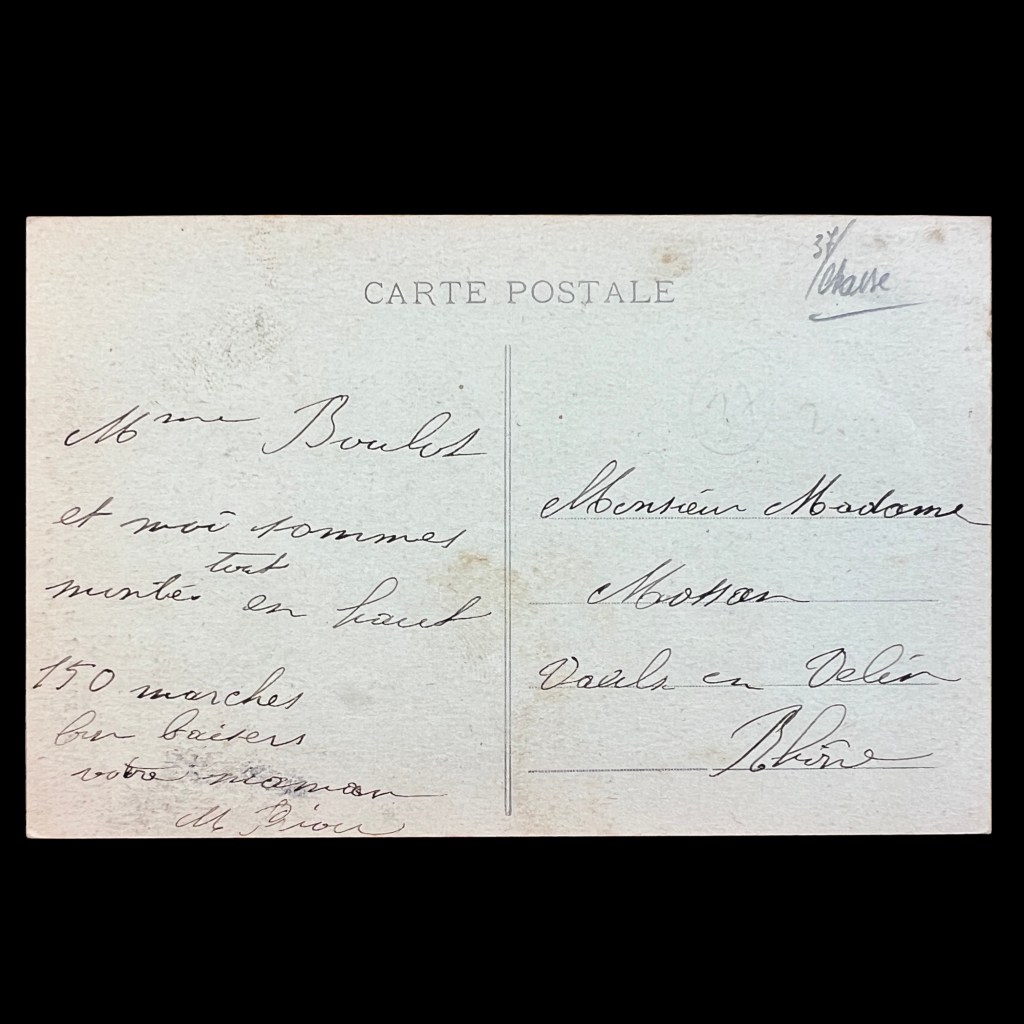
Designed by Louis-Denis Le Camus, the pagoda at Chanteloup is a combination of Chinese and Greco-Roman architectural forms. The structures is supported by two round classical stories, including sixteen baseless Doric columns on the ground floor.
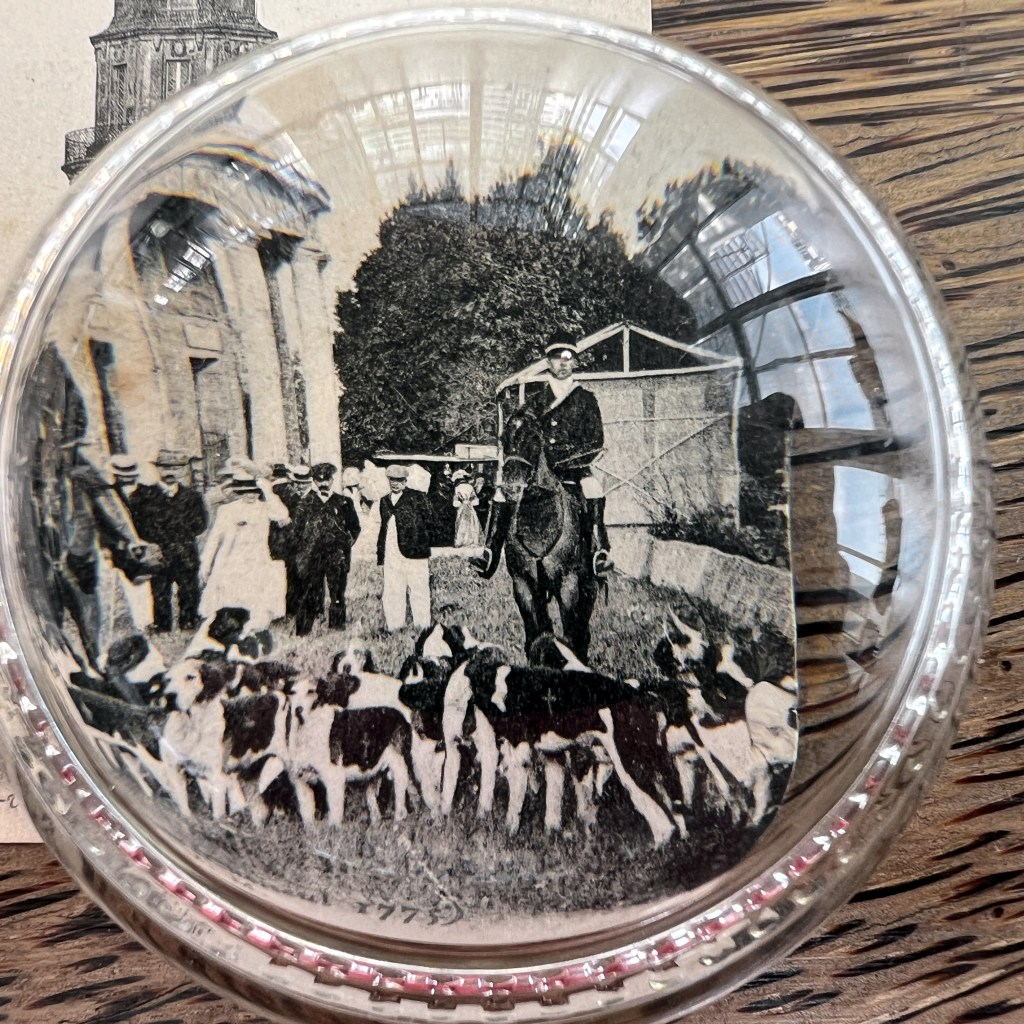
As noted by Kristel Smentek, the pagoda was not a mere garden ornament, but a sign of political protest against the court who exiled the duke. For more on Chanteloup’s pagoda see Smentek’s “A Prospect of China in Eighteenth-Century France: The Pagoda at Chanteloup” (2019).

The Buddhas in the West Material Archive is a digital scholarship project that catalogues artifacts depicting Buddhist material culture for Western audiences. It’s comprised of prints, photos, and an assortment of ephemera and other objects. For a brief introduction to this archive, visit the main Buddhas in the West project page.
For Related Buddhas in the West Posts Featuring Pagodas:


For the Most Recent Buddhas in the West Posts:
 Personal Site of Peter Romaskiewicz