Olfert Dapper’s Formosan Buddha Engraving

For all the new Buddhas in the West posts
follow us on Bluesky & Instagram


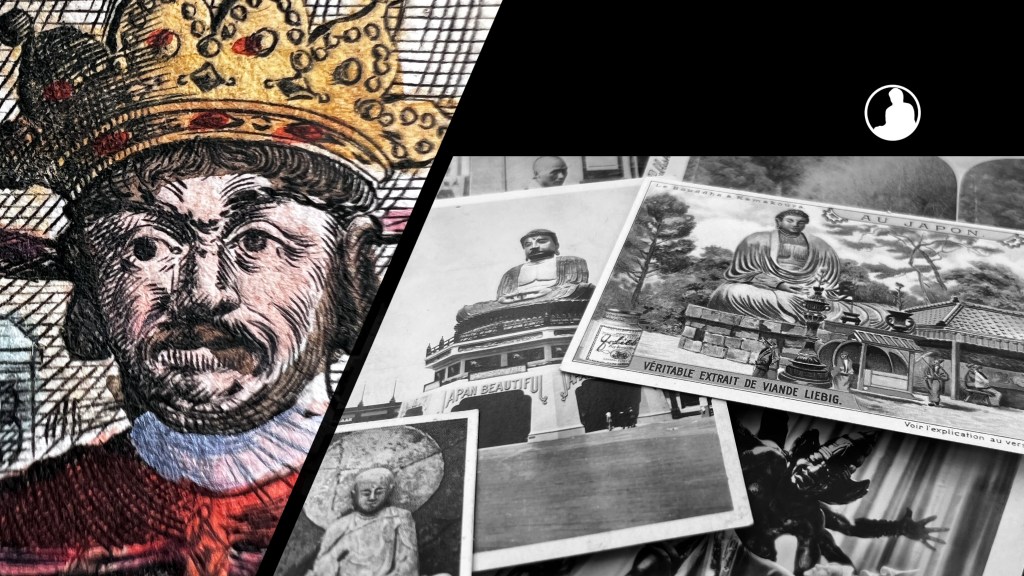
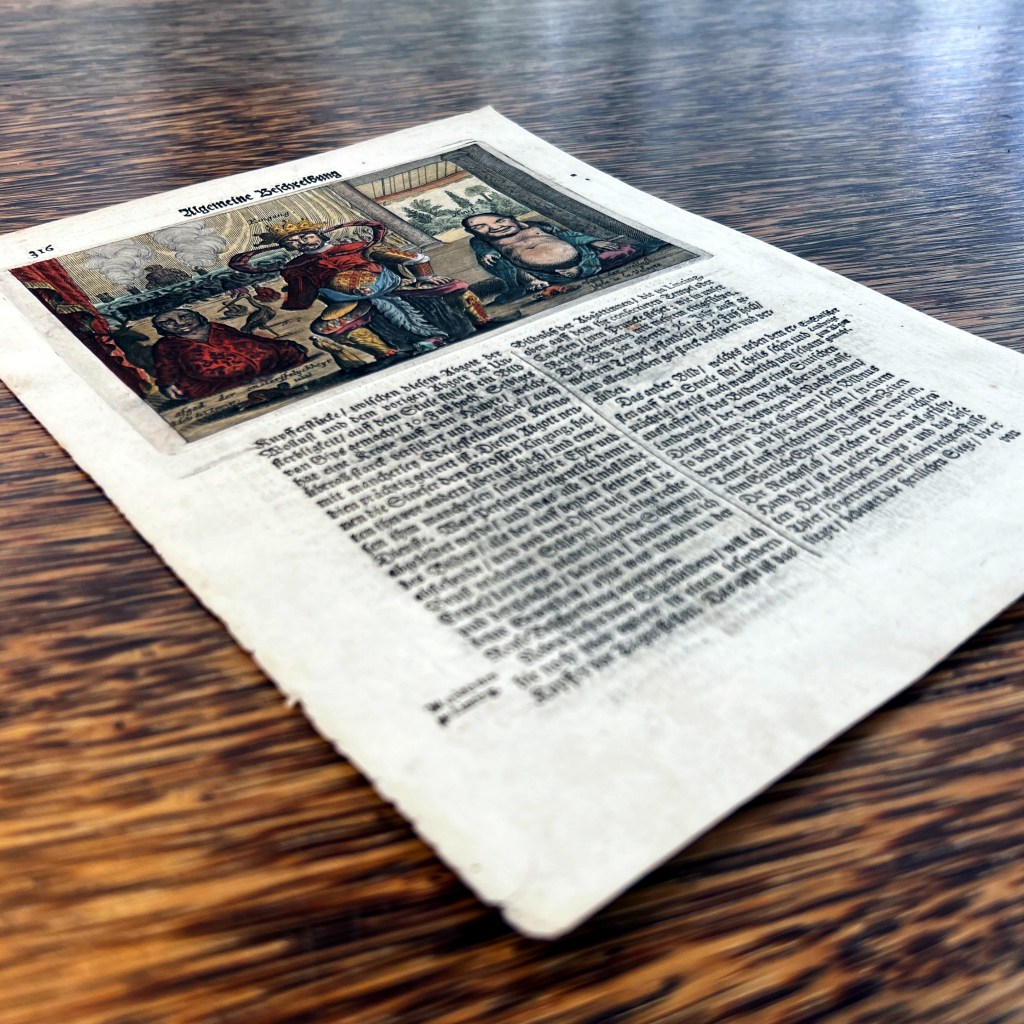
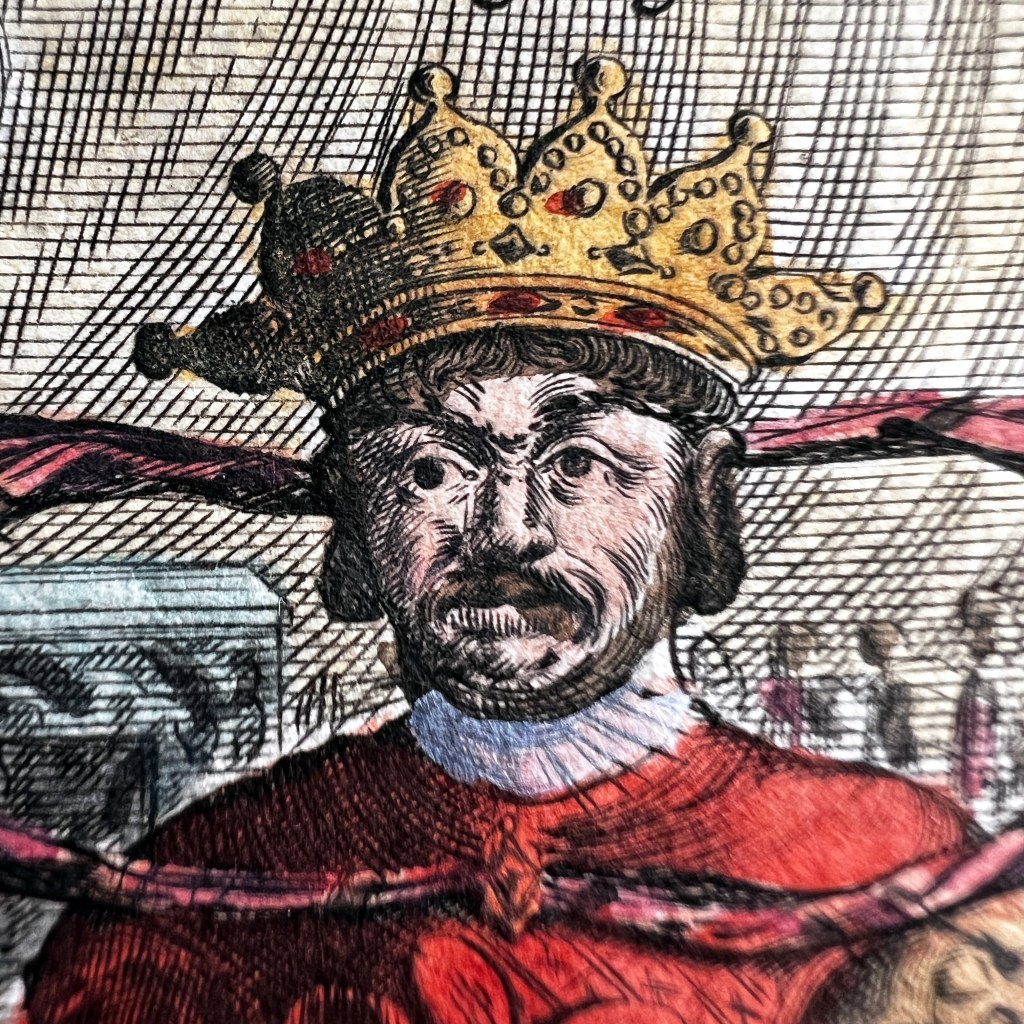
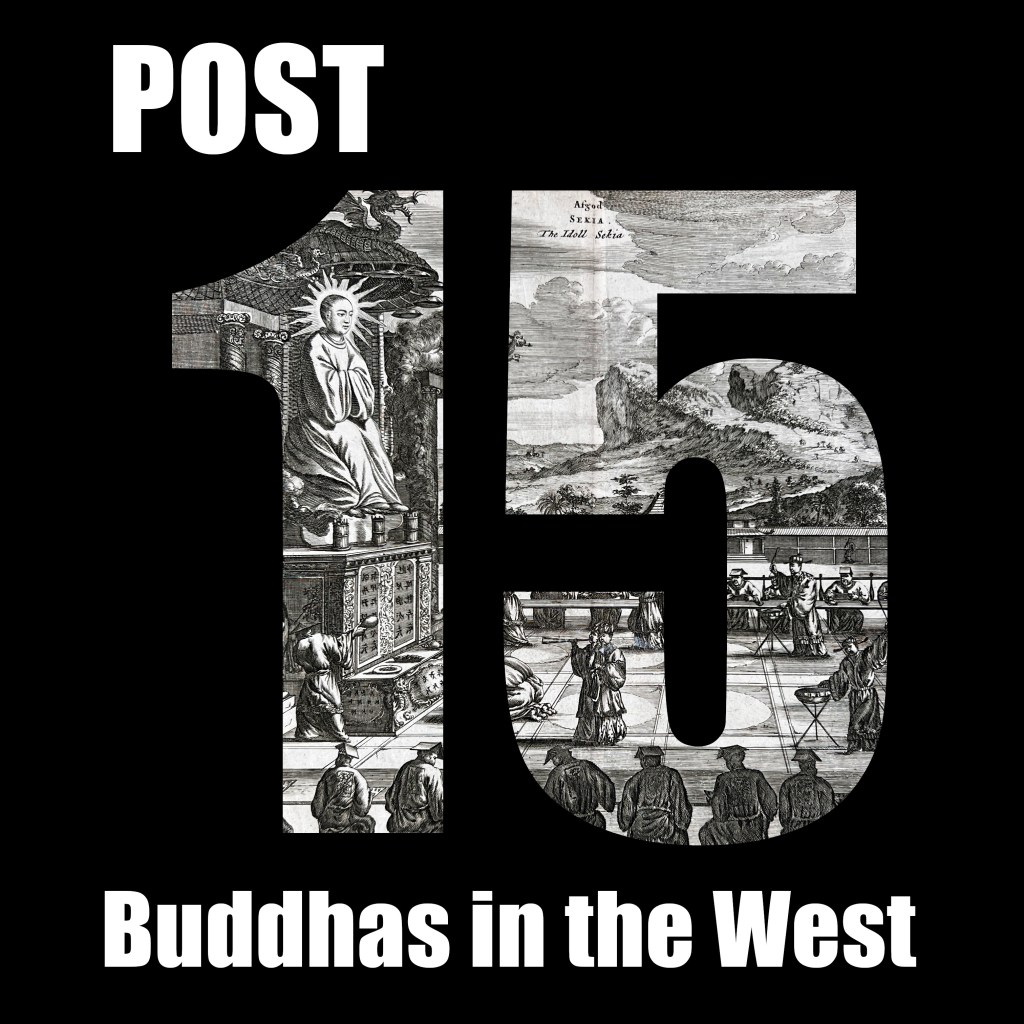
European book engravers often fabricated details to flesh out illustrations where textual accounts were silent. Such is the case here for “The Idoll Sekia” (Śākyamuni) showing a Buddhist temple in late 17th century Formosa, present-day Taiwan.


This illustration is from the 1674 German edition of Atlas Chinensis by Olfert Dapper (1636–1689). Dapper never visited Asia, but edited the travelogues of the second and third Dutch embassies to China and consulted Jesuit accounts.


The copperplate engraving were most likely prepared in the workshop of the publisher Jacob van Meurs. The image was based on Dapper’s retelling of the accounts of a Scotchman named David Wright who lived on Formosa in the 1650s.


Wright describes the use of music during worship and the prostrations of two priests day and night at the altar.


The main icon – never identified as the Buddha in the text – is described as depicting a religious man, now deified, who shaved his head and never ate animal flesh.


An English edition of Dapper’s work, published by John Ogilby in 1671, can be viewed through Stanford University here: https://tinyurl.com/ycyw93eb

The Buddhas in the West Material Archive is a digital scholarship project that catalogues artifacts depicting Buddhist material culture for Western audiences. It’s comprised of prints, photos, and an assortment of ephemera and other objects. For a brief introduction to this archive, visit the main Buddhas in the West project page.


For Related Buddhas in the West Posts Featuring Historical Engravings:


For the Most Recent Buddhas in the West Posts:


Greta Garbo’s Guanyin in The Painted Veil (1934)

For all the new Buddhas in the West posts
follow us on Bluesky & Instagram


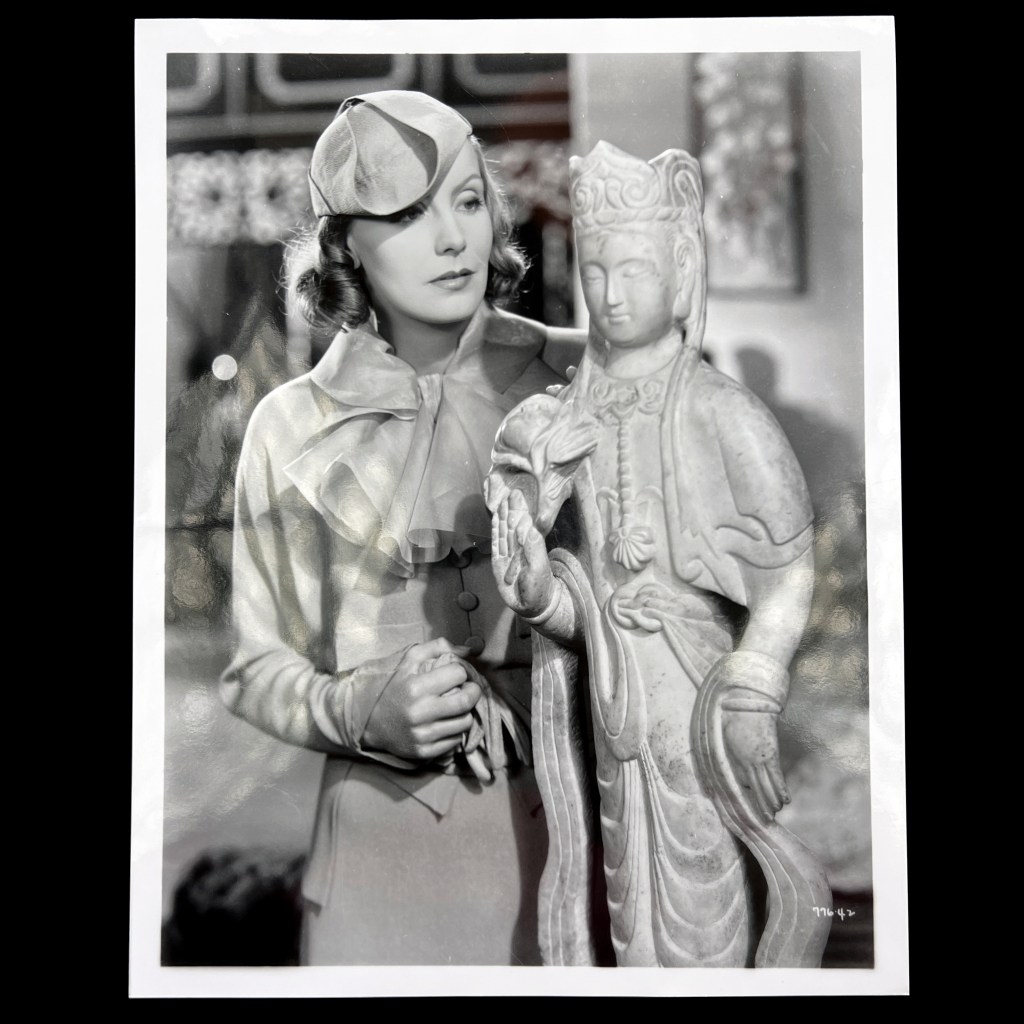
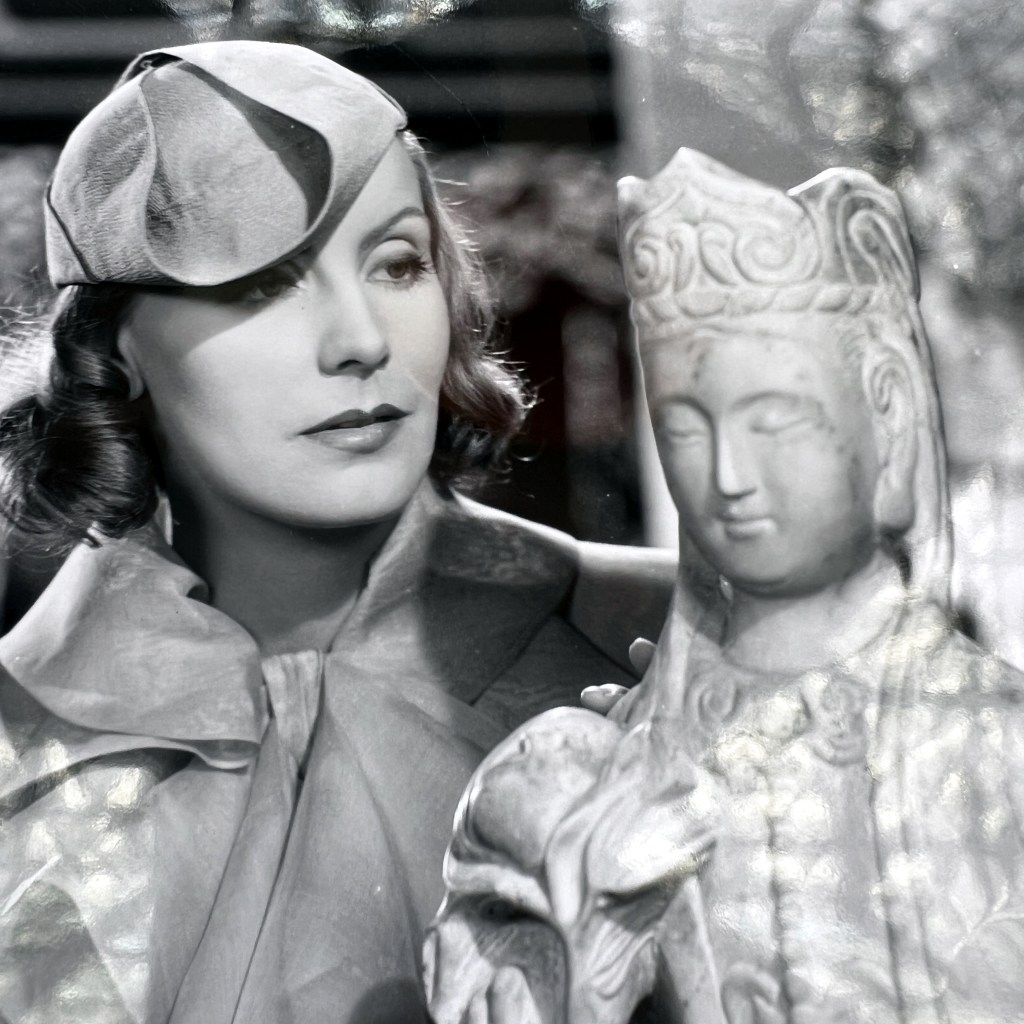
A theatrical still of Greta Garbo in the 1934 film The Painted Veil gazing upon a standing image of Guanyin. Looking closely, we see Garbo’s hand touching the shoulder of Guanyin, a moment of contact between the “icons.”

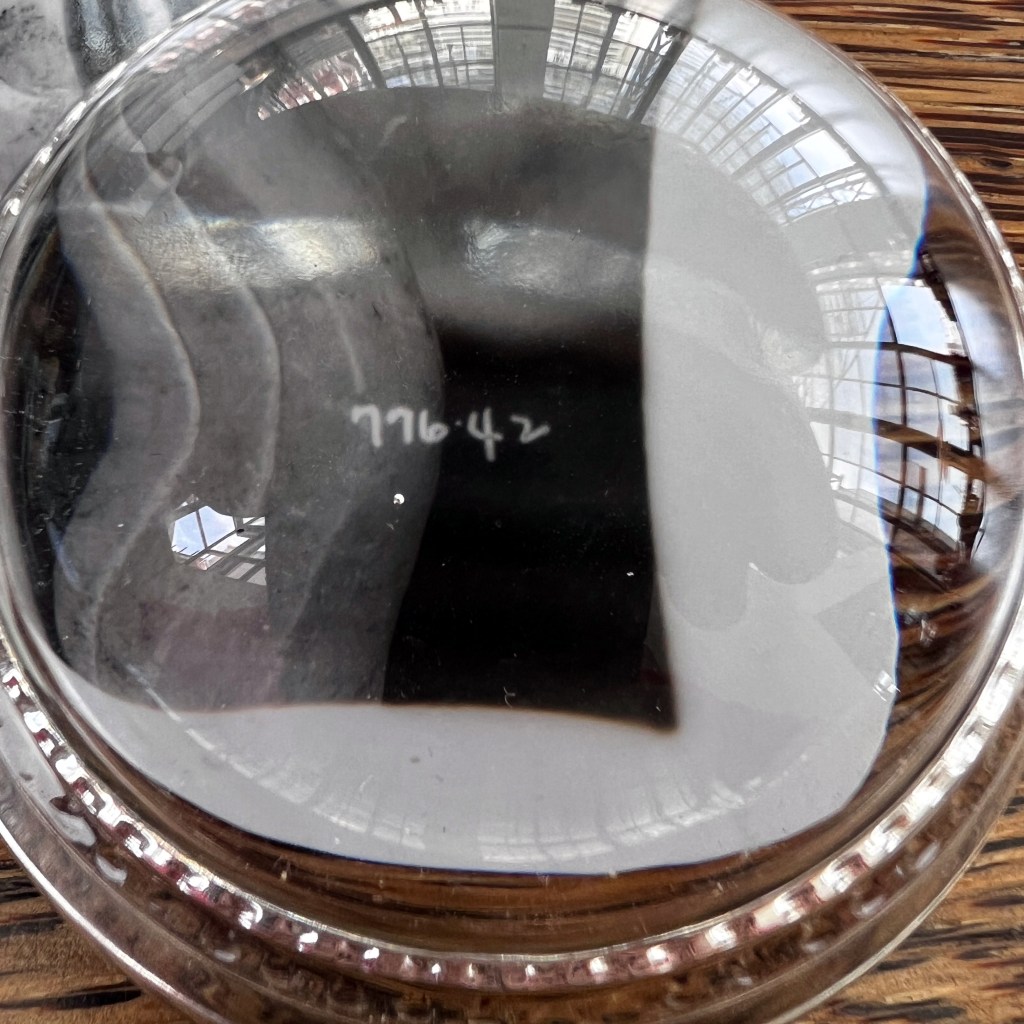
Theatrical stills – shot since the advent of feature films in the 1910s – are production photographs. Many were kept by the studio in albums called keybooks, while others were printed for promotional purposes, often marked with a code (here we see 776–42).

As advertising material, stills would often picture “tension, struggle, action,” but not reveal main elements of the plot, as noted by David Shields.

The scene here is not in the final edit of The Painted Veil, but would have occurred when Garbo’s character arrived in rural China during a cholera outbreak. The touch of the shoulder signaled an arrival into a far-away land, reflected in the materiality of the Buddhist icon.

For more on the history and interpretation of early film still photography, see David S. Shields’ Still: American Silent Motion Picture Photography (2013).


The Buddhas in the West Material Archive is a digital scholarship project that catalogues artifacts depicting Buddhist material culture for Western audiences. It’s comprised of prints, photos, and an assortment of ephemera and other objects. For a brief introduction to this archive, visit the main Buddhas in the West project page.


For Related Buddhas in the West Posts Featuring Historical Film Photography:


For the Most Recent Buddhas in the West Posts:


Johannes Nieuhof’s Temple Interior Engraving

For all the new Buddhas in the West posts
follow us on Bluesky & Instagram


Some of the earliest Buddhist imagery in Europe appears as copperplate engravings in late 17th century books. Here’s a hand-colored page from the German edition of An Embassy of the Dutch East India Company by Johannes Nieuhof showing the imaginary interior of a Chinese temple.

Nieuhof’s work was the first illustrated European book on China. Moreover, after Nieuhof returned from the first Dutch envoy to China in 1657, his personal drawings formed the basis for many illustrations in this work.

The copper plates were most likely prepared in the workshop of the publisher Jacob van Meurs who printed the first Dutch edition in 1665; the German edition appeared in 1666. You can still see the impression of the plate in the paper. The text was standard letterpress.

This page was extracted from a volume and is 27 cm x 20 cm (10 in x 8 in) in size.

A Buddhist statue is also seen on the back altar.

Prostrating Buddhist devotees enliven the scene.

The etching reveals meticulous line work. Amazingly, A manuscript copy of Nieuhof’s sketches was discovered in the 1970s and is held by the Bibliothèque Nationale de France, it can be viewed here: https://tinyurl.com/yb94urpj


The Buddhas in the West Material Archive is a digital scholarship project that catalogues artifacts depicting Buddhist material culture for Western audiences. It’s comprised of prints, photos, and an assortment of ephemera and other objects. For a brief introduction to this archive, visit the main Buddhas in the West project page.


For Related Buddhas in the West Posts Featuring Historical Engravings:


For the Most Recent Buddhas in the West Posts: