Underwood’s Four Seated Buddhas of Bago Stereoview

For all the new Buddhas in the West posts
follow us on Bluesky & Instagram


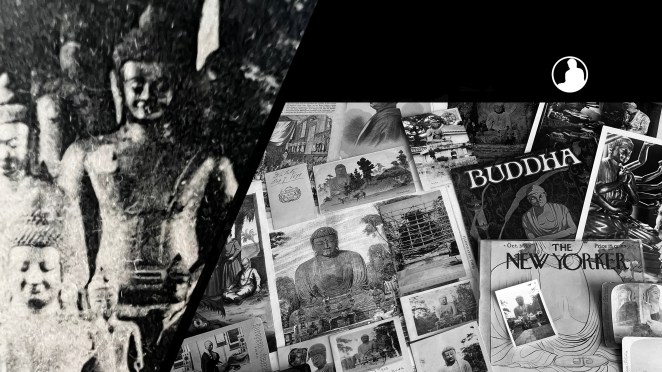
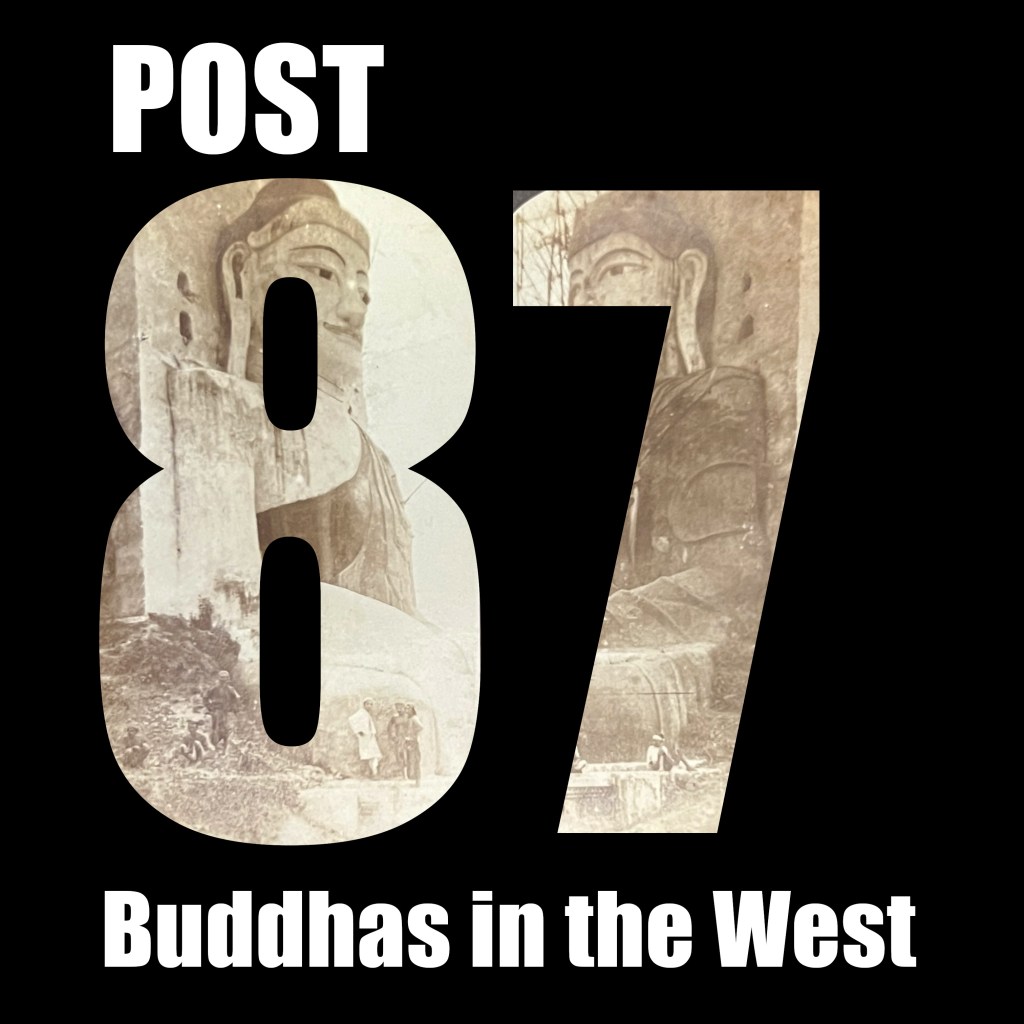
For nearly six centuries the four seated Buddhas of Bago have towered over the surrounding Burmese countryside. Constructed by the former Buddhist monk turned king, Dhammazedi, in 1476, the four colossal statues represent the four Buddhas of the past.

The Kyaikpun, as this site is known, also houses a relic chamber beneath the central rectangular pillar. Under Mon control, Bago served as a vital regional entrepôt and thriving hub of Theravada Buddhism with many shrines and monasteries.

This stereoview was part of the educational Underwood Stereoscopic Tour series from 1907, comprised of national sets with individual cards arranged as “a tourist might visit the actual scenes.” The Burma set was originally sold with fifty different views (this card is number 12).

The structure, which is over 90 ft. (27m) tall, was in near ruin by the 1890s, but local fundraising was able to repair the statues by the turn of the century. This stereoview, taken around 1905, still shows the remnants of rubble and scaffolding in the rear.
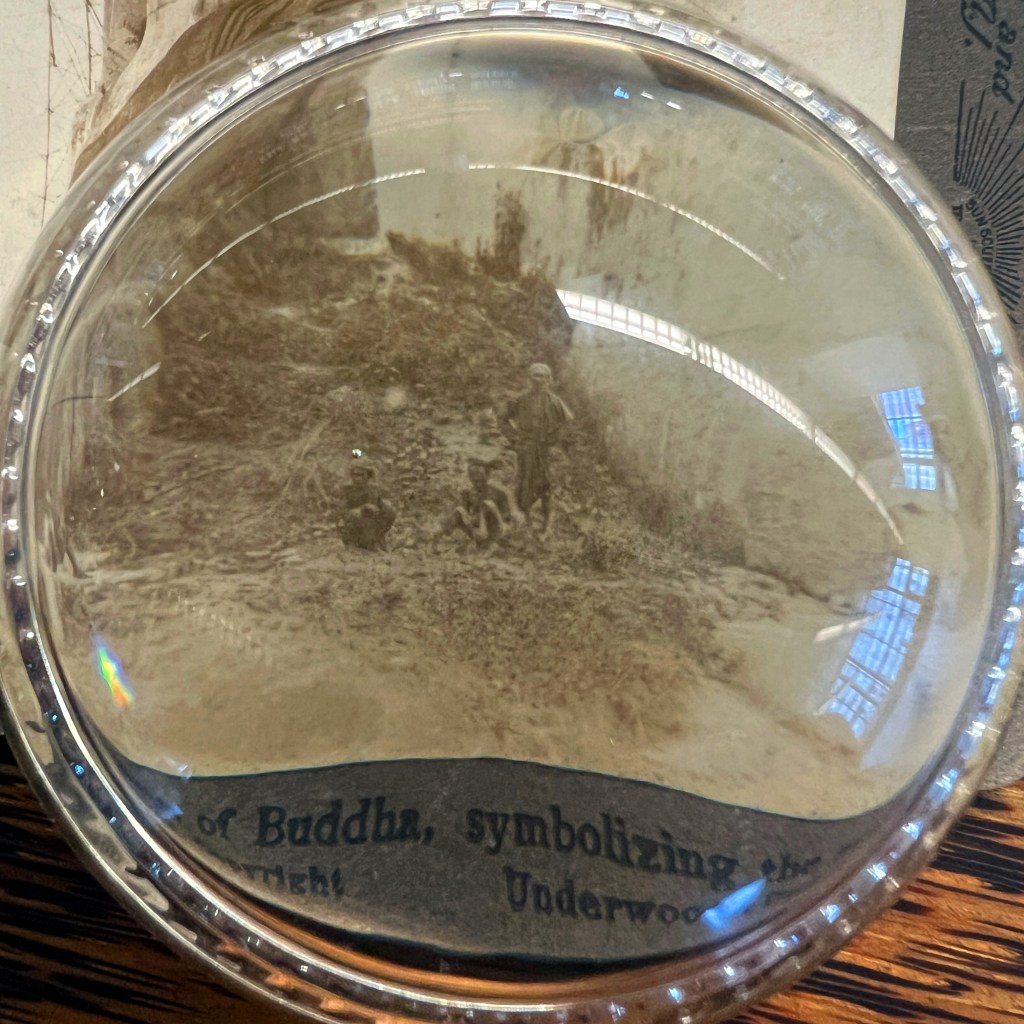
The Buddha facing north, representing Gautama Buddha, remained in the best condition, thus the other three statues were reputedly modeled after it during renovation. To see thirty-six views from Underwood’s Burma series held by the National Archives UK, visit tinyurl.com/3xwvkbsb.

The Buddhas in the West Material Archive is a digital scholarship project that catalogues artifacts depicting Buddhist material culture for Western audiences. It’s comprised of prints, photos, and an assortment of ephemera and other objects. For a brief introduction to this archive, visit the main Buddhas in the West project page.


For Related Buddhas in the West Posts Featuring Historical Stereophotography:

For the Most Recent Buddhas in the West Posts:


D.A. Ahuja’s Kaunghmudaw Pagoda Postcard

For all the new Buddhas in the West posts
follow us on Bluesky & Instagram


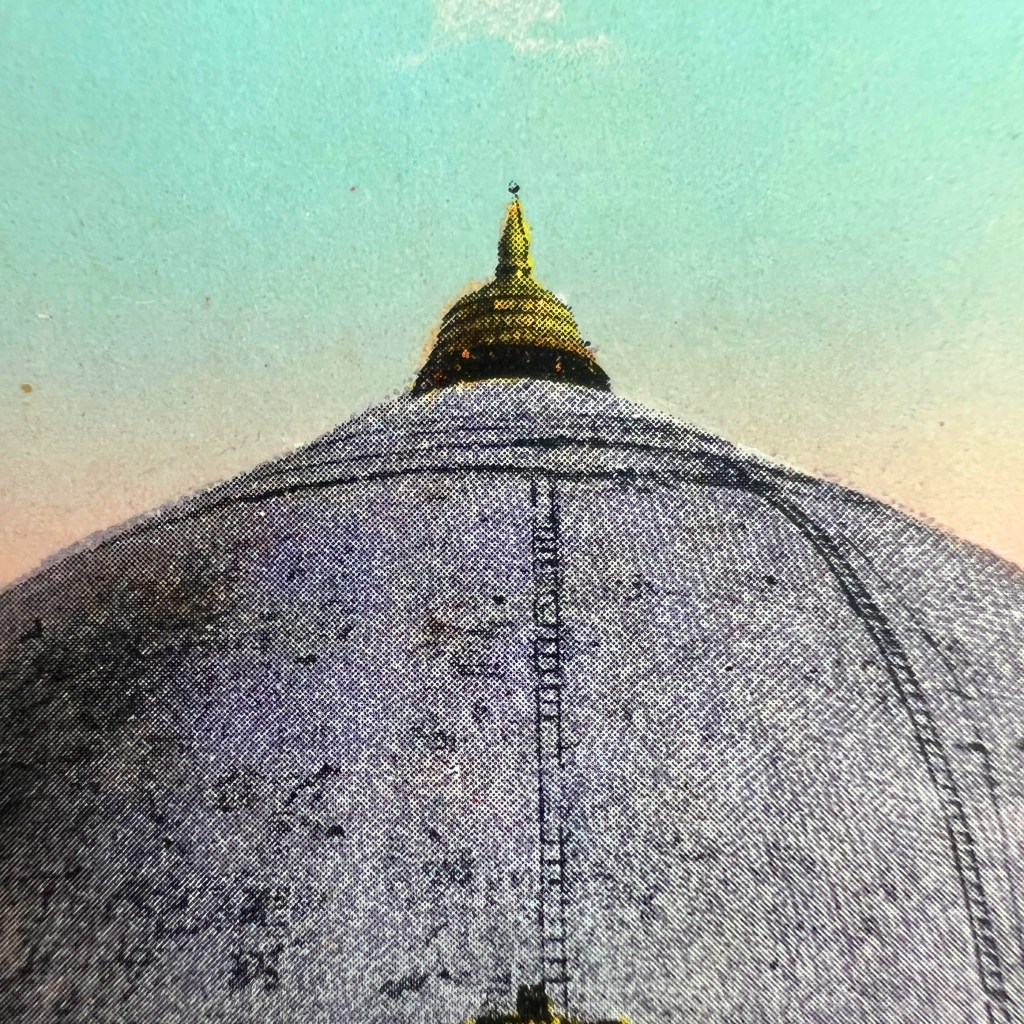
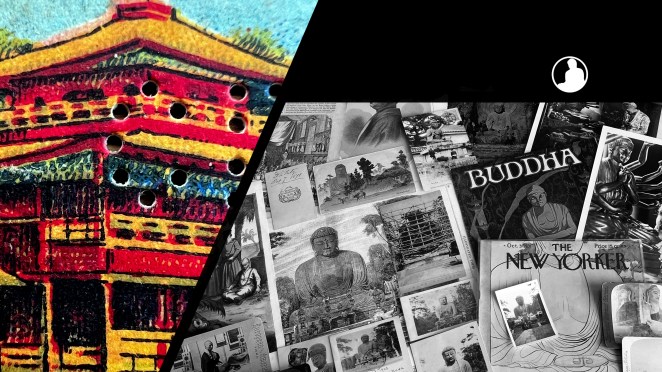
At the height of the worldwide postcard craze, no one produced more vibrant imagery of the Buddhist world than D.A. Ahuja. Here we see Myanmar’s 17th century Kaunghmudaw Pagoda with unique hemispherical dome – most Burmese pagodas are pyramidal structures.

According to Burmese chronicles, the Kaunghmudaw Pagoda enshrines the Buddha’s tooth relic among other religious treasures. This pagoda was intended to resemble Sri Lanka’s Maha Thupa, a structure reputed to hold the largest single cache of the Buddha’s relics.

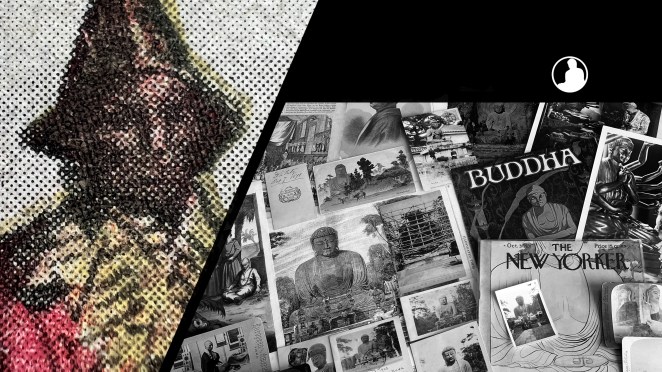
The image was printed using a lithographic-halftone hybrid process, whereby a black halftone screen was applied on top of a multi-color lithographic substrate. The “divided back” design suggests the card was printed by Ahuja around 1910; he operated out of present-day Yangon.

Constructed in the Sagaing Hills, the Kaunghmudaw Pagoda houses a large marble statue of the Buddha hewn from the local quarry. The dome sits at a height of just over 150 feet (46m).

The use of a white dome was meant to symbolize a connection to the ancient past of Buddhist architecture. Just over a decade ago, however, the military government repainted the dome gold, against the outcry of local Buddhists.


The Buddhas in the West Material Archive is a digital scholarship project that catalogues artifacts depicting Buddhist material culture for Western audiences. It’s comprised of prints, photos, and an assortment of ephemera and other objects. For a brief introduction to this archive, visit the main Buddhas in the West project page.


For Related Buddhas in the West Posts Featuring Stūpas / Pagodas:


For the Most Recent Buddhas in the West Posts:

Herbert Ponting’s Shwethalyaung Sleeping Buddha Stereoview

For all the new Buddhas in the West posts
follow us on Bluesky & Instagram


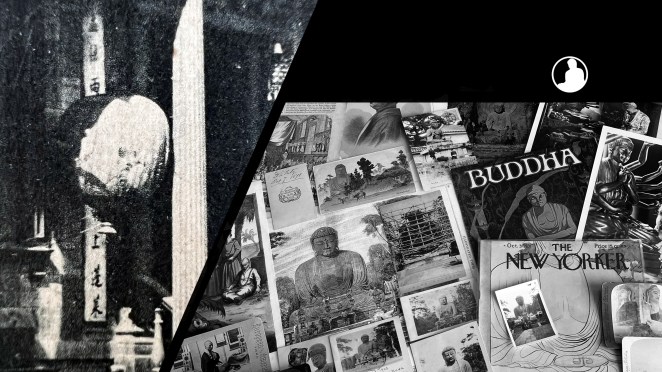
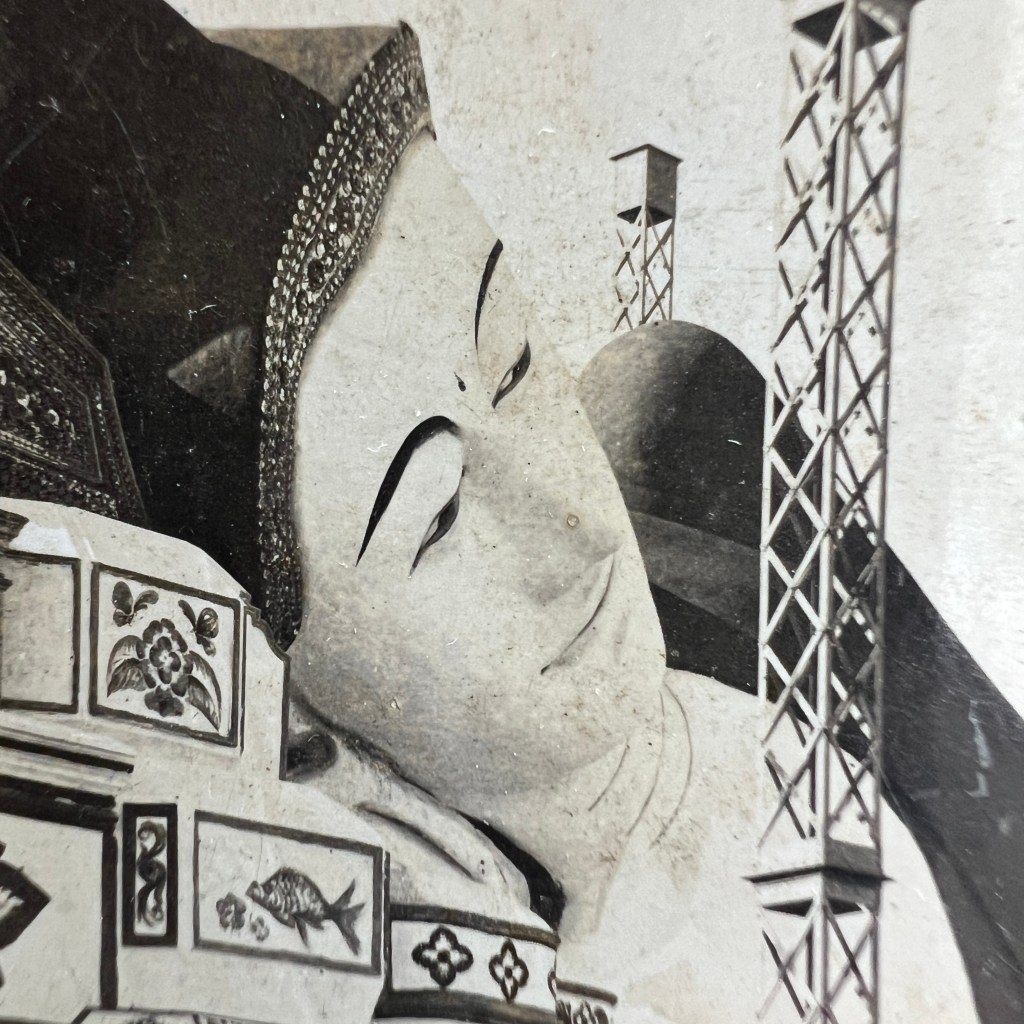
This colossal Sleeping Buddha was lost to the jungle when the Burmese city of Bago fell to invading forces in 1757. The statue was recovered in 1881 after railroad workers began digging through a tree-covered mound looking for scrap stone.

At 55 meters (180 ft) long and 16 meters (52 ft) high at the shoulder, the Shwethalyaung Buddha is among the largest reclining Buddha statues ever constructed. Made of brick and stucco, it is believed to have been built in the late tenth century under the patronage of a local king.

This stereograph was taken by Herbert Ponting who had returned from Manchuria after photographing the Russo-Japan War for publisher H. C. White.

Ponting had an expert eye; his placement of the man in the foreground produces a strong three-dimensional depth effect when viewed stereoscopically.

An earlier photograph of the Shwethalyaung Sleeping Buddha before decoration was published in Julius Smith’s Ten Years in Burma from 1902, viewable here: tinyurl.com/5n85dsxn.


The Buddhas in the West Material Archive is a digital scholarship project that catalogues artifacts depicting Buddhist material culture for Western audiences. It’s comprised of prints, photos, and an assortment of ephemera and other objects. For a brief introduction to this archive, visit the main Buddhas in the West project page.


For Related Buddhas in the West Posts Featuring Myanmar / Burma:


For the Most Recent Buddhas in the West Posts:


D.A. Ahuja’s Kyauktawgyi Icon

For all the new Buddhas in the West posts
follow us on Bluesky & Instagram


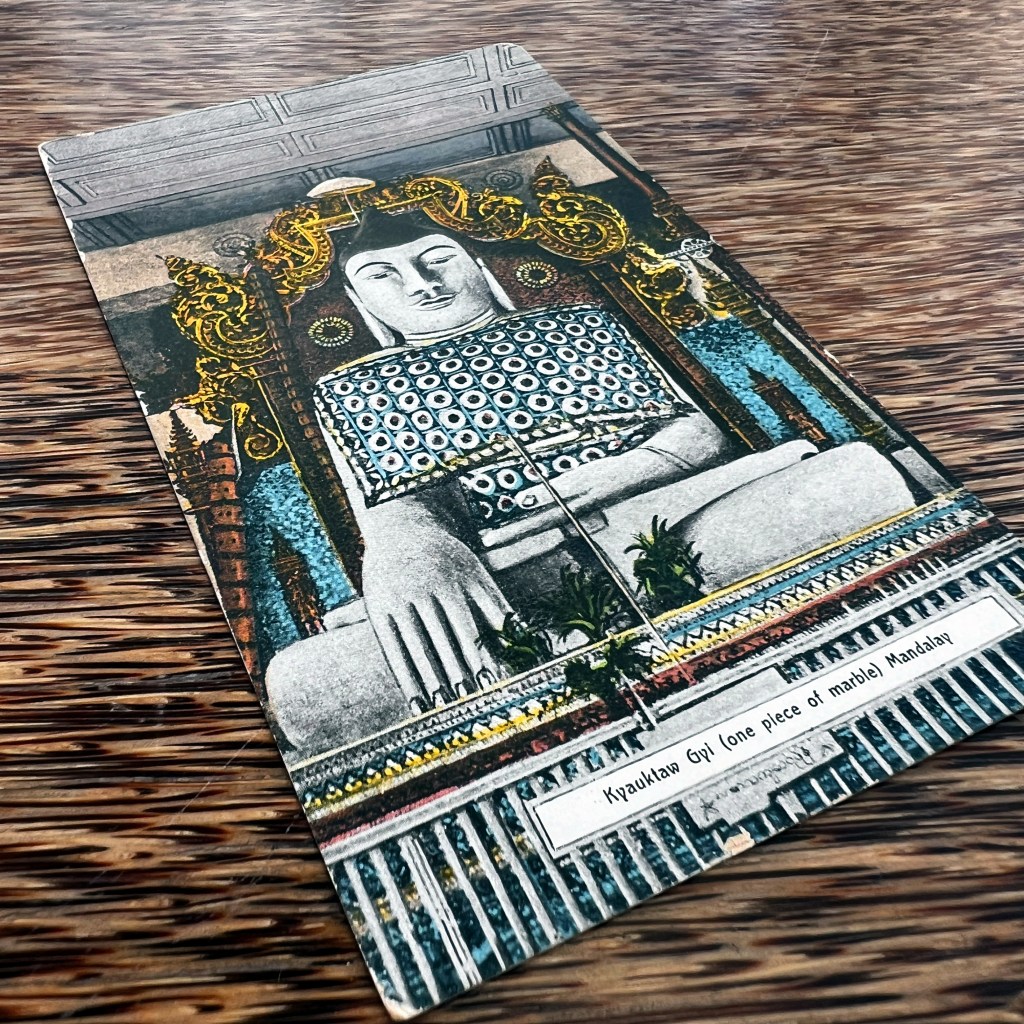
Carved from a single giant marble slab, the Burmese Kyauktawgyi icon stands at a height of 26 feet. Over the span of two weeks the slab was moved from Sagyin quarry to Mandalay Hill and after more than two years of carving the image was consecrated in 1865.

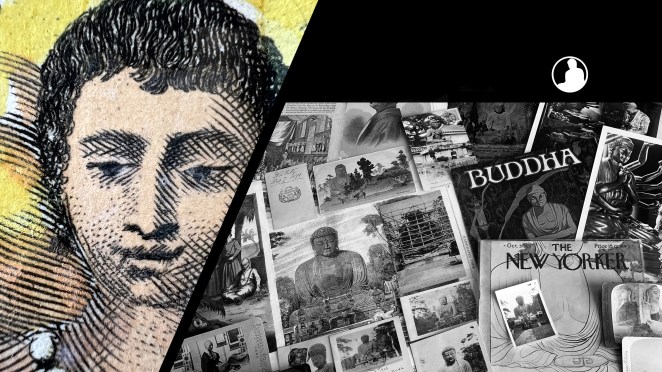
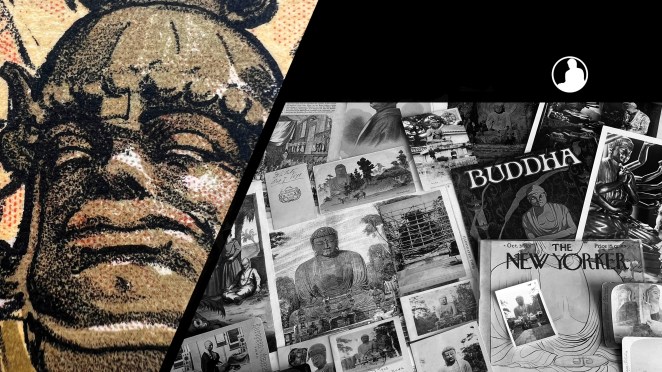
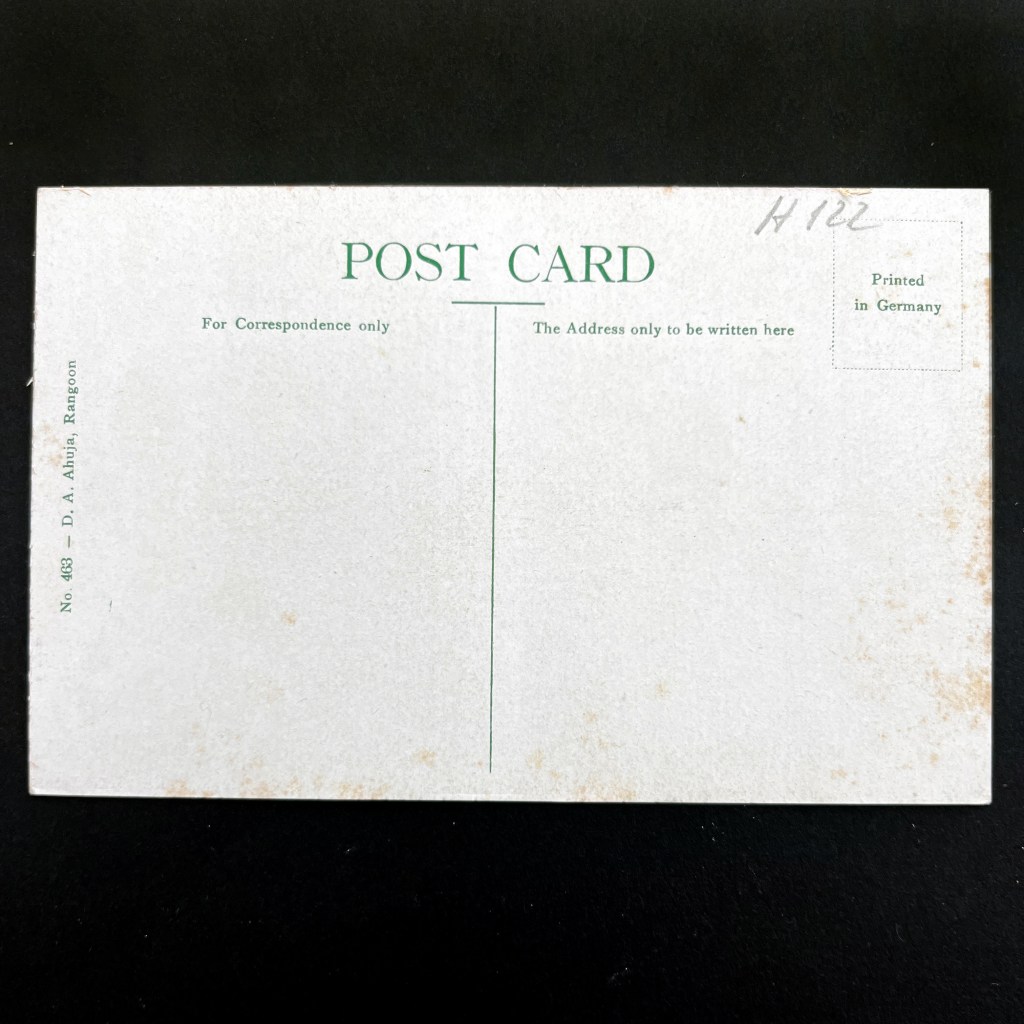
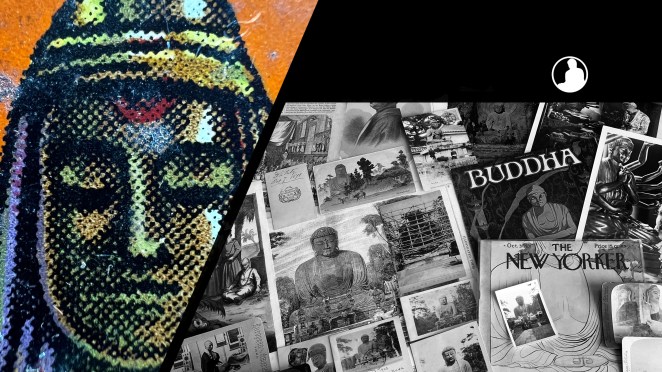
This vibrant postcard was published by Rangoon-based D. A. Ahuja (c.1865–c.1939). The print used a lithographic-halftone hybrid process, first applying color with a lithographic substrate and then applying a black halftone screen; only the final key plate carried the fine detail.

The stamp box informs us this card was printed in Germany, which by the early 20th century was the center of postcard printing worldwide. By 1910, the approximate date of this card, Ahuja was among the most commercially successful postcard publishers during the period of British colonial rule.

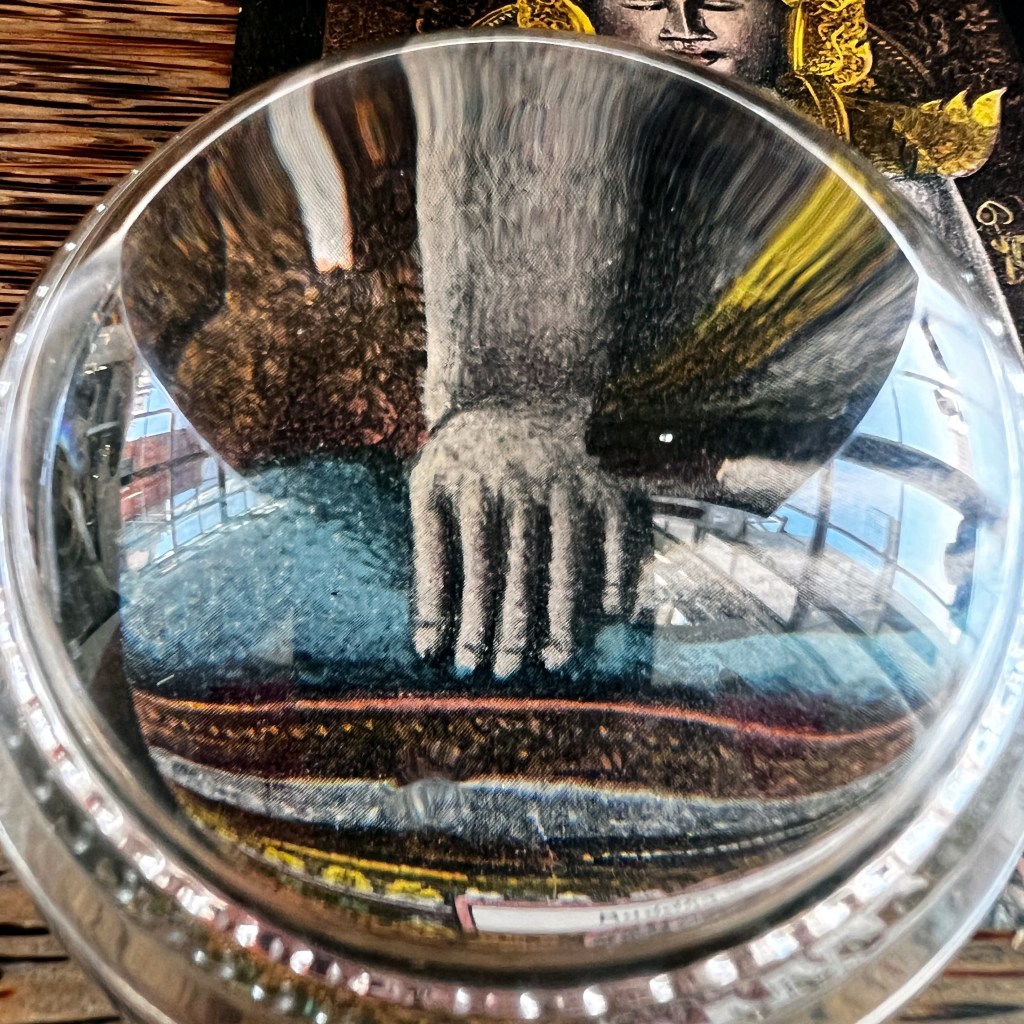
The icon was commissioned by King Mindon and depicts the Buddha touching the ground with his right hand, symbolizing his defeat Māra. This gives rise to the formal name of the statue, Mahāsakyamārajina, or the Great Sakya Conqueror of Māra.

The original photo of the marble statue was likely licensed by Ahuja for publication. A copy of the original photograph can found in an album held by the Rijksmuseum, viewable here: tinyurl.com/4pfrhmc6.


The Buddhas in the West Material Archive is a digital scholarship project that catalogues artifacts depicting Buddhist material culture for Western audiences. It’s comprised of prints, photos, and an assortment of ephemera and other objects. For a brief introduction to this archive, visit the main Buddhas in the West project page.


For Related Buddhas in the West Posts Featuring D.A. Ahuja Postcards:


For the Most Recent Buddhas in the West Posts:


D.A. Ahuja’s Buddhist Priests Postcard

For all the new Buddhas in the West posts
follow us on Bluesky & Instagram


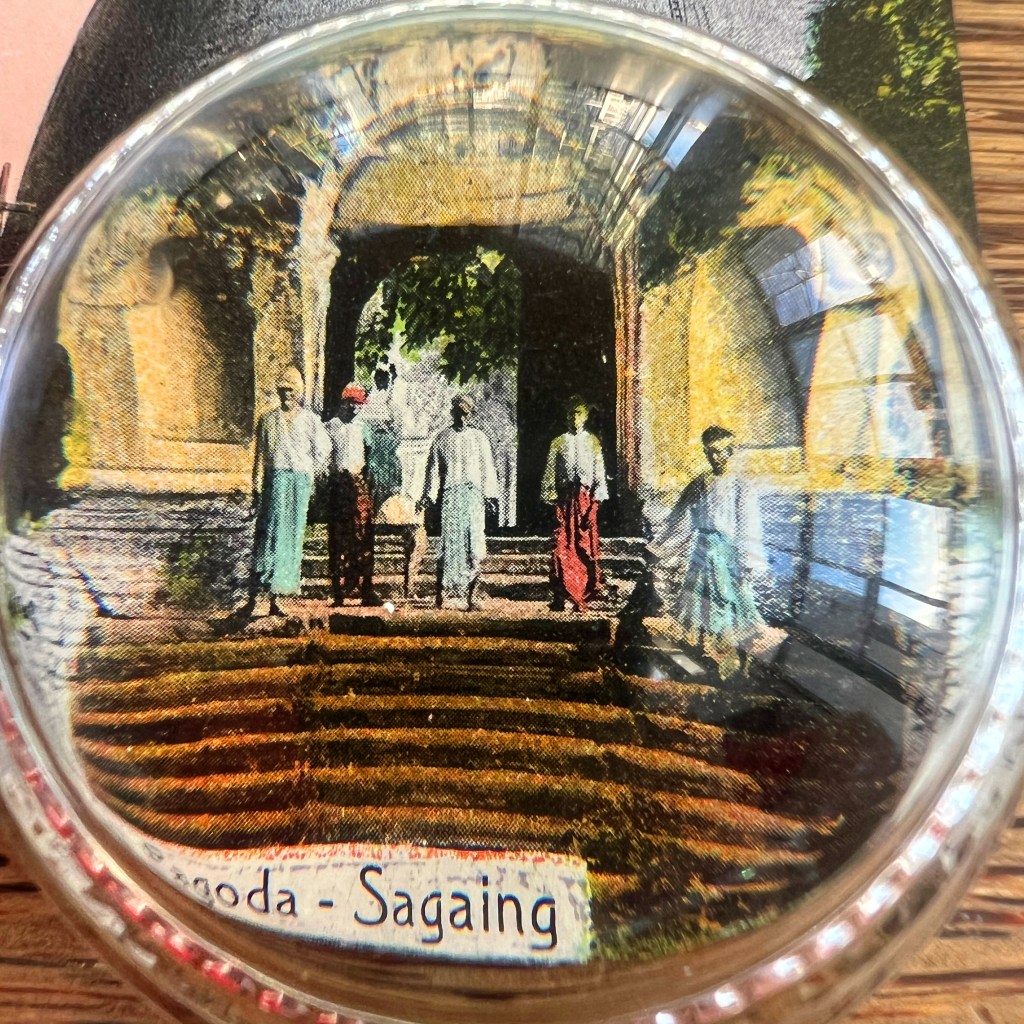
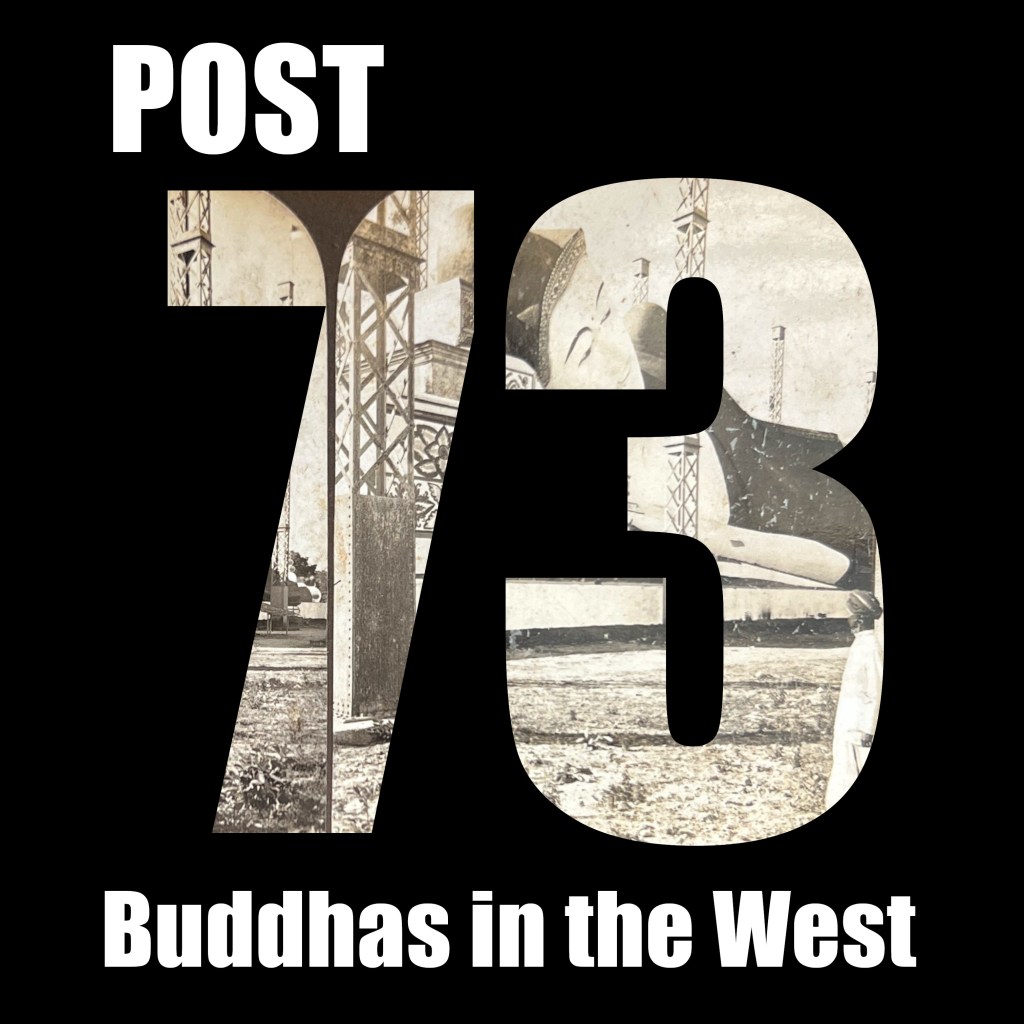
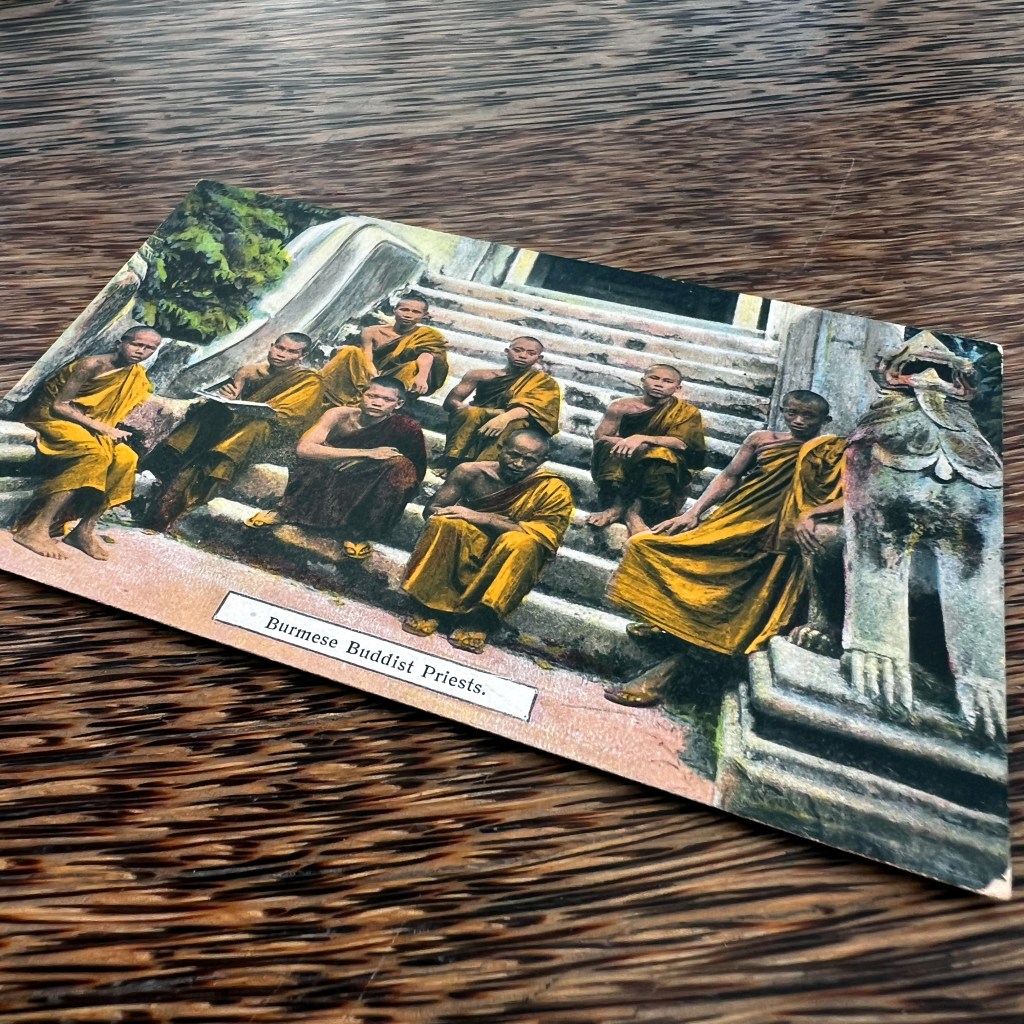
Buddhists & the British Crown: When Ceylon became a colony in 1815, the first Buddhist monks became subjects of the Crown. Burmese monks were added to their ranks in 1885. Victorian reports said the total Buddhist population was 500 million, nearly 40% of the global population.

British newspapers of the time printed engravings of the expanding empire, often focusing on exotic architecture and the clothes and customs of new subjects. The shaven heads and golden robes of Burmese monks, called poongyis in the press, garnered some of this attention.

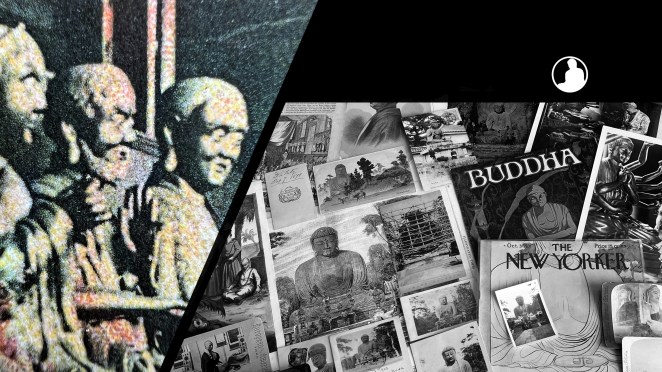
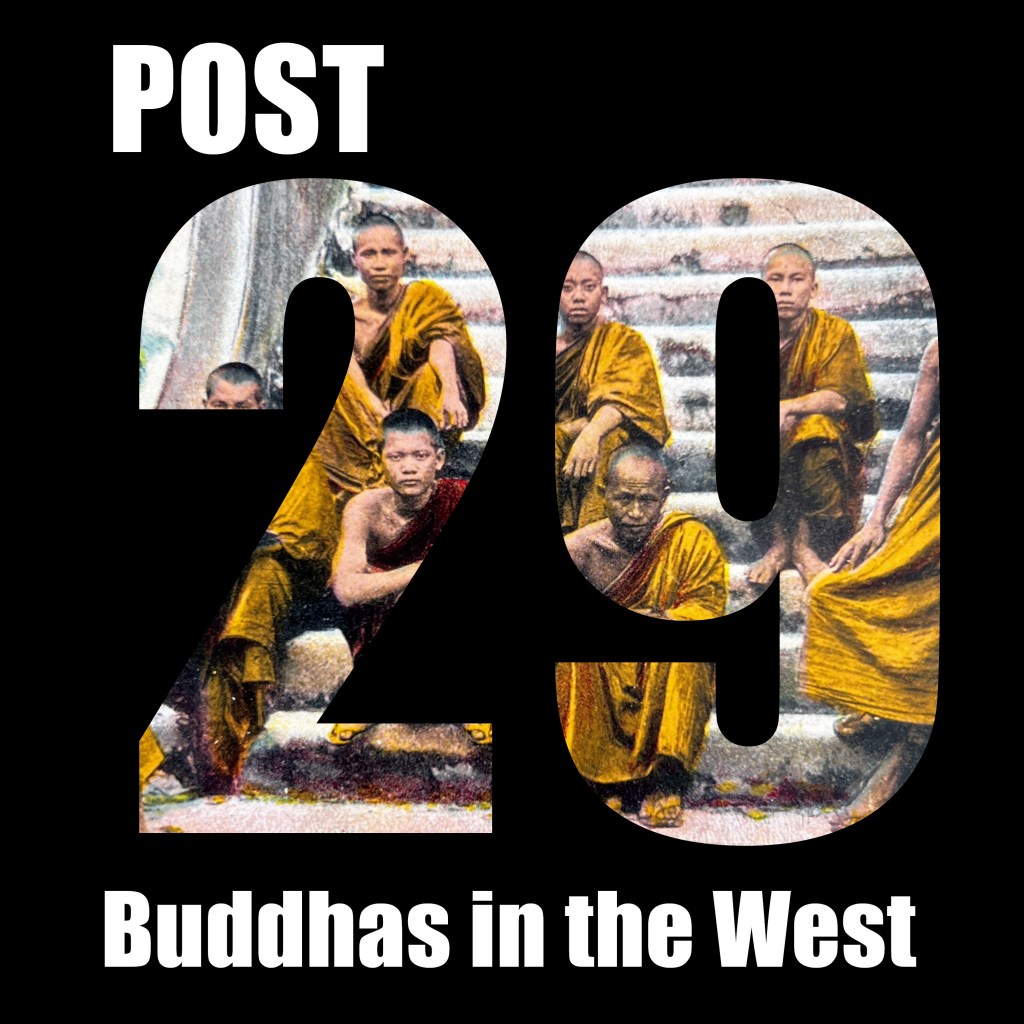
Consequently, when D. A. Ahuja (c.1865–c. 1939) started publishing colorized postcards of Burma, monks dressed in colorful robes were a popular theme. This is card is a German lithographic-halftone print published circa 1910.

The popular press often described Burmese monks as indolent, but never-the-less kind-hearted. While Ahuja’s licensed photograph (taken by Philip Klier) seems to depict monks at rest on the stairs of a temple, it’s noteworthy one studious monk holds a notebook and pencil.

For further reflections on how Burmese Buddhism was represented in Victorian mass media, see Eiben, Emily Rose. “Representing Buddhism in British Media and Popular Culture, 1875-1895.” Ph.D dissertation, Ludwig Maximilian University, 2016


The Buddhas in the West Material Archive is a digital scholarship project that catalogues artifacts depicting Buddhist material culture for Western audiences. It’s comprised of prints, photos, and an assortment of ephemera and other objects. For a brief introduction to this archive, visit the main Buddhas in the West project page.


For Related Buddhas in the West Posts Featuring Historical Postcards:


For the Most Recent Buddhas in the West Posts:

D.A. Ahuja’s Arakan Mahāmuni Postcard

For all the new Buddhas in the West posts
follow us on Bluesky & Instagram


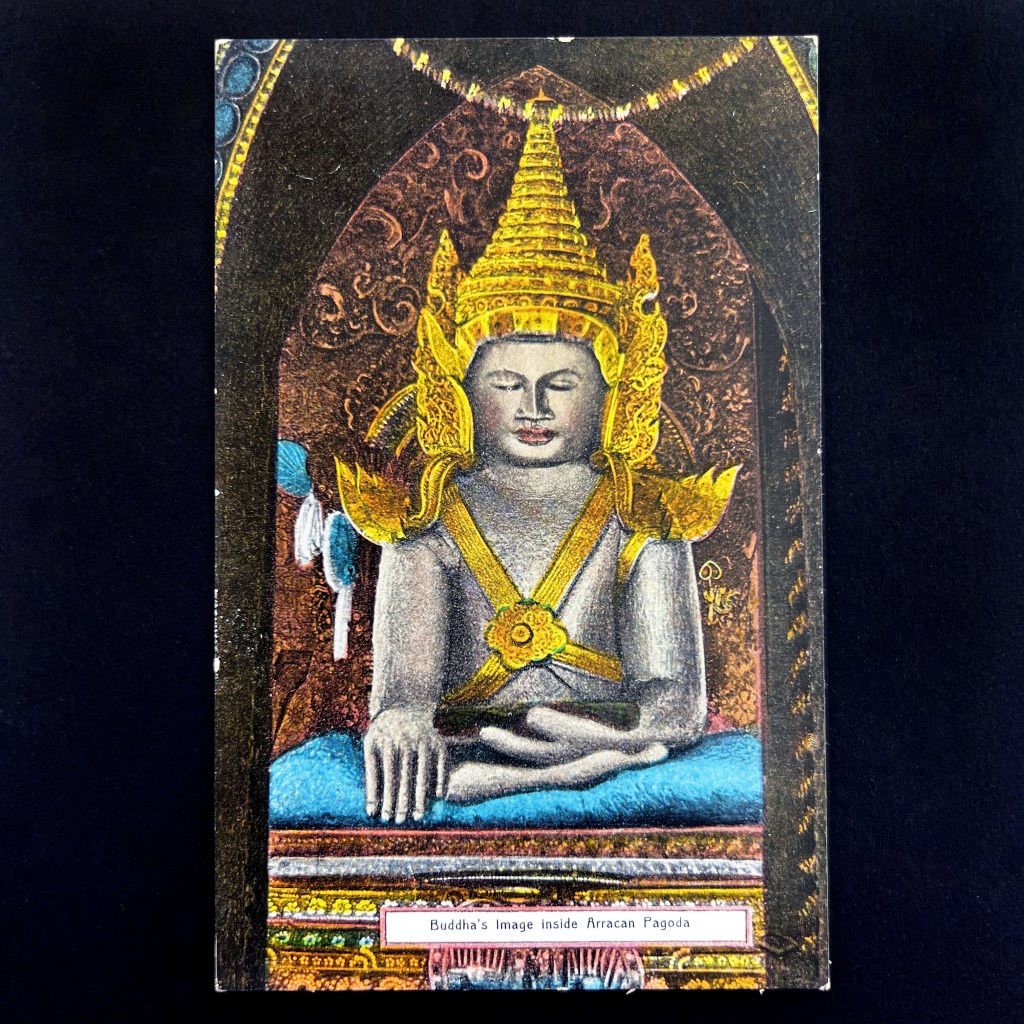
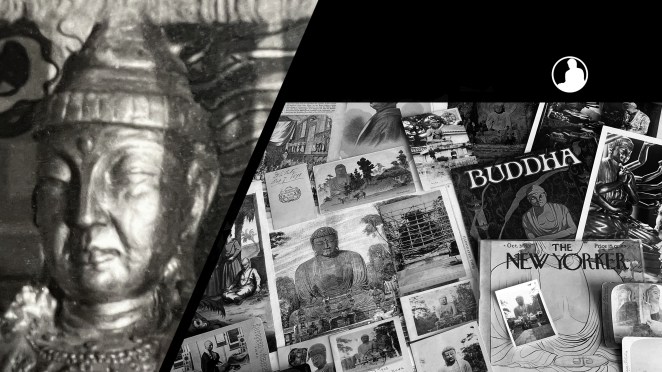
An image consecrated by the Buddha himself? The Mahāmuni image is among the most venerated in Burma. According to myth, the statue was cast during the lifetime of the Buddha and was “enlivened” to act as counsel to kings in the Buddha’s absence.

Originating in the coastal region of Arakan, the statue was moved to Upper Burma, into present-day Mandalay, at the turn of the 19th century.

The colorful postcard is a German lithographic-halftone print published by D. A. Ahuja circa 1910. Postcards emerged as highly valued souvenirs during the period of British colonial rule and helped spread knowledge of Buddhist material culture into the West.

The brass statue depicts the moment when the Buddha calls upon the earth to testify to his generosity and to defeat Mara; this is symbolized by his right hand touching the ground.

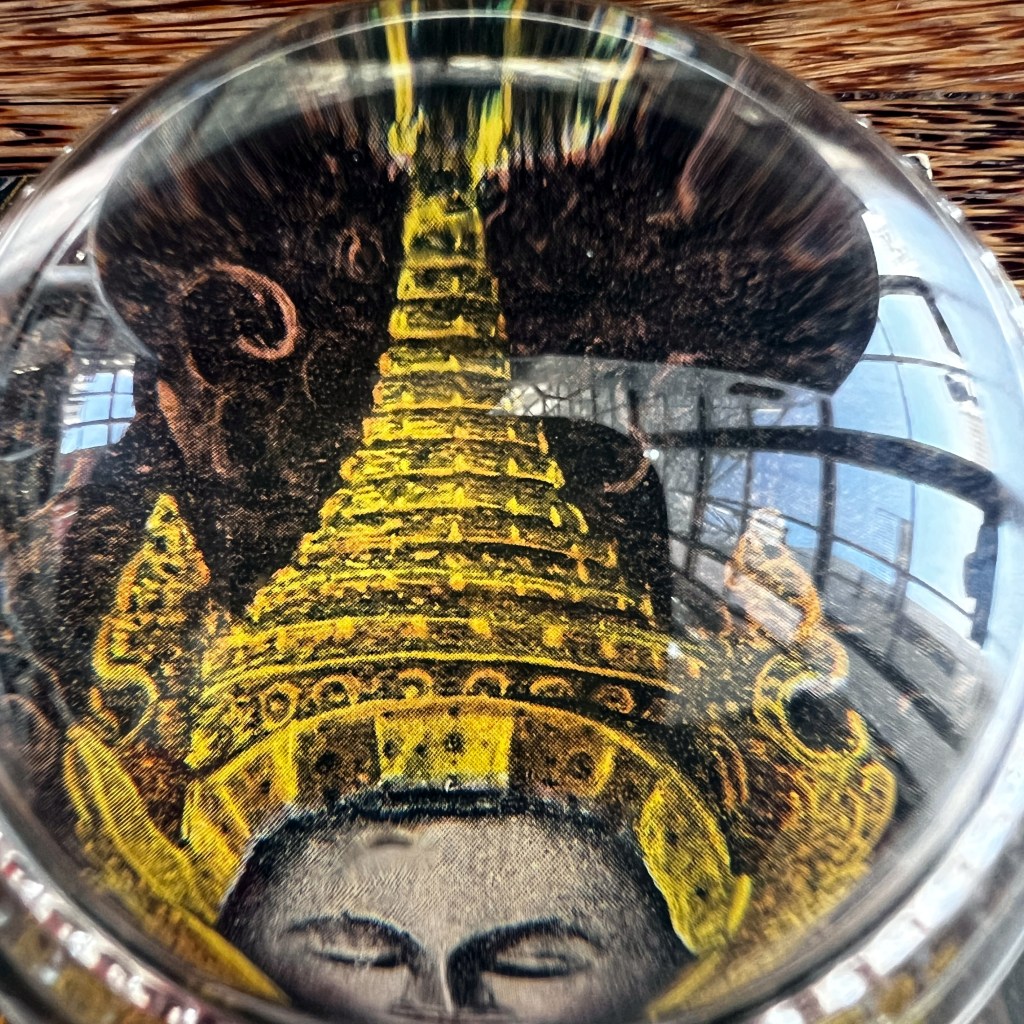
Over 12 feet in height, the image is topped by a crown – typical of the Jambupati style – and is intended to display the grandeur of the Buddha and his message.

F

or more on a Burmese Buddhist statue in a similar style, see the Asian Art Museum website here: https://tinyurl.com/mpvxn8j9.


The Buddhas in the West Material Archive is a digital scholarship project that catalogues artifacts depicting Buddhist material culture for Western audiences. It’s comprised of prints, photos, and an assortment of ephemera and other objects. For a brief introduction to this archive, visit the main Buddhas in the West project page.


For Related Buddhas in the West Posts Featuring the Historical Buddha / Gautama:


For the Most Recent Buddhas in the West Posts:

D.A. Ahuja’s Postcard Buddhas

For all the new Buddhas in the West posts
follow us on Bluesky & Instagram


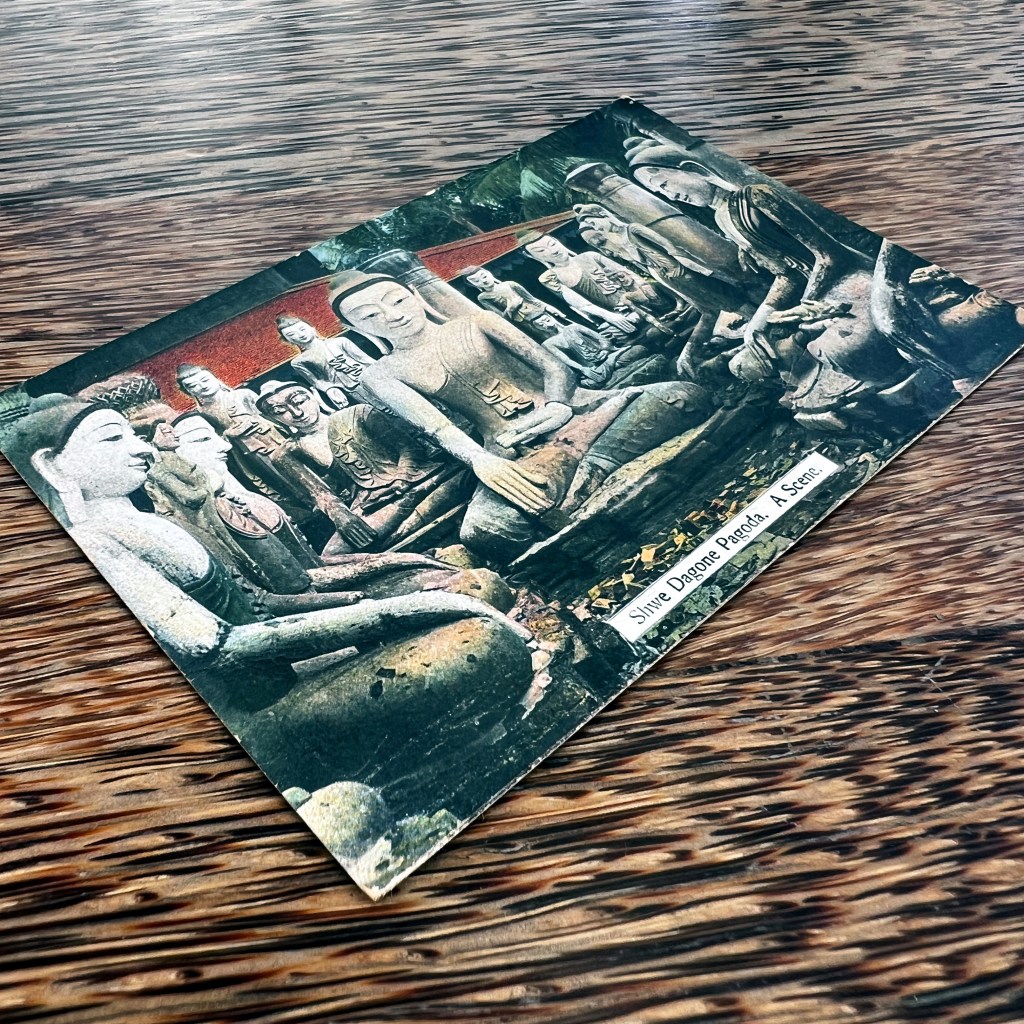
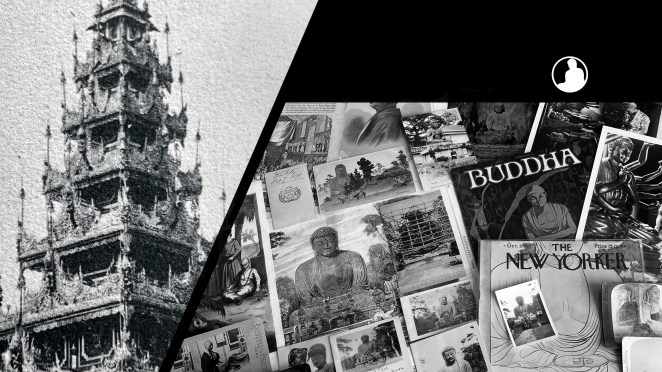
At the turn of the twentieth century, D. A. Ahuja was chronicling Burmese Buddhist culture in stunning color.

Operating out of Rangoon (modern Yangon) Ahuja published some of the highest quality picture postcards in Asia.

Ahuja outsourced printing to Germany, the commercial center of postcard printing worldwide. By 1903, German printing houses were putting out two postcards for every human on the planet.

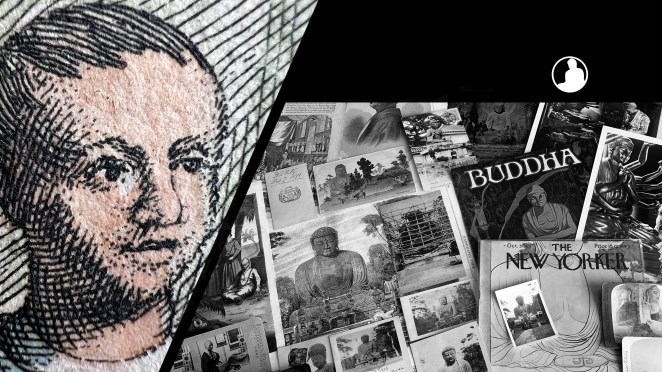
These German firms used a lithographic-halftone hybrid process, first applying layers of color using a lithographic substrate and then applying a black halftone screen. Only the final key plate carried the fine black detail of the photograph.

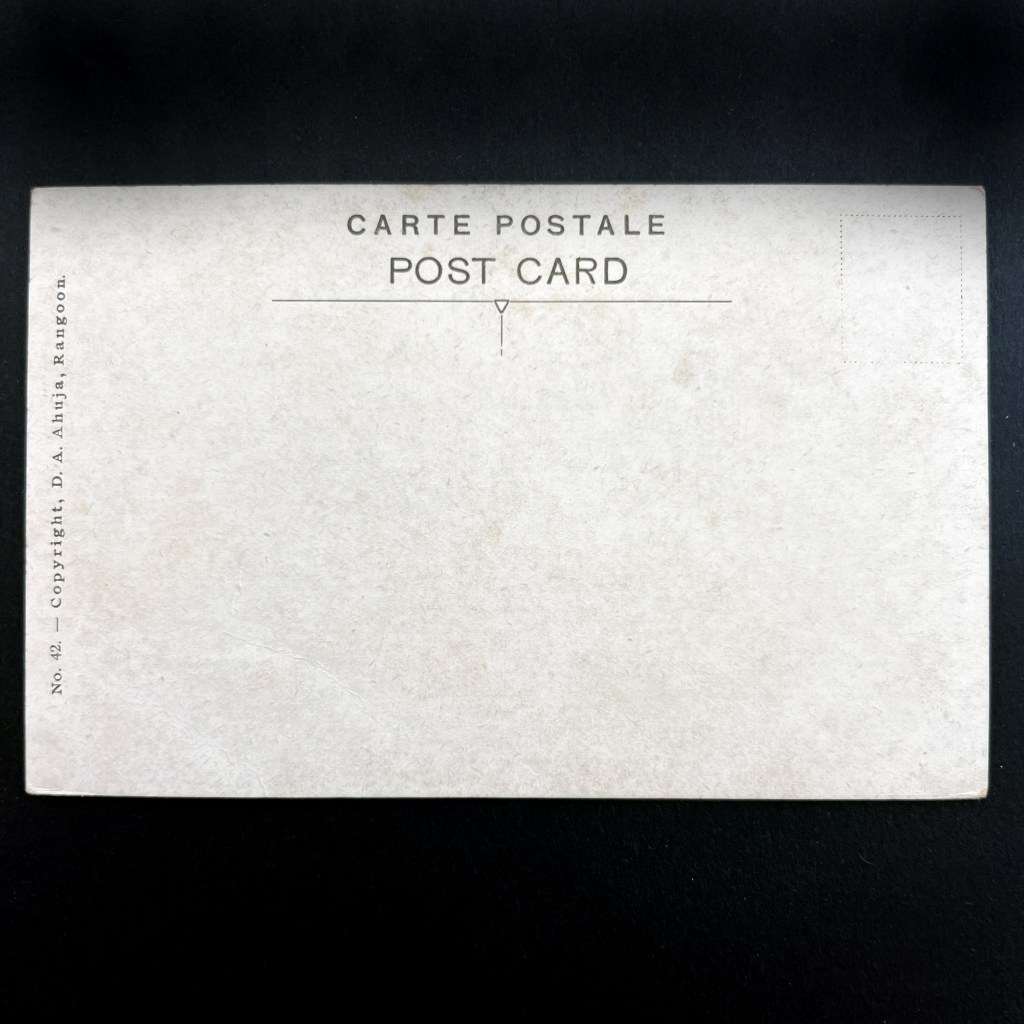
Despite having his name imprinted on the reverse of the card, Ahuja either licensed or pirated this image from a competitor, Philip Klier, who used this photo on earlier black and white postcards.

A handful of Ahuja’s postcards can be viewed at the New York Public Library website: https://tinyurl.com/z9np5myb.


The Buddhas in the West Material Archive is a digital scholarship project that catalogues artifacts depicting Buddhist material culture for Western audiences. It’s comprised of prints, photos, and an assortment of ephemera and other objects. For a brief introduction to this archive, visit the main Buddhas in the West project page.


For Related Buddhas in the West Posts Featuring D.A. Ahuja Postcards:

For the Most Recent Buddhas in the West Posts: