Philip Klier’s Shwedagon Pagoda Postcard

For all the new Buddhas in the West posts
follow us on Bluesky & Instagram


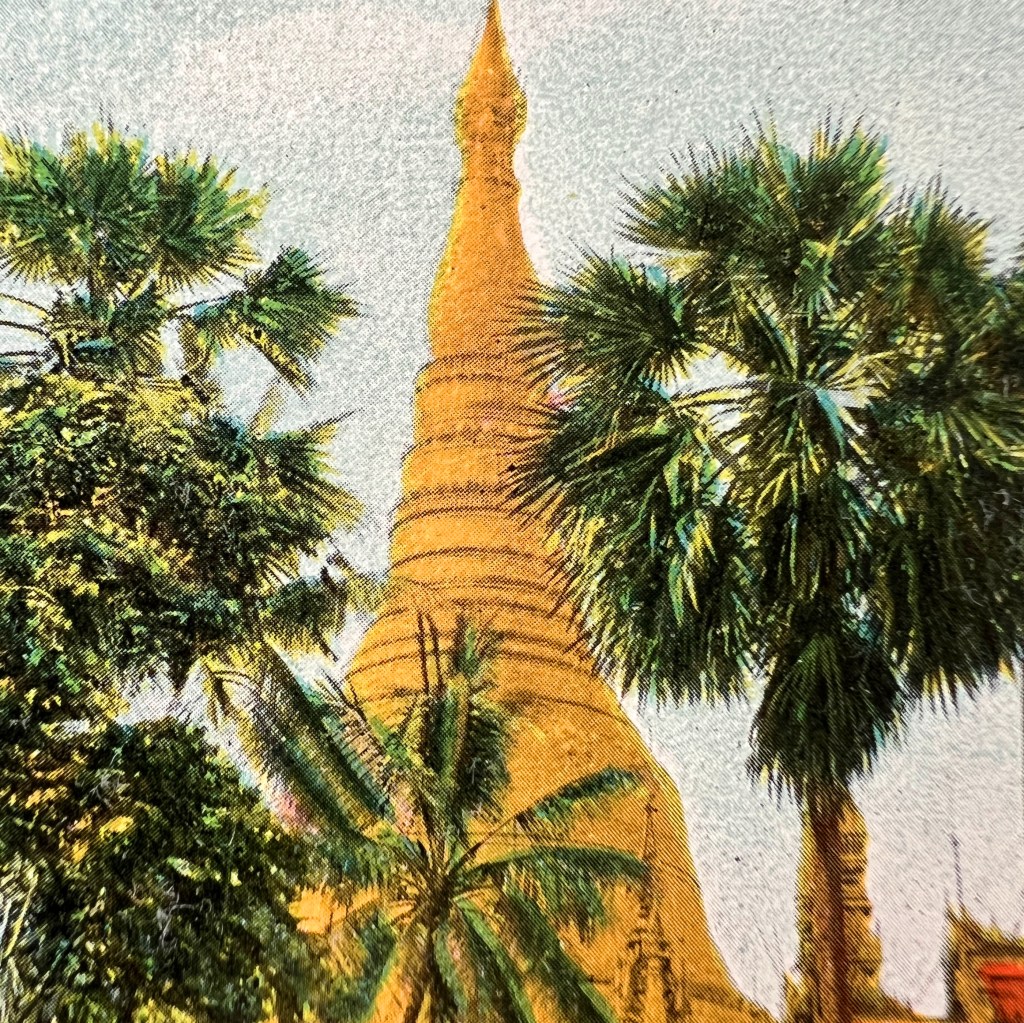
At the turn of the 20th century, tourists entering British Burma on a steamer would have looked down the Rangoon River to see the golden Shwedagon Pagoda in the far distance. Myanmar’s most sacred Buddhist site, the pagoda stands 112 m (367 ft) tall and dominates the Yangon skyline.
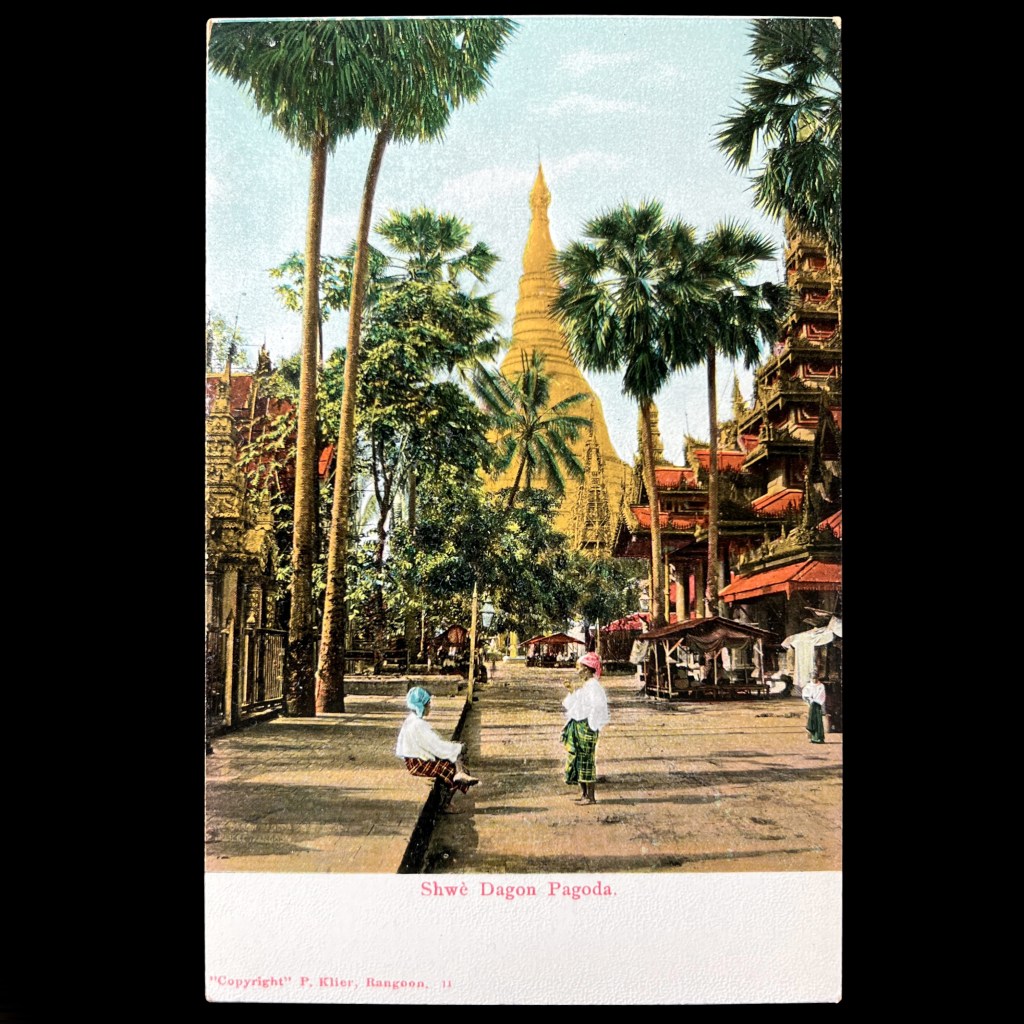
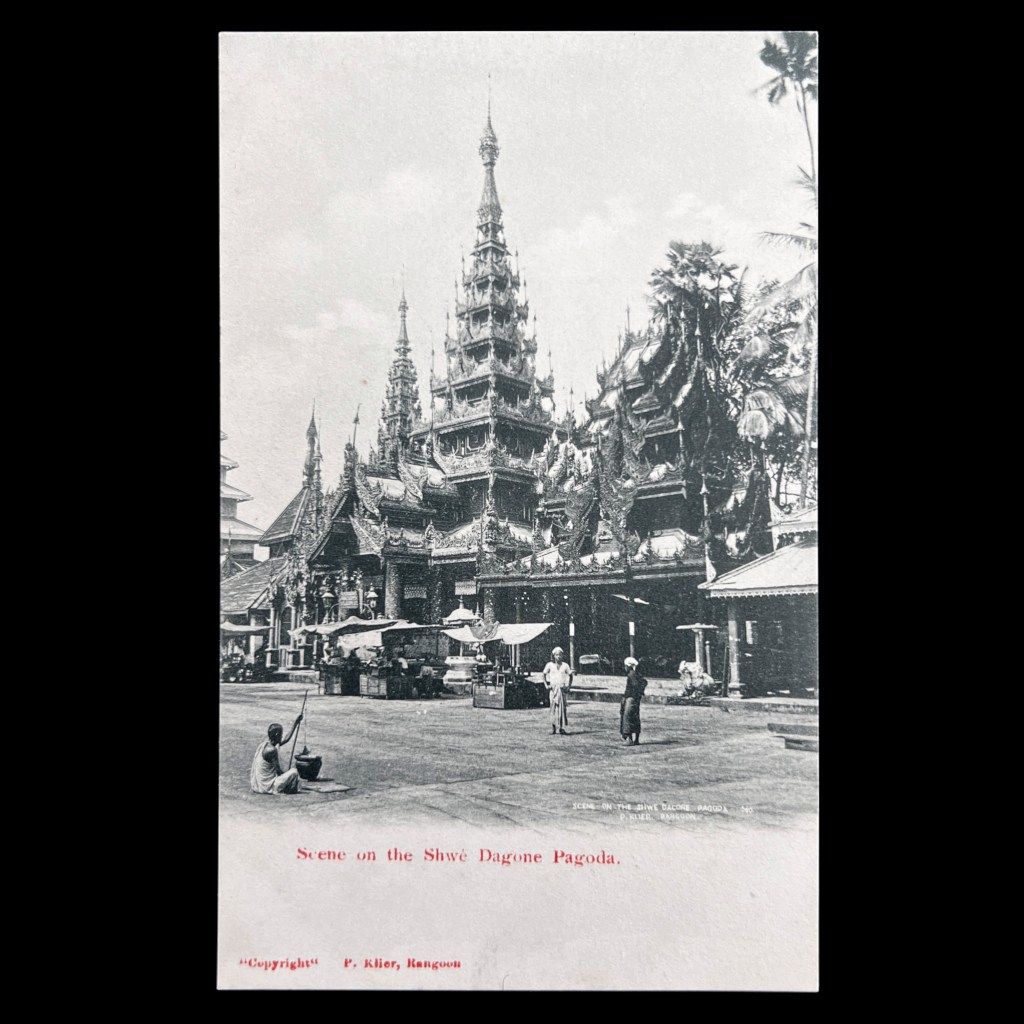
German photographer Philip Klier’s image blends monumentality with everyday life; palm trees frame the towering golden stupa while Burmese figures animate the foreground and provide scale. Klier presents an idyllic vision for colonial consumers seeking the “exotic” East.
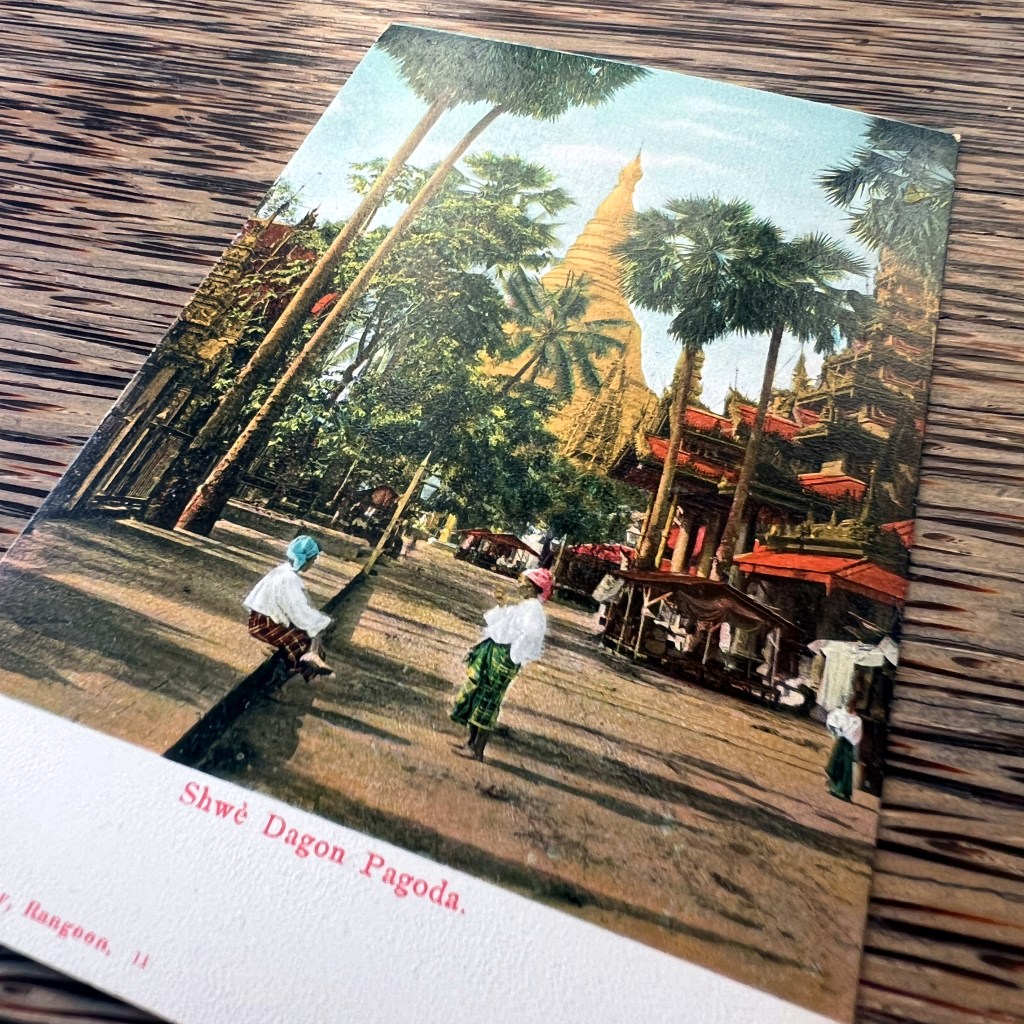
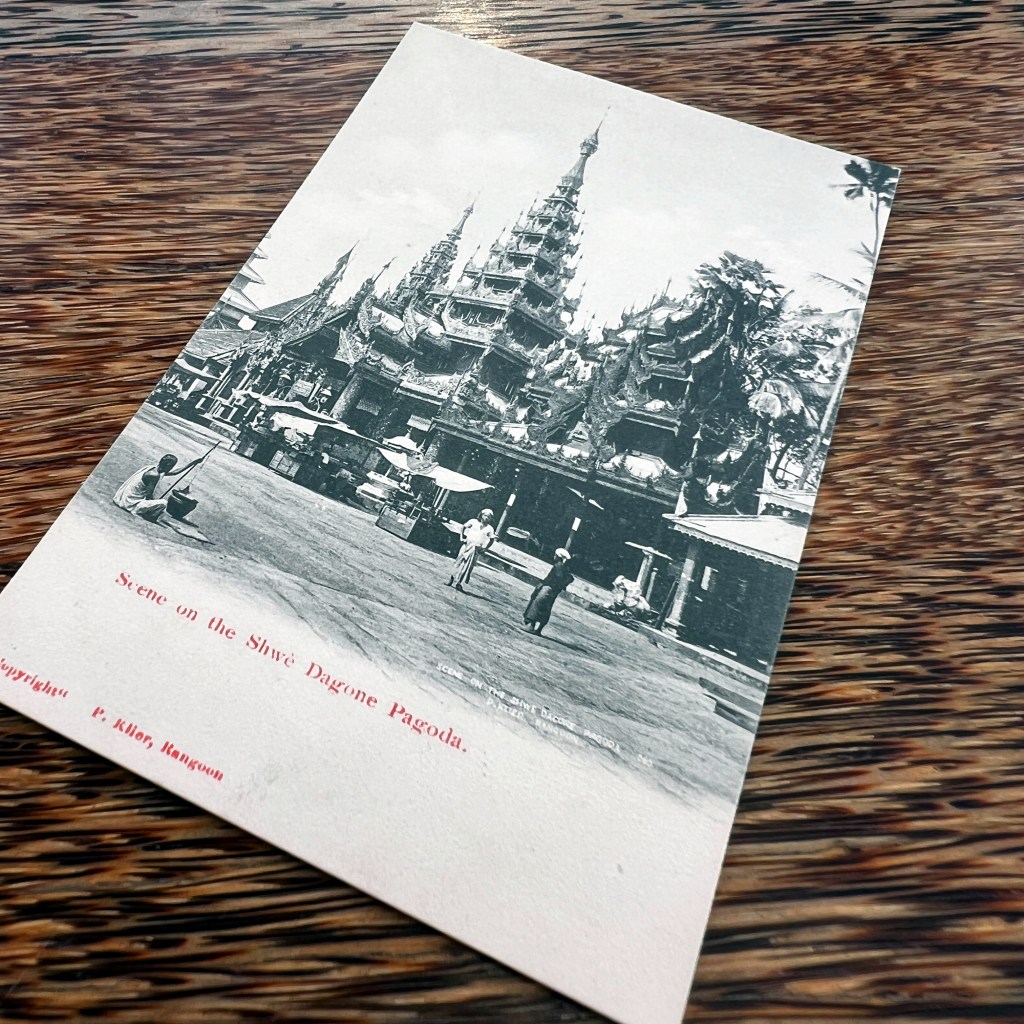
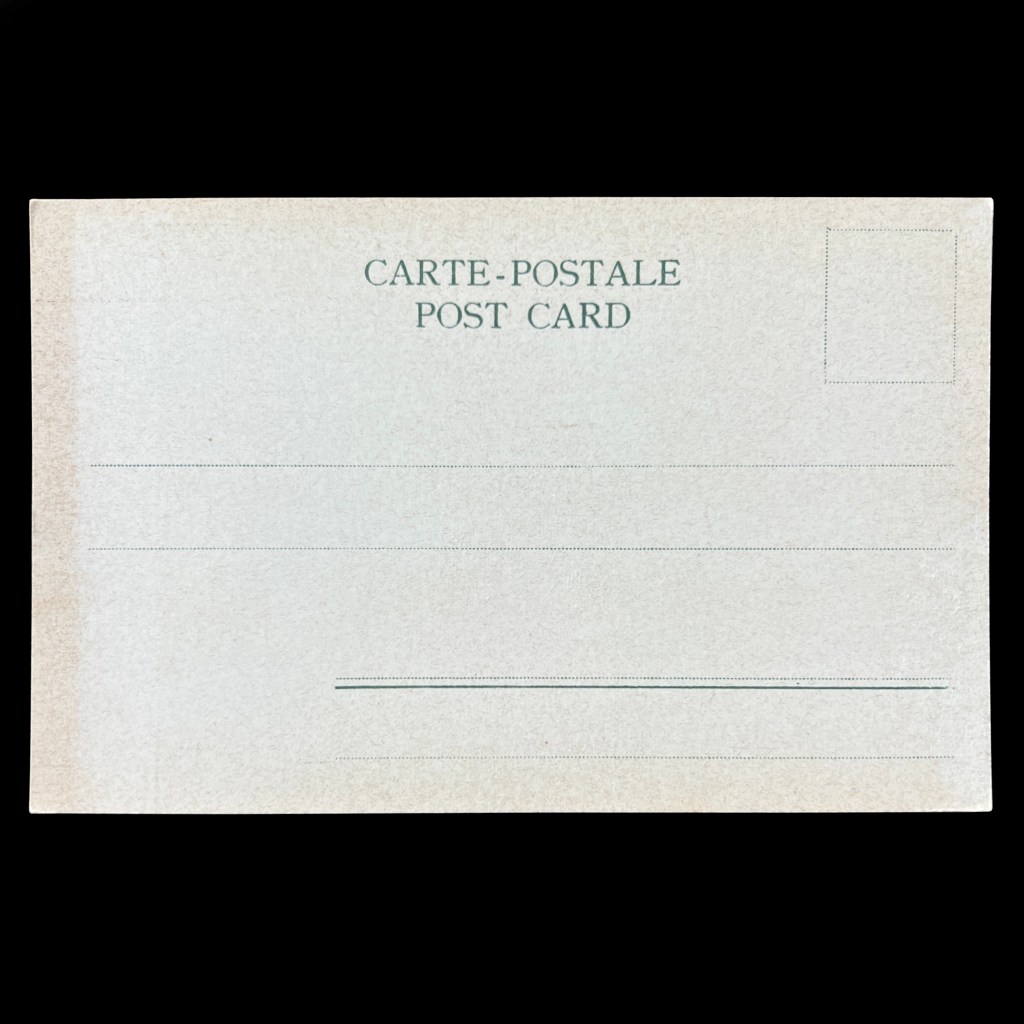
Following the postcard boom, Klier used his studio album photographs as the basis for portable, vibrantly colored postcards. Such cards circulated through imperial mail networks, shaping how distant places like Burma were imagined by audiences in Europe and beyond.
In the colonial period, some Burmese merchants became wealthy through trade in rice and timber and sites like Shwedagon Pagoda experienced rapid growth. Newly built resting pavilions and stalls selling flowers, parasols, and curios could be seen all over the grounds.
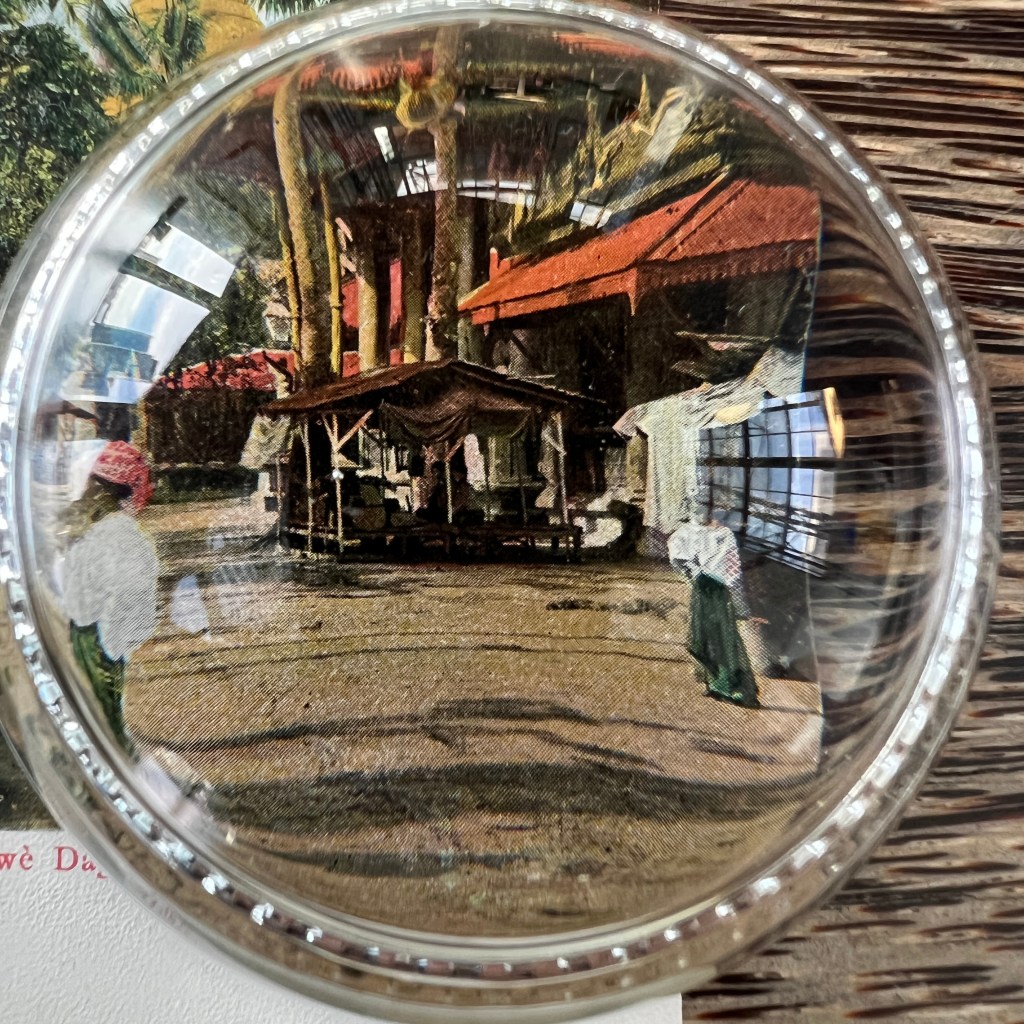
More than kitsch souvenirs, postcards reveal how colonial interactions and photography mediated encounters between Burma and the wider world at the turn of the century. For more on colonial photography in Burma, see Noel Singer’s Burma: A Photographic Journey (1993).
The Buddhas in the West Material Archive is a digital scholarship project that catalogues artifacts depicting Buddhist material culture for Western audiences. It’s comprised of prints, photos, and an assortment of ephemera and other objects. For a brief introduction to this archive, visit the main Buddhas in the West project page.


For Related Buddhas in the West Posts Featuring the Shwedagon Pagoda:

For the Most Recent Buddhas in the West Posts:

Philip Klier’s “Scene on the Shwe Dagon Pagoda” Postcard

For all the new Buddhas in the West posts
follow us on Bluesky & Instagram


Shwedagon Pagoda is the most sacred Buddhist pilgrimage site in Myanmar, thought to enshrine eight hair strands of the Buddha. Philip Klier’s photo, taken in the 1880s, shows the activities of both monks and merchants on the main platform in front of the pagoda.

Built atop Singutarra Hill in the city of Yangon, four main entrance pavilions on the cardinal directions lead to a spacious open court where vendors sold ritual supplies. Small kiosks with shade coverings can be seen on the far side of the courtyard here.

When German photographer Philip Klier relocated to the British capital at Yangon in c. 1880, he opened a studio just south of Shwedagon Pagoda. By the turn of the century he started selling postcards of his photographs, a media popular among foreign tourists visiting the site.

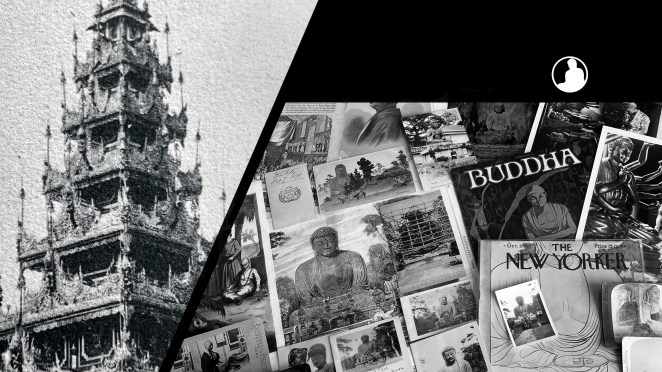
Klier’s name is inscribed on the negative with the title of his photo: “Scene on the Shwe Dagon Pagoda.” Surprisingly, the Shwedagon Pagoda is not actually in the frame of Klier’s photograph, it sits just off to the left.

In the foreground we see a Theravada monk sitting on the ground with an alms bowl.

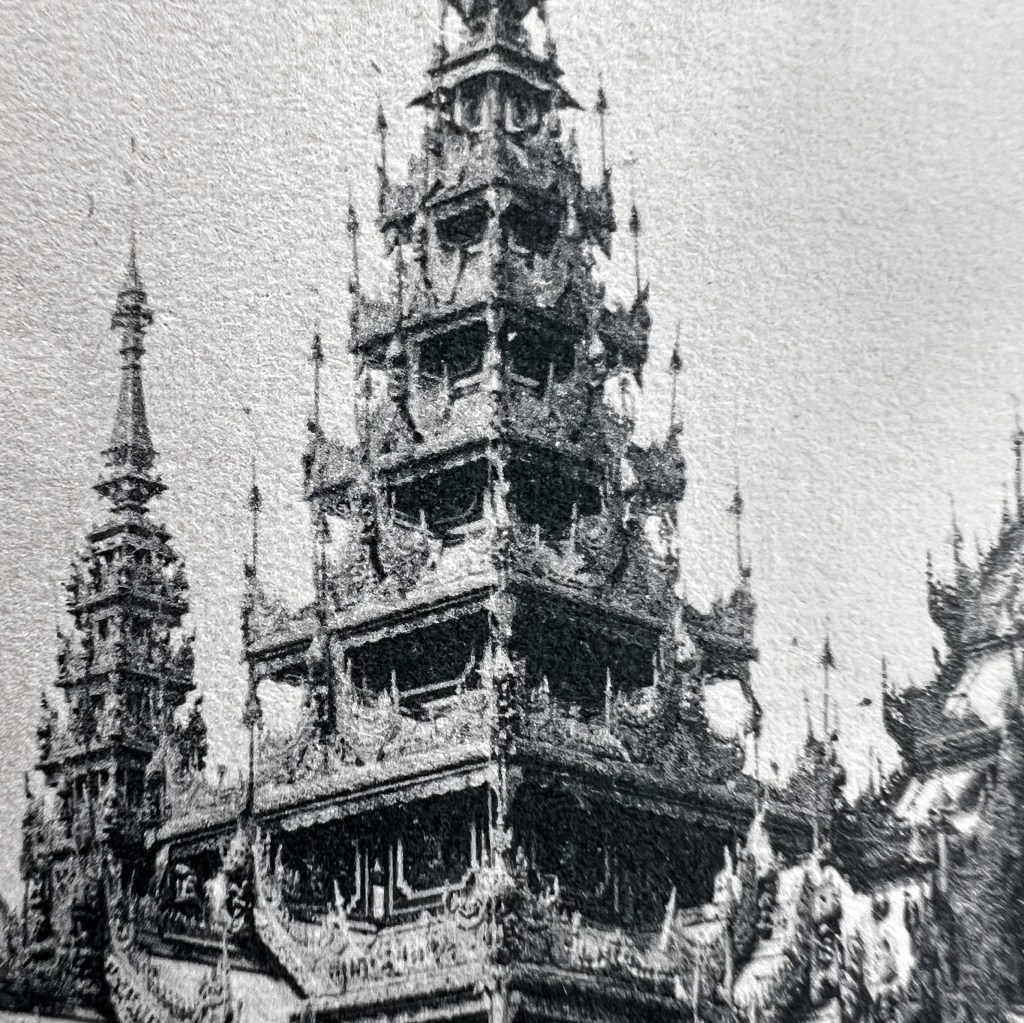
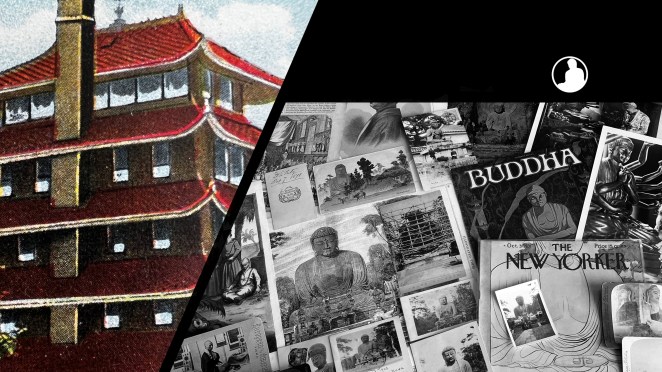
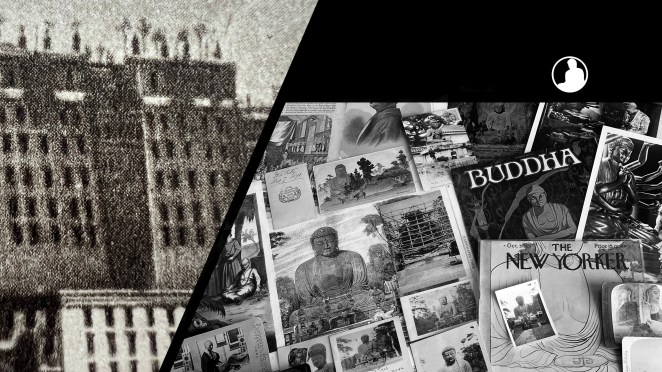
The distinctive building in the back is a seven-tiered pyatthat, characteristic of sacred Burmese architecture. For more of Klier’s photography, see the digitized collection at the National Gallery Singapore, viewable here: https://tinyurl.com/mtd9y72x.

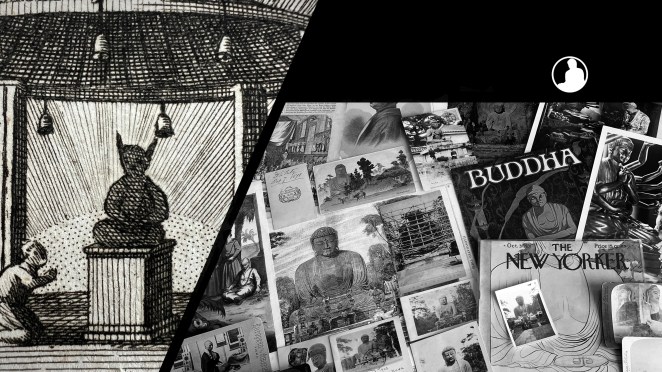
Several of Montanus’ engravings were copied into later works on Japan, helping shape a visual lexicon for Buddhism into the 19th cent. The 1669 Dutch edition of Atlas Japannensis has been digitized by the National Library of the Netherlands, viewable here: tinyurl.com/5n6kstfy.


The Buddhas in the West Material Archive is a digital scholarship project that catalogues artifacts depicting Buddhist material culture for Western audiences. It’s comprised of prints, photos, and an assortment of ephemera and other objects. For a brief introduction to this archive, visit the main Buddhas in the West project page.


For Related Buddhas in the West Posts Featuring Myanmar / Burma:


For the Most Recent Buddhas in the West Posts:

D.A. Ahuja’s Postcard Buddhas

For all the new Buddhas in the West posts
follow us on Bluesky & Instagram


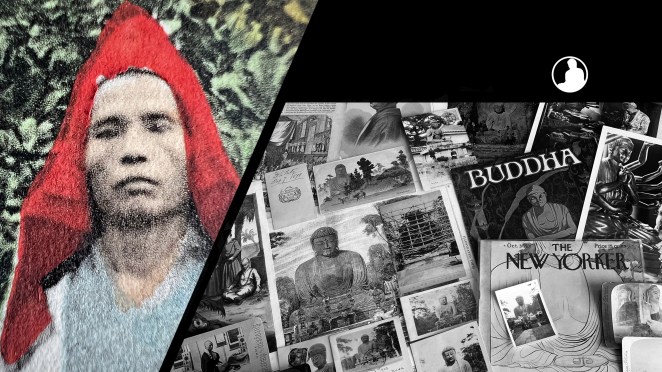
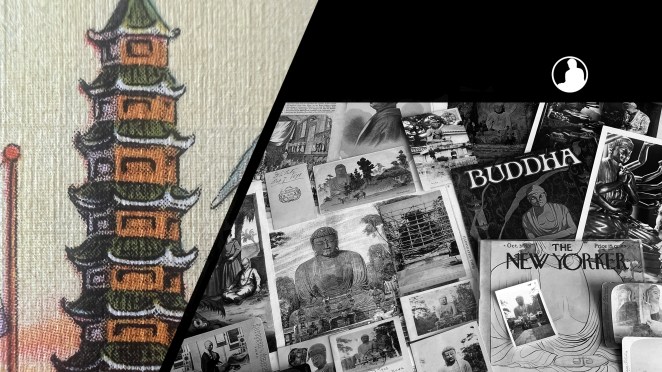
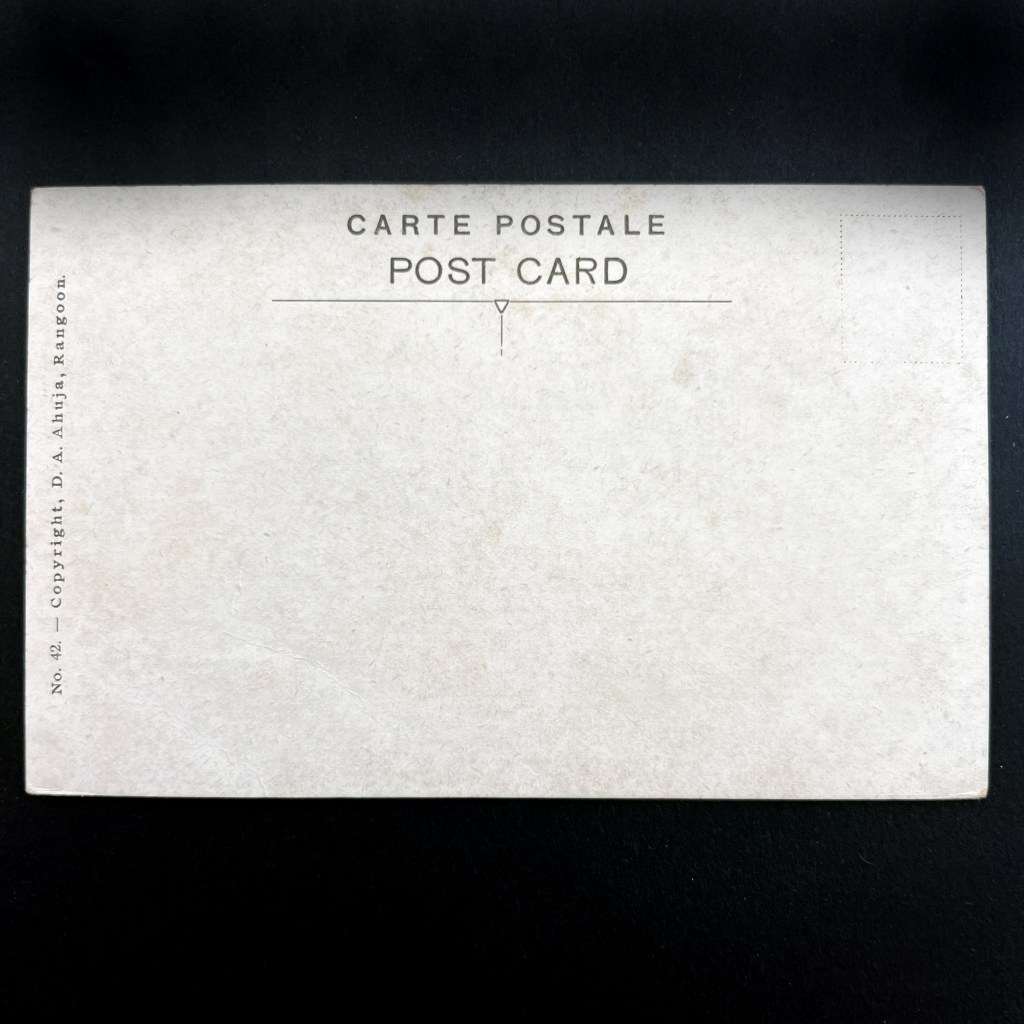
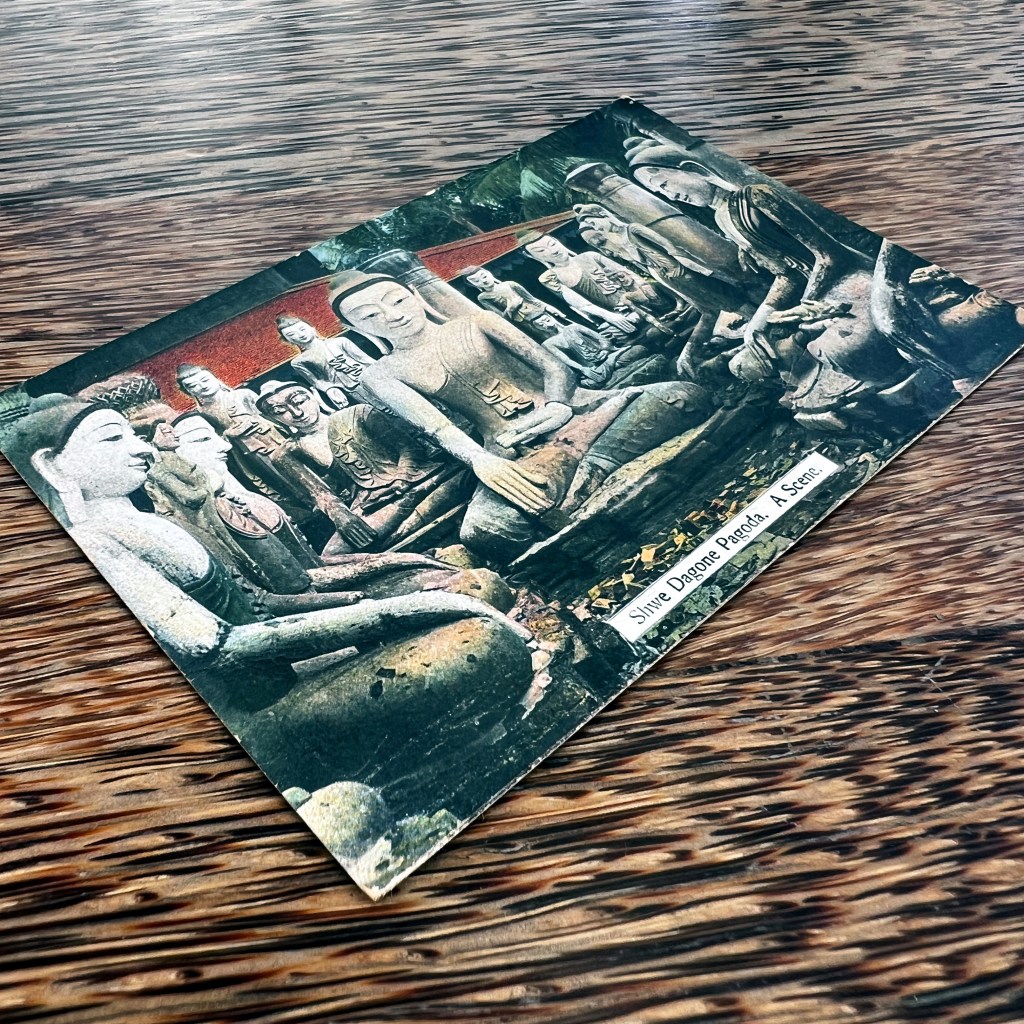
At the turn of the twentieth century, D. A. Ahuja was chronicling Burmese Buddhist culture in stunning color.

Operating out of Rangoon (modern Yangon) Ahuja published some of the highest quality picture postcards in Asia.

Ahuja outsourced printing to Germany, the commercial center of postcard printing worldwide. By 1903, German printing houses were putting out two postcards for every human on the planet.

These German firms used a lithographic-halftone hybrid process, first applying layers of color using a lithographic substrate and then applying a black halftone screen. Only the final key plate carried the fine black detail of the photograph.

Despite having his name imprinted on the reverse of the card, Ahuja either licensed or pirated this image from a competitor, Philip Klier, who used this photo on earlier black and white postcards.

A handful of Ahuja’s postcards can be viewed at the New York Public Library website: https://tinyurl.com/z9np5myb.


The Buddhas in the West Material Archive is a digital scholarship project that catalogues artifacts depicting Buddhist material culture for Western audiences. It’s comprised of prints, photos, and an assortment of ephemera and other objects. For a brief introduction to this archive, visit the main Buddhas in the West project page.


For Related Buddhas in the West Posts Featuring D.A. Ahuja Postcards:

For the Most Recent Buddhas in the West Posts: