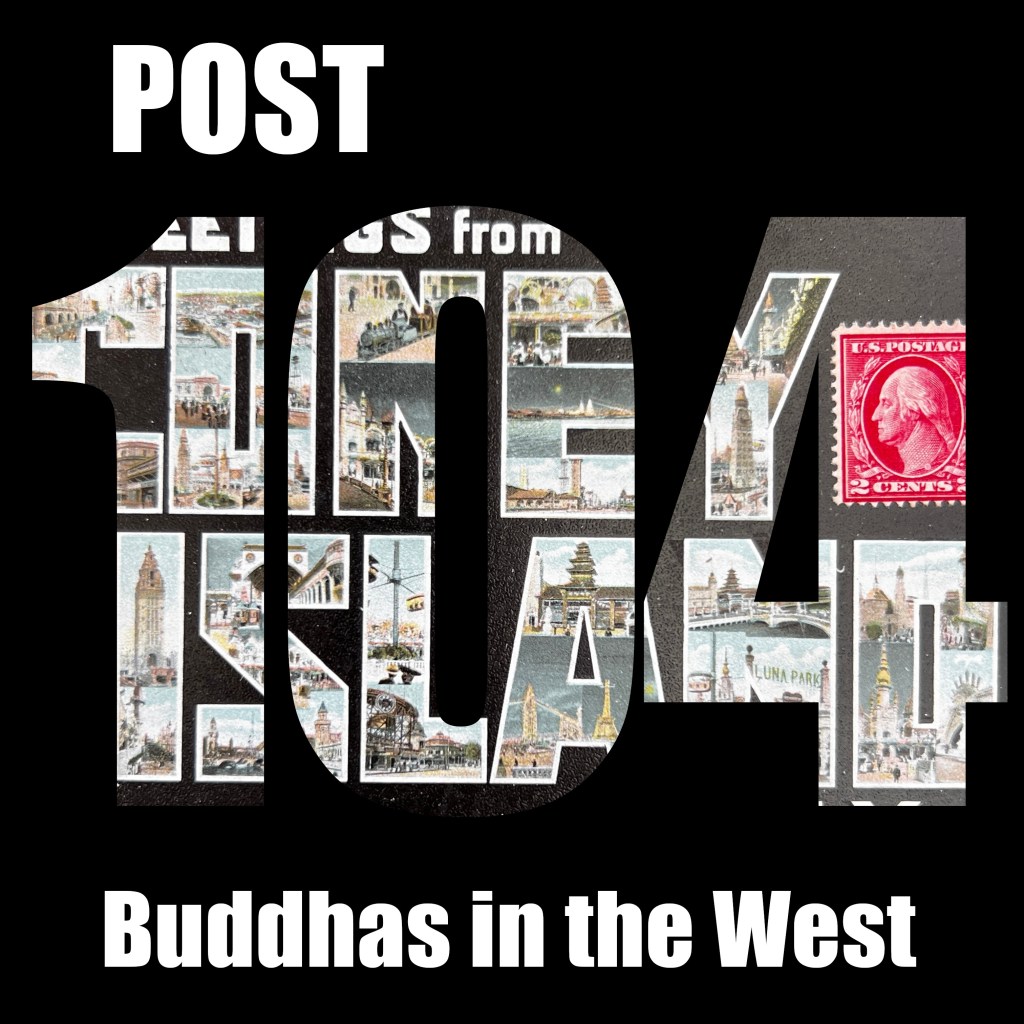
Dreamland’s Japanese Tea Garden Pagoda, “Greeting From Coney Island” Postcard

For all the new Buddhas in the West posts
follow us on Bluesky & Instagram


During the Golden Age of American amusement parks, New York’s Coney Island was king, sporting the trifecta of the Steeplechase, Dreamland, and Luna Park. Opening in May 1904, Dreamland advertised a “faithful reproduction of a Japanese temple,” attempting to pull customers away from its rivals.

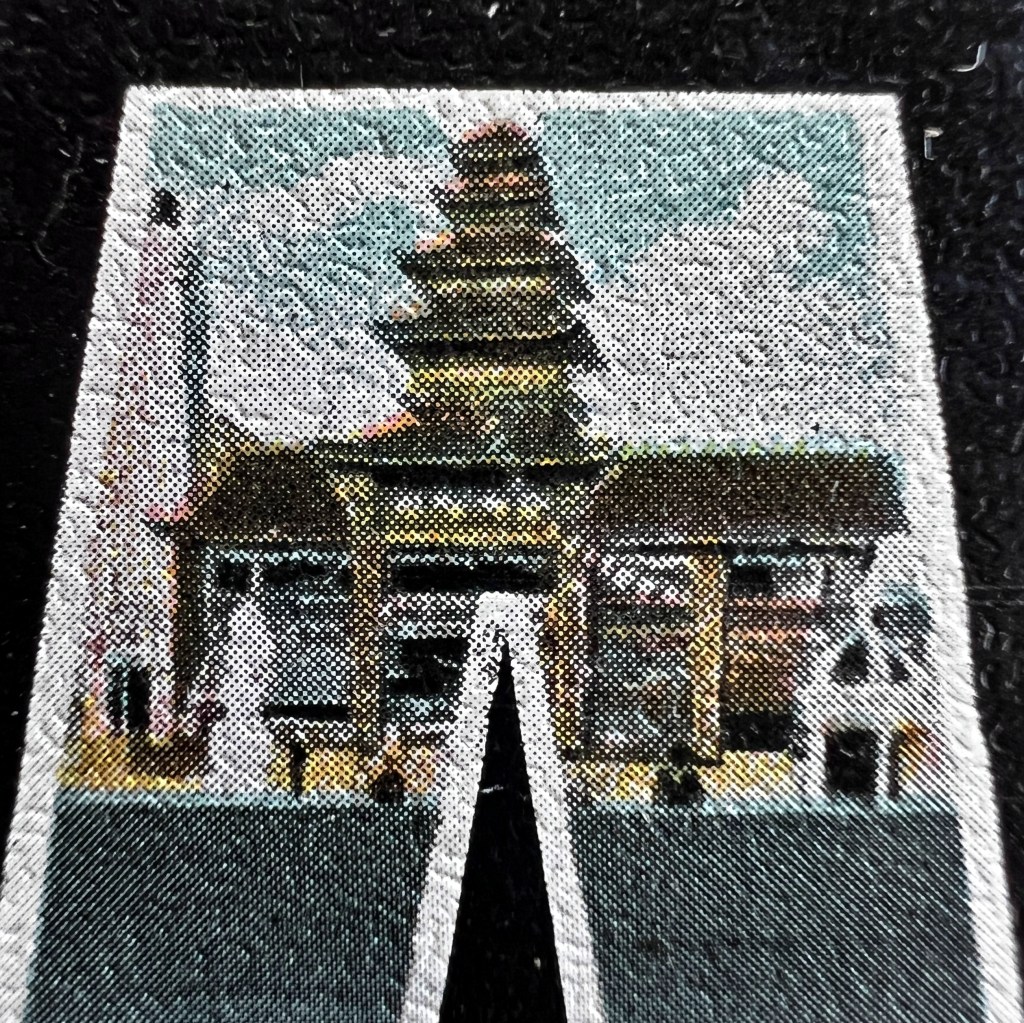
The “temple” attraction was mostly bluster, but a two-story Japanese-style pavilion was built as a tea house, crowned by an additional four-level pagoda. Iconic in its own right, this pagoda is featured at least two times in this classic “Greetings from” postcard design.

Mailed from Brooklyn to Bavaria in 1912, this postcard was originally printed in Germany, the worldwide epicenter of postcard production previous to WWI. Note the stamp indicating the postage was affixed on the obverse; this allowed collectors to display the postcard in an album.

Based on World’s Fair amusement zones, the buildings at Dreamland each had their own architectural style to showcase their offerings: Canals of Venice, Coast through Switzerland, Destruction of Pompeii, etc. The pagoda’s distinctive features (seen in the “N”) identified the Japanese tea garden.
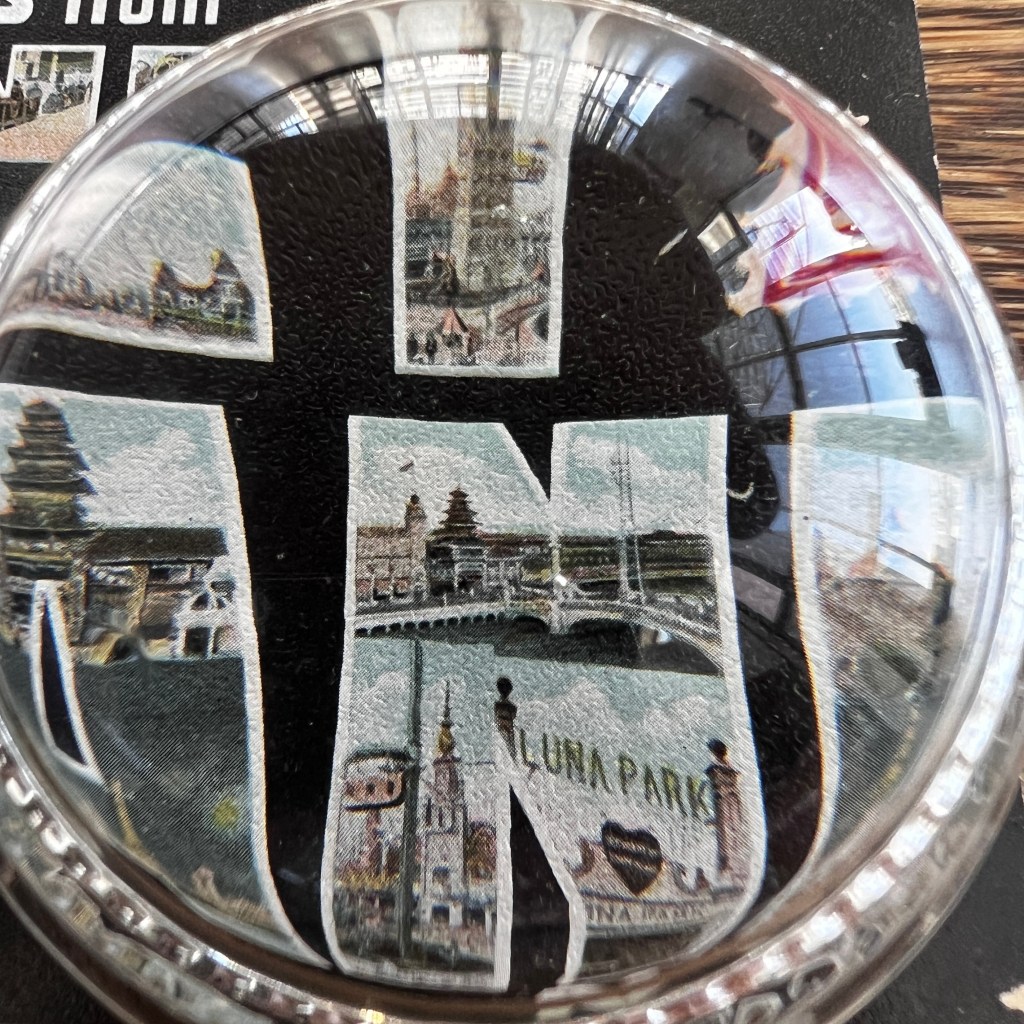
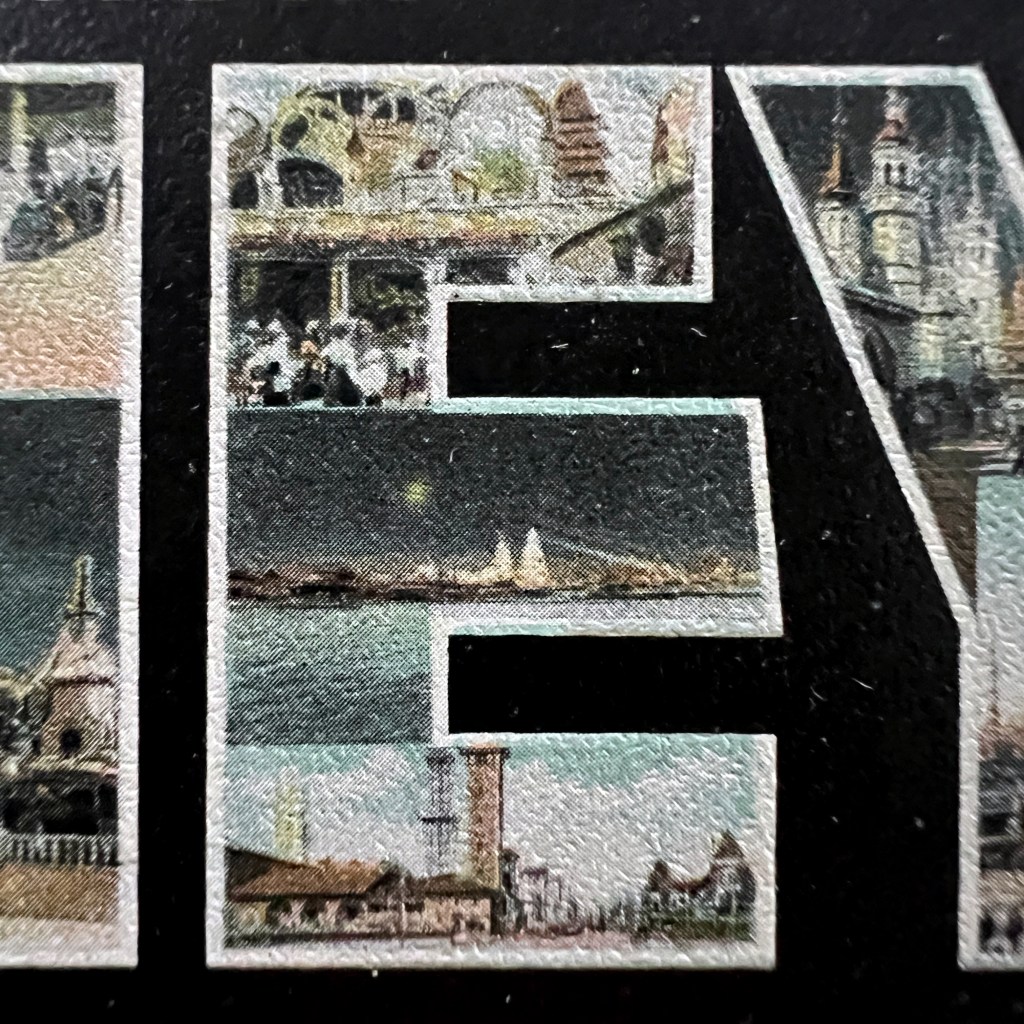
Luna Park, which opened the previous year in 1903, expanded its own Japanese Roof Garden with towering pagodas; this park’s pagoda is just visible in the top of the letter “E”. As new Luna Parks opened across the US, some added their own Japanese style pagodas.
Dreamland was destroyed in 1911 when a fire ripped through the park. An extraordinarily detailed map of Coney Island’s three parks c.1906 is available through the Library of Congress (Dreamland’s pagoda is in the lower right), viewable here: https://tinyurl.com/xvdtw8yt.
The Buddhas in the West Material Archive is a digital scholarship project that catalogues artifacts depicting Buddhist material culture for Western audiences. It’s comprised of prints, photos, and an assortment of ephemera and other objects. For a brief introduction to this archive, visit the main Buddhas in the West project page.


For Related Buddhas in the West Posts Featuring Amusements at World’s Fairs:


For the Most Recent Buddhas in the West Posts:


Vantine’s Buddha Sandalwood Incense Tin

For all the new Buddhas in the West posts
follow us on Bluesky & Instagram


An Art Deco Buddha: Ashley Vantine arrived in the newly opened port of Yokohama in 1861 looking to start an American import business. By the turn of the 20th century, A.A.Vantine & Co. had become one of the most influential importers of “Oriental” goods into the US.

First positioning itself as an authority of Japanese goods, by the 1890s Vantine’s shifted to a more eclectic mass-market approach. With a famous flagship store on Broadway in New York and a successful mail order business, Vantine’s goods circulated across the US.

By the 1910s it was becoming commonplace for more Americans to display Buddhist statuary in their homes to signify exotic taste. Vantine’s helped supply this growing market.

As the cosmetics market blossomed after WWI, Vantine’s shifted to perfumes and incense, often advertised with Buddhist imagery.

Valuable materials from the Vantine’s company are held by the Winterthur Museum Library. A mail order catalogue from 1914 is viewable here: https://tinyurl.com/4a7mhtst


The Buddhas in the West Material Archive is a digital scholarship project that catalogues artifacts depicting Buddhist material culture for Western audiences. It’s comprised of prints, photos, and an assortment of ephemera and other objects. For a brief introduction to this archive, visit the main Buddhas in the West project page.


For Related Buddhas in the West Posts Featuring Historical Trade Cards:


For the Most Recent Buddhas in the West Posts:

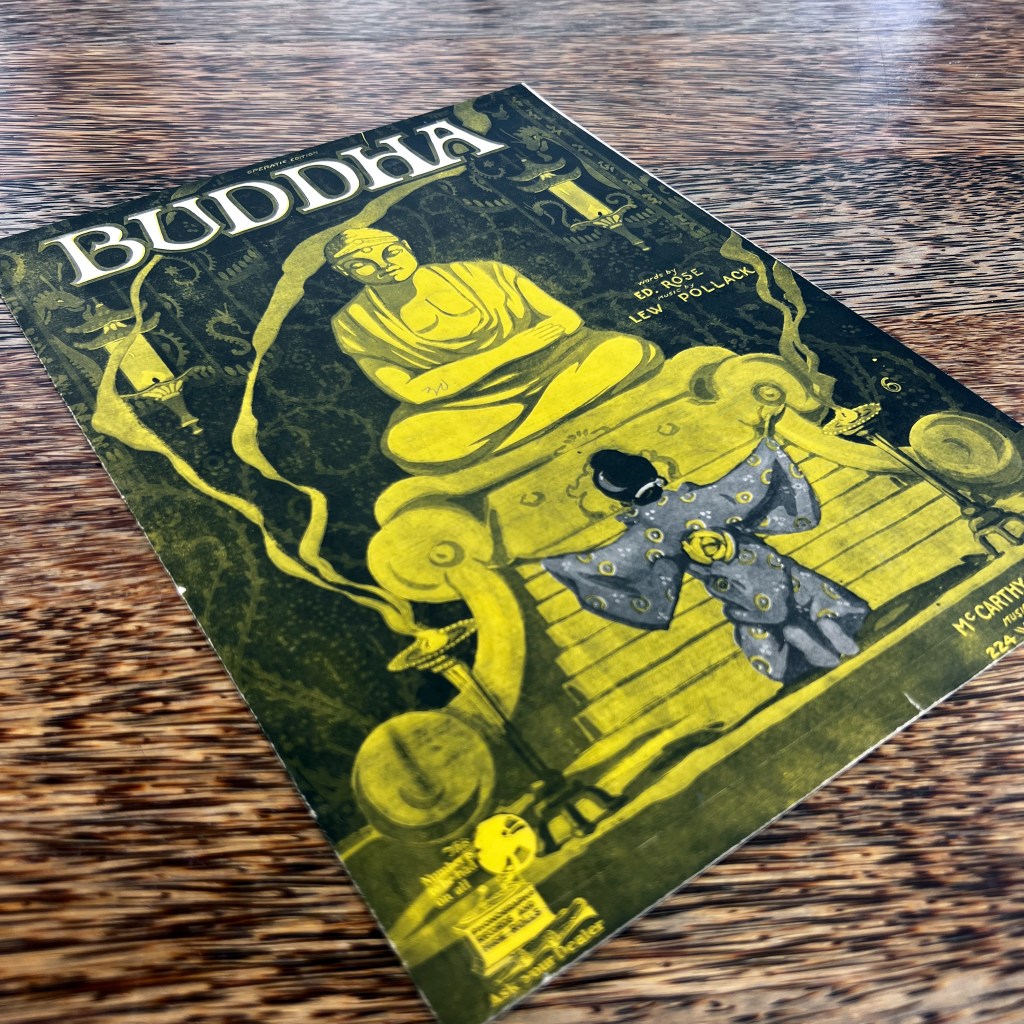
Rose and Pollack’s Buddha Foxtrot Sheet Music

For all the new Buddhas in the West posts
follow us on Bluesky & Instagram


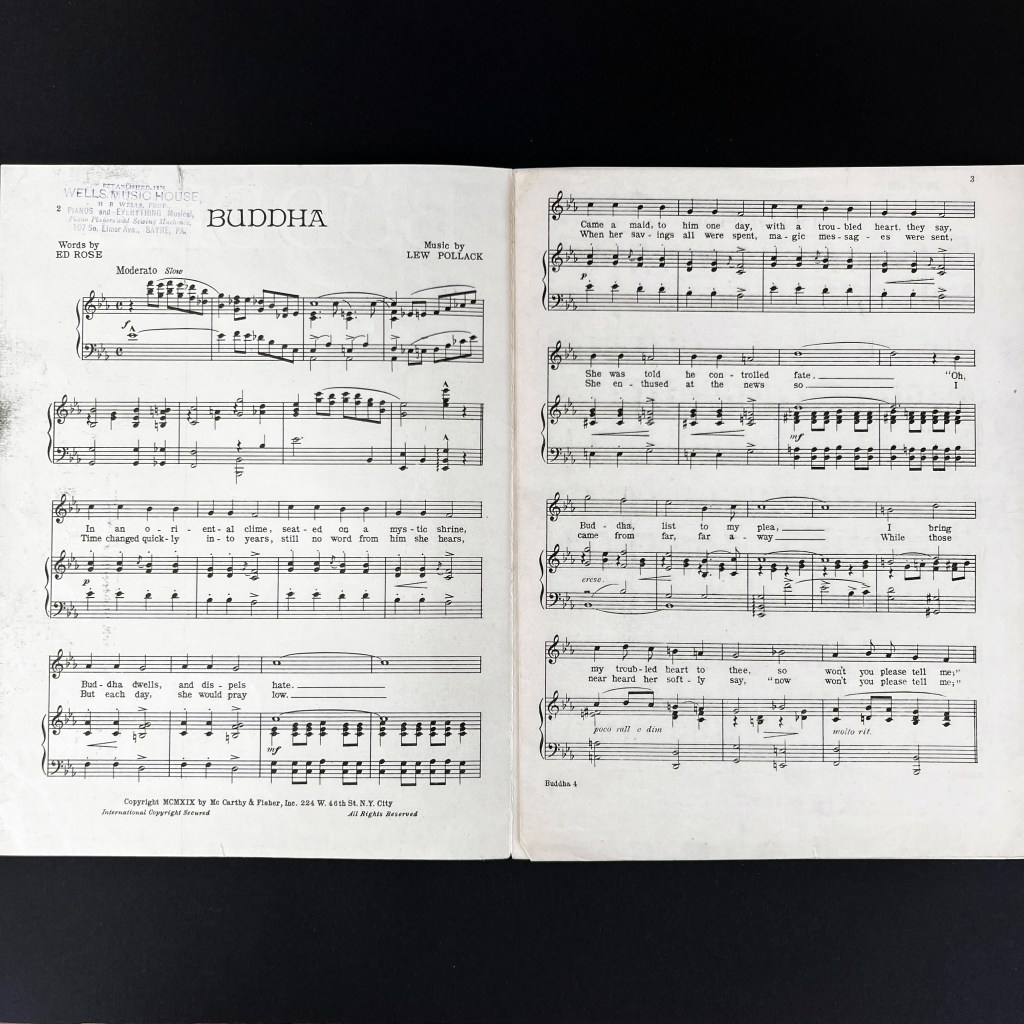
The Buddha Foxtrot: In the late 1910s era of ragtime, Vaudeville accompanist Lew Pollack composed the novelty piece “Buddha.” Several bands recorded versions of Pollack’s composition through the 1920’s; it was a moderate success.

The sheet music cover shows an imaginary scene of religious devotion, incorporating a woman in traditional Japanese dress praying to a Buddhist image.

Lyrics were added to the musical composition by Ed Rose and the work was published in 1919. The song opens with the lyrics: “In an oriental clime, seated on a mystic shrine, Buddha dwells, and dispels hate.”

The song describes a woman who prays to the Buddha, pleading for her lover to return to her. This story reflects Giacomo Puccini’s opera Madame Butterfly, first performed in America in 1906.

I wrote a short post about the song and the imagery on the cover here: https://peterromaskiewicz.com/2019/01/09/the-buddha-foxtrot-by-pollack-and-rose-visual-literacy-of-buddhism/.

The Buddhas in the West Material Archive is a digital scholarship project that catalogues artifacts depicting Buddhist material culture for Western audiences. It’s comprised of prints, photos, and an assortment of ephemera and other objects. For a brief introduction to this archive, visit the main Buddhas in the West project page.


For Related Buddhas in the West Posts Featuring Historical Advertising:


For the Most Recent Buddhas in the West Posts: