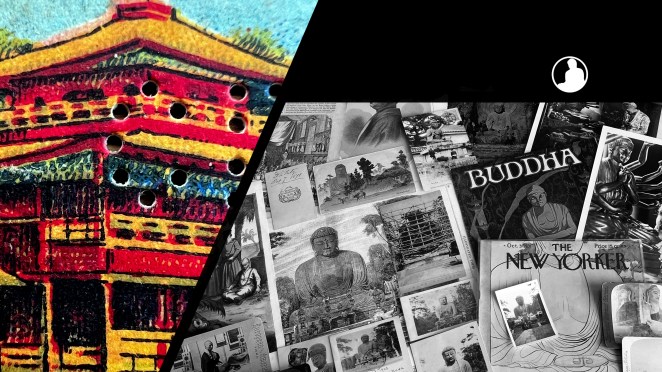
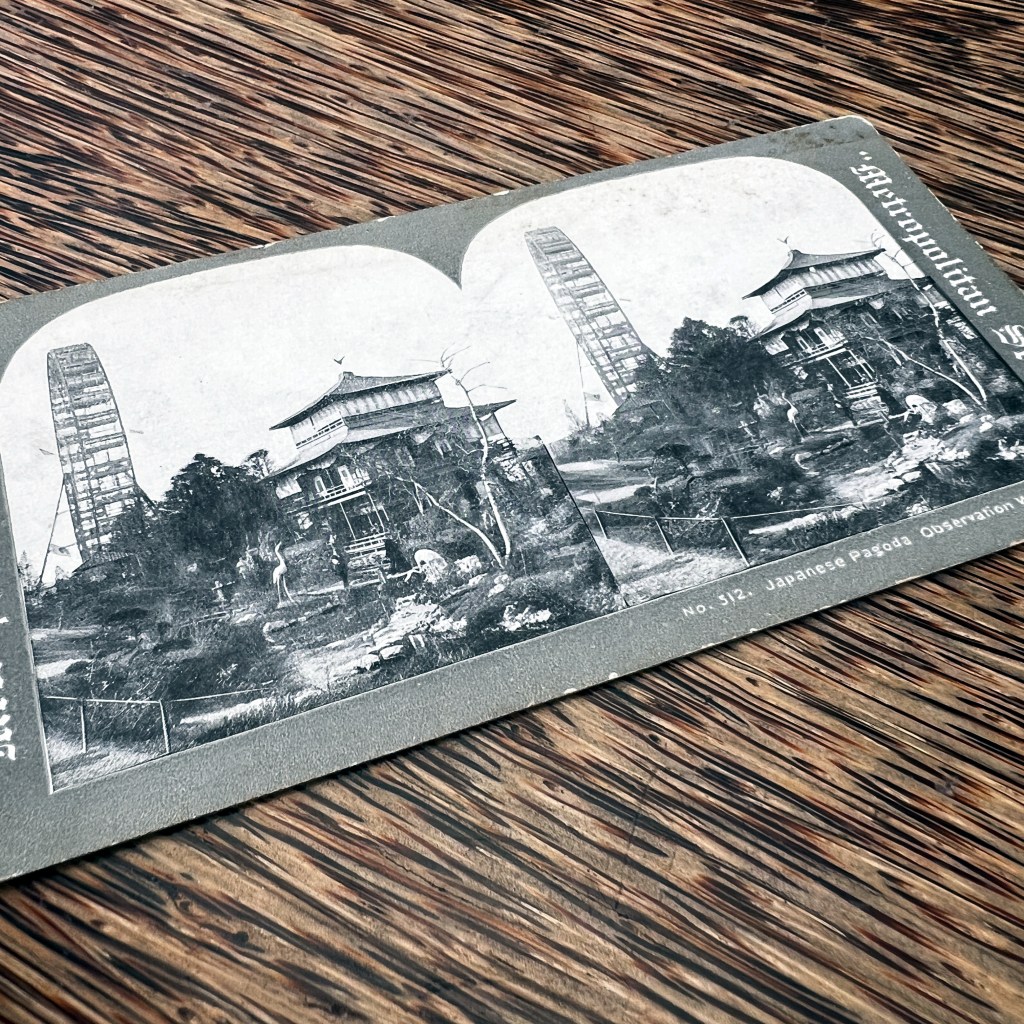
1904 Metropolitan Series “Japanese Pagoda” Stereoview

For all the new Buddhas in the West posts
follow us on Bluesky & Instagram


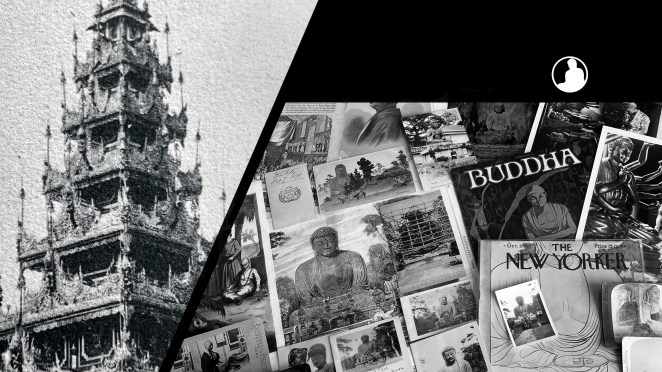
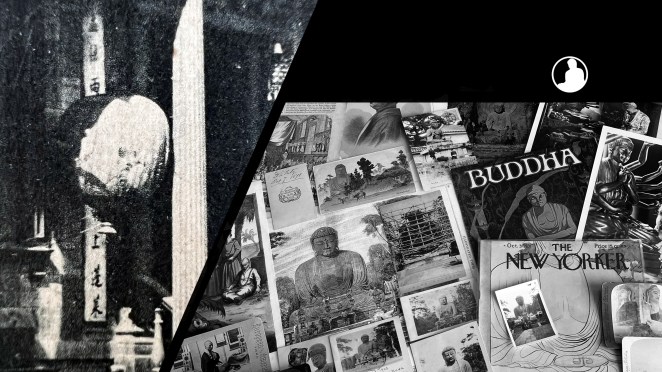
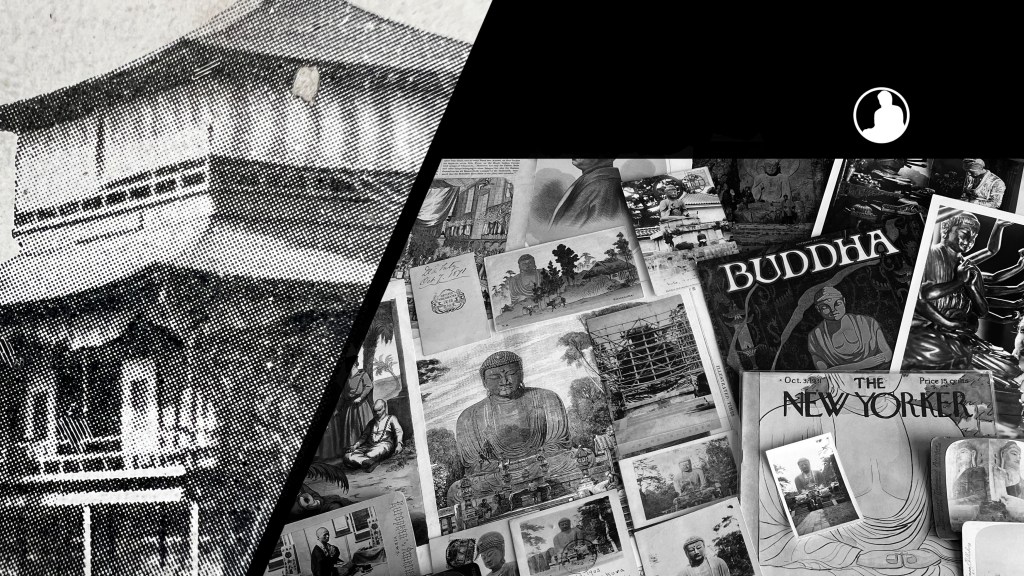
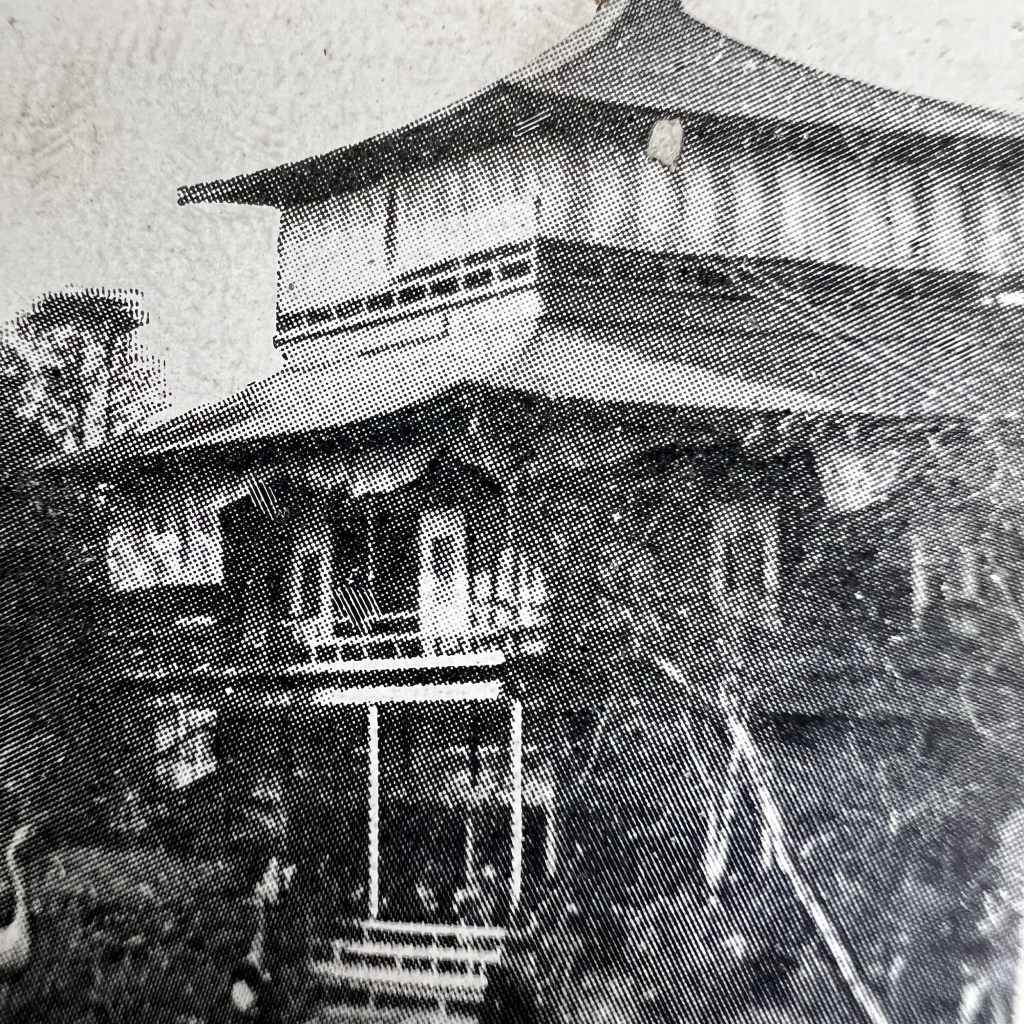
This is not an AI rendered image – it’s a Ferris Wheel towering over Kyoto’s famed Temple of the Golden Pavilion, known as Kinkaku-ji. More accurately, it’s a replica of Kinkaku-ji built for the 1904 St. Louis World’s Fair advertised as a Japanese imperial gardens pagoda.

The Kyoto original, dating to 1400, houses Buddhist relics while the St. Louis replica was built to serve Japanese tea. In both cases the respective buildings are surrounded by a garden and topped with a phoenix roof ornament.

The St. Louis garden was designed by the Japanese landscape architect Yukio Ichikawa 市川之雄.

Japan’s exhibitions were well attended, in part by the generally positive newspaper coverage as well as the publicity of the ongoing Russo-Japanese War. Many companies made stereoviews of the 1904 fairgrounds, with the Metropolitan Series sold through Sears catalogues.
Many attendees of the St. Louis fair expressed a sense of awe at Japan’s exhibitions. For more digitized photos of the St. Louis fair, see the offerings at the State Historical Museum of Missouri here https://tinyurl.com/5d7jcupa

The Buddhas in the West Material Archive is a digital scholarship project that catalogues artifacts depicting Buddhist material culture for Western audiences. It’s comprised of prints, photos, and an assortment of ephemera and other objects. For a brief introduction to this archive, visit the main Buddhas in the West project page.


For Related Buddhas in the West Posts Featuring Kyoto:


For the Most Recent Buddhas in the West Posts:


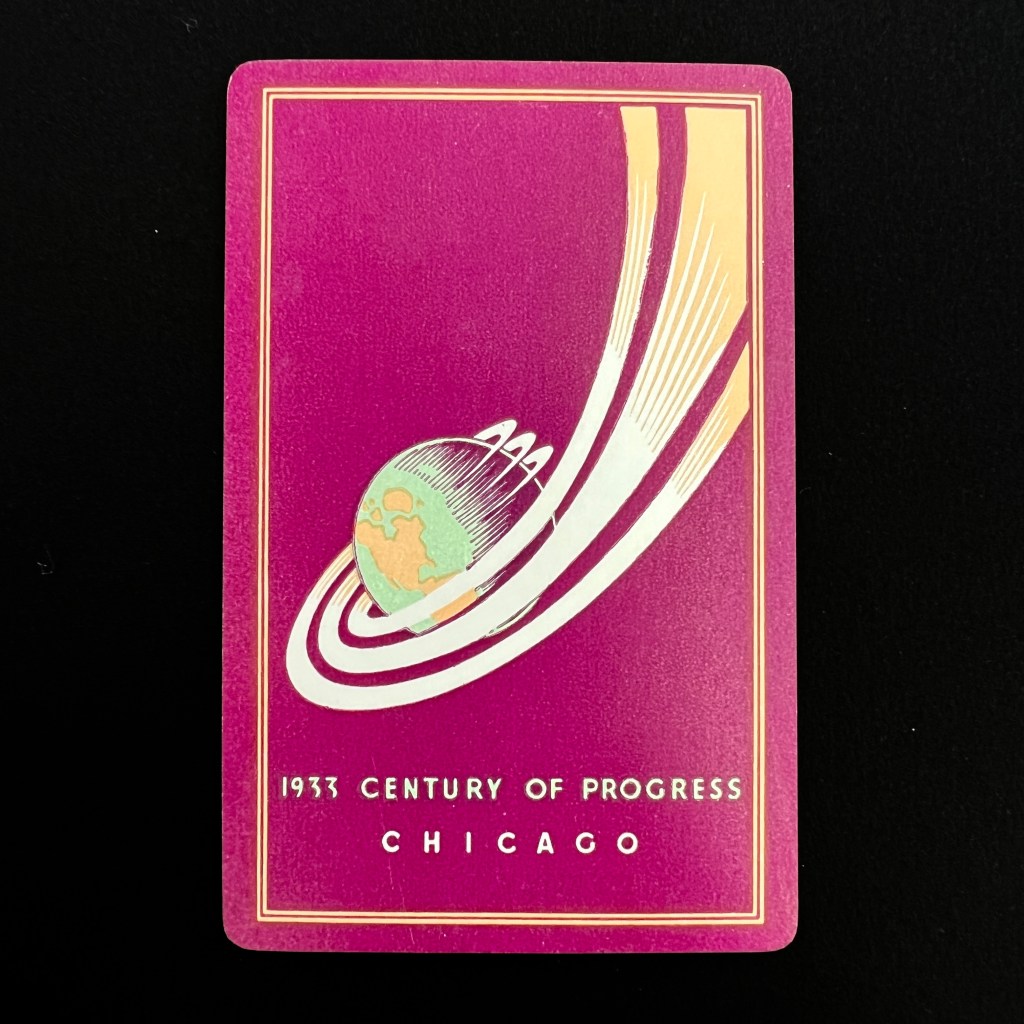
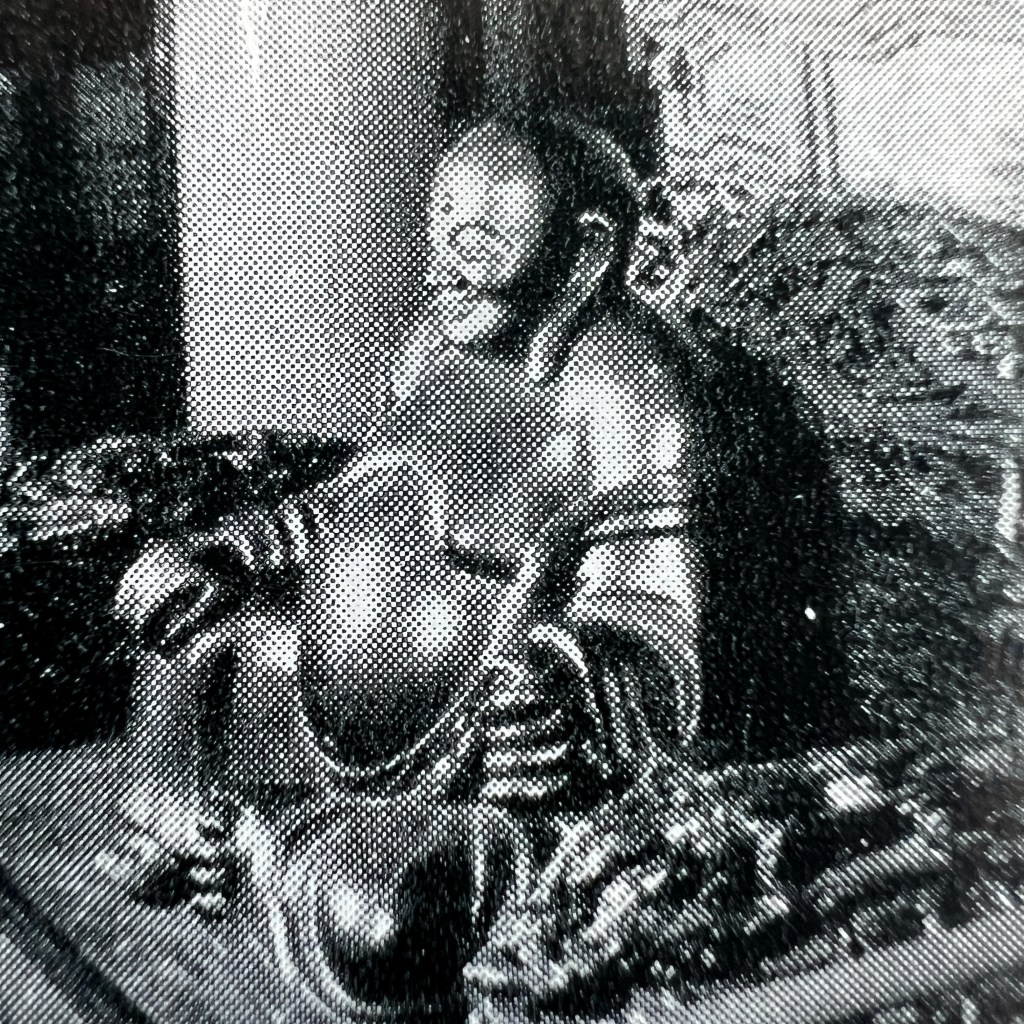
1933 Golden Pavilion Laughing Buddha Playing Card

For all the new Buddhas in the West posts
follow us on Bluesky & Instagram


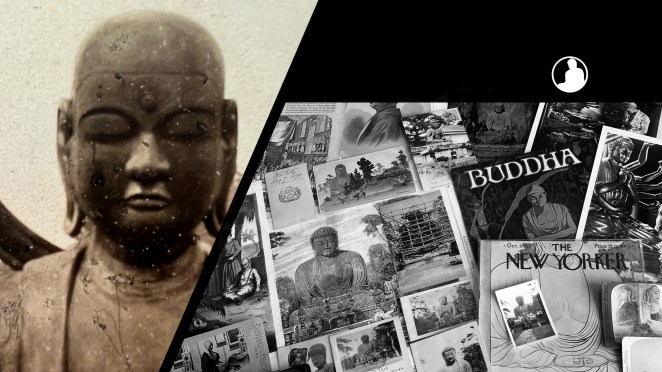
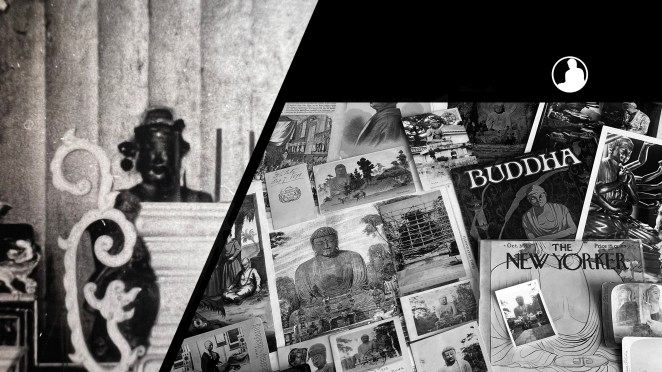
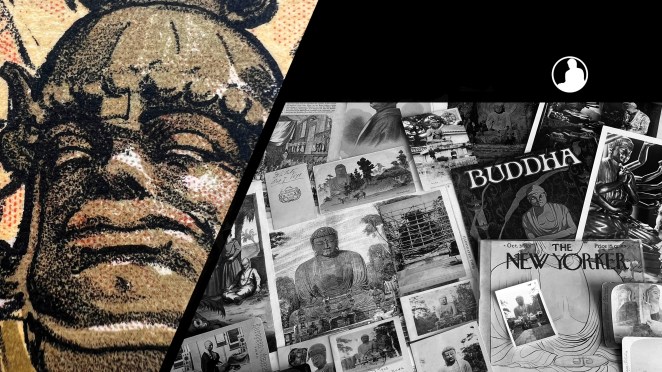
The 1933 Chicago World’s Fair held a true wonder: A Chinese replica of an 18th century Tibetan Buddhist shrine hall, the Golden Temple of Jehol. While the hall included a main shrine to Guanyin, the Laughing Buddha at the front entrance was often used in advertising.

Due to growing conflict in East Asia, the Chinese government withdrew from the 1933 World’s Fair. Subsequently, organizers arranged for display of the recently acquired temple replica of Vincent Bendix, a well-known Chicago industrialist.

Bendix had funded the expedition of Sved Hedin a few years earlier to procure a replica of a Chinese Buddhist temple. The original interest was to display two replica temples with Tibetan religious objects, one in Chicago and one in Stockholm.

Only one replica was made, but Hedin acquired many ritual implements, including thankas and icons, to outfit the building. Named the Bendix Golden Temple (or Pavilion), it was a Chinese-made replica of the Wanfaguiyi Hall in present-day Chengde (Jehol).

The temple was rebuilt for the 1939 World’s Fair in New York. As of 2018 the remains of the temple hall are in Stockholm, but the ritual items and furnishing have all been lost.


The Buddhas in the West Material Archive is a digital scholarship project that catalogues artifacts depicting Buddhist material culture for Western audiences. It’s comprised of prints, photos, and an assortment of ephemera and other objects. For a brief introduction to this archive, visit the main Buddhas in the West project page.


For Related Buddhas in the West Posts Featuring Budai / Laughing Buddha:


For the Most Recent Buddhas in the West Posts:

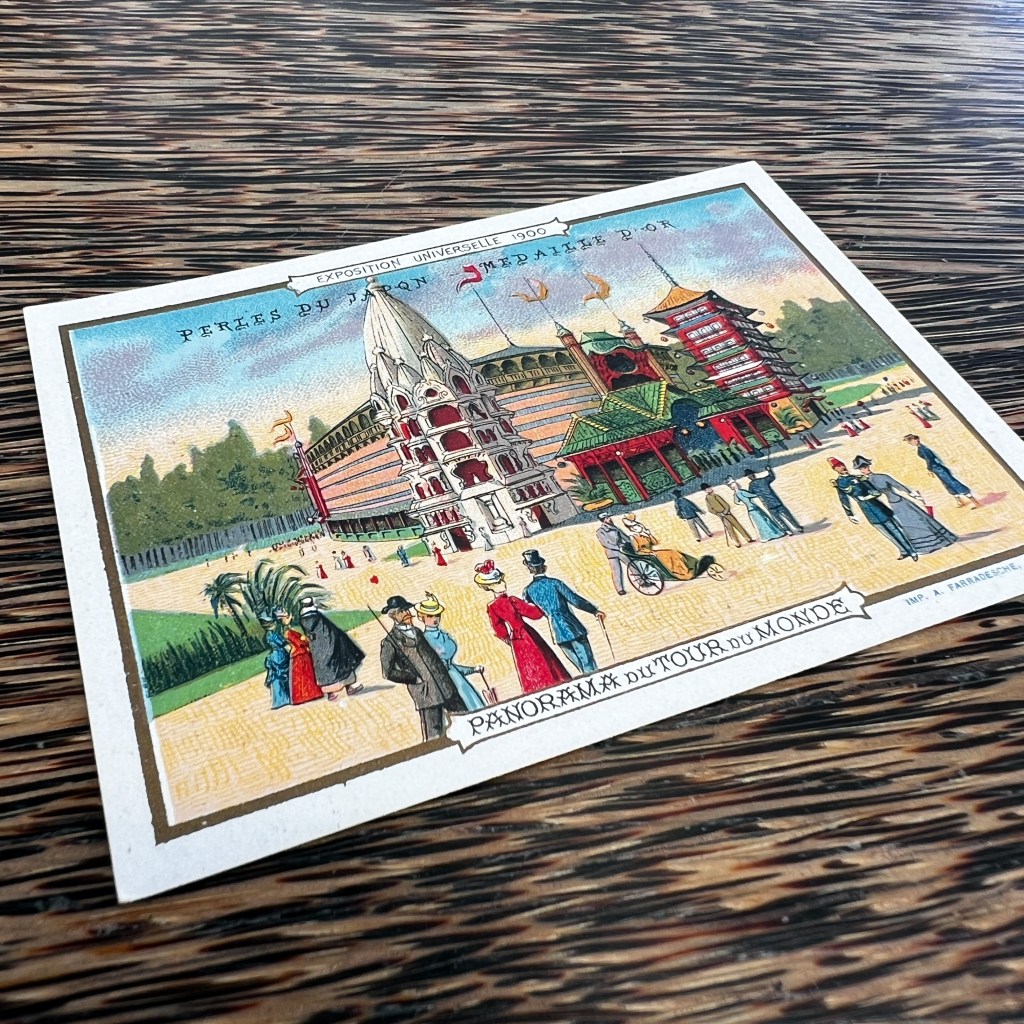
Paris’ Panorama du Tour du Monde Advertising Card

For all the new Buddhas in the West posts
follow us on Bluesky & Instagram


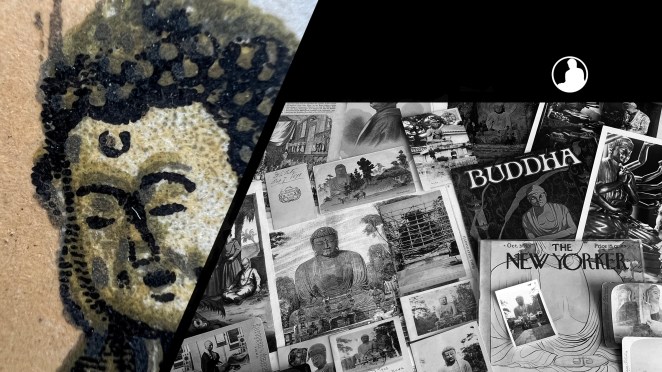
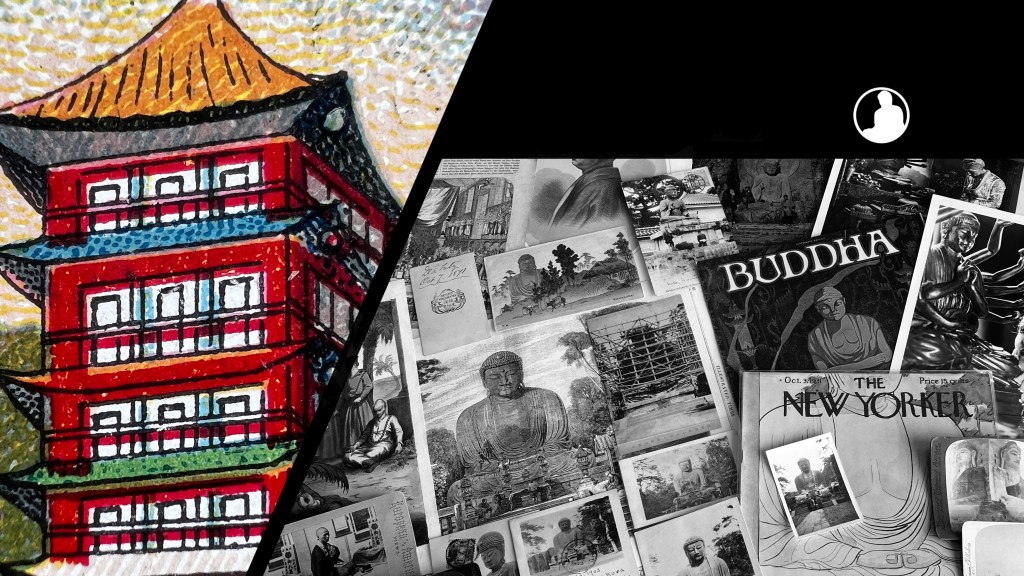
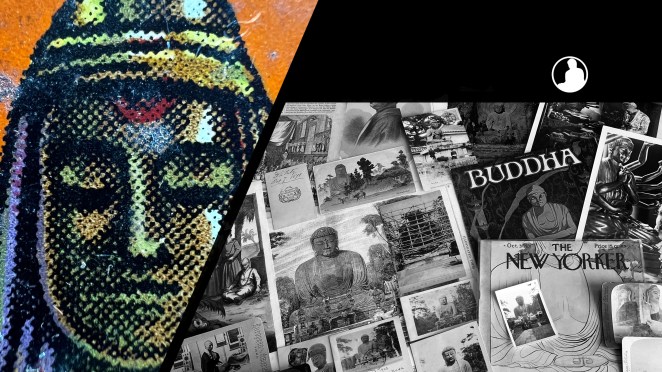
Panorama du Tour du Monde: By the 1900 Paris Exposition, amusement concessions were a major draw for all exposition visitors. Not far from the foot of the Eiffel Tower one found the Panorama du Tour du Monde which took patrons on a virtual voyage from Spain to Japan.

Built by Alexandre Marcel for a French sea-transport company, the architecture called to mind exotic locales with Asian-inspired structures. The main entrance was modeled on the Tōshō-gū in Nikkō, Japan. Some sources claim the red pagoda was based on a Chinese model.

Visitors were drawn in by large panoramic paintings of various foreign countries to give a sense of virtual travel. More astonishingly, the concession integrated many indigenous performers who engaged in various trades while wearing traditional foreign costumes

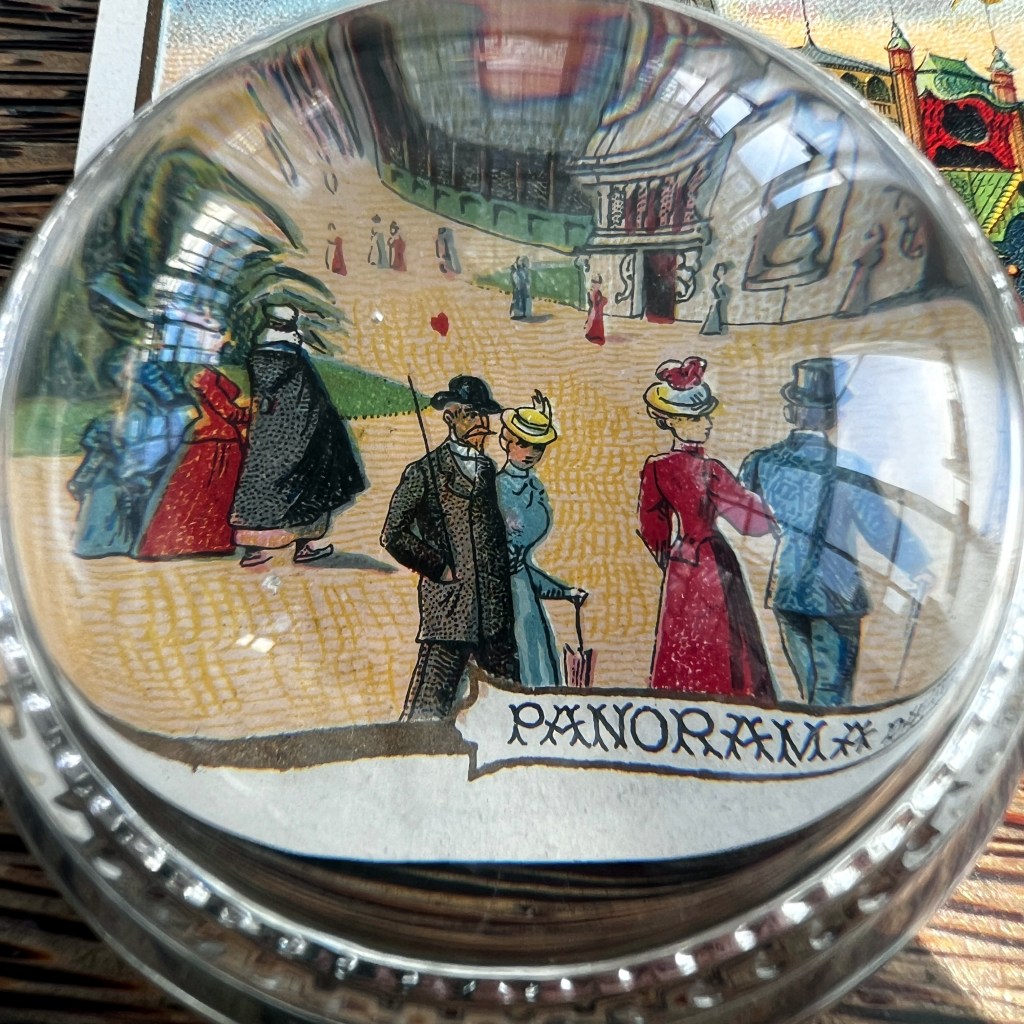
The beautiful lithographic print was part of an advertising campaign for a French company selling tapioca pearls, called “perles du Japon.”

King Leopold II was so struck by the building, he had Marcel build the Japanese Tower in Brussels. For more on the Tour du Monde exhibition, see https://tinyurl.com/2vbmr3c7.


The Buddhas in the West Material Archive is a digital scholarship project that catalogues artifacts depicting Buddhist material culture for Western audiences. It’s comprised of prints, photos, and an assortment of ephemera and other objects. For a brief introduction to this archive, visit the main Buddhas in the West project page.


For Related Buddhas in the West Posts Featuring France:


For the Most Recent Buddhas in the West Posts:


1876 Centennial Ivory Pagoda Print

For all the new Buddhas in the West posts
follow us on Bluesky & Instagram


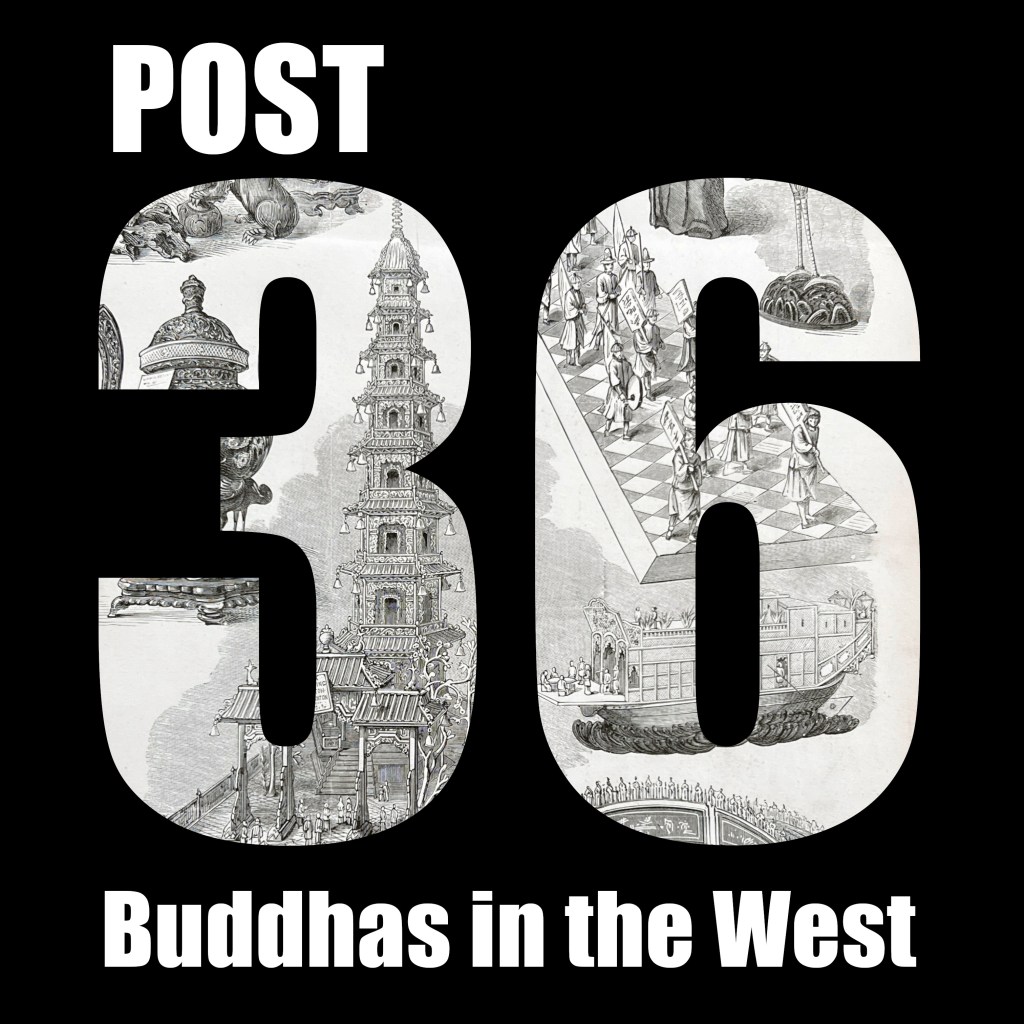
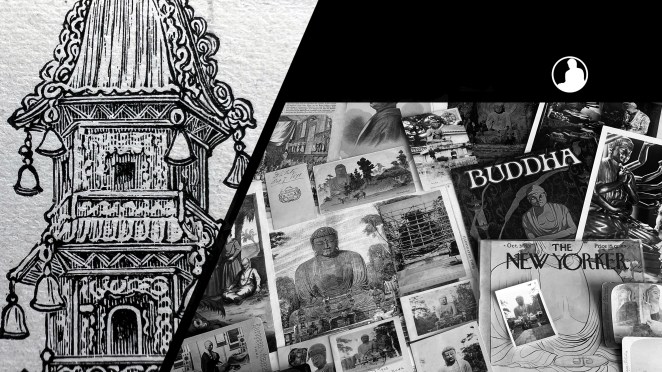
Lost Ivory Pagoda? Japan’s exhibit at the 1876 Centennial Exposition is often credited as inspiring American Japonisme. Less celebrated is China’s involvement who also made a splash with its exhibit, including an intricate 4-foot ivory pagoda.

The 1830s and 40s saw a handful of private Chinese museums open, but the Centennial included objects sent to the US by Chinese representatives. By plan, the objects chosen reflected the tastes of Chinese elite, including silks, porcelain, paintings, and fine teas.

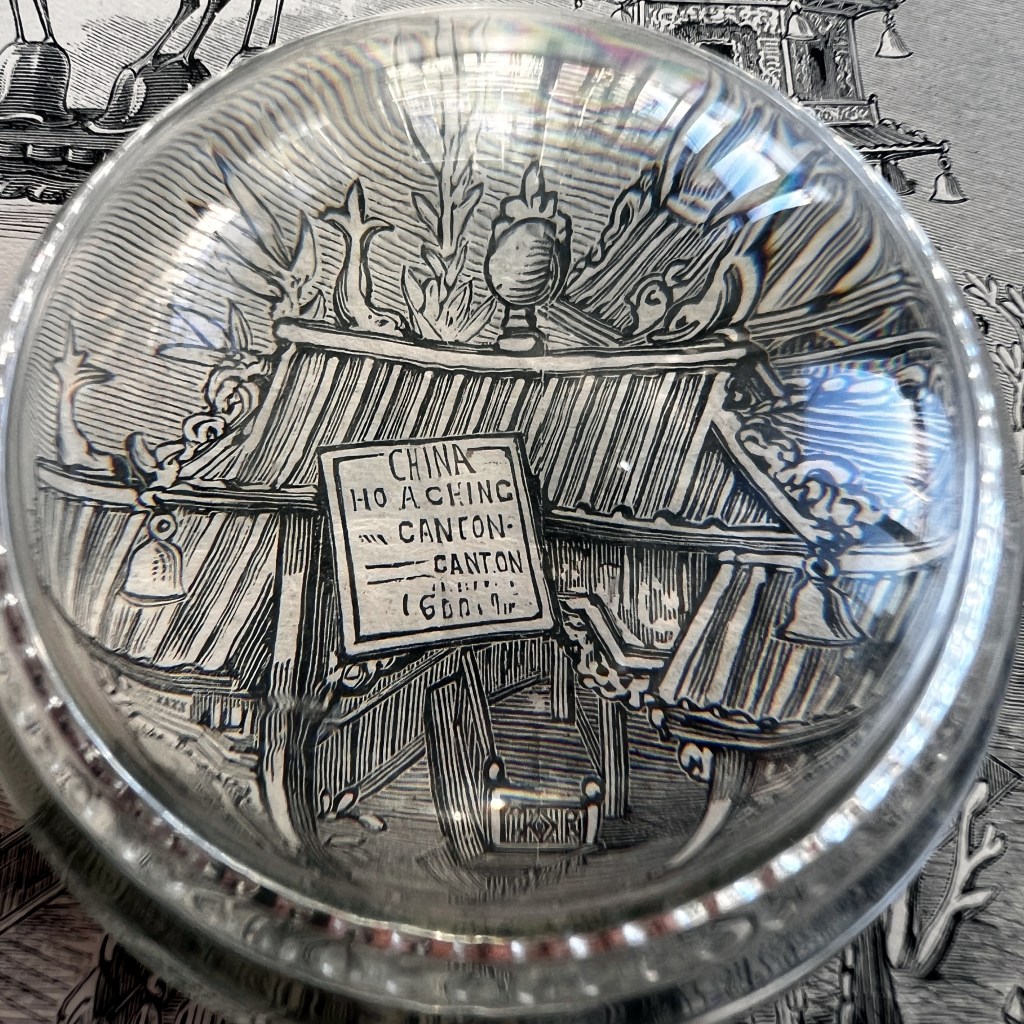
The carved ivory display merited some of the most attention, especially a fenced-in miniature pagoda surrounded by fruit trees and figurines. The artist here, working for the publisher Frank Leslie, notes the name of the Canton manufacturer, Ho A Ching.

We are told the pagoda was priced at $600. Many items were acquired by the Philadelphia Museum of Art, but I have not been able to confirm if its currently in the collection. A photo of the original pagoda can be seen here: https://tinyurl.com/mtkv2wzk.


The Buddhas in the West Material Archive is a digital scholarship project that catalogues artifacts depicting Buddhist material culture for Western audiences. It’s comprised of prints, photos, and an assortment of ephemera and other objects. For a brief introduction to this archive, visit the main Buddhas in the West project page.


For Related Buddhas in the West Posts Featuring the United States:


For the Most Recent Buddhas in the West Posts: