For all the new Buddhas in the West posts
follow us on Bluesky & Instagram
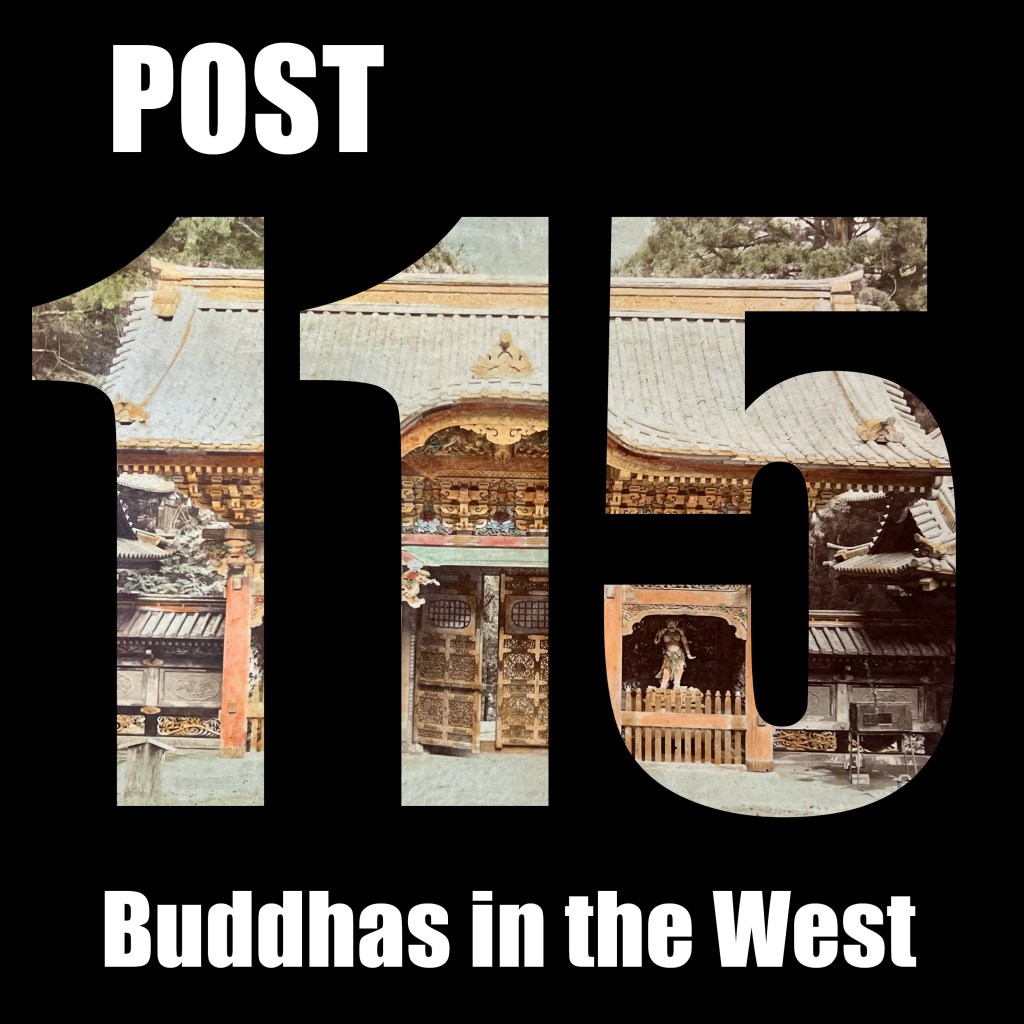
The Taiyū-in Shrine, in idyllic Nikko, is the final resting place of shōgun Tokugawa Iemitsu, one of the “Great Unifiers” of Japan. The compound is punctuated by several ornate gate houses, including the one here known as Yashamon for the Buddhist guardian figures protecting it.
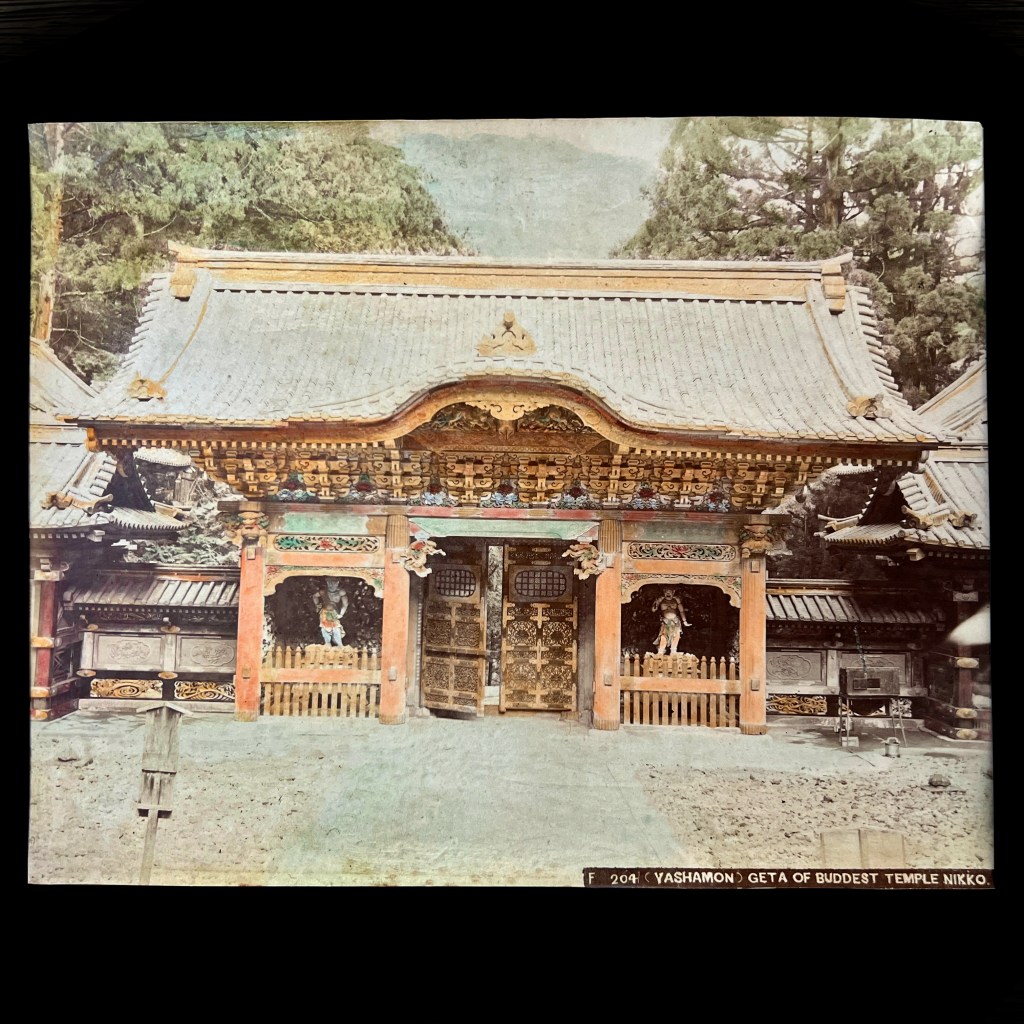
Completed in 1653, Iemitsu’s mausoleum blends both Shinto and Buddhist architectural styles and elements. The Yashamon is the third gate within the compound and houses four icons of weapon-wielding yakṣa (J. yasha) who have history in Buddhist Asia as temple guardians.
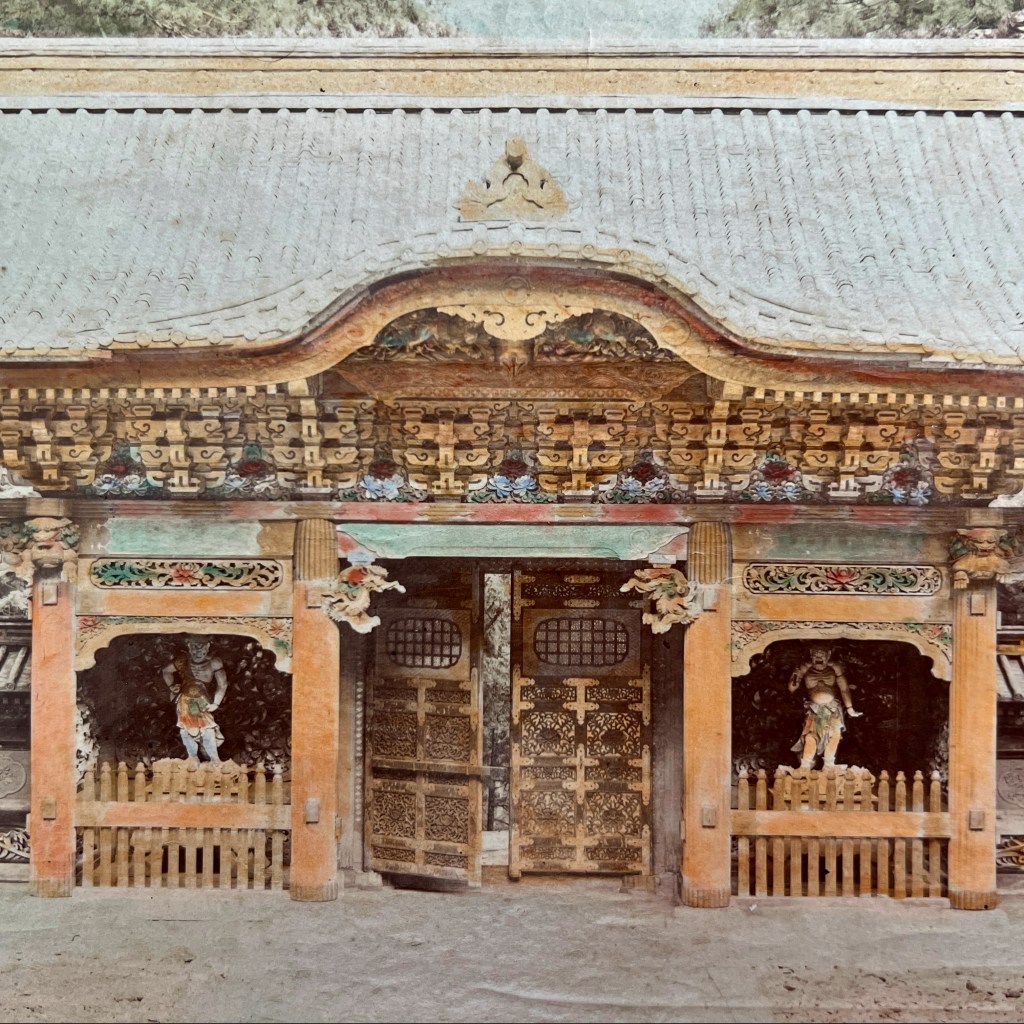
This photograph was taken in the late 1880s or 1890s and most likely reflects one of the many Japanese-owned photography studios that catered to foreign visitors.
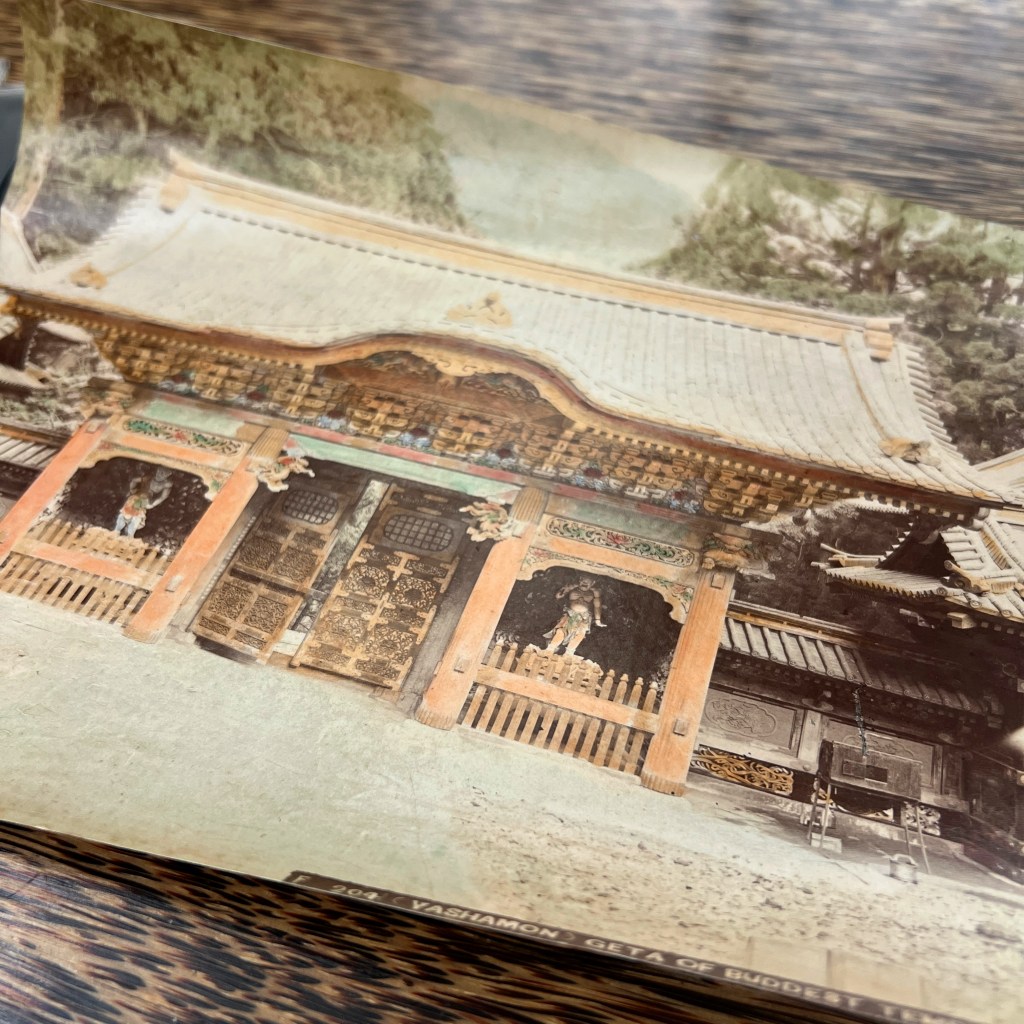
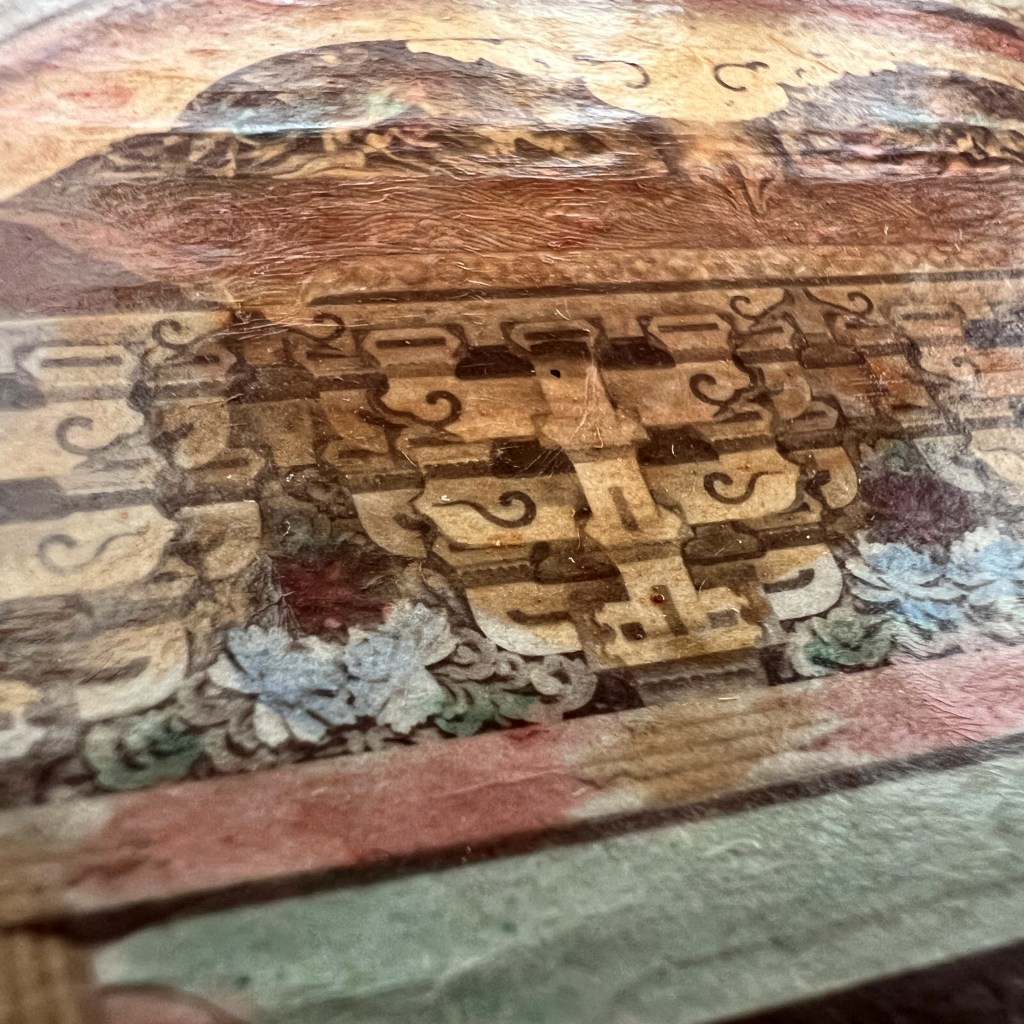
Not as grand or sophisticated as Nikko’s main attraction, Tōshō-gū, the Taiyū-in Shrine still displays highly skilled craftsmanship.Looking closely, the Yashamon is covered with delicately carved peonies (painted light blue on the photo), and thus is also called Botanmon, or the Peony Gate.
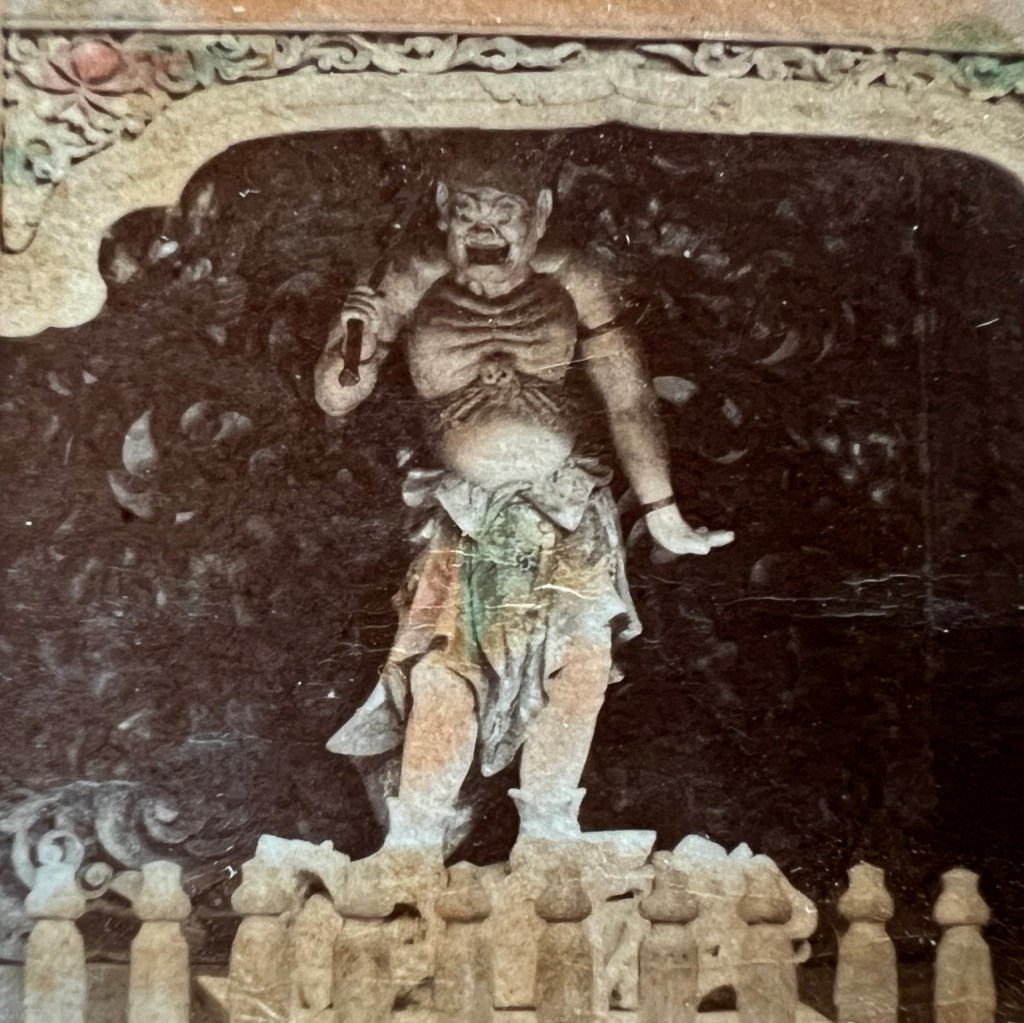
As one walks through Taiyū-in Shrine, the Yashamon is first seen atop a flight of steps, but if you cross the threshold and turn around, two yakṣa peer back at you. The blue figure on the left is Umarokya holding a bow and arrow.
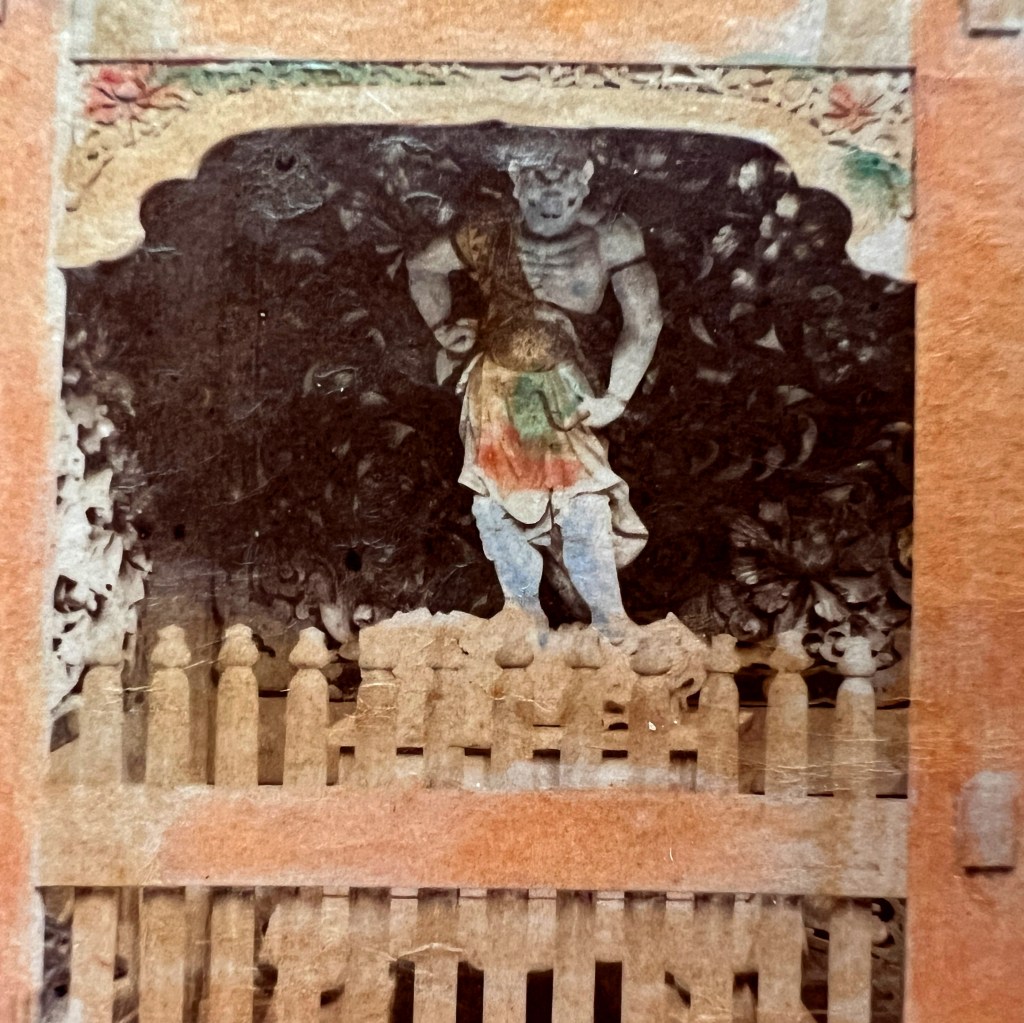
The fierce white-skinned yakṣa on the right is Kendara who carries a weapon on his shoulder.Due to the warrior nature of these images another name for this gate was sometimes used in turn-of-the-century guidebooks: the Demon Gate.
The Buddhas in the West Material Archive is a digital scholarship project that catalogues artifacts depicting Buddhist material culture for Western audiences. It’s comprised of prints, photos, and an assortment of ephemera and other objects. For a brief introduction to this archive, visit the main Buddhas in the West project page.
For Related Buddhas in the West Posts Featuring the Buddhist Temples:


For the Most Recent Buddhas in the West Posts:


 Personal Site of Peter Romaskiewicz