For all the new Buddhas in the West posts
follow us on Bluesky & Instagram
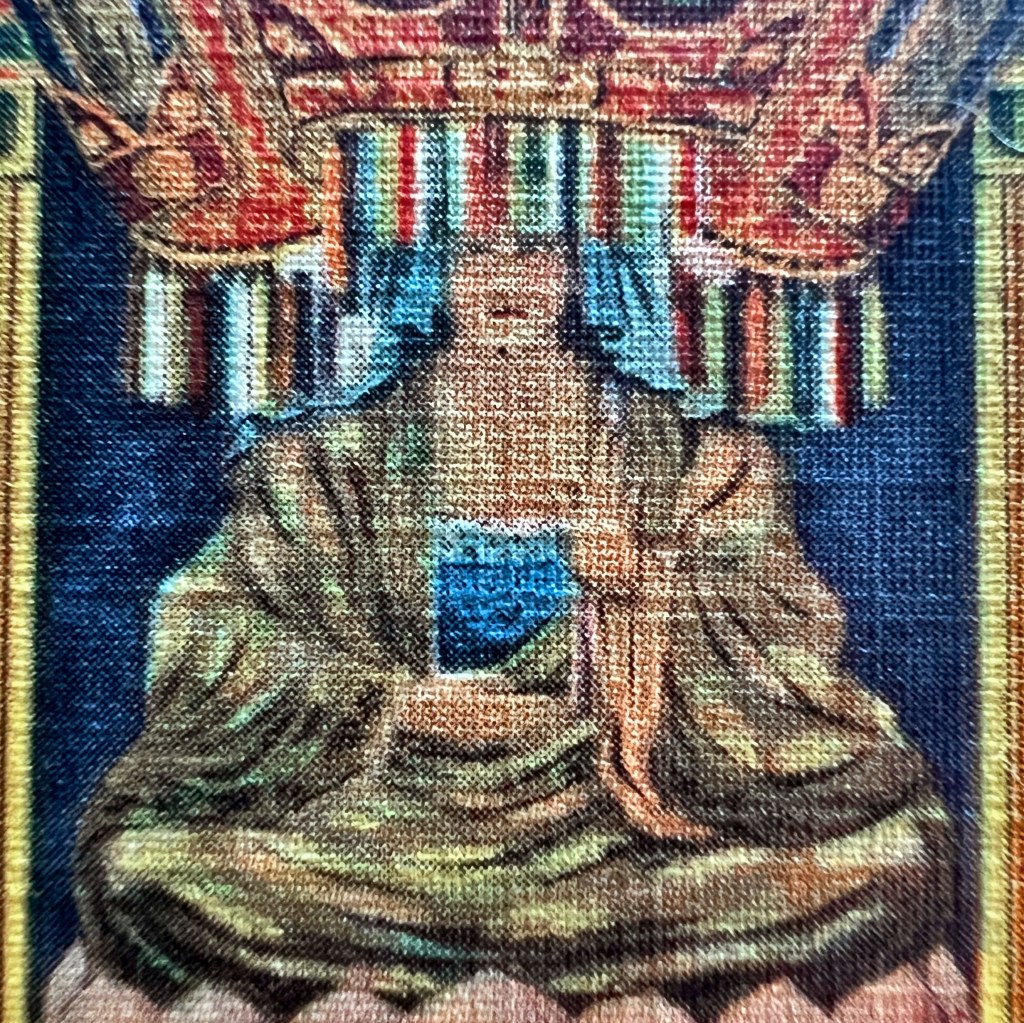
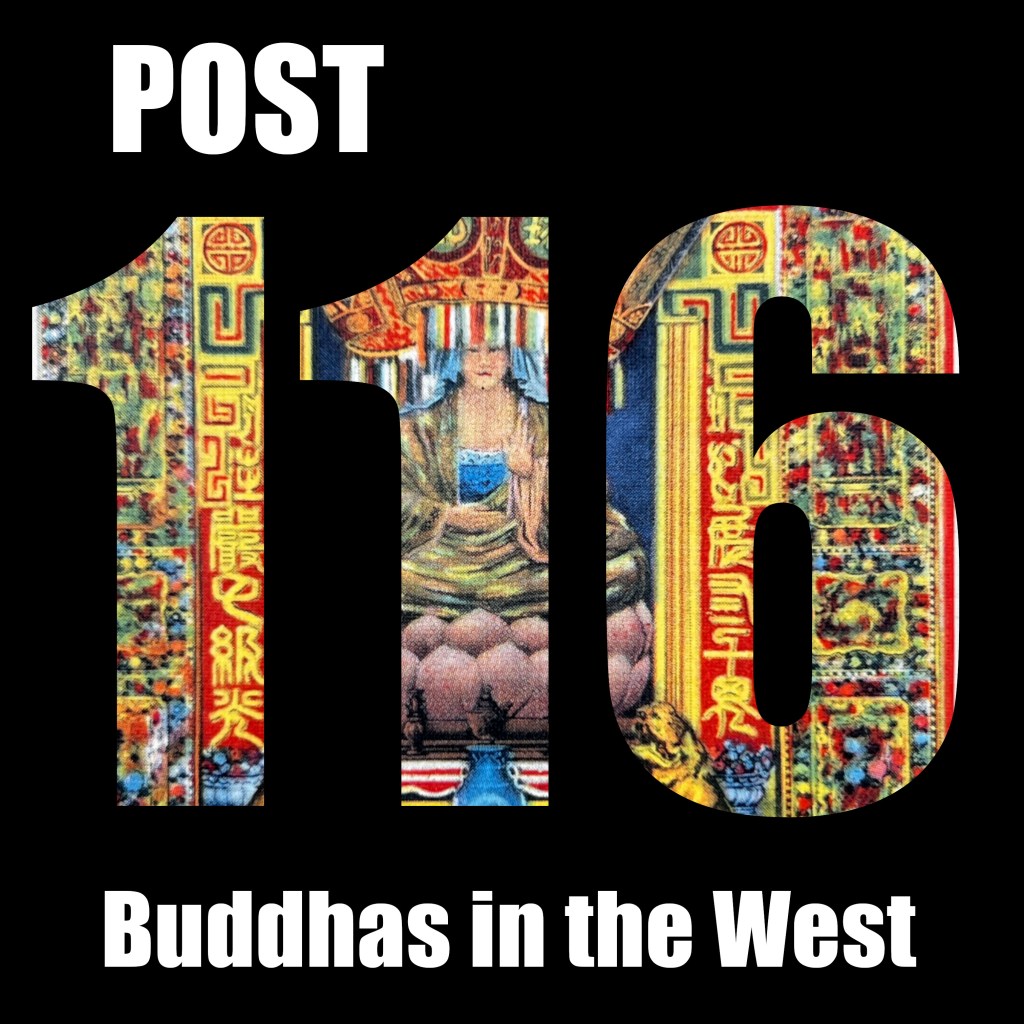
The Ling Long Chinese Museum in Chicago opened prior to the 1933 World’s Fair hoping to draw visitors and help erase the popular view that US Chinatowns were “immoral and dangerous.” The museum housed a large altar in the rear of the main arcade to enshrine an icon of Guanyin.
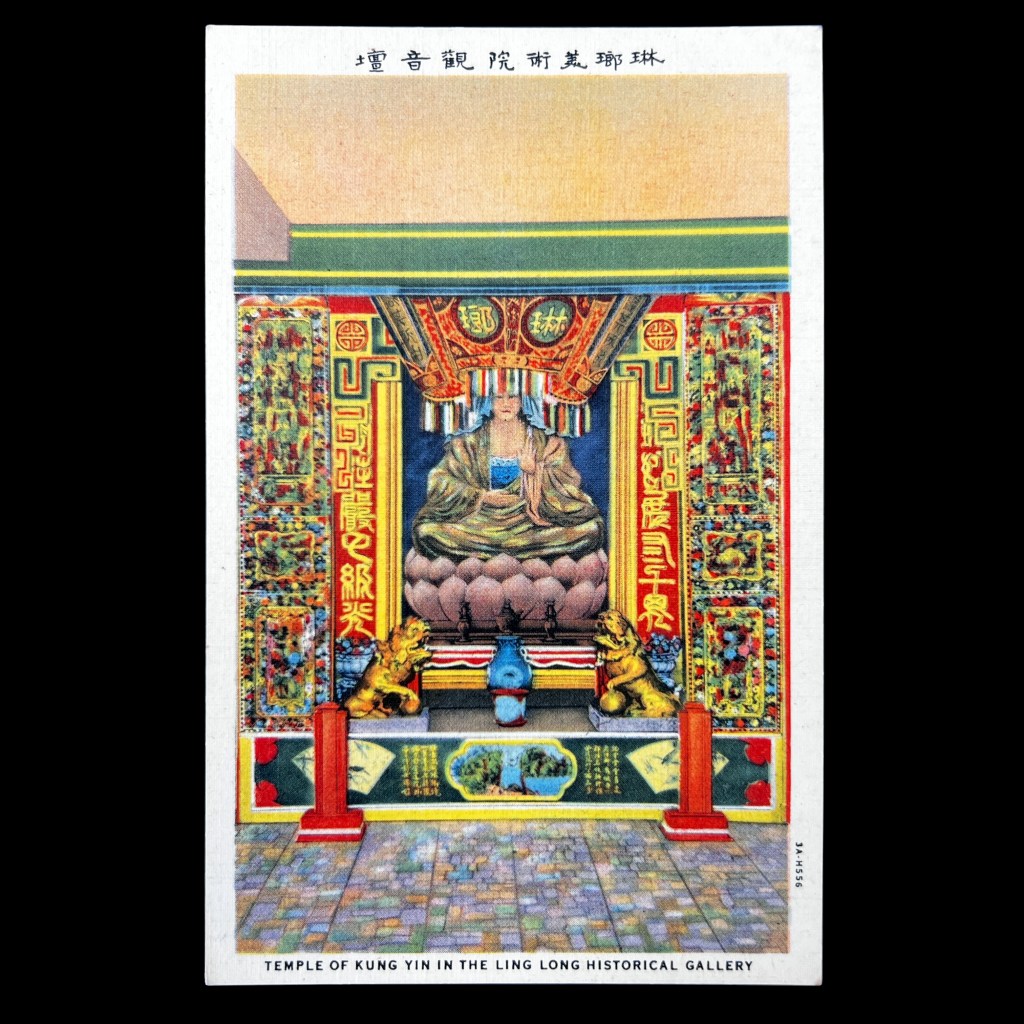
The was the first American museum owned and operated by Chinese immigrants. One of the main attractions were a series of twenty-four dioramas flanking the “shrine hall” that displayed historical stories and legends from China’s past.
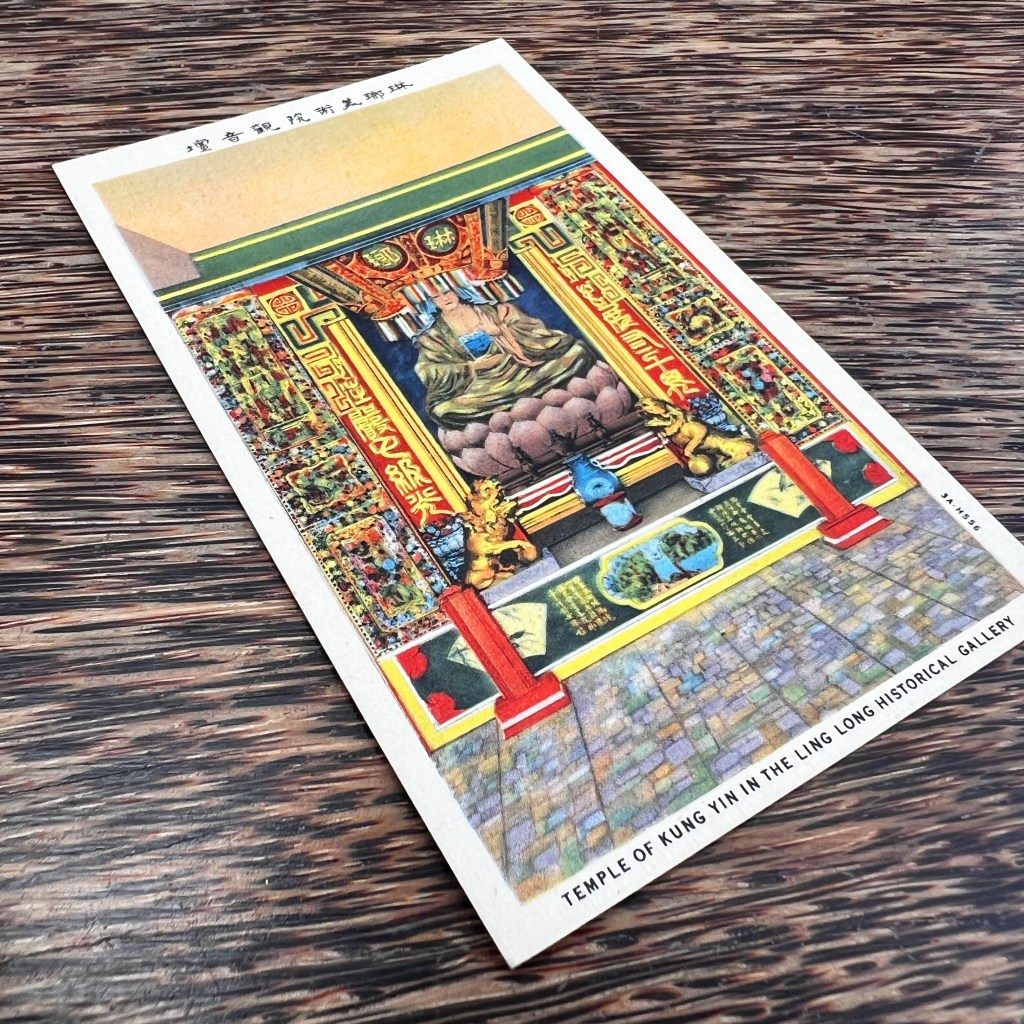
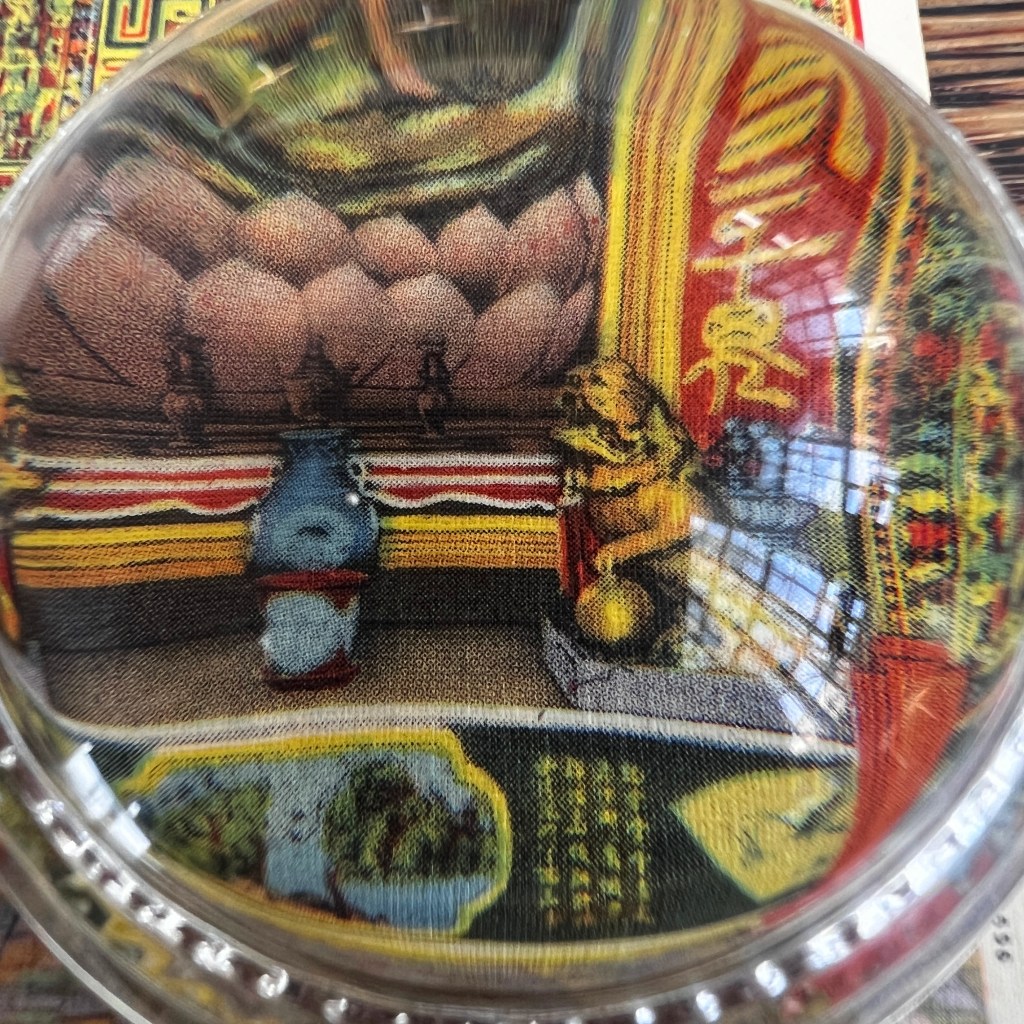
Chicago’s Curt Teich & Co. spearheaded new technology to print postcards in hyperreal colors in 1931, starting the “linen card” era that ran through World War II. Based on production numbers, we know this card was first published for the Ling Long Museum in 1933, the year it first opened.
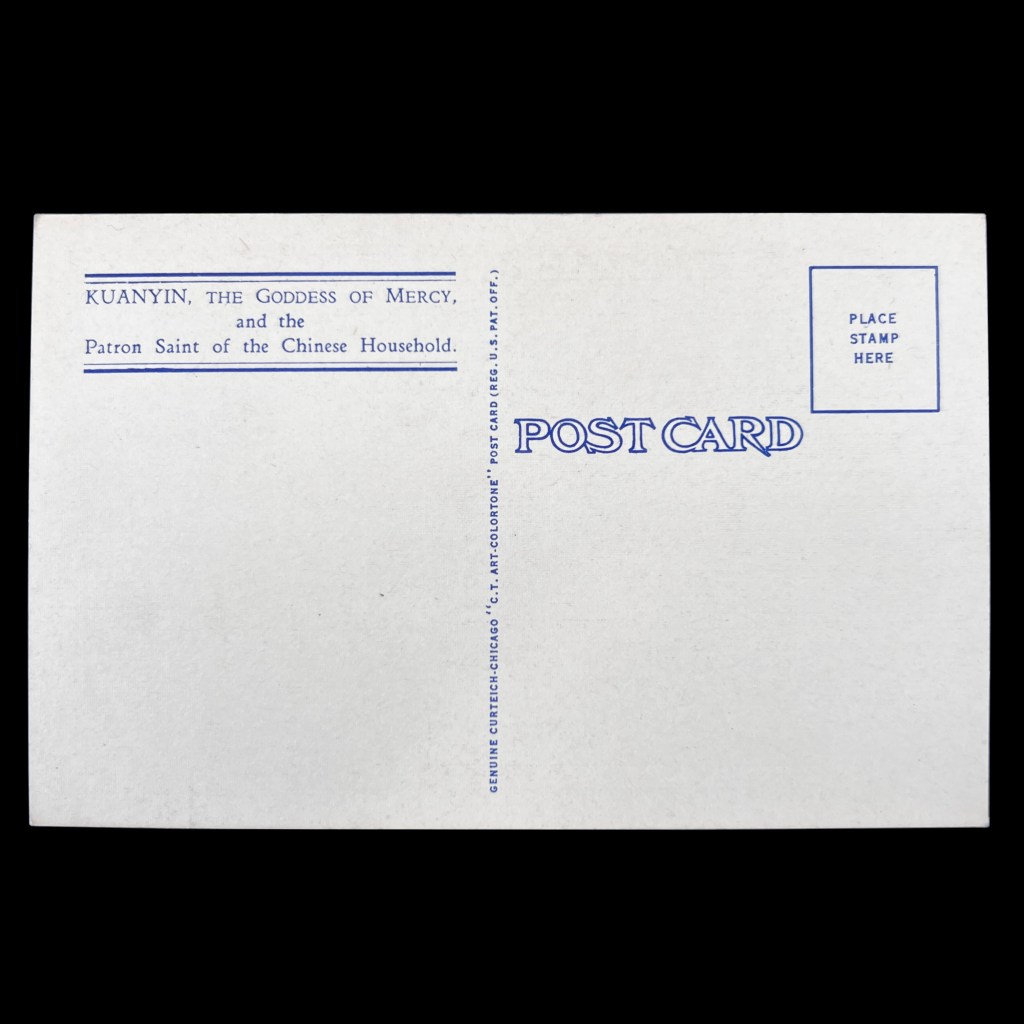
The Guanyin altar was set-up during the period of Chinese Exclusion when many Chinatown temples across the US were closing. Even the shrine seen here displays altar arrangements not commonly seen, such as including lion statuettes.
The museum was open through the 1970s before changing over to a Chinese restaurant. Many items were moved to the Chinese-American Museum of Chicago, but a fire in 2008 destroyed much of the collection, including most of the original dioramas; the Guanyin image is presumed lost.
The Buddhas in the West Material Archive is a digital scholarship project that catalogues artifacts depicting Buddhist material culture for Western audiences. It’s comprised of prints, photos, and an assortment of ephemera and other objects. For a brief introduction to this archive, visit the main Buddhas in the West project page.
For Related Buddhas in the West Posts Featuring the United States:


For the Most Recent Buddhas in the West Posts:



 Personal Site of Peter Romaskiewicz