For all the new Buddhas in the West posts
follow us on Bluesky & Instagram
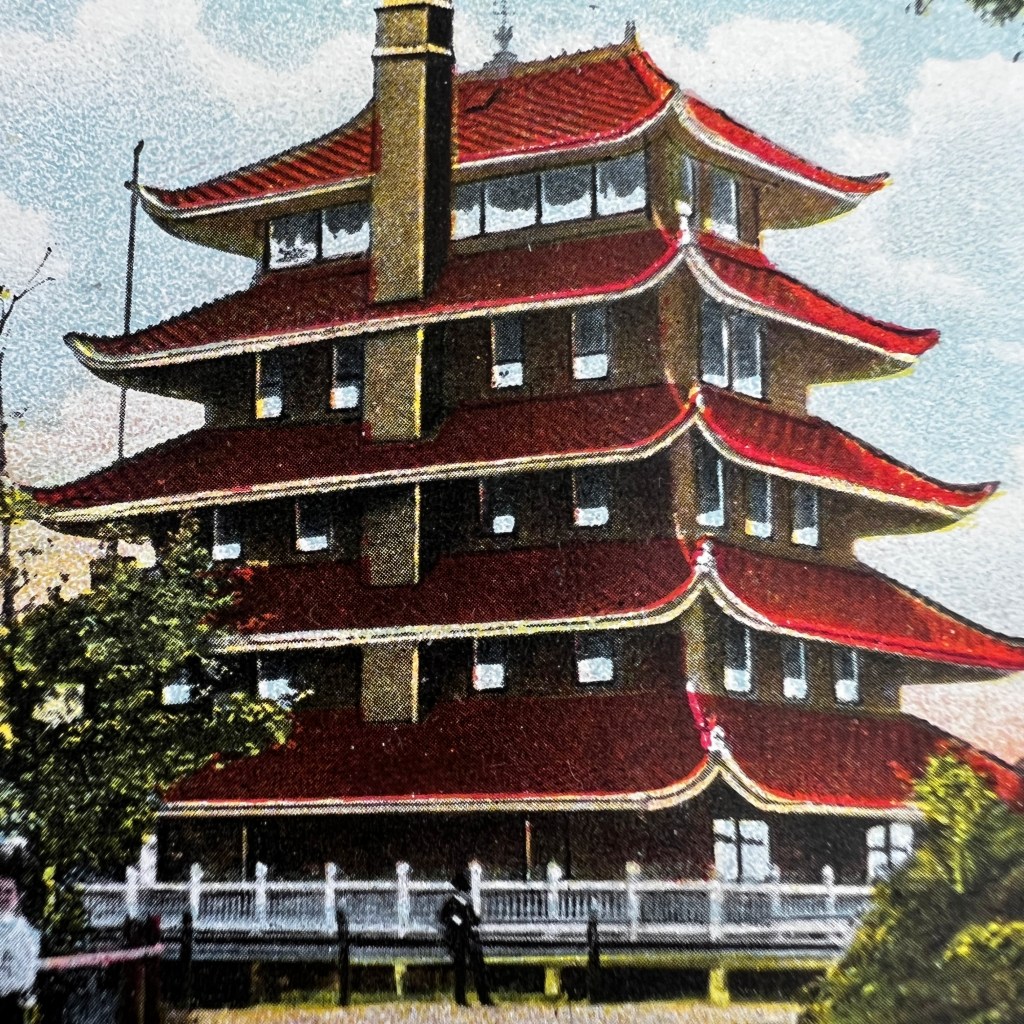
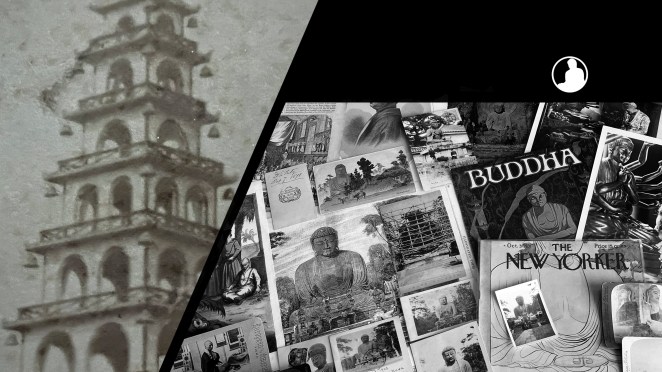
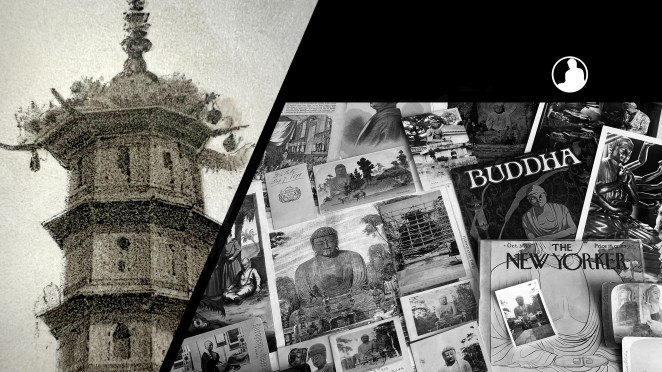
Sitting atop the southern end of Mount Penn, a seven-story wooden pagoda has overlooked Reading, Pennsylvania, since 1908. Built as part of a luxury resort, the building and land were donated to the city in 1911, making this Buddhist-inspired building a symbol of the city.
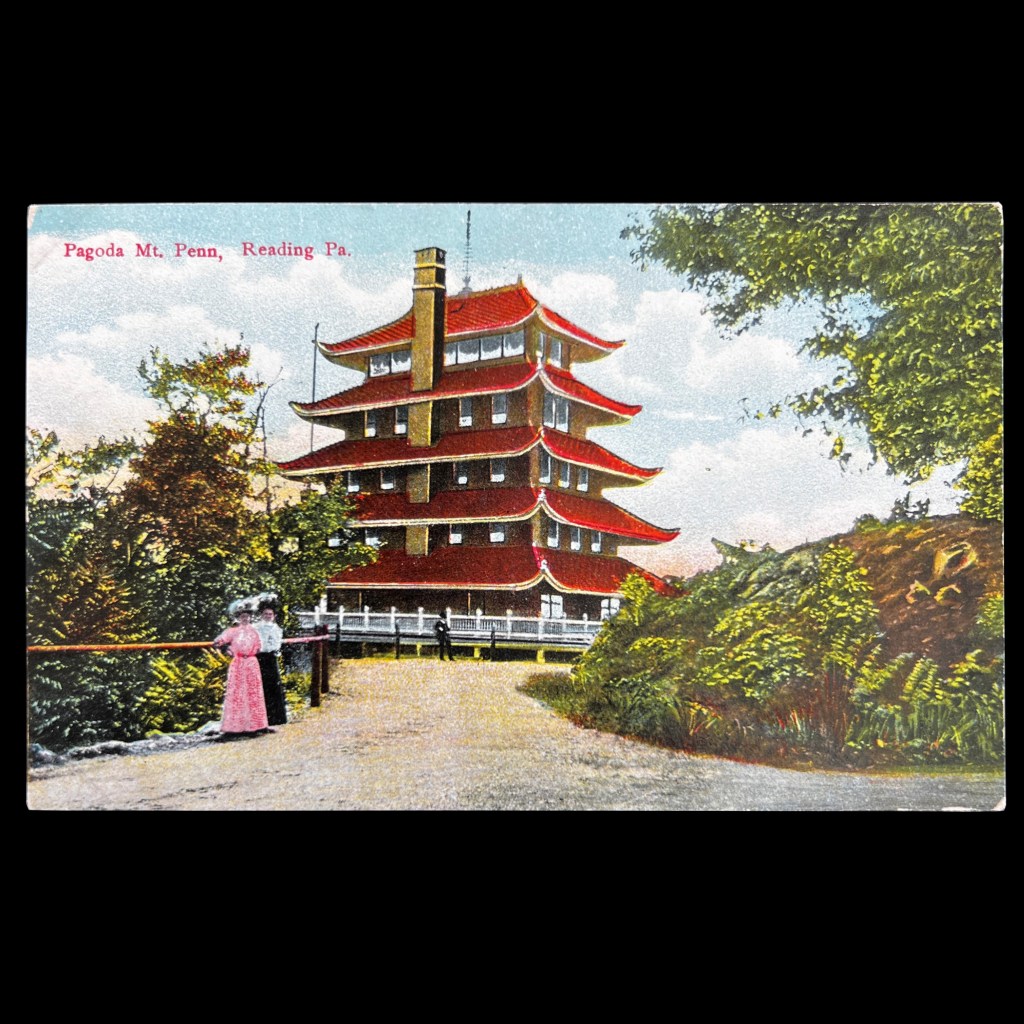
William Abbott Witman decided to construct a “Japanese pagoda” in an attempt to cover the scars of his quarrying operation on Mount Penn. After failing to obtain a liquor license, the plan to build a full resort was abandoned and the pagoda became the property of the residents of Reading.
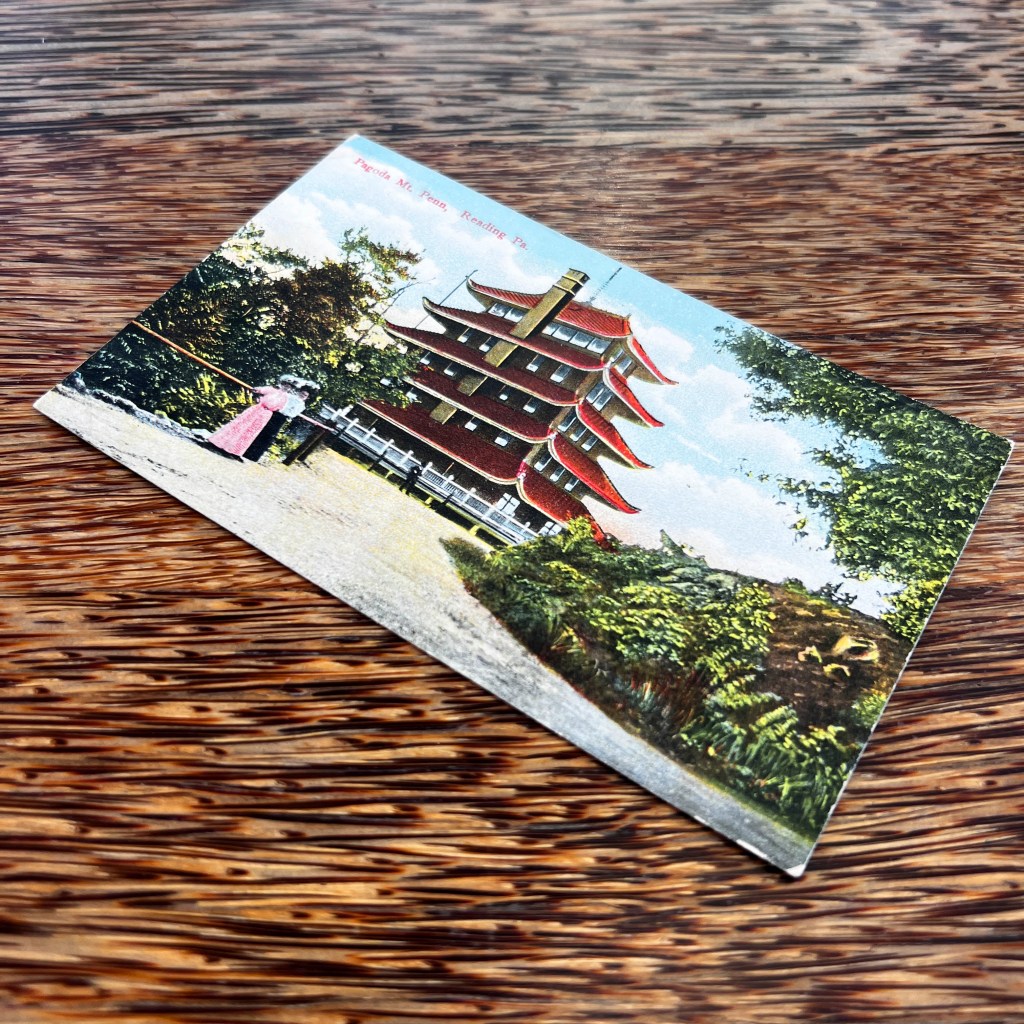
One story claims the pagoda was modeled on a photograph (others say a postcard) of the Nagoya Castle in Japan; another yet claims it was based on an amusement park attraction in Coney Island (see Coney Island Postcard here: https://tinyurl.com/m3vshkz4).
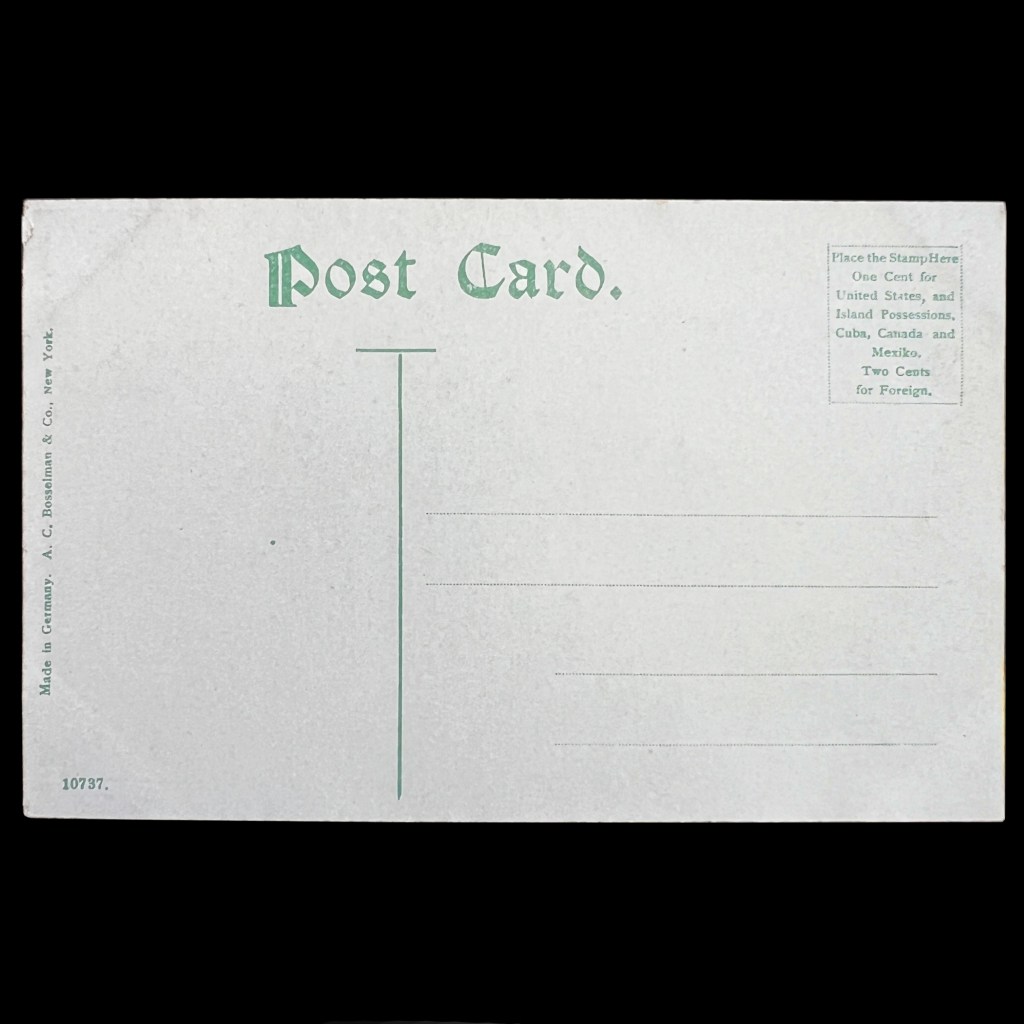
Once opened to the public, the building interior showcased murals of Asia and articles from Japan, including a large Japanese temple bell Witman purchased and had shipped through the Suez Canal. While many of the artifacts are now lost, the temple bell still remains an attraction.
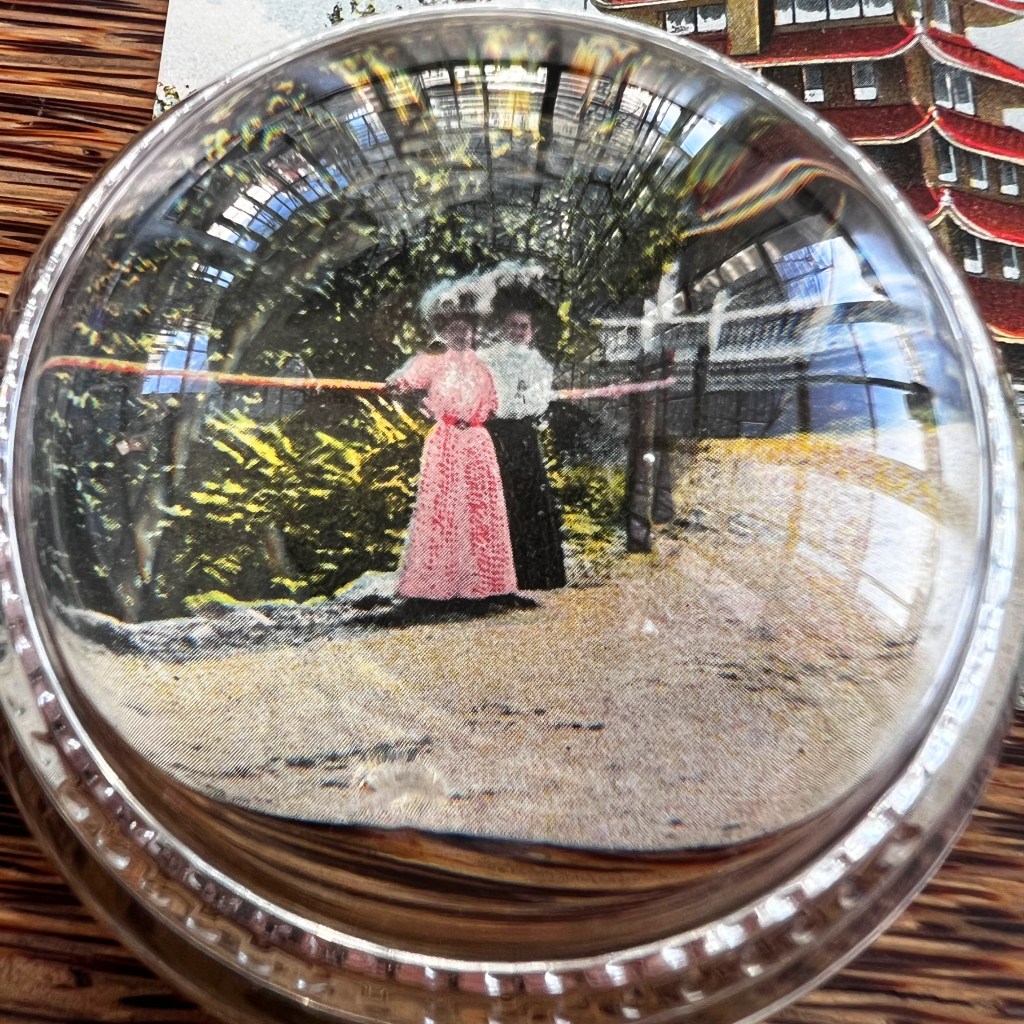
For a brief history of this site, see Michelle Nicholl Lynch’s “The Pagoda,” The Historical Review of Berks County (1995), viewable here: https://berkshistory.org/article/the-pagoda/.
The Buddhas in the West Material Archive is a digital scholarship project that catalogues artifacts depicting Buddhist material culture for Western audiences. It’s comprised of prints, photos, and an assortment of ephemera and other objects. For a brief introduction to this archive, visit the main Buddhas in the West project page.
For Related Buddhas in the West Posts Featuring the United States:
For the Most Recent Buddhas in the West Posts:
 Personal Site of Peter Romaskiewicz