For all the new Buddhas in the West posts
follow us on Bluesky & Instagram
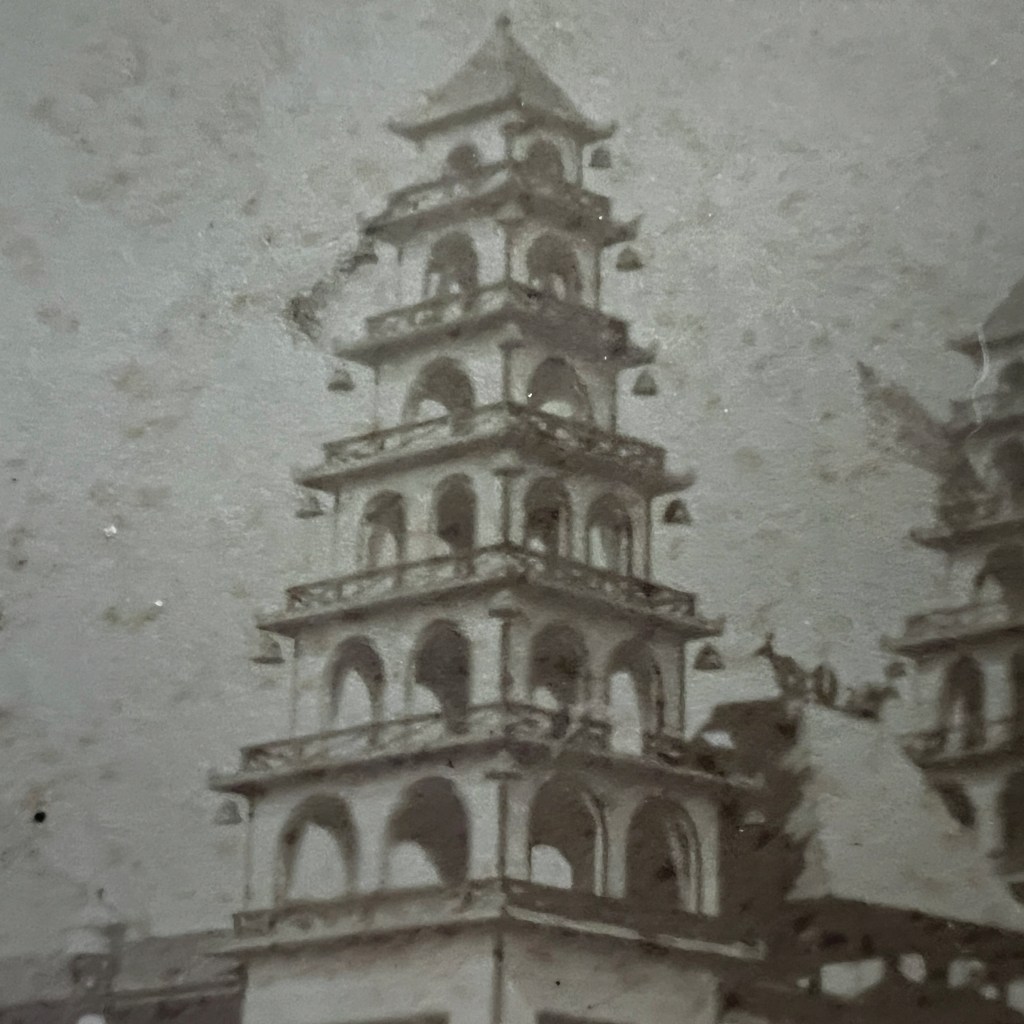
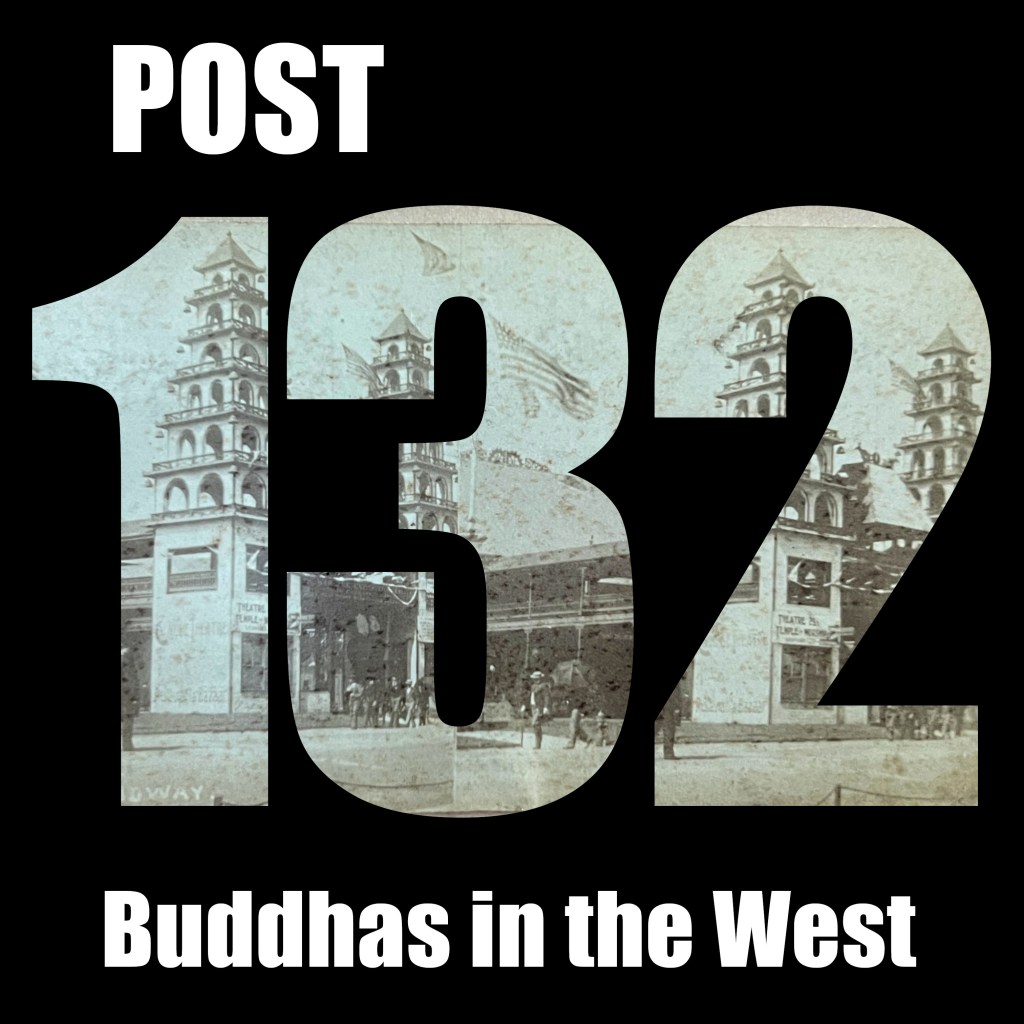
Due to the US extension of the Chinese Exclusion Act in 1892, the Chinese Qing Empire withdrew from the 1893 World’s Columbian Exposition in Chicago. This created the opportunity for local Chinese Chicagoans to build a Chinese Theatre and Joss House as an amusement concession.
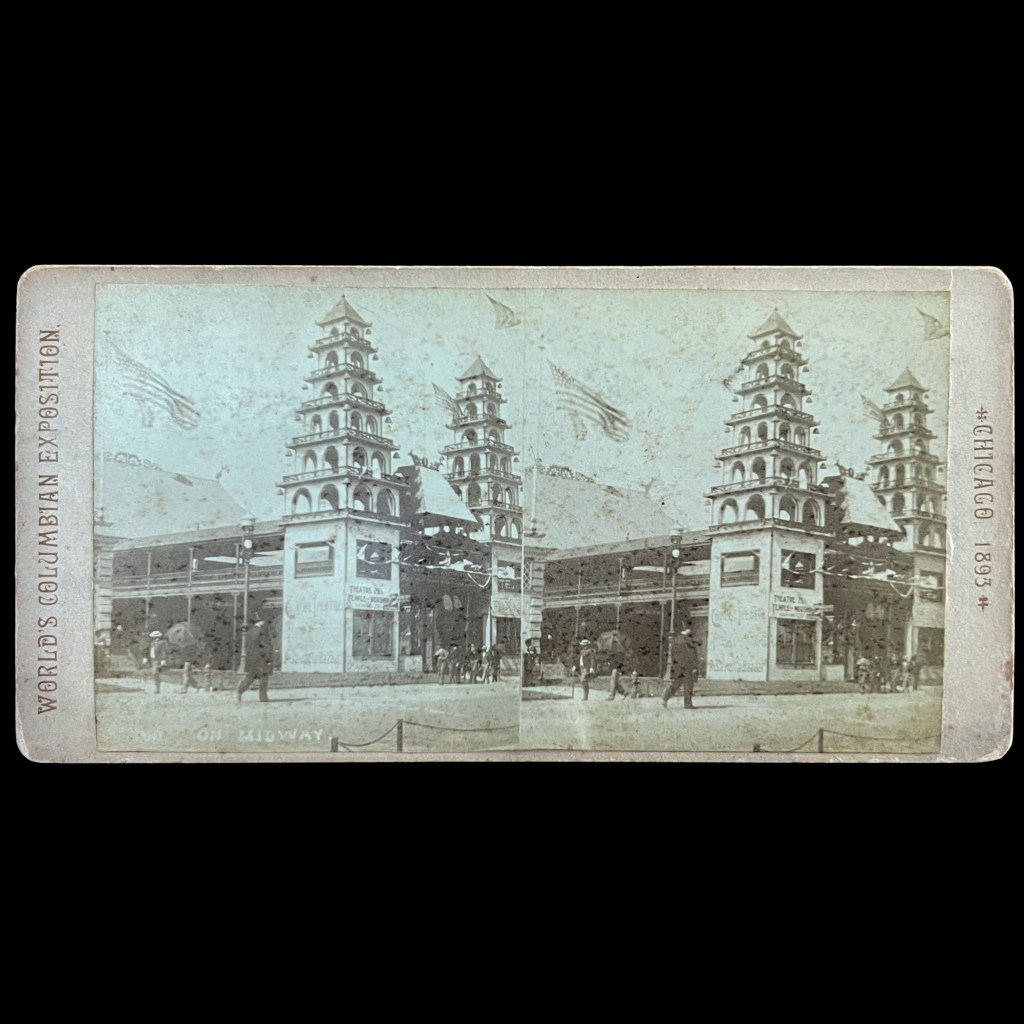
The concession was financed and managed by three Chinese immigrants operating as the Wah Mee Exposition Company. The second floor held “thousands of idols” from the “Buddhist stand-point” as well as depictions of the Buddhist hells “with the many different modes of punishment.”
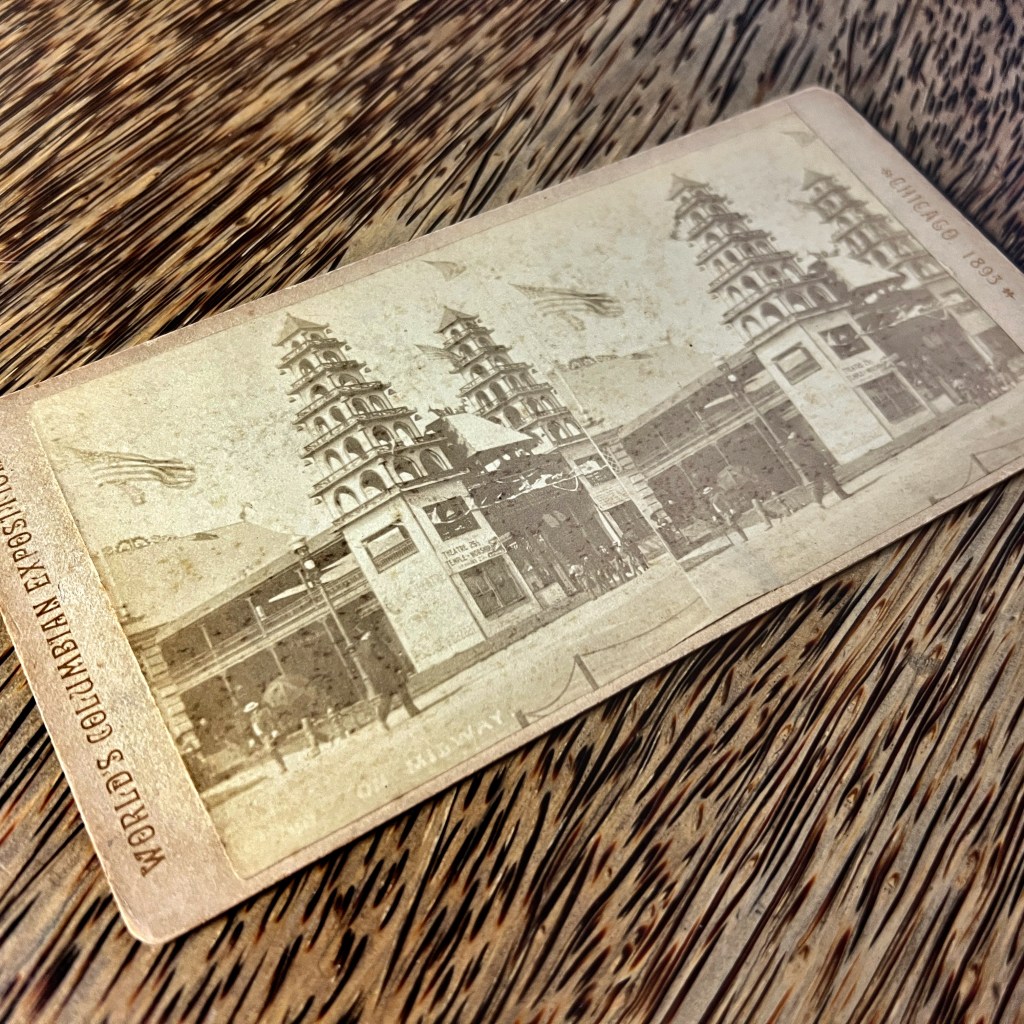
Charles Dudley Arnold was the official photographer of the 1893 exposition, but many other studios sold photographic souvenirs of the fair grounds. While sold as a stereoview, this card by an unknown publisher reproduces the same photograph twice, creating a pseudo-stereoscopic image.
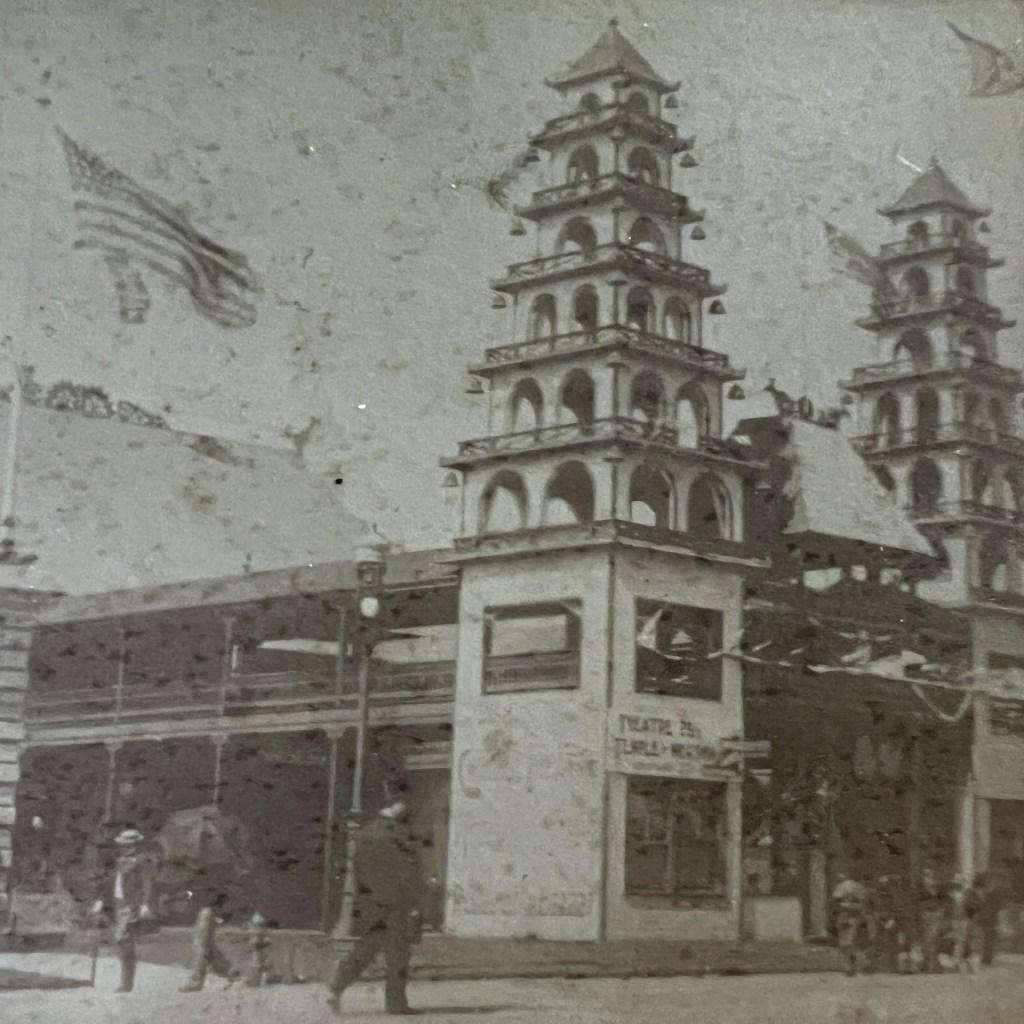
Signage notes admission to the Cantonese theater hall and temple cost 25 cents. An estimated 27 million people visited the fair in Chicago, many of whom would have walked the amusements along the Midway Plaisance where the joss house was located.
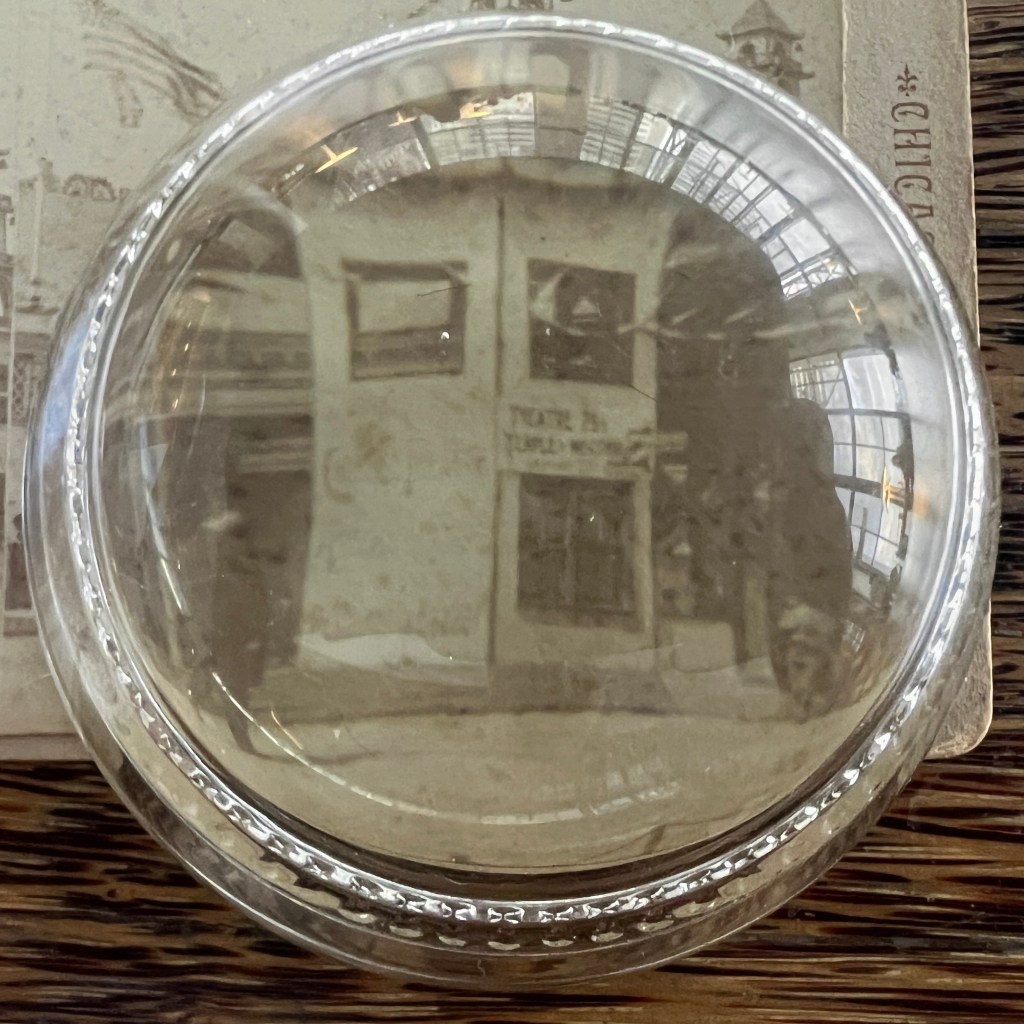
While prominent Buddhists attended the World’s Parliament of Religions in 1893, fair visitors were also exposed to Buddhism through the joss house attraction. For more on Chinese participation, see Mae Ngai’s “Transnationalism and the Transformation of the ‘Other'” (2005).
The Buddhas in the West Material Archive is a digital scholarship project that catalogues artifacts depicting Buddhist material culture for Western audiences. It’s comprised of prints, photos, and an assortment of ephemera and other objects. For a brief introduction to this archive, visit the main Buddhas in the West project page.
For Related Buddhas in the West Posts Featuring World’s Fairs:


For the Most Recent Buddhas in the West Posts:
 Personal Site of Peter Romaskiewicz