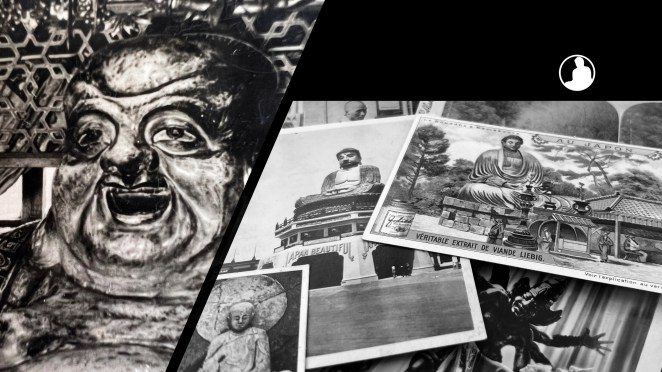
Korea’s Eunjin Mireuk Postcard

For all the new Buddhas in the West posts
follow us on Bluesky & Instagram


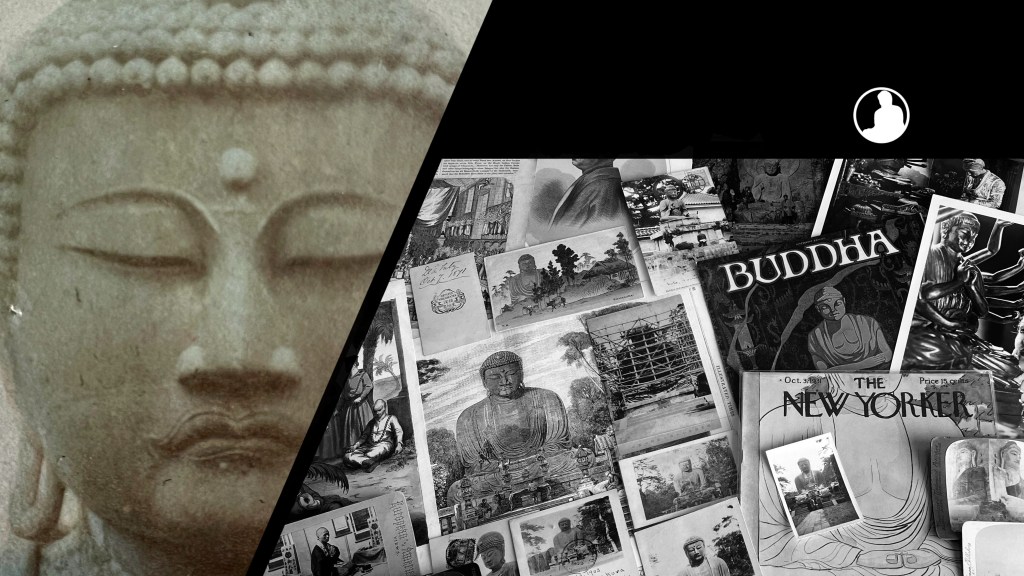
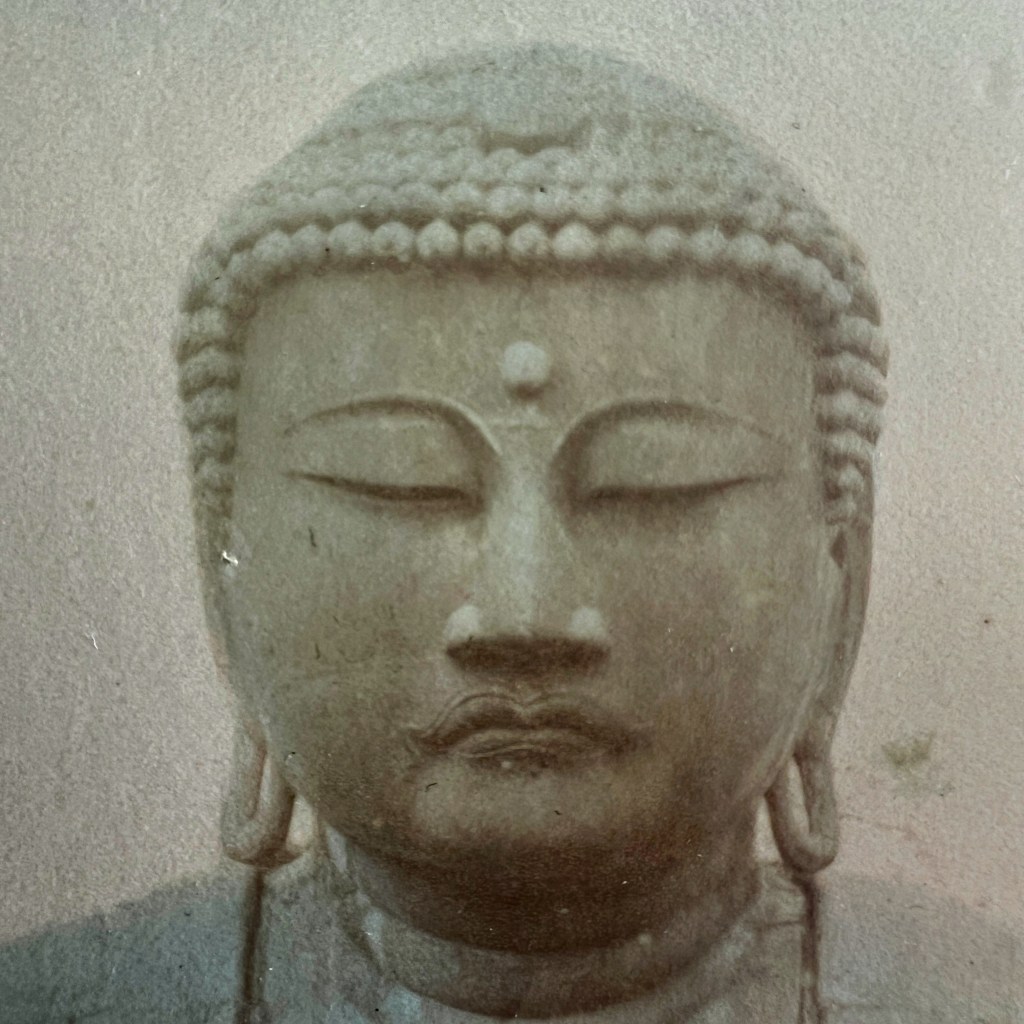
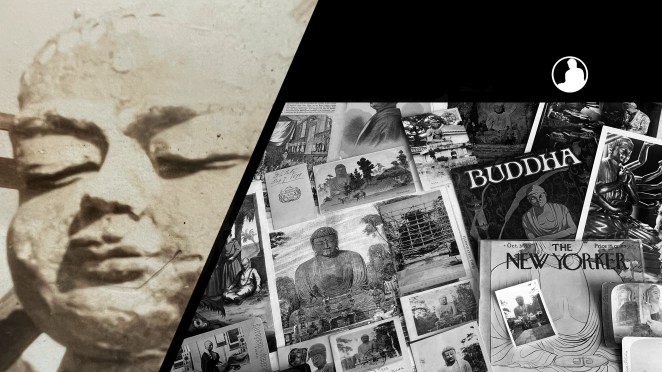
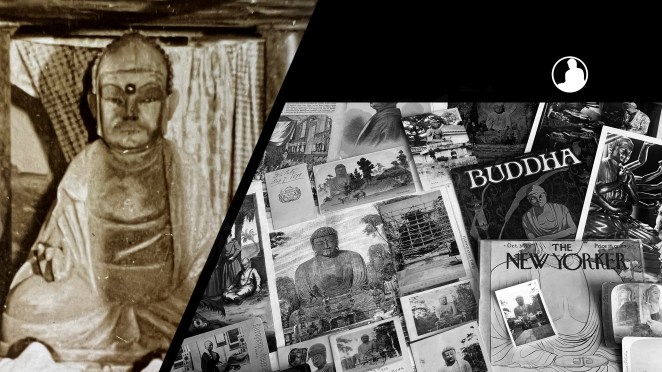
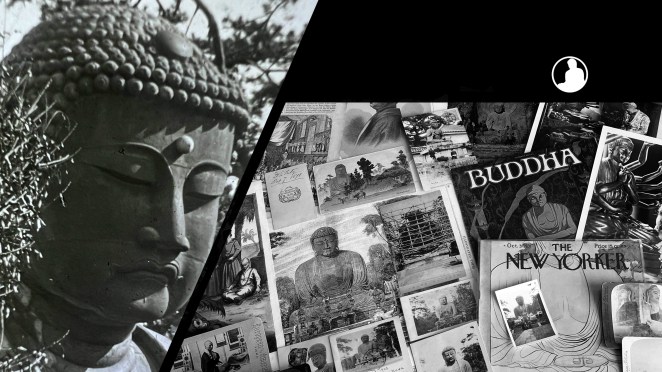
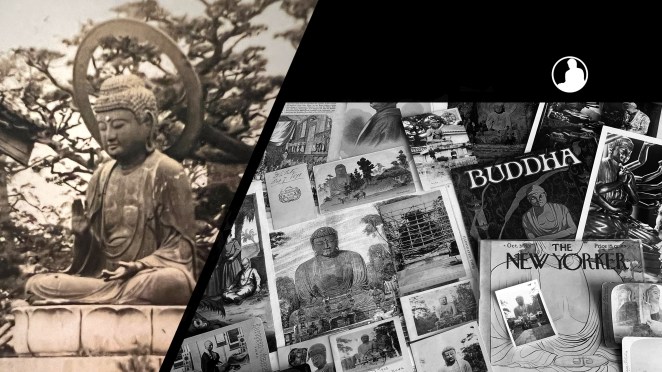
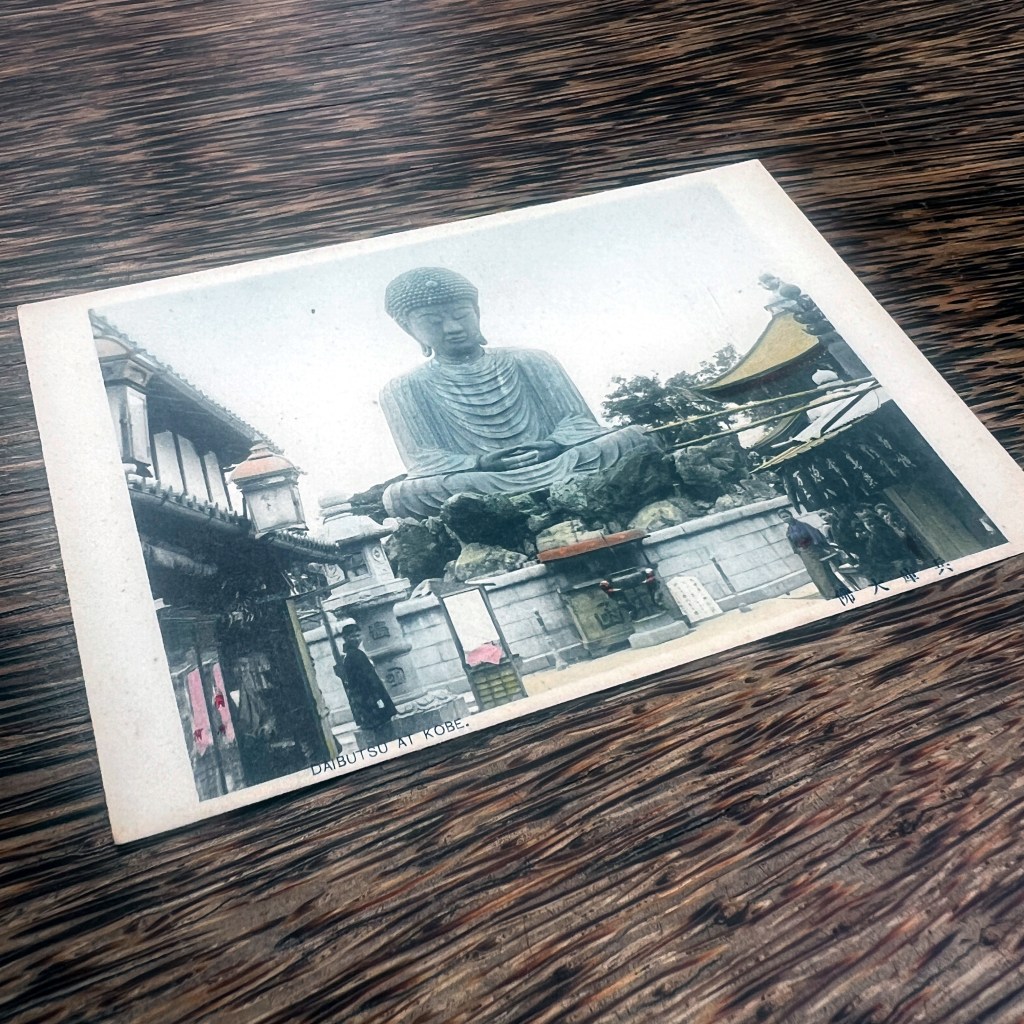
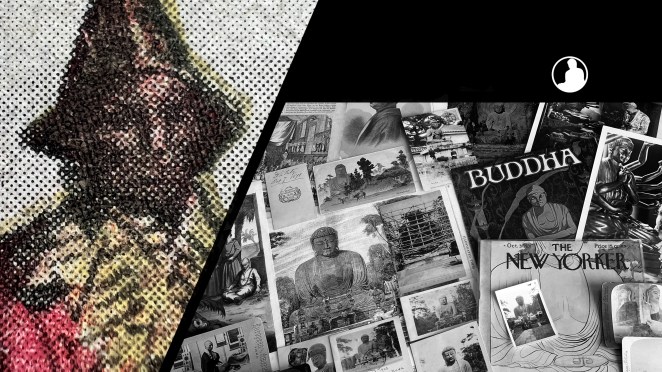
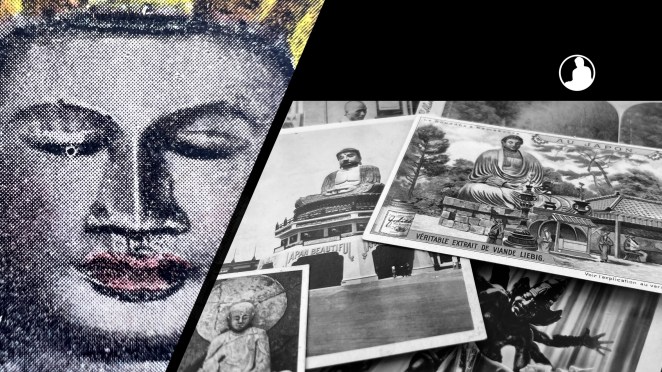
Colonized Korean Landscapes: This statue, known as Eunjin Mireuk 恩津彌勒, is on the grounds of Gwanchoksa Temple in South Korea. At just over 18 meters (60 feet), it is the tallest Buddhist statue in Korea.

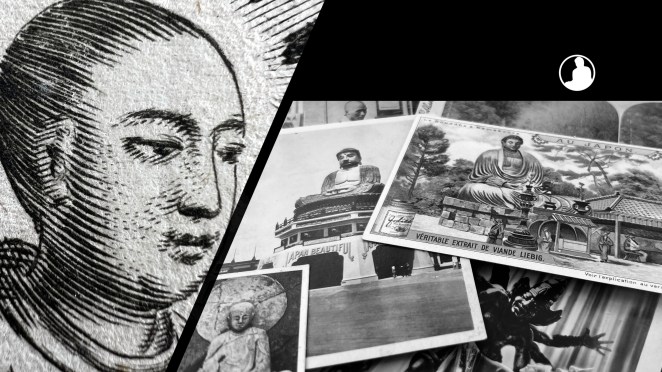
During the Korean colonial period (1910–1945) postcards were made by various Japanese entities. One of the largest private publishers was Taishō Shashin Kōgeisho, headquartered in Wakayama (see logo in stamp box). The design tells us this card was printed between 1933 and 1945.

Hyung Gu Lynn has argued that images of Japan’s colonies were often depicted as backwards or in stasis. This included depicting rural villages and ancient historical locations. Does this Japanese postcard fit into this discourse?

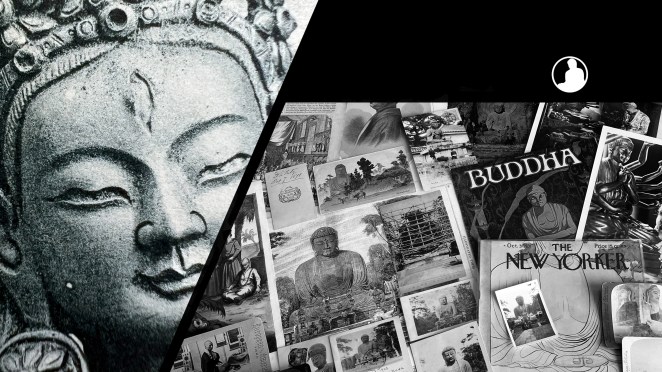
The name “Mireuk” points to the bodhisattva Maitreya. The hands on this statue, however, are suggestive of an East Asian Guanyin. The Eunjin Mireuk is example of early Goryeo era (918–1392) sculpture and reflects an unusual regional style.

A photo was taken of this statue by US navy officer George Clayton Foulk in the mid-1880s. It has been digitized by the Library of Congress and can be viewed here: https://tinyurl.com/bdh7pwvc.


The Buddhas in the West Material Archive is a digital scholarship project that catalogues artifacts depicting Buddhist material culture for Western audiences. It’s comprised of prints, photos, and an assortment of ephemera and other objects. For a brief introduction to this archive, visit the main Buddhas in the West project page.


For Related Buddhas in the West Posts Featuring Historical Buddhist Statues:


For the Most Recent Buddhas in the West Posts:

Auguste Wahlen’s “Bonzes chinois” Engraving

For all the new Buddhas in the West posts
follow us on Bluesky & Instagram


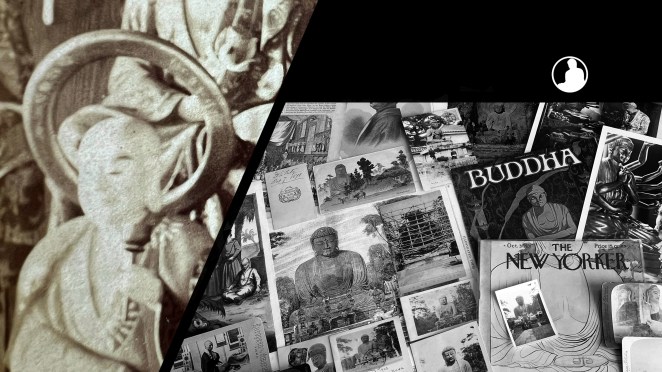
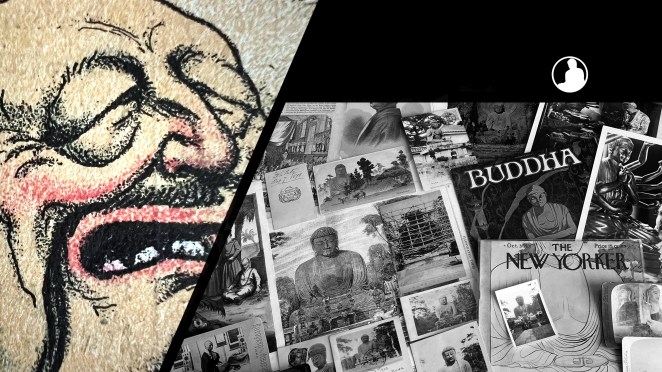
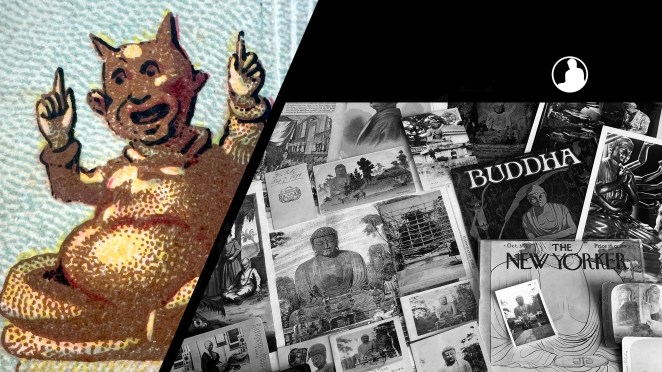
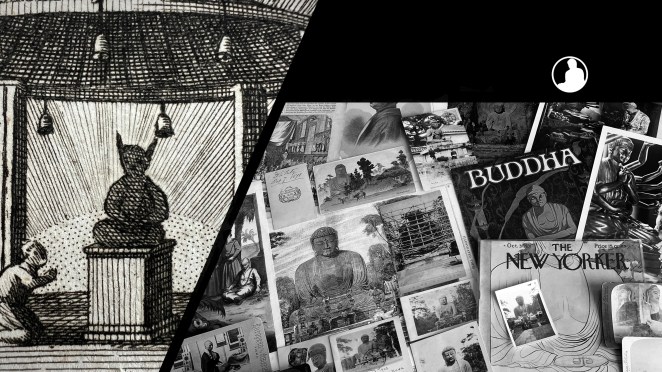
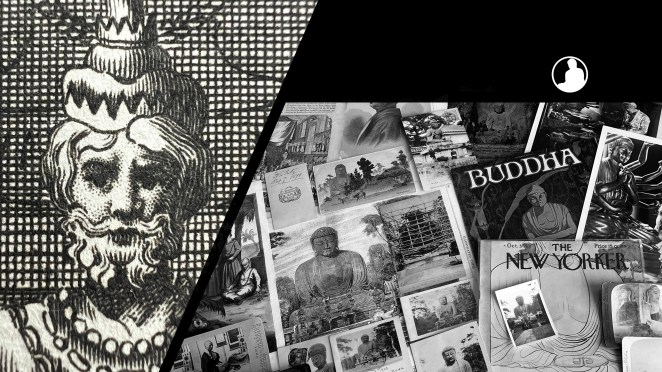
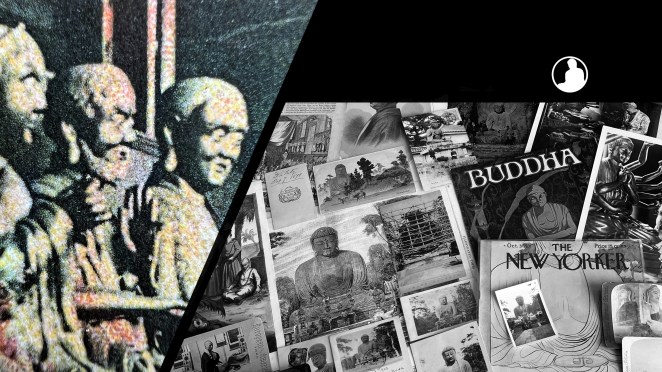
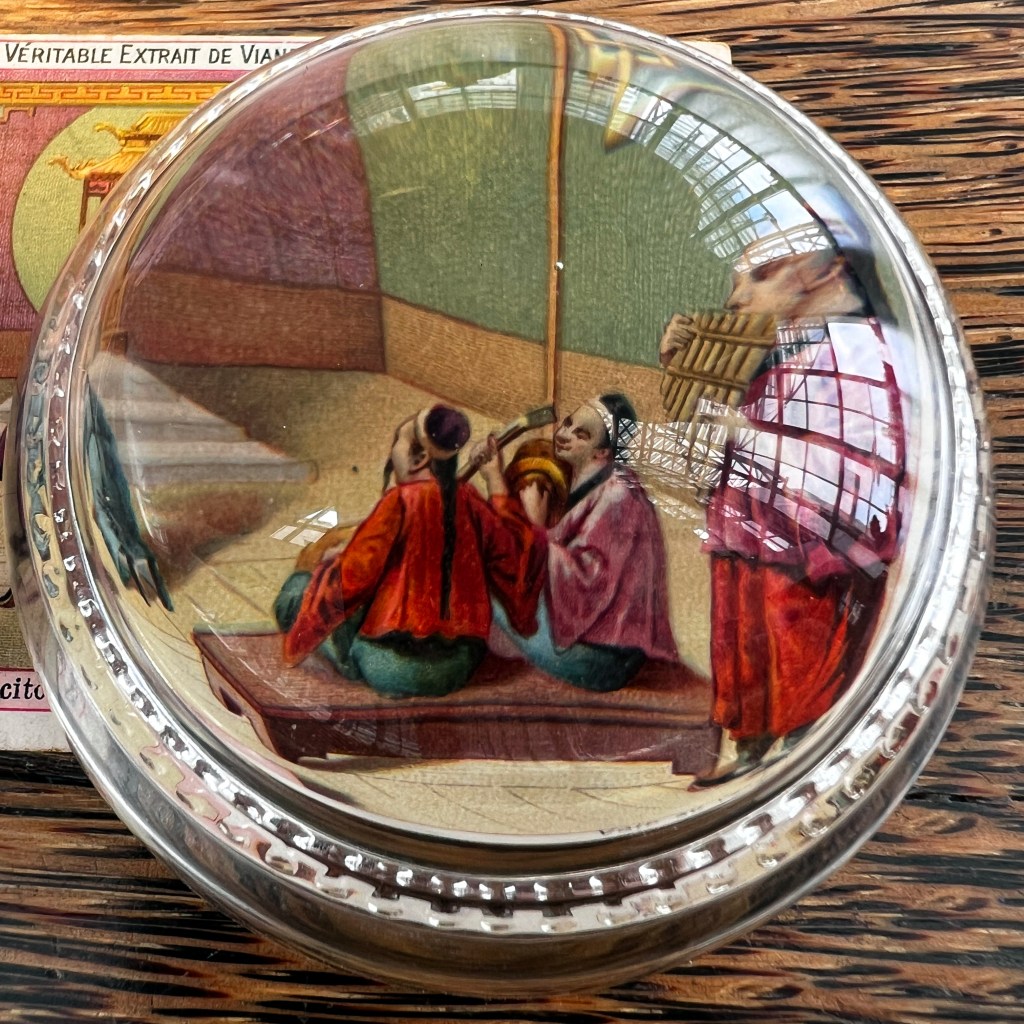
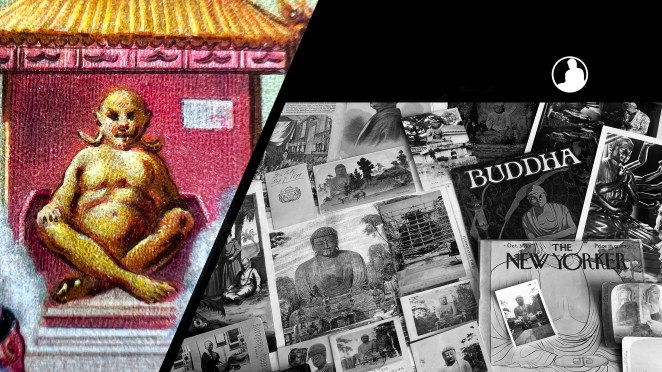
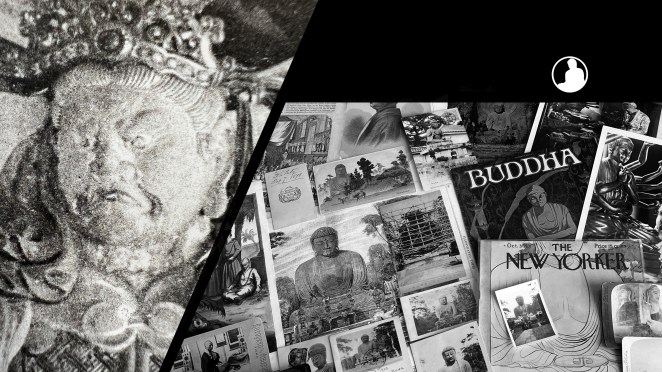
What did Buddhist Monks look like to Europeans? At least one visual tradition going back to the late 17th century depicts Buddhist monks in comedic caricature, possibly wearing attire similar to court minstrels. The figures here are identified as “bonzes chinois” (Chinese clerics).

There’s plenty of research yet to be done in this arena. This image appeared in Auguste Wahlen’s Mœurs, usages et costumes de tous les peuples du monde in 1843, showing the durability of this trope. The illustration was executed by Edouard Vermorcken.

Wahlen tells us Europeans generically call Buddhist monks “bonzes” – which is a corruption of the Japanese bonsō 凡僧, “cleric.” He also acknowledges Chinese monks are called “heshang” 和尚 and Tibetan monks “lamas.”

While Wahlen does not address the monk’s clothing, he does note their use of musical instruments ritual practice. Identified in the text as a “machine de bois, creuse et de forme ovale” (wooden, hollow, oval-shaped instrument), this instrument is now commonly called a “wooden fish.”

Wahlen’s book and accompanying illustrations have been scanned by the Getty Research Institute, available here: https://tinyurl.com/5n6pyedy #BuddhasInTheWest


The Buddhas in the West Material Archive is a digital scholarship project that catalogues artifacts depicting Buddhist material culture for Western audiences. It’s comprised of prints, photos, and an assortment of ephemera and other objects. For a brief introduction to this archive, visit the main Buddhas in the West project page.


For Related Buddhas in the West Posts Featuring Historical Engravings:


For the Most Recent Buddhas in the West Posts:

Pierrot’s “Prisonnier dans la pagode” Magazine Cover

For all the new Buddhas in the West posts
follow us on Bluesky & Instagram


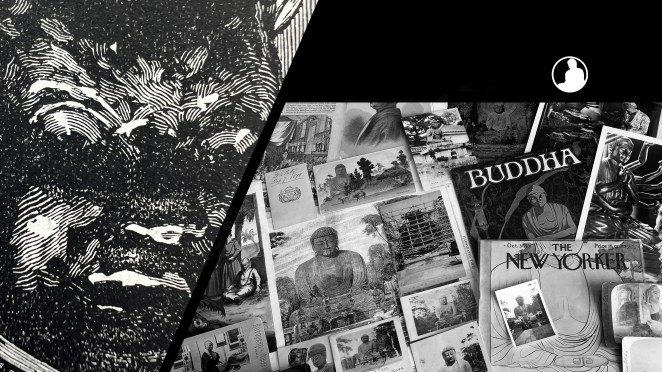
Prisoner in the Pagoda: Between World Wars, European periodicals geared towards boys grew in popularity. Many of these were written as action and adventure stories. Exotic locales, many of which were directly or indirectly colonized, became the sites of such exploits.

Pierrot, an illustrated French magazine first published in 1925, was a periodical in this vein. This 1933 issue has stories about pirates, piranha, and race cars, as well at the illustrated cover story, The Prisoner in the Pagoda.

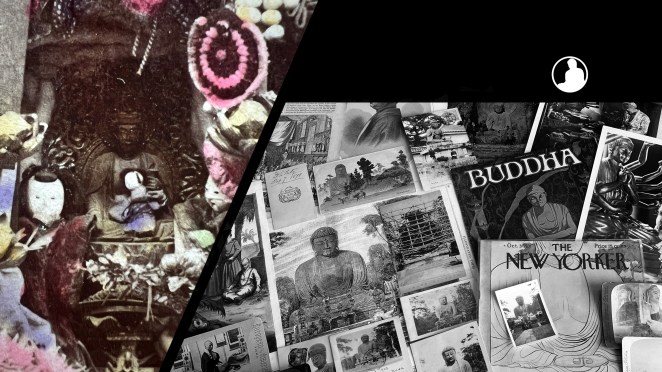
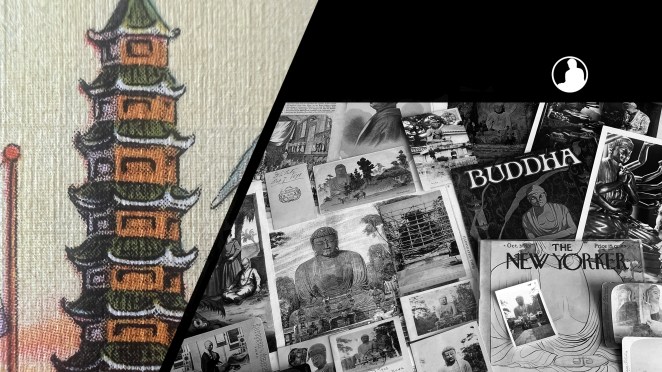
The art was intended to bring to mind the Temple of the Emerald Buddha at Wat Phra Kaew in Bangkok. The two-page spread tells the story of Patrice, an overly curious young boy who finds himself locked inside a Bangkok Buddhist temple overnight.

It follows a common trope of a mischievous boy who disregards his parents’ warnings and gets into trouble. Beyond mere trespassing, Patrice grows fearful of the strange buddhist icons that inhabit the temple.

The Emerald Buddha is not drawn true to life and is made foreboding by its size and directional lighting.

The collection of Pierrot magazines has been digitized by the Bibliothèque nationale de France. The issue under review can be found here: https://tinyurl.com/yck22hde.


The Buddhas in the West Material Archive is a digital scholarship project that catalogues artifacts depicting Buddhist material culture for Western audiences. It’s comprised of prints, photos, and an assortment of ephemera and other objects. For a brief introduction to this archive, visit the main Buddhas in the West project page.


For Related Buddhas in the West Posts Featuring France:


For the Most Recent Buddhas in the West Posts:
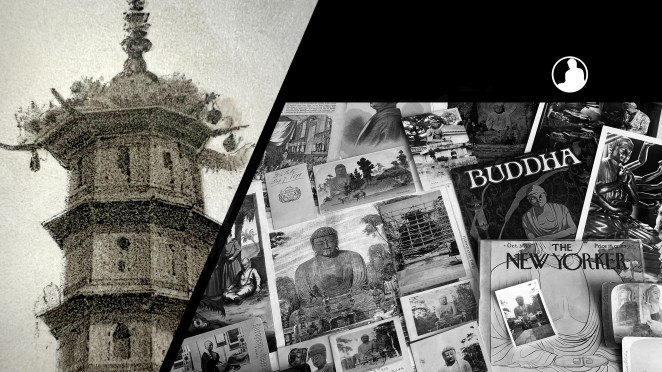

Paul Frenzeny’s Chinese Temple Print

For all the new Buddhas in the West posts
follow us on Bluesky & Instagram


Chinatown Smoke: After completing the transcontinental railroad, many periodicals ran stories about the American west, including the popular illustrated miscellany, Harper’s Weekly. Images of Chinatown joss houses emerged as popular visual tropes for the semi-exotic frontier.

The illustration was made by Paul Frenzeny and the engraving was prepared by the talented Charles Maurand. Frenzeny went on a well publicized tour of the US in 1873, but this dramatic image was likely pieced together from older published images of Chinatown and hearsay.

The illustration was meant to be didactic and moralizing – the image was paired with another engraving showing similar “degraded” devotions in South American Catholic churches. The accompanying text compares the “superstitions” of Chinese American temples and Romish churches.

As Laurie Maffly-Kipp has explored, the focus on material culture – icons, incense smoke, enclosed spaces – tied together anti-Catholic and anti-Chinese sentiment of the period.

While unidentified, the main icon here is likely a poor rendition of Guandi, one of the most popular figures put on display in Chinese temples.

Maffly-Kipp’s article, “Engaging Habits and Besotted Idolatry,” can be viewed here: https://tinyurl.com/u3zc2nne.


The Buddhas in the West Material Archive is a digital scholarship project that catalogues artifacts depicting Buddhist material culture for Western audiences. It’s comprised of prints, photos, and an assortment of ephemera and other objects. For a brief introduction to this archive, visit the main Buddhas in the West project page.


For Related Buddhas in the West Posts Featuring Chinatown (US):


For the Most Recent Buddhas in the West Posts:
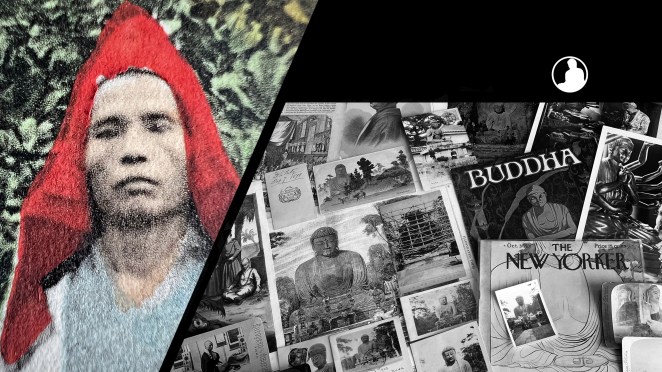


Fresno Japanese Buddhist Temple Postcard

For all the new Buddhas in the West posts
follow us on Bluesky & Instagram


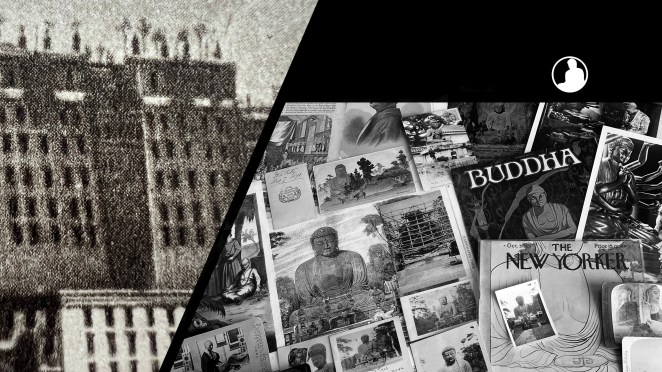
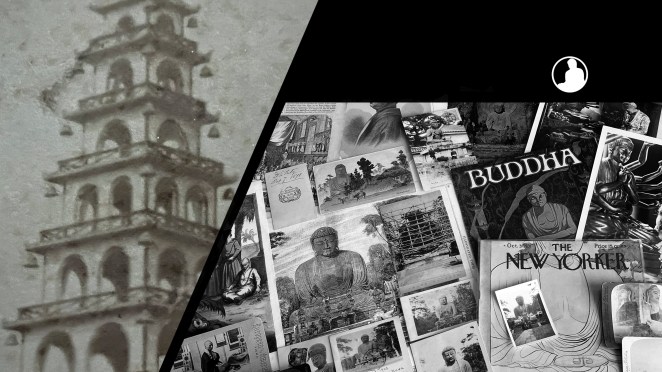
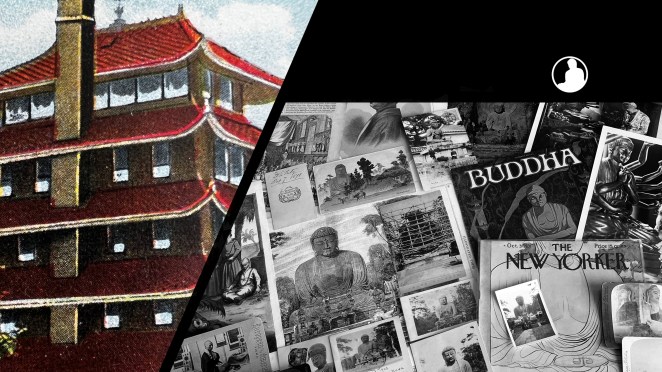
First Buddhist Temple Constructed on Mainland US: Two Japanese Buddhist temples were dedicated in San Francisco and Sacramento by 1900, but these were old converted residences. The Fresno temple was the first constructed to primarily function as a Buddhist temple.

The Fresno Buddhist Church was designed by the Japanese immigrant Kuninosuke Masumizu (1849-1915), a temple and shrine architect. The three-story wood structure was built on 1340 Kern Street and opened April 8, 1902. Construction continued through 1904.

This postcard is one of a few remaining photographs of the original building, it burned down in 1919. This card was postmarked in 1908 and was printed in Germany, the leader in photomechanical postcard printing of the era.

Reports describe the temple as having a Japanese style. In truth, the style is rather hybrid, with upward sloping eaves on the roof and a temple-style gate for the front porch. Overall, however, the building could easily blend into the residential architecture of the period.

The Fresno Buddhist Church was rebuilt in 1920. This building was sold in 2018 to local Burmese Americans and is now the Mrauk Oo Dhamma Center. The Japanese Jōdo Shinshū congregation built a new temple that opened in 2022.


The Buddhas in the West Material Archive is a digital scholarship project that catalogues artifacts depicting Buddhist material culture for Western audiences. It’s comprised of prints, photos, and an assortment of ephemera and other objects. For a brief introduction to this archive, visit the main Buddhas in the West project page.


For Related Buddhas in the West Posts Featuring the United States:


For the Most Recent Buddhas in the West Posts:
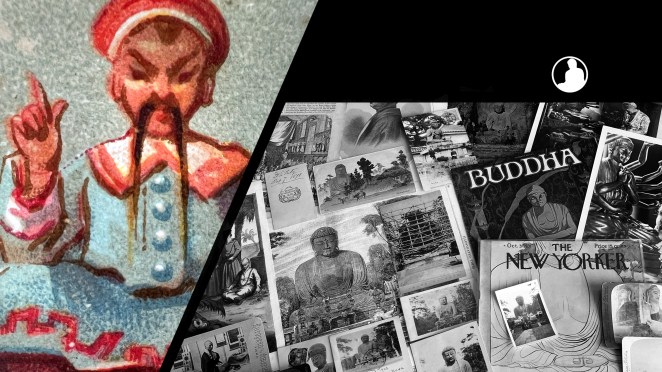

Lambert and Butler’s Kamakura Daibutsu Cigarette Card

For all the new Buddhas in the West posts
follow us on Bluesky & Instagram


The Buddha’s “rookie” card? In the US, “cigarette cards” are perhaps best known for their early depiction of baseball players. These cards jump started a baseball card collecting phenomenon.

Tobacco companies drew upon a much larger visual repertoire than sports for their advertising cards. This sometimes included exotic locales. Intended to fit inside cigarette packs, these cards were relatively small.

Lambert & Butler was a former English tobacco manufacturing company that made a “Japanese Series” in 1904-1905.

It memorialized the Russo-Japanese War. Thus we see a depiction of Japanese citizens praying at the foot of the Kamakura Daibutsu.

Similar to other Victorian trade cards, this was a colorful lithographic print. You can browse the collection of cigarette cards held by the NY Public Library here: https://tinyurl.com/cn23wud8.


Additional Archived Posts for the Buddhas in the West Project

The Buddhas in the West Material Archive is a digital scholarship project that catalogues artifacts depicting Buddhist material culture for Western audiences. It’s comprised of prints, photos, and an assortment of ephemera and other objects. For a brief introduction to this archive, visit the main Buddhas in the West project page.


For Related Buddhas in the West Posts Featuring Historical Trade Cards:


For the Most Recent Buddhas in the West Posts:
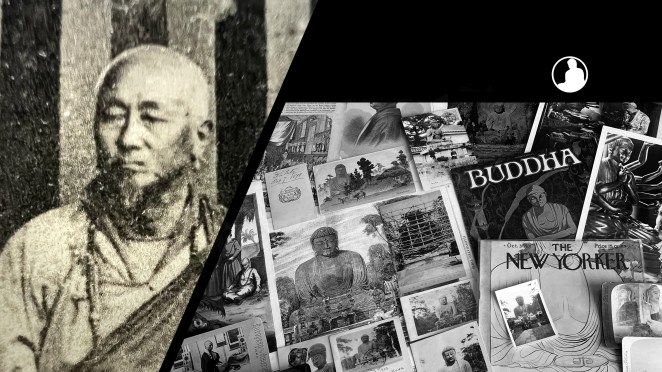

Singapore Buddhist Hell Guardian Postcard

For all the new Buddhas in the West posts
follow us on Bluesky & Instagram


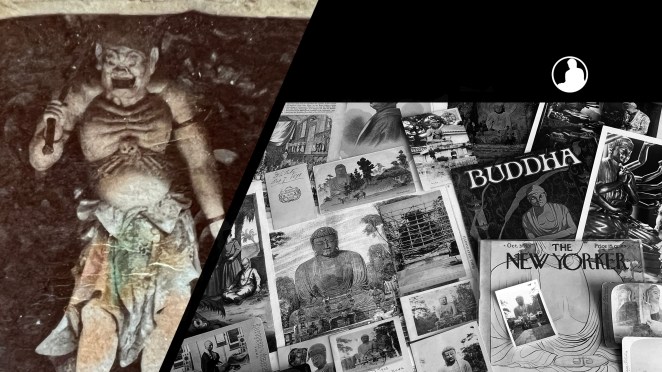
Unknown “Chinese” Temple: By the mid-to-late 19th century, the term “joss” typically referred to venerated Chinese religious icons. Here we see the term used to identify statues of Buddhist hell guardians. These figures are not typically the center of veneration in temples.

Moreover, the statues are positioned in front of murals depicting the Buddhist Ten Courts of Hell. Chinese Buddhist hell is viewed as an administrative center for the underworld where the dead are judged for their deeds in life.

The location is an unidentified Chinese Temple. Real photo post cards with similar reverse designs depict temples from Singapore; it is possible this is one of several “Chinese temples” from that area at the turn of the 20th century.

This photographic card likely dates to the 1920s. (I have seen a used version of this card hand-dated to 1930).

The National Archives of Singapore has a good selection of digitized photographs showing various Chinese Temples, available here: https://tinyurl.com/mr9nwcep.


The Buddhas in the West Material Archive is a digital scholarship project that catalogues artifacts depicting Buddhist material culture for Western audiences. It’s comprised of prints, photos, and an assortment of ephemera and other objects. For a brief introduction to this archive, visit the main Buddhas in the West project page.


For Related Buddhas in the West Posts Featuring Historical Real Photo Post Cards:


For the Most Recent Buddhas in the West Posts:
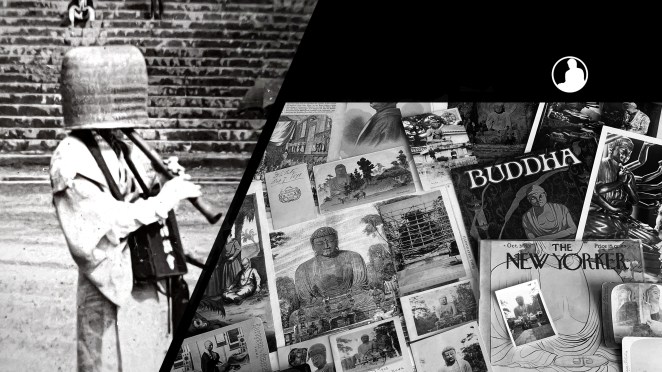

Henry Strohmeyer’s Jizō Statues Stereoview

For all the new Buddhas in the West posts
follow us on Bluesky & Instagram


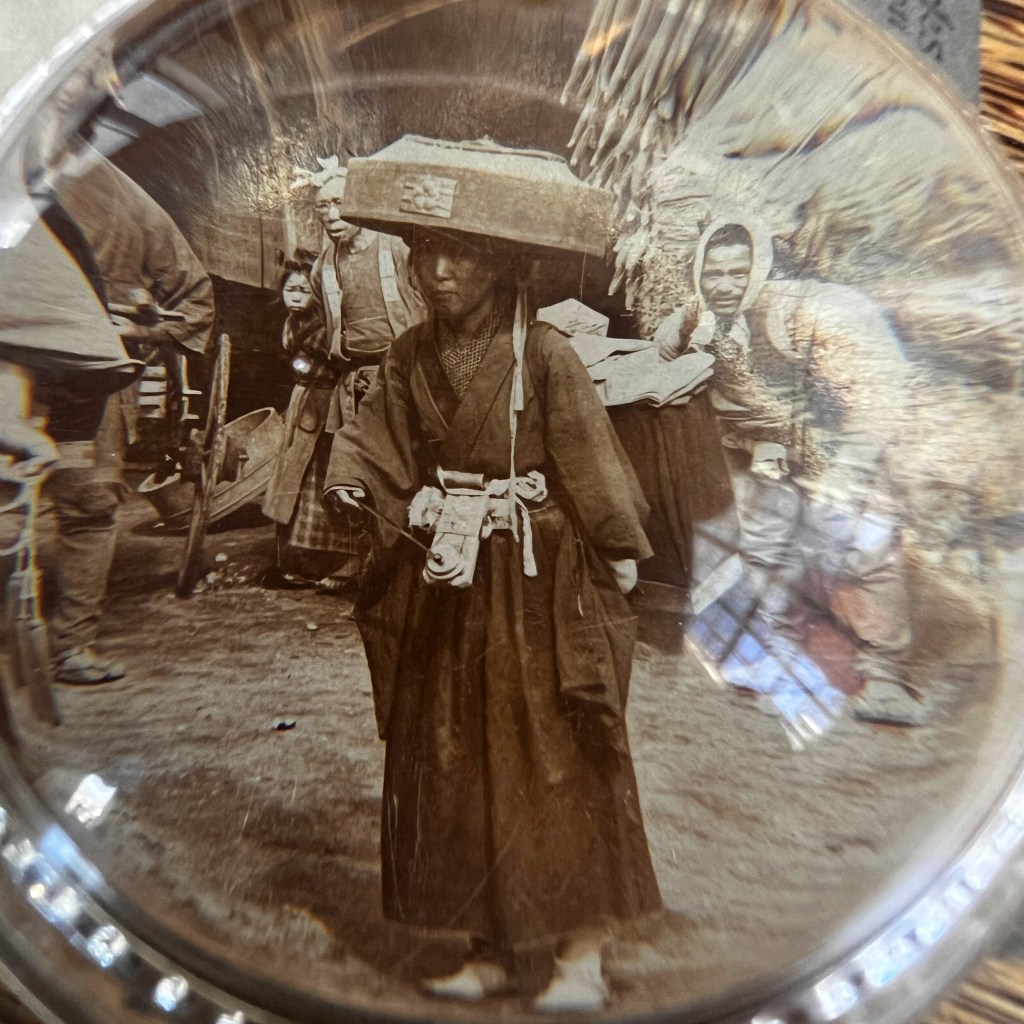
Countless Jizō: Tourist books from the early 20th century say no person could count the same number of Jizō statues in Nikko, Japan. In early 1896, Henry Strohmeyer left for an around-the-world tour and took this stereoscopic image; he left no report on how many he counted.

A dual-photograph stereoview card produces a single three-dimensional image when using a simple handheld device fashioned with special lenses (first invented by Oliver Wendell Holmes).

This was fashionable – and cutting edge – parlor room entertainment at the end of the nineteenth century for many American homes.

It provided people with the means for virtual reality travel and stereoviews were soon marketed to schools for educational purposes.

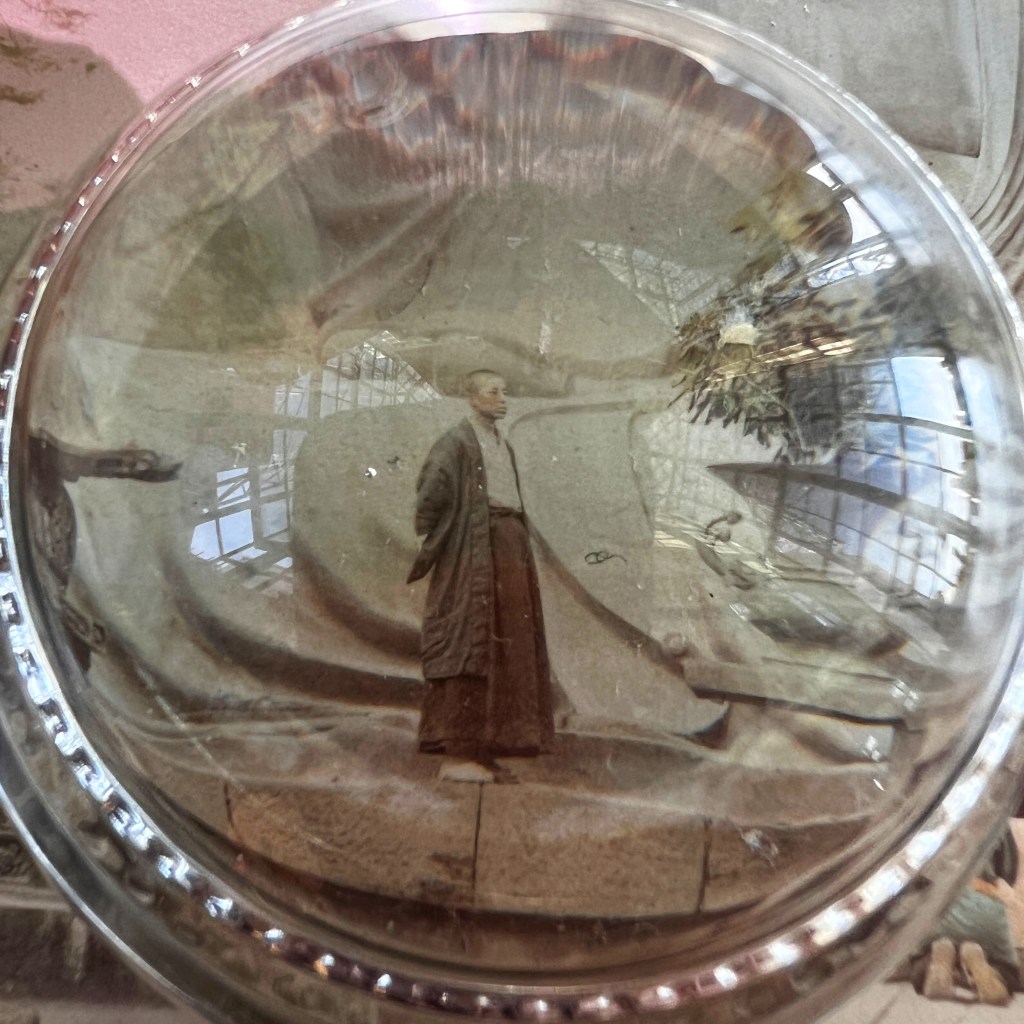
This card is a rare instance of where the cultural voyeurism is broken and we see a man in Western attire. It is believed this is Strohmeyer himself – a stereoscopic selfie.

For an insightful online illustrated essay on Strohmeyer’s impact on travel photography, see the exhibit by Tulane University here: https://tinyurl.com/5n7a28kf.


The Buddhas in the West Material Archive is a digital scholarship project that catalogues artifacts depicting Buddhist material culture for Western audiences. It’s comprised of prints, photos, and an assortment of ephemera and other objects. For a brief introduction to this archive, visit the main Buddhas in the West project page.


For Related Buddhas in the West Posts Featuring Historical Stereophotography:


For the Most Recent Buddhas in the West Posts:
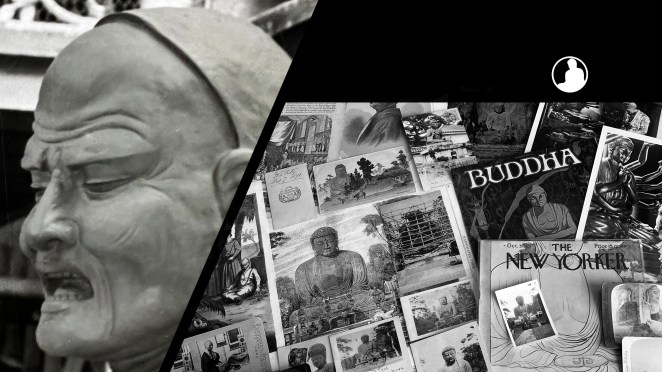

Andrew Marton’s Storm Over Tibet (1952) Icon

For all the new Buddhas in the West posts
follow us on Bluesky & Instagram


Buddhist Demon of Shangri-la: Andrew Marton’s 1952 film, Storm over Tibet, utilizes Buddhist material culture to drive the Cold War horror-fantasy narrative. Filmed in part at Lamayuru in Ladakh, a cursed cham dance mask is a surrogate for the menacing antagonist.

Storm Over Tibet was a remake of Marton’s pre-war German-Swiss film Demon of the Himalayas from 1935. For both films Marton used documentary footage from the 1934 International Himalayan Expedition. Some of the same footage also was used for Columbia’s Lost Horizon in 1937.

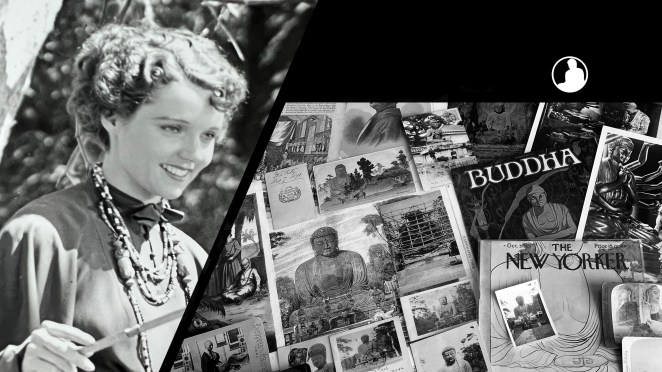
The co-lead, Diana Douglas, holds the hand of a Buddhist statue owed by the prop department of Columbia Pictures. It appears to be an image of Cundī. While large Asian statuary was oftentimes created by studio prop departments, this appears as if it was an authentic, yet incomplete, Buddhist artifact. [Update: This is the Daoist stellar deity Doumu, related to the Buddhist Cundī]

Marton’s 1935 German film, Demon of the Himalayas, incorporating on-location footage is available on the Internet Archive, viewable here: https://tinyurl.com/253rhr48.


The Buddhas in the West Material Archive is a digital scholarship project that catalogues artifacts depicting Buddhist material culture for Western audiences. It’s comprised of prints, photos, and an assortment of ephemera and other objects. For a brief introduction to this archive, visit the main Buddhas in the West project page.


For Related Buddhas in the West Posts Featuring Historical Film Photography:


For the Most Recent Buddhas in the West Posts:
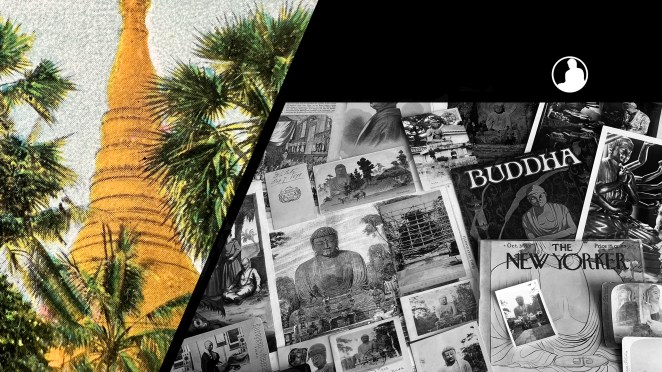

D.A. Ahuja’s Arakan Mahāmuni Postcard

For all the new Buddhas in the West posts
follow us on Bluesky & Instagram


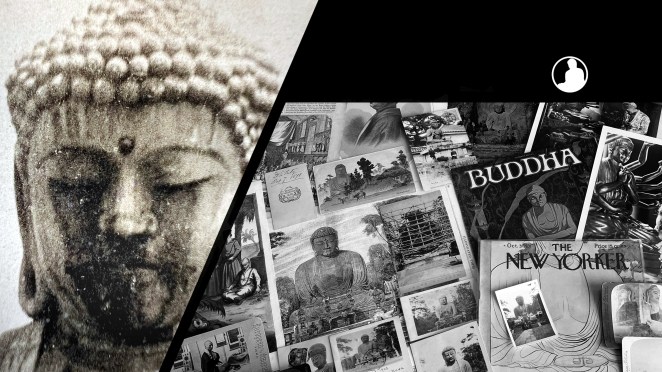
An image consecrated by the Buddha himself? The Mahāmuni image is among the most venerated in Burma. According to myth, the statue was cast during the lifetime of the Buddha and was “enlivened” to act as counsel to kings in the Buddha’s absence.

Originating in the coastal region of Arakan, the statue was moved to Upper Burma, into present-day Mandalay, at the turn of the 19th century.

The colorful postcard is a German lithographic-halftone print published by D. A. Ahuja circa 1910. Postcards emerged as highly valued souvenirs during the period of British colonial rule and helped spread knowledge of Buddhist material culture into the West.

The brass statue depicts the moment when the Buddha calls upon the earth to testify to his generosity and to defeat Mara; this is symbolized by his right hand touching the ground.

Over 12 feet in height, the image is topped by a crown – typical of the Jambupati style – and is intended to display the grandeur of the Buddha and his message.

F

or more on a Burmese Buddhist statue in a similar style, see the Asian Art Museum website here: https://tinyurl.com/mpvxn8j9.


The Buddhas in the West Material Archive is a digital scholarship project that catalogues artifacts depicting Buddhist material culture for Western audiences. It’s comprised of prints, photos, and an assortment of ephemera and other objects. For a brief introduction to this archive, visit the main Buddhas in the West project page.


For Related Buddhas in the West Posts Featuring the Historical Buddha / Gautama:


For the Most Recent Buddhas in the West Posts: