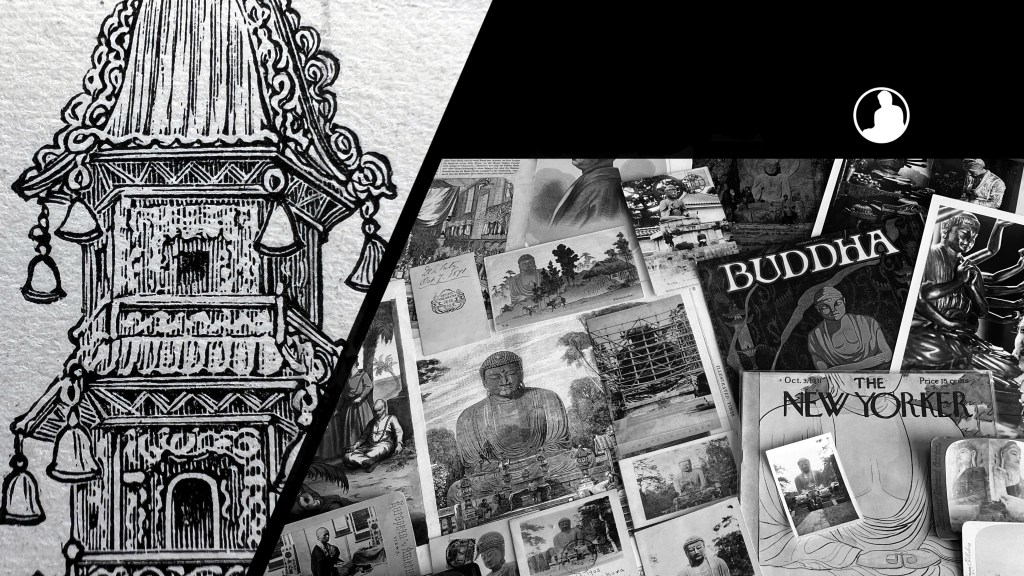
Alain Mallet’s Porcelain Pagoda of Baoen Temple Engraving

For all the new Buddhas in the West posts
follow us on Bluesky & Instagram


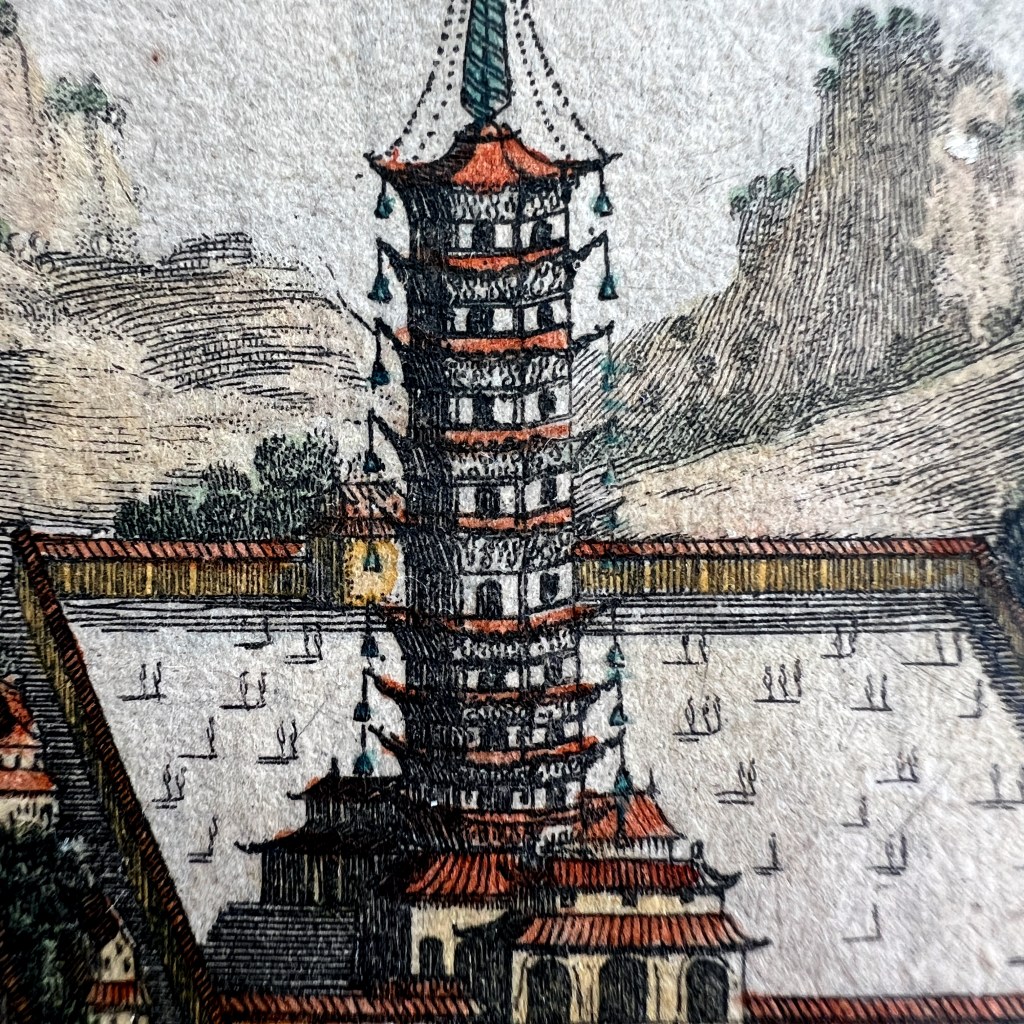
In 1683, the French military commander Alain Mallet published his illustrated five-volume set entitled Description de l’univers. While it received tepid reviews, Mallet’s encyclopedic approach drew together diverse information about East Asia that was still relatively new to European audiences.
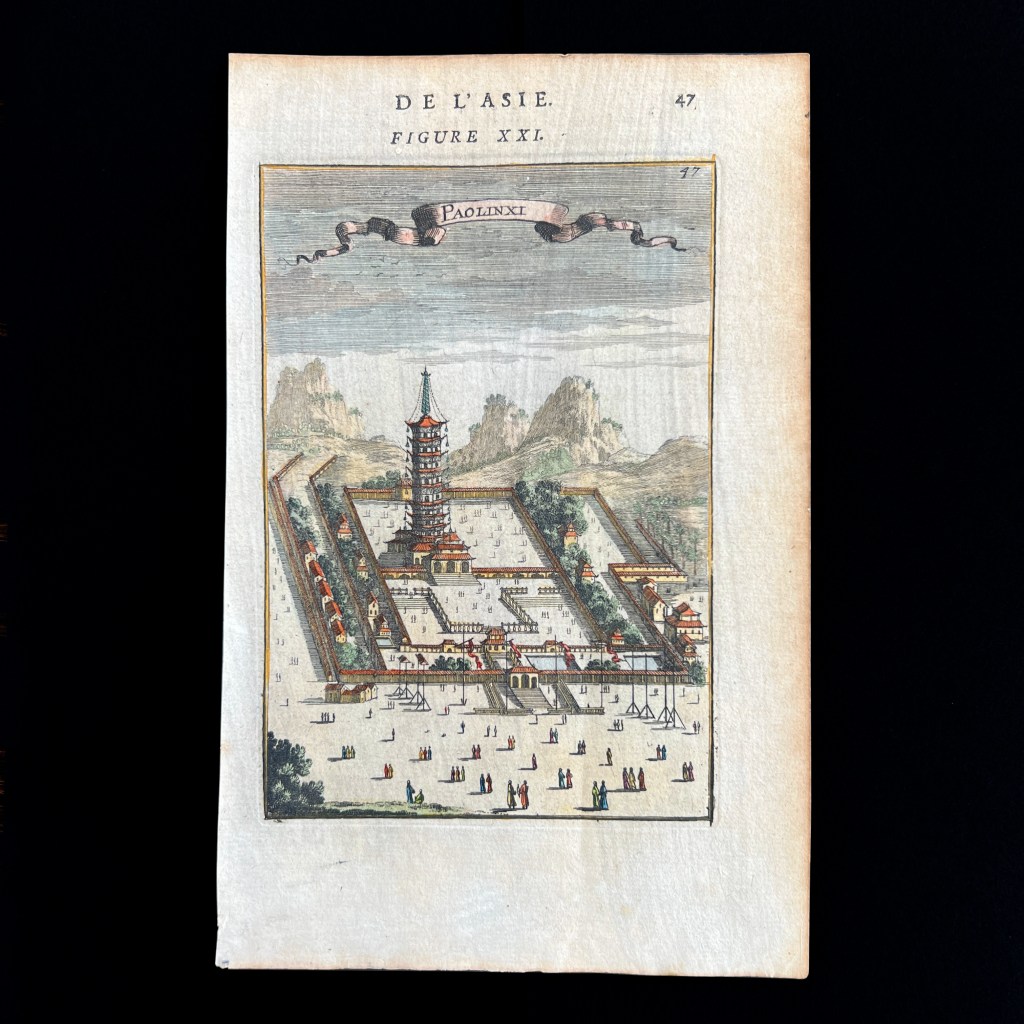
Trained as an engineer and draughtsman, Mallet is sometimes claimed to have drawn the images for his books. While his cartography and celestial charts may have been original works, the images of Asia were copies of earlier published illustrations.

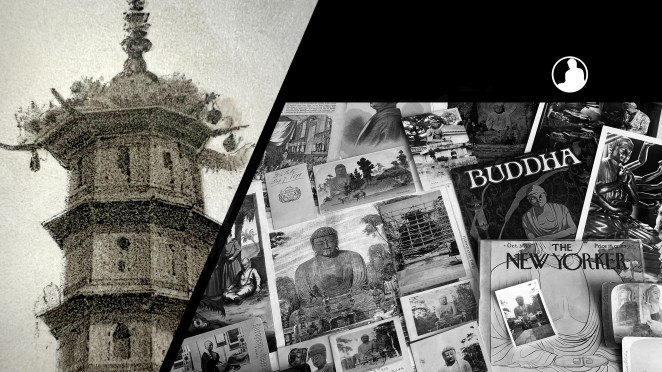
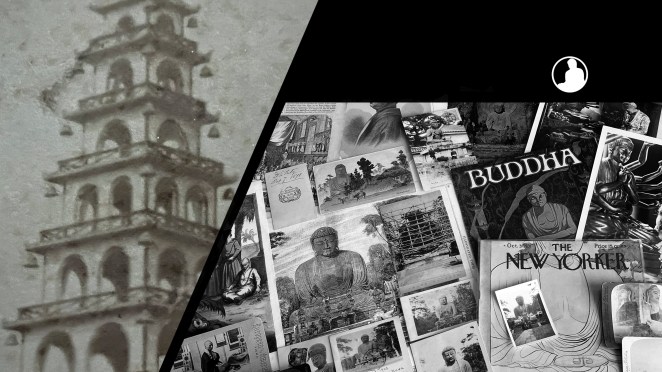
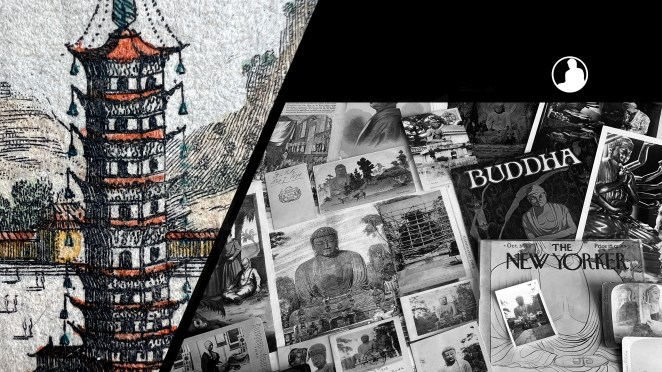
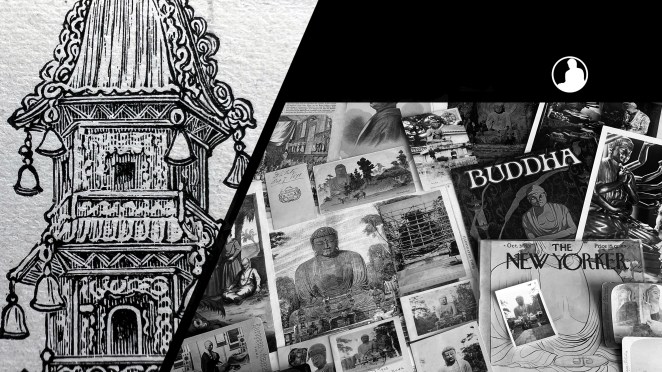
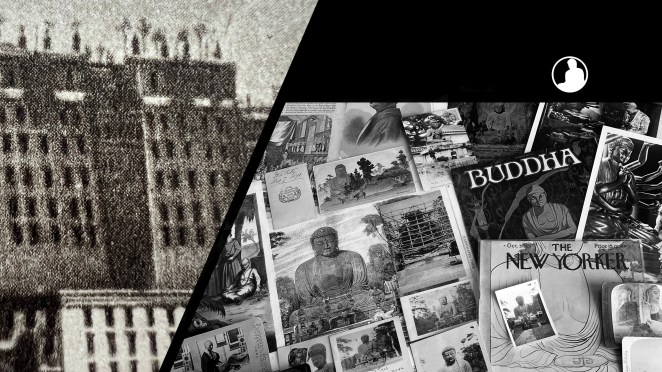
This illustration of the famed Porcelain Pagoda of Baoen Temple in Nanjing was a copy of Johan Nieuhof’s illustration more than a decade earlier. This included the irregular mountains in the back and the people added for scale.

It was publications like Description de l’univers, however, the kept the pagoda alive in the European imagination, making it a key visual element in chinoiserie.


The Buddhas in the West Material Archive is a digital scholarship project that catalogues artifacts depicting Buddhist material culture for Western audiences. It’s comprised of prints, photos, and an assortment of ephemera and other objects. For a brief introduction to this archive, visit the main Buddhas in the West project page.


For Related Buddhas in the West Posts Featuring Historical Engravings:

For the Most Recent Buddhas in the West Posts:


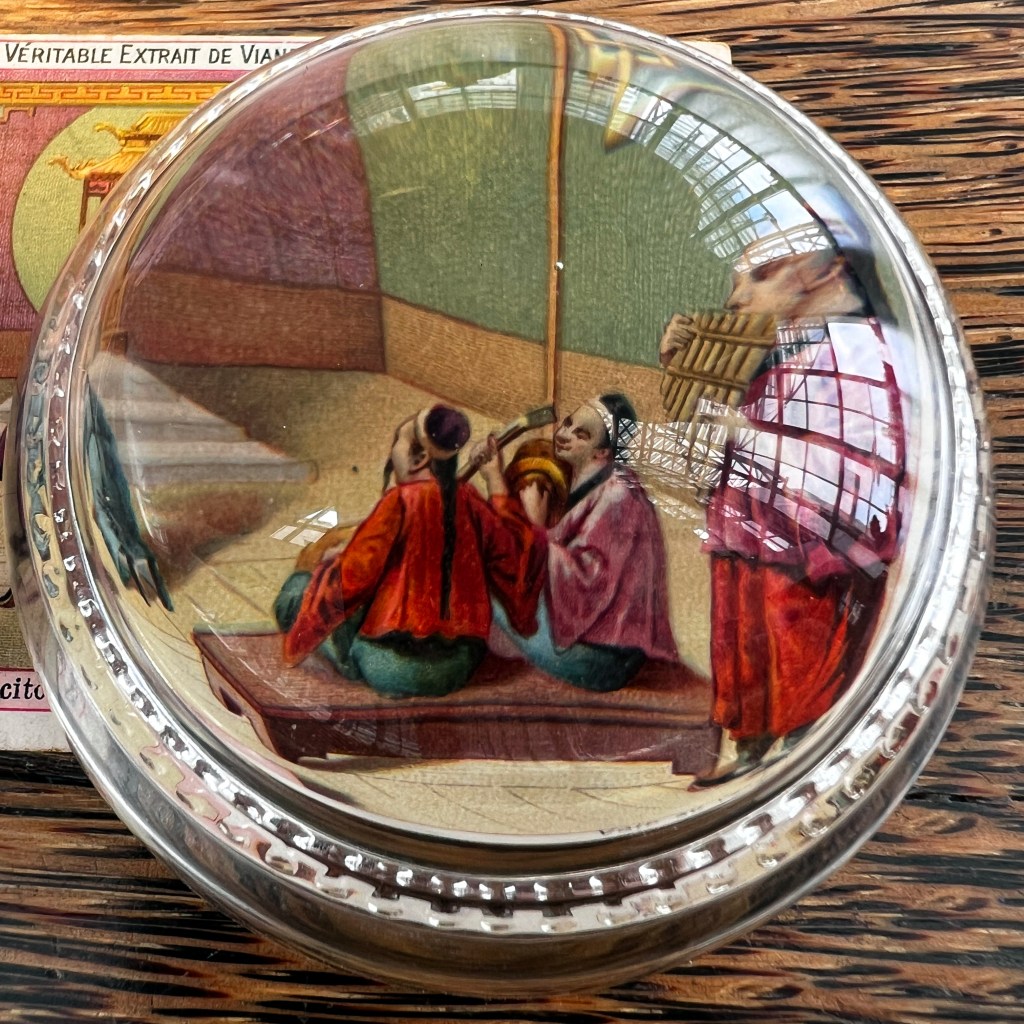
Liebig’s Chinese Buddha Advertising Card

For all the new Buddhas in the West posts
follow us on Bluesky & Instagram


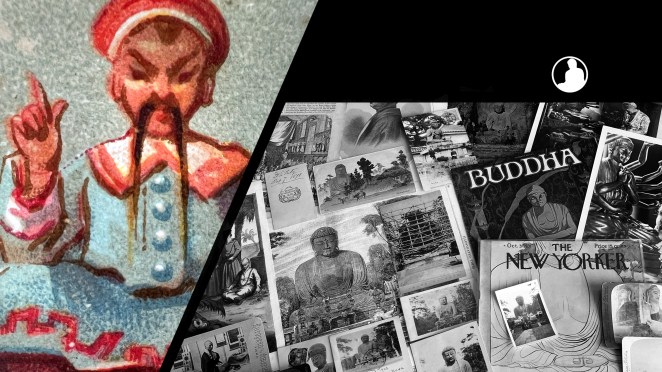
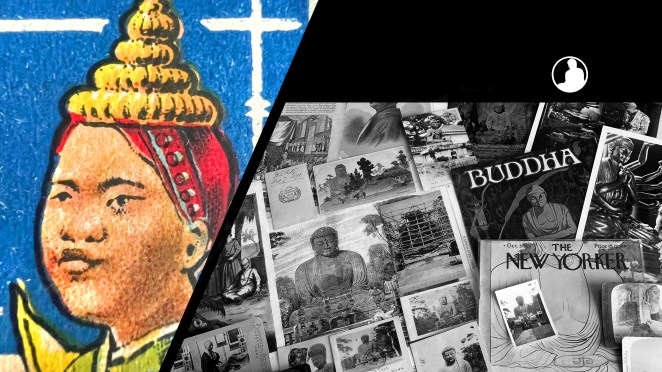
Gods of Antiquity: In the early age of black and white mass market publications, chromolithography ushered in a new era of visual media. From massive broadside to Victorian trade cards, vibrant color was the future and the British Liebig company capitalized on this market.

Liebig started producing trade cards in 1872 and by the turn of the century their cards were printed in several languages. Several different sets were made each year and these sets soon became collector’s items, predating hobbies such as baseball card collecting.

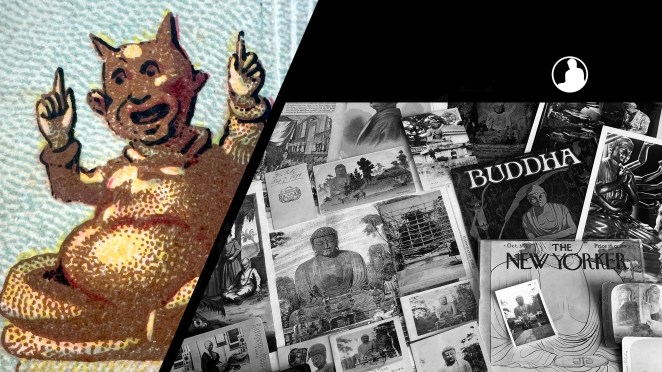
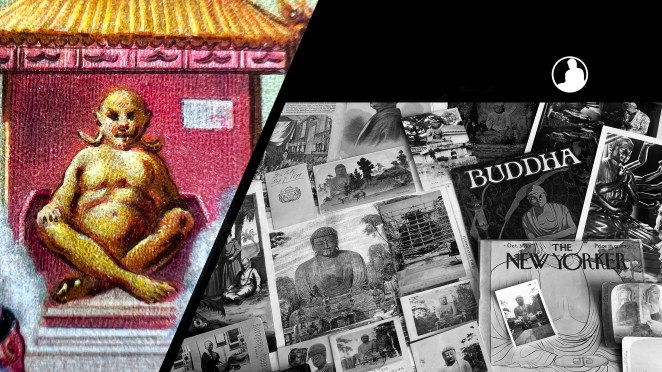
In 1895 Liebig released the Gods of Antiquity set, with the card here showing the worship of the Buddha by “Chinese nobles.” The scene is mostly a hodge-podge of turn of the century Chinese stereotypes.

A gold Buddha, sitting awkwardly with legs crossed, takes center stage in this imaginary temple scene.

Chinese Buddhist rituals use instruments, but not of the kind depicted here.

For a short introduction to the Liebig Company’s trade cards by Princeton University’s Firestone Library, follow this link: https://tinyurl.com/3nzvs6mh.


The Buddhas in the West Material Archive is a digital scholarship project that catalogues artifacts depicting Buddhist material culture for Western audiences. It’s comprised of prints, photos, and an assortment of ephemera and other objects. For a brief introduction to this archive, visit the main Buddhas in the West project page.


For Related Buddhas in the West Posts Featuring China:


For the Most Recent Buddhas in the West Posts:


Thomas Allom’s Sticks of Fate Engraving

For all the new Buddhas in the West posts
follow us on Bluesky & Instagram


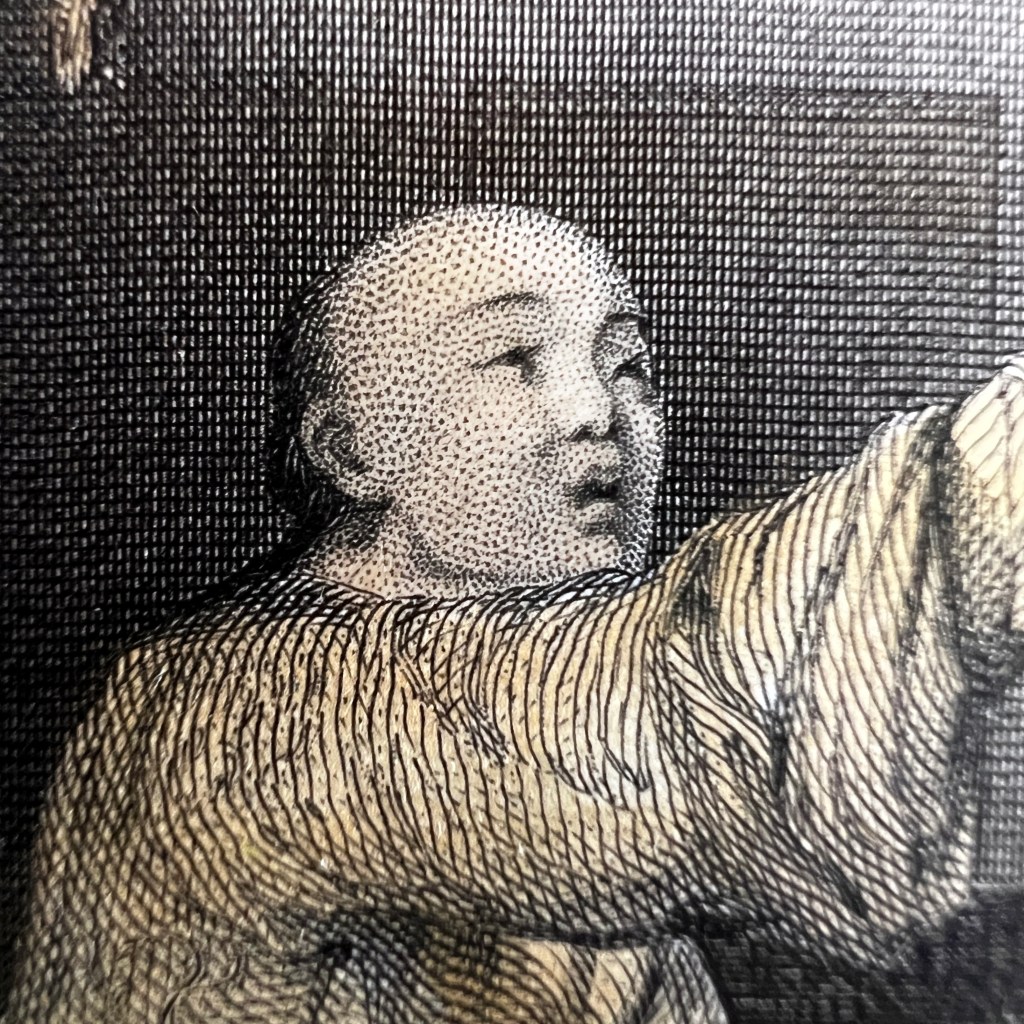
Having never traveled to China, Thomas Allom’s illustrations retain a touch of the fantastic common among his European pictorial predecessors. After the end of the Opium War in 1842 there was renewed interest in China and Allom’s book was among the first to serve this audience.

The text for China: In a Series of Views was composed by Rev. George Wright. He commonly portrayed the Chinese as inferior and infatuated with bizarre customs, reflecting a growing sentiment among Europeans after the Opium War.

A trained illustrator, Allom prepared watercolor paintings and had them engraved for his books. While some paintings were copies of earlier works by others, including those in the British military stationed in China, this illustration appears to be the creation of Allom.

Overall, Allom creates a dynamic image showing a commonplace Chinese temple practice of fortune telling. Some elements, however, appear out of place.

The New York Public Library has digitized Allom’s works on China with a layout of all his engraved illustrations viewable here: https://tinyurl.com/3b74hu7m.


The Buddhas in the West Material Archive is a digital scholarship project that catalogues artifacts depicting Buddhist material culture for Western audiences. It’s comprised of prints, photos, and an assortment of ephemera and other objects. For a brief introduction to this archive, visit the main Buddhas in the West project page.


For Related Buddhas in the West Posts Featuring China:


For the Most Recent Buddhas in the West Posts:


1876 Centennial Ivory Pagoda Print

For all the new Buddhas in the West posts
follow us on Bluesky & Instagram


Lost Ivory Pagoda? Japan’s exhibit at the 1876 Centennial Exposition is often credited as inspiring American Japonisme. Less celebrated is China’s involvement who also made a splash with its exhibit, including an intricate 4-foot ivory pagoda.

The 1830s and 40s saw a handful of private Chinese museums open, but the Centennial included objects sent to the US by Chinese representatives. By plan, the objects chosen reflected the tastes of Chinese elite, including silks, porcelain, paintings, and fine teas.

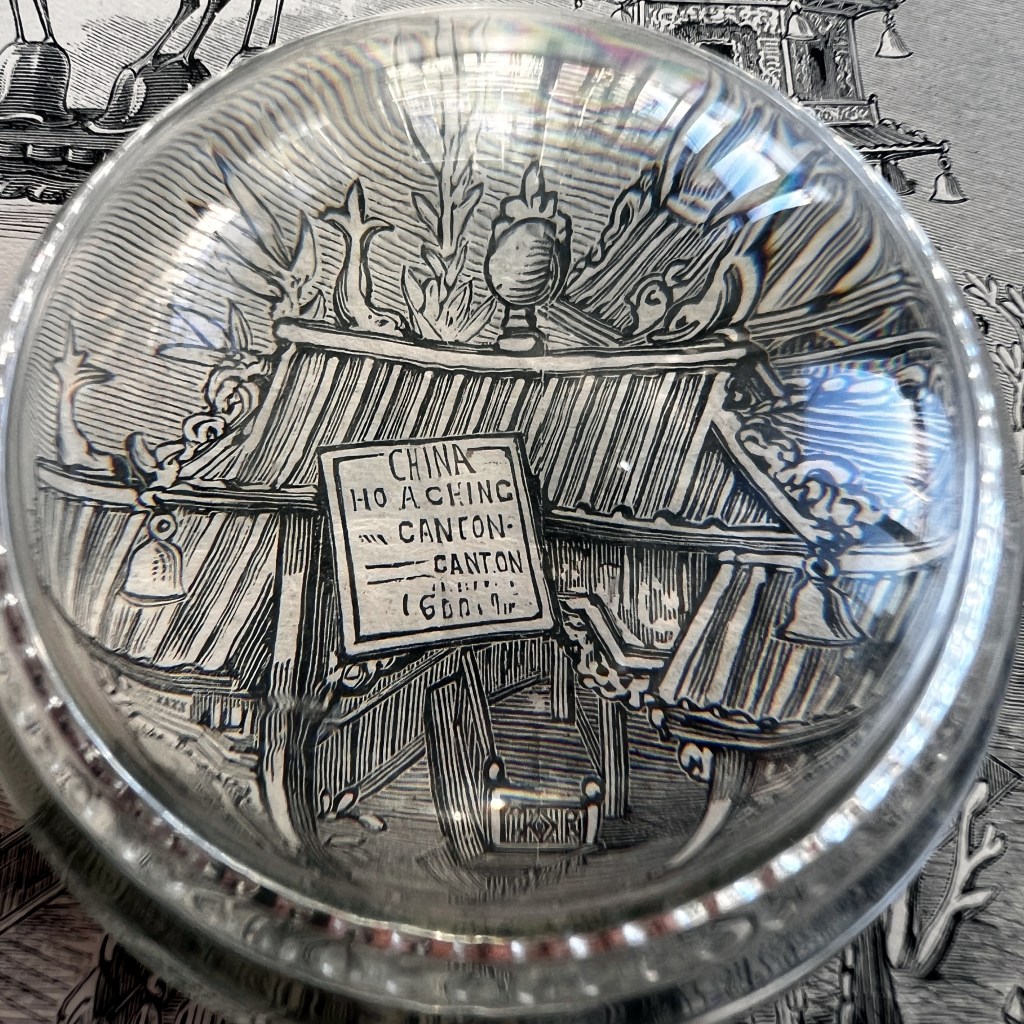
The carved ivory display merited some of the most attention, especially a fenced-in miniature pagoda surrounded by fruit trees and figurines. The artist here, working for the publisher Frank Leslie, notes the name of the Canton manufacturer, Ho A Ching.

We are told the pagoda was priced at $600. Many items were acquired by the Philadelphia Museum of Art, but I have not been able to confirm if its currently in the collection. A photo of the original pagoda can be seen here: https://tinyurl.com/mtkv2wzk.


The Buddhas in the West Material Archive is a digital scholarship project that catalogues artifacts depicting Buddhist material culture for Western audiences. It’s comprised of prints, photos, and an assortment of ephemera and other objects. For a brief introduction to this archive, visit the main Buddhas in the West project page.


For Related Buddhas in the West Posts Featuring the United States:


For the Most Recent Buddhas in the West Posts:


Auguste Wahlen’s “Bonzes chinois” Engraving

For all the new Buddhas in the West posts
follow us on Bluesky & Instagram


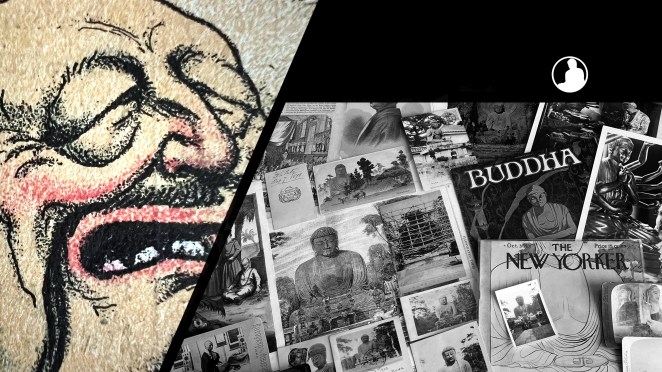
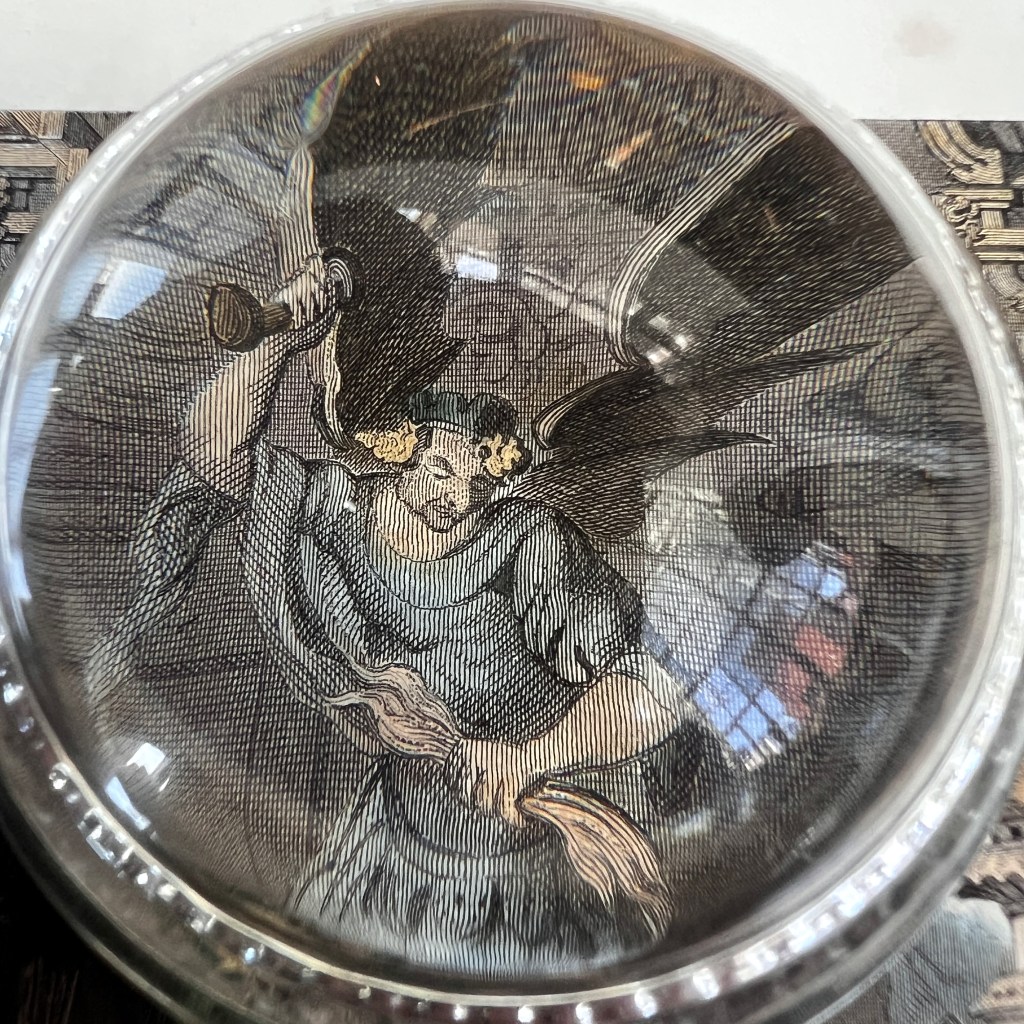
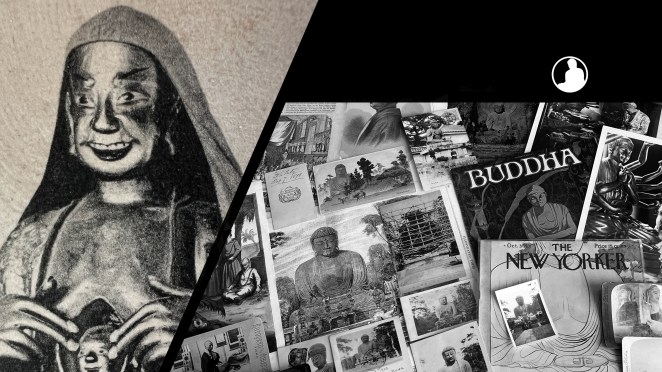
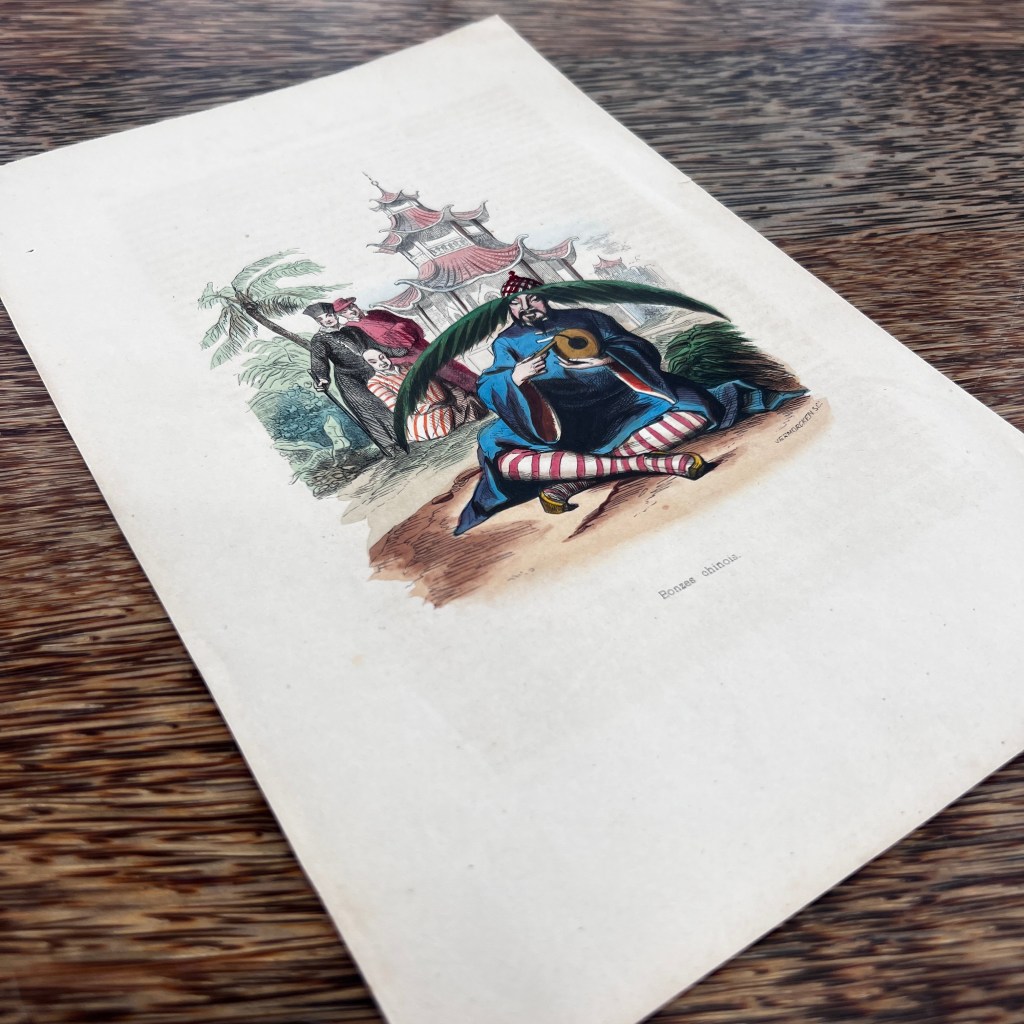
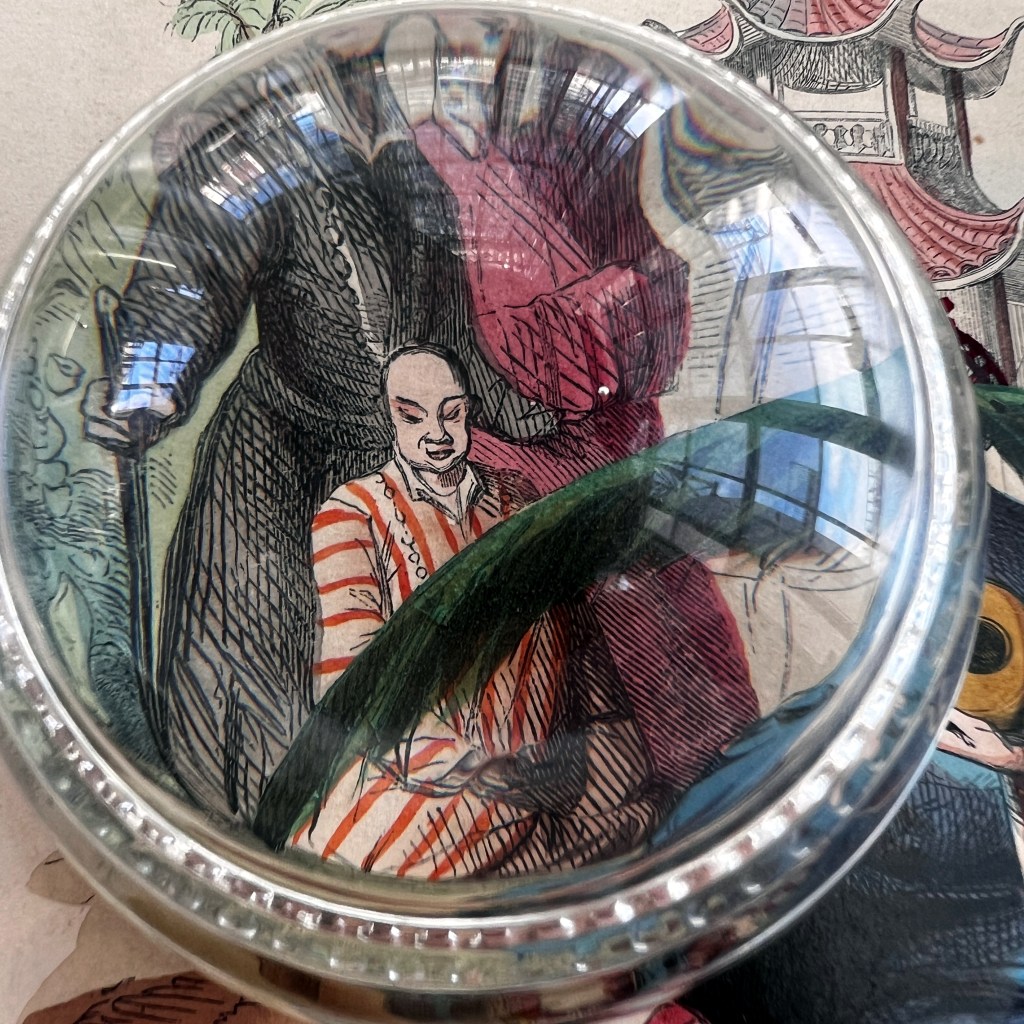
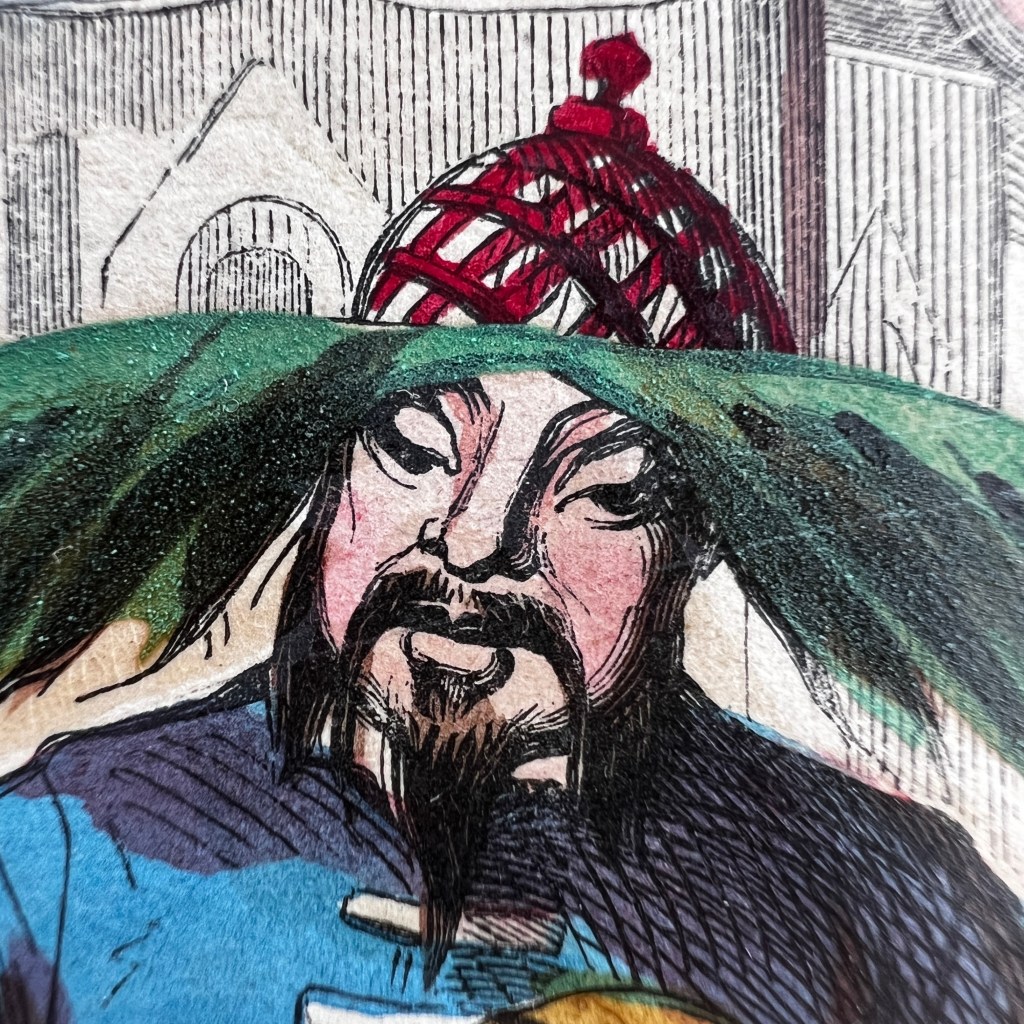
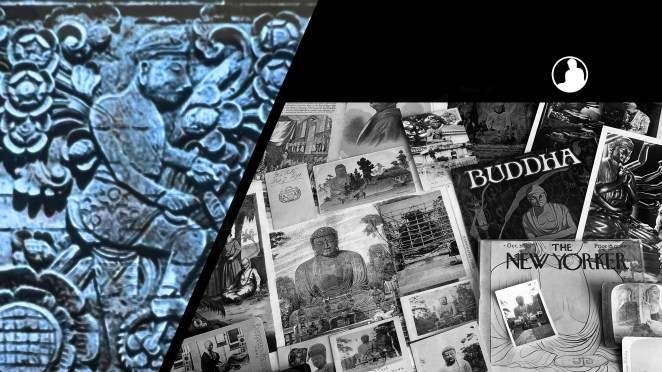
What did Buddhist Monks look like to Europeans? At least one visual tradition going back to the late 17th century depicts Buddhist monks in comedic caricature, possibly wearing attire similar to court minstrels. The figures here are identified as “bonzes chinois” (Chinese clerics).

There’s plenty of research yet to be done in this arena. This image appeared in Auguste Wahlen’s Mœurs, usages et costumes de tous les peuples du monde in 1843, showing the durability of this trope. The illustration was executed by Edouard Vermorcken.

Wahlen tells us Europeans generically call Buddhist monks “bonzes” – which is a corruption of the Japanese bonsō 凡僧, “cleric.” He also acknowledges Chinese monks are called “heshang” 和尚 and Tibetan monks “lamas.”

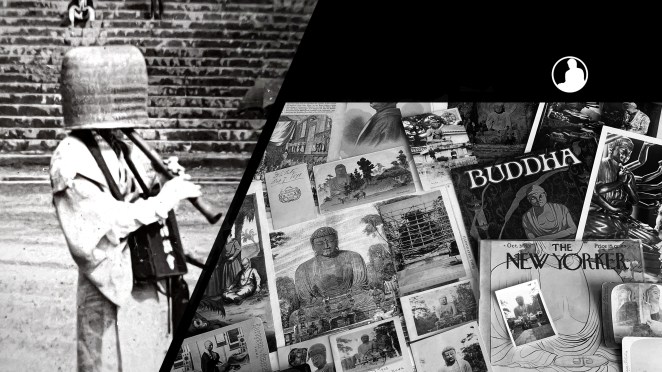
While Wahlen does not address the monk’s clothing, he does note their use of musical instruments ritual practice. Identified in the text as a “machine de bois, creuse et de forme ovale” (wooden, hollow, oval-shaped instrument), this instrument is now commonly called a “wooden fish.”

Wahlen’s book and accompanying illustrations have been scanned by the Getty Research Institute, available here: https://tinyurl.com/5n6pyedy #BuddhasInTheWest


The Buddhas in the West Material Archive is a digital scholarship project that catalogues artifacts depicting Buddhist material culture for Western audiences. It’s comprised of prints, photos, and an assortment of ephemera and other objects. For a brief introduction to this archive, visit the main Buddhas in the West project page.


For Related Buddhas in the West Posts Featuring Historical Engravings:

For the Most Recent Buddhas in the West Posts:


Olfert Dapper’s Formosan Buddha Engraving

For all the new Buddhas in the West posts
follow us on Bluesky & Instagram


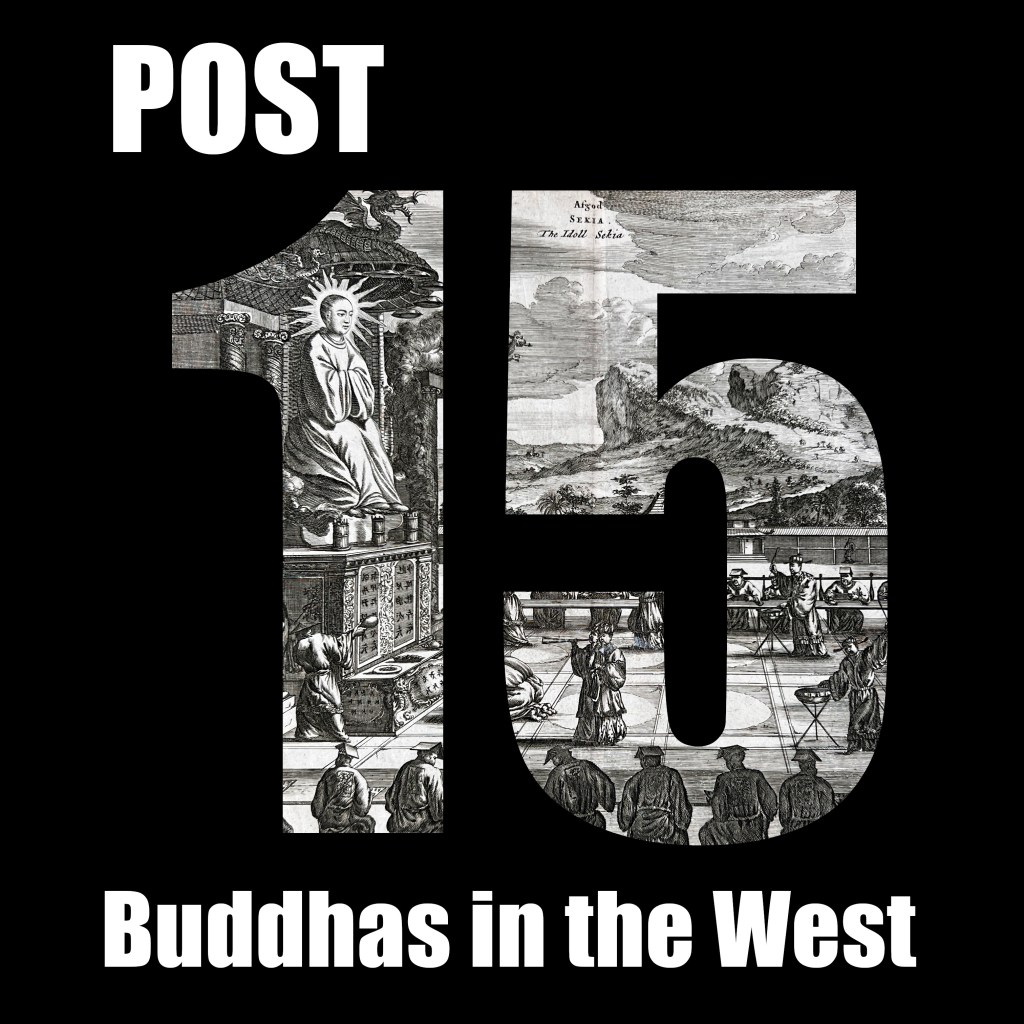
European book engravers often fabricated details to flesh out illustrations where textual accounts were silent. Such is the case here for “The Idoll Sekia” (Śākyamuni) showing a Buddhist temple in late 17th century Formosa, present-day Taiwan.


This illustration is from the 1674 German edition of Atlas Chinensis by Olfert Dapper (1636–1689). Dapper never visited Asia, but edited the travelogues of the second and third Dutch embassies to China and consulted Jesuit accounts.


The copperplate engraving were most likely prepared in the workshop of the publisher Jacob van Meurs. The image was based on Dapper’s retelling of the accounts of a Scotchman named David Wright who lived on Formosa in the 1650s.


Wright describes the use of music during worship and the prostrations of two priests day and night at the altar.


The main icon – never identified as the Buddha in the text – is described as depicting a religious man, now deified, who shaved his head and never ate animal flesh.


An English edition of Dapper’s work, published by John Ogilby in 1671, can be viewed through Stanford University here: https://tinyurl.com/ycyw93eb


The Buddhas in the West Material Archive is a digital scholarship project that catalogues artifacts depicting Buddhist material culture for Western audiences. It’s comprised of prints, photos, and an assortment of ephemera and other objects. For a brief introduction to this archive, visit the main Buddhas in the West project page.


For Related Buddhas in the West Posts Featuring Historical Engravings:

For the Most Recent Buddhas in the West Posts:


Greta Garbo’s Guanyin in The Painted Veil (1934)

For all the new Buddhas in the West posts
follow us on Bluesky & Instagram


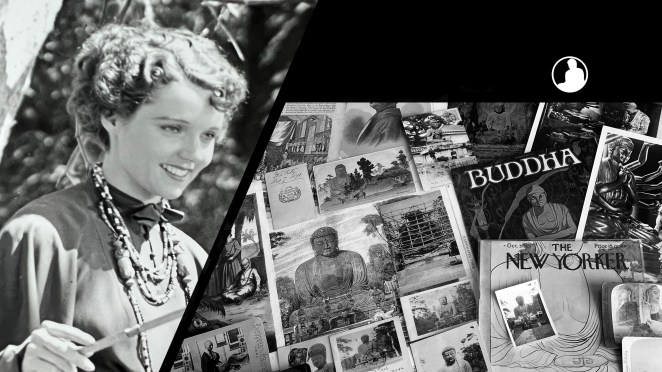
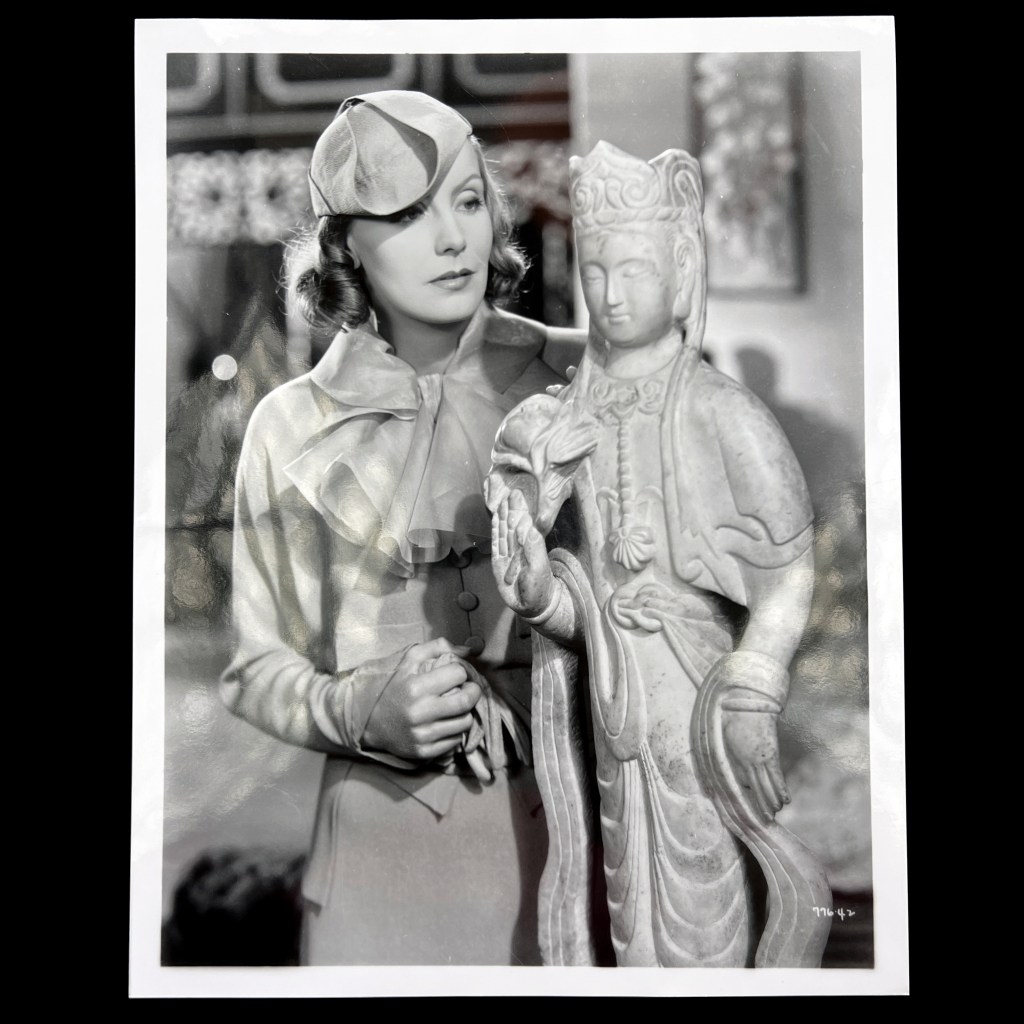
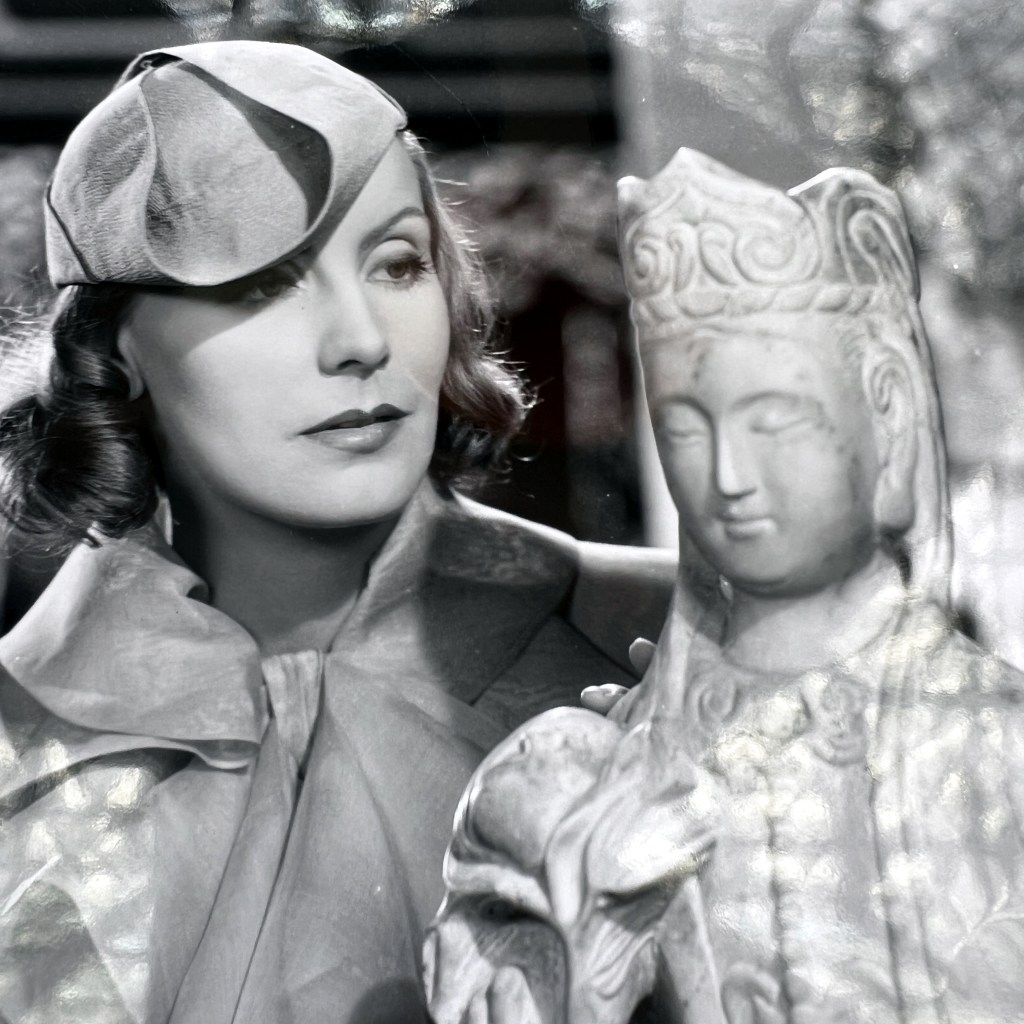
A theatrical still of Greta Garbo in the 1934 film The Painted Veil gazing upon a standing image of Guanyin. Looking closely, we see Garbo’s hand touching the shoulder of Guanyin, a moment of contact between the “icons.”

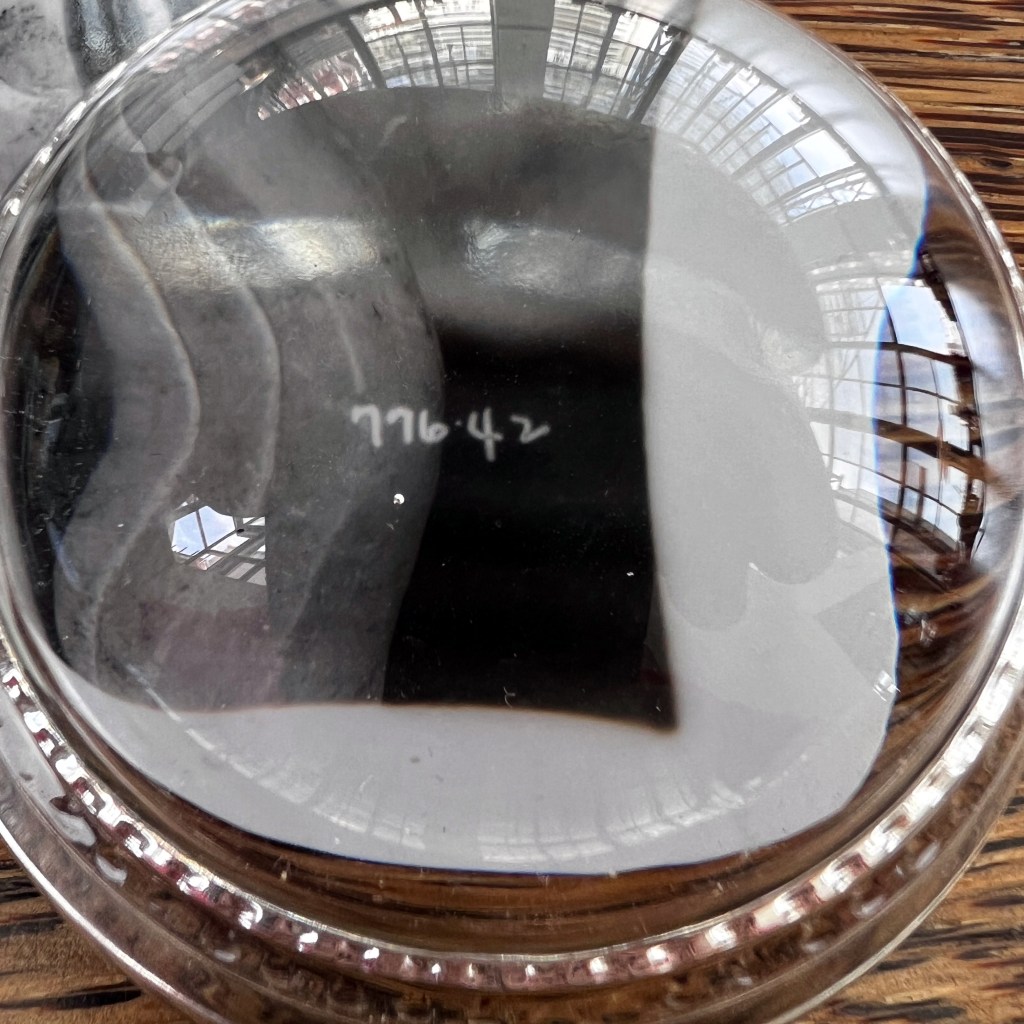
Theatrical stills – shot since the advent of feature films in the 1910s – are production photographs. Many were kept by the studio in albums called keybooks, while others were printed for promotional purposes, often marked with a code (here we see 776–42).

As advertising material, stills would often picture “tension, struggle, action,” but not reveal main elements of the plot, as noted by David Shields.

The scene here is not in the final edit of The Painted Veil, but would have occurred when Garbo’s character arrived in rural China during a cholera outbreak. The touch of the shoulder signaled an arrival into a far-away land, reflected in the materiality of the Buddhist icon.

For more on the history and interpretation of early film still photography, see David S. Shields’ Still: American Silent Motion Picture Photography (2013).


The Buddhas in the West Material Archive is a digital scholarship project that catalogues artifacts depicting Buddhist material culture for Western audiences. It’s comprised of prints, photos, and an assortment of ephemera and other objects. For a brief introduction to this archive, visit the main Buddhas in the West project page.


For Related Buddhas in the West Posts Featuring Historical Film Photography:


For the Most Recent Buddhas in the West Posts:


Johannes Nieuhof’s Temple Interior Engraving

For all the new Buddhas in the West posts
follow us on Bluesky & Instagram


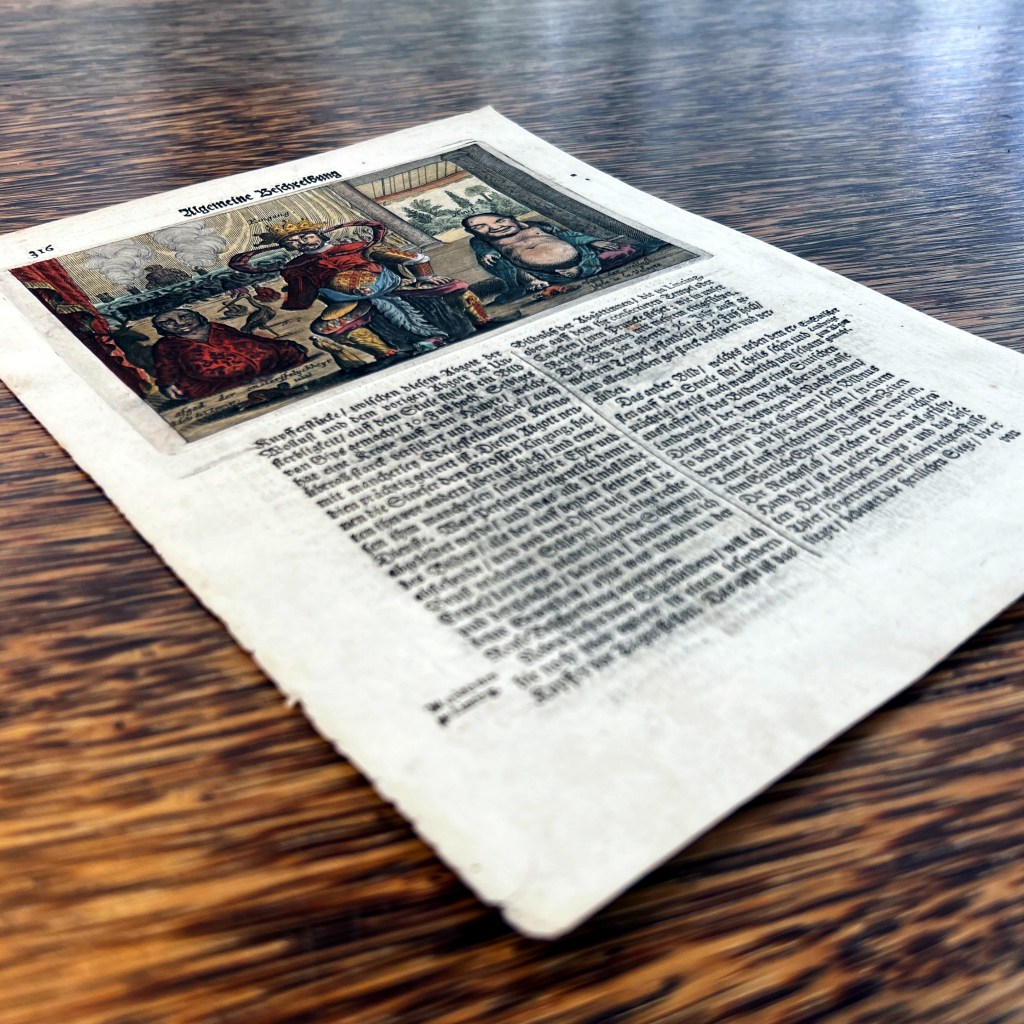
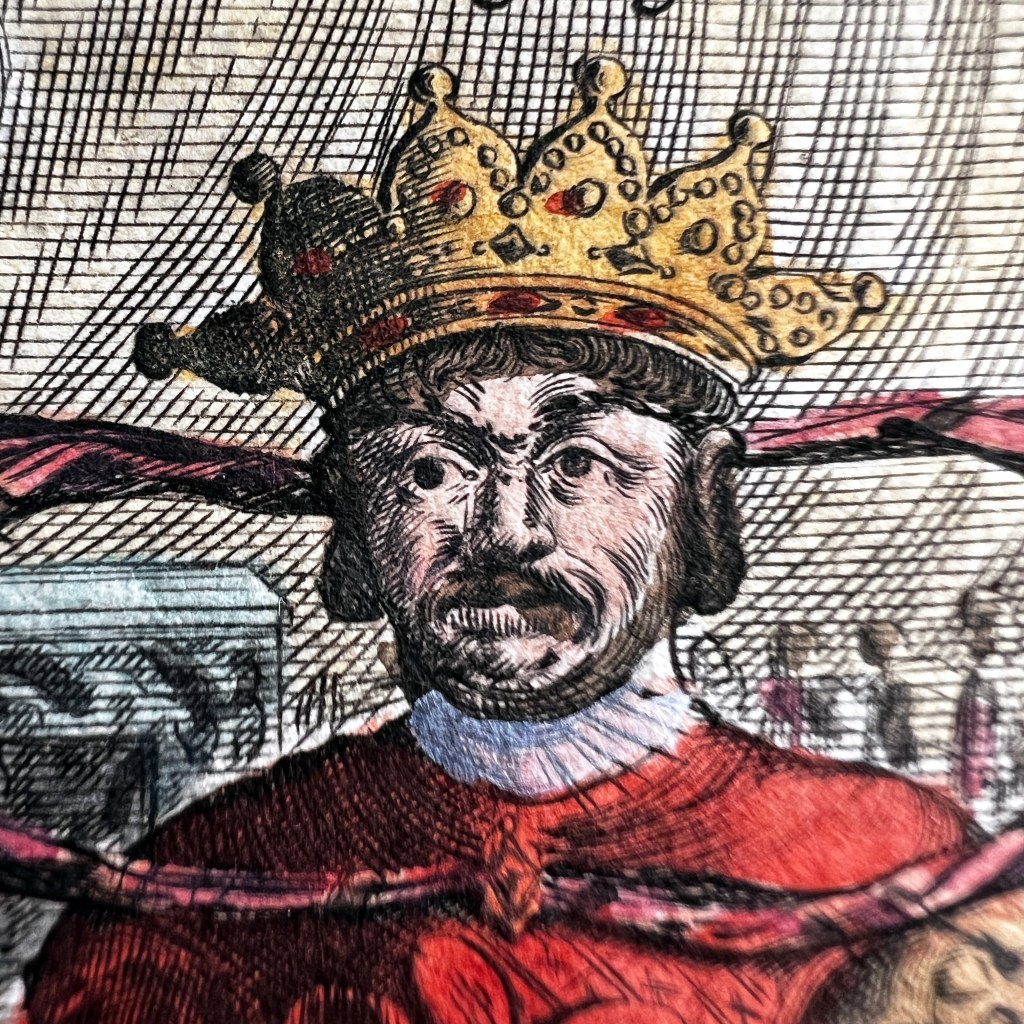
Some of the earliest Buddhist imagery in Europe appears as copperplate engravings in late 17th century books. Here’s a hand-colored page from the German edition of An Embassy of the Dutch East India Company by Johannes Nieuhof showing the imaginary interior of a Chinese temple.

Nieuhof’s work was the first illustrated European book on China. Moreover, after Nieuhof returned from the first Dutch envoy to China in 1657, his personal drawings formed the basis for many illustrations in this work.

The copper plates were most likely prepared in the workshop of the publisher Jacob van Meurs who printed the first Dutch edition in 1665; the German edition appeared in 1666. You can still see the impression of the plate in the paper. The text was standard letterpress.

This page was extracted from a volume and is 27 cm x 20 cm (10 in x 8 in) in size.

A Buddhist statue is also seen on the back altar.

Prostrating Buddhist devotees enliven the scene.

The etching reveals meticulous line work. Amazingly, A manuscript copy of Nieuhof’s sketches was discovered in the 1970s and is held by the Bibliothèque Nationale de France, it can be viewed here: https://tinyurl.com/yb94urpj


The Buddhas in the West Material Archive is a digital scholarship project that catalogues artifacts depicting Buddhist material culture for Western audiences. It’s comprised of prints, photos, and an assortment of ephemera and other objects. For a brief introduction to this archive, visit the main Buddhas in the West project page.


For Related Buddhas in the West Posts Featuring Historical Engravings:


For the Most Recent Buddhas in the West Posts: