For all the new Buddhas in the West posts
follow us on Bluesky & Instagram
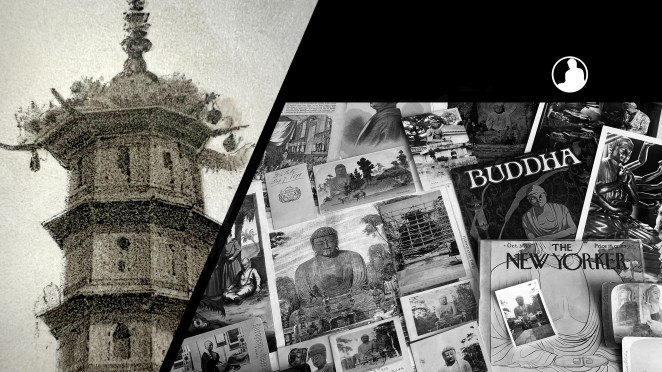
After Fuzhou opened to foreign trade in 1842, missionaries, merchants, and travelers began climbing the stone stairway to Gushan. The dramatic setting with temple roofs rising from forested slopes above the Min River plain made it irresistible to photographers and travel writers.
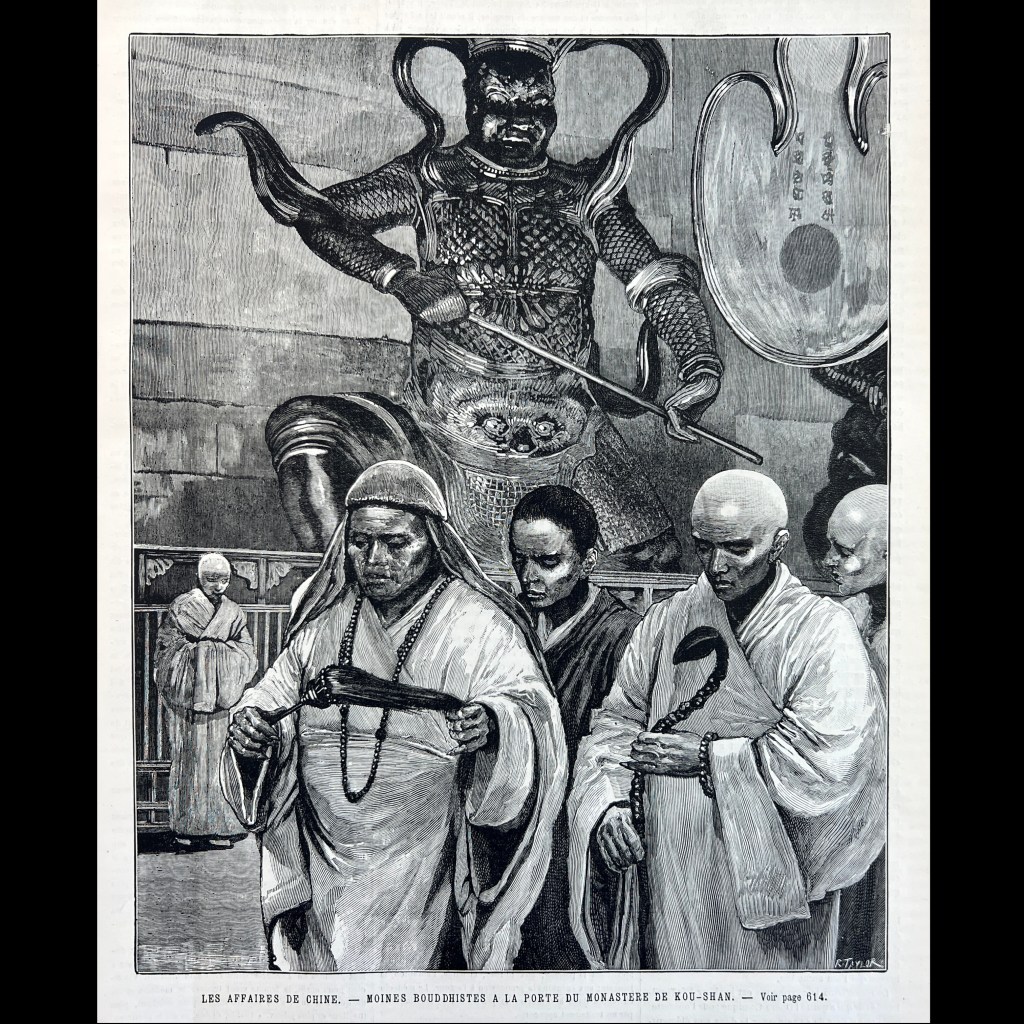
Set on the peaks of Gushan, Yongquan Monastery was a large complex with many monks and thus drew considerable attention from foreigners. The temple was relatively close to the city center of Fuzhou, making excursions into the mountains feasible for many.
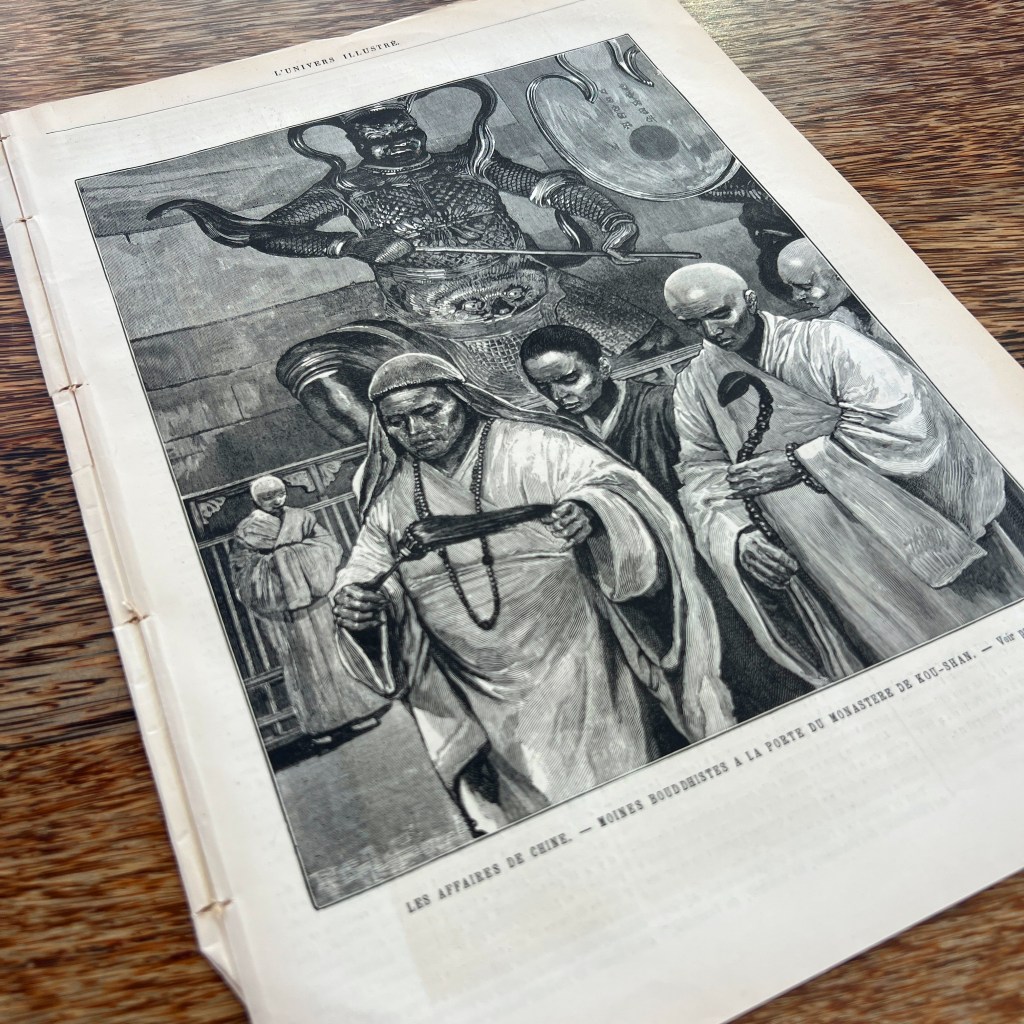
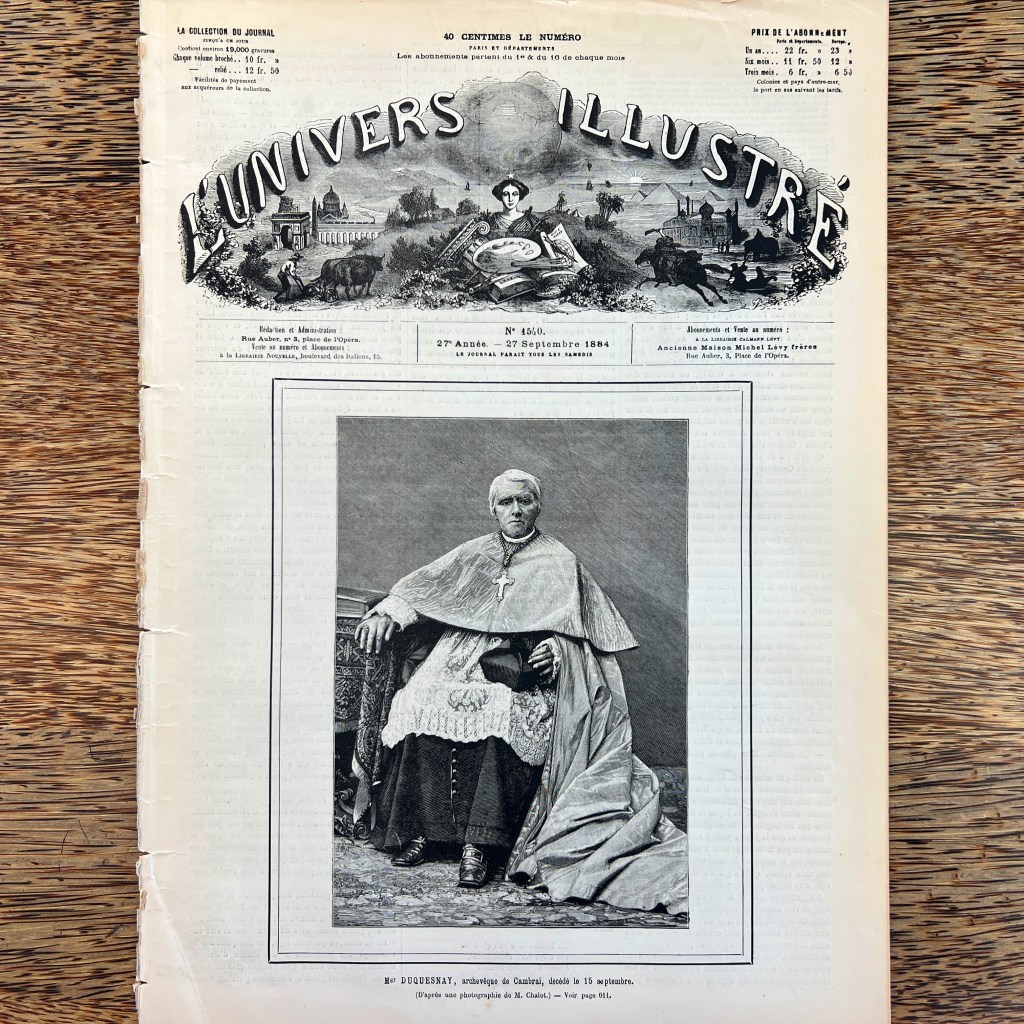
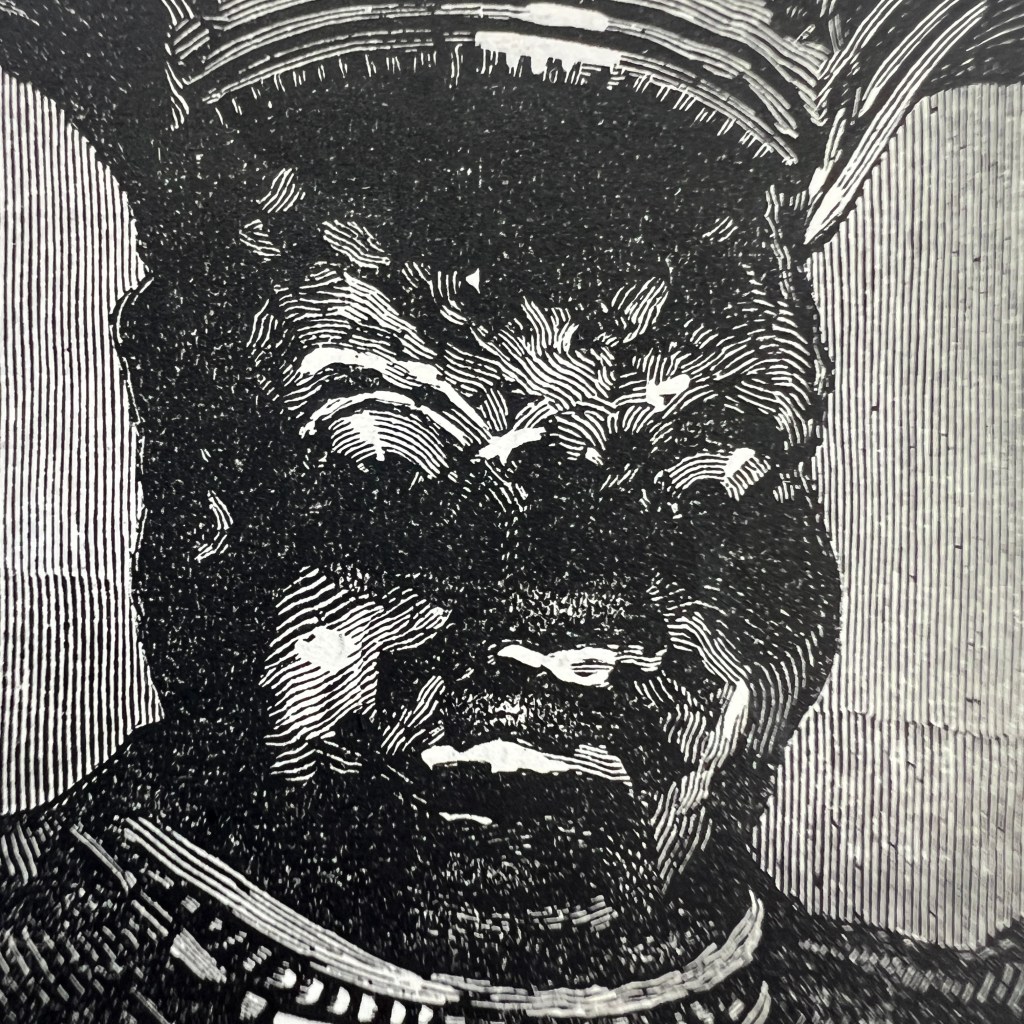
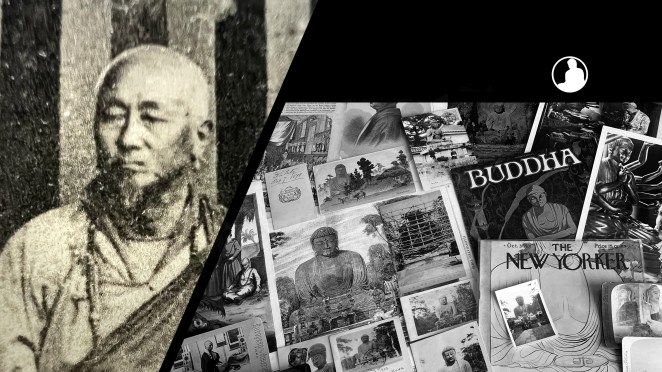
The woodcut engraving depicting the monks of Gushan appeared in an 1884 edition of L’Univers illustré, an illustrated weekly French newspaper. The accompanying short article notes the Buddhist monastery on Gushan “ranks among the most renowned” in Fuzhou.
Scottish photographer John Thomson took many photos of Fuzhou and the Min River in the 1870s, including the monks of Yongquan Monastery. This engraving clearly draws upon a photograph first published by Thomson in his Foochow and the River Min (1873).
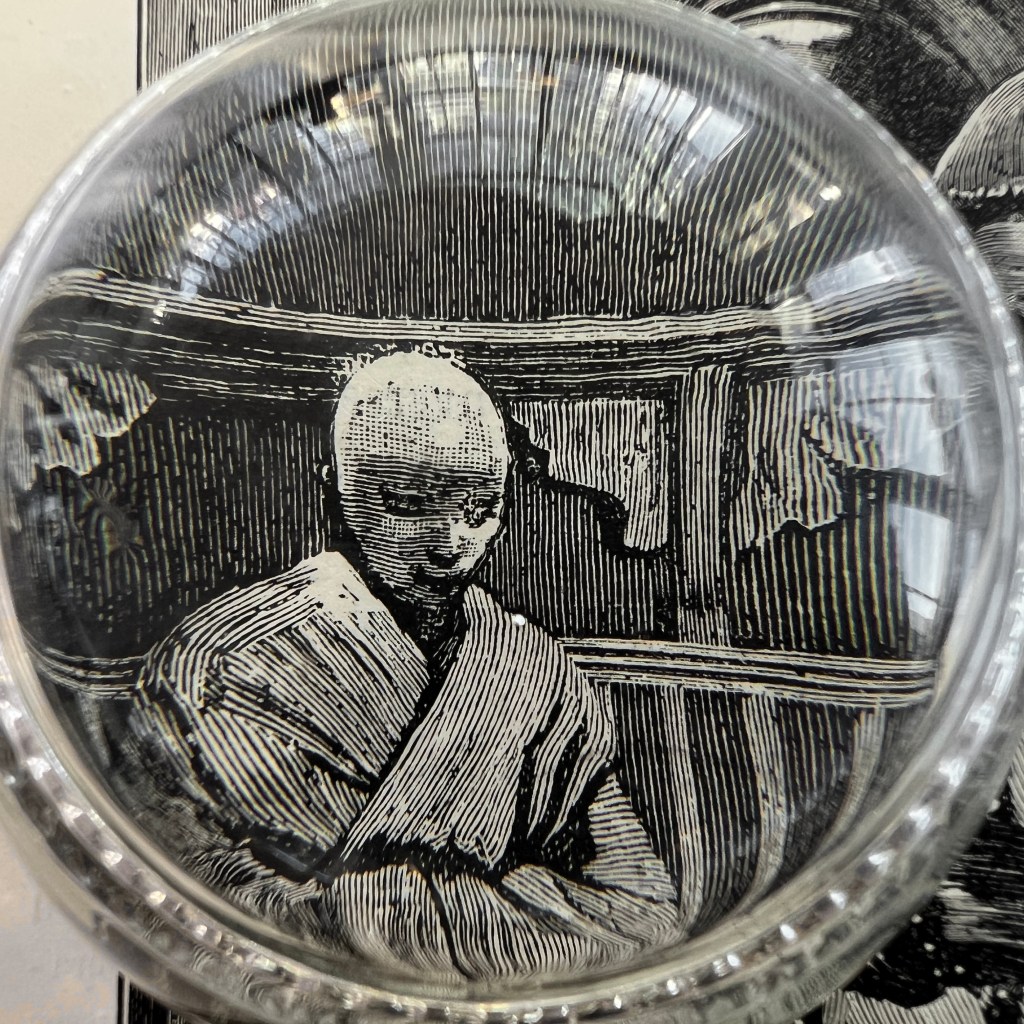
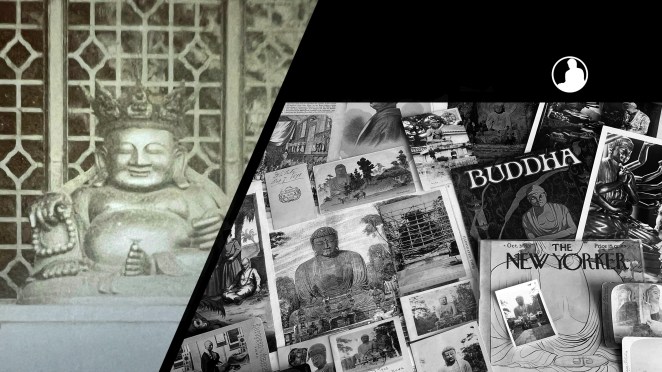
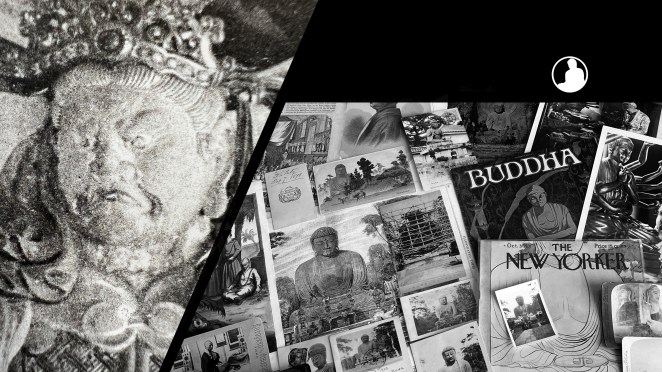
The artist R. Caton Woodville transformed Thomson’s formal sitting portrait into a more animated scene with monks walking by the temple gate; the Heavenly King statue was added for dramatic effect. To compare the engraving with Thomson’s photo, see here: https://tinyurl.com/yeuepkht.
The Buddhas in the West Material Archive is a digital scholarship project that catalogues artifacts depicting Buddhist material culture for Western audiences. It’s comprised of prints, photos, and an assortment of ephemera and other objects. For a brief introduction to this archive, visit the main Buddhas in the West project page.
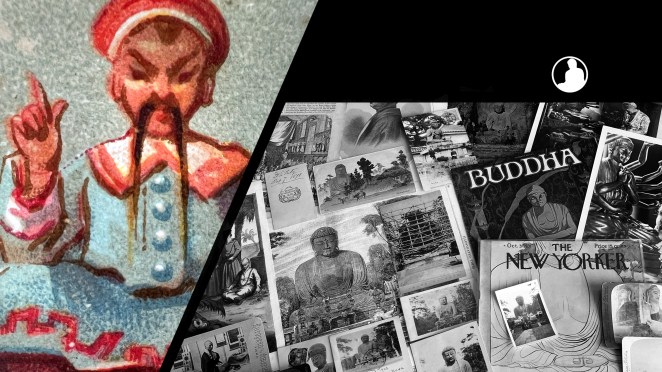
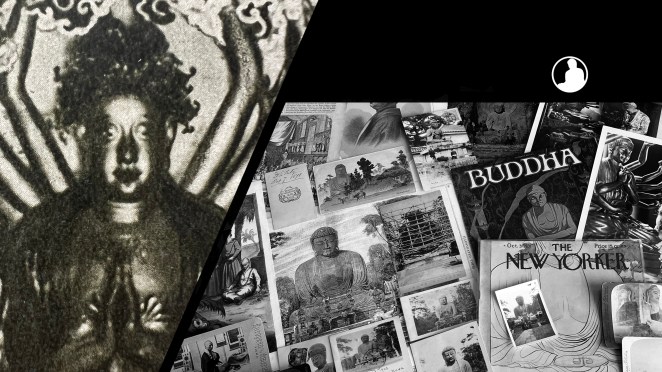
For Related Buddhas in the West Posts Featuring China:
For the Most Recent Buddhas in the West Posts:
 Personal Site of Peter Romaskiewicz