For all the new Buddhas in the West posts
follow us on Bluesky & Instagram
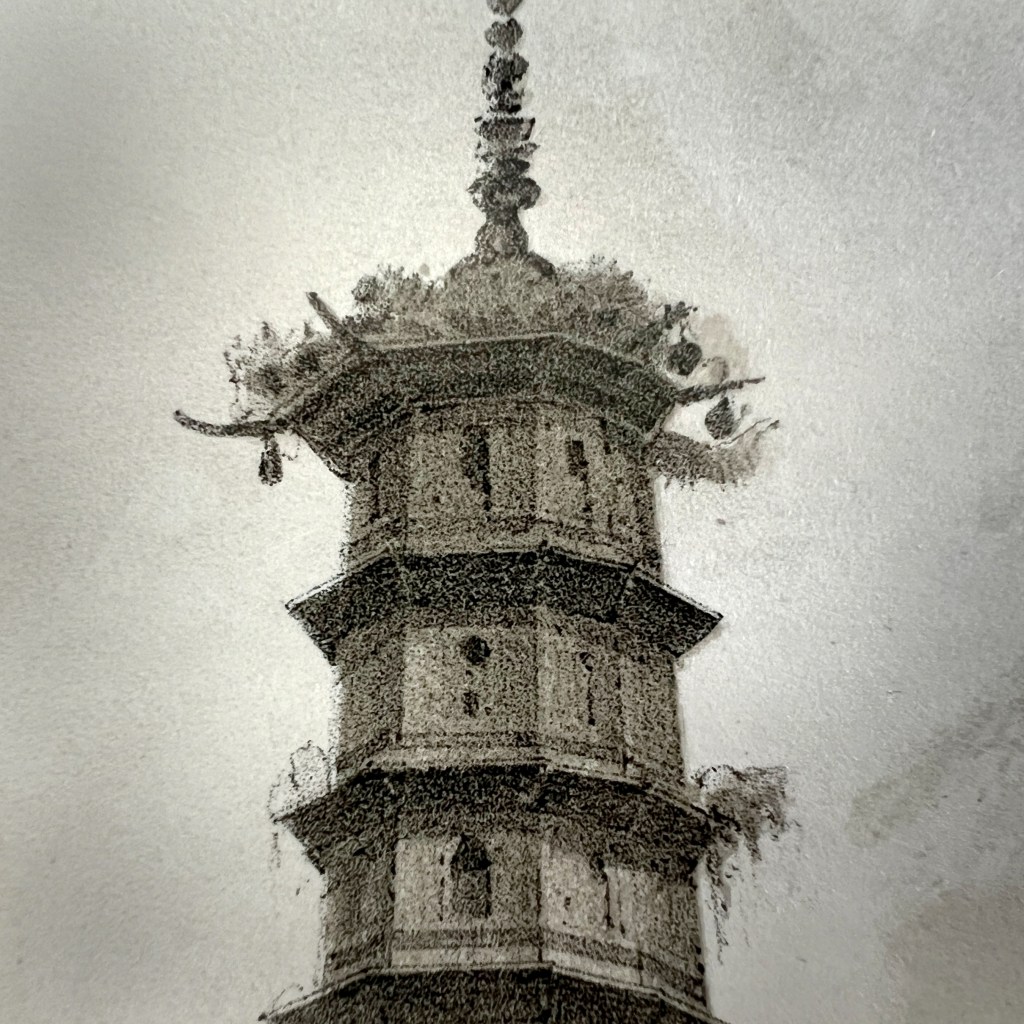
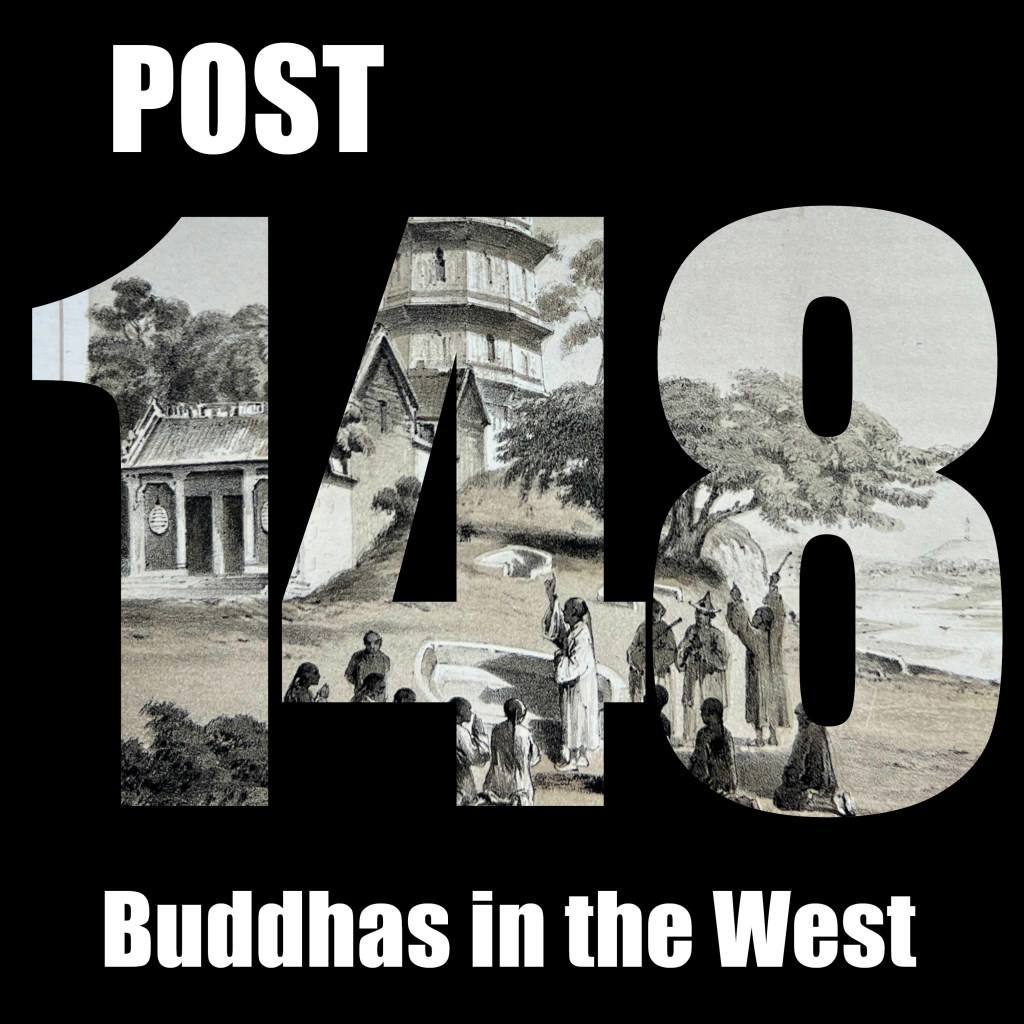
En route to Japan in 1853, the Perry Expedition stopped in Guangdong, the historic center of China’s foreign trade. Anchored in the Pearl River, expedition artist Wilhelm Heine sketched arguably one of the most famous pagodas in the world at the time: the Whampoa Pagoda.
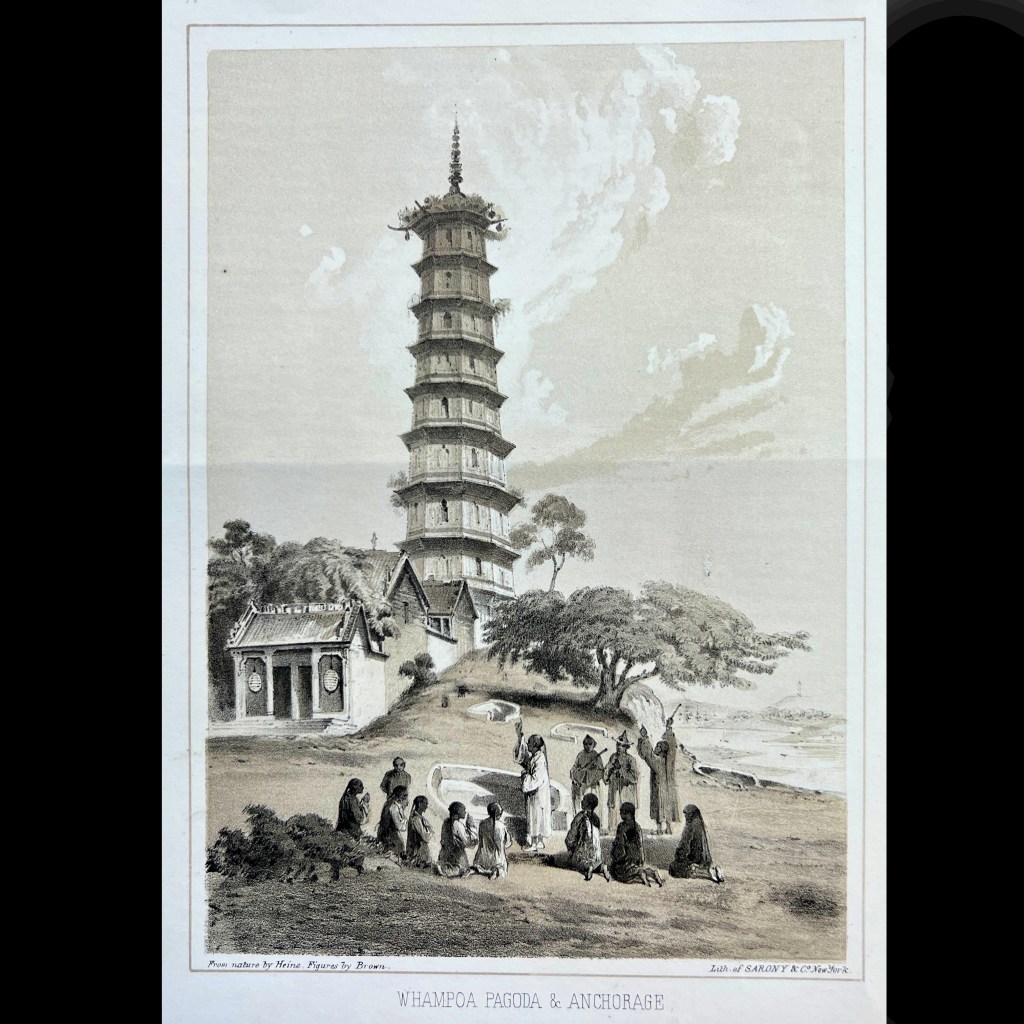
Matthew Perry noted the religious significance of the Pazhou Pagoda, as it was known in China, but also emphasized its value as a landmark, as ships “steer and anchor by its bearings.” Under the Canton System, foreign vessels often waited months at the Whampoa anchorage for Chinese cargo.
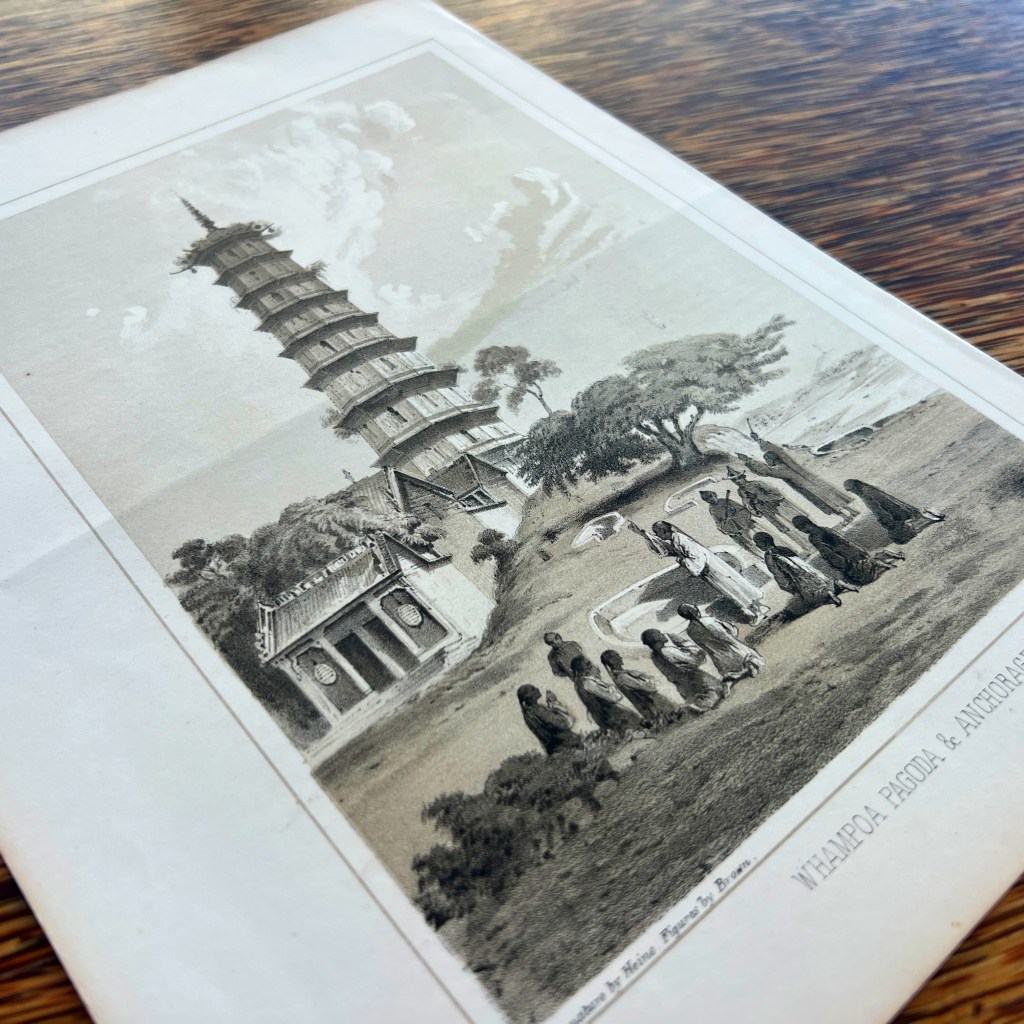
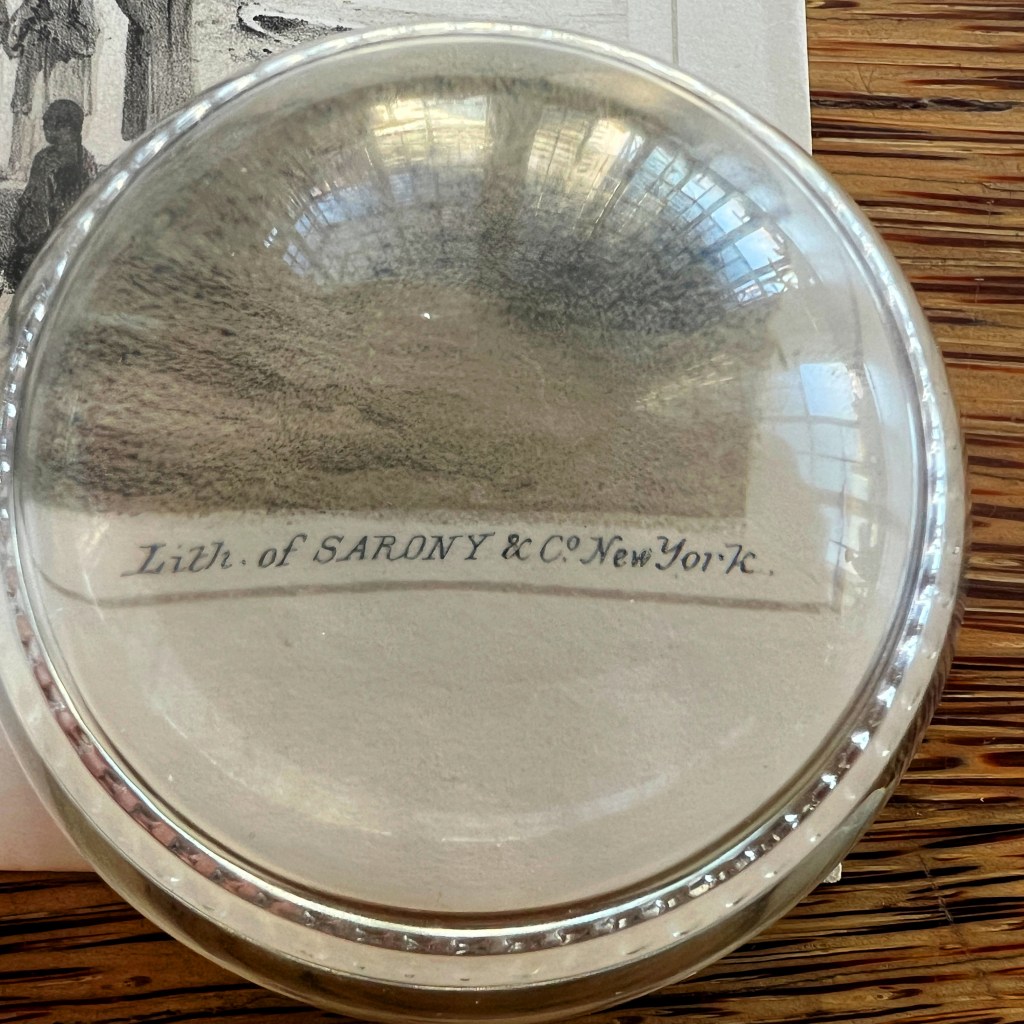
Heine’s paintings were later converted into sepia and hand-tinted stone lithographs to illustrate the official U.S. government report on the mission, Narrative of the Expedition of an American Squadron to the China Seas and Japan (1856).
Because foreign ships spent long periods at Whampoa, the nine-story pagoda became familiar to many merchants and sailors. It also emerged as a visual emblem of China, appearing in numerous paintings, news illustrations, and on decorative objects such as porcelain and hand fans.
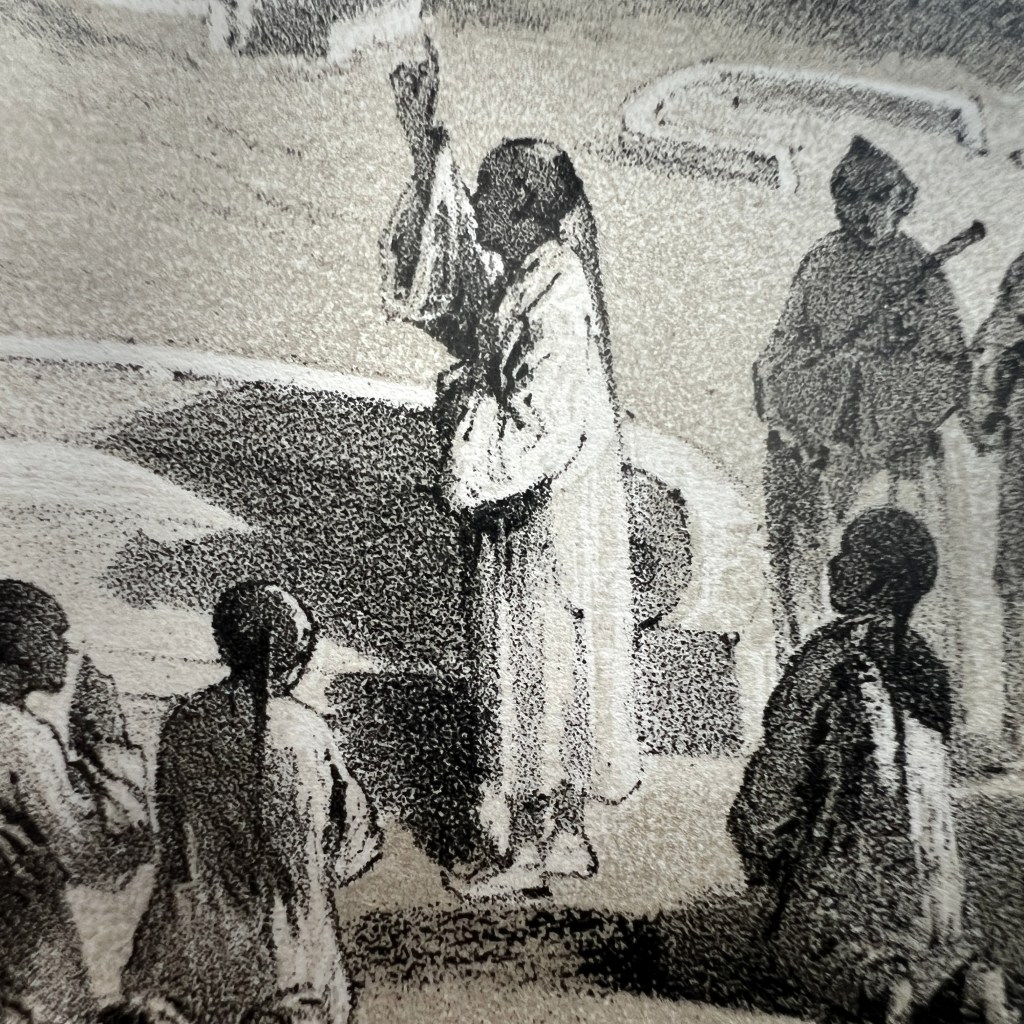
The octagonal brick pagoda, built in 1600 and rising more than 60 meters, was destroyed during the Cultural Revolution. For more on the visual importance of the Whampoa Pagoda, see Peter Perdue’s essay on the Canton System for MIT’s Visualizing Culture: tinyurl.com/46xrpkxf.
The Buddhas in the West Material Archive is a digital scholarship project that catalogues artifacts depicting Buddhist material culture for Western audiences. It’s comprised of prints, photos, and an assortment of ephemera and other objects. For a brief introduction to this archive, visit the main Buddhas in the West project page.
For Related Buddhas in the West Posts Featuring Pagodas:

For the Most Recent Buddhas in the West Posts:
 Personal Site of Peter Romaskiewicz