Olfert Dapper’s “The Idoll Sechia” Engraving

For all the new Buddhas in the West posts
follow us on Bluesky & Instagram


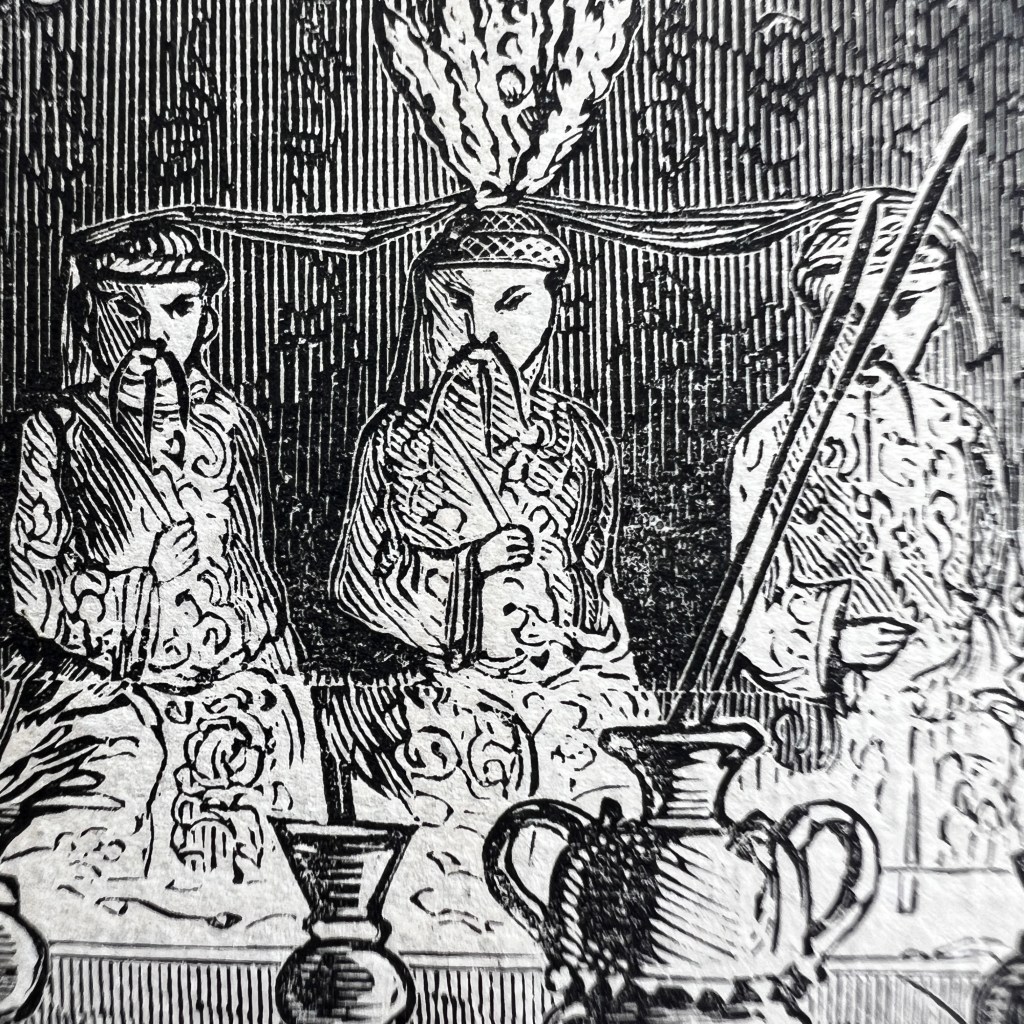
The Atlas Chinensis by Olfert Dapper (1636–1689) is among the most visually embellished European treatments of China from the late 17th century. Never traveling to Asia, Dapper used reports from the 2nd and 3rd Dutch embassies to China and consulted older Jesuit accounts.

The copperplate engravings were likely prepared in the workshop of publisher Jacob van Meurs who found reasonable success issuing illustrated books on Asia. The illustration here is from the 1674 German edition of Atlas Chinensis; it was originally published in Dutch in 1670.
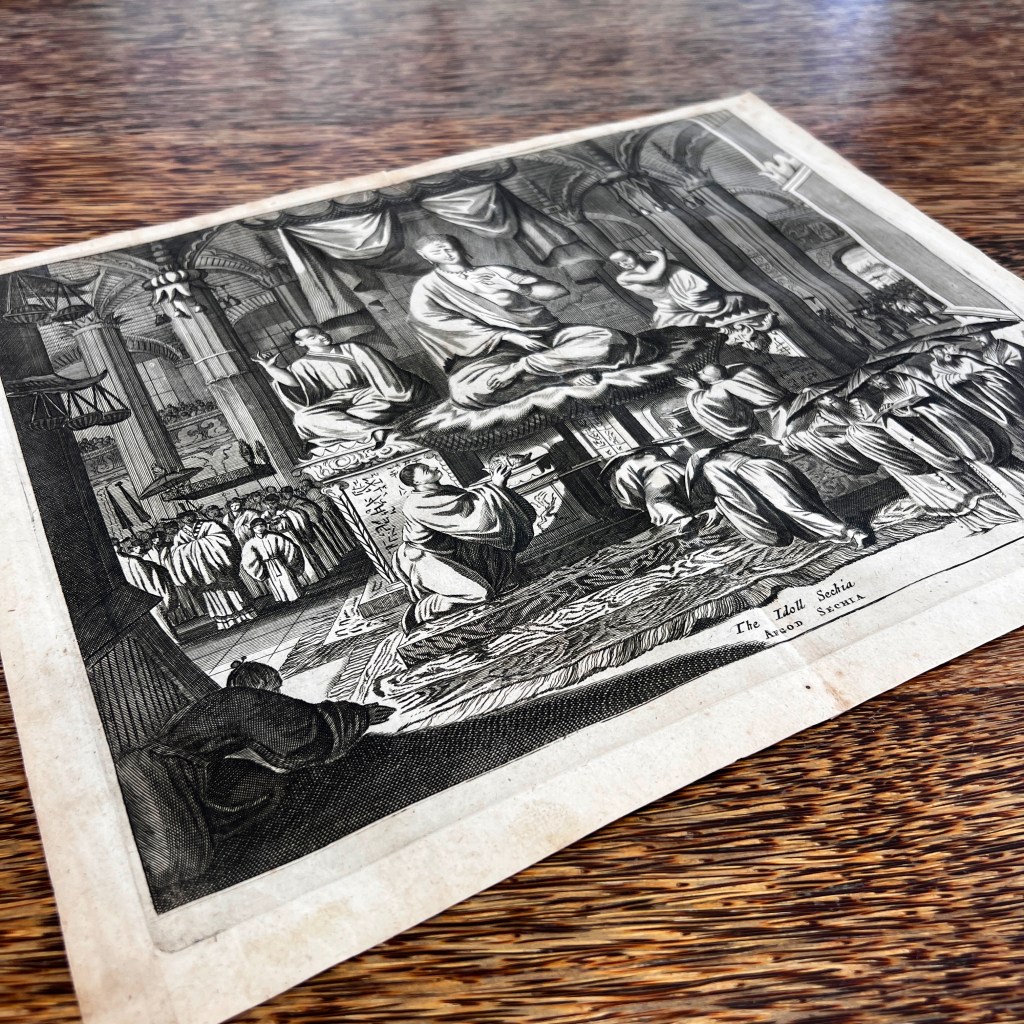
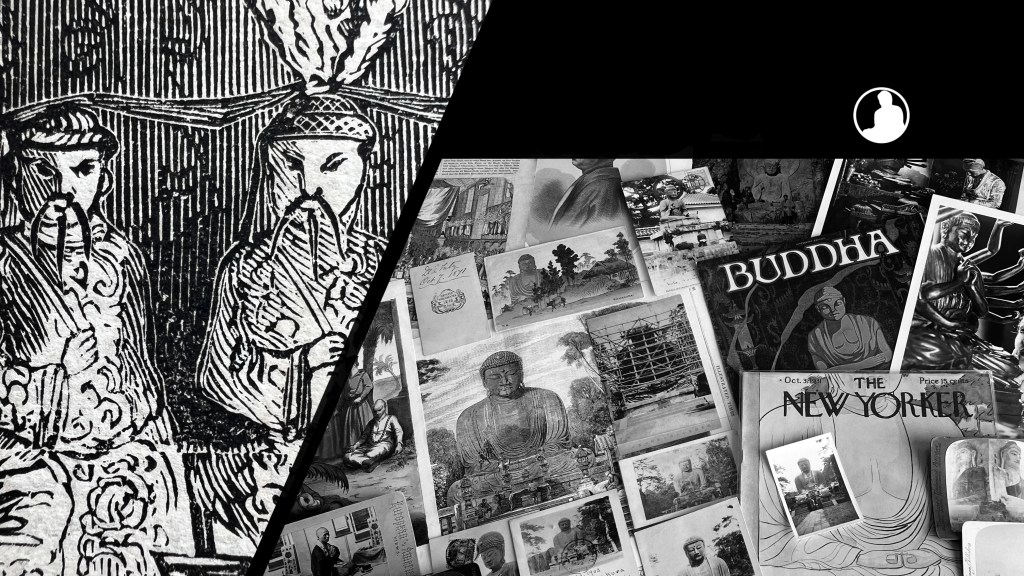
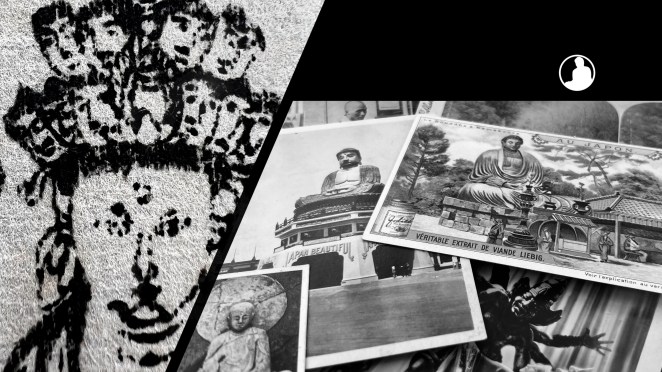
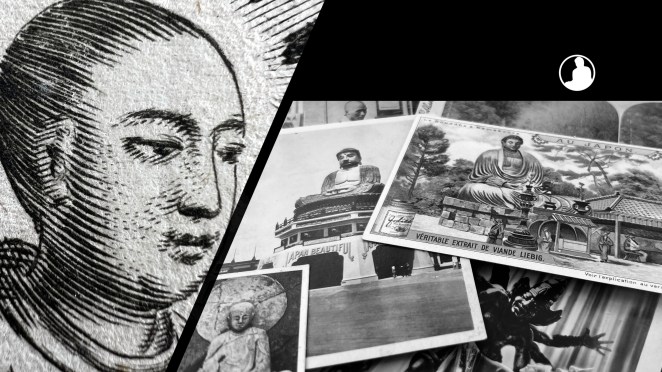
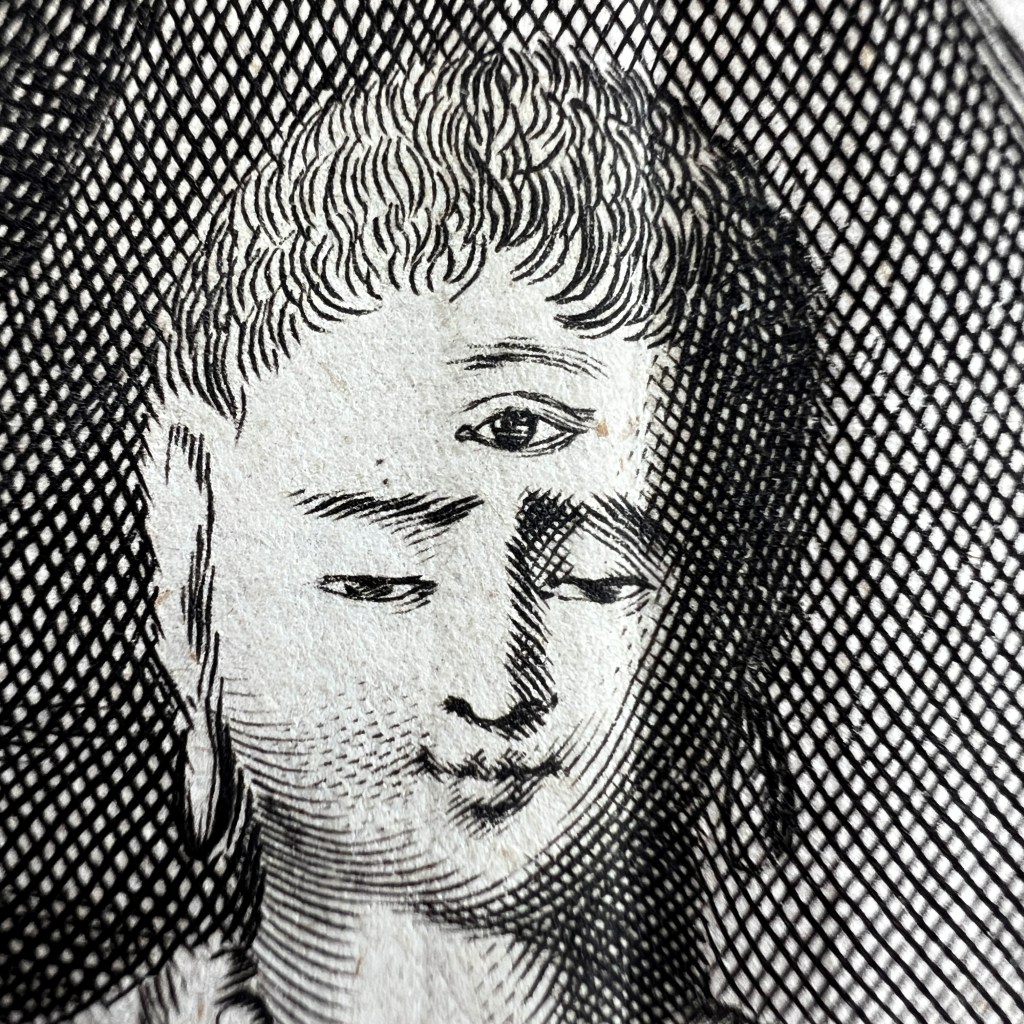
In a section describing Buddhism, Dapper notes that images of the “Idoll Sechia” (Śākyamuni) are found in temples, “in the shape of a fair Youth; with a third Eye in his forehead.” Engravers had great liberty to interpret and add further details.

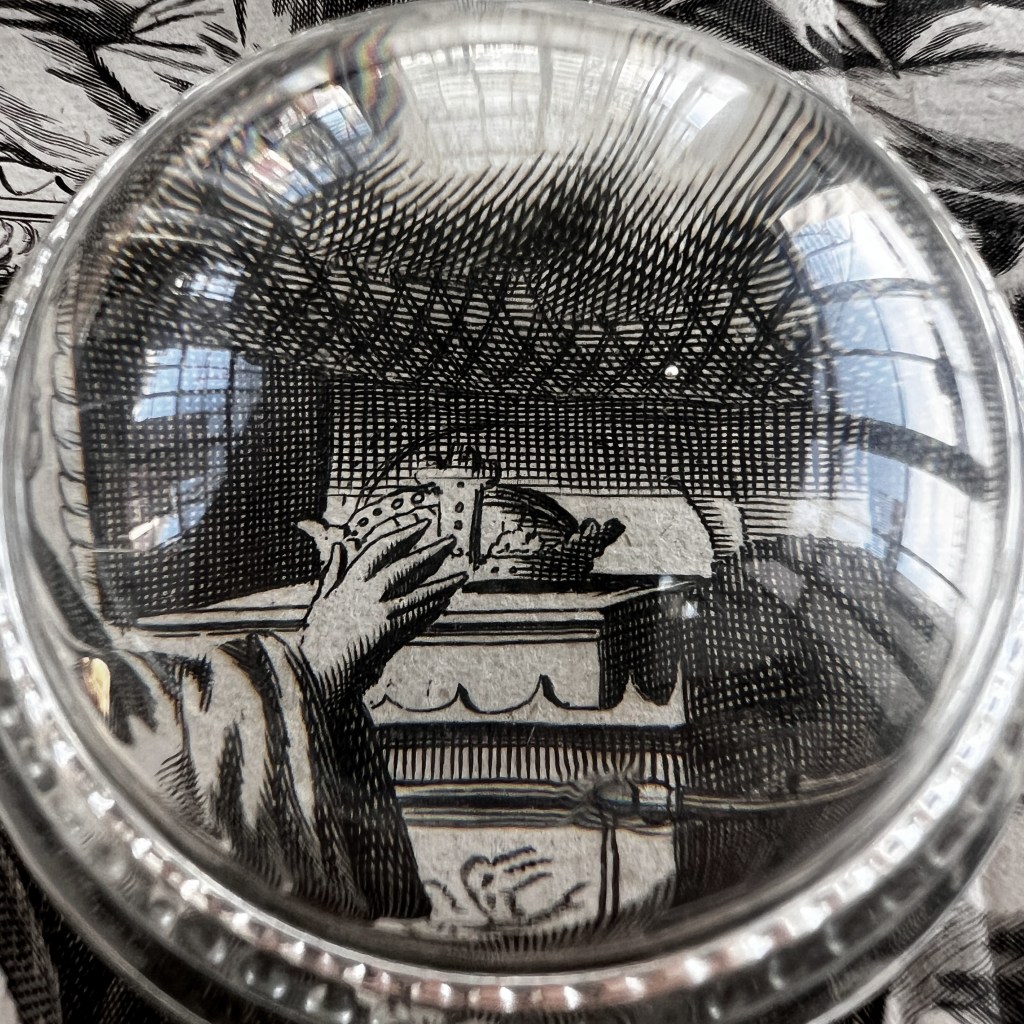
Some details, such as the European-style crown at the base of the altar, suggest fabricated visual embellishments intended to make the scene more familiar to European readers.
While other details that might appear odd, such as the flanking figures scratching their ears, are actually based on authentic Buddhist imagery of the arhats (C. luohan). Unpublished Jesuit sketches available to Dapper likely informed some of these details.

An English edition of Dapper’s work, published by John Ogilby in 1671 (and curiously misattributed to Arnoldus Montanus), can be viewed through Stanford University here: tinyurl.com/ycyw93eb.
The Buddhas in the West Material Archive is a digital scholarship project that catalogues artifacts depicting Buddhist material culture for Western audiences. It’s comprised of prints, photos, and an assortment of ephemera and other objects. For a brief introduction to this archive, visit the main Buddhas in the West project page.


For Related Buddhas in the West Posts Featuring Historical Engravings:


For the Most Recent Buddhas in the West Posts:


Harper’s 1871 “Joss House” Print

For all the new Buddhas in the West posts
follow us on Bluesky & Instagram


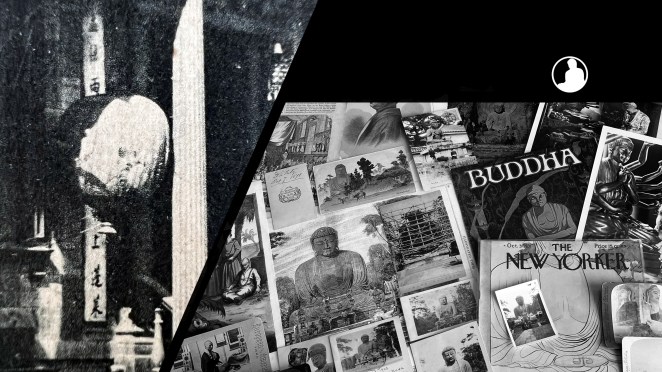
In 1871, Harper’s Weekly published a wood engraving depicting the interior of a San Francisco Chinese temple, a rare print subject before the 1906 earthquake. Clues suggest it shows the main hall of Eastern Glory Temple located off Jackson St. on St. Louis Alley.

Eastern Glory Temple was privately owned by physician Li Po Tai (1817–1893), an immigrant from Guangdong who opened a general store and apothecary across from Portsmouth Square. His temple was featured in California newspapers in February 1871, just before Harper’s illustration that March.

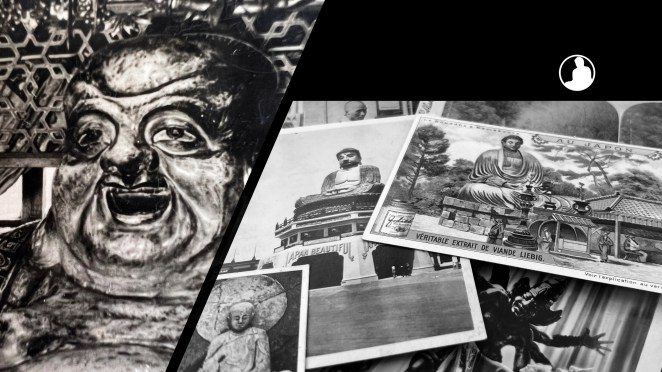
Despite being called a “Buddhist temple” in some popular accounts, there is no Buddhist icon displayed in the main shrine hall. The central icon is the Northern Emperor, a celestial deity popular among early Chinese immigrants from southern China.

Contemporary newspaper reports claim the icon to the far left was the “controller of fortunes” named “Choy Pah.”

The icon to the far right was a famous military general named “Tun Goa.” The next room over holds a shrine to Guanyin (not illustrated), the sole Buddhist figure, which newspapers describe as a “Cinderella” who is “treated cruelly by haughty women [and performs] act of charity.”

In addition to the Northern Emperor, the central altar displays the famous general Guandi and righteous official Hongsheng. To read more about Li Po Tai, see Tamara Venit Shelton’s Herbs and Roots: A History of Chinese Doctors in the American Medical Marketplace (2019).


The Buddhas in the West Material Archive is a digital scholarship project that catalogues artifacts depicting Buddhist material culture for Western audiences. It’s comprised of prints, photos, and an assortment of ephemera and other objects. For a brief introduction to this archive, visit the main Buddhas in the West project page.


For Related Buddhas in the West Posts Featuring Chinatown (US):


For the Most Recent Buddhas in the West Posts:
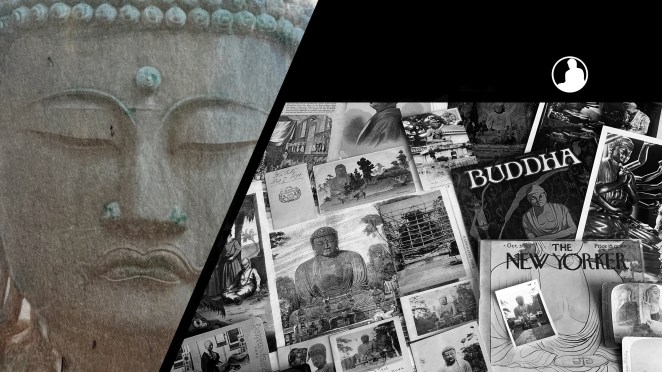


T. Enami’s Sanjūsangen-dō Lantern Slide

For all the new Buddhas in the West posts
follow us on Bluesky & Instagram


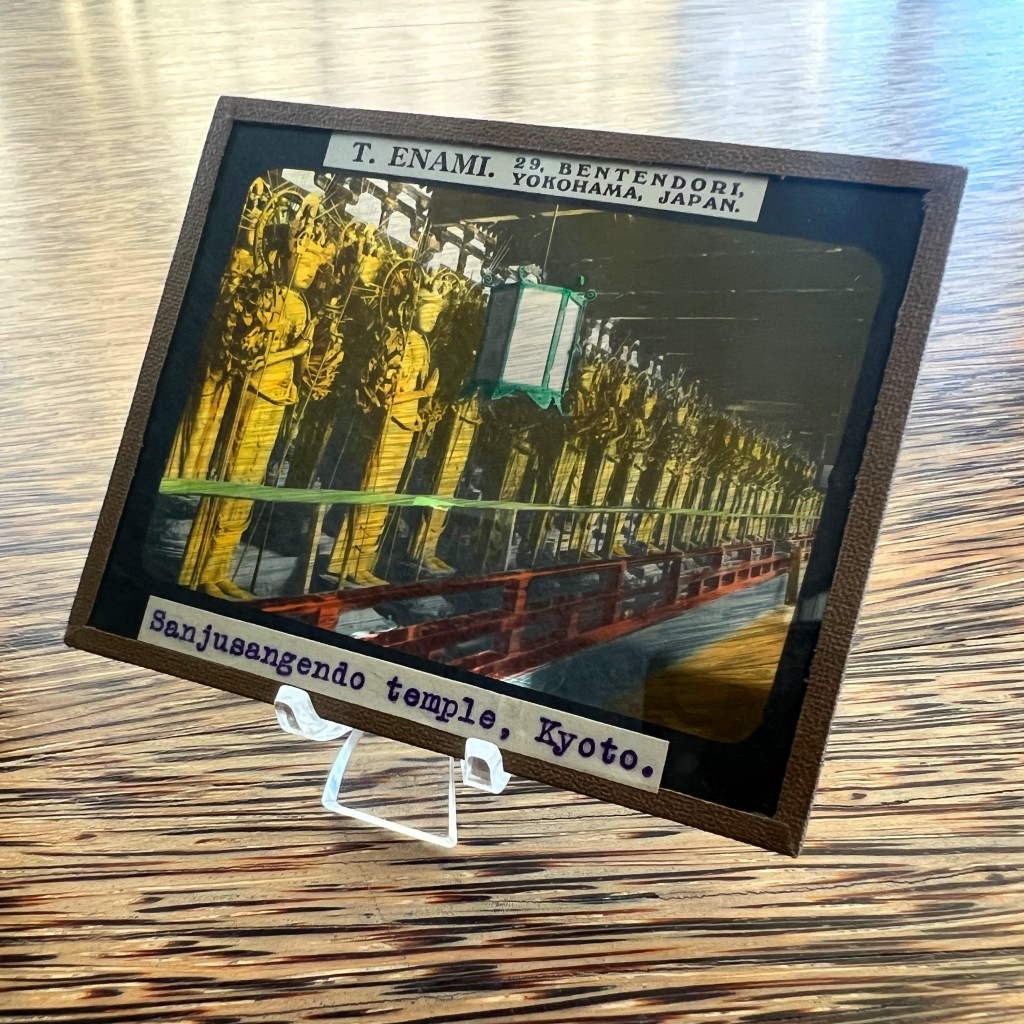
Before nickelodeons and cinema halls, “magic lantern” shows were an important part of popular American entertainment. Hand tinted glass slides were used by children’s story tellers, stage magicians, and traveling public lecturers in town and cities across the United States.

Enami Nobukuni, known professionally as T. Enami, opened his Yokohama photography studio in 1892 and by 1915 offered a very large glass slide portfolio. Objects such as this would have been sold as visual aids for public presentations or parlor room entertainment.

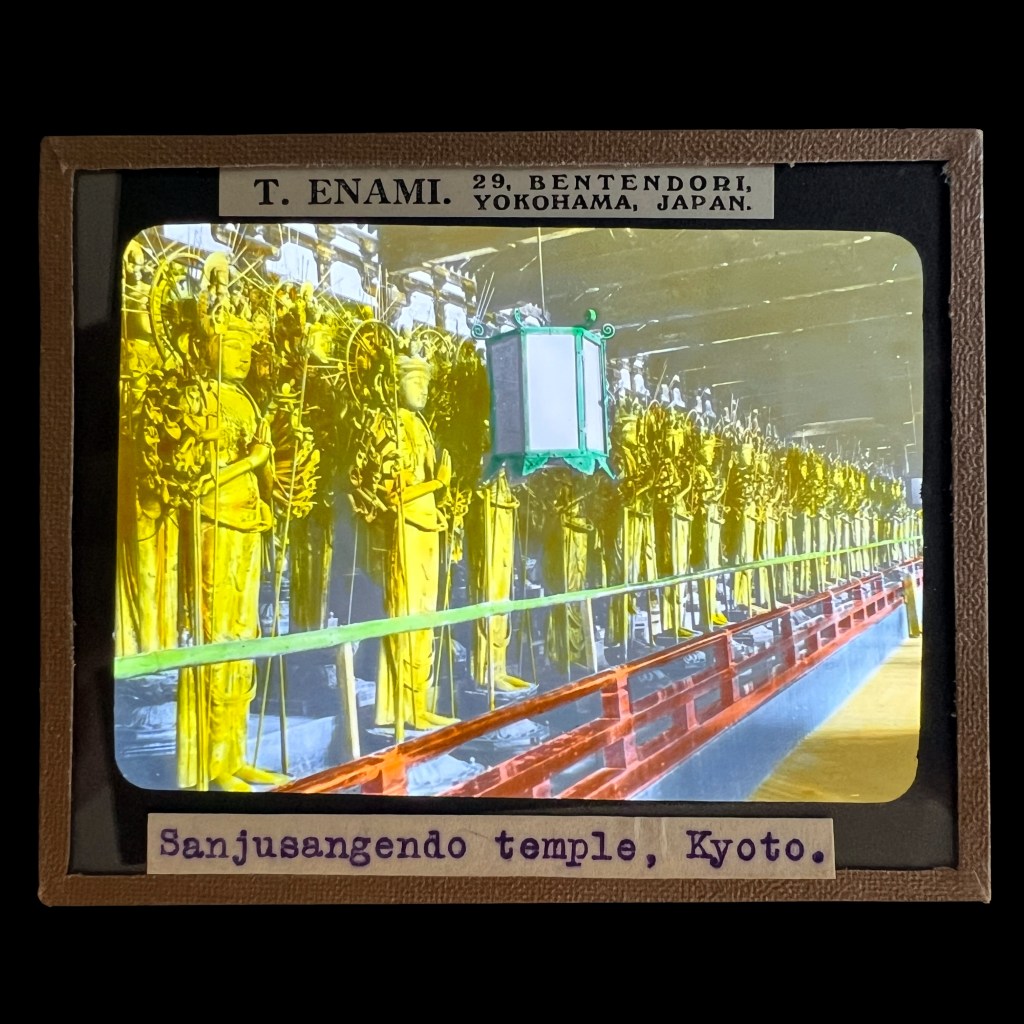
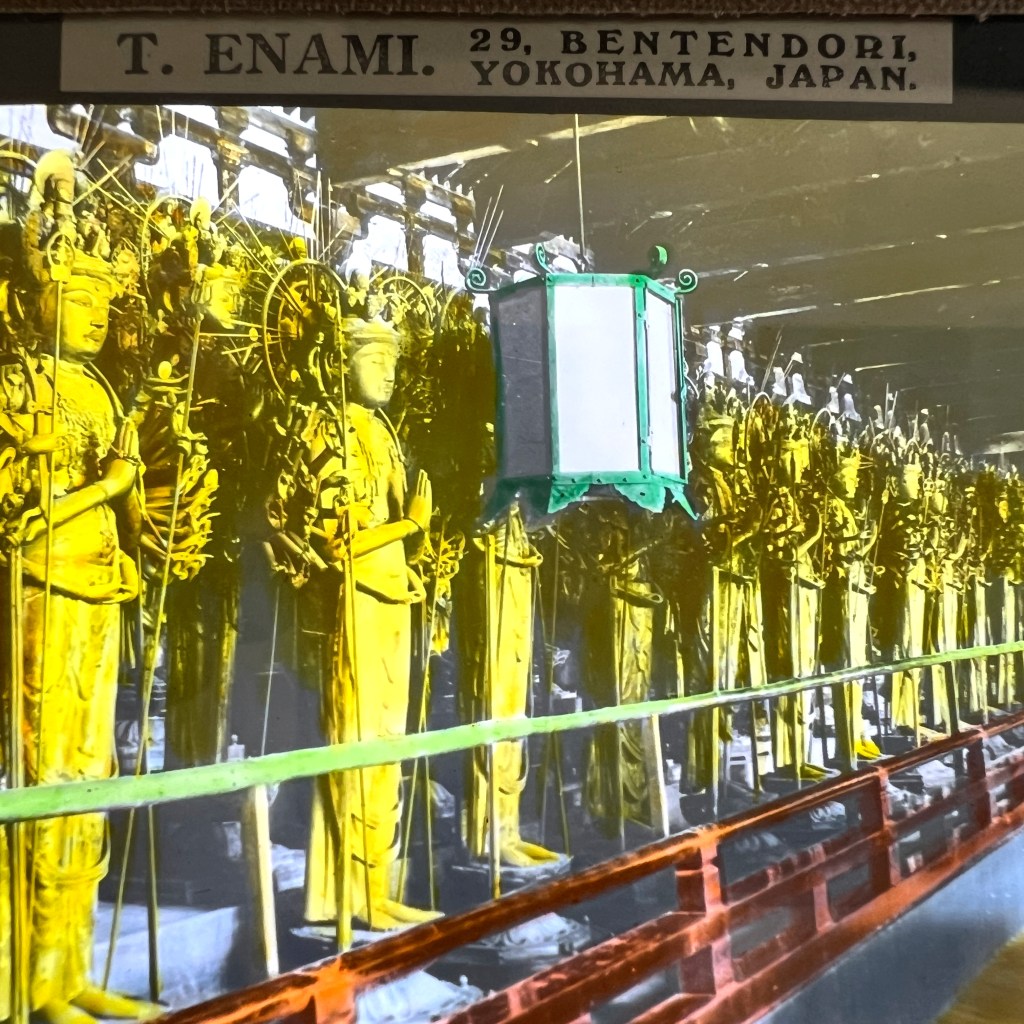
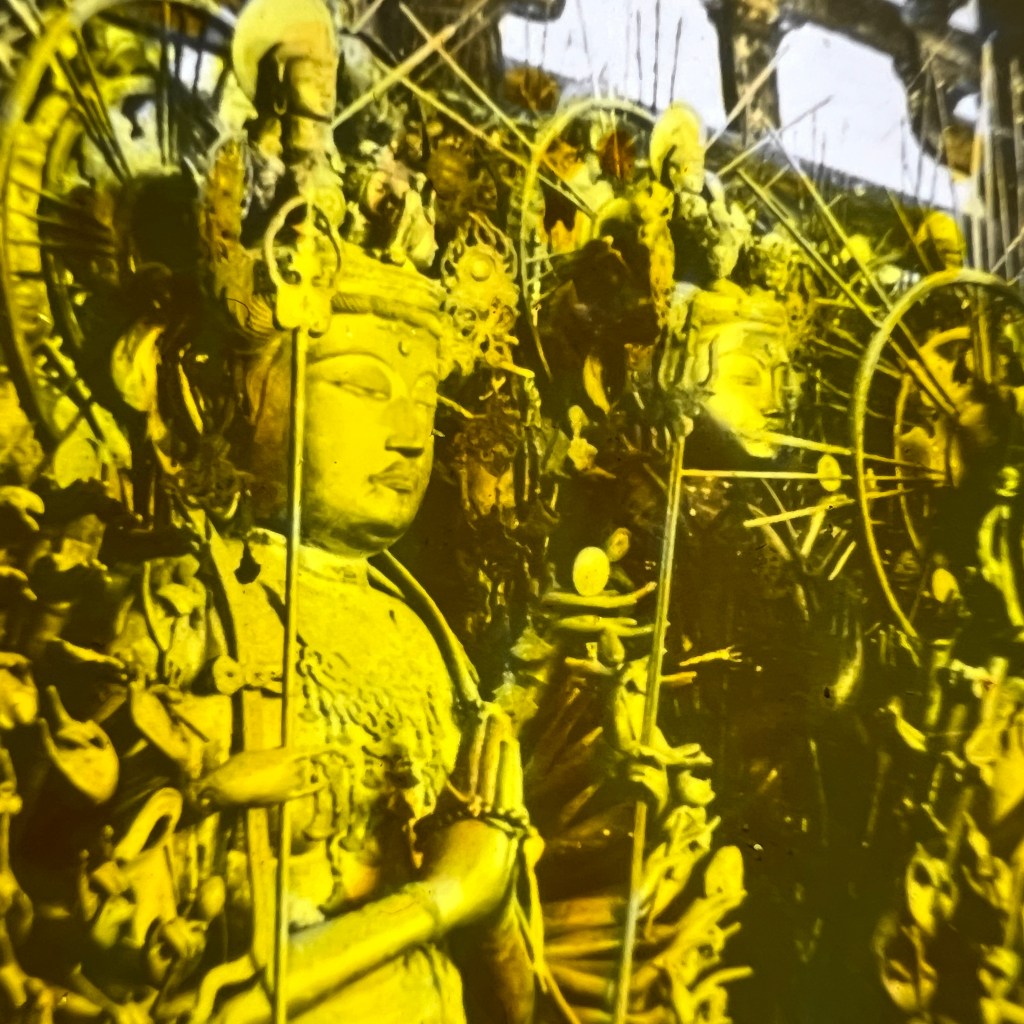
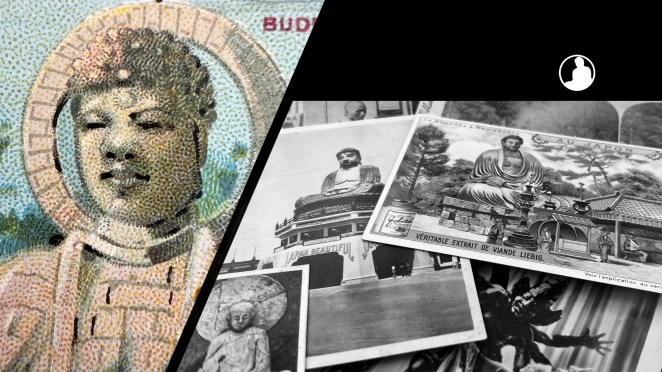
This slide shows a grouping of the famous one thousand Kannon statues of Sanjūsangendō in Kyoto, one of the most commonly photographed tourist sites in Japan during the late Meiji and Victorian periods.

Enami was celebrated for the beautiful hand tinting of his slides, but the coloring here suggests this slide was produced after his death in 1929, when his son took over the business and did not have an eye for finer detail like his father.

Enami was Japan’s most prolific producer of small format photographs and was often showcased in National Geographic Magazine. To view a selection of Enami’s photographs, see the digitized collection of Kjeld Duits, viewable here: tinyurl.com/245skpf8.


The Buddhas in the West Material Archive is a digital scholarship project that catalogues artifacts depicting Buddhist material culture for Western audiences. It’s comprised of prints, photos, and an assortment of ephemera and other objects. For a brief introduction to this archive, visit the main Buddhas in the West project page.


For Related Buddhas in the West Posts Featuring Lantern Slides:


For the Most Recent Buddhas in the West Posts:


Chocolat Pupier’s “Le Japon ancien” Trade Card

For all the new Buddhas in the West posts
follow us on Bluesky & Instagram


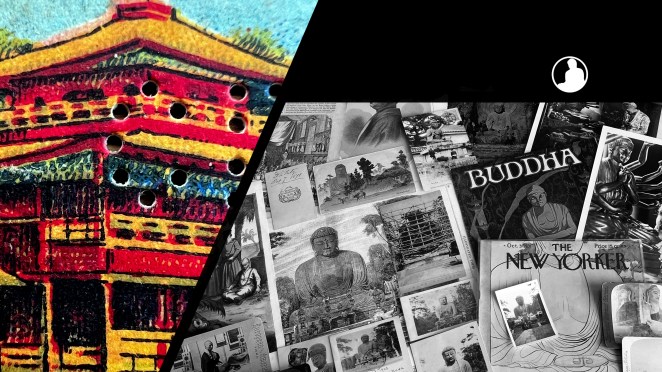
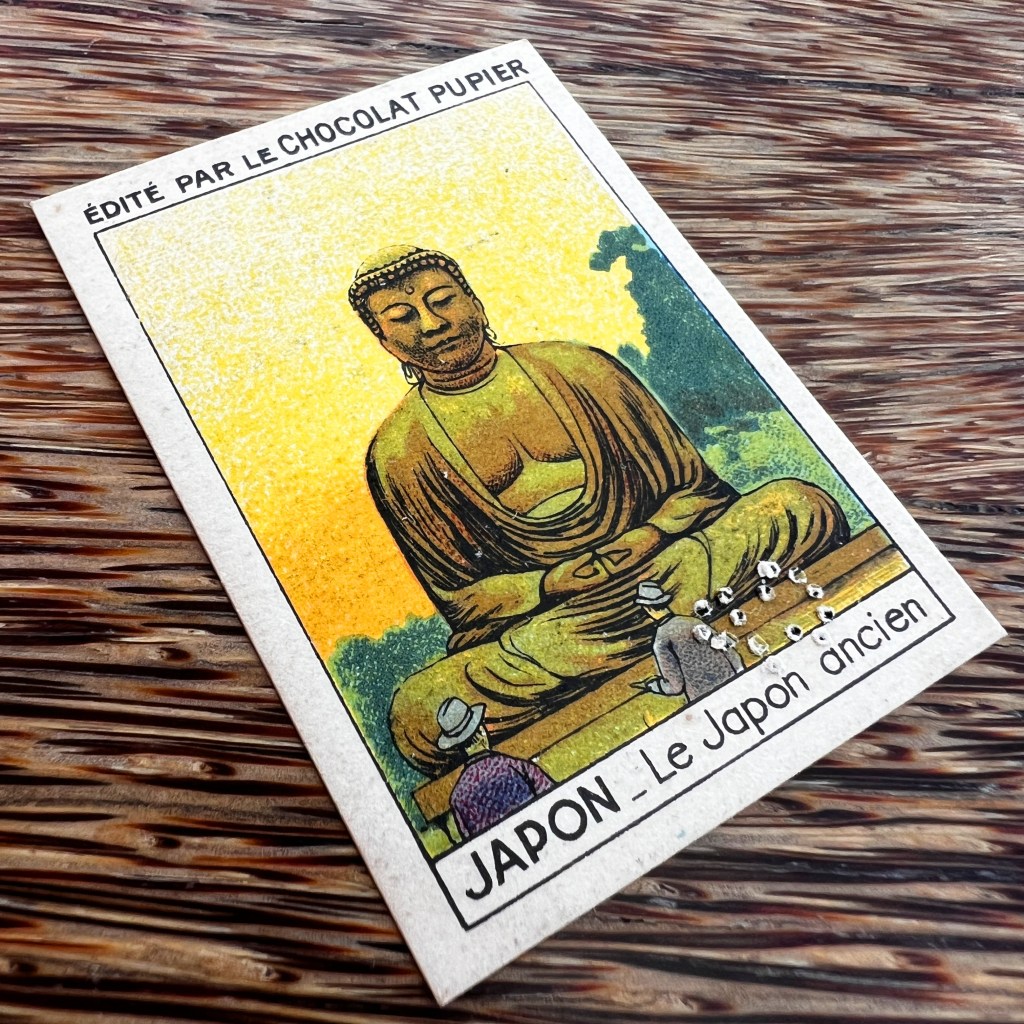
European and American chocolatiers were among the businesses that embraced the use of beautifully illustrated advertising trade cards. To inspire collection, the cards often depicted romantic, if not highly stereotyped, imagery.

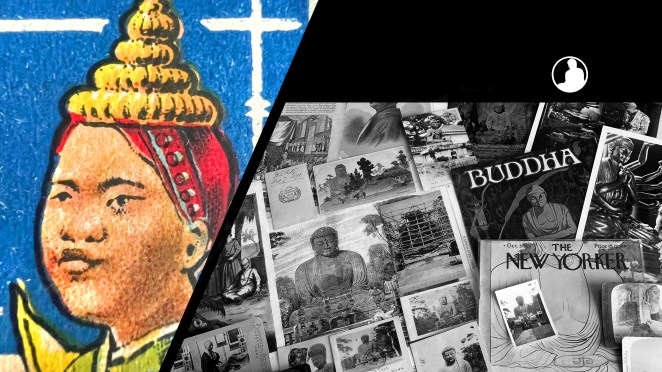
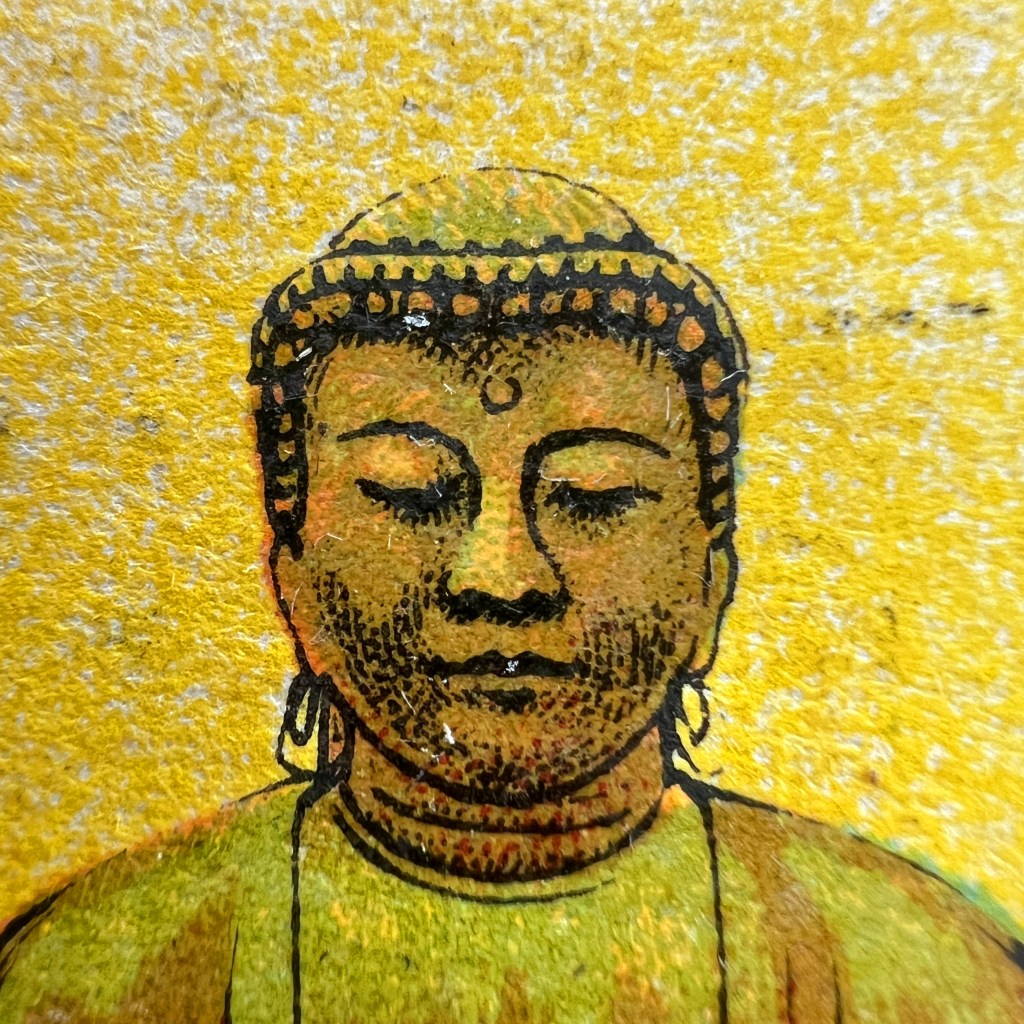
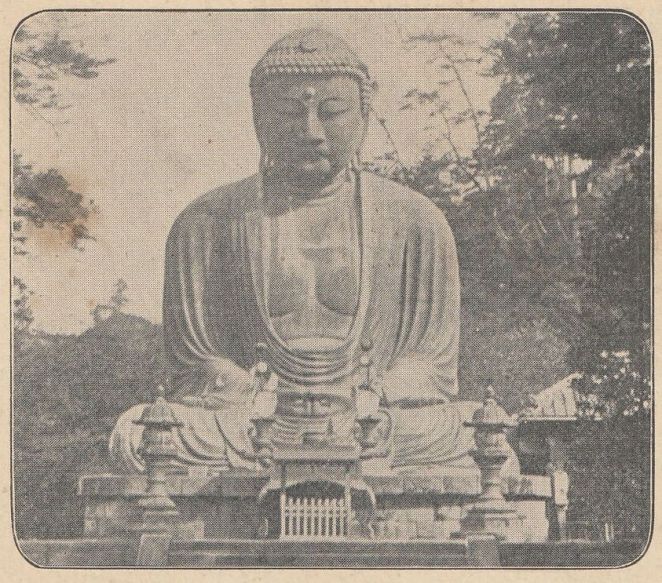
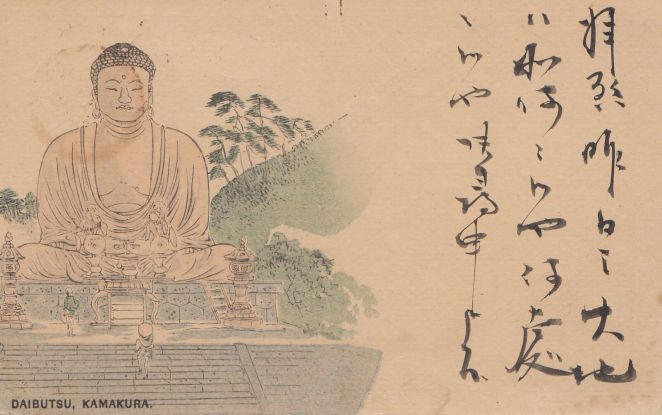
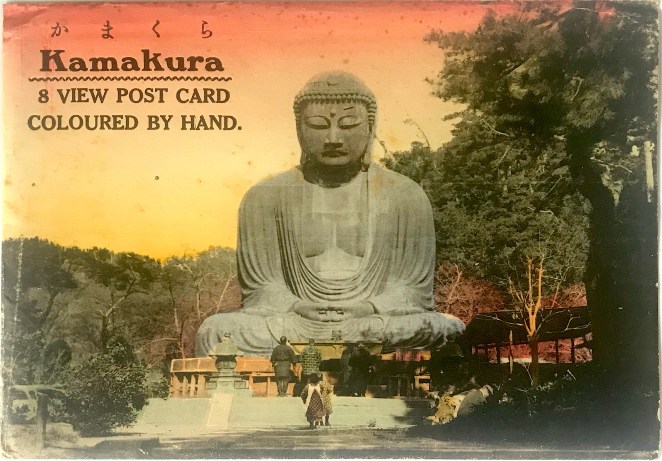
Looking closely, we can see the Kamakura Daibutsu is seemingly portrayed as a sightseeing destination, not a religious icon; the onlookers in Western attire hint more at curious observation than reverence.

Moreover, the caption of “ancient Japan” plays to the idea of an ancient and mystical “Orient,” thus we might read the Buddhist icon as a quaint relic of the distant past, not part of a living religious tradition.

French confectioner Chocolat Pupier was a major producer of chromolithographed trade cards. An “Asia” album with 252 card slots could be purchased to display your collection (we see this is card number 140).

The rise of the postcard at the turn of the twentieth century and the growth of magazine advertising ended the widespread use of trade cards. For more on trade cards, see “The Short Rise and Fall of the Crazy-for-Cocoa-Trade Cards Craze,” viewable here: tinyurl.com/yc2a9y4b.


The Buddhas in the West Material Archive is a digital scholarship project that catalogues artifacts depicting Buddhist material culture for Western audiences. It’s comprised of prints, photos, and an assortment of ephemera and other objects. For a brief introduction to this archive, visit the main Buddhas in the West project page.


For Related Buddhas in the West Posts Featuring Historical Lithographic Prints:


For the Most Recent Buddhas in the West Posts:


Underwood’s Four Seated Buddhas of Bago Stereoview

For all the new Buddhas in the West posts
follow us on Bluesky & Instagram


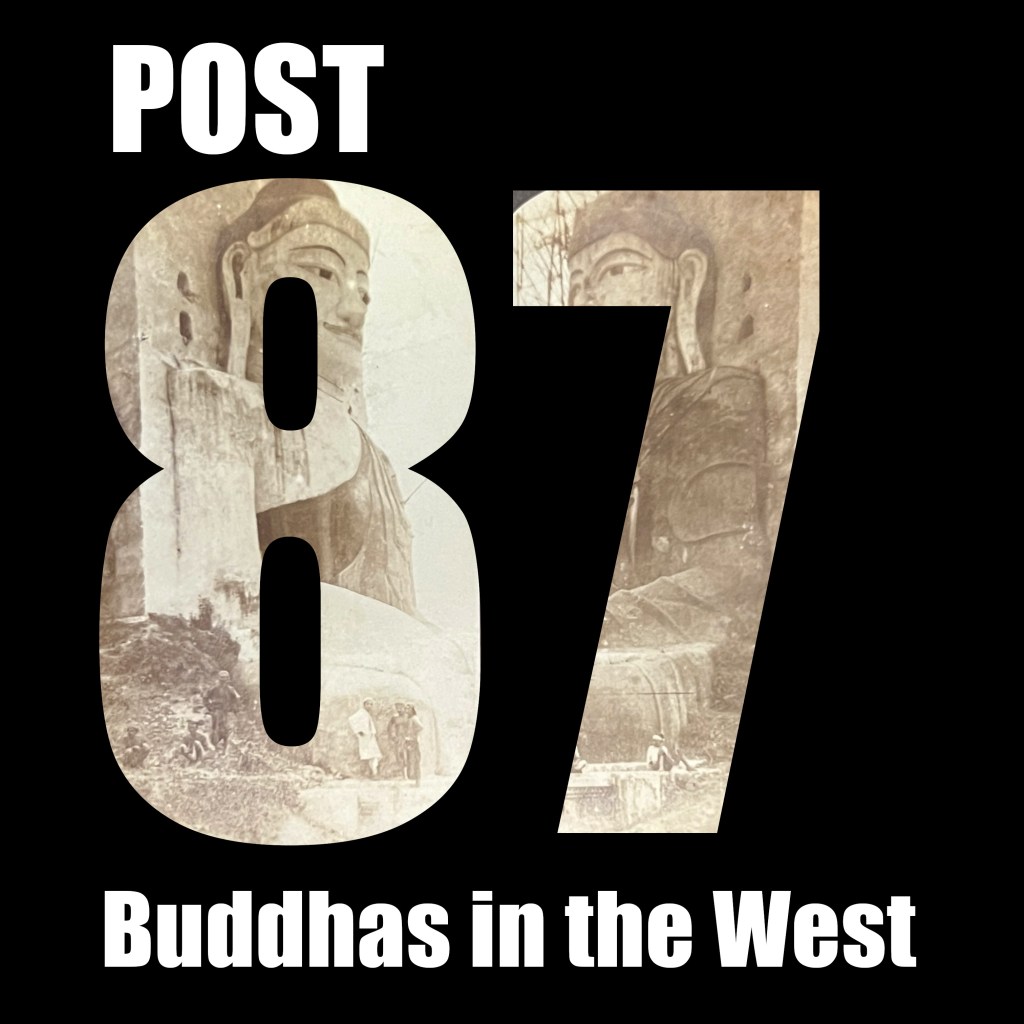
For nearly six centuries the four seated Buddhas of Bago have towered over the surrounding Burmese countryside. Constructed by the former Buddhist monk turned king, Dhammazedi, in 1476, the four colossal statues represent the four Buddhas of the past.

The Kyaikpun, as this site is known, also houses a relic chamber beneath the central rectangular pillar. Under Mon control, Bago served as a vital regional entrepôt and thriving hub of Theravada Buddhism with many shrines and monasteries.

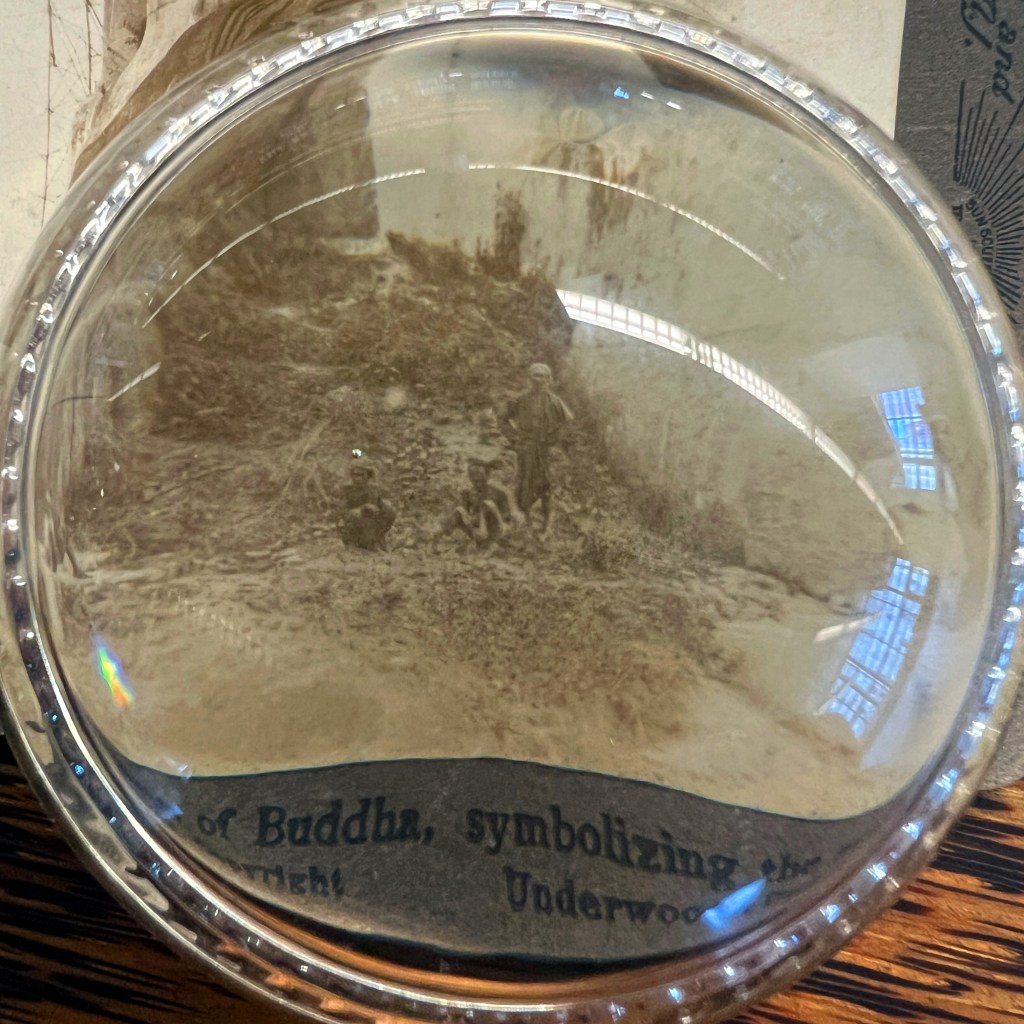
This stereoview was part of the educational Underwood Stereoscopic Tour series from 1907, comprised of national sets with individual cards arranged as “a tourist might visit the actual scenes.” The Burma set was originally sold with fifty different views (this card is number 12).

The structure, which is over 90 ft. (27m) tall, was in near ruin by the 1890s, but local fundraising was able to repair the statues by the turn of the century. This stereoview, taken around 1905, still shows the remnants of rubble and scaffolding in the rear.

The Buddha facing north, representing Gautama Buddha, remained in the best condition, thus the other three statues were reputedly modeled after it during renovation. To see thirty-six views from Underwood’s Burma series held by the National Archives UK, visit tinyurl.com/3xwvkbsb.


The Buddhas in the West Material Archive is a digital scholarship project that catalogues artifacts depicting Buddhist material culture for Western audiences. It’s comprised of prints, photos, and an assortment of ephemera and other objects. For a brief introduction to this archive, visit the main Buddhas in the West project page.


For Related Buddhas in the West Posts Featuring Historical Stereophotography:


For the Most Recent Buddhas in the West Posts:
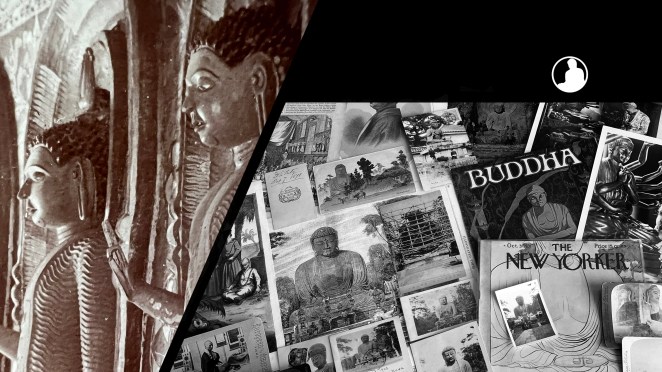

Guanyin Icon in The Mask of Fu Manchu (1932)

For all the new Buddhas in the West posts
follow us on Bluesky & Instagram


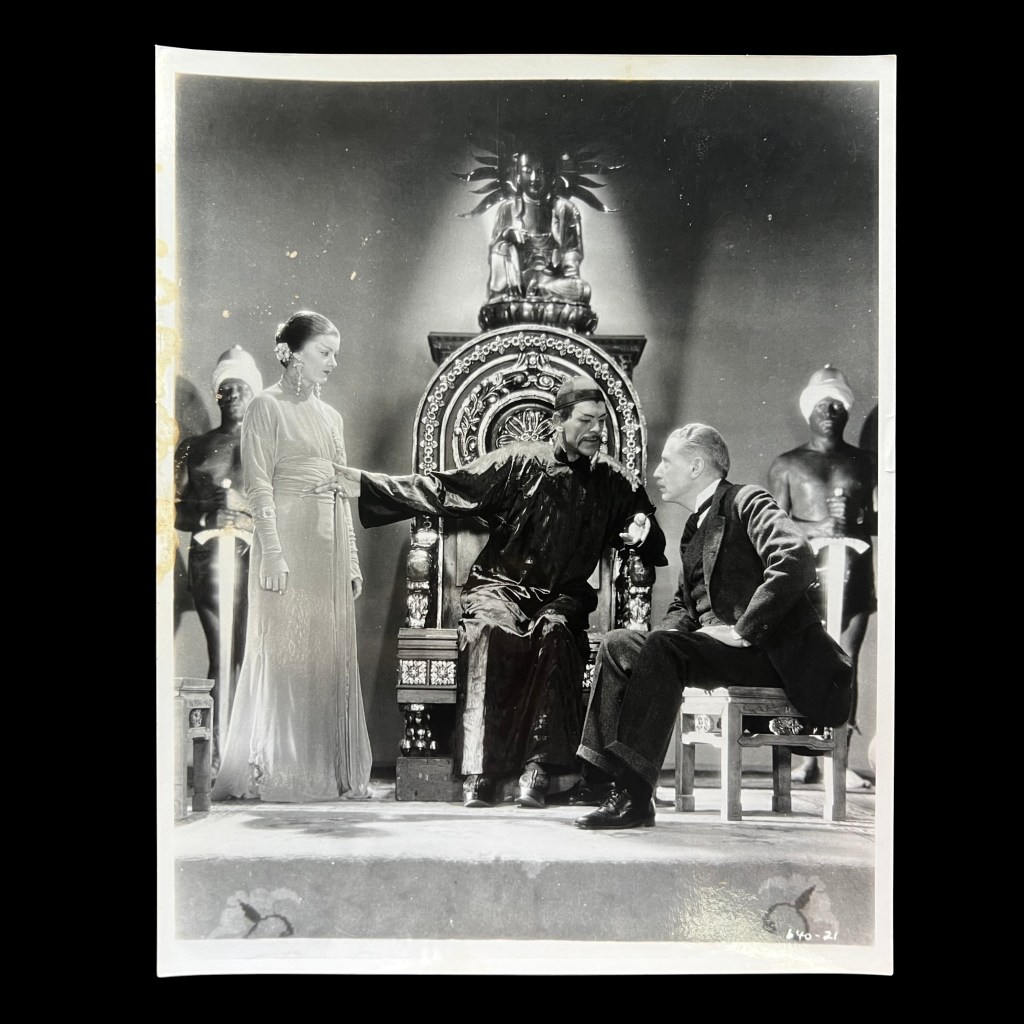
Fu Manchu’s opulent Gobi Desert lair seen in The Mask of Fu Manchu (1932) was assembled by MGM art director Cedric Gibbons. While the Art Deco inspired torture chambers remain horror classics, Gibbons’ strategic use of Buddhist statuary also hint to the audience impending danger.

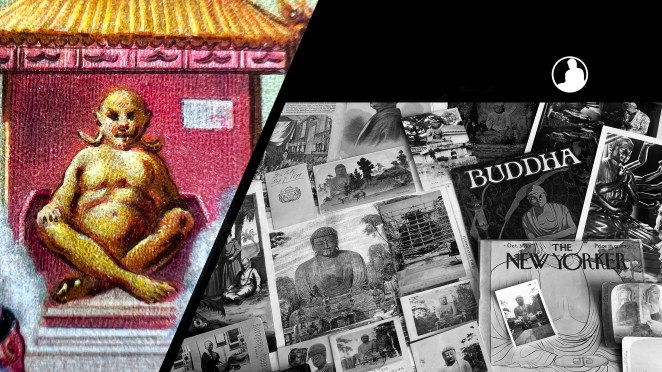
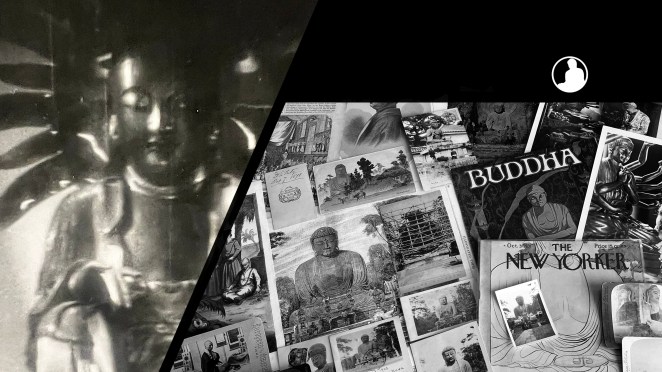
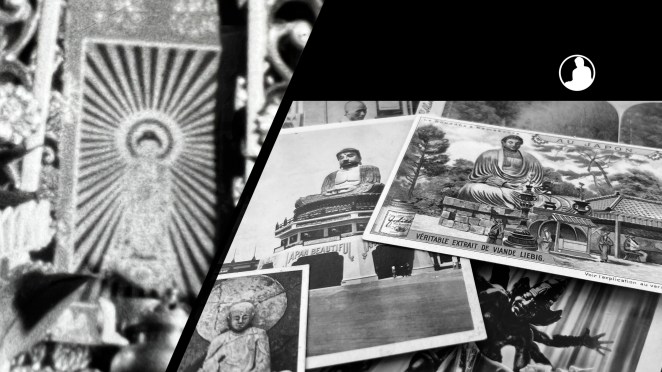
Boris Karloff portrayed the villainous doctor Fu Manchu, here sitting on a throne introducing his daughter Fah Lo See (Myrna Loy). This scene unfolds under the eyes of a shadowy Buddhist figure perched atop the throne; close inspection reveals this to be in the style of a Guanyin statue.

Many props Gibbons used were made at the studio, including some of the Buddhist statues seen on screen. The idiosyncratic elements, including the multi-rayed halo, suggested this statue was pieced together by set designers; it was seen previously in Daughter of the Dragon (1931).

Curiously, the ornate backrest of the throne makes it appear as if Fu Manchu himself is a statue encircled by a halo. Like a menacing statue come to life, the audience can surmise the visitor will suffer at the hands of the villain.

Fu Manchu played on the racist fears of the Yellow Peril; in film, these fears could also be signified by Buddhist imagery. For further discussion of the dueling positive and negative views of China in American cinema, see Naomi Greene’s From Fu Manchu to Kung Fu Panda (2014).


The Buddhas in the West Material Archive is a digital scholarship project that catalogues artifacts depicting Buddhist material culture for Western audiences. It’s comprised of prints, photos, and an assortment of ephemera and other objects. For a brief introduction to this archive, visit the main Buddhas in the West project page.


For Related Buddhas in the West Posts Featuring Guanyin / Avalokiteśvara:


For the Most Recent Buddhas in the West Posts:
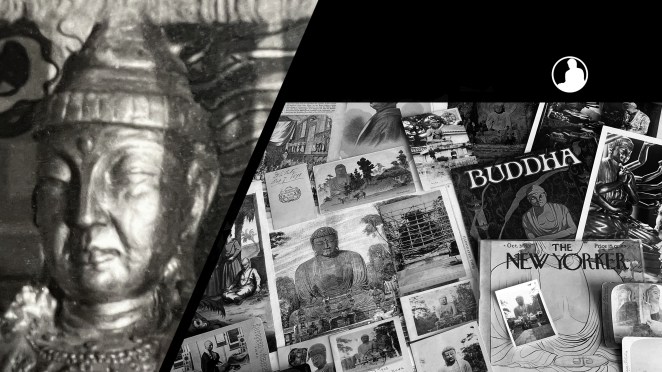

Kūkai’s Jizō at Hakone Postcard

For all the new Buddhas in the West posts
follow us on Bluesky & Instagram


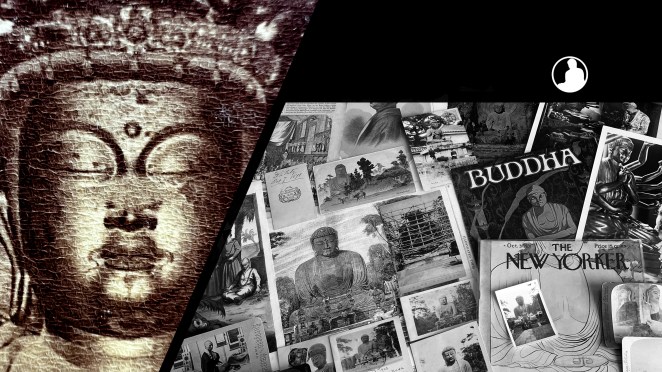
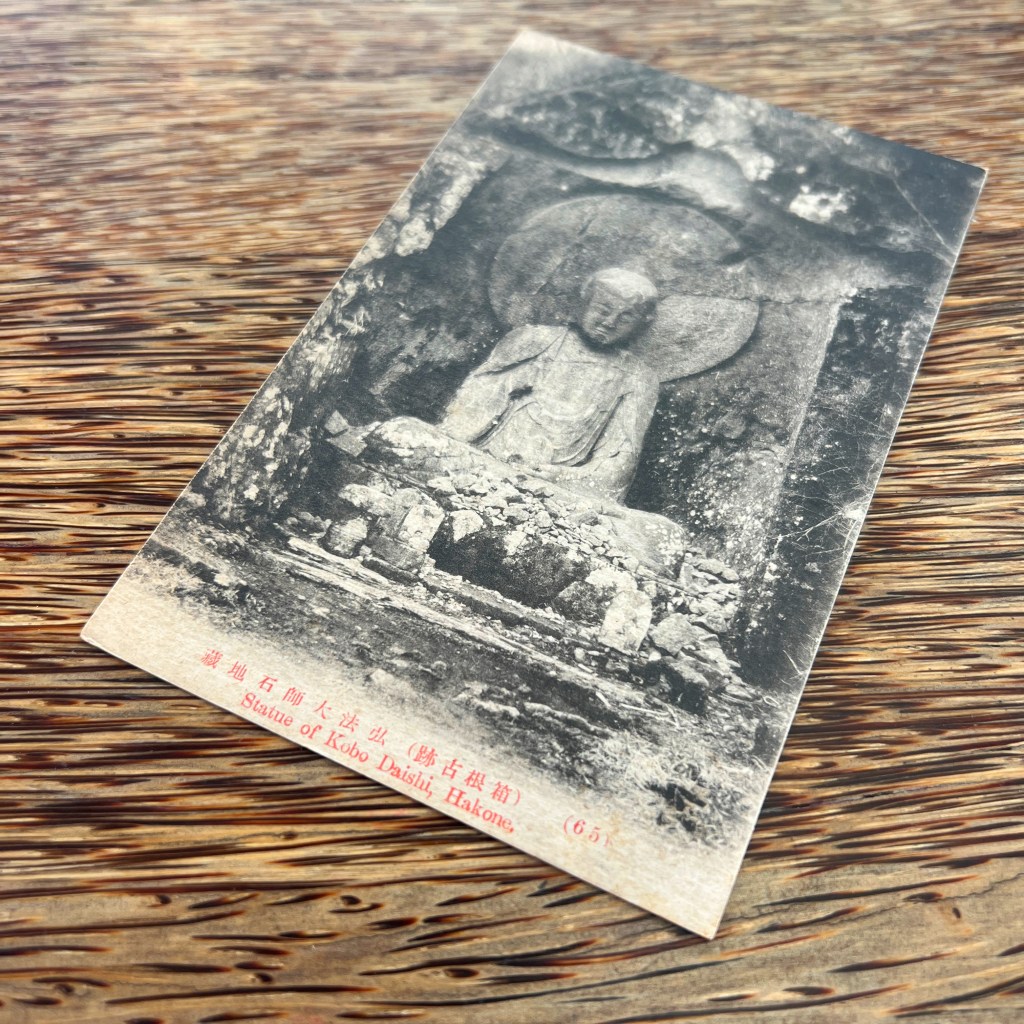
Despite the English caption, this is not a statue of the 9th century Buddhist monk Kōbō Daishi, otherwise known as Kūkai. As the Japanese caption reads, this is a stone relief carving of the bodhisattva Jizō at Hakone, attributed to Kūkai’s skilled craftsmanship.

The lore of Kūkai’s craftsmanship was known to 19th c. art historian Ernest Fenollosa: “This is said to have been carved by Kōbō himself on his journey to the North; yet…he hardly would have spared time for its execution.” Today, the statue is dated to the 13th century, well after Kūkai’s death.

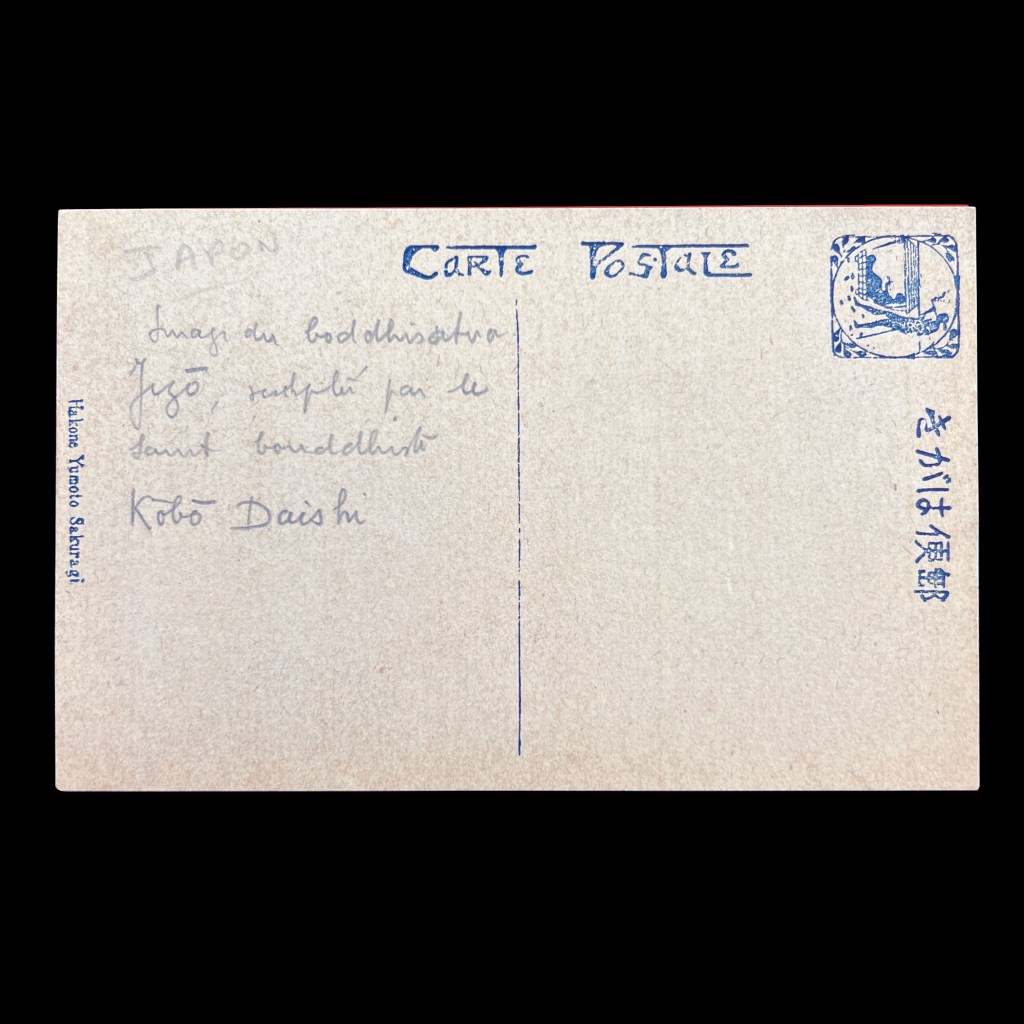
The note on the back, possibly written by a French tourist as a personal reminder, clarifies the English caption saying the image of Jizō was “sculpted by the Buddhist saint Kōbō Daishi.” The design of the reverse dates this Japanese postcard to between 1933 and 1945.

The pile of stones and pebbles on Jizō’s lap were common votive offerings presented by passing travelers and pilgrims.

Carved into the rock face, this statue still stands today in Hakone, sheltered by a small shrine. For more on Jizō and this particular icon, see Hank Glassman, The Face of Jizo: Image and Cult in Medieval Japanese Buddhism, 2012.


The Buddhas in the West Material Archive is a digital scholarship project that catalogues artifacts depicting Buddhist material culture for Western audiences. It’s comprised of prints, photos, and an assortment of ephemera and other objects. For a brief introduction to this archive, visit the main Buddhas in the West project page.


For Related Buddhas in the West Posts Featuring Jizō / Kṣitigarbha:


For the Most Recent Buddhas in the West Posts:
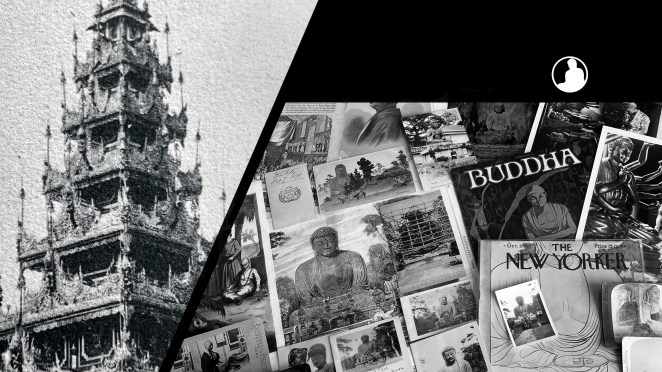

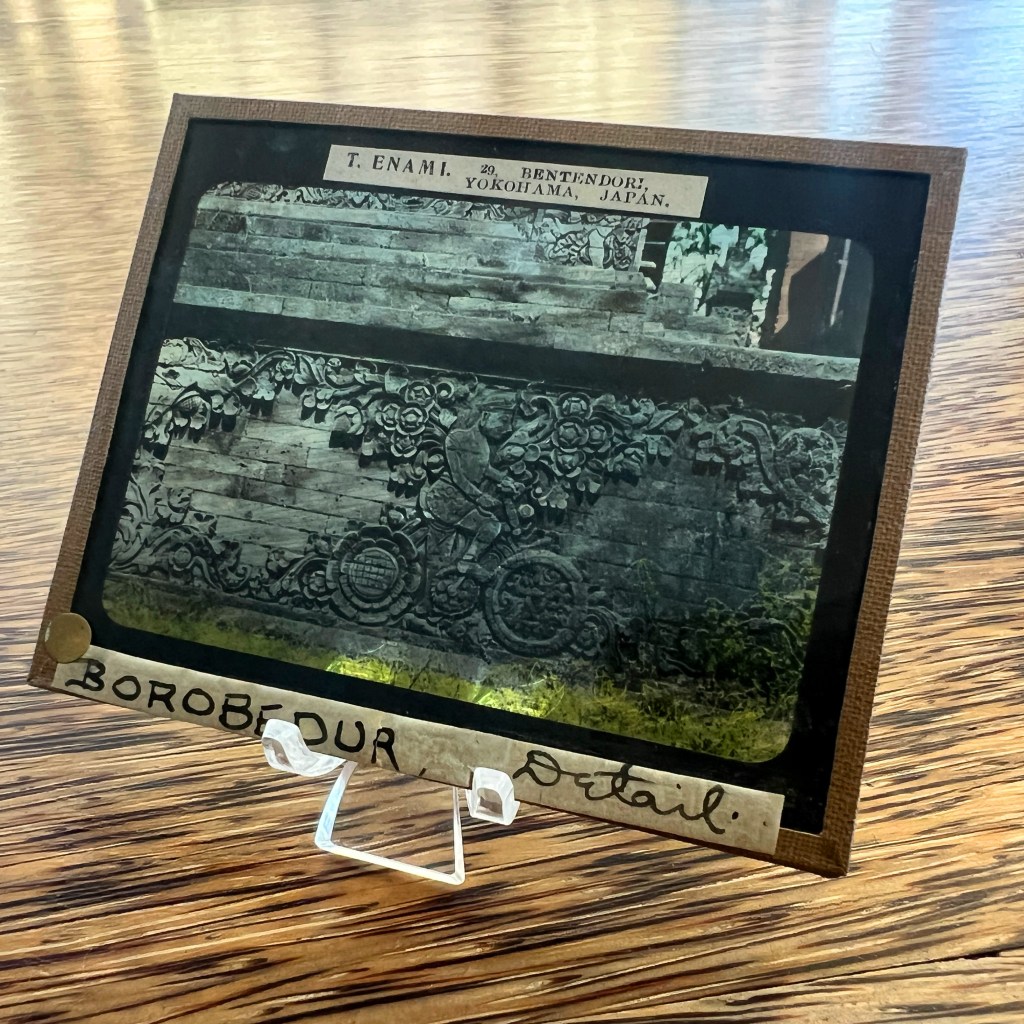
T. Enami’s “Buddha’s Bicycle” Lantern Slide

For all the new Buddhas in the West posts
follow us on Bluesky & Instagram


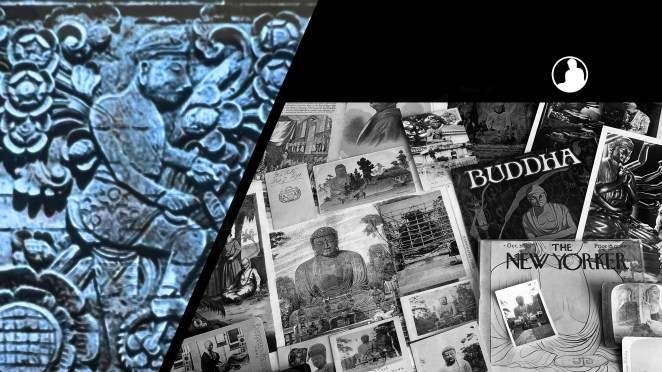
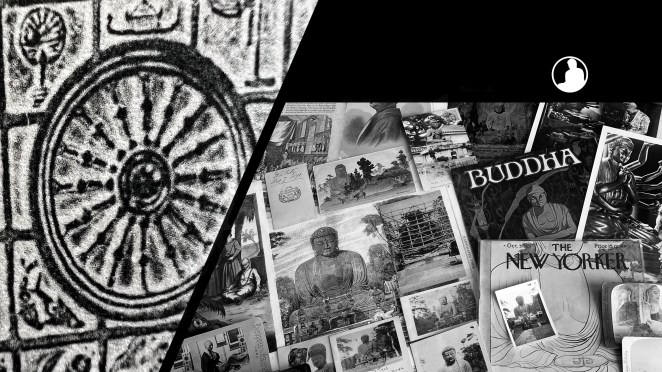
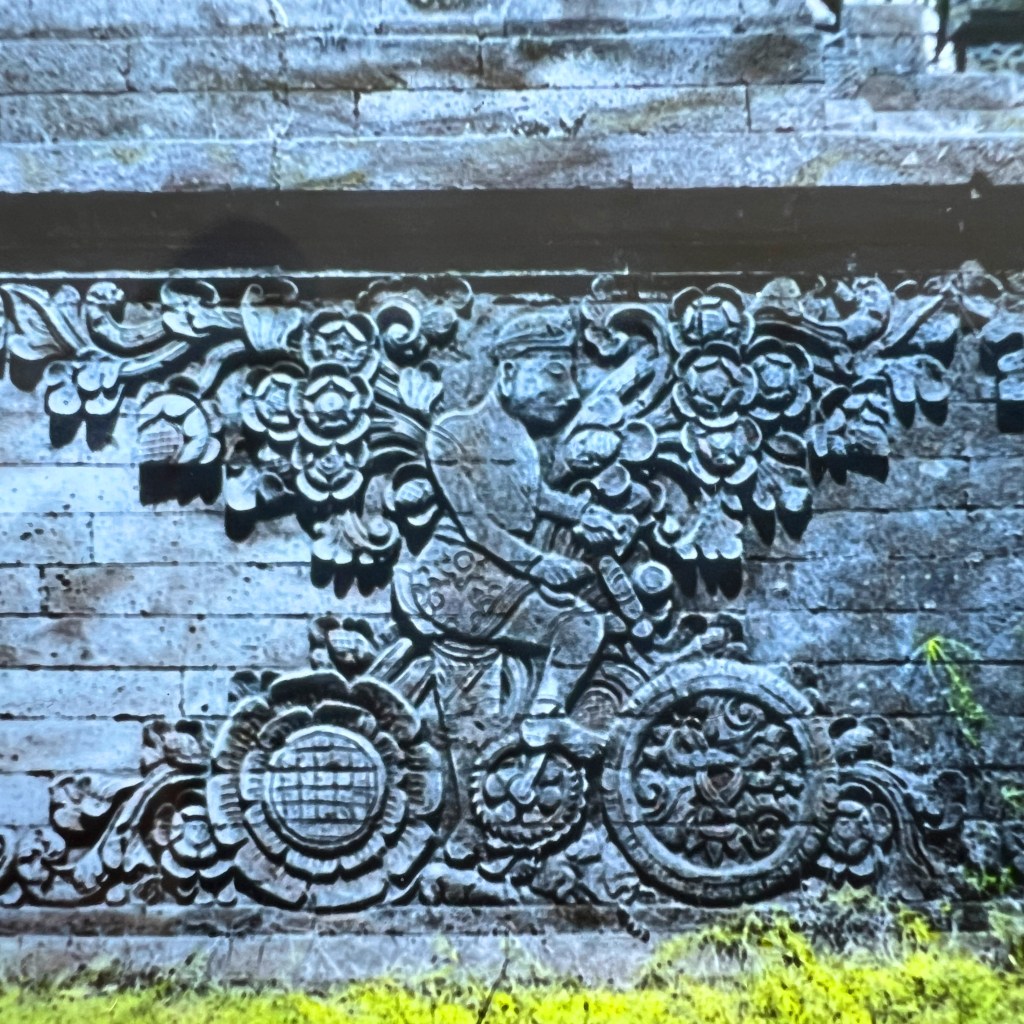
[Note: This post was originally published on April 1, 2025] Borobudur displays a unique image of the Buddha riding his favorite bicycle, a symbol of his mastery over the cycle of endless rebirth. Borobudur, a 9th century Buddhist monument in Central Java, also depicts bodhisattvas playing basketball and apsaras arm wrestling.


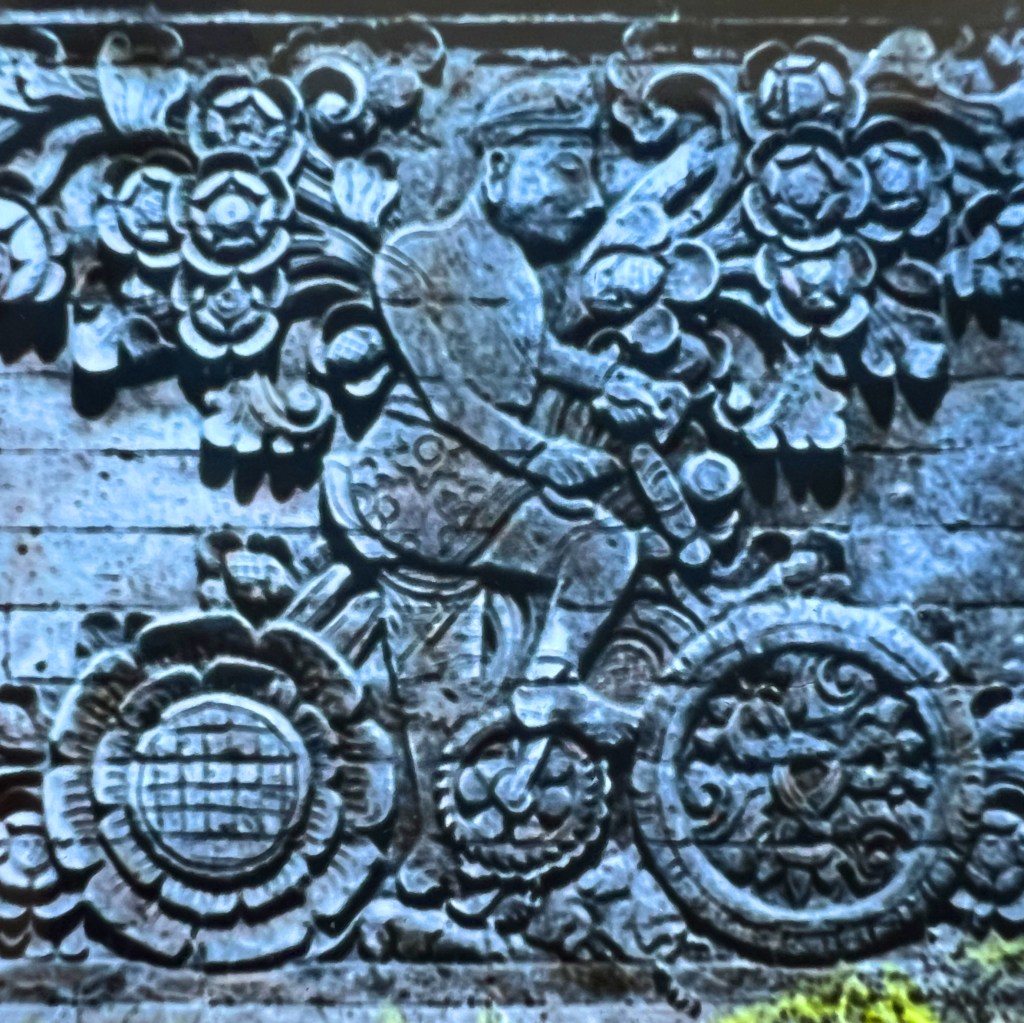
April Fools! In reality, when W.O.J. Nieuwenkamp (1874–1950) arrived in Bali with his bicycle in 1904 to explore, he caused, “real turmoil and panic,” as the Dutchman himself notes in his diary. Soon thereafter, he was immortalized at the Pura Meduwe Karang Temple (not Borobudur) in Bali.

The glass lantern slide was taken by influential Japanese photographer Enami Nobukuni (1859–1929) between 1917 (when the relief was repaired, adding a rear lotus wheel) and 1929 (Enami’s passing). The label of Borobudur – a location also photographed by Enami – is mistaken.

Notably, the relief shows Nieuwenkamp wearing traditional Balinese clothes, creating a fusion of foreign and familiar. For further discussion on this curious relief, see Putra & Abdullah’s “Iconological Analysis of the ‘Man on a Bicycle’ Relief” (2023).


The Buddhas in the West Material Archive is a digital scholarship project that catalogues artifacts depicting Buddhist material culture for Western audiences. It’s comprised of prints, photos, and an assortment of ephemera and other objects. For a brief introduction to this archive, visit the main Buddhas in the West project page.


For Related Buddhas in the West Posts Featuring Historical Lantern Slides:


For the Most Recent Buddhas in the West Posts:


William Alexander’s Idol Temple Aquatint Print

For all the new Buddhas in the West posts
follow us on Bluesky & Instagram


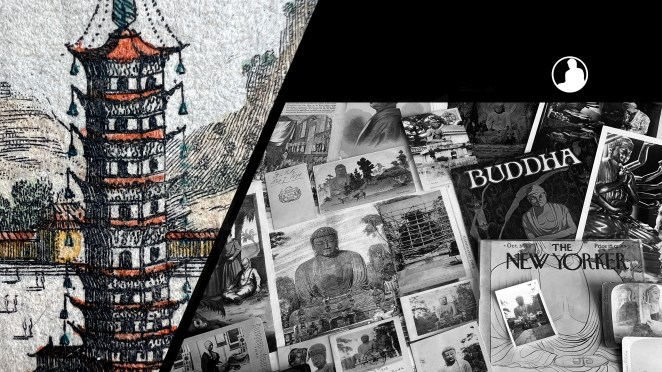
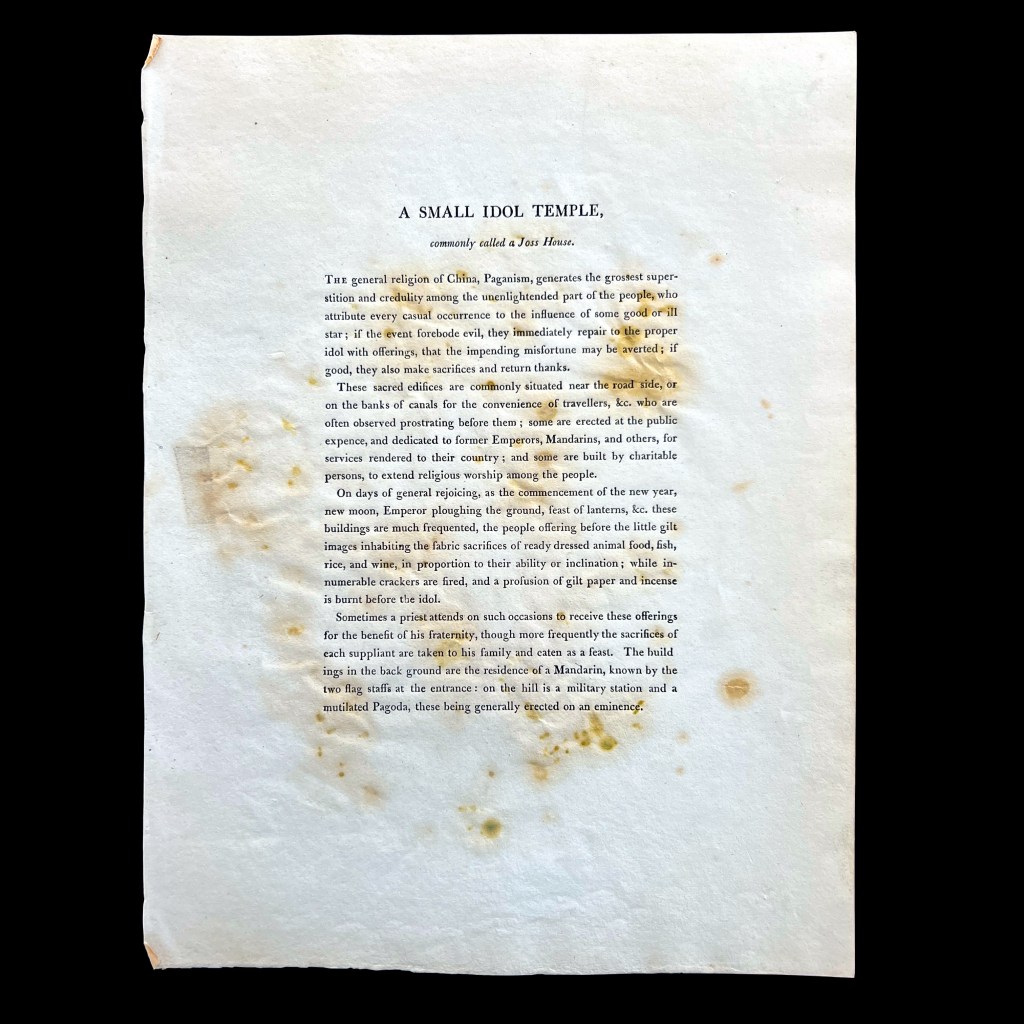
Artist William Alexander (1767–1816) accompanied the first British diplomatic mission to China in 1793 to visually document the embassy’s trip. Eager to be the first Brit to provide wide-ranging eye-witness accounts of China, Alexander’s published works blend fantasy and reality.

After arriving in China and sailing inland routes from Macao to Beijing, Alexander was mostly quarantined to the Summer Palace of the emperor. Alexander’s illustrations sometimes draw heavily upon European chinoiserie imagery, creating idyllic pagoda-filled land

Alexander’s 1805 publication, The Costume of China [sic], was bound pairing images with short explanatory text. It’s notable that while the accompanying image shows a rudimentary Buddhist figure with crossed legs, the text only speaks generically of paganism, idols, and joss houses.

Alexander originally produced sketches and watercolors, but these were rendered into engravings for early publications recounting the British embassy. For The Costume of China, however, the London publisher used colored aquatints, a popular printmaking method at the turn of the 19th century.

As for the “continued biography” of this print, the masking tape indicates it was previously framed. The explanatory text was taped to the back of the image.

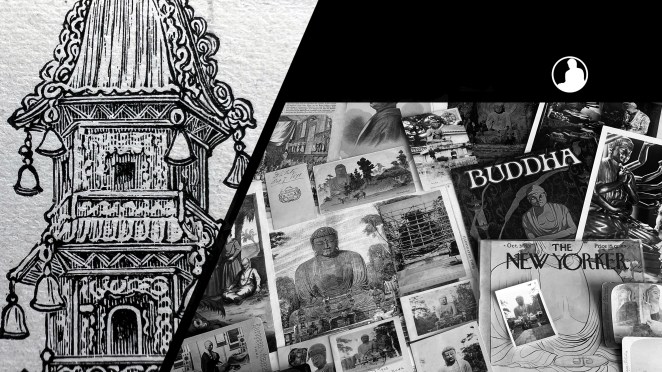
The pagoda was one of the most enduring visual icons of China in the European imagination. The crumbling top could indicate the diminishing stature of China in comparison so the growing industrial might and colonial reach of Britain.

Unlike earlier European visitors to China who focused on religion, few of Alexander’s artworks concern this topic, reflecting changing interests. For further discussion of Alexander’s illustrations of China, see Chen Yushu’s “William Alexander’s Image of Qing China” (2019).


The Buddhas in the West Material Archive is a digital scholarship project that catalogues artifacts depicting Buddhist material culture for Western audiences. It’s comprised of prints, photos, and an assortment of ephemera and other objects. For a brief introduction to this archive, visit the main Buddhas in the West project page.


For Related Buddhas in the West Posts Featuring Historical Prints:


For the Most Recent Buddhas in the West Posts:
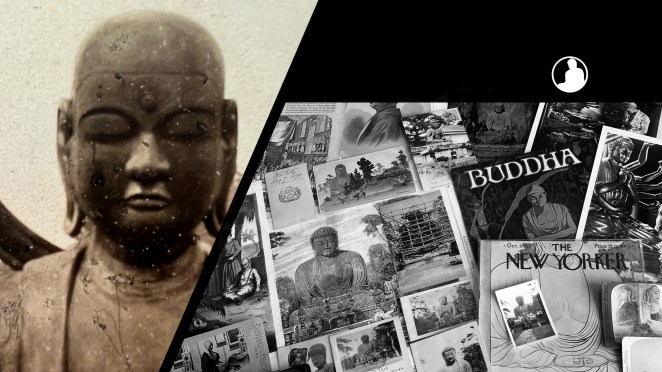

Ueno Daibutsu after the Great Kantō Earthquake Postcard

For all the new Buddhas in the West posts
follow us on Bluesky & Instagram


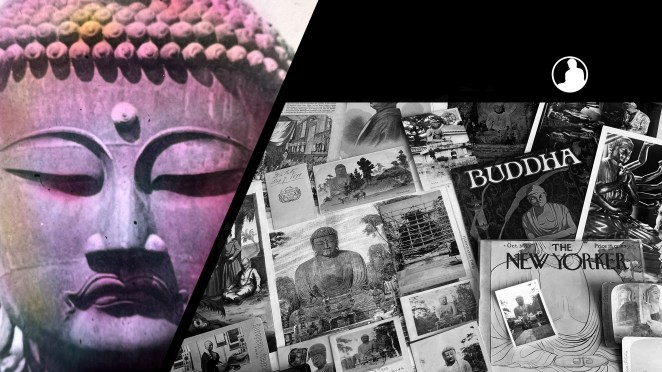
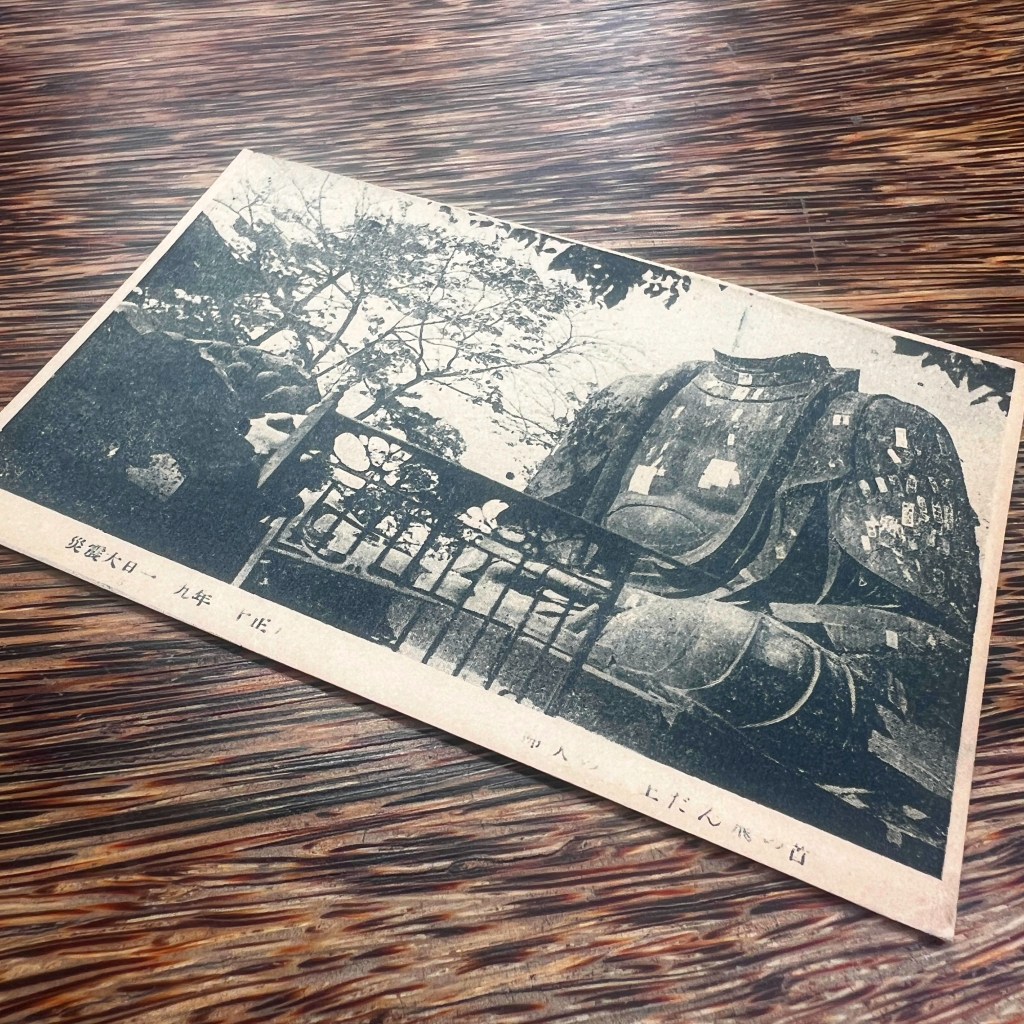
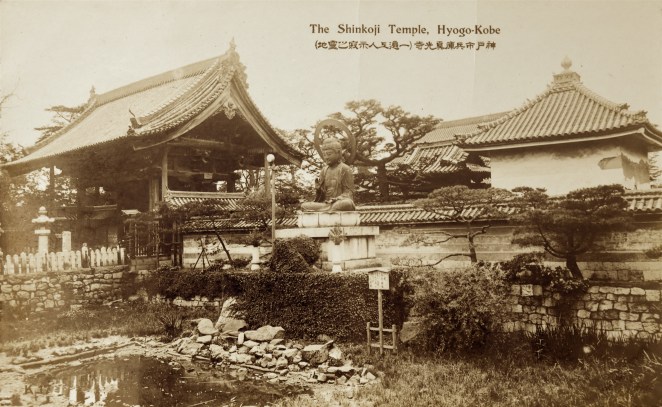
Constructed in 1843, the colossal Ueno Daibutsu in Tokyo was restored after damage from the 1855 Edo earthquake. Less than a century later, in 1923, the Great Kantō earthquake dislodged the icon’s head, providing a rare photographic opportunity.

The bronze statue, representing Śākyamuni Buddha, was the third iteration, replacing statues made in c. 1660 and 1631. The Ueno Daibutsu originally stood on the precincts of Kan’ei-ji 寛永寺, a family temple for the famed Tokugawa clan, but the grounds were turned into today’s Ueno Park in 1873.

The once booming Japanese postcard industry was devastated after the 1923 earthquake, as many paper manufacturers and printers had to rebuild. Postcards made during this period are often found on a cheaper, rough paper prone to yellowing; notably, the back here is not fully printed.

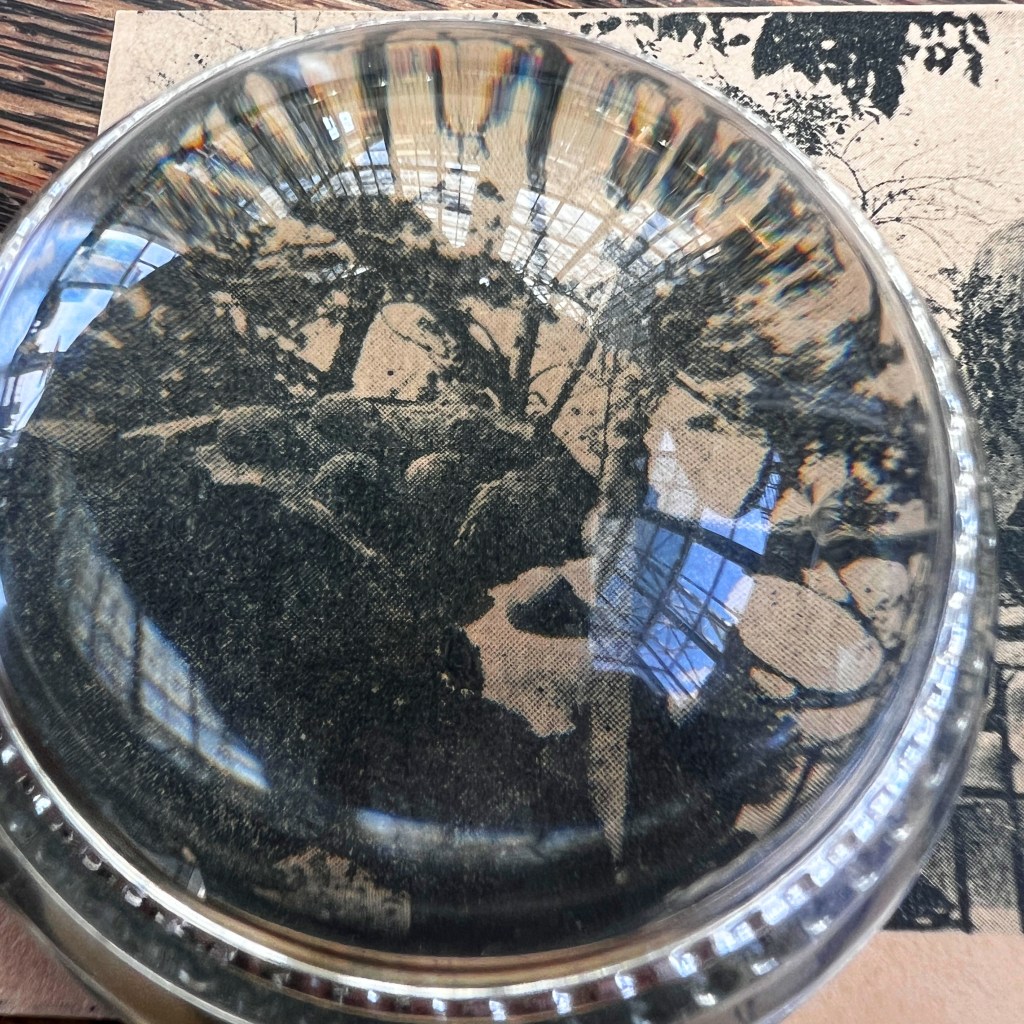
The older exquisite hand-colored collotype prints of a decade earlier were replaced with lower resolution halftone screen prints in black and white. This detail shows the icon’s head laying in the foreground; looking closely, it’s easy to see the hallmark halftone dot pattern.

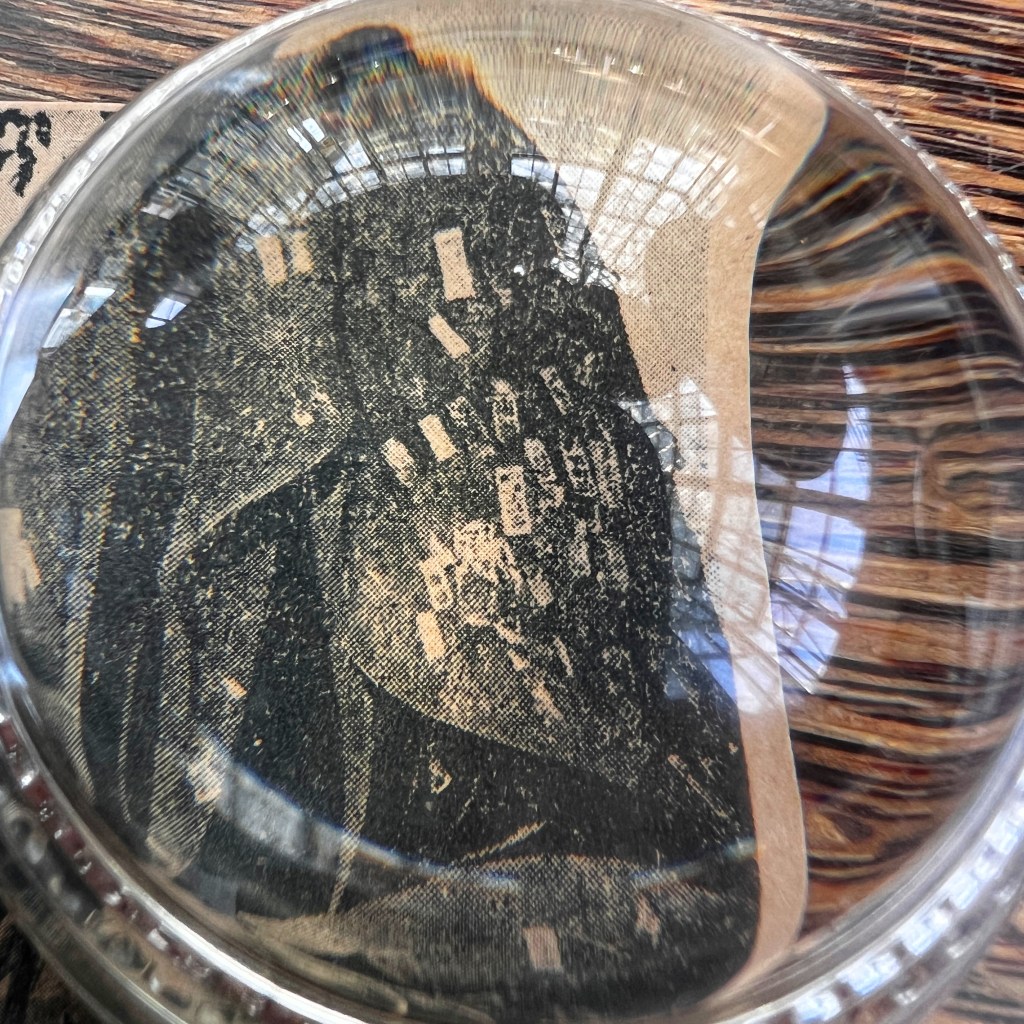
Vestiges of religious activity can be seen through the remnants of senshafuda 千社札, votive slips pasted on the statue by pilgrims and visitors.

The Ueno Daibutsu body was melted down during WWII, thus today only the face remains on display in Ueno Park. Holding the belief that the statue “won’t fall any further,” it’s become a place for Japanese students to pray so they won’t fail exams.


The Buddhas in the West Material Archive is a digital scholarship project that catalogues artifacts depicting Buddhist material culture for Western audiences. It’s comprised of prints, photos, and an assortment of ephemera and other objects. For a brief introduction to this archive, visit the main Buddhas in the West project page.


For Related Buddhas in the West Posts Featuring Historical Postcards:


For the Most Recent Buddhas in the West Posts: