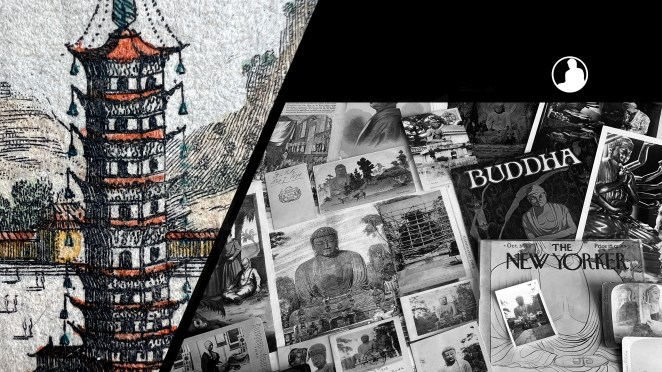
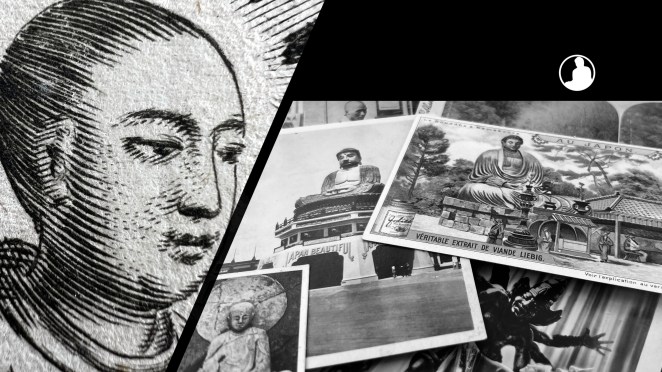
Thomas Allom’s Sticks of Fate Engraving

For all the new Buddhas in the West posts
follow us on Bluesky & Instagram


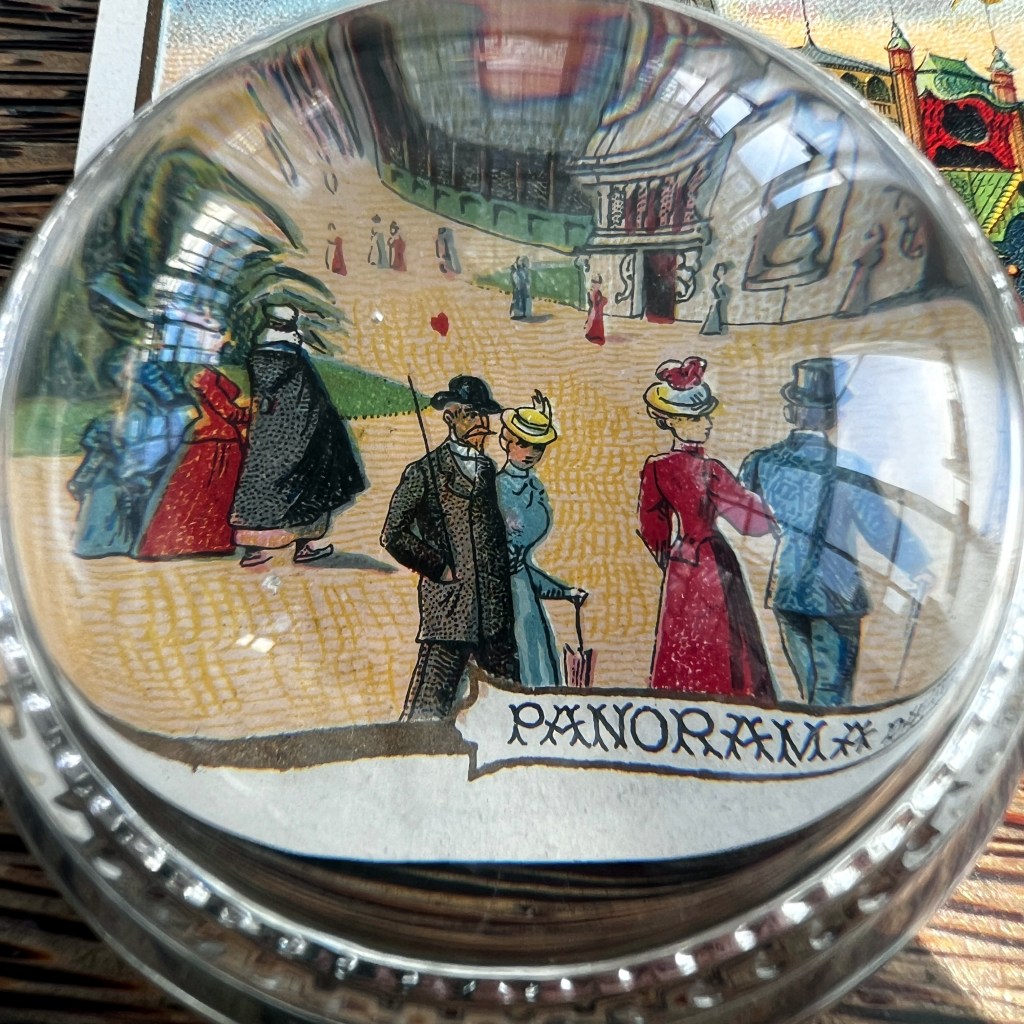
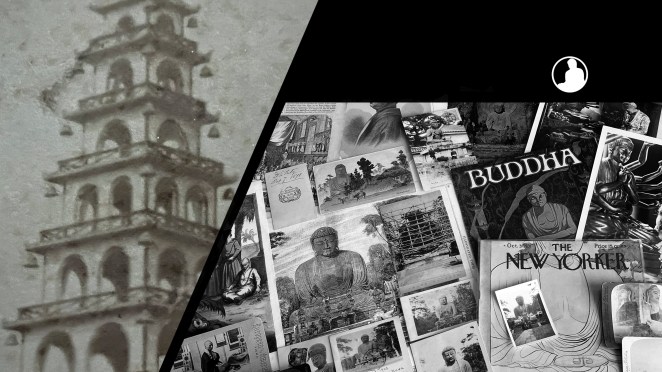
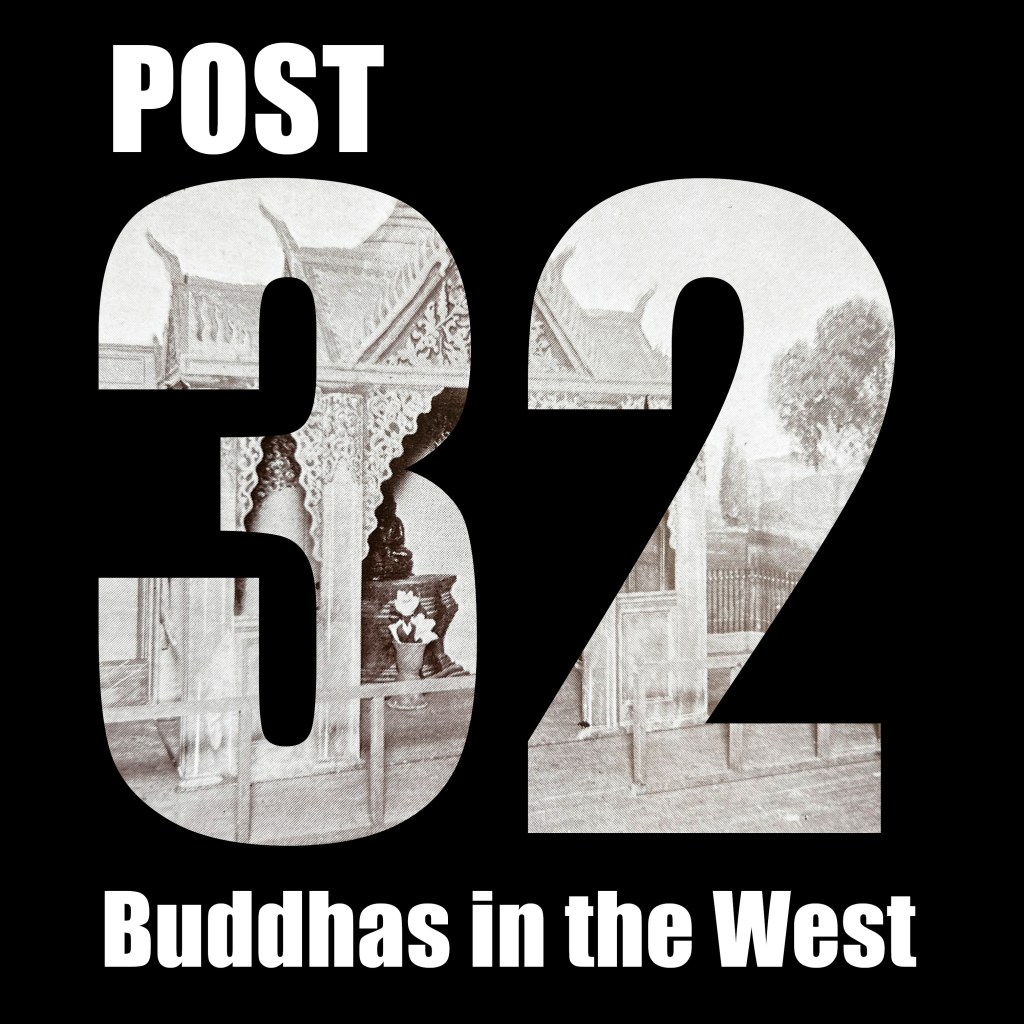
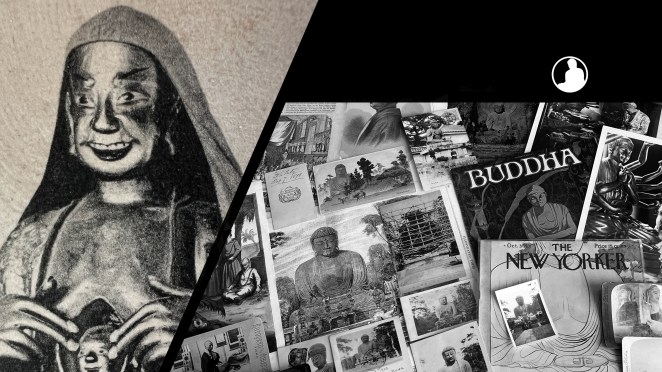
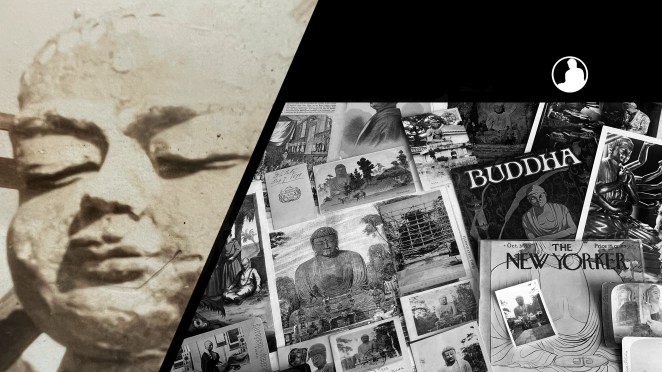
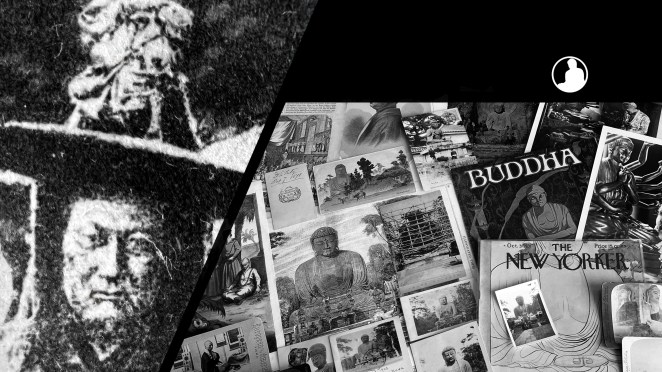
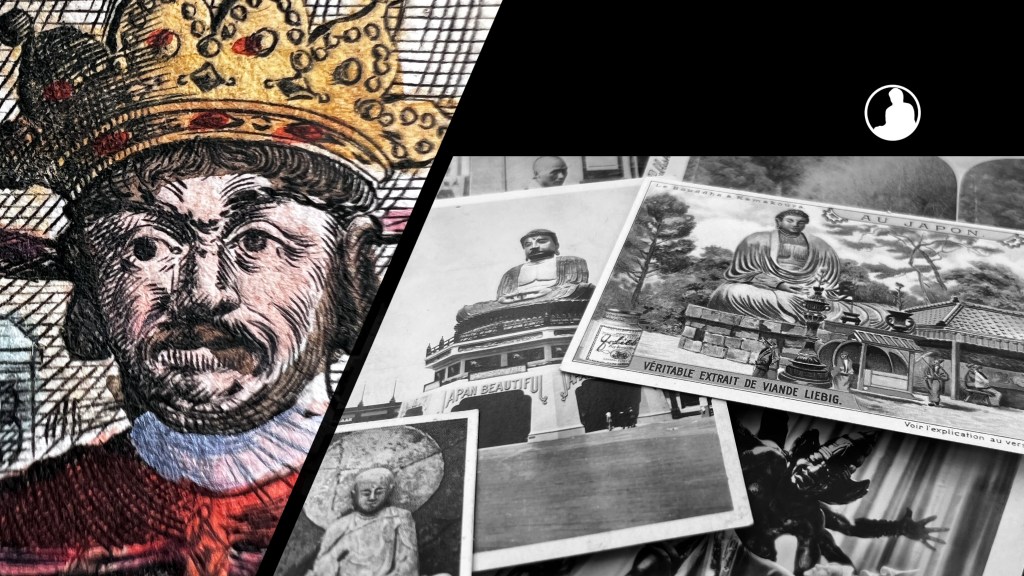
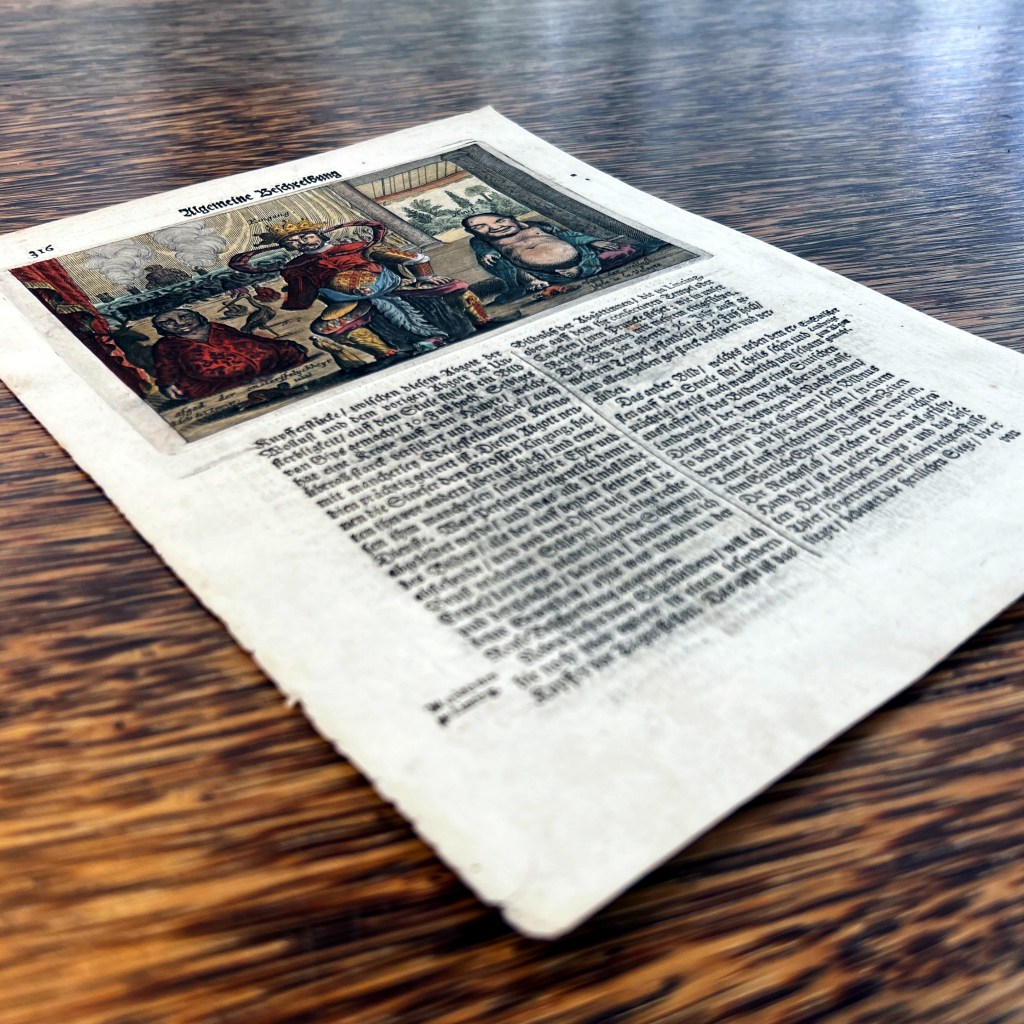
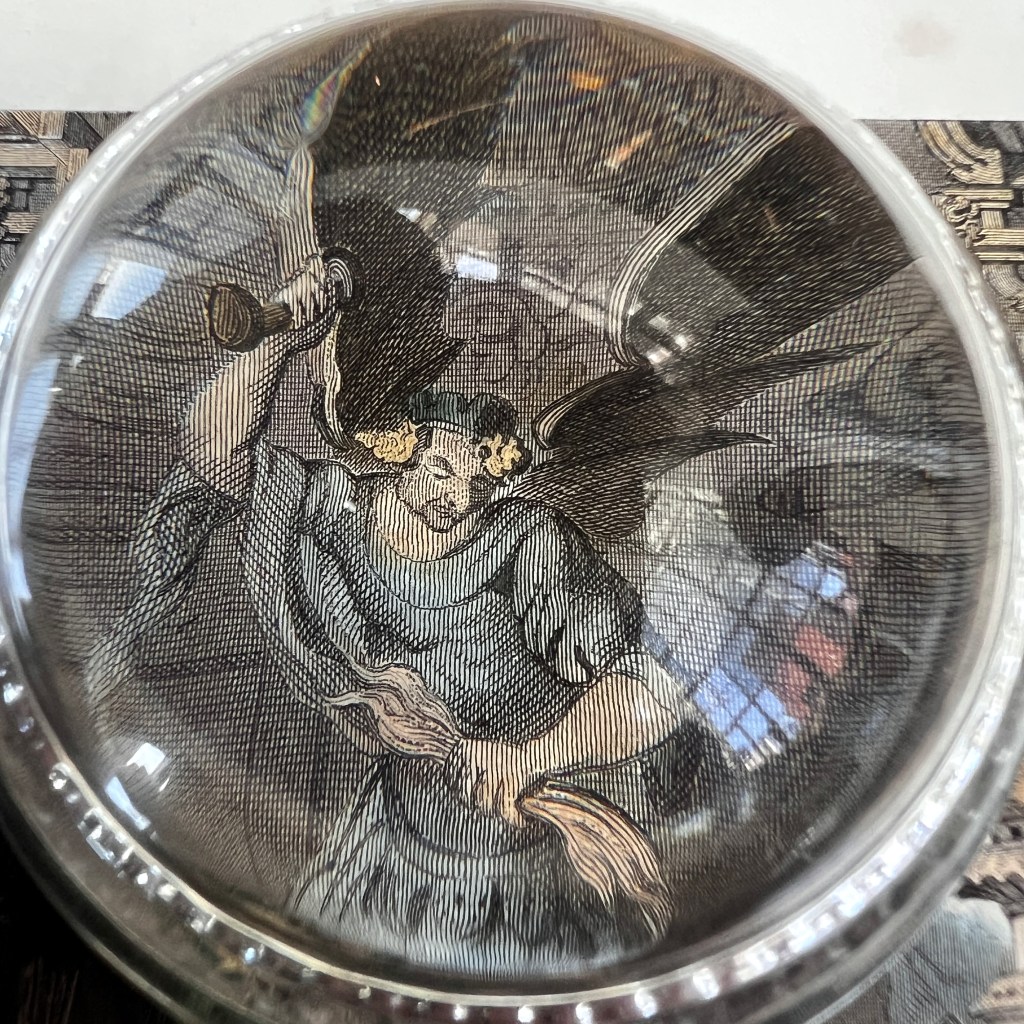
Having never traveled to China, Thomas Allom’s illustrations retain a touch of the fantastic common among his European pictorial predecessors. After the end of the Opium War in 1842 there was renewed interest in China and Allom’s book was among the first to serve this audience.

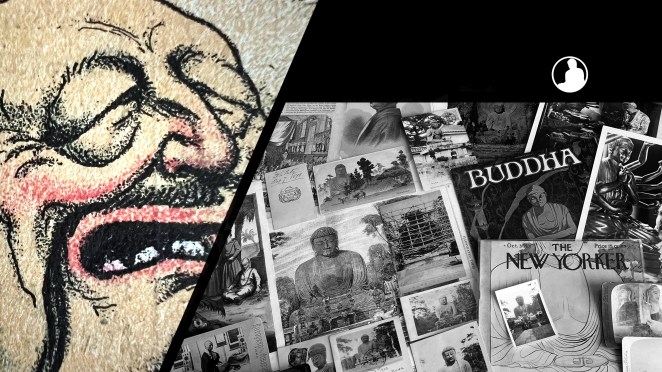
The text for China: In a Series of Views was composed by Rev. George Wright. He commonly portrayed the Chinese as inferior and infatuated with bizarre customs, reflecting a growing sentiment among Europeans after the Opium War.

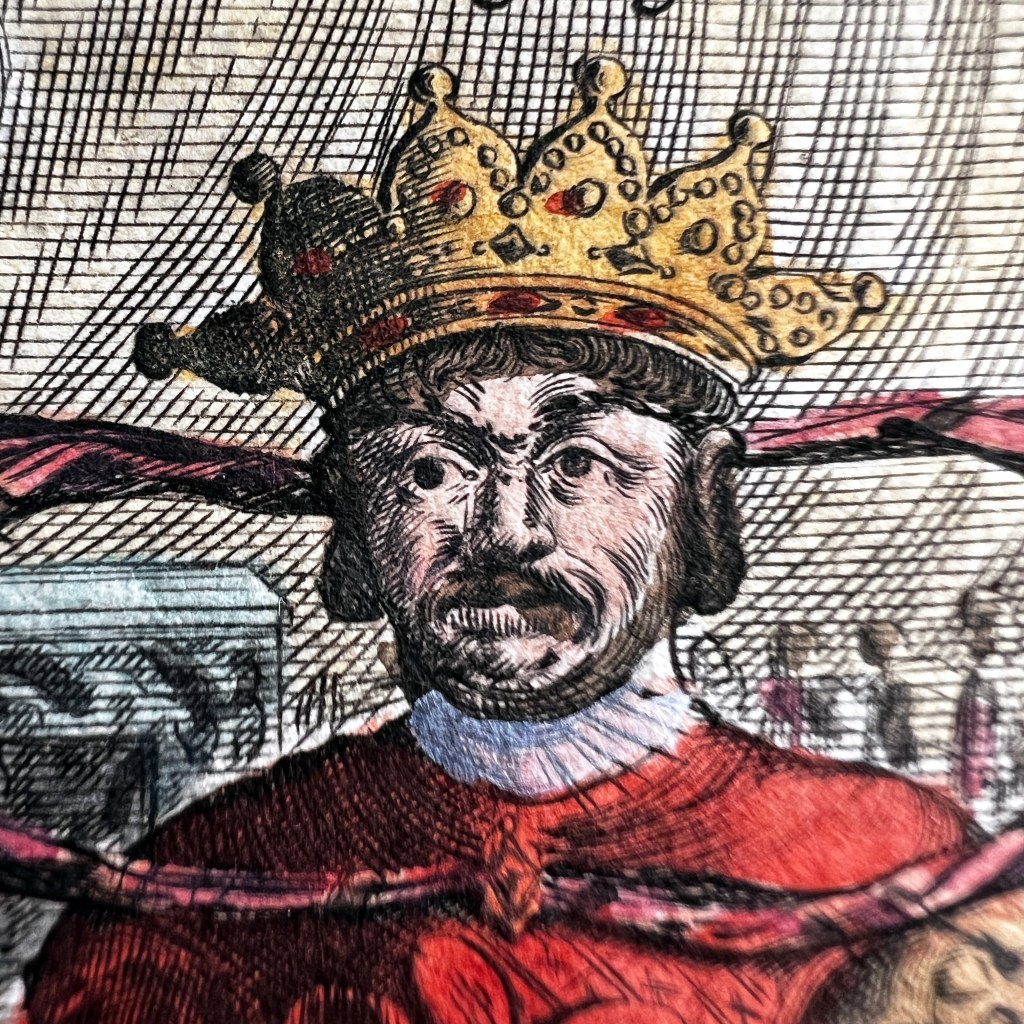
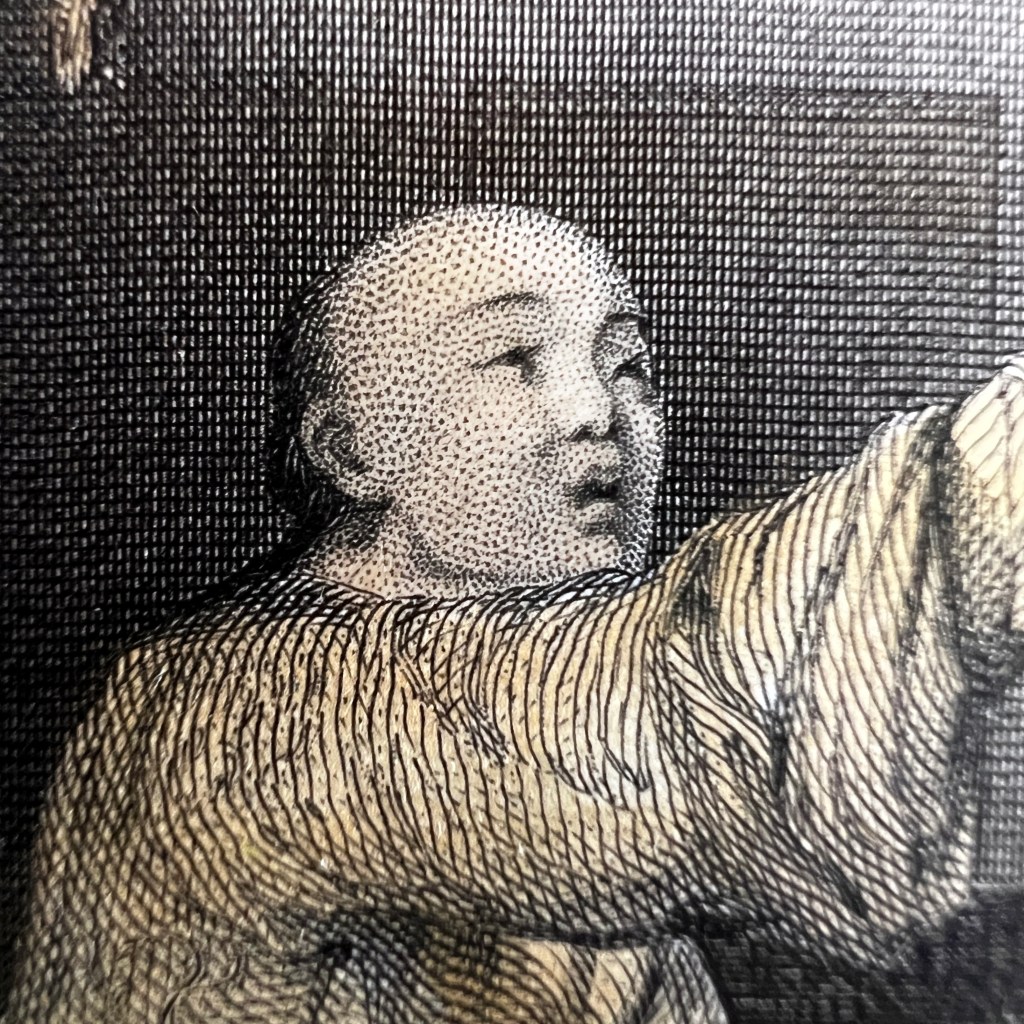
A trained illustrator, Allom prepared watercolor paintings and had them engraved for his books. While some paintings were copies of earlier works by others, including those in the British military stationed in China, this illustration appears to be the creation of Allom.

Overall, Allom creates a dynamic image showing a commonplace Chinese temple practice of fortune telling. Some elements, however, appear out of place.
The New York Public Library has digitized Allom’s works on China with a layout of all his engraved illustrations viewable here: https://tinyurl.com/3b74hu7m.
The Buddhas in the West Material Archive is a digital scholarship project that catalogues artifacts depicting Buddhist material culture for Western audiences. It’s comprised of prints, photos, and an assortment of ephemera and other objects. For a brief introduction to this archive, visit the main Buddhas in the West project page.


For Related Buddhas in the West Posts Featuring China:

For the Most Recent Buddhas in the West Posts:

Paris’ Panorama du Tour du Monde Advertising Card

For all the new Buddhas in the West posts
follow us on Bluesky & Instagram


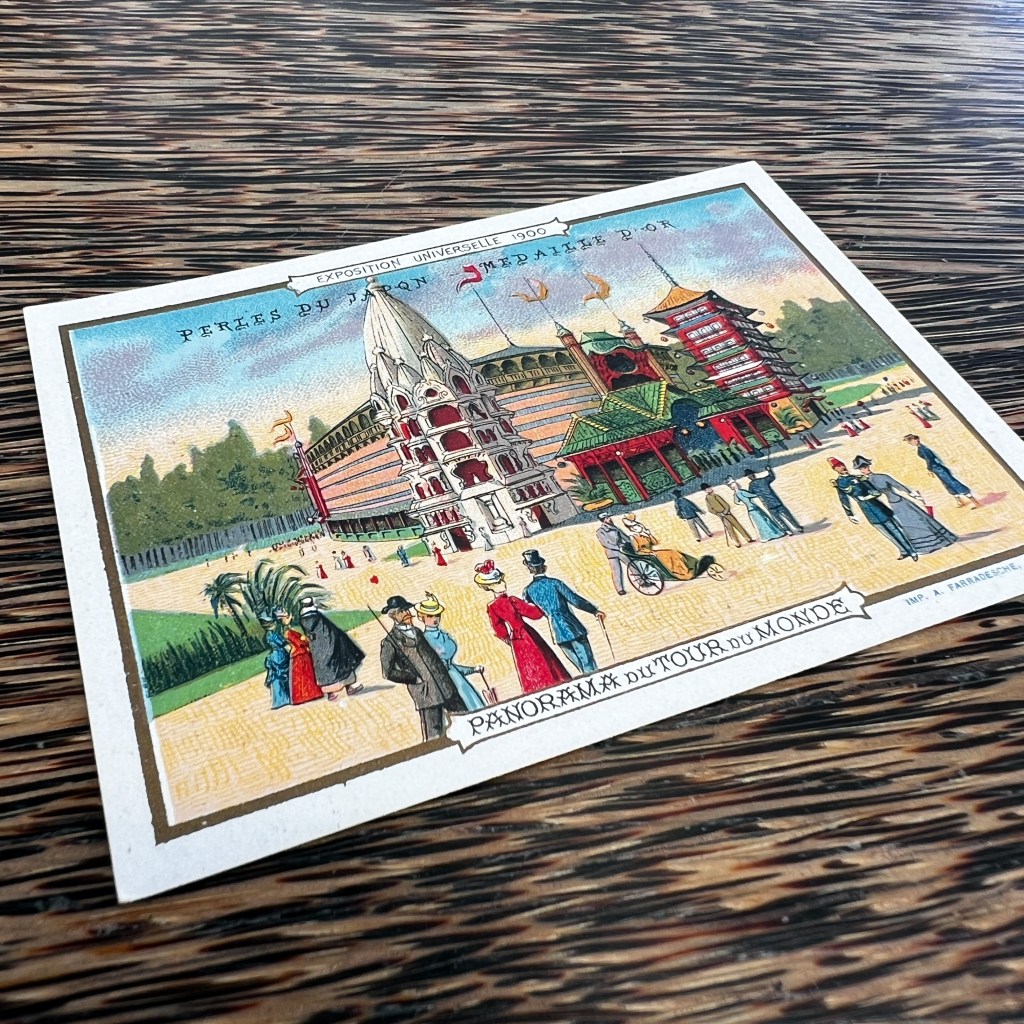
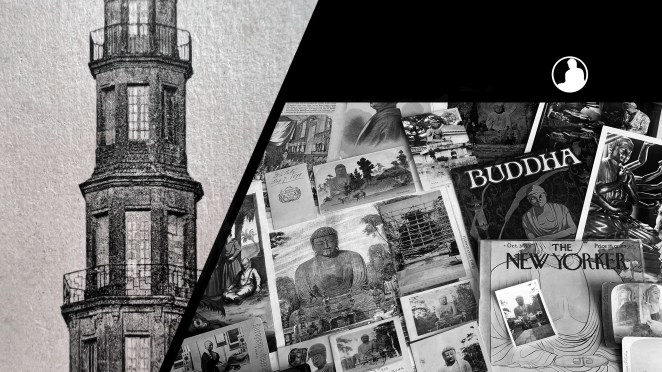
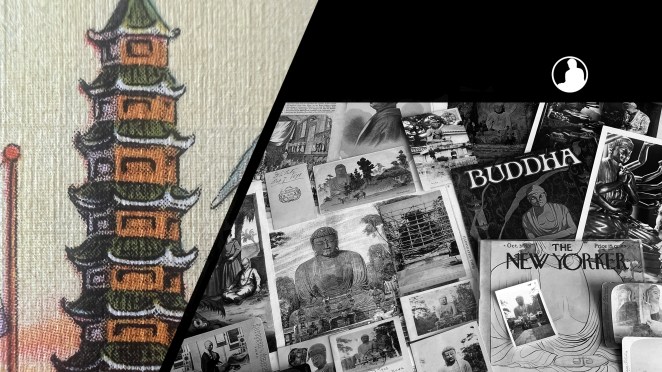
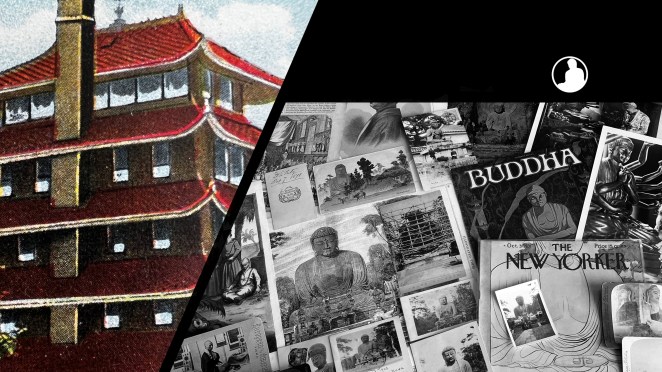
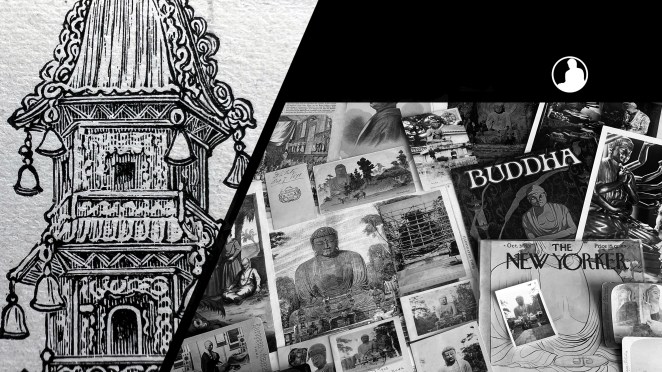
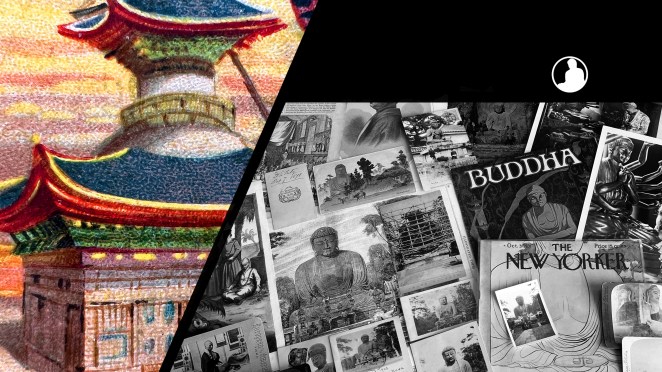
Panorama du Tour du Monde: By the 1900 Paris Exposition, amusement concessions were a major draw for all exposition visitors. Not far from the foot of the Eiffel Tower one found the Panorama du Tour du Monde which took patrons on a virtual voyage from Spain to Japan.

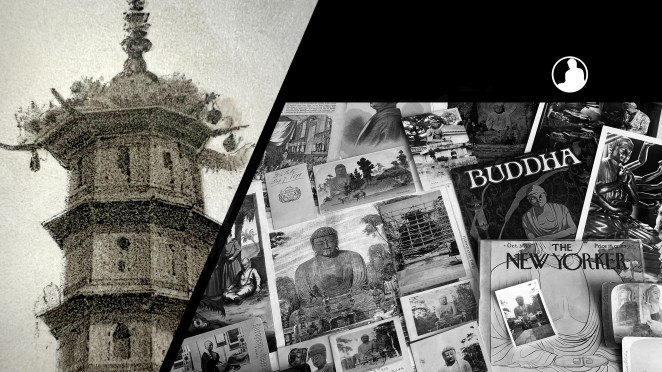
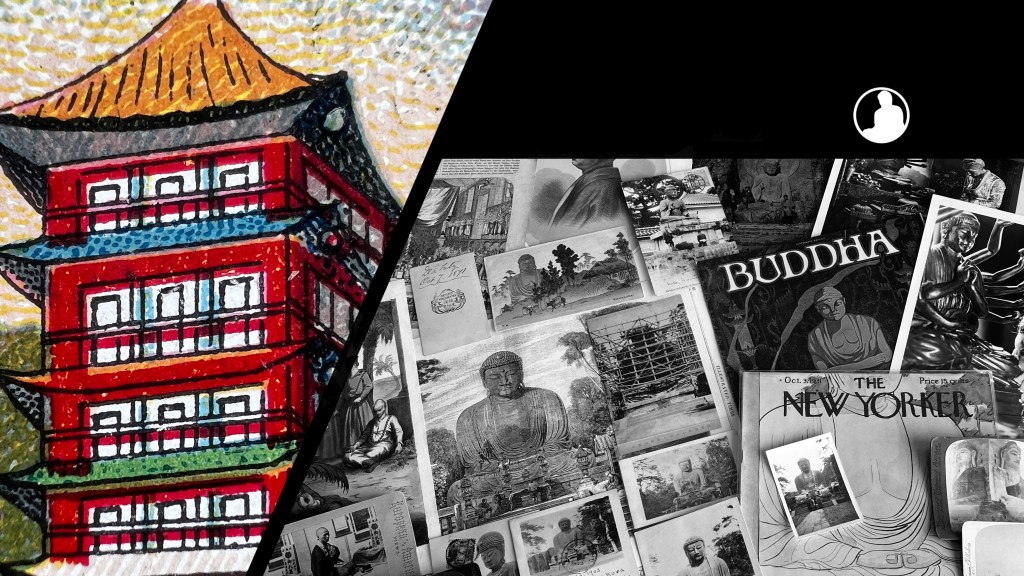
Built by Alexandre Marcel for a French sea-transport company, the architecture called to mind exotic locales with Asian-inspired structures. The main entrance was modeled on the Tōshō-gū in Nikkō, Japan. Some sources claim the red pagoda was based on a Chinese model.

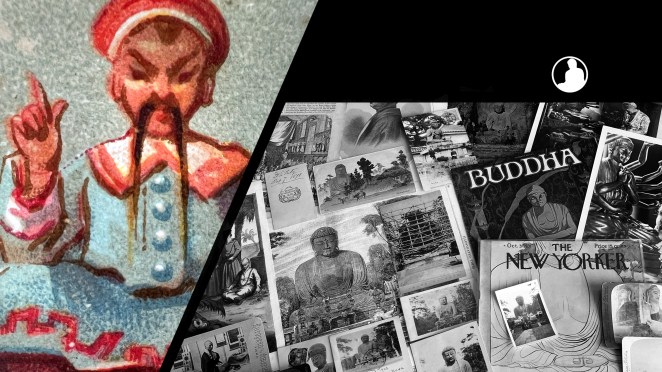
Visitors were drawn in by large panoramic paintings of various foreign countries to give a sense of virtual travel. More astonishingly, the concession integrated many indigenous performers who engaged in various trades while wearing traditional foreign costumes

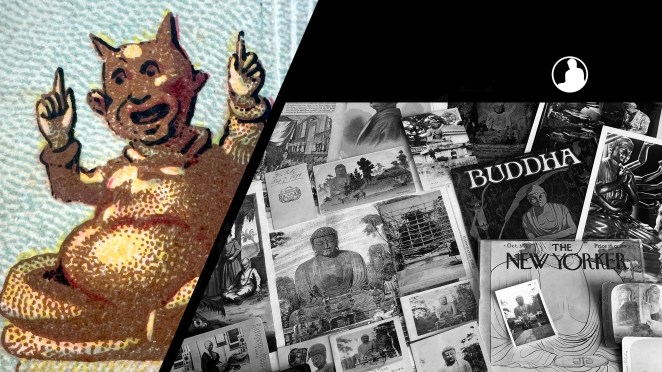
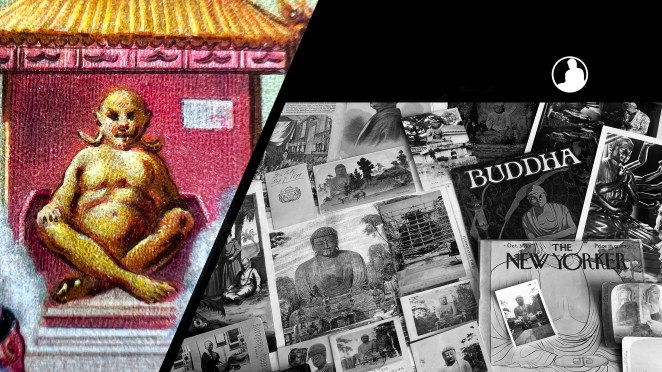
The beautiful lithographic print was part of an advertising campaign for a French company selling tapioca pearls, called “perles du Japon.”

King Leopold II was so struck by the building, he had Marcel build the Japanese Tower in Brussels. For more on the Tour du Monde exhibition, see https://tinyurl.com/2vbmr3c7.


The Buddhas in the West Material Archive is a digital scholarship project that catalogues artifacts depicting Buddhist material culture for Western audiences. It’s comprised of prints, photos, and an assortment of ephemera and other objects. For a brief introduction to this archive, visit the main Buddhas in the West project page.


For Related Buddhas in the West Posts Featuring France:


For the Most Recent Buddhas in the West Posts:

World in Boston Missionary Expo Buddhism Postcard

For all the new Buddhas in the West posts
follow us on Bluesky & Instagram


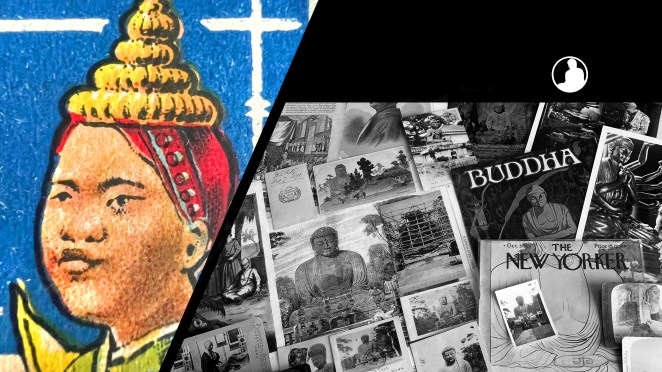
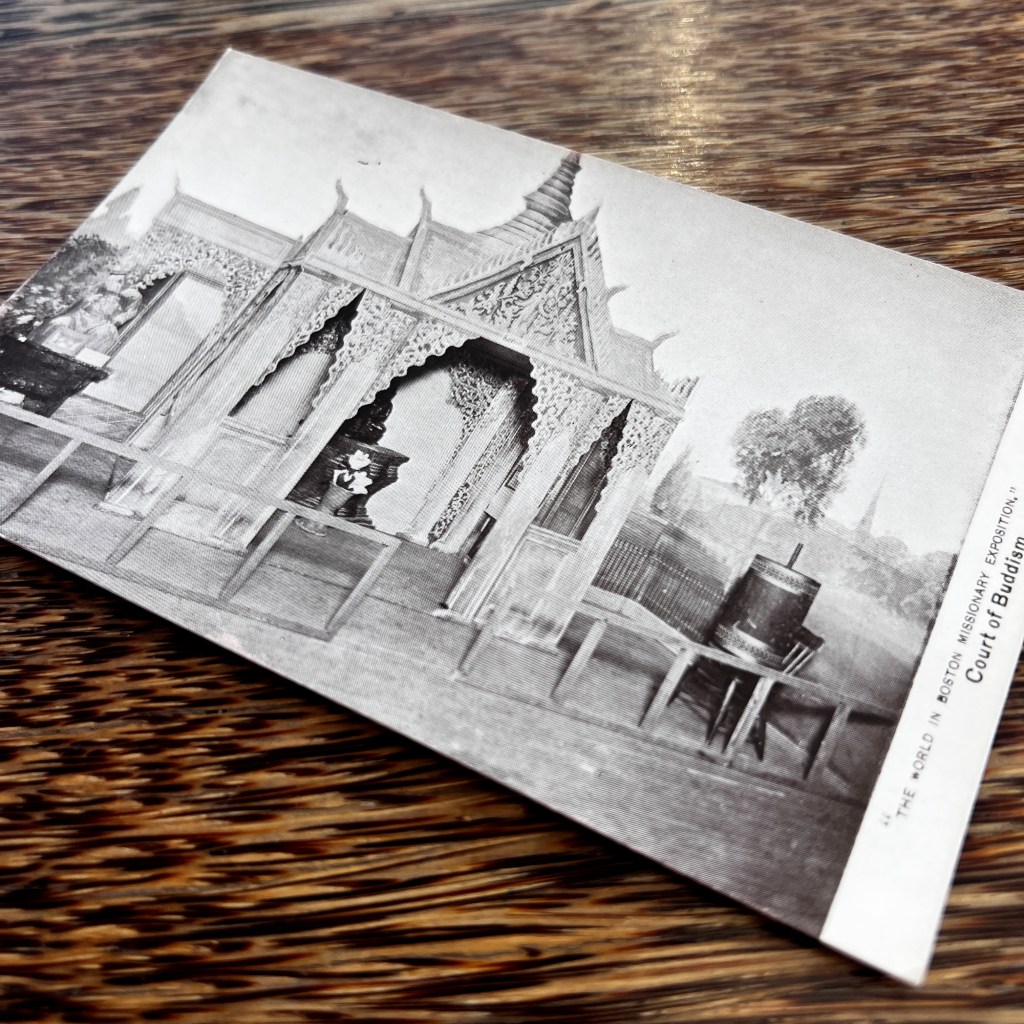
A Buddhist Object Lesson: Buddhist material culture was critical to the first US missionary exposition in 1911. Called The World In Boston, religious artifacts were employed to help give visitors a realistic glimpse into international missionary life.

An estimated 400,000 people visited the exposition where “Buddhism” comprised a modest court in the Hall of Religions. In contrast to conventional museum exhibits, a single Burmese Buddhist statue was housed in a small building resembling a typical Southeast Asian temple.

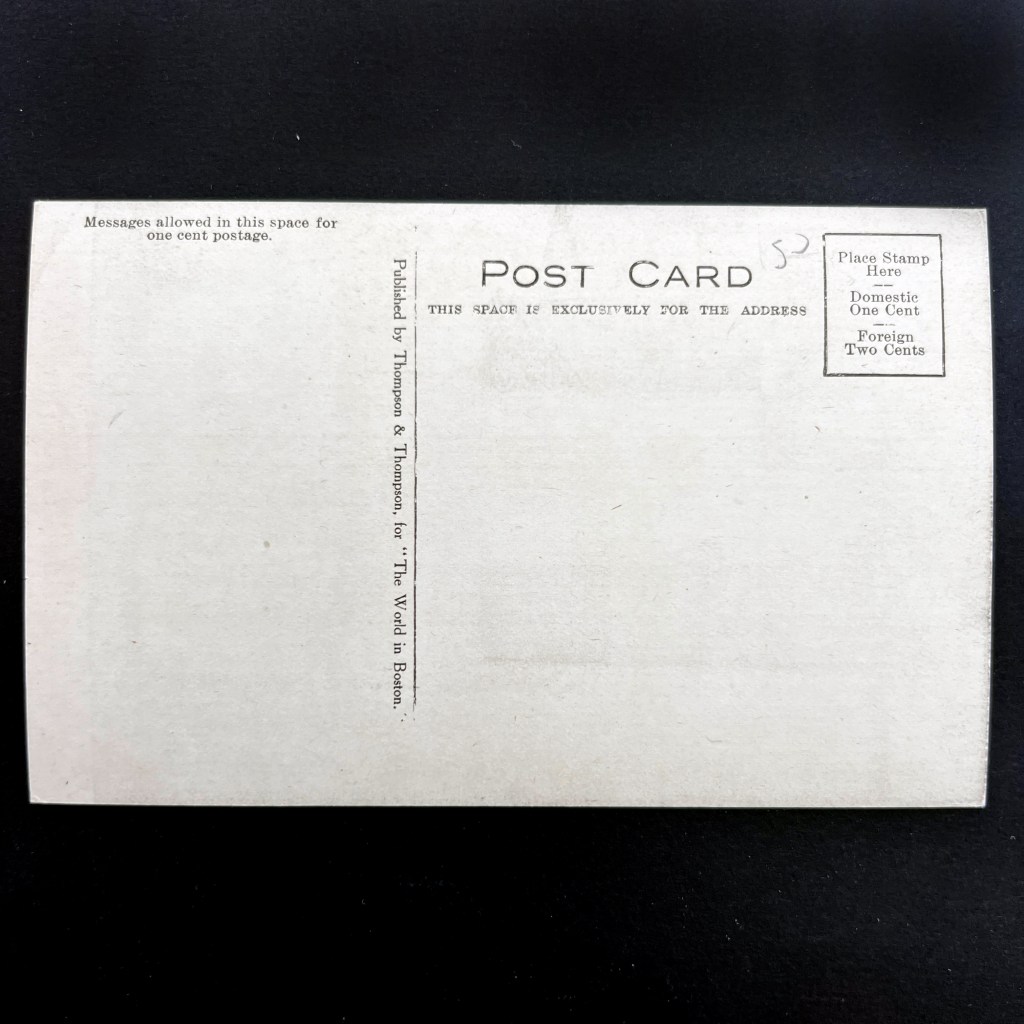
Inexpensive halftone printing allowed photographs to be reprinted as picture postcards, a very popular medium of the era. The image on the front bears only a loose resemblance to real Burmese temples found on postcards published by Philipp Klier and D.A. Ahuja.

On-site docents ensured religious icons were understood as props within a missionary narrative of attempting to save debased heathens. The American Baptist Mission in Burma provided some of the objects on display at The World in Boston, possibly even this enshrined Buddha.

For further exploration of the artifacts on display at the 1911 missionary exhibition, see Hasinoff, Erin L. Faith in Objects American Missionary Expositions in the Early Twentieth Century. New York: Palgrave Macmillan, 2011.


The Buddhas in the West Material Archive is a digital scholarship project that catalogues artifacts depicting Buddhist material culture for Western audiences. It’s comprised of prints, photos, and an assortment of ephemera and other objects. For a brief introduction to this archive, visit the main Buddhas in the West project page.


For Related Buddhas in the West Posts Featuring Expositions:


For the Most Recent Buddhas in the West Posts:

Pierrot’s “Prisonnier dans la pagode” Magazine Cover

For all the new Buddhas in the West posts
follow us on Bluesky & Instagram


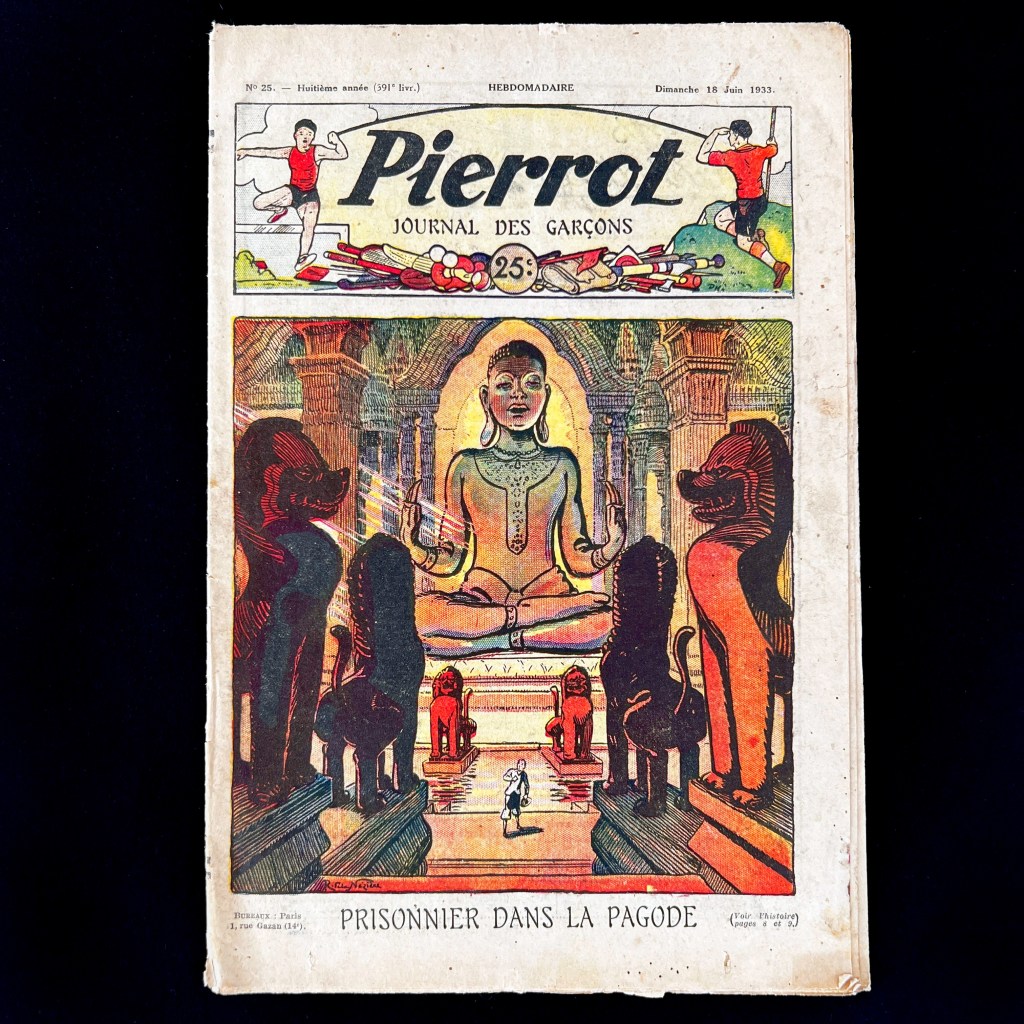
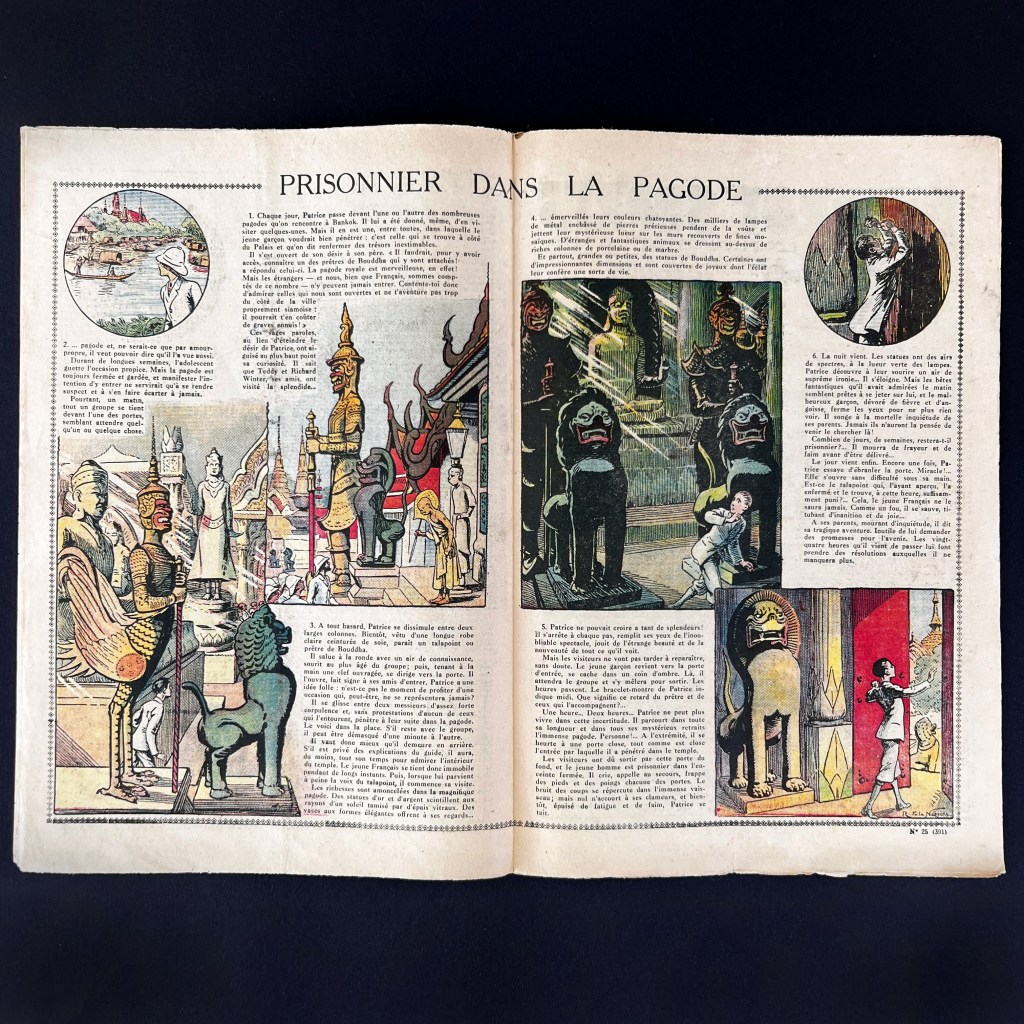
Prisoner in the Pagoda: Between World Wars, European periodicals geared towards boys grew in popularity. Many of these were written as action and adventure stories. Exotic locales, many of which were directly or indirectly colonized, became the sites of such exploits.

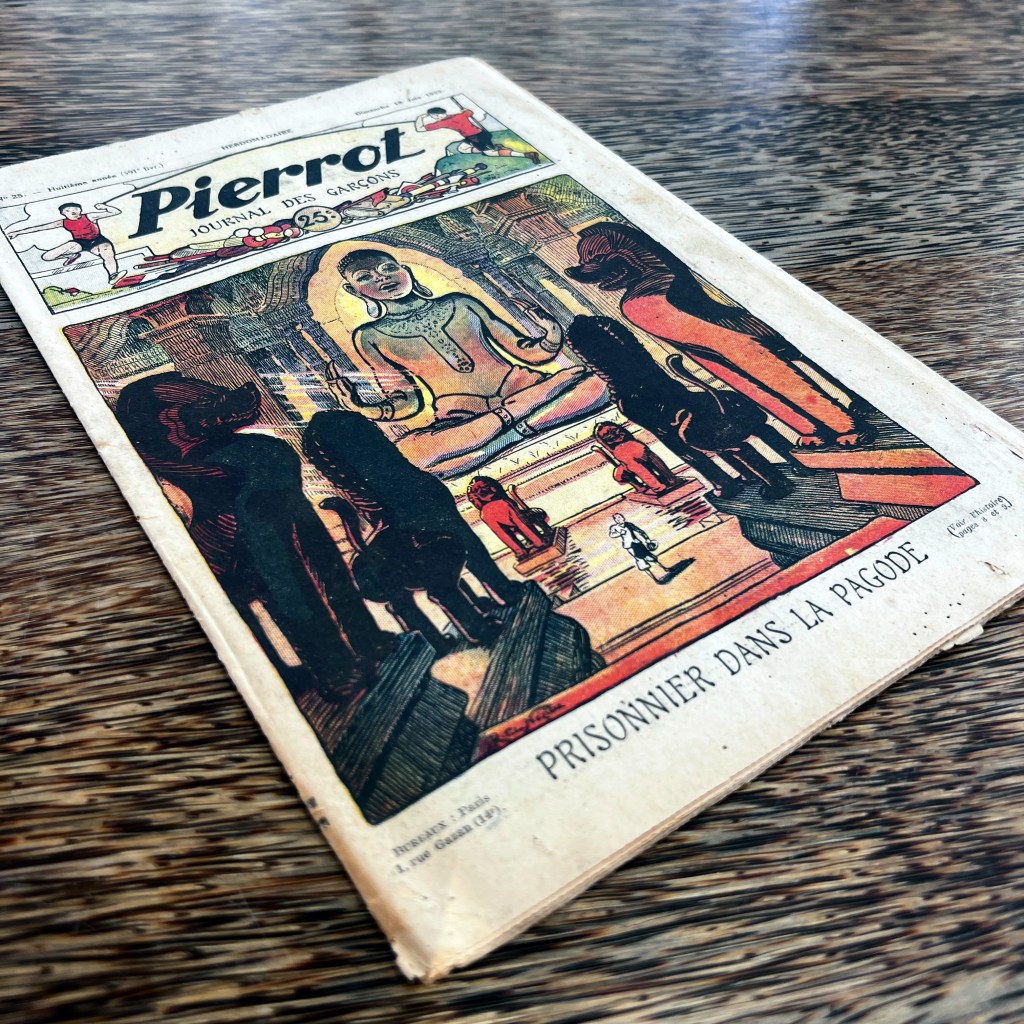
Pierrot, an illustrated French magazine first published in 1925, was a periodical in this vein. This 1933 issue has stories about pirates, piranha, and race cars, as well at the illustrated cover story, The Prisoner in the Pagoda.

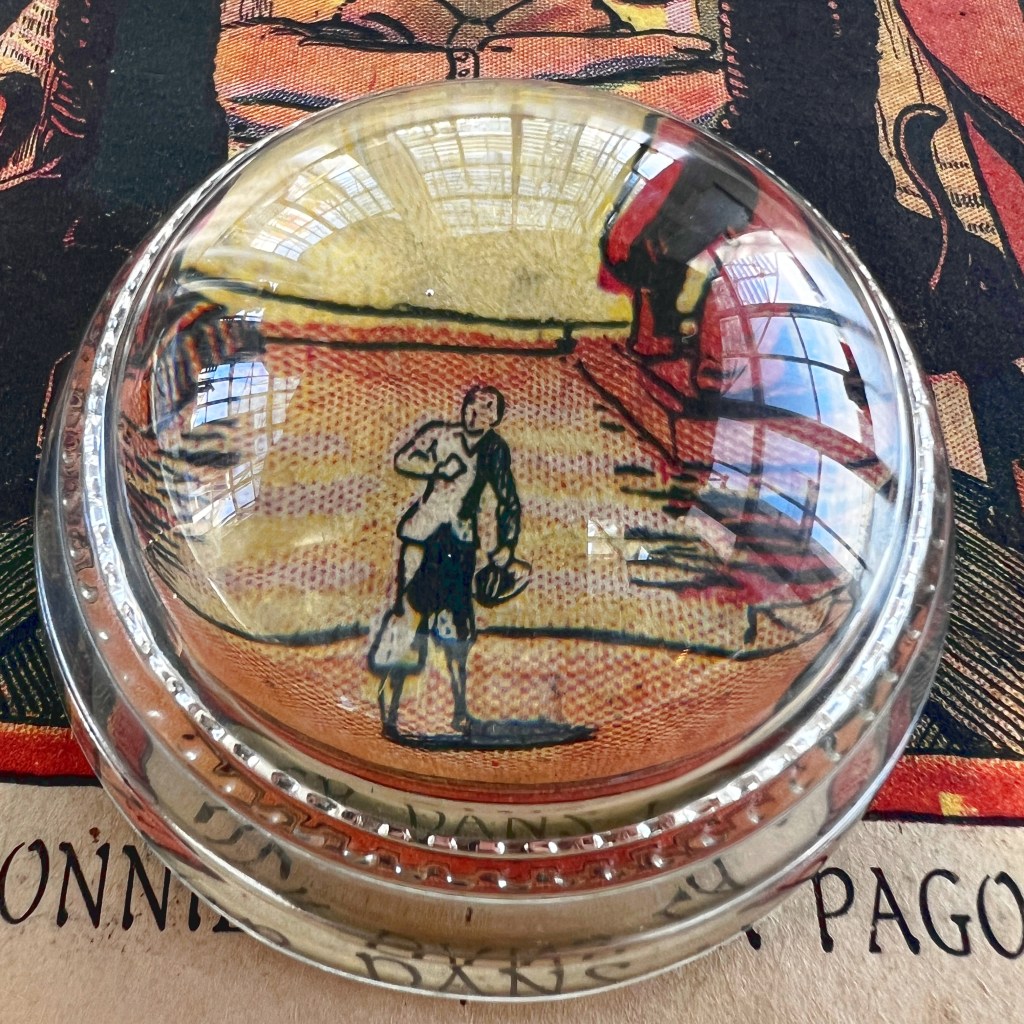
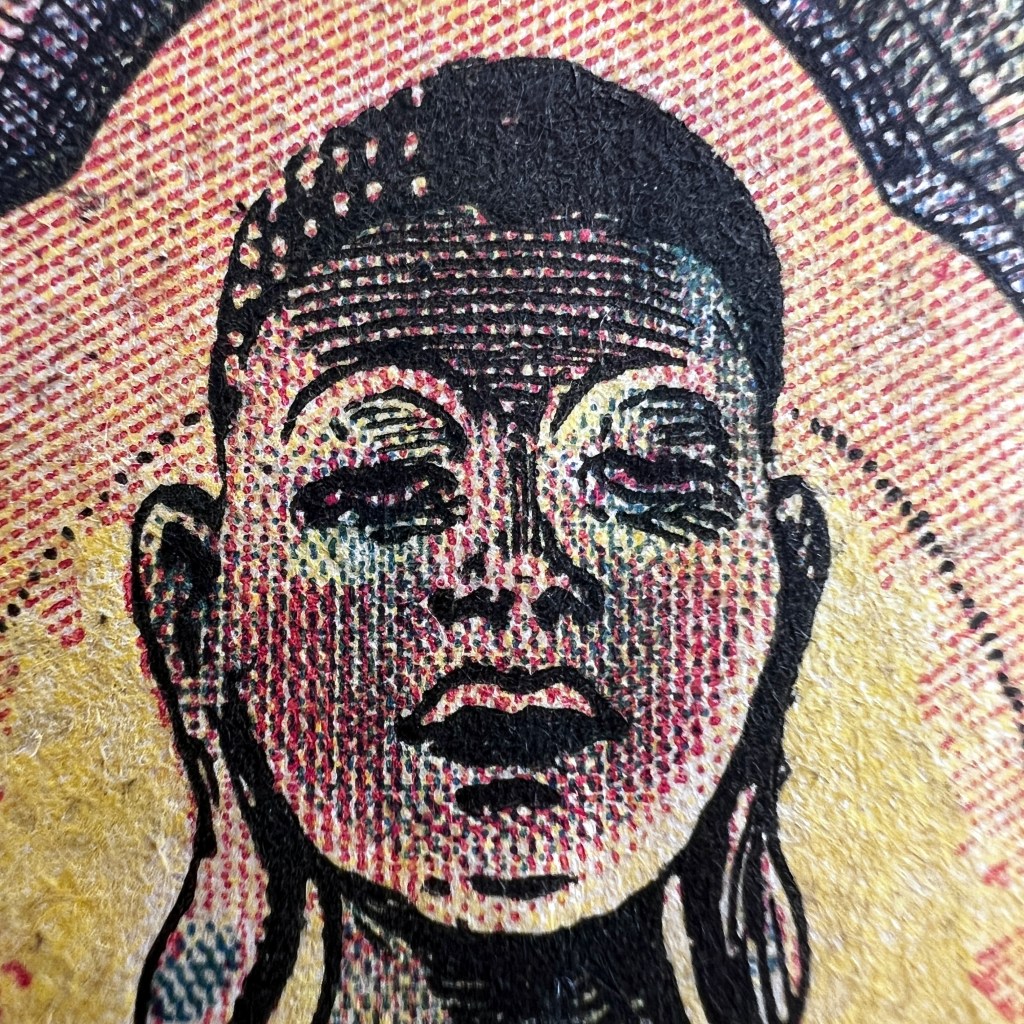
The art was intended to bring to mind the Temple of the Emerald Buddha at Wat Phra Kaew in Bangkok. The two-page spread tells the story of Patrice, an overly curious young boy who finds himself locked inside a Bangkok Buddhist temple overnight.

It follows a common trope of a mischievous boy who disregards his parents’ warnings and gets into trouble. Beyond mere trespassing, Patrice grows fearful of the strange buddhist icons that inhabit the temple.

The Emerald Buddha is not drawn true to life and is made foreboding by its size and directional lighting.

The collection of Pierrot magazines has been digitized by the Bibliothèque nationale de France. The issue under review can be found here: https://tinyurl.com/yck22hde.


The Buddhas in the West Material Archive is a digital scholarship project that catalogues artifacts depicting Buddhist material culture for Western audiences. It’s comprised of prints, photos, and an assortment of ephemera and other objects. For a brief introduction to this archive, visit the main Buddhas in the West project page.


For Related Buddhas in the West Posts Featuring France:


For the Most Recent Buddhas in the West Posts:

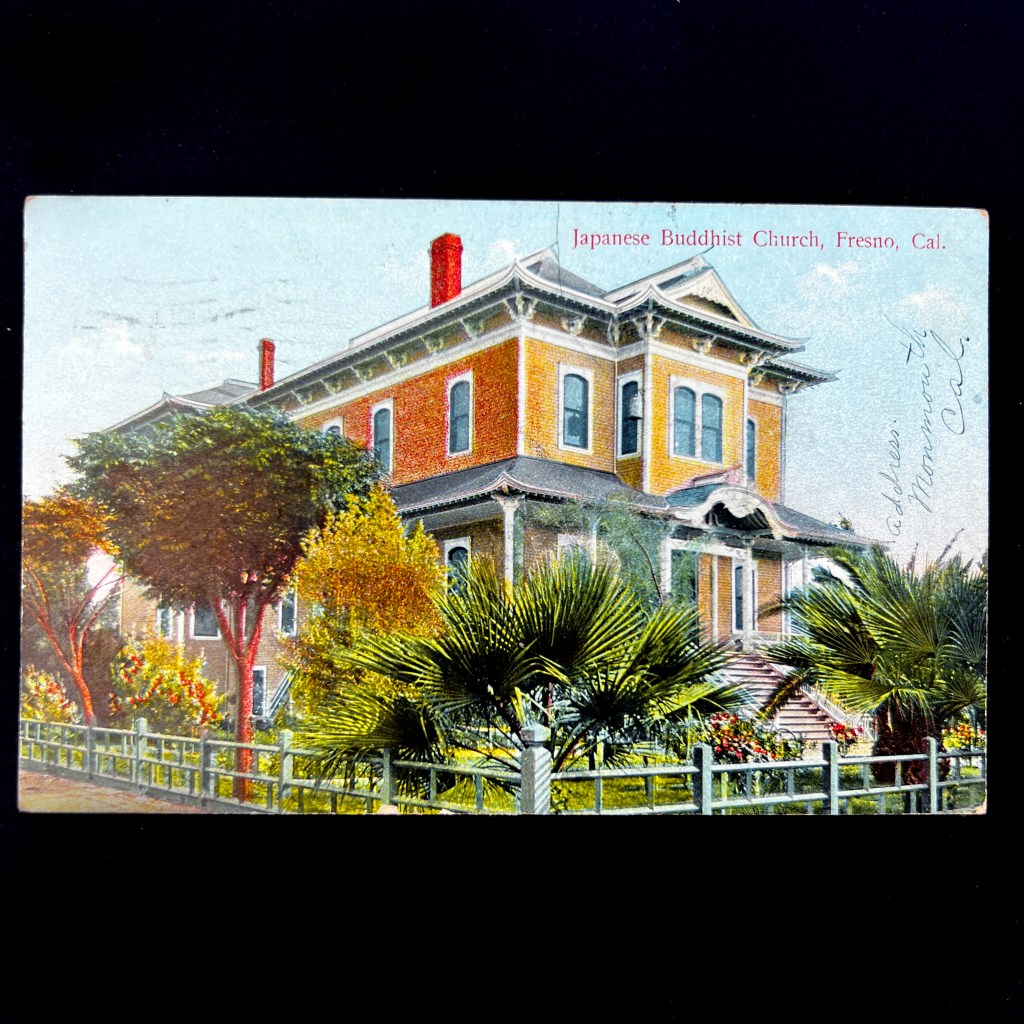
Fresno Japanese Buddhist Temple Postcard

For all the new Buddhas in the West posts
follow us on Bluesky & Instagram


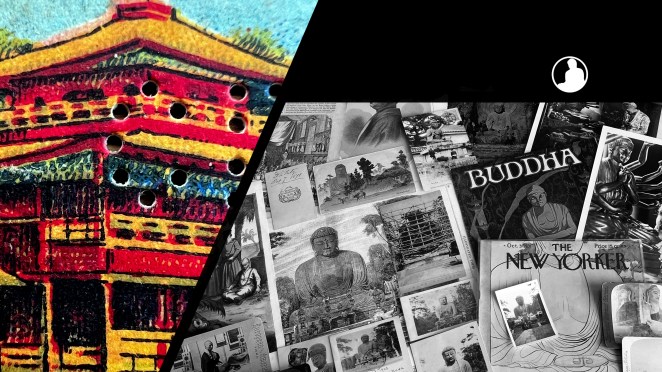
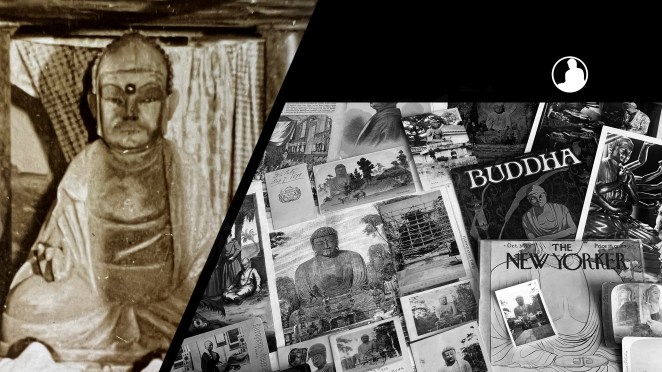
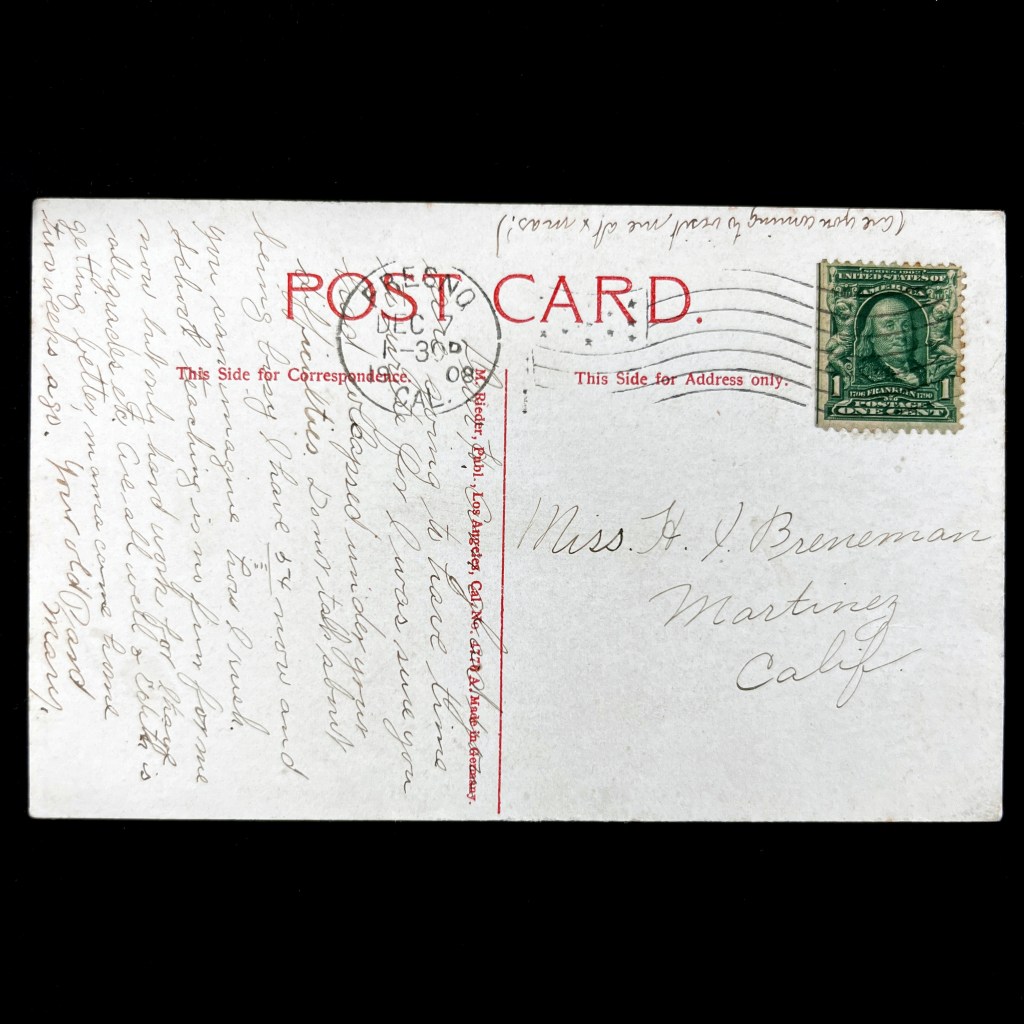
First Buddhist Temple Constructed on Mainland US: Two Japanese Buddhist temples were dedicated in San Francisco and Sacramento by 1900, but these were old converted residences. The Fresno temple was the first constructed to primarily function as a Buddhist temple.

The Fresno Buddhist Church was designed by the Japanese immigrant Kuninosuke Masumizu (1849-1915), a temple and shrine architect. The three-story wood structure was built on 1340 Kern Street and opened April 8, 1902. Construction continued through 1904.

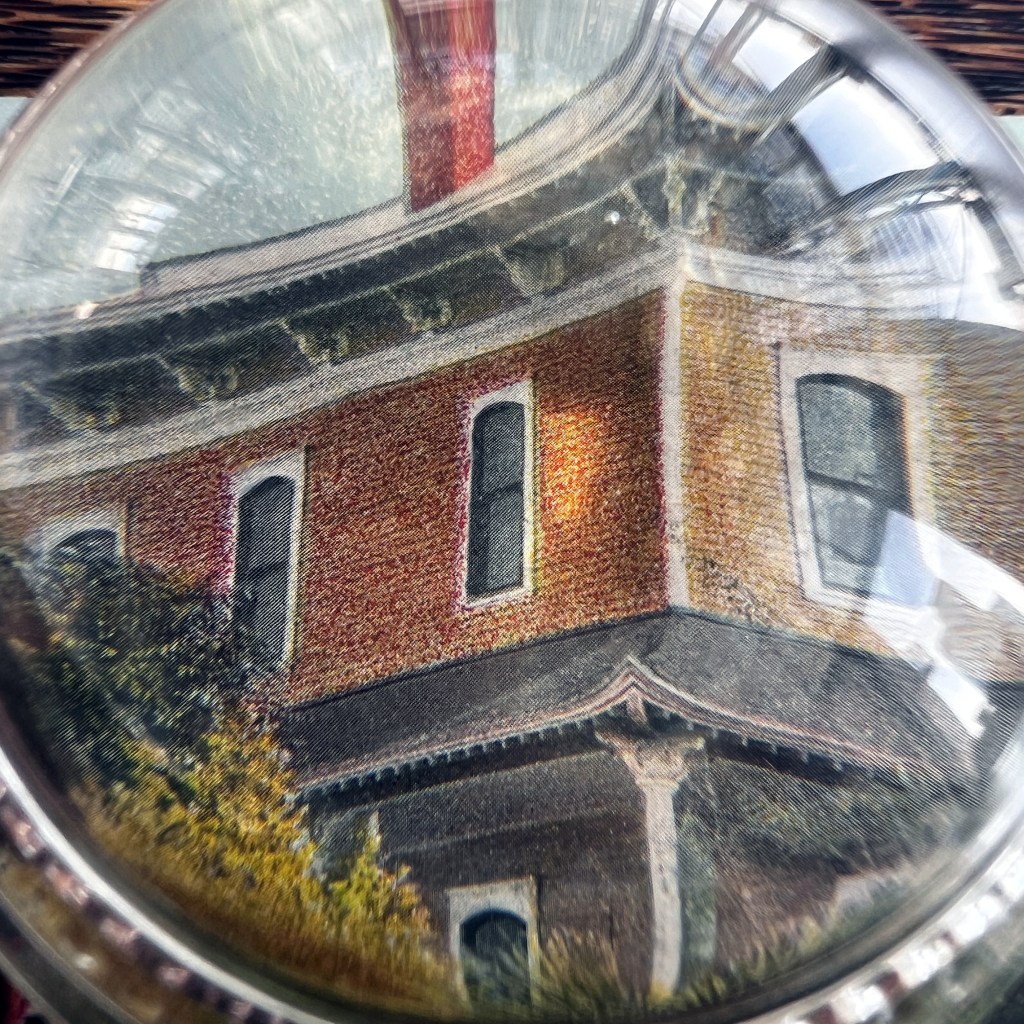
This postcard is one of a few remaining photographs of the original building, it burned down in 1919. This card was postmarked in 1908 and was printed in Germany, the leader in photomechanical postcard printing of the era.

Reports describe the temple as having a Japanese style. In truth, the style is rather hybrid, with upward sloping eaves on the roof and a temple-style gate for the front porch. Overall, however, the building could easily blend into the residential architecture of the period.

The Fresno Buddhist Church was rebuilt in 1920. This building was sold in 2018 to local Burmese Americans and is now the Mrauk Oo Dhamma Center. The Japanese Jōdo Shinshū congregation built a new temple that opened in 2022.


The Buddhas in the West Material Archive is a digital scholarship project that catalogues artifacts depicting Buddhist material culture for Western audiences. It’s comprised of prints, photos, and an assortment of ephemera and other objects. For a brief introduction to this archive, visit the main Buddhas in the West project page.


For Related Buddhas in the West Posts Featuring the United States:


For the Most Recent Buddhas in the West Posts:

Singapore Buddhist Hell Guardian Postcard

For all the new Buddhas in the West posts
follow us on Bluesky & Instagram


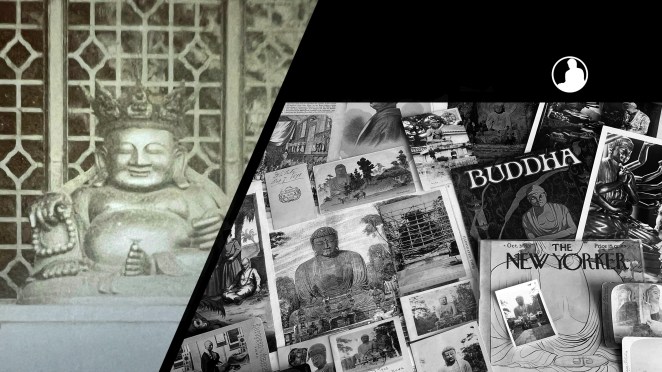
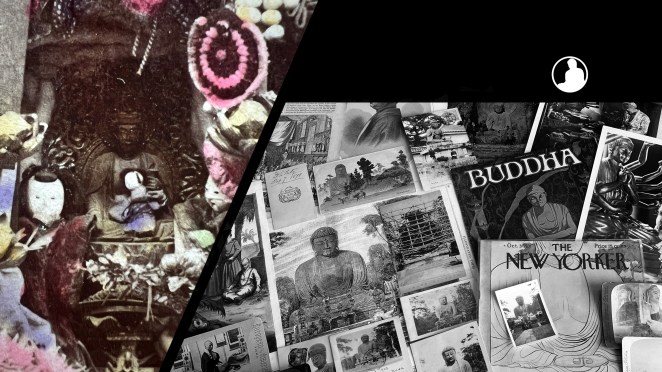
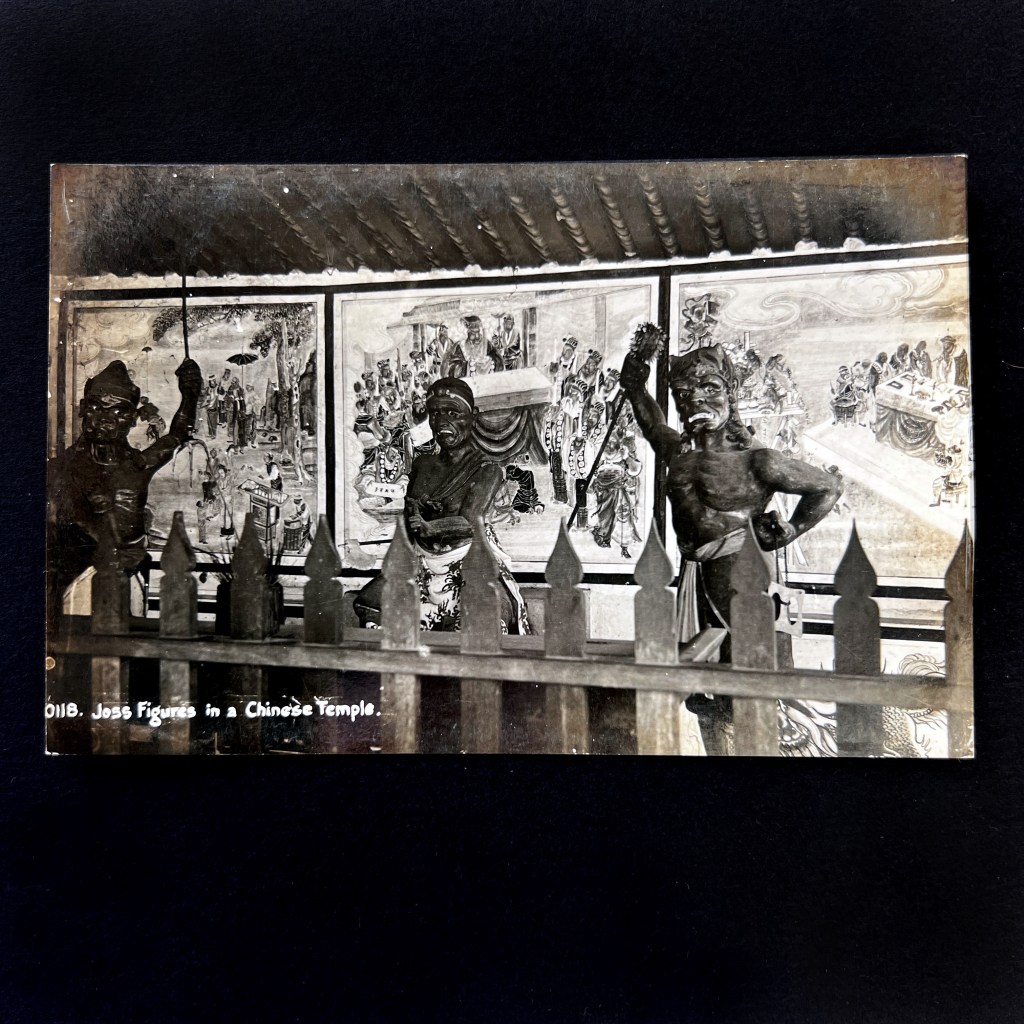
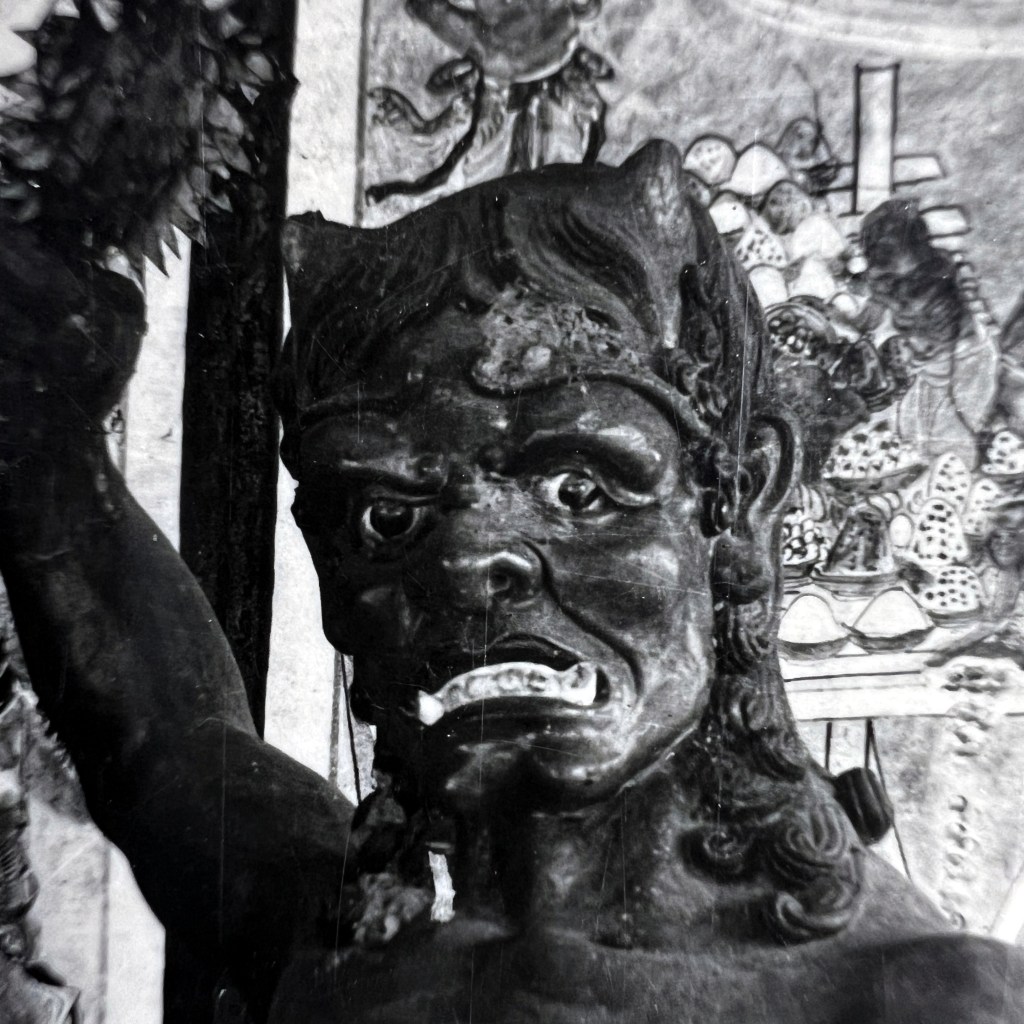
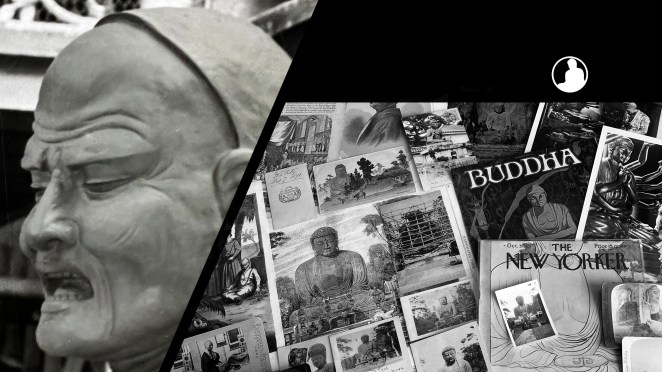
Unknown “Chinese” Temple: By the mid-to-late 19th century, the term “joss” typically referred to venerated Chinese religious icons. Here we see the term used to identify statues of Buddhist hell guardians. These figures are not typically the center of veneration in temples.

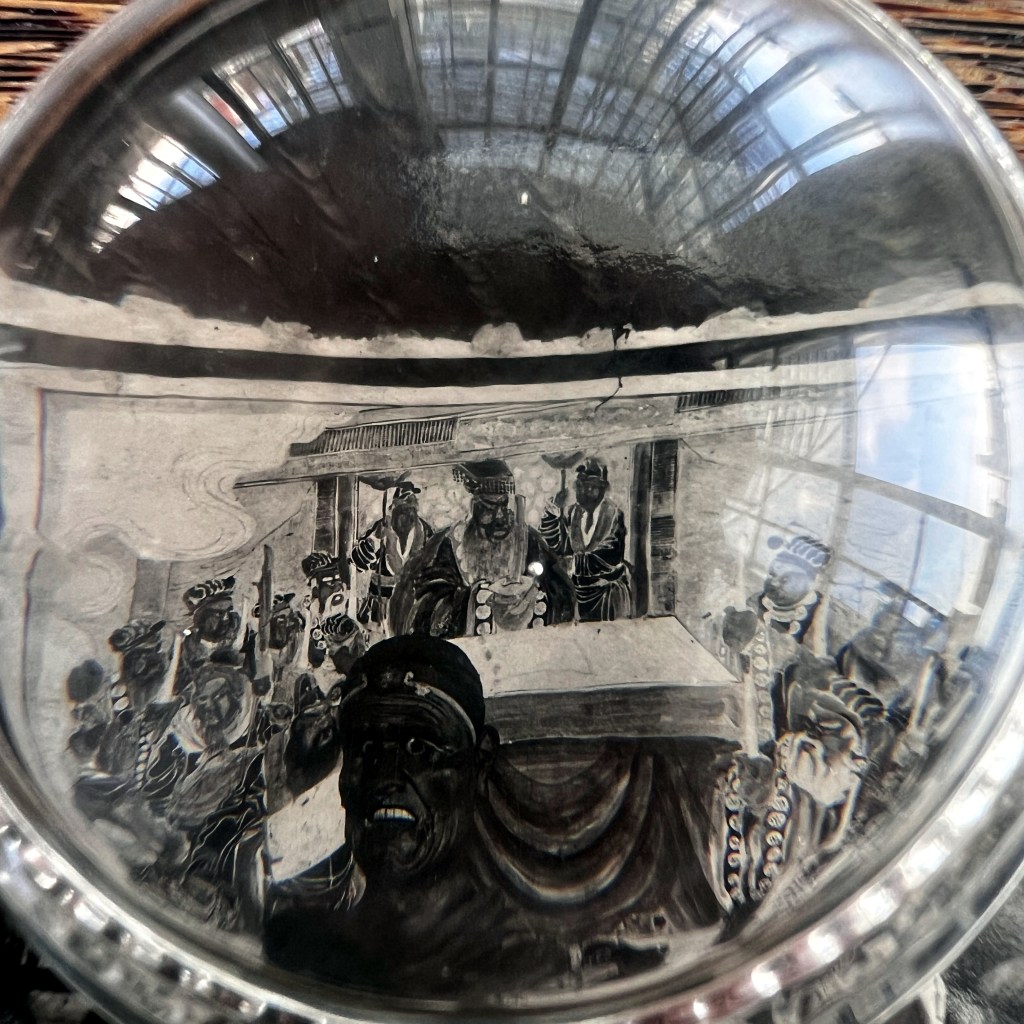
Moreover, the statues are positioned in front of murals depicting the Buddhist Ten Courts of Hell. Chinese Buddhist hell is viewed as an administrative center for the underworld where the dead are judged for their deeds in life.

The location is an unidentified Chinese Temple. Real photo post cards with similar reverse designs depict temples from Singapore; it is possible this is one of several “Chinese temples” from that area at the turn of the 20th century.

This photographic card likely dates to the 1920s. (I have seen a used version of this card hand-dated to 1930).

The National Archives of Singapore has a good selection of digitized photographs showing various Chinese Temples, available here: https://tinyurl.com/mr9nwcep.


The Buddhas in the West Material Archive is a digital scholarship project that catalogues artifacts depicting Buddhist material culture for Western audiences. It’s comprised of prints, photos, and an assortment of ephemera and other objects. For a brief introduction to this archive, visit the main Buddhas in the West project page.


For Related Buddhas in the West Posts Featuring Historical Real Photo Post Cards:


For the Most Recent Buddhas in the West Posts:

D.A. Ahuja’s Arakan Mahāmuni Postcard

For all the new Buddhas in the West posts
follow us on Bluesky & Instagram


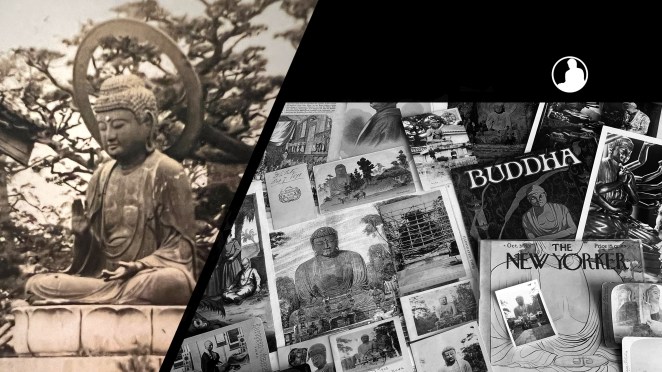
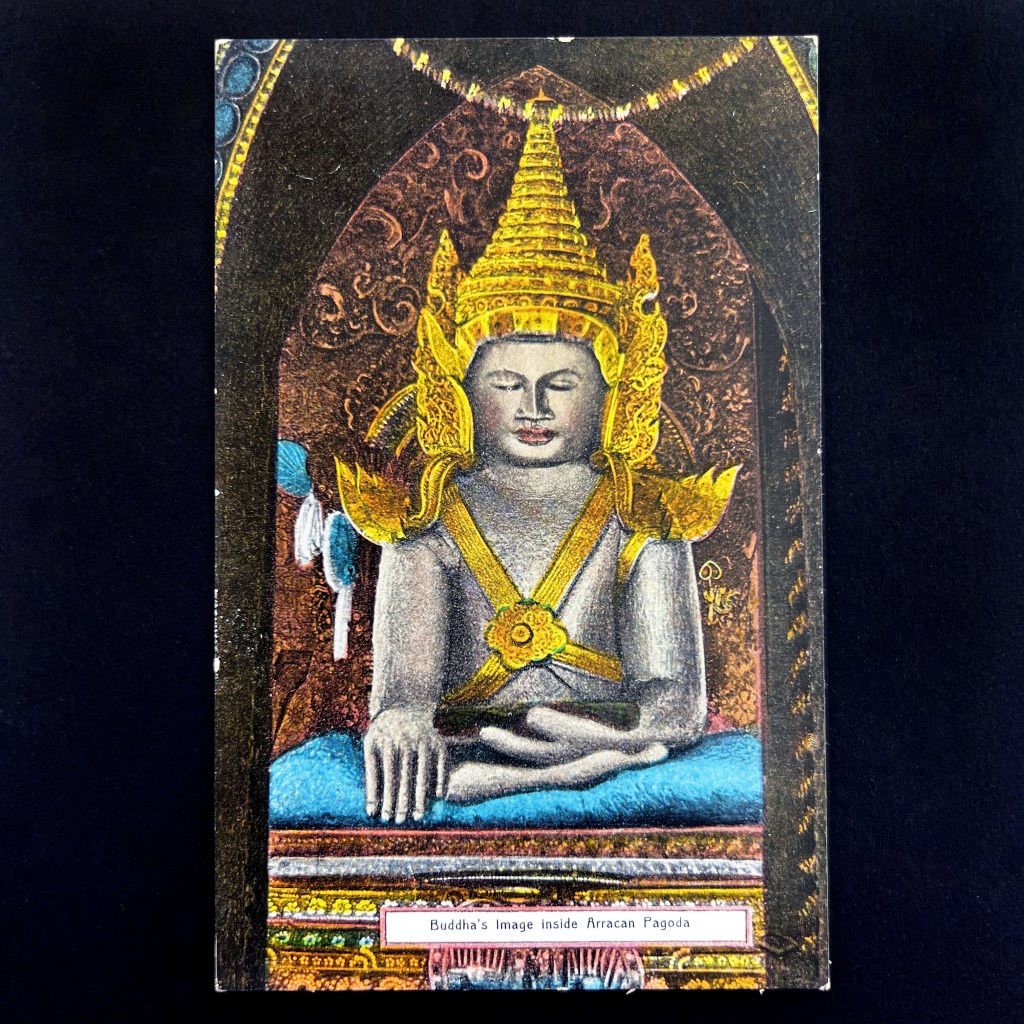
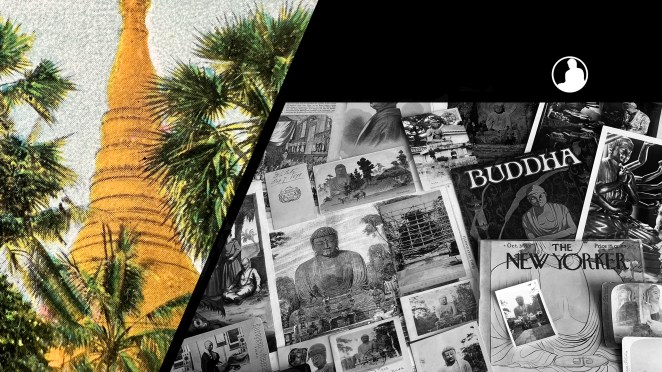
An image consecrated by the Buddha himself? The Mahāmuni image is among the most venerated in Burma. According to myth, the statue was cast during the lifetime of the Buddha and was “enlivened” to act as counsel to kings in the Buddha’s absence.

Originating in the coastal region of Arakan, the statue was moved to Upper Burma, into present-day Mandalay, at the turn of the 19th century.

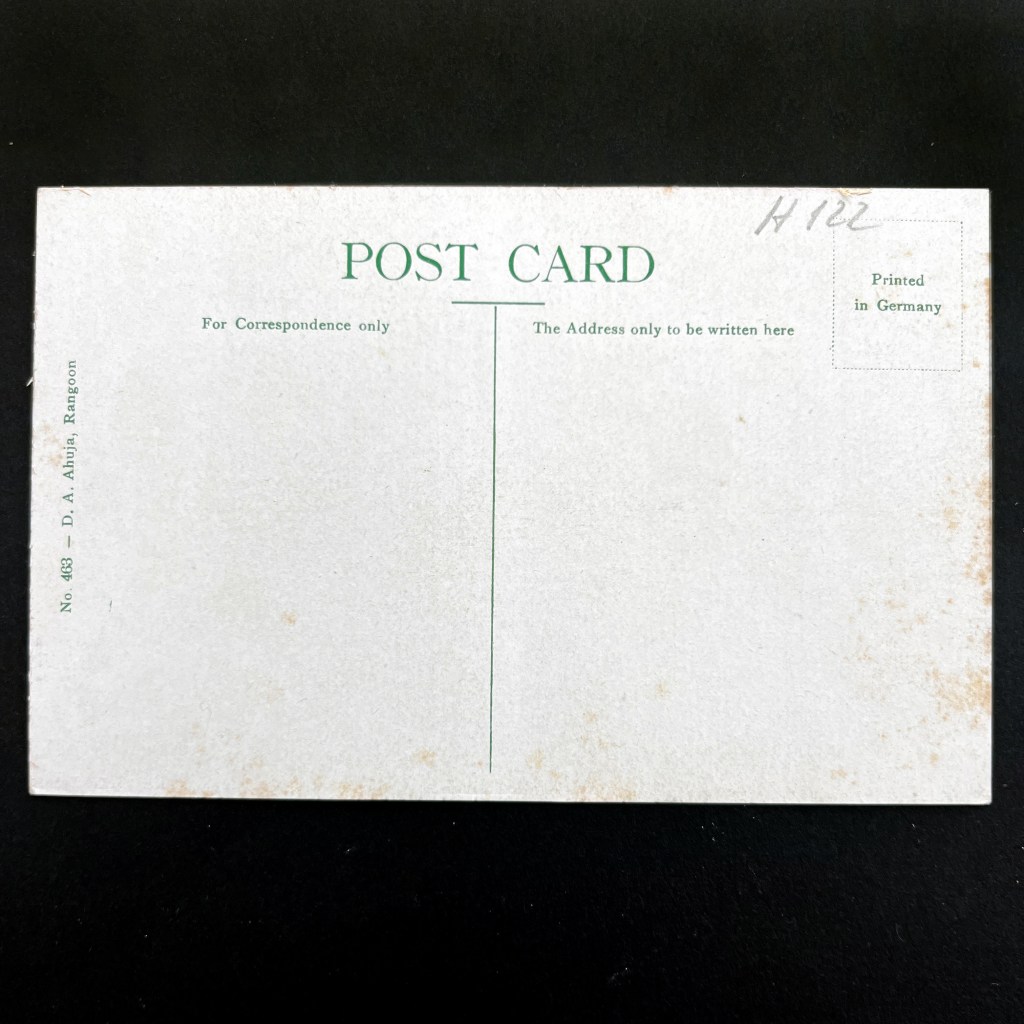
The colorful postcard is a German lithographic-halftone print published by D. A. Ahuja circa 1910. Postcards emerged as highly valued souvenirs during the period of British colonial rule and helped spread knowledge of Buddhist material culture into the West.

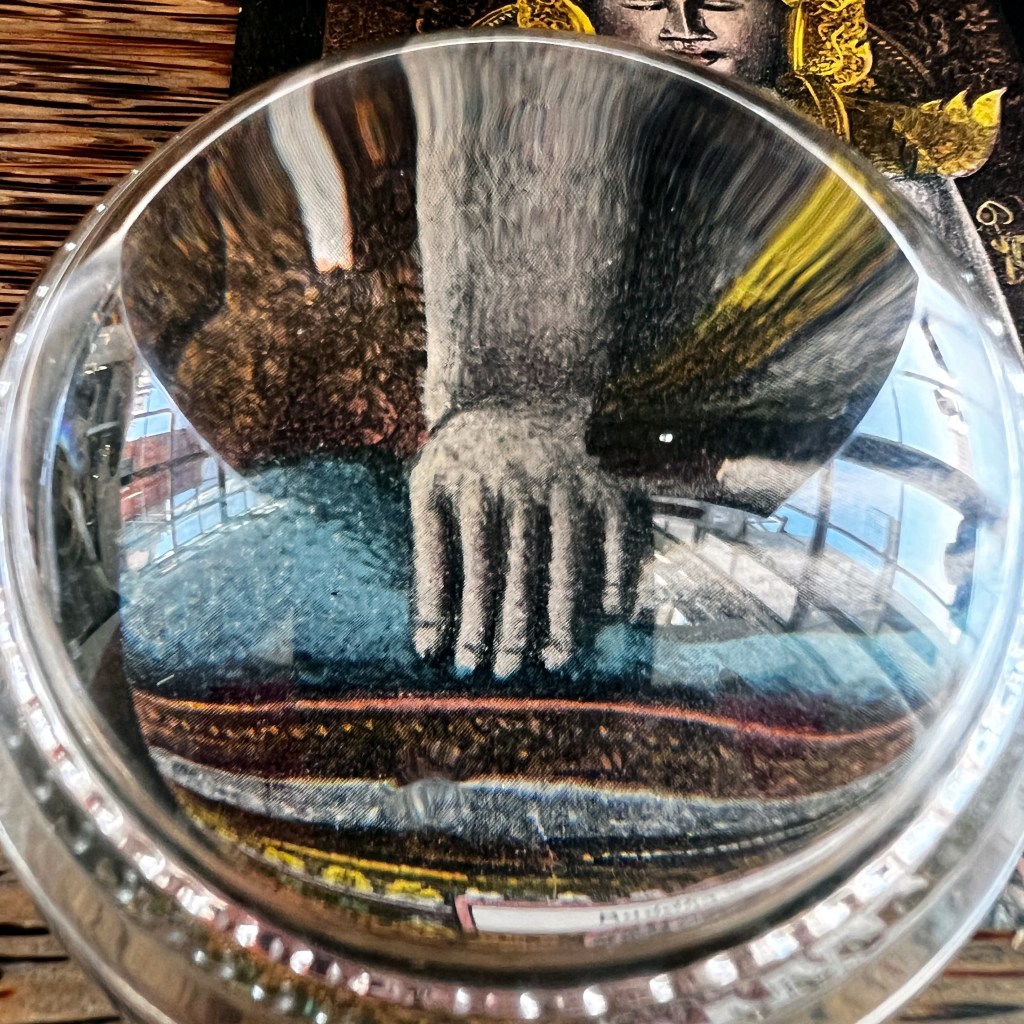
The brass statue depicts the moment when the Buddha calls upon the earth to testify to his generosity and to defeat Mara; this is symbolized by his right hand touching the ground.

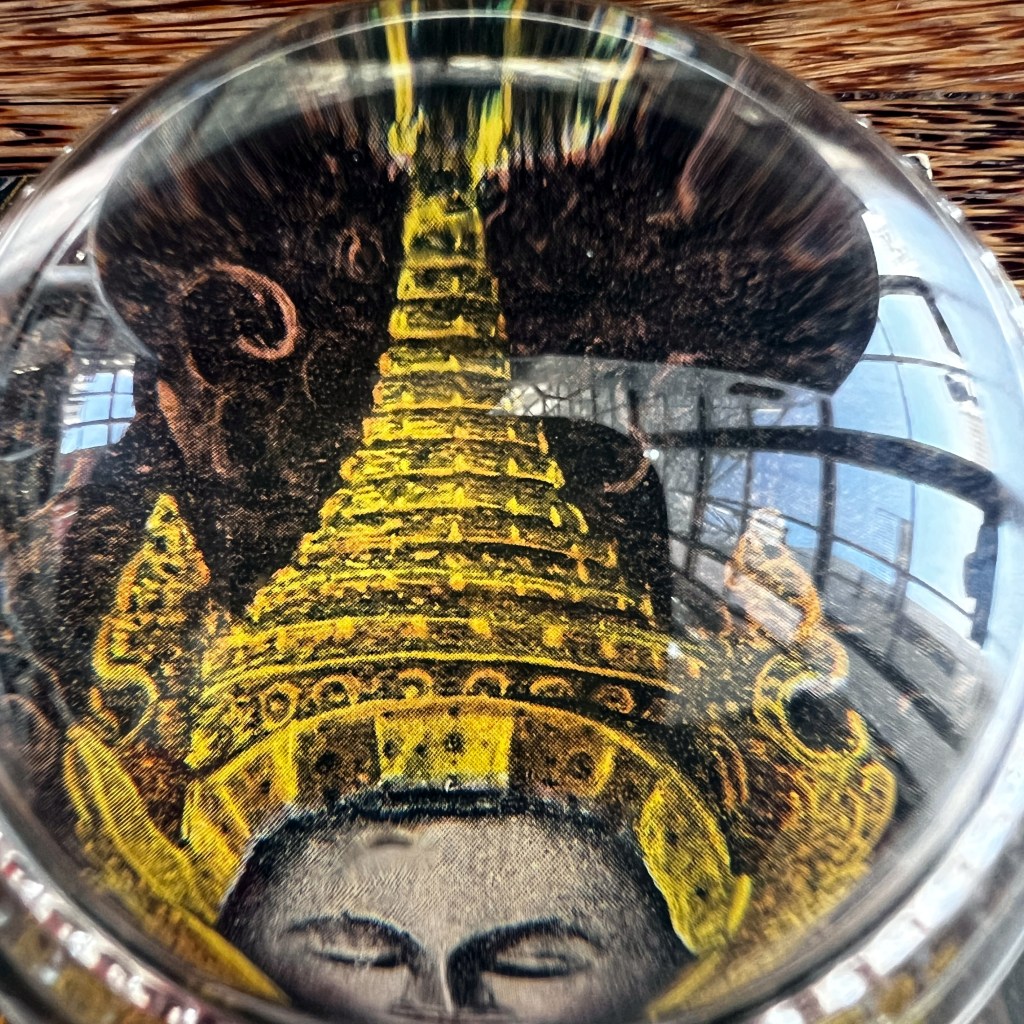
Over 12 feet in height, the image is topped by a crown – typical of the Jambupati style – and is intended to display the grandeur of the Buddha and his message.

F

or more on a Burmese Buddhist statue in a similar style, see the Asian Art Museum website here: https://tinyurl.com/mpvxn8j9.


The Buddhas in the West Material Archive is a digital scholarship project that catalogues artifacts depicting Buddhist material culture for Western audiences. It’s comprised of prints, photos, and an assortment of ephemera and other objects. For a brief introduction to this archive, visit the main Buddhas in the West project page.


For Related Buddhas in the West Posts Featuring the Historical Buddha / Gautama:


For the Most Recent Buddhas in the West Posts:

Olfert Dapper’s Formosan Buddha Engraving

For all the new Buddhas in the West posts
follow us on Bluesky & Instagram


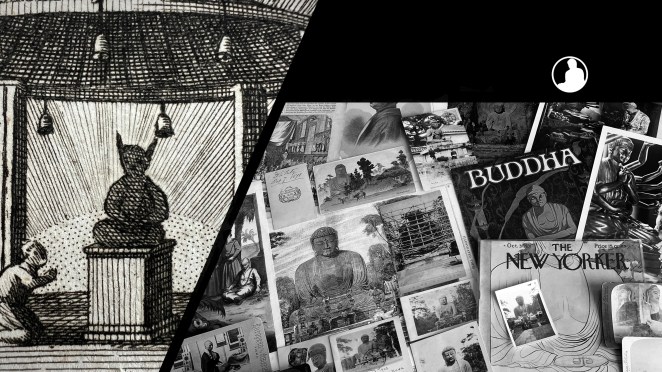
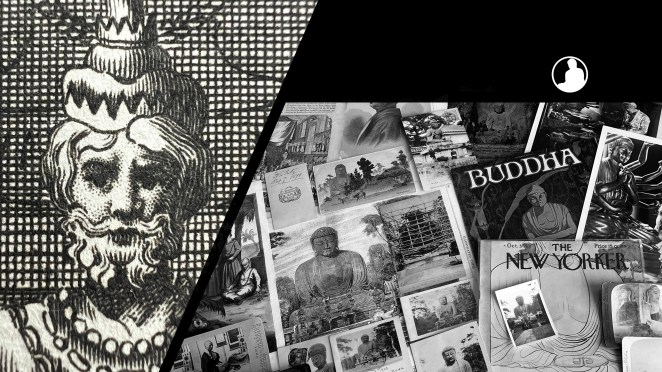
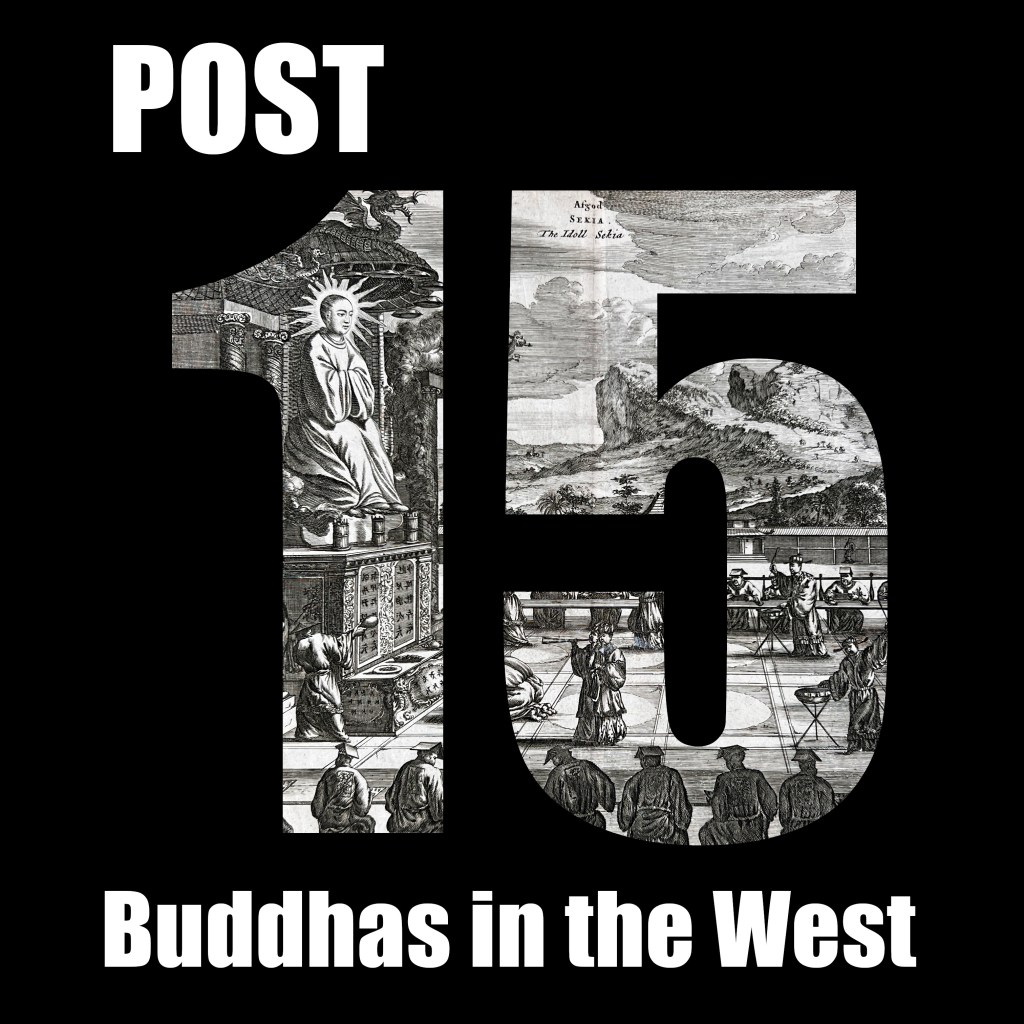
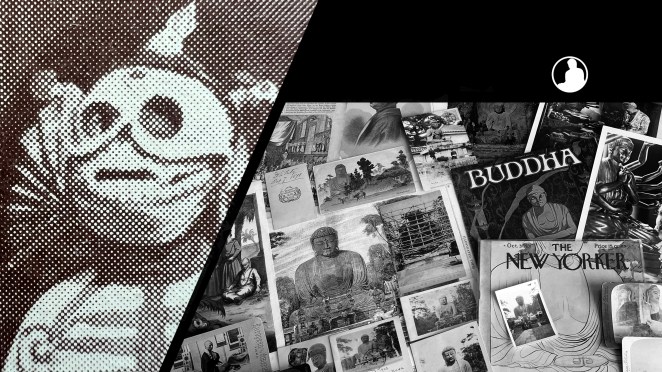
European book engravers often fabricated details to flesh out illustrations where textual accounts were silent. Such is the case here for “The Idoll Sekia” (Śākyamuni) showing a Buddhist temple in late 17th century Formosa, present-day Taiwan.


This illustration is from the 1674 German edition of Atlas Chinensis by Olfert Dapper (1636–1689). Dapper never visited Asia, but edited the travelogues of the second and third Dutch embassies to China and consulted Jesuit accounts.


The copperplate engraving were most likely prepared in the workshop of the publisher Jacob van Meurs. The image was based on Dapper’s retelling of the accounts of a Scotchman named David Wright who lived on Formosa in the 1650s.


Wright describes the use of music during worship and the prostrations of two priests day and night at the altar.


The main icon – never identified as the Buddha in the text – is described as depicting a religious man, now deified, who shaved his head and never ate animal flesh.


An English edition of Dapper’s work, published by John Ogilby in 1671, can be viewed through Stanford University here: https://tinyurl.com/ycyw93eb


The Buddhas in the West Material Archive is a digital scholarship project that catalogues artifacts depicting Buddhist material culture for Western audiences. It’s comprised of prints, photos, and an assortment of ephemera and other objects. For a brief introduction to this archive, visit the main Buddhas in the West project page.


For Related Buddhas in the West Posts Featuring Historical Engravings:


For the Most Recent Buddhas in the West Posts:

Johannes Nieuhof’s Temple Interior Engraving

For all the new Buddhas in the West posts
follow us on Bluesky & Instagram


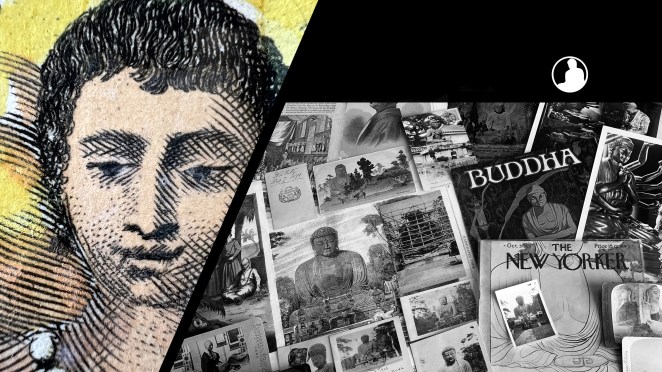
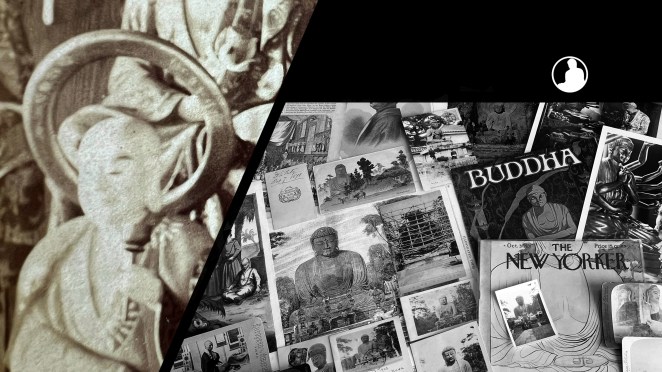
Some of the earliest Buddhist imagery in Europe appears as copperplate engravings in late 17th century books. Here’s a hand-colored page from the German edition of An Embassy of the Dutch East India Company by Johannes Nieuhof showing the imaginary interior of a Chinese temple.

Nieuhof’s work was the first illustrated European book on China. Moreover, after Nieuhof returned from the first Dutch envoy to China in 1657, his personal drawings formed the basis for many illustrations in this work.

The copper plates were most likely prepared in the workshop of the publisher Jacob van Meurs who printed the first Dutch edition in 1665; the German edition appeared in 1666. You can still see the impression of the plate in the paper. The text was standard letterpress.

This page was extracted from a volume and is 27 cm x 20 cm (10 in x 8 in) in size.

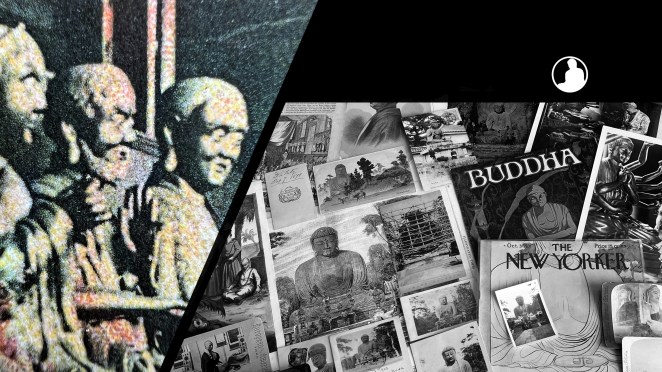
A Buddhist statue is also seen on the back altar.

Prostrating Buddhist devotees enliven the scene.

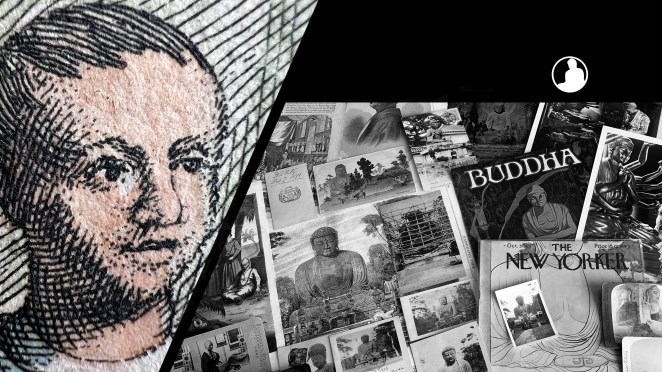
The etching reveals meticulous line work. Amazingly, A manuscript copy of Nieuhof’s sketches was discovered in the 1970s and is held by the Bibliothèque Nationale de France, it can be viewed here: https://tinyurl.com/yb94urpj


The Buddhas in the West Material Archive is a digital scholarship project that catalogues artifacts depicting Buddhist material culture for Western audiences. It’s comprised of prints, photos, and an assortment of ephemera and other objects. For a brief introduction to this archive, visit the main Buddhas in the West project page.


For Related Buddhas in the West Posts Featuring Historical Engravings:


For the Most Recent Buddhas in the West Posts: