For all the new Buddhas in the West posts
follow us on Bluesky & Instagram
The Russo-Japanese War (1904–05) fueled Western demand for new images of a rapidly modernizing Japan. Among the companies meeting this demand was H. C. White, which issued boxed stereoview sets of Japan highlighting both its cultural traditions and signs of modern progress.
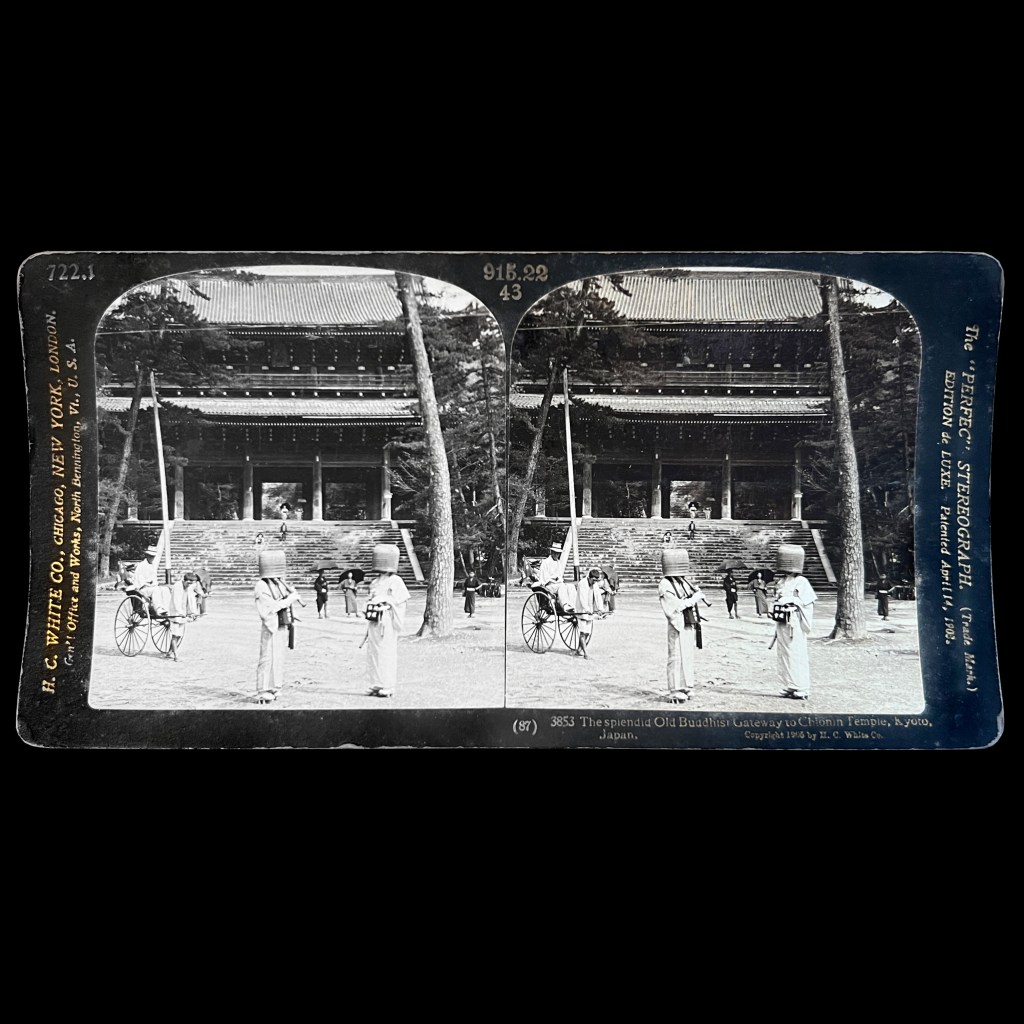
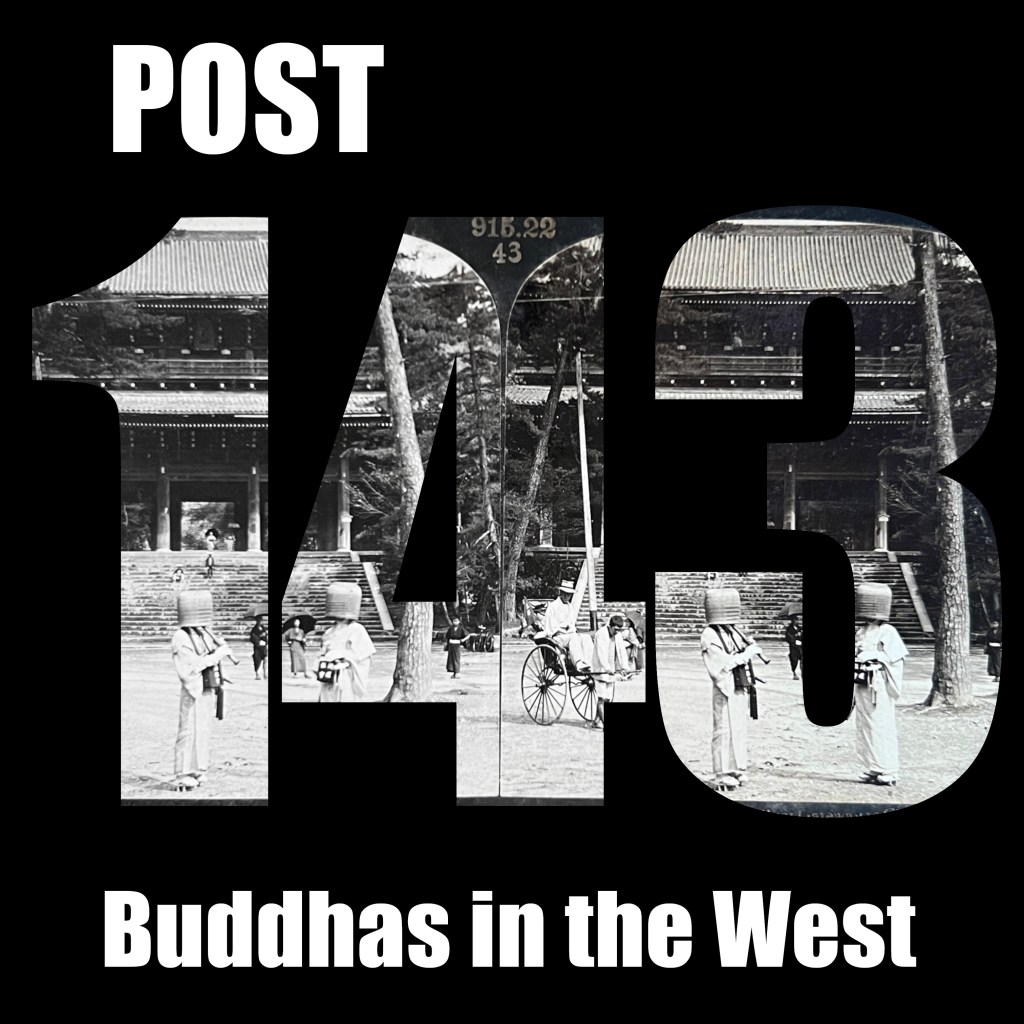
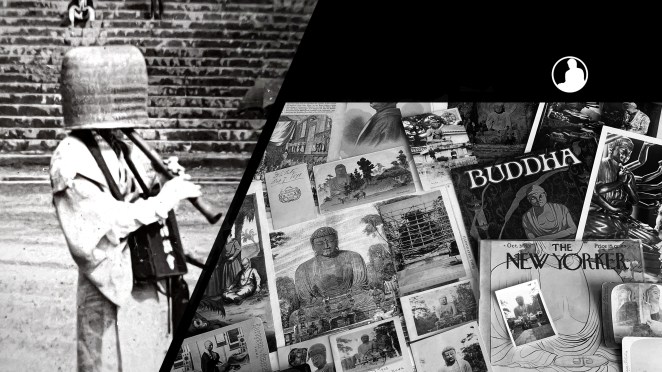
This photograph was taken by the seasoned stereophotographer Herbert Ponting, who had produced Japan sets for other studios, including H. C. Graves and Underwood. The scene depicts the front gate of Chion-in, the head monastery of the Pure Land sect founded by Hōnen in the 12th century.
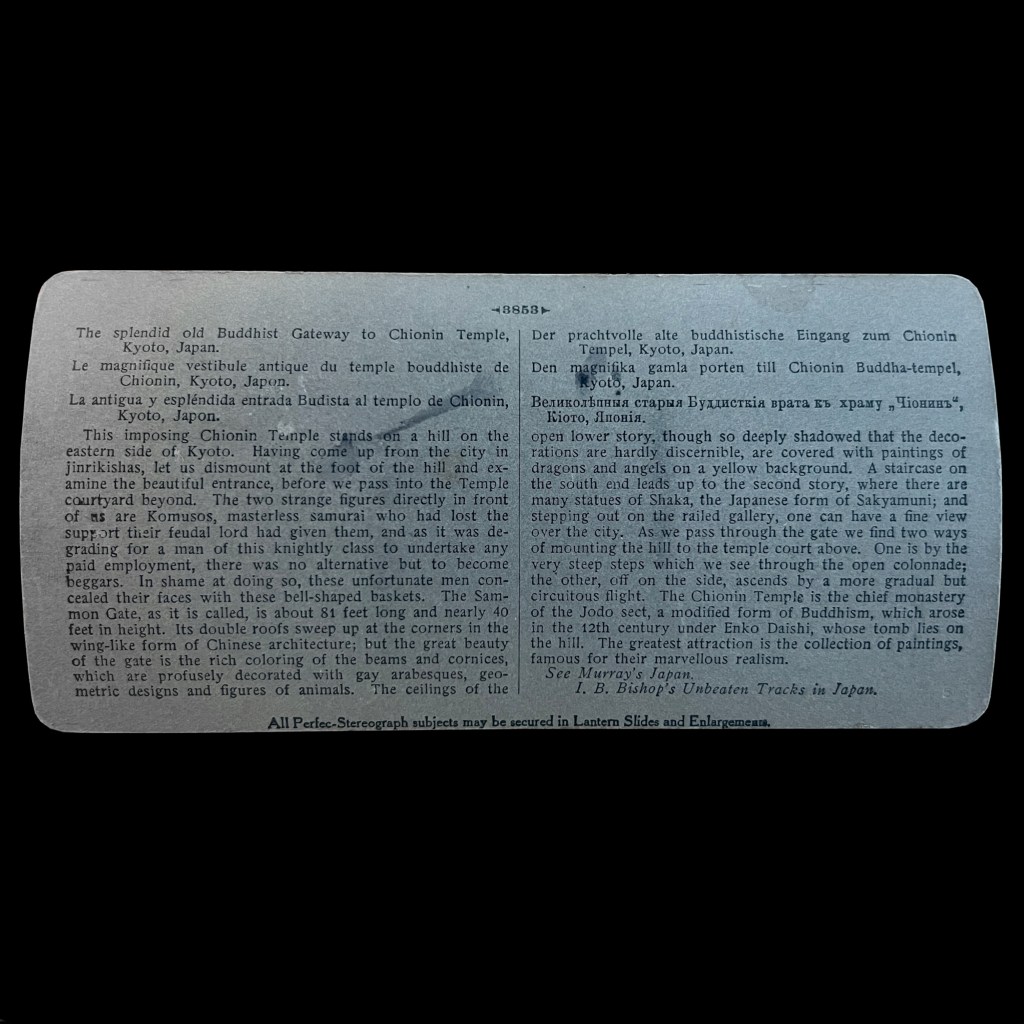
The accompanying description reads like a guided tour of the temple grounds, lending narrative weight to the immersive “virtual reality” effect of stereophotography. It blends historical context with vivid visual detail, inviting viewers to examine the scene closely.
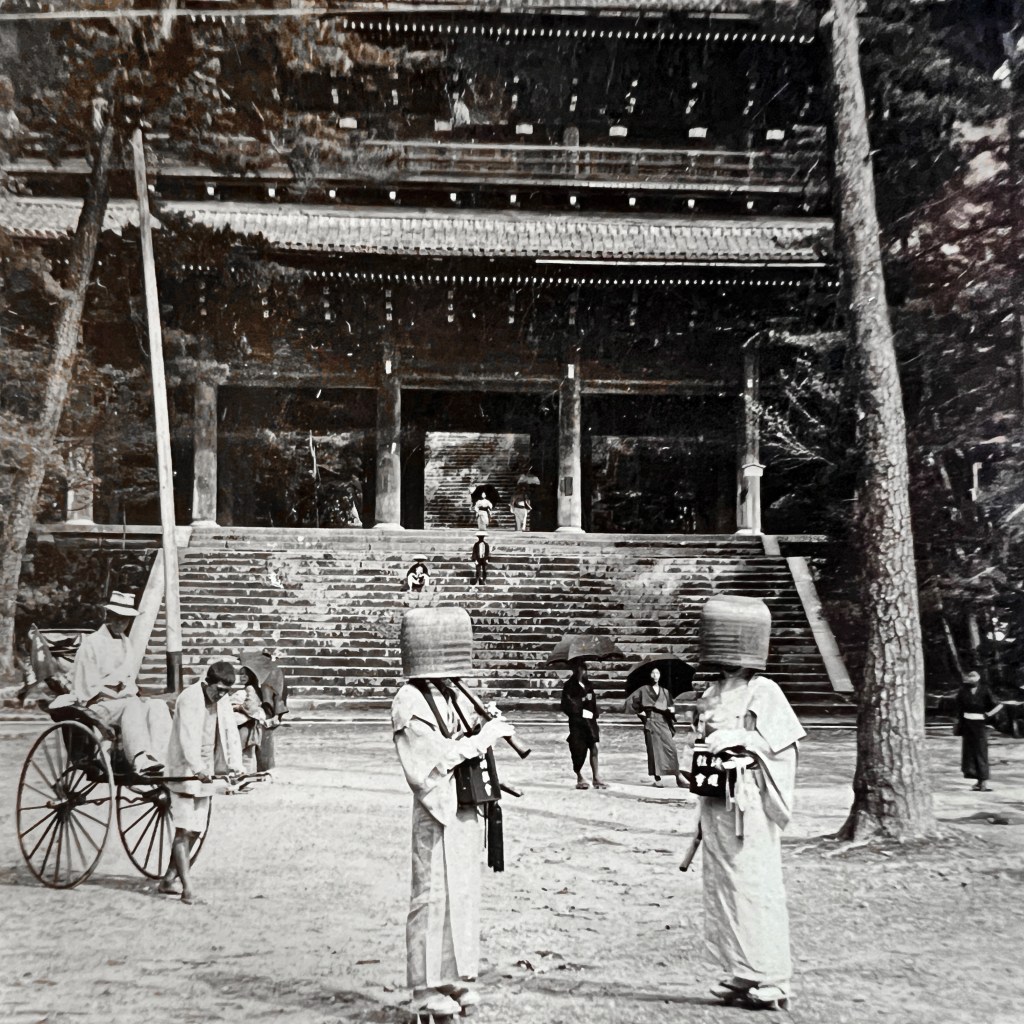
Compositional touches, such as the tourist seated in a pulled rickshaw, reinforce Japan’s presentation as a traveler’s paradise for Western audiences.
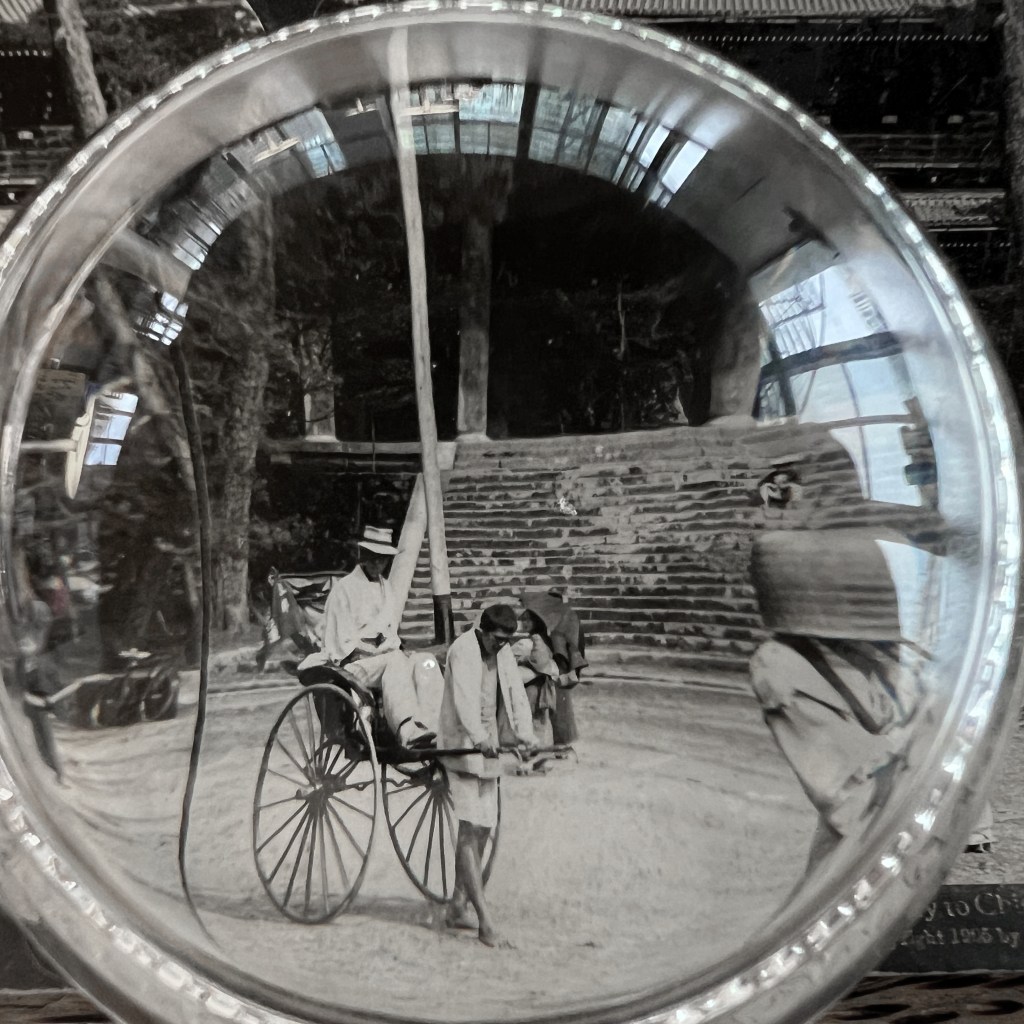
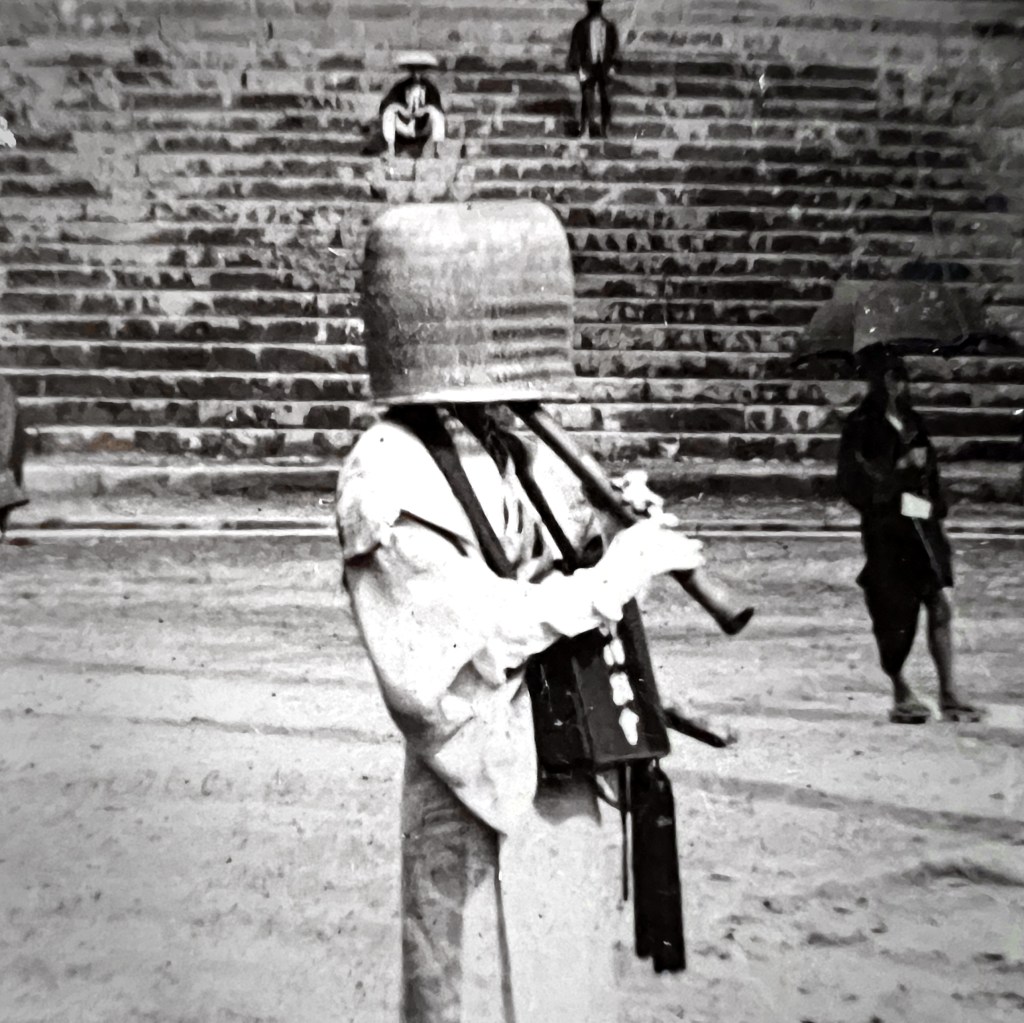
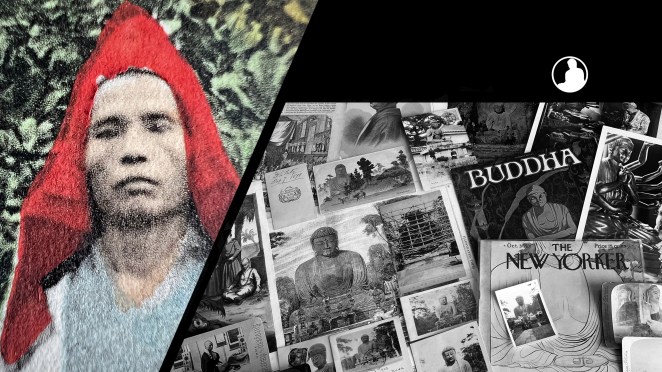
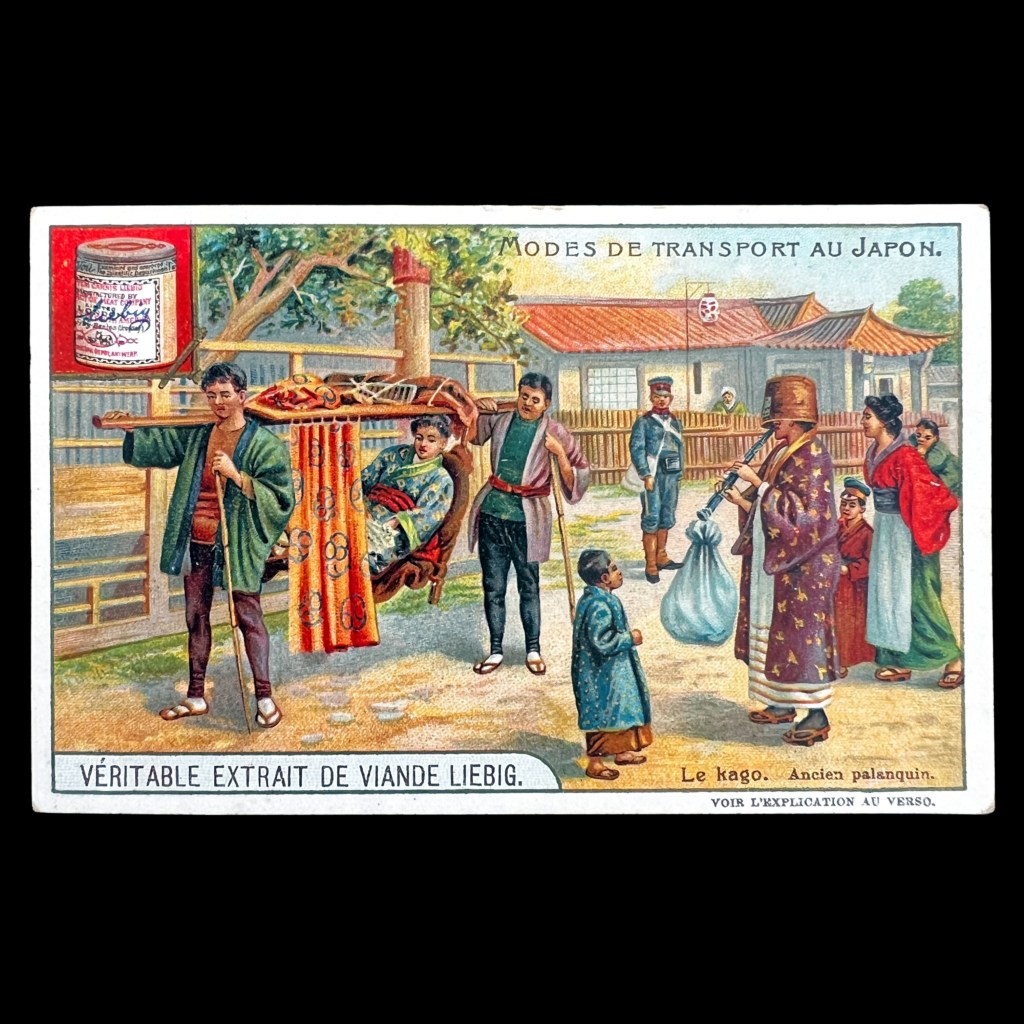
At the center stand komusō, “monks of nothingness,” recognizable by their basket hats and their playing of the bamboo shakuhachi during begging rounds.
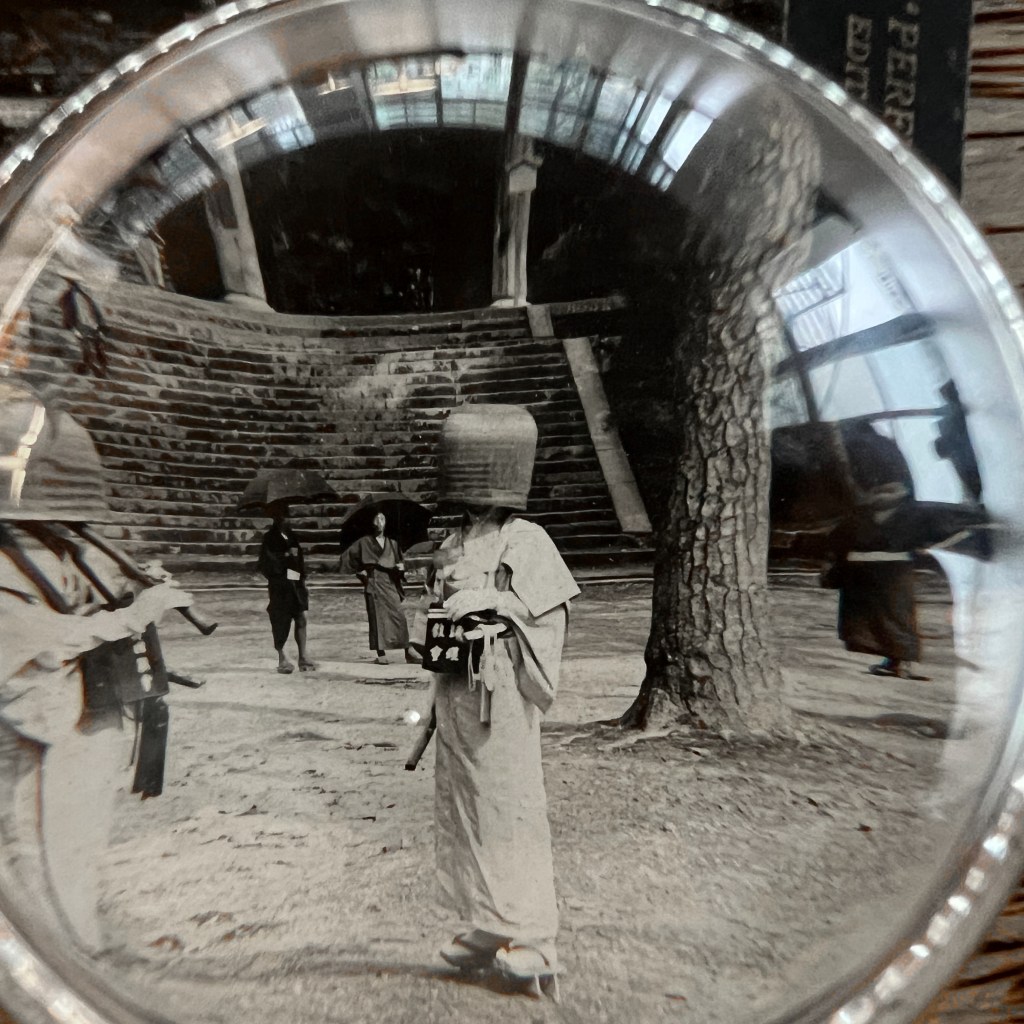
In the West, shakuhachi performance is often linked to a Zen-like moment of spiritual awakening – an interpretation largely absent from Japanese historical practice. For more, see Max Deeg, “Komusō and Shakuhachi-Zen: From Historical Legitimation to the Spiritualisation” (2007).
The Buddhas in the West Material Archive is a digital scholarship project that catalogues artifacts depicting Buddhist material culture for Western audiences. It’s comprised of prints, photos, and an assortment of ephemera and other objects. For a brief introduction to this archive, visit the main Buddhas in the West project page.
For Related Buddhas in the West Posts Featuring Herbert Ponting:


For the Most Recent Buddhas in the West Posts:






 Personal Site of Peter Romaskiewicz