Jean Claude White’s Panorama Photograph of Lhasa

For all the new Buddhas in the West posts
follow us on Bluesky & Instagram


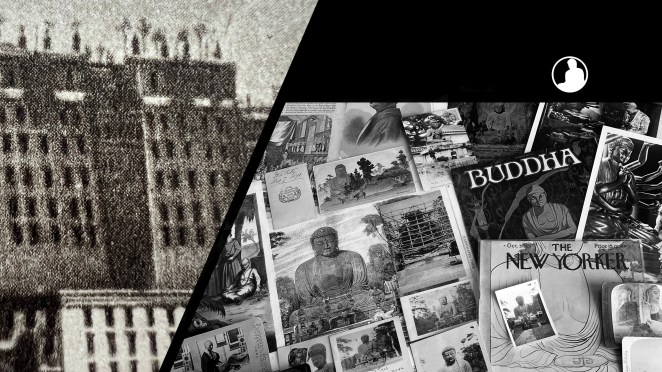
By the early 20th century there was an unofficial race to capture a photograph of Lhasa, the religious center of Tibet. In 1905 National Geographic printed a few of the first photos of the region and a decade later, in 1916, published a large panoramic insert of Lhasa’s Potala Palace.
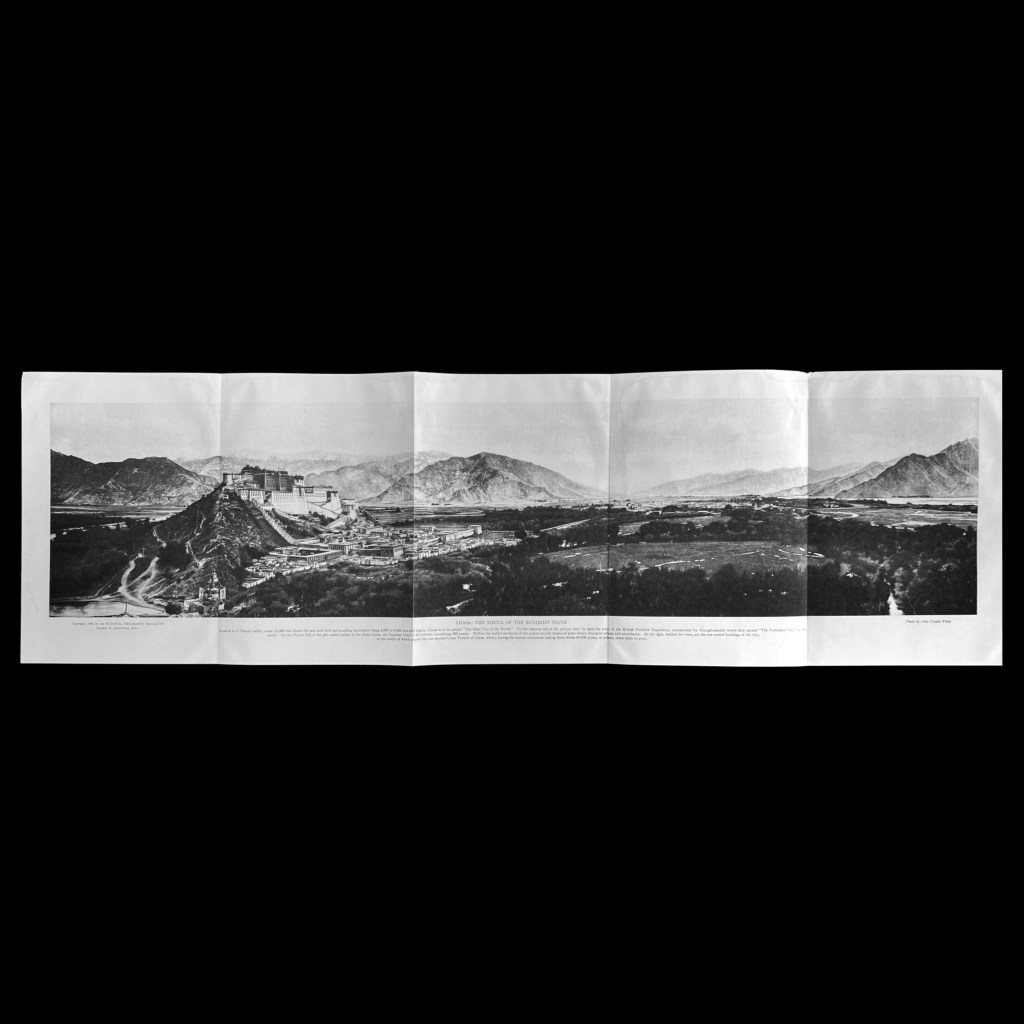
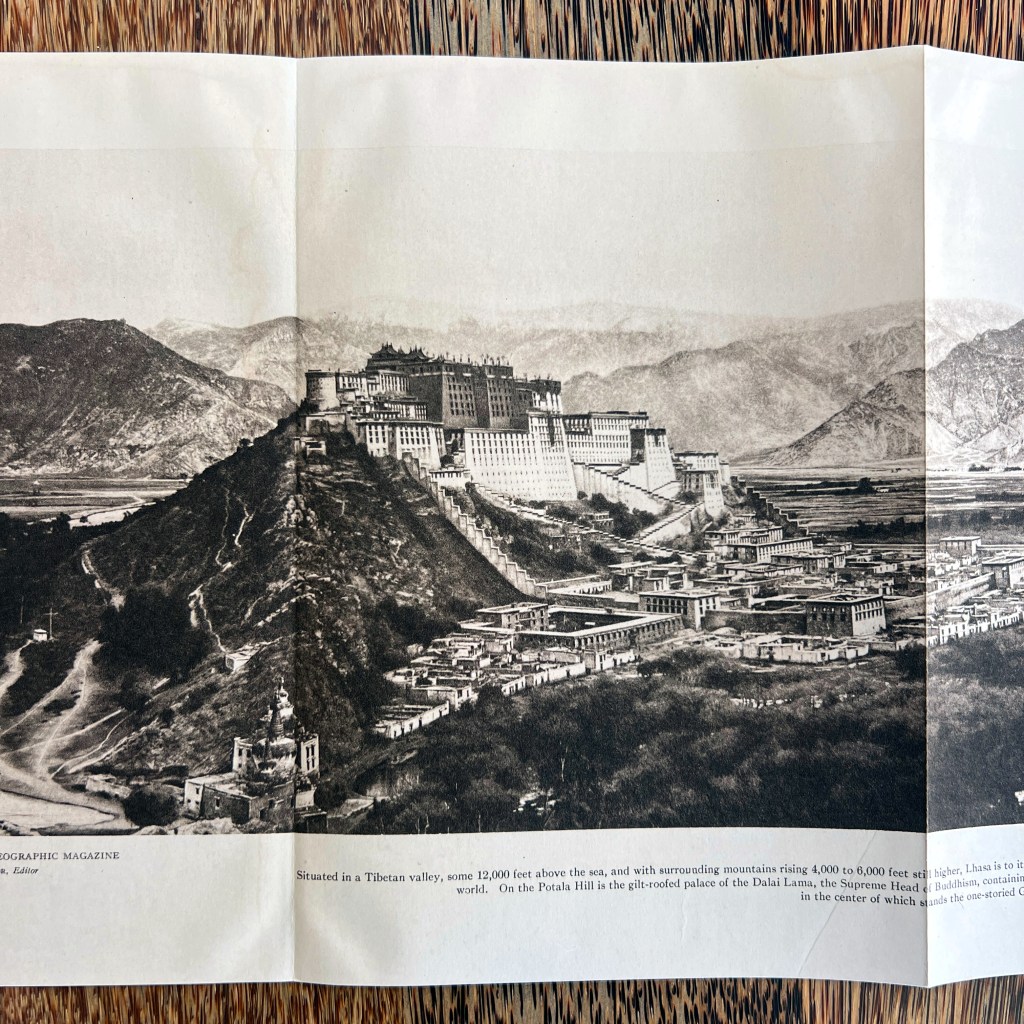
The shot was taken by Jean Claude White, a civil servant in British India who traveled with the 1903-04 British Youghusband expedition to Tibet as the official mission photographer. National Geographic reproduced many photos White took on the expedition, including this stunning panoramic view.
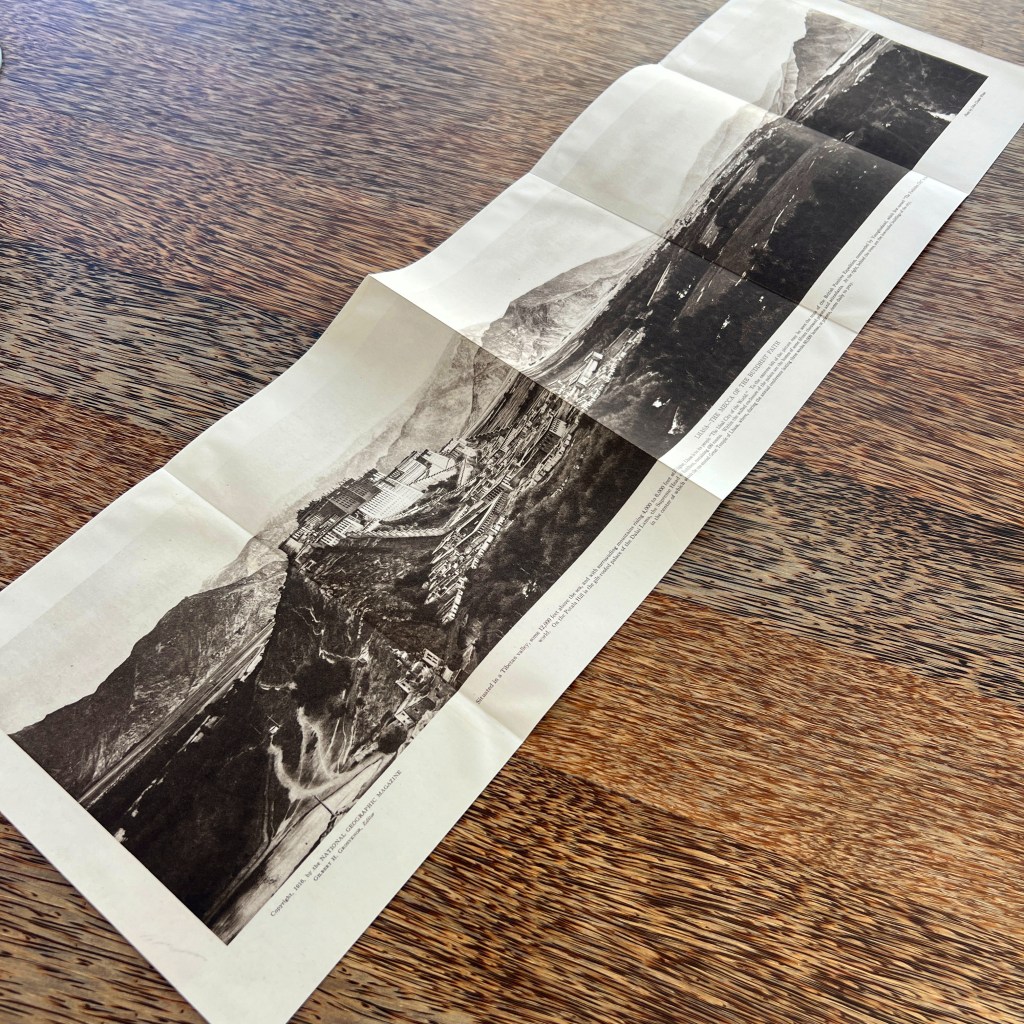
The Potala dominates everything in Lhasa,” notes White in his accompanying article entitled, “The World’s Strangest Capital.” Illustrated with 19 photogravure prints, all the photos seem to have been taken during the Youghusband expedition, giving readers very early and rare views of Tibet.
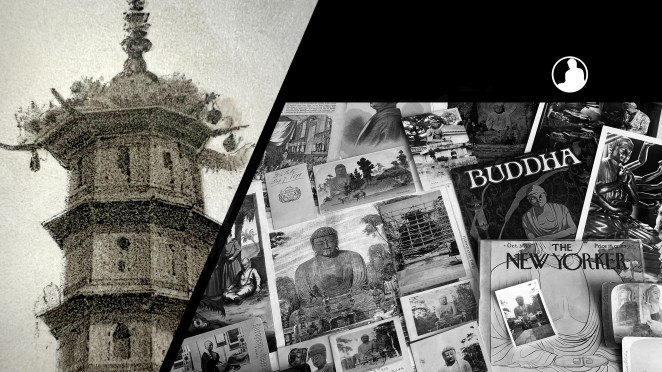
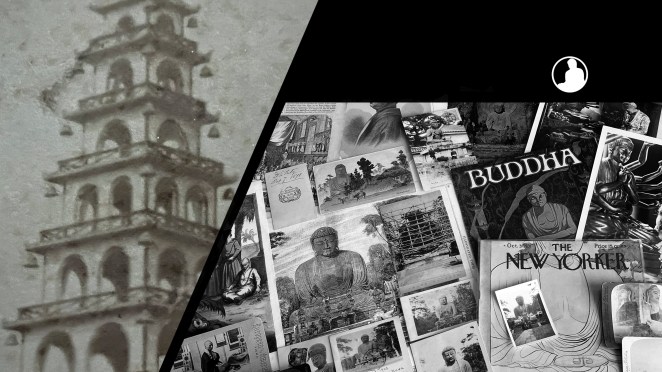
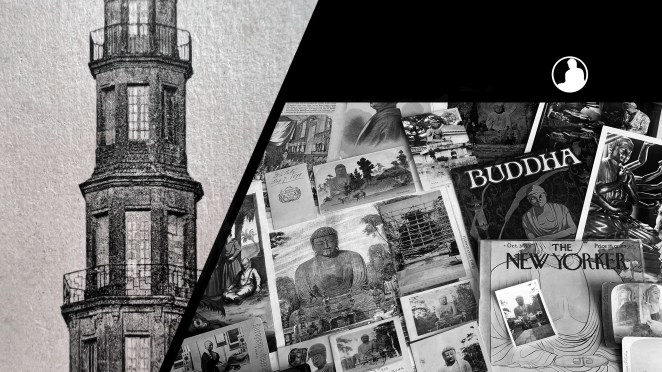
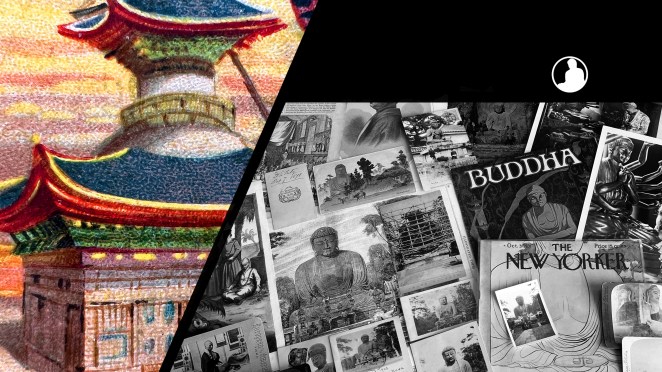
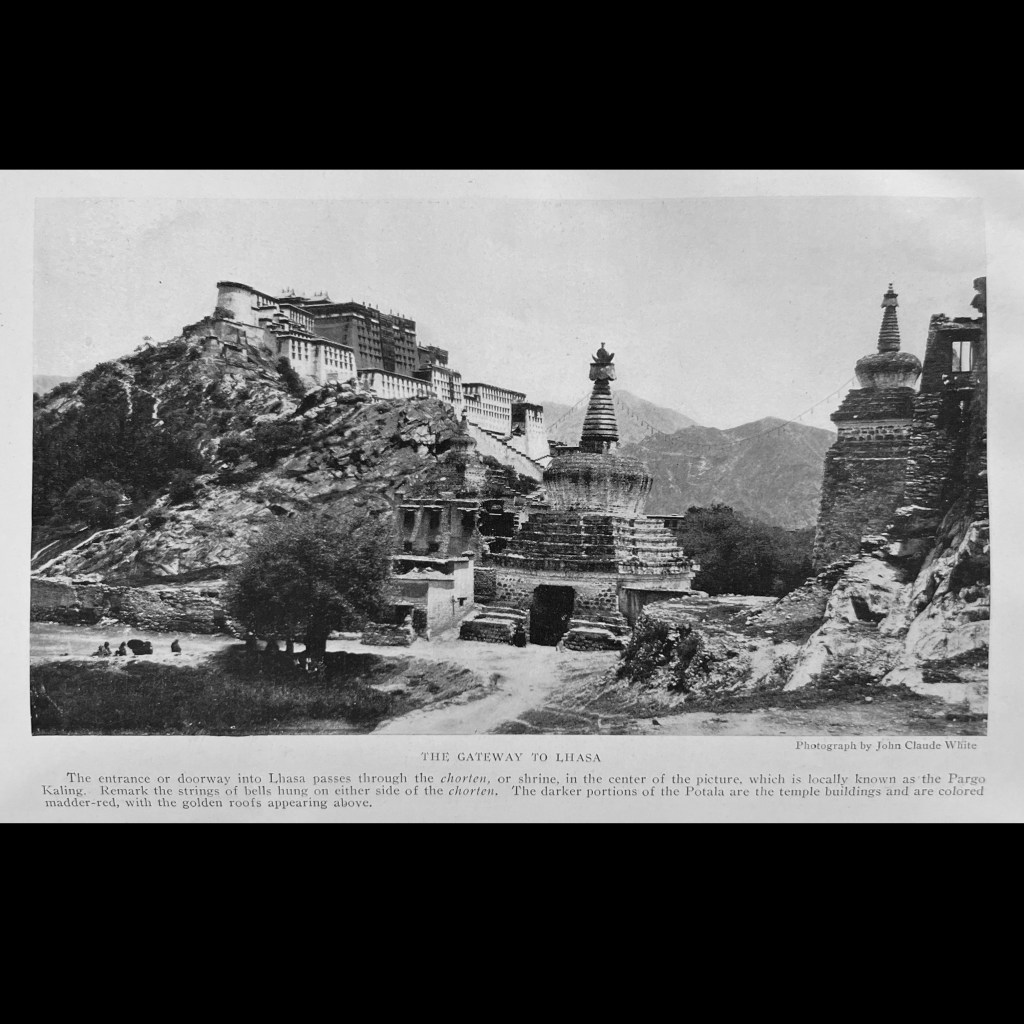
The first photo in the article shows the Western Gate to Lhasa, known as the Pargo Kaling. The structure was a large stūpa with a walkway cut through the middle.
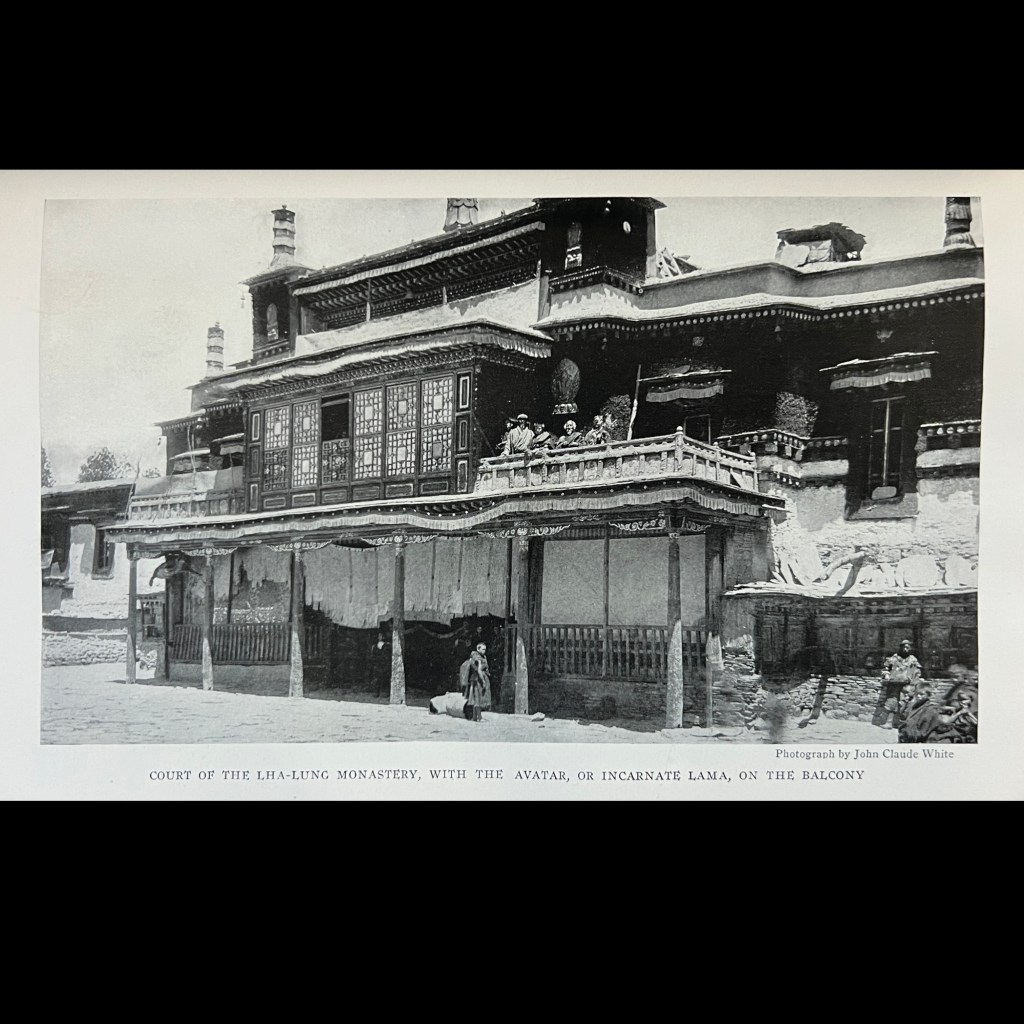
White also visited sites outside of Lhasa, including the Lhalung Monastery.
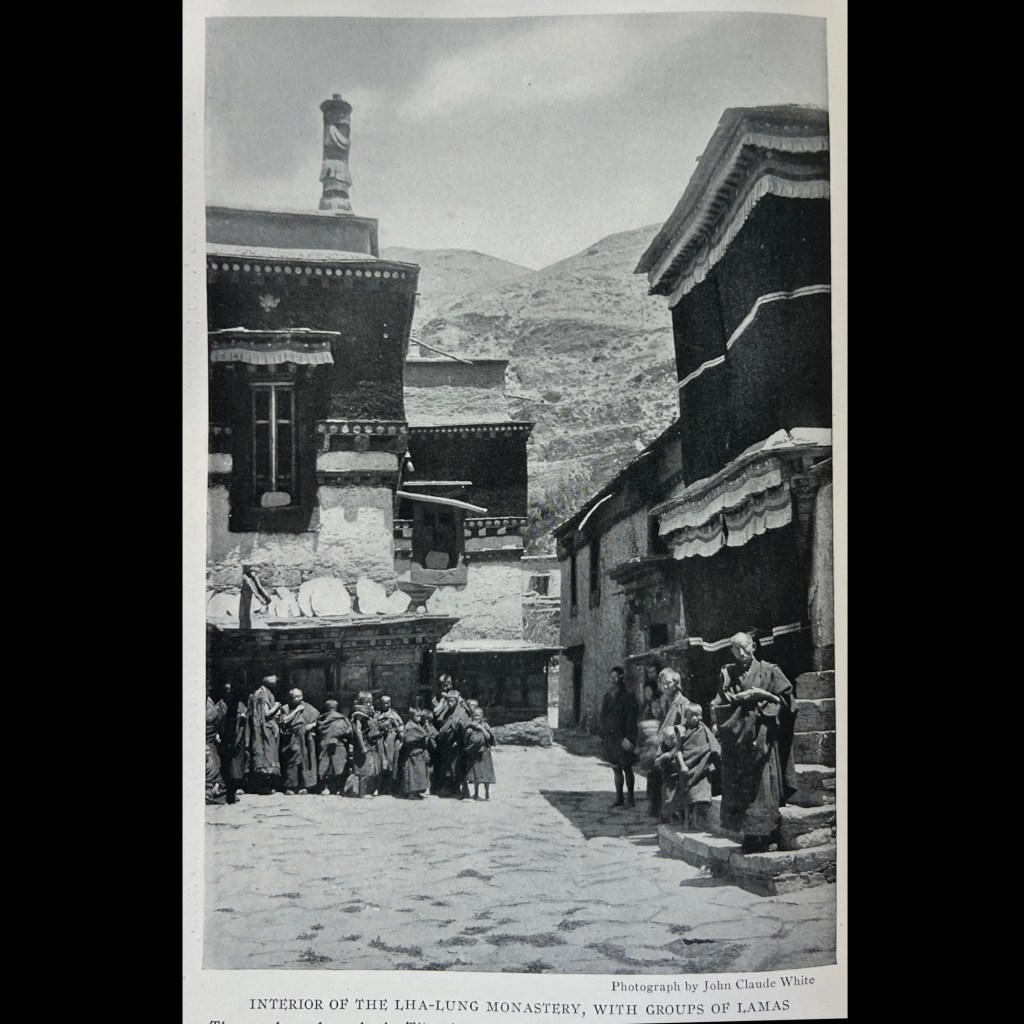
According to White’s estimate, there were 500,000 monks living in 1026 monasteries.
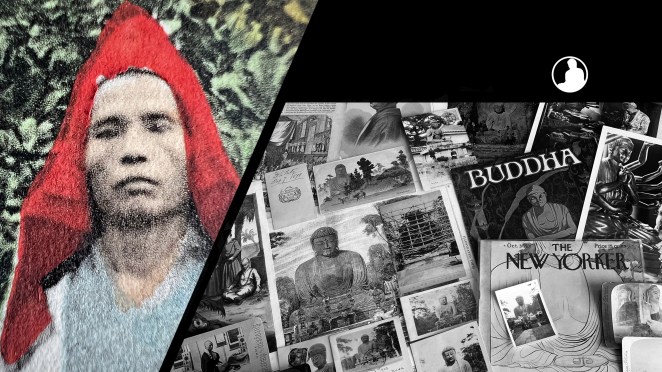
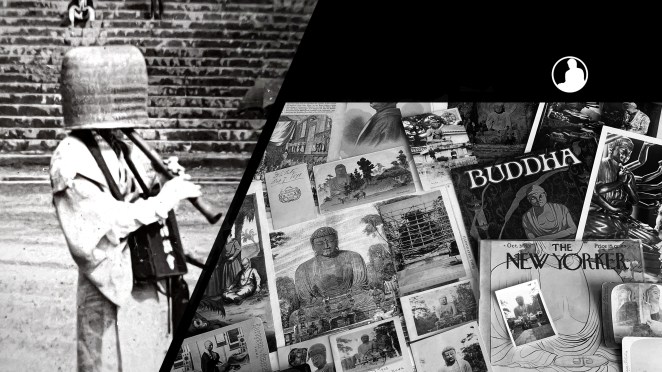
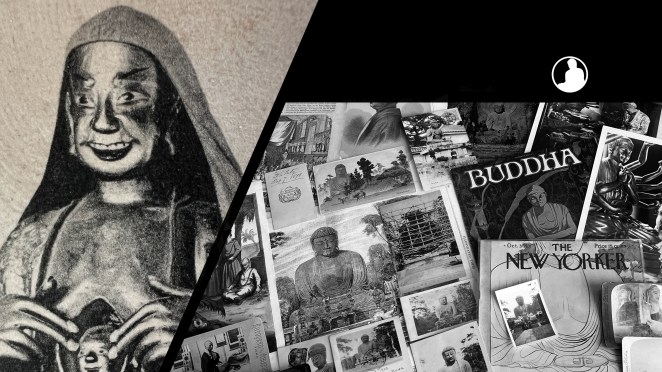
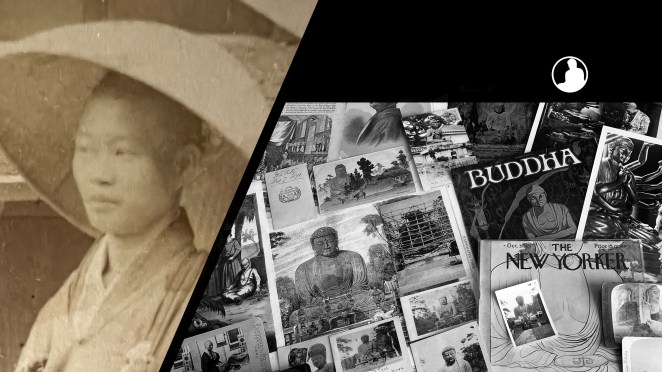
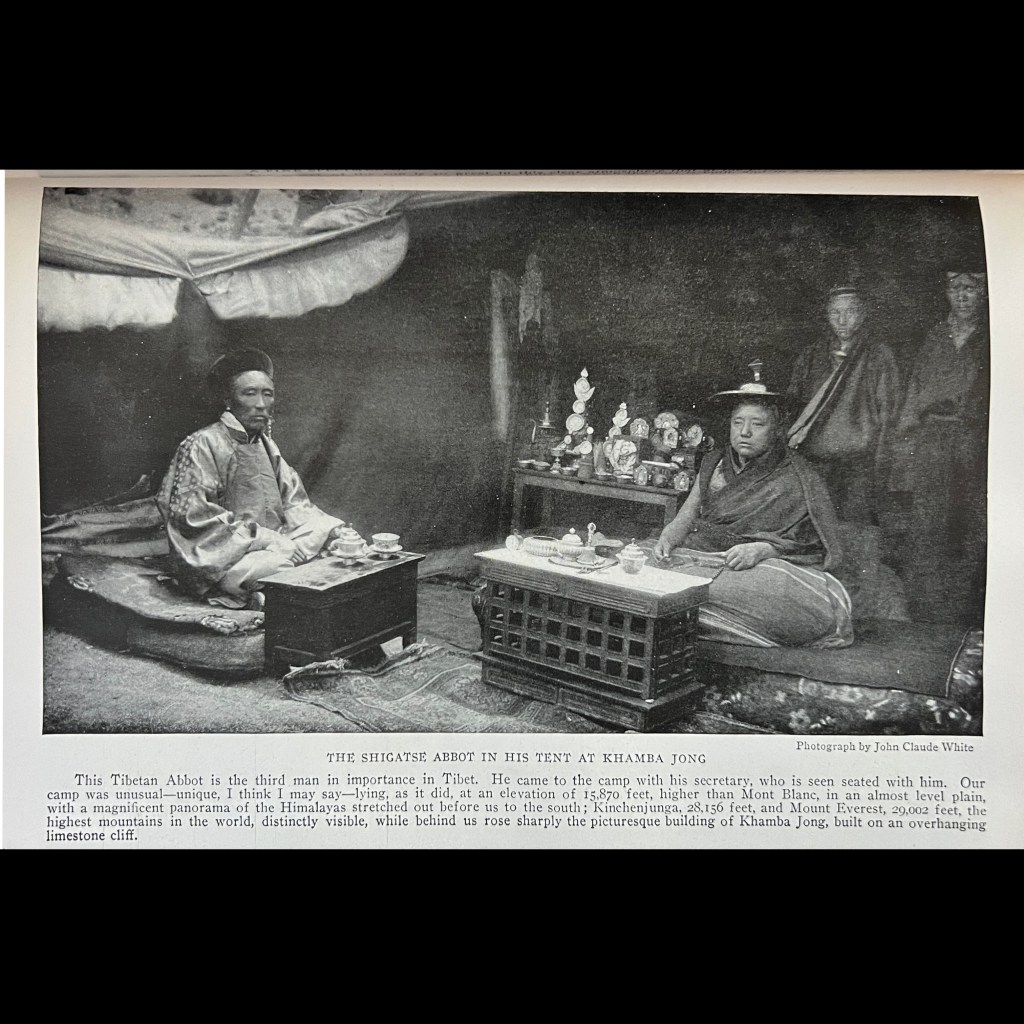
White also visited a Buddhist convent in Sikkim. The striking sheep’s wool hats were dyed red.
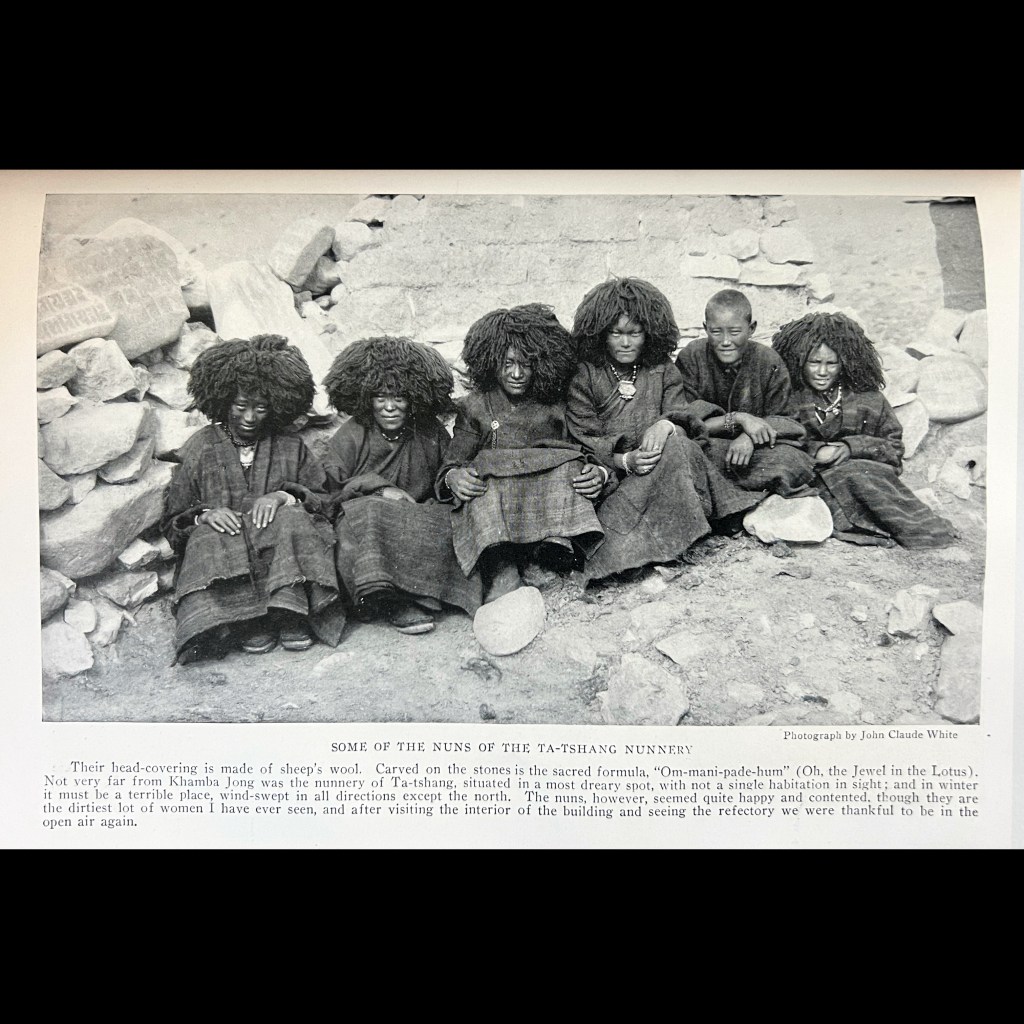
This photo was taken at Khamba Dzong, in Sikkim, where Youghusband planned to negotiate his entrance into Lhasa. The failure of talks with Tibetan officials eventually led to the forceful and bloody advance of Youghusband into Tibet.
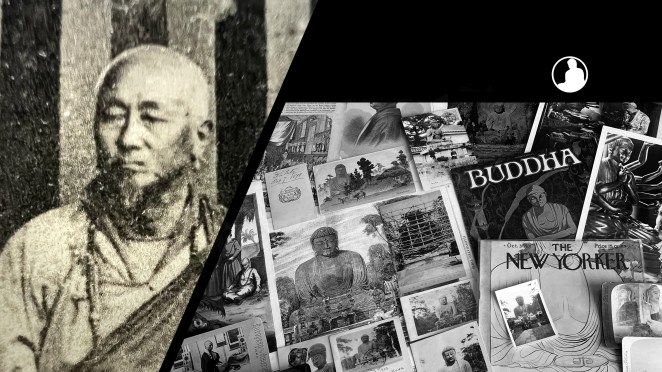
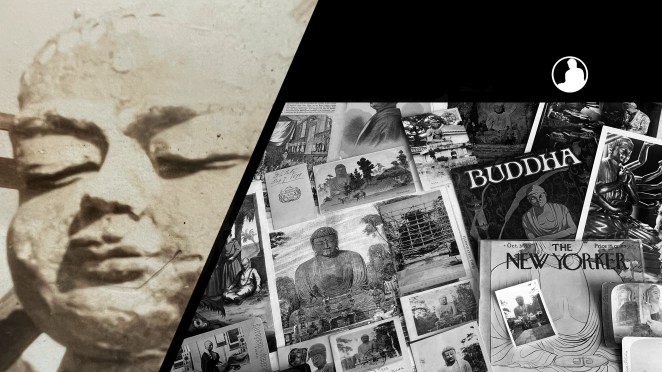
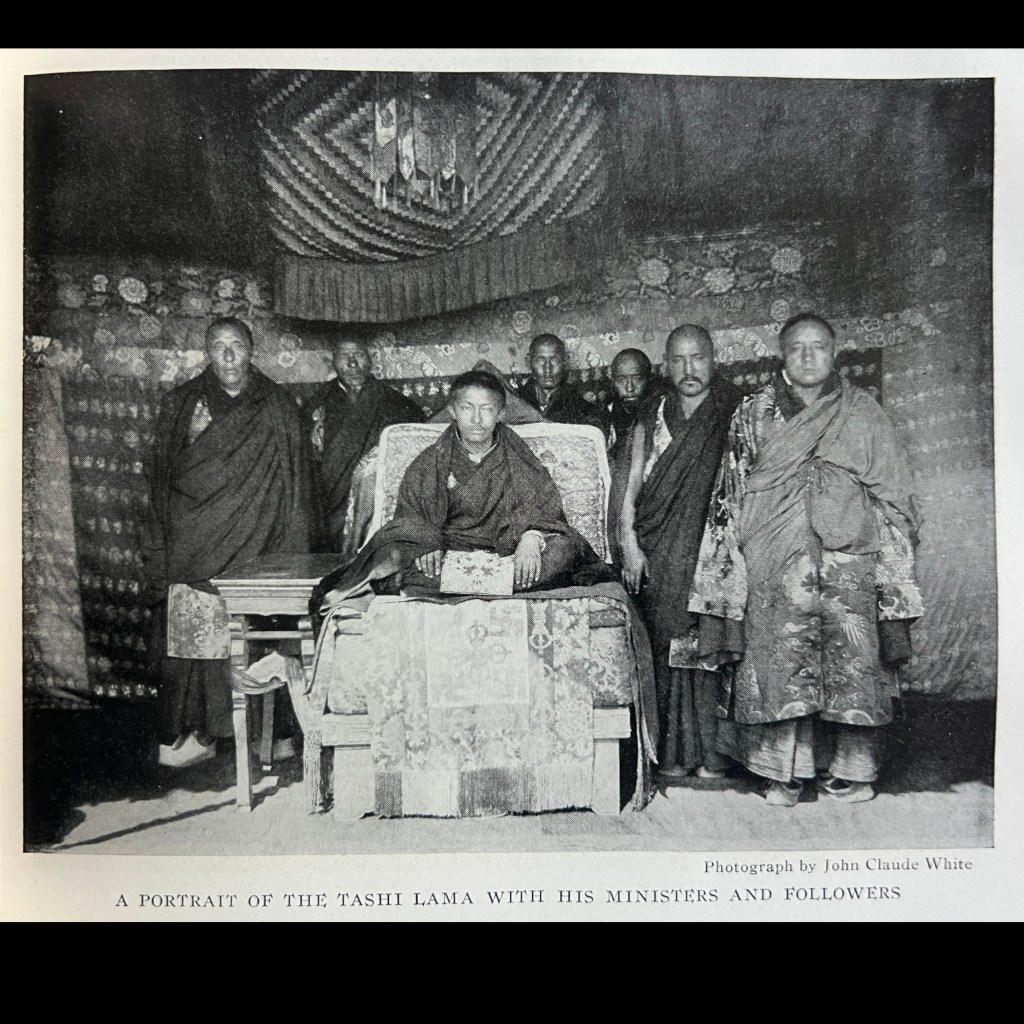
A rare photo by White of Thubten Choekyi Nyima, the 9th Panchen Lama of Tibet.
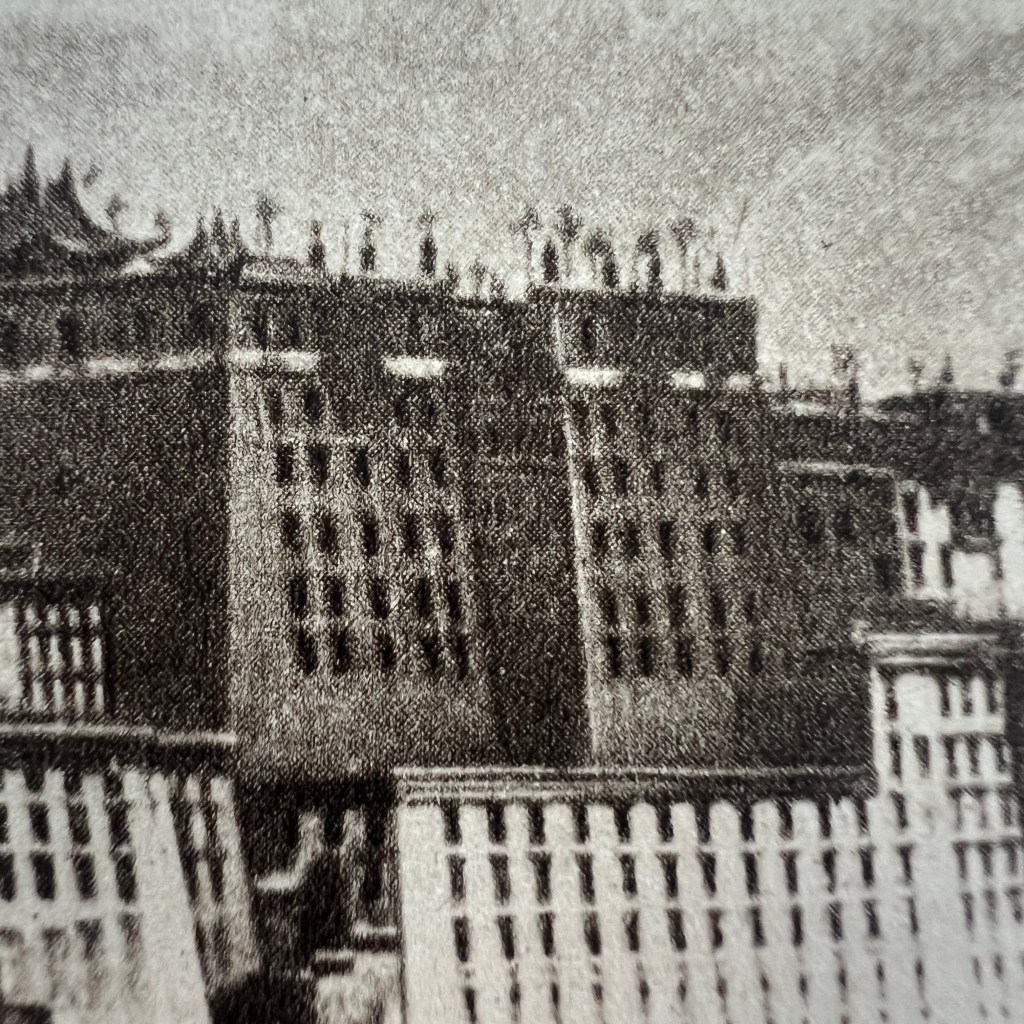
The thirteen-story Potala was based upon early Tibetan castles and fortified camps, but soon was seen by many as a symbol of Tibet itself. To read the “The World’s Strangest Capital” (without the panorama insert), see here: https://tinyurl.com/5fd596mx.
The Buddhas in the West Material Archive is a digital scholarship project that catalogues artifacts depicting Buddhist material culture for Western audiences. It’s comprised of prints, photos, and an assortment of ephemera and other objects. For a brief introduction to this archive, visit the main Buddhas in the West project page.


For Related Buddhas in the West Posts Featuring Lhasa, Tibet:

For the Most Recent Buddhas in the West Posts:

Liebig’s Dalai Lama Advertising Card

For all the new Buddhas in the West posts
follow us on Bluesky & Instagram


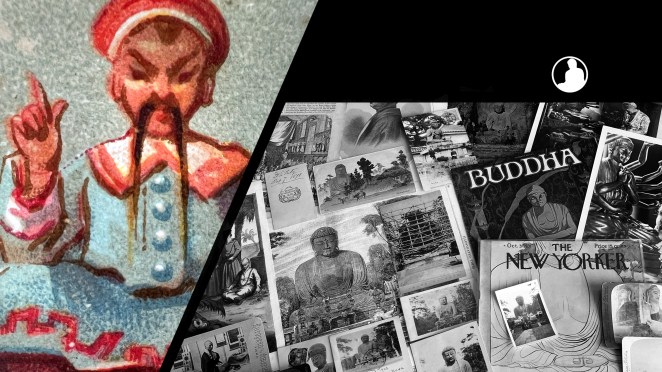
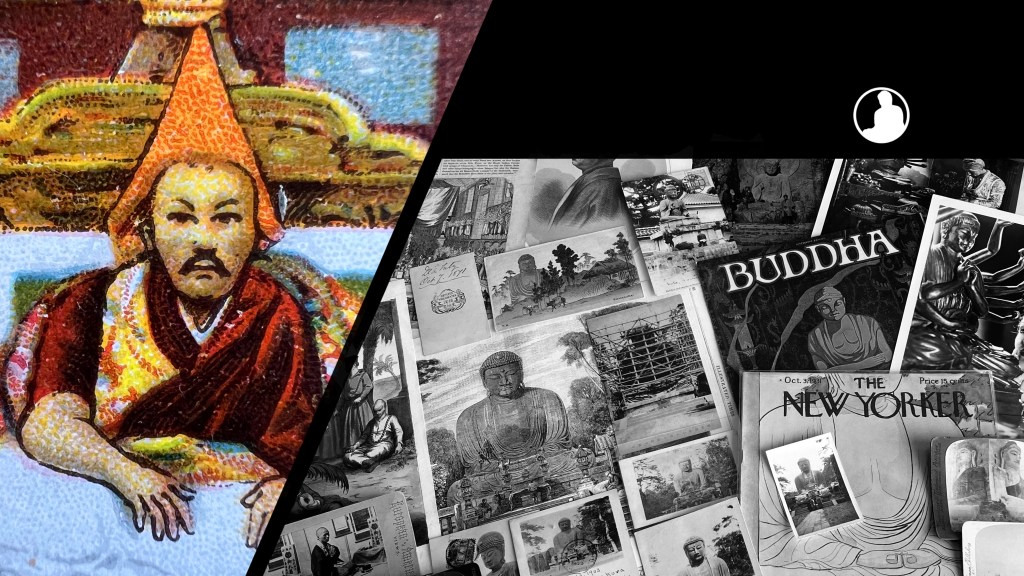
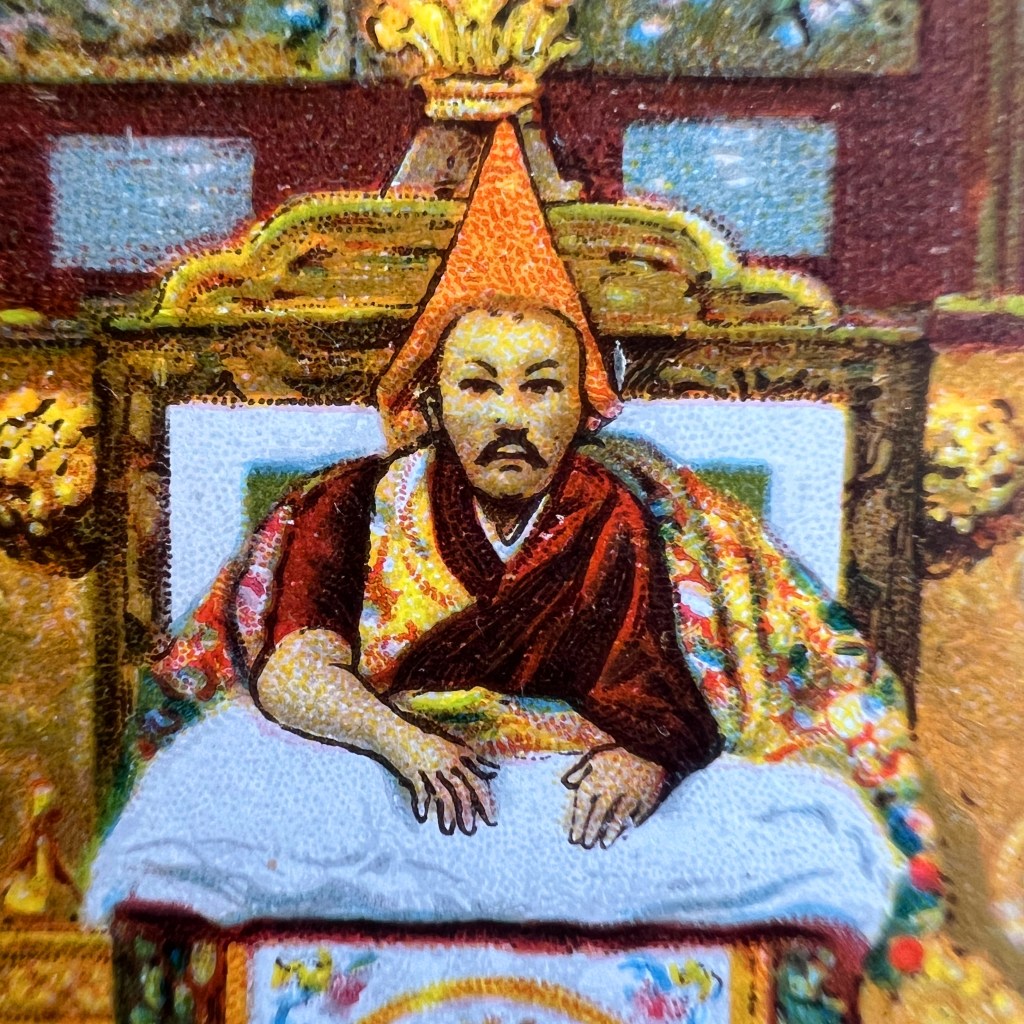
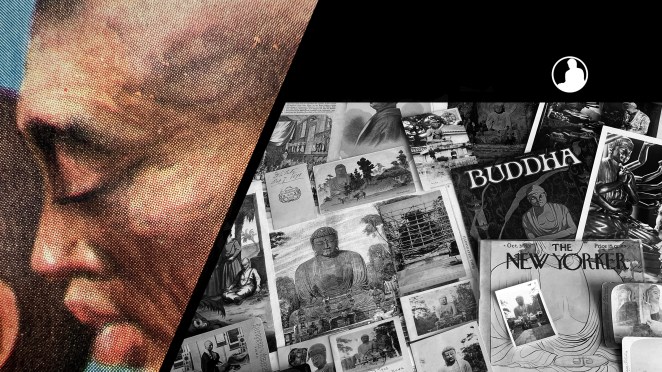
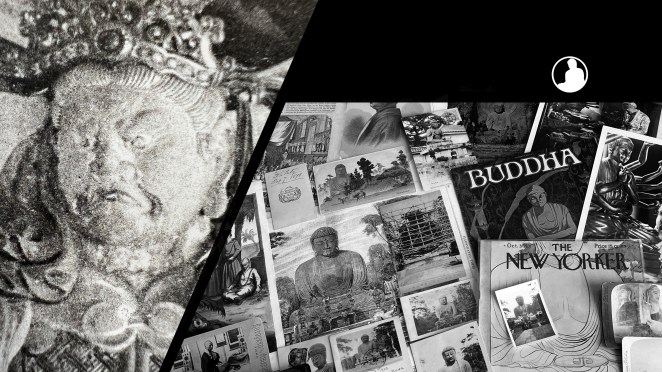
The first photograph of the Dalai Lama in Tibet was taken in 1921; it depicts “the Great Thirteenth,” Tubten Gyatso (1876–1933). The image was published in various Western media, even making its way on to a multicolor lithograph trade card for the German company Liebig in 1935.
*The first photograph of the Dalai Lama was taken in India in 1910 following the incursion of the Qing army into Tibet.

The photograph was taken by Charles Bell and Rabden Lepcha at Norbulingka, the summer palace of the Dalai Lama. Previously, images of the Dalai Lama were only spread through devotional tapestries (thangka) and gilt statues; now photographs could be shared among faithful Tibetans.

The Liebig company started printing colorful advertising cards in 1872, helping to support a popular collector’s hobby. This set from 1935 focused on Lhasa and included six cards, including an image of Potala Palace and large Tibetan prayer wheel, both iconic images in popular consciousness.

The original black and white photograph shows the Dalai Lama sitting on a throne behind an ornate dais. On the back wall hangs nine silk thangka depicting the Buddha, but the lithographic artist only loosely renders them as Buddhist images.

For a brief account of the Dalai Lama photograph and discussion on the impact of photography in Tibet, see Riga Shakya’s “Lenses of Modernity: Photography in Tibet and the Himalayas,” viewable here: tinyurl.com/bdzzcw4m.


The Buddhas in the West Material Archive is a digital scholarship project that catalogues artifacts depicting Buddhist material culture for Western audiences. It’s comprised of prints, photos, and an assortment of ephemera and other objects. For a brief introduction to this archive, visit the main Buddhas in the West project page.


For Related Buddhas in the West Posts Featuring Tibet:


For the Most Recent Buddhas in the West Posts:

Alain Mallet’s Dalai Lama Engraving

For all the new Buddhas in the West posts
follow us on Bluesky & Instagram


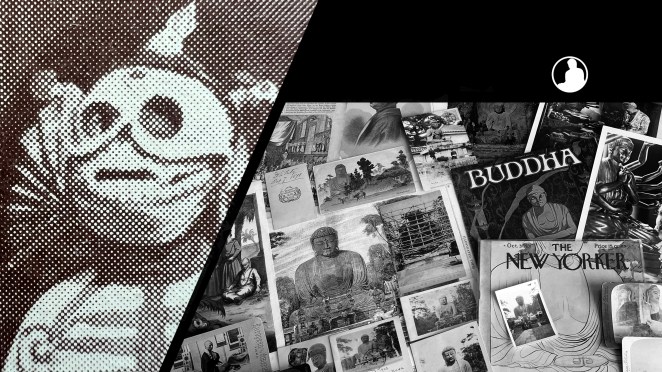
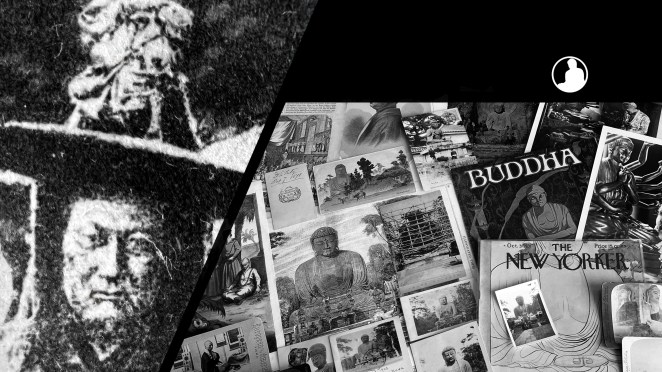
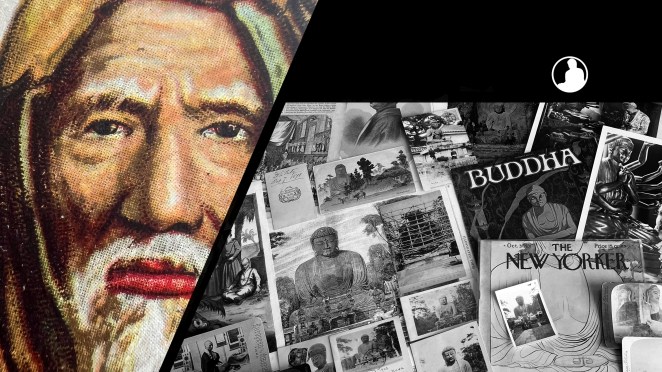
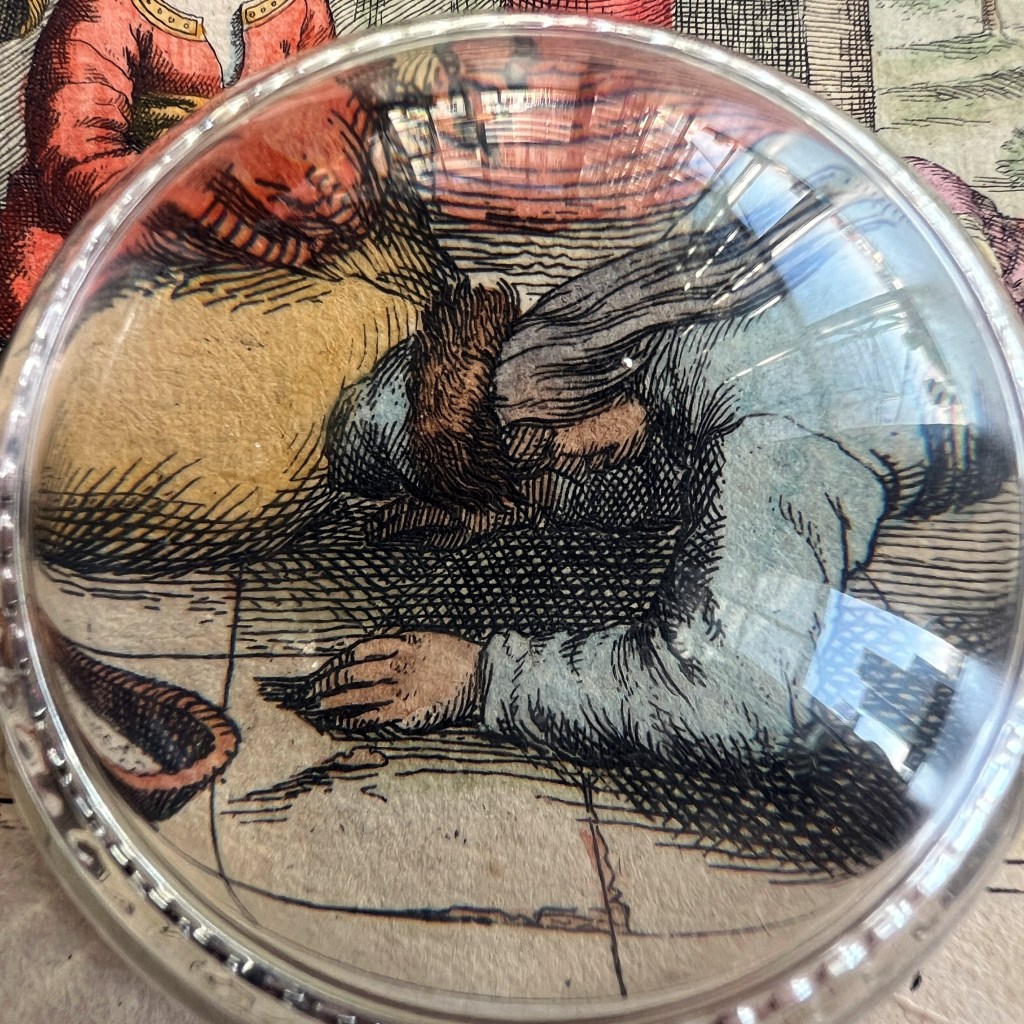
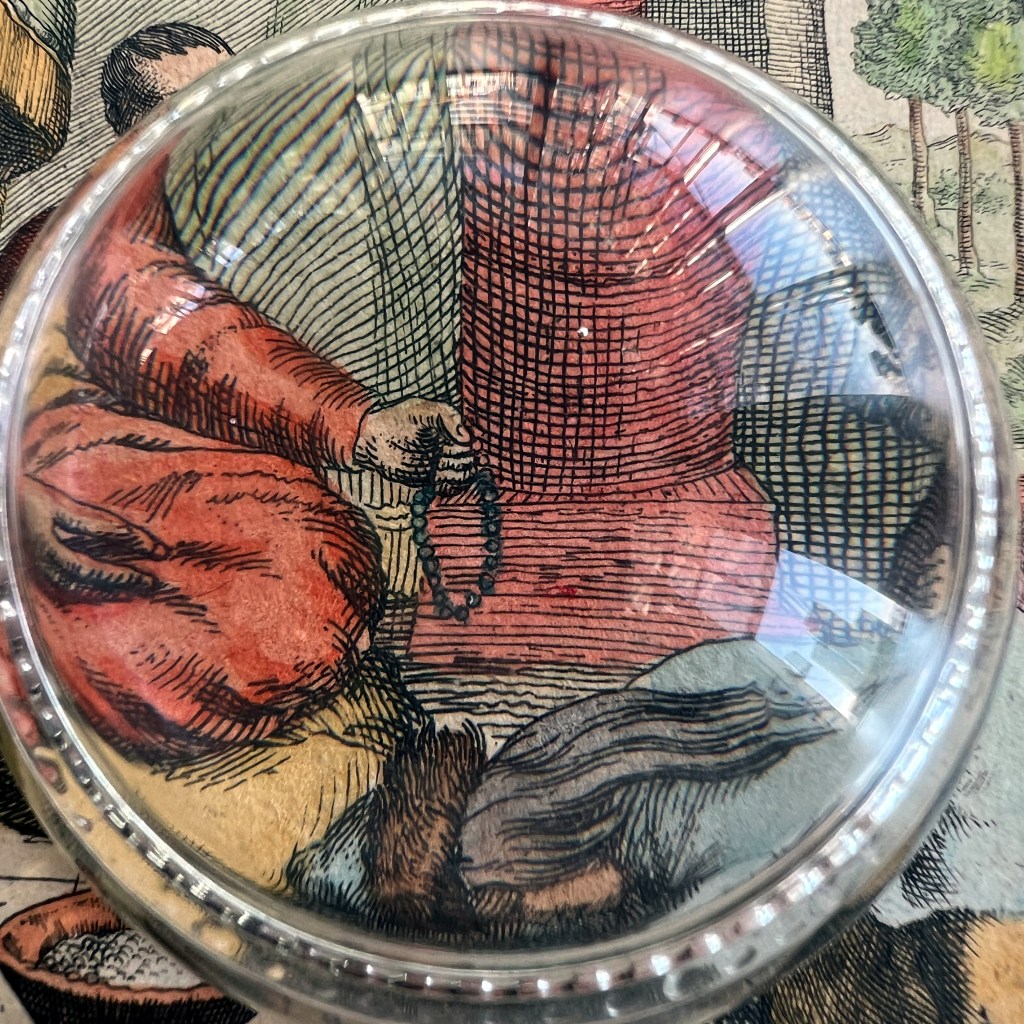
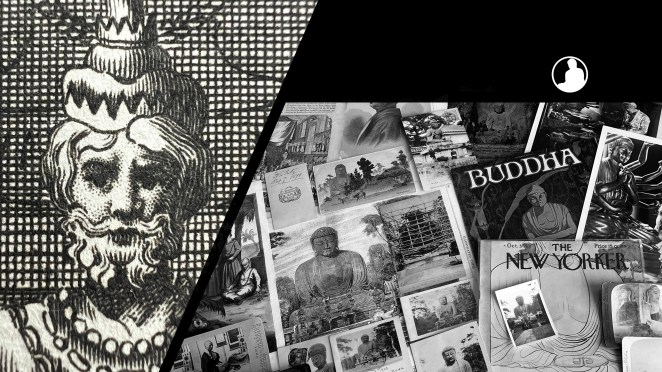
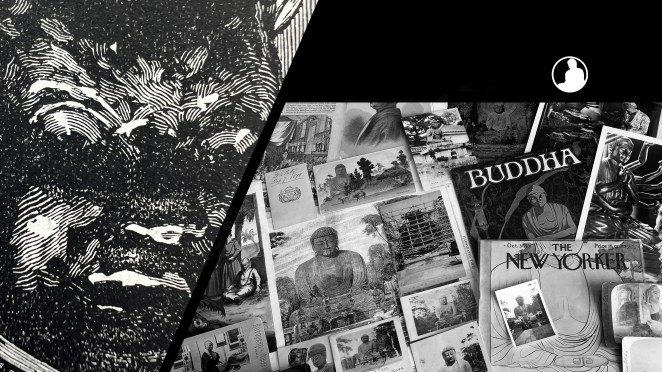
Earliest European depiction of the Dalai Lama? In 1683 Alain Mallet published his illustrated five-volume set entitled Description de l’univers. The second volume, devoted to Asia, contained an illustration of the Grand Lama, a “living and true God.”

Mallet copied an earlier illustration of Althanius Kircher from 1667 with minimal changes. The engraving shown here was hand colored (possibly after publication), giving the Dalai Lama a dark red robe.

While not named in the text, the original illustration was published during the lifetime of the famed Fifth Dalai Lama, Ngawang Lobsang Gyatso. Information about the Dalai Lama was gleaned from the reports of Jesuit missionary Johann Grueber who visited Lhasa in 1661.

The Fifth Dalai Lama died in 1682, a year before Mallet’s publication, but his passing was concealed for more than a decade. Mallet reports on the process of reincarnation, describing it as a “deception.”

To read Mallet’s text associated with this image, see the digitized scan provided by the University of Ottawa here: https://tinyurl.com/37895xc9


The Buddhas in the West Material Archive is a digital scholarship project that catalogues artifacts depicting Buddhist material culture for Western audiences. It’s comprised of prints, photos, and an assortment of ephemera and other objects. For a brief introduction to this archive, visit the main Buddhas in the West project page.


For Related Buddhas in the West Posts Featuring Engravings:

For the Most Recent Buddhas in the West Posts: