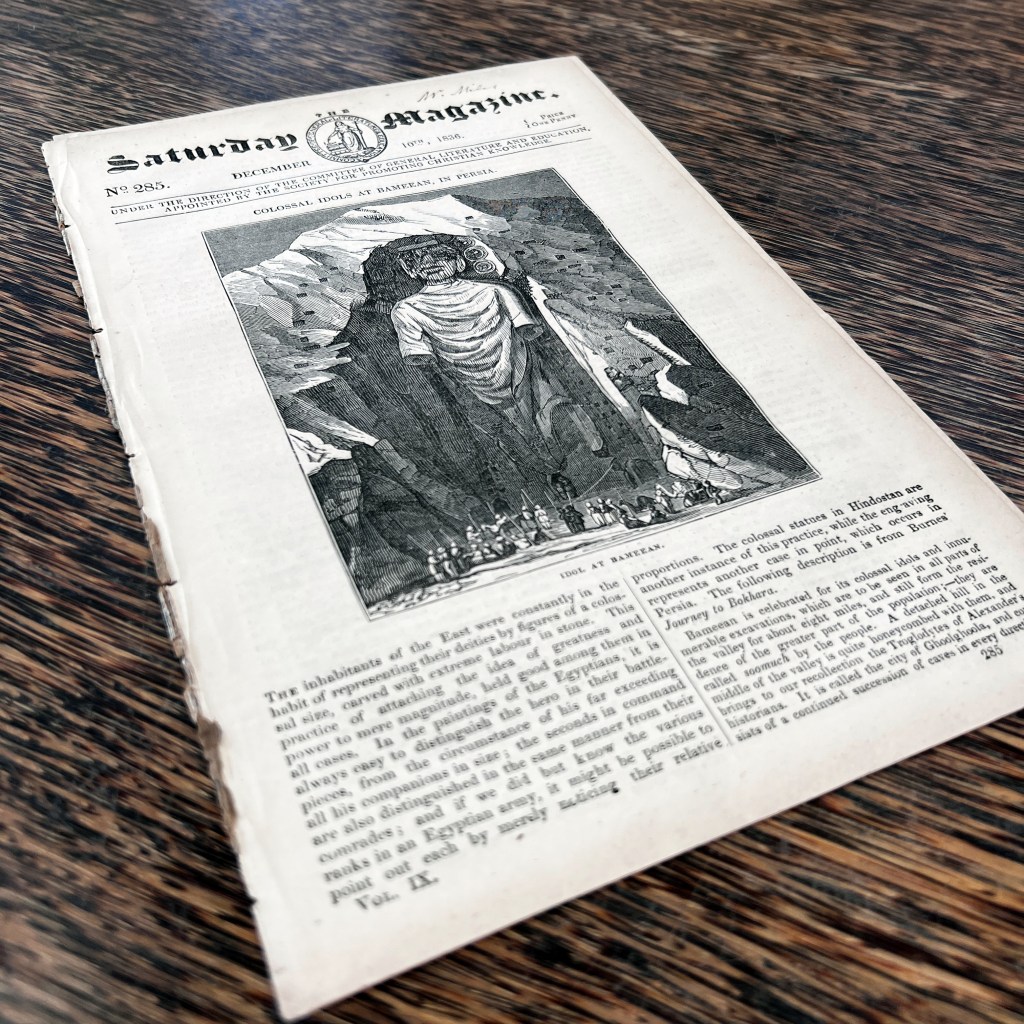
Pierrot’s “Prisonnier dans la pagode” Magazine Cover

For all the new Buddhas in the West posts
follow us on Bluesky & Instagram


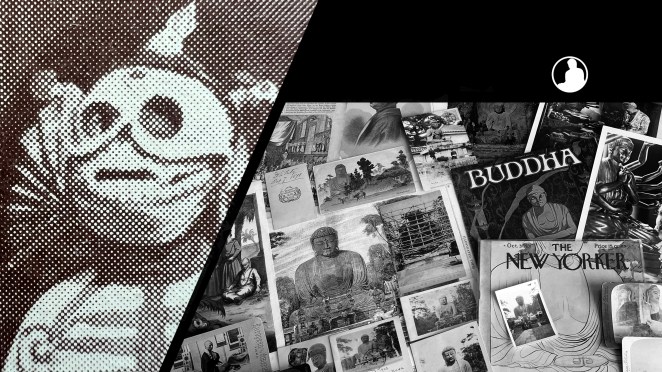
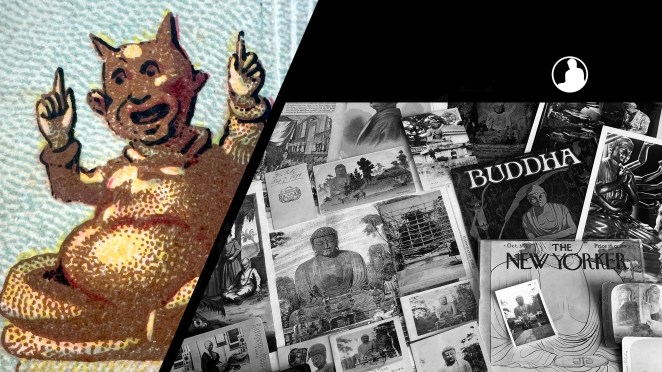
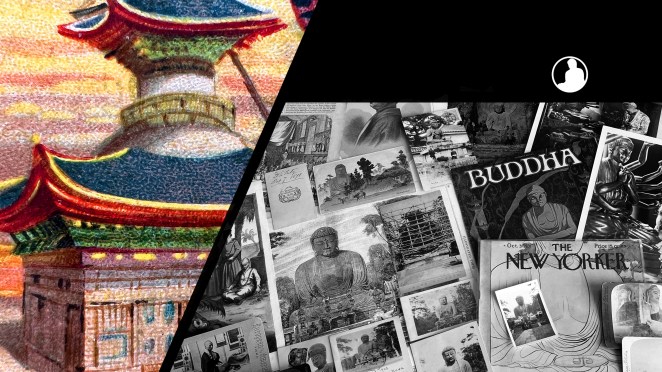
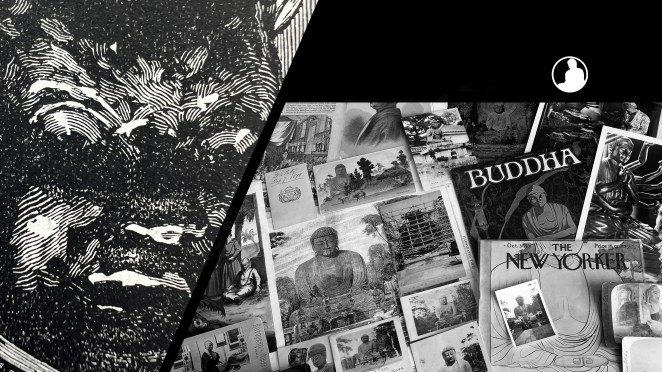
Prisoner in the Pagoda: Between World Wars, European periodicals geared towards boys grew in popularity. Many of these were written as action and adventure stories. Exotic locales, many of which were directly or indirectly colonized, became the sites of such exploits.
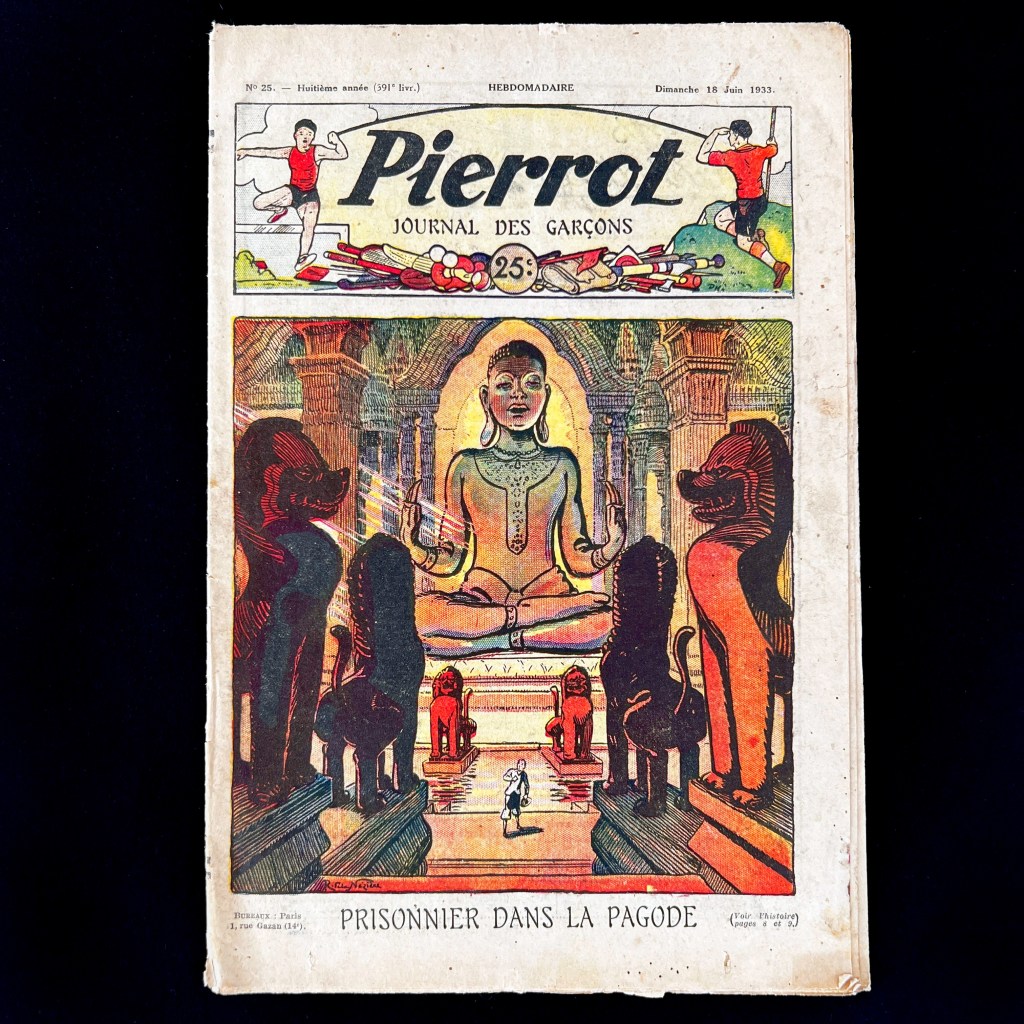
Pierrot, an illustrated French magazine first published in 1925, was a periodical in this vein. This 1933 issue has stories about pirates, piranha, and race cars, as well at the illustrated cover story, The Prisoner in the Pagoda.
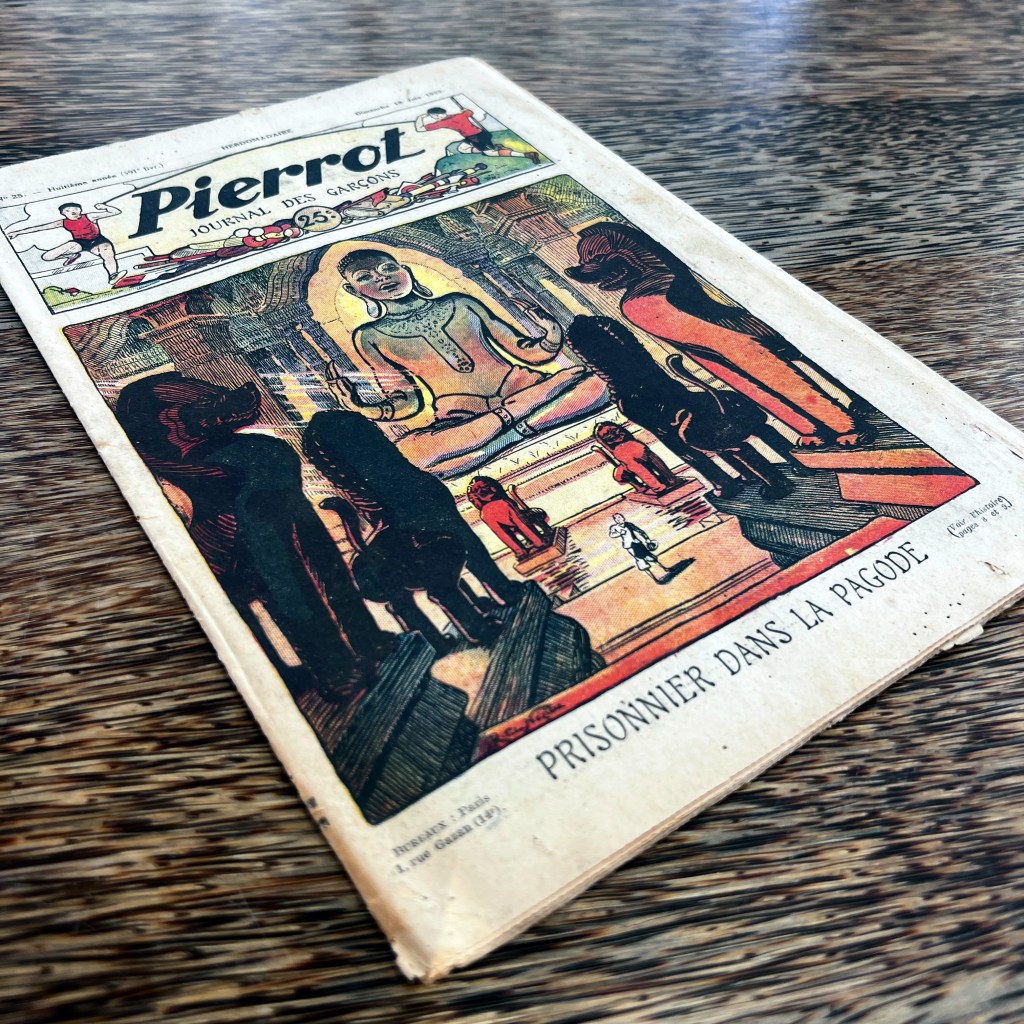
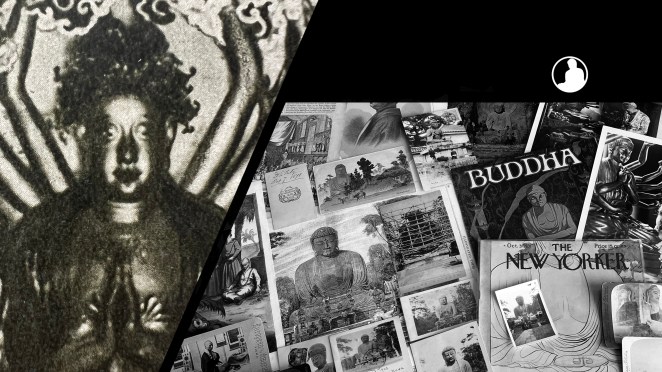
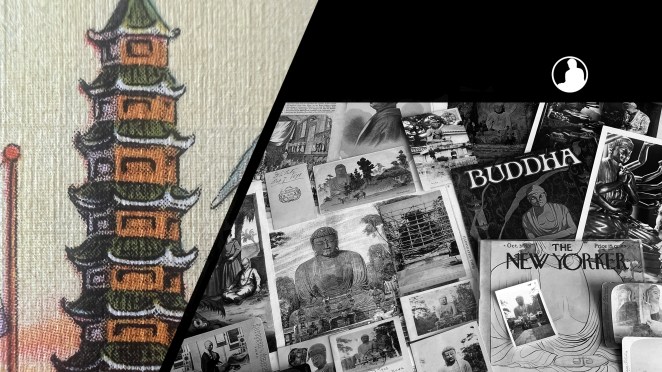
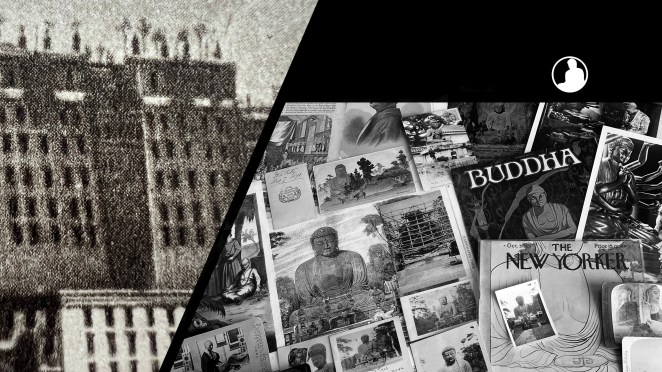
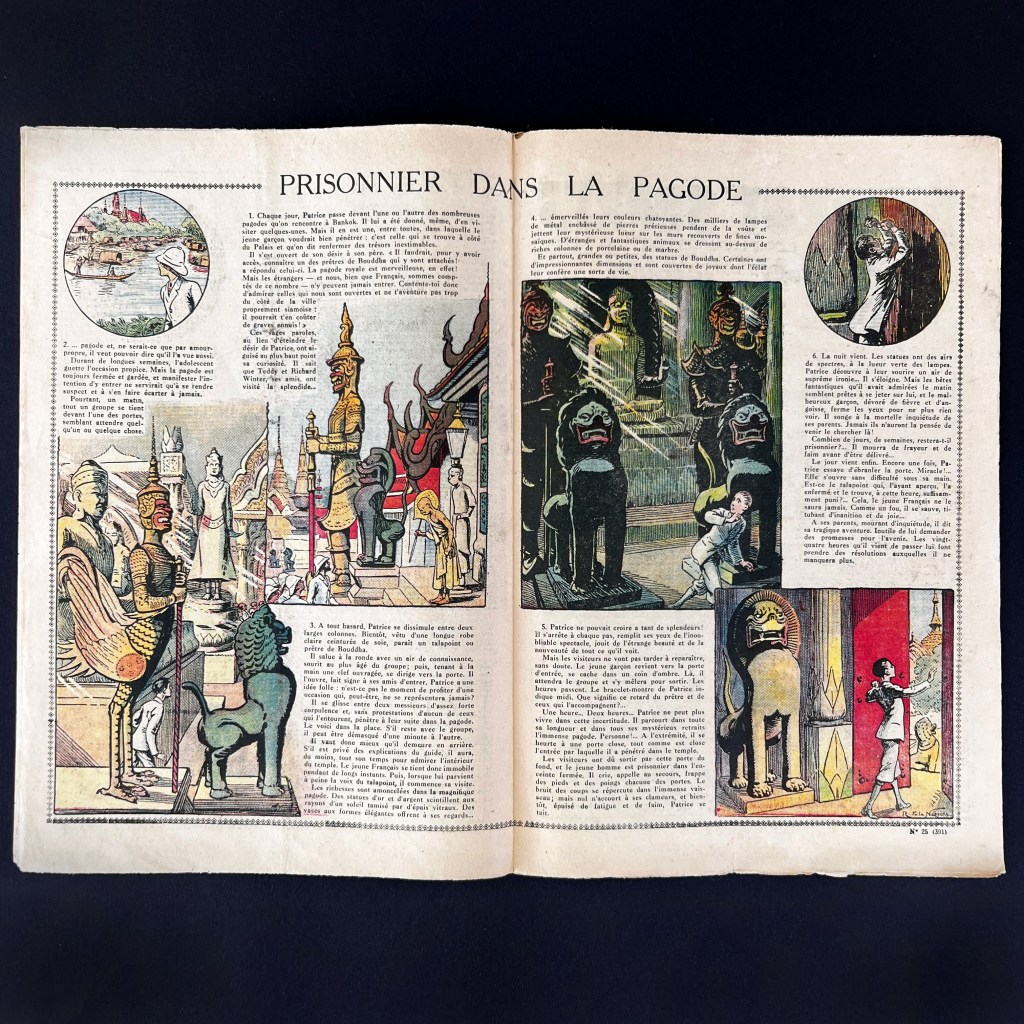
The art was intended to bring to mind the Temple of the Emerald Buddha at Wat Phra Kaew in Bangkok. The two-page spread tells the story of Patrice, an overly curious young boy who finds himself locked inside a Bangkok Buddhist temple overnight.
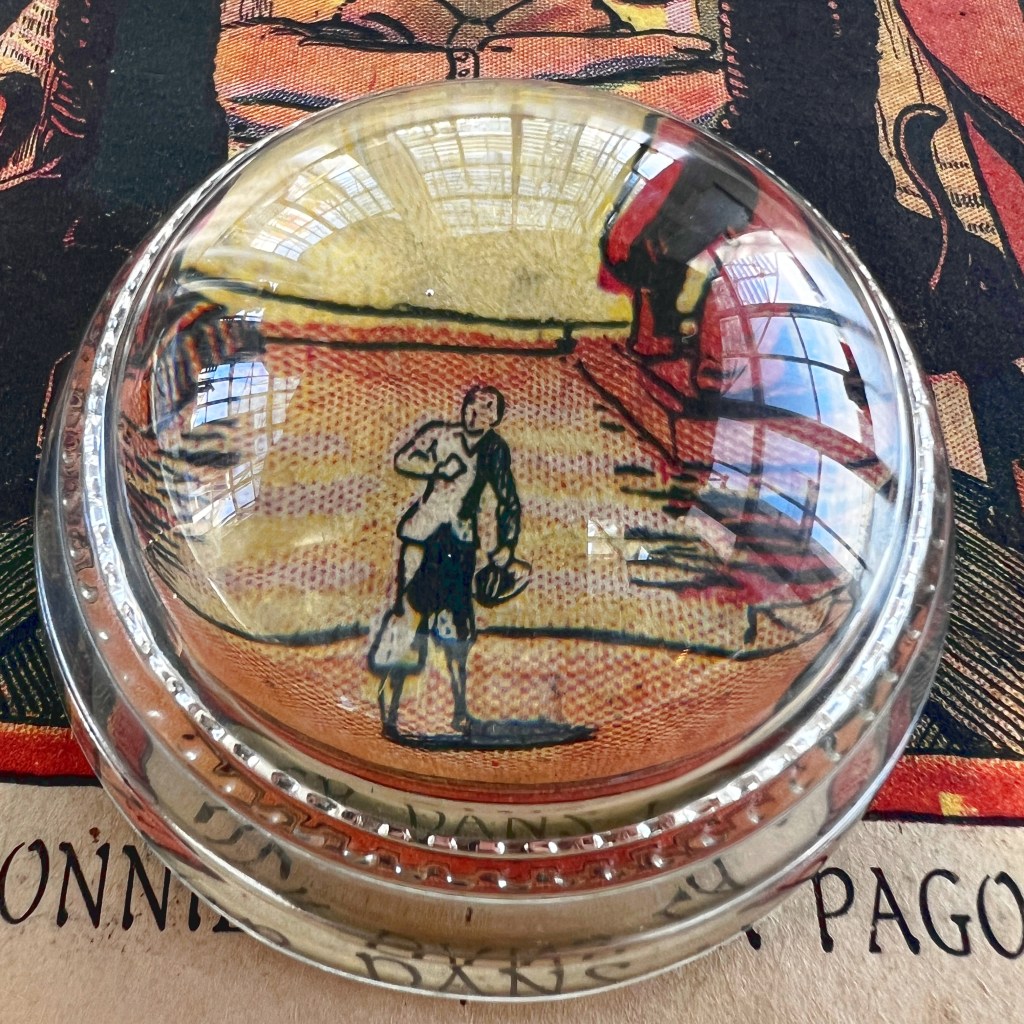
It follows a common trope of a mischievous boy who disregards his parents’ warnings and gets into trouble. Beyond mere trespassing, Patrice grows fearful of the strange buddhist icons that inhabit the temple.
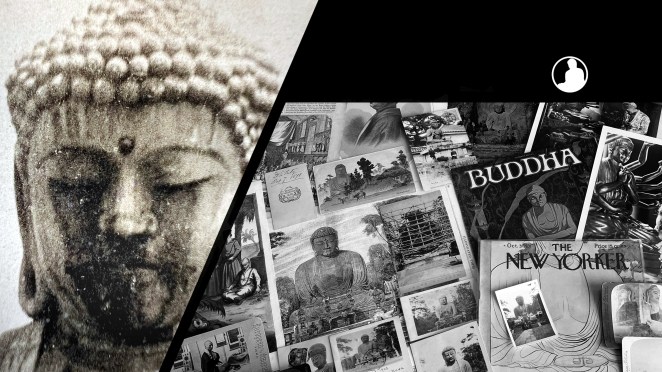
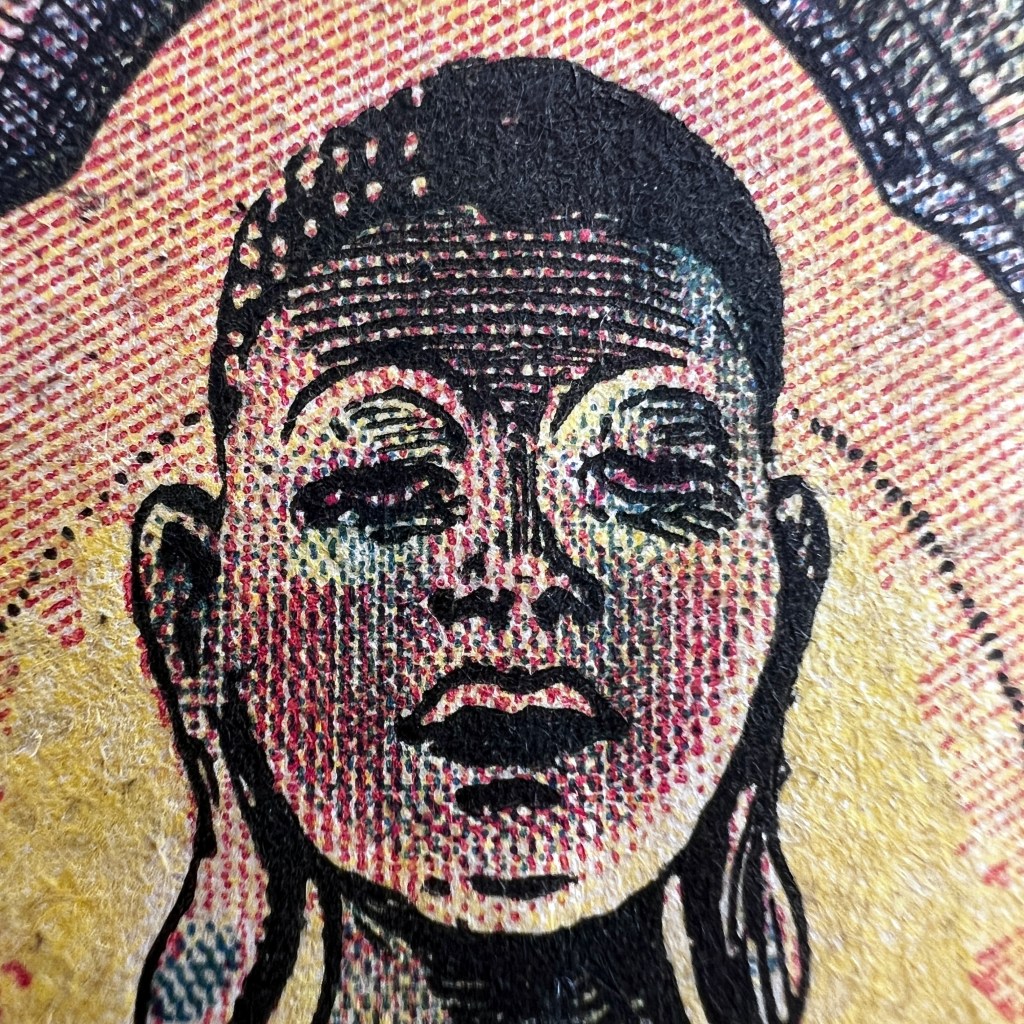
The Emerald Buddha is not drawn true to life and is made foreboding by its size and directional lighting.

The collection of Pierrot magazines has been digitized by the Bibliothèque nationale de France. The issue under review can be found here: https://tinyurl.com/yck22hde.

The Buddhas in the West Material Archive is a digital scholarship project that catalogues artifacts depicting Buddhist material culture for Western audiences. It’s comprised of prints, photos, and an assortment of ephemera and other objects. For a brief introduction to this archive, visit the main Buddhas in the West project page.


For Related Buddhas in the West Posts Featuring France:

For the Most Recent Buddhas in the West Posts:

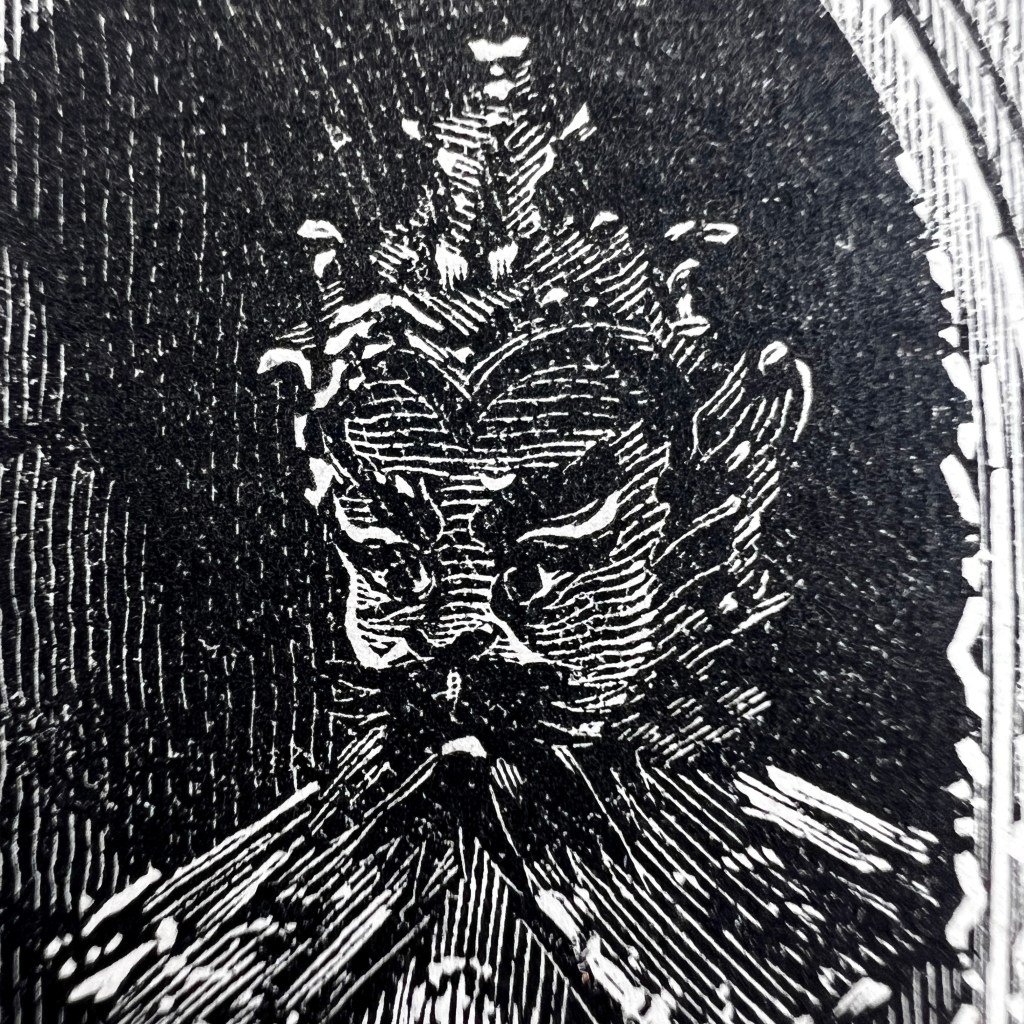
Paul Frenzeny’s Chinese Temple Print

For all the new Buddhas in the West posts
follow us on Bluesky & Instagram


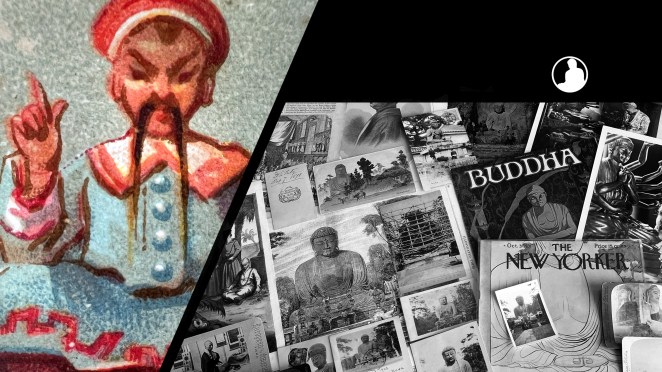
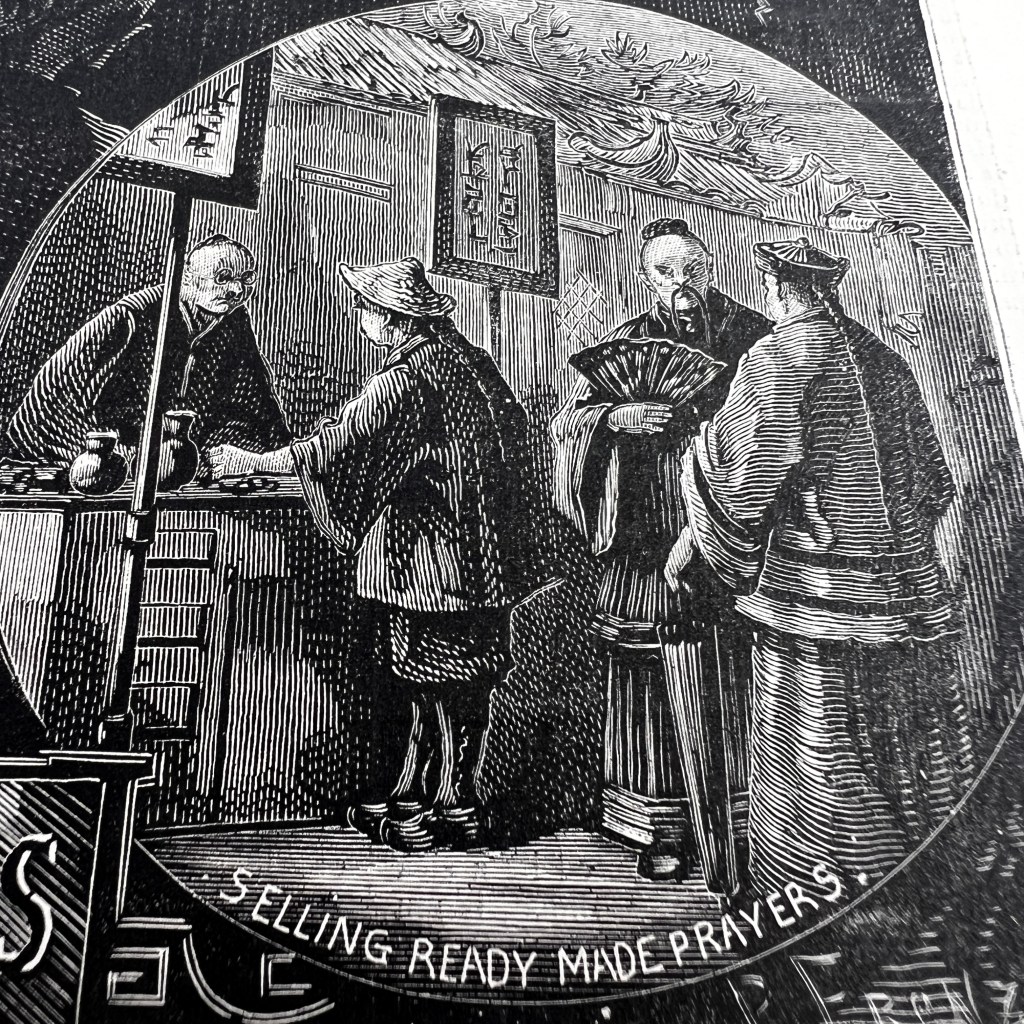
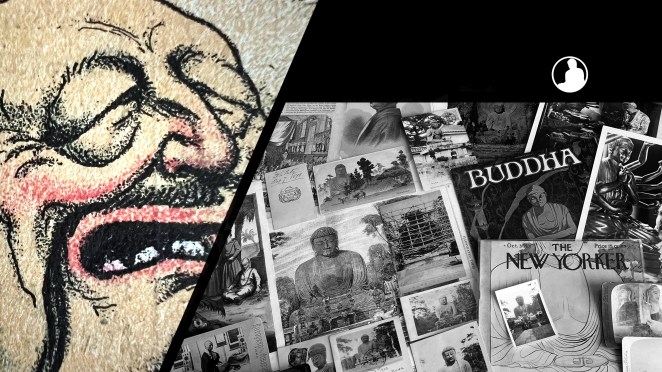
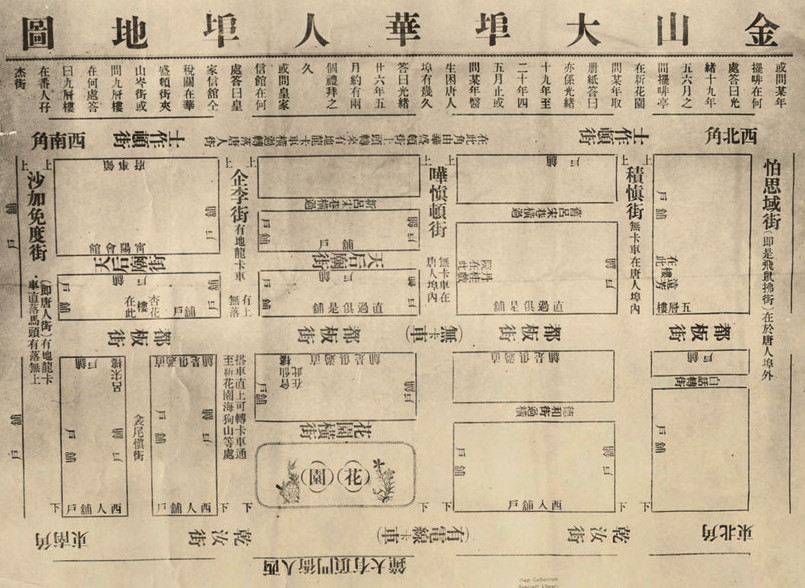
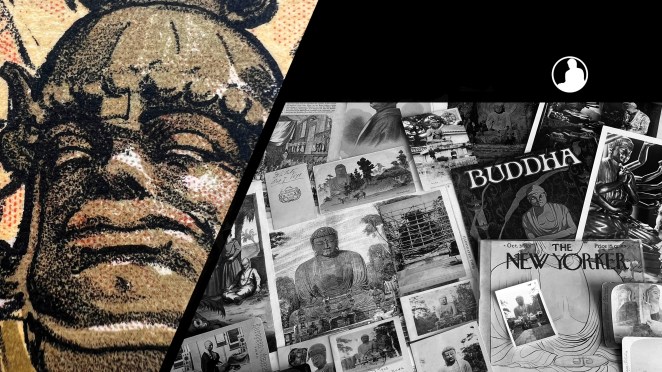
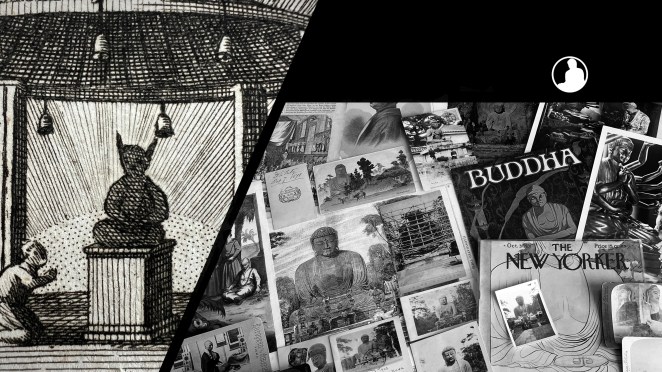
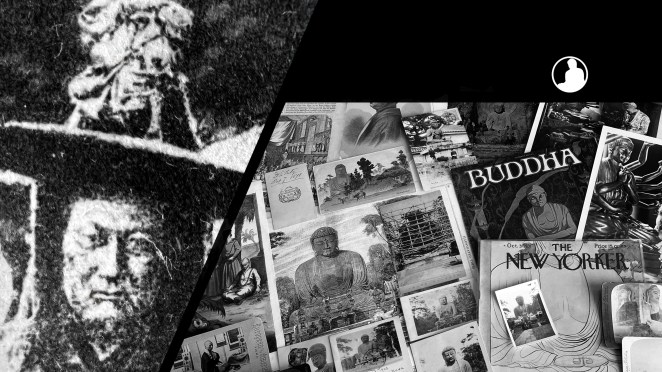
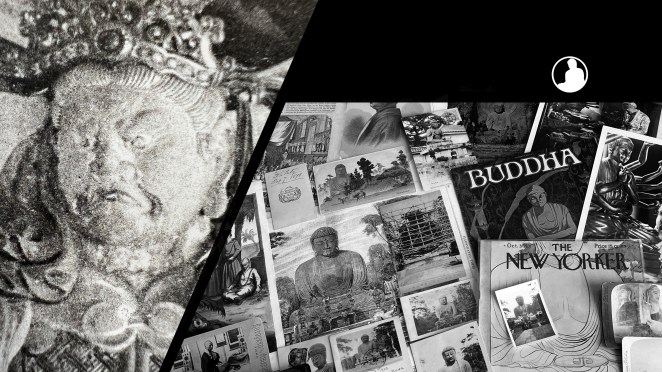
Chinatown Smoke: After completing the transcontinental railroad, many periodicals ran stories about the American west, including the popular illustrated miscellany, Harper’s Weekly. Images of Chinatown joss houses emerged as popular visual tropes for the semi-exotic frontier.

The illustration was made by Paul Frenzeny and the engraving was prepared by the talented Charles Maurand. Frenzeny went on a well publicized tour of the US in 1873, but this dramatic image was likely pieced together from older published images of Chinatown and hearsay.

The illustration was meant to be didactic and moralizing – the image was paired with another engraving showing similar “degraded” devotions in South American Catholic churches. The accompanying text compares the “superstitions” of Chinese American temples and Romish churches.

As Laurie Maffly-Kipp has explored, the focus on material culture – icons, incense smoke, enclosed spaces – tied together anti-Catholic and anti-Chinese sentiment of the period.

While unidentified, the main icon here is likely a poor rendition of Guandi, one of the most popular figures put on display in Chinese temples.

Maffly-Kipp’s article, “Engaging Habits and Besotted Idolatry,” can be viewed here: https://tinyurl.com/u3zc2nne.


The Buddhas in the West Material Archive is a digital scholarship project that catalogues artifacts depicting Buddhist material culture for Western audiences. It’s comprised of prints, photos, and an assortment of ephemera and other objects. For a brief introduction to this archive, visit the main Buddhas in the West project page.


For Related Buddhas in the West Posts Featuring Chinatown (US):


For the Most Recent Buddhas in the West Posts:


Bamiyan Buddha Saturday Magazine Print

For all the new Buddhas in the West posts
follow us on Bluesky & Instagram


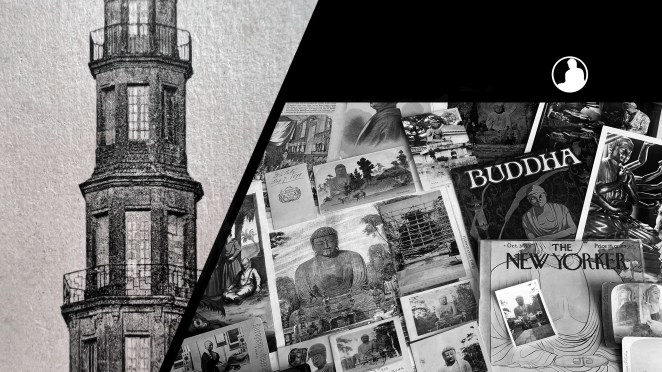
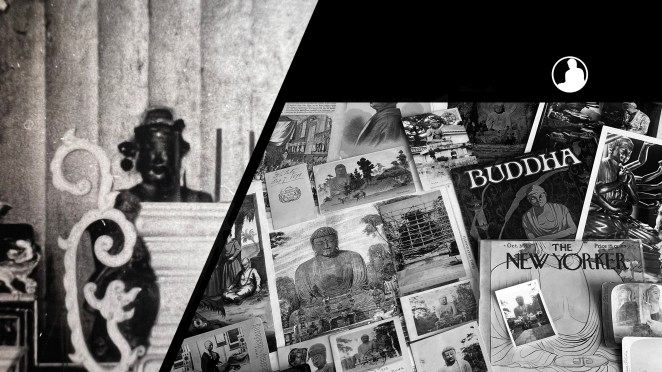
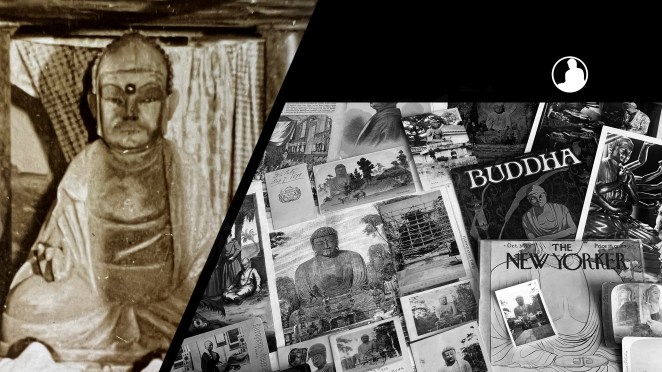
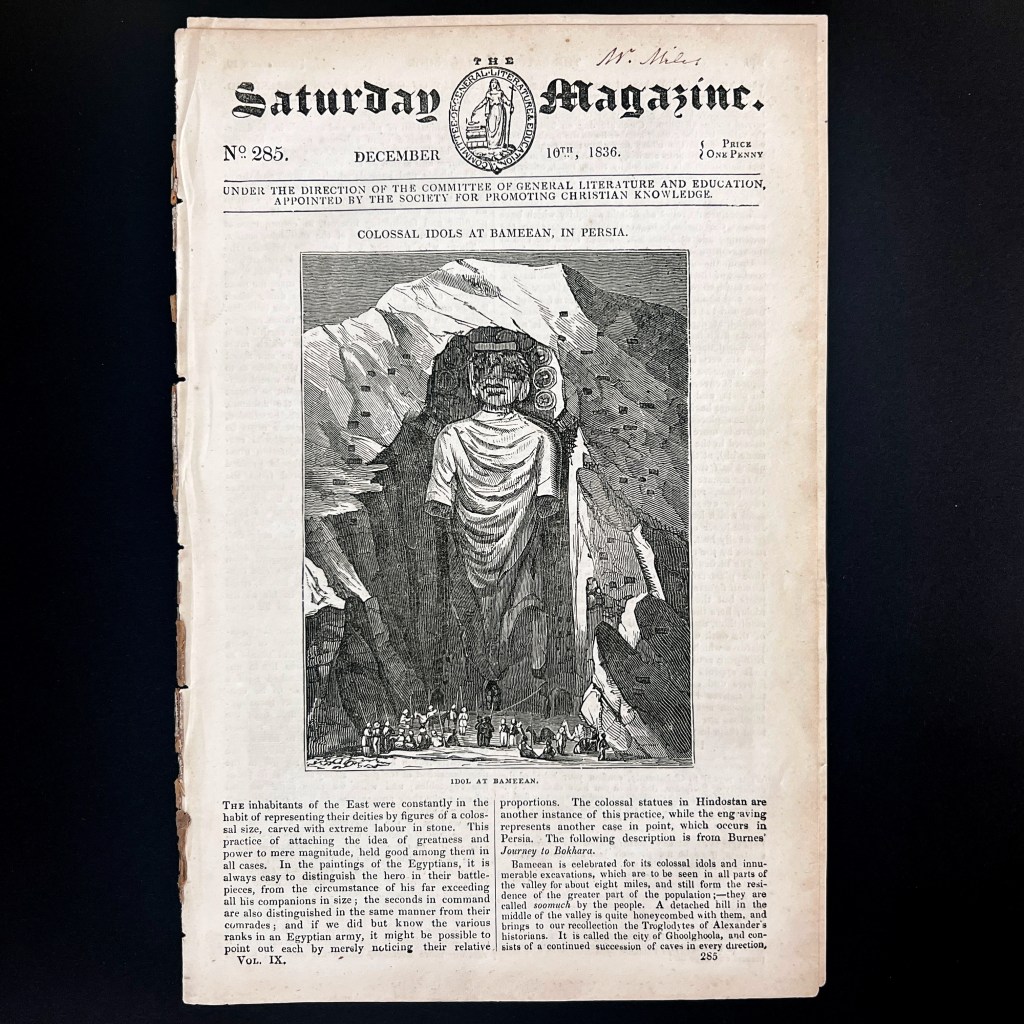
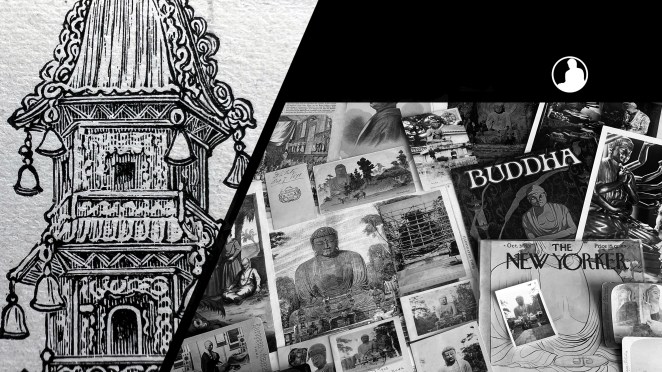
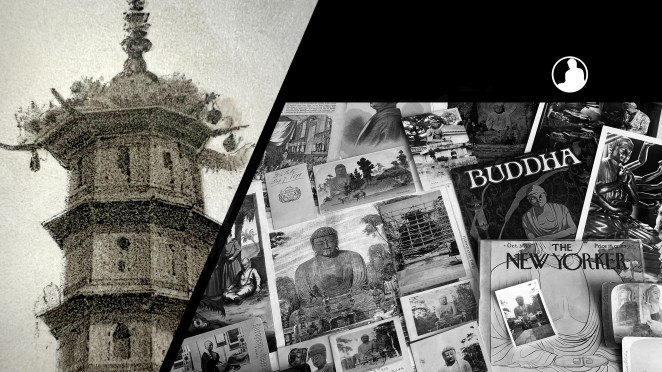
The idols of Bamiyan? Western knowledge of Buddhist material culture in the 1830s was quite limited. When Alexander Burnes “discovered” the colossal buddhas of Bamiyan in 1832, he only referred to them as idols and believed was one male and the other female.

The Saturday Magazine was an illustrated British periodical to help educate the working class. Published during British imperial expansion in the 19th century, articles would often detail exotic locales for the enjoyment of readers.

The woodblock print here was based on Burnes’ early sketch included in his Travels into Bokhara. The woodblock would have been locked into a form with hand-set moveable type to create large quantities of prints with relative ease.

Damage to the woodblock could often result in imperfect prints. Here, we can infer a scratch in the woodblock disrupted the ink transfer to the paper. Better mass printing technology would be created in the coming decades.

As for the statues, canon fire broke various segments in the 17th and 18th centuries; this damage is visible in the illustration. The colossal Bamiyan Buddhas were completely destroyed in 2001.


The Buddhas in the West Material Archive is a digital scholarship project that catalogues artifacts depicting Buddhist material culture for Western audiences. It’s comprised of prints, photos, and an assortment of ephemera and other objects. For a brief introduction to this archive, visit the main Buddhas in the West project page.


For Related Buddhas in the West Posts Featuring Historical Magazines:


For the Most Recent Buddhas in the West Posts: