
For all the new Buddhas in the West posts
follow us on Bluesky & Instagram
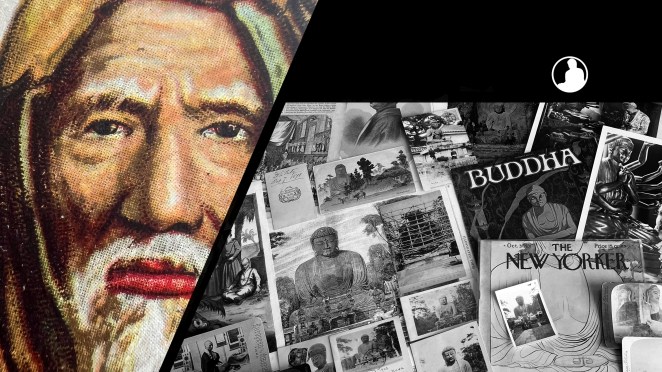
Earliest European depiction of the Dalai Lama? In 1683 Alain Mallet published his illustrated five-volume set entitled Description de l’univers. The second volume, devoted to Asia, contained an illustration of the Grand Lama, a “living and true God.”

Mallet copied an earlier illustration of Althanius Kircher from 1667 with minimal changes. The engraving shown here was hand colored (possibly after publication), giving the Dalai Lama a dark red robe.

While not named in the text, the original illustration was published during the lifetime of the famed Fifth Dalai Lama, Ngawang Lobsang Gyatso. Information about the Dalai Lama was gleaned from the reports of Jesuit missionary Johann Grueber who visited Lhasa in 1661.
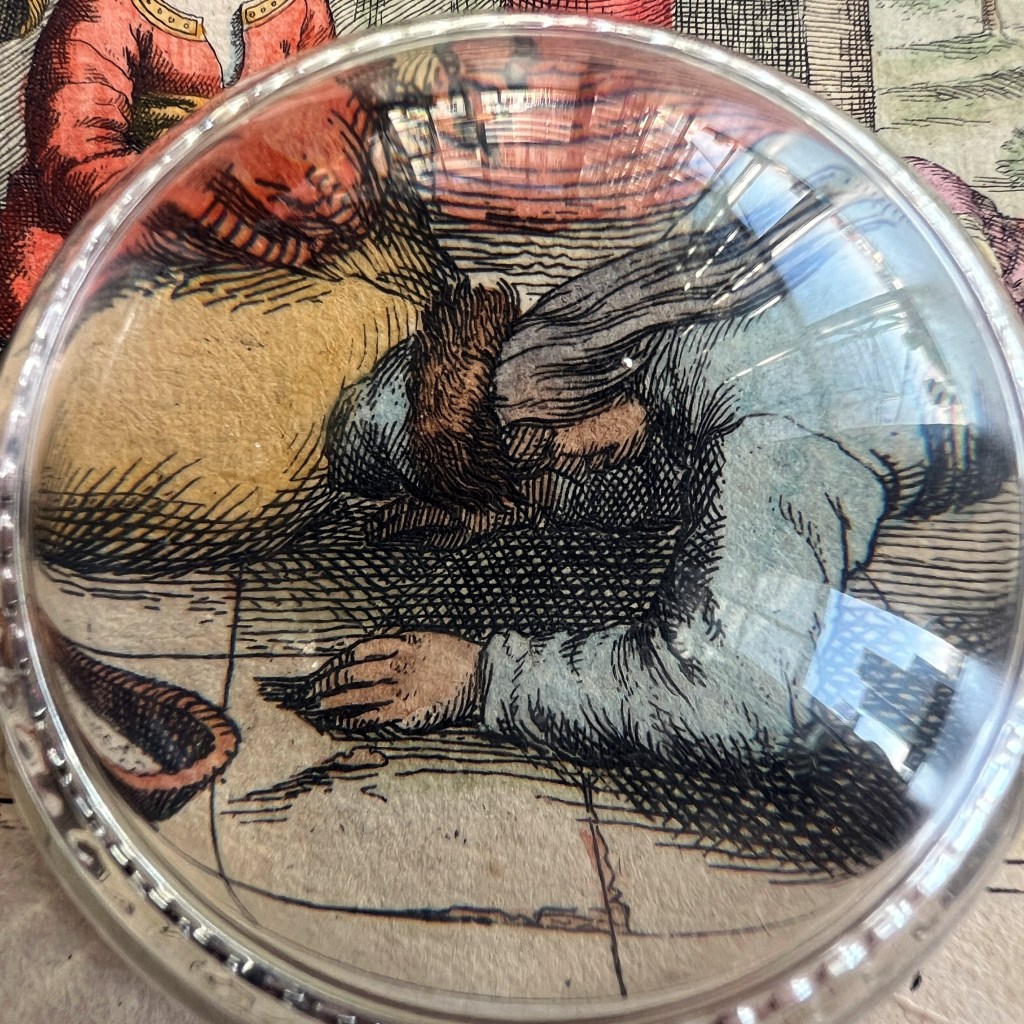
The Fifth Dalai Lama died in 1682, a year before Mallet’s publication, but his passing was concealed for more than a decade. Mallet reports on the process of reincarnation, describing it as a “deception.”
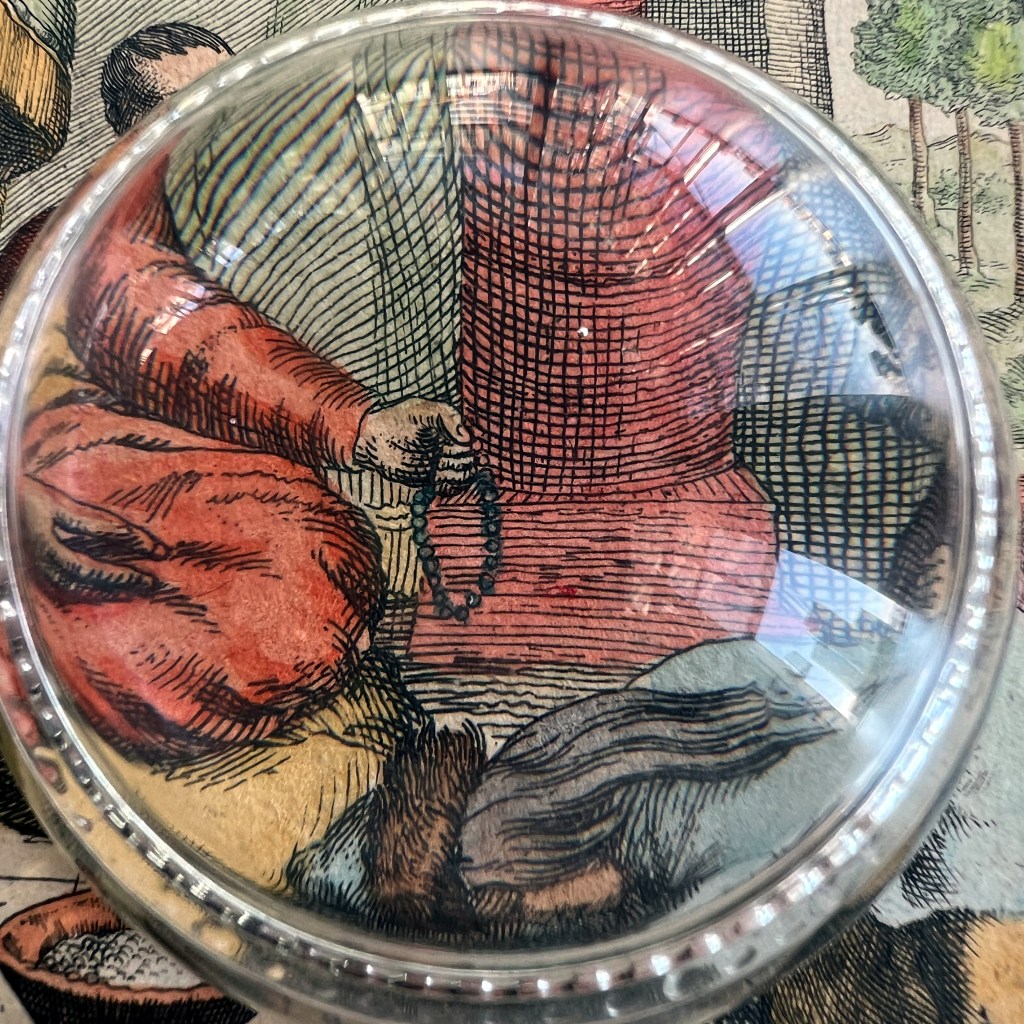
To read Mallet’s text associated with this image, see the digitized scan provided by the University of Ottawa here: https://tinyurl.com/37895xc9
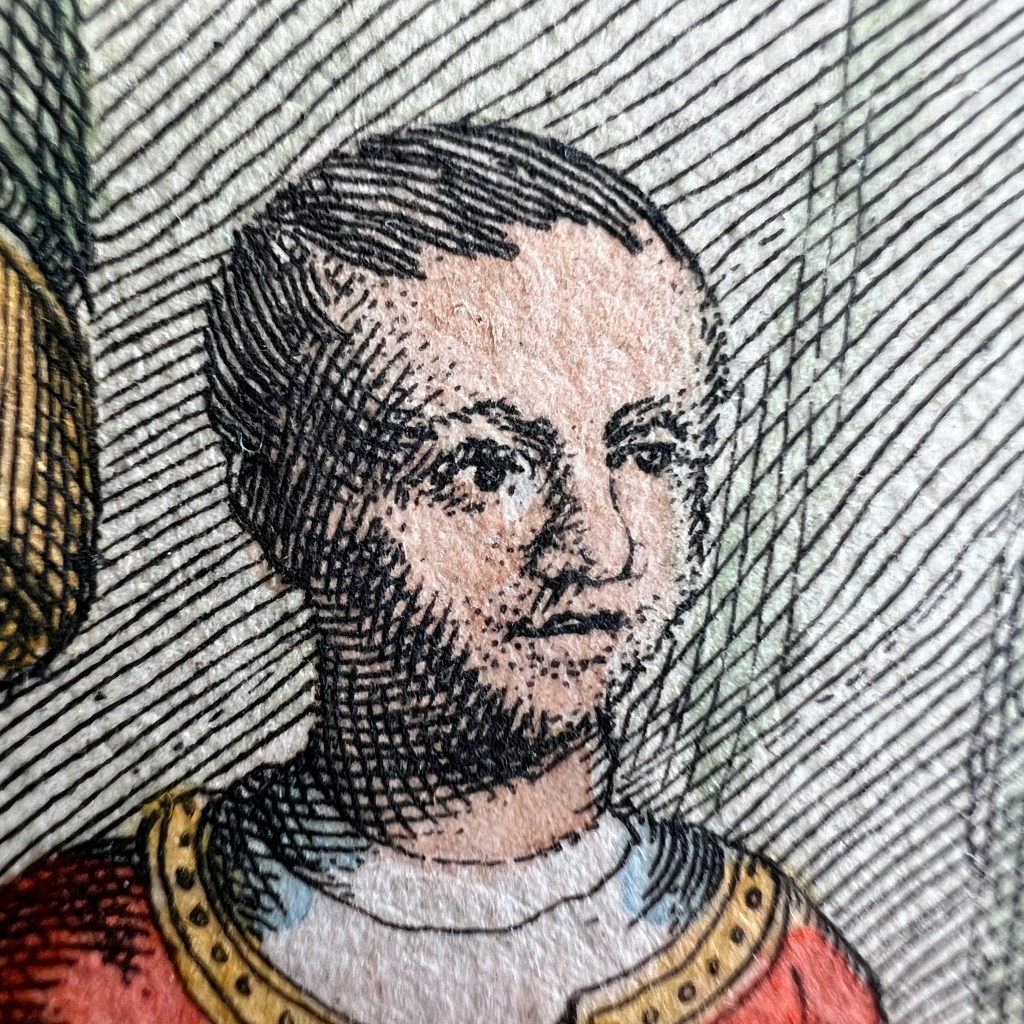

The Buddhas in the West Material Archive is a digital scholarship project that catalogues artifacts depicting Buddhist material culture for Western audiences. It’s comprised of prints, photos, and an assortment of ephemera and other objects. For a brief introduction to this archive, visit the main Buddhas in the West project page.
For Related Buddhas in the West Posts Featuring Engravings:


For the Most Recent Buddhas in the West Posts:














 Personal Site of Peter Romaskiewicz