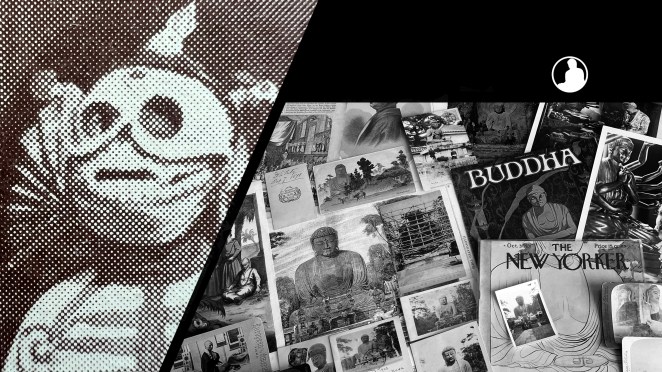
The “Dancing Lamas” and Epic of Everest (1924) Prologue Newspaper Illustration

For all the new Buddhas in the West posts
follow us on Bluesky & Instagram


The arrival of the first Tibetan monks in Europe was surrounded with controversy, deeply straining Anglo-Tibetan relations. One group of monks, arriving in 1924, performed Buddhist rituals before showings of the silent film Epic of Everest, sparking the “Dancing Lamas” affair.

The director, John Noel, filmed the British Everest expedition where George Mallory and Andrew Irvine lost their lives. The first half of the film looks at Tibetan life in and around Rongbuk Monastery at the foot of Everest, including several brief scenes showing monastic ritual.

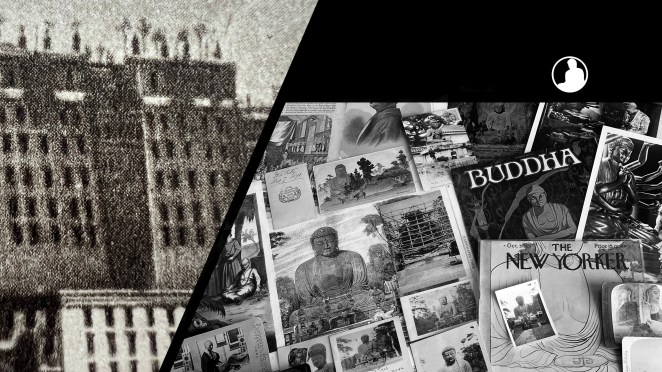
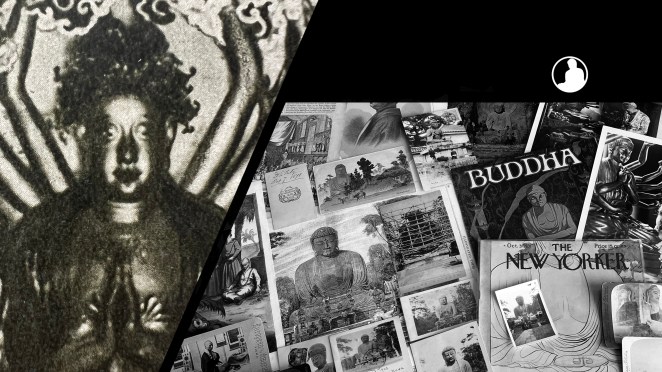
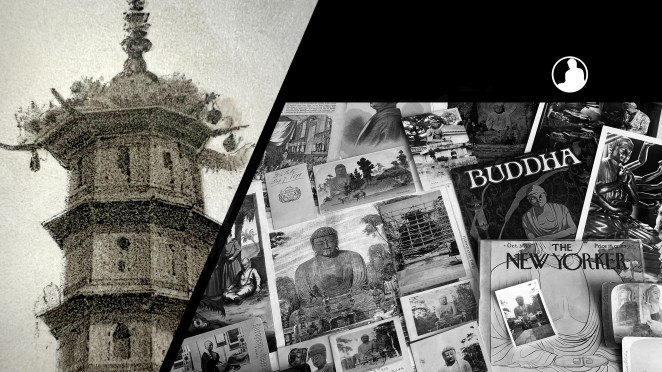
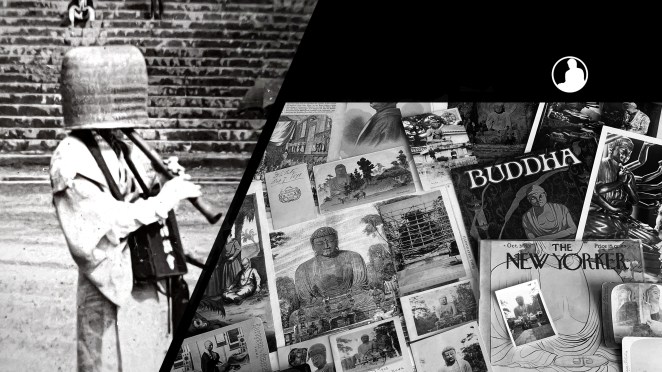
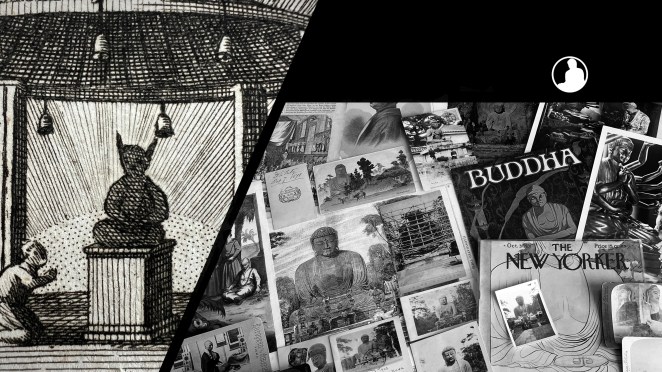
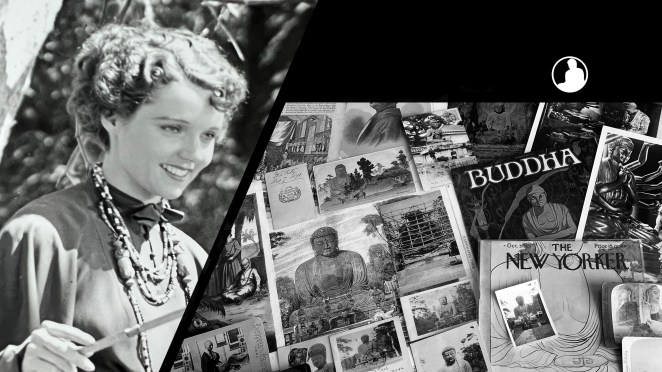
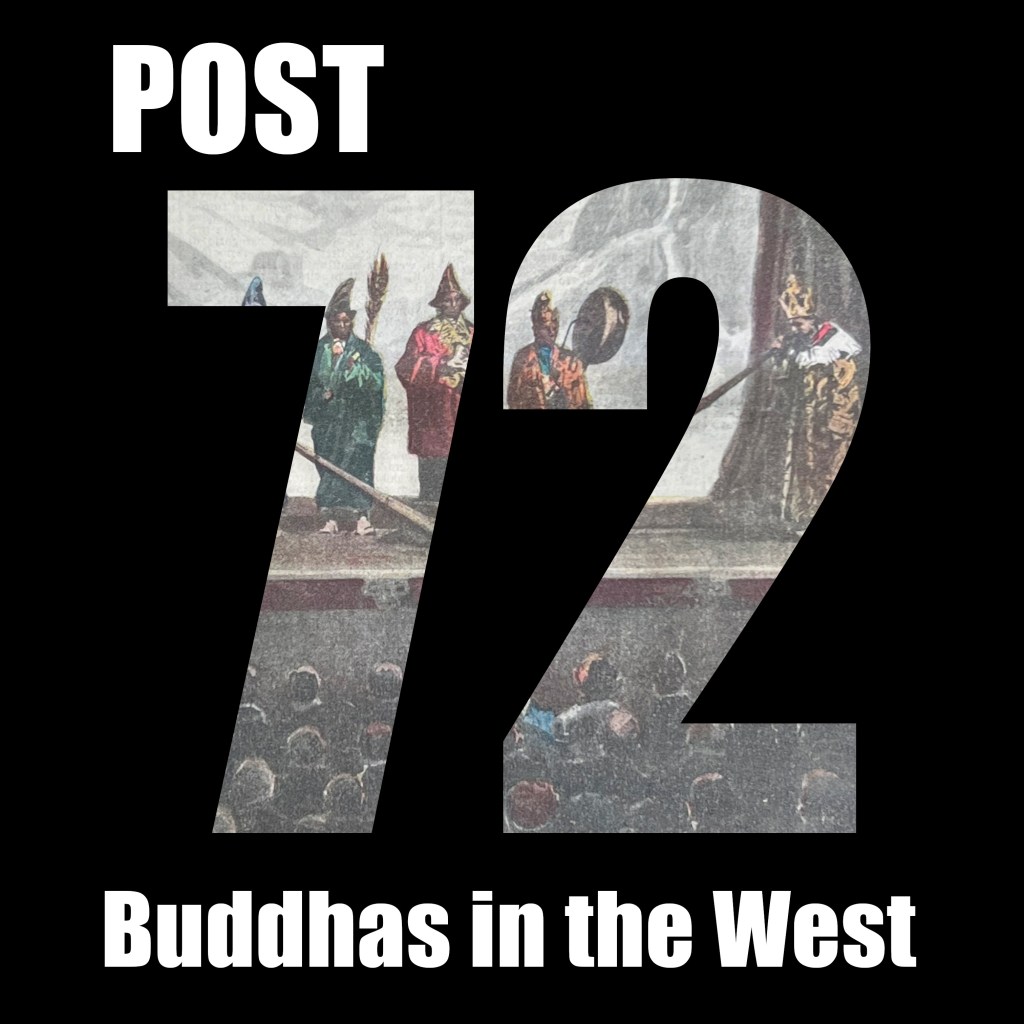
To help advertise the film in London, Noel brought several monks from Tibet and had them perform informal rituals as part of a “live prologue” (seen here). Newspapers report the monks chanted while playing long trumpets and beating drums and cymbals; some claimed they performed “devil dances.”
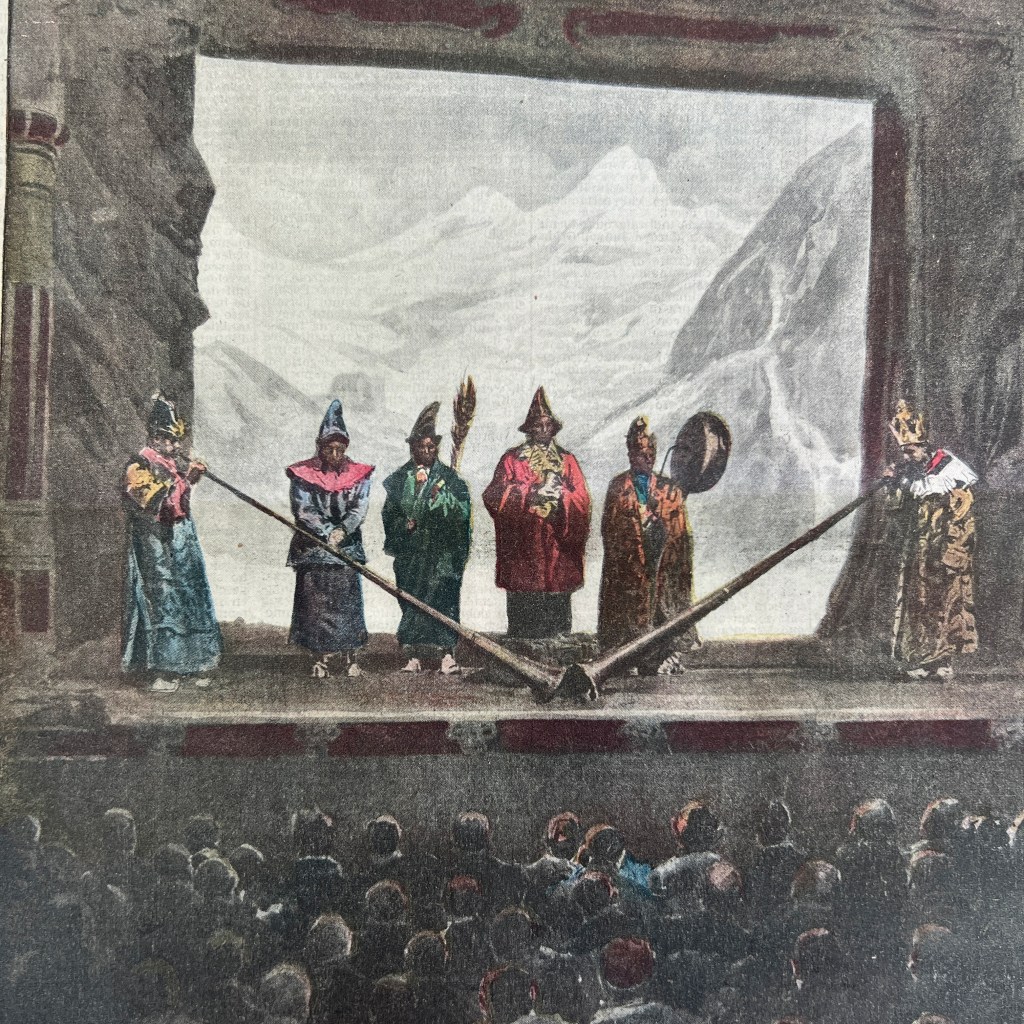
These reports were received in Tibet with furor; the Dalai Lama viewed the spectacle as disrespectful to Tibetan Buddhism and exploitative of Tibetan people. Consequently, a British Everest expedition the next year was refused by the Dalai Lama; the next British attempt at Everest came in 1932.

Noel toured Europe with his film accompanied by the Tibetan monks, but the controversy caused him to send the monks home before touring the United States. Noel’s silent film, Epic of Everest, is viewable here: tinyurl.com/3df4axfn.

The Buddhas in the West Material Archive is a digital scholarship project that catalogues artifacts depicting Buddhist material culture for Western audiences. It’s comprised of prints, photos, and an assortment of ephemera and other objects. For a brief introduction to this archive, visit the main Buddhas in the West project page.


For Related Buddhas in the West Posts Featuring Historical Periodicals:

For the Most Recent Buddhas in the West Posts:

Alain Mallet’s Dalai Lama Engraving

For all the new Buddhas in the West posts
follow us on Bluesky & Instagram


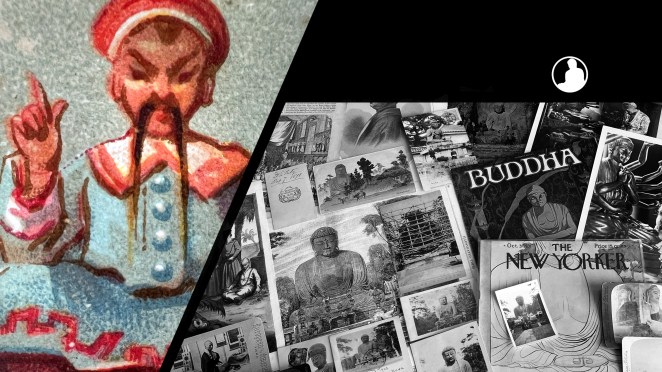
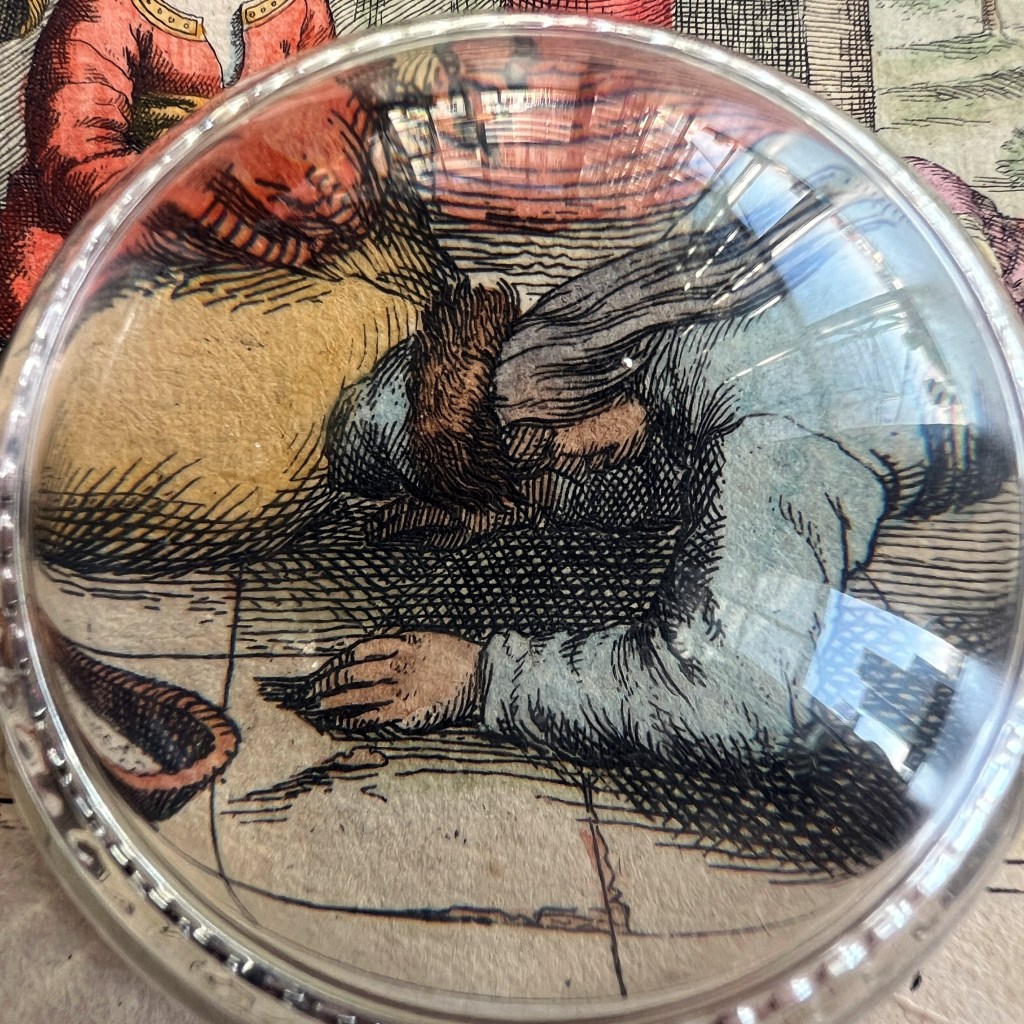
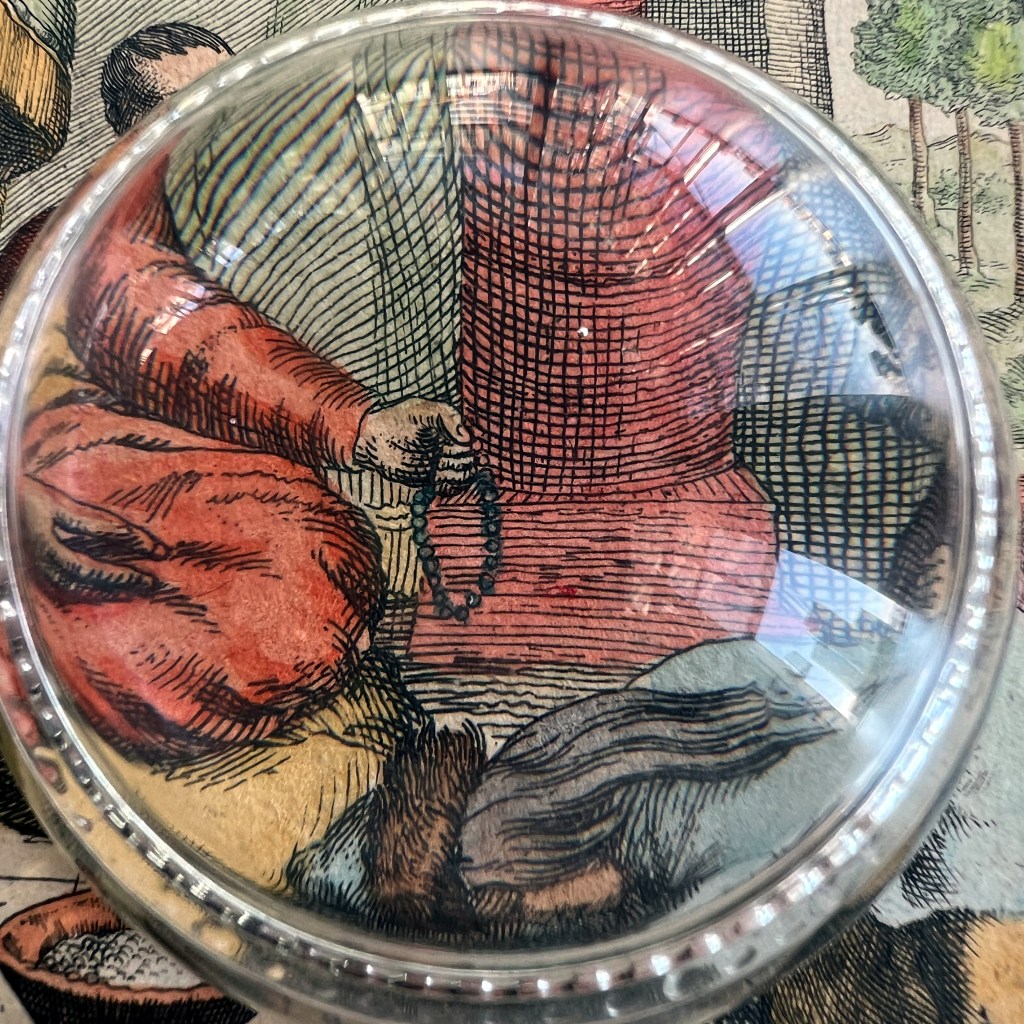
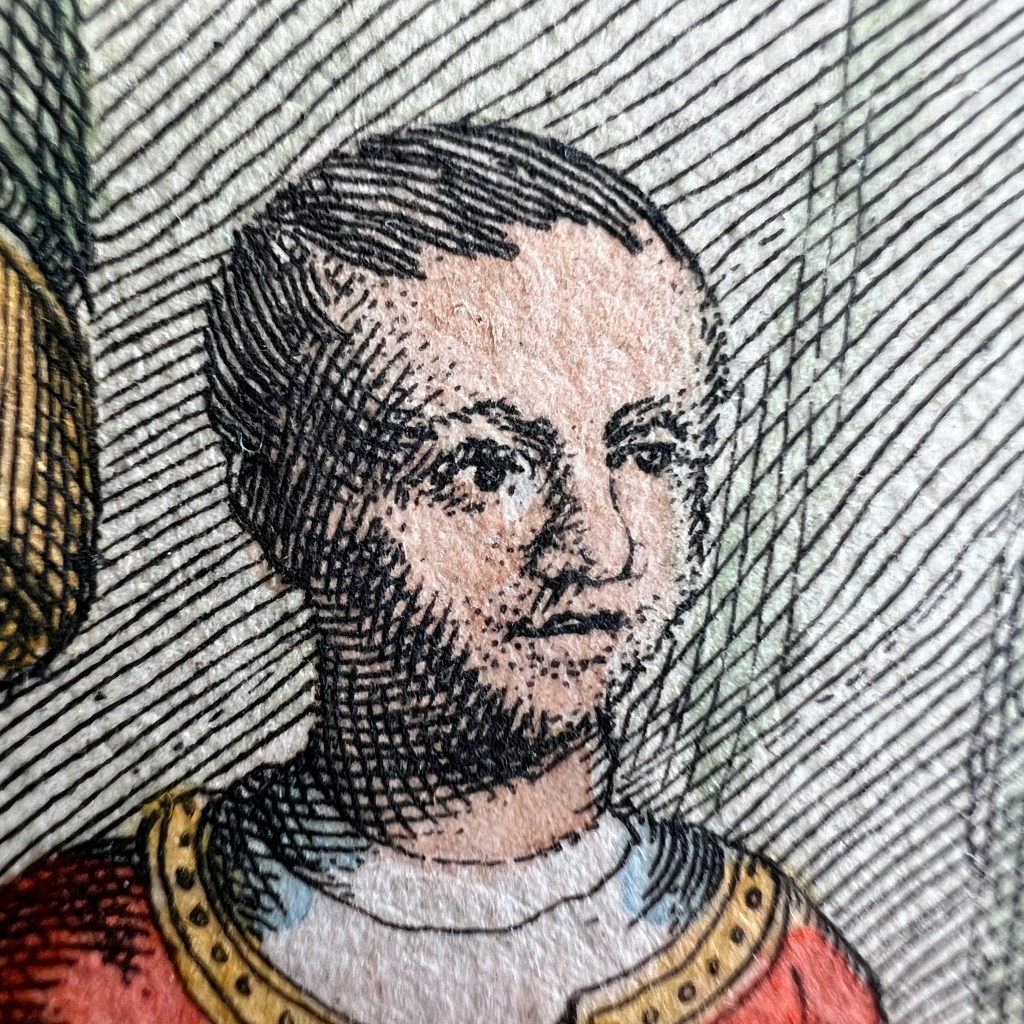
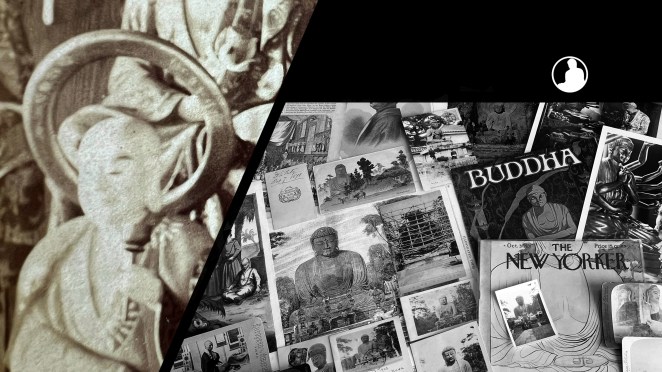
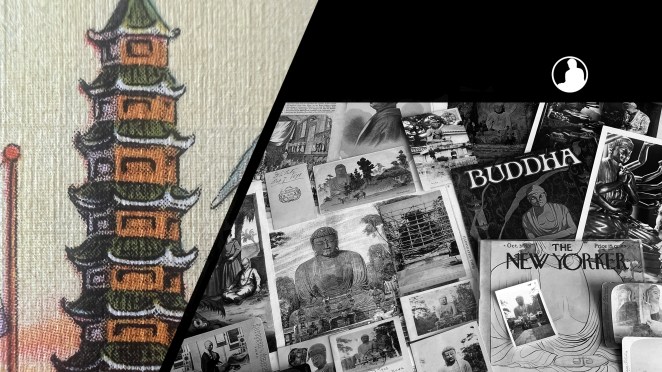
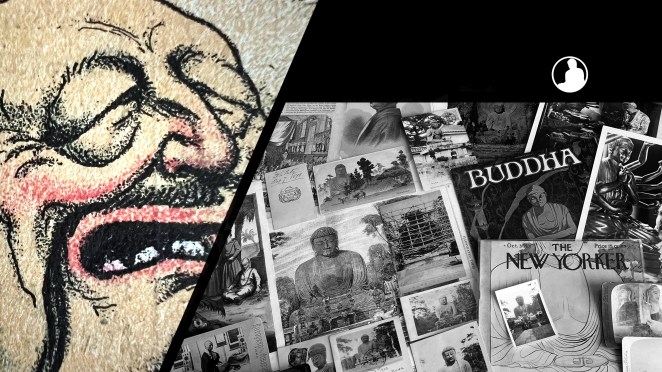
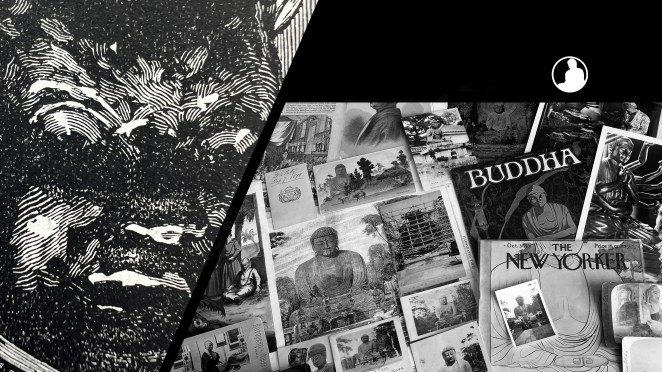
Earliest European depiction of the Dalai Lama? In 1683 Alain Mallet published his illustrated five-volume set entitled Description de l’univers. The second volume, devoted to Asia, contained an illustration of the Grand Lama, a “living and true God.”

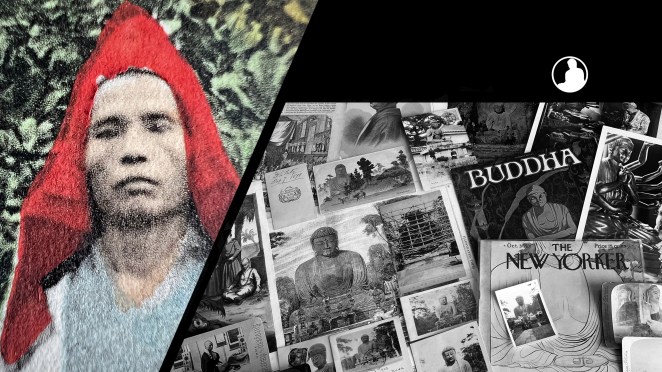
Mallet copied an earlier illustration of Althanius Kircher from 1667 with minimal changes. The engraving shown here was hand colored (possibly after publication), giving the Dalai Lama a dark red robe.

While not named in the text, the original illustration was published during the lifetime of the famed Fifth Dalai Lama, Ngawang Lobsang Gyatso. Information about the Dalai Lama was gleaned from the reports of Jesuit missionary Johann Grueber who visited Lhasa in 1661.

The Fifth Dalai Lama died in 1682, a year before Mallet’s publication, but his passing was concealed for more than a decade. Mallet reports on the process of reincarnation, describing it as a “deception.”

To read Mallet’s text associated with this image, see the digitized scan provided by the University of Ottawa here: https://tinyurl.com/37895xc9


The Buddhas in the West Material Archive is a digital scholarship project that catalogues artifacts depicting Buddhist material culture for Western audiences. It’s comprised of prints, photos, and an assortment of ephemera and other objects. For a brief introduction to this archive, visit the main Buddhas in the West project page.


For Related Buddhas in the West Posts Featuring Engravings:


For the Most Recent Buddhas in the West Posts:

Argosy’s Jungle Justice Pulp Magazine Cover

For all the new Buddhas in the West posts
follow us on Bluesky & Instagram


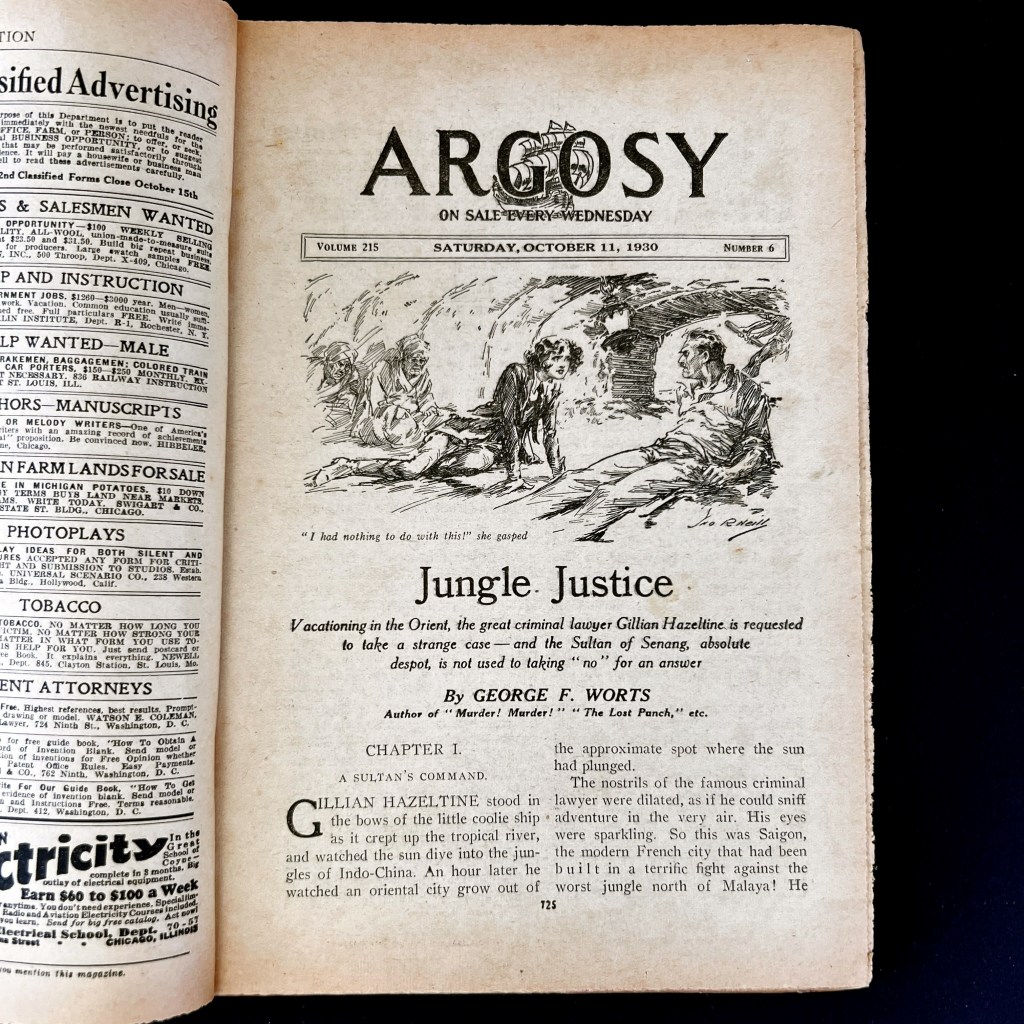
Pulp Fiction Buddhas: When editor Frank Munsey switched to inexpensive wood pulp paper in 1896, his publication, Argosy, was the first of what came to be known as pulp magazines. With over 150 publications in press by the 1930s, cover art was a critical driver for sales.

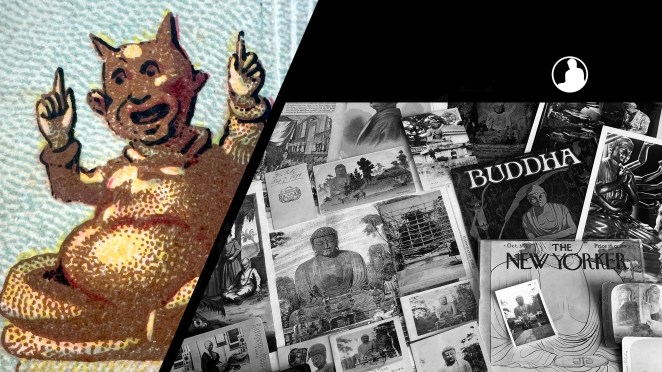
Argosy often featured episodic action and adventure stories, here starring Gillian Hazeltine as a crime solving lawyer in Jungle Justice. The cover of Paul Stahr vividly portrays the tropical setting and captures the tension between the hero and villain.

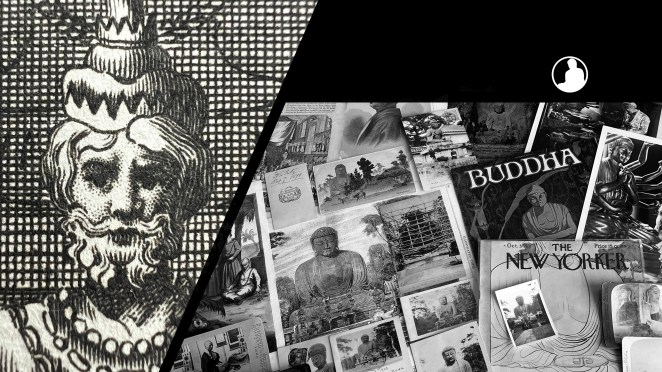
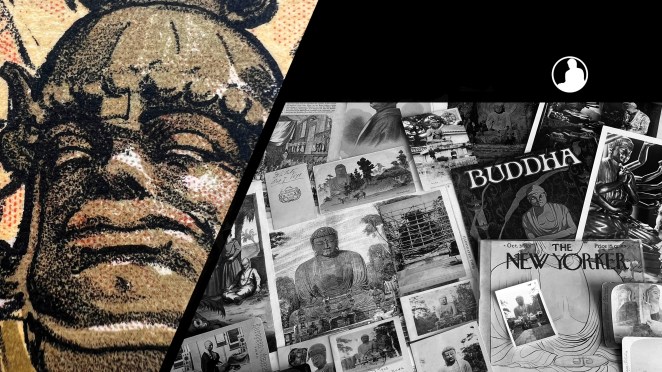
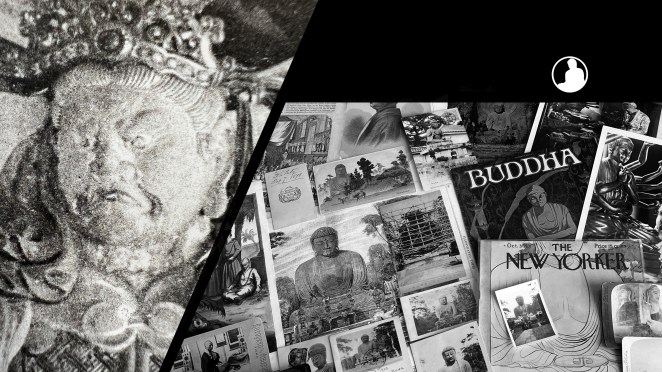
A closer look reveals a mélange of visual “Oriental” tropes: a grotesque Tibetan-style idol, a Japanese torii gate as shrine backdrop, and a turbaned menace hiding in the shadows.

The text is equally stereotypical, noting the location as “the Orient” (we are later informed its Saigon) and the villain as the “devil worshiper,” the Sultan of Senang.

The idol’s face, likely intended to signal the Sultan’s devil worship, resembles a Tibetan Buddhist cham dance mask. Various issues from Argosy, including Jungle Justice, can be read here: https://www.pulpmagazines.org/the-argosy/.


The Buddhas in the West Material Archive is a digital scholarship project that catalogues artifacts depicting Buddhist material culture for Western audiences. It’s comprised of prints, photos, and an assortment of ephemera and other objects. For a brief introduction to this archive, visit the main Buddhas in the West project page.


For Related Buddhas in the West Posts Featuring Historical Magazines:


For the Most Recent Buddhas in the West Posts: