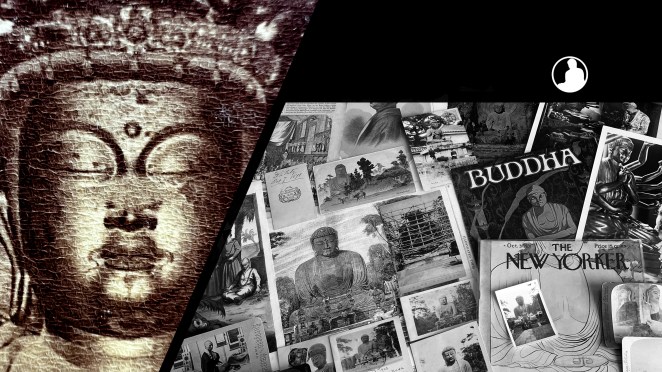
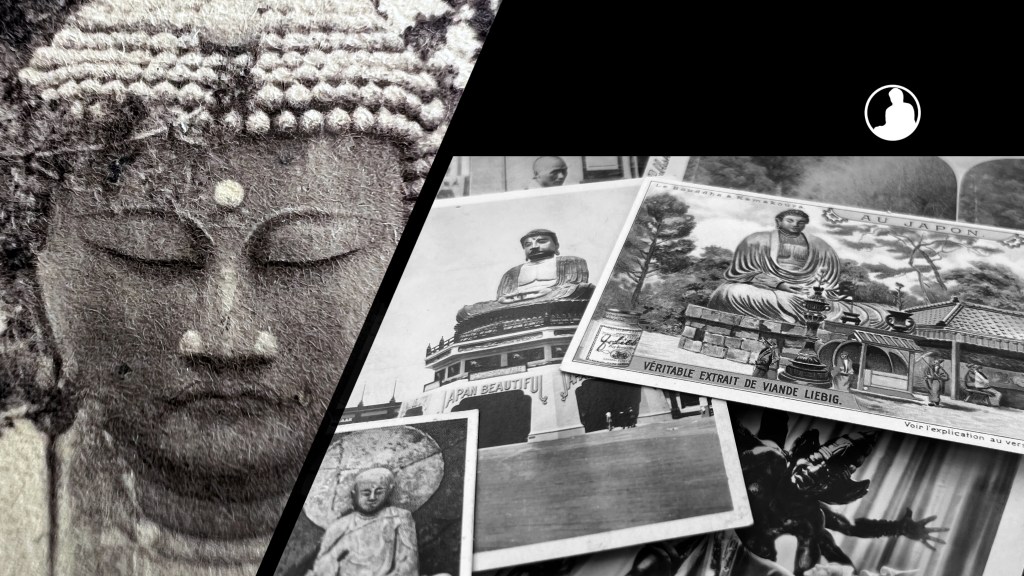
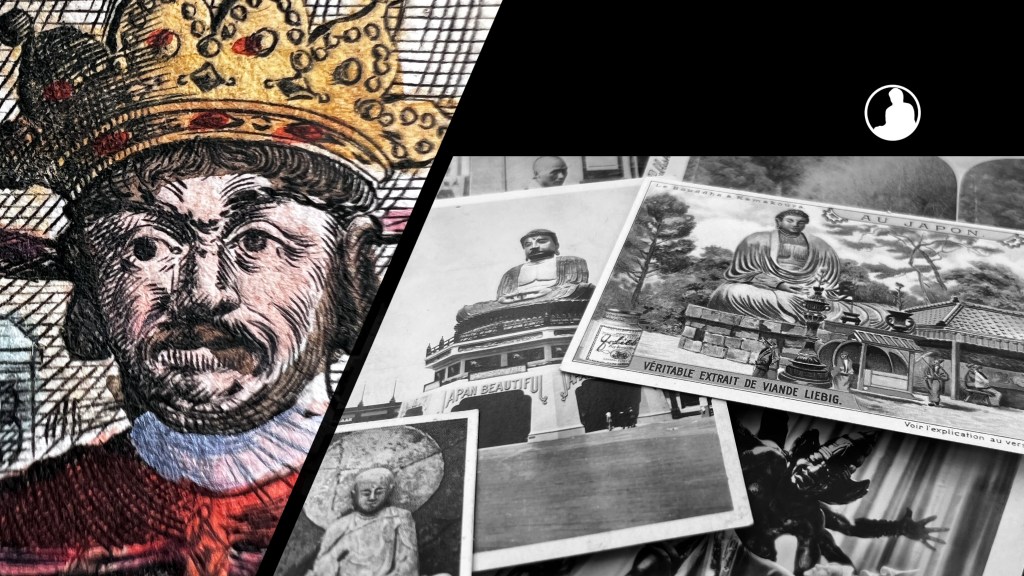
Hyōgo Daibutsu Vignette Postcard

For all the new Buddhas in the West posts
follow us on Bluesky & Instagram


The original Hyōgo Daibutsu 兵庫大仏 was dismantled as part of Japanese war efforts during WWII. It was motivated by the Ordinance on the Collection of Metals issued in 1941. At the time, it was the third largest Buddhist statue in Japan.
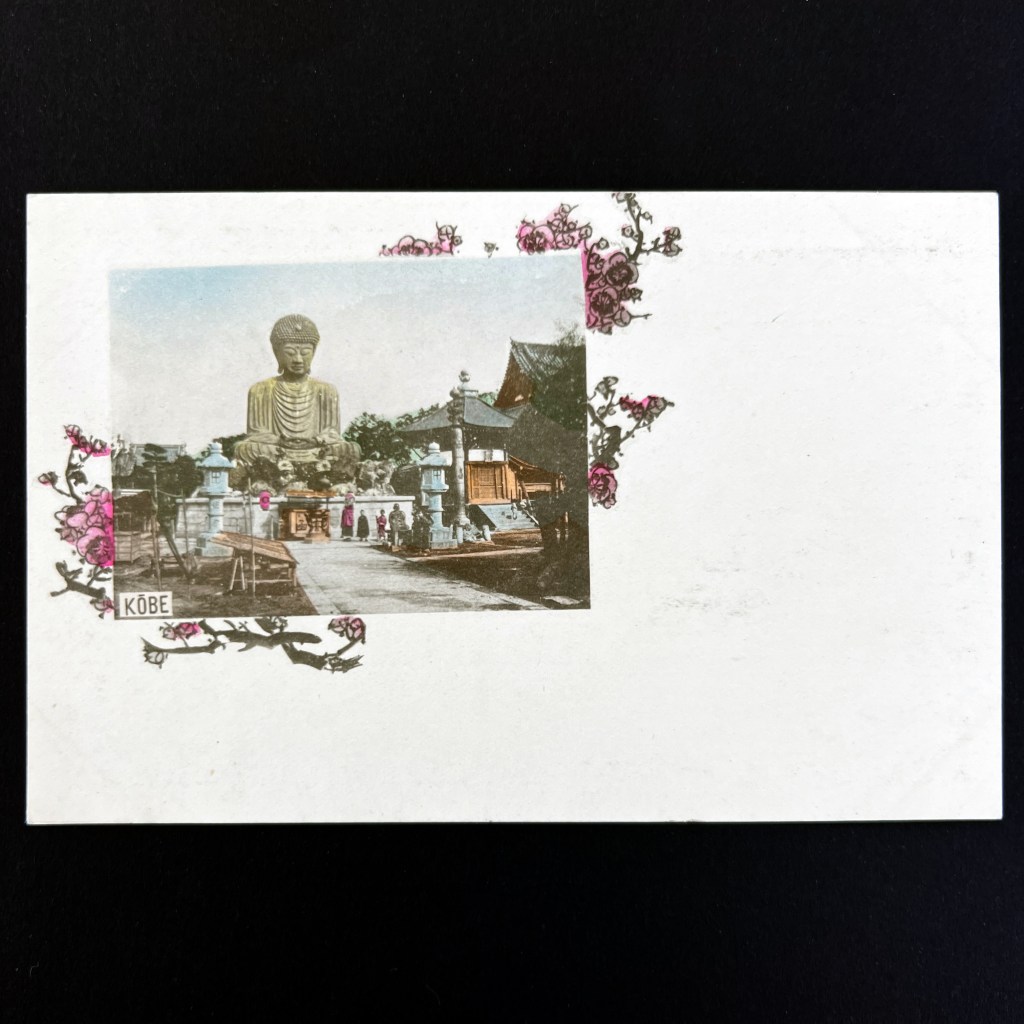
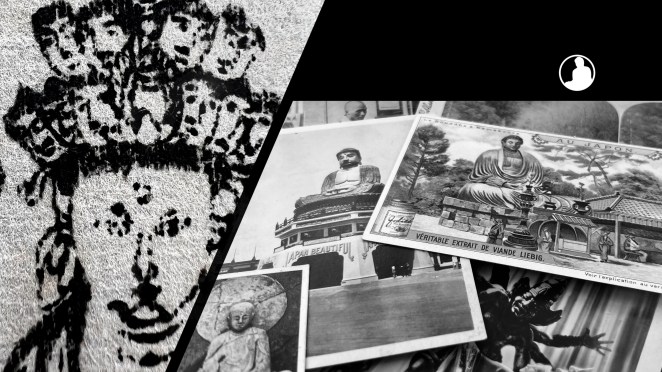
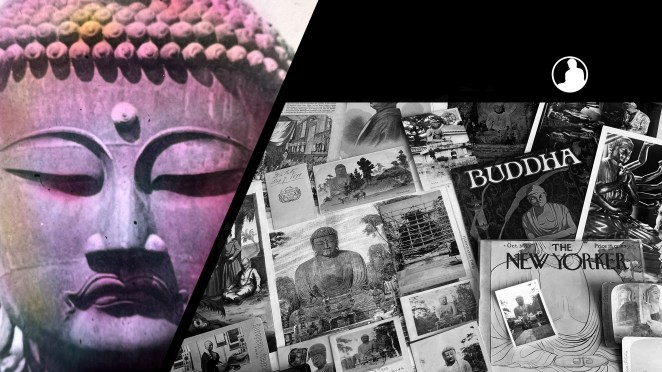
Constructed in 1891, photographs of the Hyōgo Daibutsu were often printed on Japanese postcards of the era. Based on the design on the back of this card we know it was published before 1907.
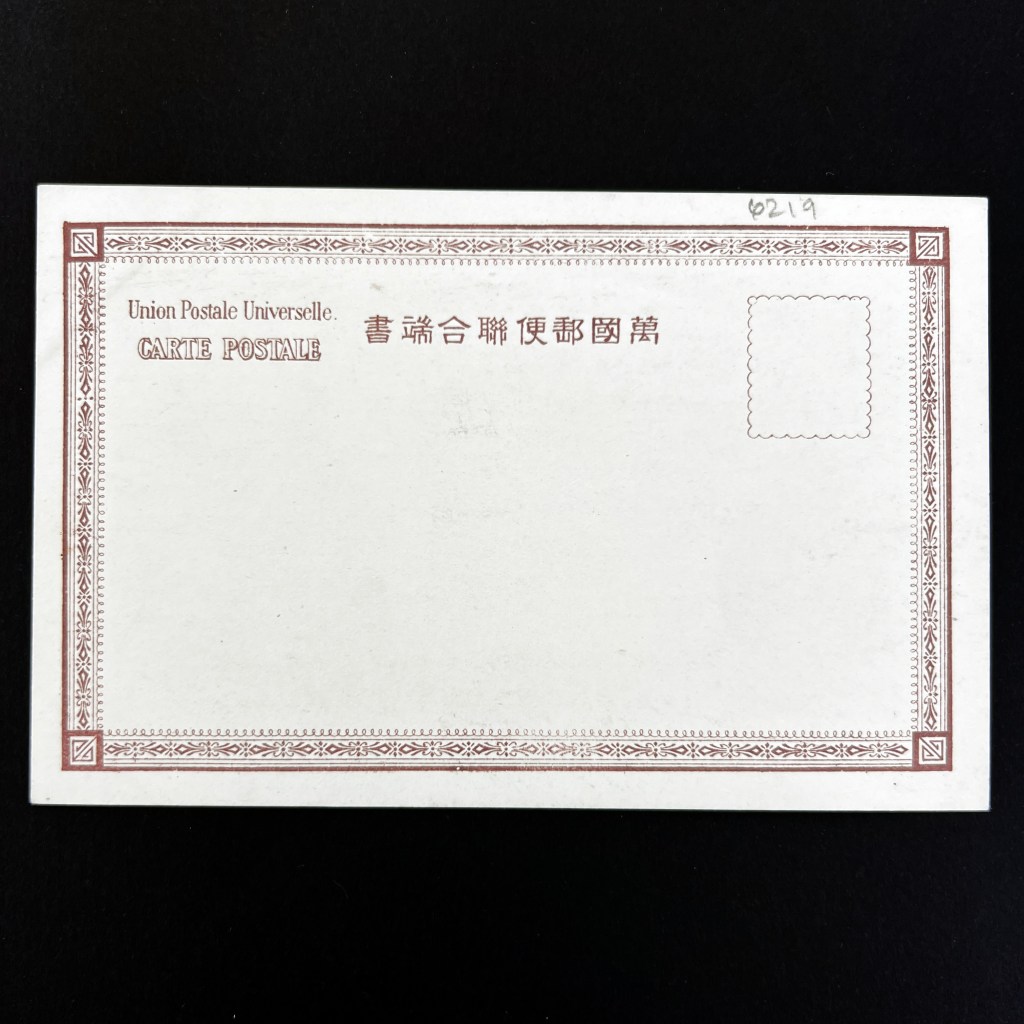

The blank space on the front of this card was intended for the written message. The reverse was saved for the address only.


This card is uncommon because it combines a collotype print with an added pink cherry blossom frame. The angular band of discoloration on the corner reveals it was stored in a postcard album.
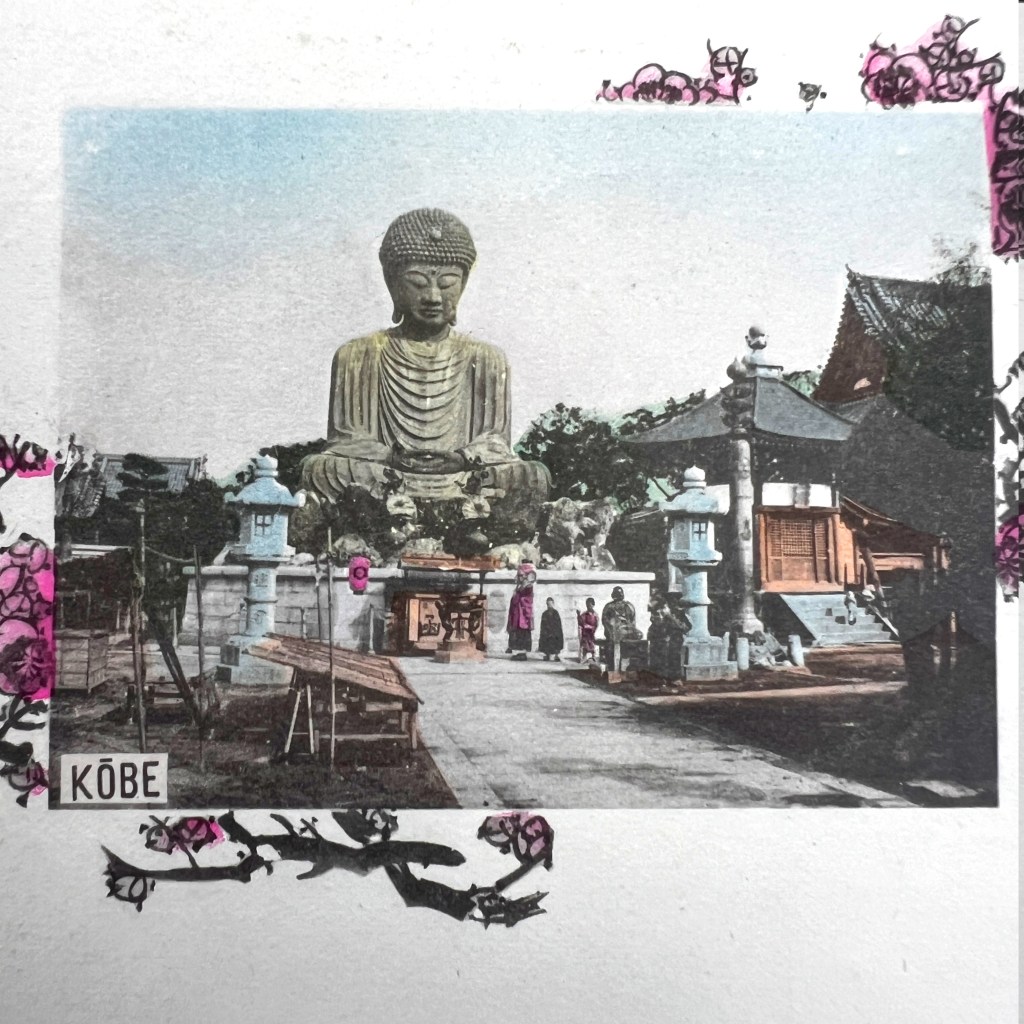

Most photographic Japanese post cards of this period were individually hand-painted. This continued into the 1910s until multi-color printing became more commonplace.


The Buddhas in the West Material Archive is a digital scholarship project that catalogues artifacts depicting Buddhist material culture for Western audiences. It’s comprised of prints, photos, and an assortment of ephemera and other objects. For a brief introduction to this archive, visit the main Buddhas in the West project page.


For Related Buddhas in the West Posts Featuring Historical Postcards:


For the Most Recent Buddhas in the West Posts:

D.A. Ahuja’s Postcard Buddhas

For all the new Buddhas in the West posts
follow us on Bluesky & Instagram


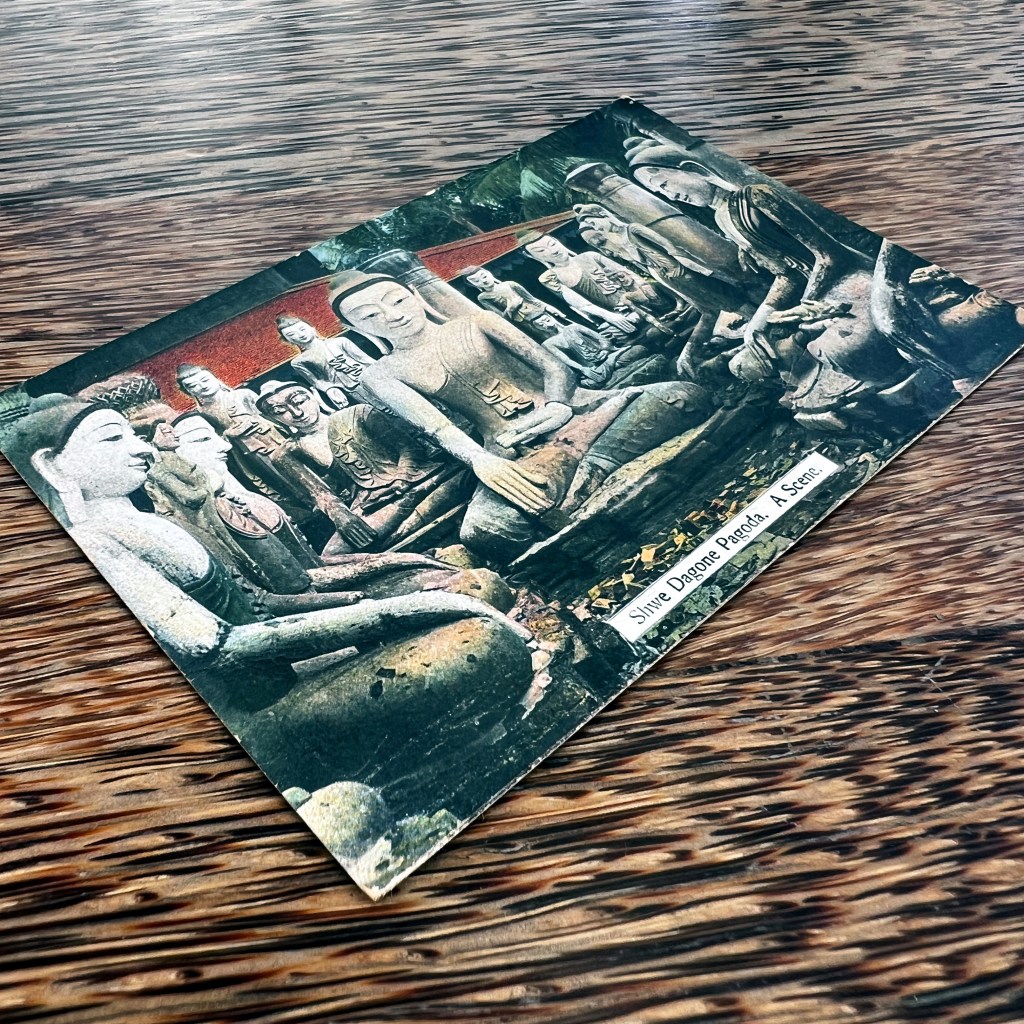
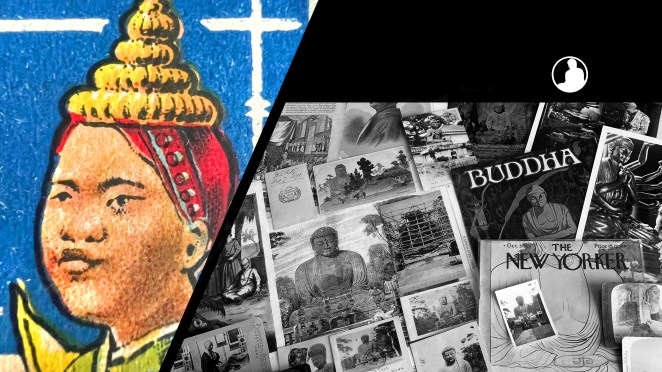
At the turn of the twentieth century, D. A. Ahuja was chronicling Burmese Buddhist culture in stunning color.

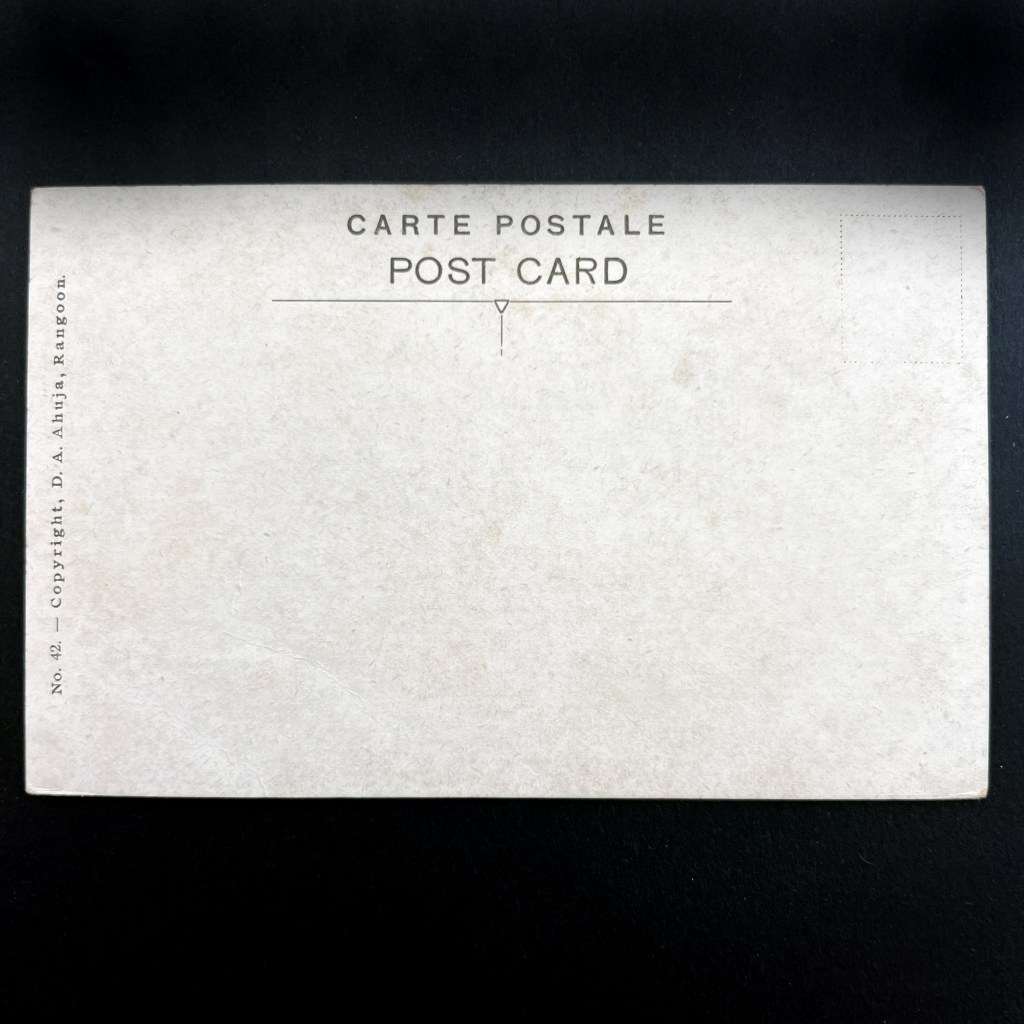
Operating out of Rangoon (modern Yangon) Ahuja published some of the highest quality picture postcards in Asia.

Ahuja outsourced printing to Germany, the commercial center of postcard printing worldwide. By 1903, German printing houses were putting out two postcards for every human on the planet.

These German firms used a lithographic-halftone hybrid process, first applying layers of color using a lithographic substrate and then applying a black halftone screen. Only the final key plate carried the fine black detail of the photograph.

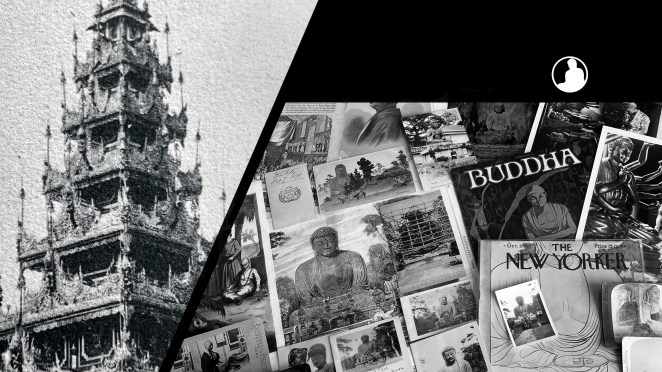
Despite having his name imprinted on the reverse of the card, Ahuja either licensed or pirated this image from a competitor, Philip Klier, who used this photo on earlier black and white postcards.

A handful of Ahuja’s postcards can be viewed at the New York Public Library website: https://tinyurl.com/z9np5myb.


The Buddhas in the West Material Archive is a digital scholarship project that catalogues artifacts depicting Buddhist material culture for Western audiences. It’s comprised of prints, photos, and an assortment of ephemera and other objects. For a brief introduction to this archive, visit the main Buddhas in the West project page.


For Related Buddhas in the West Posts Featuring D.A. Ahuja Postcards:


For the Most Recent Buddhas in the West Posts:


Greta Garbo’s Guanyin in The Painted Veil (1934)

For all the new Buddhas in the West posts
follow us on Bluesky & Instagram


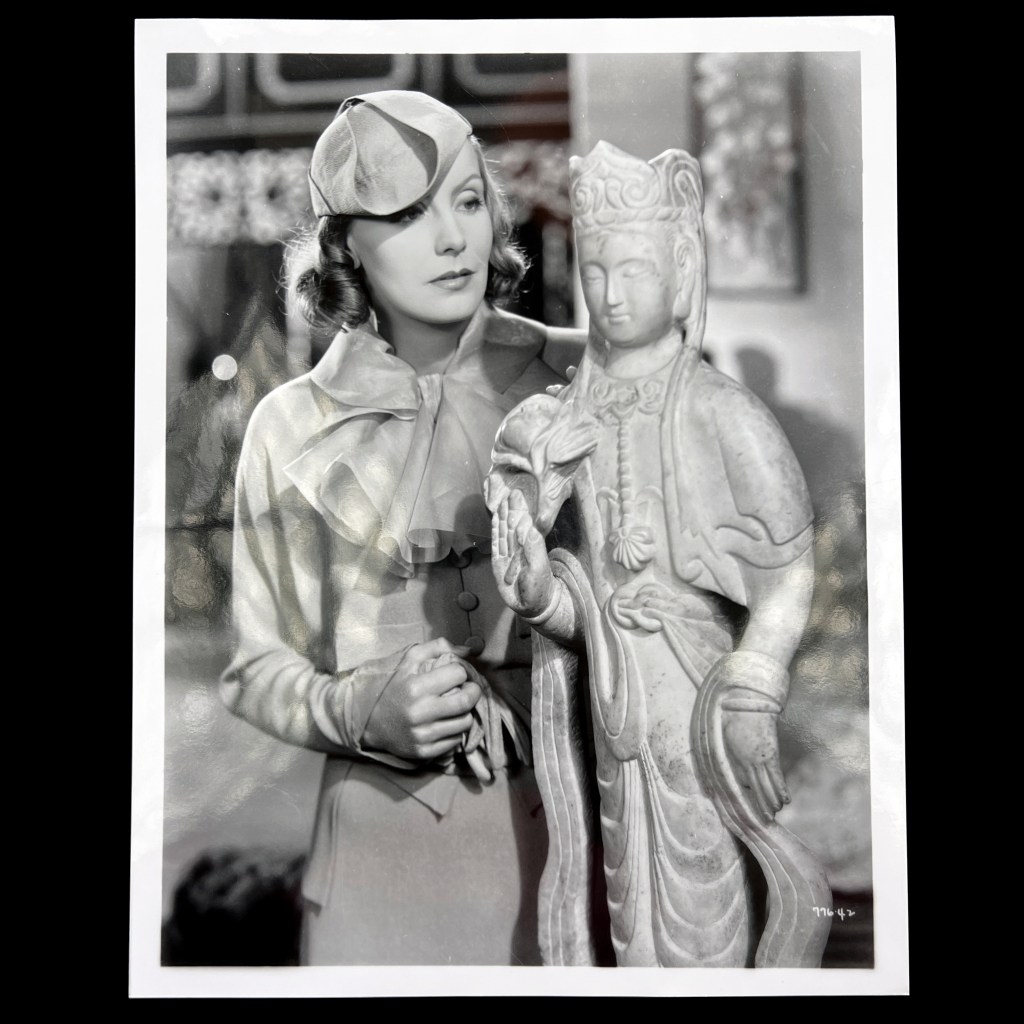
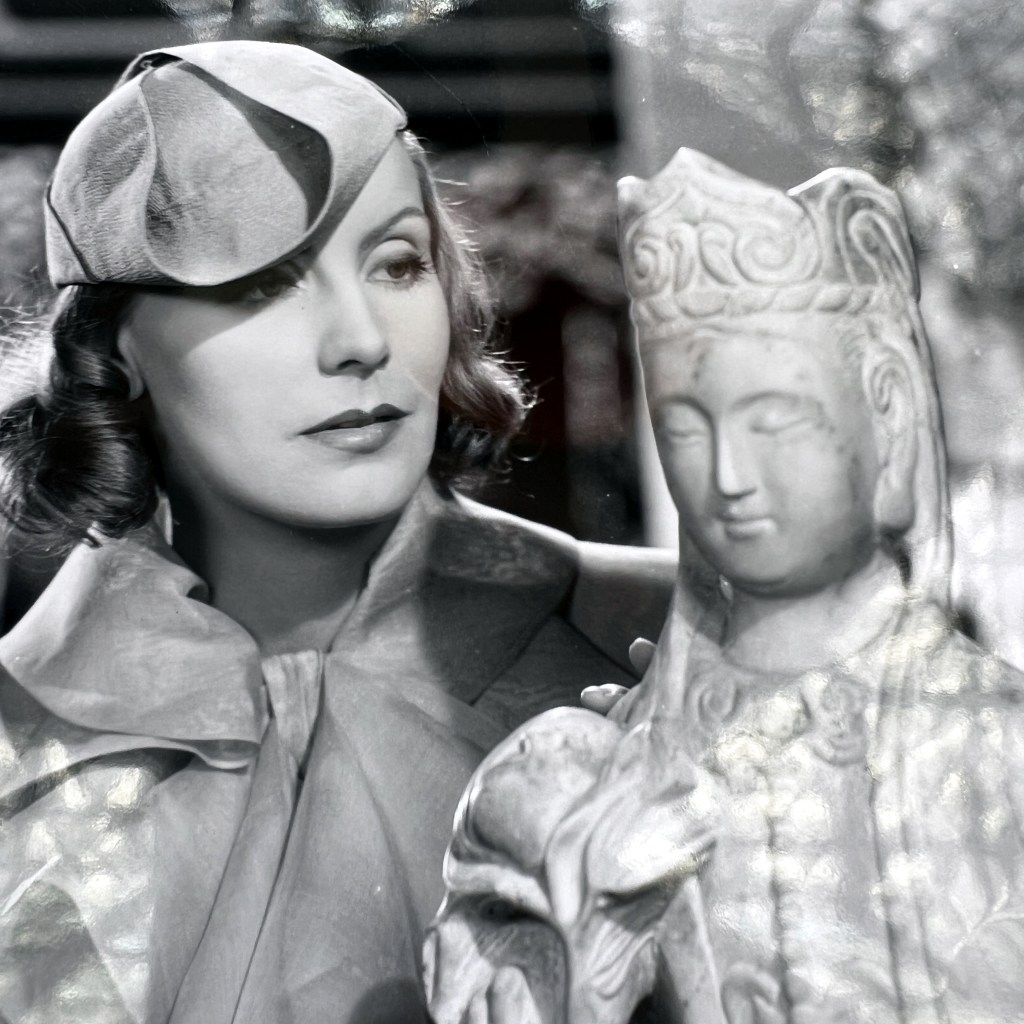
A theatrical still of Greta Garbo in the 1934 film The Painted Veil gazing upon a standing image of Guanyin. Looking closely, we see Garbo’s hand touching the shoulder of Guanyin, a moment of contact between the “icons.”

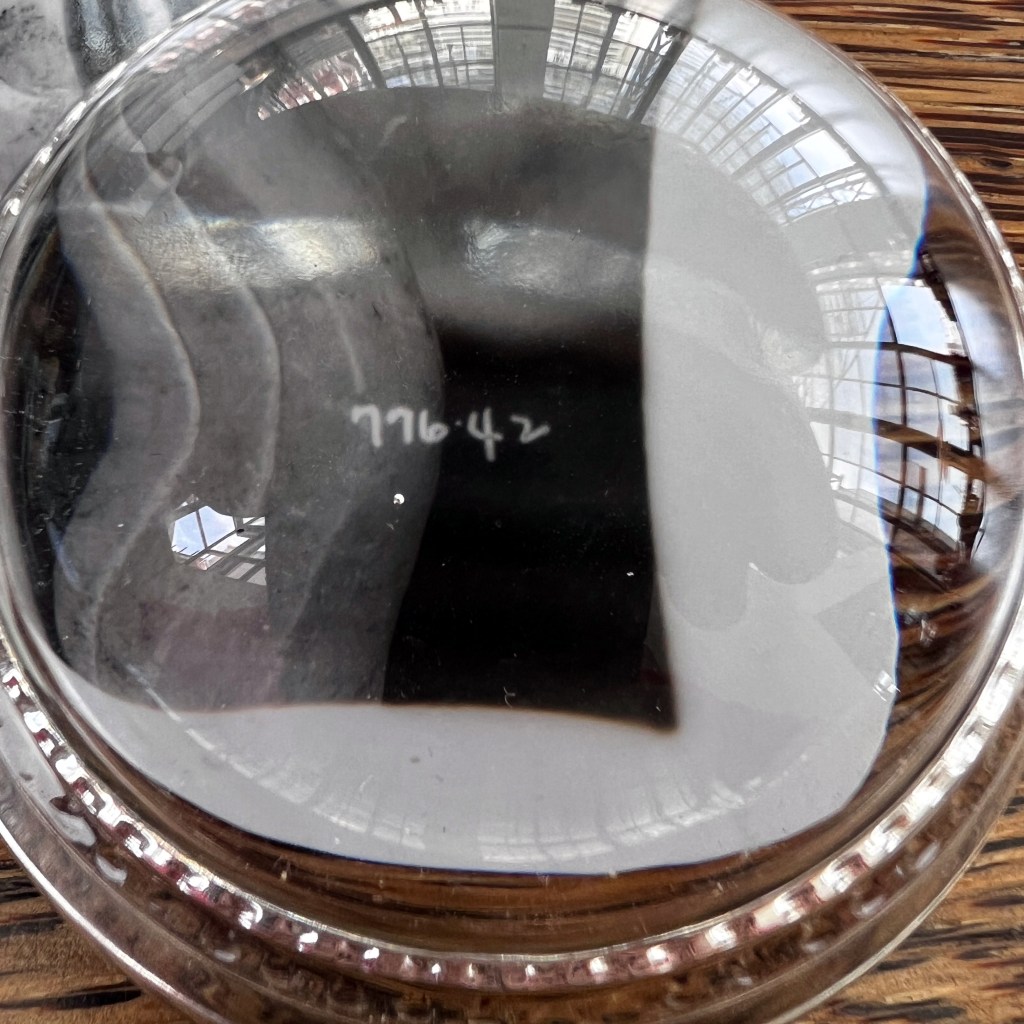
Theatrical stills – shot since the advent of feature films in the 1910s – are production photographs. Many were kept by the studio in albums called keybooks, while others were printed for promotional purposes, often marked with a code (here we see 776–42).

As advertising material, stills would often picture “tension, struggle, action,” but not reveal main elements of the plot, as noted by David Shields.

The scene here is not in the final edit of The Painted Veil, but would have occurred when Garbo’s character arrived in rural China during a cholera outbreak. The touch of the shoulder signaled an arrival into a far-away land, reflected in the materiality of the Buddhist icon.

For more on the history and interpretation of early film still photography, see David S. Shields’ Still: American Silent Motion Picture Photography (2013).


The Buddhas in the West Material Archive is a digital scholarship project that catalogues artifacts depicting Buddhist material culture for Western audiences. It’s comprised of prints, photos, and an assortment of ephemera and other objects. For a brief introduction to this archive, visit the main Buddhas in the West project page.


For Related Buddhas in the West Posts Featuring Historical Film Photography:


For the Most Recent Buddhas in the West Posts:

Kannon Hase-dera Talisman

For all the new Buddhas in the West posts
follow us on Bluesky & Instagram


Isabella Stewart Gardner, founder of Gardner Museum, was an early American collector of Asian art with an affinity towards Buddhist artifacts.

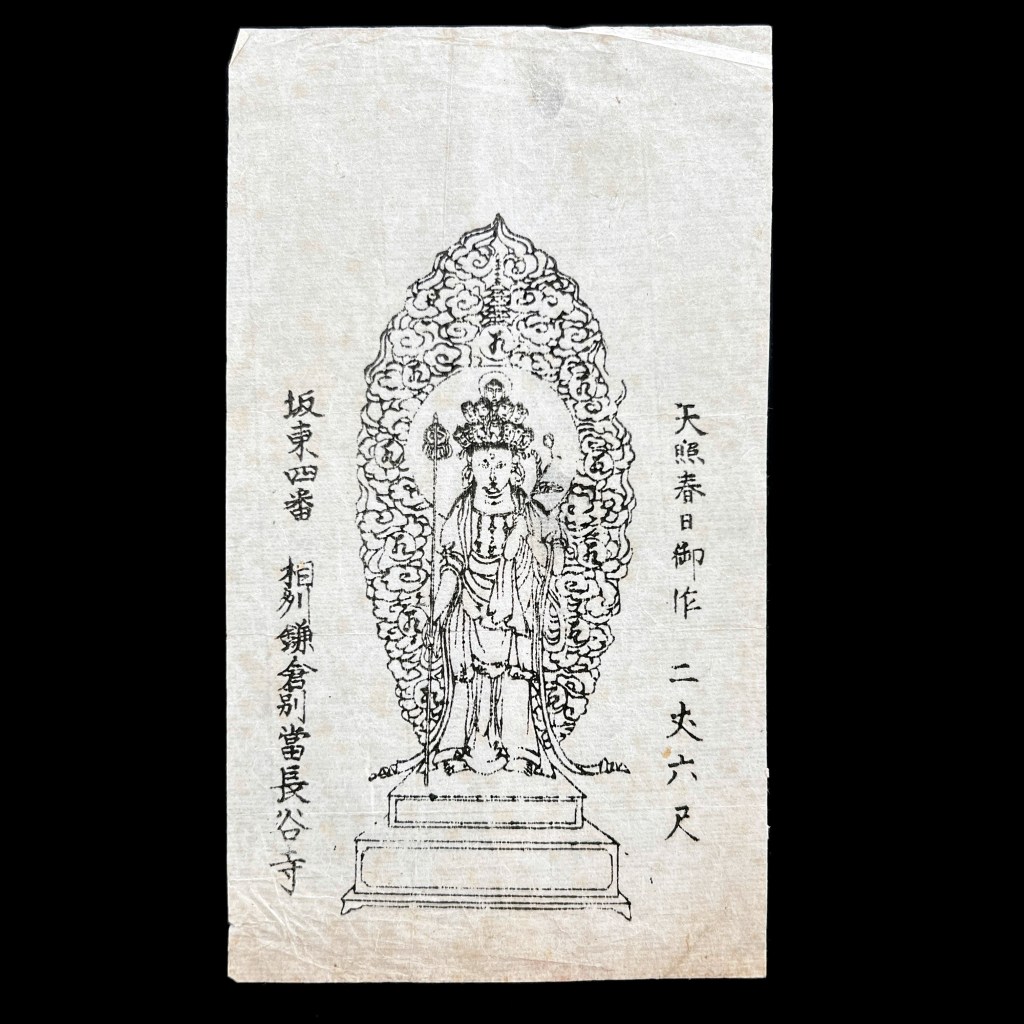
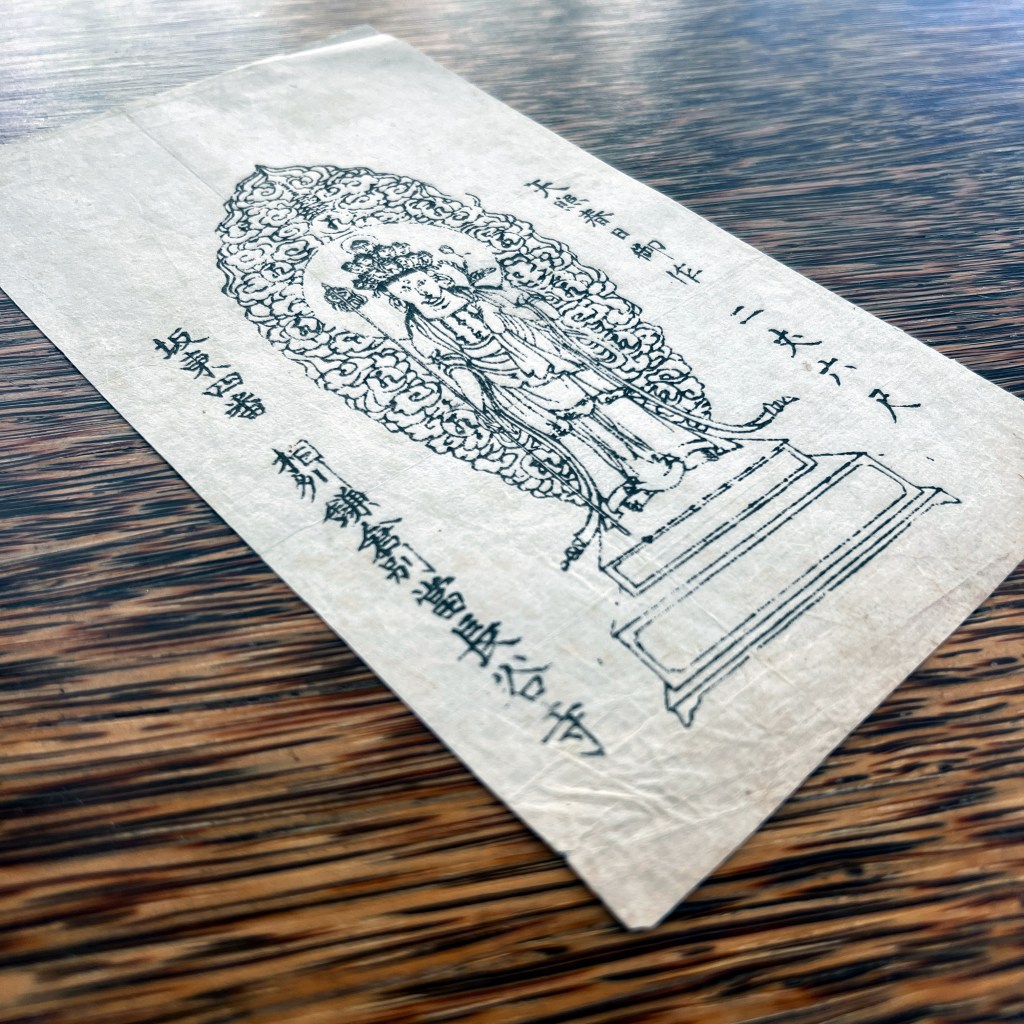
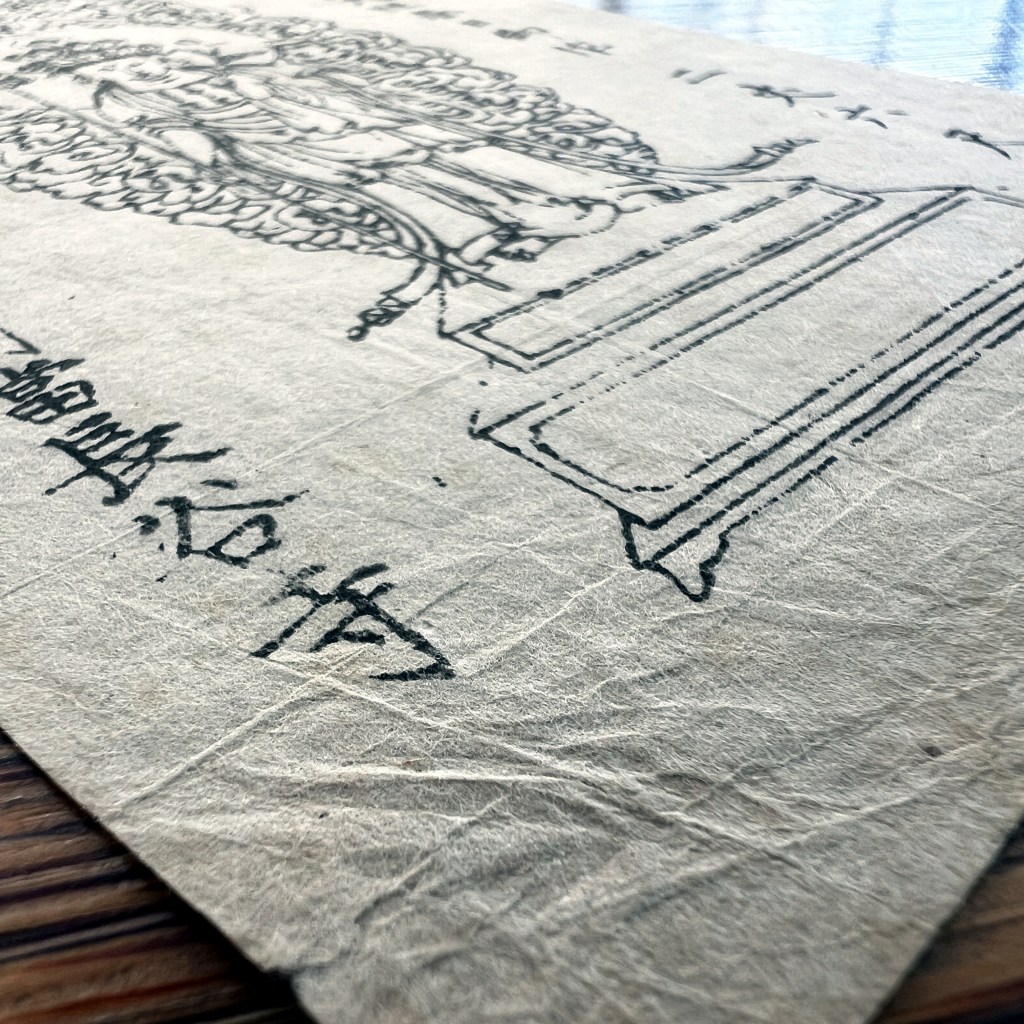
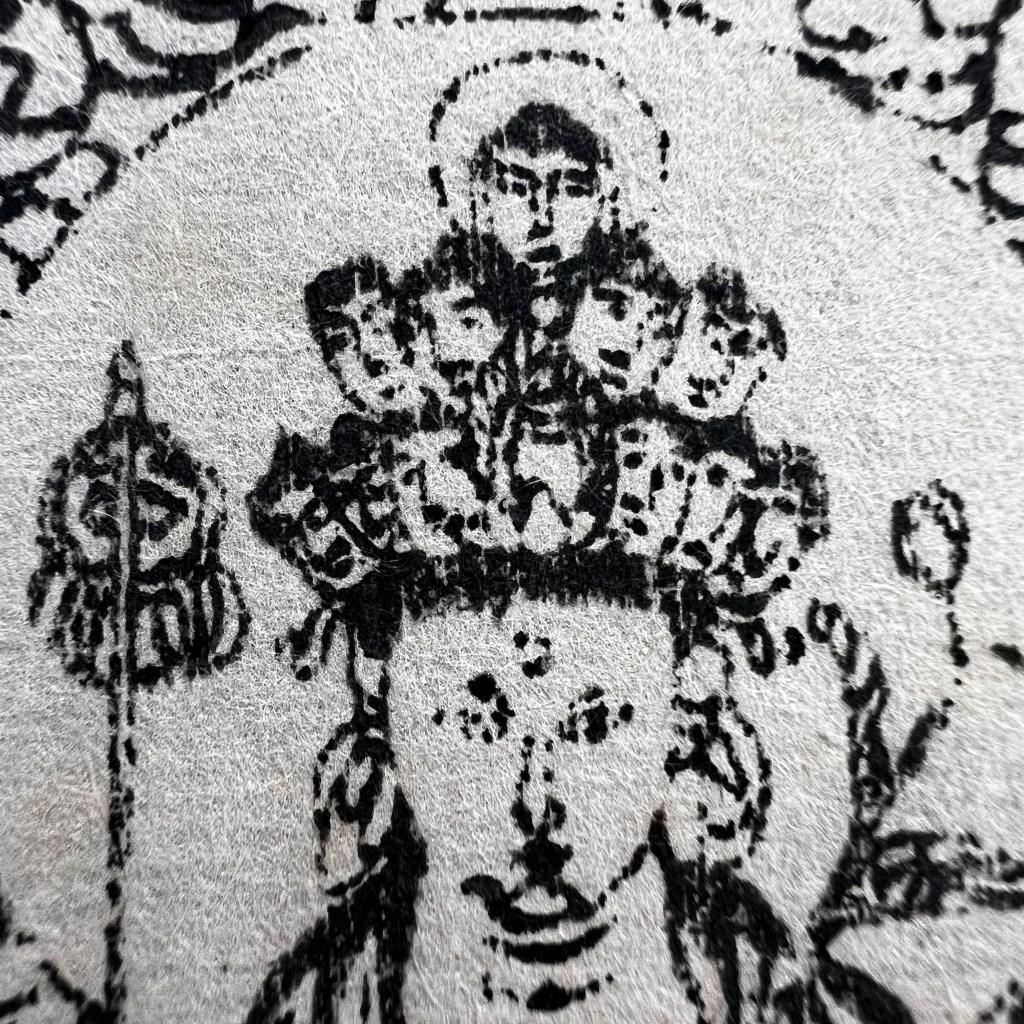
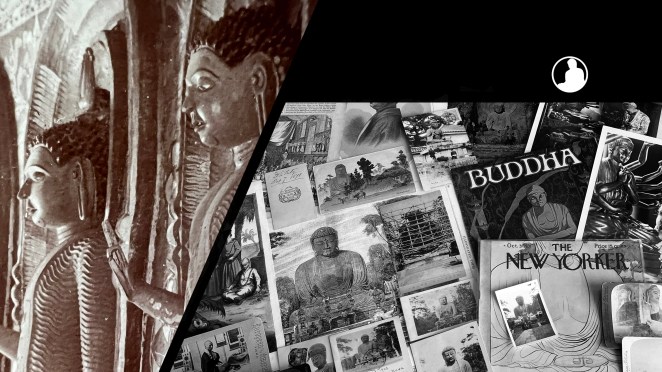
Gardner returned from Asia in 1884 with a Japanese talisman very similar to the one shown here. Both talismans came from Kamakura Hasa-dera 長谷寺 and depict the temple’s main Kannon icon. Talismans (ofuda お札) are woodblock prints sold by various shrines and temples typically for their protective or salutary effects. They were also popular among Japanese pilgrims.

Printed on thin paper, pilgrims would often carry these talismans in a special bag called a fudabasami.

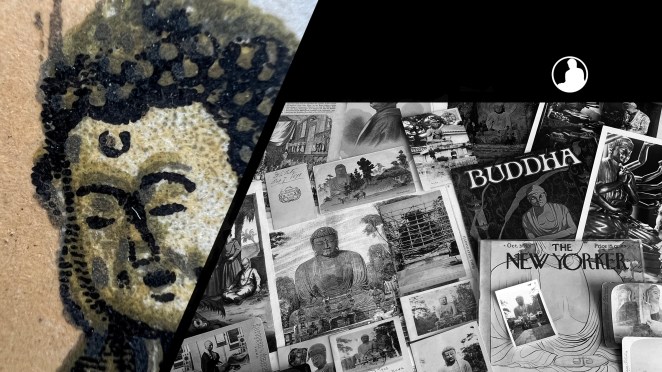
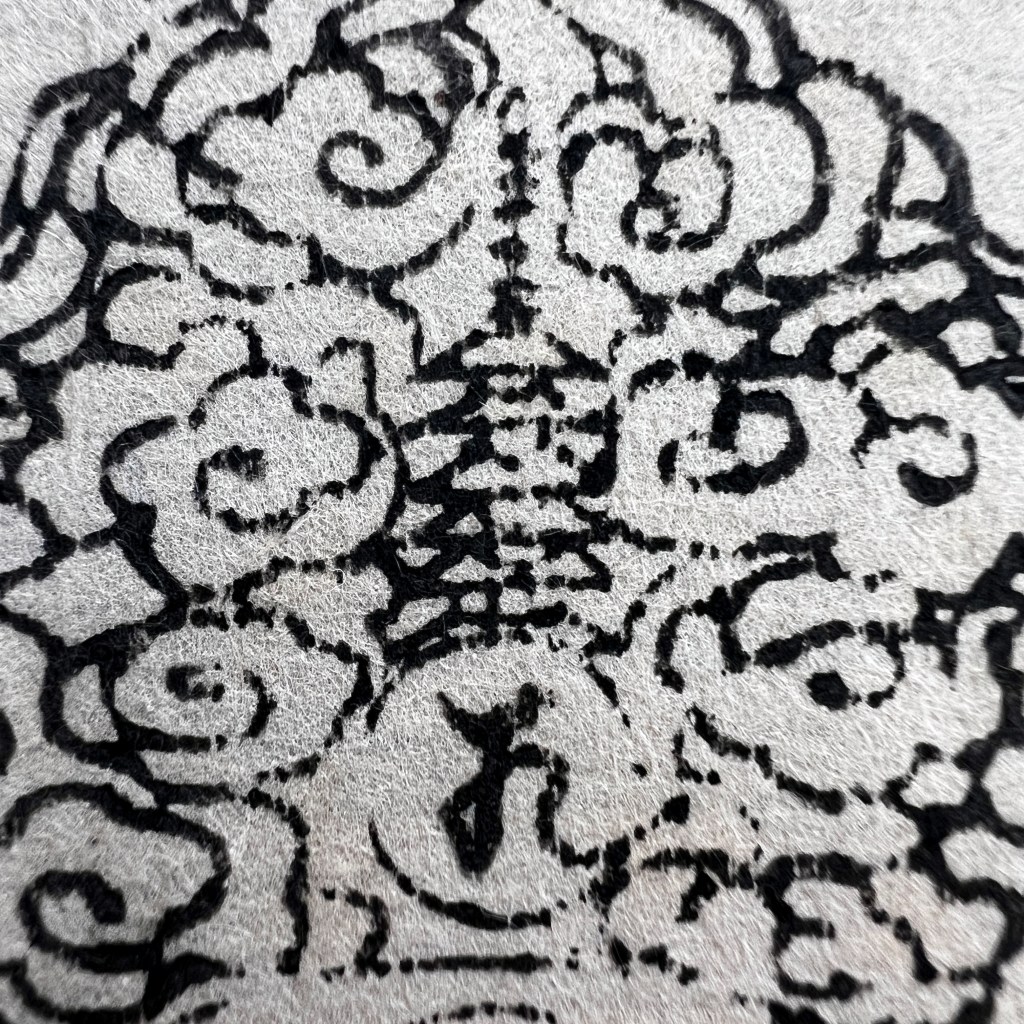
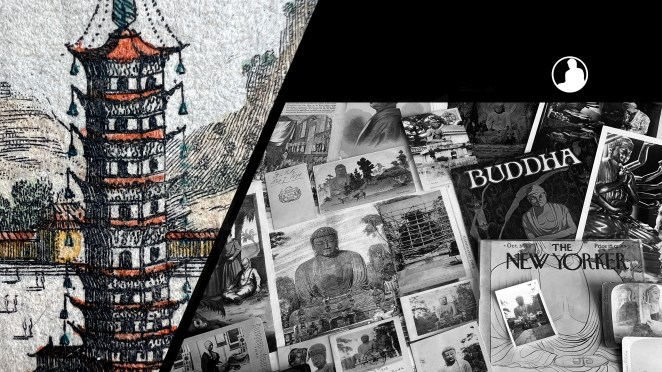
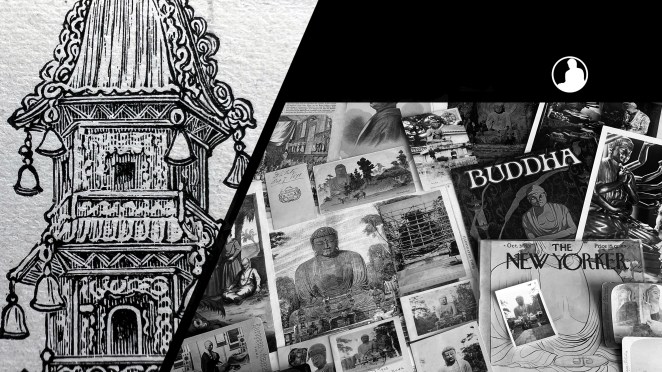
A close examination of the print shows small details, including this pagoda.

Buddhist imagery proved inspirational for Garder as she commissioned John Stewart Sargent to paint her portrait in 1888 which bears a strong likeness to the standing Kannon icon. A discussion of the portrait and its Buddhist influence can be read here: https://tinyurl.com/359r522m.


The Buddhas in the West Material Archive is a digital scholarship project that catalogues artifacts depicting Buddhist material culture for Western audiences. It’s comprised of prints, photos, and an assortment of ephemera and other objects. For a brief introduction to this archive, visit the main Buddhas in the West project page.


For Related Buddhas in the West Posts Featuring Kannon / Avalokiteśvara:


For the Most Recent Buddhas in the West Posts:

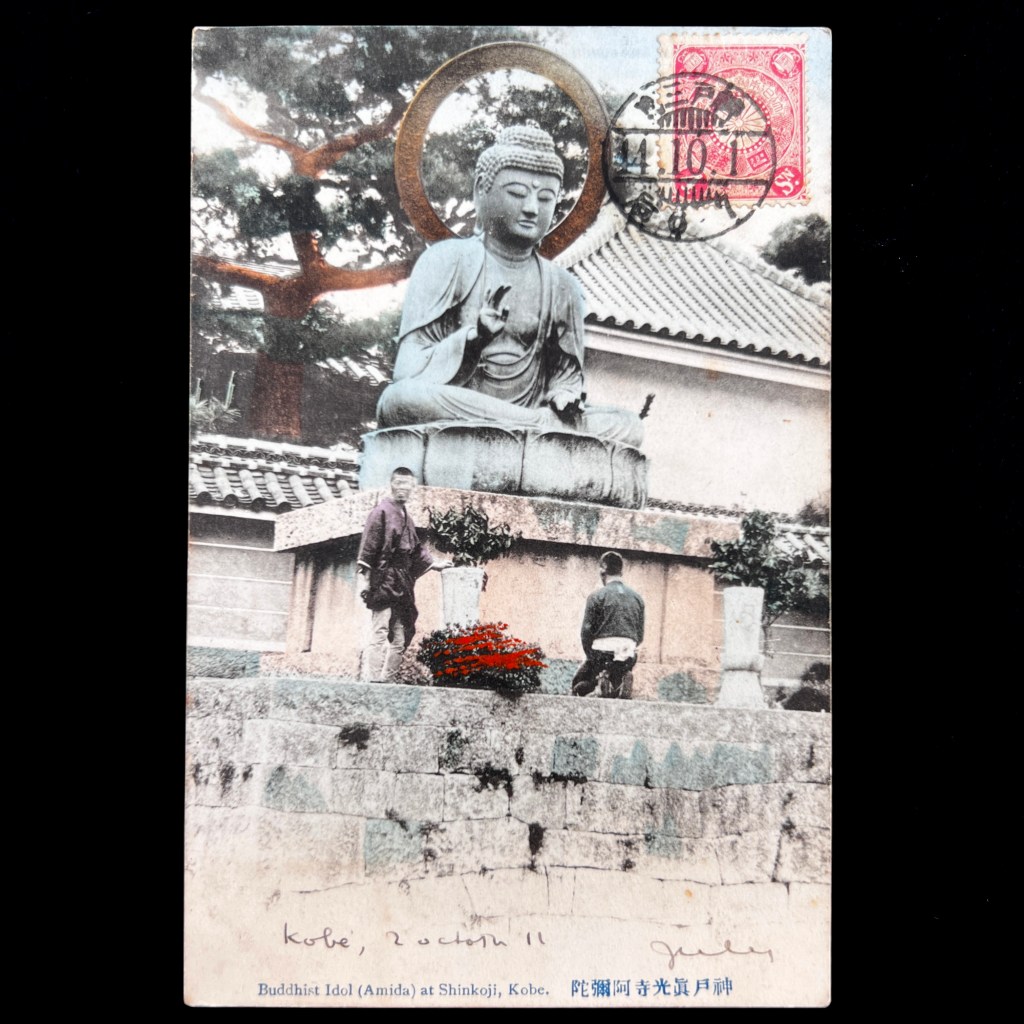
Postcard from the Old Shinkōji Daibutsu

For all the new Buddhas in the West posts
follow us on Bluesky & Instagram


It’s said the postcard was the first truly democratic photograph, providing people with images of places and things for the cost of a few pennies. In 1913, Japanese postal carriers delivered 1.5 billion cards, second only to Germany with 1.8 billion cards delivered.

In Japan, postcards of Buddhist temples, priests, and other elements of religious practice were popular as both domestic and foreign souvenirs as well as collector’s items (postcard collecting is known as deltiology).

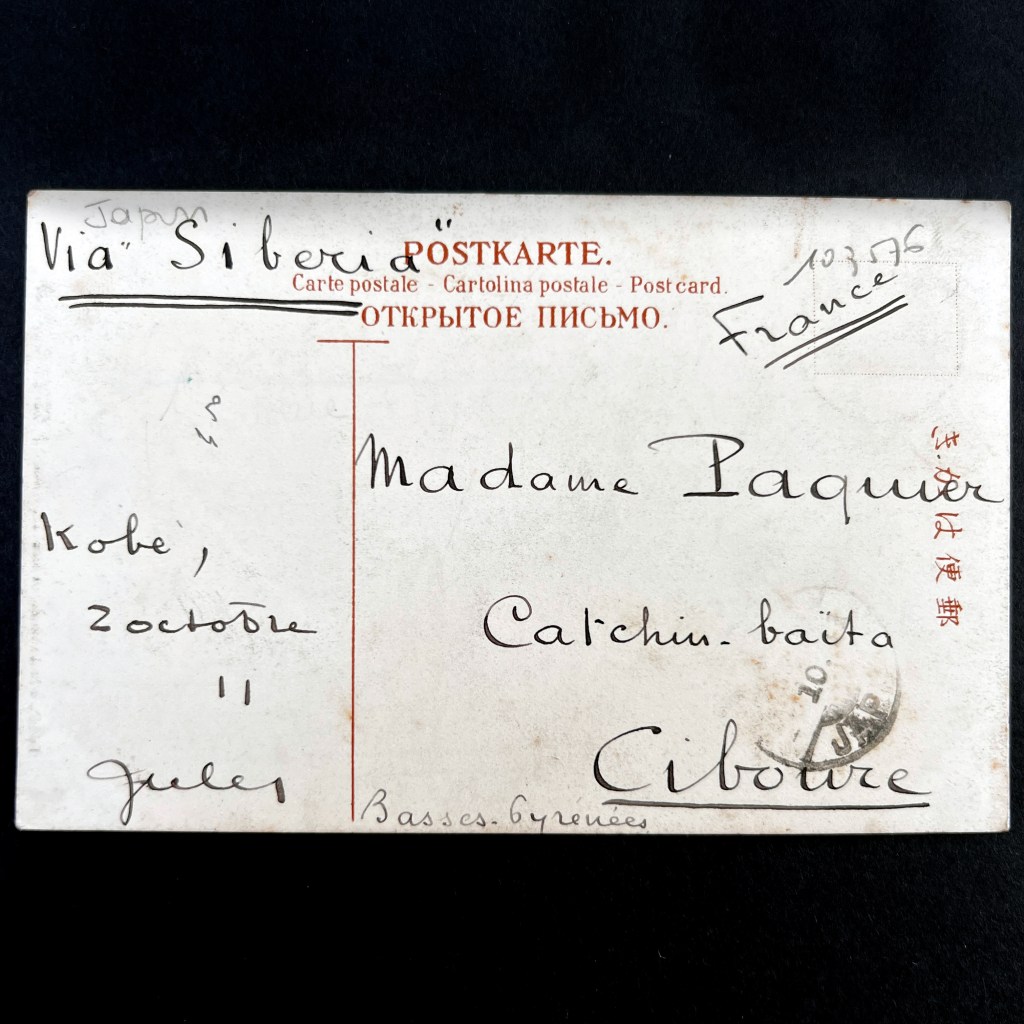
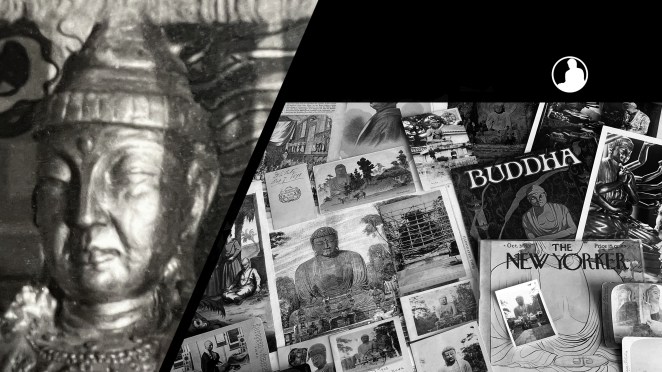
Collecting picture postcards (ehagaki 絵葉書) for display in albums was commonplace. In the case of the postcard here, the stamp is affixed to the image side of the card – this allows the stamp and postal mark to be displayed when the card is attached to an album page.

According to the postal mark, the stamp was cancelled on October 1, 1925 (Taisho 14) in Kobe, the same location as the statue in the image. The cost of international postage for postcards at this time was four sen. The final destination of this card was France.

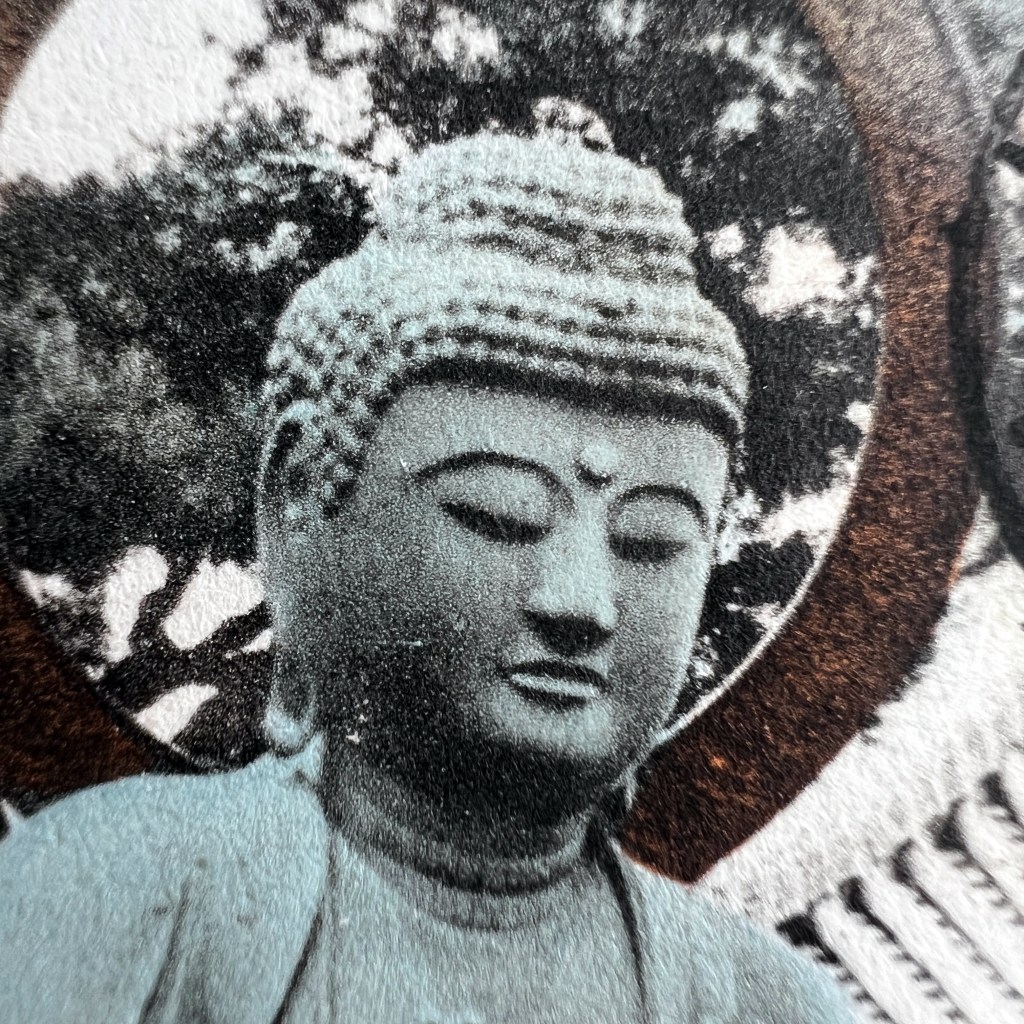
The composition of the photograph includes people thus helping us gauge the size of the Buddhist state. As far as I can tell, this state was destroyed in World War II by allied firebomb attacks on Kobe in March 1945.

Joanne Bernardi has curated a wonderful collection of Japanese postcards at the University of Rochester, available to be viewed here: https://tinyurl.com/57fae58f.


The Buddhas in the West Material Archive is a digital scholarship project that catalogues artifacts depicting Buddhist material culture for Western audiences. It’s comprised of prints, photos, and an assortment of ephemera and other objects. For a brief introduction to this archive, visit the main Buddhas in the West project page.


For Related Buddhas in the West Posts Featuring Japan:


For the Most Recent Buddhas in the West Posts:

Shimooka Renjō’s Daibutsu Carte-de-visite

For all the new Buddhas in the West posts
follow us on Bluesky & Instagram


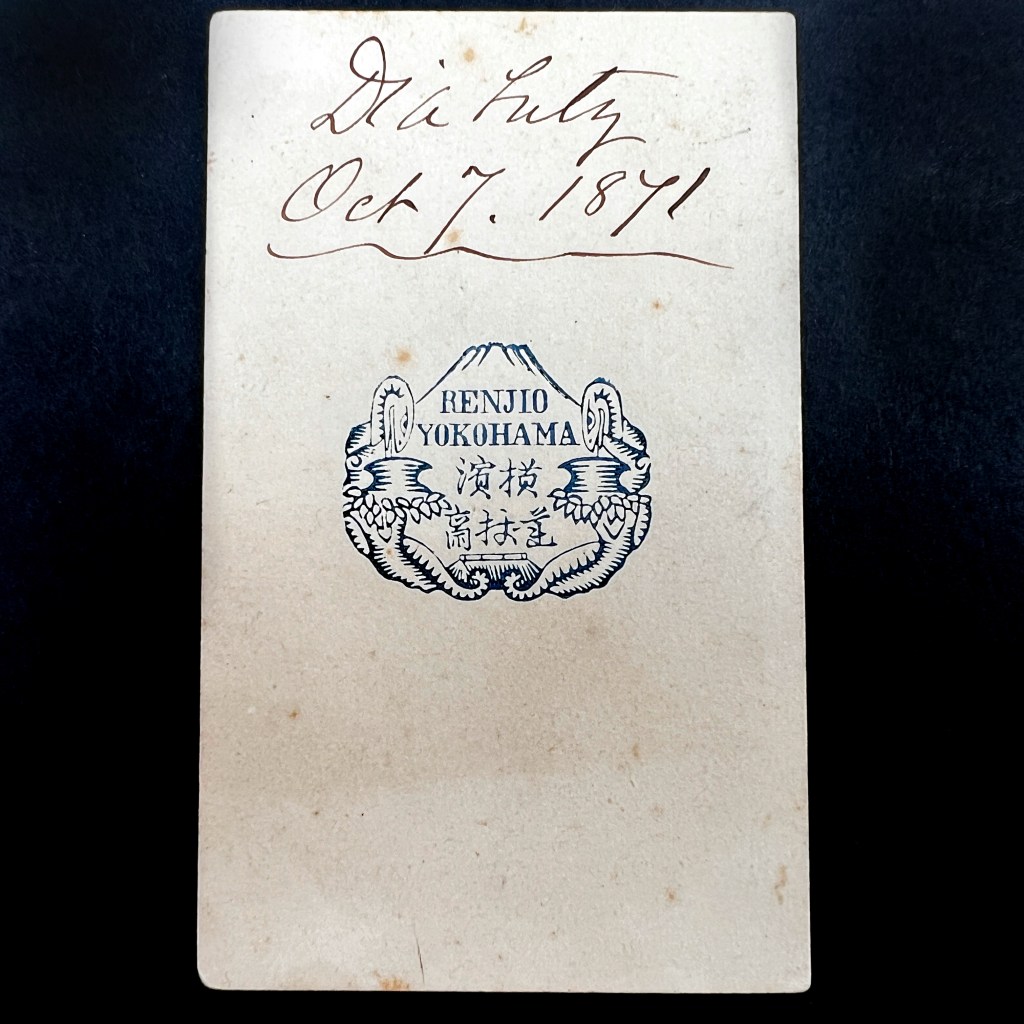
Shimooka Renjō 下岡蓮杖 was one of the first Japanese to practice commercial photography, opening a studio in Yokohama in 1862. A treaty port teaming with globetrotting tourists, Yokohama was also in close proximity to the Kamakaura Daibutsu.

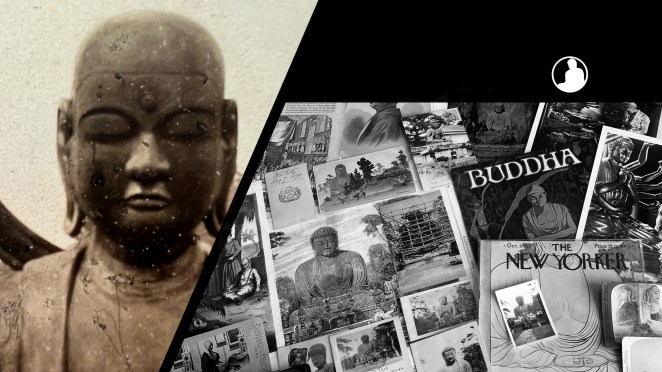
This is a bronze statue of Amida Buddha dating to the 13th century. The small format carte-de-visite (CDV) print shown here is hand dated to October 7, 1871 – possibly the date when a tourist visited the Daibutsu site. Renjō’s stamp identifies him as the photographer.

The portability of the CDV made them good souvenirs of travel, especially before the picture postcard industry blossomed a few decades later. The thin photosensitized print was affixed to thicker card stock for added durability.

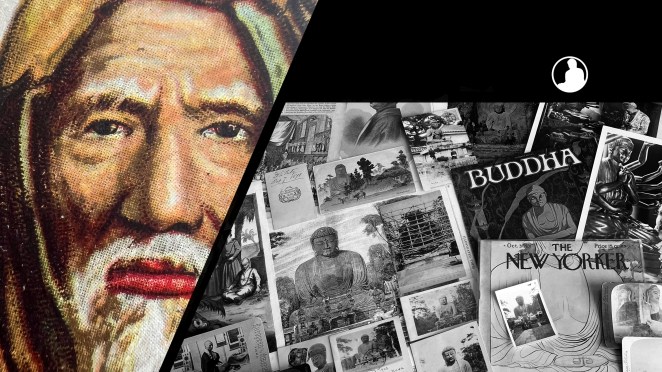
Even small details can be captured by the relatively early wet-plate photographic process.

For an excellent introduction to early Japanese photography and 19th century tourist photography see the collection at Harvard Library here: https://tinyurl.com/yfsbj7du.


The Buddhas in the West Material Archive is a digital scholarship project that catalogues artifacts depicting Buddhist material culture for Western audiences. It’s comprised of prints, photos, and an assortment of ephemera and other objects. For a brief introduction to this archive, visit the main Buddhas in the West project page.


For Related Buddhas in the West Posts Featuring Historical Photography:


For the Most Recent Buddhas in the West Posts:

Johannes Nieuhof’s Temple Interior Engraving

For all the new Buddhas in the West posts
follow us on Bluesky & Instagram


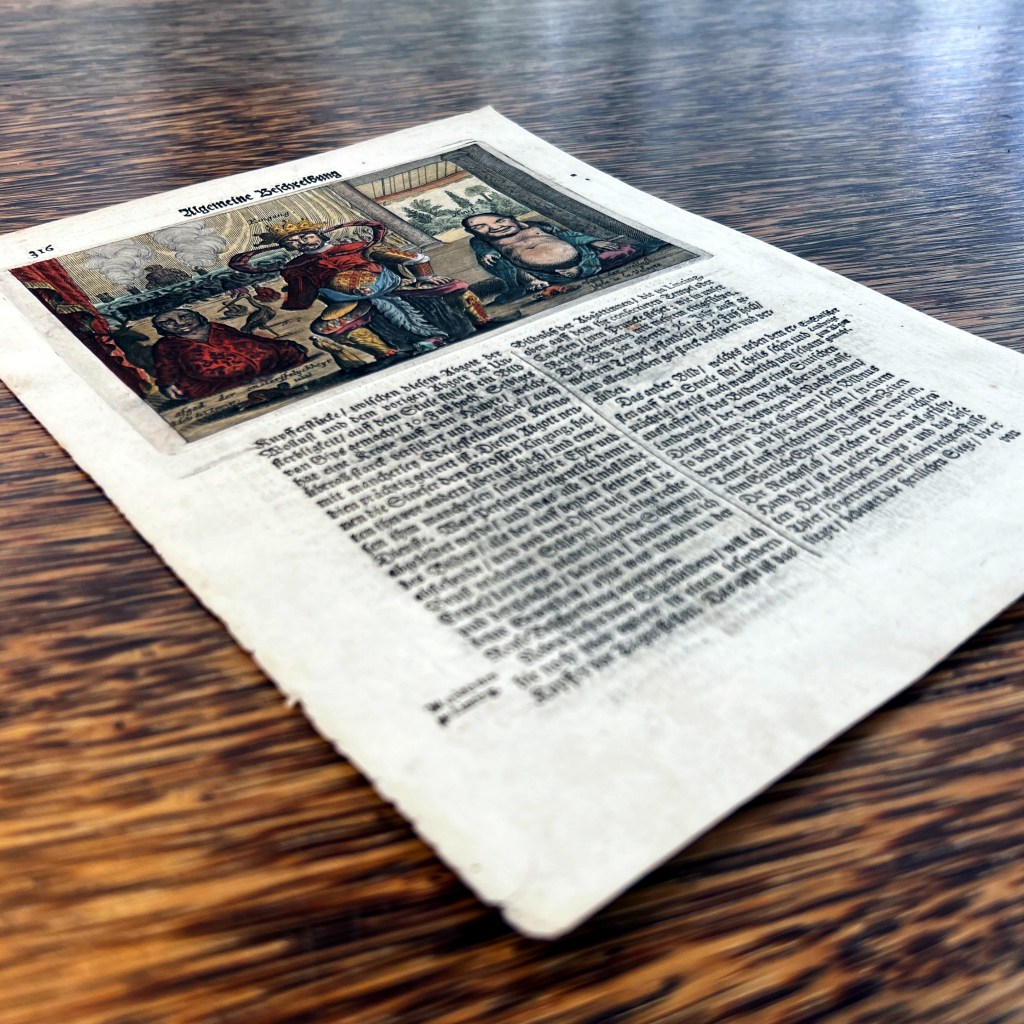
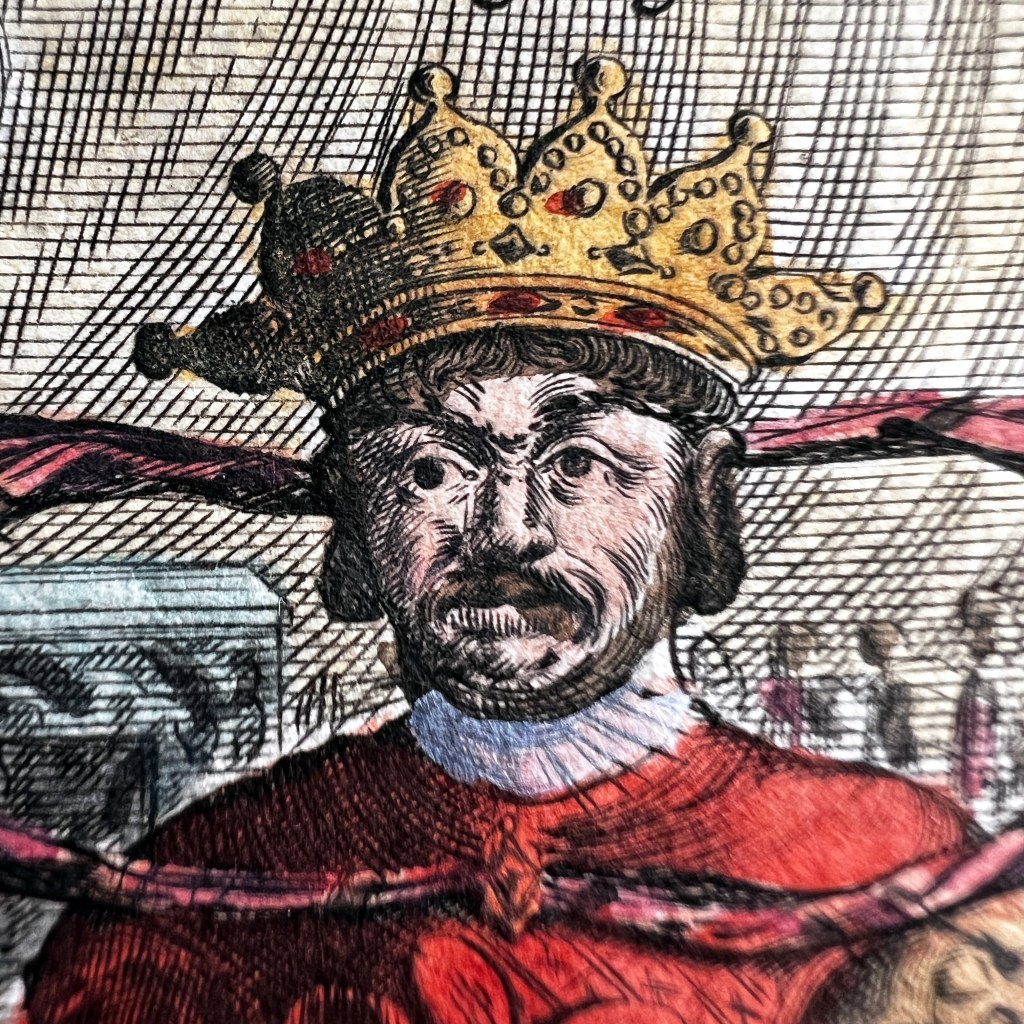
Some of the earliest Buddhist imagery in Europe appears as copperplate engravings in late 17th century books. Here’s a hand-colored page from the German edition of An Embassy of the Dutch East India Company by Johannes Nieuhof showing the imaginary interior of a Chinese temple.

Nieuhof’s work was the first illustrated European book on China. Moreover, after Nieuhof returned from the first Dutch envoy to China in 1657, his personal drawings formed the basis for many illustrations in this work.

The copper plates were most likely prepared in the workshop of the publisher Jacob van Meurs who printed the first Dutch edition in 1665; the German edition appeared in 1666. You can still see the impression of the plate in the paper. The text was standard letterpress.

This page was extracted from a volume and is 27 cm x 20 cm (10 in x 8 in) in size.

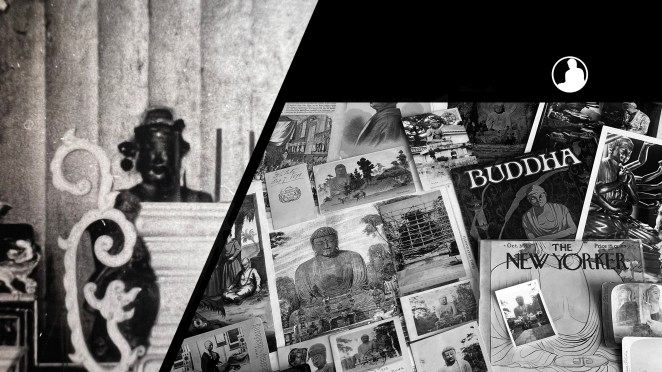
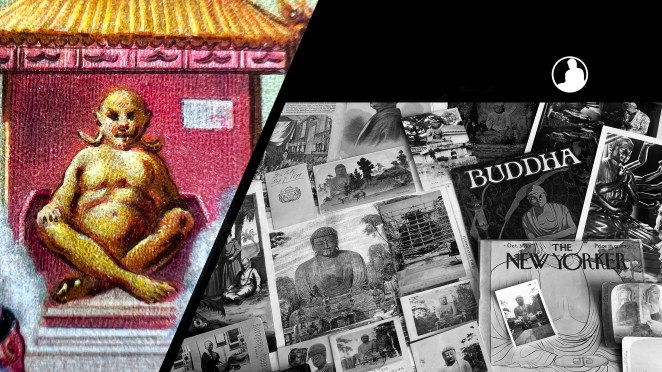
A Buddhist statue is also seen on the back altar.

Prostrating Buddhist devotees enliven the scene.

The etching reveals meticulous line work. Amazingly, A manuscript copy of Nieuhof’s sketches was discovered in the 1970s and is held by the Bibliothèque Nationale de France, it can be viewed here: https://tinyurl.com/yb94urpj


The Buddhas in the West Material Archive is a digital scholarship project that catalogues artifacts depicting Buddhist material culture for Western audiences. It’s comprised of prints, photos, and an assortment of ephemera and other objects. For a brief introduction to this archive, visit the main Buddhas in the West project page.


For Related Buddhas in the West Posts Featuring Historical Engravings:

For the Most Recent Buddhas in the West Posts: