Arnoldus Montanus’ Icon with Thirty Arms Engraving

For all the new Buddhas in the West posts
follow us on Bluesky & Instagram


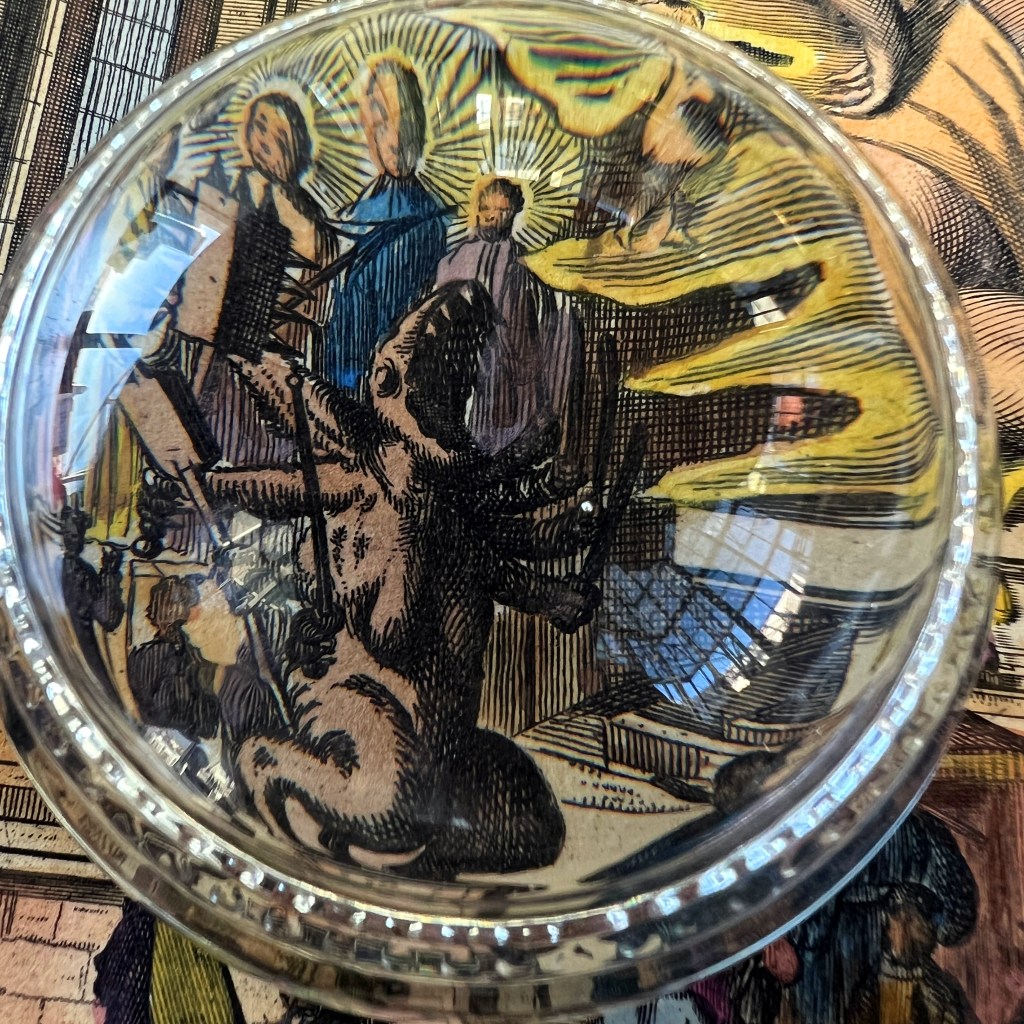
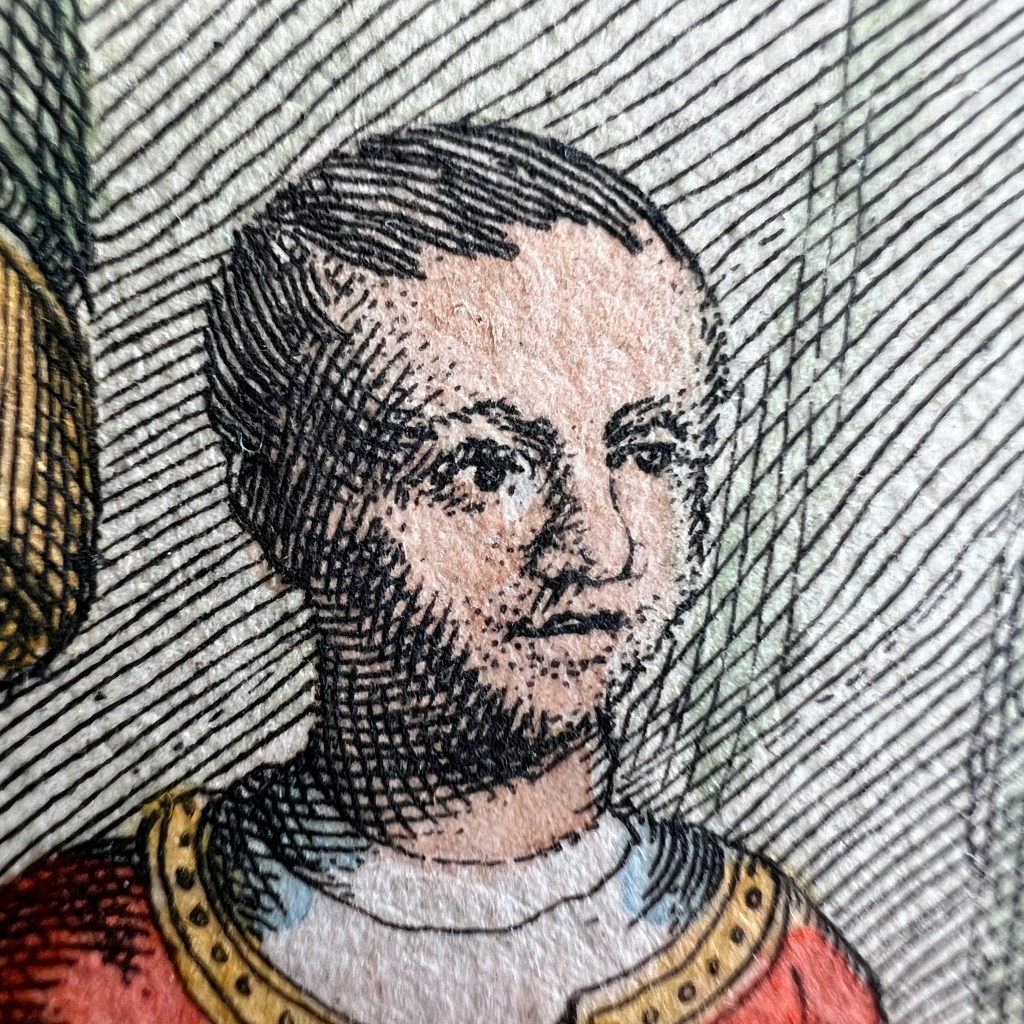
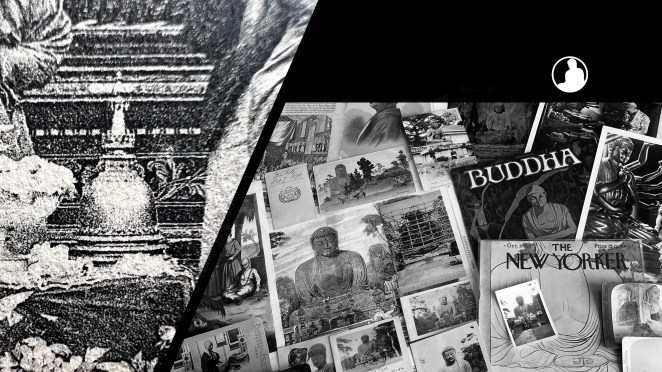
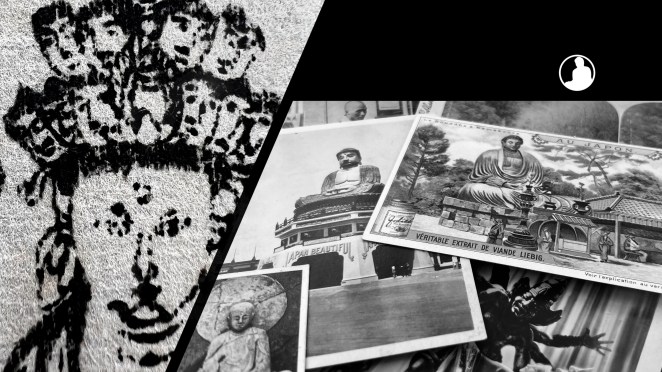
Following a pair of successful illustrated works on China, publisher Jacob van Meurs secured the rights to issue an illustrated book on Japan in 1669. The engravings, such as we see with the curious Buddhist icon here, were criticized for departing “a long way from the truth.”

Compiled by Arnoldus Montanus, a Protestant Minister who never left Holland, the engravings in Atlas Japannensis draw from both textual descriptions and an older European visual language of Asian idolatry. The work includes 23 large plates and 71 smaller vignettes set within the text.

As for the icon here, the English translation of 1670 reads, “This Image hath thirty Arms, and as many Hands, in each two Arrows, a Face representing a handsome Youth, on his Breast seven humane Faces, with a Crown of Gold, richly inchas’d with Peals, Diamonds, and all sorts of Precious Gems.”

While multi-armed and multi-headed figures are not uncommon in Buddhism, the particular configuration here appears rather fanciful. Nevertheless, we are informed the illustration here represents the Bodhisattva Kannon, further curiously identified in the text as the son of Amida Buddha.

The markings on the pedestal are meant to signify non-alphabetic East Asian writing, but none can be resolved into legible characters.

Kannon’s temple is said to be located on a Buddhist mountain just east of Kyoto, most likely pointing to Mt. Hiei. The fires indicate part of Mt. Hiei’s history, as described by Montanus, when Oda Nobunaga razed Buddhist temples in the region in 1571.

Several of Montanus’ engravings were copied into later works on Japan, helping shape a visual lexicon for Buddhism into the 19th cent. The 1669 Dutch edition of Atlas Japannensis has been digitized by the National Library of the Netherlands, viewable here: tinyurl.com/5n6kstfy.


The Buddhas in the West Material Archive is a digital scholarship project that catalogues artifacts depicting Buddhist material culture for Western audiences. It’s comprised of prints, photos, and an assortment of ephemera and other objects. For a brief introduction to this archive, visit the main Buddhas in the West project page.


For Related Buddhas in the West Posts Featuring Historical Engravings:


For the Most Recent Buddhas in the West Posts:


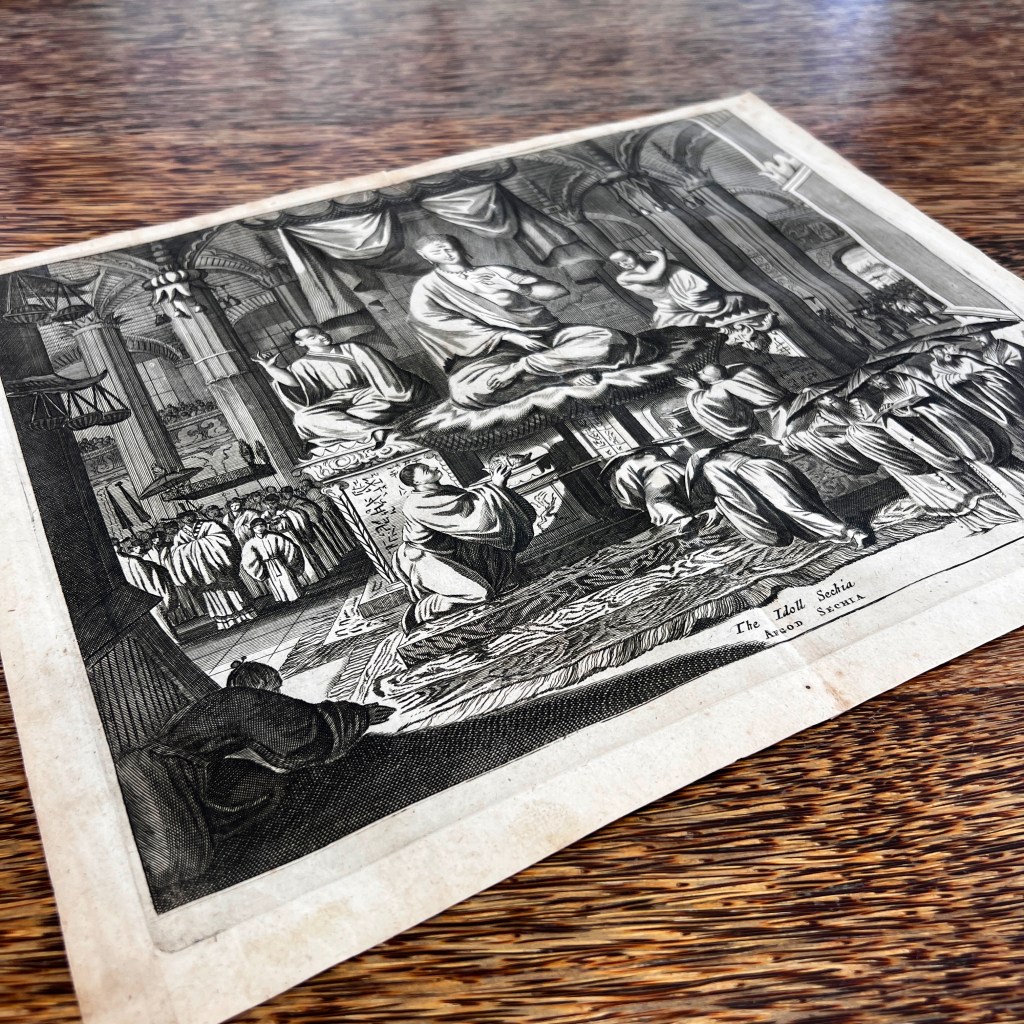
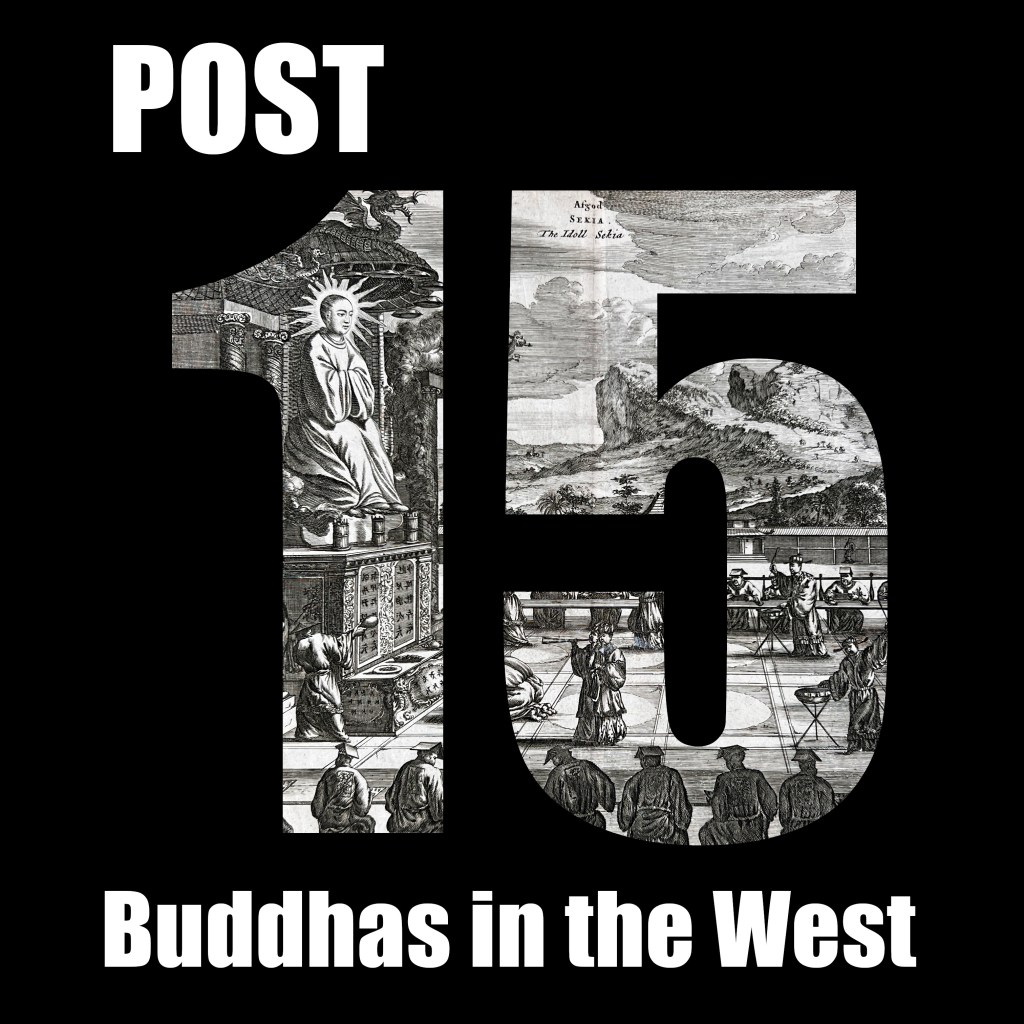
Olfert Dapper’s “The Idoll Sechia” Engraving

For all the new Buddhas in the West posts
follow us on Bluesky & Instagram


The Atlas Chinensis by Olfert Dapper (1636–1689) is among the most visually embellished European treatments of China from the late 17th century. Never traveling to Asia, Dapper used reports from the 2nd and 3rd Dutch embassies to China and consulted older Jesuit accounts.

The copperplate engravings were likely prepared in the workshop of publisher Jacob van Meurs who found reasonable success issuing illustrated books on Asia. The illustration here is from the 1674 German edition of Atlas Chinensis; it was originally published in Dutch in 1670.

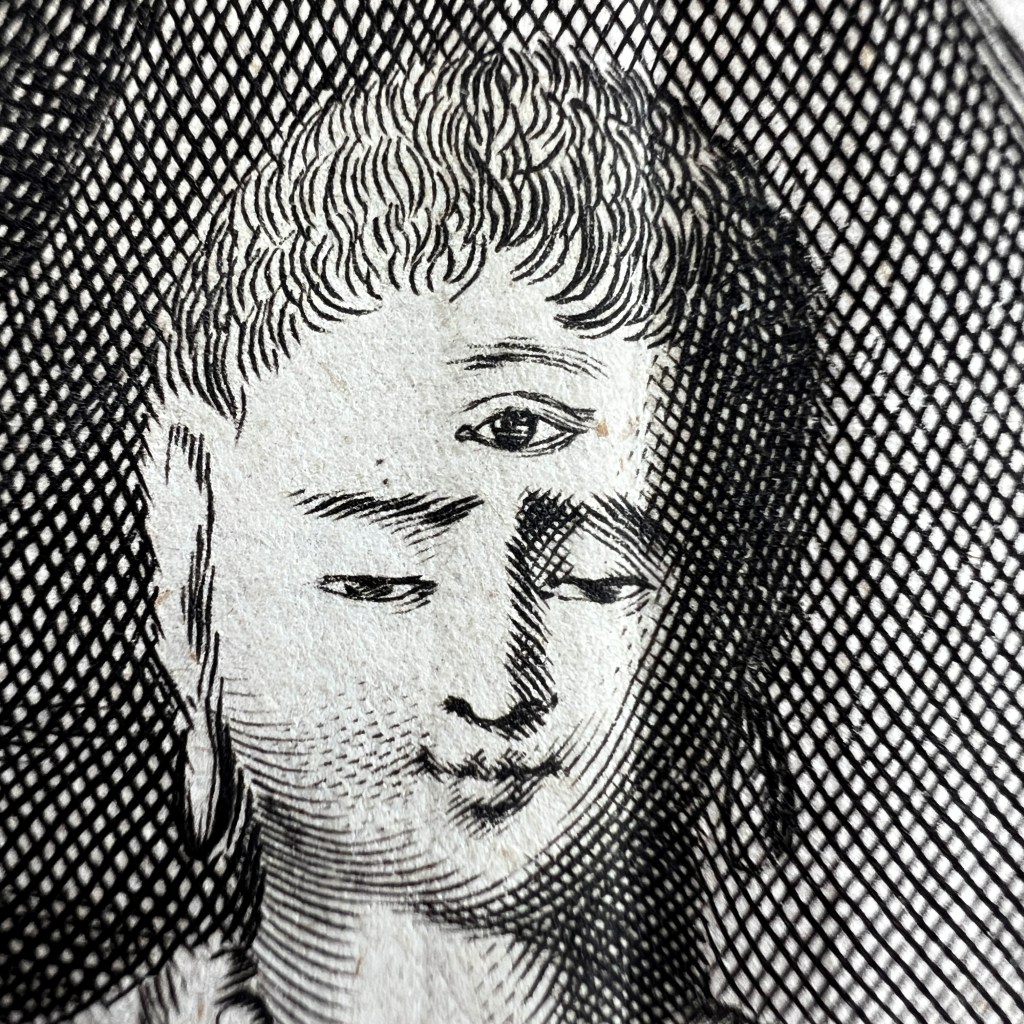
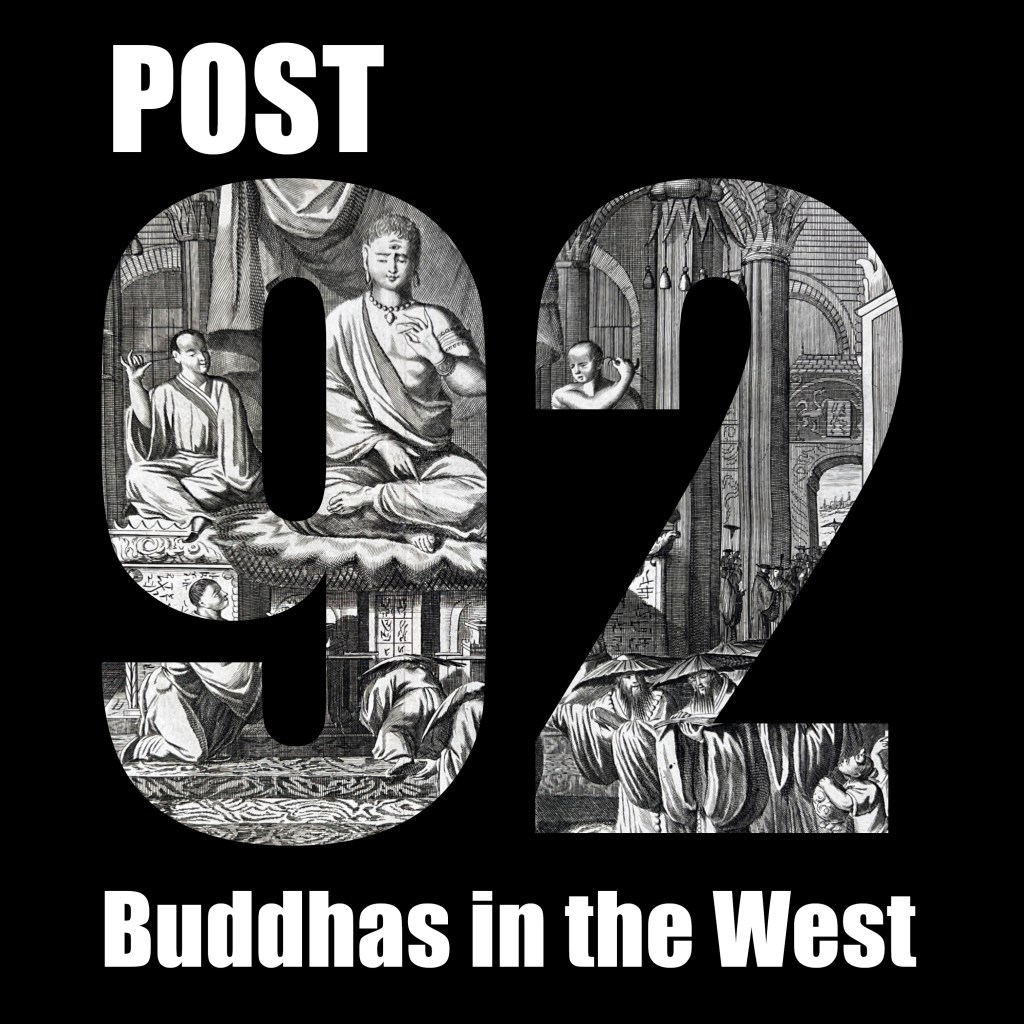
In a section describing Buddhism, Dapper notes that images of the “Idoll Sechia” (Śākyamuni) are found in temples, “in the shape of a fair Youth; with a third Eye in his forehead.” Engravers had great liberty to interpret and add further details.

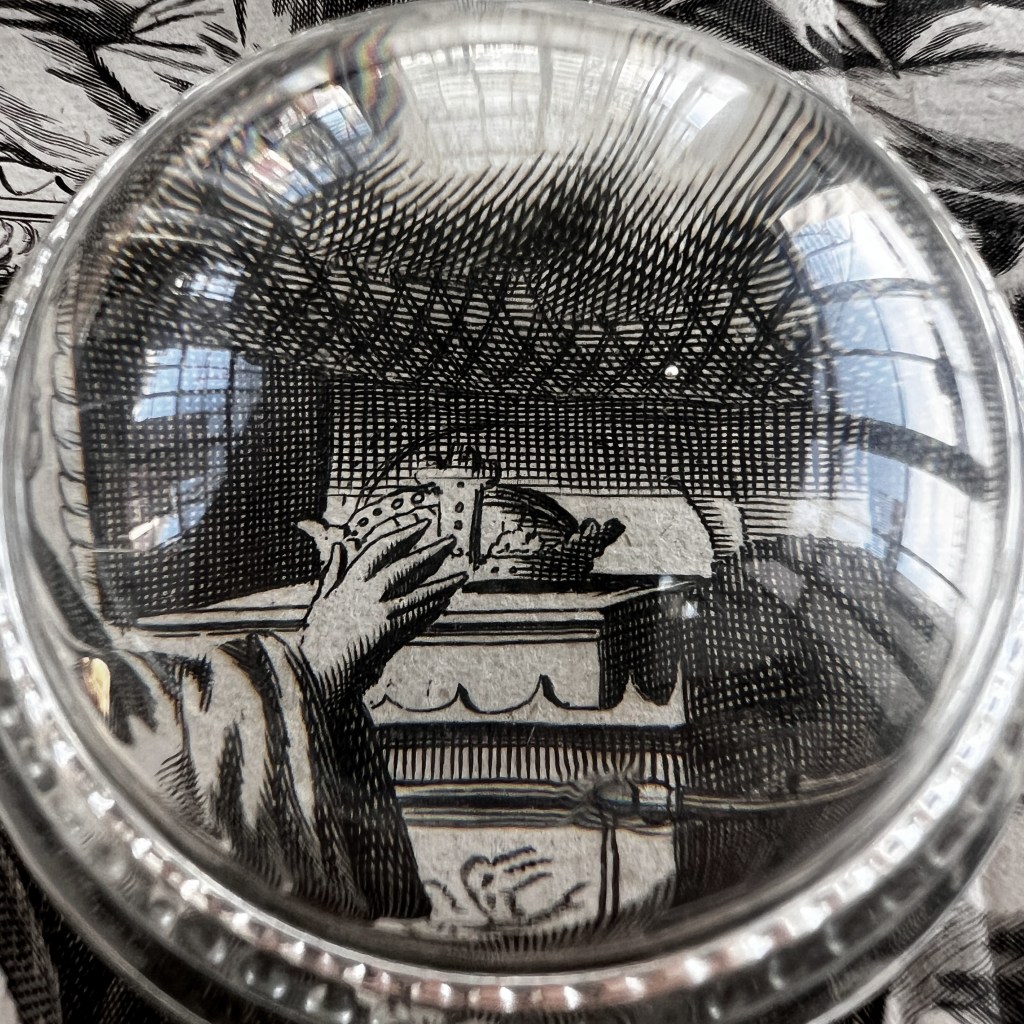
Some details, such as the European-style crown at the base of the altar, suggest fabricated visual embellishments intended to make the scene more familiar to European readers.

While other details that might appear odd, such as the flanking figures scratching their ears, are actually based on authentic Buddhist imagery of the arhats (C. luohan). Unpublished Jesuit sketches available to Dapper likely informed some of these details.

An English edition of Dapper’s work, published by John Ogilby in 1671 (and curiously misattributed to Arnoldus Montanus), can be viewed through Stanford University here: tinyurl.com/ycyw93eb.


The Buddhas in the West Material Archive is a digital scholarship project that catalogues artifacts depicting Buddhist material culture for Western audiences. It’s comprised of prints, photos, and an assortment of ephemera and other objects. For a brief introduction to this archive, visit the main Buddhas in the West project page.


For Related Buddhas in the West Posts Featuring Historical Engravings:


For the Most Recent Buddhas in the West Posts:


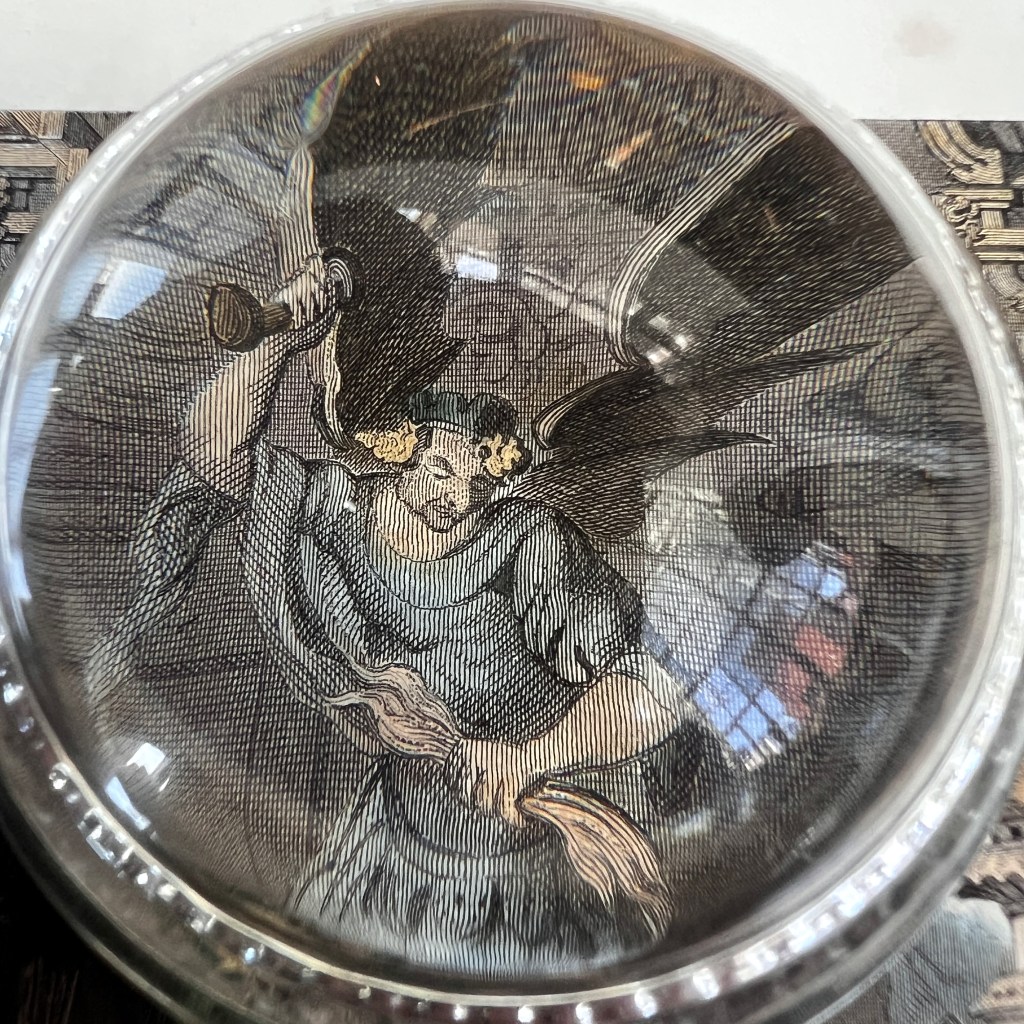
Harper’s 1871 “Joss House” Print

For all the new Buddhas in the West posts
follow us on Bluesky & Instagram


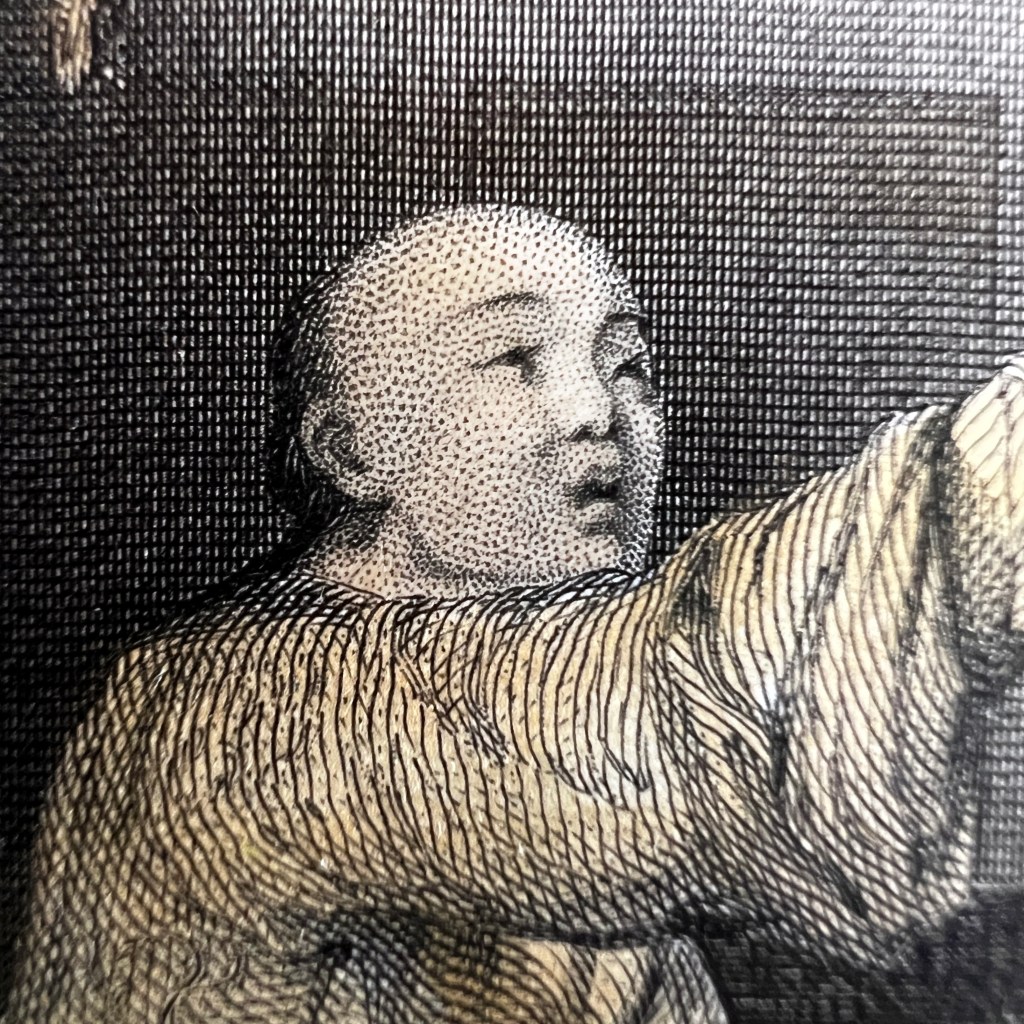
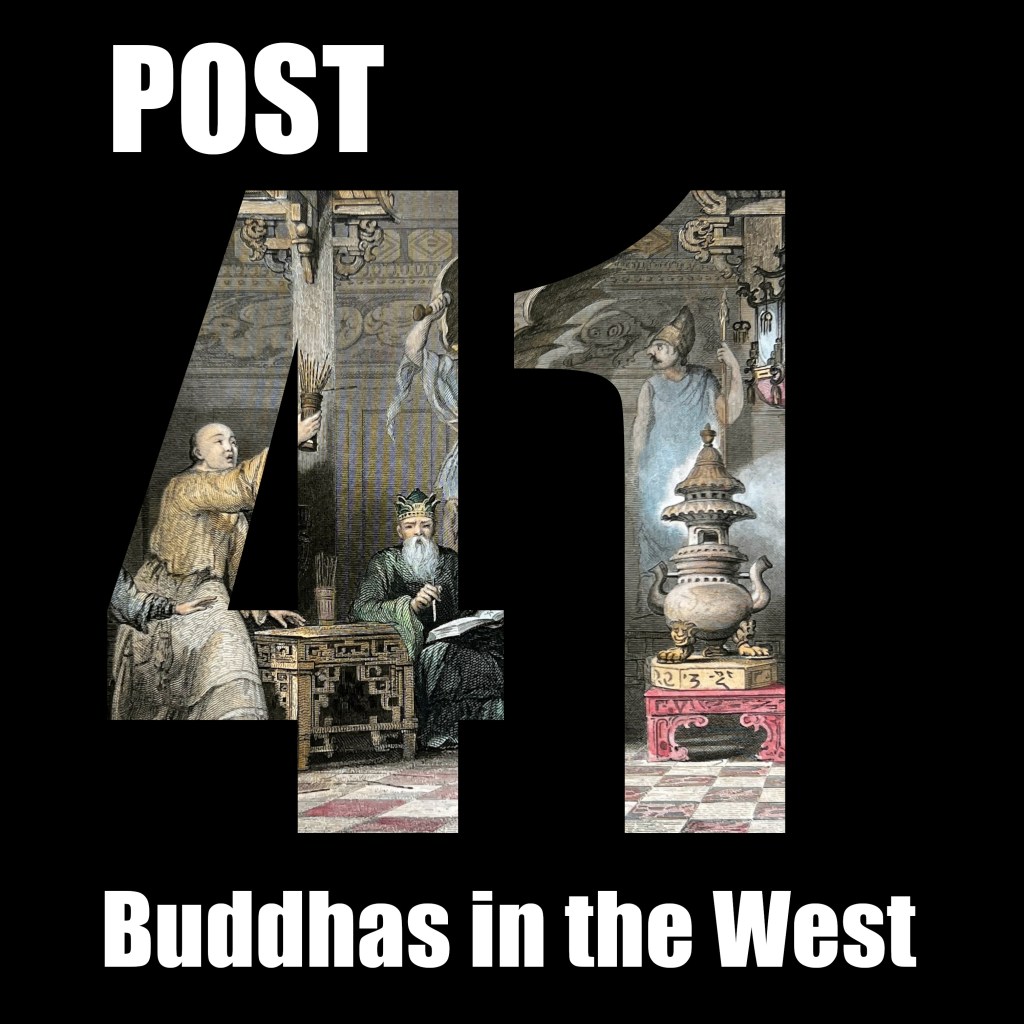
In 1871, Harper’s Weekly published a wood engraving depicting the interior of a San Francisco Chinese temple, a rare print subject before the 1906 earthquake. Clues suggest it shows the main hall of Eastern Glory Temple located off Jackson St. on St. Louis Alley.

Eastern Glory Temple was privately owned by physician Li Po Tai (1817–1893), an immigrant from Guangdong who opened a general store and apothecary across from Portsmouth Square. His temple was featured in California newspapers in February 1871, just before Harper’s illustration that March.

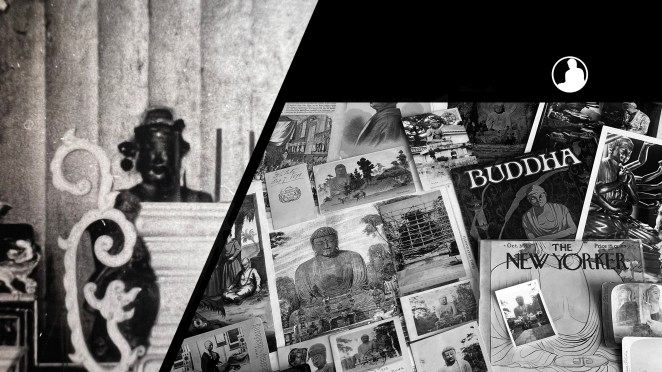
Despite being called a “Buddhist temple” in some popular accounts, there is no Buddhist icon displayed in the main shrine hall. The central icon is the Northern Emperor, a celestial deity popular among early Chinese immigrants from southern China.

Contemporary newspaper reports claim the icon to the far left was the “controller of fortunes” named “Choy Pah.”

The icon to the far right was a famous military general named “Tun Goa.” The next room over holds a shrine to Guanyin (not illustrated), the sole Buddhist figure, which newspapers describe as a “Cinderella” who is “treated cruelly by haughty women [and performs] act of charity.”

In addition to the Northern Emperor, the central altar displays the famous general Guandi and righteous official Hongsheng. To read more about Li Po Tai, see Tamara Venit Shelton’s Herbs and Roots: A History of Chinese Doctors in the American Medical Marketplace (2019).


The Buddhas in the West Material Archive is a digital scholarship project that catalogues artifacts depicting Buddhist material culture for Western audiences. It’s comprised of prints, photos, and an assortment of ephemera and other objects. For a brief introduction to this archive, visit the main Buddhas in the West project page.


For Related Buddhas in the West Posts Featuring Chinatown (US):


For the Most Recent Buddhas in the West Posts:


Arnoldus Montanus’ Great Buddha of Hōkō-ji Engraving

For all the new Buddhas in the West posts
follow us on Bluesky & Instagram


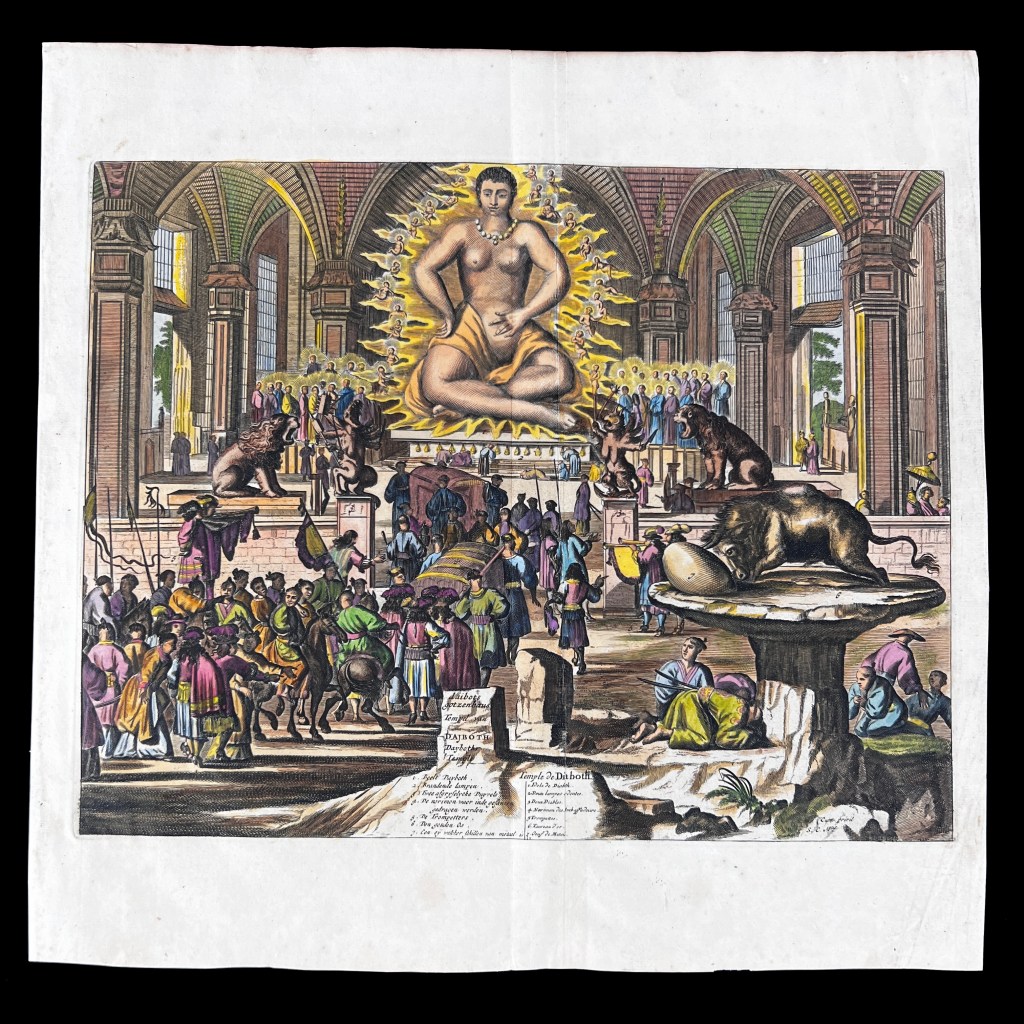
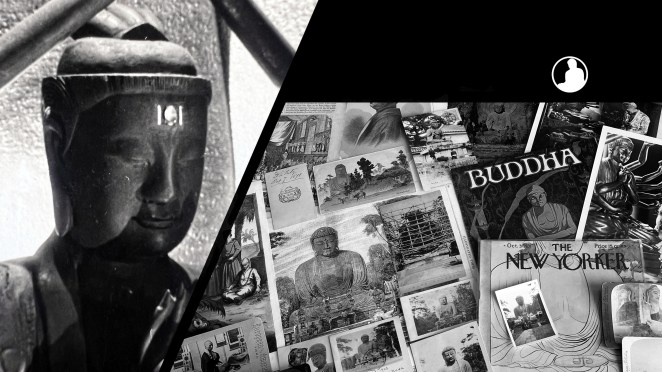
In 1649, while traveling from Nagasaki to Edo (modern Tokyo), the visiting Dutch Embassy made an obligatory stop in Kyoto where they saw the Great Buddha of Hōkō-ji. The Great Buddha stood nearly 60 feet tall and was completed in 1612, replacing an older destroyed icon.

The original Dutch report by Andries Frisius was eventually published by Arnoldus Montanus in 1669 as part of his Atlas Japannensis. Based in part on the report of Frisius, the printer, Jacob van Meurs, had a large copperplate engraving made to illustrate the embassy’s visit.

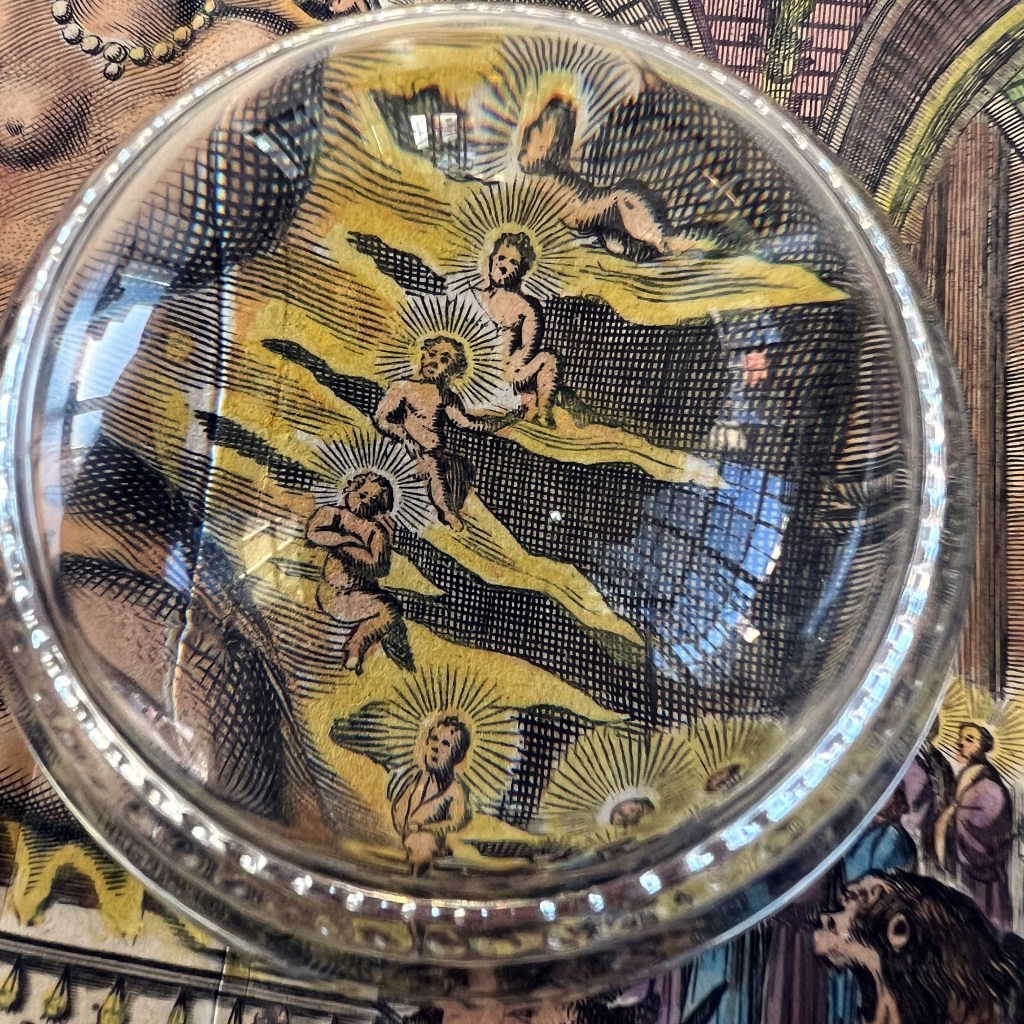
The temple icon was Vairocana Buddha which was described by Montanus as a “terrible Image… with his Legs across under him.” Furthermore, “the whole statue represents a Woman sitting in a Ring of Darting beams richly gilded.”

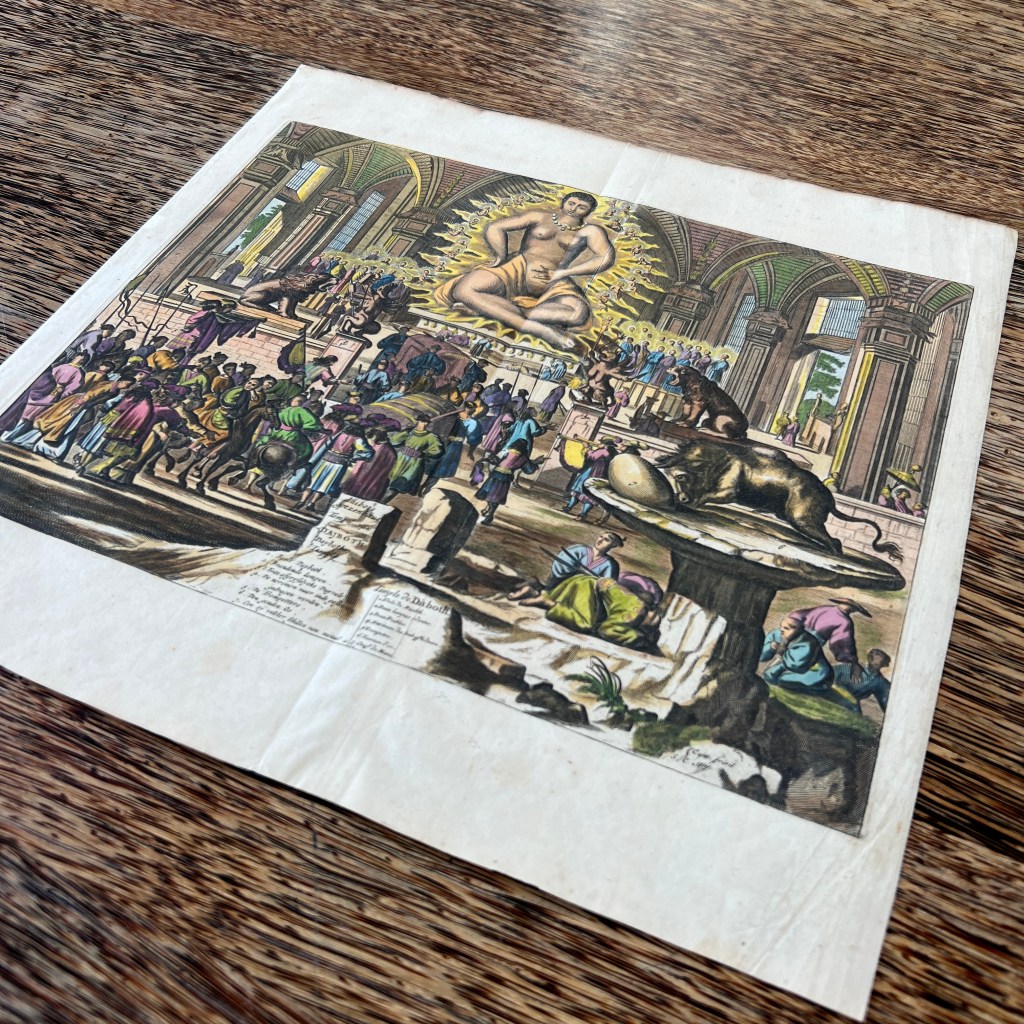
Van Meurs’ engravers seemingly took inspiration from the text, but also had to draw upon their own visual repertoire to fill in details. This includes the masonry columns in the back of the temple as well as playful cherub-like figures in the “Ring of Darting beams.”

“Two horrible Fiends, with Stiletto’s in their hands” – certainly the fearsome Niō – are described a guarding the temple entrance. The engraver places these grotesque figures inside the main temple hall.

Atlas Japannensis was first published in Dutch in 1669; an English version came the following year. The hand-colored print shown here came from the French edition of 1680. As noted by Isa van Eeghen, the English legend was burnished off of the plate and re-inscribed in French.

By the time of printing, the colossal Buddha of Hōkō-ji had been destroyed by an earthquake in 1662; a wooden image replaced it in 1667. The 1669 Dutch edition of Atlas Japannensis has been digitized by the National Library of the Netherlands, viewable here: tinyurl.com/5n6kstfy.


The Buddhas in the West Material Archive is a digital scholarship project that catalogues artifacts depicting Buddhist material culture for Western audiences. It’s comprised of prints, photos, and an assortment of ephemera and other objects. For a brief introduction to this archive, visit the main Buddhas in the West project page.


For Related Buddhas in the West Posts Featuring Historical Engravings:


For the Most Recent Buddhas in the West Posts:


Alain Mallet’s Dalai Lama Engraving

For all the new Buddhas in the West posts
follow us on Bluesky & Instagram


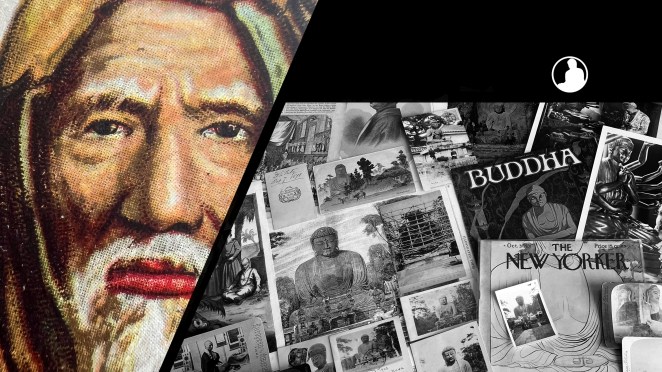
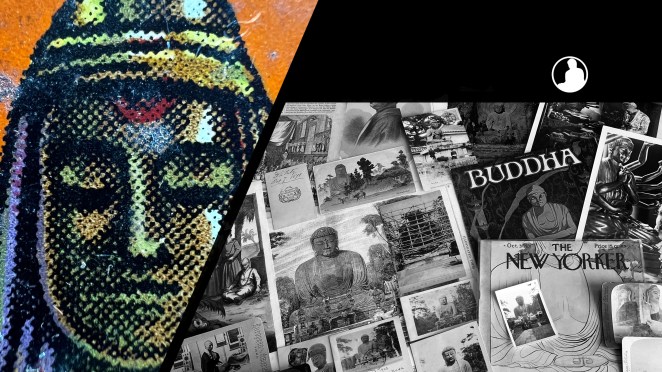
Earliest European depiction of the Dalai Lama? In 1683 Alain Mallet published his illustrated five-volume set entitled Description de l’univers. The second volume, devoted to Asia, contained an illustration of the Grand Lama, a “living and true God.”

Mallet copied an earlier illustration of Althanius Kircher from 1667 with minimal changes. The engraving shown here was hand colored (possibly after publication), giving the Dalai Lama a dark red robe.

While not named in the text, the original illustration was published during the lifetime of the famed Fifth Dalai Lama, Ngawang Lobsang Gyatso. Information about the Dalai Lama was gleaned from the reports of Jesuit missionary Johann Grueber who visited Lhasa in 1661.

The Fifth Dalai Lama died in 1682, a year before Mallet’s publication, but his passing was concealed for more than a decade. Mallet reports on the process of reincarnation, describing it as a “deception.”

To read Mallet’s text associated with this image, see the digitized scan provided by the University of Ottawa here: https://tinyurl.com/37895xc9


The Buddhas in the West Material Archive is a digital scholarship project that catalogues artifacts depicting Buddhist material culture for Western audiences. It’s comprised of prints, photos, and an assortment of ephemera and other objects. For a brief introduction to this archive, visit the main Buddhas in the West project page.


For Related Buddhas in the West Posts Featuring Engravings:


For the Most Recent Buddhas in the West Posts:


Alain Mallet’s Porcelain Pagoda of Baoen Temple Engraving

For all the new Buddhas in the West posts
follow us on Bluesky & Instagram


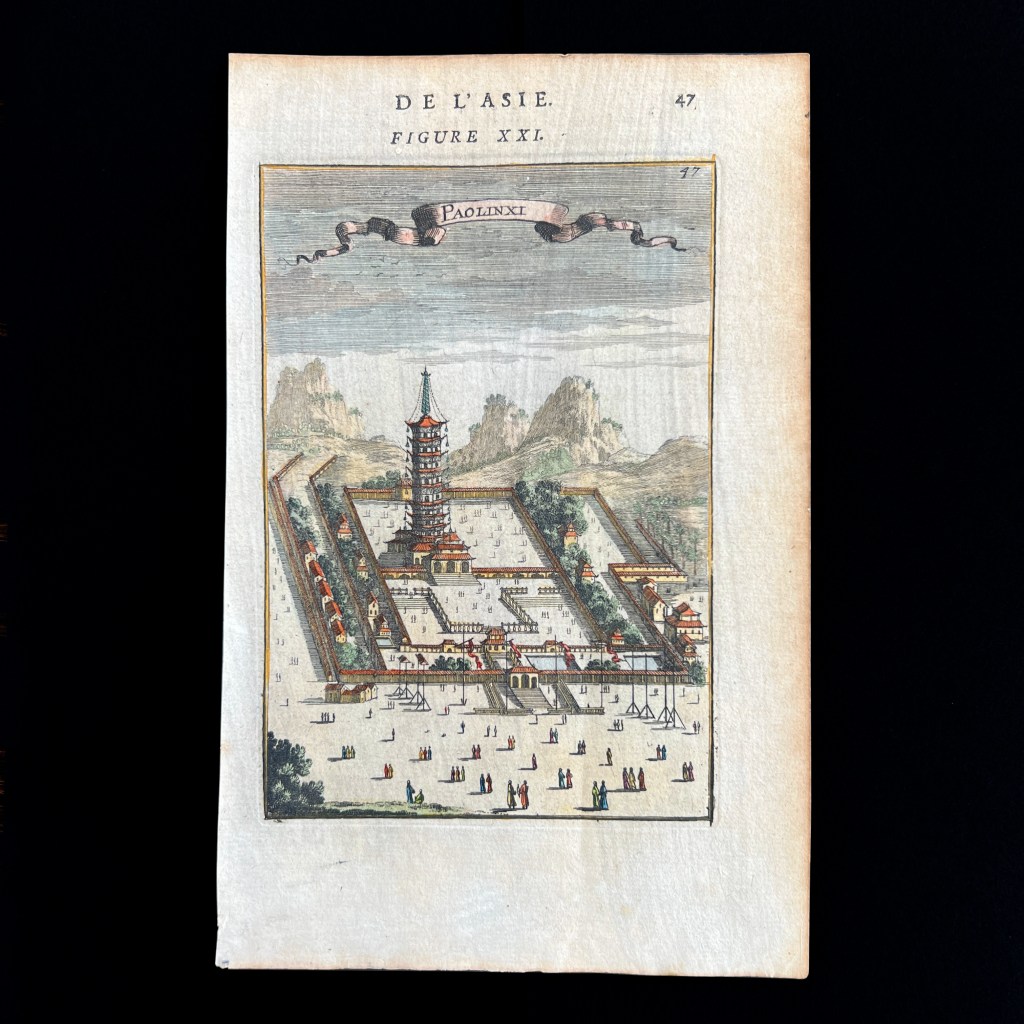
In 1683, the French military commander Alain Mallet published his illustrated five-volume set entitled Description de l’univers. While it received tepid reviews, Mallet’s encyclopedic approach drew together diverse information about East Asia that was still relatively new to European audiences.

Trained as an engineer and draughtsman, Mallet is sometimes claimed to have drawn the images for his books. While his cartography and celestial charts may have been original works, the images of Asia were copies of earlier published illustrations.

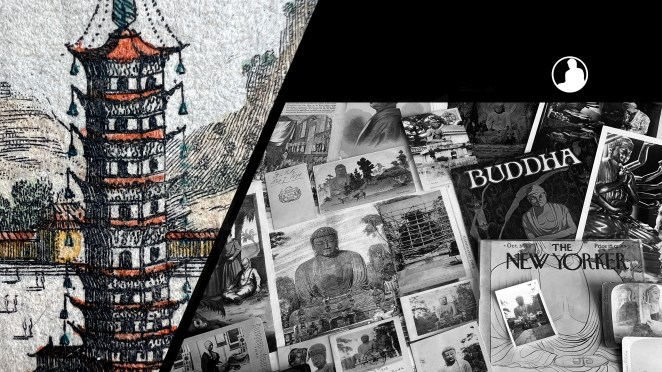
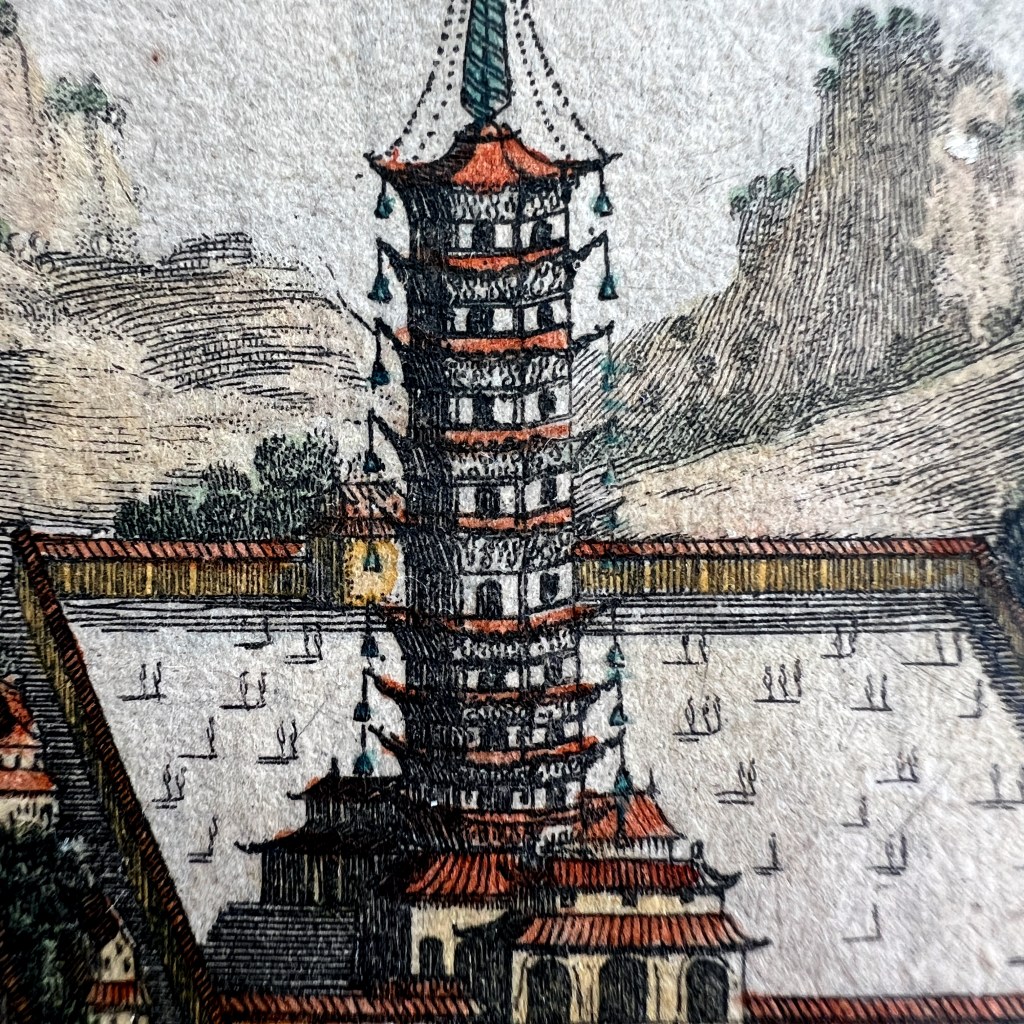
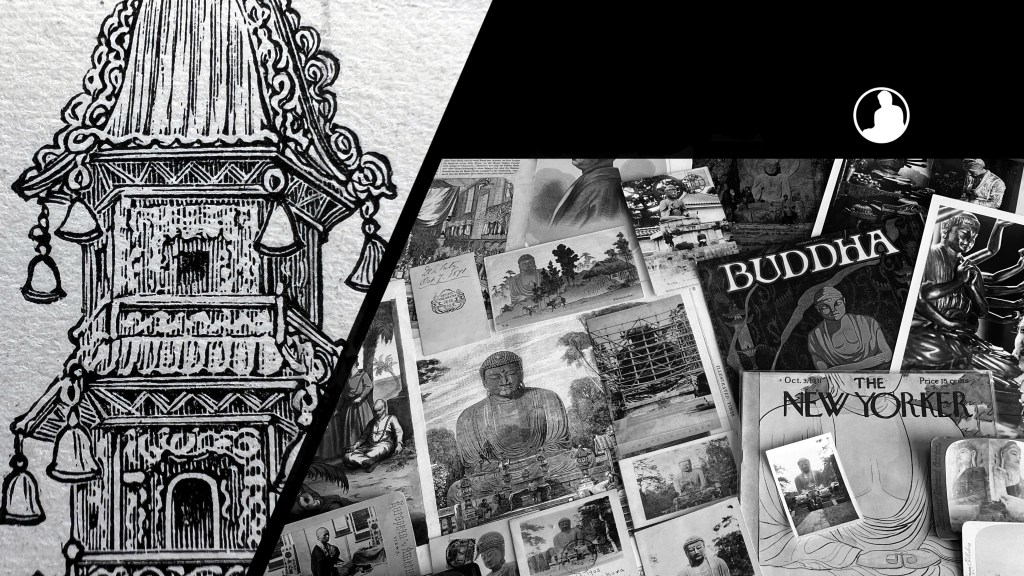
This illustration of the famed Porcelain Pagoda of Baoen Temple in Nanjing was a copy of Johan Nieuhof’s illustration more than a decade earlier. This included the irregular mountains in the back and the people added for scale.

It was publications like Description de l’univers, however, the kept the pagoda alive in the European imagination, making it a key visual element in chinoiserie.


The Buddhas in the West Material Archive is a digital scholarship project that catalogues artifacts depicting Buddhist material culture for Western audiences. It’s comprised of prints, photos, and an assortment of ephemera and other objects. For a brief introduction to this archive, visit the main Buddhas in the West project page.


For Related Buddhas in the West Posts Featuring Historical Engravings:

For the Most Recent Buddhas in the West Posts:


Thomas Allom’s Sticks of Fate Engraving

For all the new Buddhas in the West posts
follow us on Bluesky & Instagram


Having never traveled to China, Thomas Allom’s illustrations retain a touch of the fantastic common among his European pictorial predecessors. After the end of the Opium War in 1842 there was renewed interest in China and Allom’s book was among the first to serve this audience.

The text for China: In a Series of Views was composed by Rev. George Wright. He commonly portrayed the Chinese as inferior and infatuated with bizarre customs, reflecting a growing sentiment among Europeans after the Opium War.

A trained illustrator, Allom prepared watercolor paintings and had them engraved for his books. While some paintings were copies of earlier works by others, including those in the British military stationed in China, this illustration appears to be the creation of Allom.

Overall, Allom creates a dynamic image showing a commonplace Chinese temple practice of fortune telling. Some elements, however, appear out of place.

The New York Public Library has digitized Allom’s works on China with a layout of all his engraved illustrations viewable here: https://tinyurl.com/3b74hu7m.


The Buddhas in the West Material Archive is a digital scholarship project that catalogues artifacts depicting Buddhist material culture for Western audiences. It’s comprised of prints, photos, and an assortment of ephemera and other objects. For a brief introduction to this archive, visit the main Buddhas in the West project page.


For Related Buddhas in the West Posts Featuring China:


For the Most Recent Buddhas in the West Posts:


1876 Centennial Ivory Pagoda Print

For all the new Buddhas in the West posts
follow us on Bluesky & Instagram


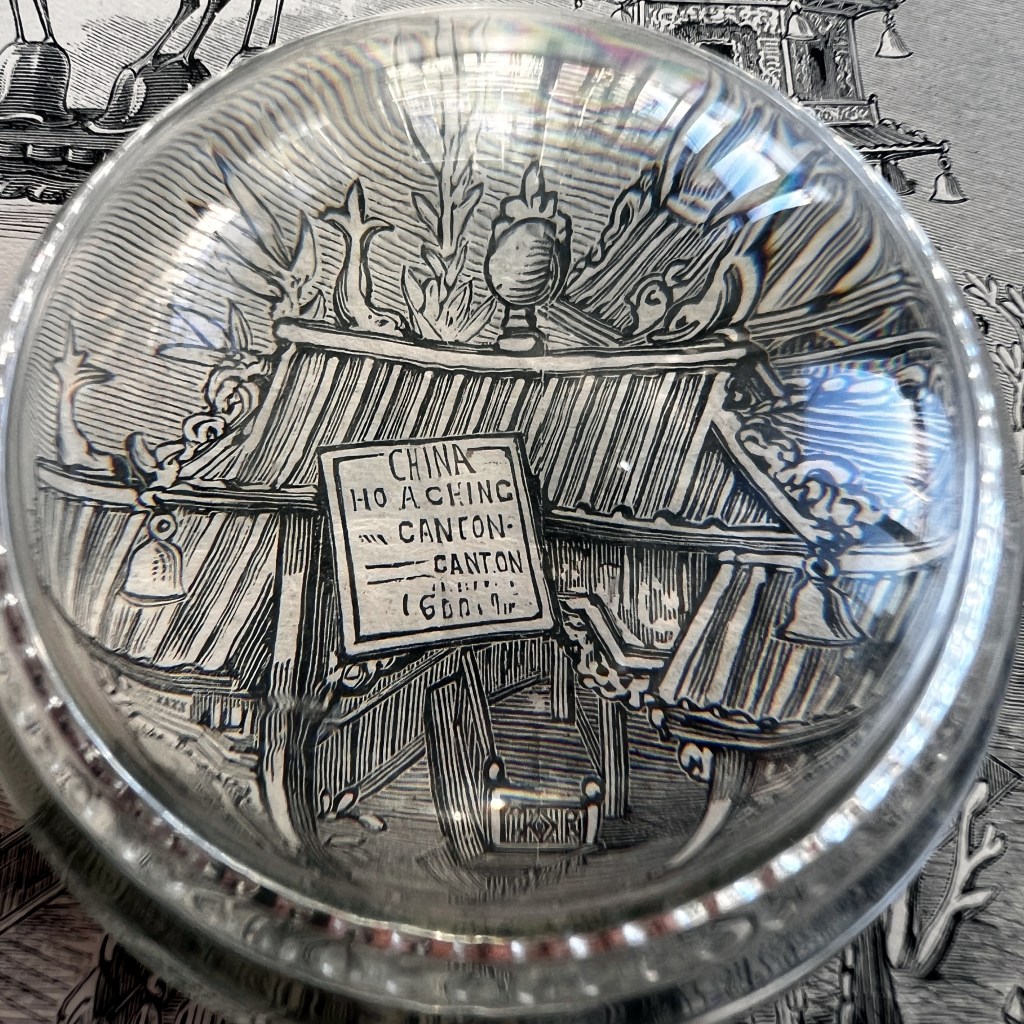
Lost Ivory Pagoda? Japan’s exhibit at the 1876 Centennial Exposition is often credited as inspiring American Japonisme. Less celebrated is China’s involvement who also made a splash with its exhibit, including an intricate 4-foot ivory pagoda.

The 1830s and 40s saw a handful of private Chinese museums open, but the Centennial included objects sent to the US by Chinese representatives. By plan, the objects chosen reflected the tastes of Chinese elite, including silks, porcelain, paintings, and fine teas.

The carved ivory display merited some of the most attention, especially a fenced-in miniature pagoda surrounded by fruit trees and figurines. The artist here, working for the publisher Frank Leslie, notes the name of the Canton manufacturer, Ho A Ching.

We are told the pagoda was priced at $600. Many items were acquired by the Philadelphia Museum of Art, but I have not been able to confirm if its currently in the collection. A photo of the original pagoda can be seen here: https://tinyurl.com/mtkv2wzk.


The Buddhas in the West Material Archive is a digital scholarship project that catalogues artifacts depicting Buddhist material culture for Western audiences. It’s comprised of prints, photos, and an assortment of ephemera and other objects. For a brief introduction to this archive, visit the main Buddhas in the West project page.


For Related Buddhas in the West Posts Featuring the United States:


For the Most Recent Buddhas in the West Posts:


Auguste Wahlen’s “Bonzes chinois” Engraving

For all the new Buddhas in the West posts
follow us on Bluesky & Instagram


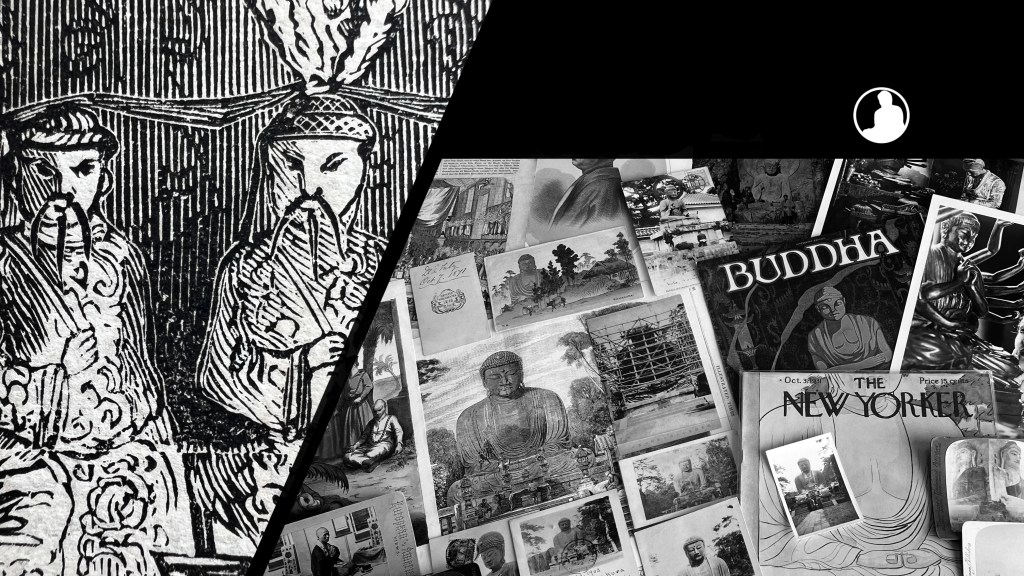
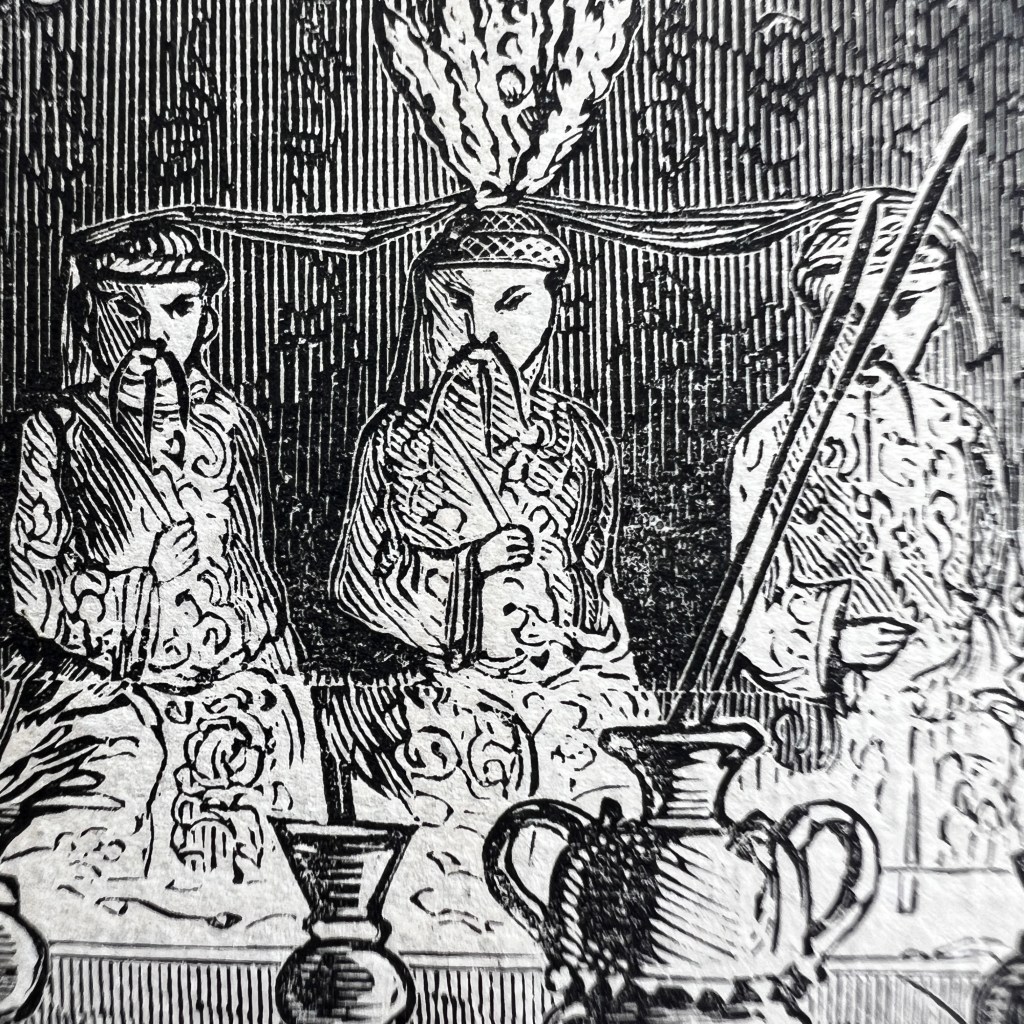
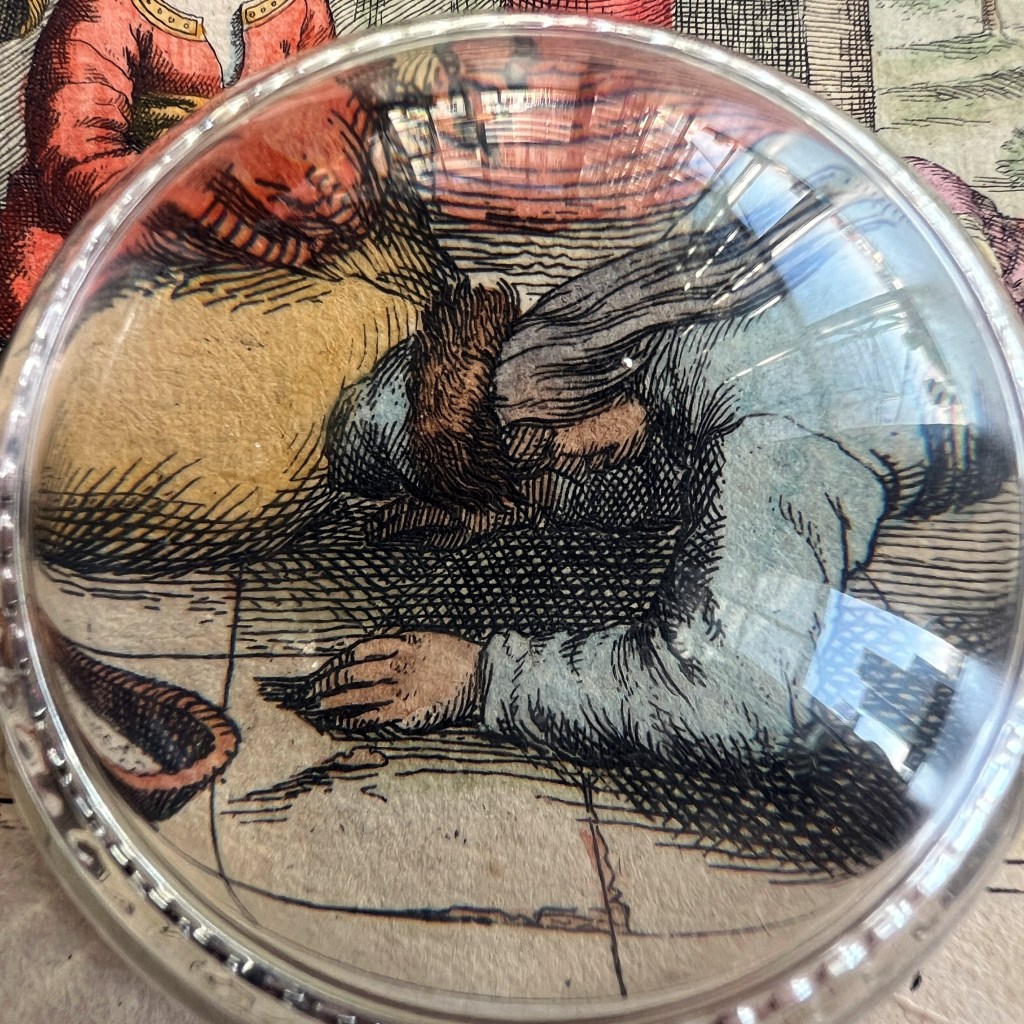
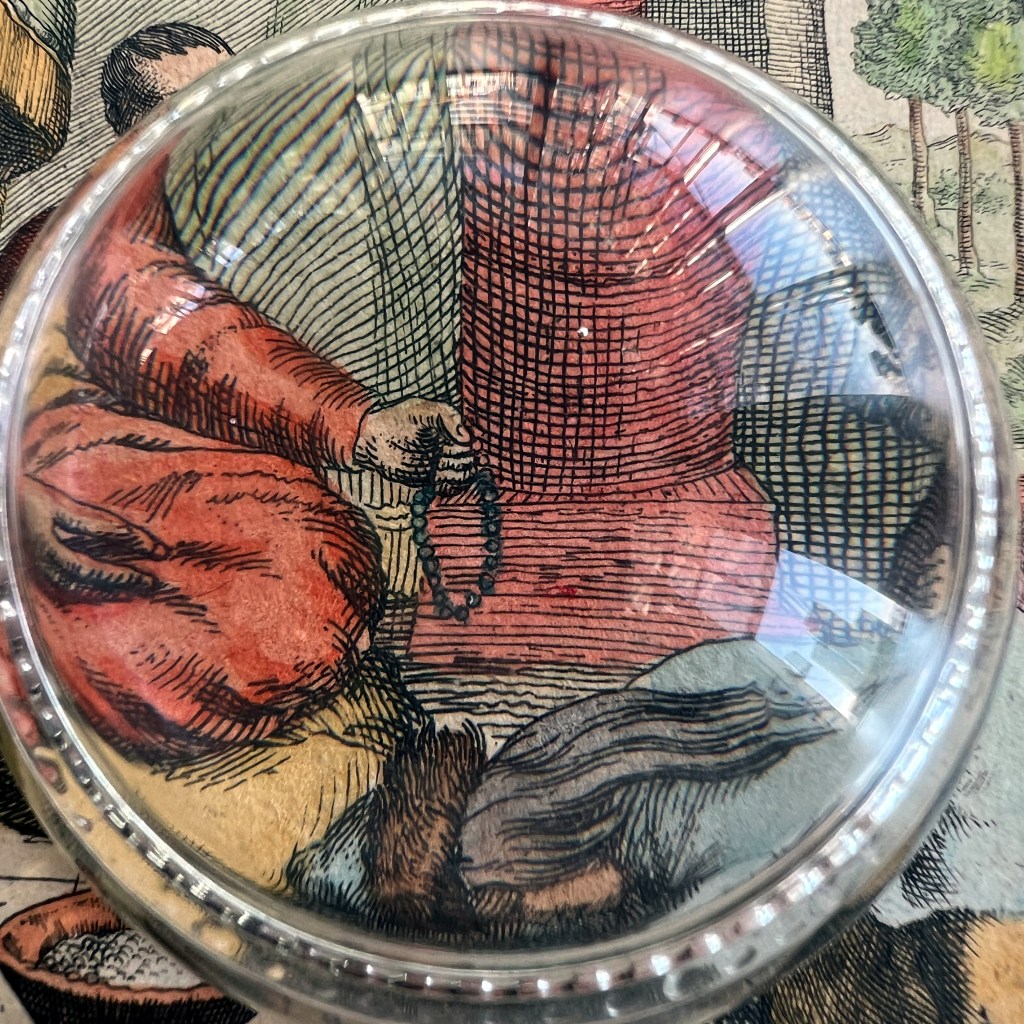
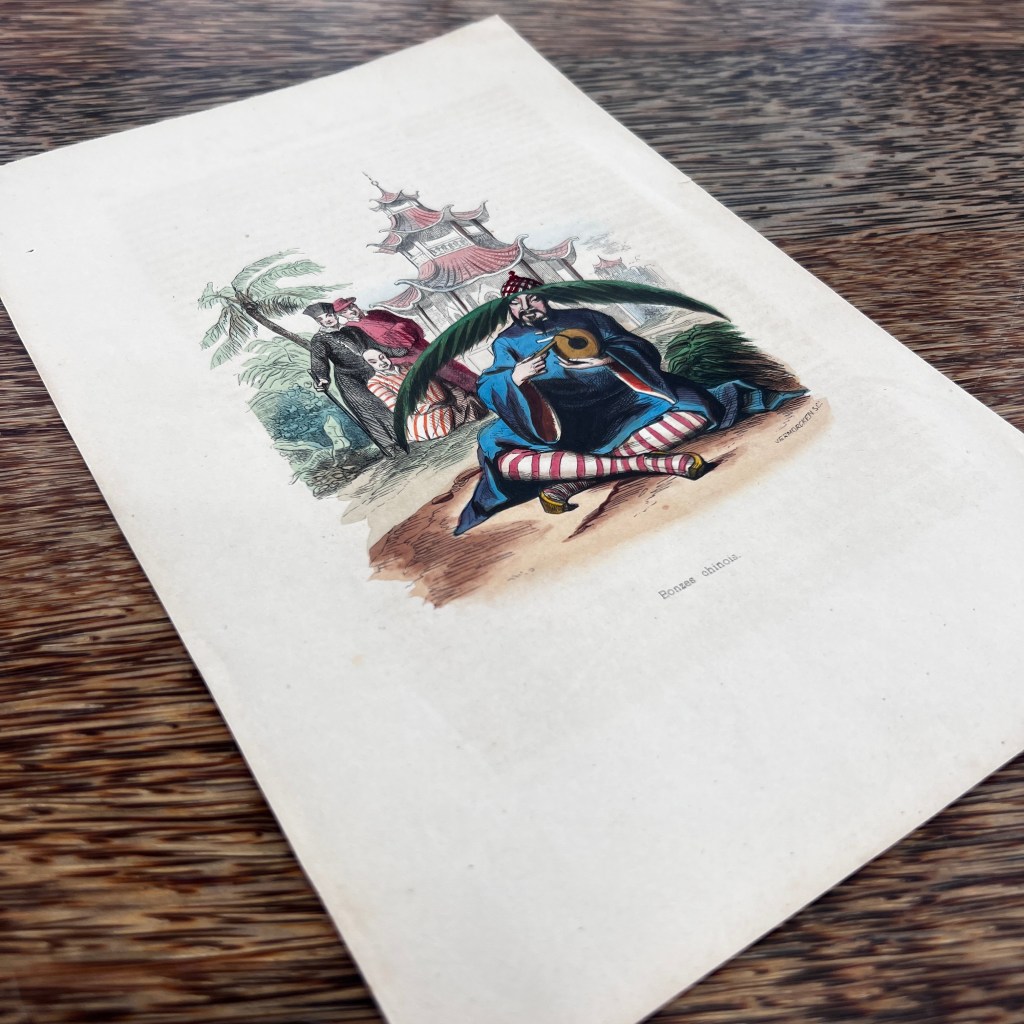
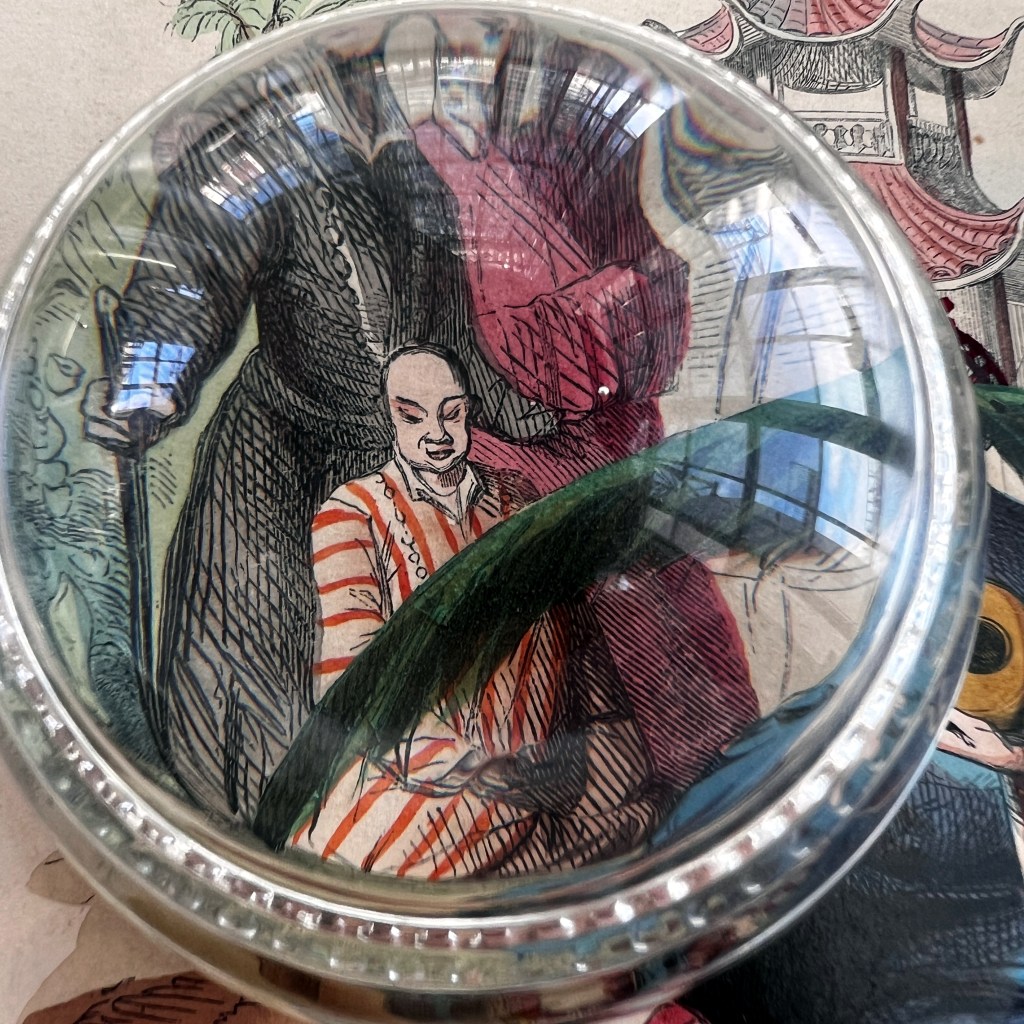
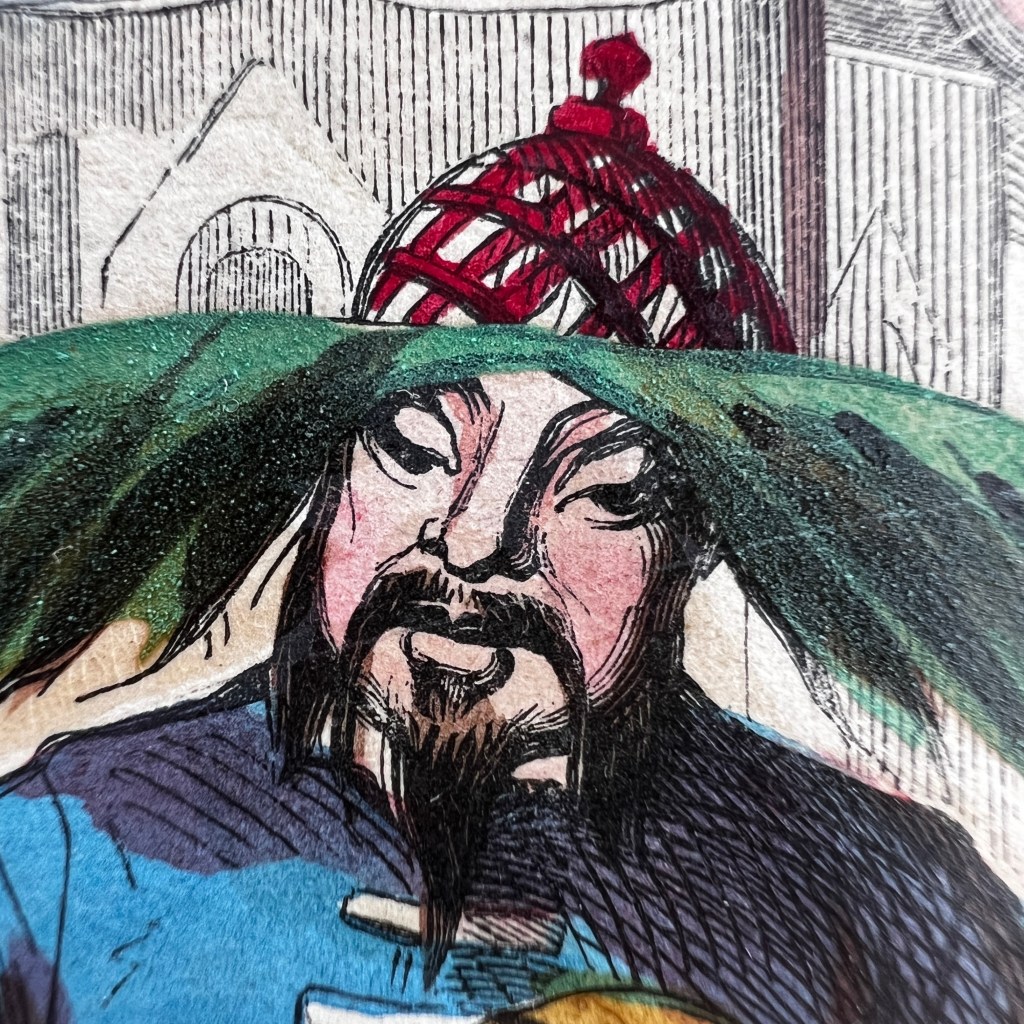
What did Buddhist Monks look like to Europeans? At least one visual tradition going back to the late 17th century depicts Buddhist monks in comedic caricature, possibly wearing attire similar to court minstrels. The figures here are identified as “bonzes chinois” (Chinese clerics).

There’s plenty of research yet to be done in this arena. This image appeared in Auguste Wahlen’s Mœurs, usages et costumes de tous les peuples du monde in 1843, showing the durability of this trope. The illustration was executed by Edouard Vermorcken.

Wahlen tells us Europeans generically call Buddhist monks “bonzes” – which is a corruption of the Japanese bonsō 凡僧, “cleric.” He also acknowledges Chinese monks are called “heshang” 和尚 and Tibetan monks “lamas.”

While Wahlen does not address the monk’s clothing, he does note their use of musical instruments ritual practice. Identified in the text as a “machine de bois, creuse et de forme ovale” (wooden, hollow, oval-shaped instrument), this instrument is now commonly called a “wooden fish.”

Wahlen’s book and accompanying illustrations have been scanned by the Getty Research Institute, available here: https://tinyurl.com/5n6pyedy #BuddhasInTheWest


The Buddhas in the West Material Archive is a digital scholarship project that catalogues artifacts depicting Buddhist material culture for Western audiences. It’s comprised of prints, photos, and an assortment of ephemera and other objects. For a brief introduction to this archive, visit the main Buddhas in the West project page.


For Related Buddhas in the West Posts Featuring Historical Engravings:

For the Most Recent Buddhas in the West Posts:


Olfert Dapper’s Formosan Buddha Engraving

For all the new Buddhas in the West posts
follow us on Bluesky & Instagram


European book engravers often fabricated details to flesh out illustrations where textual accounts were silent. Such is the case here for “The Idoll Sekia” (Śākyamuni) showing a Buddhist temple in late 17th century Formosa, present-day Taiwan.


This illustration is from the 1674 German edition of Atlas Chinensis by Olfert Dapper (1636–1689). Dapper never visited Asia, but edited the travelogues of the second and third Dutch embassies to China and consulted Jesuit accounts.


The copperplate engraving were most likely prepared in the workshop of the publisher Jacob van Meurs. The image was based on Dapper’s retelling of the accounts of a Scotchman named David Wright who lived on Formosa in the 1650s.


Wright describes the use of music during worship and the prostrations of two priests day and night at the altar.


The main icon – never identified as the Buddha in the text – is described as depicting a religious man, now deified, who shaved his head and never ate animal flesh.


An English edition of Dapper’s work, published by John Ogilby in 1671, can be viewed through Stanford University here: https://tinyurl.com/ycyw93eb


The Buddhas in the West Material Archive is a digital scholarship project that catalogues artifacts depicting Buddhist material culture for Western audiences. It’s comprised of prints, photos, and an assortment of ephemera and other objects. For a brief introduction to this archive, visit the main Buddhas in the West project page.


For Related Buddhas in the West Posts Featuring Historical Engravings:


For the Most Recent Buddhas in the West Posts: