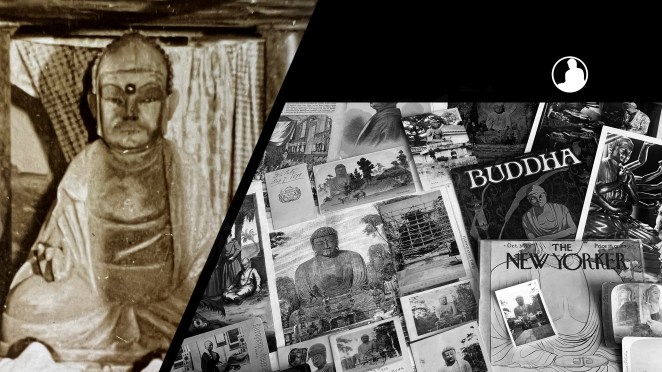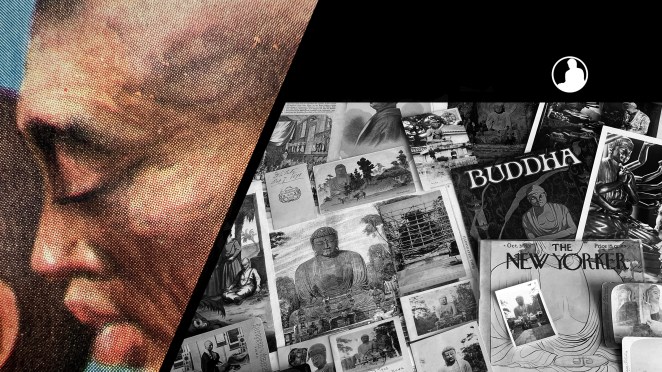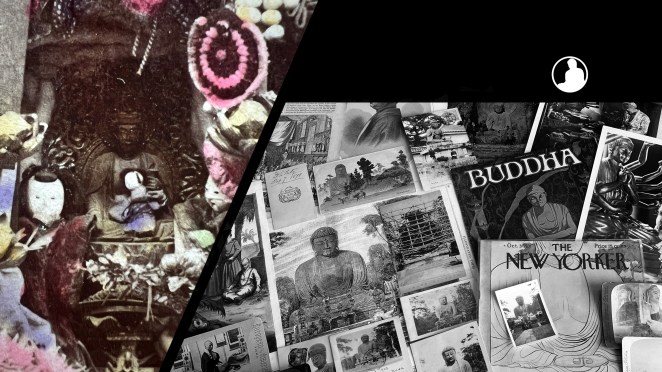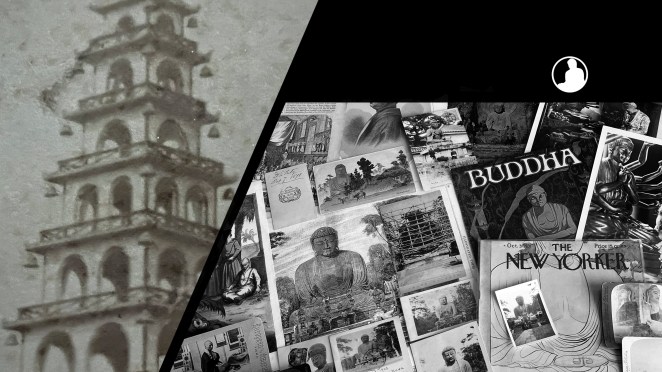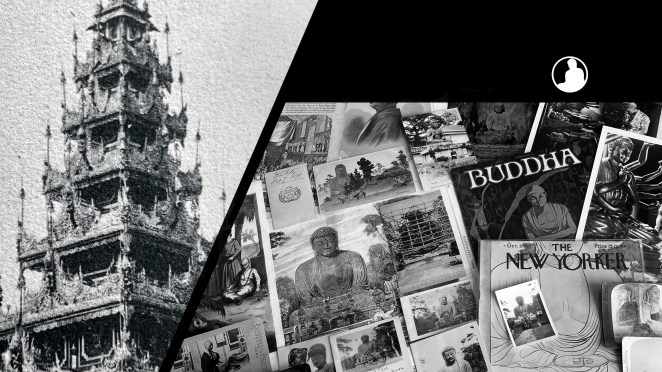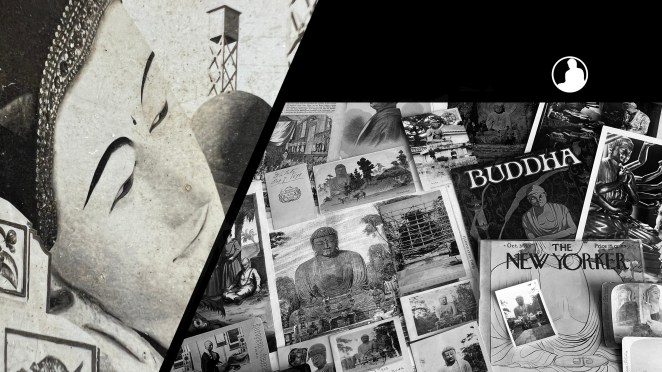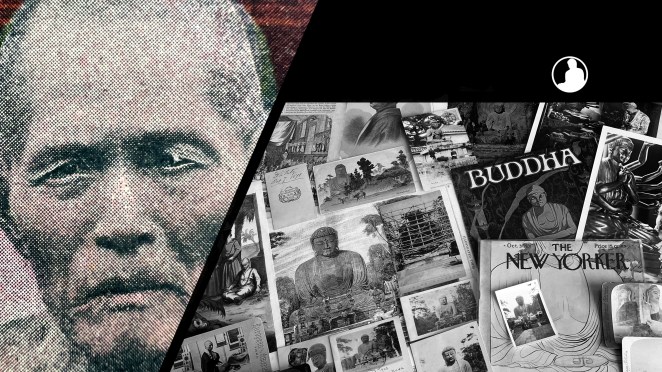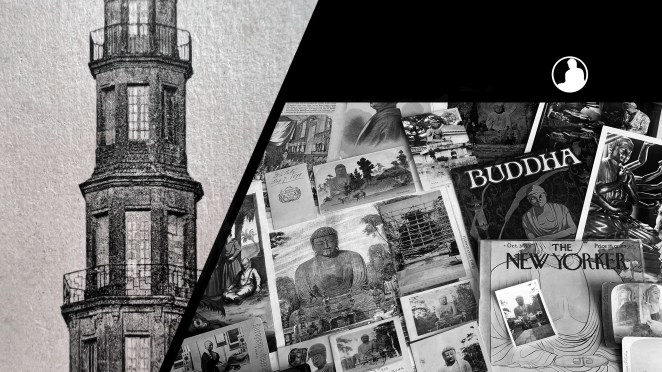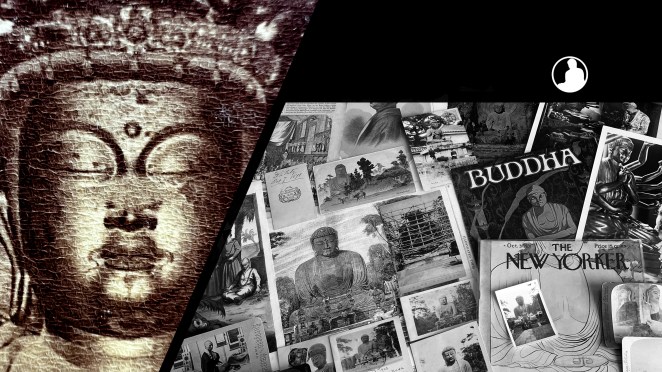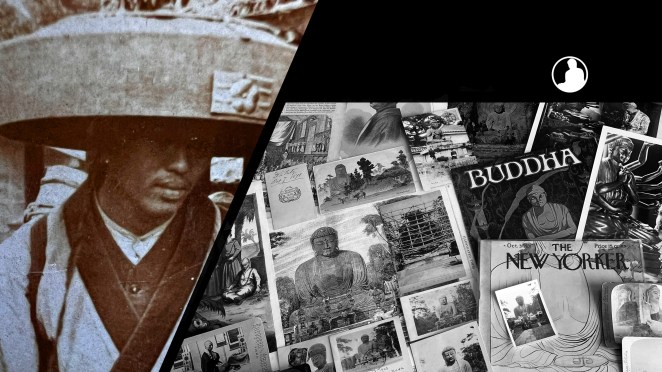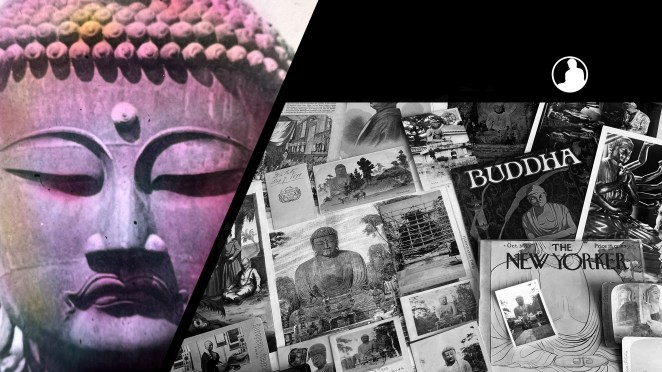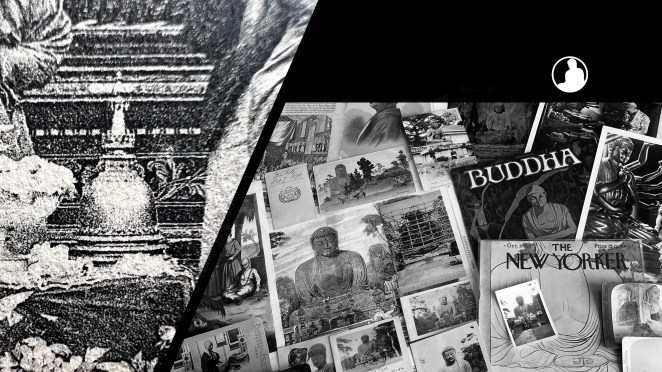
Pierre Dieulefils’ Angkor Wat Buddhapada Postcard

For all the new Buddhas in the West posts
follow us on Bluesky & Instagram


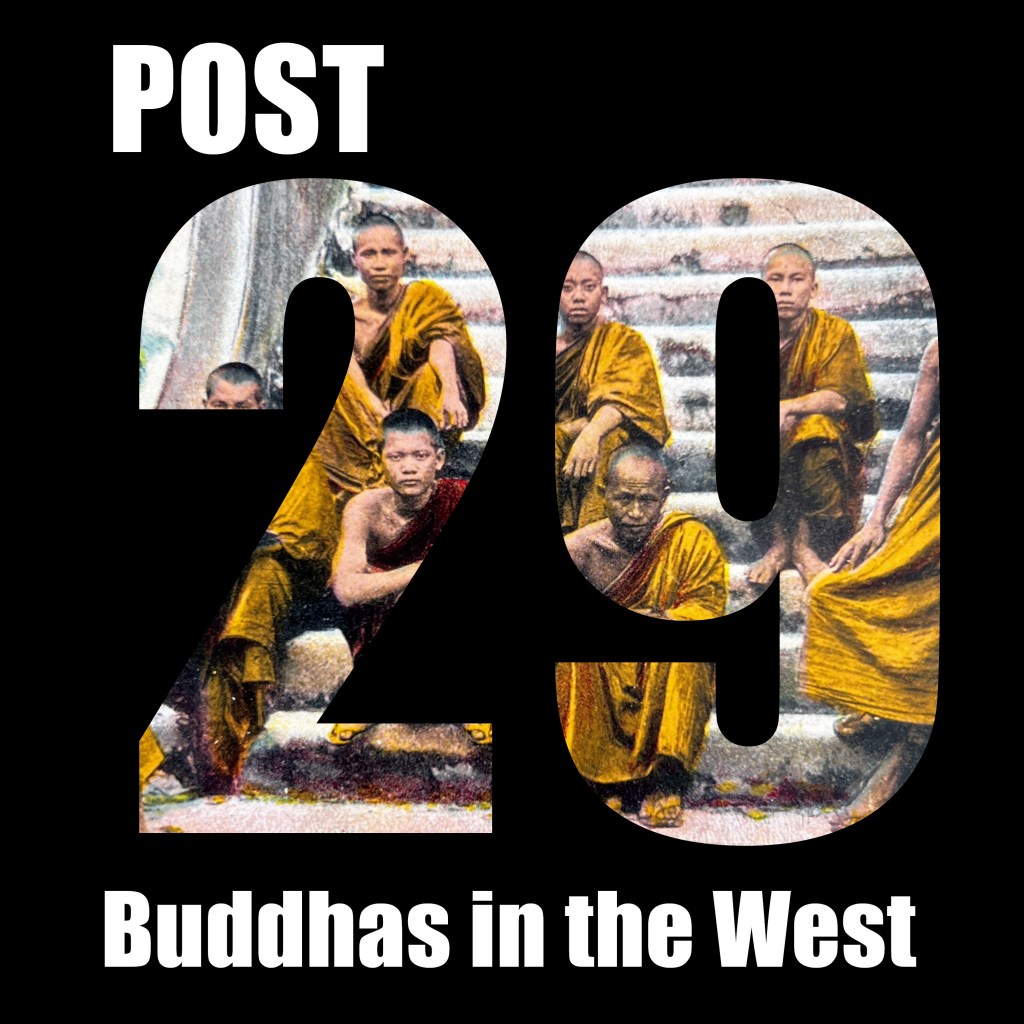
Pierre Dieulefils arrived in Vietnam as part of the French military forces in 1885 and opened a photography studio in Hanoi three years later. In anticipation of the great Exposition coloniale de Marseille, Dieulefils toured Cambodia in 1905 to take photographs of Angkor Wat.
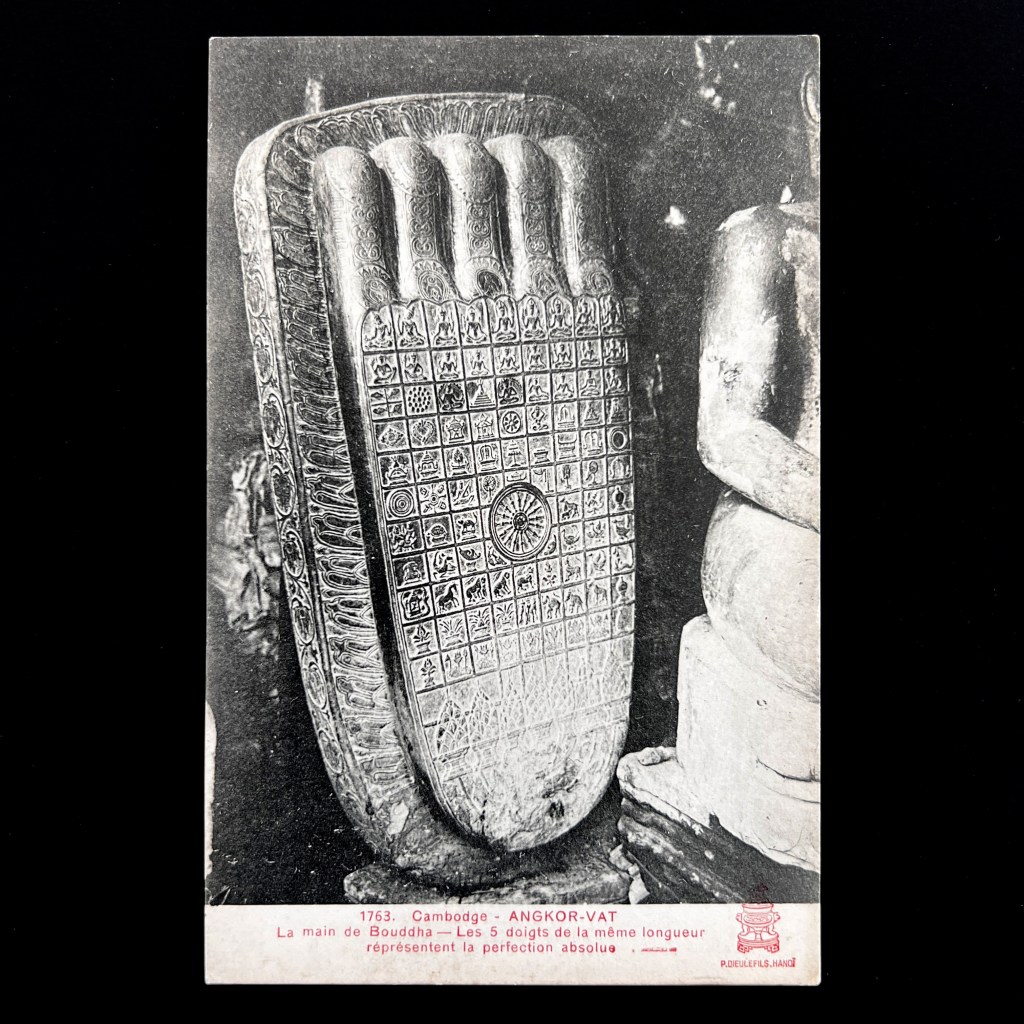
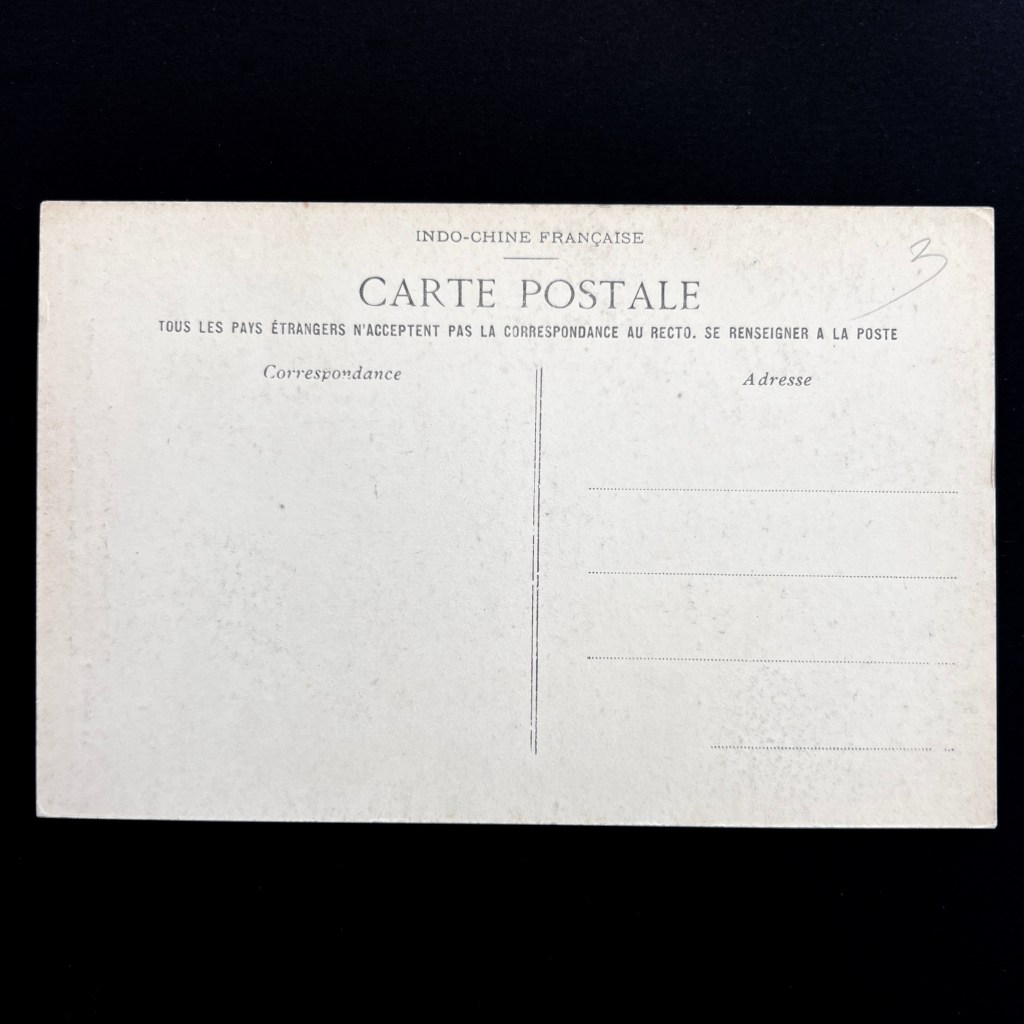
These images of Angkor Wat formed part of his thriving postcard business, driven in part by French officers sending cards home to France. The 1905 print run of cards is known as the red series for the red ink used on the obverse.
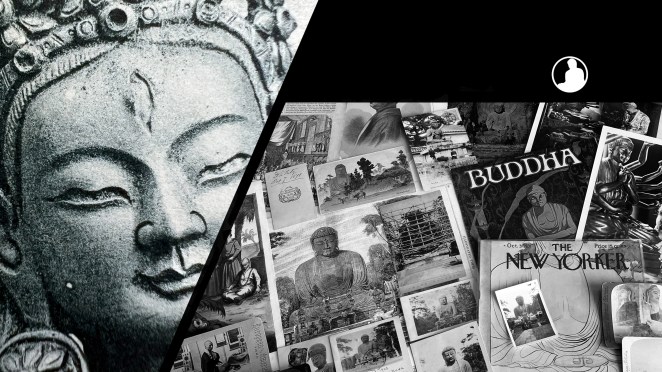
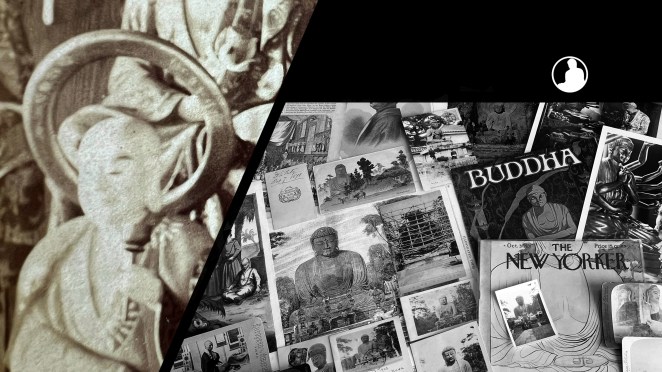
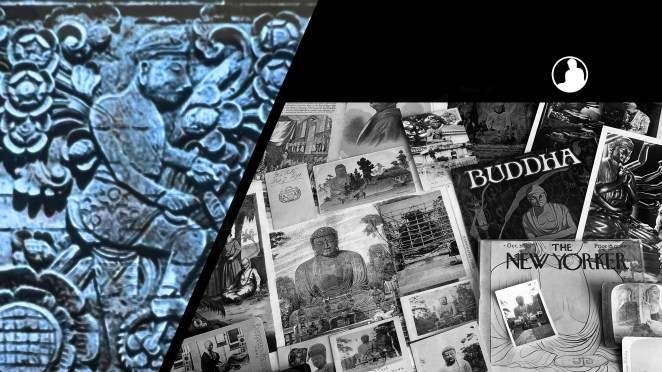
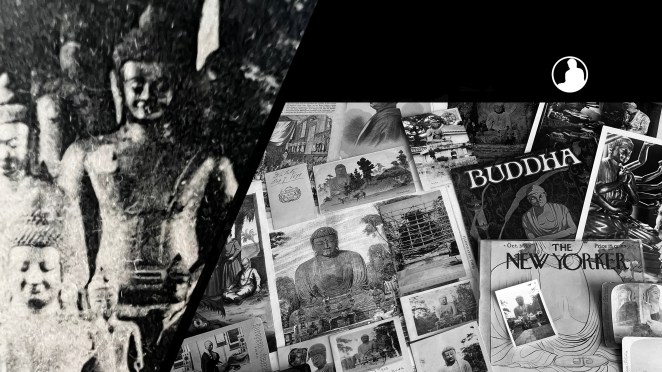
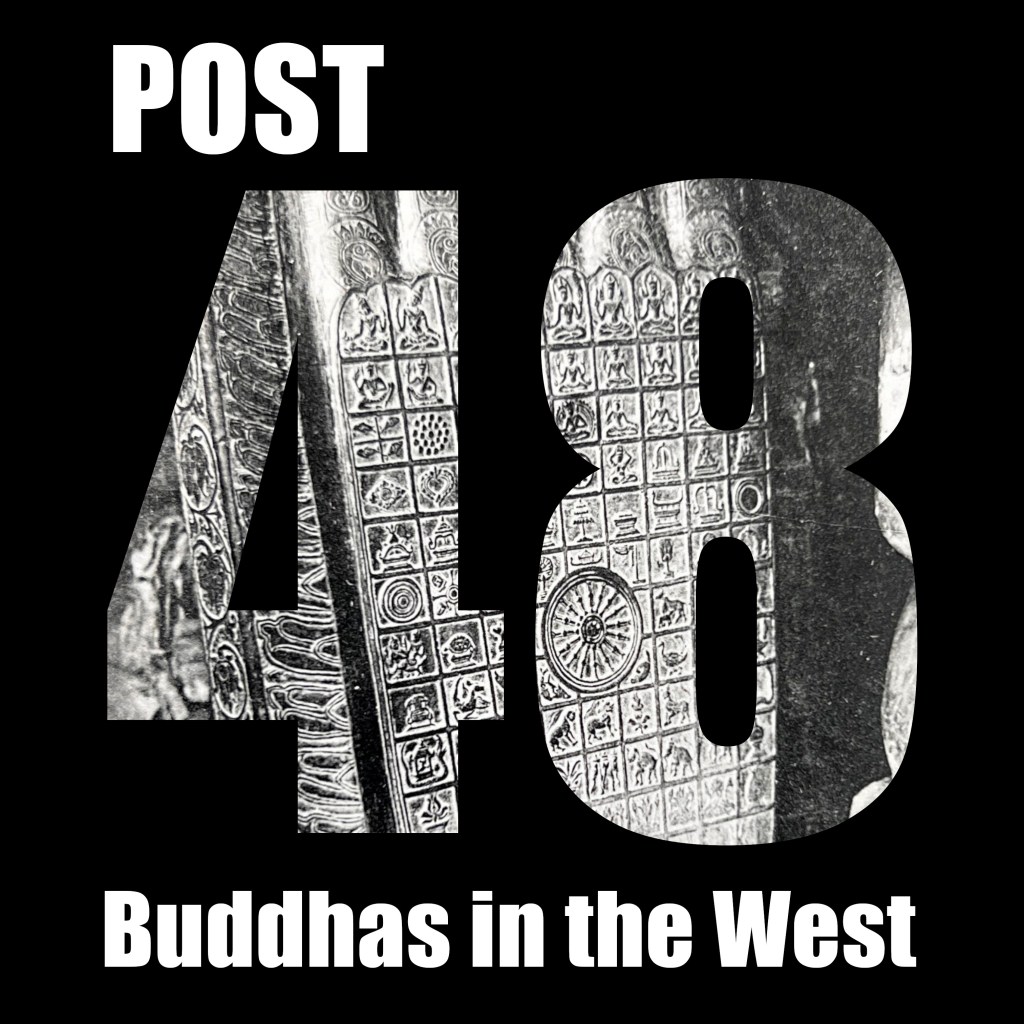
One of the objects Dieulefils photographed was this large sculptural footprint of the Buddha. Images of the Buddha’s footprints, called buddhapada, hint at his past presence and are considered venerated relics.

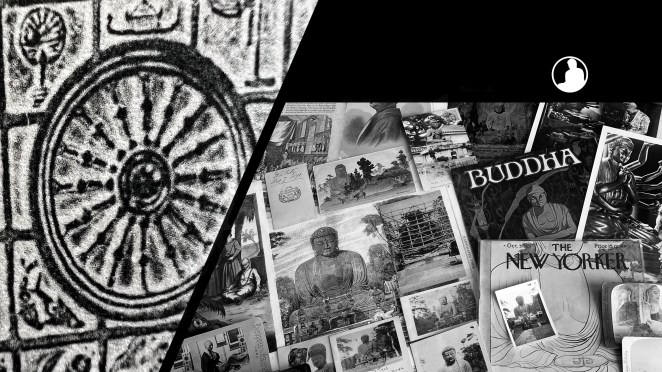
The buddhapada is often depicted with special characteristics, including 108 emblems of auspiciousness. The wheel of the Dharma is most commonly placed at the center of the sole.
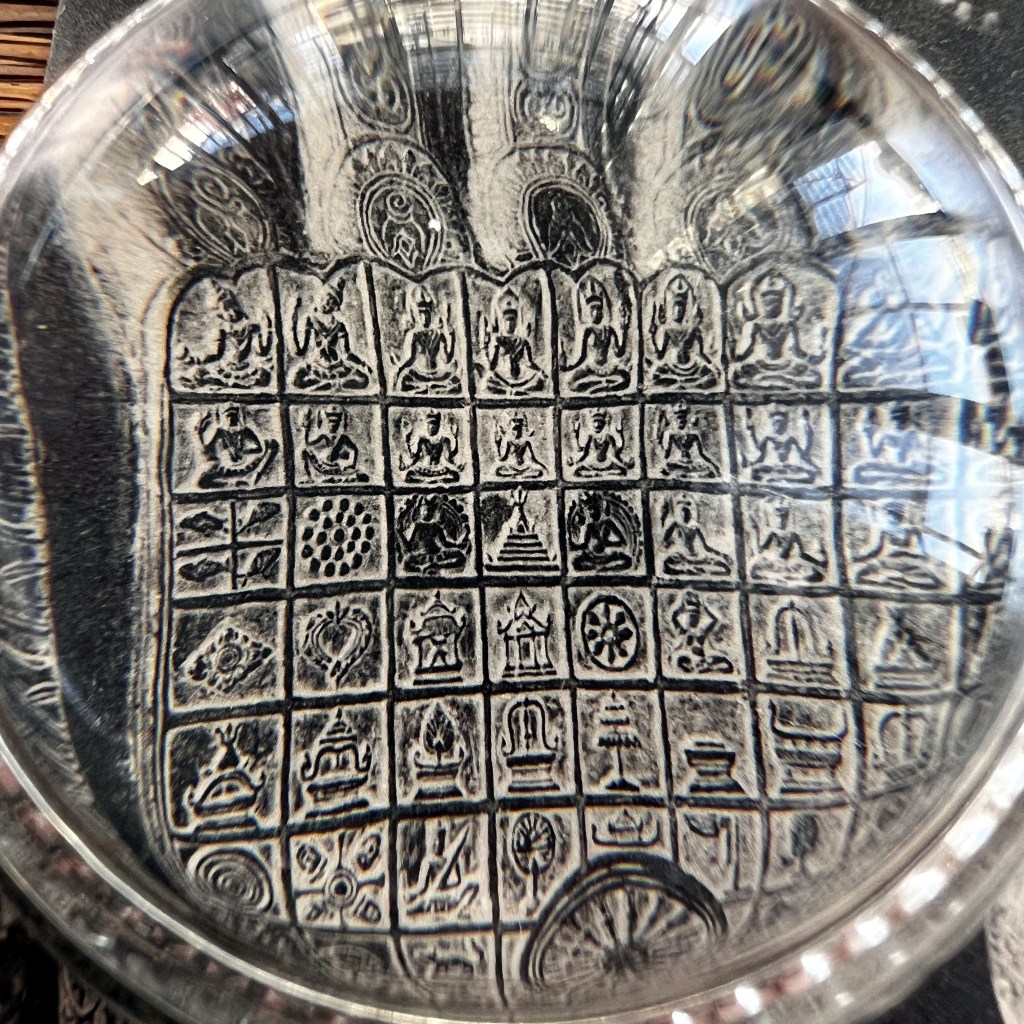
This carving, weighing three tons, remained at Angkor Wat from the 14th century until 1985. In 2022 it was put on display at the Preah Norodom Sihanouk-Angkor Museum in Siam-reap, Cambodia.

The Buddhas in the West Material Archive is a digital scholarship project that catalogues artifacts depicting Buddhist material culture for Western audiences. It’s comprised of prints, photos, and an assortment of ephemera and other objects. For a brief introduction to this archive, visit the main Buddhas in the West project page.


For Related Buddhas in the West Posts Featuring Pierre Dieulefils’ Postcards:

For the Most Recent Buddhas in the West Posts:

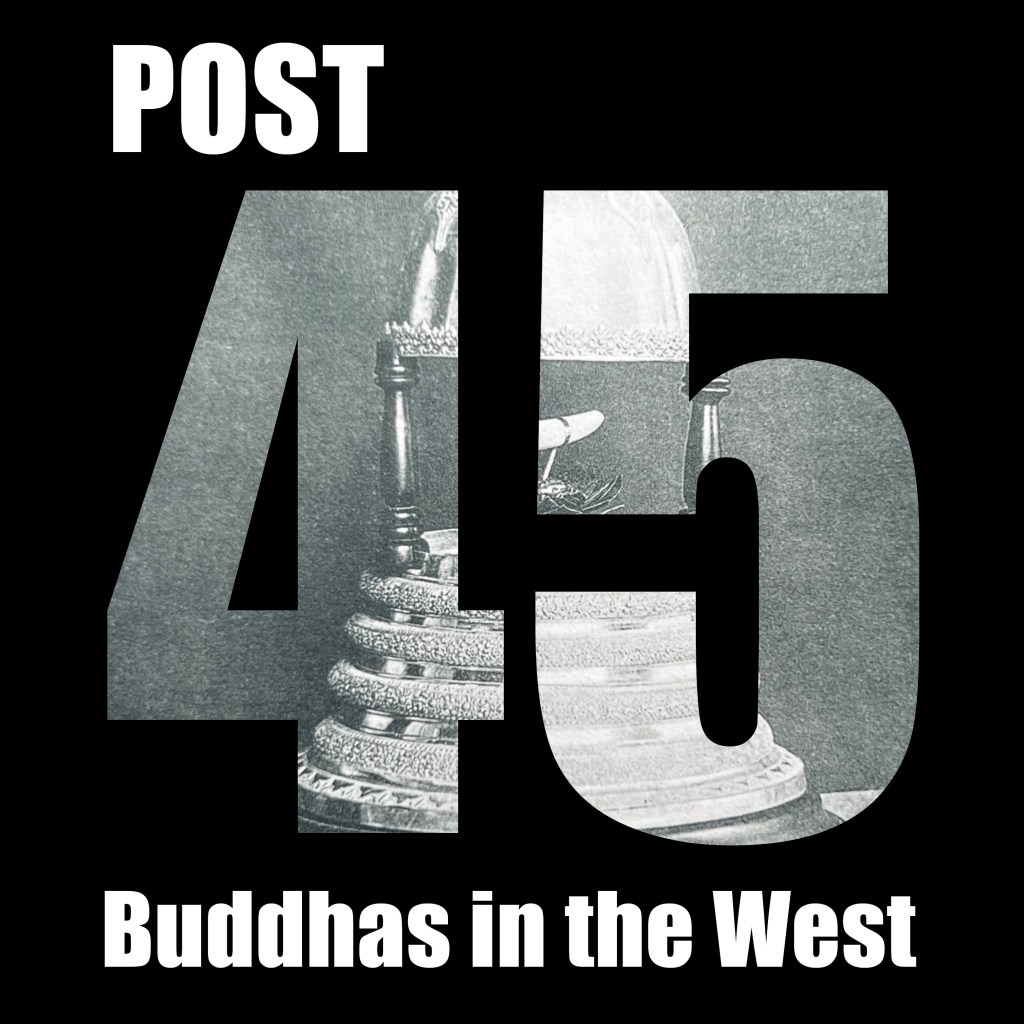
Tooth of the Buddha Reliquary Postcard

For all the new Buddhas in the West posts
follow us on Bluesky & Instagram


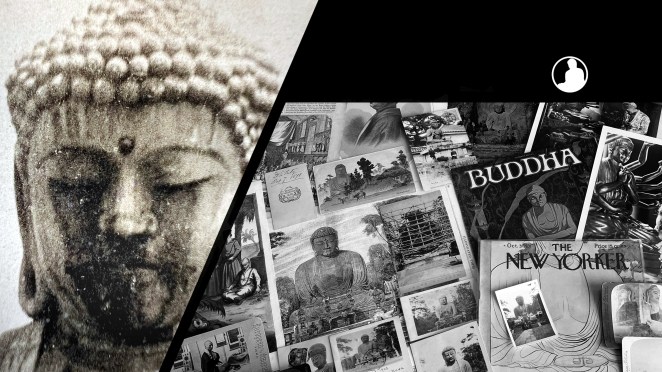
When the British re-enshrined the Buddha’s tooth relic at Kandy’s Temple of the Tooth in 1815, few among the British public were aware of the events. In 1875, however, when the Prince of Wales visits the relic, great interest in the sacred tooth spreads across England.

The undivided back design on the reverse indicates this card was printed before 1902, following British postal code. Unlike today, the message had to be written on the other side of the card, thus the blank space on the bottom edge of the obverse.

The “life story” of the tooth relic is preserved in the Dāṭhavaṃsa, compiled in the early 13th century. According to this work, in the ancient past a non-Buddhist Indian king tried to burn and smash the tooth, but it remained unscathed.

Consequently, as the story goes, the king converted to Buddhism and the tooth eventually made its way to Sri Lanka. Here we see the tooth encased in a stupa-shaped reliquary.

For a small collection of South Asian postcards, including a mailed version of the one shown here, see the offerings by the University of San Diego here: https://tinyurl.com/3nphs2k2.


The Buddhas in the West Material Archive is a digital scholarship project that catalogues artifacts depicting Buddhist material culture for Western audiences. It’s comprised of prints, photos, and an assortment of ephemera and other objects. For a brief introduction to this archive, visit the main Buddhas in the West project page.


For Related Buddhas in the West Posts Featuring Sri Lanka / Ceylon:


For the Most Recent Buddhas in the West Posts:

D.A. Ahuja’s Idol Maker Postcard

For all the new Buddhas in the West posts
follow us on Bluesky & Instagram


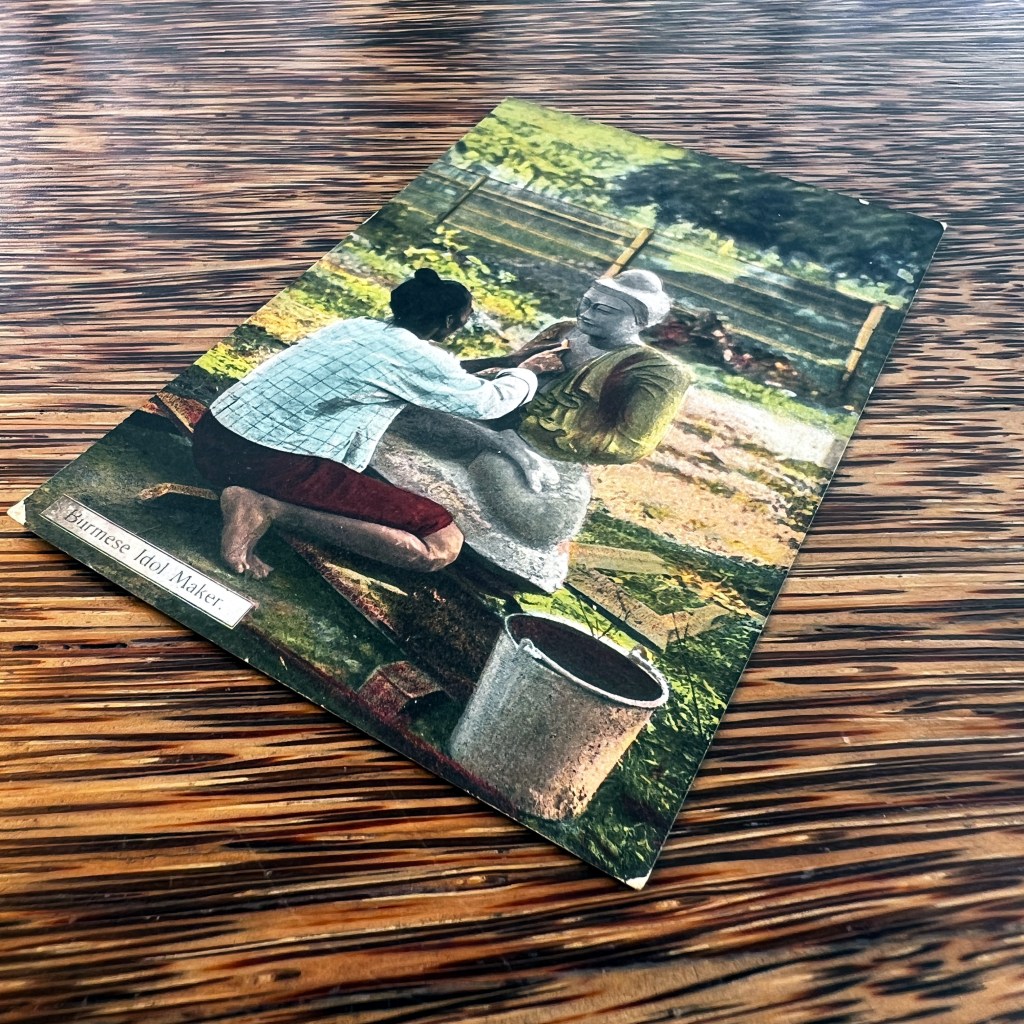
As new imagery of British colonial Burma circulated in the early 20th century, one trade received heightened interest: idol carving. The marble quarries north of Mandalay provided sufficient raw materials for the local carving industry centered around the village of Sagyin.

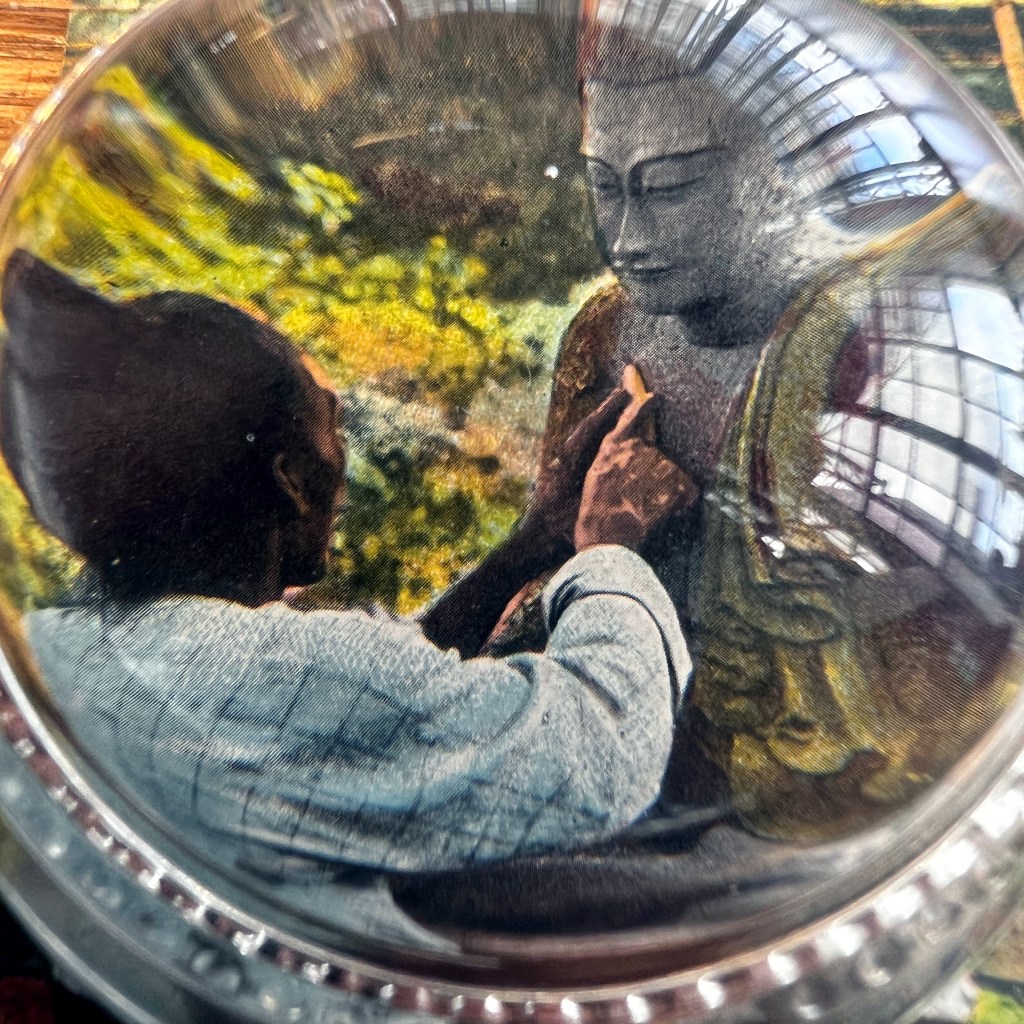
An active stone-workers’ quarter in Mandalay meant foreign travelers could encounter Burmese carvers working on Buddhist statuary. This postcard by D.A. Ahuja captures the crafting of a Mandalay-style marble Buddha, with thick garment folds and a band around the head.

The card reveals a lithographic-halftone hybrid process, whereby a black halftone screen was applied on top of a multi-color lithographic substrate. The reverse design suggests this card was printed around 1910.

Burmese white marble has been fashioned into Buddhist statuary since the Konbaung Dynasty (1752–1885). The trade continues in and around Sagyin and Mandalay today.

For further info on the history of Burmese marble carving and the early spread of Burmese Buddhas into China, see Deng, Beiyin. “Reimagining a Buddhist Cosmopolis: Conveying Marble Buddhas from Burma to China, 1890s-1930s.” Journal of Global Buddhism 24, no. 1 (2023): 25–46.


The Buddhas in the West Material Archive is a digital scholarship project that catalogues artifacts depicting Buddhist material culture for Western audiences. It’s comprised of prints, photos, and an assortment of ephemera and other objects. For a brief introduction to this archive, visit the main Buddhas in the West project page.


For Related Buddhas in the West Posts Featuring Myanmar / Burma:


For the Most Recent Buddhas in the West Posts:

A.W. A. Plâté’s Reliquary Offering Postcard

For all the new Buddhas in the West posts
follow us on Bluesky & Instagram


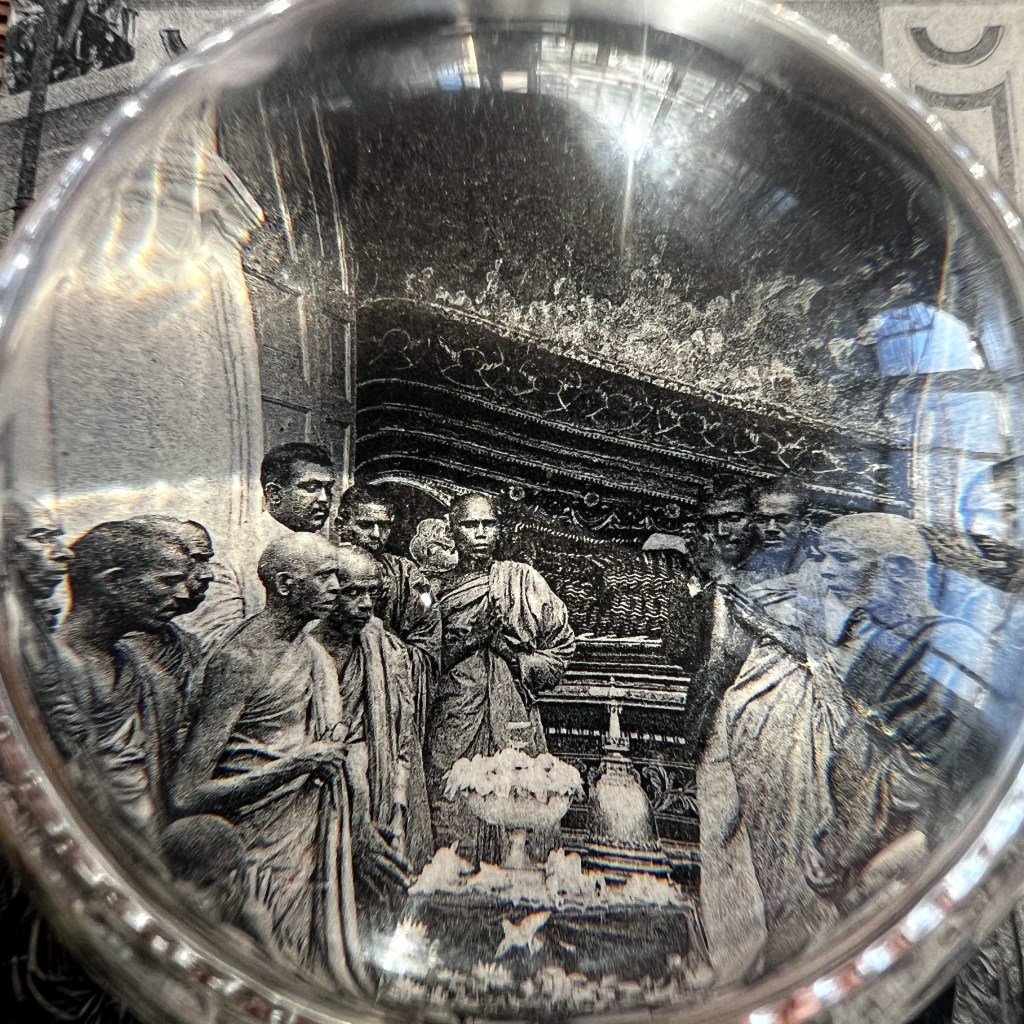
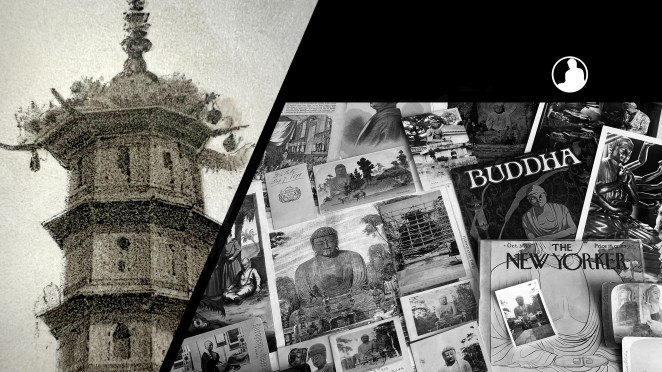
The first private company to sell Singhalese postcards was A. W. A. Plâté & Co. In 1890 Plâté first opened his photography studio and by 1907 he dominated the domestic postcard market, selling half a million cards that year.

As was common in many parts of the world, this card was printed in Germany, here identified with a rubber stamp. The hand written note describes the colors of the monk’s robes, suggesting this was purchased as an inexpensive photographic souvenir with no intention to mail.

Still in operation, Plâté’s photographic archives are a trove of Singhalese visual records. Can you find the partly obscured Buddha statue among the group of worshiping monks?

There is a Sleeping Buddha statue in just inside the temple doorway.

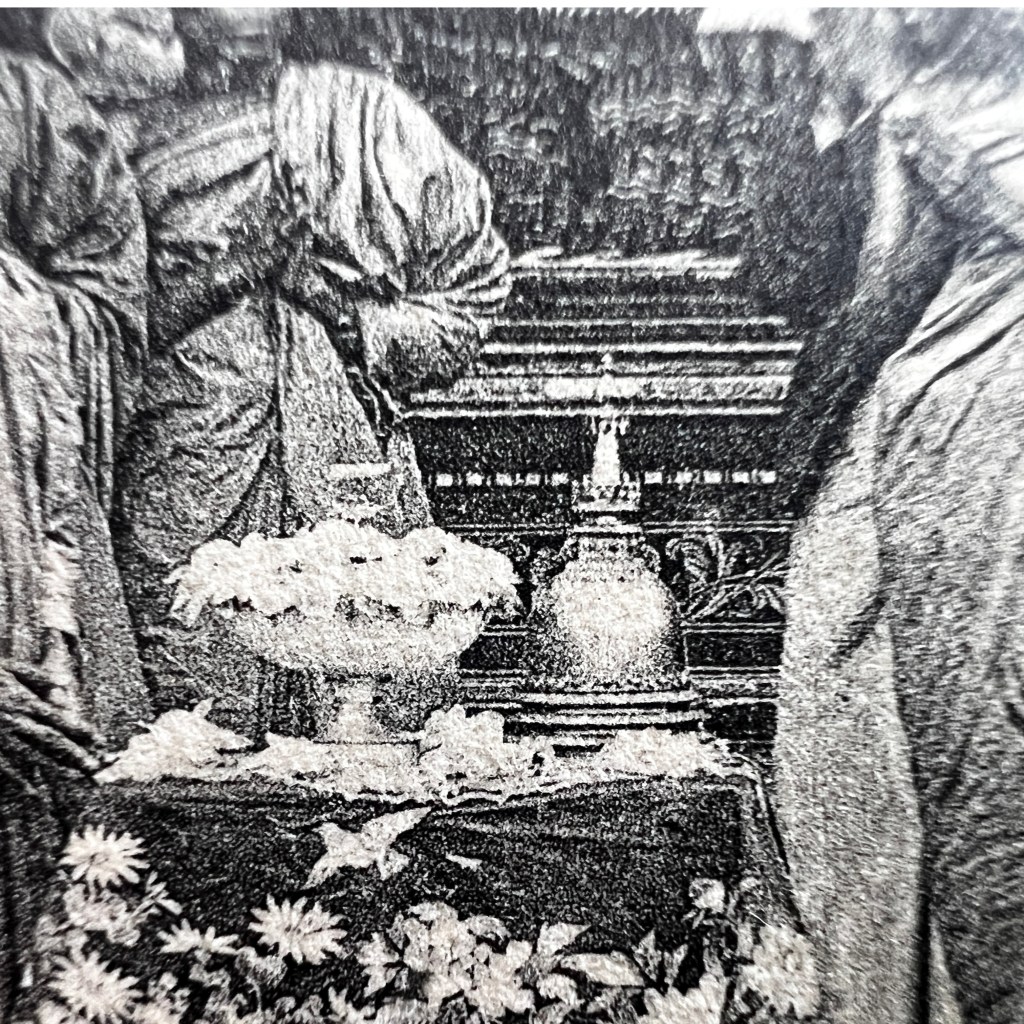
The monks pay homage to a small reliquary shrine that is dressed with flower offerings. For a discussion of Plâté’s legacy in the history of Singhalese photography, see the article by Benita Stambler here: https://tinyurl.com/sytn2mmd.


The Buddhas in the West Material Archive is a digital scholarship project that catalogues artifacts depicting Buddhist material culture for Western audiences. It’s comprised of prints, photos, and an assortment of ephemera and other objects. For a brief introduction to this archive, visit the main Buddhas in the West project page.


For Related Buddhas in the West Posts Featuring Historical Postcards:


For the Most Recent Buddhas in the West Posts:

Hand-Colored Daibutsu Postcard Comparison

For all the new Buddhas in the West posts
follow us on Bluesky & Instagram


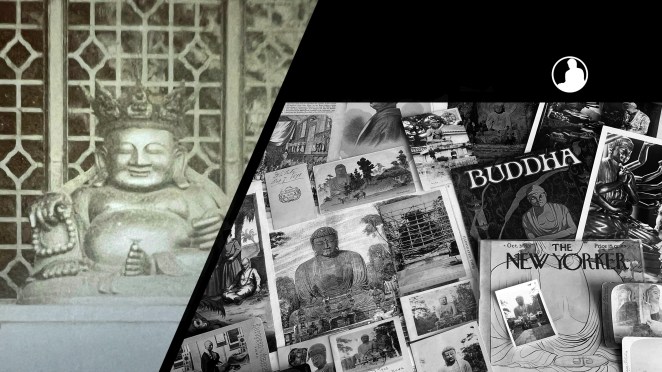
The US postal service delivered over 900 million postcards on the eve of WWI. In Japan, that number was 1.5 billion. Despite nearly doubling the total number of cards mailed, many Japanese picture postcards were also rather unique – they were individually hand painted.

As far as we can tell, a template card was painted by a specialist before it was sent out with dozens of plain cards to colorists, many of whom were women. At times you can find more notable coloring discrepancies between paired images.

Note the differences in the boy’s garments, the open umbrella, the obi-sash, and stone pedestal in the background. It is also possible to see how the washes of color line up imperfectly with the collotype print in black ink.

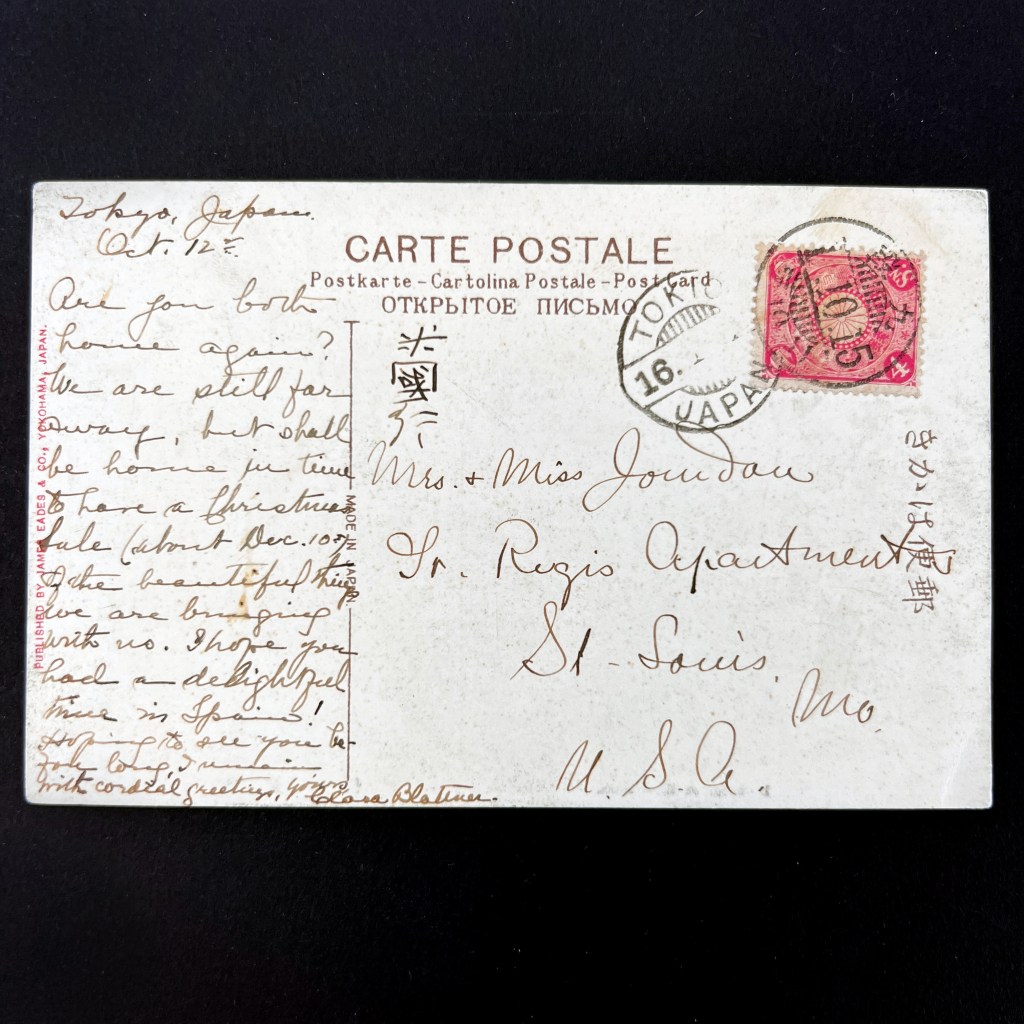
Due to the temple landscaping around the Kamakura Daibutsu, we know this photograph was likely taken between 1903 and 1910. According to the postal mark, the stamp was cancelled on October 15, 1912 (Taisho 1) and mailed to the United States (thus requiring a 4 sen stamp). We also have a rare publisher’s mark along the edge: James Eades & Co., Yokohama, Japan.

The Kamakura Daibustu was among the most popular tourist destinations in Japan and countless images of the bronze statue were sent as postcards around the world in the early 20th century.


The Buddhas in the West Material Archive is a digital scholarship project that catalogues artifacts depicting Buddhist material culture for Western audiences. It’s comprised of prints, photos, and an assortment of ephemera and other objects. For a brief introduction to this archive, visit the main Buddhas in the West project page.


For Related Buddhas in the West Posts Featuring the Kamakura Daibutsu:


For the Most Recent Buddhas in the West Posts:

World in Boston Missionary Expo Buddhism Postcard

For all the new Buddhas in the West posts
follow us on Bluesky & Instagram


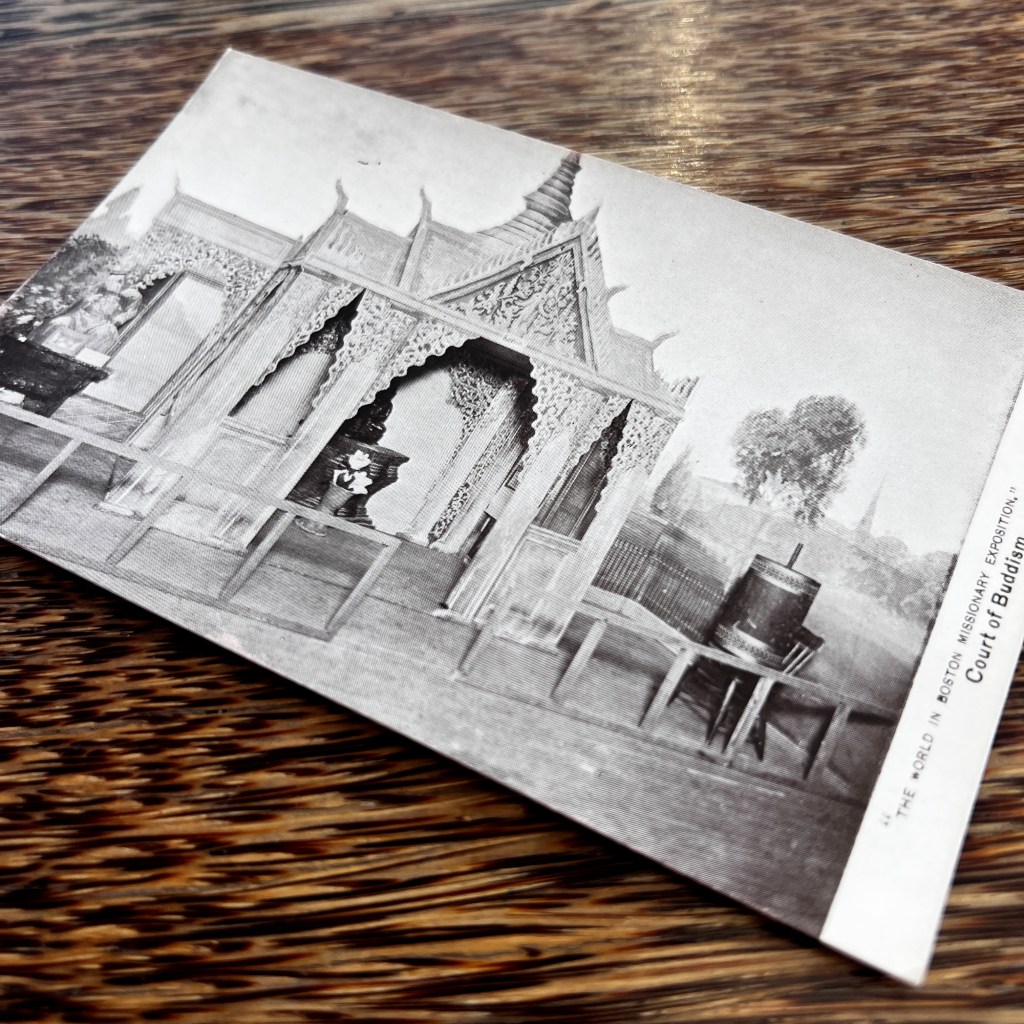
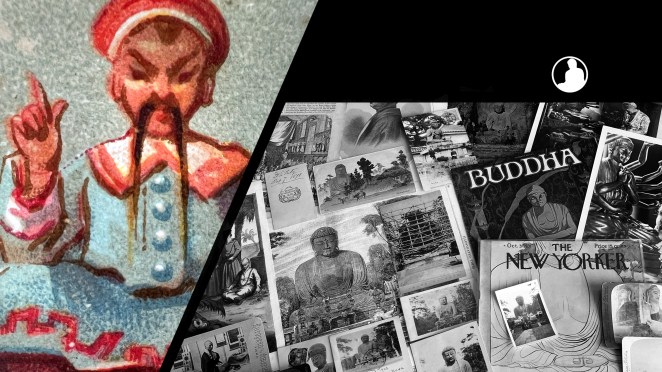
A Buddhist Object Lesson: Buddhist material culture was critical to the first US missionary exposition in 1911. Called The World In Boston, religious artifacts were employed to help give visitors a realistic glimpse into international missionary life.

An estimated 400,000 people visited the exposition where “Buddhism” comprised a modest court in the Hall of Religions. In contrast to conventional museum exhibits, a single Burmese Buddhist statue was housed in a small building resembling a typical Southeast Asian temple.

Inexpensive halftone printing allowed photographs to be reprinted as picture postcards, a very popular medium of the era. The image on the front bears only a loose resemblance to real Burmese temples found on postcards published by Philipp Klier and D.A. Ahuja.

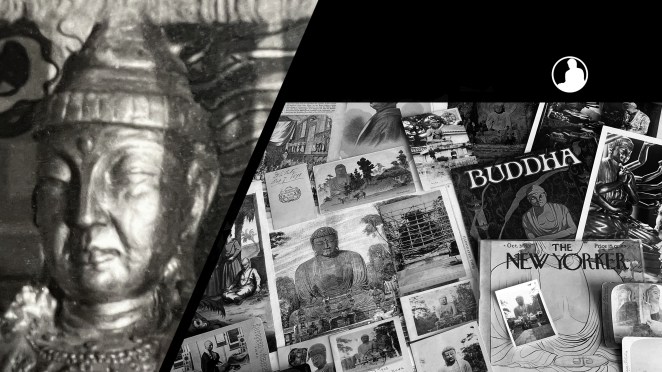
On-site docents ensured religious icons were understood as props within a missionary narrative of attempting to save debased heathens. The American Baptist Mission in Burma provided some of the objects on display at The World in Boston, possibly even this enshrined Buddha.

For further exploration of the artifacts on display at the 1911 missionary exhibition, see Hasinoff, Erin L. Faith in Objects American Missionary Expositions in the Early Twentieth Century. New York: Palgrave Macmillan, 2011.


The Buddhas in the West Material Archive is a digital scholarship project that catalogues artifacts depicting Buddhist material culture for Western audiences. It’s comprised of prints, photos, and an assortment of ephemera and other objects. For a brief introduction to this archive, visit the main Buddhas in the West project page.


For Related Buddhas in the West Posts Featuring Expositions:


For the Most Recent Buddhas in the West Posts:

D.A. Ahuja’s Buddhist Priests Postcard

For all the new Buddhas in the West posts
follow us on Bluesky & Instagram


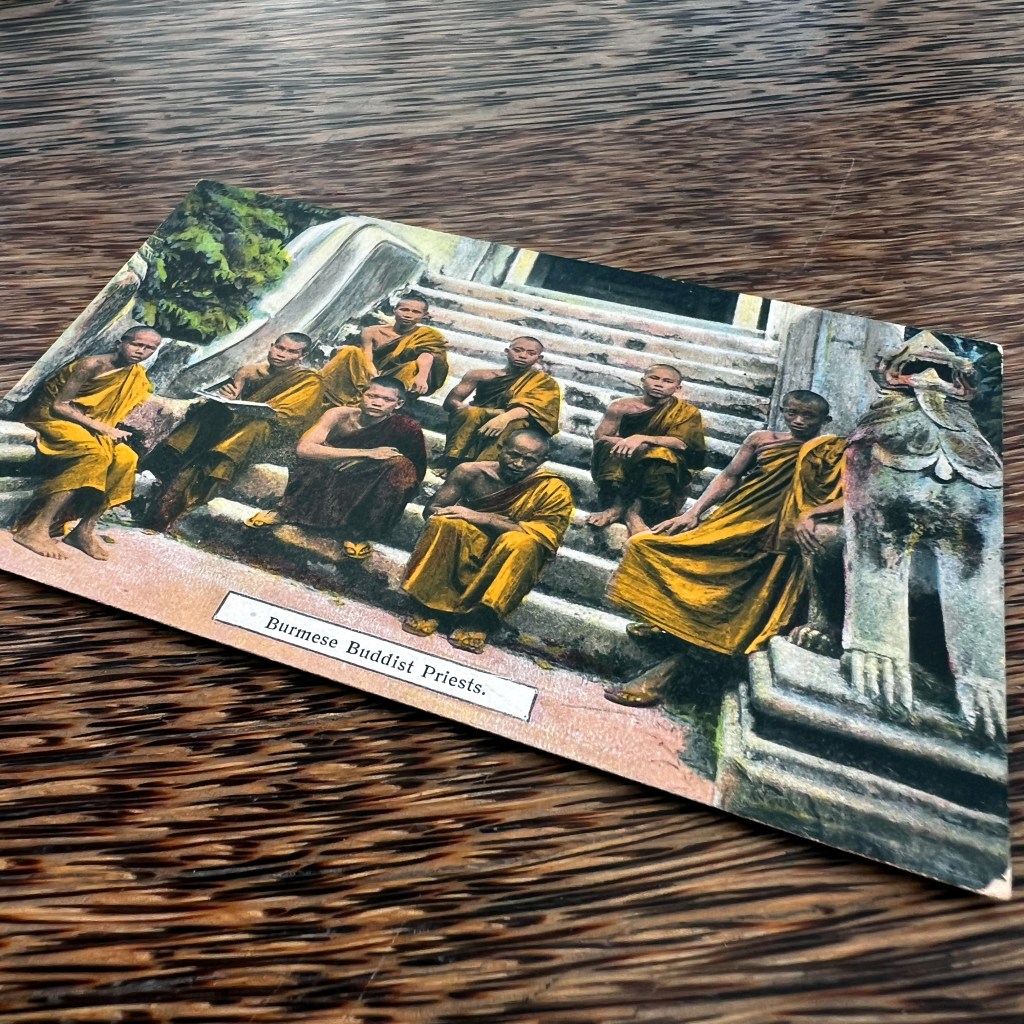
Buddhists & the British Crown: When Ceylon became a colony in 1815, the first Buddhist monks became subjects of the Crown. Burmese monks were added to their ranks in 1885. Victorian reports said the total Buddhist population was 500 million, nearly 40% of the global population.

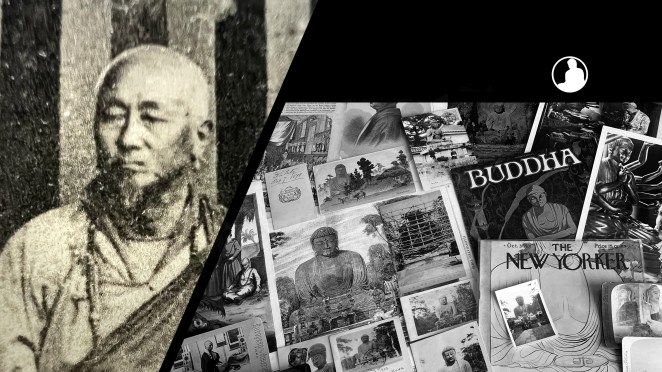
British newspapers of the time printed engravings of the expanding empire, often focusing on exotic architecture and the clothes and customs of new subjects. The shaven heads and golden robes of Burmese monks, called poongyis in the press, garnered some of this attention.

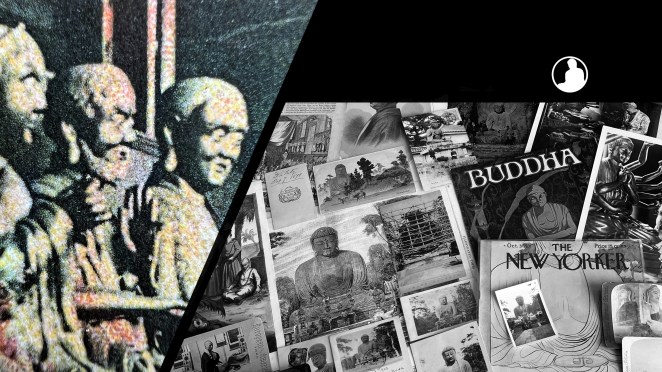
Consequently, when D. A. Ahuja (c.1865–c. 1939) started publishing colorized postcards of Burma, monks dressed in colorful robes were a popular theme. This is card is a German lithographic-halftone print published circa 1910.

The popular press often described Burmese monks as indolent, but never-the-less kind-hearted. While Ahuja’s licensed photograph (taken by Philip Klier) seems to depict monks at rest on the stairs of a temple, it’s noteworthy one studious monk holds a notebook and pencil.

For further reflections on how Burmese Buddhism was represented in Victorian mass media, see Eiben, Emily Rose. “Representing Buddhism in British Media and Popular Culture, 1875-1895.” Ph.D dissertation, Ludwig Maximilian University, 2016


The Buddhas in the West Material Archive is a digital scholarship project that catalogues artifacts depicting Buddhist material culture for Western audiences. It’s comprised of prints, photos, and an assortment of ephemera and other objects. For a brief introduction to this archive, visit the main Buddhas in the West project page.


For Related Buddhas in the West Posts Featuring Historical Postcards:


For the Most Recent Buddhas in the West Posts:
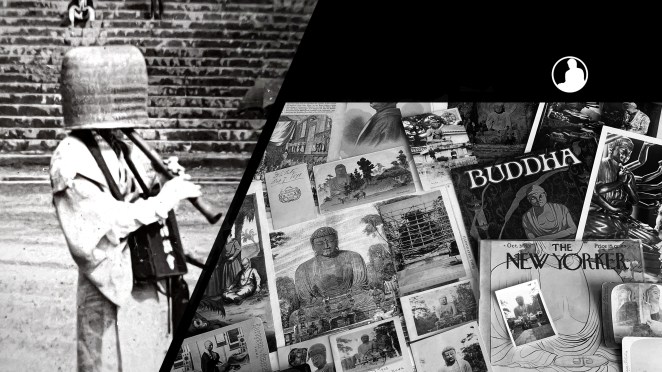

Korea’s Eunjin Mireuk Postcard

For all the new Buddhas in the West posts
follow us on Bluesky & Instagram


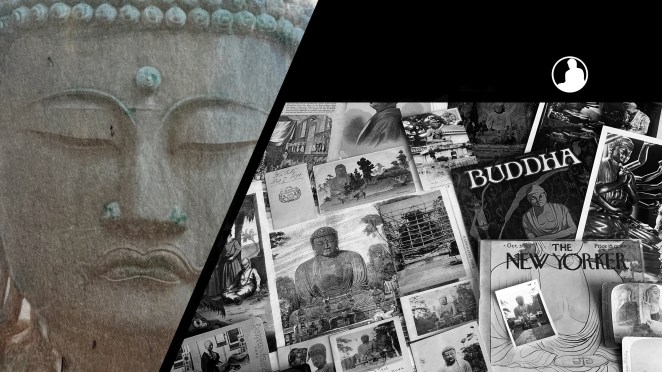
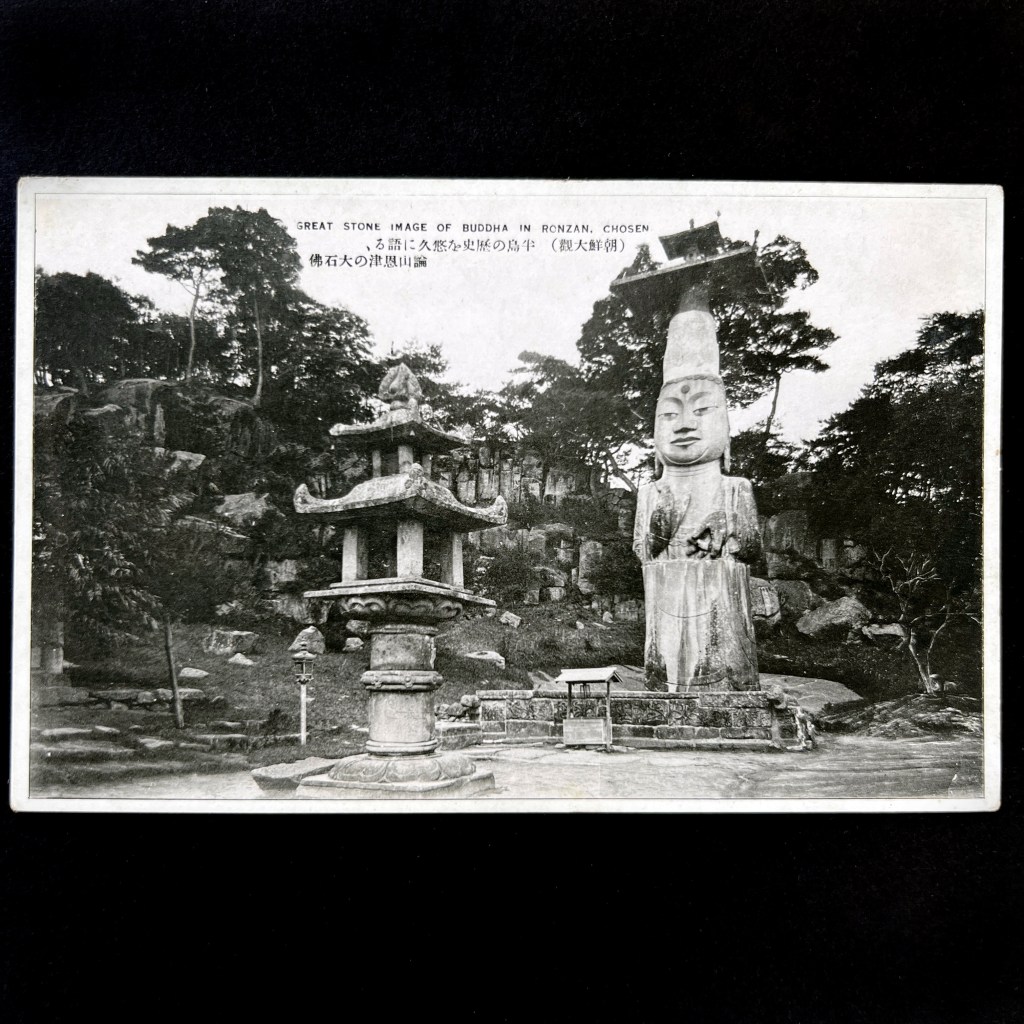
Colonized Korean Landscapes: This statue, known as Eunjin Mireuk 恩津彌勒, is on the grounds of Gwanchoksa Temple in South Korea. At just over 18 meters (60 feet), it is the tallest Buddhist statue in Korea.

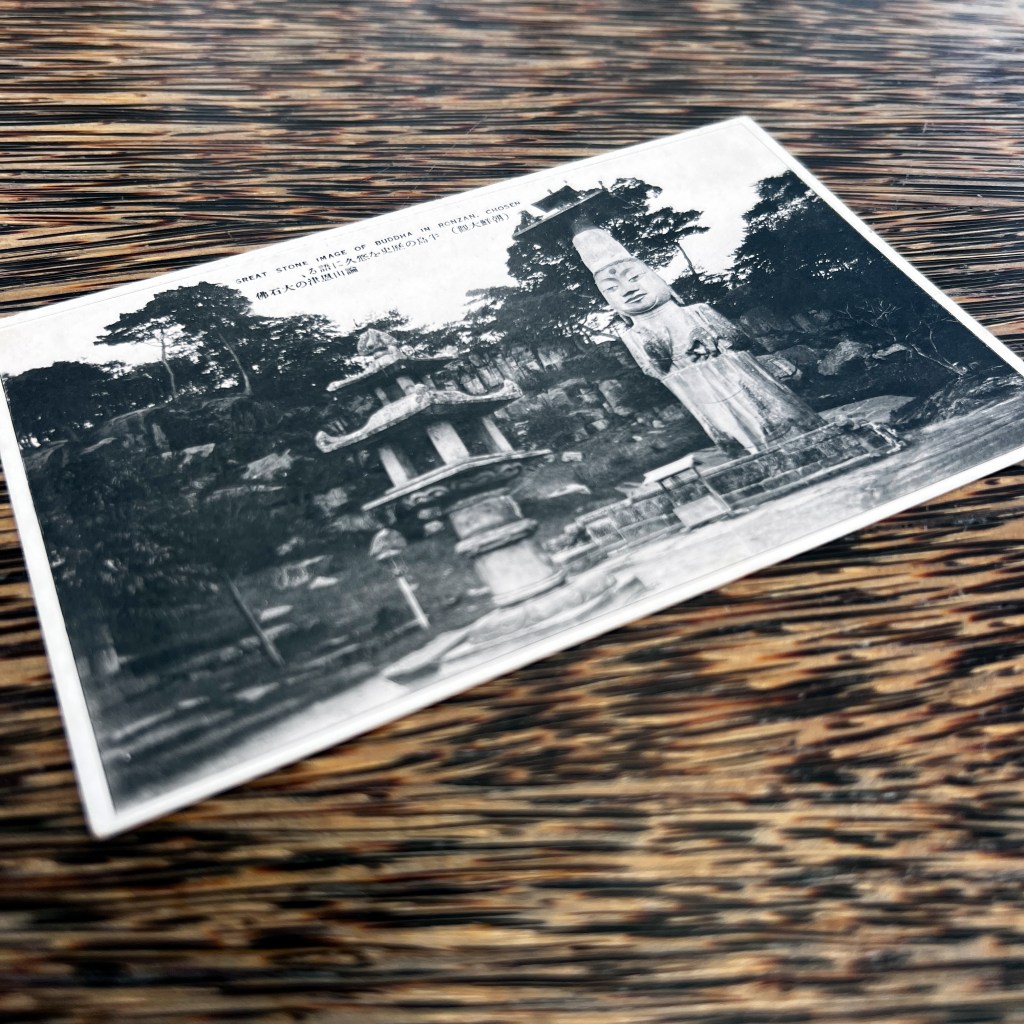
During the Korean colonial period (1910–1945) postcards were made by various Japanese entities. One of the largest private publishers was Taishō Shashin Kōgeisho, headquartered in Wakayama (see logo in stamp box). The design tells us this card was printed between 1933 and 1945.

Hyung Gu Lynn has argued that images of Japan’s colonies were often depicted as backwards or in stasis. This included depicting rural villages and ancient historical locations. Does this Japanese postcard fit into this discourse?

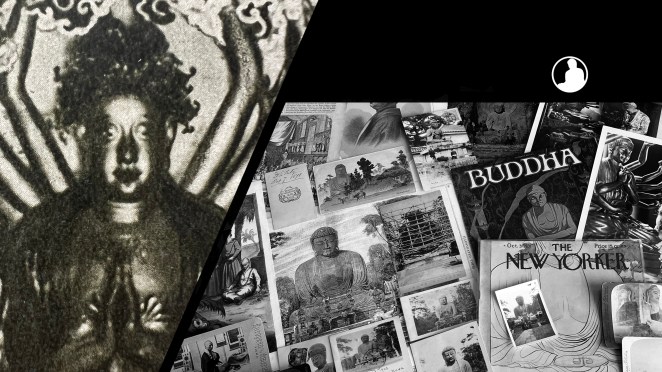
The name “Mireuk” points to the bodhisattva Maitreya. The hands on this statue, however, are suggestive of an East Asian Guanyin. The Eunjin Mireuk is example of early Goryeo era (918–1392) sculpture and reflects an unusual regional style.

A photo was taken of this statue by US navy officer George Clayton Foulk in the mid-1880s. It has been digitized by the Library of Congress and can be viewed here: https://tinyurl.com/bdh7pwvc.


The Buddhas in the West Material Archive is a digital scholarship project that catalogues artifacts depicting Buddhist material culture for Western audiences. It’s comprised of prints, photos, and an assortment of ephemera and other objects. For a brief introduction to this archive, visit the main Buddhas in the West project page.


For Related Buddhas in the West Posts Featuring Historical Buddhist Statues:


For the Most Recent Buddhas in the West Posts:

Fresno Japanese Buddhist Temple Postcard

For all the new Buddhas in the West posts
follow us on Bluesky & Instagram


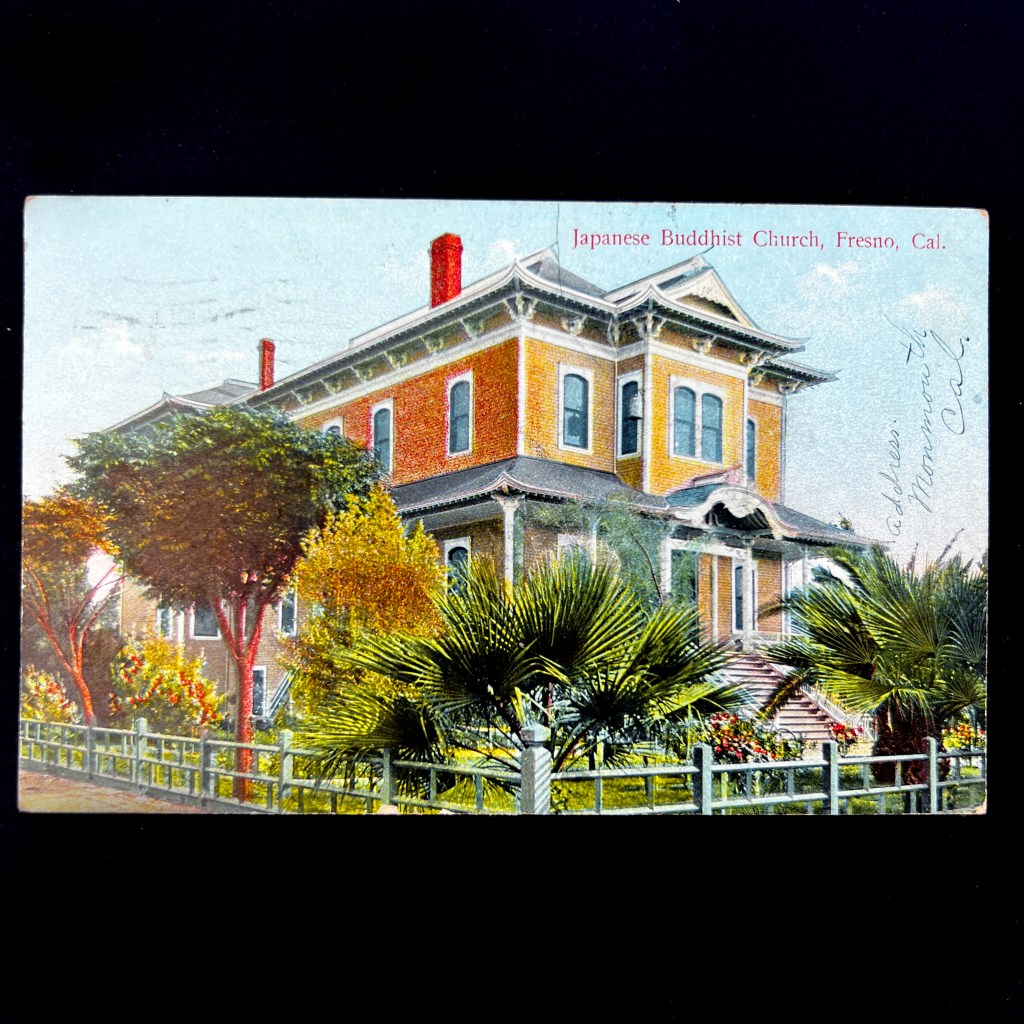
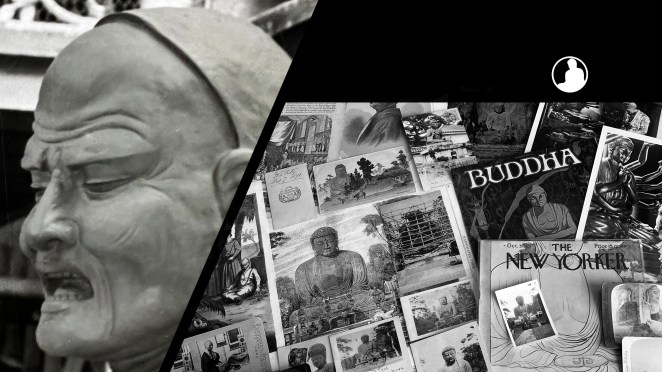
First Buddhist Temple Constructed on Mainland US: Two Japanese Buddhist temples were dedicated in San Francisco and Sacramento by 1900, but these were old converted residences. The Fresno temple was the first constructed to primarily function as a Buddhist temple.

The Fresno Buddhist Church was designed by the Japanese immigrant Kuninosuke Masumizu (1849-1915), a temple and shrine architect. The three-story wood structure was built on 1340 Kern Street and opened April 8, 1902. Construction continued through 1904.

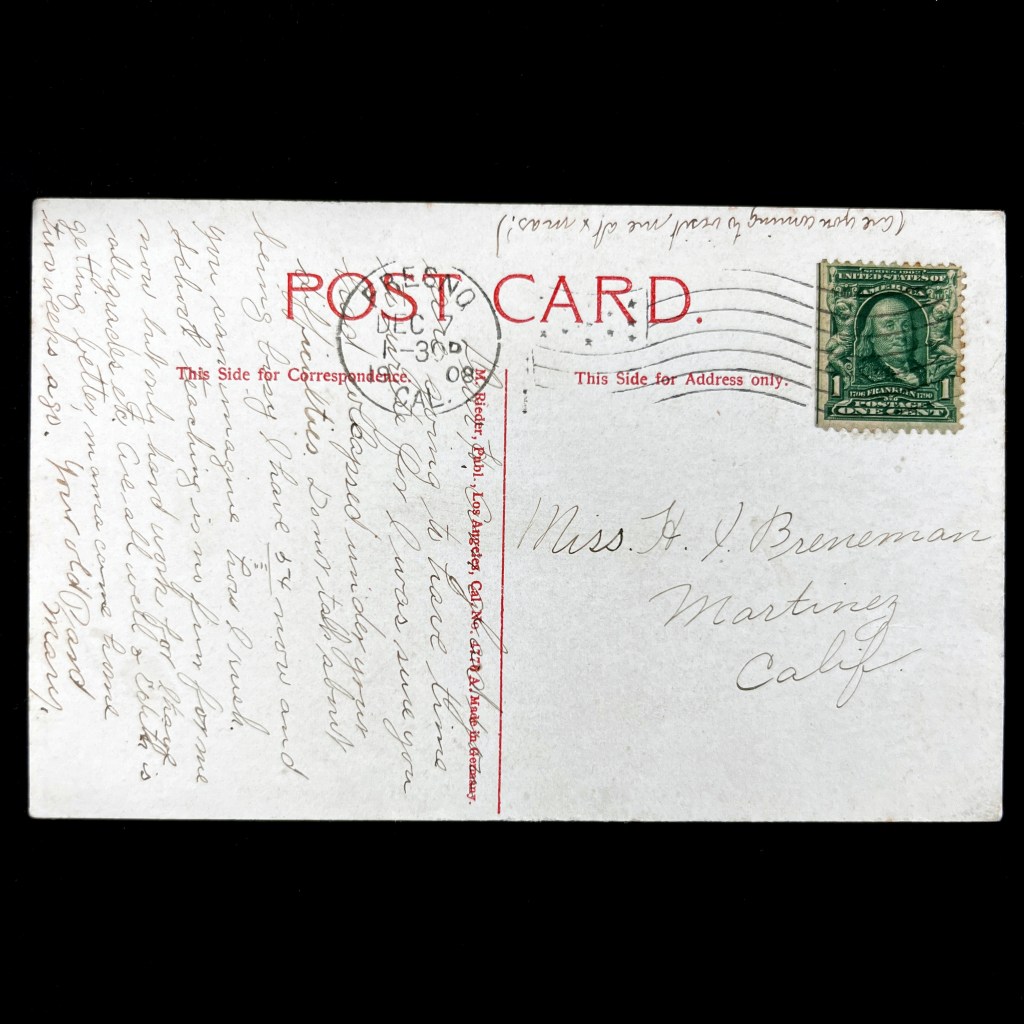
This postcard is one of a few remaining photographs of the original building, it burned down in 1919. This card was postmarked in 1908 and was printed in Germany, the leader in photomechanical postcard printing of the era.

Reports describe the temple as having a Japanese style. In truth, the style is rather hybrid, with upward sloping eaves on the roof and a temple-style gate for the front porch. Overall, however, the building could easily blend into the residential architecture of the period.

The Fresno Buddhist Church was rebuilt in 1920. This building was sold in 2018 to local Burmese Americans and is now the Mrauk Oo Dhamma Center. The Japanese Jōdo Shinshū congregation built a new temple that opened in 2022.


The Buddhas in the West Material Archive is a digital scholarship project that catalogues artifacts depicting Buddhist material culture for Western audiences. It’s comprised of prints, photos, and an assortment of ephemera and other objects. For a brief introduction to this archive, visit the main Buddhas in the West project page.


For Related Buddhas in the West Posts Featuring the United States:


For the Most Recent Buddhas in the West Posts:
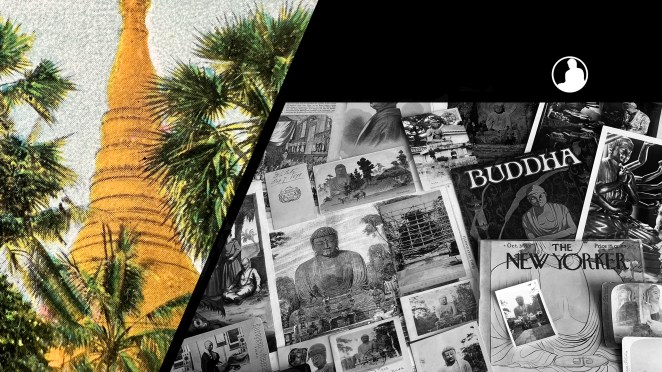

Singapore Buddhist Hell Guardian Postcard

For all the new Buddhas in the West posts
follow us on Bluesky & Instagram


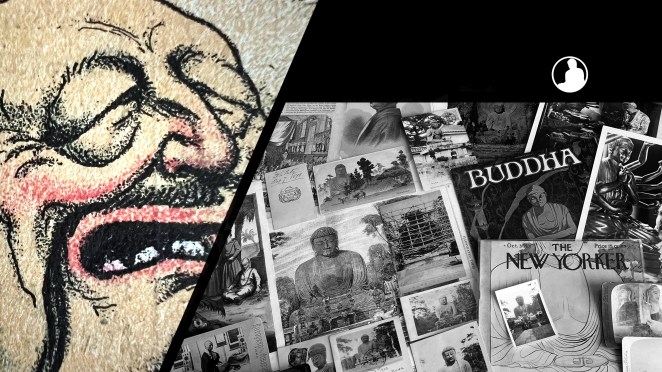
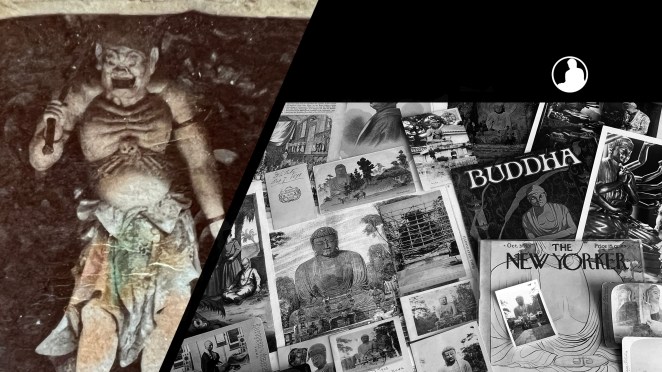
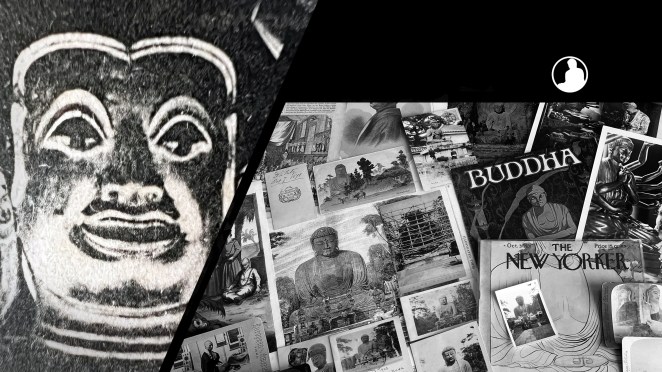
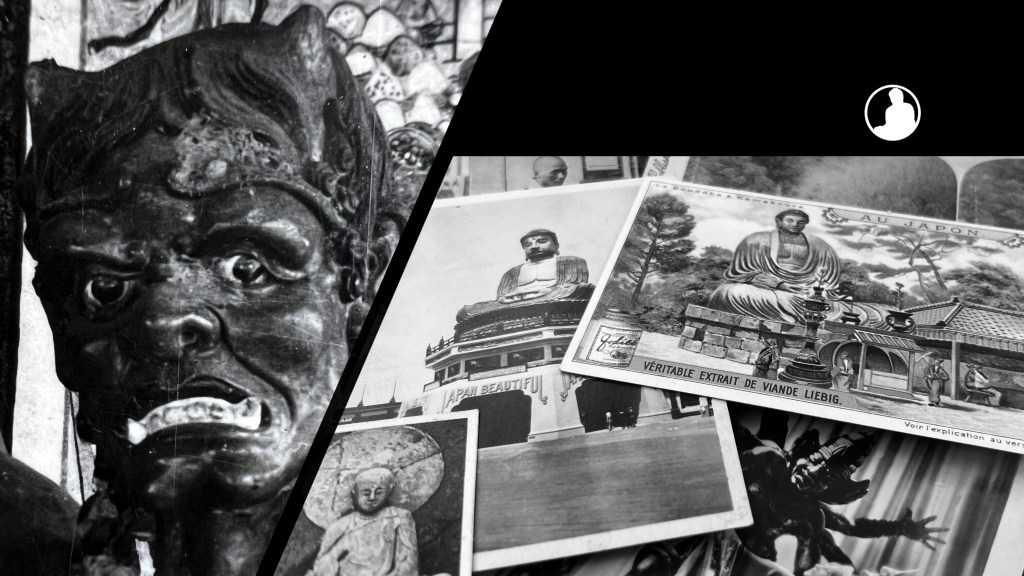
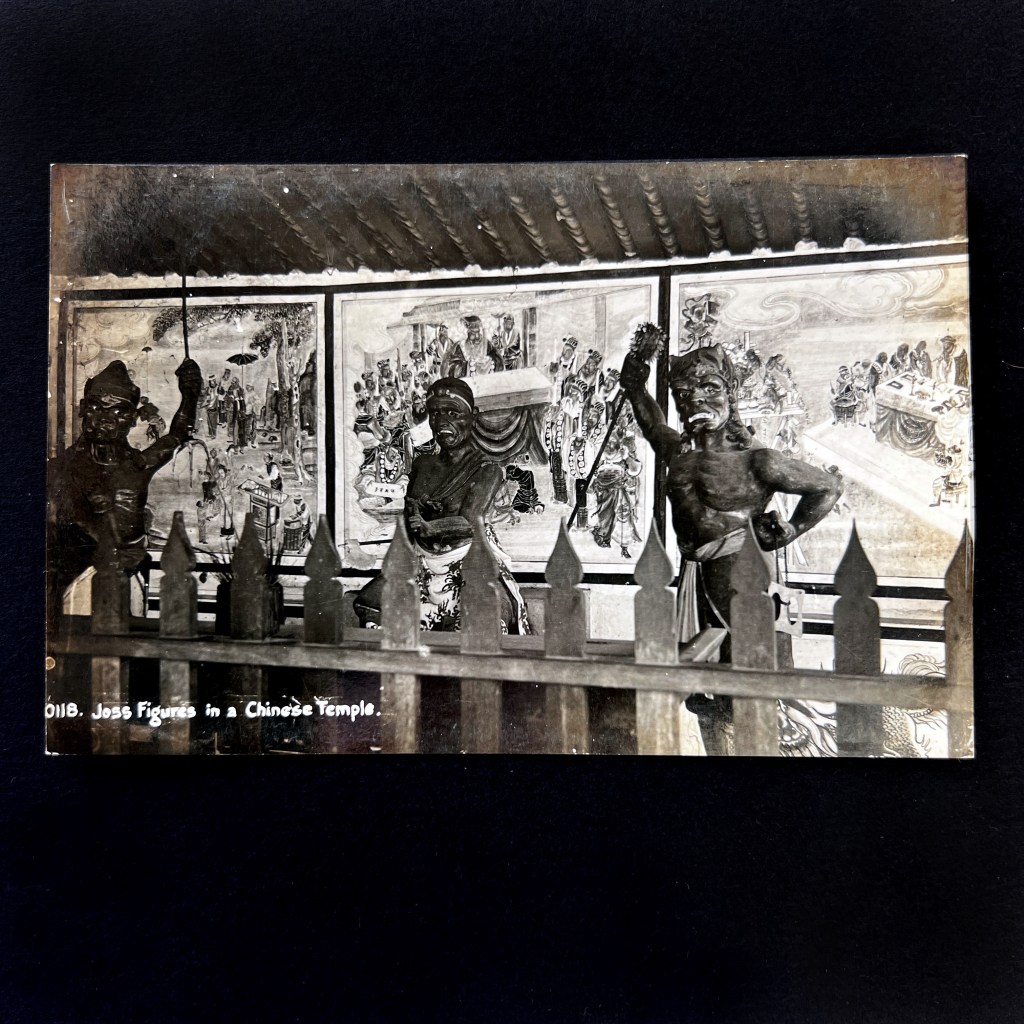
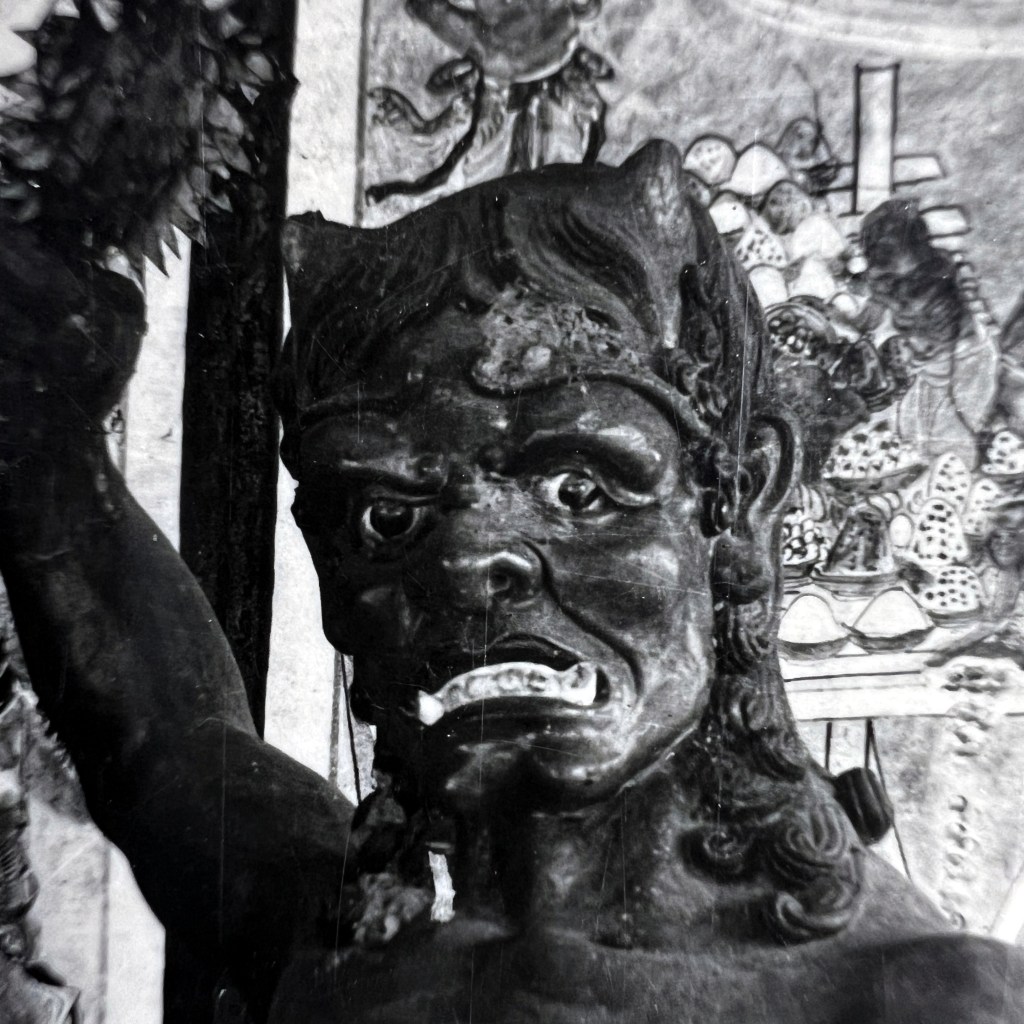
Unknown “Chinese” Temple: By the mid-to-late 19th century, the term “joss” typically referred to venerated Chinese religious icons. Here we see the term used to identify statues of Buddhist hell guardians. These figures are not typically the center of veneration in temples.

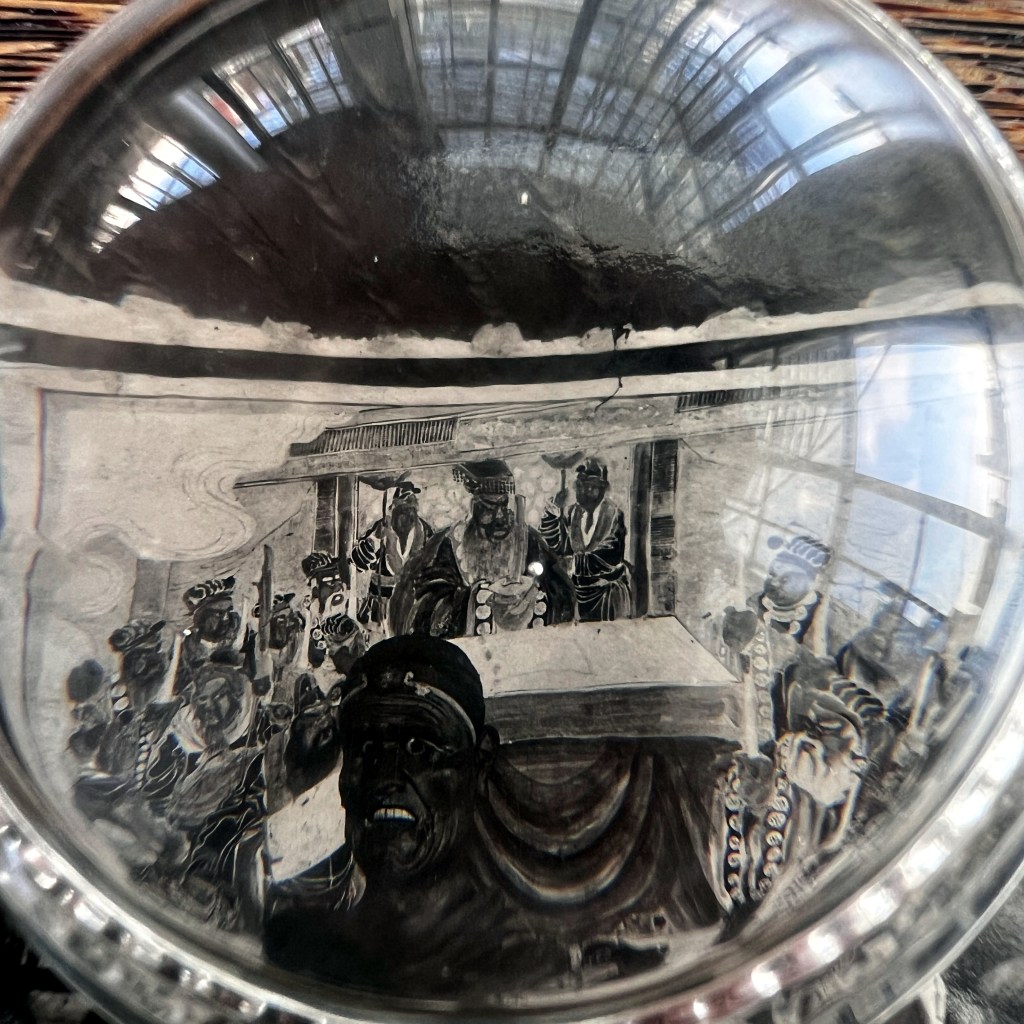
Moreover, the statues are positioned in front of murals depicting the Buddhist Ten Courts of Hell. Chinese Buddhist hell is viewed as an administrative center for the underworld where the dead are judged for their deeds in life.

The location is an unidentified Chinese Temple. Real photo post cards with similar reverse designs depict temples from Singapore; it is possible this is one of several “Chinese temples” from that area at the turn of the 20th century.

This photographic card likely dates to the 1920s. (I have seen a used version of this card hand-dated to 1930).

The National Archives of Singapore has a good selection of digitized photographs showing various Chinese Temples, available here: https://tinyurl.com/mr9nwcep.


The Buddhas in the West Material Archive is a digital scholarship project that catalogues artifacts depicting Buddhist material culture for Western audiences. It’s comprised of prints, photos, and an assortment of ephemera and other objects. For a brief introduction to this archive, visit the main Buddhas in the West project page.


For Related Buddhas in the West Posts Featuring Historical Real Photo Post Cards:


For the Most Recent Buddhas in the West Posts: