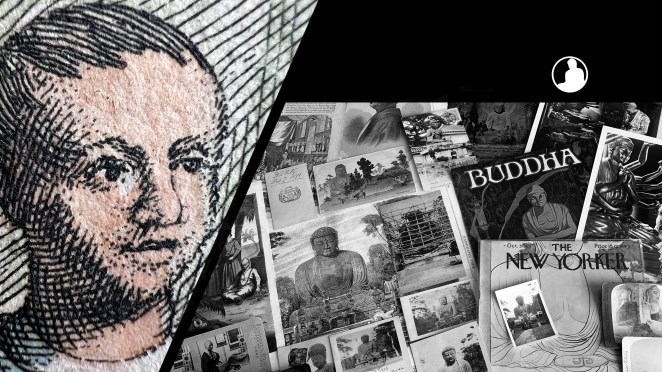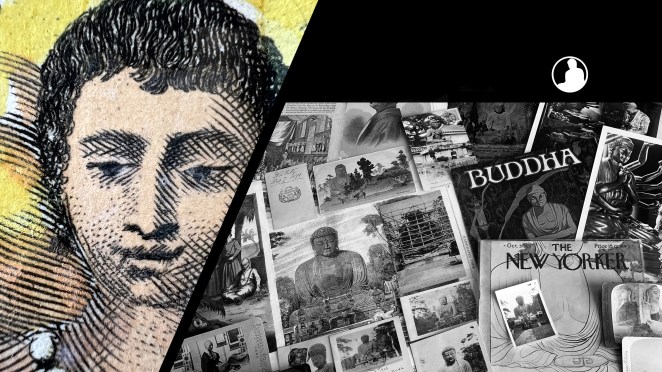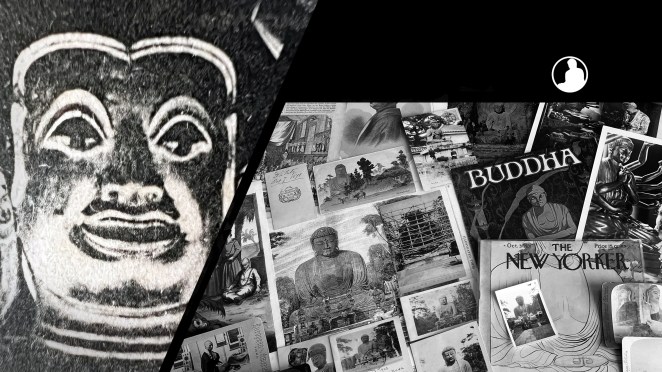
Hakone Pass Jizō Magic Lantern Slide

For all the new Buddhas in the West posts
follow us on Bluesky & Instagram


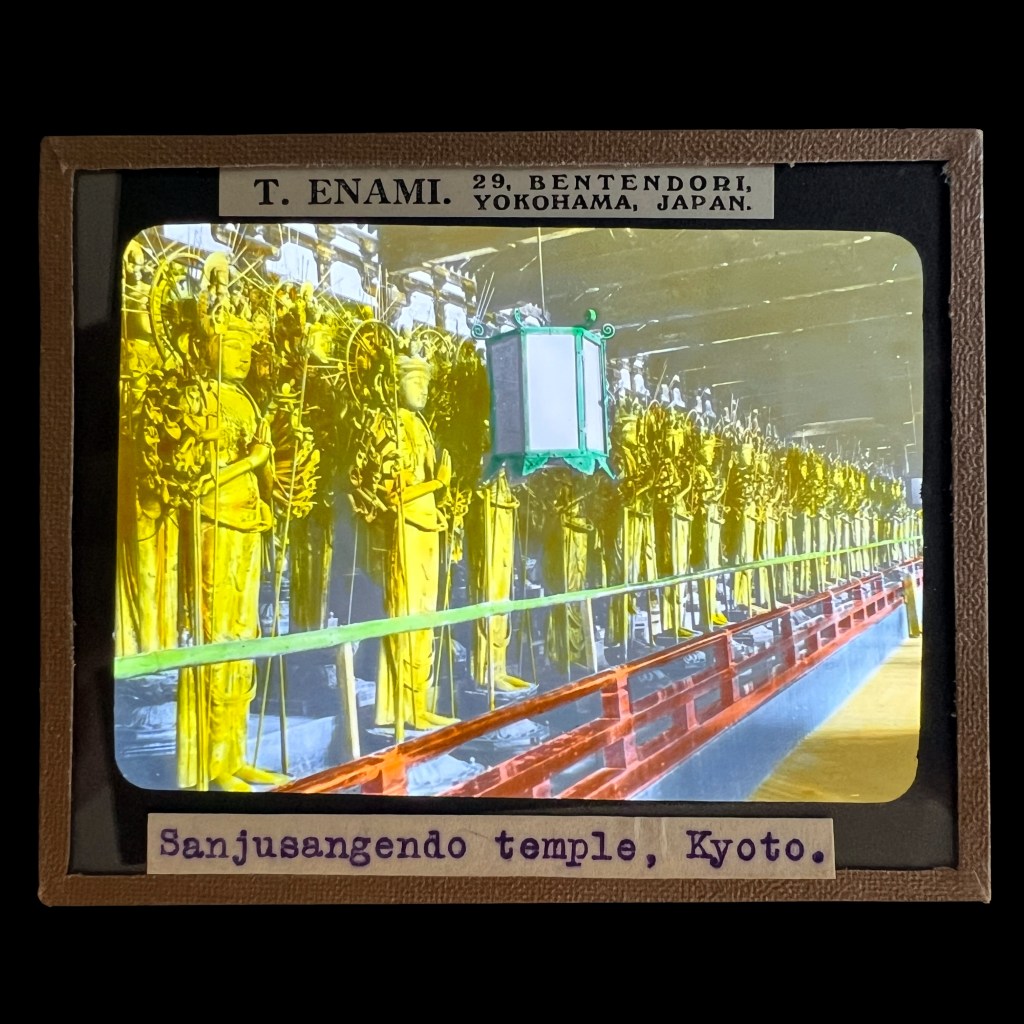
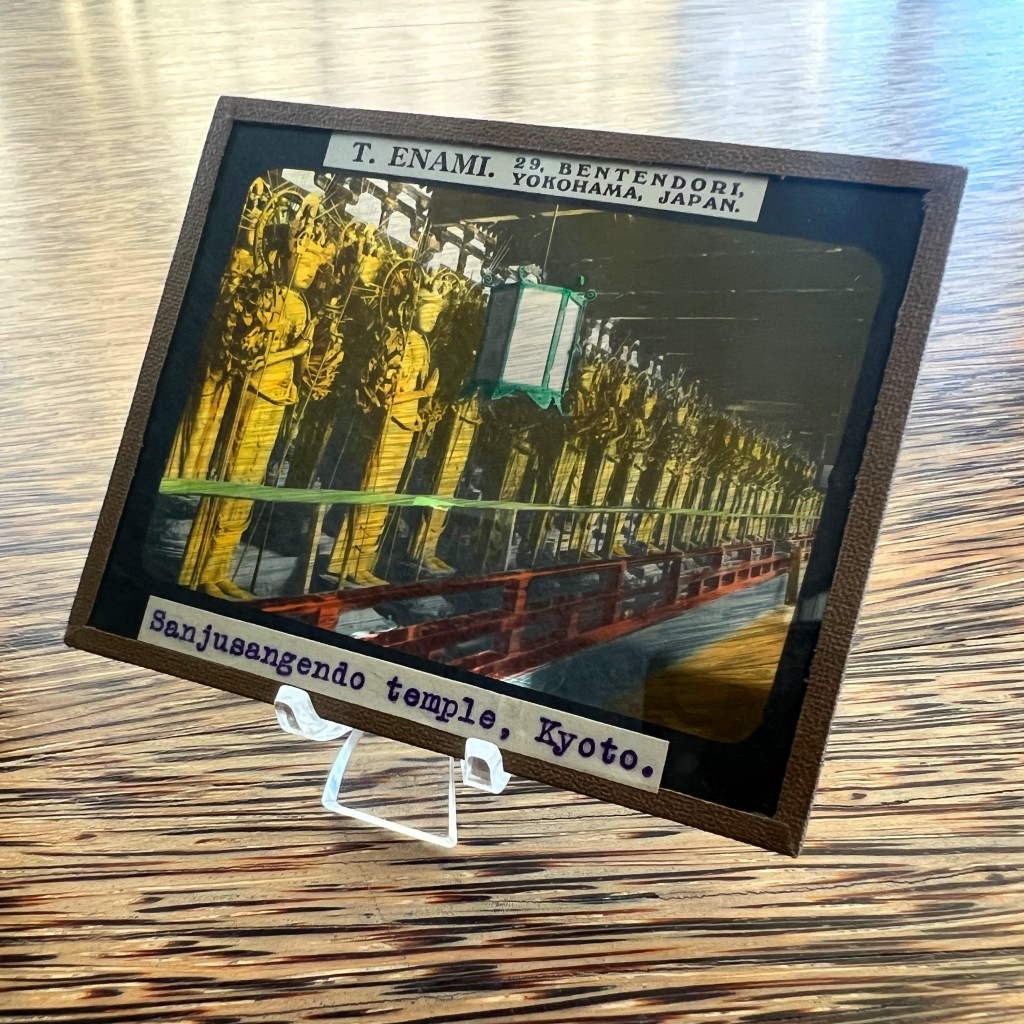
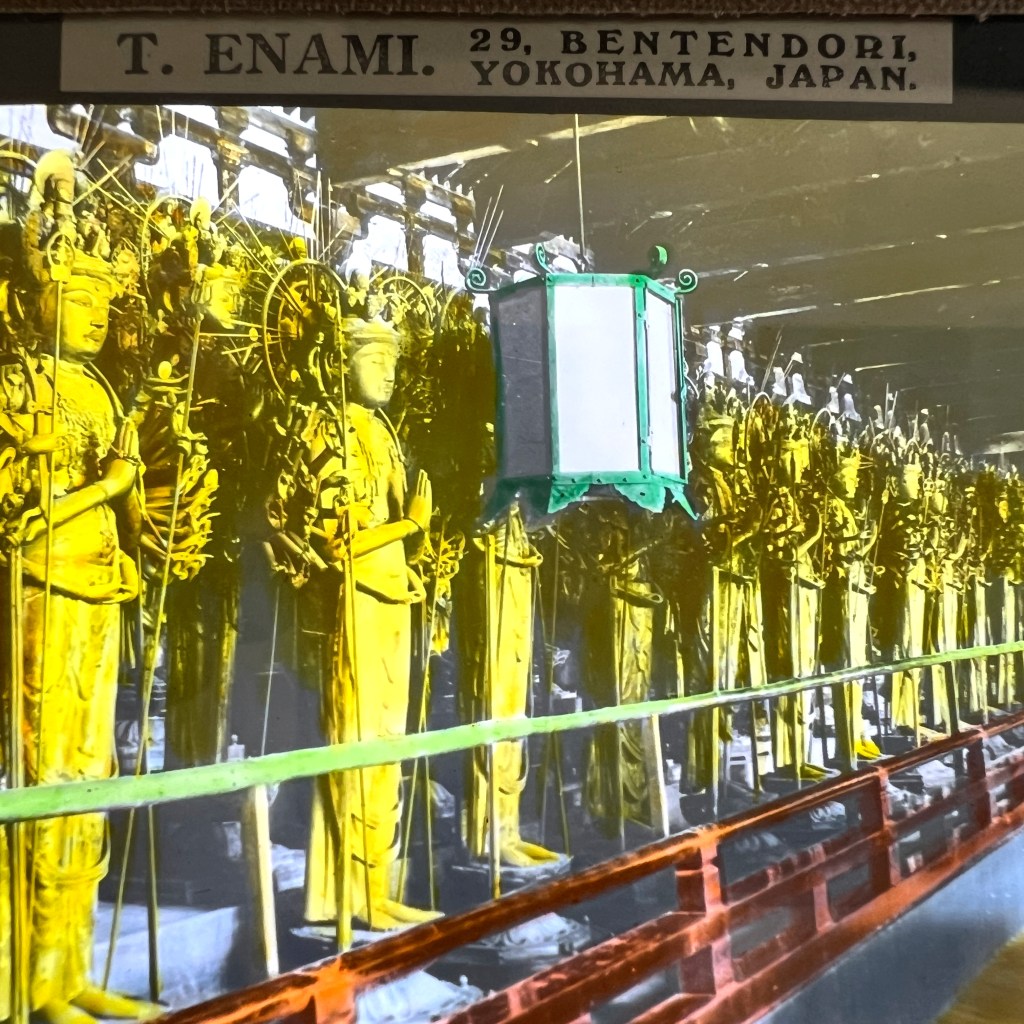
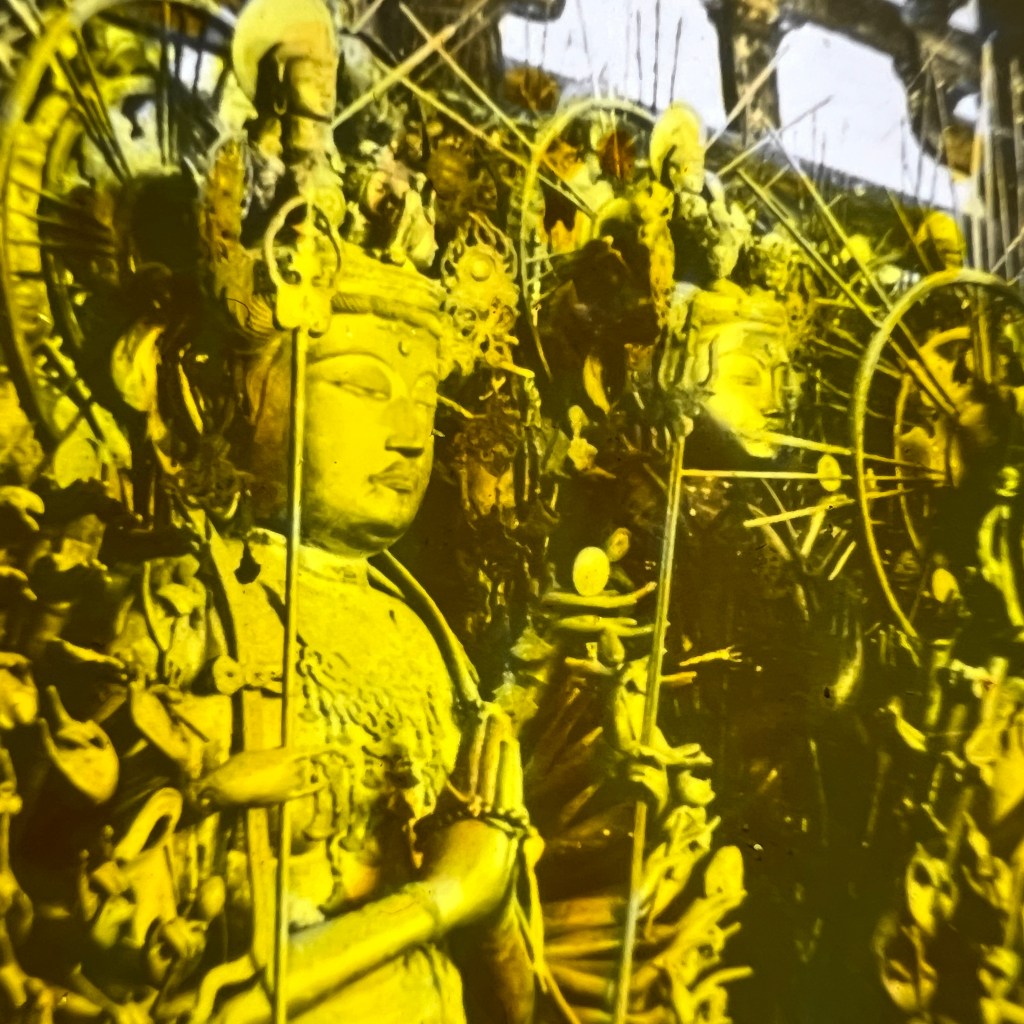
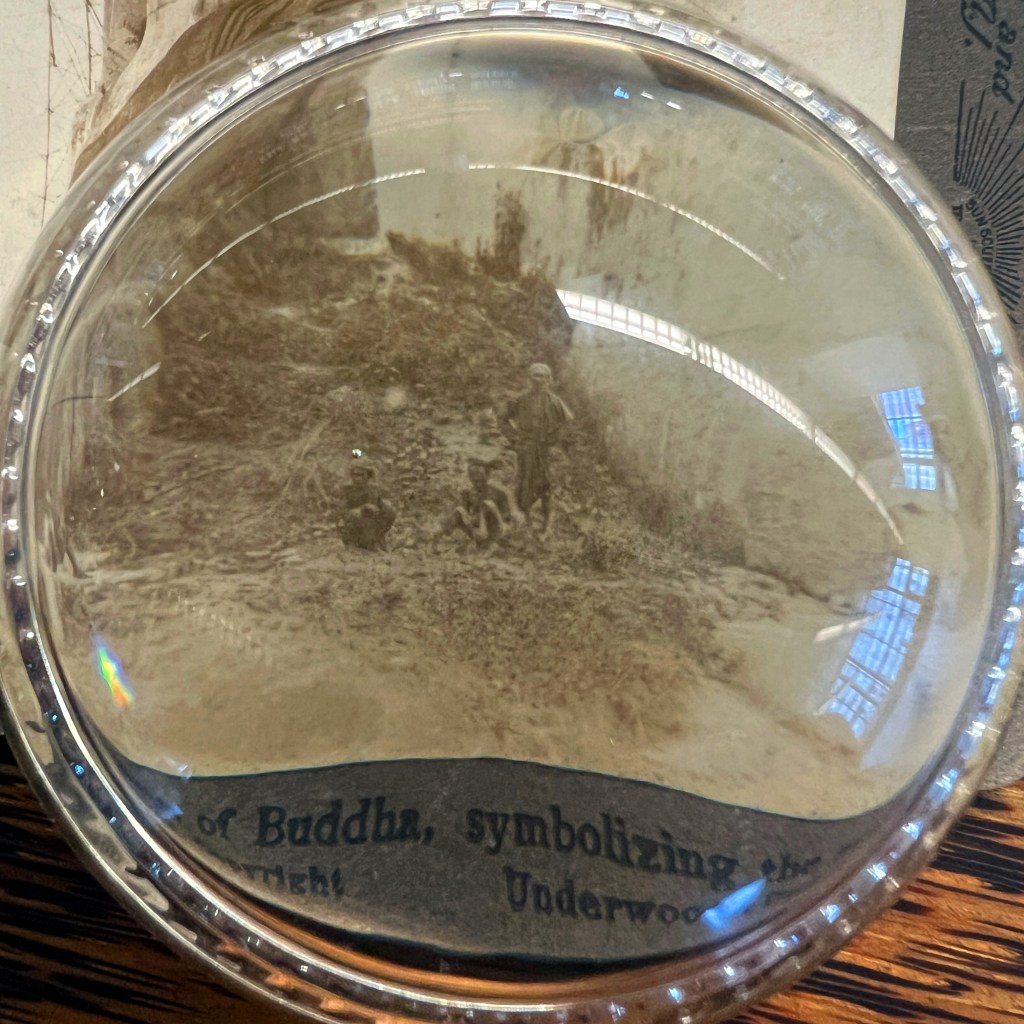
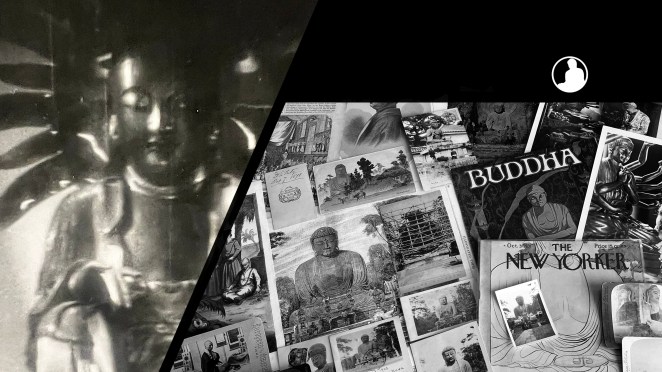
At the end of the 19th century, glass “magic lantern” slides were part of popular American entertainment. After returning home, world travelers sometimes gave informal lectures in church halls or town theaters about their experiences, often using these slides.

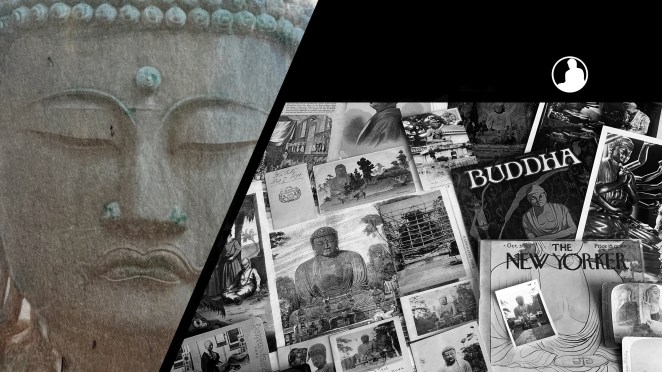
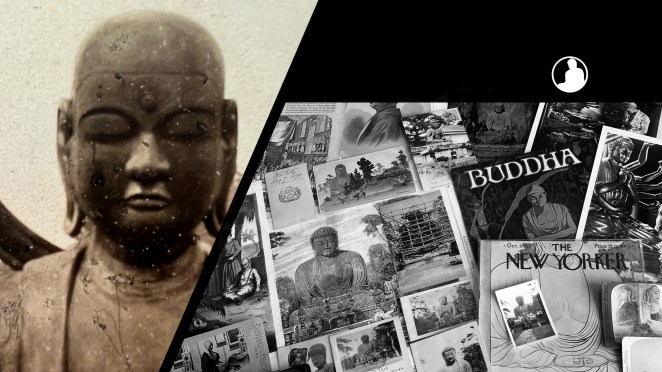
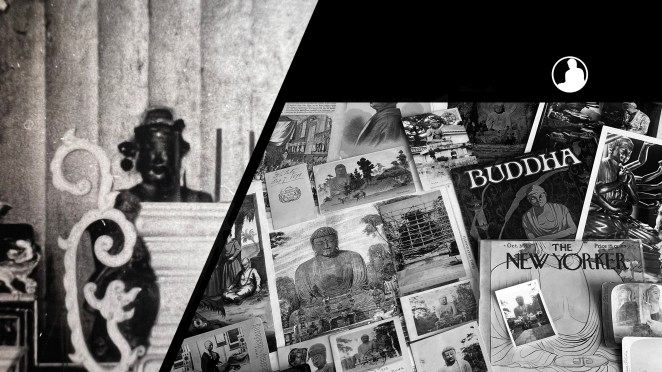
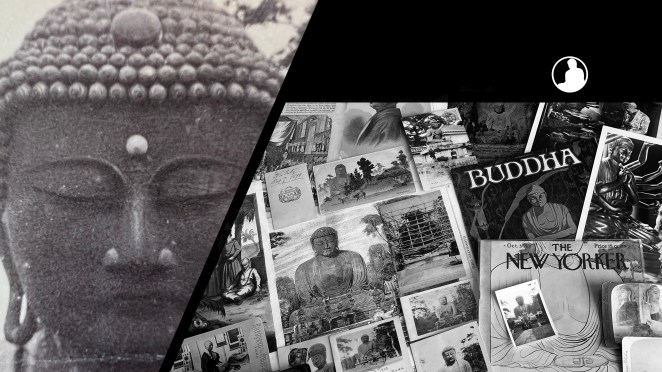
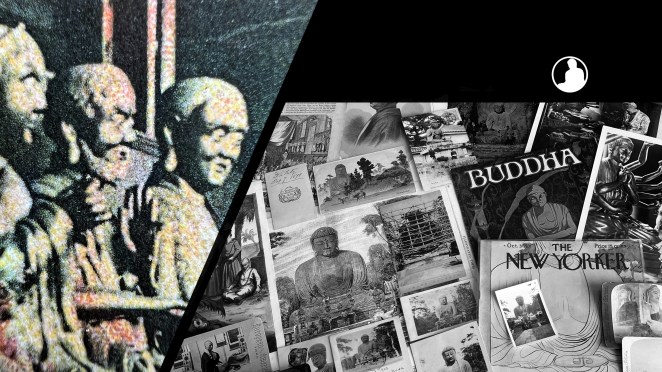
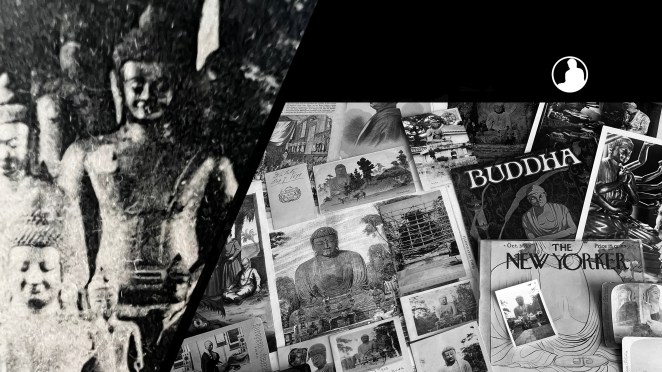
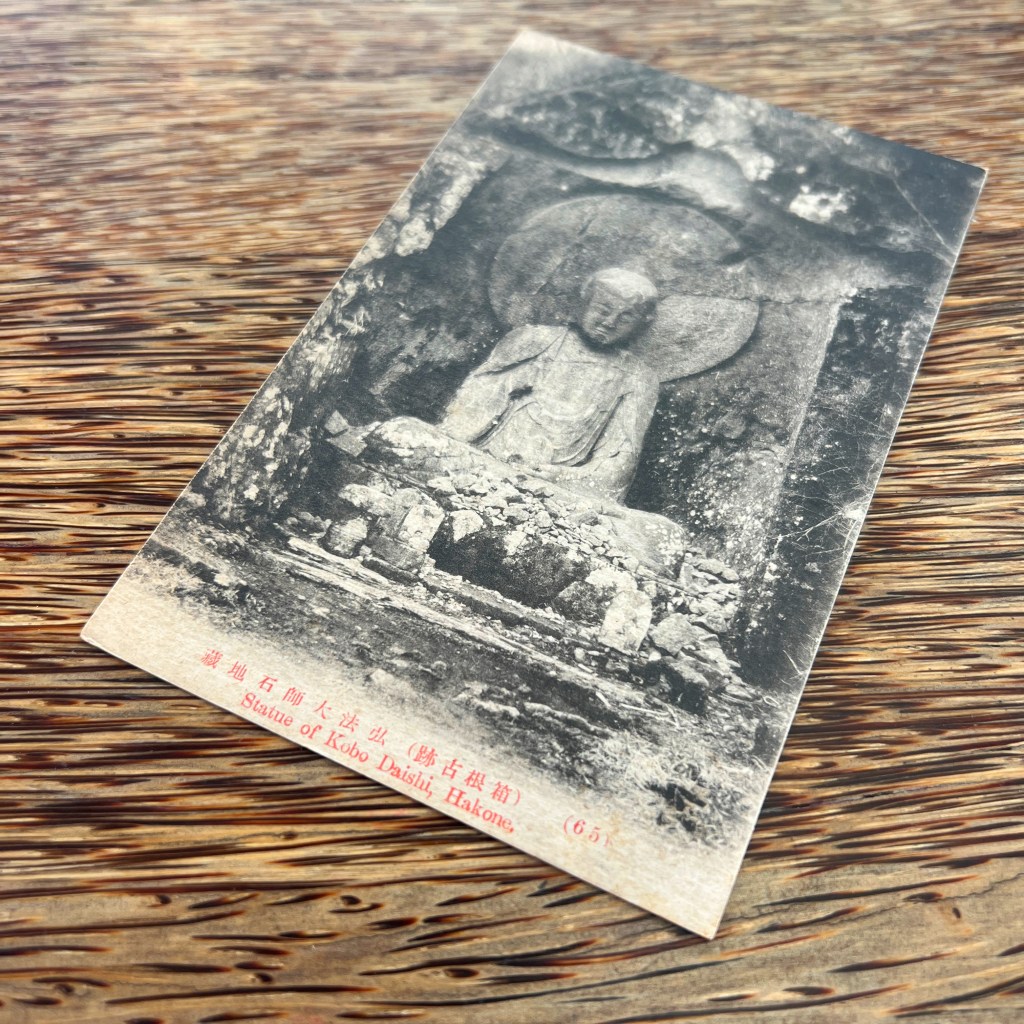
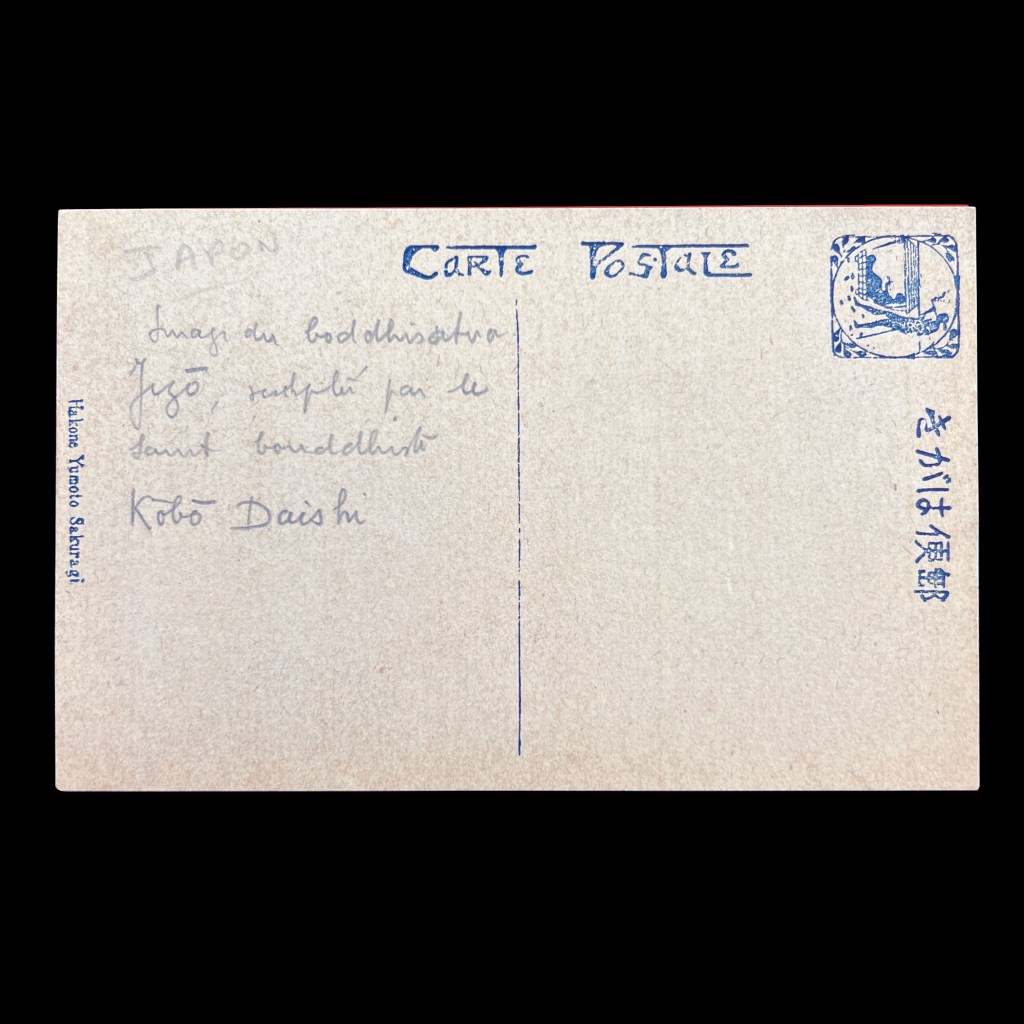
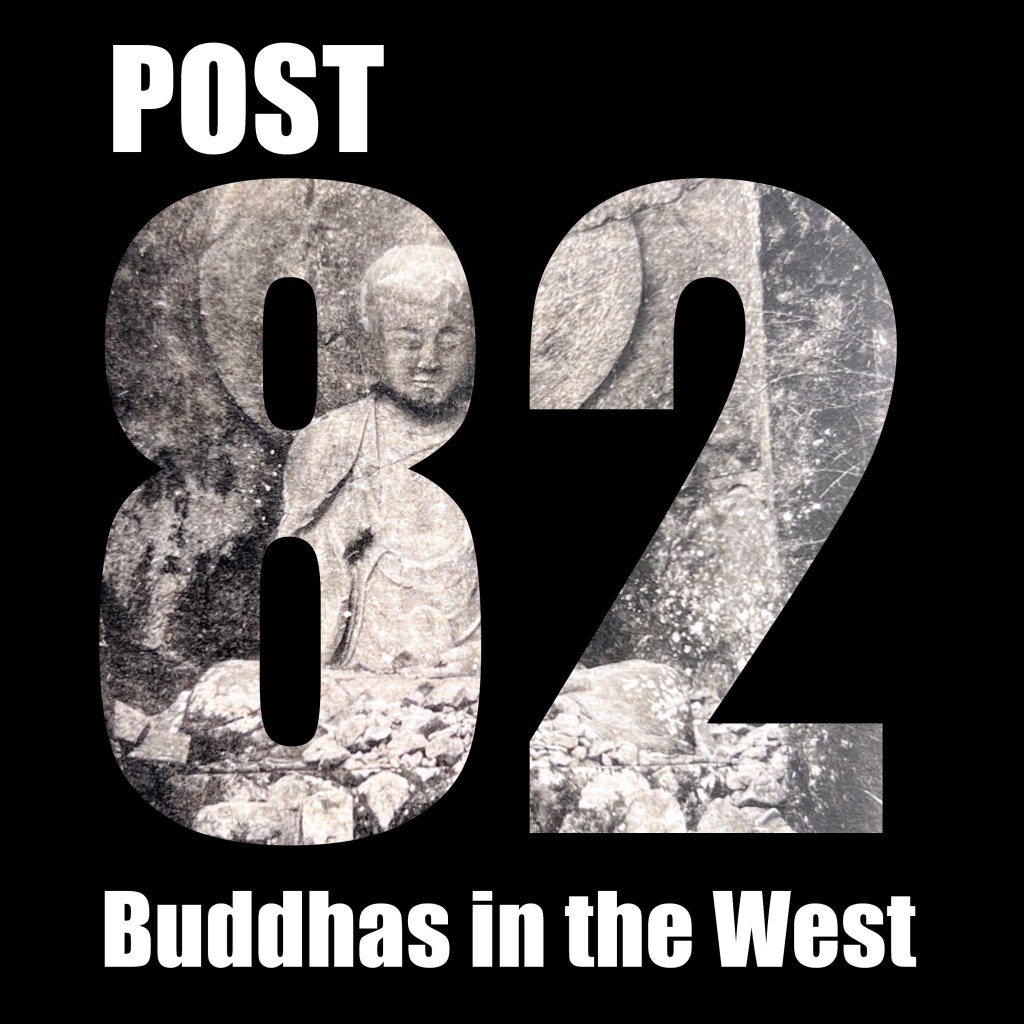
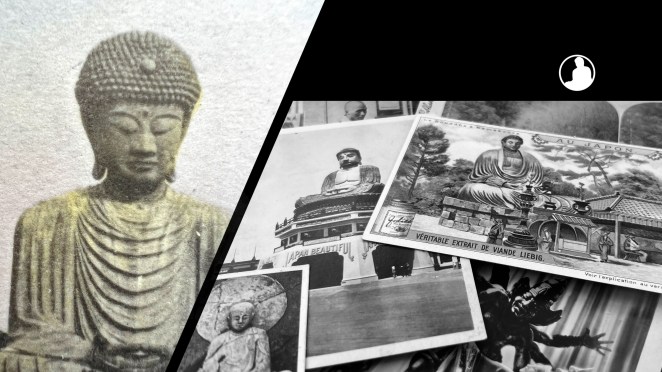
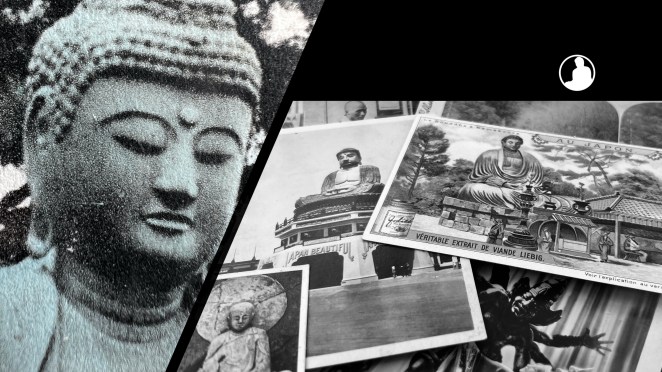
This monumental Jizō was created c. 1300 and sits by a mountain pass where travelers on the famed Tōkaidō made their journey. We can see the rocky outlines of an old wooden roof; the small shrine hall was destroyed during an eruption of Mt. Fuji in 1707.

The slide was produced by a New York studio and featured an unknown Euro-American tourist center frame.

Japanese porters can be seen among the entourage.

The photosensitive emulsion is sandwiched between two panels of glass for protection. The tape around the edges holds the glass panels together.

The Hakone Pass Jizō was a popular tourist destination at the turn of the 20th century; it is still viewable today. For more on Jizō and this particular icon, see Hank Glassman, The Face of Jizo: Image and Cult in Medieval Japanese Buddhism, 2012.


The Buddhas in the West Material Archive is a digital scholarship project that catalogues artifacts depicting Buddhist material culture for Western audiences. It’s comprised of prints, photos, and an assortment of ephemera and other objects. For a brief introduction to this archive, visit the main Buddhas in the West project page.


For Related Buddhas in the West Posts Featuring Lantern Slides:


For the Most Recent Buddhas in the West Posts:

Alain Mallet’s Dalai Lama Engraving

For all the new Buddhas in the West posts
follow us on Bluesky & Instagram


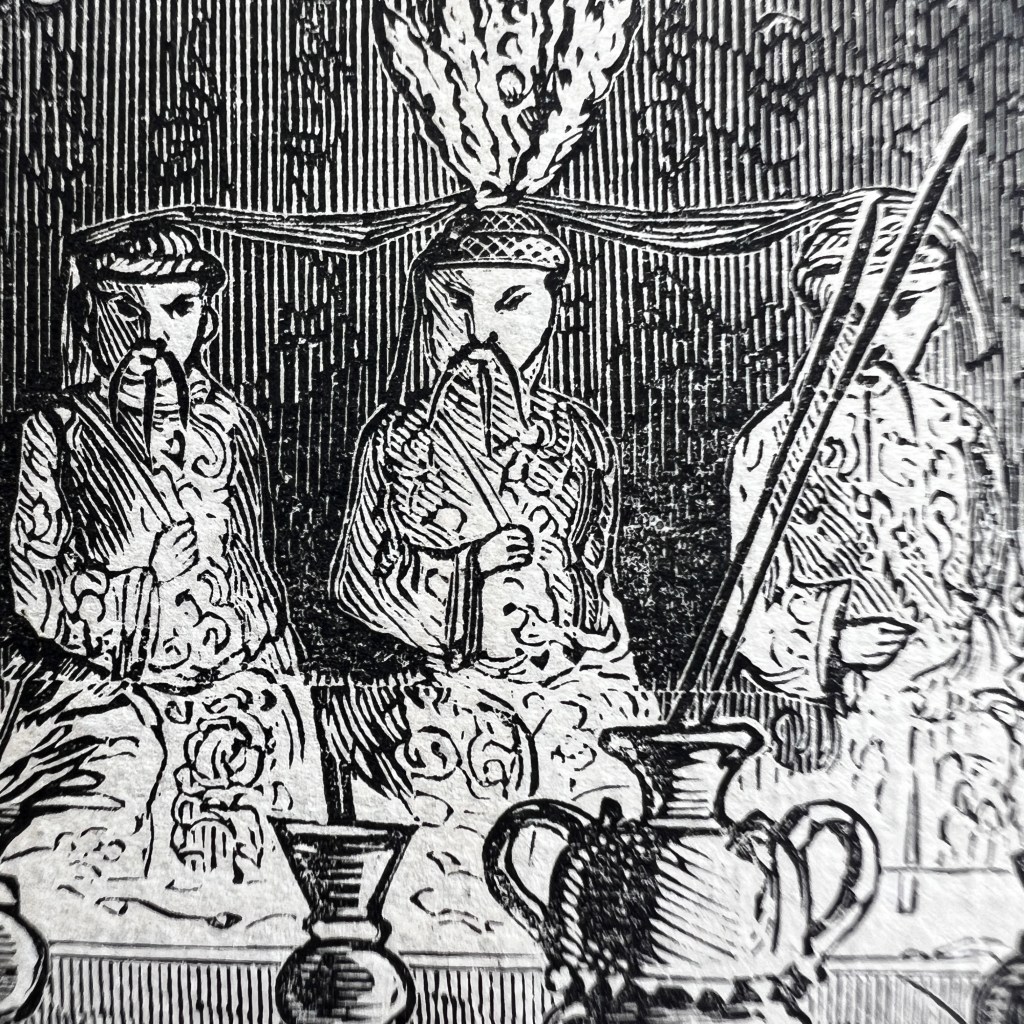
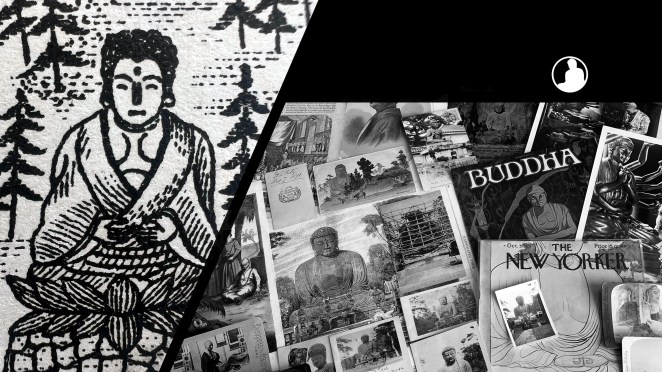
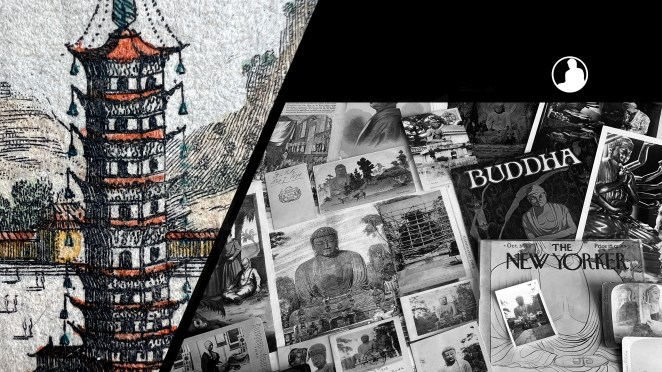
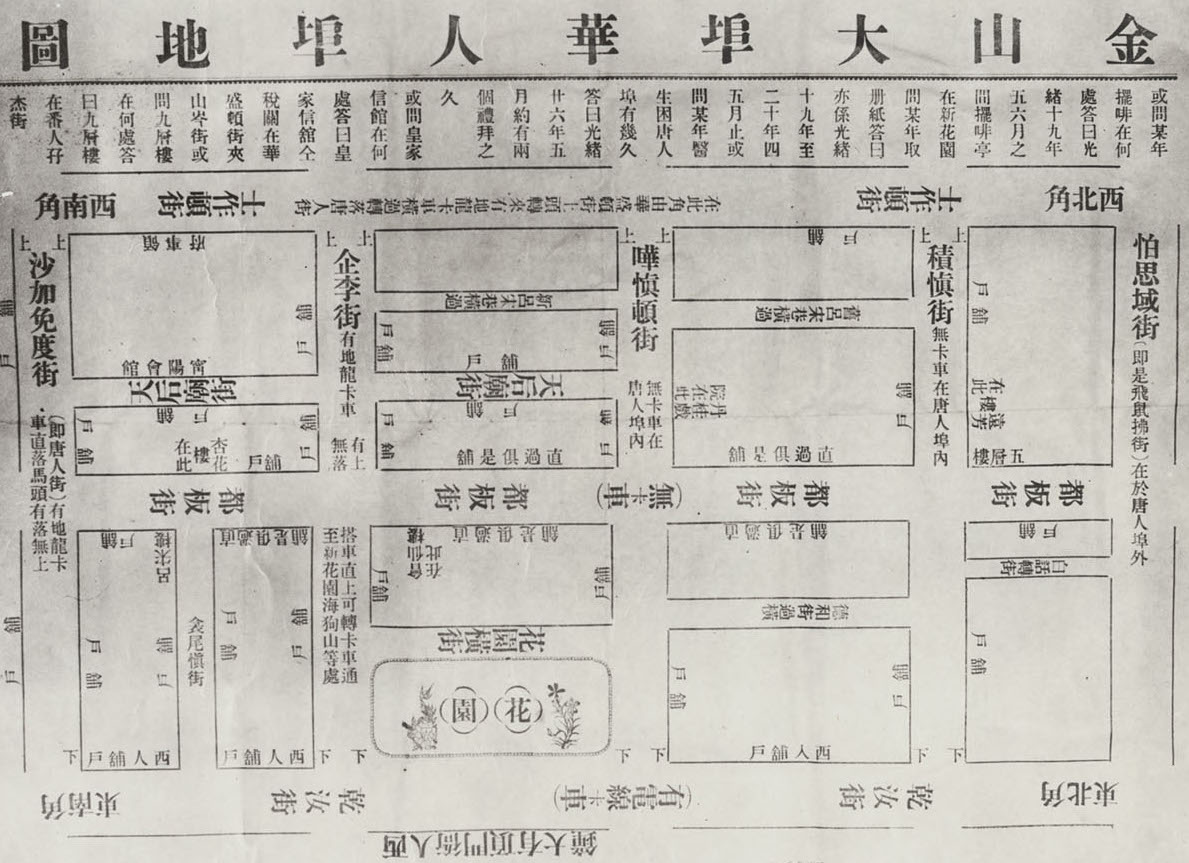
Earliest European depiction of the Dalai Lama? In 1683 Alain Mallet published his illustrated five-volume set entitled Description de l’univers. The second volume, devoted to Asia, contained an illustration of the Grand Lama, a “living and true God.”

Mallet copied an earlier illustration of Althanius Kircher from 1667 with minimal changes. The engraving shown here was hand colored (possibly after publication), giving the Dalai Lama a dark red robe.

While not named in the text, the original illustration was published during the lifetime of the famed Fifth Dalai Lama, Ngawang Lobsang Gyatso. Information about the Dalai Lama was gleaned from the reports of Jesuit missionary Johann Grueber who visited Lhasa in 1661.

The Fifth Dalai Lama died in 1682, a year before Mallet’s publication, but his passing was concealed for more than a decade. Mallet reports on the process of reincarnation, describing it as a “deception.”

To read Mallet’s text associated with this image, see the digitized scan provided by the University of Ottawa here: https://tinyurl.com/37895xc9


The Buddhas in the West Material Archive is a digital scholarship project that catalogues artifacts depicting Buddhist material culture for Western audiences. It’s comprised of prints, photos, and an assortment of ephemera and other objects. For a brief introduction to this archive, visit the main Buddhas in the West project page.


For Related Buddhas in the West Posts Featuring Engravings:


For the Most Recent Buddhas in the West Posts:


George Planté’s Ruins of Ankgor Postcard

For all the new Buddhas in the West posts
follow us on Bluesky & Instagram


The Golden Age of postcards began with early postcard illustrations of the Eiffel Tower in 1889. Thus, when French military arrived in French colonial Vietnam, then known as Indochina, a market emerged for pictorial imagery of the region – including Buddhist temples.

The caption here give the description: “Souvenir of the Ruins of ANGKOR.” The publisher, George Planté, had operated a photography studio in Saigon and started selling postcards by 1905.

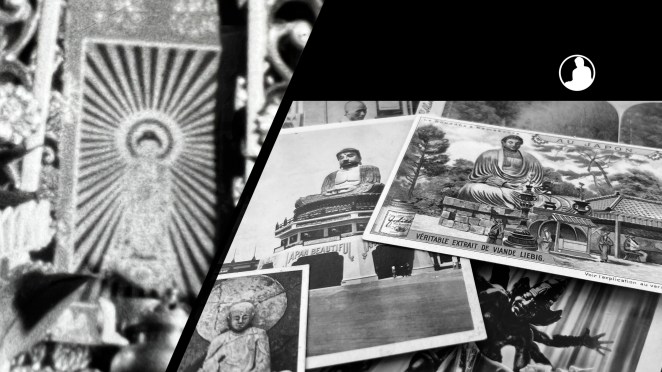
In addition to the large central Buddha statue, several other Buddhist icons are placed on the altar. I have been unable to identify which area of Angkor this photograph depicts.

The design on the back suggests this card was published in 1905 (the date 1906 is inscribed on the front). The front also bears the affixed stamp – this was typically done so the card could be placed in an album and still display the cancelled stamp.

It was likely postcards such as this were printed in Europe using the most up-to-date photo-mechanical printing techniques and then sent back to the colonial publishers for resale.


The Buddhas in the West Material Archive is a digital scholarship project that catalogues artifacts depicting Buddhist material culture for Western audiences. It’s comprised of prints, photos, and an assortment of ephemera and other objects. For a brief introduction to this archive, visit the main Buddhas in the West project page.


For Related Buddhas in the West Posts Featuring Gautama, the historical Buddha:


For the Most Recent Buddhas in the West Posts:


Pacific Curio Shop Niō Statue Postcard

For all the new Buddhas in the West posts
follow us on Bluesky & Instagram


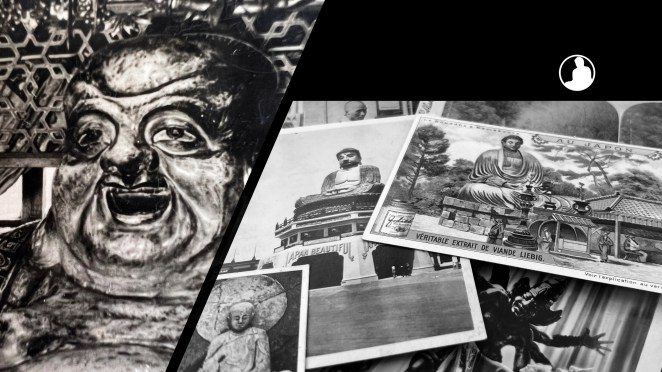
A pair of muscular, wrathful Niō, “Benevolent Kings,” often stand guard at the entrance to Japanese Buddhist temples. In the late 1950s, however, this Niō was stationed outside John Saxby’s Pacific Curio Shop on Fisherman’s Wharf in San Francisco.

Saxby was a WWI veteran and a Merchant Marine who became a well-respected amateur conchologist. In addition to offering a world-class shell exhibit, Saxby imported Japanese curios, a thriving market post-WWII.

Strands of shells and postcards can also be seen for sale.

The shop’s “Temple Guardian” was apparently important enough to warrant its own postcard. The “Kodak Paper” stamp box dates this card to after 1950.

The icon’s closed mouth identifies this guardian as Ungyō; I am unsure of where this statue originated. A photo of Saxby inspecting another imported icon can be found at the San Francisco Public Library: https://digitalsf.org/islandora/object/islandora:137138


The Buddhas in the West Material Archive is a digital scholarship project that catalogues artifacts depicting Buddhist material culture for Western audiences. It’s comprised of prints, photos, and an assortment of ephemera and other objects. For a brief introduction to this archive, visit the main Buddhas in the West project page.


For Related Buddhas in the West Posts Featuring San Francisco:


For the Most Recent Buddhas in the West Posts:
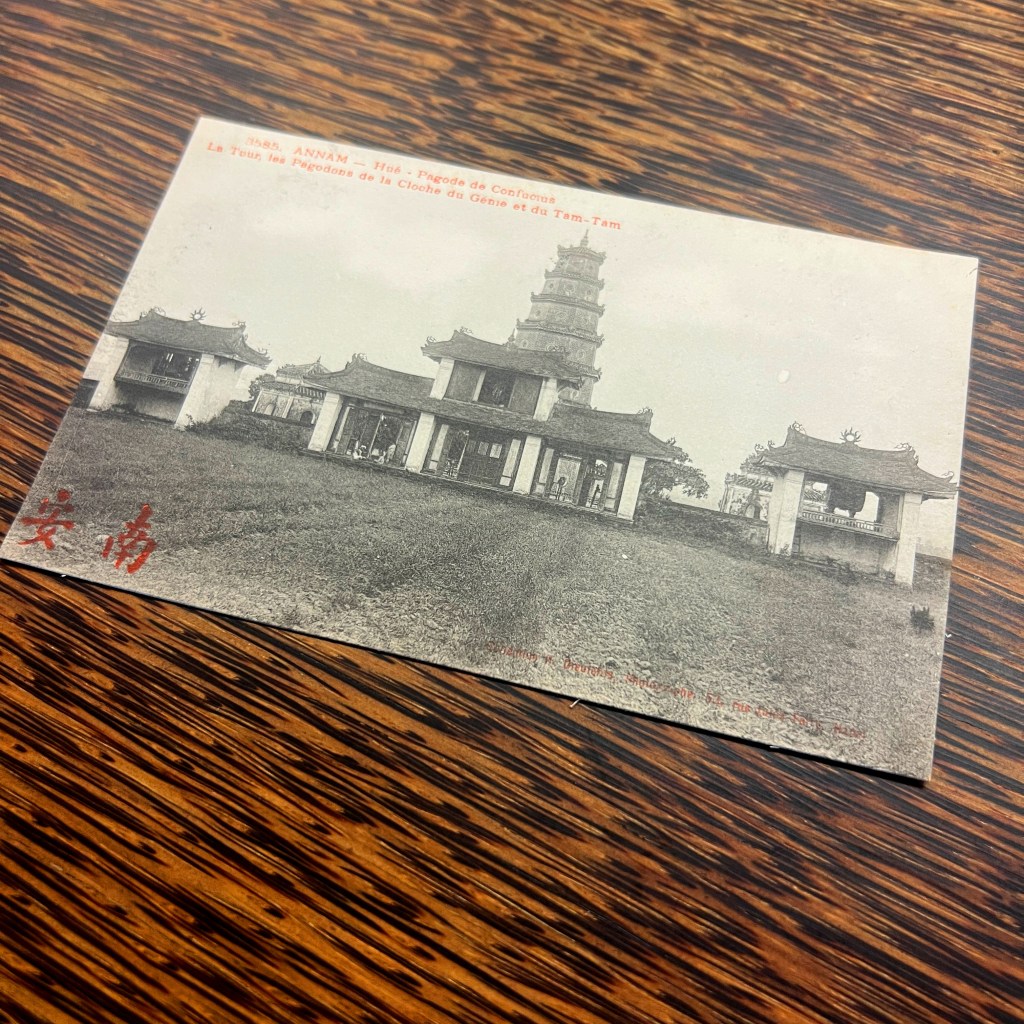

Chocolat Pupier’s Kinkaku-ji Trade Card

For all the new Buddhas in the West posts
follow us on Bluesky & Instagram


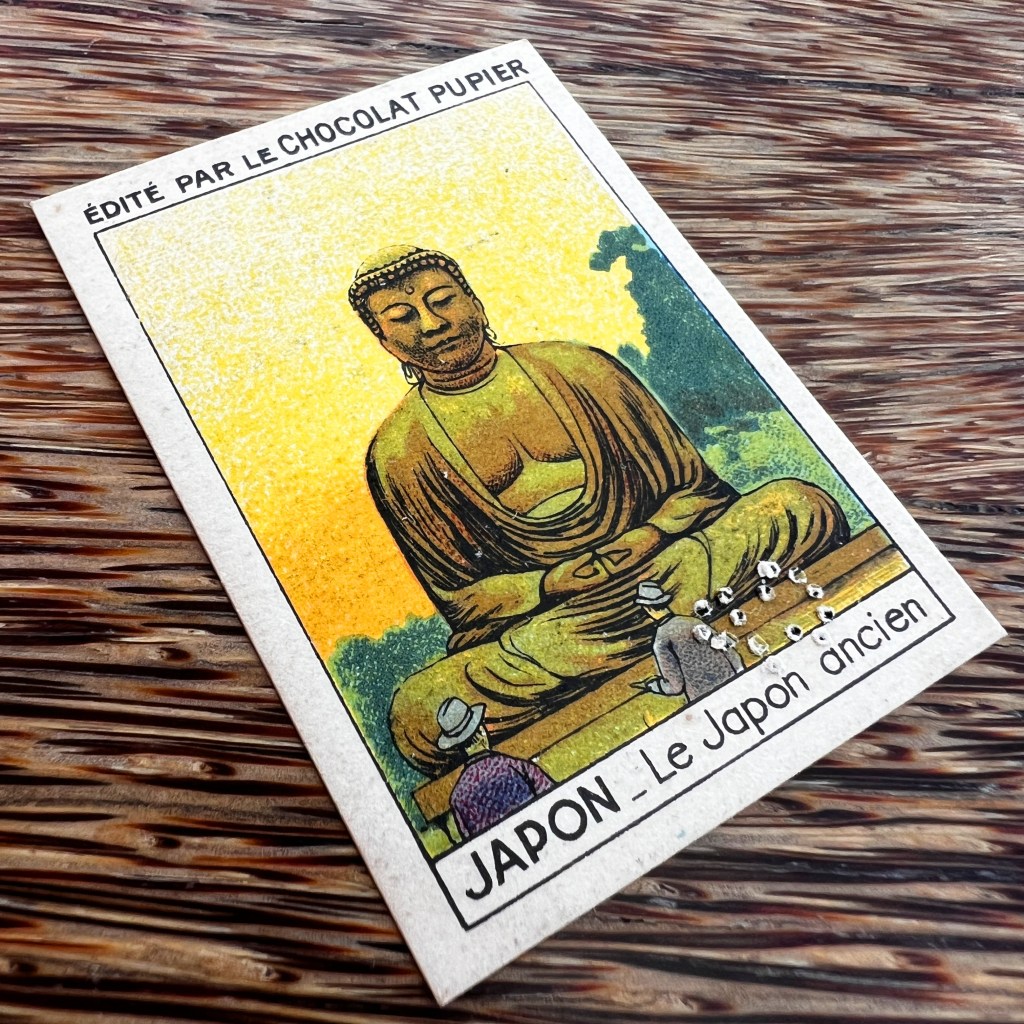
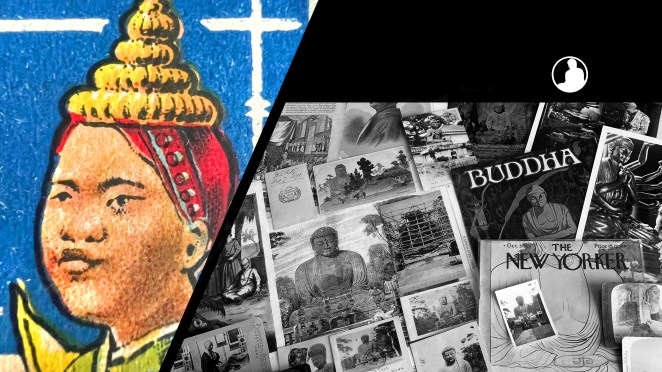
Turn of the century French chocolatiers took advantage of the popularity of colorful trade cards and included them with their products. In 1936 the Chocolat Pupier company created a collectable Asia series with several illustrations of Buddhist material culture.

An album with 252 card slots could be purchased to display your collection. If completed, Chocolat Pupier offered a gift to the consumer.

Chromo-lithographic printing offered an inexpensive way to mass produce colorful imagery. There is an error on this card, however, can you spot it?

The Gold Pavilion Temple, Kinkaku-ji, is not in Tokyo, buy Kyoto. In addition to Asia, Chocolat Pupier made cards related to Europe, North America, and Africa.

A small collection of Chocolat Pupier card was recently acquired by Duke University Library, see here: https://archives.lib.duke.edu/catalog/chocolatpupier.


The Buddhas in the West Material Archive is a digital scholarship project that catalogues artifacts depicting Buddhist material culture for Western audiences. It’s comprised of prints, photos, and an assortment of ephemera and other objects. For a brief introduction to this archive, visit the main Buddhas in the West project page.


For Related Buddhas in the West Posts Featuring Historical Trade Cards:


For the Most Recent Buddhas in the West Posts:


Pierre Dieulefils’ Tārā Postcard

For all the new Buddhas in the West posts
follow us on Bluesky & Instagram


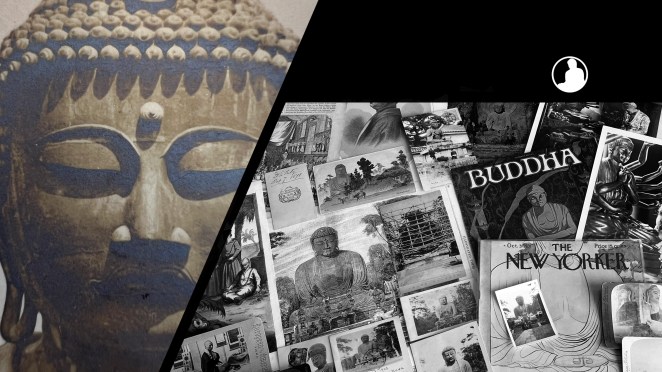
The École Française d’Extrême-Orient was founded at the turn of the 20th century in Hanoi in what was then French Indochina. Around 1905 Pierre Dieulefils appears to have taken photographs of the institution’s nascent collection of Buddhist statuary.

The date of 1905 is derived from the presumed publication date of Dieulefils “red series” postcards. Dieulefils’ studio was also in Hanoi and he worked closely with the French institution photographing Angkor Wat.

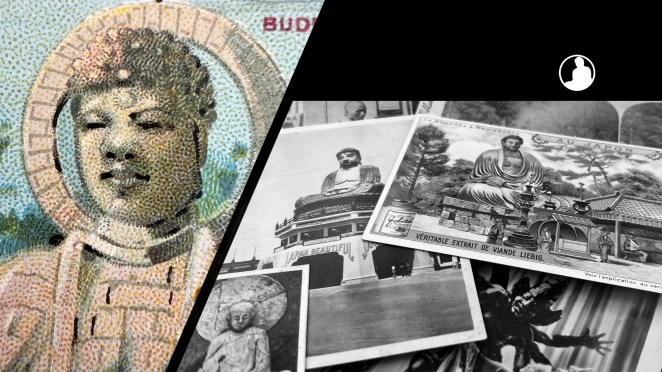
The red letterpress caption at the top of the card identifies the icon as the Goddess Tārā. I have been unable to determine who has possession of the statue today.

Dieulefils built a thriving postcard business upon the desires of French officers to send picture souvenirs home to France.

Since 1958 the old archaeological research institution of the École Française d’Extrême-Orient in Hanoi has operated as the Vietnam National Museum of History. The museum’s website can be found here: https://baotanglichsu.vn/vi


The Buddhas in the West Material Archive is a digital scholarship project that catalogues artifacts depicting Buddhist material culture for Western audiences. It’s comprised of prints, photos, and an assortment of ephemera and other objects. For a brief introduction to this archive, visit the main Buddhas in the West project page.


For Related Buddhas in the West Posts Featuring Guanyin / Avalokitésvara:


For the Most Recent Buddhas in the West Posts:
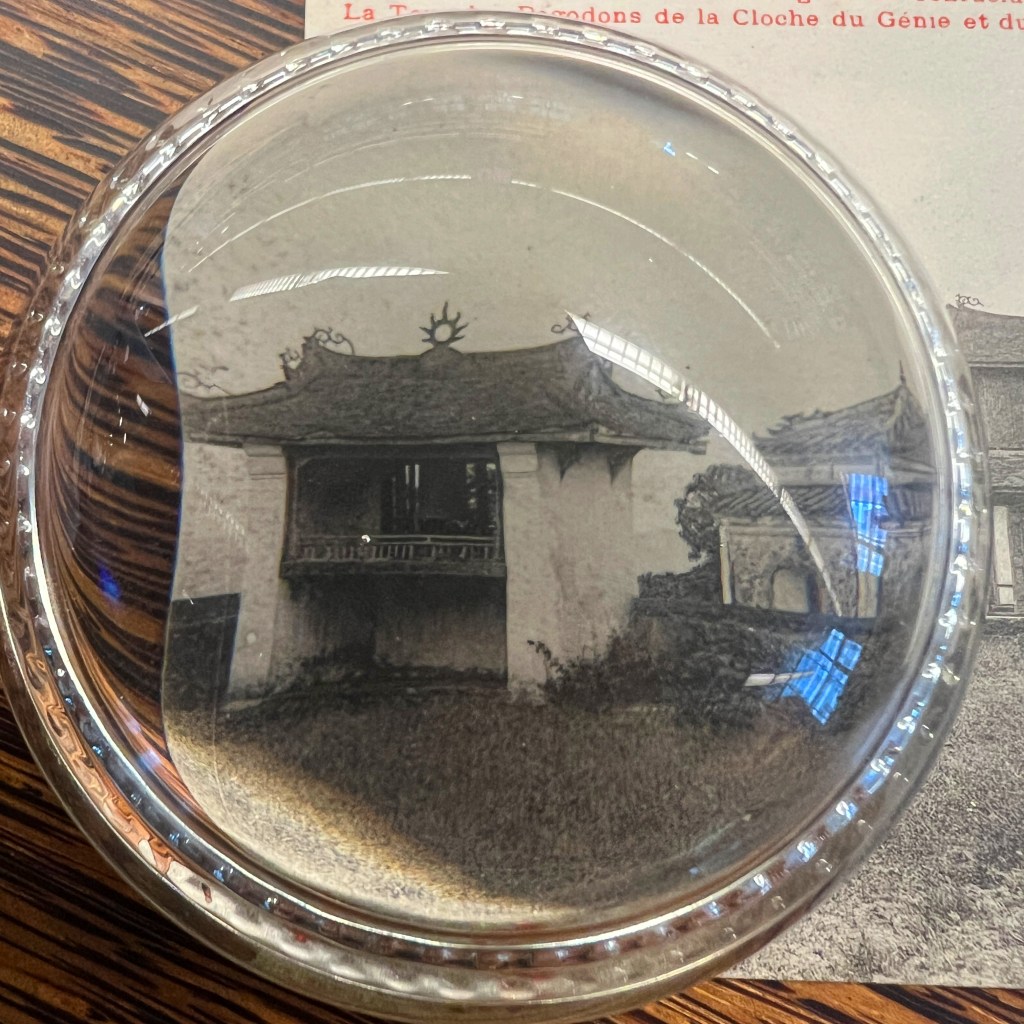

1904 Metropolitan Series “Japanese Pagoda” Stereoview

For all the new Buddhas in the West posts
follow us on Bluesky & Instagram


This is not an AI rendered image – it’s a Ferris Wheel towering over Kyoto’s famed Temple of the Golden Pavilion, known as Kinkaku-ji. More accurately, it’s a replica of Kinkaku-ji built for the 1904 St. Louis World’s Fair advertised as a Japanese imperial gardens pagoda.

The Kyoto original, dating to 1400, houses Buddhist relics while the St. Louis replica was built to serve Japanese tea. In both cases the respective buildings are surrounded by a garden and topped with a phoenix roof ornament.

The St. Louis garden was designed by the Japanese landscape architect Yukio Ichikawa 市川之雄.

Japan’s exhibitions were well attended, in part by the generally positive newspaper coverage as well as the publicity of the ongoing Russo-Japanese War. Many companies made stereoviews of the 1904 fairgrounds, with the Metropolitan Series sold through Sears catalogues.

Many attendees of the St. Louis fair expressed a sense of awe at Japan’s exhibitions. For more digitized photos of the St. Louis fair, see the offerings at the State Historical Museum of Missouri here https://tinyurl.com/5d7jcupa


The Buddhas in the West Material Archive is a digital scholarship project that catalogues artifacts depicting Buddhist material culture for Western audiences. It’s comprised of prints, photos, and an assortment of ephemera and other objects. For a brief introduction to this archive, visit the main Buddhas in the West project page.


For Related Buddhas in the West Posts Featuring Kyoto:


For the Most Recent Buddhas in the West Posts:


Wall Street Mystery (1920) Promotional Handbook

For all the new Buddhas in the West posts
follow us on Bluesky & Instagram


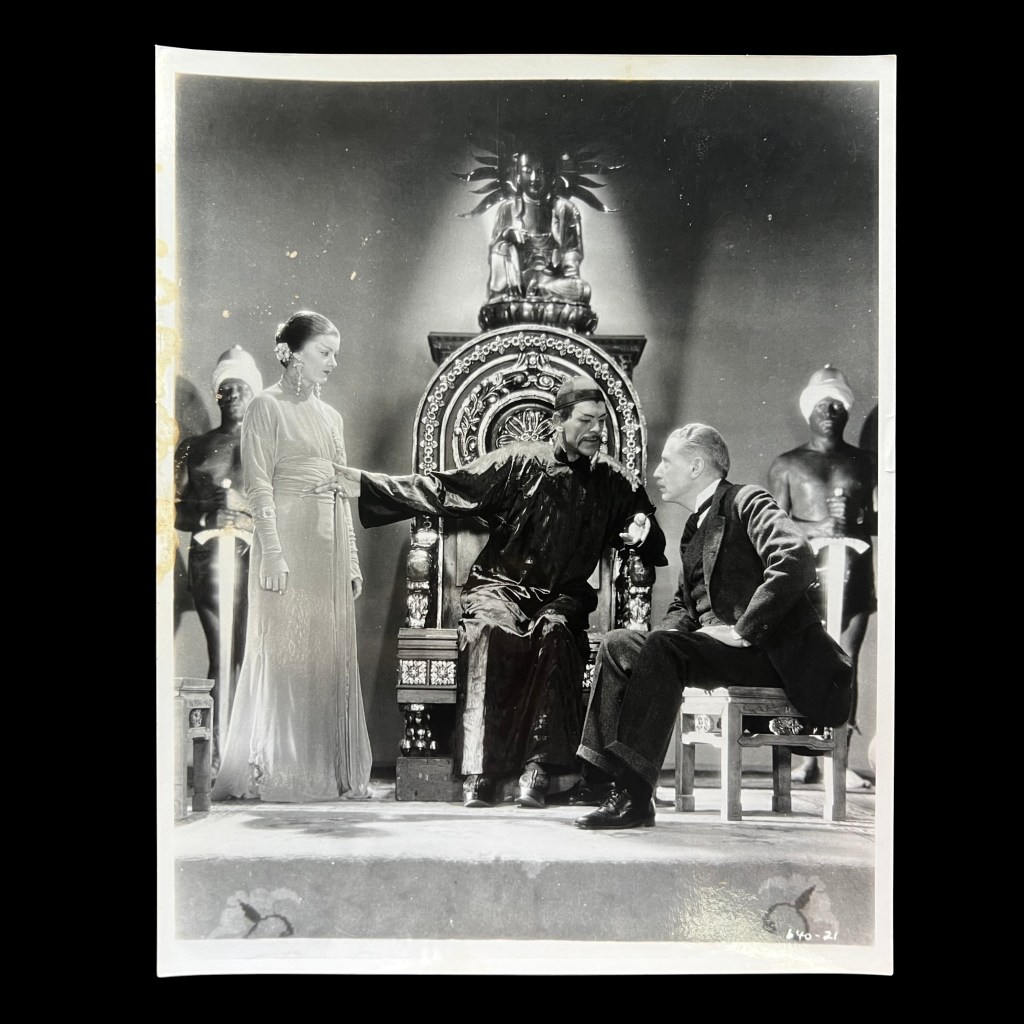
The five-reel Mystery of Wall Street was a 1920 entry of the short-lived Tex, the Elucidator of Mysteries, film series by Arrow Film Company. One scene, set in New York’s Chinatown, is used for the photo illustration of the film’s promotional trade handbook.

Played by Glenn White, Tex was a private detective who had been previously jailed on circumstantial evidence, thus his mission was to vindicate victims of injustice. Wall Street Mystery investigates the unresolved murder of a New York trade broker.

Eventually Tex is led to the broker’s Japanese valet who frequents Chinatown’s opium dens. Philippa Gates has demonstrated the popularity of the “Chinatown opium film” genre of the 1910s: “Opium dens…were a shorthand in American film to connect Chinatown to…criminality.”

Tex visits Chinatown’s opium den in disguise and a fight soon breaks out. The valet, who Tex had suspected for the murder, is found to be innocent based on his fingerprints; the case against him had proven to be mere circumstantial evidence.

Early film trade handbooks, like the one seen here, revealed the entire story to help the theater owner decide to purchase the reels. This included advertising and publicity suggestions.

The statue of the Buddha on the cover visually supports both the sense of mystery and the Chinatown locale. See also Philippa Gates, Criminalization/Assimilation: Chinese/Americans and Chinatowns in Classical Hollywood Film (New Brunswick: Rutgers, 2019).


The Buddhas in the West Material Archive is a digital scholarship project that catalogues artifacts depicting Buddhist material culture for Western audiences. It’s comprised of prints, photos, and an assortment of ephemera and other objects. For a brief introduction to this archive, visit the main Buddhas in the West project page.


For Related Buddhas in the West Posts Featuring Historical Advertising:


For the Most Recent Buddhas in the West Posts:


D.A. Ahuja’s Buddhist Priest Portrait Postcard

For all the new Buddhas in the West posts
follow us on Bluesky & Instagram


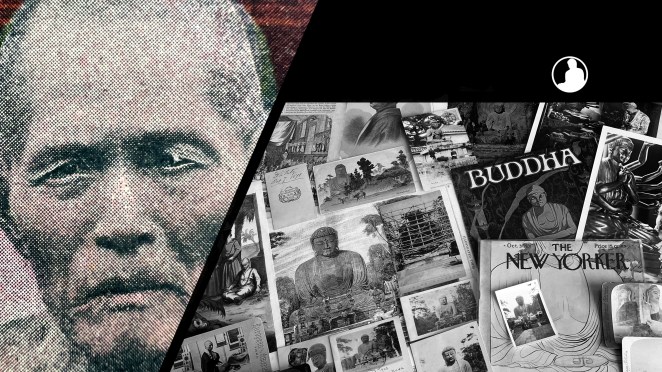
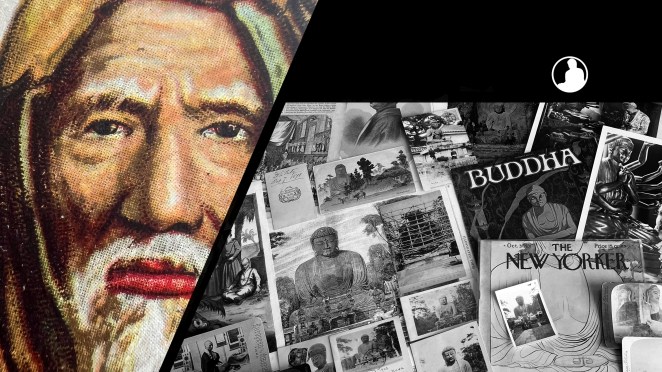
At the turn of the twentieth century, photographer D. A. Ahuja was integral in creating a visual canon of British colonial Burma. His picture postcards were among the most reprinted images of the era, including this portrait of an unnamed “Burmese priest.”

The image was made by a lithographic-halftone hybrid process, whereby a black halftone screen was applied on top of a multi-color lithographic substrate. The “divided back” design suggests Ahuja printed this card around 1910.

Burmese pagodas and monks were common enough to warrant claiming they constituted their own visual genre of “Burmese religious life.” The colorist here inaccurately represented the monk’s robes, combining the two most common colorways – saffron and maroon – into one.

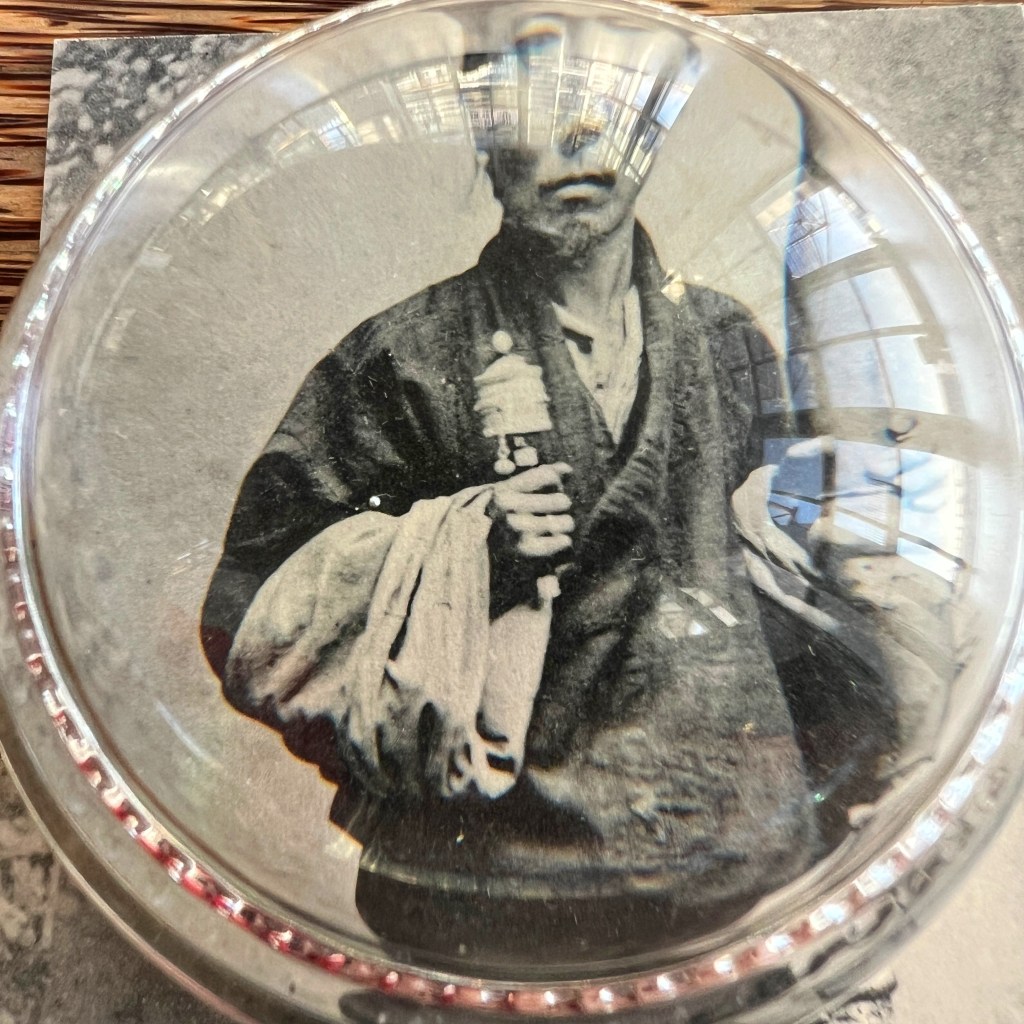
Somewhat unique to his oeuvre, Ahuja photographs his subject in formal portraiture, sitting in an ornate wooden chair on top of carpet. Holding a Buddhist mala, the elderly monk poses, without facial expression, for the camera.

Was he a highly regarded monk – as his portraiture might suggest? A collection of Burmese postcards has recently been digitized by Stanford University, available here: https://exhibits.stanford.edu/missionarypostcards


The Buddhas in the West Material Archive is a digital scholarship project that catalogues artifacts depicting Buddhist material culture for Western audiences. It’s comprised of prints, photos, and an assortment of ephemera and other objects. For a brief introduction to this archive, visit the main Buddhas in the West project page.


For Related Buddhas in the West Posts Featuring Buddhist Monastics:


For the Most Recent Buddhas in the West Posts:


1933 Golden Pavilion Laughing Buddha Playing Card

For all the new Buddhas in the West posts
follow us on Bluesky & Instagram


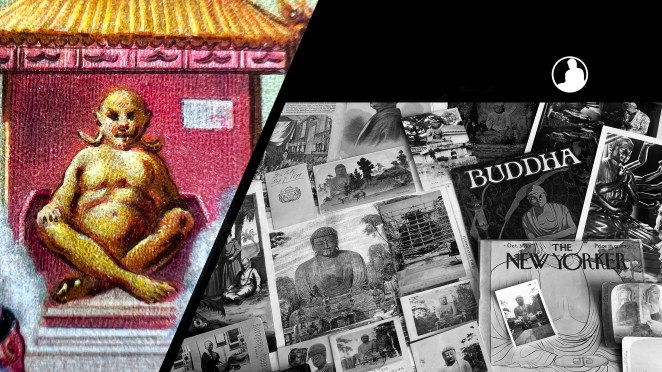
The 1933 Chicago World’s Fair held a true wonder: A Chinese replica of an 18th century Tibetan Buddhist shrine hall, the Golden Temple of Jehol. While the hall included a main shrine to Guanyin, the Laughing Buddha at the front entrance was often used in advertising.

Due to growing conflict in East Asia, the Chinese government withdrew from the 1933 World’s Fair. Subsequently, organizers arranged for display of the recently acquired temple replica of Vincent Bendix, a well-known Chicago industrialist.

Bendix had funded the expedition of Sved Hedin a few years earlier to procure a replica of a Chinese Buddhist temple. The original interest was to display two replica temples with Tibetan religious objects, one in Chicago and one in Stockholm.

Only one replica was made, but Hedin acquired many ritual implements, including thankas and icons, to outfit the building. Named the Bendix Golden Temple (or Pavilion), it was a Chinese-made replica of the Wanfaguiyi Hall in present-day Chengde (Jehol).

The temple was rebuilt for the 1939 World’s Fair in New York. As of 2018 the remains of the temple hall are in Stockholm, but the ritual items and furnishing have all been lost.


The Buddhas in the West Material Archive is a digital scholarship project that catalogues artifacts depicting Buddhist material culture for Western audiences. It’s comprised of prints, photos, and an assortment of ephemera and other objects. For a brief introduction to this archive, visit the main Buddhas in the West project page.


For Related Buddhas in the West Posts Featuring Budai / Laughing Buddha:


For the Most Recent Buddhas in the West Posts: