The “Dancing Lamas” and Epic of Everest (1924) Prologue Newspaper Illustration

For all the new Buddhas in the West posts
follow us on Bluesky & Instagram


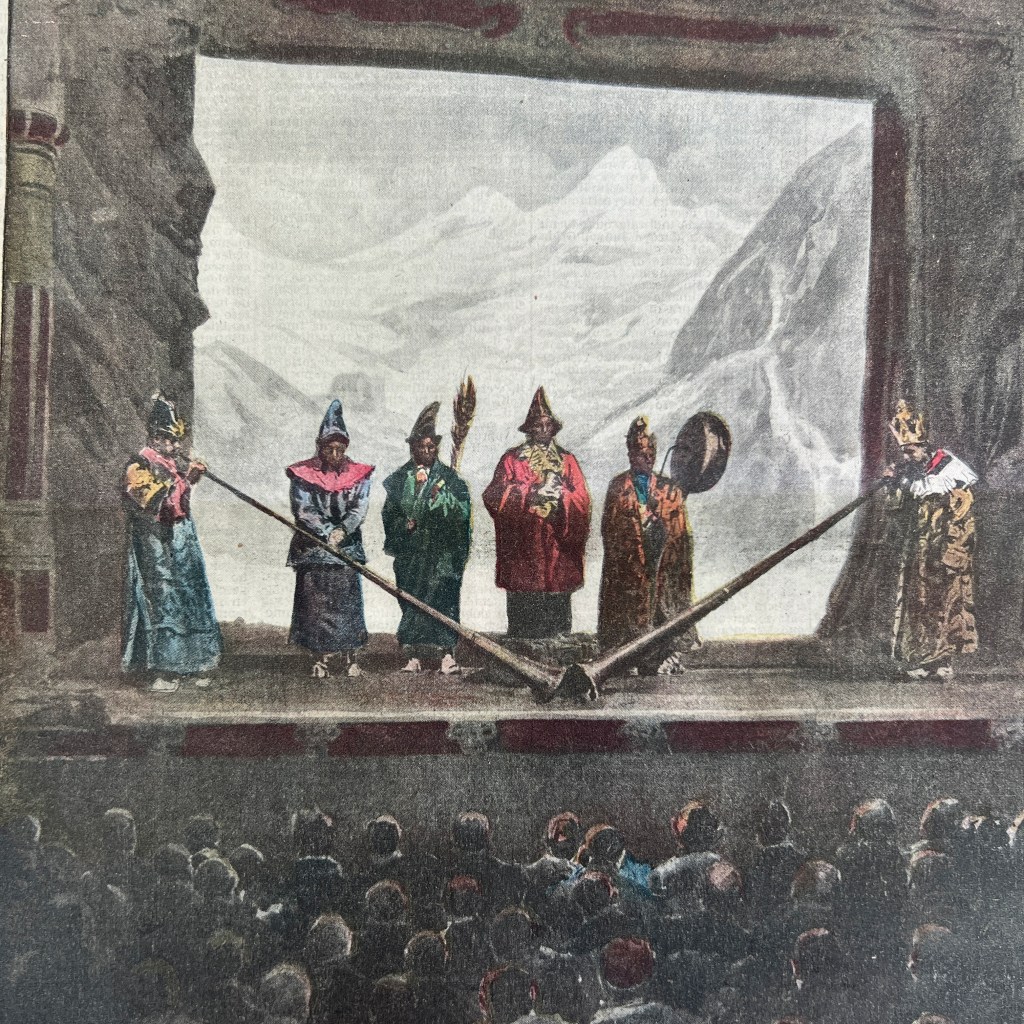
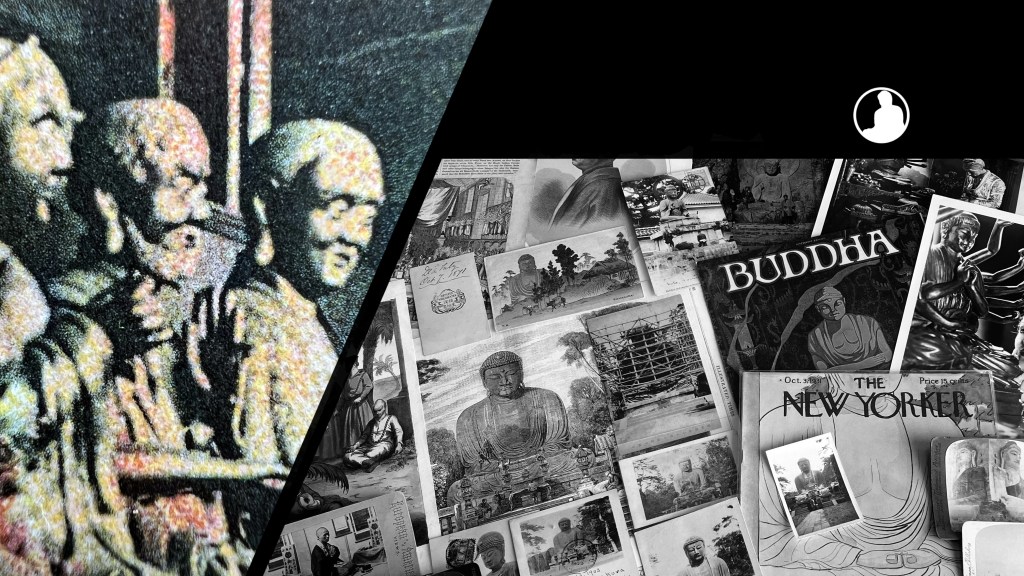
The arrival of the first Tibetan monks in Europe was surrounded with controversy, deeply straining Anglo-Tibetan relations. One group of monks, arriving in 1924, performed Buddhist rituals before showings of the silent film Epic of Everest, sparking the “Dancing Lamas” affair.

The director, John Noel, filmed the British Everest expedition where George Mallory and Andrew Irvine lost their lives. The first half of the film looks at Tibetan life in and around Rongbuk Monastery at the foot of Everest, including several brief scenes showing monastic ritual.

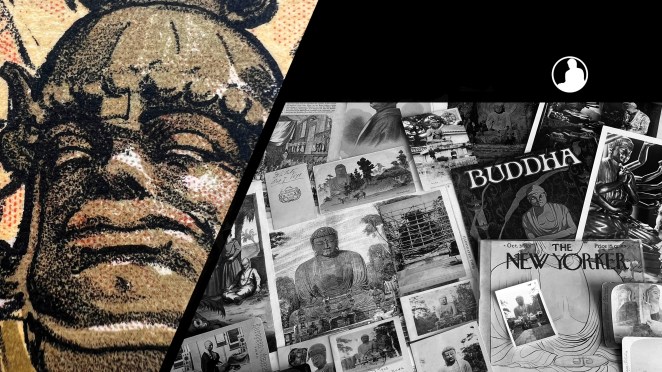
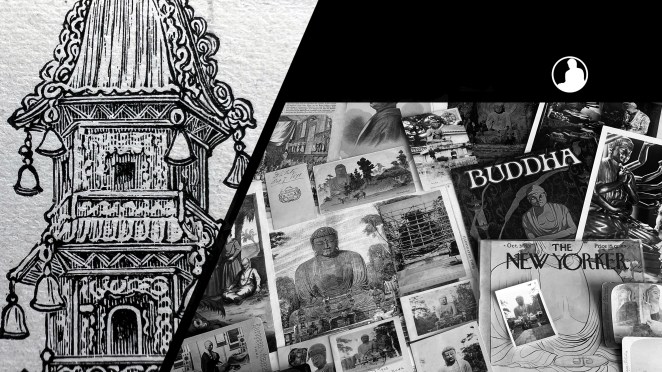
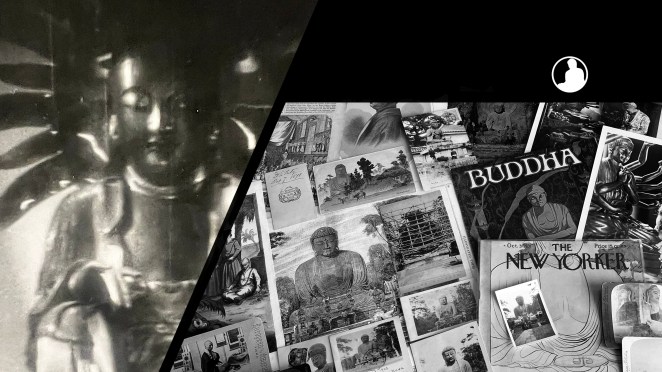
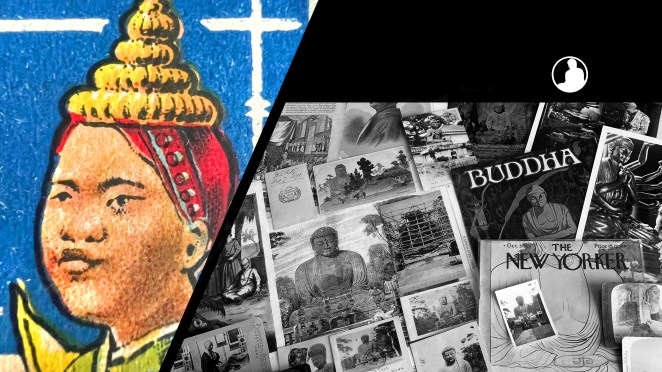
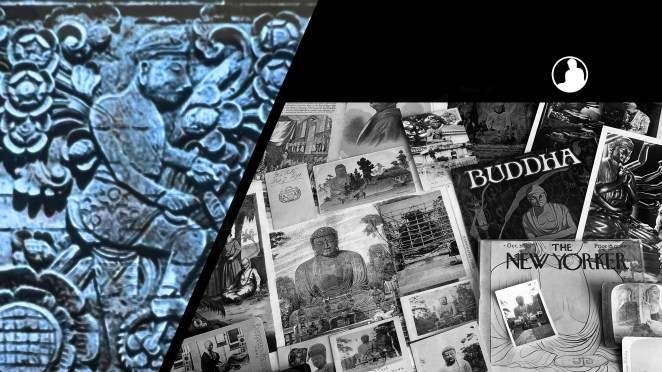
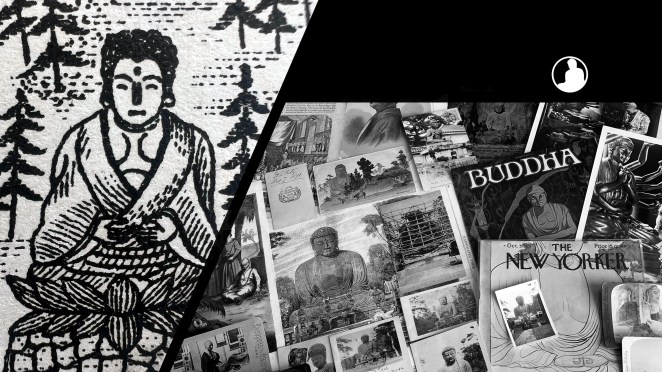
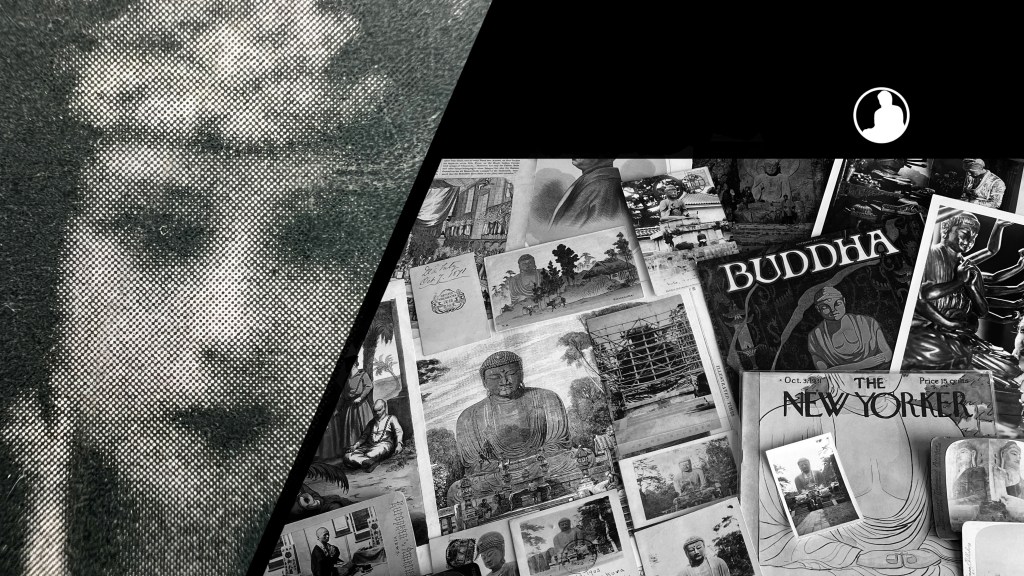
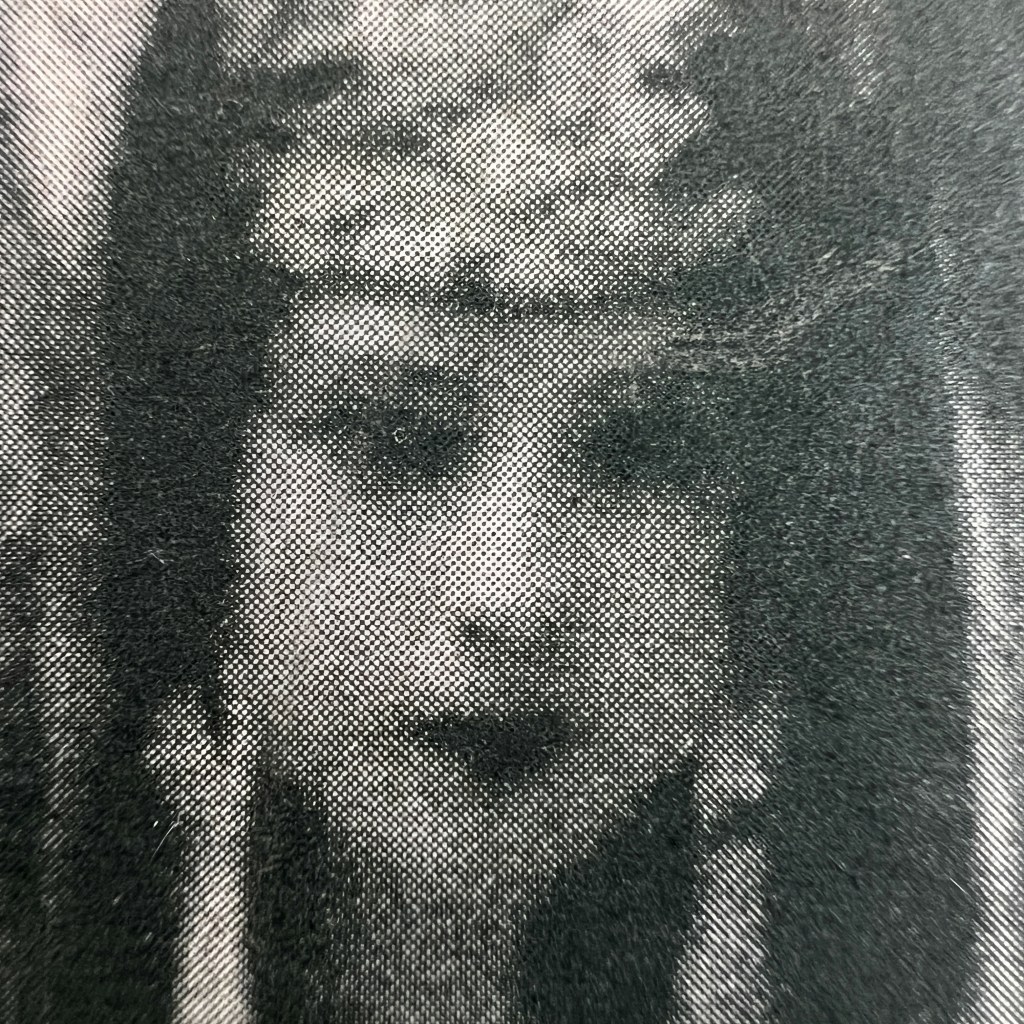
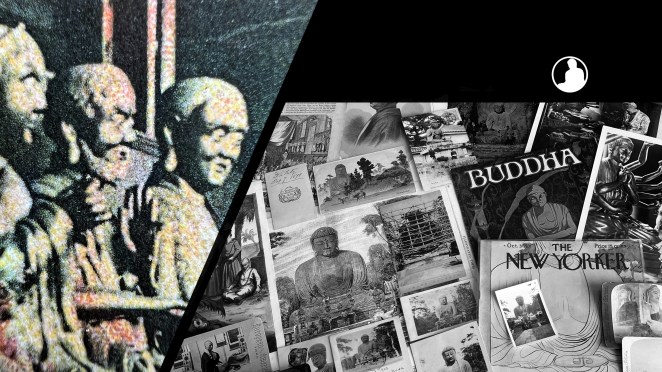
To help advertise the film in London, Noel brought several monks from Tibet and had them perform informal rituals as part of a “live prologue” (seen here). Newspapers report the monks chanted while playing long trumpets and beating drums and cymbals; some claimed they performed “devil dances.”

These reports were received in Tibet with furor; the Dalai Lama viewed the spectacle as disrespectful to Tibetan Buddhism and exploitative of Tibetan people. Consequently, a British Everest expedition the next year was refused by the Dalai Lama; the next British attempt at Everest came in 1932.

Noel toured Europe with his film accompanied by the Tibetan monks, but the controversy caused him to send the monks home before touring the United States. Noel’s silent film, Epic of Everest, is viewable here: tinyurl.com/3df4axfn.


The Buddhas in the West Material Archive is a digital scholarship project that catalogues artifacts depicting Buddhist material culture for Western audiences. It’s comprised of prints, photos, and an assortment of ephemera and other objects. For a brief introduction to this archive, visit the main Buddhas in the West project page.


For Related Buddhas in the West Posts Featuring Historical Periodicals:


For the Most Recent Buddhas in the West Posts:

Ruth St. Denis as Guanyin Tri-Fold Brochure

For all the new Buddhas in the West posts
follow us on Bluesky & Instagram


Ruth St. Denis, a pioneer of American modern dance, was among many performers interested in translating the static aesthetic of Greek statuary into motion. St. Denis set herself apart from her contemporaries by focusing on icons of the East, including the Chinese Buddhist goddess Guanyin.

This tri-fold brochure was made for the highly successful 1922–1925 tour under the prestigious impresario Daniel Mayer. St. Denis created her solo “Kuan yin” performance in 1919 using a chiffon robes and a crown to imitate the iconography of Guanyin.

St. Denis toured with her partner, Ted Shawn, who together created the Denishawn School of dance in 1915. The troupe performed both solo and large spectacle pieces and appeared in D. W. Griffith’s 1916 film, Intolerance.

During the Mayer tour, St. Denis performed the “Kuan Yin” piece as the opening act, considering it an “invocation.” The performance involved decorative poses using rhythmic manipulations of drapery and sculptural positioning of her hands, arms, and legs.

After touring Asia in 1926, St. Denis reused her Guanyin guise in a new act named “White Jade.” For further exploration, see Jon Soriano’s “Ruth St. Denis as Bodhisattva: An Art Historical Perspective on the Appropriation of Buddhist Imagery” in Water Moon Reflections (2021).


The Buddhas in the West Material Archive is a digital scholarship project that catalogues artifacts depicting Buddhist material culture for Western audiences. It’s comprised of prints, photos, and an assortment of ephemera and other objects. For a brief introduction to this archive, visit the main Buddhas in the West project page.


For Related Buddhas in the West Posts Featuring Guanyin / Avalokiteśvara:


For the Most Recent Buddhas in the West Posts:


D.A. Ahuja’s Kyauktawgyi Icon

For all the new Buddhas in the West posts
follow us on Bluesky & Instagram


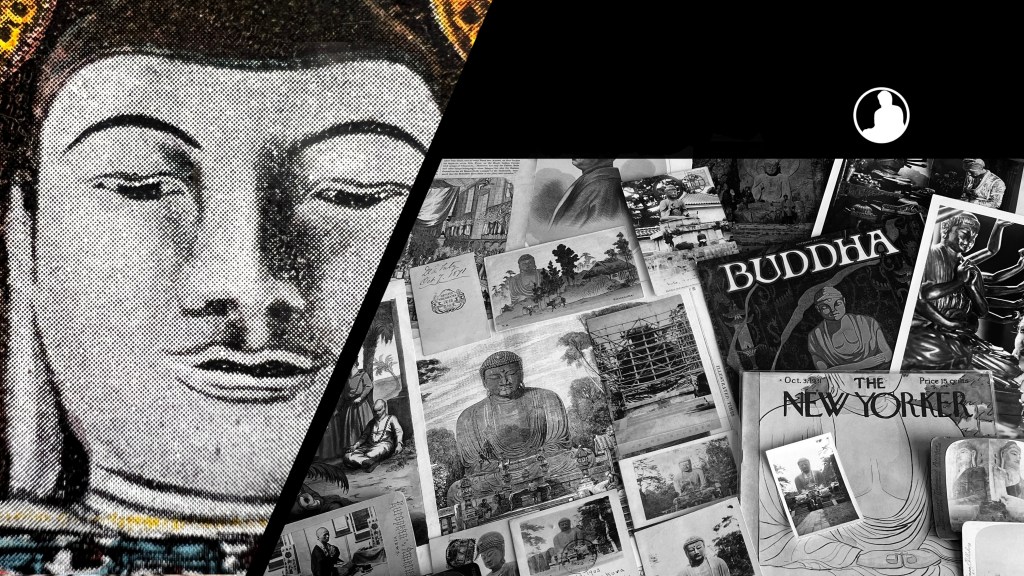
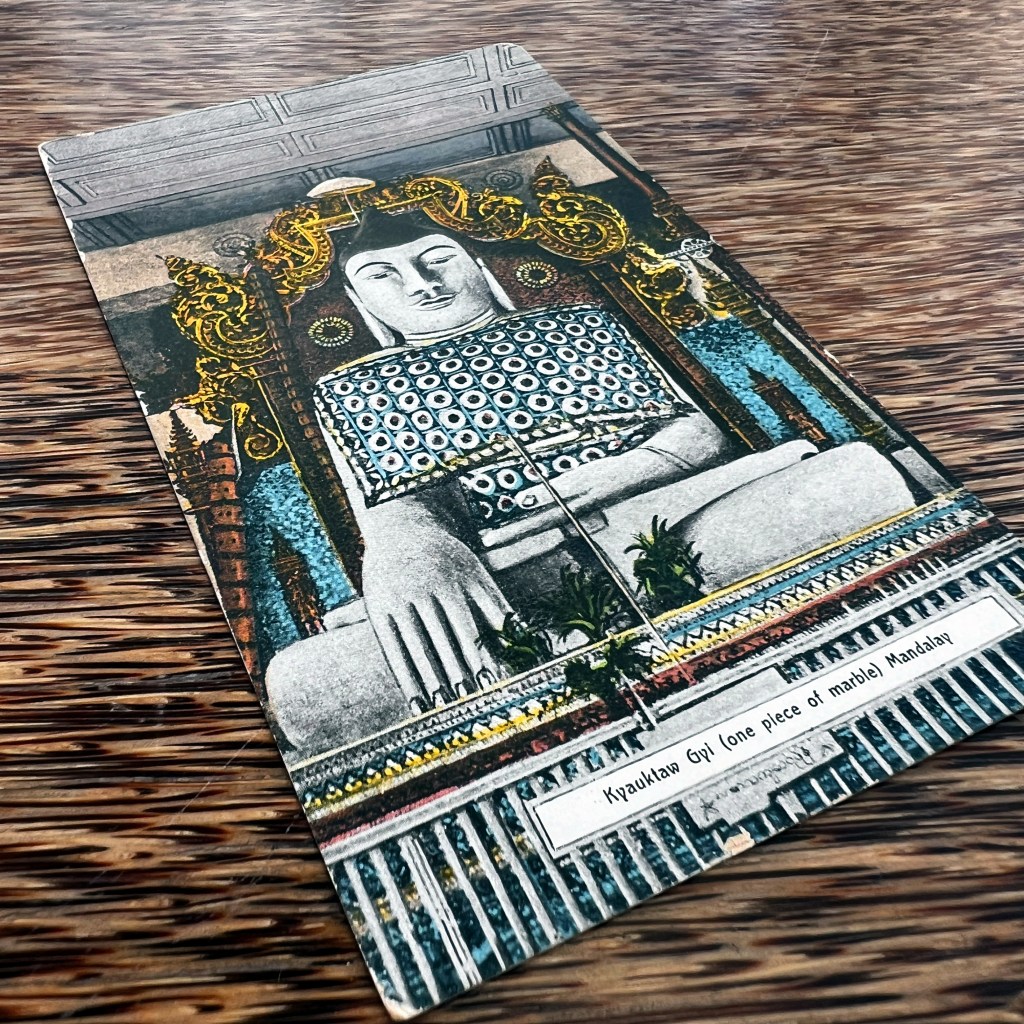
Carved from a single giant marble slab, the Burmese Kyauktawgyi icon stands at a height of 26 feet. Over the span of two weeks the slab was moved from Sagyin quarry to Mandalay Hill and after more than two years of carving the image was consecrated in 1865.

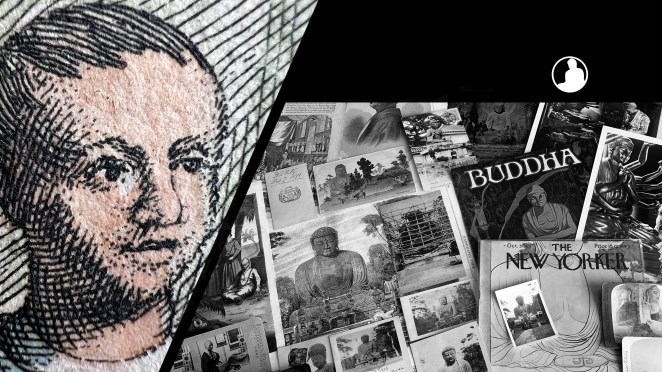
This vibrant postcard was published by Rangoon-based D. A. Ahuja (c.1865–c.1939). The print used a lithographic-halftone hybrid process, first applying color with a lithographic substrate and then applying a black halftone screen; only the final key plate carried the fine detail.

The stamp box informs us this card was printed in Germany, which by the early 20th century was the center of postcard printing worldwide. By 1910, the approximate date of this card, Ahuja was among the most commercially successful postcard publishers during the period of British colonial rule.

The icon was commissioned by King Mindon and depicts the Buddha touching the ground with his right hand, symbolizing his defeat Māra. This gives rise to the formal name of the statue, Mahāsakyamārajina, or the Great Sakya Conqueror of Māra.

The original photo of the marble statue was likely licensed by Ahuja for publication. A copy of the original photograph can found in an album held by the Rijksmuseum, viewable here: tinyurl.com/4pfrhmc6.


The Buddhas in the West Material Archive is a digital scholarship project that catalogues artifacts depicting Buddhist material culture for Western audiences. It’s comprised of prints, photos, and an assortment of ephemera and other objects. For a brief introduction to this archive, visit the main Buddhas in the West project page.


For Related Buddhas in the West Posts Featuring D.A. Ahuja Postcards:


For the Most Recent Buddhas in the West Posts:

Arnoldus Montanus’ Great Buddha of Hōkō-ji Engraving

For all the new Buddhas in the West posts
follow us on Bluesky & Instagram


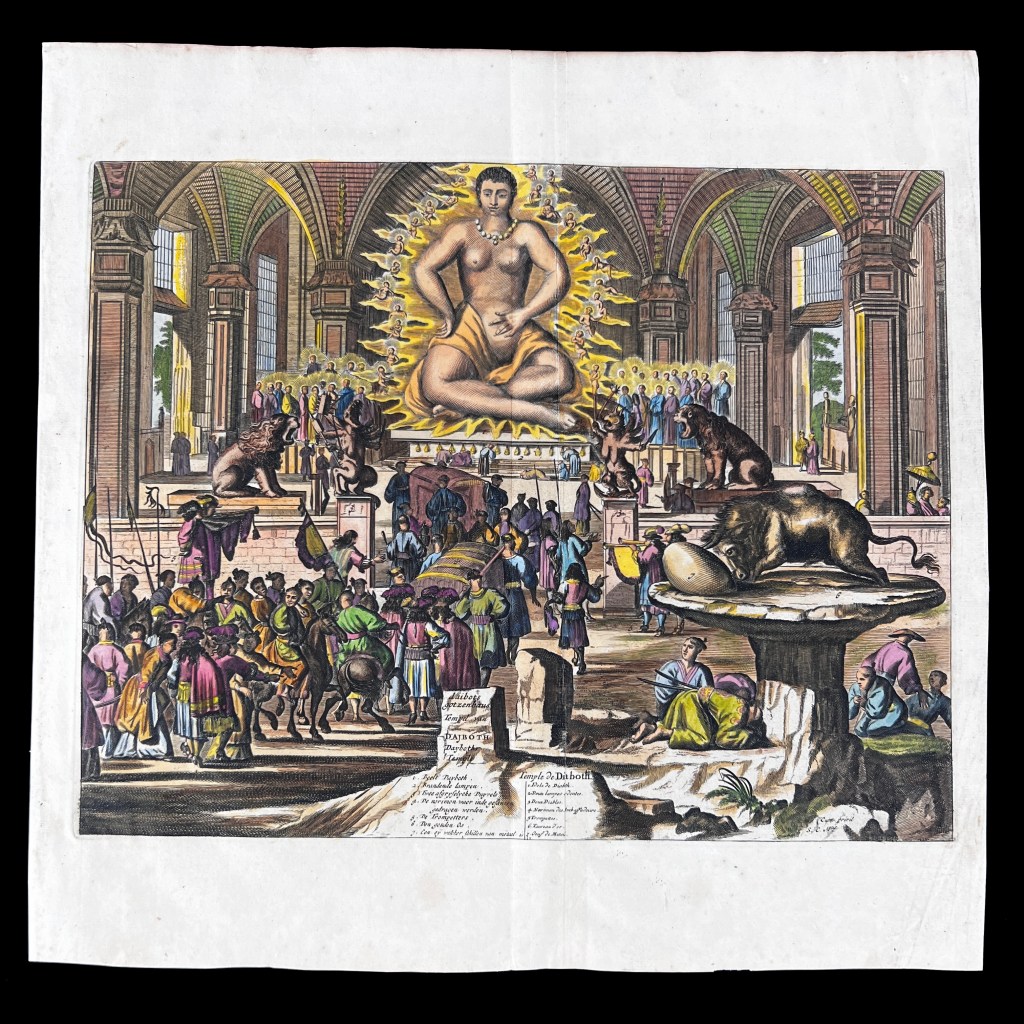
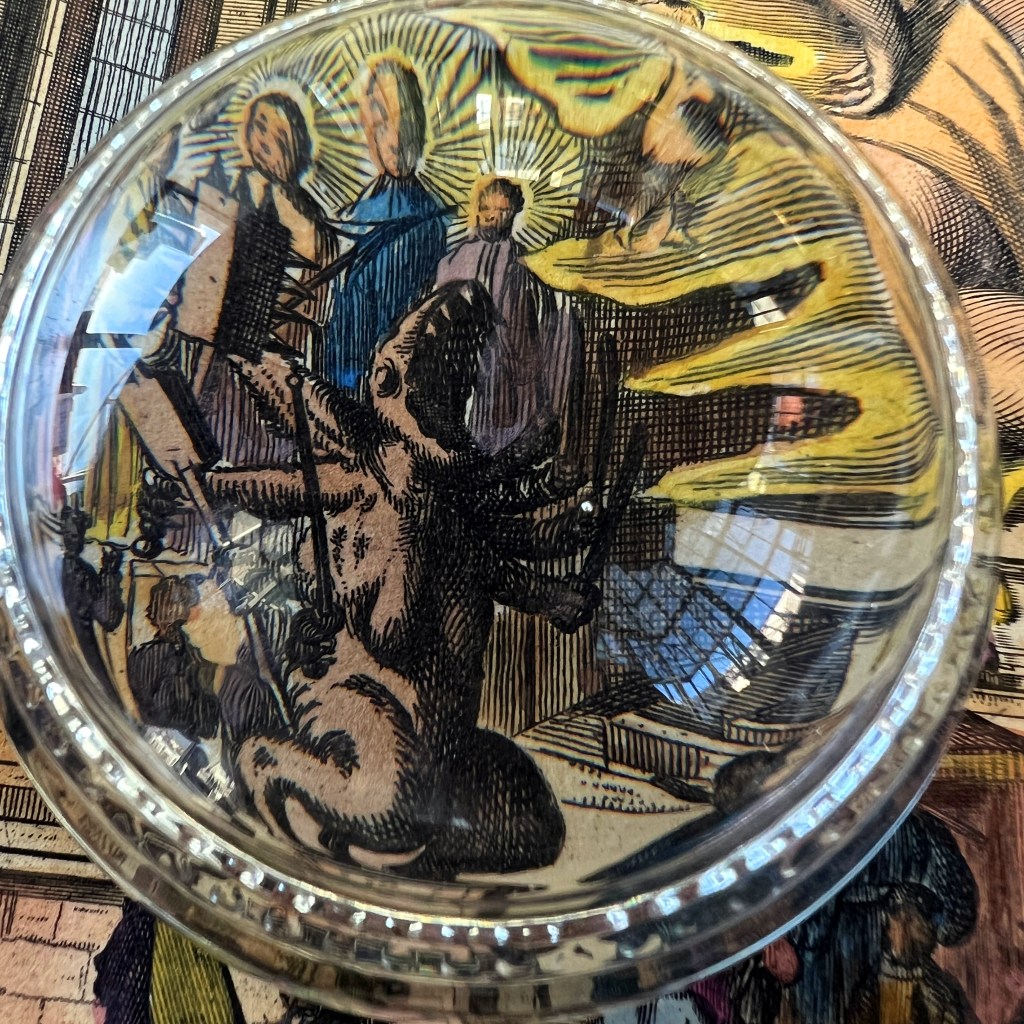
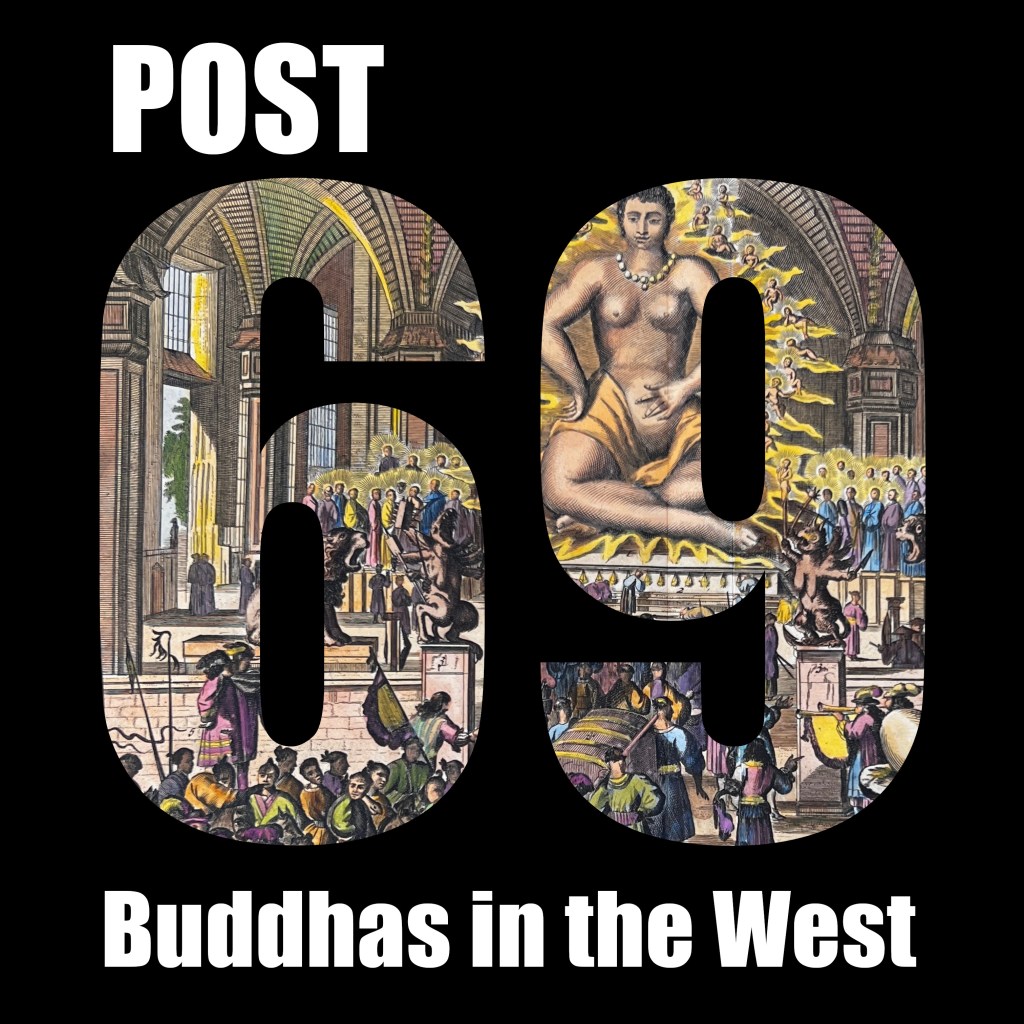
In 1649, while traveling from Nagasaki to Edo (modern Tokyo), the visiting Dutch Embassy made an obligatory stop in Kyoto where they saw the Great Buddha of Hōkō-ji. The Great Buddha stood nearly 60 feet tall and was completed in 1612, replacing an older destroyed icon.

The original Dutch report by Andries Frisius was eventually published by Arnoldus Montanus in 1669 as part of his Atlas Japannensis. Based in part on the report of Frisius, the printer, Jacob van Meurs, had a large copperplate engraving made to illustrate the embassy’s visit.

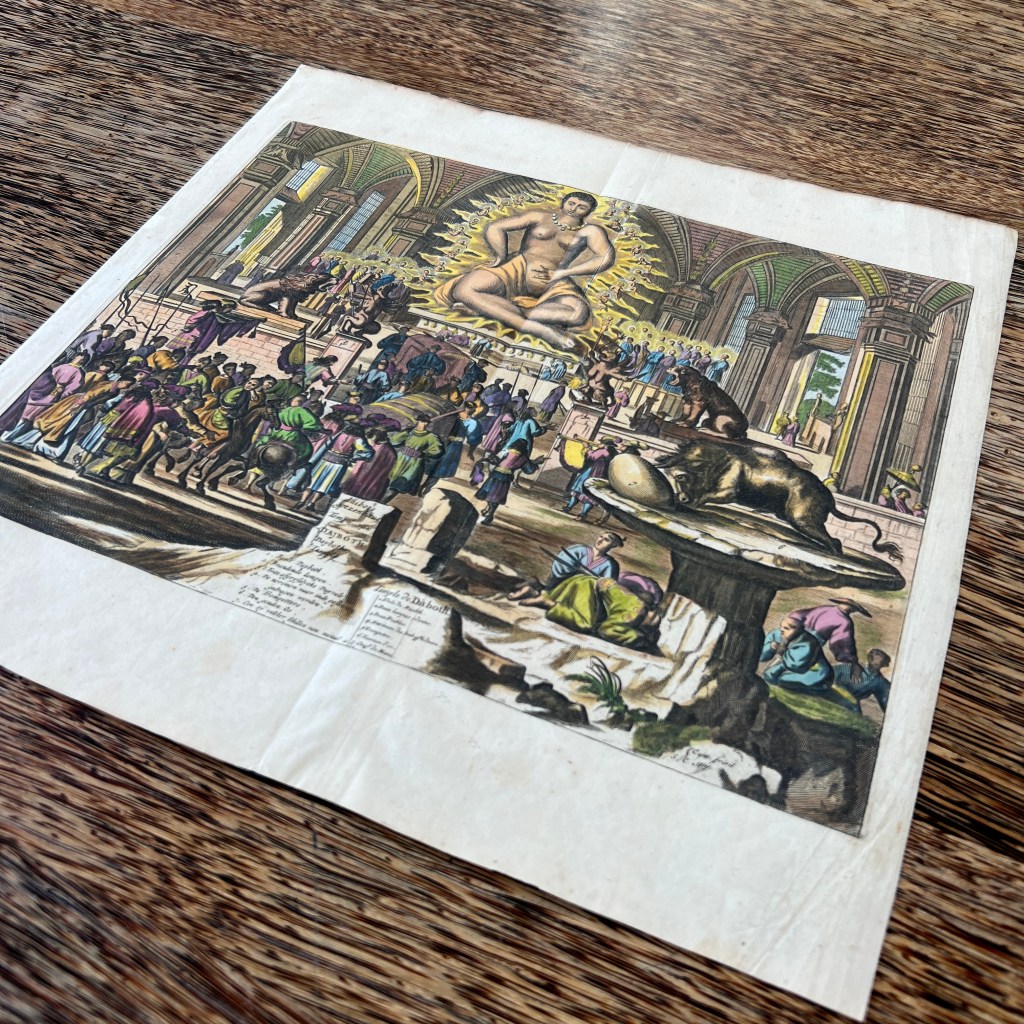
The temple icon was Vairocana Buddha which was described by Montanus as a “terrible Image… with his Legs across under him.” Furthermore, “the whole statue represents a Woman sitting in a Ring of Darting beams richly gilded.”

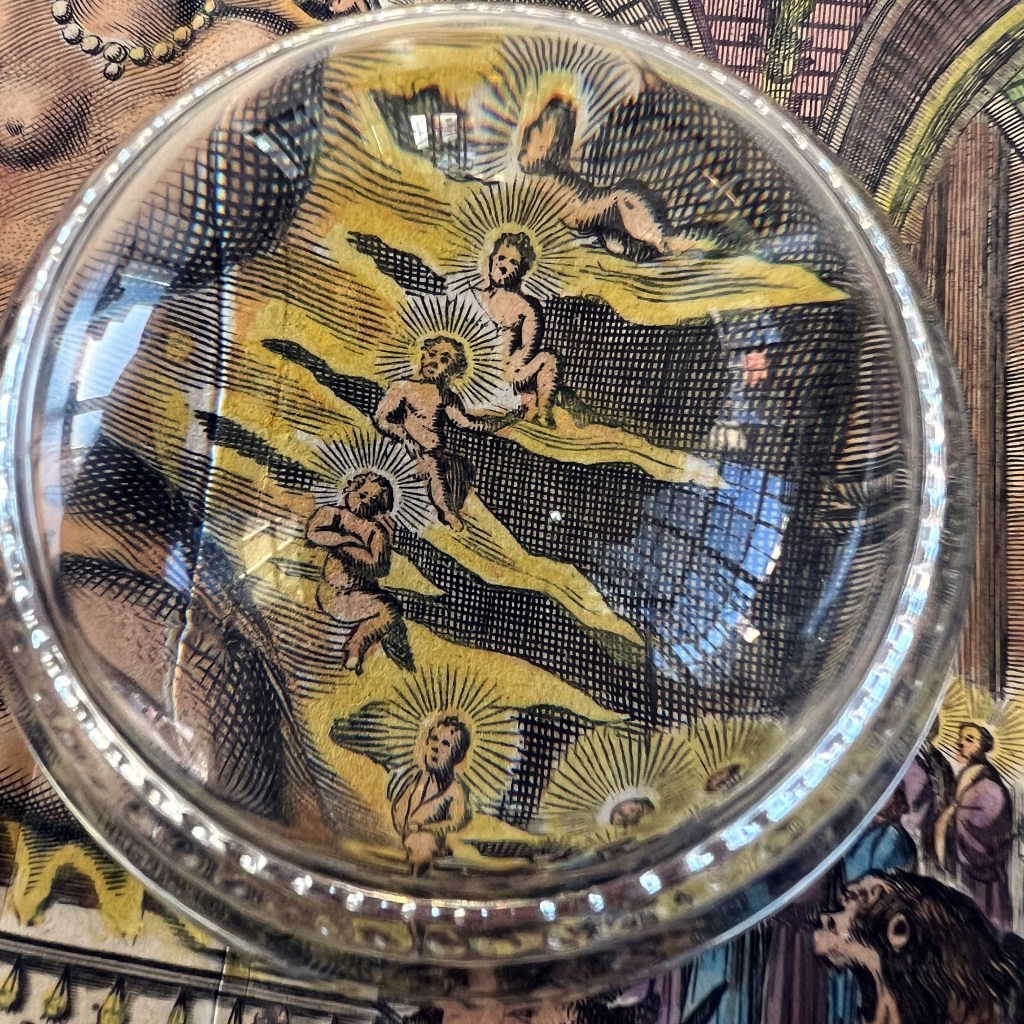
Van Meurs’ engravers seemingly took inspiration from the text, but also had to draw upon their own visual repertoire to fill in details. This includes the masonry columns in the back of the temple as well as playful cherub-like figures in the “Ring of Darting beams.”

“Two horrible Fiends, with Stiletto’s in their hands” – certainly the fearsome Niō – are described a guarding the temple entrance. The engraver places these grotesque figures inside the main temple hall.

Atlas Japannensis was first published in Dutch in 1669; an English version came the following year. The hand-colored print shown here came from the French edition of 1680. As noted by Isa van Eeghen, the English legend was burnished off of the plate and re-inscribed in French.

By the time of printing, the colossal Buddha of Hōkō-ji had been destroyed by an earthquake in 1662; a wooden image replaced it in 1667. The 1669 Dutch edition of Atlas Japannensis has been digitized by the National Library of the Netherlands, viewable here: tinyurl.com/5n6kstfy.


The Buddhas in the West Material Archive is a digital scholarship project that catalogues artifacts depicting Buddhist material culture for Western audiences. It’s comprised of prints, photos, and an assortment of ephemera and other objects. For a brief introduction to this archive, visit the main Buddhas in the West project page.


For Related Buddhas in the West Posts Featuring Historical Engravings:


For the Most Recent Buddhas in the West Posts:

World Wide Magazine 1938 Laughing Buddha Cover

For all the new Buddhas in the West posts
follow us on Bluesky & Instagram


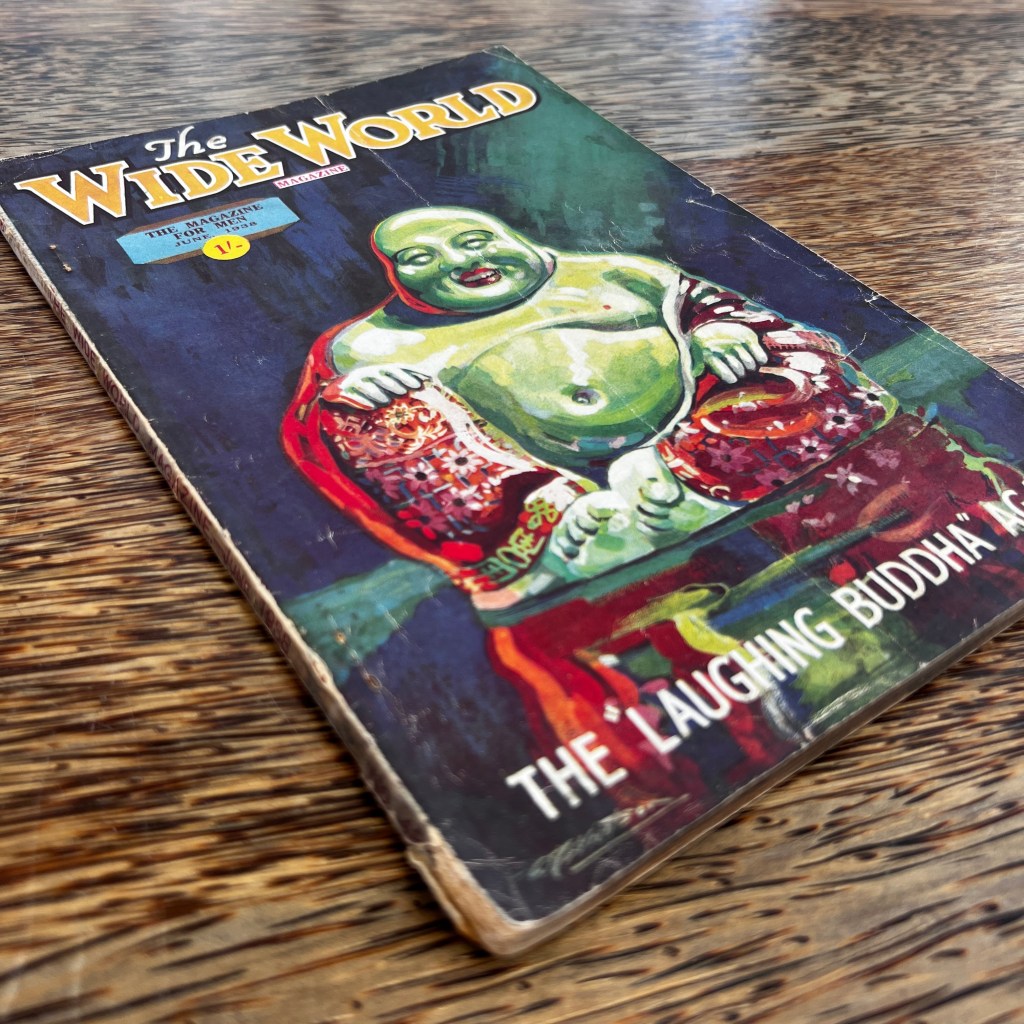
Founded in 1898, the Wide World Magazine was “devoted to romance of travel, adventure, and exploration.” Stories were promoted as “true in every detail” and submissions required a written statement by the author to this effect (they were, of course, not true).

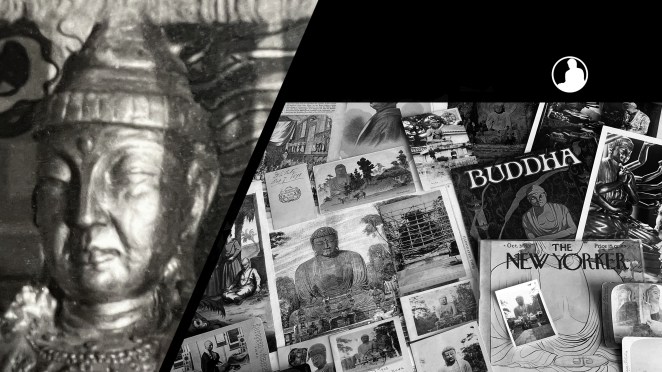
Over 150 pulp magazine titles were sold in the 1930s, thus striking cover art was critical for newsstand sales. The cover here depicts a brightly colored green-skinned Laughing Buddha statue

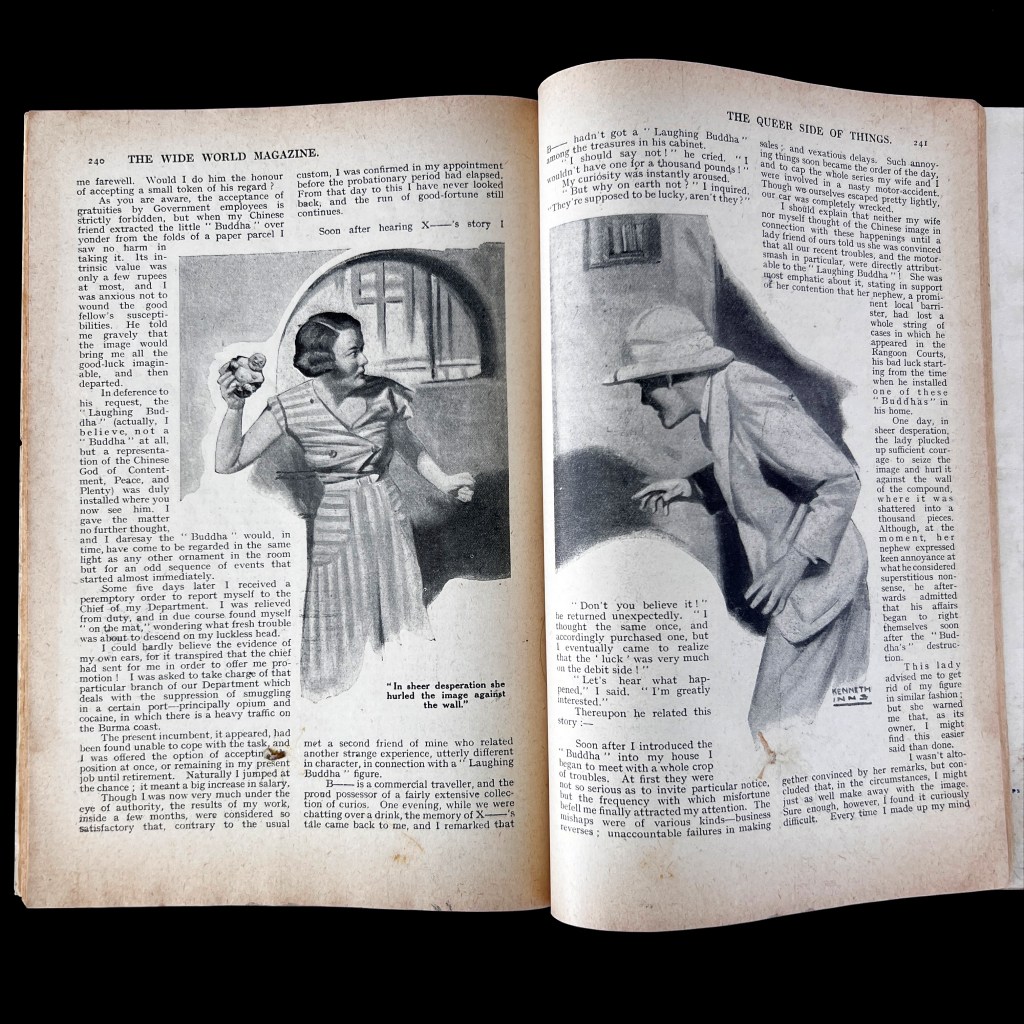
The cover story of June 1938 issue contained a report provided by one “Dennis Blake of Rangoon, Burma,” concerning the curious effects of Buddhist images.

In this report, two small Chinese Laughing Buddha statues were believed to either cause blessings or misfortune to its owners. The artwork by Kenneth Inns shows a statue about to be broken against the wall.

The stories are resolved when we are told that gifted Buddhist statues bring luck, while purchased Buddhist statues bring misfortune!


The Buddhas in the West Material Archive is a digital scholarship project that catalogues artifacts depicting Buddhist material culture for Western audiences. It’s comprised of prints, photos, and an assortment of ephemera and other objects. For a brief introduction to this archive, visit the main Buddhas in the West project page.


For Related Buddhas in the West Posts Featuring the Laughing Buddha:


For the Most Recent Buddhas in the West Posts:

Tamamura Kōzaburō’s Shinkōji Vairocana Photograph

For all the new Buddhas in the West posts
follow us on Bluesky & Instagram


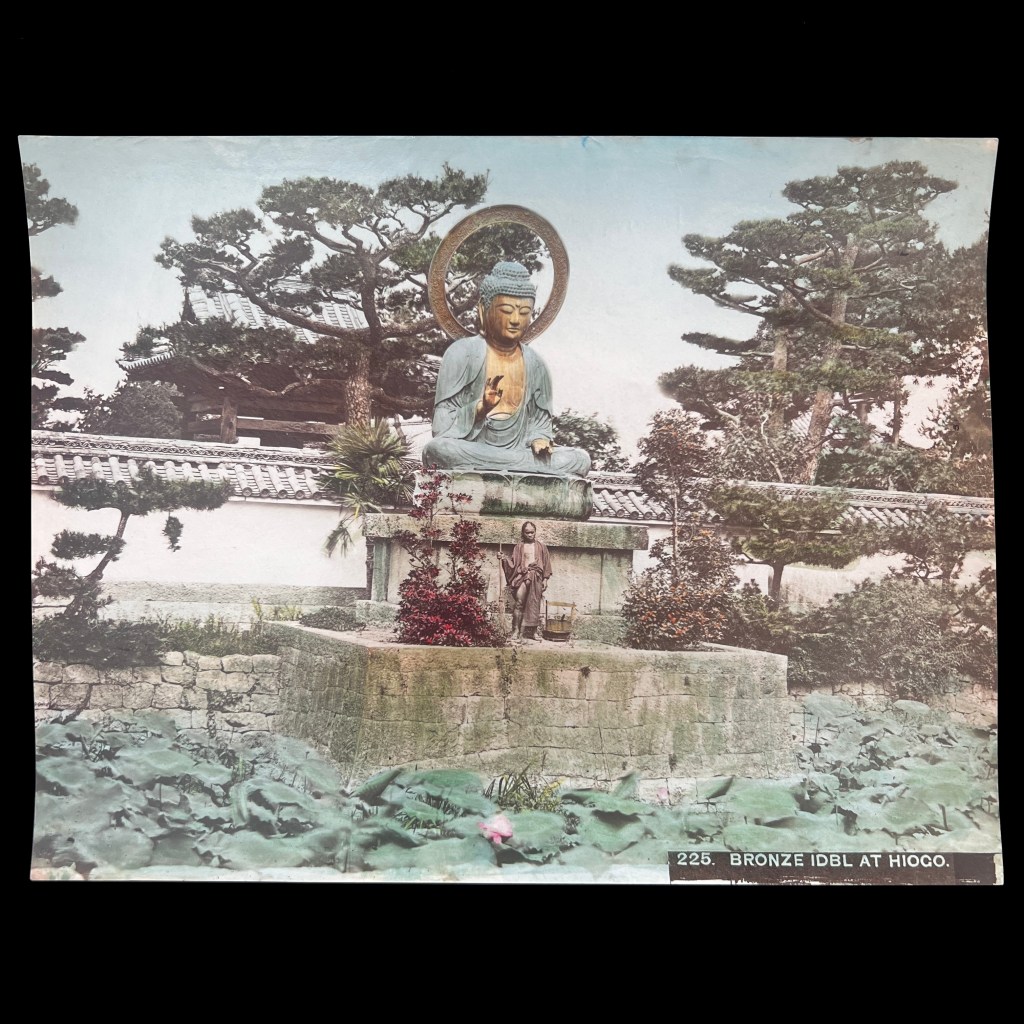
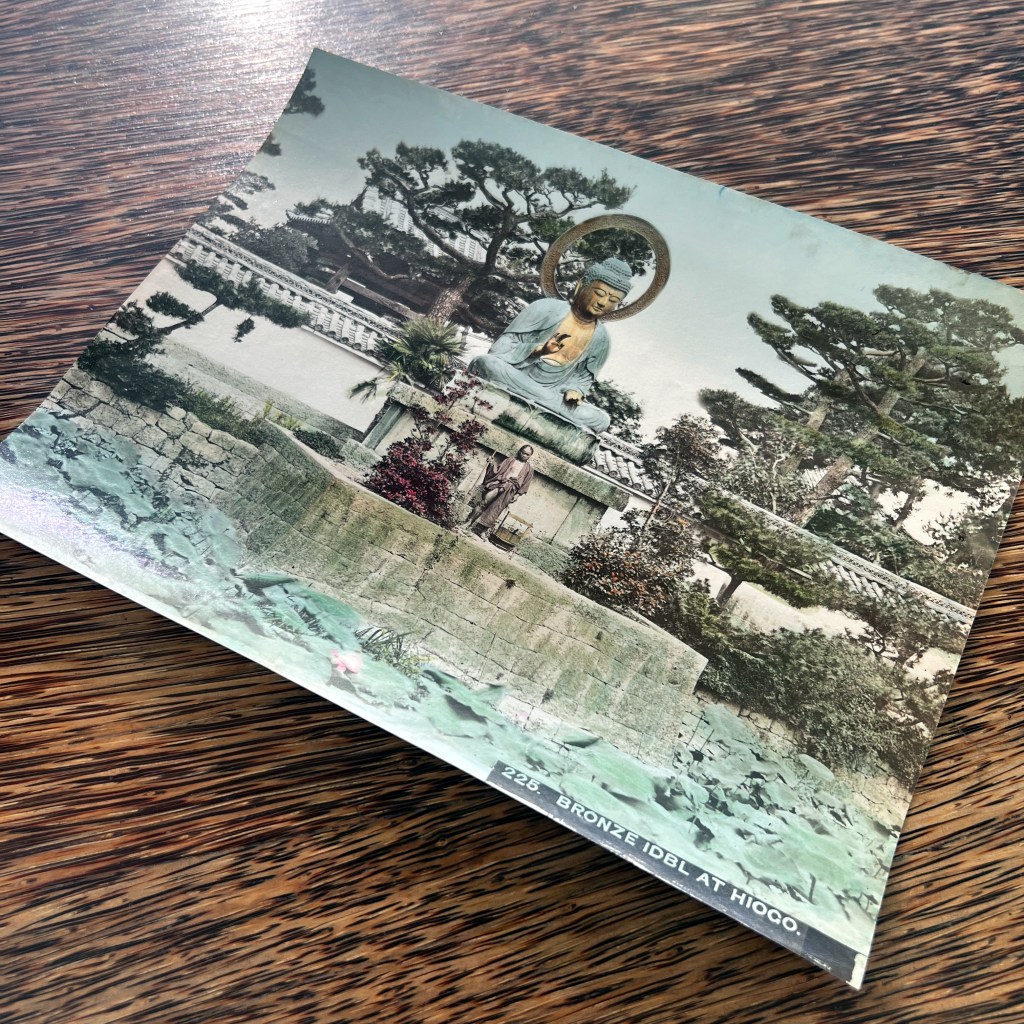
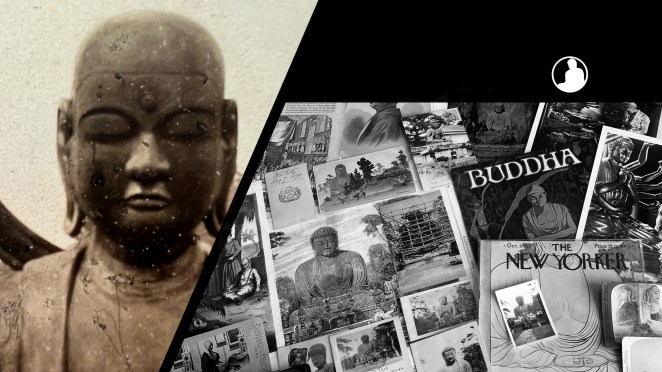
For late Victorian-era globetrotters, religious sites around Japanese port cities were often treated as picturesque tourist destinations. Such a site can be found with the Shinkō-ji lotus pond surrounding a large bronze Buddhist statue, not far from Kobe harbor.

This photograph was taken by Tamamura Kōzaburō who operated a well-known studio based in Yokohama since the early 1880s. Tamamura, like many of his peers, often sold photographic souvenirs of sites, objects, and people sought out by foreign tourists.

It was common for photographers to add people to the scene to help provide a sense of scale. The height of the Shinkō-ji statue is claimed to have been 4.8 meters tall.

While the caption on the photo identifies the statue generically as an idol, Shinkō-ji identifies it as Vairocana Buddha. According to temple records the icon was installed in 1760.

Unfortunately, to the best of my knowledge, this icon was likely destroyed by allied firebomb attacks in March 1945 during World War II. A Tamamura album with 50 photograph has been scanned by Harvard University Library, viewable here: https://tinyurl.com/3jn672n5


The Buddhas in the West Material Archive is a digital scholarship project that catalogues artifacts depicting Buddhist material culture for Western audiences. It’s comprised of prints, photos, and an assortment of ephemera and other objects. For a brief introduction to this archive, visit the main Buddhas in the West project page.


For Related Buddhas in the West Posts Featuring Kobe, Japan:


For the Most Recent Buddhas in the West Posts:

Wa Lum (Hualin) Temple 500 Arhats Hall Postcard

For all the new Buddhas in the West posts
follow us on Bluesky & Instagram


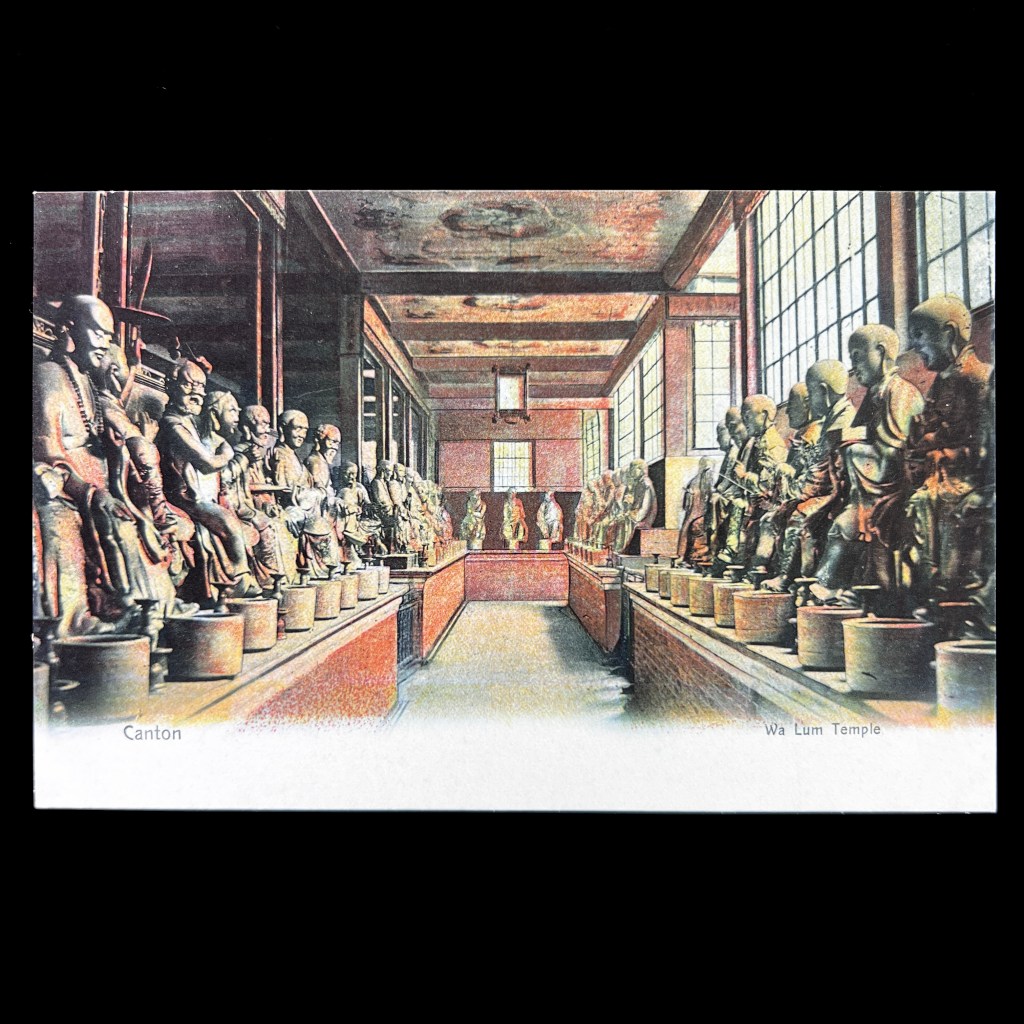
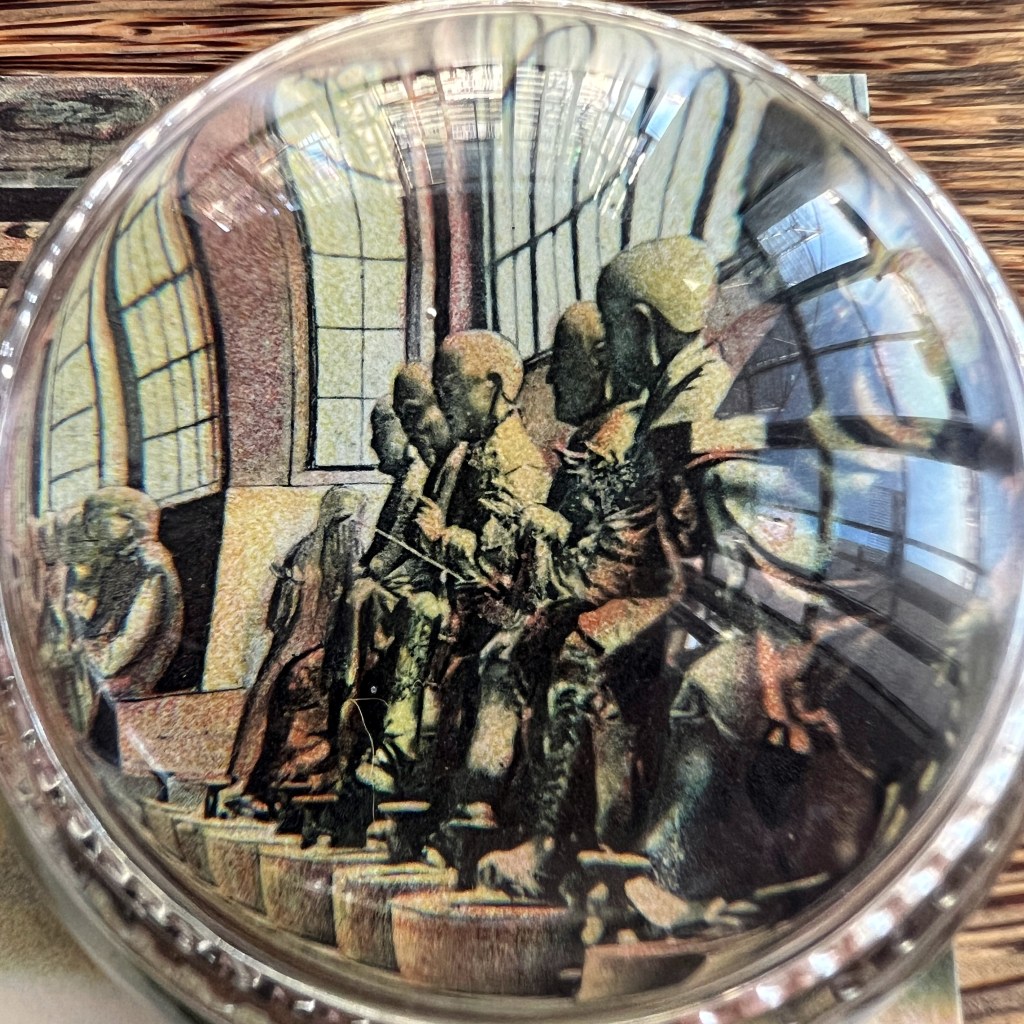
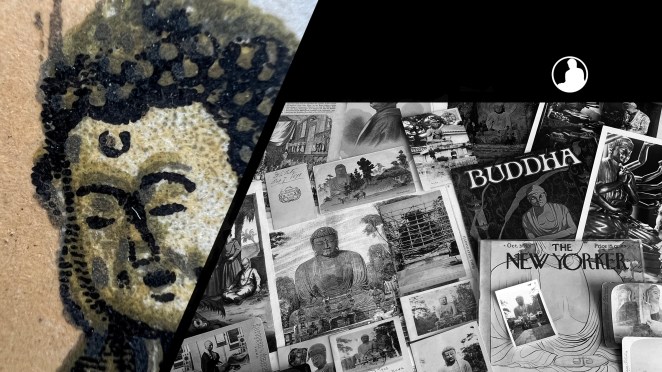
The Hualin Temple in Guangzhou, China was well known among foreign tourists at the end of the 19th century for its Hall of Five Hundred Arhats. Reportedly made of clay, the icons were installed in the early 1850 and remained until the Cultural Revolution a century later.

This postcard dates to c. 1910 and was published by the postcard dealer Moritz Sternberg who operated from Queen’s Road in Hong Kong. The original photo, however, is much older and is often attributed to Lai Afong, the most influential Chinese photographer of the late Qing.

While the temple has a history dating to the 6th century, the Arhat Hall was built in the late 1840s. It was one of the sites visited by the pioneering Scottish photographer John Thompson when he sojourned in China from 1868 to 1872.

By Thompson’s visit, rumor had spread that one of the arhat statues was actually an image of Marco Polo (not shown). Thompson notes “careful inquiry proves this statement incorrect,” nevertheless, the belief still persists to the present.

While the icons were replaced in the 1990s, several photographs exist of the originals that were destroyed. A copy of the original photo for this postcard is found in the Hotz Collection of Leiden University Library, viewable here: https://tinyurl.com/2syahybe


The Buddhas in the West Material Archive is a digital scholarship project that catalogues artifacts depicting Buddhist material culture for Western audiences. It’s comprised of prints, photos, and an assortment of ephemera and other objects. For a brief introduction to this archive, visit the main Buddhas in the West project page.


For Related Buddhas in the West Posts Featuring China:


For the Most Recent Buddhas in the West Posts:


Hakone Pass Jizō Magic Lantern Slide

For all the new Buddhas in the West posts
follow us on Bluesky & Instagram


At the end of the 19th century, glass “magic lantern” slides were part of popular American entertainment. After returning home, world travelers sometimes gave informal lectures in church halls or town theaters about their experiences, often using these slides.

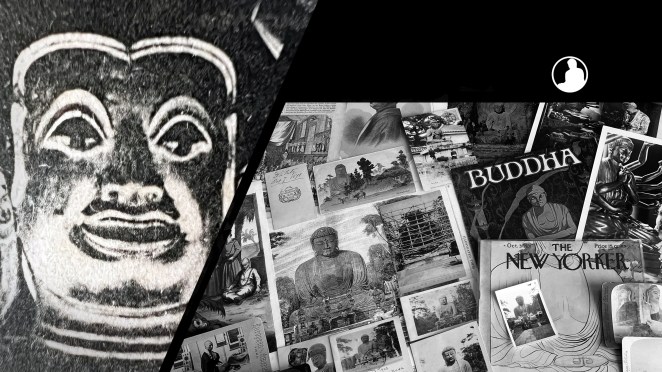
This monumental Jizō was created c. 1300 and sits by a mountain pass where travelers on the famed Tōkaidō made their journey. We can see the rocky outlines of an old wooden roof; the small shrine hall was destroyed during an eruption of Mt. Fuji in 1707.

The slide was produced by a New York studio and featured an unknown Euro-American tourist center frame.

Japanese porters can be seen among the entourage.

The photosensitive emulsion is sandwiched between two panels of glass for protection. The tape around the edges holds the glass panels together.

The Hakone Pass Jizō was a popular tourist destination at the turn of the 20th century; it is still viewable today. For more on Jizō and this particular icon, see Hank Glassman, The Face of Jizo: Image and Cult in Medieval Japanese Buddhism, 2012.


The Buddhas in the West Material Archive is a digital scholarship project that catalogues artifacts depicting Buddhist material culture for Western audiences. It’s comprised of prints, photos, and an assortment of ephemera and other objects. For a brief introduction to this archive, visit the main Buddhas in the West project page.


For Related Buddhas in the West Posts Featuring Lantern Slides:


For the Most Recent Buddhas in the West Posts:


Alain Mallet’s Dalai Lama Engraving

For all the new Buddhas in the West posts
follow us on Bluesky & Instagram


Earliest European depiction of the Dalai Lama? In 1683 Alain Mallet published his illustrated five-volume set entitled Description de l’univers. The second volume, devoted to Asia, contained an illustration of the Grand Lama, a “living and true God.”

Mallet copied an earlier illustration of Althanius Kircher from 1667 with minimal changes. The engraving shown here was hand colored (possibly after publication), giving the Dalai Lama a dark red robe.

While not named in the text, the original illustration was published during the lifetime of the famed Fifth Dalai Lama, Ngawang Lobsang Gyatso. Information about the Dalai Lama was gleaned from the reports of Jesuit missionary Johann Grueber who visited Lhasa in 1661.

The Fifth Dalai Lama died in 1682, a year before Mallet’s publication, but his passing was concealed for more than a decade. Mallet reports on the process of reincarnation, describing it as a “deception.”

To read Mallet’s text associated with this image, see the digitized scan provided by the University of Ottawa here: https://tinyurl.com/37895xc9


The Buddhas in the West Material Archive is a digital scholarship project that catalogues artifacts depicting Buddhist material culture for Western audiences. It’s comprised of prints, photos, and an assortment of ephemera and other objects. For a brief introduction to this archive, visit the main Buddhas in the West project page.


For Related Buddhas in the West Posts Featuring Engravings:


For the Most Recent Buddhas in the West Posts:


George Planté’s Ruins of Ankgor Postcard

For all the new Buddhas in the West posts
follow us on Bluesky & Instagram


The Golden Age of postcards began with early postcard illustrations of the Eiffel Tower in 1889. Thus, when French military arrived in French colonial Vietnam, then known as Indochina, a market emerged for pictorial imagery of the region – including Buddhist temples.

The caption here give the description: “Souvenir of the Ruins of ANGKOR.” The publisher, George Planté, had operated a photography studio in Saigon and started selling postcards by 1905.

In addition to the large central Buddha statue, several other Buddhist icons are placed on the altar. I have been unable to identify which area of Angkor this photograph depicts.

The design on the back suggests this card was published in 1905 (the date 1906 is inscribed on the front). The front also bears the affixed stamp – this was typically done so the card could be placed in an album and still display the cancelled stamp.

It was likely postcards such as this were printed in Europe using the most up-to-date photo-mechanical printing techniques and then sent back to the colonial publishers for resale.


The Buddhas in the West Material Archive is a digital scholarship project that catalogues artifacts depicting Buddhist material culture for Western audiences. It’s comprised of prints, photos, and an assortment of ephemera and other objects. For a brief introduction to this archive, visit the main Buddhas in the West project page.


For Related Buddhas in the West Posts Featuring Gautama, the historical Buddha:

For the Most Recent Buddhas in the West Posts: