
For all the new Buddhas in the West posts
follow us on Bluesky & Instagram
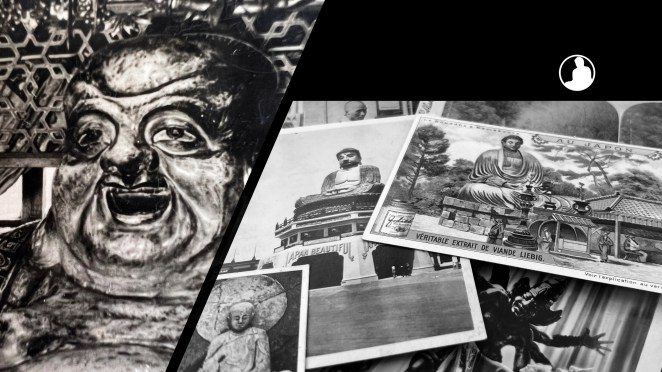
A Buddhist Object Lesson: Buddhist material culture was critical to the first US missionary exposition in 1911. Called The World In Boston, religious artifacts were employed to help give visitors a realistic glimpse into international missionary life.

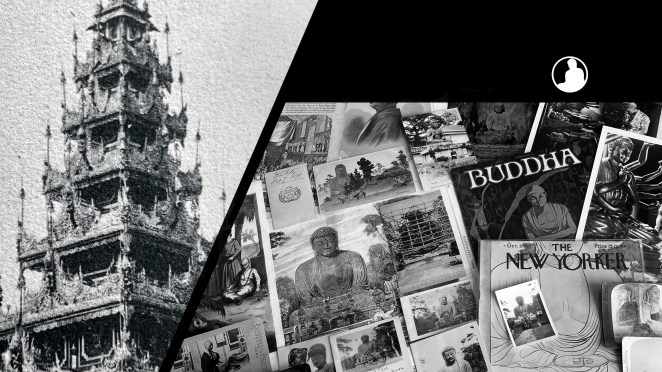
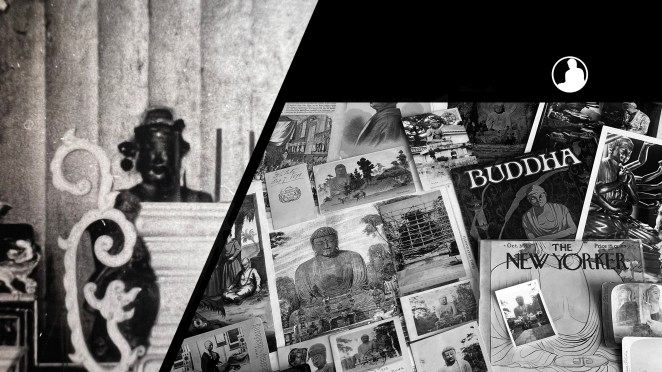
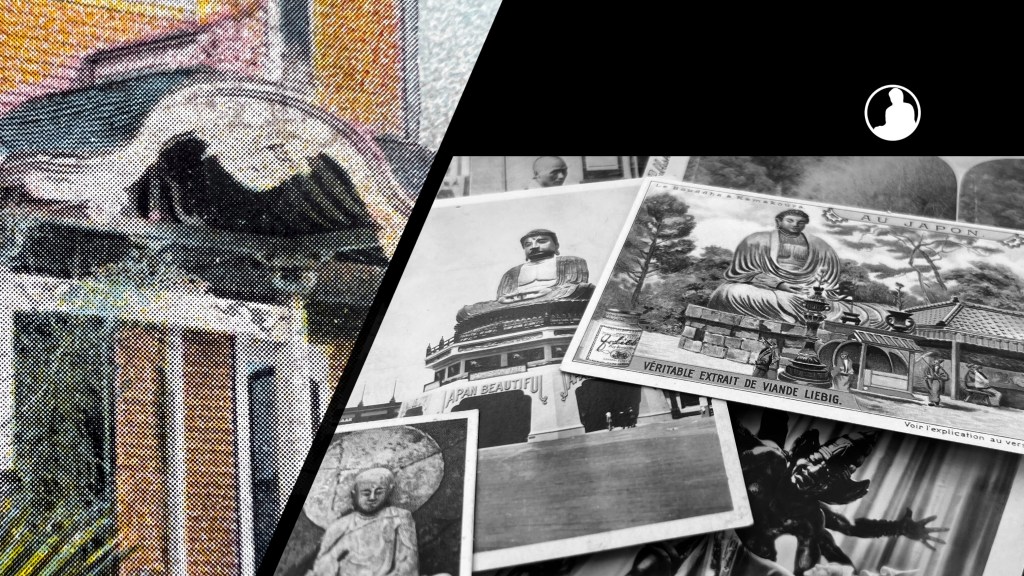
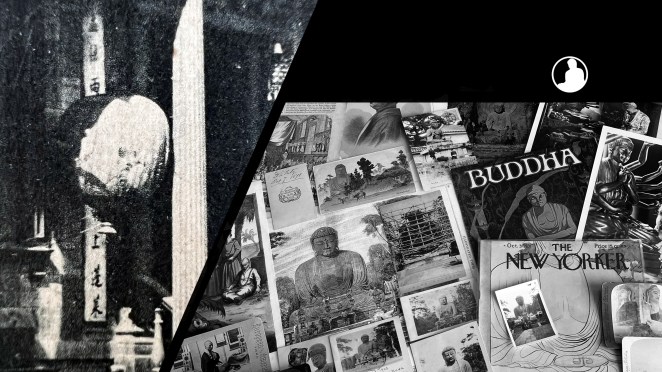
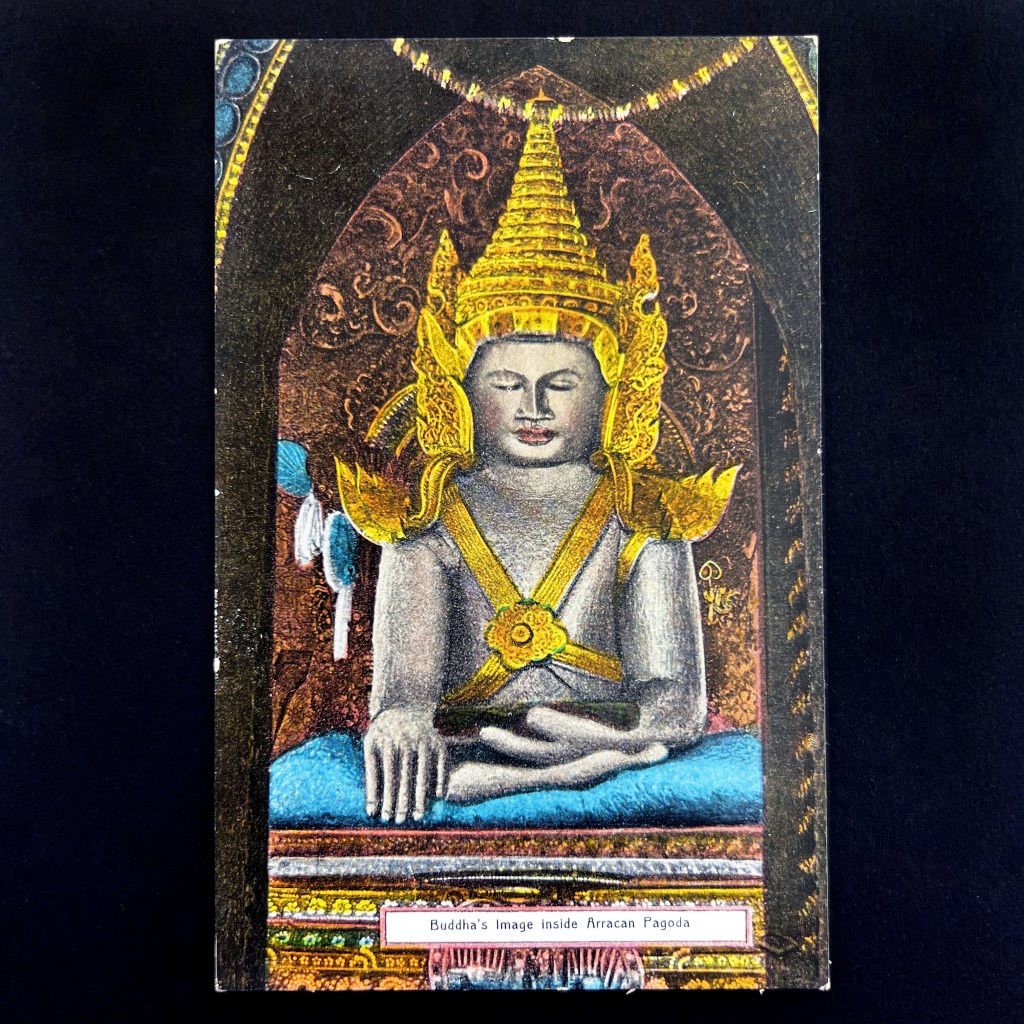
An estimated 400,000 people visited the exposition where “Buddhism” comprised a modest court in the Hall of Religions. In contrast to conventional museum exhibits, a single Burmese Buddhist statue was housed in a small building resembling a typical Southeast Asian temple.
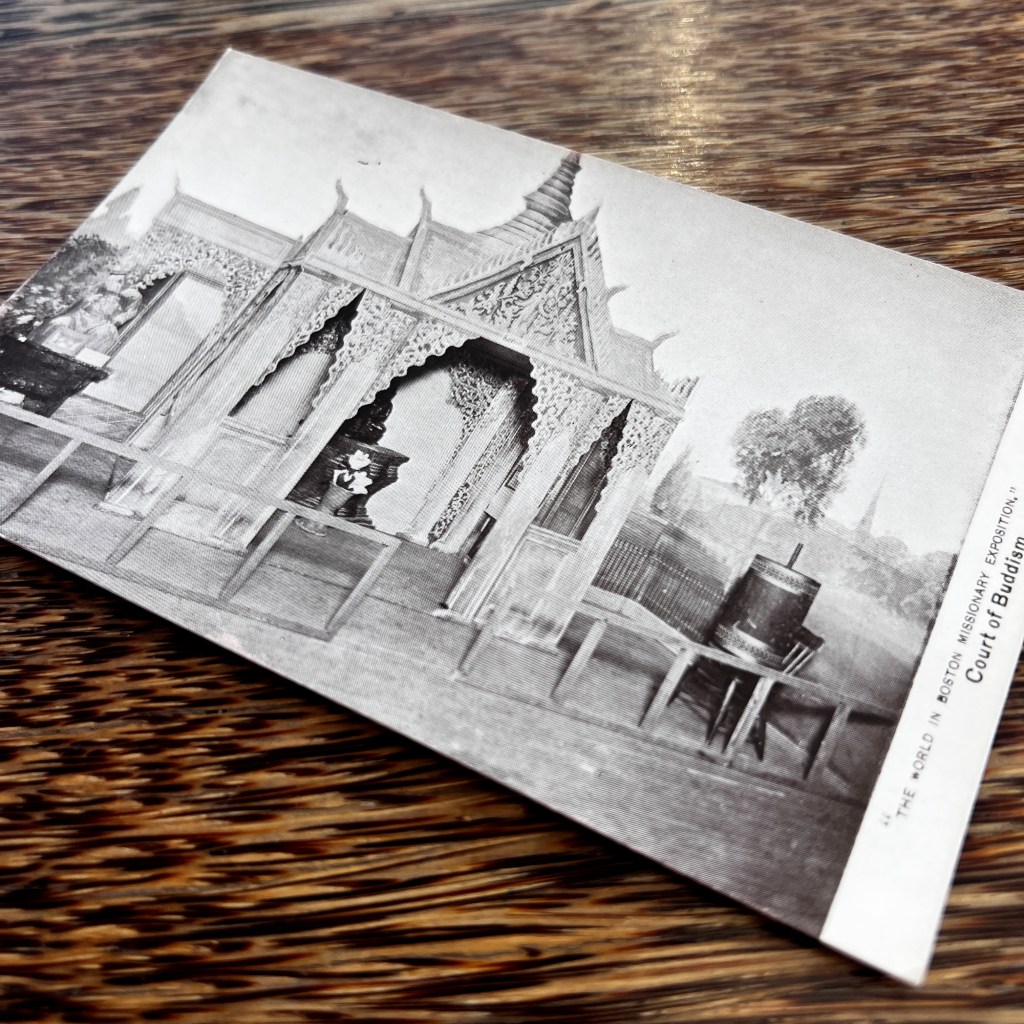
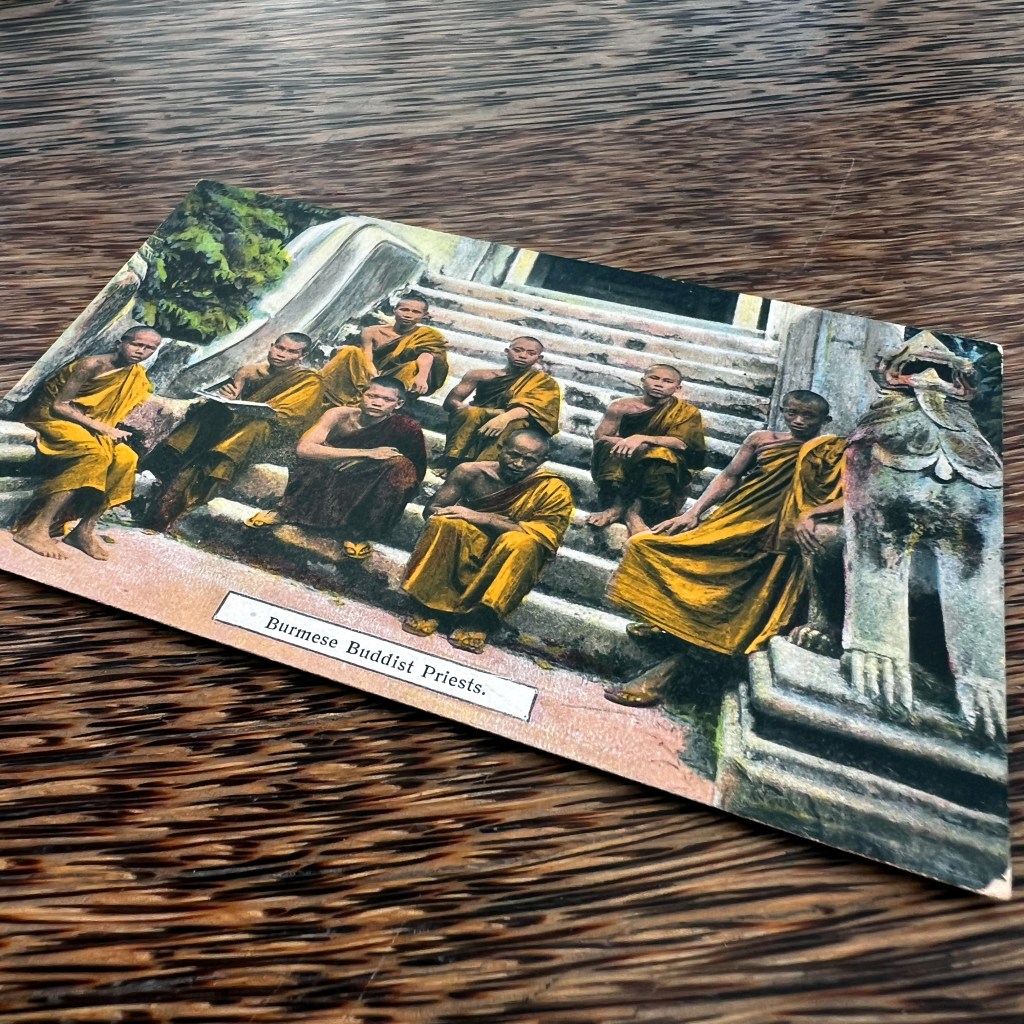
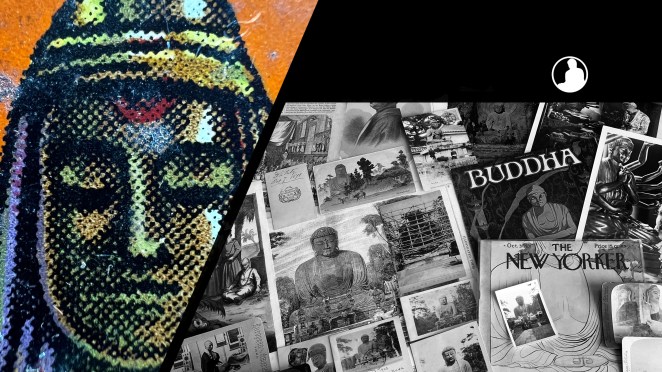
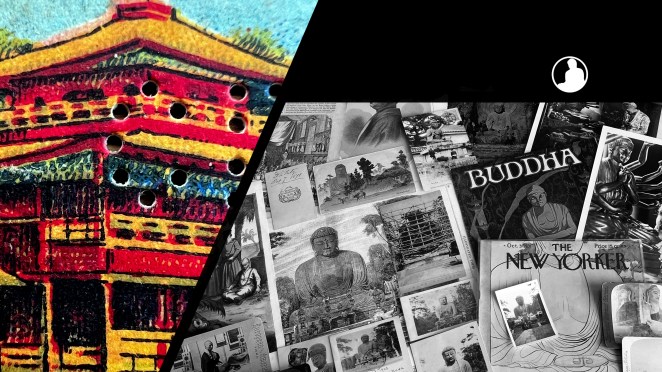
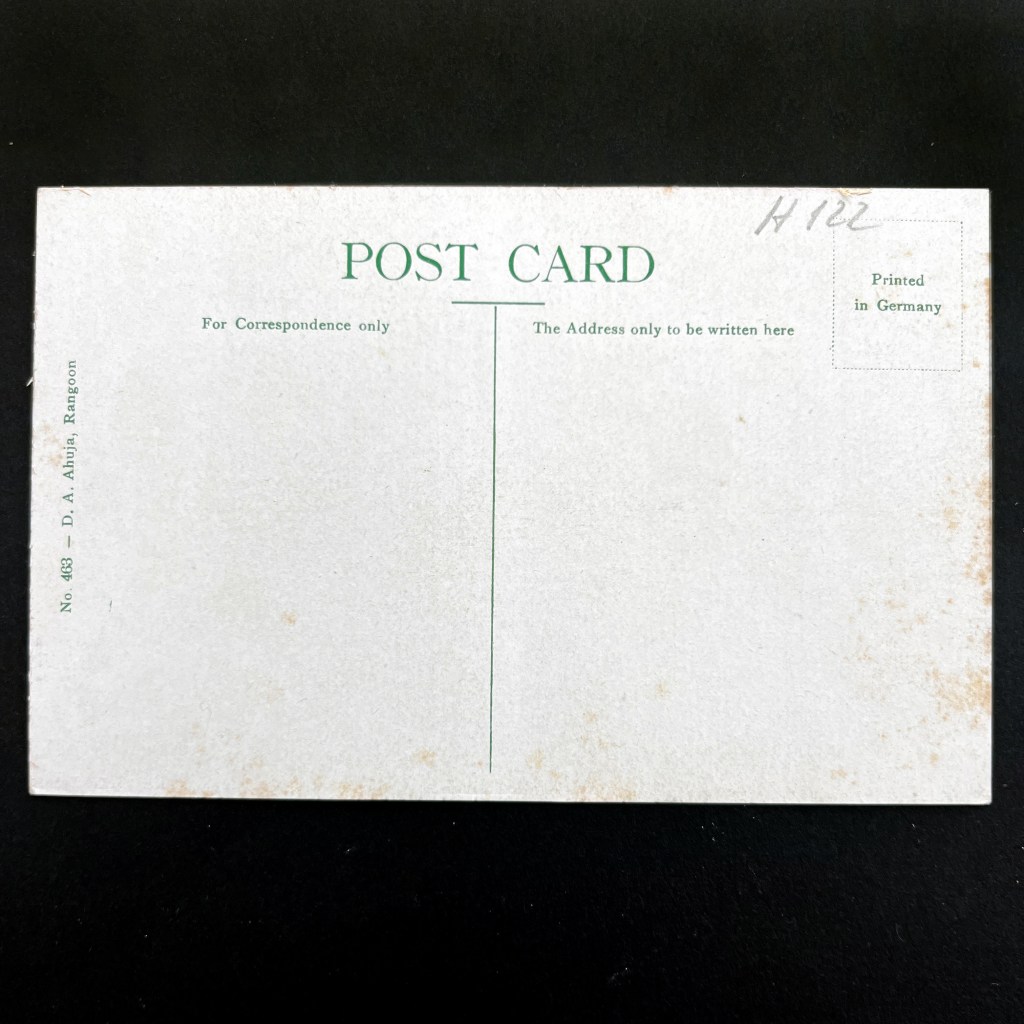
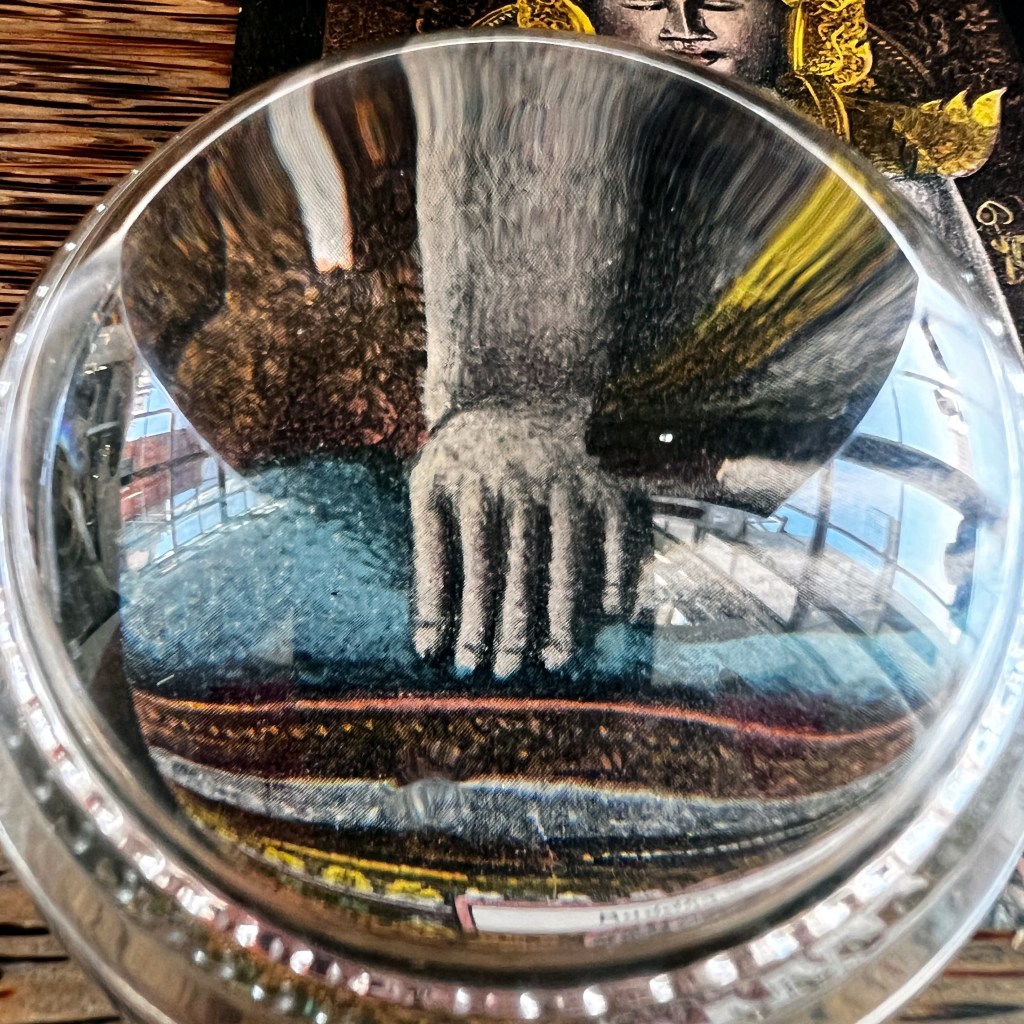
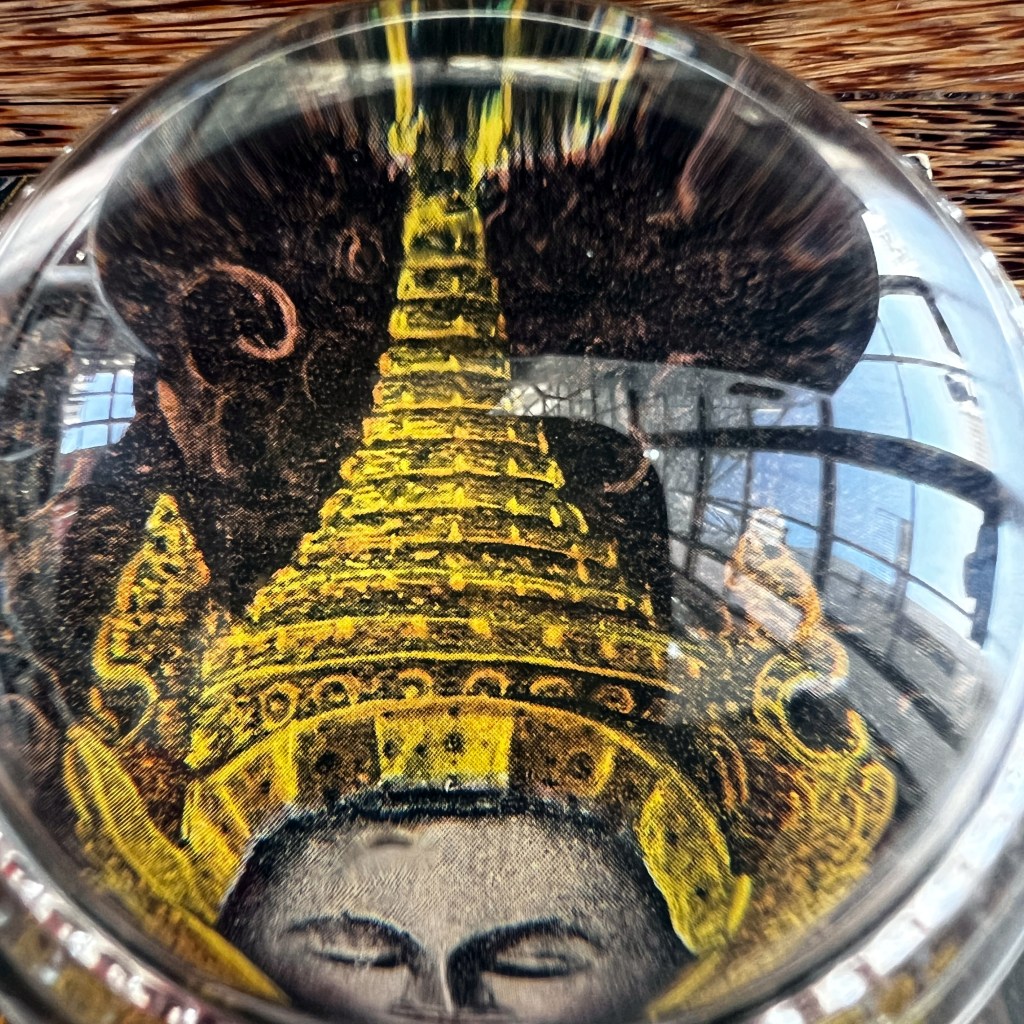
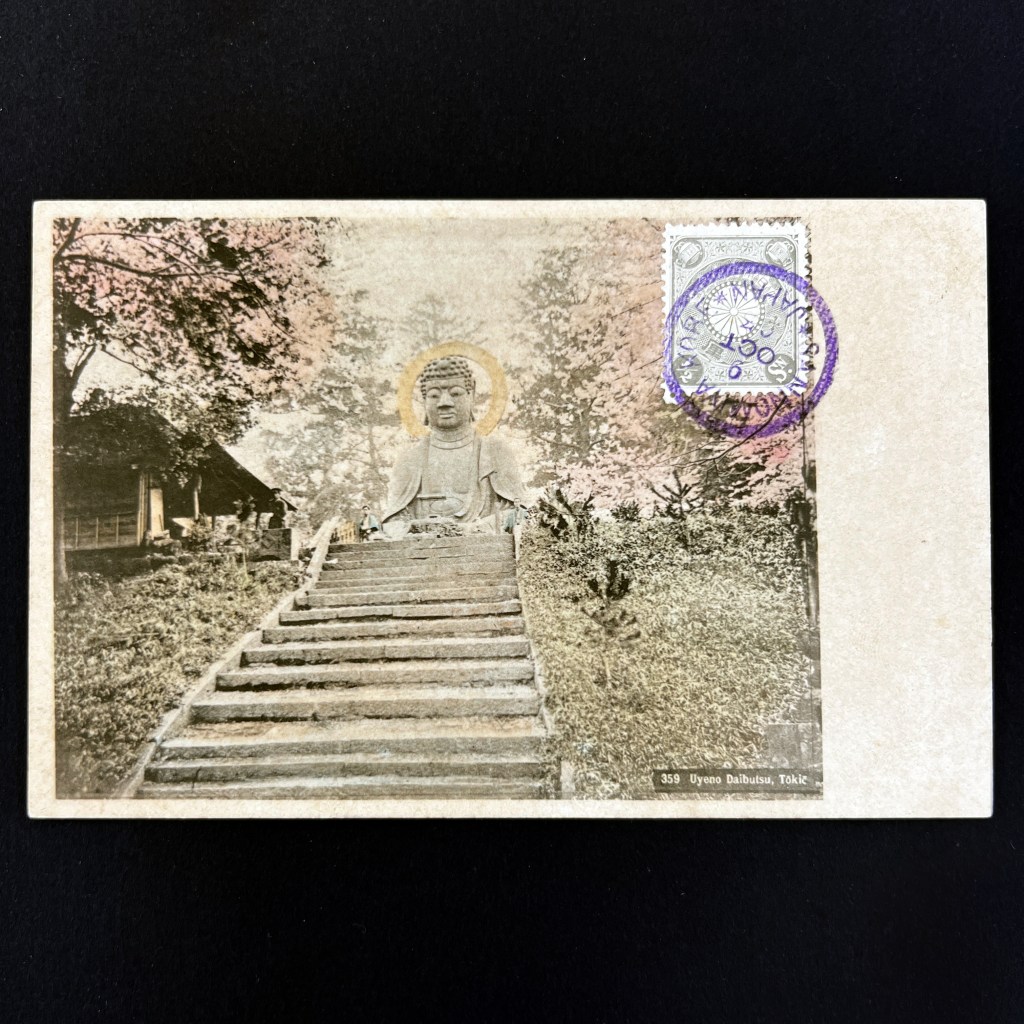
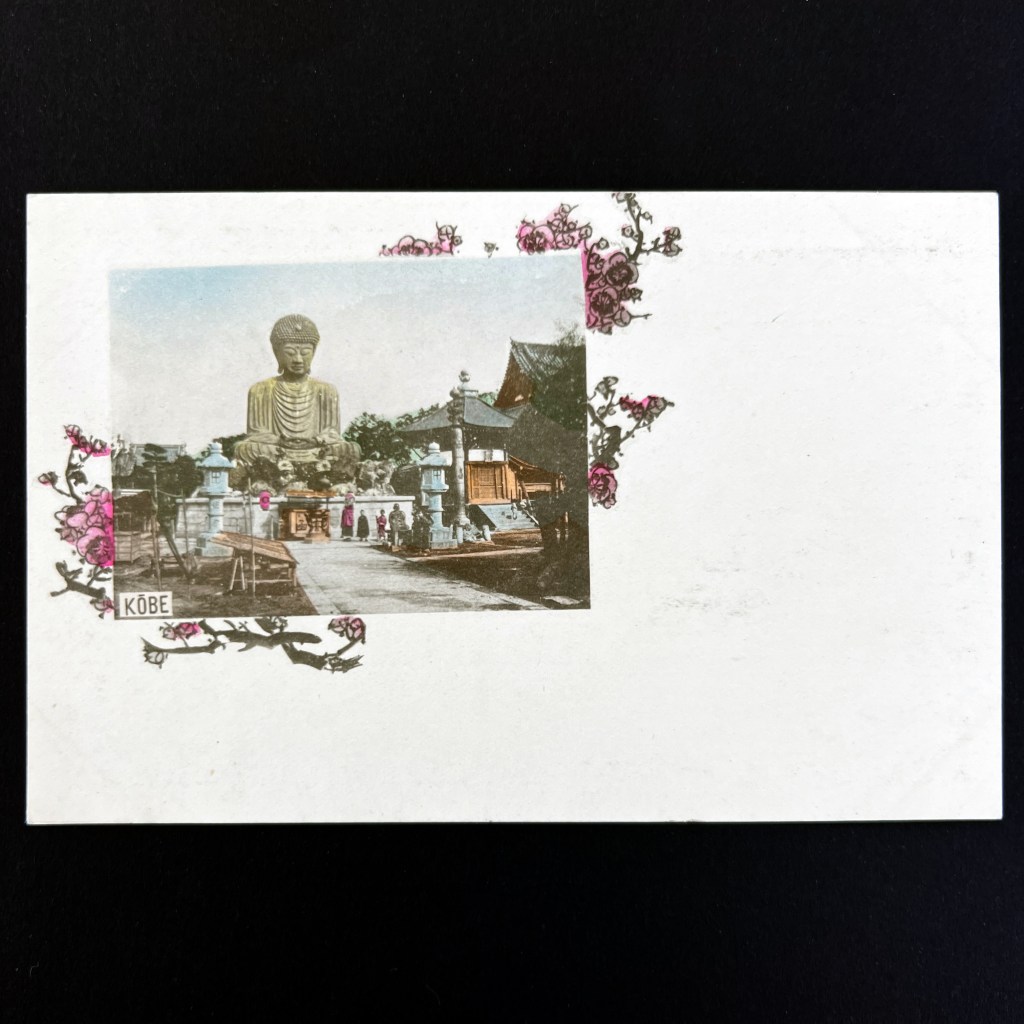
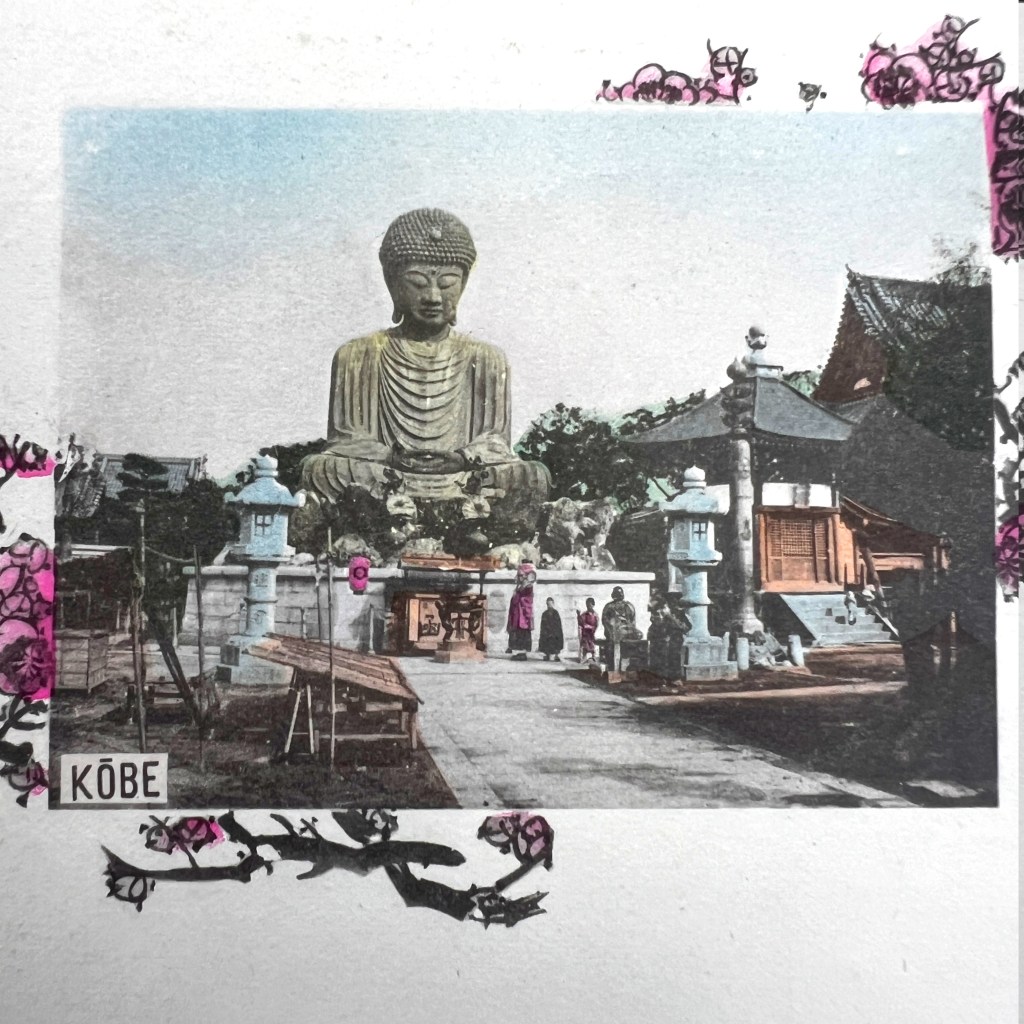
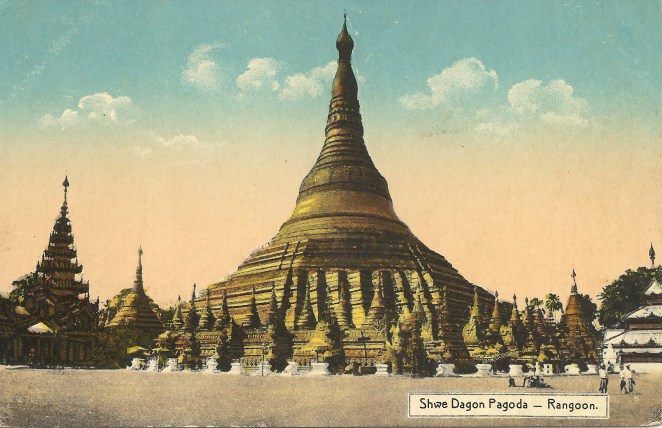
Inexpensive halftone printing allowed photographs to be reprinted as picture postcards, a very popular medium of the era. The image on the front bears only a loose resemblance to real Burmese temples found on postcards published by Philipp Klier and D.A. Ahuja.
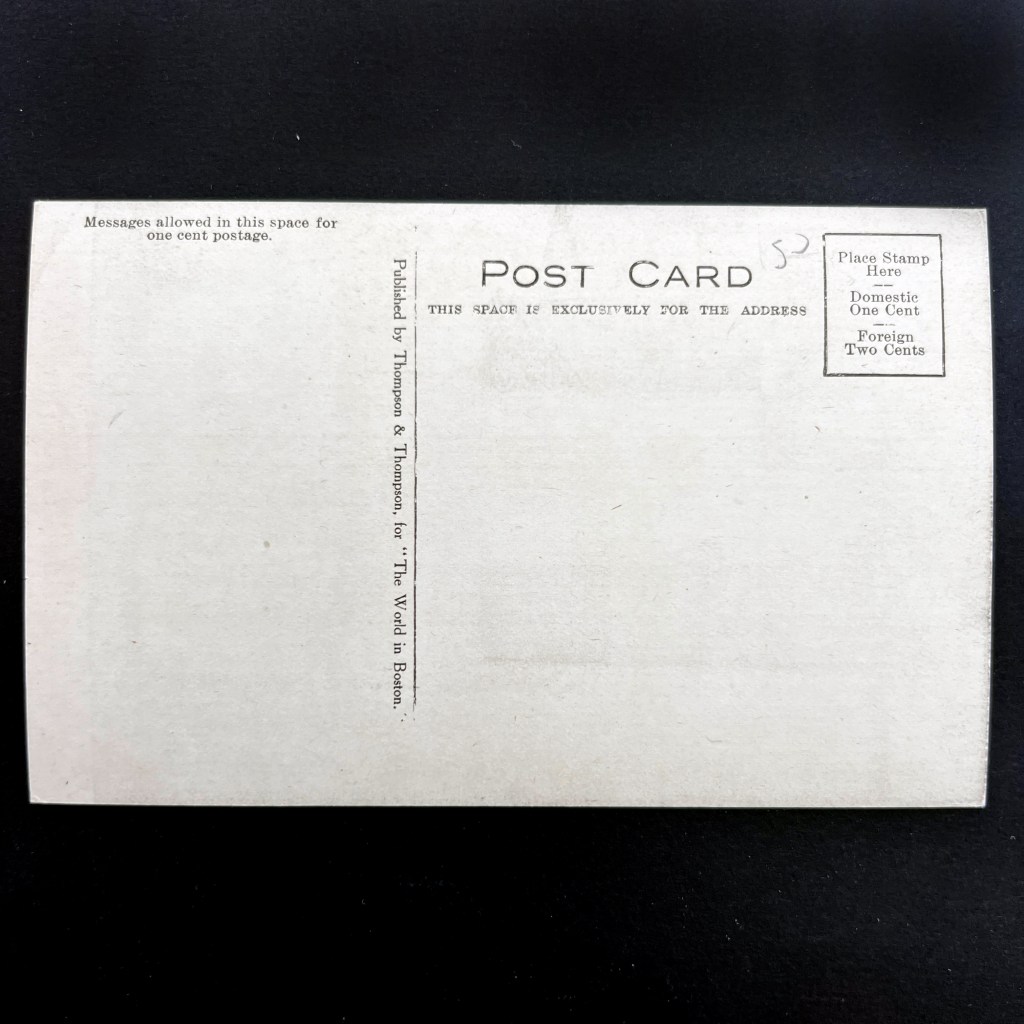
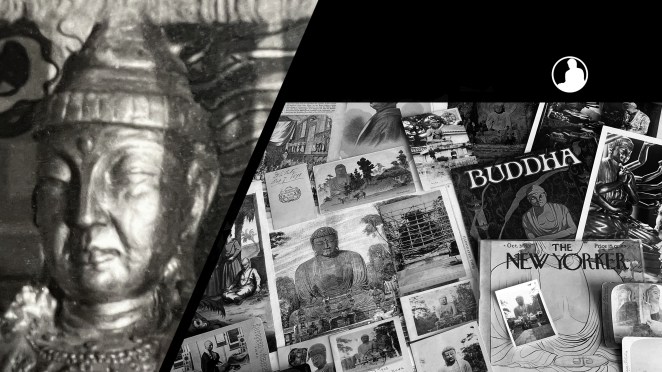
On-site docents ensured religious icons were understood as props within a missionary narrative of attempting to save debased heathens. The American Baptist Mission in Burma provided some of the objects on display at The World in Boston, possibly even this enshrined Buddha.

For further exploration of the artifacts on display at the 1911 missionary exhibition, see Hasinoff, Erin L. Faith in Objects American Missionary Expositions in the Early Twentieth Century. New York: Palgrave Macmillan, 2011.

The Buddhas in the West Material Archive is a digital scholarship project that catalogues artifacts depicting Buddhist material culture for Western audiences. It’s comprised of prints, photos, and an assortment of ephemera and other objects. For a brief introduction to this archive, visit the main Buddhas in the West project page.
For Related Buddhas in the West Posts Featuring Expositions:



For the Most Recent Buddhas in the West Posts:







































































 Personal Site of Peter Romaskiewicz